


The Best Exercises for Increasing HRV According to Smart Ring Research
The best exercises for increasing HRV, according to smart ring data.
The best exercises for increasing HRV, according to smart ring data.
%402x.svg)
For decades, athletes and biohackers chased a single, elusive metric: faster, stronger, fitter. But beneath the sweat and strain, a quieter, more profound indicator of health was whispering secrets that few could hear. Heart Rate Variability (HRV)—the subtle, millisecond variations between each heartbeat—was once the sole domain of clinical labs. Today, it’s on your finger. The rise of smart ring technology has democratized this deep physiological insight, turning overnight data into a personalized roadmap for resilience, recovery, and performance.
This isn't just about tracking steps or counting calories. Your HRV is your nervous system’s native language, a real-time report card on your body’s ability to handle stress, adapt, and thrive. A high HRV typically signals a robust, flexible system—one that can sprint, then truly rest. A low or declining HRV often sounds the alarm of overtraining, chronic stress, or impending illness. The question has shifted from “What’s my HRV?” to “How do I actually improve it?”
Enter the smart ring revolution. Devices like the Oura Ring, Ultrahuman Ring Air, and the innovative Oxyzen Smart Ring have moved from the fringes to the mainstream, collecting mountains of precise, nocturnal HRV data from millions of users. This unprecedented dataset is now fueling a new era of discovery. We’re no longer relying on guesswork or small-scale studies; we’re seeing what truly moves the needle for real people, in real life, based on continuous physiological tracking.
This article synthesizes the cutting-edge insights gleaned from this smart ring research to answer one critical question: What are the most effective, evidence-backed exercises for sustainably increasing your HRV? We will move beyond generic advice, diving deep into the physiological mechanisms, optimal protocols, and nuanced personalization strategies that your own data demands. This is the beginning of a comprehensive guide to building a resilient, responsive nervous system—and the science-backed workouts to get you there.
To harness the power of exercise for HRV, we must first understand what HRV is and why it’s so vital. Imagine your heart is not a metronome, ticking with robotic precision, but a jazz drummer, playing with fluid, adaptive rhythm. The space between beats varies slightly with every breath, every thought, every movement. This variability is governed by your autonomic nervous system (ANS)—the dual-channel autopilot controlling your "rest-and-digest" (parasympathetic) and "fight-or-flight" (sympathetic) responses.
HRV is the balance of power between these two forces. When your parasympathetic nervous system is dominant, your heart rhythm is more variable, fluid, and resilient—HRV is higher. This state is associated with deep recovery, emotional regulation, and enhanced cognitive function. When stress, anxiety, or physical overload spikes your sympathetic tone, the rhythm becomes more rigid and uniform—HRV drops. Chronically low HRV is linked to burnout, fatigue, inflammation, and increased risk of cardiovascular events.
Smart rings have become the premier tool for measuring HRV because they capture it under ideal conditions: during sleep. Nightly, undisturbed measurements provide a clean, consistent baseline, free from the noise of daily activity and posture changes. This longitudinal data, viewable on platforms like the Oxyzen companion app, reveals powerful trends. You can see how a late meal, a hard workout, or a stressful day at work directly impacts your nervous system’s recovery capacity the following morning.
This personalized feedback loop is revolutionary. It allows you to move from a one-size-fits-all training plan to a responsive, biofeedback-driven regimen. The goal ceases to be "push harder every day" and becomes "build sustainable capacity." The exercises that follow are powerful levers for pulling your ANS toward greater parasympathetic tone and flexibility. But their effectiveness is not universal; it is confirmed and optimized by the data on your own finger. As you explore the Oxyzen blog for deeper dives on biometrics, you'll find that context is everything—your optimal exercise for HRV improvement is uniquely yours, waiting to be discovered in your data.
If there is one exercise modality that smart ring data consistently crowns as king for HRV improvement, it is low-intensity, steady-state cardio—often called Zone 2 training. This is not the grueling, breathless work of high-intensity intervals, but the sustainable, conversational-pace effort you could maintain for 45 minutes to an hour. Think brisk walking, light jogging, cycling, or swimming at a pace where you could just about hold a conversation.
The physiological magic of Zone 2 is its direct training effect on mitochondrial function and metabolic efficiency. By working at an intensity where your body primarily burns fat for fuel and produces minimal lactate, you strengthen the very engine of your cells. Over time, this improves your body's energy production, reduces systemic stress, and enhances vascular function. For your autonomic nervous system, this translates to less sympathetic nervous system activation during daily life and a stronger, more responsive parasympathetic rebound.
Smart ring data paints a clear picture: users who consistently log Zone 2 sessions, typically 3-4 times per week, show the most steady, upward trends in their baseline HRV. The rings detect this not just in the morning HRV score, but in deeper sleep, lower resting heart rate, and faster recovery times. The key is consistency and avoiding the common pitfall of turning every session into a Zone 4 or 5 effort. The "no pain, no gain" mantra is a proven way to suppress HRV if applied indiscriminately.
How to Implement It:
While not "exercise" in the traditional sense, breathwork is arguably the most direct and immediate tool for influencing HRV. This is because your breathing rhythm is intricately coupled with your heart rhythm through a process called respiratory sinus arrhythmia (RSA). On inhalation, your heart rate naturally increases slightly; on exhalation, it decreases. By consciously slowing and deepening the breath, especially with an emphasis on longer exhalations, you directly stimulate the vagus nerve—the main conduit of your parasympathetic nervous system—thereby increasing HRV.
Smart ring research has validated specific breathwork protocols as potent HRV boosters. Users who engage in guided breathing sessions, often for just 5-10 minutes before bed or upon waking, show acute spikes in HRV during the practice and, over time, an elevated baseline. Some advanced rings even offer real-time HRV biofeedback during breathing exercises, creating a powerful loop: you see your HRV rise as you breathe deeply, reinforcing the technique.
Most Effective Protocols:
The data from devices like the Oxyzen Smart Ring shows that the users who integrate these practices consistently experience not just better HRV numbers, but subjectively report lower anxiety and improved sleep quality—a testament to the holistic nature of this biomarker.
The ancient practices of yoga and tai chi have long been associated with calm and balance. Modern smart ring data now provides the physiological proof: they are exceptional for cultivating high HRV. These modalities are unique in their integration of three powerful elements: gentle physical movement, focused breath control (pranayama in yoga), and present-moment awareness or meditation.
This triad works synergistically on the nervous system. The physical postures release muscular tension, a common reservoir of sympathetic stress. The linked breath prevents the holding of breath that can occur in static stretching. The meditative component quietens the "default mode network" of the brain, associated with stress and rumination. Studies using HRV monitoring show that regular practitioners exhibit higher baseline HRV than non-practitioners, and even single sessions produce measurable acute increases.
Smart ring data reveals interesting nuances. A vigorous Vinyasa or Ashtanga practice may initially lower HRV due to the physical stress, similar to a moderate workout, but is followed by a strong parasympathetic rebound. Gentler styles like Yin, Restorative, or Hatha yoga often show an immediate calming effect. The key takeaway from aggregated user data is consistency. Those who practice 2-3 times per week, regardless of style, build a more resilient stress buffer over time.
Getting Started for HRV Benefits:
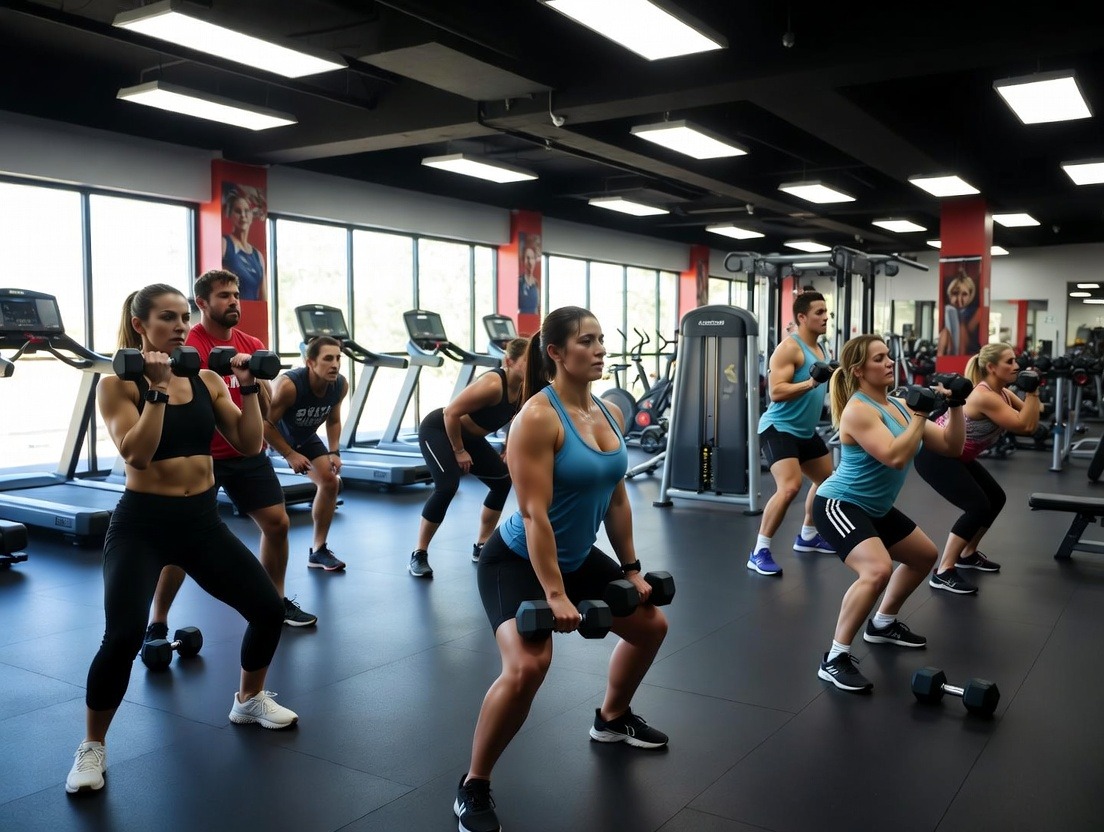
Conventional wisdom once pitted strength training against HRV, viewing heavy lifting as a significant sympathetic stressor. While an exhaustive, maximal lifting session will indeed suppress HRV temporarily (a sign of legitimate training stress), smart ring research is refining our approach. The emerging insight is that how you strength train is paramount for HRV adaptation.
The goal shifts from maximizing one-rep max lifts to building work capacity and muscular endurance with controlled, mindful training. Protocols that emphasize time under tension, full range of motion, and adequate rest between sets appear to be more "HRV-friendly." Think of it as hypertrophy not just for your muscles, but for your nervous system's capacity to handle load and recover efficiently.
Key data-driven strategies include:
The rings validate this: users following such mindful strength protocols show faster HRV recovery overnight compared to those performing chaotic, high-intensity lifting to failure. Strength training, therefore, is not the enemy of HRV but a potent ally when executed with precision and recovery in mind.

"Green exercise"—simply being active in natural environments—has emerged from smart ring datasets as a surprisingly powerful HRV booster. The effect is multiplicative, combining the benefits of physical movement (often Zone 2 walking or hiking) with the proven psychophysiological effects of nature immersion, known as "soft fascination."
Studies using wearable tech show that a 50-minute walk in a forest or park leads to a significantly greater increase in HRV (and reduction in cortisol) than the same walk in an urban environment. Nature appears to reduce cognitive fatigue and lower stress-related rumination, allowing the parasympathetic nervous system to engage more fully. The sensory input of nature—the sounds of birds and water, the visual complexity of foliage—is effortlessly absorbing, giving the brain's prefrontal cortex a rest.
Smart ring enthusiasts have turned this into a quantifiable practice. They compare their readiness scores and HRV after a weekend hike versus a weekend of errands in the city. The data is often stark, providing objective motivation to seek out green spaces. This aligns perfectly with a holistic view of wellness, where technology doesn't tether us indoors but guides us toward more nourishing environments. It’s a core part of understanding your complete wellness picture, where environment is a key input.
Maximizing the Green Effect:
Perhaps the most counterintuitive finding from smart ring research for driven individuals is this: doing less can improve your HRV more than doing more. Scheduled, deliberate recovery is not laziness; it is a physiological necessity for ANS enhancement. Active recovery sessions are low-intensity activities performed on days after strenuous training, designed to promote blood flow, clear metabolic byproducts, and stimulate parasympathetic activity without imposing new stress.
Common active recovery modalities include:
The smart ring data is unequivocal. Users who program active recovery days based on their low readiness scores consistently show higher and more stable HRV over the training cycle than those who train consecutively. The ring acts as a coach, preventing you from digging a deeper recovery debt. On an active recovery day, the goal is to keep your heart rate elevated only slightly above resting, just enough to feel movement.
This practice teaches the nervous system that stress is finite and followed reliably by safety and replenishment. This predictability itself is calming. Ignoring recovery, on the other hand, sends a continuous signal of threat, keeping sympathetic tone chronically elevated and HRV suppressed. To master this balance is to master sustainable performance, a topic frequently explored in resources like the Oxyzen blog for athletes and busy professionals alike.
Your exercise session doesn't start with the first hard effort and end with the last one. The routines you employ on the periphery of your main workout have a disproportionate impact on your HRV response. Smart ring analysis of workout routines shows that users who implement structured warm-ups and cool-downs experience less of a dip in their overnight HRV following exercise.
The HRV-Optimized Warm-Up (10-15 minutes):
The goal is not just to warm muscles, but to gradually awaken the nervous system and establish cardiovascular and respiratory coherence.
The HRV-Critical Cool-Down (10-20 minutes):
This is the most important period for directing your body toward recovery. Abruptly stopping exercise leaves your sympathetic system activated.
Users who log this "cool-down ritual" in their app and then see their overnight HRV hold steady or dip only minimally are witnessing the direct result of this ANS management. It’s a simple, data-validated habit that pays massive dividends in recovery quality.
The final, overarching principle from smart ring research transcends any single exercise: long-term HRV improvement is a product of intelligent consistency and planned variation, not random intensity. Your nervous system adapts to sustainable rhythms and is disrupted by chronic, unpredictable stress.
This is where the concept of periodization—cycling training intensity and volume over weeks and months—becomes essential for HRV. A well-periodized plan might involve:
Without this planned variation, many athletes and fitness enthusiasts hit a plateau followed by a downward trend in HRV—a warning sign of overreaching. The ring provides the objective feedback to periodize effectively. When your 7-day average HRV trends down despite adequate sleep, it’s a clear signal for a deload. When it trends upward during a deload, it confirms the strategy is working.
True fitness, as reflected in a high, stable HRV, is built not in weeks, but in seasons and years. It is built by listening to the data that whispers from your wrist each morning, guiding you to train smarter, recover harder, and respect the delicate, powerful system that keeps you alive and thriving. This journey of listening and adapting is at the heart of our mission at Oxyzen—to empower you with the insights needed to write your own story of lasting health.
The fitness world has been dominated by the High-Intensity Interval Training (HIIT) craze for years, promising maximum results in minimum time. But when the goal is elevating your Heart Rate Variability—building a resilient, calm, and recovery-capable nervous system—smart ring data is telling a different story. The emerging champion is not the sprinter, but the patient, steady long-distance runner. Low-Intensity Steady State (LISS) cardio is proving to be the unsung hero for sustainable HRV improvement.
HIIT, by its very nature, is a potent sympathetic nervous system stimulant. The all-out efforts create a significant metabolic and hormonal disturbance—spiking cortisol and adrenaline—that can take the nervous system 24-48 hours to fully recover from. For individuals already under high life stress, adding frequent HIIT can be like pouring gasoline on a fire, leading to a chronically suppressed HRV, stalled progress, and burnout. Smart rings clearly capture this: a punishing HIIT session often results in a noticeably lower HRV and elevated resting heart rate the following night, signaling that the body is in a significant recovery deficit.
LISS, typically performed in Zone 2 (60-70% of max heart rate), works on the opposite principle. It applies a gentle, sustainable stress that enhances mitochondrial density and efficiency, improves capillary density, and trains the body to utilize fat as fuel more effectively. This metabolic efficiency is a gift to your autonomic nervous system. An efficient body experiences less oxidative stress and inflammatory signaling during daily activities, which means less sympathetic "noise." It’s akin to upgrading your engine to run cleaner and smoother, reducing wear and tear on the entire system.
The data from devices like the Oxyzen Smart Ring is unequivocal for long-term trends. Users who build a foundation of 3-4 weekly LISS sessions (45-60 minutes) show the most consistent, upward trajectories in their baseline HRV. Their overnight HRV scores exhibit less night-to-night volatility, indicating a more stable and robust ANS. This isn't to say HIIT has no place—it's a powerful tool for specific adaptations—but for HRV optimization, it must be used sparingly and strategically, always built upon a solid LISS foundation.
Implementing LISS for Maximum HRV Benefit:
We’ve touched on breathwork, but its role is so central to HRV that it demands its own deep dive as a core "exercise." The vagus nerve, the longest cranial nerve and the command center of your parasympathetic nervous system, can be consciously accessed and strengthened through specific breathing techniques. This is called "vagal tone," and higher vagal tone is synonymous with higher HRV.
Diaphragmatic breathing—breathing deep into your belly rather than shallowly into your chest—is the foundational skill. When you inhale deeply, the diaphragm descends, creating a vacuum that draws blood into the chest. Upon exhalation, the diaphragm rises, gently massaging the vagus nerve which runs nearby and creating a pressure change that slows the heart. A long, slow exhalation is particularly potent, as it directly stimulates vagal activity, triggering a relaxation response.
Smart ring users who practice breathwork consistently provide the most compelling case studies. By performing guided sessions before bed, many see their real-time HRV score within the app climb dramatically during the practice—sometimes by 20-30 points or more—as the vagus nerve fires. Over time, this daily "tuning" leads to a higher resting vagal tone, reflected in a higher baseline HRV. It’s like doing reps for your calm center.
Advanced Vagal Stimulation Techniques:
These techniques move beyond general wellness into the realm of precise biohacking. By using your smart ring’s data to see which practice gives you the strongest acute HRV boost, you can build a personalized toolkit for instant stress resilience. Explore the Oxyzen blog for specific protocols and user experiences with these advanced techniques.

Muscular tension is not just a local phenomenon; it is a global state of sympathetic nervous system arousal. When muscles are chronically tight—often from stress, poor posture, or overtraining—they send a continuous feedback loop of tension signals to the brain, interpreting it as a need for readiness (sympathetic tone). This chronic low-level alarm directly suppresses HRV. Therefore, releasing this physical tension is a direct path to calming the nervous system.
This is where dedicated mobility work and myofascial release (using foam rollers, lacrosse balls, or percussion guns) transition from optional extras to essential HRV-boosting exercises. These practices do more than just soothe sore muscles; they interrupt the stress-feedback loop, signaling safety to the brain and allowing the parasympathetic system to re-engage.
Smart ring data offers fascinating insights here. A 20-minute session of targeted foam rolling or a guided mobility flow in the evening often correlates with better sleep scores (especially deep sleep) and a higher HRV the following morning. The effect can be more pronounced than a similar duration of light stretching alone. The mechanism is believed to be a combination of reduced pain signaling, improved circulation, and down-regulation of the nervous system through gentle, focused proprioceptive input.
An HRV-Focused Mobility Routine:
Human beings are wired for connection. Loneliness and social isolation are potent psychological stressors with measurable physiological consequences, including lowered HRV. Conversely, positive social connection and a sense of belonging can be powerful buffers against stress. This presents an intriguing dimension to our exercise-for-HRV equation: the social context of the activity itself.
Emerging research, bolstered by data from community-focused fitness trackers, suggests that exercising with others—in a cooperative, supportive setting—can amplify the HRV benefits of the physical activity alone. The psychosocial effects of shared experience, laughter, and mutual support appear to potentiate parasympathetic activity. Think of a group hike with friends, a partner-based yoga class, or a non-competitive cycling group versus performing the same activity in solitude.
This isn't about adding competitive stress. A cutthroat team sport might have the opposite effect. The key is positive social synchrony. When we move in rhythm with others (like in a rowing team or a dance class) or share a cooperative challenge, it can induce a state of "co-regulation," where our nervous systems literally calm each other. Smart ring users who log group activities often note not just the acute mood boost, but also a more robust recovery profile.
Harnessing the Social Effect:
Your body operates on a 24-hour circadian rhythm that governs everything from hormone secretion to core body temperature—and yes, your autonomic nervous system balance. Your HRV naturally follows a circadian pattern, typically lowest in the early morning as you transition from sleep, rising through the day, and peaking during deep sleep at night. When you choose to exercise can either support or disrupt this delicate rhythm, with clear consequences for your HRV data.
Smart ring research is providing personalized answers to the age-old question: "When is the best time to work out?"
Your Personalized Chrono-Exercise Plan:
The goal is to make exercise a pillar of your circadian health, not a disruptor. By aligning your movement with your internal clock, you create a harmonious cycle of stress and recovery that your HRV will reflect. For more on syncing your habits with your biology, our comprehensive guides delve deeper into circadian alignment.
The modern lifestyle is one of chronic, low-grade sympathetic arousal—back-to-back meetings, constant notifications, and prolonged sitting. This creates a state of "allostatic load" that grinds down HRV. Counterintuitively, one of the most powerful "exercises" for HRV isn't about adding more activity, but about strategically inserting pauses.
These are not naps, but deliberate 1-5 minute breaks to reset your nervous system. Think of them as "HRV micro-workouts." The concept, supported by data from continuous wearables, is that frequent, brief resets prevent the nervous system from getting "stuck" in a stressed state and can dramatically improve your overall HRV profile across a 24-hour period.
Evidence-Based Micro-Recovery Techniques:
Users who program these pauses into their day—using their smart ring’s inactivity alerts or simple timers—report not just feeling better, but seeing quantifiable improvements in their daytime heart rate patterns and their sleep-time HRV. It’s a testament to the fact that recovery is not a passive state that only happens at night, but an active skill to be practiced throughout the day. Learning to integrate these pauses is a key step in mastering your own wellness story.
All this knowledge converges on one point: personalization. The "best" exercise for HRV is the one that your unique physiology responds to most positively. Your smart ring is the translator for your body's feedback. This final section is your practical guide to turning data into action.
The HRV-Driven Training Feedback Loop:
Remember, the goal is not to chase a single high HRV number, but to cultivate a responsive, resilient system. Sometimes the most HRV-boosting "workout" of the week is a complete rest day, a long walk with a friend, and an early bedtime, all confirmed by the peaceful, high-variability heartbeat recorded on your finger as you sleep—the ultimate sign that you are truly recovering, adapting, and thriving. This journey of listening and adapting is what we are dedicated to supporting at Oxyzen, providing the tools and insights for you to navigate your path to optimal well-being.
Having established the foundational exercises and recovery practices that smart ring data validates for HRV growth, we now venture into the nuanced frontier. This is where personalization deepens, mindset becomes a tangible physiological variable, and we explore the cutting-edge protocols that are emerging from the confluence of wearable data and physiological research. Optimizing HRV is not just a physical training regimen; it is a holistic practice of self-regulation, where every aspect of your lifestyle becomes a potential lever for autonomic nervous system harmony.
Instead of viewing different exercise modalities in isolation, the most advanced approach is to design integrated workouts that are deliberately structured to begin with sympathetic engagement and conclude with a powerful parasympathetic shift. This creates a contained stress cycle with a clear recovery signal, teaching your nervous system resilience in real-time. Think of it as a miniaturized, perfect model of stress and recovery.
A Template for an HRV-Optimized Session (60-75 minutes):
Smart ring users who adopt this structured format often report a profound difference in their post-workout state—feeling "worked but calm"—and their devices corroborate this with better sleep metrics and higher HRV on nights following these sessions. It turns exercise from a purely catabolic stressor into a teachable moment for the ANS. For more structured routines, the Oxyzen blog often features user-shared protocols that follow these principles.
Your thoughts and emotional state are not separate from your physiology; they are direct inputs into your autonomic nervous system. Anxiety, worry, and frustration trigger sympathetic responses, while states like gratitude, awe, and mindfulness promote parasympathetic activity. Therefore, cultivating specific psychological states can be considered a potent form of "exercise" for your HRV.
Data-Backed Mental Practices:
The practical takeaway is to attach a positive mental practice to your physical ones. Practice gratitude during your cool-down. Cultivate awe during your nature walk. This synergistic approach ensures you are training your mind and body as one interconnected system, which is the ultimate path to a high-HRV life.
You cannot out-exercise a poor diet when it comes to HRV. Food is information that directly impacts inflammation, oxidative stress, gut health, and ultimately, autonomic balance. Smart ring users quickly learn that a night of heavy drinking or a high-sugar, processed meal can crater their HRV as severely as a terrible night's sleep. Therefore, aligning nutrition with your HRV goals is critical.
Nutritional Levers for Optimal HRV Recovery:
Monitoring your ring’s data after experimenting with these nutritional strategies provides direct biofeedback. You’ll learn which foods make you feel and measure more recovered, turning nutrition into a precise science for your unique body. For common questions on how lifestyle factors interlink with biometric data, resources like the Oxyzen FAQ can be invaluable.
Your smart ring is a passive data collector, but the ecosystem around it includes active biofeedback tools that can dramatically accelerate your HRV progress. These tools create a closed loop: you perform an action, you see its immediate impact on your physiology, and you learn to self-regulate more effectively.
Advanced Tools in the HRV Toolkit:
The principle here is active engagement. Don't just be a passenger looking at yesterday's data. Use technology to have a live conversation with your nervous system, learning its language and how to guide it toward greater coherence. This represents the cutting edge of personal wellness, a frontier we are passionately exploring in our mission at Oxyzen.
After months of consistent, intelligent training, you may hit a plateau. Your HRV stabilizes, refusing to climb higher. This is not a failure; it's a sign of adaptation. Your body has reached a new homeostasis. To stimulate further growth, you need a novel stimulus—but one that must be applied judiciously to avoid backsliding.
Strategies for Breaking an HRV Plateau:
The plateau is a call for creativity and deeper self-inquiry, guided by your data. It marks the transition from general practitioner to master craftsman of your own well-being.
Ultimately, the pursuit of a higher HRV through intelligent exercise is not about winning a race or achieving a vanity metric. It is about investing in your lifelong capacity for vitality, resilience, and healthspan. A high HRV in middle and older age is one of the strongest predictors of longevity and reduced risk of chronic disease. It signifies a system that can adapt, recover, and endure.
This long-view transforms your daily choices. That extra rest day when your ring suggests it isn't laziness; it's an investment in your future self's resilience. That choice to walk in nature instead of scrolling social media is a deposit into your autonomic health savings account. The exercises and practices outlined here are the compounding interest.
Your smart ring is your financial advisor for this account, giving you quarterly reports (nightly data) and annual statements (long-term trends). It allows you to see the tangible return on investment of a good night's sleep, a managed stress response, and consistent, thoughtful movement. This empowering, data-driven approach to long-term health is what motivates our entire team at Oxyzen.
Embarking on a cold exposure journey doesn't require a massive financial investment, but having the right tools can enhance safety, consistency, and comfort. This guide walks you from the simplest, zero-cost method to dedicated home installations, helping you choose the right path for your commitment level and budget. Remember, the best tool is the one you'll use consistently.
The Foundation: No-Cost & Low-Cost Options
The Intermediate Tier: Dedicated Immersion Tubs
The High-Tech Tier: Dedicated Plunge Pools & Systems
The Essential Accessories (Regardless of Tier):
Your choice depends on your commitment, budget, and space. A person in a small apartment can achieve 90% of the benefits with disciplined cold showers and the occasional DIY ice bath. An enthusiast with a backyard and a budget might opt for a stock tank with a chiller. The gear should serve the practice, not become a barrier to starting. As you deepen your practice with any tool, you'll find that the most important piece of technology is the one on your finger, quietly validating your efforts. To compare how different tools integrate with holistic tracking, learn more about the Oxyzen ecosystem.

While HRV is our North Star metric for nervous system resilience, the benefits of a consistent cold exposure practice radiate outward, influencing multiple systems in your body. Modern wellness wearables, especially advanced rings like Oxyzen, track a suite of biomarkers that together paint a comprehensive picture of your physiological state. Here’s how cold exposure can move the needle on these other critical data points, providing a multi-faceted validation of your efforts.
1. Sleep Architecture: The Pillars of Restoration
Cold exposure’s impact on sleep is profound and multilayered, visible in the granular sleep staging data from your ring.
2. Resting Heart Rate (RHR): The Tick of Recovery
As previously noted, a lower RHR is a classic sign of improved cardiovascular efficiency and parasympathetic dominance. Your wellness ring provides a precise, sleep-based RHR. A consistent downward trend in your 7-day average RHR is one of the clearest signs that your cold practice (and overall recovery) is effective. It signifies your heart doesn’t have to work as hard to maintain basic functions.
3. Respiratory Rate: The Rhythm of Calm
The number of breaths you take per minute during sleep is a stable, insightful metric. A lower, steady respiratory rate (typically in the 12-16 breaths per minute range during sleep) is associated with better fitness and a calmer autonomic state. The breath-training aspect of cold exposure, coupled with the strengthened PNS, often leads to a subtle but meaningful reduction in this rate over time.
4. Activity & Readiness Scores: The Performance Forecast
Most wellness platforms synthesize your data (HRV, RHR, sleep, temperature) into a single “Readiness” or “Recovery” score. This is your daily prescription. The ultimate validation of a balanced cold protocol is seeing higher and more consistent readiness scores. It means the stress you’re applying is being absorbed and converted into resilience, not lingering fatigue. You can then use this score to make informed decisions about training, work intensity, and social commitments.
5. Subjective Metrics: The Feeling Behind the Numbers
While not strictly from the ring, many apps allow you to log subjective morning mood, energy, and focus. This qualitative data is vital. The true success of your protocol is when the objective data (high HRV, high readiness) aligns with your subjective experience: waking up feeling refreshed, calm, and energized. This mind-body-data alignment is the epitome of optimized wellness.
The Holistic Dashboard View:
Imagine your wellness app dashboard after 90 days of a well-executed cold protocol:
This constellation of positive metrics is irrefutable evidence. It tells you that you’re not just “doing cold plunges,” you are successfully engineering a more resilient, recovered, and higher-performing physiology. Each positive data point reinforces the behavior, creating a powerful positive feedback loop that transcends willpower. It becomes a game you play with your own biology, and the score is your vitality. To see the kind of transformations this data-driven approach can facilitate, the stories shared in our testimonials section are powerfully illustrative.
After several months of consistent practice, you may find yourself in a comfortable rhythm. Your 3-minute plunge at 52°F feels challenging but manageable, and your HRV has settled into a healthy, stable plateau. Congratulations—you’ve built a solid foundation. But what if you want to push further? To break through to new levels of resilience, mental fortitude, or metabolic adaptation, you need to introduce the principles of progressive overload and periodization, just as an athlete would with a training program.
Understanding the Adaptation Plateau:
Your body is an efficiency machine. It adapts to a consistent stressor to minimize the disruption. The same cold dose that once spiked your norepinephrine for hours now causes a milder response. This is success, but also a signal that to continue growing, the stimulus must evolve.
Advanced Protocol #1: Contrast Therapy (The Vascular Pump)
This alternates between hot and cold, creating a powerful “pumping” effect on your circulatory and lymphatic systems.
Advanced Protocol #2: The Breathing-Integrated Plunge (Wim Hof Method Influence)
This combines specific hyperventilation-style breathing (30-40 deep, forceful breaths followed by a long exhale and breath hold) performed before entering the cold.
Advanced Protocol #3: Duration & Frequency Periodization
Structure your cold exposure like a training mesocycle.
Advanced Protocol #4: Fastened State & Multi-Stressor Stacking
As mentioned, combining cold with fasting amplifies the sympathetic and metabolic response. An advanced stack could be: Morning fasted state -> 30 minutes of moderate exercise -> 90-minute wait -> Contrast Therapy session. This is a massive hormetic load. This requires expert-level self-awareness and impeccable tracking with your wellness ring. Your readiness score must be high going in, and you must be prepared for a significant recovery demand afterward.
The Non-Negotiable Rule: Let Adaptation Lead Aggression
The single most important tool for advanced practice is not a colder tub; it’s more attentive data analysis. Before advancing any variable, ask:
If the answer is yes, consider a small progression. If the answer is no, focus on consolidating your gains at your current level or even deloading. The goal is lifelong resilience, not short-term extremity. The journey of mastering these advanced nuances is a continuous learning process, much like the iterative development behind our own technology and philosophy.
We have traversed from foundational exercises to advanced biohacking. Now, let’s consolidate this into a starting framework you can adapt.
Phase 1: Foundation (Weeks 1-4)
Phase 2: Integration (Weeks 5-12)
Phase 3: Personalization (Ongoing)
The journey to increasing your HRV is the journey to knowing yourself more deeply—physiologically, mentally, and emotionally. It is a practice of listening and responding with kindness and intelligence. The data from your finger is not a judge, but a guide, illuminating the path toward a more adaptable, vibrant, and resilient you. As you continue to explore and experiment, remember that this is a living science, and we are here to support your discovery every step of the way.
Your Trusted Sleep Advocate (Sleep Foundation — https://www.sleepfoundation.org/)
Discover a digital archive of scholarly articles (NIH — https://www.ncbi.nlm.nih.gov/
39 million citations for biomedical literature (PubMed — https://pubmed.ncbi.nlm.nih.gov/)
experts at Harvard Health Publishing covering a variety of health topics — https://www.health.harvard.edu/blog/)
Every life deserves world class care (Cleveland Clinic -
https://my.clevelandclinic.org/health)
Wearable technology and the future of predictive health monitoring. (MIT Technology Review — https://www.technologyreview.com/)
Dedicated to the well-being of all people and guided by science (World Health Organization — https://www.who.int/news-room/)
Psychological science and knowledge to benefit society and improve lives. (APA — https://www.apa.org/monitor/)
Cutting-edge insights on human longevity and peak performance
(Lifespan Research — https://www.lifespan.io/)
Global authority on exercise physiology, sports performance, and human recovery
(American College of Sports Medicine — https://www.acsm.org/)
Neuroscience-driven guidance for better focus, sleep, and mental clarity
(Stanford Human Performance Lab — https://humanperformance.stanford.edu/)
Evidence-based psychology and mind–body wellness resources
(Mayo Clinic — https://www.mayoclinic.org/healthy-lifestyle/)
Data-backed research on emotional wellbeing, stress biology, and resilience
(American Institute of Stress — https://www.stress.org/)


