


The Complete Beginner-Friendly Guide to Evening Alcohol and Ring Sleep Quality
Alcohol consumption in the evening affects sleep quality, as measured by your ring.
Alcohol consumption in the evening affects sleep quality, as measured by your ring.
%402x.svg)
For many of us, the ritual is sacred: the clink of ice in a glass, the deep pour of a favorite wine, the slow, deliberate exhale after the first sip at the end of a long day. This evening drink is a signal to our nervous system—you can unwind now; the work is done. It’s a reward, a social lubricant, a cultural staple, and for centuries, a presumed sleep aid. "A nightcap," the old saying goes, to help you drift off. In our modern pursuit of optimized health and quantified self, however, this deeply ingrained habit has come under the microscopic lens of technology, revealing a truth that contradicts centuries of anecdotal evidence.
Enter the smart ring. Sleek, unobtrusive, and worn 24/7, this piece of wearable technology has become the ultimate sleep informant. While you rest, it silently collects a symphony of biometric data: heart rate, heart rate variability (HRV), skin temperature, blood oxygen saturation, and detailed movement. In the morning, it doesn't just tell you how long you slept; it delivers a nuanced report card on how well you slept. And for a growing number of users, the data tells a consistent, sobering story. That seemingly harmless evening drink—or two, or three—is systematically dismantling the architecture of restorative sleep.
This guide is for the curious, the data-driven, and the sleep-deprived who suspect their evening habits might be holding them back. We are not here to preach abstinence, but to empower you with knowledge. We will bridge the gap between the subjective feeling of "I slept like a log" and the objective truth revealed on your sleep dashboard. By combining the hard science of alcohol metabolism with the granular data from your smart ring, we will embark on a journey of discovery. You will learn not just that alcohol affects sleep, but how, why, and to what precise degree it impacts your unique physiology. This is about moving from guesswork to guidance, from feeling groggy to understanding the exact biometric pathways that led you there. Consider this your owner's manual for one of life's most complex and important relationships: the one between your evening choices and your sleep quality, as told by the silent sensor on your finger.
We've all been there. After a few drinks, the transition to sleep feels swift, almost inevitable. The mental chatter quietens, a heavy warmth spreads through the limbs, and consciousness slips away. It's easy to interpret this as a win for sleep. Your smart ring, however, tells a different story—one of a night under siege. To understand its data, we must first become forensic scientists of our own physiology, tracing alcohol's disruptive path through the systems meant to protect and restore us.
The journey begins the moment alcohol enters your bloodstream. It is a central nervous system depressant, which explains the initial sedation. But this is a blunt-force instrument. Alcohol doesn't gently guide you into natural sleep; it forcibly anaesthetizes the higher brain functions. It particularly suppresses rapid eye movement (REM) sleep, the crucial stage associated with memory consolidation, emotional processing, and creative problem-solving. In the first half of the night, your sleep architecture becomes lopsided—heavy on deep, slow-wave sleep (as the body works to metabolize the toxin), but critically deficient in REM.
Then comes the second act: the rebound. As your liver enzymes (primarily alcohol dehydrogenase) work through the night to clear the alcohol from your system, its sedative effects wear off. This often occurs in the latter half of the night, leading to a hyper-aroused state. Your sympathetic nervous system—the "fight or flight" system—kicks into gear. This is when sleep becomes fragmented, shallow, and restless. You may experience unexplained awakenings, a racing mind, or night sweats as your body tries to rebalance. The entire symphony of sleep stages becomes discordant and inefficient.
This biochemical rollercoaster directly manifests in the biometrics your ring tracks. Heart Rate: Alcohol is a vasodilator, causing your blood vessels to relax. Your heart must work harder to maintain blood pressure, leading to a sustained elevated heart rate throughout the night—a state of cardiovascular stress when your body should be in its most restorative, low-gear state. Heart Rate Variability (HRV): This key metric of nervous system resilience and recovery plummets. High HRV indicates a flexible, adaptive system that can smoothly shift between stress and rest. Alcohol forces your body into a prolonged stress response, creating a low, flat HRV reading—a clear sign your system is overwhelmed, not recovering. Skin Temperature: While alcohol may make you feel warm initially (due to blood rushing to the skin's surface), it ultimately dysregulates your core temperature, a critical cue for sleep maintenance. This can lead to the frequent awakenings your ring logs as "restlessness." Blood Oxygen (SpO2): Alcohol relaxes the muscles in your upper airway, increasing the likelihood of snoring and sleep apnea events—even in people who don't typically experience them. Your ring may detect subtle, alcohol-induced dips in blood oxygen saturation, signaling strained breathing.
The result is what sleep scientists call "high quantity, low quality" sleep. You may clock 8 hours in bed, but the restorative value of those hours is profoundly diminished. You wake up not restored, but residually fatigued, foggy, and irritable—a state sometimes mislabeled as a "hangover" but which is, in essence, acute sleep deprivation. Understanding this sabotage is the first step toward using your smart ring not as a judge, but as a diagnostic tool, revealing the hidden cost of that evening ritual. For a deeper look at how foundational systems like sleep underpin our emotional resilience, our exploration of sleep deprivation and emotional balance provides crucial context.

Your smart ring transforms the invisible processes of sleep into a clear, morning dashboard. When alcohol is involved, this dashboard lights up with specific, telltale patterns. Learning to read these signs is like learning a new language—the language of your own recovery. Let's translate the key metrics, so you can move from seeing confusing graphs to understanding a coherent story of disruption.
Resting Heart Rate (RHR) – The Stress Gauge: This is often the most glaring red flag. A normal, healthy sleep is characterized by a significant dip in resting heart rate, typically reaching its lowest point about 4-5 hours after sleep onset. On a night with evening alcohol, this dip is blunted or absent. Instead, your RHR line graph stays elevated, sometimes 5-10+ beats per minute higher than your personal baseline. It looks like a mountain range instead of a peaceful valley. This elevated RHR is a direct indicator of metabolic and sympathetic nervous system workload—your body is working overtime on detoxification, not relaxation.
Heart Rate Variability (HRV) – The Resilience Score: If RHR is the stress gauge, HRV is the recovery score. A higher overnight HRV generally indicates strong parasympathetic ("rest and digest") activity and good autonomic nervous system balance. Alcohol is a powerful HRV suppressor. On an affected night, you will almost certainly see a sharp decline in your HRV score. It’s not uncommon for it to drop 20-40% or more from your rolling average. This low HRV is your ring’s objective way of saying, "Your system was under too much strain to effectively repair and restore." It’s a quantitative measure of lost resilience.
Sleep Stages – The Architecture Blueprint: The sleep stage graph tells the story of architecture. Look for two patterns: First, an artificially inflated amount of deep sleep (Slow-Wave Sleep) in the first half of the night. This is the body's sedated, recovery-focused response to the toxin. Second, and more importantly, a severe suppression or delay of REM sleep. You might see a long barren stretch in the early night where no REM occurs, followed by a potential "REM rebound"—a crowded, intense period of REM in the early morning hours just before waking. This rebound is not restorative; it's chaotic and often contributes to vivid, disturbing dreams and groggy awakenings.
Restlessness & Awakenings – The Fragmentation Log: A clean sleep graph shows long, consolidated blocks. An alcohol-affected graph looks fractured. The ring will log increased "toss and turn" events and more "awake" time (often in micro-awakenings you don't consciously remember). This corresponds directly to the metabolic rebound and sympathetic surge in the latter part of the night. The sleep efficiency percentage (time asleep vs. time in bed) will often drop.
Skin Temperature & Respiratory Rate – The Subtle Signals: Less prominent but still insightful are temperature and breathing. Alcohol’s vasodilatory effect can create a distinct temperature curve. Your respiratory rate may also be slightly elevated, reflecting the increased metabolic demand.
The Morning Readout – Connecting Data to Feeling: This biometric story perfectly explains the subjective morning experience: waking up with a dry mouth (from dehydration and mouth breathing), feeling unrested despite sufficient time in bed (low HRV, fragmented sleep), brain fog (REM deprivation), and lingering fatigue (elevated RHR indicating ongoing stress). By correlating these data points with your evening log, you move from speculation to certainty. You gain the power to predict, with surprising accuracy, exactly how last night's second glass of wine would manifest on this morning's sleep report. This data-driven awareness is the cornerstone of informed choice. Furthermore, understanding these physical metrics can illuminate their profound connection to our emotional state; exploring the biochemical link between physical exercise and emotional balance reveals how intertwined our physical and emotional recovery truly are.
The relationship between alcohol and sleep isn't governed by a simple, universal rule like "alcohol equals bad sleep." If it were, the data from our rings would be monotonously consistent. Instead, we see a fascinating spectrum of disruption, revealing that the equation is complex and deeply personal. Three major variables dramatically influence the outcome: the clock, the contents of your glass, and your unique constitution.
Timing is Everything: The Metabolism Countdown
The adage "it's not what you drink, but when" holds profound truth for sleep. Alcohol metabolism follows a relatively predictable timeline in the body, averaging about one standard drink per hour. The key principle for sleep is: the closer alcohol is in your bloodstream to your bedtime, the greater its disruptive impact. A drink with dinner at 7 PM for an 11 PM bedtime allows a 4-hour clearance window, significantly reducing the load your sleeping body must handle. That same drink at 10 PM is a direct injection of a sleep-disrupting agent as you attempt to drift off. Your ring data will clearly show a more severe impact from late-night consumption. The goal is to align your last drink with the finish line of your body's primary metabolic processing before sleep begins.
Type Matters: Congeners, Sugar, and Carbonation
Not all alcoholic beverages are created equal in the eyes of your sleep metrics. Darker spirits like bourbon, brandy, and red wine contain higher levels of congeners—byproducts of fermentation that contribute to flavor, color, and, unfortunately, hangover severity and sleep disruption. Lighter options like vodka, gin, and white wine tend to have fewer. Sugar is a major co-conspirator. Sugary cocktails, dessert wines, and many beers cause a rapid spike and subsequent crash in blood sugar, which can trigger cortisol releases and awakenings during the night. Carbonation in beers and mixed drinks can lead to bloating and physical discomfort, another source of fragmentation. Your ring may reflect a "cleaner" but still disruptive night with a vodka soda versus a far more chaotic one with a sugary margarita.
Individual Biology: Your Personal Equation
This is where personalization becomes critical. Your age, weight, sex, genetics, and even your gut microbiome dictate how efficiently you process alcohol. Key enzymes like alcohol dehydrogenase and aldehyde dehydrogenase vary widely in their activity levels from person to person. This is why two people can have the same two glasses of wine at the same time and have wildly different ring data the next morning. One might show a modest HRV dip, the other a catastrophic crash. Furthermore, tolerance is a liar. While you may subjectively feel less impaired from regular drinking, the objective sleep disruption, as seen in elevated RHR and suppressed HRV, often remains or even worsens. Your ring cuts through the subjective numbness and shows the persistent biological cost.
The Hydration and Food Buffer
Hydration and food are powerful moderating factors. Alcohol is a diuretic, driving dehydration which exacerbates every negative sleep symptom. Drinking water between alcoholic beverages and before bed creates a buffer. Food, particularly fat and protein, slows the absorption of alcohol into the bloodstream, smoothing out the spike and reducing the acute shock to your system. A ring comparison night of "drinks on an empty stomach" vs. "drinks with a substantial meal" can be an enlightening personal experiment.
By experimenting with and observing these variables—having a drink earlier, choosing a different type, noting your hydration—you can use your smart ring as a biofeedback tool to map your personal sensitivity landscape. This isn't about creating rigid rules, but about cultivating intelligent awareness, allowing you to make choices that align with your sleep and recovery goals. This process of mindful self-observation and adjustment is a form of interoceptive awareness, a foundational skill for understanding your body's unique signals.
Knowledge is power, but personalized data is sovereignty. Now that you understand the theory, it’s time to transform your smart ring and your habits into a personal sleep laboratory. The goal is not to live in a sterile bubble of perfect data, but to conduct mindful, self-directed experiments that yield actionable insights about your body. Here’s your step-by-step protocol.
Phase 1: Establish Your Baseline (The Control Week)
Before introducing variables, you need a "normal" to compare against. For one week, commit to being a clean sleeper. This means:
Phase 2: The Introduction Protocol (Single-Variable Testing)
Now, introduce alcohol in a controlled, isolated way. The golden rule: change only one variable at a time.
Phase 3: Advanced Analysis & Pattern Recognition
After 2-3 weeks of these controlled experiments, step back and look for patterns. Use your ring's trend-view feature (usually a weekly or monthly view). Does your HRV consistently crater on Friday and Saturday nights? Does your RHR take two days to return to baseline after two drinks? The answers are in the trends. Ask yourself:
The Role of Journaling: Connecting Data to Lived Experience
Your ring provides the "what"; your journal provides the "why" and "how it felt." Beyond logging drinks, make brief notes on:
Facing your sleep score after a night out can feel like receiving a test result. A plummeting number can trigger guilt or frustration. But the data is not a verdict; it’s a dialogue. The goal is to move from seeing a "Poor 72" to reading a rich, informative story about your body's response. Let's break down how to interpret the morning report with curiosity, not judgment.
First, Adopt the Right Mindset: Compassionate Curiosity
Before you look at a single graph, set your intention. You are a scientist observing an experiment, not a defendant awaiting a sentence. The data is neutral feedback. Ask: "What can I learn from this?" instead of "Why did I fail?" This shift is crucial for turning data into sustainable, positive behavior change.
The Systematic Review: A Top-Down Approach
Understanding "Recovery Debt" and the Two-Day Hangover
One of the most valuable insights from continuous ring-wearing is the concept of the data hangover. You may feel subjectively fine the next afternoon, but your ring often tells a story of incomplete recovery. Your HRV might still be 15% below baseline, and your RHR still elevated. This is your body quietly saying it hasn't fully repaired the metabolic and nervous system disturbance. Pushing hard with intense exercise or having another drink on this "debt" day can compound the stress, leading to a cascade of poor recovery. Your ring gives you the foresight to see this hidden debt and choose a gentle day, extra hydration, and an early night instead. This ability to navigate recovery and manage emotional cycles is a skill that extends far beyond sleep, similar to the principles in managing emotional balance across the menstrual cycle where observing and adapting to biological rhythms is key.
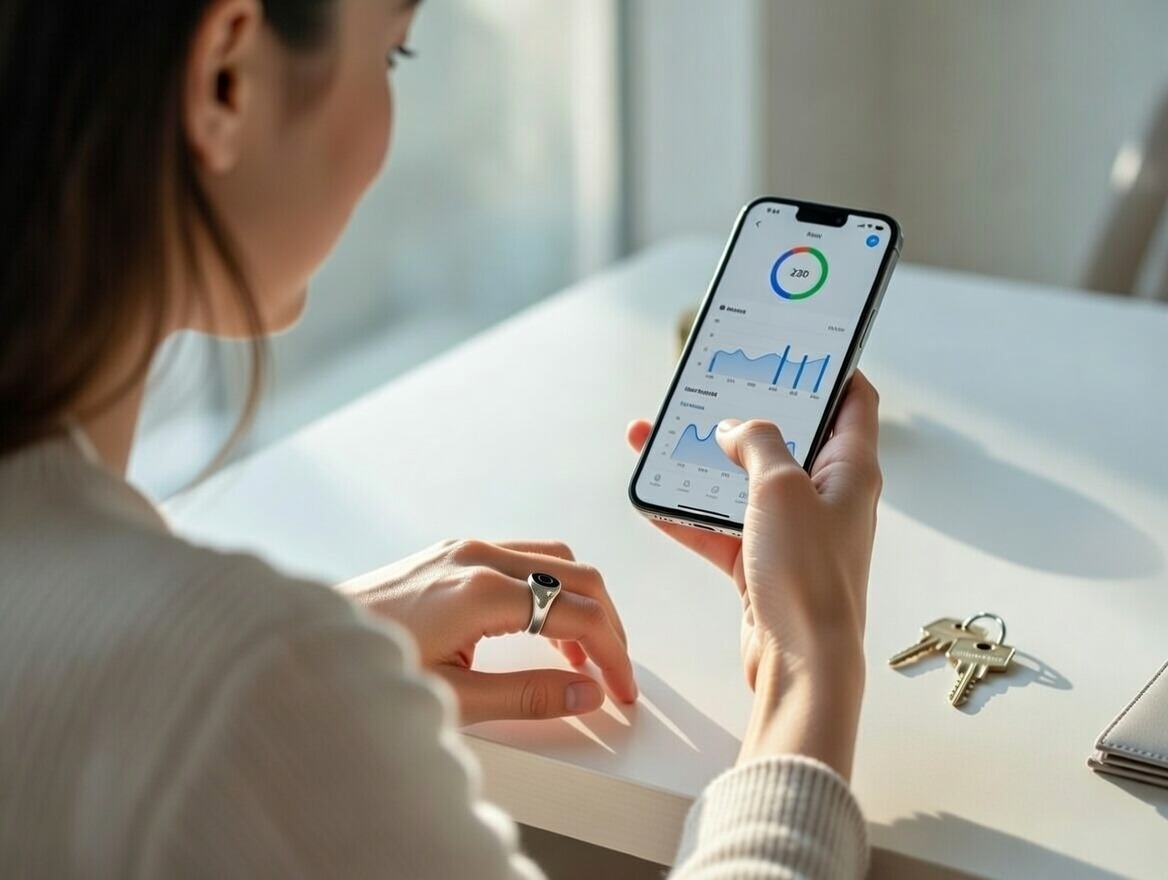
If the evening drink is a ritual of transition—a signal that the day is over and rest can begin—then the most effective strategy isn't merely removal, but replacement. The goal is to create new, powerful, neuro-associative cues that guide your nervous system into a state of calm readiness for sleep, rituals that your smart ring will subsequently celebrate with beautiful, clean data. Let's design a toolkit of alternatives.
Phase 1: The 60-Minute Digital Sunset
The blue light from screens is a well-known sleep disruptor, but its true cost is often masked by alcohol's louder effects. Start your wind-down by eliminating the most stimulating input.
Phase 2: Engage the Parasympathetic Nervous System
Now, actively switch your body from "fight or flight" (sympathetic) to "rest and digest" (parasympathetic) dominance.
Phase 3: Cognitive Closure & Gentle Movement
The "racing mind" is a primary reason people reach for a sedative drink. Create rituals that provide closure for the day and release physical tension.
Phase 4: The Sensory Replacement
Replace the sensory experience of the drink with another, healthier anchor.
Experiment with these elements for two weeks, tracking not just your ring data but your subjective craving for an evening drink. Often, the desire diminishes not through willpower alone, but because you've successfully met the underlying need for transition and relaxation with a more effective tool. Building this personalized toolkit is a cornerstone of sustainable self-regulation, much like developing a self-soothing toolkit for emotional regulation.
For many, alcohol is inextricably linked with social connection—celebrations, dinners, winding down with friends. The fear of missing out (FOMO) or appearing odd can be a significant barrier to changing habits. This isn't about becoming a hermit; it's about developing a savvy, socially intelligent playbook that lets you engage fully while protecting the sleep recovery you value. Your smart ring provides the accountability and the reward to make these strategies stick.
Strategy 1: The Art of the Non-Alcoholic Stand-In
The simplest way to avoid social pressure and questions is to always have a drink in your hand that looks the part.
Strategy 2: The Strategic Moderation Protocol
For times when you do choose to drink, have a pre-set, data-informed plan.
Strategy 3: Reframing the Narrative
Prepare graceful, confident responses that align with your values.
Strategy 4: Post-Social Recovery (The "Next Morning" Protocol)
Even with the best plans, a social evening can disrupt routine. Have a next-morning reset ritual.
While a single "alcohol-affected" night provides a snapshot of acute disruption, the true power of your smart ring is revealed in the Trends view—the weekly, monthly, and yearly graphs. This is where the story of chronic, habitual evening drinking unfolds, moving beyond sleep to paint a picture of its cumulative impact on systemic health. The data shifts from showing events to revealing patterns with profound implications.
The Erosion of Baseline Recovery
With regular evening drinking, you may notice a troubling shift: your "good" days aren't as good as they used to be. Your baseline HRV—the rolling average your body considers "normal"—begins a gradual, insidious decline. What was once a 55ms average might drift down to 45ms over several months. This isn't just a number; it's an indicator of your autonomic nervous system's eroded resilience. Your body's ability to handle stress, recover from exercise, and maintain homeostasis is chronically compromised. Your baseline RHR may also creep up by several beats. This indicates a persistent, low-grade state of cardiovascular stress.
The Disappearance of Sleep Architecture
In the trends, look at your sleep stage percentages over time. With chronic use, the alcohol-induced pattern can become the dominant pattern. REM sleep may be perpetually suppressed, averaging 15% of your night instead of the optimal 20-25%. Deep sleep might show volatile swings. Most tellingly, your sleep consistency score will likely suffer. The body thrives on rhythm, and alcohol disrupts it nightly, leading to irregular sleep onset times and durations, which your ring tracks meticulously.
The Cascade to Daytime Function & Performance
The ring's nighttime data has direct daytime correlates, which you can track through subjective journaling or other connected apps:
The Metabolic and Hormonal Shadow
Beyond the direct metrics, chronic evening alcohol consumption influences systems your ring indirectly senses. It can dysregulate blood sugar (leading to energy crashes and cravings), increase systemic inflammation (impeding recovery from all sources), and disrupt hormones like cortisol and growth hormone—the latter being crucial for tissue repair and deep sleep itself.
The Power of the "Dry Month" Experiment
The most enlightening trend analysis often comes from a deliberate break. Commit to a 30-day period without alcohol. Watch your trend lines. It typically takes 7-10 days for your nervous system to stabilize. Then, observe: Does your HRV baseline climb steadily? Does your RHR trend down? Does your sleep consistency score hit new highs? This "reset experiment" provides the most compelling personal evidence of alcohol's chronic impact. The positive shift in your data becomes the most powerful motivator for sustainable, mindful change, demonstrating that the principles of emotional regulation, such as the dialectical approach of acceptance and change, apply beautifully to habit transformation as well.
Armed with deep knowledge and personal data, you arrive at a point of empowerment. This is not about a binary switch between "drinking" and "not drinking." It's about cultivating mindful consumption—a flexible, intentional framework where you make conscious choices aligned with your goals, informed by your body's unique feedback. Your smart ring is the compass for this journey.
The Decision Matrix: Asking the Right Questions
Before you pour a drink, pause and run through a simple internal checklist:
The "Sleep-Positive" Drinking Guidelines (If You Choose To Drink)
Based on the collective data, if you choose to consume, these guidelines will minimize sleep disruption:
The Concept of "Sleep Budgeting"
Think of your sleep quality as a budget. Some nights are for "investment" (sober, pristine routines that build recovery capital). Some nights are for "spending" (social events where you mindfully accept a calculated deficit). The key is to never go into chronic debt. If you have a big social weekend, "pay in" beforehand with several stellar sleep nights and consciously plan to "pay back" the debt afterward with extra recovery-focused days. Your ring's trend view makes this budgeting tangible—you can literally see your HRV "balance" dip and recover.
From Guilt to Agency
This framework removes morality from the equation. There is no "good" or "bad" choice—only choices with different, predictable outcomes. You are not "cheating" if you have a drink; you are simply choosing a different set of next-day data and sensations. This shifts the experience from one of guilt and restriction to one of agency and informed consent. You are in a collaborative dialogue with your own body, using objective data as your shared language. This practice of mindful choice, grounded in self-awareness, is a skill that enhances all areas of life, much like the emotional regulation skills everyone should learn in school.
Your smart ring is a brilliant reporter, but it cannot act alone. The data it provides is most powerful when integrated into a holistic lifestyle that builds overall sleep resilience. Think of these practices as "sleep savings"—deposits you make into your recovery account that can provide a buffer, making your system more robust and potentially less reactive to an occasional disruption like a single drink. By strengthening the foundation, the occasional tremor matters less.
Nutrition as Sleep Foundation
What you eat during the day sets the biochemical stage for the night.
Daylight & Circadian Rhythm Hygiene
Your circadian rhythm is the master conductor of sleep. Strengthen its signal.
Strategic Movement & Recovery Balance
Exercise profoundly impacts sleep, but timing and type are key.
Stress Management as a 24/7 Practice
Daytime stress that is not processed effectively becomes nighttime arousal.
By excelling in these daytime domains, you create a sleep system that is resilient, adaptive, and strong. When you do choose to have an evening drink, you are doing so from a platform of high recovery capital, which may moderate its impact. Your ring becomes the tool that verifies not just the cost of your choices, but the strength of your foundation.
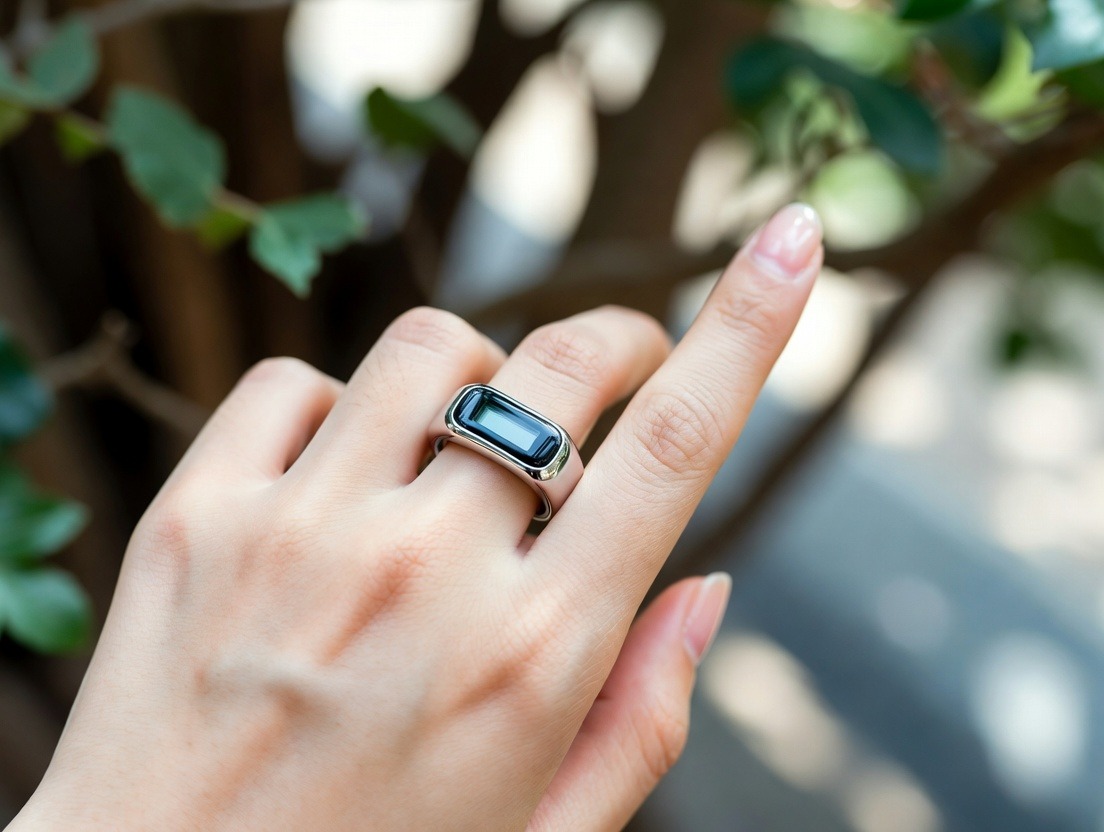
You’ve learned to read the individual metrics—RHR, HRV, sleep stages. Now, it’s time to understand their dynamic conversation and how that dialogue predicts your real-world capacity. The most advanced insight from your smart ring isn’t in any single number, but in the correlation between your nighttime recovery data and your daytime readiness and performance. This is where the loop closes, transforming sleep data from a retrospective report into a predictive tool for daily living.
Understanding Your Ring's Readiness/Recovery Score
Most advanced rings synthesize your nighttime data (HRV, RHR, sleep, temperature) into a single composite Readiness or Recovery Score. Think of this not as a grade, but as a personalized daily recommendation for stress load.
The Alcohol Connection in Your Readiness Algorithm
Evening alcohol directly tanks the inputs to this score. A night of drinking typically results in:
Linking Data to Real-World Performance: The Personal Experiment
To make this concrete, conduct this powerful correlation experiment:
Using Data for Intelligent Scheduling
This predictive power allows you to plan your life with newfound wisdom. If you have a major physical challenge planned (a race, a tough hike) or a critical mental performance (an exam, a big presentation), your ring data advises you to prioritize sleep and avoid alcohol for at least 2-3 nights prior. This builds your recovery capital to a peak, ensuring you show up at your best. Conversely, a social event can be scheduled intentionally before a planned lower-demand day. This isn't restrictive; it's strategic, allowing you to fully enjoy life's varied experiences without sabotaging your peak potential when it matters most. This principle of listening to your body's readiness signals is a cornerstone of managing energy throughout life's stages, akin to concepts in emotional balance and aging.
For all the nightly experiments and trend observations, nothing provides more profound, life-changing insight than a dedicated, full-system reset. A 30-day period of complete abstinence from alcohol is the ultimate personal science project. It’s not framed as a punitive "dry month," but as a curious, data-rich exploration of your body's unmedicated baseline. This experiment delivers the cleanest possible signal of how your body, mind, and sleep operate without a ubiquitous chemical modulator. The results are often startlingly positive and serve as a powerful, personal motivator for lasting change.
Setting Your Intentions and Protocol
The Phased Data Journey: What to Expect Week-by-Week
Your ring data will tell a compelling story over the four weeks:
The Grand Comparison and Key Takeaways
At the end of 30 days, repeat your subjective snapshot. Compare your energy, mood, and focus scores. Then, pull up your ring's monthly trend view.
Ask yourself:
The Post-Reset "Reintroduction" Test
If you choose to reintroduce alcohol, do so with the precision of a scientist. On day 31, have one standard drink of your previous choice, at your previous typical time. The next morning's data will be the most enlightening of your life. The contrast between your optimized 30-day baseline and the single-night disruption will be stark, quantifying the exact "cost" of that drink in a way no guesswork ever could. This clear, personal data often leads to a permanent, mindful recalibration of consumption habits, breaking the cycle of unconscious use. This process of breaking cycles through conscious experimentation is directly related to the work of breaking cycles of emotional dysregulation.
Life is not a controlled laboratory. The true test of your newfound knowledge and habits comes during times of disruption: crossing time zones, facing intense work deadlines, or navigating personal life events. These are the moments when the old habit of reaching for a drink feels most automatic. Yet, they are also the times when protecting your sleep is most critical for resilience. Here’s how to apply your insights when life gets complicated.
Travel and Jet Lag: The Double Whammy
Travel itself is a massive stressor on circadian rhythms. Adding alcohol exacerbates every symptom.
High-Stress Periods: The False Sedative
During a work crunch or personal crisis, alcohol can seem like the fastest "off switch" for a racing mind. This is a trap.
Social Celebrations & Holidays
Long weekends, weddings, and festive seasons present a series of potential drinking nights.
Grief and Emotional Pain
In times of deep sadness or loss, the urge to numb can be overwhelming.
In all these circumstances, your smart ring serves as an objective, non-judgmental anchor. It reminds you of the foundational importance of sleep for navigating life's challenges. The data provides a reason to choose differently, not out of deprivation, but out of a deep respect for your own capacity to endure and thrive.
This entire journey culminates not in a set of rules, but in a fundamental shift in perspective. For decades, the cultural narrative around drinking less has been framed in terms of deprivation, restriction, and lack—"giving up," "cutting back," "quitting." This language is disempowering and subconsciously ties the habit to your identity and pleasure. The data-driven approach facilitated by your smart ring invites a radically different, more powerful narrative: the frame of optimization, investment, and empowerment.
Reframing the "Why"
Your Ring as an Empowerment Tool, Not a Policeman
It's easy to start viewing your ring as a stern judge, doling out poor scores for "bad" behavior. This must be actively resisted. Re-frame its role:
When you see a low score after drinking, the thought isn't "I failed," but "Fascinating. That two glasses of red wine at 9 PM costs me 12 beats on my RHR and 20ms on my HRV, and I feel foggy. Is that an acceptable trade-off for the enjoyment I received?" This puts you back in the driver's seat, making cost-benefit analyses with full information.
Celebrating the "Wins" Beyond the Scale
The optimization frame opens up a new world of positive reinforcement. Celebrate the data victories:
The Ripple Effects of an Optimization Mindset
This mindset shift doesn't stay confined to sleep and alcohol. It begins to permeate other areas:
You have the knowledge, the data, and the empowering mindset. Now, we synthesize it all into a living, breathing, personalized blueprint—a flexible set of guidelines that evolves with your life, not a rigid set of commandments. This is your master plan for sustaining the gains and navigating the inevitable ebbs and flows of motivation and circumstance. Your smart ring is the ongoing feedback mechanism that keeps this blueprint accurate and relevant.
Step 1: Define Your Personal "Zones of Consumption"
Based on your experiments and reset, categorize your drinking choices into clear zones:
Step 2: Establish Your Non-Negotiable "Sleep Guardrails"
These are the rules you break only with extreme conscious intention:
Step 3: Build Your Seasonal & Lifecycle Review
Your body and life change. Your blueprint should too.
Step 4: Develop Your "Slip-Up" Protocol
Perfection is not the goal. Consistency is. You will have nights that don't go according to plan. The key is to prevent a single off-night from becoming a derailing week.
Step 5: Integrate with Broader Health Goals
Finally, stitch your sleep-alcohol blueprint into your larger wellness vision. Sync your ring data with other apps. See how your Green Zone months correlate with fitness progress, weight management, or consistent mood. This creates a powerful, reinforcing feedback loop where good sleep supports other goals, and those goals motivate you to protect your sleep. Understanding the deep connection between foundational habits like sleep, nutrition, and emotional health is critical, as explored in how nutrition affects emotional balance.
Your personalized blueprint is a living document, authored by you and edited by the objective data from your finger. It grants you the freedom to enjoy life’s pleasures without guesswork or guilt, secure in the knowledge that you are making choices that align with your deepest values for health, performance, and well-being. This is the essence of modern, data-informed self-care.
Your Trusted Sleep Advocate: Sleep Foundation — https://www.sleepfoundation.org
Discover a digital archive of scholarly articles: NIH — https://www.ncbi.nlm.nih.gov/
39 million citations for biomedical literature :PubMed — https://pubmed.ncbi.nlm.nih.gov/
Experts at Harvard Health Publishing covering a variety of health topics — https://www.health.harvard.edu/blog/
Every life deserves world class care :Cleveland Clinic - https://my.clevelandclinic.org/health
Wearable technology and the future of predictive health monitoring :MIT Technology Review — https://www.technologyreview.com/
Dedicated to the well-being of all people and guided by science :World Health Organization — https://www.who.int/news-room/
Psychological science and knowledge to benefit society and improve lives. :APA — https://www.apa.org/monitor/
Cutting-edge insights on human longevity and peak performance:
Lifespan Research — https://www.lifespan.io/
Global authority on exercise physiology, sports performance, and human recovery:
American College of Sports Medicine — https://www.acsm.org/
Neuroscience-driven guidance for better focus, sleep, and mental clarity:
Stanford Human Performance Lab — https://humanperformance.stanford.edu/
Evidence-based psychology and mind–body wellness resources:
Mayo Clinic — https://www.mayoclinic.org/healthy-lifestyle/
Data-backed research on emotional wellbeing, stress biology, and resilience:
American Institute of Stress — https://www.stress.org/


