


The Complete Beginner-Friendly Guide to Evening Breathing Exercises
Evening breathing exercises positively influence your ring's recovery and readiness scores.
Evening breathing exercises positively influence your ring's recovery and readiness scores.
%402x.svg)
In the quiet hum of a world finally slowing down, have you ever found yourself lying in bed, your body exhausted but your mind racing? The to-do list from today collides with the worries for tomorrow, your pulse feels a little too quick against the pillow, and the deep, restorative sleep you crave feels just out of reach. You are not alone. In our modern, always-on existence, the transition from day to night has become a battleground for our nervous systems. We spend our evenings bathed in the blue glow of screens, our bodies flooded with the cortisol of the day's stresses, wondering why the simple act of falling asleep feels so difficult.
But what if the most powerful tool to reclaim your evenings wasn't a pill, an app, or a complicated routine, but something far more fundamental? Something you carry with you every moment of your life, automatically, yet have the profound power to control with intention: your breath.
Breathing is the only autonomic function we can easily consciously override. This gives us a direct line to our nervous system—a remote control for our state of being. Evening breathing exercises are not just about taking deep breaths; they are a deliberate, gentle technology of the self. They signal to your primal brain that the hunt is over, the threat has passed, and it is now safe to rest, digest, repair, and rejuvenate. This practice moves you from a state of "fight-or-flight" (sympathetic dominance) into "rest-and-digest" (parasympathetic activation), the physiological state where healing occurs.
This guide is your comprehensive roadmap into this transformative practice. Designed for the complete beginner, we will demystify the science, explore the profound benefits, and walk you step-by-step through foundational and advanced techniques. You will learn how to craft a personal wind-down ritual, overcome common hurdles, and even leverage modern technology, like smart rings, to deepen your practice and track your progress. By the end, you will possess not just knowledge, but a practical, personalized toolkit to turn your evenings from a time of stress into a sanctuary of calm, setting the stage for deeper sleep, better mornings, and a more balanced life.
Let’s begin by understanding the very engine these exercises are designed to calm: your nervous system.

To appreciate why evening breathing is so potent, we must take a brief journey into the architecture of your inner world—your autonomic nervous system (ANS). Think of the ANS as your body’s automatic pilot, regulating functions like heart rate, digestion, and, crucially, your stress response. It has two main branches that work like a seesaw: the sympathetic nervous system (SNS) and the parasympathetic nervous system (PNS).
The SNS is your accelerator. It’s the "fight-or-flight" system that kicks in when you’re late for a meeting, facing a deadline, or watching an intense movie. It increases your heart rate, diverts blood to your muscles, and releases stress hormones like cortisol and adrenaline. This is essential for survival and performance.
The PNS is your brake. Known as the "rest-and-digest" or "feed-and-breed" system, it promotes relaxation, recovery, and regeneration. It slows your heart rate, stimulates digestion, and allows your body to repair cells, store energy, and fortify your immune system. For true rest and sleep to occur, the PNS needs to be in the driver’s seat.
The problem in modern life is that our SNS is chronically tapped. Constant notifications, work pressures, and information overload keep the accelerator lightly pressed all day long. When evening comes, the engine is still revving, even though we’ve parked the car. We try to sleep with the biological equivalent of the "Check Engine" light flashing.
This is where conscious breathing performs its magic. It is a direct, voluntary portal to influence this involuntary system. Here’s the biochemical and neurological mechanics of how it works:
For the evening, this science translates into a clear, actionable truth: by consciously shifting your breathing pattern, you are not just "taking a deep breath." You are executing a precise physiological intervention. You are manually engaging the brake system, lowering cortisol levels, increasing heart rate variability (a key marker of resilience), and preparing your entire organism for sleep and recovery. It’s the most accessible form of biohacking available.
As you cultivate this practice, you’re doing more than just relaxing for the night; you’re engaging in what we might call a dialectical approach to your well-being, simultaneously accepting the day's tensions while actively changing your physiological and emotional state. You can learn more about this powerful framework in our article on a dialectical approach to accepting and changing emotions simultaneously.
You might wonder: if breathing is so beneficial, why focus on the evening? Can’t I do this any time? While a morning or midday breathing session is undoubtedly valuable, the evening window holds a unique and powerful opportunity. It’s the critical bridge between the energy output of the day and the necessary recovery of the night. Targeting this transition point creates a compounding effect, where the benefits of your practice cascade into your sleep and the following day.
Here’s a breakdown of the multifaceted benefits of an evening-centric breathing ritual:
1. The Sleep Catalyst: This is the most sought-after benefit. By activating the PNS, evening breathing exercises lower your core body temperature and heart rate, two key physiological prerequisites for sleep onset. They quiet the "mental chatter" by reducing beta brainwave activity (associated with active thinking) and promoting alpha and theta waves (associated with relaxation and the pre-sleep state). This makes falling asleep easier, less frustrating, and can significantly reduce incidents of waking up throughout the night. It’s a natural, non-pharmacological sleep aid.
2. The Stress Digestor: Your day is filled with micro-stressors—a tense email, a crowded commute, a difficult conversation. These experiences leave a residual imprint on your nervous system. An evening practice acts as a "digestive system" for this stress. Instead of carrying the accumulated tension into bed (where it can manifest as tight muscles, grinding teeth, or restless sleep), you consciously process and discharge it. You teach your body that the stressful event is over and it is now safe to let go.
3. The Emotional Integrator: Evenings can often bring a flood of unresolved emotions from the day. A breathing practice creates a container for this experience. By focusing on the rhythm of your breath, you become an observer of your emotions without being swept away by them. This builds emotional granularity—the skill of naming your feelings precisely. As you sit with the breath, you might identify not just "stress," but perhaps "lingering frustration from the 3 PM meeting" or "anxious anticipation about tomorrow's presentation." Naming it calmly in a safe space helps to defuse its power. For a deeper dive into this critical skill, explore our guide on emotional granularity and the practice of naming feelings precisely.
4. The Ritual Anchor: In a world of chaos, rituals provide psychological stability. A consistent evening breathing practice becomes a powerful "anchor ritual." It signals to your brain and body that the workday is definitively over and personal time has begun. This psychological demarcation is crucial for preventing burnout and maintaining work-life boundaries. The ritual itself becomes a cue for relaxation, making it easier to drop into a calm state over time.
5. The Compassion Cultivator: As you turn your attention inward with kindness and patience, you engage in an act of self-care. This nightly commitment communicates to yourself that your well-being matters. Over time, this fosters a more compassionate and forgiving inner dialogue, which is especially valuable when reviewing the day's perceived shortcomings or failures.
6. The Performance Enhancer (for Tomorrow): This is the compounding benefit. Quality sleep and a regulated nervous system are the foundations of next-day performance. By investing 10-20 minutes in an evening practice, you enhance cognitive function, emotional stability, creativity, and resilience for the following day. It’s a proactive investment in your future self.
Ultimately, an evening breathing practice is the art of closure. It’s how you gently but firmly close the book on today’s chapter, allowing your mind and body to enter the blank, restorative page of the night. It directly counters the havoc that sleep deprivation wreaks on your emotional balance, setting you up for success from the moment you wake.
Before you learn your first technique, the environment you practice in can make the difference between a frustrating effort and a seamless descent into calm. You don’t need a dedicated meditation room; you simply need to intentionally curate a few elements of your existing space to support your new ritual. Think of it as setting the stage for your nervous system to perform its masterpiece of relaxation.
1. The Space:
Choose a quiet, comfortable spot where you’re unlikely to be interrupted for the duration of your practice. This could be a corner of your bedroom, a cozy chair in the living room, or even a spot on your bed (though be cautious of practicing in bed if you’re prone to falling asleep mid-session—the goal is relaxation, not sleep, at this stage). Make it inviting. Perhaps add a cushion for support, a soft blanket, or have a comfortable yoga mat on the floor.
2. The Lighting:
This is crucial for evening practice. Harsh overhead lights signal alertness to your brain. Begin dimming the lights in your home at least an hour before your practice. For the practice itself, use soft, warm lighting. Salt lamps, dimmable lamps with warm bulbs, or candlelight (safely placed) are excellent choices. This supports the natural production of melatonin, your sleep hormone.
3. The Digital Environment:
The single most important preparation is a digital sunset. Commit to turning off all screens—TVs, phones, tablets, and computers—at least 30-60 minutes before your breathing practice. The blue light emitted suppresses melatonin, and the content (scrolling, emails, dramas) is often stimulating. Put your phone on "Do Not Disturb" or in another room. This boundary is non-negotiable for creating mental space.
4. Comfort & Posture:
Your posture should be comfortable yet alert to prevent you from slouching or nodding off.
5. Attire & Comfort:
Wear loose, comfortable clothing that doesn’t restrict your abdomen or chest. Remove any tight belts, watches, or jewelry that might distract you.
6. The Atmosphere (Optional but Powerful):
Consider engaging your other senses to deepen the ritual.
By taking just 5 minutes to prepare your sanctuary, you are sending a powerful pre-emptive signal to your entire being: "What happens here is different. Here, we rest." This ritual of preparation becomes part of the calming process itself, easing you out of "doing" mode and into "being" mode. It's a foundational act of self-soothing, creating a personalized toolkit for your nervous system. You can expand this toolkit with more ideas from our guide to building a personal self-soothing toolkit.
This is the absolute cornerstone of all breathwork. If you only master one technique, let it be this one. Diaphragmatic breathing is how we are designed to breathe as infants—deep, full, and efficient. Over years of stress, poor posture, and sedentary habits, most adults shift to shallow "chest breathing," which keeps the SNS subtly engaged. Relearning diaphragmatic breathing is like resetting your respiratory system to its factory settings.
What is the Diaphragm?
The diaphragm is a large, dome-shaped muscle that sits at the base of your lungs, separating your chest cavity from your abdominal cavity. When you inhale correctly, it contracts and moves downward, creating a vacuum that pulls air into the lower lobes of your lungs. This downward pressure also gently expands your abdomen. It’s the most efficient way to breathe, allowing for maximum oxygen exchange with minimal effort.
The Practice: A Step-by-Step Guide for Beginners
Common Challenges & Tips:
Why This is Perfect for Evening:
Diaphragmatic breathing is a direct, physical engagement of the relaxation response. The slow, abdominal-focused rhythm is the antithesis of the shallow, rapid chest breathing of anxiety. It massages the internal organs, stimulates the vagus nerve with each long exhale, and provides a simple, tangible anchor for a busy mind. It’s the perfect "first step" in any evening wind-down routine, grounding you firmly in your body and the present moment.
Mastering this breath builds a critical foundation of interoceptive awareness—your ability to sense your internal state. This skill is vital for recognizing early signs of stress and choosing to regulate before you become overwhelmed. Learn more about honing this ability in our piece on the interoceptive awareness method for sensing your emotional state.

Popularized by Dr. Andrew Weil, the 4-7-8 technique is arguably one of the most famous and effective breathing exercises for sleep and anxiety reduction. It’s a specific pattern that builds upon diaphragmatic breathing but adds precise timing to create a powerful neurological reset. It acts as a "natural tranquilizer for the nervous system."
The Science Behind the Ratios:
The magic lies in the disproportionate lengths of the inhale, hold, and exhale. The relatively short inhale (count of 4) gently energizes and fills the lungs. The extended hold (count of 7) allows for optimal oxygen absorption and creates a moment of stillness and anticipation. The prolonged, slow exhale (count of 8) is the crucial element. A long exhale relative to the inhale is the most potent stimulator of the vagus nerve and the parasympathetic nervous system. This specific 1:1.75:2 ratio (inhale:hold:exhale) is designed to maximize calming effects.
The Practice: A Step-by-Step Guide
Why This is Perfect for Evening:
The 4-7-8 breath is incredibly effective at quieting a racing mind and soothing physical agitation. Its structured counting provides a strong cognitive anchor that leaves little room for intrusive thoughts. Many people report feeling a wave of calm, even slight lightheadedness (due to the shift in oxygen/CO2), after just a few cycles, which can be deeply relaxing. It’s an excellent tool to use when you’re already in bed and find yourself unable to "turn off" your thoughts. The patterned, repetitive nature is hypnotic and sleep-inducing.
Important Safety Note: Because it involves breath retention, if you have any respiratory conditions (like asthma or COPD), heart conditions, or are pregnant, consult your doctor before practicing breath-holds. Always listen to your body—if you feel intense strain, dizziness, or panic, stop immediately and return to normal breathing.
Box breathing, also known as four-square breathing, is a staple technique used by Navy SEALs, athletes, and high-performers to manage extreme stress and enhance focus. Its simplicity and symmetry make it a powerful tool for the evening, not to energize, but to create profound mental clarity and equilibrium. It "squares away" the chaos of the day.
The Concept of Balance:
Unlike 4-7-8, which emphasizes a long exhale for calming, box breathing uses equal parts. The equal-length inhale, hold, exhale, and hold create a symmetrical pattern that promotes balance and neutrality in the nervous system. It’s less about forcing relaxation and more about achieving a state of calm, focused control—quieting the mental noise so you can consciously unwind.
The Practice: A Step-by-Step Guide
Visualization Aid: Imagine tracing the sides of a square with your breath. Left side up = inhale. Top side across = hold. Right side down = exhale. Bottom side across = hold. This mental image can help maintain focus.
Why This is Perfect for Evening:
For those whose evening stress manifests as relentless mental loops—replaying conversations, planning tomorrow, problem-solving—box breathing is a godsend. The equal counting requires just enough cognitive engagement to occupy the "thinking" part of your brain, preventing it from spinning on its own worries. It creates order from mental chaos. The resulting state is one of clear, quiet calm, making it an ideal bridge from a hectic work mind to a peaceful personal space. It’s a form of emotional regulation that relies on rhythm and structure, a skill that, as we argue, is something everyone should learn in school.
This technique combines conscious breathing with systematic physical release. Developed by physician Edmund Jacobson in the 1920s, it’s based on the principle that physical tension and mental anxiety are inextricably linked. You cannot harbor significant physical tension while feeling deeply relaxed. For many people, stress is stored unconsciously in the body—clenched jaws, tight shoulders, a knotted stomach. PMR brings awareness to these areas and teaches you how to let them go.
The Breath-Body Connection:
The breath is the conductor in this practice. You will use the exhale as the specific signal to release tension. This pairing creates a powerful neurological association: exhale = let go. Over time, this conditioning can allow you to release tension in real-time throughout your day simply by taking a mindful exhale.
The Practice: A Step-by-Step Guide
Why This is Perfect for Evening:
PMR is a full-system reset. It’s particularly beneficial for people who carry physical stress or who have trouble "feeling" their breath. By starting with intense physical sensation, it gives the mind an unambiguous task, making it easier to stay present. The profound physical relaxation it induces is almost always followed by deep mental calm. It’s an embodied practice that leaves you feeling heavy, warm, and deeply ready for sleep. This technique is a cornerstone for anyone looking to restore emotional balance after periods of high stress or trauma, as it directly addresses the body’s memory of tension.
Now that you have a toolkit of foundational techniques, the art lies in weaving them into a sustainable, personalized ritual. A ritual is more than a routine; it’s a series of intentional actions imbued with meaning, designed to transition you from one state of being to another. Your evening wind-down ritual is the container that holds your breathing practice, amplifying its effects.
The Philosophy: The 60-Minute Unwind
Ideally, give yourself a 60-minute buffer between your last "activating" activity (work, intense exercise, stressful media) and your desired sleep time. This hour is your sanctuary.
Sample Ritual Blueprint (Adapt as Needed):
T-60 Minutes: The Digital Sunset & Environment Shift
T-45 Minutes: Physical Transition
T-30 Minutes: The Core Breathing Practice
T-15 Minutes: Nurturing & Reflection
T-5 Minutes: Final Transition to Bed
Personalizing Your Ritual:

Starting an evening breathing practice is simple. Maintaining it is where the real work—and the real rewards—lie. It’s common to encounter mental roadblocks, physical frustrations, and the sneaky voice of resistance that asks, “Is this really doing anything?” Let’s normalize these challenges and equip you with strategies to move through them, building not just a habit, but a resilient practice.
Challenge 1: "I Can't Quiet My Mind"
This is the universal experience. You sit down to focus on your breath, and suddenly your brain decides to replay an awkward interaction from 2012, compose a grocery list, and worry about a work project—all at once.
Challenge 2: "I Get Dizzy or Feel Like I Can't Breathe Deeply"
This often stems from trying too hard. You may be over-breathing (hyperventilating) or forcing the breath into an unnatural pattern.
Challenge 3: "I Fall Asleep During My Practice"
While the ultimate goal is better sleep, falling asleep during your seated practice can be frustrating and prevent you from experiencing the mindful benefits.
Challenge 4: "I Don't Have Time / I Keep Forgetting"
Life is busy. A rigid 30-minute practice can feel impossible, leading to all-or-nothing thinking where you skip it entirely.
Challenge 5: "I Don't Feel Anything / It's Not Working"
The benefits of breathwork are often subtle and cumulative, not always dramatic and instant. You’re looking for small shifts, not transcendental experiences.
Challenge 6: "Emotions Surface and It Feels Uncomfortable"
When you slow down and get quiet, suppressed emotions can bubble up. This isn’t a sign of failure; it’s a sign the practice is working. You’re creating a safe container for emotions to be processed.
Remember, the resistance you feel is often a sign of growth. By consistently showing up for this practice, even on “bad” days, you are teaching your nervous system a new default setting. You are building what psychologists call distress tolerance—the ability to navigate uncomfortable internal states without becoming overwhelmed or needing to immediately escape. This is the bedrock of long-term emotional balance.
Once you’ve comfortably established a foundation with the core techniques, you may feel drawn to explore practices that offer deeper states of relaxation, heightened awareness, or targeted effects. These “advanced” techniques aren’t necessarily harder, but they often involve more nuanced control or longer durations. They can beautifully diversify your evening toolkit.
A cornerstone of yogic pranayama, Nadi Shodhana translates to “channel cleansing.” It is believed to balance the left and right hemispheres of the brain (the logical and creative sides), harmonize the nervous system, and create profound mental clarity and equilibrium. It’s exceptionally calming and centering.
The Practice:
Evening Application: Nadi Shodhana is the perfect practice for when your mind feels scattered, fragmented, or “lopsided”—perhaps after a day of intense analytical work or emotional ups and downs. It brings a sense of wholeness and integration. Practice it 30-60 minutes before bed to create a balanced, peaceful mental field from which to drift into sleep.
Discovered by researchers at Stanford and popularized by Dr. Andrew Huberman, this is a rapid, on-the-spot technique for reducing acute stress in real-time. It’s not a prolonged meditation but a potent tool you can use anytime you feel a spike of anxiety or alertness in the evening.
The Science: The physiological sigh is a pattern that occurs naturally in mammals (and humans) during sleep to reinflate collapsed alveoli (air sacs) in the lungs and rebalance oxygen/CO2 levels. Mimicking it consciously has an almost immediate calming effect on the autonomic nervous system.
The Practice:
Evening Application: Use this as a “panic button” or reset. Did a late email spike your anxiety? Did an argument with a partner leave you agitated? Before the stress cortisol cements, take 1-3 physiological sighs. It can rapidly lower your heart rate and bring you back to baseline, preventing that stress from derailing your entire wind-down process and impacting your sleep.
We’ve touched on the power of the exhale. This technique formalizes and extends that principle. By making your exhale twice as long as your inhale, you place a sustained, powerful emphasis on parasympathetic activation.
The Practice:
Evening Application: This is a deeply sedative practice. It’s excellent for nights when you feel particularly wired, anxious, or physically tense. The prolonged exhale is like a deep, continuous sigh of relief for your entire system. It’s one of the most direct breath-based methods to counter the physiological effects of a high-stress day, which you can learn more about from the perspective of high-stress professions here.
This is an evolution of PMR but without the active tensing. It’s a passive, receptive journey of awareness through the body, designed to promote the disembodiment necessary for sleep.
The Practice (to be done lying in bed):
Why It Works: Sleep requires a letting go of voluntary motor control and conscious awareness of the body. The body scan facilitates this by systematically disengaging your attention from the external world and directing it inward in a non-striving way, encouraging the “falling away” of bodily awareness that precedes sleep. This practice is a powerful component of a self-soothing toolkit for insomnia, similar to the methods described here.
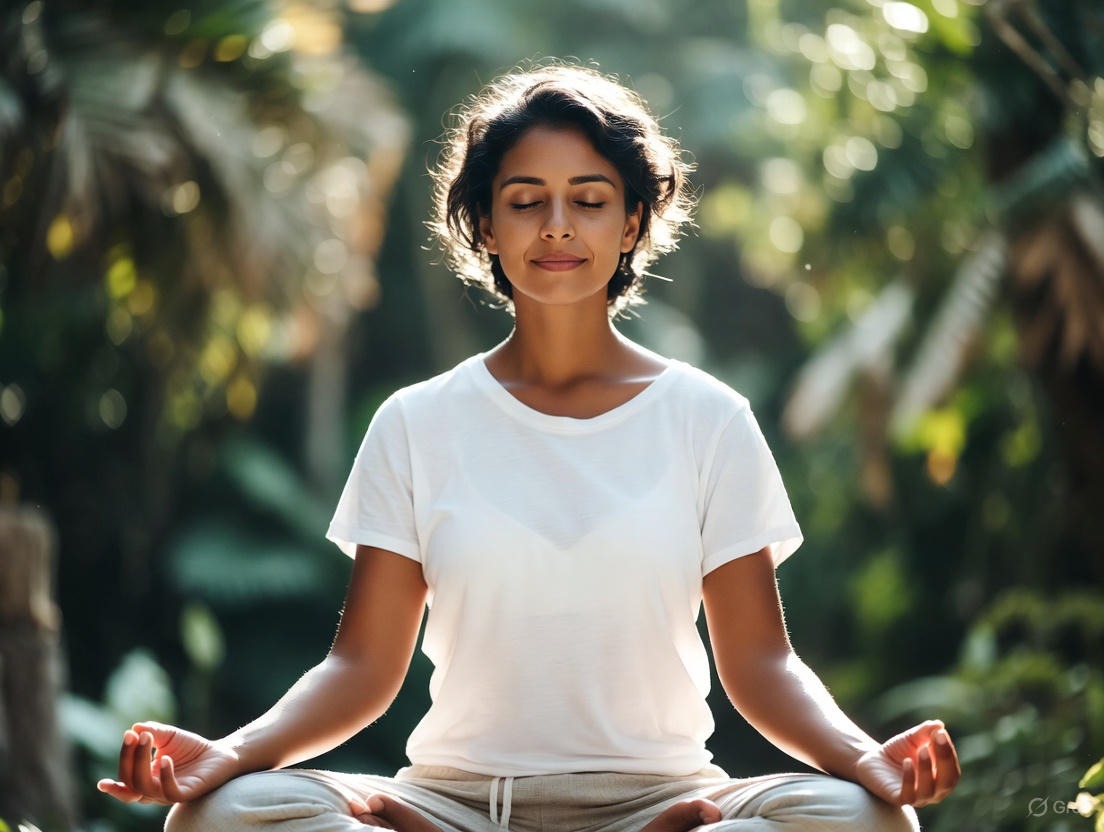
The breath and the body are not separate systems. Movement can be a powerful gateway to deeper, more conscious breathing, especially for those who find stillness challenging. Integrating gentle, mindful movement with your evening breathwork can help release physical tension that inhibits the breath and create a more holistic sense of relaxation.
The Principle: Movement Informs Breath, Breath Guides Movement.
When you move with intention, you naturally deepen and regulate your breath to support the action. Conversely, when you let your breath lead a movement, the movement becomes slow, fluid, and deeply calming. This synergy is the heart of practices like yoga, Tai Chi, and Qigong.
Simple Evening Movement Sequences (Pair with Breath):
1. Cat-Cow (Marjaryasana-Bitilasana) – For Spinal Release & Breath Awareness:
2. Legs-Up-The-Wall (Viparita Karani) – For Nervous System Reset:
3. Seated Forward Fold (Paschimottanasana) – For Calming & Introversion:
4. Supine Twist (Supta Matsyendrasana) – For Spinal Detox & Release:
The Bridge to Stillness:
Use these movements before your seated breathing practice. Spend 5-10 minutes moving gently, using the sequences above. This helps to:
This integrated approach acknowledges that physical exercise supports emotional balance not just through intense exertion, but through mindful, restorative movement that directly modulates the nervous system, a connection explained from a biochemical perspective here.
In our quest for inner calm, can outward technology be an ally? When used intentionally, absolutely. The key is to make technology serve your ritual, not disrupt it. Two types of tech can be particularly useful: smart rings and dedicated breathwork apps.
Smart Rings: The Unobtrusive Biofeedback Loop
A smart ring (like those from Oura, Ultrahuman, or Circular) is a wellness wearable that sits on your finger, continuously tracking key biomarkers relevant to your evening practice and sleep.
How They Can Enhance Your Breathing Practice:
Using a Smart Ring Wisely:
Breathwork Apps: The Guided Companion
Apps like Insight Timer, Calm, Headspace, or Breathwrk offer structured guided breathing sessions.
Their Benefits:
Cautions & Best Practices:
Technology, when harnessed correctly, can move from being a source of dysregulation to a tool for co-regulation—not with another person, but with objective data that helps you understand and optimize your own state. It provides the evidence that builds confidence in your practice, especially when motivation wanes. It’s a modern approach to an ancient practice, and when balanced with periods of pure, unplugged silence, it can be a powerful component of your journey. This measured use of tech supports the broader goal of creating healthy dynamics with the tools in our life, much as we seek to do in our relationships, as discussed here.
Your evening isn’t a blank slate; it’s filled with unique emotional weather. A one-size-fits-all approach can fail when confronted with the specific storms of a bad day, celebration, or grief. Here’s how to adapt your breathing practice to meet the moment.
Scenario 1: After a Highly Stressful or Anxious Day
Your nervous system is jacked. Cortisol is high. The goal is a major downshift.
Scenario 2: When You Feel Wired and Tired (Body tired, mind racing)
A common modern malady. Physical exhaustion coupled with mental hyperactivity.
Scenario 3: After an Argument or Emotional Conflict
Emotions are raw, the body is flooded with adrenaline, and rumination is likely.
Scenario 4: When Grieving or Feeling Deep Sadness
The goal here is not to “breathe away” the sadness, but to create a spacious, compassionate container for it. The breath becomes a companion in the pain.
Scenario 5: Before an Important Event the Next Day (Job interview, presentation)
Performance anxiety can start the night before, disrupting sleep.
By having these scenario-specific tools, your breathing practice becomes responsive and resilient. It teaches you that no matter what the evening brings, you have a way to meet it, regulate your nervous system, and protect your sleep. This adaptability is key to maintaining emotional balance across all of life’s transitions, not just daily ones, but the larger arcs of aging and managing life changes gracefully.
The ultimate goal of your evening practice is not to create a 20-minute oasis of calm in a sea of chaos. It is to let the qualities you cultivate during that time—presence, regulation, compassion—seep into the fabric of your entire day. The evening ritual is the deep, focused training session. The rest of your life is where you play the game.
The Spillover Effect: How Evening Practice Transforms Your Days
Integrating Micro-Practices Throughout Your Day:
This is how breathwork moves from being a practice to a way of being. It becomes your internal thermostat, constantly making micro-adjustments to keep you in a state of balance. This lifelong skill is perhaps the greatest gift you can give yourself and, if you have them, your children. The ability to self-regulate through the breath is a foundational component of helping children develop emotional balance early in life.
Your evening ritual is the keystone habit that makes all of this possible. It’s the dedicated time you invest to make the automatic breath conscious, so that consciousness can eventually return to the automatic breath of your day, imbuing it with peace and intention.
Your Trusted Sleep Advocate: Sleep Foundation — https://www.sleepfoundation.org
Discover a digital archive of scholarly articles: NIH — https://www.ncbi.nlm.nih.gov/
39 million citations for biomedical literature :PubMed — https://pubmed.ncbi.nlm.nih.gov/
Experts at Harvard Health Publishing covering a variety of health topics — https://www.health.harvard.edu/blog/
Every life deserves world class care :Cleveland Clinic - https://my.clevelandclinic.org/health
Wearable technology and the future of predictive health monitoring :MIT Technology Review — https://www.technologyreview.com/
Dedicated to the well-being of all people and guided by science :World Health Organization — https://www.who.int/news-room/
Psychological science and knowledge to benefit society and improve lives. :APA — https://www.apa.org/monitor/
Cutting-edge insights on human longevity and peak performance:
Lifespan Research — https://www.lifespan.io/
Global authority on exercise physiology, sports performance, and human recovery:
American College of Sports Medicine — https://www.acsm.org/
Neuroscience-driven guidance for better focus, sleep, and mental clarity:
Stanford Human Performance Lab — https://humanperformance.stanford.edu/
Evidence-based psychology and mind–body wellness resources:
Mayo Clinic — https://www.mayoclinic.org/healthy-lifestyle/
Data-backed research on emotional wellbeing, stress biology, and resilience:
American Institute of Stress — https://www.stress.org/


