The Complete Guide to Interpreting Your Wellness Ring HRV Report
A complete guide to understanding the HRV reports from your wellness ring.
The Complete Guide to Interpreting Your Wellness Ring HRV Report
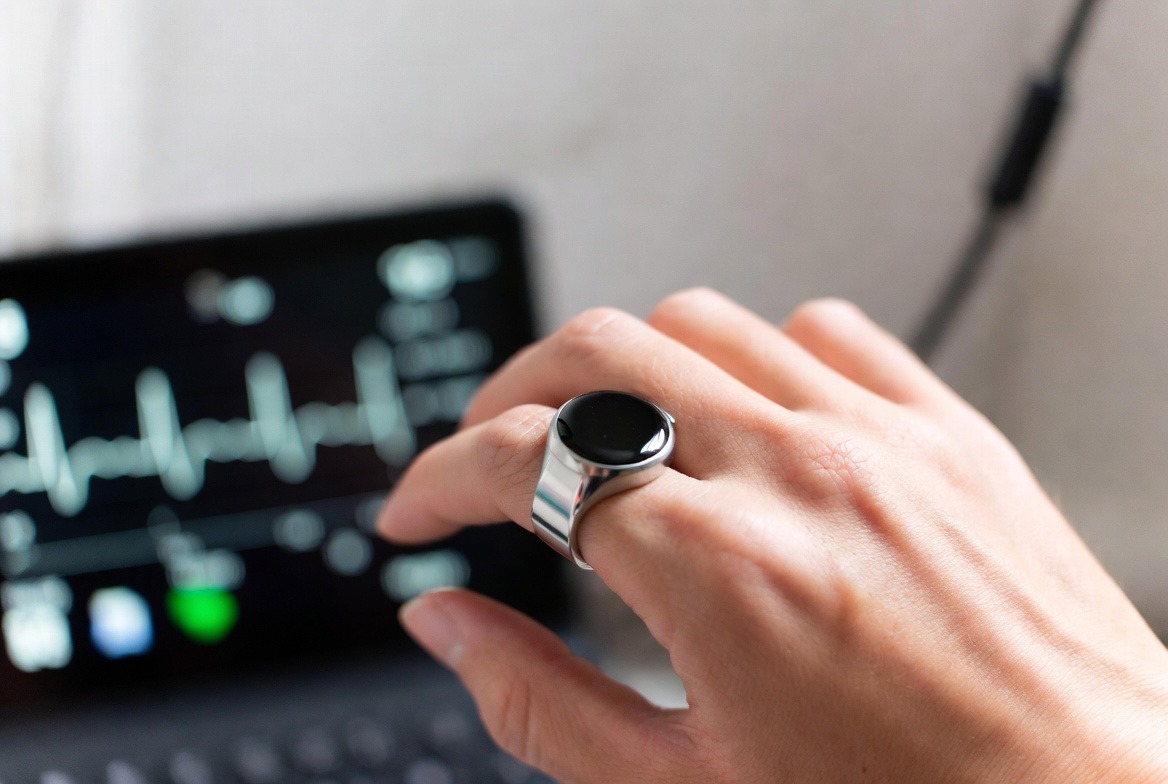
For centuries, we’ve sought external markers of health—the number on a scale, the digits on a thermometer, the reading from a blood pressure cuff. But what if one of the most profound indicators of your overall well-being wasn’t a static number, but a dynamic rhythm? A silent, internal symphony playing out in the milliseconds between each heartbeat. This rhythm is your Heart Rate Variability (HRV), and with the advent of wearable technology like the advanced smart ring from Oxyzen, you now have a front-row seat to this intimate biological concert, right on your finger.
Your HRV is not just another data point; it’s the secret language of your nervous system. It tells a story of stress and recovery, resilience and fatigue, mental load and physical readiness. A higher HRV generally signals a relaxed, adaptable, and resilient state—a body that can efficiently respond to life’s challenges. A lower HRV can be a flag, suggesting your system is under strain, fatigued, or potentially fighting an illness.
But here’s the catch: unlocking the true power of this metric isn't about chasing a single high score. It’s about learning to interpret the nuanced narrative. Your Oxyzen ring collects this data seamlessly overnight, transforming complex physiological signals into a personalized report. Yet, without the right map, that report can feel like a foreign language. This guide is your decoder ring. We will journey beyond the basics, moving from simply seeing your HRV score to deeply understanding what it says about your sleep, stress, fitness, and long-term health. We’ll equip you with the knowledge to transform raw data into actionable wisdom, turning your wellness ring from a fascinating gadget into an indispensable partner on your path to optimized health.
What Is HRV? The Symphony of Your Stress and Recovery
To truly master your HRV report, we must first understand the maestro conducting the orchestra: your autonomic nervous system (ANS). Imagine your ANS as the automatic pilot of your body, regulating countless functions without a single conscious thought from you—your heartbeat, digestion, breathing, and temperature. This pilot has two primary co-pilots with very different personalities: the sympathetic nervous system (SNS) and the parasympathetic nervous system (PNS).
The Sympathetic Nervous System is your "fight-or-flight" system. It’s the accelerator. When activated—by a work deadline, a hard workout, or a sudden scare—it prepares your body for action. Your heart rate increases, blood flow is directed to your muscles, and digestion slows. It’s essential for performance and survival.
The Parasympathetic Nervous System is your "rest-and-digest" system. It’s the brake. When dominant, it promotes recovery, healing, and restoration. Your heart rate slows, digestion is optimized, and energy is stored. This state is crucial for long-term health, cellular repair, and mental calm.
Heart Rate Variability is the ultimate biomarker of the dynamic tug-of-war between these two systems. Contrary to what you might assume, a healthy heart does not beat with the metronomic regularity of a drum machine. It is constantly varying the time interval between beats, often by mere milliseconds. When you are relaxed and recovered, your parasympathetic brake is gently applied, creating more variability between beats—a higher HRV. When you are stressed, fatigued, or ill, the sympathetic accelerator is pressed, creating a more uniform, rigid heartbeat pattern—a lower HRV.
Think of it like driving: A skilled driver smoothly modulates between the brake and accelerator to navigate traffic smoothly (high HRV). A driver who is panicked or exhausted might stomp on the accelerator and ride it hard, with little modulation (low HRV).
Your Oxyzen ring calculates HRV by measuring the precise time between each R-wave peak in your heartbeat (known as the RR interval) throughout the night. This overnight measurement is considered the gold standard, as it captures your body in its most natural, uninfluenced state, free from the distractions and physical movements of the day. The raw data is then processed using a statistical method called rMSSD (the root mean square of successive differences), which is particularly good at reflecting parasympathetic activity, giving you a clean, meaningful score in milliseconds.
Why does this matter to you? Because HRV is a supersignal. It integrates inputs from your brain, emotions, physiology, and environment into a single, quantifiable output. It responds to everything:
Physical Stress: A brutal workout, lack of sleep, or dehydration.
Mental & Emotional Stress: Anxiety, looming deadlines, or relationship friction.
Lifestyle Factors: Alcohol consumption, poor nutrition, or late-night screen time.
Positive Inputs: Meditation, deep sleep, proper recovery, and feelings of connection.
By tracking your HRV, you’re not just tracking your heart; you’re tracking your body’s total load and its capacity to handle it. It’s the most direct window you have into your own resilience. As you begin to explore our blog for more wellness tips, you'll see how HRV connects to every facet of modern well-being. This foundational understanding is what separates passive data collection from active life management—a philosophy at the core of our story and mission to deliver meaningful health insights.
Beyond the Number: Your Personal HRV Baseline and "Normal" Range
You’ve opened your app, found your HRV score—let’s say it’s 45ms—and the first question that screams for an answer is: "Is this good?" This is the most common, and most perilous, pitfall in HRV interpretation. The internet is rife with charts comparing "average" HRV by age and gender, leading to unnecessary panic or complacency. Here’s the vital truth: There is no universally "good" or "bad" HRV number. There is only what is good or bad for YOU.
Your HRV is as unique as your fingerprint. It is influenced by a constellation of fixed and variable factors:
Genetics: Some people are simply predisposed to higher or lower baselines.
Age: HRV generally tends to decrease with age.
Sex: Biological females often show different HRV patterns than males, partly due to hormonal cycles.
Fitness Level: Aerobically fit individuals typically have higher HRV, as their nervous systems are more efficient.
Chronic Health Conditions: Certain conditions can impact ANS function.
Therefore, the single most important task you have is to establish your personal baseline. This is not a one-day task. Your baseline is the range of values that is typical for you when you are feeling relatively normal—not at your absolute best after a vacation, nor at your worst during flu season. This is where the power of a wearable like your Oxyzen ring shines. By collecting data every single night, it begins to learn your unique rhythm over weeks and months.
How to Find Your Baseline:
Observe for 2-4 Weeks: Wear your ring consistently, especially at night. Live your normal life during this period.
Look for the Cluster: After this period, view your HRV data in a weekly or monthly graph. Ignore the highest and lowest outliers. Your baseline is the central band where most of your scores congregate.
Note Your "Normal" Feeling: Mentally correlate this range with how you generally felt during those weeks. This is your body’s signature resting state.
Once you know your baseline, the interpretation shifts dramatically. Instead of asking "Is 45 good?", you ask: "Where is my 45 in relation to my baseline?"
If your baseline is 40-50ms, a 45 is a solid, expected score. It suggests you are in a state of balance.
If your baseline is 60-70ms, a sustained 45 is a significant drop. It’s a red flag that your system is under unusual stress and your resilience is lowered.
If your baseline is 30-40ms, a jump to 45 could be a fantastic sign of positive adaptation from a new meditation practice or improved sleep.
The Trend is Your Friend. A single day’s score is a data point; a week’s trend is a story. Your goal is not to spike your HRV to a personal record every day (an impossibility). Your goal is to understand the direction and magnitude of change relative to your norm, and to connect those changes to your life’s events. This personalized approach is what we stand for at Oxyzen—technology that adapts to you, not the other way around.
The Nightly Narrative: How Sleep Stages and Quality Directly Shape Your HRV
Sleep is not a state of physiological shutdown; it is a highly active period of repair, consolidation, and nervous system recalibration. For HRV, sleep is the main event. It’s the one time of day your body can fully disengage from external demands and let the parasympathetic "rest-and-digest" system take the wheel. Therefore, your sleep architecture—the cyclical journey through light, deep, and REM sleep stages—is intimately woven into your HRV reading.
Deep Sleep (Slow-Wave Sleep): The HRV Powerhouse. This is the most restorative physical stage. During deep sleep, your body focuses on tissue growth and repair, immune function strengthening, and energy restoration. Crucially for HRV, this is when parasympathetic activity is typically at its peak. Your heart rate is at its lowest and steadiest, but the variability between those slow beats is high. A night rich in deep sleep often provides the ideal conditions for a strong, high HRV score. It’s like a deep-tissue massage for your nervous system.
REM Sleep (Rapid Eye Movement): The Brain's Theater and HRV Rollercoaster. REM sleep is for the mind—it’s when we dream, consolidate memories, and process emotions. Physiologically, it’s a paradox. While your brain is highly active, your body is in a state of paralysis (to prevent you from acting out dreams). Your heart rate and breathing become irregular and faster, similar to a waking state. Consequently, HRV during REM is often more variable and can dip compared to deep sleep. A healthy amount of REM is vital, but its dynamic nature means your overall nightly HRV is a weighted average of these contrasting stages.
Sleep Disruptions: The HRV Killers. This is where the story gets critical for interpretation. It’s not just about total sleep time; it’s about continuity.
Fragmented Sleep: Waking up multiple times per night (even if you don’t remember) forces your nervous system to repeatedly switch gears. Each arousal triggers a sympathetic "mini-alert," disrupting parasympathetic dominance and fracturing your HRV.
Poor Sleep Efficiency: Tossing and turning for hours before falling asleep keeps your SNS engaged, eating into the recovery window.
Late-Night Stressors: Alcohol, heavy meals, or intense screen time before bed can suppress deep sleep and keep your nervous system stimulated, directly dampening your HRV potential.
Interpreting Your Report: The Sleep-HRV Link. When you review your Oxyzen report, don’t look at HRV in isolation. Cross-reference it with your sleep data:
High HRV + High Deep Sleep: This is the gold-standard combo, indicating superb physical recovery.
Low HRV + Restless/Fragmented Sleep: The low HRV is likely a direct consequence of poor sleep quality. The culprit is probably your sleep hygiene or timing.
Lower HRV + Good Sleep Duration: This dissonance is a crucial clue. It suggests your body is under stress despite getting sleep. The load may be from other sources—overtraining, emotional stress, or an oncoming illness—that your sleep couldn’t fully counteract.
By reading these two metrics together, you move from "I slept 8 hours" to a nuanced understanding of how restorative those 8 hours actually were. For a deeper dive into optimizing this critical relationship, our blog is filled with resources on sleep hygiene and its measurable impacts.
The Stress Ledger: Physical, Mental, and Emotional Inputs That Drain or Boost HRV
Your body doesn't categorize stress. A hard interval workout, a heated argument with a loved one, and a day battling a computer virus all draw from the same biological "stress account." They all activate the hypothalamic-pituitary-adrenal (HPA) axis and, consequently, the sympathetic nervous system. HRV is the real-time balance sheet for this account. To interpret its fluctuations, you must become a detective of your own stress deposits and withdrawals.
Physical Stressors (The Obvious Withdrawals):
Exercise: This is a prime example of the "stress-and-adapt" cycle. A demanding training session is a controlled, acute stress that lowers HRV in the short term (24-48 hours). This is normal and expected. The magic happens during recovery: if you are well-fueled and rested, your body supercompensates, leading to a higher baseline HRV over time—a sign of improved fitness. Overtraining, however, shows as a chronically suppressed HRV that fails to bounce back.
Illness & Infection: Even a subclinical, "coming down with something" feeling triggers an immune response. This inflammatory process is a massive stressor on the body and will predictably crash your HRV, often 1-3 days before symptoms appear. It’s an early-warning system.
Diet & Digestion: Processing a large, heavy, or inflammatory meal requires energy and stokes inflammation, which can lower overnight HRV. Alcohol is a potent parasympathetic suppressant and will reliably degrade HRV quality.
Mental & Emotional Stressors (The Stealth Withdrawals):
Cognitive Load: A day of non-stop decision-making, problem-solving, or intensive learning is mentally fatiguing. This "brain drain" elevates cortisol and sympathetic tone, often reflected in a lower evening and overnight HRV.
Emotional Turbulence: Anxiety, sadness, anger, and even prolonged periods of intense focus (like meeting a deadline) create a physiological arousal state indistinguishable from physical threat to your ANS. Chronic worry is like a slow drip on your stress account.
Environmental Stress: Constant noise, long commutes in traffic, and even poor lighting can contribute to allostatic load—the cumulative wear and tear from chronic stress.
Positive Inputs (The Vital Deposits): This is the empowering part of the ledger. You can actively make deposits to boost your HRV and resilience.
Mindfulness & Meditation: Practices that focus on slow, diaphragmatic breathing (like box breathing or guided meditation) directly stimulate the vagus nerve, the main highway of the parasympathetic system. Consistent practice raises HRV baseline.
Connection & Joy: Laughter, positive social interaction, feelings of gratitude, and physical touch (hugging a loved one, petting a dog) have been shown to improve vagal tone and HRV.
Nature & Awe: Spending time in nature ("forest bathing") or experiencing moments of awe can shift the nervous system into a calmer, more reflective state.
The Art of Connection: Your task is to use your HRV report as a mirror. When you see a significant dip, audit your previous 24-48 hours. Was it an extra-hard gym session? A difficult conversation? Two nights of poor sleep? A few drinks? By linking the data to real life, you move from confusion to clarity. You learn your unique stress signatures. For many users, this objective feedback is the catalyst for meaningful change—a trend we are humbled to see in our customer testimonials. It turns abstract "stress" into identifiable, manageable factors.
The Recovery Spectrum: From Daily Rebound to Long-Term Adaptation
Recovery is not a binary state of "recovered" or "not recovered." It's a dynamic spectrum, and your HRV is the most sensitive gauge we have to measure where you fall on it. Understanding this spectrum is key to using your data for sustainable progress, whether your goal is athletic performance, creative output, or simply vibrant health.
1. Acute Recovery (The 24-48 Hour Rebound): This is the short-term bounce-back after a discrete stressor, like a single workout, a stressful event, or a night of poor sleep. A healthy, resilient system will see HRV dip on the night of the stress and then rebound to baseline or slightly above within one to two days.
What to Look For: A V-shaped pattern on your graph. A sharp drop followed by a sharp recovery.
Interpretation: This is a sign of good short-term adaptability. Your body is effectively handling and responding to individual challenges.
2. Chronic Load & Insufficient Recovery (The Downward Trend): This occurs when stressors are applied too frequently without adequate recovery time between them. The acute dips start to overlap, and your HRV begins a sustained downward trend, failing to return to baseline. This is the hallmark of overreaching and, if unaddressed, leads to overtraining syndrome, burnout, or increased illness susceptibility.
What to Look For: A staircase pattern descending over 5-7 days or more. Your weekly average is consistently dropping.
Interpretation: A major red flag. Your withdrawals are chronically outpacing your deposits. This is a direct signal to pull back: deload in training, prioritize sleep, manage stress, and focus on nourishment. Ignoring this trend is an invitation for injury, illness, or exhaustion.
3. Positive Adaptation (The Rising Baseline): This is the ultimate goal of intelligent training and lifestyle management. When the balance of stress and recovery is optimally managed, your body doesn't just rebound—it gets stronger. Over weeks and months, your baseline HRV gradually trends upward.
What to Look For: The central band of your HRV values slowly climbs over a period of months. Your "normal" becomes a new, higher number.
Interpretation: This indicates improved autonomic nervous system fitness, greater resilience, and enhanced physiological efficiency. It's concrete proof that your habits—be it consistent aerobic exercise, meditation, or better sleep—are fundamentally improving your health capacity.
4. Supercompensation (The Strategic Peak): Sometimes used by athletes, this involves deliberately accumulating fatigue (a controlled drop in HRV) through a training block, followed by a deliberate and pronounced "taper" or recovery period. The goal is for HRV to not just rebound, but to surge to a new peak right before a key competition or event.
What to Look For: A planned decline followed by a sharp, deliberate recovery that overshoots the previous baseline.
Interpretation: A sign of peak readiness. The body has adapted to the training load and is now in an optimal, super-recovered state.
Using Your Ring to Navigate the Spectrum: Your Oxyzen report provides the high-resolution data needed to place yourself on this spectrum daily. Don't just look at today's number. Zoom out to the weekly and monthly view. Ask yourself:
Is my trend flat, rising, or falling?
Am I seeing healthy V-shaped rebounds, or am I stuck in a trough?
Does my planned "deload week" actually show a recovery in my data?
This long-term, trend-based view prevents you from overreacting to a single bad day and empowers you to make strategic, data-informed decisions about when to push and when to rest. It’s the cornerstone of a truly personalized and sustainable wellness practice, aligning perfectly with our vision for proactive health management.
The Lifestyle Audit: Connecting Diet, Hydration, Alcohol, and Caffeine to Your Data
Your HRV report is a truth-teller. It reflects the sum of your lifestyle choices with unflinching objectivity. While sleep and exercise are major players, the micro-choices around what you consume are equally potent levers on your autonomic nervous system. Learning to read these connections turns your ring into a powerful biofeedback tool for daily habits.
Diet: The Fuel for Your Nervous System.
Meal Timing & Size: A large, heavy meal within 2-3 hours of bedtime forces your body to prioritize digestion over deep recovery. This can raise heart rate and lower HRV. Conversely, going to bed very hungry can also be a stressor. Finding your personal "sweet spot" for an evening meal is key.
Macro-Nutrient Balance: Extreme diets can show up in your data. Very low-carbohydrate diets, for instance, can be stressful for some individuals and may lower HRV initially. Inadequate protein can hamper repair. A balanced diet that supports stable blood sugar tends to be most favorable for ANS balance.
Inflammatory Foods: If you have a sensitivity to certain foods (e.g., gluten, dairy, processed sugars), consuming them can trigger a low-grade inflammatory response, which acts as a physiological stressor and can depress HRV.
Hydration: The Foundation of Physiology. Even mild dehydration increases the concentration of stress hormones like cortisol. It makes your blood thicker, forcing your heart to work harder. This sympathetic shift is directly reflected in a lower HRV. A day of inadequate fluid intake is often clearly visible in your overnight recovery score. The effect is so reliable that some athletes use HRV as a proxy for hydration status.
Alcohol: The Parasympathetic Suppressant. This is one of the most dramatic and consistent relationships you will observe. Alcohol is a central nervous system depressant, but its effect on your ANS is to suppress the parasympathetic (rest-and-digest) activity while leaving sympathetic tone relatively unaffected. The result?
Heart Rate Elevation: You'll likely see a higher-than-normal resting heart rate.
HRV Suppression: A significant drop in HRV, often by 20-40% or more.
Sleep Architecture Destruction: It fragments sleep, severely reducing restorative deep and REM sleep, compounding the negative effect.
The Multi-Night Impact: The dip often lasts for 2-3 nights, not just one, as your body works to process the toxins and repair the cellular damage.
Caffeine: The Sympathetic Stimulant. Caffeine's effects are more individual and timing-dependent. It blocks adenosine (a sleep-promoting chemical) and increases sympathetic activity.
Morning Consumption: For most, this has a minimal negative impact on overnight HRV if consumed early.
Afternoon/Evening Consumption: Caffeine's long half-life means it can still be in your system at bedtime, delaying sleep onset, reducing sleep depth, and thereby indirectly lowering your HRV. If you see poor sleep scores paired with lower HRV, late caffeine is a prime suspect.
Conducting Your Own Audit: The power here lies in experimentation and observation.
Establish a Baseline Week: Live normally and note your average HRV.
Introduce a Single Change: For example, eliminate alcohol for a week, increase your water intake by 1 liter per day, or stop caffeine after 2 PM.
Observe the Trend: Did your 7-day average HRV improve? Did your sleep scores get better?
Reintroduce & Observe: Carefully reintroduce the element and see if your scores dip.
This process of n-of-1 experimentation empowers you to build a lifestyle uniquely optimized for your biology. For common questions on how to manage these experiments or understand ring data, our FAQ page is a great support resource. It turns guesswork into knowledge.
The Mind-Body Bridge: HRV, Mindfulness, and Breathing Techniques
We've seen how external factors impact HRV. Now, we explore the most direct way you can actively control and elevate it: through the conscious use of your breath. The connection between breathing and heart rate is called respiratory sinus arrhythmia (RSA), and it's the cornerstone of biohacking your own nervous system. When you inhale, your heart rate naturally speeds up slightly (sympathetic nudge). When you exhale, it slows down (parasympathetic brake). HRV is, in part, a measure of this beautiful oscillation. By slowing and deepening your breath, you amplify this wave, directly stimulating your vagus nerve and boosting HRV.
Breathing Techniques as HRV Tools:
Coherent or Resonant Breathing: Breathing at a rate of 5-6 breaths per minute (typically a 5-second inhale, 5-second exhale) has been shown to optimally synchronize your heart, lungs, and circulatory system, maximizing HRV. This is the "sweet spot" for creating physiological coherence.
Box Breathing (4-4-4-4): Inhale for 4, hold for 4, exhale for 4, hold for 4. This technique, used by Navy SEALs to calm under pressure, is highly effective for engaging the parasympathetic system.
Extended Exhalation: Practices where the exhalation is longer than the inhalation (e.g., 4-second inhale, 6-second exhale) place extra emphasis on activating the vagal brake.
Mindfulness and Meditation: Formal meditation practices reduce the background "noise" of psychological stress—rumination about the past, anxiety about the future. By cultivating present-moment awareness, you lower the constant low-grade sympathetic activation from your thoughts. Studies consistently show that long-term meditators have higher baseline HRV. Even short, daily practices can move the needle over time.
The Practical Application with Your Ring: Your Oxyzen ring provides the perfect feedback loop to make these practices tangible.
The Direct Experiment: Do a 10-minute coherent breathing session before bed. The next morning, check your HRV and sleep depth. You will often see a direct correlation.
Tracking Long-Term Baselines: Commit to a daily 10-minute meditation practice for one month. Don't look at daily scores; look at your monthly average HRV at the end and compare it to the previous month. Has your baseline risen?
Stress Response Buffer: On a day you know is stressful, use mini breathing breaks (even 60 seconds of deep breathing). This can help modulate the sympathetic surge and may soften the expected HRV dip that night.
This is where wellness technology transcends tracking and becomes training. You are no longer a passive recipient of stress; you are an active architect of your recovery. You can use your own physiology's response, visible in your report, to validate which practices work best for you. It demystifies ancient wisdom with modern data. Exploring related articles on our blog can provide further guided techniques and routines to integrate into your day.
Hormonal Rhythms and HRV: A Guide for Female Health
For individuals with menstrual cycles, HRV interpretation requires an additional, crucial layer of context. Your sex hormones—estrogen and progesterone—exert a powerful influence on the autonomic nervous system, creating a predictable, cyclical pattern in your HRV data. Ignoring this rhythm can lead to misinterpretation of your trends. Instead, tracking it can provide profound insights into your cycle health and energy availability.
The Two-Phase Cycle and HRV:
Follicular Phase (Day 1 ~ Ovulation): Estrogen rises, peaking just before ovulation. Estrogen is generally associated with a boosting effect on parasympathetic activity. Many people see a gradual rise in their baseline HRV throughout this phase, often peaking around ovulation. Energy, resilience, and stress tolerance may feel higher.
Luteal Phase (Post-Ovulation ~ Menstruation): Progesterone becomes the dominant hormone. Progesterone has a thermogenic (heat-producing) and mildly stimulating effect, which can increase resting heart rate and sympathetic tone. Consequently, there is typically a noticeable decline in HRV during this phase, hitting a low point in the days just before menstruation. This is completely normal and physiological.
What This Means for Interpretation:
You Must Cycle-Sync Your Baseline: Your "normal" HRV in the follicular phase is different from your "normal" in the luteal phase. Comparing a luteal-phase score to a follicular-phase baseline would falsely indicate "poor recovery." Instead, compare like-to-like: track your trends within each phase over multiple cycles.
It Explains "Unexplained" Dips: A sudden drop in HRV a week before your period is likely hormonal, not necessarily a sign of overtraining or poor lifestyle choices (unless compounded by them).
A Tool for Cycle Awareness: For those with irregular cycles or conditions like PCOS, HRV tracking can sometimes help identify anovulatory cycles or hormonal imbalances, as the typical two-phase pattern may be absent or blunted.
Applying This to Training & Life (Cycle Syncing):
Follicular Phase: An ideal time for higher-intensity training, new challenges, and social exertion. Your body is primed for stress and adaptation.
Luteal Phase: A time to prioritize recovery, gentler movement (like yoga or walking), stress management, and nourishment. Pushing intense training here may yield less benefit and more fatigue, reflected in a deeper HRV suppression.
Perimenopause & Menopause: As hormones fluctuate and decline, the clear cyclical pattern fades. HRV often shows more variability and may trend downward due to the loss of estrogen's parasympathetic support. This makes consistent lifestyle habits (sleep, breathwork, stress management) even more critical for maintaining autonomic resilience during this transition.
By honoring this innate rhythm, you move from fighting your biology to working with it. Your HRV report becomes a compassionate guide, helping you plan your month strategically and interpret your data accurately, without self-judgment. It’s a powerful example of personalized health, a principle we are deeply committed to at Oxyzen.
Red Flags and Warning Signs: When to Pay Attention and When to Act
Your HRV is a robust indicator, but it is not a medical diagnostic device. Its greatest value in the context of health is as an early-warning system and a trend monitor. Learning to distinguish normal fluctuations from potential red flags is essential for using your data wisely and without anxiety.
Significant, Unexplained Drops (The "Sudden Cliff"):
The Pattern: A drop of 20-30% or more below your personal rolling baseline that lasts for multiple days (3+), and you cannot link it to an obvious cause like a hard training block, poor sleep, or alcohol.
Potential Interpretation: This is a classic sign that your body is fighting something. It could be:
Oncoming Illness: Your HRV often drops 24-72 hours before cold/flu symptoms appear.
Hidden Infection or Inflammation: A lingering issue your conscious mind isn't aware of yet.
Severe Overtraining or Burnout: When the system is chronically depleted.
Action Step: Treat this as a signal to prioritize radical recovery. Scale back intense activity, prioritize sleep and hydration, nourish your body well, and manage stress. Listen to your body's request for rest.
A Sustained Downward Trend (The "Staircase of Fatigue"):
The Pattern: Your weekly average HRV is consistently trending down over 7-14 days, with no rebound.
Potential Interpretation: You are in a state of chronic load. Stressors (training, work, life) are consistently outpacing your recovery capacity. This is the pathway to overtraining, injury, or immune suppression.
Action Step: This requires a proactive intervention. Plan a deliberate "deload" week—reduce training volume by 40-60%, incorporate more restorative activities, and double down on sleep and nutrition. Use your HRV to confirm the recovery rebound.
Abnormally High, Spiking HRV (Less Common, But Noteworthy):
The Pattern: A sudden, dramatic spike in HRV far above your normal range.
Potential Interpretation: While often seen as positive, a spike can sometimes indicate:
A "Relaxation Response" after a period of intense stress (e.g., the first night of a vacation)—this is positive.
A sign of excessive parasympathetic dominance in some contexts, which can be linked to extreme fatigue or certain clinical conditions.
Action Step: Context is everything. If it follows a holiday break, it's likely a good sign of deep recovery. If it's paired with feelings of extreme lethargy and persists, it may be worth noting.
When to Consult a Healthcare Professional: Use your HRV data as a conversation starter with your doctor, not a replacement for their expertise.
If you see persistent, unexplained low HRV paired with symptoms like chronic fatigue, dizziness, palpitations, or unexplained weight changes.
If you have a known cardiovascular condition and are tracking HRV, share your trends with your cardiologist.
If the data is causing significant anxiety or obsessive behavior, step back from daily checking and focus on weekly trends.
The goal is informed awareness, not hypochondria. Your ring is a guide, not a doctor. It empowers you to make better day-to-day choices and catch early signs of imbalance. For more on how to integrate this data into a balanced health philosophy, our community's experiences can be a valuable reference. Remember, the ultimate metric is how you feel. The data should explain your feelings, not contradict them.
Building Your Personal HRV Action Plan: From Insight to Habit
Data without action is merely trivia. The true power of your Oxyzen wellness ring lies not in the sophisticated graphs it generates, but in the tangible, positive changes you can implement because of them. Up to this point, we've focused on interpretation—learning the language of your nervous system. Now, we shift to application. This is where we build your personalized, responsive action plan. You will learn how to translate a "low HRV" reading from a frustrating abstraction into a clear, multi-step protocol for recovery. This framework moves you from being a passive observer of your health to an active, empowered participant.
The core philosophy is contextual response. A low HRV score after a deliberately hard training block requires a different action than the same score after a week of poor sleep and high work stress. Your plan must be as dynamic as your life.
Creating Your HRV Response Protocol: The Tiered System
Think of your response protocol as a toolkit with different levels of intervention, from gentle nudges to full system resets. You select the tool based on the severity and context of the HRV signal.
Tier 1: The Gentle Nudge (For Minor, Single-Day Dips)
The Signal: Your HRV dips 5-15% below your 7-day rolling average. You feel slightly off but functional.
Likely Causes: Slight sleep deficit, mild dehydration, one stressful day, a moderate workout.
Action Plan:
Hydration Priority: Consciously hit your water intake goal for the day. Add electrolytes if you sweated heavily.
Sleep Hygiene Excellence: Be meticulous tonight. Dim lights early, power down screens 90 minutes before bed, ensure your room is cool and dark.
Breathwork Buffer: Incorporate 5-10 minutes of coherent breathing (5-sec inhale, 5-sec exhale) in the evening.
Nutrition Support: Focus on an anti-inflammatory, nutrient-dense meal—think leafy greens, quality protein, and healthy fats. Avoid alcohol and heavy, late meals.
Training Adjustment: If you have a workout planned, consider making it a "feeling-based" session. Be willing to reduce intensity or volume by 20-30%, or swap it for gentle mobility or a walk.
Tier 2: The Recovery Focus (For Sustained 2-3 Day Drops or Larger Single Drops)
The Signal: HRV is 15-30% below baseline for multiple days, or you see a single severe drop. You feel fatigued, irritable, or "run down."
Likely Causes: Accumulated life stress, poor sleep for several nights, a very intense workout, possible onset of illness.
Action Plan: Execute all of Tier 1, plus:
Sleep Extension & Nap: Aim for an extra 60 minutes of sleep if possible. A 20-minute afternoon power nap (before 3 PM) can be restorative.
Active Recovery Only: Replace any planned intense training with genuine active recovery—light walking, gentle yoga, or foam rolling. The goal is circulation, not exertion.
Stress Containment: Proactively manage your cognitive load. Delegate what you can, postpone non-urgent decisions, and schedule short mindfulness breaks.
Digital Sunset: Enforce a strict 2-hour pre-bed screen ban. Read a physical book or listen to calming music instead.
Monitor Closely: You are now in observation mode. Is your HRV beginning to rebound with these interventions? If not, prepare for Tier 3.
Tier 3: The System Reset (For Chronic Downward Trends or Severe Unexplained Lows)
The Signal: A clear downward trend over 5+ days with no rebound, or an HRV drop >30% that is unexplained by lifestyle. You may feel exhausted, achy, or emotionally fragile.
Action Plan: This is a deliberate pause. Execute Tiers 1 & 2, plus:
Full Training Deload: For 3-7 days, engage in zero structured training. Only move in ways that feel genuinely good and energizing—gentle walks, stretching. The rule is: "If it raises my heart rate significantly, don't do it."
Radical Rest: Prioritize sleep above all else. Consider this your body's mandatory repair period.
Nutritional Support: Focus on easy-to-digest, mineral-rich foods (bone broths, soups, steamed vegetables). Consider supplementing with vitamin C, zinc, and magnesium (after consulting with a professional if needed).
Consultation: If this state persists for more than a week despite a reset, or is accompanied by concerning symptoms, use your data as a record to consult a healthcare professional (a common topic in our support resources).
By having this tiered plan, you eliminate decision fatigue. The data tells you what is happening, and your protocol tells you how to respond. This is the essence of biofeedback-driven living.
The 80/20 of HRV Optimization: Non-Negotiable Foundation Habits
Before chasing advanced "biohacks," the most significant gains in HRV come from solidifying the foundational pillars of health. These are the high-leverage habits that, when optimized, create the stable platform from which all other interventions can work effectively. Your Oxyzen data will prove it.
1. Sleep Consistency is King (Not Just Duration). Your body craves rhythm. Going to bed and waking up at roughly the same time every day—even on weekends—is arguably more impactful for HRV than getting 8 hours at erratic times. This regularity strengthens your circadian rhythm, which in turn optimizes the timing and quality of your autonomic nervous system's recovery phase.
Your Ring's Role: Use the "Sleep Schedule" consistency metric. Your goal is a tight, regular pattern. Observe how deviations (e.g., a 2 AM Saturday bedtime) affect your HRV for the next 2-3 nights.
2. Master Your Hydration. As previously established, dehydration is a direct stressor. The goal is consistent, adequate hydration throughout the day, not guzzling water before bed (which will disrupt sleep).
Simple Protocol: Drink a large glass of water upon waking. Consume water consistently, aiming for your body weight (in pounds) divided by 2, in ounces, as a starting point. Use your ring's HRV and Resting Heart Rate (RHR) as feedback—a coupled rise in RHR and drop in HRV can often be traced back to a dehydrated day.
3. Manage Caffeine and Alcohol with Intent. These are powerful pharmacological agents, not mere beverages. Treat them as such.
Caffeine Rule: Enforce a "caffeine curfew" at least 8-10 hours before your target bedtime. For most, this means none after 2 PM.
Alcohol Rule: Understand that alcohol is a recovery poison. If you choose to consume, do so with the explicit knowledge that it will degrade your sleep and HRV for 1-3 nights. Plan a "buffer zone" afterward—don't schedule an important workout or high-stress day following a night of drinking. The objective data from your ring can be a powerful motivator for mindful consumption, as many users share in their personal testimonials.
4. Daily Mindfulness or Breathwork Anchor. Building parasympathetic tone is a skill that requires practice. A non-negotiable 10-minute daily session of meditation or coherent breathing is like strength training for your vagus nerve.
The Link: Don't just do it blindly. Notice the correlation. Do you sleep more deeply on days you meditate? Does your morning HRV show less reactivity to stress on days you practice? This positive feedback loop turns the practice from a chore into a valued tool.
5. Progressive Overload in Recovery, Not Just Training. Just as you gradually increase weight in the gym, gradually improve these foundational habits. Week 1: Focus on a consistent bedtime. Week 2: Add the caffeine curfew. Week 3: Implement the daily breathing session. Building slowly leads to sustainable change, which is reflected in a steadily rising HRV baseline. For more structured approaches to habit stacking, our blog offers numerous guides.
When these five habits are locked in, they can account for 80% of your HRV results. They create the calm, stable internal environment where your body can thrive and adapt.
Advanced Correlations: Linking HRV to Performance, Creativity, and Mood
Once you have a stable handle on the fundamentals, you can begin to explore the fascinating correlations between HRV and other dimensions of your life. This is where self-quantification becomes truly enlightening, moving beyond physical health into cognitive and emotional performance.
HRV and Physical/Athletic Performance: The relationship is bidirectional and time-shifted.
Pre-Training HRV as a Readiness Metric: A higher-than-baseline HRV on the morning of a workout suggests your body is recovered and primed for a high-quality, intense session. A lower HRV suggests you may need to adjust the plan toward lighter work. This is the basis of "readiness scoring" used by elite athletes.
Post-Training HRV as an Adaptation Gauge: The dip and subsequent rebound pattern tells you if you recovered adequately from a session. A fast rebound means you're well-recovered and can handle more load. A slow or absent rebound signals you need more rest before the next intense stimulus.
The Performance "Sweet Spot": Chronic, sustained overreaching will suppress HRV and diminish performance. Intelligent periodization, with planned deloads, should show a "sawtooth" pattern of HRV (dips followed by recoveries to a slightly higher baseline), correlating with increased fitness and performance gains.
HRV and Cognitive Performance/Creativity: Your brain is an organ, and its function is deeply tied to your physiological state.
High HRV & Executive Function: A state of high HRV (high parasympathetic tone) is associated with better emotional regulation, improved decision-making under pressure, and enhanced focus. You are in a state of "grace under pressure."
Low HRV & Cognitive Impairment: Chronic low HRV is linked to brain fog, impaired working memory, and reactive emotional states. Your prefrontal cortex—the seat of rational thought—is effectively "offline" when your nervous system is in a threatened state.
Creativity's Paradox: Interestingly, some research suggests that certain types of creative insight may be facilitated by a more relaxed, open state (higher HRV), while the focused execution of creative work may pull from different resources. Tracking your HRV alongside periods of high creative output can reveal your personal pattern.
HRV and Emotional/Mood State: This is one of the most immediate and personal correlations.
Anxiety and Low HRV: Anxiety disorders are strongly correlated with low HRV. The state of worry is a direct sympathetic nervous system activator. Conversely, practices that raise HRV (like breathwork) have a direct anti-anxiety effect.
Resilience and High HRV: A higher HRV baseline indicates a greater capacity to experience emotional stressors without being completely derailed by them—you bounce back faster.
The Feedback Loop: You can use your HRV as an objective check-in. If you feel anxious or irritable, check your data. Has your HRV been low or trending down? This external validation can help you depersonalize the feeling—"My nervous system is overloaded," rather than "I am failing to cope." It’s a powerful step toward self-compassion and effective action.
By keeping a simple journal note alongside your Oxyzen data—"Nailed presentation, felt focused" or "Argument with partner, felt reactive"—you build a rich personal dataset. Over time, you won't just be optimizing for a higher number; you'll be optimizing for a higher-quality life experience.
Navigating Plateaus and Managing Data Anxiety
The journey with HRV is not a straight line upward. You will hit plateaus. You will have unexplained bad weeks. Furthermore, the act of tracking itself can, for some, become a source of stress—a phenomenon sometimes called "quantified self-anxiety." Navigating these psychological aspects is as important as interpreting the data itself.
The Inevitable Plateau: After an initial period of improvement from fixing obvious lifestyle issues (better sleep, less alcohol), your HRV may stabilize for weeks or months. This is normal.
Reframe It: A plateau is not a failure; it's a new, higher baseline. Your body has found a new equilibrium. The goal of health is stability, not infinite growth.
Advanced Levers: To nudge beyond a plateau, consider exploring more nuanced levers:
Cold Exposure: Brief cold showers or plunges can be a hormetic stressor that, when followed by recovery, may boost vagal tone and HRV over time.
Heat Exposure (Sauna): Similar to exercise, sauna use creates a cardiovascular stress followed by a strong parasympathetic rebound, potentially improving HRV.
Social Connection: Prioritize positive, in-person social interactions. Loneliness is a potent stressor.
Purpose & Play: Engage in activities that bring you joy and a sense of meaning without an outcome. Pure play lowers stress at a deep level.
Managing Data Anxiety and Obsession:
The 30,000-Foot View: Stop checking your score every morning. Instead, make a habit of reviewing your weekly average every Sunday. This forces you to focus on the trend, not the daily noise. Daily fluctuations are normal and meaningless in isolation.
The "How Do I Feel?" Check: Before you open the app, ask yourself: "How do I feel on a scale of 1-10 today?" Then look at the data. Does it match? This keeps you connected to your subjective experience, which is the ultimate metric. The data should explain your feelings, not define them.
Scheduled Breaks: Consider taking a one-week "data vacation" every quarter. Wear the ring for consistency, but don't look at the data. Reconnect with listening to your body's innate signals without technological mediation.
Remember the "Why": You are tracking this to live better, not to get a high score. If the tracking is making you feel worse, you've lost the plot. The technology should serve you, not the other way around. This balanced approach is central to the philosophy behind Oxyzen.
When the Data and Feelings Diverge: Sometimes you'll feel great but your HRV is low, or vice versa.
Feel Great, HRV Low: Could be delayed physical stress (like from a workout 2 days prior) that you're not consciously feeling. Trust the data as a signal to take it easy, even if you feel energetic. You may be preventing a crash.
Feel Poor, HRV High: This is less common but can happen. It may indicate your body is in a strong recovery phase physiologically, but your mood is affected by separate psychological factors. Use the high HRV as a source of confidence—your physical system is resilient, now address the mind.
Case Studies: Real-World Interpretation of Complex HRV Patterns
Theory is essential, but practical examples cement understanding. Let's walk through three anonymized, composite case studies based on common patterns seen in user data. These illustrate how to synthesize all the factors we've discussed—sleep, stress, lifestyle, training, and cycle—into a coherent story.
Case Study 1: The Overtraining Executive
Profile: Mark, 42, busy tech executive, training for a marathon.
Presenting Query: "My HRV has been crashing for two weeks. I'm sleeping 8 hours and training hard, but I feel terrible and my pace is getting slower."
The Data Narrative:
Week 1: HRV begins a steady, staircase descent. Sleep duration remains high (7.5-8 hrs), but sleep restlessness score increases by 40%. Resting Heart Rate (RHR) trends upward by 5 beats per minute.
Week 2: HRV drops another 25%. Deep sleep percentage is down significantly. A few nights show elevated nighttime heart rate.
Lifestyle Audit: Mark increased his running mileage by 20% three weeks ago. Work stress is high due to a product launch. He's cut calories to "lean out" for the race, and his evening glass of wine has become two to "unwind."
Interpretation: This is a classic case of chronic load with insufficient recovery. The increased training load (physical stress) is compounded by high work stress (mental stress), caloric restriction (nutritional stress), and increased alcohol (lifestyle stress). His long sleep duration is deceptive; the increased restlessness and RHR indicate poor sleep quality because his nervous system is too agitated to dive into deep, restorative sleep.
Action Plan (Tier 3 Reset): Immediate 7-day training deload (walking only). Prioritize calorie maintenance with nutrient-dense foods. Eliminate alcohol entirely. Practice 10 minutes of breathwork before bed to calm the nervous system. Use the data to see when HRV and RHR begin to rebound before cautiously resuming training at a lower volume.
Case Study 2: The Hormonal Rollercoaster
Profile: Lena, 34, yoga teacher with a regular cycle.
Presenting Query: "My energy and recovery feel like a monthly rollercoaster. Is this in my head?"
The Data Narrative (Over a 90-Day Cycle View):
A clear, repeating 28-day pattern emerges.
Days 1-14 (Follicular): HRV trends upward, peaking near day 12-14 (ovulation). RHR trends down. Energy logs correlate with "high energy, great focus."
Days 15-28 (Luteal): HRV begins a steady decline, lowest in the 3 days before menstruation. RHR trends up by 2-3 BPM. Energy logs show "fatigue, irritability, need for alone time."
Lifestyle Audit: Lena tries to maintain the same high-intensity yoga schedule all month. Her caffeine intake unconsciously increases in the luteal phase to combat fatigue.
Interpretation: This is a perfectly normal physiological hormonal rhythm. Lena is not "broken"; her data beautifully maps the estrogen-progesterone cycle. The problem is her one-size-fits-all lifestyle is fighting her biology. The caffeine may be further disrupting her sleep in the luteal phase.
Action Plan (Cycle Syncing): Use the HRV trend as a guide. Follicular: Schedule challenging classes, creative projects, and social events. Luteal: Scale back teaching intensity, swap some vinyasa for yin or restorative yoga, prioritize alone time, and enforce a strict caffeine curfew. This alignment reduces the feeling of struggle and honors her body's natural phases.
Case Study 3: The Silent Illness Detection
Profile: David, 50, generally healthy, consistent gym-goer.
Presenting Query: "I felt fine, but my ring said I was wrecked for three days. Then I got sick."
The Data Narrative:
Day 1: HRV drops 35% overnight, despite normal sleep scores and no changes in diet/alcohol/training. RHR is up 8 BPM. David feels completely normal.
Day 2: HRV remains very low. RHR elevated. David notes a slight scratchy throat in the evening but dismisses it.
Day 3: HRV is still low. RHR high. Full-blown cold symptoms appear—congestion, fatigue.
Day 4-7: As symptoms peak and then subside, HRV slowly begins its recovery climb back to baseline.
Interpretation: This is a textbook example of HRV acting as an early-warning system for immune activation. The physiological battle began days before subjective symptoms appeared. The massive, unexplained dip was the clue.
Action Plan & Learning: In the future, David can treat a sudden, unexplained HRV/RHR shift as a pre-symptomatic "red flag" (Tier 2/3 protocol). He can proactively rest, hydrate, and support his immune system, potentially mitigating the severity or duration of the illness. This transforms the data from retrospective explanation to proactive tool.
These cases show how the Oxyzen ring moves from providing data to delivering insight, enabling personalized and preemptive health strategies. For more user experiences and stories, the testimonials page shares how others have applied these insights.
Integrating HRV with Other Biomarkers: RHR, Sleep, and Activity
HRV is profoundly powerful, but its story is enriched and clarified when read in concert with other biomarkers your wellness ring tracks. Creating a dashboard view in your mind of these interconnected signals prevents misinterpretation and provides a holistic picture of your state.
The Vital Partnership: HRV and Resting Heart Rate (RHR) These two metrics are the yin and yang of autonomic nervous system assessment.
The Ideal Scenario (Fitness & Recovery): High HRV + Low RHR. This combination is the hallmark of strong cardiovascular fitness and good parasympathetic tone. It indicates a heart that is efficient (low beats per minute) and adaptable (high variability between beats).
The Stress/Fatigue Signal: Low HRV + High RHR. This is a clear, dual-signal that your sympathetic nervous system is dominant. Your heart is beating faster and more rigidly. This is seen with acute stress, overtraining, dehydration, or illness.
The Divergence Clue: Sometimes they move independently, offering nuanced clues.
RHR stable, HRV drops: May indicate mental/emotional stress without a large physical component, or very early immune response.
HRV stable, RHR rises: Could indicate heat exposure, dehydration, or the luteal phase of a menstrual cycle.
Monitoring both gives you confidence in your interpretation. A single metric can be noisy; a correlated shift in both is a strong signal.
Sleep Metrics: The Context for Overnight HRV Your overnight HRV score is an average or specific calculation across the whole night. The sleep stage breakdown explains that number.
Cross-Reference: Always look at HRV alongside Deep Sleep % and Restlessness.
High HRV with High Deep Sleep = Excellent physical recovery.
Low HRV with High Restlessness = The poor sleep quality is likely the cause.
Low HRV with Good Sleep = The stressor is likely non-sleep related (see RHR/HRV combo above).
Daytime Activity and Heart Rate: The Input/Output Loop
Daytime Stress & Strain: Look at your daytime heart rate graph and activity calories. A day with many sympathetic "spikes" (meetings, commutes, workouts) is a large withdrawal. Your overnight HRV is the outcome of processing that withdrawal.
Recovery Activities: Periods of genuine low-strain activity (leisurely walking) support circulation and recovery without a large sympathetic cost. A day with a "calm" heart rate graph should, all else being equal, support a better overnight HRV.
Creating Your Morning Check-In Triad: Instead of fixating on one number, develop a 10-second holistic read:
HRV Trend: Is it above, at, or below my recent baseline?
RHR: Is it above, at, or below my recent baseline?
Sleep Score/Restlessness: Did I sleep well and deeply?
This triad tells you:
Green Light (High HRV, Low RHR, Good Sleep): Go forth, you are recovered and resilient.
Yellow Light (Mixed or slight dips in 1-2 metrics): Proceed with caution. Implement Tier 1 nudges.
Red Light (Low HRV, High RHR, Poor Sleep): Time for a Tier 2/3 recovery focus.
By synthesizing these signals, you achieve a level of self-awareness that was previously the domain of professional athletes with a team of physiologists. This integrated approach is what makes a platform like Oxyzen truly transformative—it connects the dots between different systems of your body.
Long-Term Tracking and Healthspan: HRV as a Biomarker of Aging and Resilience
While daily and weekly trends are invaluable for lifestyle management, the long-term trajectory of your HRV holds perhaps an even greater significance: it is a powerful biomarker of your biological aging and overall healthspan—the period of life spent in good health.
HRV and Biological vs. Chronological Age: Chronological age is the number of years you've lived. Biological age reflects the functional state of your cells and systems. A 50-year-old with the cardiovascular fitness, metabolism, and nervous system resilience of a healthy 40-year-old has a younger biological age.
The Science: HRV naturally declines with age, a reflection of decreasing autonomic flexibility. However, the rate of this decline is heavily influenced by lifestyle. Studies show that individuals with higher HRV for their age have lower risks of all-cause mortality and age-related diseases.
Your Ring as an Aging Dashboard: By tracking your HRV baseline over years, you are effectively tracking the health of your autonomic nervous system over time. The goal is not to stop the decline (which is natural), but to slow the slope. A gentle, gradual decline indicates healthy aging. A steep drop or a chronically low baseline for your age is a signal to intervene.
HRV as a Predictor of Health Risks: Extensive research links low HRV to an increased risk of:
Cardiovascular disease: The heart's inability to vary its rhythm is a sign of reduced adaptability and stress.
Metabolic syndrome & diabetes: ANS dysfunction is intertwined with insulin resistance and inflammation.
Mental health challenges: As discussed, low HRV is correlated with anxiety, depression, and PTSD.
Cognitive decline: Reduced autonomic function is associated with poorer brain health and neurodegenerative risk.
Therefore, actively working to maintain or improve your HRV isn't just about feeling better tomorrow; it's an investment in your long-term resilience against chronic disease.
Building Your Long-Term HRV Capital: Think of your HRV baseline as a form of "health capital." You make deposits through positive habits and make withdrawals through stressors.
Consistent Deposits (The Compound Interest): The foundational habits of sleep, nutrition, movement, and stress management, maintained over decades, compound. They build a reserve of autonomic resilience that can buffer against inevitable life stressors and age-related decline.
The "Healthspan Portfolio": Your Oxyzen data allows you to manage this portfolio. A period of high stress (a withdrawal) is acceptable if you have the capital and a plan to re-deposit afterward through deliberate recovery. Chronic stress without recovery is like taking constant withdrawals without deposits—it leads to bankruptcy (burnout, disease).
A Legacy of Data: By wearing your ring consistently, you are creating a unique, longitudinal health record. This record can:
Reveal what works for YOU over a lifetime, not just a month.
Provide early, subtle warnings of shifts in your health long before clinical symptoms appear.
Motivate long-term adherence to healthy habits by showing you their tangible, cumulative benefit on your physiology.
This perspective elevates the pursuit from daily optimization to a meaningful investment in your future vitality. It aligns with the deepest goals of modern wellness technology and the mission of companies like Oxyzen: to empower individuals with the knowledge to not just live longer, but to live better, healthier, and more resiliently for all of their years. The final portion of this guide will bring all these concepts together into a master framework for lifelong practice.
The Master Framework: Your Lifelong HRV Practice
We have journeyed from the microscopic milliseconds between heartbeats to the grand vista of lifelong healthspan. You now understand the language of your nervous system, how to interpret its daily whispers and weekly shouts, and how to respond with targeted, intelligent actions. This final section is about synthesis and sustainability. How do you weave this knowledge into the fabric of your life, not as a temporary experiment, but as an enduring, empowering practice? This Master Framework provides the structure.
The Four Pillars of HRV-Centric Living
Sustainable change is built on systems, not goals. This framework rests on four core pillars that transform HRV tracking from a task into a lens through which you view your well-being.
Pillar 1: Consistent, Non-Judgmental Measurement. The foundation is unbroken data. Wear your Oxyzen ring consistently, especially at night. The power is in the trend, and trends require continuous data streams. Crucially, adopt a stance of curiosity over criticism. View each data point—high or low—as neutral information, not a grade on your performance as a human. A low HRV is not a failure; it’s a signal, a piece of a puzzle. This detached curiosity is the antidote to data anxiety and the key to objective self-awareness.
Pillar 2: The Weekly Review Ritual. Break the habit of daily score-checking, which focuses on noise. Instead, institute a weekly review. Every Sunday morning, spend 10 minutes with your data.
Observe: Look at your weekly HRV average and trend. Check your RHR trend and average sleep scores.
Correlate: Briefly journal: What was my major stress this week (work, training, emotional)? What were my recovery highlights (great sleep, meditation, nature time)?
Plan: Based on the trend and correlation, intentionally plan the coming week. Is it a "green light" week to push? A "yellow light" week to consolidate? A "red light" week to deload and restore?
This ritual creates a powerful feedback loop between your actions and their physiological impact, fostering long-term learning and intentional living.
Pillar 3: The Pre-Commit Response Protocol. As detailed earlier, have your Tier 1, 2, and 3 response plans defined in advance. Decision-making under fatigue or stress is flawed. When your data indicates a need for recovery, you should not be debating what to do; you should be executing a pre-determined, intelligent protocol. This turns reactive panic into proactive system management.
Pillar 4: The Holistic Integration Mindset. Remember that HRV is an integrator, not an isolator. Use it to connect the dots of your life. See how your work stress impacts your sleep, which impacts your next day's workout tolerance, which is reflected in your HRV. This holistic view discourages silver-bullet thinking and encourages you to see health as a dynamic, interconnected system. For inspiration on this integrated approach, exploring the real-world journeys of others can be profoundly motivating.
Seasonality and Life Stages: Adapting Your Practice
Your life is not static, and neither should your HRV practice be. The intelligent practitioner adapts their expectations and responses to the broader seasons of life and personal development.
Annual Seasons:
Winter: Colder temperatures, less daylight, and holiday stress can naturally suppress HRV for many. This is a time to prioritize sleep, nurture social connections meaningfully, and perhaps focus on strength and maintenance rather than intense performance goals. Your HRV baseline may be lower; compare it to last winter, not last summer.
Summer: Longer days, more sunlight (and vitamin D), and often more physical activity can boost HRV. It's a great time for ambitious fitness goals. However, be mindful of heat stress, travel disruption, and over-scheduling.
Life Stages:
Building Career & Family (20s-40s): This stage is often defined by high allostatic load—juggling professional demands, relationships, and potentially young children. HRV can be highly variable. The focus here should be on stress containment and recovery optimization. The Tiered Response Protocol is essential. Efficiency in foundational habits (10-minute meditation, strict sleep hygiene) is more critical than ever.
Perimenopause & Menopause: As discussed, the loss of estrogen's parasympathetic support can lead to a downward shift in HRV baseline and increased variability. This makes Pillars 1 and 2 (non-judgmental measurement and weekly review) vital. It’s a time to double down on the lifestyle factors you can control: strength training to maintain metabolic health, meticulous sleep, and stress management. The data helps separate hormonal effects from other health issues.
Post-Retirement & Later Years: With a reduction in occupational stress, many see an HRV rebound. The focus shifts to preserving autonomic function to support healthspan. Consistent, moderate movement (walking, swimming), social engagement, and cognitive challenge become key. Long-term tracking provides incredible motivation, showing that lifestyle choices continue to directly influence physiological resilience.
By acknowledging these macro-cycles, you avoid the frustration of comparing yourself to an unrealistic, static ideal. You learn to work with the rhythm of your life.
Troubleshooting Common Data Issues and Questions
Even with a perfect framework, you'll encounter puzzling data. Here are solutions to common issues.
"My HRV is always low, no matter what I do."
Consider Genetics: You may simply have a genetically lower baseline. The key is your range. Are you at the top or bottom of your range? A "low" score that is stable and correlated with feeling good is your normal.
Investigate Covert Stressors: Chronic low-grade inflammation from diet, hidden sleep apnea, or unaddressed mental health challenges (like chronic anxiety) can chronically suppress HRV. A sustained low HRV paired with a higher-than-expected RHR is a signal to discuss with a healthcare professional, using your long-term data as evidence.
Review Device Placement: Ensure your ring fits snugly but comfortably. A loose ring can generate poor-quality pulse waveform data, leading to inaccurate HRV calculations.
"My HRV is wildly variable from night to night with no pattern."
Check Lifestyle Consistency: This is often the hallmark of an inconsistent lifestyle—erratic sleep times, variable alcohol intake, chaotic stress management. Focus on Pillar 1 (Consistent Measurement) and Pillar 2 (Weekly Review) to find the patterns you're missing.
Consider Your Cycle: If you menstruate, are you viewing the data on a single line graph? The variability may resolve into a clear two-phase pattern when viewed over 60-90 days.
Acute vs. Chronic Stress: A life in acute crisis (moving, job loss, family illness) will create chaotic HRV. The goal during such times is not high HRV, but using the data to guide essential recovery and avoid complete depletion.
"I'm doing everything 'right,' but my HRV isn't going up."
Patience: Physiological adaptation takes time, often 6-8 weeks or more for a noticeable baseline shift.
Plateau: You may have reached a new, healthy equilibrium. A stable, good-feeling baseline is a success.
Missing Piece: You might be missing a key element. For example, you may be exercising and eating well but chronically under-sleeping by 60 minutes, or you may have a stressful commute that's a constant drip on your nervous system. Re-audit your life with a fine-tooth comb.
Overtraining: Sometimes "everything right" includes too much high-intensity exercise. You may need a deliberate deload week to allow supercompensation and a rise in HRV to occur.
"The data is making me anxious."
Implement the Weekly Review: Stop the daily check-in.
Focus on Feelings First: Commit to writing down "Energy 1-10" and "Mood 1-10" each morning before looking at the app.
Take a Break: Schedule a one-week data vacation. Trust your body's signals.
Revisit Your "Why": Remember, this is a tool for empowerment, not a source of self-critique. If anxiety persists, it may be worth stepping back from tracking for a longer period.
The Future of HRV and Personal Health Technology
Your journey with HRV is just the beginning. The field of personal physiomics—the continuous, multidimensional tracking of your body's functions—is exploding. Understanding where this is headed contextualizes your current practice.
Multi-System Integration: The future lies not in isolated HRV metrics, but in its integration with other continuous biomarkers: continuous glucose monitoring (CGM), core body temperature, galvanic skin response (GSR for stress), and even ambient environmental sensors. Imagine your Oxyzen data cross-referenced with your glucose response to meals, or your nighttime HRV dip correlated with a spike in bedroom temperature. This will move us from correlation ("I think that meal hurt my sleep") to causation ("My glucose spiked 40% after dinner, disrupting my deep sleep and lowering my HRV by 25%").
Predictive Analytics and AI Coaching: With enough longitudinal data, machine learning models will move beyond describing your past state to predicting your future state. Your app might notify you: "Based on your current HRV trend and sleep data, you have a 70% likelihood of catching a cold in 48 hours. Suggested action: Rest, hydrate, increase Vitamin C." Or: "Your recovery readiness is high tomorrow. Your planned workout can be increased by 10% for optimal adaptation." This transforms the device from a tracker to a true AI health companion.
Personalized, Dynamic Baselines: Your "normal" will become a dynamic, constantly updating model that accounts for season, life stage, menstrual cycle, and training periodization. Deviations will be calculated against a highly personalized, intelligent baseline, making alerts more accurate and meaningful.
Decentralized Health and Patient Empowerment: This data, owned by you, will become a central part of your medical history. You will be able to share trends with your doctor, providing objective evidence of how lifestyle changes affect conditions like hypertension, anxiety, or metabolic health. It democratizes deep physiological insight, a vision that drives innovation at companies like Oxyzen.
Your practice today is building the foundation for this future. You are learning the language and developing the discipline that will allow you to harness these advancements not with confusion, but with mastery.
Conclusion: Your HRV as a Compass, Not a Destination
We began this guide by reframing HRV from a simple number to a profound story—the secret language of your nervous system. We've equipped you to interpret its vocabulary: the words of sleep, the sentences of stress, the chapters of adaptation, and the volume of your lifelong health narrative.
Remember, the goal is not to achieve a permanently high HRV score. That is neither possible nor desirable. Stress and challenge are essential for growth. The goal is to cultivate autonomic flexibility—the ability to engage your sympathetic system powerfully when needed for performance, and to descend deeply into parasympathetic recovery to repair and restore. A high HRV baseline reflects that capacity for deep recovery, not an absence of stress.
Your Oxyzen wellness ring and the data it provides are not the point. They are the compass. The point is the journey—a life lived with more energy, resilience, clarity, and vitality. The compass helps you navigate. It tells you when to sail hard with the wind and when to drop anchor in a quiet cove to weather a storm.
Use this guide as your chart. Return to its sections as needed. Start with the foundational habits. Build your tiered response protocol. Institute your weekly review. Be patient and curious.
The final, most important interpretation is this: Let the data serve your life, not the other way around. When the numbers align with feeling vibrant and capable, you’ve found your rhythm. When they conflict, let the data be a curious question, not a commanding verdict. You are not a machine to be optimized; you are a human being to be understood and nurtured.
Your heart’s variability is a mirror of your life’s variability—its richness, its challenges, its rhythms. By learning to listen to this internal symphony, you gain a partner in the pursuit of a life not just longer, but fuller, healthier, and more resilient. That is the ultimate power of interpreting your wellness ring HRV report.
For continued learning, support, and community on this journey, remember that resources like the Oxyzen blog and support center are there to help you navigate as you write your own, unique health story.



%402x.svg)