


The Science of Overnight Recovery: What Studies Show
Studies show sleep is the most critical period for physiological recovery, including muscle repair and memory consolidation.
Studies show sleep is the most critical period for physiological recovery, including muscle repair and memory consolidation.
%402x.svg)
You wake up. The alarm is blaring. Your body feels heavy, your mind is foggy, and the thought of tackling the day ahead seems like a monumental task. You got your "eight hours," so why do you feel like you’ve run a marathon in your sleep? On other mornings, you might spring out of bed after just six hours, feeling sharp, energized, and ready to conquer. This daily lottery of wake-up states isn't just luck or mindset—it’s the direct, measurable outcome of your body’s intricate overnight recovery processes.
For centuries, sleep was a mysterious, passive void. Today, thanks to pioneering neuroscience, physiology, and biometric tracking, we know that the night is a period of intense, orchestrated activity. Your body isn't shutting down; it’s entering a critical maintenance mode. Recovery is not a single event but a complex cascade of biological repair, cognitive consolidation, and hormonal regulation. It’s the difference between merely surviving your day and truly thriving in it.
This understanding moves us beyond counting hours. True recovery is about quality, depth, and the precise biological events that unfold during those hours. It’s measured in heart rate variability, sleep stage cycles, core body temperature drops, and the silent release of human growth hormone. This is the new frontier of holistic health: quantifying the invisible repair work that dictates our performance, resilience, and longevity.
In this deep dive, we’ll explore the compelling science behind overnight recovery. We'll move from the macro-architecture of your sleep cycles down to the cellular-level repair mechanisms, examining what peer-reviewed studies reveal about how we heal, adapt, and grow stronger in the dark. We’ll also explore how modern technology, like advanced wellness wearables, is putting this science in the palm of your hand, transforming subjective morning feelings into objective, actionable data. By understanding the science, you can finally stop guessing about your recovery and start strategically optimizing it.
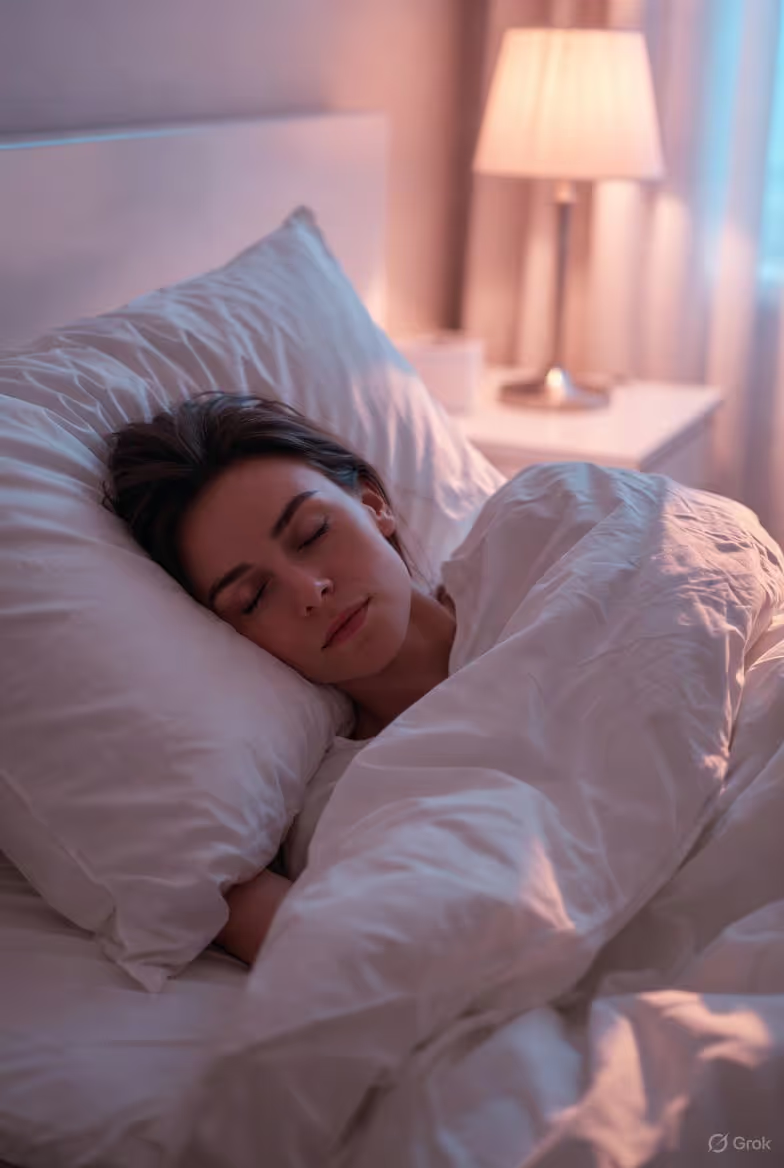
Sleep is not a uniform state of unconsciousness. It’s a dynamic, cyclical journey through distinct stages, each with a unique physiological signature and recovery purpose. This architecture, known as sleep architecture, is the foundational blueprint of overnight recovery. Think of it as a nightly construction schedule where different specialist teams (your biological systems) come on shift at specific times to perform critical tasks.
The journey begins with Non-Rapid Eye Movement (NREM) Sleep, which is subdivided into three stages of progressively deeper sleep. N1 is the light, transitional dozing-off phase, lasting just a few minutes. N2, which constitutes about 50% of an adult’s night, is where brain activity slows further with occasional bursts of rapid brain waves called sleep spindles and K-complexes. These are believed to play a role in sensory gating—keeping you asleep despite minor noises—and in memory consolidation. As you descend into N3, often called slow-wave sleep (SWS) or deep sleep, the brain emits large, slow delta waves. This is the most physically restorative phase. It’s notoriously difficult to be awakened from, and if you are, you’ll experience "sleep inertia"—that groggy, disoriented feeling. This deep sleep stage is prime time for tissue repair, bone and muscle building, and immune system strengthening.
Following deep sleep, the cycle ascends back through N2 into Rapid Eye Movement (REM) sleep. Here, the brain lights up with activity levels similar to wakefulness, the eyes dart rapidly behind closed lids, and voluntary muscles become paralyzed (atonia) to prevent you from acting out your dreams. REM sleep is the cognitive recovery phase, essential for processing emotions, solidifying memories, and fostering creativity. A full sleep cycle—from N1 to NREM to REM—lasts about 90 to 110 minutes, and a healthy individual will typically complete four to six of these cycles per night.
The distribution of these stages is not static. The majority of deep, restorative N3 sleep occurs in the first half of the night. As the night progresses, REM sleep periods become longer and more prominent. This architecture is why both sleep duration and timing matter. Cutting your sleep short disproportionately robs you of REM sleep, while fragmented sleep (from stress, environment, or poor health) can prevent you from reaching the crucial, sustained depths of N3. Understanding this architecture is the first step to measuring recovery, a topic we explore in depth on our blog dedicated to sleep science and wellness technology.
While you’re lost in the depths of slow-wave sleep, your body is a hive of regenerative activity. This physical restoration is arguably the most tangible aspect of overnight recovery, governed by a powerful endocrine symphony. The conductor of this orchestra is the release of pituitary gland hormones, timed precisely by your circadian rhythms.
The star performer is Human Growth Hormone (HGH). Approximately 75% of HGH secretion occurs during slow-wave sleep. This potent hormone is fundamental for children’s growth, but in adults, its role shifts to metabolism regulation and tissue repair. HGH stimulates protein synthesis, accelerates the repair of micro-tears in muscle fibers caused by daily activity and exercise, and aids in the mobilization of fat stores for energy. A study published in the Journal of Applied Physiology demonstrated that sleep restriction significantly blunts the HGH response, directly impairing the body's ability to repair itself.
Simultaneously, the production of the stress hormone cortisol follows a distinct diurnal pattern. It peaks in the early morning to help you wake up and declines throughout the day, reaching its lowest point around midnight. This nocturnal trough is essential. Elevated cortisol at night, often a result of chronic stress or poor sleep hygiene, is catabolic—it breaks down tissue, suppresses immune function, and directly opposes the anabolic, repair-promoting work of HGH. Quality sleep ensures this crucial hormonal shift, creating a recovery-friendly environment.
The recovery engine extends to your immune system. During sleep, particularly deep sleep, the production of cytokines—proteins that target infection and inflammation—increases. This is why you tend to sleep more when you’re sick; it’s a biological strategy to fuel the immune response. Research from the University of Tübingen showed that sleep improves the potential of T-cells, the immune system’s soldiers, to adhere to and destroy infected cells. Conversely, chronic sleep deprivation leads to a state of low-grade inflammation, leaving you more susceptible to illness and slowing overall recovery from physical exertion. This intricate dance of repair is what companies like ours aim to help you understand and optimize, a mission detailed in our company's story and vision for holistic health.

If deep sleep is for the body, REM and stage N2 sleep are for the mind. Overnight, your brain performs a critical "cognitive reboot," sifting through the day’s experiences, solidifying important memories, discarding irrelevant data, and preparing neural pathways for new learning. This isn't a metaphor; it’s observable neuroscience.
The process of memory consolidation is central to this reboot. Memories are initially formed in the hippocampus, a brain region acting as a short-term, high-capacity storage buffer. But this space is limited. During sleep, specifically during the sharp-wave ripples of N2 and the active states of REM, a fascinating dialogue occurs between the hippocampus and the neocortex (the brain's long-term storage site). The day’s important memories are "replayed" and transferred for permanent integration, a process that strengthens the neural connections underlying those memories. A seminal Harvard study showed that individuals who slept after learning a task performed significantly better on retention tests than those who stayed awake, proving sleep is active learning time, not just downtime.
Beyond consolidation, the brain engages in literal neural housekeeping. The glymphatic system, the brain’s unique waste-clearance system, becomes dramatically more active during sleep. Cerebrospinal fluid flushes through brain tissue, clearing away metabolic waste products that accumulate during the day’s neuronal activity. One of the key toxins cleared is beta-amyloid, the protein that forms the sticky plaques associated with Alzheimer’s disease. Research from Boston University has visually demonstrated this nighttime cleansing wave, suggesting that chronic sleep disruption may impair this vital janitorial service, potentially contributing to long-term neurodegenerative risk.
Furthermore, REM sleep appears crucial for emotional processing. The brain processes emotional experiences in a less reactive, more contextualized manner during REM, which can help dampen the visceral charge of painful or stressful memories. This is why "sleeping on it" often provides a fresh, more balanced perspective on a problem. This cognitive and emotional reset is a cornerstone of mental resilience and daily performance.
While sleep stages tell us what is happening, a more profound, autonomic measure reveals how well your body is handling stress and engaging in recovery: Heart Rate Variability (HRV). Despite its name, HRV isn’t about heart disease; it’s a marker of heart health and nervous system balance.
HRV measures the subtle variations in the time intervals between consecutive heartbeats, measured in milliseconds. A higher HRV generally indicates a healthier, more resilient body. It signifies a strong, flexible autonomic nervous system (ANS)—the system that controls involuntary functions. The ANS has two primary branches: the sympathetic ("fight-or-flight") and the parasympathetic ("rest-and-digest"). A high HRV reflects a dominant parasympathetic state, where the body is safe, resources are allocated to repair, and recovery is prioritized.
During deep, restorative sleep, we typically see a significant rise in HRV, reflecting this parasympathetic dominance. Your heart is being gently guided by the vagus nerve, allowing for variation as your body focuses on internal maintenance. A low HRV, especially during sleep, indicates sympathetic dominance—your body is stuck in a state of high alert, even at rest. This stifles recovery, as energy is diverted from repair to perceived threat response. Factors like training load, psychological stress, illness, and poor sleep all depress HRV.
Long-term HRV tracking is revolutionary because it provides a daily, personalized benchmark of your recovery status. It answers the critical question: "Is my body ready to take on stress, or does it need more rest?" By monitoring nighttime HRV trends, you can objectively see if your lifestyle, training, or sleep habits are enhancing or impairing your resilience. For those curious about how modern devices capture this vital metric, our FAQ section details how smart ring technology measures HRV and other biomarkers.
Your body’s core temperature isn’t constant; it follows a circadian rhythm, peaking in the late afternoon and hitting its nadir in the early morning hours, typically around 4-5 AM. This drop in core temperature is not a side effect of sleep but a causal driver for its initiation and maintenance. It acts as a biological signal, telling your brain it’s time to switch into recovery mode.
The process begins with vasodilation. To lose heat and lower core temperature, your body increases blood flow to the extremities—your hands and feet become warmer, radiating heat away from the core. This is why you might put a foot out from under the covers to cool down. This temperature decline facilitates the onset of sleep and is closely tied to the production of the sleep hormone melatonin.
This biological imperative creates the Goldilocks Principle for the sleep environment: it must be neither too hot nor too cold. An ambient temperature that is too warm (typically above 70°F or 21°C) impedes the body’s ability to shed heat, leading to restlessness, more frequent awakenings, and reduced time in deep sleep. A cool room (around 65°F or 18°C) supports the body’s natural thermoregulation process.
However, it’s not just about air temperature. Humidity, bedding materials, and pajamas all create a microclimate around your body. Modern sleep technology now allows for the monitoring of this variable through skin temperature sensors. A consistent, gradual decline in nighttime skin temperature is a strong, objective indicator of successful thermoregulation and quality sleep. Disruptions in this curve—sudden spikes or an inability to cool—often correlate with poor sleep efficiency and compromised recovery. Optimizing your sleep environment is one of the most direct and non-pharmacological ways to hack your recovery biology, a topic frequently covered in resources like those found on our wellness and technology blog.
Understanding ideal recovery requires examining its opposite: the profound consequences of sleep disruption. The damage isn’t only from pulling an "all-nighter"; chronic, subtle disruption is often more insidious. Sleep fragmentation—frequent, brief arousals that prevent sustained deep and REM sleep—can be caused by sleep apnea, pain, a noisy environment, or even a partner’s movements.
Studies show that fragmented sleep, even with normal total duration, leads to significant impairments. It erodes the architecture, preventing the completion of full, restorative 90-minute cycles. The result? You miss the crucial, later-stage REM sleep and get less consolidated deep sleep. Physiologically, this manifests as increased sympathetic nervous system activity (lower HRV), elevated next-day cortisol, reduced glucose tolerance, and impaired attention. Your body is in a perpetual state of incomplete recovery.
Total sleep deprivation, as explored in rigorous laboratory settings, paints a starker picture. Beyond the obvious cognitive deficits (attention lapses, poor judgment, slowed reaction time), the metabolic and hormonal effects are severe. A landmark University of Chicago study restricted healthy young adults to four hours of sleep for six nights. They rapidly developed a pre-diabetic state, with a 40% reduction in insulin sensitivity. Levels of the hunger hormone ghrelin soared, while the satiety hormone leptin plummeted, driving increased appetite and cravings for high-calorie, high-carbohydrate foods.
Perhaps most alarming is the impact on the immune system. A Carnegie Mellon study found that people sleeping less than seven hours were nearly three times more likely to develop a cold than those sleeping eight hours or more when exposed to the rhinovirus. These studies collectively prove that sleep is non-negotiable for physiological resilience. It’s not just about feeling tired; it’s about systemic biological failure. For individuals navigating these challenges, seeing real-world data and testimonials from others who have tracked and improved their sleep can be a powerful motivator for change.

What you consume and when you consume it plays a surprisingly direct role in modulating your overnight recovery processes. The field of chrononutrition examines how the timing of food intake interacts with our circadian biology to influence health and recovery.
Eating a large, heavy meal too close to bedtime forces your digestive system to work overnight, raising core body temperature and potentially disrupting sleep onset and architecture. Conversely, strategic nutritional choices can support recovery. For instance, consuming a moderate amount of protein before bed, particularly casein (a slow-digesting protein found in Greek yogurt or cottage cheese), can provide a steady stream of amino acids throughout the night to support the muscle repair driven by HGH. Studies, such as one in Medicine & Science in Sports & Exercise, have shown that pre-sleep protein ingestion enhances overnight muscle protein synthesis.
Carbohydrates are more complex. While a high-glycemic meal right before bed can cause blood sugar spikes and crashes that disrupt sleep, having adequate carbohydrates earlier in the day helps replenish liver glycogen. The liver is the primary source of blood sugar during the overnight fast; if stores are depleted, the body may release stress hormones like cortisol to mobilize energy, fragmenting sleep.
Caffeine and alcohol are two of the most common pharmacological disruptors of sleep architecture. Caffeine has a half-life of 5-6 hours, meaning that half the caffeine from a 2 PM coffee is still in your system at 8 PM. It antagonizes adenosine receptors, directly blocking the sleep-drive chemical and reducing total sleep time and quality, especially deep sleep. Alcohol, while initially sedating, is a potent REM sleep suppressant. It metabolizes into aldehydes that can cause sleep fragmentation in the second half of the night, leading to non-restorative sleep. Managing these substances is a foundational step in sleep hygiene, a principle we stand by as part of our holistic approach to wellness, as outlined in our mission and values.
For most of human history, assessing recovery was purely subjective: "How do I feel today?" The dawn of consumer-grade biometric wearables has revolutionized this, transforming subjective guesswork into objective science. We’ve moved from counting steps to decoding our autonomic nervous system.
Early fitness trackers focused on basic movement and crude sleep estimates. The current generation of advanced devices, like smart rings and sophisticated watches, uses a combination of photoplethysmography (PPG) to measure blood flow, 3-axis accelerometers for movement, and often skin temperature and galvanic skin response sensors. This multi-modal data fusion, processed through validated algorithms, paints a comprehensive picture of your night.
The key metrics now available at your fingertips include:
The power lies not in a single night’s data, but in longitudinal tracking. By establishing your personal baselines, you can see how lifestyle factors—a late workout, an alcoholic drink, a stressful workday, a change in bedtime—directly impact your physiological recovery scores. This empowers truly personalized optimization, moving beyond generic "eight-hour" advice. To see how this technology integrates into a complete wellness ecosystem, you can learn more about the Oxyzen approach to holistic health tracking.
Collecting biometric data is only valuable if you can interpret and act on it. The numbers are not a judgment; they are a conversation with your body. The goal is to learn its language and respond appropriately.
A primary action is learning to match activity to readiness. A high Sleep Score, elevated HRV, and a low resting heart rate suggest your body has recovered well and is primed to handle physical or mental stress. This is a day to push hard in a workout, tackle a big project, or engage in intense social activity. Conversely, a low Sleep Score, depressed HRV, and elevated RHR—even if you feel "fine" subjectively—are clear flags from your autonomic nervous system. It’s signaling accumulated stress and incomplete recovery. This is a day for active recovery (light walking, yoga), prioritizing stress management, and ensuring an early night. Ignoring these signals and pushing through is how people become chronically overtrained or burned out.
You can also run personalized experiments. The data allows you to test hypotheses:
Similarly, you can test the effects of evening screen time, late caffeine, different dinner times, meditation before bed, or cool room temperatures. The data provides objective feedback, cutting through placebo effects and self-deception. This journey from curiosity to self-knowledge is at the heart of what drives our team, a journey we’ve detailed in our founder's story and the creation of our products.

Overnight recovery doesn’t start at bedtime; it’s the final act of a 24-hour play. Your daytime habits write the script, setting the stage for how deeply and effectively your body can repair itself.
Light exposure is the most powerful zeitgeber (time-giver) for your circadian clock. Getting bright, natural light in the morning suppresses melatonin and signals to your brain that the day has begun, solidifying a strong circadian rhythm that will promote melatonin release roughly 14-16 hours later. Conversely, minimizing exposure to blue-rich light from screens in the evening prevents the suppression of that crucial melatonin surge.
Physical activity is a double-edged sword. Regular exercise, particularly earlier in the day, promotes deeper slow-wave sleep, lowers anxiety, and helps regulate circadian rhythms. However, intense exercise too close to bedtime can elevate core temperature, heart rate, and sympathetic nervous system activity, potentially delaying sleep onset for some individuals. The data from your tracker can help you find your personal cutoff time.
Finally, stress management is perhaps the most critical daytime determinant of nighttime recovery. Chronic psychological stress keeps cortisol levels elevated and the sympathetic nervous system engaged, making the vital shift into parasympathetic-dominant recovery nearly impossible. Practices like mindfulness meditation, deep breathing exercises, and spending time in nature have been shown in studies to improve HRV and sleep quality by calming the autonomic nervous system. They are not just "relaxing"; they are biologically preparing your body for deep repair.
This holistic view—where light, movement, stress, nutrition, and environment are all levers we can adjust—empowers us to become architects of our own recovery. It shifts the paradigm from passive sleeping to active recovery engineering, using science as our guide and our own biometrics as our feedback loop. For a deeper exploration of these interconnected lifestyle factors, we have a wealth of resources available on our comprehensive wellness blog.
The transition from vibrant wakefulness to deep, restorative sleep is orchestrated by a delicate ballet of neurotransmitters and neuromodulators. This neurochemical landscape is the master control system for sleep architecture, mood regulation, and the quality of your recovery. Understanding this internal pharmacy reveals why certain behaviors disrupt sleep and how we can naturally support these chemical processes.
At the center of the sleep drive is adenosine, a byproduct of cellular energy consumption. Throughout the day, as your brain cells burn adenosine triphosphate (ATP) for fuel, adenosine accumulates in the basal forebrain. This build-up creates a homeostatic pressure—often called "sleep debt"—that makes you feel increasingly tired. Think of adenosine as a chemical timer ticking upward from the moment you wake. During sleep, particularly deep NREM sleep, this adenosine is efficiently cleared away, resetting the timer for the next day. Caffeine’s notorious wakefulness effect comes from its molecular mimicry; it blocks adenosine receptors, preventing this sleep-signaling molecule from delivering its "time to rest" message.
Counterbalancing this accumulating sleep pressure is the circadian signal driven by melatonin. Produced by the pineal gland in response to darkness, melatonin is the "hormone of darkness," not a sedative. It signals to the brain and body that environmental conditions are optimal for sleep, orchestrating the downstream physiological changes like core temperature drop. Its release is exquisitely sensitive to light, especially blue wavelengths, which is why screen exposure at night can blunt this critical signal and delay sleep onset.
Within the brainstem and hypothalamus, a push-pull between GABAergic and aminergic systems dictates the sleep-wake switch. The ventrolateral preoptic nucleus (VLPO) of the hypothalamus acts as the brain's "sleep switch." When activated by adenosine and other sleep-promoting signals, it releases the inhibitory neurotransmitter GABA, which effectively silences the brain's major arousal centers. These arousal centers—producing histamine (from the tuberomammillary nucleus), norepinephrine (from the locus coeruleus), serotonin (from the raphe nuclei), and orexin (from the hypothalamus)—are what keep you alert and conscious. Sleep onset is the moment the VLPO’s GABAergic inhibition overpowers these arousal systems.
Interestingly, the role of serotonin is complex and bidirectional. While it is involved in wakefulness, it is also a necessary precursor for melatonin synthesis. Furthermore, its activity during NREM sleep is part of the system that suppresses REM sleep. Many common antidepressants (SSRIs) that increase serotonin availability can profoundly suppress REM sleep, demonstrating the fine chemical balance required for optimal sleep architecture. This intricate neurochemical symphony is why simple interventions can have powerful effects; for instance, evening relaxation practices that enhance GABA activity can directly support the brain's natural sleep switch. For those interested in the intersection of technology and these biological processes, our blog often explores how wearables track the outcomes of this neurochemistry.
One of the most significant scientific discoveries in sleep neuroscience of the past decade is the full characterization of the glymphatic system. First described in detail by Dr. Maiken Nedergaard's lab in 2012, this system is the brain's unique and highly active waste-clearance pathway. It functions primarily during sleep, performing an essential overnight "deep clean" that is fundamental to cognitive recovery and long-term brain health.
The name "glymphatic" combines "glial cells" and "lymphatic," as it relies on astroglial cells—a type of supportive brain cell—to facilitate a flow of cerebrospinal fluid (CSF) through brain tissue. During wakefulness, the brain’s cells are packed tightly to allow for efficient electrical signaling. During deep NREM sleep, however, brain cells may shrink by up to 60%, increasing the interstitial space by over 50%. This creates a series of channels that allow CSF to rush in from the outer surfaces of the brain, flushing through this expanded space and sweeping away metabolic waste.
The most critical toxins cleared include:
Research using advanced imaging in mice (and confirmed in humans via MRI studies) shows that glymphatic flow is dramatically increased during slow-wave sleep. Disruption of sleep, or even selective deprivation of deep NREM sleep, significantly reduces this cleansing activity, leading to a buildup of toxic proteins. A compelling study published in Science demonstrated that the glymphatic system clears beta-amyloid at a rate twice as fast during sleep as during wakefulness.
This discovery has profound implications. It positions quality sleep not just as a supporter of daily cognitive function, but as a non-negotiable pillar of long-term neurological prevention. It provides a direct, mechanistic link between chronic sleep disorders and an increased risk of neurodegenerative disease. Ensuring you achieve sufficient, uninterrupted deep sleep is literally like scheduling a nightly maintenance session for your brain’s infrastructure, clearing the debris that could otherwise lead to long-term cognitive decline. This preventive aspect of recovery is a core tenet of our philosophy at Oxyzen, part of our broader mission to empower long-term health through data and insight.
The folk wisdom that "sleep helps you fight off a cold" is firmly rooted in robust immunology. Sleep and the immune system share a bidirectional, reciprocal relationship: immune activation alters sleep, and sleep profoundly shapes immune function. The overnight period is a critical time for immune memory formation, inflammatory regulation, and defense mobilization.
During the early, deep-sleep rich part of the night, the body shifts toward a pro-inflammatory, innate immune response. The production and release of key signaling proteins called cytokines—such as interleukin-1 (IL-1), interleukin-12 (IL-12), and tumor necrosis factor-alpha (TNF-α)—increases. These cytokines not only help coordinate the attack against pathogens but are also themselves sleep-promoting. This creates a positive feedback loop: infection increases sleep, and sleep enhances the immune response.
Simultaneously, sleep is vital for the adaptive immune system. This is the system that creates long-lasting "memory" of pathogens via T-cells and B-cells. A groundbreaking study from the University of Tübingen demonstrated that a good night's sleep improves the efficacy of T-cells. T-cells are white blood cells that identify and kill infected cells. To do this, they must first adhere to their target using special adhesion molecules called integrins. The study found that sleep enhances the activation pathways of these integrins, making T-cells "stickier" and more effective at attaching to and destroying infected cells. Stress hormones like adrenaline and noradrenaline, which are high during wakefulness and stress, inhibit this integrin activation. Sleep, by lowering these hormones, removes the brake, allowing the immune system to operate at peak efficiency.
The consequences of sleep deprivation are stark for immunity. In a famous experimental study, participants who slept less than 7 hours were nearly three times more likely to develop a cold after deliberate exposure to the rhinovirus than those who slept 8 hours or more. Furthermore, research shows that sleep deprivation following vaccination can lead to a weaker antibody response, meaning the body fails to develop optimal long-term protection. Chronic short sleep is consistently linked to a state of systemic, low-grade inflammation—a risk factor for cardiovascular disease, diabetes, and autoimmune disorders. Therefore, viewing sleep as a key component of your immune strategy is not an exaggeration; it is a nightly tune-up of your body's most complex defense network. For individuals tracking their health metrics, noticing changes in resting heart rate or HRV can often be the first sign of the body fighting an infection, a connection explored in user testimonials and case studies we've gathered.
REM sleep, with its vivid dreams, brain activation, and muscle paralysis, has long fascinated scientists. It is a paradox: a brain that appears awake, housed in a body that is immobile. Research now reveals this stage is not for physical restoration but for profound cognitive and emotional recovery, serving as a master regulator for mental health and learning.
A primary function of REM is emotional memory processing. During REM, the brain reactivates emotional experiences from the day, but within a unique neurochemical environment. The amygdala (the brain's emotional center) and hippocampus (the memory center) are highly active. However, the prefrontal cortex—responsible for logical reasoning and executive control—is less engaged. Meanwhile, stress-related neurochemicals like norepinephrine are at their lowest point in the 24-hour cycle. This creates a "safe space" to reprocess emotional memories, stripping away some of their raw, visceral intensity while retaining the learned information. It's akin to reviewing a traumatic event in a therapy session versus re-living it in a flashback. This is the neuroscience behind the adage to "sleep on it" before making an emotional decision.
REM sleep is also crucial for neural plasticity—the brain's ability to reorganize itself by forming new neural connections. This is fundamental for learning and creativity. The activated, chaotic brainwave patterns of REM are thought to allow for the integration of disparate ideas and the strengthening of new, weakly formed connections (synapses) from the previous day. Studies have shown that REM sleep is particularly important for consolidating procedural memory (how to do things) and for creative problem-solving. Individuals deprived of REM sleep often struggle with tasks requiring flexible thinking and innovation.
The link between REM disruption and mental health is particularly strong. Many antidepressant medications suppress REM sleep, yet patients improve—suggesting that in some disorders, the emotional processing of REM may be maladaptive. Conversely, people with PTSD often experience REM abnormalities, including frequent awakenings from REM and overly vivid nightmares, suggesting a failure of the normal emotional dampening process. Protecting REM sleep, therefore, is not a luxury but a necessity for emotional resilience and cognitive flexibility. Understanding your own REM patterns through advanced tracking can offer incredible insights into your stress recovery, a topic we frequently address in our support and FAQ resources for users.
Dreaming, most vivid during REM sleep but also occurring in NREM, has been theorized about for millennia. Modern neuroscience has moved beyond Freudian interpretation to understand dreaming as a likely byproduct and active component of the brain's overnight recovery work. While no single theory is definitive, several evidence-based hypotheses position dreaming as a functional part of cognitive and emotional processing.
The Activation-Synthesis Hypothesis, proposed by Hobson and McCarley, suggests dreams are the brain's attempt to make sense of random neural firing (activation) originating in the brainstem during REM sleep. The higher-order cortical regions, like the frontal lobes, then synthesize this chaotic input into a coherent, albeit often bizarre, narrative. A more recent evolution, the Activation, Input, Modulation (AIM) model, adds nuance by considering the brain's changing neurochemical state.
More compelling for recovery are the memory consolidation theories. The memory reactivation and integration theory posits that dreaming reflects the brain replaying and cross-linking memories from the day. Elements of recent experiences are often woven into dream content, supporting the idea that the brain is actively working with this information. Some research even suggests that dreaming about a learned task (like navigating a virtual maze) can correlate with improved performance upon waking.
Perhaps the most relevant function is emotional regulation. The threat simulation theory proposes that dreaming allows us to rehearse coping with threatening scenarios in a safe, offline environment, potentially building resilience. Conversely, the emotional calibration theory suggests that the unique neurochemistry of REM sleep (low norepinephrine) allows us to "re-watch" emotional events with the volume turned down, reducing their negative charge. This is supported by neuroimaging studies showing reduced amygdala reactivity to emotional stimuli after a full night of sleep that included REM.
While the content of dreams may be personal and symbolic, their occurrence is a sign of a healthy, cycling brain engaging in essential recovery processes. Disturbances in dreaming—such as a complete lack of dream recall or intense, disruptive nightmares—can sometimes signal underlying sleep fragmentation or psychological stress. Recognizing the value of this mysterious mental activity encourages us to protect the sleep stage that hosts it most abundantly.
The oft-cited "eight hours" of sleep is a population average, not a universal prescription. Individual recovery needs vary significantly based on chronotype, genetics, age, and lifestyle. Understanding your personal blueprint is key to optimizing recovery instead of chasing a generic target.
Chronotype is your genetically influenced predisposition for sleep and activity times within the 24-hour day. It exists on a spectrum from extreme "larks" (morning types) to extreme "owls" (evening types), with most people falling in between. Your chronotype dictates your natural melatonin onset and core body temperature rhythm. An owl forced onto a lark's schedule will experience "social jet lag"—a misalignment between their social clock and biological clock—even with adequate sleep duration. This misalignment is associated with poorer metabolic health, mood issues, and impaired cognitive performance because it disrupts the optimal timing of recovery processes.
Genetics also play a crucial role. Landmark studies have identified specific genes, like DEC2, where a rare mutation allows some "short sleepers" to function optimally on just 6 hours or less per night without apparent health deficits. For the vast majority, however, genetic variations influence sleep depth, susceptibility to sleep disorders like insomnia or sleep apnea, and sensitivity to caffeine. This genetic lottery means recovery strategies must be personalized; what disrupts one person's sleep may have little effect on another's.
Age is the most predictable variable in sleep architecture. Newborns spend about 50% of sleep in REM, crucial for massive brain development. Deep NREM sleep peaks in adolescence and declines steadily with age; a 70-year-old may get less than half the deep sleep of a 20-year-old. This reduction in deep sleep is one reason older adults often experience lighter, more fragmented sleep. Furthermore, the circadian rhythm naturally advances with age, making older adults prone to earlier bedtimes and wake times.
Therefore, effective recovery is not about conforming to an arbitrary standard. It's about honoring your biology. This means:
While consolidated nighttime sleep is irreplaceable, strategic daytime recovery practices can significantly enhance overall resilience and performance. These tools don't replace poor night sleep but can supplement good sleep hygiene, offering a "recovery boost" when needed.
Strategic Napping: The effectiveness of a nap depends entirely on its timing and duration. The post-lunch dip in alertness (around 1-3 PM) is a natural circadian trough, making it an ideal window.
The key is consistency and limitation. Long or late naps can indeed impair nighttime sleep drive by reducing adenosine accumulation. For shift workers or those with irregular schedules, however, strategic napping is a critical tool for maintaining safety and performance.
Non-Sleep Deep Rest (NSDR): Popularized by Dr. Andrew Huberman, NSDR refers to practices that induce a state of deep relaxation and calm without entering sleep. The most researched form is Yoga Nidra ("yogic sleep"), a guided meditation that systematically brings awareness to different parts of the body while lying down. Studies using EEG show that Yoga Nidra can produce brainwave states that border on the threshold of sleep (increased theta and delta waves), while maintaining conscious awareness.
The benefits of NSDR for recovery are linked to the autonomic nervous system. By engaging in deliberate, deep diaphragmatic breathing and focused relaxation, you powerfully activate the parasympathetic ("rest-and-digest") nervous system. This leads to:
A 20-30 minute NSDR session can act as a "system reset," providing many of the neurological benefits of a nap (reduced anxiety, improved focus) without the potential for sleep inertia or nighttime sleep disruption. It is a powerful, accessible tool that can be used any time of day to enhance recovery readiness. Integrating such practices with quantitative data from a wellness tracker allows you to see their direct impact on your physiology, a synergy many users describe when sharing their personal wellness journeys and experiences.
Your bedroom is not just a place to sleep; it is a recovery chamber. Its environmental parameters have a direct, measurable impact on your sleep architecture and, by extension, the quality of every biological repair process we've discussed. Optimizing this space is one of the most effective high-impact actions you can take.
1. Darkness (The Non-Negotiable): Light is the primary signal to your master circadian clock. Even small amounts of ambient light from streetlights, electronics, or under the door can pass through closed eyelids and suppress melatonin production, fragmenting sleep. The goal is pitch black.
2. Temperature (The Goldilocks Zone): As covered, core temperature must drop to initiate and maintain sleep. A cool room facilitates this.
3. Silence & Sound: Sudden noise changes (a door slam, a dog bark) can cause micro-arousals, pulling you out of deep sleep stages without full awakening. Consistent, masking noise can be beneficial.
4. Air Quality & Humidity: Stale, dry, or allergen-filled air can disrupt breathing and sleep quality, particularly for those with allergies or mild sleep apnea.
5. The Bed Itself: Your mattress and pillow are the physical interface of your recovery chamber. An unsupportive setup can cause pain, pressure points, and frequent tossing and turning.
By systematically engineering your environment for darkness, coolness, quiet, and comfort, you remove barriers to your natural sleep physiology. You are creating the external conditions that allow the internal recovery processes to run unimpeded. This holistic approach to creating a wellness-centric living space aligns with our broader vision for integrating health into every aspect of daily life.
The final, and often most challenging, gateway to recovery is the mind itself. You can have a perfect environment and ideal biology, but a racing mind, unresolved anxiety, or chronic stress will keep the sympathetic nervous system engaged, locking the door to deep restoration. Psychological de-arousal is the skill of transitioning the mind from "doing" to "being," from problem-solving to rest.
This barrier is rooted in hyperarousal, a state of heightened cognitive and physiological activation. It’s the "tired but wired" feeling. The brain's Default Mode Network (DMN), active during quiet wakefulness and mind-wandering, often goes into overdrive in people with insomnia, cycling through worries and regrets instead of winding down. Furthermore, conditioned anxiety around sleep itself ("I'm never going to fall asleep!") can create a vicious cycle of performance anxiety that further delays sleep onset.
Effective strategies break this cycle by redirecting cognitive focus and engaging the parasympathetic nervous system:
Building a consistent wind-down routine that incorporates these elements is critical. It acts as a behavioral signal to your brain that the recovery period is commencing. Over time, this routine itself becomes a conditioned cue for sleep, making the transition smoother and more automatic. For individuals seeking structured guidance on building these routines, we provide additional resources and support through our educational content.
This concludes the first third of our comprehensive exploration into the science of overnight recovery. We have laid the foundation, from the macro-architecture of sleep and its cellular repair mechanisms to the neurochemical ballet and the environmental and psychological factors that gatekeep its quality. In the next portion, we will delve into the practical application of this science: how to interpret your own biometric data, design personalized recovery protocols, address common sleep disorders, and explore the future of recovery technology. The journey from simply sleeping to strategically recovering is the cornerstone of modern, proactive health.
Collecting a wealth of biometric data—HRV, sleep stages, resting heart rate, temperature—is only the first step. The true power lies in the interpretation and translation of this data into a personalized, dynamic recovery protocol. This moves us from passive observation to active biohacking, where numbers become a daily dialogue with your body’s needs.
The cornerstone of this approach is establishing your personal baselines. A single night’s data is a snapshot; trends over weeks and months reveal the movie. What is your typical deep sleep percentage? What is your average nighttime HRV? These baselines are unique to you, influenced by your genetics, age, and lifestyle. Only by knowing your normal can you accurately identify deviations that signal under-recovery or progress.
The most critical interpretive framework is the Readiness or Recovery Score synthesized by advanced algorithms. This single score (often out of 100) aggregates key metrics like last night’s sleep quality, HRV trend, resting heart rate, and sometimes body temperature. It answers the fundamental question: "Is my body primed to take on stress, or does it need rest?"
Beyond the aggregate score, savvy users learn to cross-reference individual metrics. For example:
This level of insight allows for incredibly nuanced self-experimentation. You can test, with data, the impact of an evening meditation, a magnesium supplement, a later workout time, or even different bedding. By turning your life into a personal laboratory, you incrementally build the lifestyle that optimizes your unique recovery biology. For a deeper dive into how to structure these self-experiments, our blog features detailed guides and case studies.
For millions, the pursuit of quality recovery is not a matter of optimization but of overcoming a pathological roadblock. Sleep disorders are not just inconveniences; they are systemic saboteurs of the recovery processes we’ve detailed, with profound long-term health consequences. Understanding them is crucial, as their symptoms are often missed or misattributed.
Obstructive Sleep Apnea (OSA) is a prime offender. It is characterized by repeated, partial, or complete collapses of the upper airway during sleep, leading to breathing pauses (apneas) and drops in blood oxygen saturation. Each event triggers a micro-arousal—a brief awakening to restart breathing—that fragments sleep architecture. The result is a near-total elimination of sustained deep NREM and REM sleep. Despite potentially spending 8 hours in bed, the individual experiences severe recovery debt. The physiological toll is immense: chronic intermittent hypoxia (low oxygen) and sleep fragmentation drive systemic inflammation, skyrocketing sympathetic nervous system activity (low HRV), hypertension, insulin resistance, and a massively increased risk of cardiovascular events. The daytime symptom is not always sleepiness; it can be unrefreshing sleep, morning headaches, or brain fog.
Insomnia, particularly the maintenance type (difficulty staying asleep), acts as a different but equally effective saboteur. The hyperarousal state—both cognitive and physiological—prevents the descent into deep sleep and truncates sleep duration. The resulting sleep deprivation hits all recovery metrics: blunted HGH release, impaired glymphatic clearance, immune suppression, and elevated cortisol. Chronic insomnia is a key risk factor for depression and anxiety disorders, highlighting the bidirectional nature of sleep and mental health recovery.
Restless Legs Syndrome (RLS) and Periodic Limb Movement Disorder (PLMD) create a sensory-motor barrier to sleep onset and maintenance. The irresistible urge to move the legs (RLS) and the involuntary jerking movements (PLMD) cause frequent awakenings or prevent deep sleep. The recovery cost is proportional to the frequency of the disruptions.
Circadian Rhythm Sleep-Wake Disorders, like Delayed Sleep Phase Disorder (common in adolescents and "owls"), force the body to sleep and wake against its internal clock. Even if sleep duration is adequate, its timing is misaligned with core physiological processes, leading to a state of perpetual jet lag and impaired recovery.
The critical takeaway is this: If you consistently prioritize sleep hygiene but still show poor recovery metrics (chronically low HRV, high resting heart rate, minimal deep sleep), a sleep disorder may be the culprit. These are medical conditions requiring professional diagnosis, often via a sleep study. Addressing them—with CPAP for apnea, CBT-I for insomnia, or medication for RLS—isn’t just about improving sleep; it’s about restoring the foundational pillar of systemic recovery. If you suspect a disorder, tracking your biometrics can provide valuable objective data to bring to a healthcare provider, a step many in our community have found empowering, as noted in some user testimonials about their health journeys.
The raw materials for overnight repair come from what you consume during the day. Nutrition and hydration don’t just fuel wakefulness; they provide the building blocks and co-factors for every recovery process, from cellular repair in deep sleep to neurotransmitter synthesis in REM.
Macronutrient Timing and Composition:
Micronutrients – The Recovery Catalysts: Key vitamins and minerals act as essential cofactors in the biochemical pathways of recovery.
Hydration: Dehydration of just 2% of body weight can significantly elevate cortisol and cause a noticeable dip in HRV. Even mild dehydration thickens blood, increases heart rate, and makes the heart work harder. Ensuring adequate electrolyte-balanced hydration throughout the day supports optimal blood volume and autonomic nervous system balance, creating a better baseline for nighttime recovery. However, timing matters; excessive fluid intake right before bed guarantees disruptive nocturnal awakenings.
Strategic Supplementation: Beyond the basics, certain compounds have evidence for supporting sleep quality.
The goal is not to rely on supplements but to use them to fill gaps and support physiology, always in the context of a whole-foods diet and proper hydration. Tracking your recovery metrics allows you to test the efficacy of any new nutritional strategy objectively. This integrated, scientific approach to fueling recovery is central to our holistic view at Oxyzen, detailed further in our resources on synergistic health practices.
For athletes, from weekend warriors to elite competitors, recovery isn’t just about health—it’s the engine of adaptation and performance. Training provides the stimulus; recovery is when the body repairs and supercompensates, becoming stronger, faster, and more resilient. Overtraining is simply an accumulation of unaddressed recovery debt.
Sleep as the Ultimate Performance Enhancer: Studies are unequivocal. Extending sleep to 9-10 hours per night in athletes has been shown to:
The reverse is also true: sleep restriction impairs glycogen storage, anaerobic power, and maximal aerobic capacity. For an athlete, prioritizing sleep is the most legal, effective, and free performance-enhancing "drug" available.
HRV-Guided Training: This is the cutting edge of athletic periodization. Instead of following a rigid, pre-planned training schedule, HRV-guided training uses daily morning HRV (and often resting heart rate) readings to modulate the day’s workload.
This method, validated in studies, helps prevent non-functional overreaching (excessive fatigue that doesn’t lead to adaptation) by matching stress to the body’s readiness. It acknowledges that recovery is nonlinear and influenced by life stress, travel, and nutrition—not just the previous day’s workout.
The Role of Naps and Sleep Extension: Strategic napping is a secret weapon in athletic circles. A 20-30 minute power nap after a morning training session can reduce sleepiness, improve reaction time, and enhance motor learning. For athletes in heavy training blocks, a 90-minute nap can contribute to the total sleep pool, adding valuable deep and REM sleep that aids in physical repair and motor memory consolidation.
Recovery Technology in Sport: Beyond ring-style wearables, athletes and sports scientists use:
The principle remains: Measure to manage. By quantifying recovery, athletes can move from guessing to knowing, transforming their training from a grind that risks breakdown into a precise science of adaptation. This performance-focused application of recovery science is a key interest for our community, and we explore it regularly in our content dedicated to peak performance.
Our biology evolved in a world of natural light and dark. The modern environment presents novel, potent challenges to our ancient recovery systems. Successfully navigating these is essential for anyone living in the 21st century.
1. The Blue Light Dilemma: Short-wavelength blue light (emitted by LEDs, smartphones, computers, and TVs) is the most powerful suppressor of melatonin. Evening exposure delays the circadian clock, pushing back sleep onset and reducing sleep propensity. The impact is dose- and duration-dependent, but studies show that even a single hour of tablet use at maximum brightness can suppress melatonin by over 20%.
2. Shift Work Disorder: For the 20% of the workforce on non-standard shifts, the conflict between work schedule and circadian biology is severe. Working at night under bright lights and sleeping during the day goes against the core temperature and melatonin rhythms. The result is chronic sleep deprivation and circadian misalignment, linked to dramatically higher risks of metabolic syndrome, cardiovascular disease, certain cancers, and mental health issues.
3. Social Jet Lag: This is the chronic misalignment between your biological clock (determined by your chronotype) and your social clock (work, school, family schedules). An "owl" forced to wake at 6 AM for work but staying up until 1 AM on weekends is essentially flying across multiple time zones every weekend. This constant shifting destabilizes circadian rhythms, impairs sleep quality, and is associated with obesity, worse academic performance, and mood disturbances.
These modern challenges require deliberate, strategic defenses. They are not minor lifestyle quirks but significant assaults on a core biological function. Successfully managing them is a proactive investment in long-term recovery capacity and health span, a principle embedded in our company's mission to solve modern wellness problems.
The need for recovery is lifelong, but its mechanisms, architecture, and optimal patterns undergo dramatic transformations from infancy to old age. Understanding these shifts allows for age-appropriate expectations and strategies.
Infancy & Childhood: Sleep is the primary activity of a developing brain. Newborns sleep 14-17 hours a day, with about 50% in REM sleep. This immense amount of REM is believed to be crucial for neural pathway development, learning, and processing the massive influx of new sensory information. Deep NREM sleep is also abundant, supporting physical growth via HGH. Sleep is polyphasic (multiple naps), gradually consolidating into a monophasic pattern by age 5.
Adolescence: This period is marked by a pronounced circadian phase delay. The melatonin surge happens later at night, making teens biologically predisposed to fall asleep and wake up later. This conflicts with early school start times, creating a population-wide state of chronic sleep deprivation. Deep NREM sleep is still very robust, supporting the final stages of brain maturation (pruning and myelination) and physical development. Recovery is critical for learning, emotional regulation, and athletic performance during these years.
Adulthood (20s-50s): Sleep architecture stabilizes but begins a very gradual decline in deep NREM sleep. The chief recovery challenge in this long span is lifestyle encroachment: career stress, parenting, social obligations, and poor sleep hygiene fragment and shorten sleep. The focus is on protection and optimization—defending sleep duration and quality against the demands of wakefulness. This is the stage where tracking recovery metrics can have the highest preventive payoff, identifying issues before they become chronic health problems.
Older Adulthood (60+): Significant changes become more apparent. There is a reduction in both slow-wave sleep (N3) and REM sleep, with an increase in lighter N1 and N2 sleep. Sleep becomes more fragmented due to more frequent awakenings, often related to health issues, medication, or pain. The circadian rhythm also advances (shifts earlier), leading to earlier evening sleepiness and earlier morning awakening. This can be misinterpreted as "needing less sleep," but the need is unchanged; the ability to generate consolidated sleep is diminished.
Strategies for Aging Well: For older adults, recovery optimization focuses on:
The through-line across all ages is that recovery is non-negotiable for function and health. The strategies simply evolve to meet the changing biology and life circumstances. This lifelong perspective on wellness is a core part of the vision we uphold and build our technology around.
We are at the cusp of a revolution in recovery science, moving beyond descriptive tracking to predictive analytics and closed-loop interventions. The next generation of technology will not just tell you how you slept, but will forecast your recovery needs and actively help you meet them.
1. Multimodal Sensor Fusion: The future lies in combining data streams from multiple, non-invasive sensors for a holistic picture. Imagine a system that synchronizes data from:
2. Predictive Health Analytics: With enough longitudinal data (sleep, activity, HRV, temperature) and the power of machine learning, algorithms will shift from reporting yesterday’s recovery to predicting tomorrow's risks. Early signs of infection, menstrual cycle phase, overtraining syndrome, or even mental health episodes could be flagged by subtle deviations in biometric patterns before overt symptoms appear. The device could alert you: "Your resting heart rate is elevated 8% above your baseline for three consecutive nights, and your HRV is trending down. Your illness risk is elevated. Prioritize rest and hydration."
3. Closed-Loop Environmental Control: Recovery technology will move from passive monitoring to active optimization. Your sleep tracker will communicate with your smart home ecosystem:
4. Personalized "Recovery Prescriptions": Beyond generic advice, AI could analyze your data patterns and life-logging to provide hyper-personalized recommendations. "Based on your 4-day travel schedule and current low HRV, we recommend: 1) A 20-minute NSDR session at 4 PM today. 2) Avoid caffeine after 1 PM. 3) Target a bedtime of 10:15 PM to achieve 8.5 hours in bed. 4) Consider a 10mg melatonin supplement at 9:45 PM for the next two nights to reset your clock."
5. Integration with Digital Therapeutics: Recovery platforms will seamlessly integrate with clinically validated digital therapies, such as Cognitive Behavioral Therapy for Insomnia (CBT-I) apps. The app would use your sleep data to personalize the sleep restriction and stimulus control protocols, adjusting them in real-time based on your progress.
This future transforms the device from a dashboard into an autonomous recovery coach, working silently in the background to architect the ideal conditions for your body and mind to repair themselves. It represents the ultimate fulfillment of personalized wellness, a future we are actively working towards, as detailed in our forward-looking research and development principles.
Armed with the science, the data, and an understanding of the challenges, the final step is synthesis: creating a sustainable, personalized recovery protocol. This is not a rigid set of rules, but a flexible framework of prioritized habits that you can adapt daily based on your biometric feedback.
Phase 1: The Foundation (Weeks 1-2) – Measurement & Awareness.
Phase 2: The Optimization (Weeks 3-6) – Strategic Experimentation.
Phase 3: The Integration (Ongoing) – Dynamic Management.
The Mindset Shift: Remember, the goal is progress, not perfection. Some nights will be poor due to life’s unpredictability. The protocol’s strength is not in preventing every bad night, but in giving you the tools and data to recover from them faster. This framework empowers you to become the expert on your own body, turning the science of overnight recovery into a daily practice of self-mastery.
Your Trusted Sleep Advocate: Sleep Foundation — https://www.sleepfoundation.org
Discover a digital archive of scholarly articles: NIH — https://www.ncbi.nlm.nih.gov/
39 million citations for biomedical literature :PubMed — https://pubmed.ncbi.nlm.nih.gov/
Experts at Harvard Health Publishing covering a variety of health topics — https://www.health.harvard.edu/blog/
Every life deserves world class care :Cleveland Clinic - https://my.clevelandclinic.org/health
Wearable technology and the future of predictive health monitoring :MIT Technology Review — https://www.technologyreview.com/
Dedicated to the well-being of all people and guided by science :World Health Organization — https://www.who.int/news-room/
Psychological science and knowledge to benefit society and improve lives. :APA — https://www.apa.org/monitor/
Cutting-edge insights on human longevity and peak performance:
Lifespan Research — https://www.lifespan.io/
Global authority on exercise physiology, sports performance, and human recovery:
American College of Sports Medicine — https://www.acsm.org/
Neuroscience-driven guidance for better focus, sleep, and mental clarity:
Stanford Human Performance Lab — https://humanperformance.stanford.edu/
Evidence-based psychology and mind–body wellness resources:
Mayo Clinic — https://www.mayoclinic.org/healthy-lifestyle/
Data-backed research on emotional wellbeing, stress biology, and resilience:
American Institute of Stress — https://www.stress.org/


