


Using Your Smart Ring HRV to Time Creative Work and Deep Thinking
Using your smart ring HRV to schedule creative work and deep thinking.
Using your smart ring HRV to schedule creative work and deep thinking.
%402x.svg)
For centuries, artists, inventors, and philosophers have chased the elusive flow state—that magical zone where time dissolves, focus sharpens, and ideas emerge with effortless clarity. We’ve relied on rituals, caffeine, and sheer force of will to summon it, often hitting a wall of mental fog instead. What if the secret to unlocking your highest cognitive and creative potential wasn't in your mind’s discipline, but in your body’s hidden rhythm?
Enter the modern smart ring, a device that has quietly evolved from a simple sleep tracker into a window into your autonomic nervous system. At the heart of this biometric revolution lies Heart Rate Variability (HRV), a profound metric that is far more than a number. It is the real-time language of your resilience, your stress, and crucially, your brain’s readiness for different kinds of work.
This article is your master guide to decoding that language. We will move beyond generic wellness advice into the realm of cognitive optimization, exploring how the subtle fluctuations in your heartbeat, measured continuously by a device like the Oura Ring or similar, can tell you precisely when to dive into deep, analytical thinking, when to unleash unfettered creativity, and when to step away and recharge. This isn't about working harder; it's about working in tune with the fundamental biological rhythm that underpins all genius.
Before we can harness HRV, we must understand it. At its core, Heart Rate Variability is the measure of the variation in time between each heartbeat. Contrary to what you might assume, a healthy heart does not beat with the monotonous regularity of a metronome. It dances—speeding up slightly with each inhalation and slowing down with each exhalation. This dance is conducted by your autonomic nervous system (ANS), the unconscious control center for your body’s core functions.
The ANS has two primary branches engaged in a constant, delicate tug-of-war:
HRV is the scorecard of this tug-of-war. A higher HRV generally indicates a strong, responsive parasympathetic tone and a resilient nervous system capable of adapting smoothly to challenge. A lower HRV can signal sympathetic dominance—your body is in a state of stress, overload, or poor recovery.
But what does this have to do with writing a novel, solving a complex equation, or designing a product?
Everything.
Your cognitive state is inextricably linked to your autonomic state. The SNS-dominated "fight-or-flight" mode is terrible for nuanced, creative, or deeply logical work. It narrows focus to immediate threats, favors black-and-white thinking, and shuts down the brain's more exploratory networks. Conversely, the relaxed alertness associated with healthy PNS activity and higher HRV is the fertile ground for the brain's default mode network (DMN)—the same network that activates during daydreaming, mind-wandering, and making distant, creative connections.
Your smart ring, by providing a continuous, passive stream of HRV data (especially the rMSSD and SDNN metrics it derives from its optical sensors), gives you an objective readout of your nervous system's status. It tells you whether your biology is primed for intense focus, open-ended brainstorming, or necessary rest. It is, in the truest sense, a cognitive compass—and learning to read it is the first step to working with your biology, not against it.
To trust the guidance of your HRV data, it’s essential to understand the elegant, non-invasive technology capturing it on your finger. Unlike chest-strap ECG monitors, which measure the heart's electrical activity directly, most smart rings use a method called Photoplethysmography (PPG).
Here’s how it works: Tiny LED lights on the inner band of the ring emit light into the capillaries in your finger. A sensor then measures the amount of light reflected back. With each heartbeat, blood volume in the capillaries changes minutely, altering the light absorption. The ring’s algorithms track these pulsatile changes to identify individual heartbeats and, crucially, the millisecond-level intervals between them (known as inter-beat intervals, or IBIs).
From this raw IBI data, the ring’s software calculates your HRV. The most common metrics used are:
Modern rings like those from Oxyzen don't just measure HRV in isolation. They synthesize it with a symphony of other biometrics—resting heart rate, body temperature, respiratory rate, and sleep stages—to create a holistic picture of your readiness. This context is vital. An elevated nighttime HRV is a positive sign of recovery, while a spike in HRV during a stressful work meeting might have a different interpretation. The algorithms weigh these factors, often providing a single, easy-to-understand "Readiness" or "Recovery" score each morning.
It’s a powerful, always-on biofeedback loop. As you learn the patterns in your own data—how that second coffee affects your afternoon HRV dip, or how a morning walk boosts your metrics—you move from being a passive wearer to an active conductor of your own biometric symphony. For a deeper dive into the technology that makes this possible, you can always explore the science behind Oxyzen's sensors on our blog.
Most users glance at their smart ring’s morning readiness score, take a vitamin, and move on. But for the knowledge worker, the creative, and the thinker, the real gold is in the trends and patterns that unfold over days, weeks, and even months. Your single-day score is a weather report; your long-term trendline is the climate.
The Critical Importance of Baselines: Your HRV is as unique as your fingerprint. Comparing your 45 ms rMSSD to a friend’s 80 ms is meaningless. The only meaningful comparison is you vs. you. Establishing your personal baseline—your typical range over a period of relative stability—is the foundational step. Your smart ring’s app does this automatically over your first few weeks of wear.
Once your baseline is set, you can start to interpret the signals:
For the creative professional, tracking these trends alongside a work log is transformative. You might discover that your most celebrated project breakthroughs consistently occurred 2-3 days into a rising HRV trend, or that your worst writing coincided with a steady decline. This empirical feedback turns abstract concepts like "burnout" and "flow" into data-informed realities you can manage. If you're curious about how real users have applied these insights, the stories shared in our testimonials section are profoundly illuminating.
The creative process is not linear; it’s a cyclical dance of distinct mental phases. Groundbreaking research and centuries of anecdotal evidence from artists and scientists alike suggest that each phase has an ideal autonomic state. Your HRV can help you identify which phase you're naturally entering and lean into it.
Let’s map the classic creative cycle to your biometric data:
By monitoring your HRV, you can stop forcing the wrong phase. A low HRV day is terrible for forced incubation (trying to "be creative") but might be excellent for the administrative verification tasks you’ve been avoiding. A high HRV afternoon might be wasted on email; it’s your signal to protect that time for open-ended brainstorming or deliberate incubation through a walk in nature.
Cal Newport’s concept of "Deep Work"—professional activities performed in a state of distraction-free concentration that push your cognitive capabilities to their limit—has become the gold standard for knowledge productivity. But how do you know when you are physiologically capable of such work? Your willpower is a poor indicator. Your HRV and its companion metrics are precise ones.
Your Daily HRV Rhythm follows a circadian pattern. For most people, HRV is highest during deep sleep (a critical recovery period) and tends to dip during the day, with a potential slight rise in the late morning or early evening. However, the "Deep Work Window" is not necessarily when HRV is at its absolute peak. It’s when you have the optimal balance of alertness (moderate sympathetic tone) and cognitive control (strong parasympathetic baseline).
Here’s how to use your ring data to find yours:
Practical Application: For one week, don’t schedule deep work. Instead, use your smart ring’s continuous daytime metrics (if available) or note your morning score and your subjective energy at 90-minute intervals. At the end of the week, map your most focused periods against your biometric trends. You will likely see a clear pattern emerge—a "biological prime time" that is consistent and yours alone. This is when you must schedule your most intellectually demanding tasks. Protecting this window becomes your number one productivity priority.
In a culture obsessed with output, the most radical and effective tool for sustained creativity might be strategic, data-informed recovery. You cannot spend from a depleted nervous system. Think of your HRV as your cognitive bank account: deep work is a major withdrawal; recovery is the essential deposit.
Passive consumption (scrolling social media, binge-watching TV) often does not constitute effective biometric recovery. It keeps the brain stimulated and the sympathetic nervous system subtly engaged. True recovery actively engages the parasympathetic "brake."
Your smart ring is the perfect tool to test which recovery modalities work for you. Here’s how to build a recovery protocol:
This approach reframes recovery from being a reward for work to being the essential preparation for work. It is the deliberate cultivation of the fertile inner soil from which original ideas grow. For a wealth of science-backed techniques to improve your recovery scores, our blog is a continually updated resource.
Not all stress is the enemy of creativity. In fact, a specific kind of stress—eustress—is essential. Eustress is the positive, challenging, and exciting stress of a tight deadline, a demanding role, or a passionate project. It’s the stress of the rollercoaster climb, not the panic of a car crash. Distress, on the other hand, is chronic, overwhelming, and feels out of your control.
The difference between eustress and distress is often reflected in your HRV pattern:
Your smart ring is your early-warning system for the transition from eustress to distress. A one-day dip after a big presentation is normal. A dip that lasts three days and continues despite a weekend of rest is a critical signal.
The Creative Pivot: When you see signs of distress (a multi-day low HRV trend), it’s time for a creative pivot. This doesn’t mean stopping work. It means shifting the type of work to something less cognitively taxing but still valuable:
This allows you to stay productive while giving the insight-generating parts of your brain the low-pressure environment they need to recover. It’s a strategic retreat, not a defeat. Understanding this balance is core to our philosophy at Oxyzen, which you can read more about in our company mission.

Your ability to think deeply and create freely is profoundly influenced by the fundamental inputs to your biology: what you eat, when you move, and what you drink. These choices send clear signals to your autonomic nervous system, and your smart ring provides the unbiased feedback loop.
Actionable Insight: Use your ring to conduct personal experiments. Try a week with a lighter lunch and note your 2 PM HRV and focus. Observe the difference in your overnight HRV after a night with no alcohol versus one with two glasses of wine. This turns lifestyle from guesswork into a personalized science of cognitive optimization. For common questions on how to interpret these lifestyle effects, our comprehensive FAQ is an excellent place to start.
Theory is meaningless without practice. It’s time to move from learning to doing. This 7-day challenge is designed to help you build your Personal Cognitive Blueprint—the documented relationship between your biometrics and your mental performance.
The Tools You’ll Need:
The Daily Protocol:
Day 1-3: Baseline Observation.
Day 4-7: Gentle Intervention.
The Analysis (After Day 7):
The outcome of this week is not a rigid schedule, but awareness. You will have begun a conversation with your own biology. You’ll start to feel the dip in focus before you check your data, and you’ll learn to trust the urge to step away when your body signals for a break. This self-knowledge is the ultimate competitive advantage in the world of knowledge work. It’s a journey we’re passionate about supporting, one rooted in our own story of exploring the intersection of technology and human potential.
We've all heard of early birds and night owls—this is your chronotype, a genetically influenced predisposition for your preferred sleep and wake times. But what if your daily energy for specific types of thinking follows an even more precise, measurable rhythm? This is your biotype, the unique, data-revealed pattern of your autonomic nervous system throughout the day. Your smart ring doesn't just confirm your chronotype; it defines your actionable biotype for cognitive work.
While your chronotype suggests when you might be awake, your HRV and RHR trends reveal what quality of mind you have access to during those hours. You might be a night owl by habit, but your biometrics could show that your deepest, most calm-alert state (high HRV, low RHR) actually occurs at 10 AM after you've been awake for a few hours.
Building Your Cognitive Phase Map:
Using your data from the 7-day challenge, you can start to map distinct cognitive phases to your biotype:
The Practical Realignment:
A writer who is a night owl by chronotype might force themselves to write at 11 PM. But if their ring shows their HRV crashes after 9 PM and their true "Analytic Phase" is at 10 AM, they're working against their biotype. The solution? Protect that 10 AM window for writing at all costs, and use the late evening for reading or light editing (Administrative/Incubation Phases).
This alignment liberates you from societal schedules and guilt. You stop asking, "Why can't I focus at 3 PM?" and start declaring, "My data shows 3 PM is my incubation walk time." Your schedule becomes a reflection of your authentic biological capacity. To see how others have successfully realigned their lives, the real-world examples in our user testimonials are incredibly motivating.
Your day begins not with the blare of an alarm, but with a moment of profound insight. Before your feet hit the floor, you reach for your phone and open your Oxyzen app. The centerpiece of the dashboard is your Daily Readiness Score—a composite metric heavily influenced by your overnight HRV, but often enriched with other data like resting heart rate, sleep quality, and temperature trends.
This score isn't a judgment; it's a consultation. It’s your body’s briefing for the day ahead. Here’s how to interpret what you see:
The Green Zone (High Readiness): Your HRV is at or above your personal baseline. This is your body’s way of giving you a thumbs-up. Physiologically, you are recovered, resilient, and ready to handle stress. This is the day to lean in. Schedule your most demanding tasks—the high-intensity workout, the critical presentation, the deep-focus creative work. Your system is optimized to perform under pressure and recover efficiently afterward. It’s a day for growth and challenge.
The Yellow Zone (Moderate Readiness): Your HRV is slightly depressed, perhaps 5-15% below your baseline. This is a signal of mild strain. Your body is functional but not operating at peak capacity. The key here is discernment. It’s not a day to push your limits, but neither is it a day for complete shutdown. Opt for moderate exercise—a steady-state cardio session, mobility work, or strength training with reduced volume. At work, tackle important but not mission-critical tasks. Be mindful of your energy, prioritize good nutrition and hydration, and consider an earlier bedtime. This zone calls for intelligent maintenance, not aggressive expansion.
The Red Zone (Low Readiness): Your HRV is significantly lower than your baseline. This is a clear, red-flag warning. Your sympathetic nervous system is overloaded. The cause could be physical (overtraining, illness), psychological (acute stress), or lifestyle-based (severe sleep debt, excessive alcohol). Ignoring this signal is where people get hurt, burned out, or sick. Today’s mandate is recovery and restoration. Cancel the intense workout and replace it with gentle walking, stretching, or meditation. Drastically reduce cognitive load if possible. Double down on sleep hygiene, hydration, and nourishing foods. View this not as a failure, but as a strategic investment in your long-term capacity. Your body is asking for help—listen to it.
The true art lies in the narrative, not just the number. Did your HRV dip after a late-night work session? That points to cognitive/emotional stress. Did it plummet after a hard leg day at the gym? That’s a clear training load response. Did it gradually decline over three days while you felt a tickle in your throat? You likely caught an illness your body was fighting before symptoms appeared.
By making this morning ritual non-negotiable, you shift from being reactive to being proactive. You stop forcing your body to conform to a rigid schedule and start designing your schedule to conform to your body’s needs. For many users, this single habit is transformative. As shared in powerful testimonials, individuals report breaking cycles of burnout, optimizing their training results, and finally understanding the ebb and flow of their own energy.
Nutrition is often treated as a static protocol: eat this many calories, this much protein, at these set times. But what if your nutritional needs changed daily based on your physiological state? With HRV data, they can. Your readiness score provides a powerful lens through which to view your dietary choices for the day, moving you toward a dynamic, responsive nutrition model.
On High Readiness (Green Zone) Days, your body is an efficient, anabolic machine. It’s primed to utilize nutrients effectively, especially for repair and growth. This is the ideal day to:
On Low Readiness (Red Zone) Days, your body is in a catabolic, stressed state. The goal of nutrition shifts from performance to reduction of inflammation and support of the nervous system.
On Moderate Readiness (Yellow Zone) Days, your nutrition should be about balance and homeostasis. Stick to your core, wholesome diet without aggressive manipulation. Listen to hunger cues closely, as they are more reliable when your system isn't under extreme stress.
The Caffeine & Alcohol Audit: HRV data provides brutal honesty about two major lifestyle substances. You may notice a pronounced HRV dip the morning after even one or two drinks, as alcohol severely disrupts sleep architecture and ANS balance. Similarly, observe how timing and dosage of caffeine affect your evening HRV and next-day score. For some, caffeine after 2 PM can be detrimental; for others, it’s fine. Your data tells your truth, allowing you to personalize intake for optimal recovery.
This dynamic approach turns food from a mere source of calories into a targeted recovery tool. You are no longer just eating for the sake of eating; you are "fueling for fluctuation," providing your body with precisely what it needs to either capitalize on a peak state or climb out of a recovery deficit. For more on building a foundational wellness diet that supports ANS health, our blog offers numerous resources and recipes to explore.
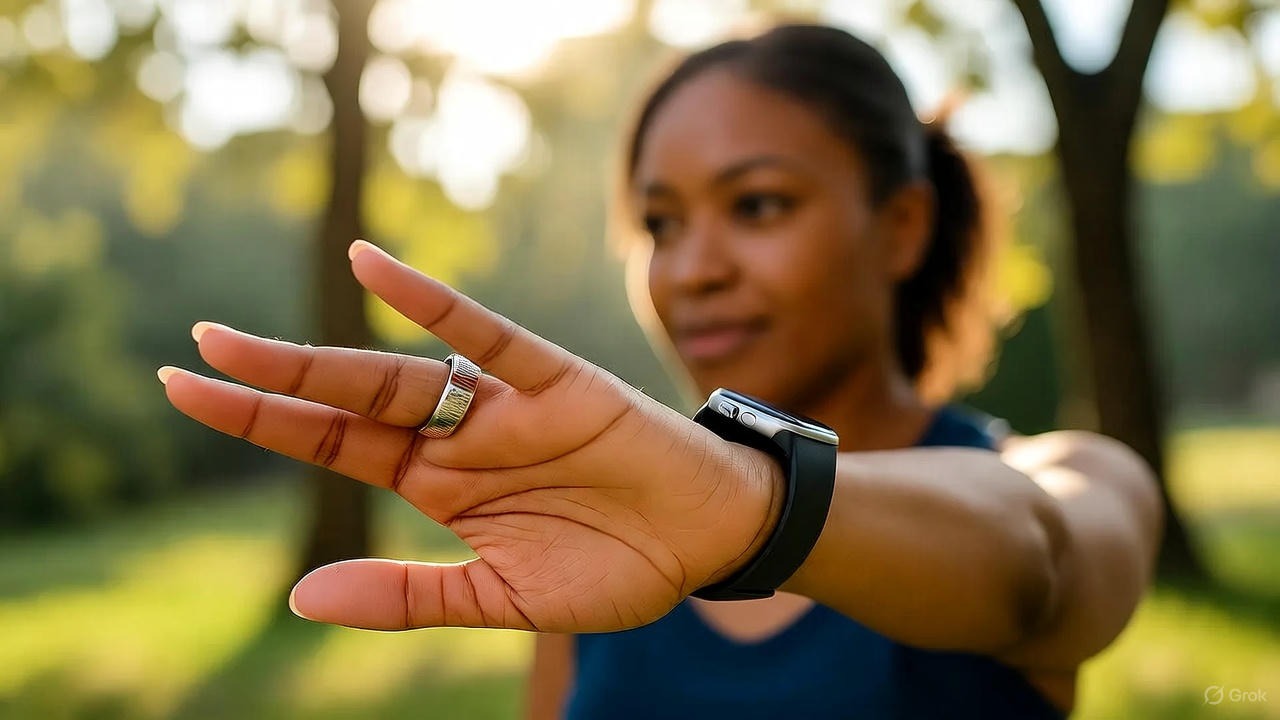
The old paradigm of fitness was built on fixed plans: Monday is chest day, Wednesday is a 10k run, no matter what. This "program first, body second" approach ignores a fundamental truth: your body’s capacity for stress changes daily. Forcing a heavy squat session when your nervous system is in the red is not dedication—it’s a fast track to injury, overtraining, and stagnation. HRV data allows you to practice autoregulation, letting your body dictate the workout.
Green Light (High Readiness): Go for Growth.
This is your performance day. Your body is signaling it can handle high loads and recover effectively.
Yellow Light (Moderate Readiness): Focus on Fitness.
The goal here is maintenance and technique. You’re not digging a deeper recovery hole, but you’re still moving.
Red Light (Low Readiness): Embrace Recovery.
Exercise is a stressor. Today, your body is asking you to remove stressors.
The Intra-Workout Check-In: Beyond the morning score, pay attention to how you feel during your workout. If you planned a green-day session but feel unusually sluggish, heavy, and your heart rate is spiking abnormally high for the effort, your morning score might have been lagging or you’ve incurred acute stress. Have the flexibility to dial it back mid-session. The plan is a guide, not a tyrant.
This dynamic approach leads to what experts call "productive training." You apply the hardest stress only when the body is ready to absorb it and transform it into adaptation. You avoid the wasted effort and systemic damage of training hard when you’re already broken down. The result is faster progress, fewer injuries, and a more sustainable, enjoyable relationship with fitness. It embodies the principle at the heart of our our story: using technology not to push harder blindly, but to work smarter in harmony with human biology.
We’ve focused largely on physical performance, but your HRV is perhaps an even more sensitive barometer of your mental and emotional load. Cognitive work, emotional stress, and constant digital stimulation are potent sympathetic nervous system drivers. Your smart ring doesn’t distinguish between stress from a heavy deadlift and stress from a heavy inbox; it simply registers the strain. This makes HRV an unparalleled tool for managing your psychological well-being and cognitive output.
HRV as an Emotional Truth-Teller:
You might think you’re handling stress well, but your HRV often tells the real story. A period of sustained anxiety, even if suppressed, will manifest as a downward trend in your nightly readings. This objective data can prompt crucial self-reflection and intervention before you reach full burnout. It’s a call to action: your nervous system needs a break.
Optimizing Cognitive Work:
Just as you autoregulate physical training, you can autoregulate mental work.
Using HRV Biofeedback for Direct Regulation:
This is where you move from passive tracking to active intervention. HRV biofeedback is a proven technique to increase parasympathetic tone and improve emotional regulation.
The Digital Stress Audit:
Notice patterns. Does your HRV consistently dip after days filled with back-to-back video calls? Does it improve on days you take a proper lunch break away from screens? Your data will reveal your unique triggers. Use these insights to set boundaries: implement screen-time limits, schedule "focus blocks" without notifications, and protect time for true mental detachment.
By honoring the mind-body link revealed by HRV, you stop treating your brain as a separate entity from your physiology. You manage your cognitive and emotional resources with the same precision as your physical ones. This holistic approach is central to the philosophy behind Oxyzen, a vision you can learn more about in our mission statement. It’s about creating a seamless bridge between internal state and external performance in all facets of life.
Your daytime HRV score is largely a report card on your previous night’s recovery—and recovery is an ecosystem. It’s not just the quantity of sleep, but the quality of your entire 24-hour environment that either supports or sabotages your nervous system’s ability to restore itself. Let’s break down the pillars of this ecosystem, guided by what your HRV trends reveal.
Sleep: The Non-Negotiable Foundation
Sleep is the primary time for parasympathetic dominance and physical repair. Your Oxyzen ring tracks sleep stages, but the ultimate metric of sleep quality is often your morning HRV.
Hydration: The River of Homeostasis
Dehydration is a significant physiological stressor that immediately impacts blood volume and, consequently, heart function and HRV.
Environmental Stressors: Light, Noise, and Chaos
Your nervous system is constantly sampling your environment.
By treating recovery as this interconnected ecosystem, you stop looking for a single magic bullet. You build a fortress of habits that collectively defend and enhance your body’s resilience. When your HRV is low, you can audit this ecosystem: Was my sleep poor? Did I drink enough water? Was my day chaotic? The answers become your corrective action plan. For practical tips on building these habits, our comprehensive FAQ addresses many common user questions on optimizing recovery.
Writing a book, developing software, painting a series—these aren't tasks; they are journeys that last weeks or months. They have emotional and cognitive arcs, and your nervous system travels that arc with you. Using HRV trends over the long term can help you navigate the natural stages of a project, preventing burnout and maximizing creative output when it matters most.
Phase 1: The Excavation & Foundation (High HRV Capacity)
This is the exciting beginning. You're researching, brainstorming, and outlining. The workload is not yet intense, and novelty stimulates eustress. Your HRV will likely remain stable or even rise with the positive engagement. Strategy: Leverage this phase to do heavy lifting in your "Creative Openness" phases. Build a robust foundation. The strong biometric baseline here is your buffer for the more grueling phases ahead.
Phase 2: The Marathon Grind (The HRV Stress Test)
Now you're in the long, demanding middle. The novelty has worn off, and the scale of the work is apparent. This is where discipline and consistency are paramount. Your weekly HRV average will become your most important metric.
Phase 3: The Final Push & Refinement (Guarding the Crash)
Deadlines loom. Perfectionism kicks in. The sympathetic drive is high. A sharp HRV drop is almost guaranteed. The goal here is not to avoid the drop, but to prevent a crash that sabotages the finish line.
Phase 4: Post-Project Recovery (The Mandatory Rebound)
Project completion brings a psychological crash. Your sympathetic driver steps off the gas, and without the project's structure, your nervous system can feel untethered. A lingering low HRV is common—this is project hangover.
Deep thinking and creative work are often solitary, but breakthrough innovation usually happens in teams. What if you could tune not just your own cognitive rhythm, but your team's? While we're not suggesting mandatory smart rings for all employees, cultivating biometric awareness as a team principle can revolutionize collaborative output.
Principles of a Biometrically-Aware Team:
Imagine a design sprint where the schedule is built not just around agendas, but around predicted collective energy rhythms, with deliberate recovery blocks baked in. The result is higher-quality ideas, less interpersonal friction, and a team that finishes the sprint energized, not decimated. This human-centric approach to productivity is at the core of Oxyzen's vision for the future of work.

Once you're fluent in reading your biometric trends, you can graduate to deliberate, self-led N-of-1 experiments. This is the pinnacle of personalized cognitive optimization: using your smart ring as a lab instrument to test specific interventions and measure their precise impact on your creative capacity.
The Framework for a Valid Experiment:
Example Experiment: The "Walking Meeting" Test
This scientific approach removes guesswork and fads. You become the expert on your own system. Whether it's testing supplements, meditation apps, or work environment changes, your ring provides the objective data to curate a lifestyle that truly maximizes your unique creative potential. For answers to common questions on running these self-experiments, our FAQ has a dedicated section on data interpretation.
With great data comes great responsibility. A relentless focus on optimization can backfire, creating a new form of anxiety: biometric neuroticism. The constant checking of scores, the disappointment at a "red" readiness marker, the obsession over a three-point dip in HRV—this hyper-vigilance is itself a sympathetic stressor, lowering the very metrics you're trying to improve.
Guarding Against the Data Trap:
The most optimized life is not always the most creative. Serendipity, spontaneity, and even productive struggle are essential ingredients for original thought. Your smart ring is best used as a compass to guide you back to balance when you're lost, not as a leash that dictates every minute of your day. This balanced philosophy is deeply embedded in the journey and values that shaped our approach at Oxyzen.
We are at the nascent stage of a profound shift. The integration of continuous, passive biometrics into our daily lives will fundamentally reshape how we understand and cultivate human potential. Here’s a glimpse at the near future:
This future is not about external control, but about empowered self-authorship. It provides the feedback we've always lacked to become skilled pilots of our own minds and bodies. The goal is a world where we spend less time battling our biology and more time collaborating with it to do our best, most meaningful work. To stay at the forefront of these developments, we invite you to follow the research and insights we share regularly.
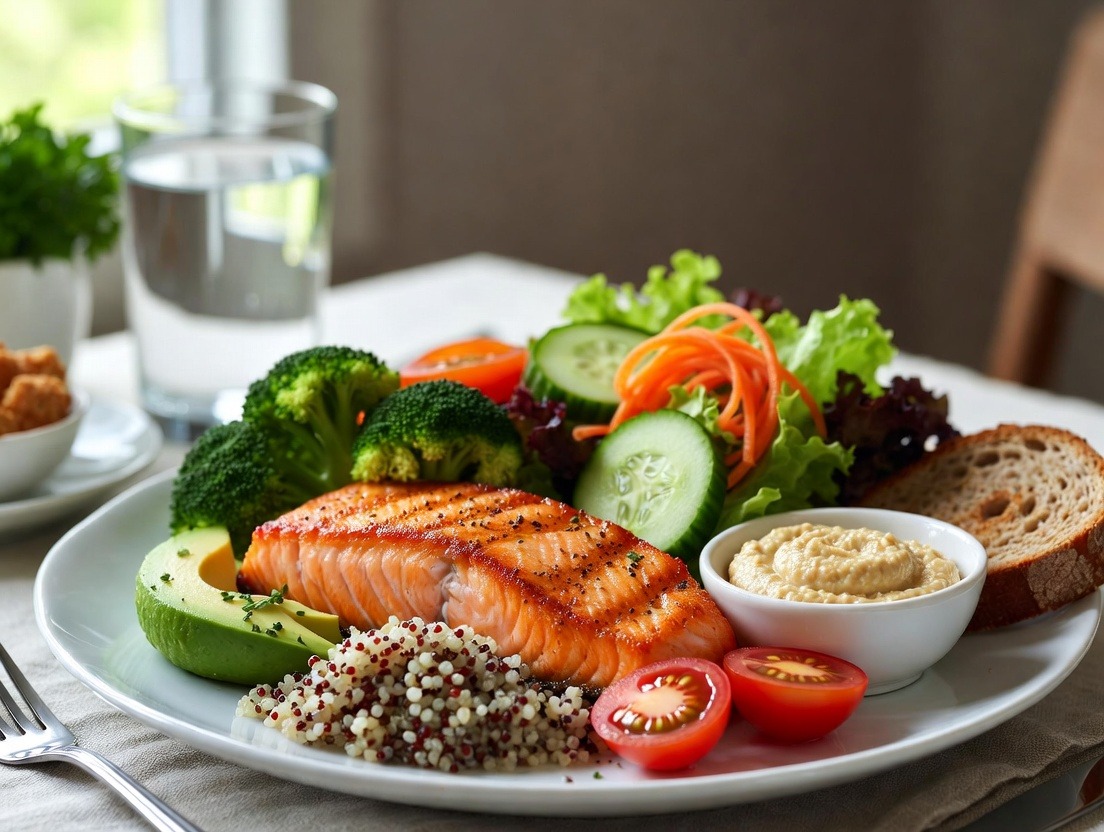
Knowledge must culminate in action. Here is a synthesis of everything we’ve covered into a practical, step-by-step action plan to begin transforming your creative and cognitive life with your smart ring today.
Phase 1: The Foundation (Weeks 1-4)
Phase 2: The Experiment (Weeks 5-8)
Phase 3: The Integration (Week 9 Onward)
This is not a rigid program but a flexible framework. The key is to start, observe, and iterate. Your body will thank you, and your work will reflect the newfound harmony. Remember, this is a lifelong journey of learning about your most important tool: yourself. For ongoing support and community as you embark on this path, remember that our resources and story are here to back you up.
Your Trusted Sleep Advocate (Sleep Foundation — https://www.sleepfoundation.org/)
Discover a digital archive of scholarly articles (NIH — https://www.ncbi.nlm.nih.gov/
39 million citations for biomedical literature (PubMed — https://pubmed.ncbi.nlm.nih.gov/)
experts at Harvard Health Publishing covering a variety of health topics — https://www.health.harvard.edu/blog/)
Every life deserves world class care (Cleveland Clinic -
https://my.clevelandclinic.org/health)
Wearable technology and the future of predictive health monitoring. (MIT Technology Review — https://www.technologyreview.com/)
Dedicated to the well-being of all people and guided by science (World Health Organization — https://www.who.int/news-room/)
Psychological science and knowledge to benefit society and improve lives. (APA — https://www.apa.org/monitor/)
Cutting-edge insights on human longevity and peak performance
(Lifespan Research — https://www.lifespan.io/)
Global authority on exercise physiology, sports performance, and human recovery
(American College of Sports Medicine — https://www.acsm.org/)
Neuroscience-driven guidance for better focus, sleep, and mental clarity
(Stanford Human Performance Lab — https://humanperformance.stanford.edu/)
Evidence-based psychology and mind–body wellness resources
(Mayo Clinic — https://www.mayoclinic.org/healthy-lifestyle/)
Data-backed research on emotional wellbeing, stress biology, and resilience
(American Institute of Stress — https://www.stress.org/)


