


The Wearable Health Tech Guide for Different Age Groups
A guide to choosing wearables for different age groups.
A guide to choosing wearables for different age groups.
%402x.svg)
Imagine a world where your jewelry doesn’t just accessorize your outfit but actively guards your health. Where a sleek ring on your finger can whisper warnings of an oncoming cold, nudge you to move when stress spikes, or provide a doctor with a precise log of your heart’s rhythm over the past year. This isn’t science fiction—it’s the reality of today’s wearable health technology. From the playground to the retirement community, devices like smart rings are becoming silent, personal health guardians, democratizing access to data that was once locked away in clinical settings.
The landscape of wearable health tech has exploded far beyond simple step counters. We’re now in an era of biometric sophistication: continuous heart rate and heart rate variability (HRV) monitoring, blood oxygen saturation (SpO2) tracking, skin temperature sensing, and advanced sleep stage analysis. This data, when interpreted correctly, can form a powerful, personalized health narrative. However, a critical piece is often missing from the conversation: context of age.
A 25-year-old athlete, a 45-year-old working parent, and a 70-year-old retiree have vastly different physiological baselines, health priorities, and technological comfort levels. A metric that signals peak performance for one could indicate concerning strain for another. A feature that is intuitive to a digital native might be a barrier to adoption for someone else. This one-size-fits-all approach in marketing and usage leads to confusion, disengagement, and missed opportunities for truly impactful health interventions.
This comprehensive guide exists to bridge that gap. We will embark on a deep dive into how wearable health technology, with a special focus on the discreet power of smart rings, can be strategically leveraged across every decade of life. We’ll move beyond generic advice to age-specific insights, exploring the unique health goals, challenges, and optimal device features for each group. Whether you’re a parent curious about monitoring your teen’s sleep, a professional battling burnout, or a senior focused on maintaining independence, understanding how to align technology with your life stage is the key to unlocking its true potential.
As we navigate through the distinct chapters of life, one thing becomes clear: the future of health is not just wearable; it’s personal, predictive, and profoundly connected to our individual journeys. The mission at the heart of brands pushing this frontier, like the team behind Oxyzen, is to make this advanced health insight not just available, but accessible and actionable for everyone. You can learn more about this human-centric approach to health technology on their About Us page, which details their commitment to creating tools that adapt to you, not the other way around.
Let’s begin by understanding the foundational technology that makes all this possible, before tailoring it to every age and stage.
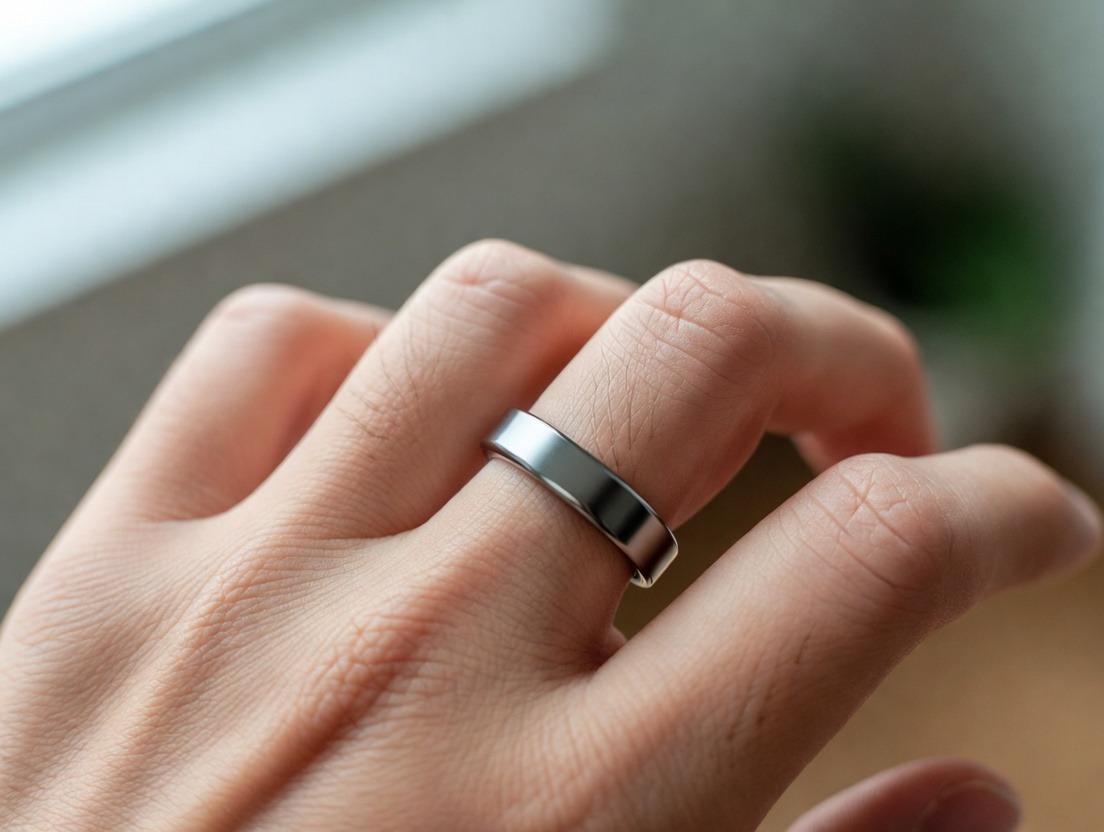
The wrist has long been the default real estate for wearables. But a quiet revolution is taking place on a different finger. Smart rings are emerging as the preferred form factor for serious health trackers, and for compelling reasons rooted in both physiology and practicality.
The primary advantage is location. The finger hosts rich vascular pathways, allowing sensors—particularly photoplethysmography (PPG) sensors for heart rate and SpO2—to capture stronger, cleaner signals than the wrist, which is bony and prone to motion artifacts. This leads to more accurate biometric readings, especially during sleep, which is a critical window for health assessment. Furthermore, a ring is less obtrusive. It doesn’t get caught on sleeves, doesn’t require a bulky band, and for many, feels more like natural jewelry than a tech gadget. This discreet nature supports 24/7 wearability, which is the holy grail for building a complete, continuous health picture. You’re far more likely to sleep, shower, and live with a ring on than a smartwatch.
But what exactly are these devices measuring, and why does it matter?
The magic isn’t in any single data point, but in the longitudinal trends. Over weeks and months, your wearable establishes a personal baseline. It learns your normal. Then, it can flag meaningful deviations: a resting heart rate that’s elevated for days, a depressed HRV score suggesting you’re overtraining or under-recovering, or a consistent drop in sleep quality. This shift from snapshot to story is what transforms a tracker into a preventive health tool.
Brands are leveraging this form factor to create powerful, minimalist health companions. For instance, at Oxyzen, the design philosophy centers on this seamless integration of clinical-grade sensing into a piece of elegant, everyday wear. The goal is to remove friction from health monitoring, making it as effortless as wearing a wedding band. The result is a constant, passive stream of actionable health intelligence, empowering you to make informed decisions about your well-being, a journey you can read about in their Our Story narrative.
Data without context is just noise. A sleep score of 78 or an HRV of 45 ms are meaningless numbers unless you understand what they reflect about your body’s internal state. This section will demystify the core biometrics, explaining not just what they are, but how to interpret them in the flow of daily life.
Heart Rate Variability (HRV): Your Body’s Stress Barometer
Often misunderstood, HRV is arguably the most insightful metric for modern wellness. Think of your heart not as a metronome, but as a skilled jazz drummer—the subtle, complex variations in rhythm are a sign of mastery, not error. A healthy, resilient nervous system constantly adjusts your heart rate to respond to breathing, stress, and recovery needs. This results in a higher HRV.
A consistently low or dropping HRV is your body’s white flag. It signals that your sympathetic nervous system (the "fight or flight" response) is dominant, likely due to chronic stress, poor sleep, overtraining, illness, or poor nutrition. It’s a profound indicator that your body is struggling to recover and needs support. Tracking HRV trends can help you decide: is today a day for an intense workout, or a gentle walk and an early night?
Resting Heart Rate (RHR): The Engine’s Idle Speed
Your RHR is the number of times your heart beats per minute when you are completely at rest. For most adults, a healthy range is between 60 and 100 bpm, but fit individuals often have a RHR in the 40s or 50s. A gradual decrease in RHR over time with improved fitness is a positive sign of cardiovascular efficiency.
Conversely, a sustained increase of 5-10 bpm above your personal baseline can be a red flag. It often precedes illness, indicates overtraining, high stress, or dehydration. For older adults, monitoring RHR trends can be an especially valuable, non-invasive way to keep a pulse on cardiovascular health.
Sleep Stages: The Nightly Repair Cycle
Sleep is not a monolithic state. We cycle through light sleep (memory consolidation), deep sleep (physical restoration and immune function), and REM sleep (emotional processing and creativity). Wearables estimate these stages using movement, heart rate, and HRV.
Blood Oxygen (SpO2) and Respiratory Rate
While daytime SpO2 should consistently be 95% or higher, watching for patterns during sleep is crucial. Frequent, significant dips could suggest sleep apnea, a condition where breathing repeatedly stops and starts, which strains the cardiovascular system. Similarly, an elevated respiratory rate during sleep can be a sign of stress or underlying issues.
The Power of Correlation: Connecting the Dots
The true genius of wearable tech emerges when you stop looking at metrics in isolation. Did a poor night’s sleep (low deep sleep) lead to a high resting heart rate and low HRV the next day? Did a stressful workweek gradually depress your HRV, making you more susceptible to catching a weekend cold? By observing these correlations, you move from passive tracking to active health management. You can experiment: does a mindfulness session before bed improve your sleep score? Does cutting off caffeine after 2 PM raise your HRV?
For those ready to dive deeper into interpreting their data and applying it to lifestyle changes, our blog features ongoing series with expert advice, user case studies, and actionable tips to go from data-aware to health-empowered.
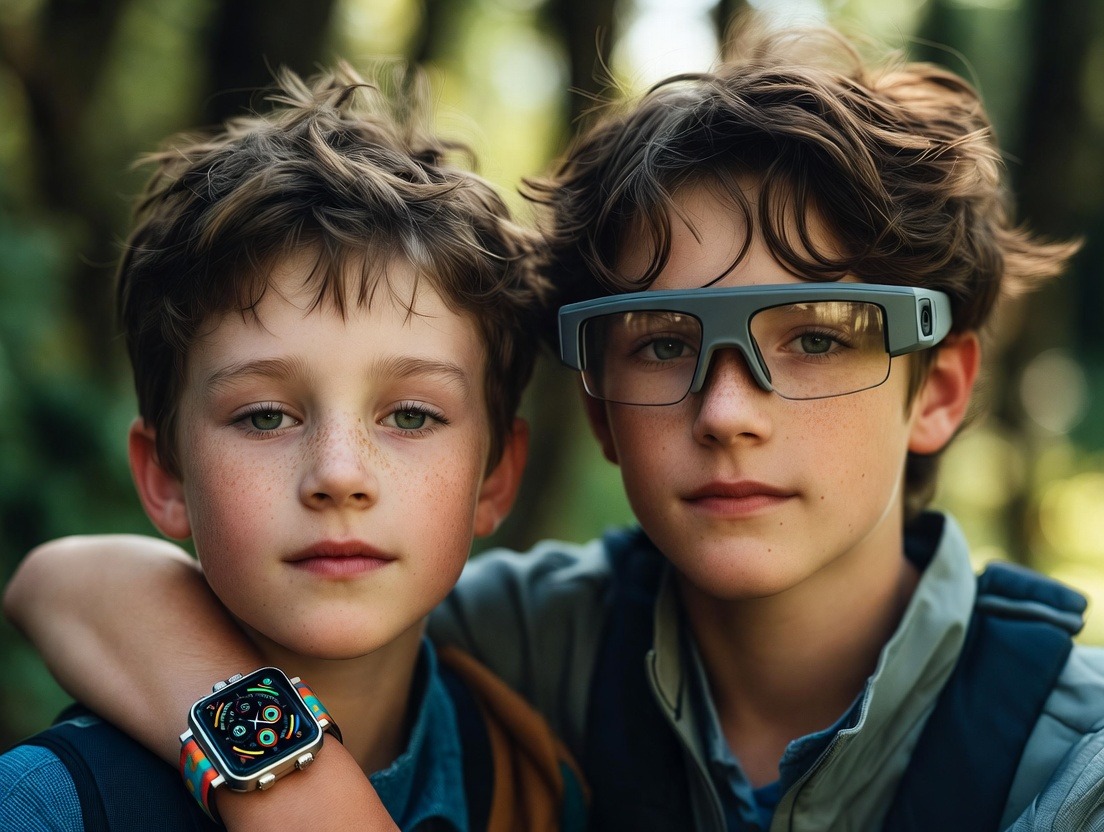
Introducing health technology to the youngest generation requires a delicate balance: fostering awareness without creating anxiety, encouraging activity without forcing competition, and respecting privacy while ensuring safety. For this age group, wearables are less about sophisticated biometrics and more about building lifelong healthy habits, ensuring safety, and providing parents with peace of mind.
Health Priorities & Key Metrics:
Choosing the Right Device:
Durability, simplicity, and fun are paramount. Look for:
Potential Pitfalls & Ethical Considerations:
The Role of Smart Rings:
While less common for young children, a smart ring can be an excellent, low-profile option for teenagers. It avoids the social pressure or distraction of a smartwatch screen, focuses on core health metrics like sleep and recovery (critical for academic and athletic performance), and is less likely to be removed. For a teen athlete, understanding how their sleep affects next-day performance or how exam stress impacts their nervous system (via HRV) can be a powerful lesson in self-care. It turns health from a parental nag into a personal insight. Many common questions about device usage for younger audiences are addressed in our comprehensive FAQ section, which covers topics from data security to appropriate age ranges.
The goal for this age group is to plant the seed: that paying attention to your body’s signals is a normal, empowering part of life. By making health visible and engaging, we can equip the next generation with the tools and mindset for a lifetime of well-being.
This life stage is often a period of profound transition: moving out, starting careers, intense social lives, and for many, pushing physical limits in sports and fitness. Health priorities swing between optimizing performance and establishing independent, sustainable habits. For young adults, wearable tech becomes a coach, a biofeedback device, and a safeguard against the burnout that often creeps in during these demanding years.
Health Priorities & Key Metrics:
Leveraging Data for Life Optimization:
Young adults are typically tech-savvy and data-curious. They can use wearables to run personal experiments:
The Smart Ring Advantage for the Active Young Adult:
For this demographic, a smart ring is particularly advantageous. It’s:
Navigating Mental Health and Burnout:
Perhaps the most critical role for wearables in this age group is as an early warning system for mental strain. A consistently depressed HRV trend, coupled with restless sleep and elevated RHR, is a biometric signature of burnout. The device can’t diagnose, but it can prompt the user to ask: "Why is my body in constant 'fight or flight' mode?" This objective data can be the nudge needed to seek help, prioritize rest, or adopt stress-reduction practices like meditation, which the user can then track for efficacy.
Real people in this very demographic have shared how this data-driven awareness changed their approach to health. You can find these powerful testimonials and stories of transformation in the Oxyzen Testimonials section, where users detail how subtle data trends prompted major positive lifestyle shifts.
For the young adult, a wearable is more than a gadget; it’s a partner in building the high-performance, resilient foundation for the decades to come. It teaches the language of their own body, a skill that pays dividends for a lifetime.
Welcome to the squeeze. The 30s and 40s are often characterized by peak career responsibilities, growing family demands, financial pressures, and the subtle beginnings of physiological change. Sleep becomes fragmented, metabolism shifts, and stress can feel like a constant background hum. For this group, wearable tech transitions from a performance optimizer to an essential vital signs dashboard for sustaining energy, managing stress, and preventing long-term health decline.
Health Priorities & Key Metrics:
The Juggler’s Tool: Using Data to Manage Competing Demands
For the busy professional or parent, data must be actionable and efficient.
Smart Rings: The Professional’s Discreet Health Partner
In corporate or client-facing environments, a smartwatch buzzing with notifications can be unprofessional. A smart ring is the perfect solution. It provides continuous, clinical-grade health monitoring without the distraction or statement of a wrist device. It silently gathers the data you need to perform at your best, manage inevitable stress, and protect your long-term health, all while looking like a piece of sophisticated jewelry. To understand how this design philosophy supports the demanding lives of professionals, you can explore the vision behind such devices on the Oxyzen homepage.
Preventive Health & Early Detection
This age group is the frontline for preventive care. Wearables excel here:
For adults in the prime of life, a wearable is not a luxury; it’s a sustainability tool. It provides the hard data needed to make informed trade-offs in a world of infinite demands and finite energy, ensuring you can thrive in your career and family without sacrificing your health on the altar of productivity.
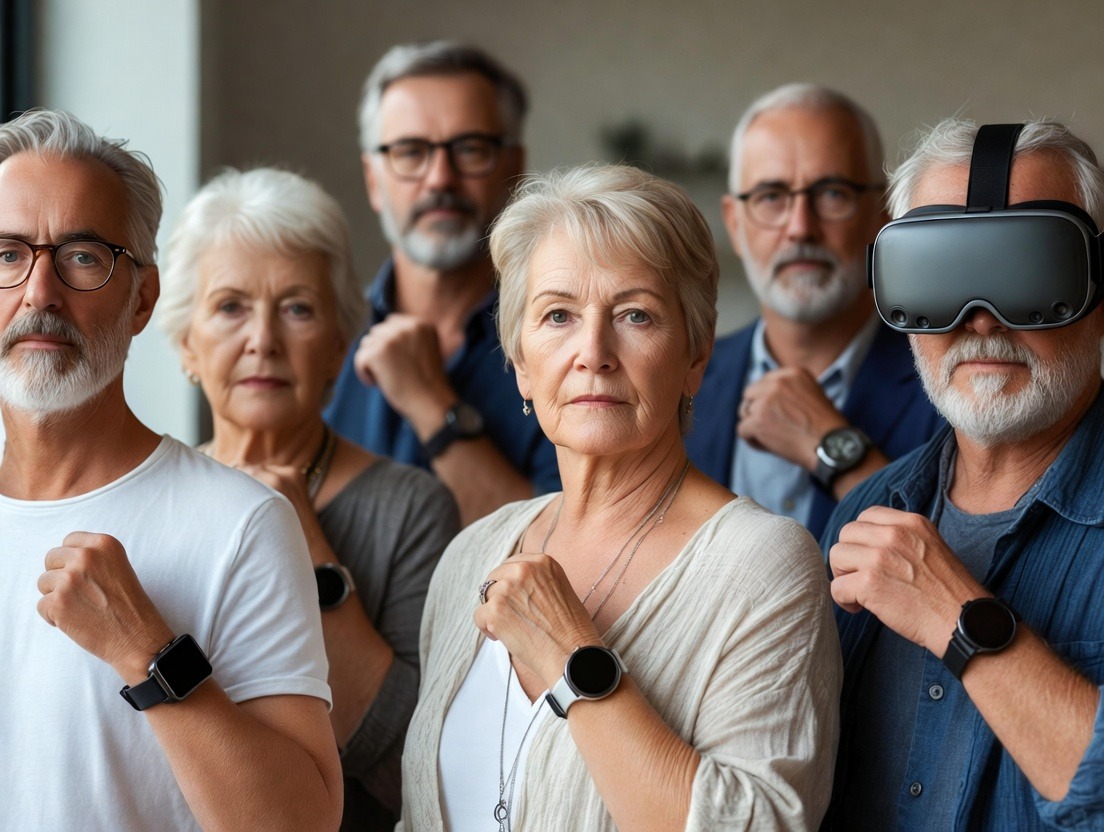
This decade represents a significant physiological pivot, particularly for women undergoing perimenopause and menopause, but also for men experiencing andropause (a gradual decline in testosterone). Symptoms are often vague, varied, and frustratingly dismissed as "just aging." Wearable technology steps in here as an objective, empowering translator, helping users understand their changing bodies, differentiate between symptoms, and tailor interventions with precision.
Health Priorities & Key Metrics:
From Frustration to Data-Driven Empowerment
The vague malaise of midlife—fatigue, brain fog, mood swings, sleeplessness—can feel like a personal failing. Wearable data reframes it.
The Smart Ring: A Subtle Ally Through Transition
During a time when individuals may feel at odds with their bodies, a smart ring offers discreet, compassionate monitoring. There’s no glaring screen displaying "POOR SLEEP" to start the day. The data is there if sought, providing insights without judgment. Its comfort and 24/7 wearability are key for capturing the full picture of sleep and temperature trends. The elegant design also aligns with the aesthetic of this age group, functioning as beautiful jewelry first and a powerful health tool second.
Building a Health Legacy
This period is about proactive preservation. Wearable data helps shift the narrative from "managing decline" to "optimizing vitality." It empowers users to:
For those navigating this complex transition, finding a community and shared experiences can be incredibly supportive. Our blog frequently features expert articles and personal stories on leveraging technology for hormonal health, stress resilience, and graceful aging, offering both scientific insight and communal understanding.
This stage isn't an end; it's a recalibration. With wearable tech as a guide, the midlife pivot can be navigated with knowledge, agency, and a clear focus on building a vibrant, healthy second half of life.
The modern senior is redefining what it means to age. This generation is active, connected, and deeply invested in maintaining independence and quality of life. For them, wearable technology evolves into a guardian and a communications hub, focusing on vital sign monitoring, fall detection, and providing both the user and their loved ones with reassurance and actionable health insights.
Health Priorities & Key Metrics:
Choosing the Right Device: Usability is Paramount
For this age group, the interface is as important as the features.
The Smart Ring as a Senior Health Sentinel
A smart ring is an exceptional choice for the active senior for several reasons:
Facilitating Family Care & Telehealth
Wearable data bridges the gap between seniors and their distant family members or healthcare providers. With user consent, family can be granted limited access to view key wellness trends (activity, sleep) or receive alerts in case of a fall. This creates a "circle of care" without infringing on independence. Furthermore, trend data can be easily shared with doctors during telehealth appointments, providing objective context beyond "I've been feeling a bit tired."
Promoting Proactive, Not Reactive, Health
The goal is to move from crisis management to trend management. A gradual, steady decline in activity levels might indicate joint pain or low mood. A creeping increase in resting heart rate could signal dehydration or a brewing infection. By spotting these trends early, seniors and their caregivers can intervene proactively—scheduling a doctor's visit, increasing fluid intake, or starting physical therapy—long before a minor issue becomes a major health event.
For families researching the best options to support their loved ones’ independence, a great starting point is the Oxyzen FAQ, which addresses common questions about safety features, data privacy for family sharing, and device usability for older adults.
For the active senior, a wearable is a powerful tool for preserving autonomy. It’s a quiet companion that watches over their health, connects them to their loved ones, and provides the confidence to live life fully, knowing that help and insight are always at hand—or more precisely, on hand.
As individuals enter their eighth decade and beyond, health priorities understandably shift towards stability, comfort, and managing chronic conditions. Wearable technology in this stage becomes less about optimization and more about continuous remote patient monitoring (RPM), safety assurance, and providing a crucial data link between the individual, their caregivers, and healthcare professionals. It’s a tool for maintaining dignity and quality of life within the context of increased care needs.
Health Priorities & Key Metrics:
Integration with Care Systems: The Clinical Connection
The most powerful wearables for this cohort are those that can integrate, with consent, into formal care frameworks.
Design & Usability for Frail Users
The device must be absolutely frictionless:
The Smart Ring: An Unobtrusive Guardian
In advanced age, a smart ring shines. It is:
Providing Peace of Mind for the Entire Family
The emotional benefit for distant adult children is immense. Being able to see that a parent’s vital signs are stable and their daily patterns are normal provides reassurance that no news is good news. Conversely, receiving a targeted alert allows for a swift, appropriate response. This technology doesn’t replace human contact and care, but it makes the space between visits or check-ins far less anxious.
The journey of creating technology that serves with this level of compassion and clinical rigor is a core part of the mission for companies in this space. The commitment to supporting every stage of life, including the most vulnerable, is a testament to a brand’s values, as outlined on the Oxyzen About Us page, which emphasizes dignity, care, and connection at all ages.
For older adults and their families, a sophisticated wearable is a powerful statement: that safety, health, and connection can be maintained, preserving peace of mind and empowering everyone involved to focus on the quality of moments, not just the management of conditions.
Owning a sophisticated health tracker is only half the equation. Its true value is fully unlocked when its insights are woven into your existing healthcare framework. This transforms you from a passive patient into an active, informed partner in your own well-being, and provides your doctor with a richness of data previously unavailable outside of a hospital stay.
Preparing for a "Data-Informed" Doctor's Visit
Walking into your physician’s office with months of personalized health data changes the dynamic. Here’s how to prepare effectively:
What Data is Most Valuable to Healthcare Providers?
The Future: EHR Integration & Prescribed Wearables
We are moving toward a future where wearable data seamlessly integrates with Electronic Health Records (EHRs). Some forward-thinking health systems and insurers are already beginning to prescribe specific wearables for patients with chronic conditions like hypertension, diabetes, or heart failure. This allows for truly continuous care, where a clinician’s dashboard might flag a patient’s rising week-over-week resting heart rate, prompting a proactive check-in. To understand how this user-generated health data is protected and utilized, it’s always wise to review a company's privacy policies and commitments, which are often detailed in their support pages like the Oxyzen FAQ.
Ethical Considerations & Data Ownership
By thoughtfully integrating wearable data into your healthcare partnership, you empower a collaborative, preventive, and highly personalized approach to medicine. You give your care team a window into your life between appointments, enabling them to help you not just treat illness, but build and sustain lasting health.
With a crowded market of smartwatches, fitness bands, and smart rings, selecting the right device can feel overwhelming. The choice is deeply personal and should be guided by your life stage, health goals, lifestyle, and values—not just marketing hype. This framework will help you cut through the noise and identify the wearable that will become a true companion on your health journey.
Step 1: Define Your "Why" (The Primary Use Case)
Step 2: Evaluate Core Features Against Your Priorities
Create a weighted list. What matters most?
Step 3: The Smart Ring vs. Smartwatch Conundrum
This is the central choice for many. Here’s a definitive comparison:
Choose a SMARTWATCH if you:
Choose a SMART RING (like Oxyzen) if you:
Step 4: Research and Community Insight
Once you’ve narrowed your focus:
Your wearable should feel like a natural extension of your life, not a chore. It should align with your personal "why" and empower you without adding complexity. By following this framework, you move from being a consumer to a strategist, making an investment that will pay dividends in health insight for years to come. For ongoing comparisons and in-depth guides on navigating these choices, our blog is a constantly updated resource designed to help you make the most informed decision.
The wearable on your finger or wrist today is merely the first chapter. The convergence of miniaturized sensors, advanced artificial intelligence, and new biomarkers is hurtling us toward a future where continuous, non-invasive health monitoring will be indistinguishable from magic—and fundamentally routine. Here’s a glimpse at the horizons we’re rapidly approaching.
Non-Invasive Blood Glucose & Metabolic Monitoring
The quest for a "continuous glucose monitor (CGM) without a needle" is the holy grail. Several technologies, including advanced optical sensors (using specific light wavelengths) and spectroscopic methods, are in late-stage research. A wearable that could track glucose trends seamlessly would revolutionize management for diabetics and provide unparalleled metabolic insight for millions more, illuminating the direct impact of food, sleep, and stress on energy and health.
Continuous Blood Pressure Monitoring
Moving beyond the cumbersome inflatable cuff, new techniques like Pulse Transit Time (PTT)—measuring the time it takes for a pulse wave to travel between two points (e.g., from the heart to the finger)—are being refined in wearables. Imagine a ring that tracks your blood pressure trends throughout the day, identifying stress-induced spikes or nocturnal hypertension, all without you ever feeling a squeeze.
Advanced Electrolyte & Hydration Sensing
By measuring the electrical impedance of skin and underlying tissue at multiple frequencies, future wearables could estimate hydration status and key electrolyte balances (like sodium and potassium). This would be a game-changer for athletes, older adults at risk of dehydration, and anyone managing conditions affected by fluid balance.
Emotional AI & Mental State Detection
Beyond physical stress (HRV), future devices may incorporate subtle markers to infer emotional states. This isn't about reading minds, but about correlating physiological patterns—micro-changes in voice (if a microphone is present), skin conductivity (galvanic skin response), and heart rhythm patterns—with self-reported moods. The goal would be to provide tools for recognizing early signs of anxiety or emotional overwhelm, prompting proactive coping strategies.
Multi-Location Sensor Networks
The future isn't a single device, but a cohesive network. A smart ring measuring core vitals could communicate with smart earphones monitoring brainwaves (for focus and sleep), smart fabric in clothing tracking posture and muscle activity, and even a bathroom mirror analyzing your complexion. This integrated "body area network" would create a holistic, multi-system health model.
The Doctor in Your Device: AI-Powered Predictive Health
This is the ultimate destination. With permission and robust privacy guards, your longitudinal wearable data could be analyzed by specialized AI trained on vast, anonymized health datasets. This AI wouldn’t diagnose, but could predict and nudge. It might say: "Your resting heart rate and sleep pattern deviations this week match a pattern that, in similar anonymous users, often preceded a migraine. Consider increasing hydration and prioritizing sleep. Notify your doctor if symptoms develop." This shifts healthcare from reactive to genuinely predictive and preventive.
Ethical and Societal Implications of the Future
These advancements come with profound questions:
Companies at the forefront, like the team behind Oxyzen, are actively researching and developing within these frontiers, guided by a core mission to empower individuals with knowledge while navigating these ethical considerations with care. You can learn about their vision for this responsible future of health tech on the Oxyzen homepage.
The wearable of the future will be less of a "tracker" and more of a health guardian—a silent, intelligent partner dedicated to helping you not just live longer, but live better. We are not just wearing technology; we are weaving it into the very fabric of human well-being.
Technology is a powerful catalyst, but it is not the destination. The end goal is not a perfect sleep score or an ideal HRV number. The goal is a life of sustained vitality, resilience, and joy. Wearable data is the compass, not the terrain. This final section is about how to use that compass to build lasting habits and avoid the common pitfalls that lead to device abandonment or health anxiety.
From Data Points to Daily Rituals
The magic happens when insight sparks action. Here’s how to build that bridge:
The Art of the "Data Detox" and Avoiding Obsession
Paradoxically, to benefit from data, you must sometimes step away from it.
Creating a Supportive Environment
Your wearable exists within your life context. To make its insights stick, shape your environment:
The Lifelong Journey: Evolving with Your Data
Your wellness lifestyle is not static. As you move through life stages, your goals and interpretations will shift. The powerful baseline you establish in your 30s becomes a vital reference point in your 60s. The device that once helped you train for a marathon may later help you manage cardiac health. The key is to maintain a flexible, curious relationship with your data, allowing it to inform and support you through every season of life.
For ongoing inspiration and practical strategies on building this sustainable lifestyle, our blog is filled with resources, from habit-stacking techniques to mindfulness practices that complement your wearable data.
In the end, the most sophisticated algorithm is your own lived experience, informed by data. By marrying the objective insights from your wearable with subjective self-awareness and intentional action, you forge a path to a healthier, more conscious, and truly vibrant life. This is the promise of modern health technology: not just to tell you how you slept, but to help you wake up each day with greater purpose and vitality.
We began this exploration by imagining a world where your jewelry guards your health. Through our journey across the decades—from the playful trackers of childhood to the vigilant sentinels of older age—we’ve seen that this world is not only possible but is actively being built around us. Wearable health technology, particularly in the elegant, powerful form of the smart ring, is democratizing a profound truth: your body is constantly speaking. It whispers in the variations of your heartbeat, narrates your nights in sleep stages, and flags storms of stress or illness on the horizon long before you feel the first drop of rain.
The critical lesson for every age group is that context is everything. A metric is only as valuable as the life stage it illuminates. The sleep score that helps a new parent maximize rest is the same metric that helps a senior maintain independence. The HRV reading that guides an athlete’s recovery is the same data that warns a professional of encroaching burnout. Technology provides the universal language; our age and circumstances provide the dialect.
Choosing and using this technology wisely is an act of self-empowerment. It means selecting a device that aligns with your life, not disrupts it—a device you trust with your most personal data. It means partnering with companies that view themselves not just as gadget makers, but as stewards of human well-being, a philosophy deeply embedded in the mission of forward-thinking brands like Oxyzen, which you can explore further in their About Us section.
But remember, the final interpreter, the ultimate author of your health narrative, is you. The data is the ink, but you hold the pen. Use it to write a story of prevention, not panic; of curiosity, not obsession; of sustainable habits, not short-term fixes. Let your wearable be the quiet co-author that provides the facts, while you wield the wisdom.
The future of health is not in a distant clinic; it’s on your finger, pulsing in sync with your own rhythm. It’s personal, predictive, and profoundly connected to the unique, unfolding story of your life. Embrace the insight, honor the data, and step forward into a future where you are the most informed, empowered, and active participant in your own well-being.
Data is powerless without action. Now that we understand the metrics and their age-specific meanings, we must bridge the gap from insight to intervention. This section provides a concrete, age-tiered playbook of actionable steps you can take when your wearable data signals a need for change.
For Children & Adolescents (Ages 5-17): Building Joyful Habits
For Young Adults (Ages 18-29): Optimizing Energy & Recovery
For Adults in Prime Years (Ages 30-49): Managing the Squeeze
For Adults in Midlife (Ages 50-65): Navigating Transition with Precision
For Active Seniors (Ages 65-79): Preserving Function & Safety
For Older Adults (Ages 80+): Supporting Stability & Care
For a constantly refreshed library of these age-specific interventions, lifestyle tweaks, and success stories, our blog serves as a living resource for turning your wearable’s signals into meaningful, real-world action.
Your smart ring or watch does not exist in a vacuum. Its power multiplies exponentially when it becomes the central, trusted hub in your personal digital health ecosystem. This integration creates a holistic health picture that is greater than the sum of its parts.
Syncing with Comprehensive Health Apps (Apple Health, Google Fit)
Think of these platforms as your health data’s operating system. By granting your wearable permission to write data here, you achieve two things:
Connecting with Specialized Wellness Apps
The Smart Home & Environment Connection
The next frontier is contextual data. Imagine:
This is the true “ambient health” future: your wearable acting as a biometric remote control for an environment that actively supports your well-being.
Facilitating Telehealth and Professional Care
This is perhaps the most profound integration. With your explicit consent, you can share curated data reports directly with healthcare providers.
To understand how a specific device company approaches these crucial integrations and data portability, it’s always wise to consult their support resources, such as the Oxyzen FAQ, which details compatibility and data-sharing controls.
Building your ecosystem is an ongoing process. Start small—connect your wearable to your phone’s native health app. Then, gradually add one more layer that addresses a specific goal (like stress or nutrition). Over time, you weave a supportive, intelligent web of tools that all work together, with your biometric data as the guiding thread.
Even the most advanced technology can deliver subpar results if not used correctly. User error is the leading cause of inaccurate data and subsequent frustration. By following these best practices, you ensure the insights you’re basing decisions on are as reliable as possible.
Ensuring Optimal Wear for Accuracy
Understanding and Minimizing Signal Noise
Optimizing Specific Metrics
Common User Pitfalls & Fixes
When in doubt, consult the community. Often, the most practical troubleshooting tips come from long-term users who have solved the same problems. Reading through shared experiences and official support channels, like the Oxyzen Testimonials and community forums, can provide quick, real-world fixes and reassurance that you’re not alone in these minor technical challenges.
By becoming a proficient user of your device, you transition from a passive recipient of data to an active partner in a feedback loop. You provide the device with optimal conditions to gather clean data, and in return, it provides you with the reliable insights needed to guide your health journey with confidence.
In a world obsessed with instant results, the supreme value of wearable technology is antithetical: it is patience. The real magic isn’t in the daily score; it’s in the multi-year trend line. Committing to consistent wear over seasons and years transforms your device from a fitness tracker into a personal health historian, revealing narratives about your body that are impossible to see in the moment.
Establishing Your Unshakable Baseline
The first 30-90 days of wearing a device are about one thing: learning your normal. This baseline is your personal health fingerprint. It includes:
With this baseline locked in, you gain the superpower of detecting meaningful deviations. A bad night’s sleep is just noise. A steady two-week climb in RHR is a signal worth investigating.
Witnessing the Impact of Life’s Major Milestones
Long-term data becomes a biometric diary of your life:
Early Detection of Subtle Shifts
Many chronic conditions don’t arrive with a bang; they creep in with a whisper. Long-term tracking can amplify that whisper:
This is not about self-diagnosis, but about informed advocacy. You bring a long-term health log to your doctor, enabling a richer, more proactive conversation.
Motivation Through Macro-Progress
When daily motivation flags, the long-term view sustains you. Looking back at a year of data, you don’t see the individual missed workouts or bad sleep nights. You see a trend line sloping upward in recovery, a downward slope in resting heart rate. This macro-perspective fosters self-compassion and demonstrates that the aggregate of small, healthy choices creates monumental change over time. It’s the ultimate antidote to “all-or-nothing” thinking.
Legacy of Health Intelligence
Your multi-year dataset is a legacy. It can inform your healthcare for decades. It can help researchers (if you choose to contribute anonymized data) understand population health trends. It teaches you, profoundly, how your unique body responds to the world.
This philosophy of long-term partnership is at the core of devices designed for lifelong wear. Companies like Oxyzen build their technology not for quarterly trends, but for decade-long journeys, a commitment you can sense in the depth of their Our Story and the enduring design of their products.
By embracing the long-term view, you shift your relationship with health from a series of sprints to a mindful, observant marathon. You learn to trust the process, listen to the trends, and understand that the most important story your body tells is not written in a day, but in the quiet, consistent language of a lifetime of data.
We have journeyed through the layers of wearable health technology—from its technical workings and age-specific applications to its integration into your life and its long-term promise. Now, we arrive at the synthesis: a final, actionable blueprint to help you, at your specific life stage, craft a personalized strategy that harnesses this technology for maximum benefit.
Your Personal Blueprint Worksheet
Step 1: Life Stage & Core Priority Identification
Step 2: Device Selection & Feature Mapping
Step 3: Integration & Habit Stacking Plan
Step 4: Data Review Protocol
Step 5: Intervention Toolkit
Step 6: Healthcare Partnership Strategy
A Living Document
This blueprint is not static. Revisit it every year or with every major life transition (a new job, a new baby, retirement). As your life stage shifts on the continuum we’ve explored, so too should your priorities and how you use your technology.
The Unifying Thread: Awareness with Compassion
Across all ages, from the child learning about activity to the senior monitoring vital signs, the ultimate goal fostered by wearable tech is kindly awareness. It is the ability to see your body’s signals with curiosity instead of judgment, with data instead of guesswork, and with a proactive spirit instead of reactive fear.
You are now equipped not just with information, but with a framework. You understand that the same technology serves different purposes at different points in the human journey. You can choose a device not as a status symbol, but as a tailored tool. You can interpret its messages through the correct, age-appropriate lens. And you can build a lifestyle where technology supports well-being without dominating it.
Your Trusted Sleep Advocate: Sleep Foundation — https://www.sleepfoundation.org
Discover a digital archive of scholarly articles: NIH — https://www.ncbi.nlm.nih.gov/
39 million citations for biomedical literature :PubMed — https://pubmed.ncbi.nlm.nih.gov/
Experts at Harvard Health Publishing covering a variety of health topics — https://www.health.harvard.edu/blog/
Every life deserves world class care :Cleveland Clinic - https://my.clevelandclinic.org/health
Wearable technology and the future of predictive health monitoring :MIT Technology Review — https://www.technologyreview.com/
Dedicated to the well-being of all people and guided by science :World Health Organization — https://www.who.int/news-room/
Psychological science and knowledge to benefit society and improve lives. :APA — https://www.apa.org/monitor/
Cutting-edge insights on human longevity and peak performance:
Lifespan Research — https://www.lifespan.io/
Global authority on exercise physiology, sports performance, and human recovery:
American College of Sports Medicine — https://www.acsm.org/
Neuroscience-driven guidance for better focus, sleep, and mental clarity:
Stanford Human Performance Lab — https://humanperformance.stanford.edu/
Evidence-based psychology and mind–body wellness resources:
Mayo Clinic — https://www.mayoclinic.org/healthy-lifestyle/
Data-backed research on emotional wellbeing, stress biology, and resilience:
American Institute of Stress — https://www.stress.org/


