


What High HRV Indicates About Your Recovery and Readiness
What a high HRV indicates about your recovery and readiness for activity.
What a high HRV indicates about your recovery and readiness for activity.
%402x.svg)
Imagine a silent, internal symphony playing within you every second of every day. It’s not the steady thump of a bass drum, but a complex, ever-shifting rhythm conducted by your autonomic nervous system. This rhythm is your heart rate variability (HRV), and in the world of modern wellness and performance, a high HRV score is becoming the most sought-after biomarker of vitality, resilience, and readiness.
For decades, we viewed the heart as a simple metronome, beating a predictable, steady rhythm. A "good" heart was thought to be a perfectly regular one. Now, science has turned that notion on its head. HRV measures the subtle, millisecond variations in the time intervals between each heartbeat. Paradoxically, greater variability is a sign of supreme health and robust recovery. It signifies a heart that is responsive, adaptable, and finely tuned to the constant whispers of your brain and environment.
This isn't just academic data. For the elite athlete preparing for a championship, a high HRV can signal peak readiness to train hard. For the executive navigating chronic stress, a dipping HRV is a silent, early-warning siren. For anyone on a journey toward better health, tracking HRV transforms vague feelings of "being rundown" into objective, actionable insight. It moves us from guessing about our state to knowing it.
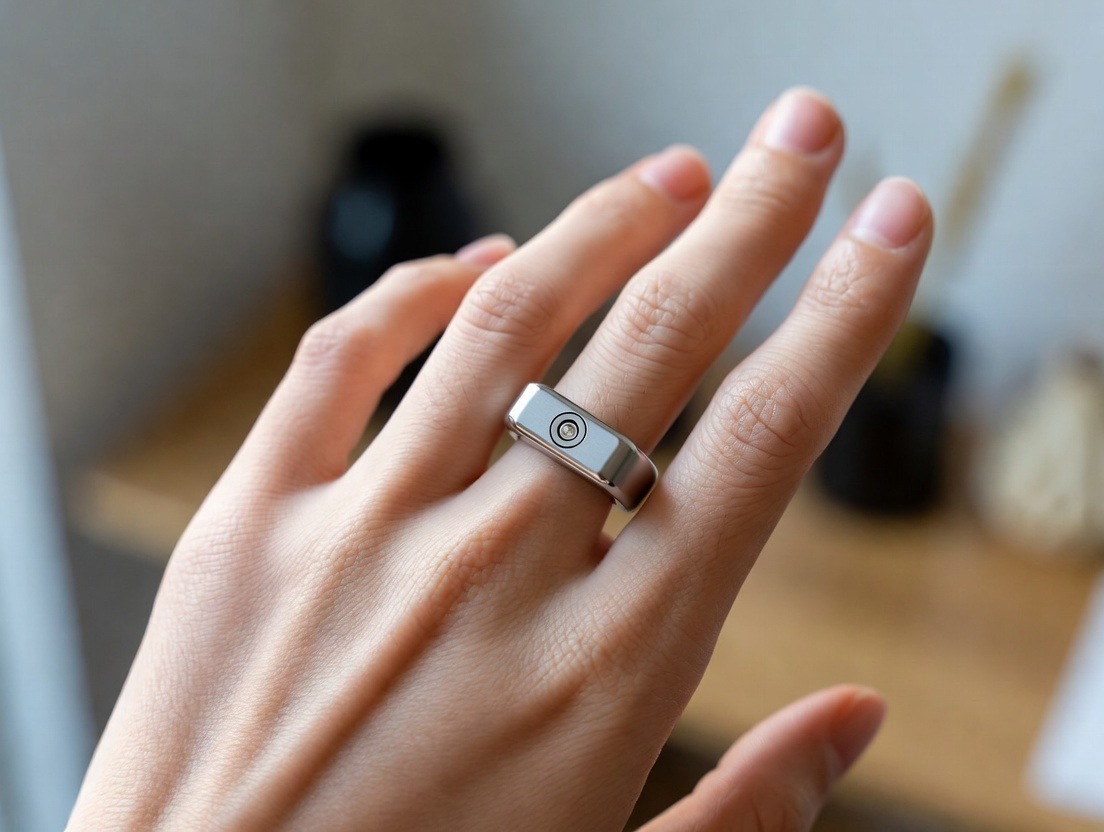
The advent of accessible wearable technology, like the advanced smart rings from innovators such as Oxyzen, has democratized this profound metric. No longer confined to clinical labs, HRV is now a daily feedback tool you can wear on your finger, providing a continuous, personalized narrative of your nervous system. This article is your definitive guide to understanding what a high HRV truly indicates. We will journey from the fundamental biology to practical application, exploring how this single number illuminates the intricate connection between recovery, readiness, and your overall capacity to thrive. We'll uncover not just what it means, but how you can influence it, track it meaningfully, and leverage it to unlock a higher state of well-being and performance.
To appreciate the significance of a high HRV, we must first listen to the orchestra it conducts. Heart Rate Variability is the premier non-invasive window into your autonomic nervous system (ANS)—the automatic control center regulating functions like heart rate, digestion, respiration, and pupillary response. The ANS has two primary, counterbalancing branches engaged in a perpetual, delicate dance:
HRV is the real-time output of this neural tug-of-war. A high HRV indicates that both branches are strong and actively engaged. It means your body can swiftly shift gears: launching a powerful sympathetic response when needed for a workout or a work deadline, and then efficiently downshifting into a deep parasympathetic state for recovery and repair. It is a sign of autonomic flexibility and resilience.
Conversely, a low HRV suggests a system out of balance. Often, it indicates a dominant sympathetic state—a body stuck in a subtle, chronic "high alert" mode with insufficient parasympathetic counterbalance. This rigidity is associated with fatigue, burnout, increased risk of cardiovascular issues, and poor stress resilience.
"Think of HRV not as a simple 'score' but as your body's bandwidth for life," explains a leading sports physiologist. "High HRV is wide, open bandwidth. You can handle large downloads of stress and large uploads of recovery. Low HRV is a dial-up connection—everything is slow, fragile, and easily overwhelmed."
The beauty of measuring HRV, particularly with a continuous, comfortable device like the Oxyzen smart ring worn overnight, is that it moves beyond generic averages. It reveals your personal baseline and daily deviations. You learn the unique rhythm of your own symphony. To build on this foundational knowledge, explore our blog for a deeper dive into autonomic nervous system science.
Recovery is not passive; it's an active, physiological process of repair and adaptation. It’s when the magic of improvement happens—muscles rebuild, memories consolidate, hormones rebalance. A high HRV is one of the clearest signals that this vital process is operating efficiently.
When your body enters a genuine recovery state, the parasympathetic nervous system takes the lead. This shift triggers a cascade of restorative events:
Therefore, a consistently high HRV, especially during sleep, indicates that your body is not just resting, but effectively recovering. It tells you that your resources are being allocated toward restoration, not constantly diverted to managing unresolved stress.
For the fitness enthusiast, this is paramount. Training provides the stimulus, but recovery creates the result. Overtraining syndrome is almost always preceded by a sustained drop in HRV, signaling that the body is failing to recover from the applied stress. By monitoring your HRV trend, you can distinguish between beneficial, adaptive fatigue and detrimental, exhausting fatigue. It answers the critical daily question: "Am I ready to push again, or does my body need more time to rebuild?"
This principle applies far beyond the gym. For anyone recovering from an illness, managing a demanding project, or navigating emotional stress, HRV serves as a quantifiable gauge of their recovery capital. Are you digging a deeper hole, or are you refilling your reserves? The data from your wellness tracker provides an honest, unfiltered answer. For practical tips on interpreting your recovery data, our FAQ page offers detailed guidance on metrics and meanings.
If recovery is about repair, readiness is about capability. It’s your body’s green light—or cautious yellow, or urgent red—for the demands of the coming day. This is where HRV transitions from a retrospective metric to a powerful predictive tool.
On a daily basis, your HRV reading upon waking (or the nightly average from a device like the Oxyzen ring) is a composite score of how well you recovered from yesterday's stressors and how prepared you are for today's challenges. A high HRV relative to your personal baseline suggests:
The practical application is transformative. Instead of relying on subjective feelings ("I feel tired"), you have an objective biomarker. Consider these real-world scenarios:
By using HRV as a daily readiness report, you move from a guesswork-based approach to life and training to a data-informed, personalized strategy. It empowers you to align your actions with your actual biological state, optimizing performance and preventing burnout. The journey of creating technology to make this insight accessible is part of our story and mission at Oxyzen.
HRV is not a fixed trait; it is a dynamic, responsive state. While genetics set a range, your daily choices powerfully push your HRV up or down within that range. Understanding these levers is the key to moving from passive tracking to active improvement. Here are the primary pillars that support a high HRV:
1. Sleep: The Non-Negotiable Foundation
Sleep is the most potent parasympathetic activator and HRV booster. It's not just about duration, but quality and consistency. Deep (slow-wave) sleep is particularly crucial for HRV enhancement. Poor, fragmented sleep keeps the sympathetic nervous system subtly engaged, crushing HRV. Prioritizing 7-9 hours of regular, high-quality sleep is the single most effective way to raise your HRV baseline. A smart ring tracks this seamlessly, showing you the direct correlation between a restful night and a soaring morning score.
2. Intelligent Nutrition & Hydration
What you eat directly impacts autonomic balance.
A balanced, anti-inflammatory diet rich in whole foods, healthy fats, and polyphenols provides the building blocks for a resilient nervous system.
3. Strategic Movement & Exercise
Exercise is a paradoxical stressor: it acutely lowers HRV during and immediately after the activity (sympathetic dominance), but with adequate recovery, it leads to long-term HRV elevation through improved cardiovascular fitness and autonomic tone. The key is balance:
4. Mastery of Stress & The Power of The Pause
Chronic psychological stress is the arch-nemesis of high HRV. It creates persistent sympathetic tone. Active stress management is therefore not optional for HRV optimization. Proven practices include:
By systematically addressing these pillars, you stop being a passive observer of your HRV and become its architect. For a curated collection of techniques and user experiences on building these habits, our testimonials page shares real-world success stories.
To fully champion high HRV, we must confront its most common destroyer: unmanaged, chronic stress. This isn't about the acute stress of a deadline or a hard workout—those are challenges the resilient system rebounds from. This is about the persistent, low-grade drip of modern pressures: financial worry, relational tension, information overload, and the always-on work culture.
Chronic stress activates the sympathetic nervous system and the HPA axis in a sustained, non-adaptive way. Cortisol, designed for short bursts, remains elevated. This has a cascading, corrosive effect on HRV:
The outcome is a state of allostatic load: the cumulative wear and tear on the body from chronic overactivation of stress response systems. A low HRV is a primary biomarker of high allostatic load. It indicates the body's resilience bank account is overdrawn.
The danger lies in habituation. We adapt to feeling perpetually wired and tired. Subjectively, we may think we're "handling it." But our HRV tells the unvarnished truth, showing the physiological cost long before it manifests as clinical burnout, anxiety, hypertension, or illness. Monitoring HRV provides the crucial, early objective feedback that our subjective perception may be missing. It forces an honest conversation: "My mind says I'm fine, but my nervous system is screaming for a break."
Recognizing this pattern is the first step toward breaking it. It validates the need for intervention and makes the case for deliberate recovery not as a luxury, but as a physiological necessity. The company behind your tracking tool understands this mission deeply; you can learn more about our commitment to combating modern stress through technology.
With the proliferation of wearables, HRV can be measured in various ways: with chest straps, wrist-based optical sensors, and finger-based smart rings. Not all measurements are created equal, and the timing of measurement is critical for interpreting recovery and readiness. For lifestyle tracking, nighttime, resting HRV is considered the most reliable and insightful metric.
Here’s why:
A common point of confusion is the difference between RMSSD and SDNN, two primary time-domain metrics for HRV. While both are valid:
For the purpose of tracking daily recovery and readiness trends, RMSSD derived from overnight recordings offers a sensitive and practical gauge. The key is consistency: use the same device, the same metric, and the same measurement period (overnight) to track your trend over time. Your absolute number is less important than its direction relative to your personal baseline. To understand the specifics of how your device calculates these metrics, our FAQ section provides clear technical explanations.
A high HRV is a positive sign, but blind pursuit of a higher number can lead to "metric anxiety," which ironically can lower your HRV! Intelligent interpretation requires context. Your HRV data is a powerful piece of the puzzle, but it is not the entire picture.
First, establish your personal baseline. Forget comparing your number to your friend's or an online average. Genetics, age, sex, and fitness level all influence absolute values. Your baseline is your own rolling average (often over 3-4 weeks). All meaningful interpretation starts with comparing your daily reading to your baseline.
Second, look for trends, not daily noise. A single low reading is not a crisis. It could be due to a hard workout, a late meal, a stressful day, or even the onset of an illness. The power of HRV lies in spotting sustained trends:
Third, correlate with subjective feelings and other data. Always cross-reference your HRV with:
When a low HRV aligns with feelings of fatigue, poor sleep, and high stress, it's a strong, validated signal to pull back. If your HRV is low but you feel fantastic and are sleeping well, it might simply be a reflection of a positive, adaptive training stress. Context resolves the confusion.
The goal is to use HRV as a guide, not a god. It's a conversation with your body, not a commandment from it. Let it inform your decisions, not dictate them with rigid rules.
This balanced approach prevents the tool from becoming another source of stress. It's about cultivating awareness, not obsession. For more perspectives on building a healthy relationship with biometric data, our blog features articles on mindful tracking.

Viewing HRV in isolation misses its greatest potential. Its true power is as a central integrator, a single metric that reflects the sum total of your lifestyle inputs. It connects the dots between sleep, nutrition, movement, stress, and even your social and emotional world. This makes it a gateway to a truly integrated, systems-based approach to well-being.
Consider these interconnected relationships:
A high HRV, therefore, becomes more than a readiness score; it becomes a biomarker of holistic thriving. It suggests you are not just physically recovered, but are likely nourished, well-rested, meaningfully engaged, and socially supported. It is an indicator of a life well-lived across multiple dimensions.
This holistic view elevates HRV tracking from a performance hack to a practice of self-awareness and embodied living. It encourages you to ask broader questions: "What lifestyle choices bring harmony to my nervous system? What environments make me feel calm and resilient? How do my relationships affect my physiology?"
By aiming for a higher HRV, you are indirectly aiming for a more balanced, healthy, and fulfilling life. The wearable device on your finger becomes a compass, not just for training, but for living in greater alignment with your body's innate wisdom. This philosophy of integrated well-being is at the heart of the vision that guides our product development at Oxyzen.
Understanding the "why" behind HRV is essential, but the transformation happens in the "how." Armed with knowledge, you can now take deliberate, evidence-based steps to nurture your nervous system and cultivate a higher HRV. Here is a practical action plan:
Immediate Actions (Tonight & Tomorrow):
Short-Term Habits (This Week):
Long-Term Lifestyle Shifts (This Month & Beyond):
By implementing these steps, you transform abstract data into concrete, life-enhancing behaviors. You are no longer just a tracker; you are an active participant in designing your own resilience. The journey is personal, iterative, and profoundly empowering. As you embark on it, remember that you are supported by a community and technology designed for this purpose. To see how others have successfully walked this path, browse through real user testimonials and their journeys.
We’ve established that a high HRV is a beacon of recovery and readiness, and that it’s influenced by core lifestyle pillars. But the journey from raw data to true wisdom requires navigating a layer of nuance. Your HRV is a deeply personal metric, and its story is told not in isolated numbers, but in patterns, deviations, and the unique context of your life. This section delves into the advanced art of interpretation, moving beyond the basics to understand what your nervous system is communicating through the ebb and flow of your daily scores.
The most critical concept in HRV tracking is that there is no universal "good" score. A value of 60 milliseconds (using the common RMSSD metric) might be dangerously low for one person and a celebratory high for another. This variability is why comparing your HRV to anyone else’s is not only futile but potentially misleading. Your mission is to discover your own normal.
Establishing a personal baseline is the foundational step. This isn't a single number, but a dynamic range. Most experts recommend capturing data for at least 3-4 weeks under relatively normal lifestyle conditions to establish this range. A smart ring like Oxyzen automates this, continuously calculating your rolling average and range. Your baseline represents your body’s autonomic "set point"—the equilibrium it strives to return to after perturbations.
Once you know your baseline, you can begin the real detective work: interpreting acute deviations and long-term trends.
The magic of interpretation lies in correlation. Your HRV data becomes exponentially more valuable when you pair it with a simple daily note on:
Over time, you’ll see clear patterns emerge. You might discover that two glasses of wine tank your HRV for two nights, that your HRV soars after a yoga class, or that it reliably dips during your quarterly work crunch. This is empowering self-knowledge. It transforms HRV from a mysterious number into a clear, personalized feedback loop for your choices. For more on building this practice, our blog offers guides on creating a holistic wellness journal.
For athletes and fitness enthusiasts, HRV is arguably the most powerful tool in the modern training arsenal. It shifts programming from guesswork and rigid periodization to dynamic, biofeedback-based adaptation. The principle is simple: train when your body is ready, recover when it’s not. This paradigm, often called "autoregulation," maximizes gains while minimizing injury and burnout.
The practical application revolves around a simple daily decision: Green Light, Yellow Light, or Red Light.
This framework is most powerfully used to avoid non-functional overreaching and overtraining syndrome (OTS). OTS is a state of prolonged maladaptation characterized by a performance plateau or decline, persistent fatigue, mood disturbances, and hormonal dysregulation. Critically, HRV is one of the earliest and most sensitive indicators of impending OTS, often dropping significantly weeks before performance does.
By heeding the "Yellow" and "Red" lights, you can insert "micro-rest" days that prevent a slide into a chronic "Red" zone. This is the essence of intelligent training: applying stress, observing the disturbance, and allowing adaptation to occur before applying the next stress. It respects the fundamental biological principle of supercompensation.
Furthermore, HRV can guide your taper before a competition. A successful taper should see a steady rise in HRV as fatigue dissipates and readiness peaks. If your HRV isn't rising during a taper, it may indicate the taper is too short, too stressful, or that you were excessively fatigued to begin with. This objective data is invaluable for fine-tuning your final preparation.
Integrating HRV into your fitness regime requires flexibility and humility. It means sometimes abandoning a planned workout in favor of what your body truly needs. The reward is a more sustainable, effective, and injury-resistant path toward your goals. This athlete-centric philosophy is core to why we designed the Oxyzen ring for seamless, 24/7 wear, capturing the full picture of your recovery. Learn about the technology behind this precision on our about page.

The conversation about HRV has historically been dominated by physiology and athletic performance. Yet, some of its most profound implications lie in the realm of mental health and emotional regulation. The autonomic nervous system is the physical substrate of our emotional experience. Therefore, HRV serves as a quantifiable bridge between our psychological state and our physiological reality.
A high HRV is strongly associated with greater emotional flexibility and resilience. It reflects a nervous system that can experience a strong emotion—be it anxiety, anger, or excitement—and then return to a state of equilibrium efficiently. This is known as vagal tone, and the vagus nerve is a key component of the parasympathetic system. High vagal tone (associated with high HRV) is linked to:
Conversely, low HRV is a observed biomarker in several mental health conditions, including:
This is not to say that low HRV causes these conditions, but rather that it is a shared physiological manifestation of a dysregulated stress response system. This creates a powerful opportunity: interventions that increase HRV can be direct, physiological adjuncts to psychological therapy.
HRV Biofeedback is a clinically validated technique where individuals use real-time displays of their HRV to learn to self-regulate their nervous system. By practicing breathing techniques (often paced to their individual resonant frequency) and seeing their HRV rise on a screen, they gain a sense of mastery over their physiological state. This can reduce symptoms of anxiety, improve sleep, and enhance overall emotional control.
For the everyday individual, simply tracking HRV can build emotional literacy. You may notice that days of high anxiety or rumination correspond with a low HRV score. This objective feedback can depersonalize the experience—"My nervous system is activated" rather than "I am failing to cope." It can motivate you to use a breathing exercise or go for a walk, not just because it "might help," but because you have data showing it directly calms your physiology.
By honoring the mind-body connection that HRV reveals, we can approach mental well-being with a more holistic, empowering toolkit. It’s a testament to the fact that caring for your body (sleep, nutrition, exercise) is caring for your mind, and that calming your mind (through meditation, therapy, nature) directly heals your body. The stories of users who have found this balance are a constant inspiration, many of which are shared on our testimonials page.
While lifestyle is the primary driver of HRV within your personal range, two immutable factors set the boundaries of that range: age and biological sex. Understanding these influences is crucial for setting realistic expectations and avoiding unfair comparisons.
The Age-Related Decline
HRV has a well-documented, non-linear relationship with age. It is generally highest in childhood and adolescence, peaks in young adulthood, and then begins a gradual, steady decline throughout the rest of the lifespan. This decline is part of the natural aging process, often referred to as "autonomic aging," and is associated with reduced elasticity in the cardiovascular system and changes in neural control.
However, this decline is not a destiny. It's a trend line, and your position above or below that trend line for your age is determined by your lifestyle. A 55-year-old who is highly fit, manages stress well, and prioritizes sleep can absolutely have a higher HRV than a sedentary, stressed 30-year-old. The goal is not to achieve your 20-year-old HRV, but to optimize your HRV for your current age, slowing the rate of autonomic aging through healthy practices. Tracking your HRV can actually be a motivating measure of your "healthspan"—the period of life spent in good health.
Biological Sex Differences
On average, pre-menopausal females tend to have higher HRV than males of the same age. This is influenced by a complex interplay of hormones, body size, and heart rate. However, the female hormonal cycle adds a significant layer of complexity that males do not experience.
The menstrual cycle causes pronounced, predictable fluctuations in HRV for many women:
For women who track their cycle, observing these patterns in their HRV data can be incredibly validating. It provides a physiological explanation for the cyclical changes in energy, recovery capacity, and emotional state. It argues for cycle-synced training and lifestyle planning, adjusting expectations and activities to work with the body's natural rhythm, not against it.
Menopause represents another significant shift. The decline in estrogen is often associated with a decrease in average HRV and an increase in sympathetic nervous system activity, which can contribute to symptoms like sleep disturbances and hot flashes. For post-menopausal women, HRV tracking becomes an even more valuable tool for monitoring the impact of lifestyle and potential hormone replacement therapy on autonomic balance.
The takeaway is that comparing your HRV to someone of a different age or sex is meaningless. Your tracking app or device should ideally account for these demographics in its population comparisons. Your focus must remain on your own trend within the context of your own biology. This personalized understanding is a cornerstone of our approach to wellness technology at Oxyzen, as detailed in our story of creating inclusive health tools.
The power of HRV extends beyond personal optimization. Because it is a measure of physiological state and stress resilience, it has fascinating applications in understanding interpersonal dynamics, team cohesion, and leadership effectiveness. This emerging field, sometimes called "organizational physiology," reveals that our nervous systems are not isolated; they communicate and co-regulate.
Social Baseline Theory suggests that the human brain expects access to relationships characterized by shared goals and mutual support. These relationships act as a buffer against stress, effectively "outsourcing" some of the metabolic cost of self-regulation. The physiological correlate of this buffering? Often, an increased HRV.
Scaling this up, the concept applies to teams and workplaces. A team leader’s physiological state can have a "top-down" effect on the group.
Imagine a future where, ethically and with consent, teams have insight into collective stress levels. A project manager might see the team's aggregate "readiness" score dip during a crunch week and decide to postpone a non-essential meeting or bring in lunch to reduce cognitive load. This isn't about surveillance, but about creating a culture of physiological awareness and shared recovery.
For the individual professional, understanding your own HRV can make you a better colleague and leader. Recognizing when you are in a "Red Light" physiological state can cue you to postpone a difficult conversation, take a walk before making a big decision, or practice a minute of breathing before a presentation to ensure you're leading from a place of regulated resilience.
This broader view positions HRV not as a self-obsessive metric, but as a tool for fostering healthier, more empathetic, and more productive human systems. It grounds the soft skills of leadership and teamwork in hard biology. Exploring these interconnected ideas is a frequent topic in the resources we curate on our blog.

The science of HRV is decades old, but its practical application has been revolutionized in the last few years by the advent of consumer-grade, clinically-validated wearable technology. Among these, the smart ring has emerged as a particularly powerful form factor for HRV and recovery tracking, and understanding why reveals the sophistication of devices like the Ozyxen ring.
Why the Finger? The Advantage of Smart Rings
From Raw Signal to Insight: The Data Pipeline
Capturing the signal is just the first step. The value is created through a complex data pipeline:
The Nighttime Focus
As established, nighttime is the gold standard for recovery-focused HRV. A smart ring excels here, providing a detailed cardiopulmonary report for your sleep. It doesn't just tell you your average HRV for the night; it can show you how it fluctuated across sleep stages, often revealing that your deepest, most restorative sleep coincides with your highest HRV peaks.
This technological leap makes high-frequency, lab-grade autonomic insight a passive, effortless part of daily life. It removes the friction from tracking, allowing you to focus on living, while the ring quietly gathers the objective truth of your body's responses. To understand the specifics of how we implement this technology and our commitment to accuracy, you can visit our FAQ for technical details.
With great data comes great responsibility. As we embrace the power of HRV, it is imperative to approach it with a clear-eyed understanding of its limitations and the ethical considerations of self-quantification. Uncritical adoption can lead to anxiety, misinterpretation, and an unhealthy dissociation from our own innate bodily wisdom.
Key Limitations to Remember:
Ethical and Psychological Considerations:
The balanced path forward is to be an informed, empowered, and critical user. Leverage HRV for the incredible insight it provides, but hold it lightly. Let it open a dialogue with your body, not become a dictator. Your own lived experience, intuition, and professional medical advice must always remain the final arbiters of your health decisions. For support in navigating this balance, our community and support resources are always available.
We have journeyed through the science, the interpretation, the applications, and the cautions. Now, we arrive at the synthesis: distilling this knowledge into a personalized, actionable framework you can start using today. This is not about a rigid protocol, but about building a flexible, responsive practice around your HRV data.
Phase 1: The Observation Month (Weeks 1-4)
Phase 2: The Correlation Phase (Weeks 5-8)
Phase 3: The Integration Phase (Ongoing)
The Ultimate Mindset: Your HRV is a conversation. Some days your body will whisper, some days it will shout. Your job is to listen, respond with compassion, and provide the conditions (sleep, nourishment, rest, joy) that allow its innate wisdom to flourish. This journey of listening and responding is what leads to not just higher numbers, but to a deeper, more harmonious state of being. For ongoing inspiration and to see how others structure their practice, our blog is continually updated with user stories and research.
This concludes the first third of our comprehensive exploration into what high HRV indicates about your recovery and readiness. We have laid the groundwork of understanding, interpretation, and initial action. In the next portion, we will delve even deeper into specialized applications, the future of HRV research, and long-term strategies for building an unshakable foundation of resilience.
Our exploration thus far has framed HRV as a daily guide—a tool for tuning workout intensity, managing stress, and optimizing sleep. But to grasp its full significance, we must zoom out. High HRV isn't just a marker of a good night's sleep; it's a powerful predictive biomarker of long-term health, vitality, and longevity. In essence, it provides a window into your healthspan—the number of years you live in good health—not just your lifespan.
A wealth of epidemiological and clinical research has cemented this connection. Studies consistently show that lower HRV is independently associated with a higher risk of all-cause mortality and a spectrum of chronic diseases, including:
The underlying mechanism is the concept of allostatic load—the cumulative "wear and tear" on the body from chronic stress and inadequate recovery. Every stressful event, if not properly resolved, leaves a small physiological debt. High HRV signifies a system that can efficiently pay off these debts; low HRV indicates the debts are accumulating, leading to cellular aging, systemic inflammation, and organ system deterioration.
Therefore, cultivating a high HRV is not a biohacking fad; it's a foundational strategy for compressing morbidity. The goal is to maintain a high level of function and vitality for as long as possible, pushing the onset of chronic disease and disability toward the very end of life. Your HRV trend over years can be a more meaningful gauge of your aging process than your chronological age.
This long-view reframes daily HRV tracking. That morning score isn't just about today's workout—it's a data point in the lifelong project of building and preserving your physiological resilience. It makes the daily choices—to prioritize sleep, to manage stress, to move—feel more consequential. They are investments in your future self's capacity for health and independence. For a deeper look at the science of longevity, our blog features ongoing analysis of the latest research.
One of the most exciting frontiers in physiology is the understanding of the gut-brain axis—the bidirectional communication network between your digestive system and your central nervous system. A critical part of this axis runs directly through the autonomic nervous system, creating a tangible link between your gut health and your HRV: the gut-heart axis.
Your gut is home to trillions of microbes (the microbiome) that produce a vast array of neuroactive compounds, including short-chain fatty acids (SCFAs) like butyrate, and neurotransmitters like serotonin and GABA. These compounds can directly and indirectly influence vagus nerve activity and systemic inflammation.
Practical implications are profound:
This connection explains why individuals often report dramatic improvements in energy, mood, and recovery metrics when they shift to a whole-foods, plant-rich diet. They are not just eating for their waistline; they are cultivating an internal garden that directly nourishes their nervous system. Tracking HRV can provide objective feedback on how your gut is responding to dietary changes, making the connection between your plate and your physiology undeniable. Understanding these complex systems is part of our holistic approach to wellness technology at Oxyzen.
Our autonomic nervous system did not evolve in sealed buildings with artificial light, constant noise, and recycled air. It evolved in dynamic, natural environments. It should be no surprise, then, that our physical surroundings exert a powerful, measurable influence on our HRV. Optimizing your environment is a passive yet highly effective way to support a high HRV.
1. Nature & "Forest Bathing" (Shinrin-Yoku):
Immersion in natural environments, particularly forests, is one of the most reliable environmental HRV boosters. Studies on shinrin-yoku show that time spent in forests:
2. Light Exposure & Circadian Rhythm:
Your circadian rhythm is the master clock regulating sleep-wake cycles, hormone release, and—critically—autonomic nervous system balance. It is primarily set by light.
3. Noise Pollution:
Chronic exposure to environmental noise—traffic, construction, airport rumble—is a persistent, low-grade stressor. Even if you feel you've habituated to it, your nervous system has not. It triggers subtle sympathetic arousal, increases cortisol, and leads to a suppressed HRV. Creating quiet sanctuaries in your home, using noise-canceling headphones, or leveraging white noise to mask inconsistent sounds can be a direct intervention for your autonomic health.
4. Temperature & Thermoregulation:
Your body expends significant autonomic resources to maintain its core temperature. A cool sleeping environment (around 65°F or 18°C) is critical because a drop in core temperature is a signal to initiate sleep. An overly warm room can prevent this drop, disrupt sleep, and keep the sympathetic system subtly engaged, lowering nighttime HRV.
By intentionally shaping your environment—prioritizing time in nature, seeking morning light, minimizing evening screen exposure, reducing noise, and optimizing temperature—you create a world that pulls your nervous system toward balance. You reduce the constant low-grade stressors that drain your autonomic resources, freeing them up for resilience, recovery, and a higher HRV baseline. Real users often share how environmental tweaks, informed by their data, transformed their recovery; you can read such testimonials on our community page.
Of all the factors influencing HRV, the breath is unique. It is the only autonomic function that is both involuntary and under our direct voluntary control. This makes it the most immediate and powerful tool we have for real-time HRV modulation. You can literally breathe your way to a higher HRV state in minutes.
The science revolves around respiratory sinus arrhythmia (RSA). This is the natural, healthy phenomenon where your heart rate increases slightly on the inhalation (sympathetic slight activation) and decreases on the exhalation (parasympathetic activation via the vagus nerve). The deeper and slower the breath, the greater this oscillation, and the higher the resulting HRV.
Key Breathing Techniques for HRV Enhancement:
Practical Integration:
The beauty of breathwork is that it provides instant feedback. As you slow and deepen your breath, you can often feel a sense of calm descend. With a device like an Oxyzen ring, you could theoretically see this reflected in a real-time HRV increase. It is the ultimate proof that you are not at the mercy of your autonomic state—you can actively direct it. For guided breathwork sessions and techniques, our blog library offers a variety of resources.
The utility of HRV extends across the entire spectrum of human condition, from managing disease to chasing world records. Its role adapts to the needs and realities of different populations.
For Individuals Managing Chronic Illness:
HRV can serve as a barometer of disease burden and treatment efficacy.
For Pregnant and Postpartum Women:
Pregnancy induces massive autonomic changes. HRV typically increases during the second trimester as the body adapts, and then may decline in the third trimester under increased physical strain. Monitoring HRV can:
For Elite Athletes & High-Performers:
This is where HRV monitoring is pushed to its limits. For elites, the margin for improvement is tiny, and the cost of overtraining is catastrophic.
For the Aging Population:
As discussed, HRV naturally declines. For older adults, tracking HRV can:
In each case, HRV offers a personalized, physiological narrative that empowers the individual to participate more actively in their own health or performance journey, regardless of their starting point. This universal applicability is central to our vision of democratizing advanced health insights.
We are standing on the brink of a revolution in how HRV data will be used. The convergence of continuous wearable sensing, artificial intelligence (AI), and big data analytics is poised to transform HRV from a descriptive metric into a predictive and prescriptive powerhouse.
1. AI-Driven Personal Baselines & Anomaly Detection:
Future algorithms won't just calculate a simple rolling average. They will learn your unique, multi-dimensional baseline that accounts for your menstrual cycle, seasonal variations, and even your personal stress cycle (e.g., higher stress on weekdays). AI will be able to detect subtle, early deviations from your normal that might signal illness, overtraining, or a mental health dip days before you feel symptoms.
2. Integrated Multi-Omics Forecasting:
Imagine your HRV data being synthesized not just with sleep and activity, but with data from continuous glucose monitors, blood tests (from home finger-prick tests), and even genetic information. An AI could analyze these streams to predict, for example, that your current lifestyle pattern is likely to lead to a decline in metabolic health markers in 6 months, and offer personalized, pre-emptive recommendations to change course.
3. Dynamic, Real-Time Intervention Suggestions:
The device of the future won't just tell you your HRV is low. It will understand the context. Did you sleep poorly? It might suggest a 10-minute nap and a walking meeting instead of coffee. Is your HRV low after several hard training days? It might automatically adjust the workout plan on your connected app, swapping today's interval run for a recovery swim. Is your HRV dipping alongside elevated nighttime respiratory rate? It might gently alert you: "Signs of possible immune activation detected. Consider reducing social commitments and prioritizing rest."
4. Population Health & Research:
Anonymized, aggregated HRV data from millions of users could provide unprecedented insights into public health. Researchers could study the physiological impact of major events (like a pandemic or an economic downturn), the effectiveness of community wellness programs, or the real-world autonomic profiles associated with different diseases. This could lead to new, early-detection screening tools.
Ethical Frontiers:
This powerful future comes with serious questions. Who has access to this profoundly intimate predictive data? Insurance companies? Employers? How do we prevent algorithmic bias? The need for robust ethical frameworks, transparent AI, and unwavering user data ownership will be paramount. Companies in this space, like Oxyzen, will have a responsibility to lead with privacy-by-design principles, a commitment you can explore in our company ethos and data policies.
The trajectory is clear: HRV will evolve from a number you check to an intelligent, contextual health partner—a continuous dialogue between you and a deep understanding of your body's unique language.
Knowledge must culminate in action. Here is a structured, progressive 90-day protocol designed to help you systematically build habits that elevate your HRV and integrate this metric into your life in a healthy, sustainable way. This is your blueprint for transformation.
Days 1-30: The Foundation Phase – Awareness & Baseline
Days 31-60: The Optimization Phase – Intelligent Experimentation
Days 61-90: The Integration Phase – Creating Personal Rules
This protocol isn't about perfection; it's about progressive, conscious learning. It’s about building a life that doesn't just look good on paper, but feels good in your nervous system. The ultimate sign of success is when your high HRV is reflected not just in an app, but in your sustained energy, calm focus, and resilient joy. To join a community embarking on similar journeys, consider exploring the stories and support within the Oxyzen ecosystem.
Your Trusted Sleep Advocate (Sleep Foundation — https://www.sleepfoundation.org/)
Discover a digital archive of scholarly articles (NIH — https://www.ncbi.nlm.nih.gov/
39 million citations for biomedical literature (PubMed — https://pubmed.ncbi.nlm.nih.gov/)
experts at Harvard Health Publishing covering a variety of health topics — https://www.health.harvard.edu/blog/)
Every life deserves world class care (Cleveland Clinic -
https://my.clevelandclinic.org/health)
Wearable technology and the future of predictive health monitoring. (MIT Technology Review — https://www.technologyreview.com/)
Dedicated to the well-being of all people and guided by science (World Health Organization — https://www.who.int/news-room/)
Psychological science and knowledge to benefit society and improve lives. (APA — https://www.apa.org/monitor/)
Cutting-edge insights on human longevity and peak performance
(Lifespan Research — https://www.lifespan.io/)
Global authority on exercise physiology, sports performance, and human recovery
(American College of Sports Medicine — https://www.acsm.org/)
Neuroscience-driven guidance for better focus, sleep, and mental clarity
(Stanford Human Performance Lab — https://humanperformance.stanford.edu/)
Evidence-based psychology and mind–body wellness resources
(Mayo Clinic — https://www.mayoclinic.org/healthy-lifestyle/)
Data-backed research on emotional wellbeing, stress biology, and resilience
(American Institute of Stress — https://www.stress.org/)


