What Your HRV Score Tells You About Your Health (Simple Breakdown)
A simple breakdown of what your HRV score says about your health.
What Your HRV Score Tells You About Your Health (Simple Breakdown)
For decades, a strong, steady heartbeat was the universal symbol of health. We imagined a perfect heart rhythm like a relentless metronome: thump… thump… thump… But what if that image is not just inaccurate, but dangerously misleading? What if true resilience, vitality, and nervous system balance are actually reflected in the subtle, millisecond variations between those heartbeats?
This is the revolutionary, yet surprisingly ancient, concept of Heart Rate Variability (HRV). It’s not about the heart rate itself, but the nuanced ebb and flow in the timing of each beat. Once a metric reserved for elite athletes and cardiology labs, HRV has exploded into the mainstream, thanks to wearable technology like advanced smart rings that monitor it effortlessly overnight.
But what does this number—often a confusing two-digit figure on your wellness app—actually mean for your health? Is a higher score always better? Why does it plummet after a bad night's sleep or a stressful argument? And most importantly, how can you use this intimate window into your autonomic nervous system to make tangible improvements to your energy, recovery, and long-term well-being?
This guide is your definitive deep dive. We will demystify the science, translate the scores, and provide a clear, actionable roadmap. Forget the complex jargon. By the end, you’ll understand exactly what your HRV is telling you and how to listen, so you can move from simply tracking data to truly transforming your health. Think of it as learning the unique language of your body’s most fundamental stress and recovery system.
The Heart’s Hidden Symphony: What HRV Really Is (And Isn’t)
Your heart is not a soloist; it’s the conductor of a complex, internal orchestra. This orchestra is your autonomic nervous system (ANS), which operates below the level of your conscious thought, regulating everything from digestion and breathing to hormone release and, of course, your heartbeat. The ANS has two main sections that act like accelerator and brake: the sympathetic nervous system (SNS), which mobilizes you for "fight or flight," and the parasympathetic nervous system (PNS), which promotes "rest and digest."
Heart Rate Variability is the direct, real-time output of this delicate tug-of-war. When you inhale, your SNS subtly increases your heart rate. When you exhale, your PNS slows it down. This creates a natural, healthy fluctuation. A high HRV indicates a robust, adaptable system where the brake and accelerator are both strong and responsive. Your body can ramp up to meet a challenge and then efficiently downshift to recover. It’s a sign of resilience.
Conversely, a low HRV suggests a system that is stuck—often in a state of chronic stress where the sympathetic “accelerator” is pressed too hard, or a state of exhaustion where the parasympathetic “brake” is ineffective. The heart’s rhythm becomes more monotonous, less adaptable. It’s important to crush a major misconception here: HRV is not the same as heart rate. You can have a low resting heart rate (often good) with a low HRV (often bad), or a slightly elevated heart rate with a high HRV. They measure different things.
To visualize this, imagine two elite runners at the starting line. Both have a resting heart rate of 50 beats per minute. Runner A’s heart beats like this: 1.0 second… 1.1 seconds… 0.9 seconds… 1.05 seconds (high variability). Runner B’s heart beats like this: 1.0 second… 1.01 seconds… 0.99 seconds… 1.0 seconds (low variability). When the gun fires, Runner A’s agile nervous system will allow a faster, more efficient physiological response and a quicker recovery afterward. Runner B’s system is already rigid and less responsive.
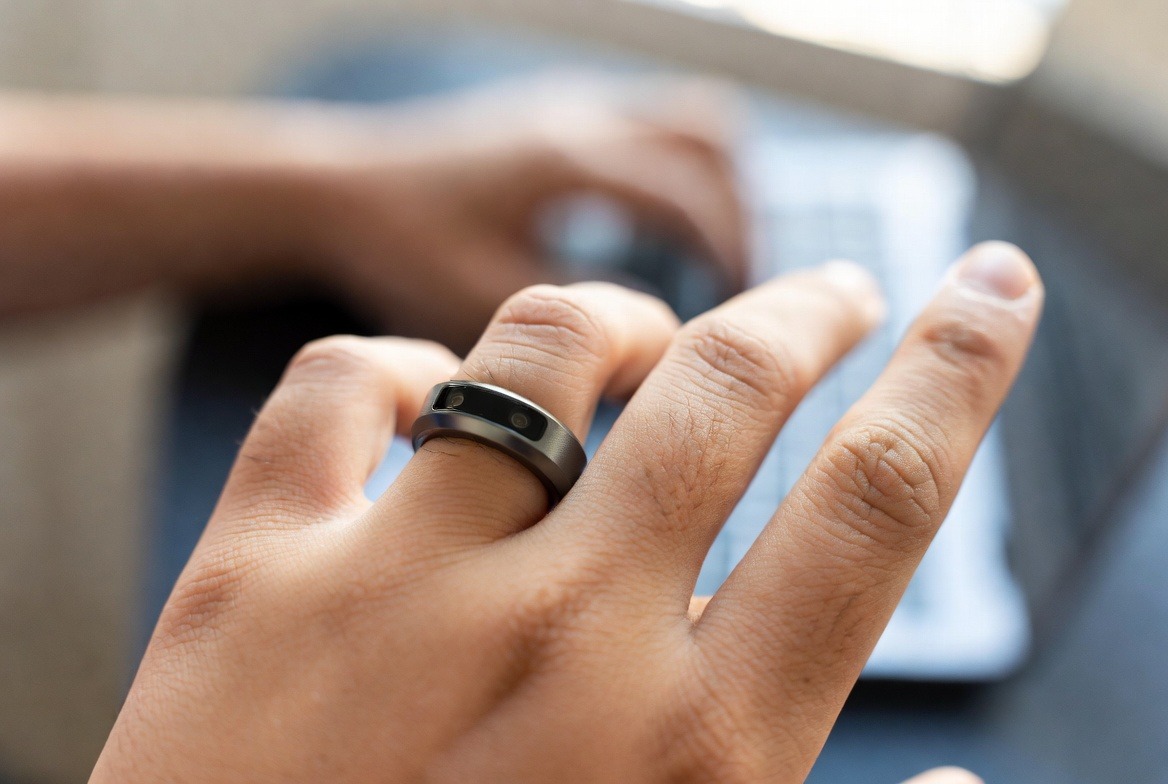
Measuring this requires precision. While early methods required an EKG, modern wearable technology, particularly smart rings like those developed by Oxyzen, have changed the game. Worn overnight, they capture this symphony in your sleep—the ideal time to measure baseline function without the “noise” of daily activity. This provides a pure reading of your nervous system’s restorative capacity. You can explore our blog for more on how this overnight tracking technology works and why it's considered the gold standard for personal HRV measurement.
A Brief History: From Ancient Doctors to NASA Astronauts
The story of HRV is a fascinating journey from intuitive observation to space-age biomedicine. The concept is far from new. Around 300 AD, the Chinese physician Wang Shu-he astutely noted, “If the heartbeat becomes as regular as the tapping of a woodpecker or the dripping of rain from the roof, the patient will be dead in four days.” He was describing pathologically low variability, a dire clinical sign.
Fast forward to the 18th and 19th centuries, when European physicians began using early pulse watches. They documented that a healthy pulse was “irregularly regular”—a poetic acknowledgment of HRV. However, without technology to quantify these tiny variations, it remained a qualitative observation.
The modern era of HRV science began in the 1960s with the widespread adoption of the electrocardiogram (ECG). For the first time, scientists could see the R-R interval—the time between heartbeats—with precision. Research exploded, revealing powerful correlations. One of the most compelling early applications was in predicting risk after a heart attack. Patients with very low HRV were found to be at a significantly higher risk of mortality, making HRV one of the strongest independent predictors of cardiac fate.
Then came NASA. In the 1980s and 90s, space biomedicine became a major driver of HRV research. Scientists needed a non-invasive way to monitor astronauts’ autonomic nervous system adaptation to the extreme stress of spaceflight—microgravity, radiation, and confinement. HRV proved to be an invaluable tool. It was used to assess astronaut fitness before missions, monitor their stress and fatigue during missions, and track their recovery upon return to Earth. This NASA seal of approval propelled HRV from a niche cardiology metric to a validated marker of overall physiological stress and resilience.
Today, we are in the consumer democratization phase. What once required a $10,000 ECG machine in a lab can now be tracked comfortably on your finger while you sleep. Companies like Oxyzen are at the forefront, translating decades of rigorous science into actionable, personalized insights for everyday health optimization, not just for astronauts or cardiac patients. To understand the mission behind bringing this powerful metric to your fingertips, you can read about our founding vision and journey on our story page.
The Autonomic Nervous System: Your Body’s Master Control Panel
To truly master your HRV, you must understand the puppet master: the Autonomic Nervous System. Think of your ANS as the master control panel for your body’s unconscious functions. It maintains homeostasis—the delicate internal balance necessary for life—by constantly making micro-adjustments.
The Two Forces: Sympathetic vs. Parasympathetic
The Sympathetic Nervous System (SNS): The Gas Pedal. This is your arousal system. When activated—by a work deadline, a near-miss in traffic, or a hard workout—it triggers the release of adrenaline and cortisol. Your heart rate and blood pressure increase, blood flow is diverted to muscles, and digestion slows. It’s essential for survival and performance.
The Parasympathetic Nervous System (PNS): The Brake. This is your restoration system, primarily driven by the vagus nerve (hence the term "vagal tone"). When activated—during relaxation, deep breathing, or sleep—it promotes lowering heart rate and blood pressure, stimulating digestion, and enabling repair and immune function. It’s essential for recovery and long-term health.
HRV as the Balance Readout
HRV is the dynamic tension between these two systems. It’s not that one is “good” and the other “bad.” You need a strong SNS to crush a presentation and a strong PNS to recover afterward. HRV reflects your neurocardiac fitness—the ability to smoothly shift between states.
A high HRV indicates a high vagal tone. This means your parasympathetic brake is powerful and can effectively counterbalance sympathetic drive. You recover faster. You are more resilient to stress. A low HRV indicates low vagal tone or an overpowering, constant sympathetic drive. Your system is less adaptable, more prone to inflammation, and stuck in a state of chronic stress.
The Real-World Implications of ANS Imbalance
When the SNS dominates chronically (low HRV), you might experience:
Constant feelings of anxiety or "wired but tired" energy
Poor digestion and gut issues
Elevated resting heart rate and blood pressure
Difficulty falling asleep (mind racing)
Impaired recovery from exercise
Weakened immune function
When the PNS is strong and responsive (high HRV), you tend to experience:
Better emotional regulation and stress resilience
Efficient digestion and metabolism
Faster physical and mental recovery
Deep, restorative sleep
A stronger immune response
By tracking HRV, you are essentially getting a daily report card on the state of this master control panel. It’s the single best non-invasive tool we have to see if your body is in growth and repair mode (parasympathetic dominant) or breakdown and stress mode (sympathetic dominant). For a deeper dive into related wellness metrics and how they interconnect, our resource library on the blog offers a wealth of information.
How to Measure Your HRV Accurately: Methods & Best Practices
You can’t manage what you don’t measure accurately. While the science is complex, measuring HRV personally has become beautifully simple, provided you follow key protocols to ensure your data is meaningful and not misleading.
The Gold Standard: Overnight Monitoring
The single best time to measure your baseline HRV is during sleep, specifically during deep, non-REM sleep phases. Why?
Consistency: It removes the variables of daily activity, food intake, and conscious stress.
Pure Signal: It reflects your body’s innate restorative capacity when it is focused solely on repair.
Trends Over Time: Daily morning readings (taken immediately upon waking) are a good proxy, but a full night’s recording captures a more complete picture of your nervous system’s journey through sleep cycles.
This is where wearable devices, especially smart rings, shine. Worn overnight, they passively collect thousands of data points without disturbing your sleep, providing a far richer dataset than a single spot-check.
Common Measurement Methods (RMSSD, SDNN, LF/HF)
HRV is expressed through various statistical calculations, each with a slightly different meaning. Don’t be intimidated by the acronyms:
RMSSD (Root Mean Square of Successive Differences): This is the most common metric for consumer wearables and for assessing short-term, parasympathetic (vagal) tone. It’s highly sensitive to changes in lifestyle. This is likely the number your device shows you.
SDNN (Standard Deviation of NN Intervals): Reflects overall variability and is influenced by both sympathetic and parasympathetic systems over a longer period (usually 5 minutes to 24 hours). It’s a broader marker of total ANS health.
Frequency Domain Metrics (LF, HF): These break down the HRV signal into frequency bands (like a musical equalizer). High Frequency (HF) is linked to parasympathetic activity. Low Frequency (LF) is a mix of both systems. The LF/HF ratio was once thought to represent "sympathetic balance," but its interpretation is now seen as more complex for short-term readings.
Best Practices for Reliable Data
Consistency is King: Measure at the same time and under the same conditions. Overnight is ideal.
Mind the Medium: An optical heart rate sensor (like in a ring or wristband) is excellent for trends. Chest-strap ECG sensors are more accurate for short, intense workout readings but are impractical for 24/7 wear.
Avoid Confounders: Before a spot-check measurement (like upon waking), avoid caffeine, nicotine, large meals, and strenuous activity for several hours. Just sit or lie still for 1-3 minutes.
Track Trends, Not Absolute Numbers: A single day’s score is almost meaningless. The power is in the trend over weeks and months. Is your baseline gradually rising? That’s a win.
Use a Device Designed for It: Ensure your wearable is validated for HRV measurement and uses a reliable metric like RMSSD. Many basic fitness trackers do not provide accurate or actionable HRV data.
For answers to common technical questions about measurement, you can always visit our comprehensive FAQ page.
Decoding the Numbers: What’s a “Good” HRV Score?
This is the million-dollar question, and the answer is frustratingly personal: There is no universally "good" HRV score. Comparing your number to a friend’s or an online chart is often counterproductive and can lead to unnecessary anxiety. Your HRV is as unique as your fingerprint.
Why Individual Baselines Are Everything
A 22-year-old triathlete might have an RMSSD of 120ms, while a healthy, resilient 55-year-old might have a baseline of 35ms. Both could be in fantastic health relative to their own physiology. Age is the strongest predictor of HRV—it naturally declines as we get older. Genetics also play a significant role. Therefore, the only scores that matter are your own past scores. Your personal baseline is your north star.
Key Principles of Interpretation
Absolute Number (in context): While you shouldn’t compare to others, knowing population ranges can offer loose context. For RMSSD, a rough guide for adults might be: Very Low (50ms). But remember, these are vast generalizations.
The Trend is Your Friend: This is the core of actionable insight. A consistently rising trend over months suggests your lifestyle interventions (better sleep, stress management, training) are working. You’re building resilience. A sharp, sustained downward trend is a red flag from your body, signaling overtraining, illness, or chronic stress.
Daily Fluctuations: Your score will jump up and down daily. This is normal! A sudden 10-30% drop from your rolling average is a meaningful signal. It’s your body asking for a lighter day.
A Practical Example: Sarah’s HRV Story
Sarah, a 38-year-old project manager, has been tracking her HRV with her Oxyzen ring for three months. Her rolling average (RMSSD) is 42ms.
Week 1: Scores hover between 40-45ms. Steady state.
Week 2, Monday: After a poor night's sleep due to a work deadline, her score drops to 32ms. This is a >20% drop—a clear signal. She uses this data to choose a gentle yoga session instead of her usual hard spin class, prioritizes an early bedtime, and says no to extra commitments.
Week 2, Wednesday: After two nights of good sleep, her score rebounds to 44ms. Her body recovered because she listened.
Three-Month Trend: By consistently listening to these signals, Sarah’s three-month average has slowly climbed from 38ms to 42ms. The trend shows she is getting more resilient, even though her absolute number might seem "low" on a generic chart.
The goal is not to chase an arbitrary high number. The goal is to understand your unique rhythm and use the data to make supportive choices that raise your own baseline over time. Seeing how real people interpret and use their data can be incredibly motivating; you can find such stories in our collection of user experiences and testimonials.
Nutritional Biochemistry: How Food Directly Programs Your HRV
You've likely heard "you are what you eat," but a more precise statement for HRV is: "Your autonomic nervous system responds to what you metabolize." Every meal and snack is a complex set of biochemical instructions that either promote a calm, restorative state (high HRV) or trigger a stress response (low HRV). This isn't about simplistic "good" or "bad" foods, but about how nutrients communicate with your gut, your immune system, and your vagus nerve.
The Inflammation-Fighting Fats: Omega-3s
The single most studied nutritional intervention for improving HRV is the supplementation of long-chain omega-3 fatty acids, specifically EPA and DHA found in fatty fish, algae, and high-quality supplements. Here's why they're so powerful:
Cell Membrane Fluidity: These fats become incorporated into the membranes of every cell, including neurons and heart cells, making them more flexible and improving communication. A more fluid cell membrane allows for better receptor function and signaling—essential for a responsive ANS.
Direct Anti-Inflammatory Action: Omega-3s are precursors to specialized pro-resolving mediators (SPMs)—molecules that actively resolve inflammation rather than just suppressing it. Since chronic inflammation is a key driver of low HRV (by irritating the nervous system), this is a direct countermeasure.
Vagus Nerve Stimulation: Emerging research suggests DHA, in particular, may support the structure and function of the vagus nerve itself.
A 2020 randomized controlled trial published in The American Journal of Clinical Nutrition found that just 16 weeks of omega-3 supplementation significantly increased 24-hour HRV (SDNN) in healthy, middle-aged adults, with the effects directly correlated to the increase of omega-3s in their red blood cells.
The Gut-Brain-Vagus Axis: Your Second Brain’s Role
Your gut is often called your "second brain" because it contains a vast network of neurons (the enteric nervous system). It communicates with your actual brain via the vagus nerve—the superhighway of the parasympathetic system. What happens in your gut doesn't stay in your gut; it directly signals your brainstem, influencing stress, mood, and HRV.
The Microbiome's Messages: Your gut bacteria produce neurotransmitters like serotonin (about 90% of it) and GABA, which influence calm and relaxation. A diverse, healthy microbiome supports a healthy vagal tone.
Leaky Gut & Systemic Inflammation: A diet high in processed foods, sugar, and industrial seed oils can damage the gut lining ("leaky gut"), allowing bacterial endotoxins (LPS) into the bloodstream. This triggers a systemic inflammatory response that activates the sympathetic nervous system and crushes HRV.
Fiber as a Prebiotic: Soluble fiber feeds beneficial gut bacteria that produce short-chain fatty acids (SCFAs) like butyrate. Butyrate is both anti-inflammatory and has been shown to increase vagal nerve activity in research studies.
Practical Food-as-Medicine Choices
HRV-Supportive: Fatty fish (saldomackerel, sardines), flax and chia seeds, walnuts, olive oil, fermented foods (kimchi, sauerkraut, kefir), colorful vegetables (for polyphenols and fiber), and bone broth (for glycine, which calms the nervous system).
HRV-Disruptive: Refined sugar and high-fructose corn syrup (promote inflammation and oxidative stress), excessive alcohol (a direct nervous system depressant that disrupts sleep architecture), fried foods in processed oils (high in pro-inflammatory omega-6s), and for some individuals, gluten or dairy if they cause sensitivity reactions.
Timing Matters: Intermittent Fasting and Circadian Eating
Intermittent Fasting (IF): When done appropriately (e.g., 14-16 hour overnight fast), IF can boost HRV by enhancing autophagy (cellular cleanup), reducing inflammation, and improving metabolic flexibility—your body's ability to switch between fuel sources efficiently. A metabolically flexible system is a less stressed system. However, extended fasting or fasting under high stress can backfire, elevating cortisol and lowering HRV.
Circadian Rhythmic Eating: Aligning your eating with daylight hours (larger meals earlier, lighter meals at night) supports your natural cortisol and melatonin rhythms. A large, heavy meal late at night forces your body into digestion mode (parasympathetic) when it should be shifting into deep repair mode, often resulting in poorer sleep quality and a lower next-morning HRV.
Understanding this deep nutritional dialogue empowers you to eat for resilience. For more detailed guides on crafting a diet that supports nervous system health and recovery, our wellness blog is a continually updated resource.
Advanced Biomarkers: How HRV Interacts with Sleep, Cortisol, and HR
HRV doesn't exist in a vacuum. Its true power is revealed when viewed in concert with other key biomarkers. This multi-metric analysis creates a holistic picture of your physiological state, turning individual data points into a coherent story.
The Sleep-HRV Symbiosis
Sleep and HRV have a bidirectional, deeply intertwined relationship. You can't optimize one without the other.
Sleep Drives HRV: During deep (N3) sleep, your body enters a state of pronounced parasympathetic dominance. Growth hormone is released, repair processes peak, and your HRV naturally rises. High-quality, uninterrupted sleep is the single best way to ensure a strong morning HRV reading.
HRV Predicts Sleep: Conversely, a low HRV during the day, especially elevated sympathetic activity in the evening, is a strong predictor of poor sleep quality—difficulty falling asleep, less deep sleep, and more awakenings. It's a sign your "brakes" aren't working to wind the system down.
The Key Metric: Nightly HRV Trend. A healthy pattern shows a steady rise in HRV after sleep onset, peaking during deep sleep phases, and then gradually declining toward morning as the sympathetic system begins to prepare for wakefulness. A flat or chaotic overnight HRV trace is a red flag for disrupted sleep physiology, even if you don't fully remember waking up.
Cortisol: The Stress Hormone Counterpart
Cortisol, your primary stress hormone, follows a diurnal rhythm—ideally, high in the morning to help you wake up (the "cortisol awakening response") and gradually declining throughout the day to reach a low at bedtime.
The Dysregulated Pattern: Chronic stress flattens this rhythm. You may have low, sluggish cortisol in the morning (making you fatigued) and elevated cortisol at night (preventing sleep). This state of HPA-axis dysfunction is almost always mirrored by a low, sluggish HRV.
HRV as a Buffer: A high vagal tone (high HRV) acts as a buffer against excessive cortisol release. It improves the sensitivity of the feedback loop that tells the adrenal glands to stop producing cortisol. In simple terms, a resilient nervous system doesn't overreact to minor stressors, so it doesn't need to flood the system with cortisol.
The Recovery Insight: After an acute stressor, a quick return to high HRV is associated with a healthier, more rapid normalization of cortisol levels. A slow HRV recovery suggests a prolonged stress hormone response.
Resting Heart Rate (RHR): The Partner Metric
While HRV measures the variation between beats, Resting Heart Rate (RHR) measures the average number of beats. They are complementary.
The Ideal Scenario: A low RHR coupled with a high HRV. This is the hallmark of elite cardiovascular fitness and autonomic balance. The heart is efficient (few beats needed) and responsive (high variability between those beats).
The Warning Scenario: A rising RHR coupled with a falling HRV. This is one of the clearest biofeedback signals of accumulating stress, impending illness, or overtraining. The heart is working harder (more beats) and losing its adaptability (lower variability). It's a strong signal to prioritize rest.
The Paradox: A very low RHR with a very low HRV can be a sign of excessive parasympathetic dominance or a health issue, reminding us that context from other metrics and how you feel is essential.
Creating Your Personal Dashboard
The modern advantage is seeing these metrics together. A smart ring that tracks overnight HRV, sleep stages, and resting heart rate provides a correlated dashboard. For example:
Monday Dashboard: 8 hrs sleep, 45 min deep sleep, HRV 65ms (baseline 60), RHR 52 bpm. Interpretation: Well-recovered, ready for challenge.
Wednesday Dashboard: 6.5 hrs sleep, 20 min deep sleep, HRV 48ms, RHR 58 bpm. Interpretation: Sleep-deprived, stress load high, nervous system strained. Time for a recovery day.
This integrated view moves you from guessing to knowing. It answers the question, "Is my body stressed from a good workout (maybe RHR slightly up, HRV stable) or from poor recovery (RHR up, HRV down, sleep poor)?" For those curious about the technical integration of these biomarkers in a single device, our FAQ section covers how precise sensor fusion creates this holistic picture.
HRV Across the Lifespan: From Infancy to Advanced Age
HRV is a dynamic fingerprint of our physiological journey through life. Its natural trajectory and the factors that influence it change dramatically from our first breath to our later years, offering insights into development, health, and aging itself.
The Developmental Blueprint: Infancy and Childhood
HRV is present from birth and is a critical indicator of neurodevelopmental health.
Prematurity & HRV: In neonatal intensive care, HRV is monitored as a sign of autonomic stability. Higher HRV in preterm infants is associated with better outcomes and more mature nervous system development.
The Attachment Link: Groundbreaking research has shown that secure infant-caregiver attachment correlates with healthier HRV patterns in children. A responsive, nurturing environment helps shape a calm, resilient nervous system. Childhood adversity or trauma, on the other hand, can set a trajectory toward lower baseline HRV.
A Marker of Maturation: HRV increases throughout childhood and adolescence as the autonomic nervous system matures and vagal tone strengthens, peaking in young adulthood.
The Peak and Pivot: Adulthood (20s-50s)
This is the phase where lifestyle choices exert their most powerful influence on HRV's natural, gradual decline.
The "Healthspan" Divergence: Two 45-year-olds can have HRV scores that look like they are a decade or more apart in biological age. This divergence is almost entirely due to modifiable factors: fitness, body composition, sleep, stress management, and nutrition. Your HRV in mid-life is a report card on your lifestyle.
Pregnancy & HRV: HRV undergoes profound changes during pregnancy. A healthy pregnancy typically shows an increase in overall HRV (particularly parasympathetic activity) in the second trimester, which then decreases toward term. Abnormally low HRV during pregnancy has been linked to complications like preeclampsia and preterm birth, showcasing its role as a systemic health monitor.
The Gender Lens: Research suggests women often have slightly higher HRV than men until menopause, after which the difference diminishes. The hormonal fluctuations of the menstrual cycle also cause predictable, cyclical variations in HRV, typically with higher parasympathetic activity (higher HRV) in the follicular phase.
The Resilience Reserve: HRV and Aging
The decline of HRV with age is one of the most robust findings in physiology. But it's not a passive process; it's a measure of diminishing autonomic reserve.
Biological vs. Chronological Age: The rate of HRV decline is a better indicator of biological age than years lived. A 70-year-old with the HRV of a healthy 50-year-old likely has the cardiovascular and nervous system resilience to match.
The "Use It or Lose It" Principle: The age-related drop is due to a combination of reduced cardiac muscle elasticity, a decline in the sensitivity of baroreceptors (blood pressure sensors), and often, a decrease in physical activity. However, consistent aerobic exercise is proven to attenuate this decline dramatically. An active 70-year-old can absolutely have a higher HRV than a sedentary 40-year-old.
Frailty & Fall Risk: In geriatrics, very low HRV is a key component of frailty syndrome and is independently associated with a higher risk of falls and loss of independence. It reflects a system that has lost its adaptability—unable to adjust blood pressure quickly when standing up (orthostatic hypotension), for example.
Understanding your place on this lifelong continuum reframes your HRV score. It’s not a static grade, but a living measure of your physiological vitality relative to your age, offering both a warning and a promise: while it naturally declines, the slope of that decline is largely in your hands. For stories of how individuals at different life stages use this data to enhance their vitality, our testimonials page shares real-world journeys.
Pathological Patterns: When Low HRV Signals Underlying Disease
While we focus on HRV for optimization, its clinical power originated in its ability to signal serious pathology. Persistently and severely low HRV is a non-specific but powerful indicator that the body's self-regulatory systems are failing. It's the canary in the coal mine for autonomic dysfunction.
Cardiovascular Disease: The Original Correlation
As previously noted, low HRV is a profound risk factor.
Post-Myocardial Infarction (Heart Attack): It is one of the strongest independent predictors of mortality. A damaged heart has less variability, and a nervous system that cannot modulate properly creates further strain.
Heart Failure: Characterized by extremely low HRV and a loss of normal rhythmic patterns. The ANS is often in a state of constant sympathetic overdrive in an attempt to support a failing pump.
Hypertension: Often precedes the development of high blood pressure. A rigid, low-variability system loses its ability to modulate vascular tone effectively.
Diabetic Autonomic Neuropathy
This is one of the most serious complications of diabetes, where chronically high blood sugar damages the small nerve fibers, including the vagus nerve.
Early Detection: A decline in HRV is often one of the earliest detectable signs of diabetic autonomic neuropathy, appearing before symptoms are noticeable. It's a crucial screening tool.
A Vicious Cycle: The neuropathy reduces HRV, which in turn impairs glycemic control (because the ANS helps regulate blood sugar), creating a feedback loop that accelerates disease progression.
Chronic Fatigue Syndrome (ME/CFS) and Fibromyalgia
These complex, often debilitating conditions are characterized by central nervous system dysregulation and a hallmark of post-exertional malaise.
A Key Objective Finding: Patients with ME/CFS and fibromyalgia consistently show significantly lower HRV compared to healthy controls. Their nervous systems are stuck in a state of sympathetic hypervigilance and lack parasympathetic recovery capacity.
The Crash Predictor: For many patients, a sharp drop in HRV after minimal exertion can predict the onset of a debilitating "crash" or flare-up, making HRV tracking a potential tool for pacing and activity management.
Neurodegenerative Diseases
The connection between the heart and brain is starkly evident here.
Parkinson's Disease: Autonomic dysfunction, including low HRV, is a common and often early feature, as the disease affects parts of the brainstem that regulate the ANS.
Alzheimer's Disease: Research shows decreased HRV in Alzheimer's patients, and some studies suggest lower mid-life HRV may be associated with a higher risk of cognitive decline later in life, pointing to a shared vulnerability in regulatory systems.
The Critical Disclaimer: Tracking vs. Diagnosing
This is paramount: A consumer wearable showing a low HRV trend does not mean you have one of these diseases. These conditions involve persistent, clinically low HRV as part of a much larger symptomatic picture.
However, if you observe a consistent, unexplained, and severe downward trend in your HRV that doesn't respond to lifestyle improvements (sleep, rest, stress management), it is a valid, objective reason to consult a healthcare professional. It’s a piece of data that says, "My body's self-regulation seems to be struggling, and we should investigate why." It empowers you to be a more informed advocate for your health. For broader questions about health data and device capabilities, our support FAQ provides clear guidance.
Technology Deep Dive: How Smart Rings Accurately Capture Your HRV
The advent of comfortable, medical-grade sensors in wearable form factors has revolutionized personal health monitoring. Among these, the smart ring stands out for HRV, and understanding the "how" builds trust in the data you're using to make life decisions.
The Sensor: Photoplethysmography (PPG) Explained
Most smart rings use PPG. It sounds complex, but the principle is simple:
A tiny LED on the inner surface of the ring emits green light (sometimes red or infrared) into the capillary-rich tissue of your finger.
Blood absorbs light. When your heart beats, a pulse of blood increases the blood volume in your capillaries, absorbing more light.
A photodetector measures the amount of light reflected back. The signal rises and falls with each heartbeat.
Advanced algorithms analyze these tiny fluctuations in light absorption to pinpoint the exact timing of each pulse wave—this is your inter-beat interval (IBI) data, the raw material for HRV.
Why the finger? It's an ideal location. It has a high density of capillaries, and the ring form factor minimizes motion artifact compared to a wristband during sleep, providing a cleaner signal.
From Pulses to Precision: The Signal Processing Magic
Raw PPG data is messy. It's affected by motion, pressure changes, and physiological noise. This is where sophisticated signal processing separates advanced devices from basic trackers:
Motion Artifact Rejection: Accelerometers detect movement. Algorithms identify and discard periods of significant motion where the heart signal is corrupted.
Peak Detection: Algorithms find the apex of each pulse wave in the PPG signal with millisecond precision to determine the R-R (or more accurately, P-P) interval.
Signal Quality Index (SQI): The system continuously grades the quality of the pulse waveform. Data from low-quality segments is weighted less or discarded, ensuring only clean data is used for HRV calculation.
Calculation: Using the clean IBI data, the device calculates your HRV metric (e.g., RMSSD or SDNN) over a chosen time window (e.g., a 5-minute segment during deep sleep, or an overnight average).
Overnight vs. Spot-Check: The Strategic Advantage of Rings
Spot-Check (Morning Readiness): Many apps prompt a 60-second reading upon waking. This is useful but a single snapshot. It can be skewed by how you're lying, your immediate thoughts, or measurement error.
Overnight Averaging (The Gold Standard for Baselines): A smart ring collecting data throughout the night can:
Identify the longest, most stable period of deep sleep and calculate HRV from that pristine window.
Create an average across the entire night, smoothing out temporary fluctuations.
Show the trend throughout the night, revealing if your recovery was shallow or deep.
This overnight approach removes user error and captures your body in its most natural restorative state, providing a vastly more reliable baseline trend. The mission to perfect this unobtrusive, accurate monitoring is core to our work; you can learn about our technology and approach here.
Case Studies in Transformation: Real-World HRV Resets
Theory is powerful, but stories make it stick. Let’s examine three archetypal case studies where monitoring and acting on HRV led to profound changes in health and performance.
Case Study 1: The Burnt-Out Executive (Chronic Stress)
Profile: Mark, 48, finance director. Constant travel, 70-hour weeks, sleep sacrificed for late emails, "wired" on caffeine by day, needing wine to unwind at night.
Initial HRV Profile: His Oxyzen ring showed a consistently low and erratic overnight HRV (avg. RMSSD: 22ms), poor sleep efficiency, and a high resting heart rate. His score would sometimes spike higher on Friday nights (alcohol) only to crash even lower by Sunday.
The Intervention: Mark used the data as a wake-up call, not just more stress. He started with one change: a strict 10:00 p.m. digital curfew. He used the extra time for a 10-minute breathing exercise. Within two weeks, his sleep depth improved. Seeing this positive feedback, he added a 20-minute lunchtime walk and swapped his afternoon coffee for herbal tea.
The Transformation: Over six months, his overnight HRV average climbed steadily to 38ms—a 73% increase. His resting heart rate dropped by 8 BPM. Subjectively, he reported clearer thinking, less reactivity in meetings, and "feeling like I have a buffer" against work pressure. The data provided the objective proof that his small changes were creating a new, resilient physiology.
Case Study 2: The Overtrained Athlete (Performance Plateau)
Profile: Lena, 31, amateur marathoner. Adhered rigidly to a high-mileage plan, believing "more is better." Constantly fatigued, prone to niggling injuries, and her race times had plateaued.
Initial HRV Profile: Her pre-training morning HRV was highly variable but trending down. Her key insight came from her ring's overnight recovery score: after hard interval days, her HRV would plummet and stay low for 3-4 days, even on "easy" run days. Her body was never fully recovering.
The Intervention: Lena switched to an HRV-guided approach. She replaced one hard session per week with a true recovery day (walking or swimming) whenever her morning HRV was below her baseline. She prioritized sleep over an early morning run if her data showed poor recovery.
The Transformation: Her overnight HRV baseline became more stable and gradually increased. The chronic fatigue lifted. Most tellingly, her power output at a given heart rate (a measure of efficiency) improved by 12% in eight weeks. In her next marathon, she set a personal best by 11 minutes without increasing her overall training volume, simply by training smarter based on her body's signals.
Case Study 3: The Peri-Menopausal Professional (Hormonal Shifts)
Profile: Anita, 52, graphic designer. Experiencing erratic sleep, night sweats, and a new, low-grade anxiety she couldn't shake. She felt her body was "betraying" her.
Initial HRV Profile: Her HRV chart was a rollercoaster, with dramatic weekly dips that initially seemed random. By using her ring's journal feature, she started tagging days with symptoms.
The Intervention & Insight: After two months, a clear pattern emerged: her most severe HRV dips and worst sleep occurred in the days leading up to her (now irregular) period. This objective data validated her experience—it wasn't "all in her head." She used this predictability to her advantage. During that pre-menstrual week, she proactively reduced work commitments, increased magnesium-rich foods, and used evening meditation to manage anxiety. She stopped fighting her cycle and started working with it.
The Transformation: While the hormonal fluctuations continued, the amplitude of her HRV swings decreased. Her average HRV stabilized at a healthier level. She reframed her perspective from frustration to empowered observation, using data to navigate a major life transition with grace and self-compassion. She shared, "The ring didn't stop the hot flashes, but it gave me back a sense of control and understanding."
These stories illustrate that HRV is not about perfection; it's about connection and responsive action. Seeing is believing, and you can find more inspiration from users who have taken back control of their well-being in our community testimonials.
Beyond the Baseline: HRV Biofeedback and Advanced Protocols
For those who have mastered the lifestyle foundations and want to actively train their nervous system like a muscle, HRV Biofeedback (HRVB) and related advanced practices offer a direct path to greater autonomic control.
HRV Biofeedback: The Guided Practice
HRVB is a clinically validated behavioral intervention where you use real-time feedback to learn to generate a specific, coherent HRV pattern.
The Apparatus: You use a sensor (often a pulse oximeter or ECG chest strap) connected to software that displays your heart rhythm in real time, typically as a rising and falling wave.
The Goal: Coherence. You practice breathing at a slow, steady pace—usually between 4.5 and 6.5 breaths per minute. This is your resonant frequency, where the rhythm of your breathing creates the largest, smoothest oscillations in your heart rate (the highest amplitude HRV wave). This state is called psychophysiological coherence.
The Physiological Shift: Achieving coherence creates a synchronous, efficient state across multiple bodily systems: heart rhythm, blood pressure, and respiratory rhythm align. This maximizes parasympathetic activity and creates a profound sense of calm focus.
Clinical Applications: HRVB is used to treat anxiety, depression, PTSD, ADHD, asthma, and hypertension. Studies show it can lower cortisol, increase DHEA (an anti-stress hormone), and improve emotional regulation.
The Wim Hof Method: Controlled Stress Exposure
This popular method, combining cold exposure, breathing, and commitment, has a dramatic impact on HRV, albeit through a different pathway.
The Breathing Protocol: The cyclic hyperventilation and breath retention creates intense, temporary physiological stress (hypoxia, alkalosis) followed by a powerful parasympathetic rebound.
The Cold Exposure: The acute cold shock is a massive sympathetic stimulus, but with consistent practice, the body adapts by strengthening the vagal brake—the ability to quickly downregulate the stress response. Long-term practitioners often exhibit very high resting HRV.
The Adaptation: The method trains the ANS to be more resilient to extreme stressors, which translates to better handling of daily stressors. Important: This is an advanced protocol and should be approached cautiously, especially by those with cardiovascular conditions.
Resonance Frequency Breathing: Finding Your Sweet Spot
You don't necessarily need biofeedback hardware to benefit. You can approximate your resonance frequency:
Sit quietly and breathe comfortably for a few minutes.
Slowly experiment with different breathing cadences (e.g., 4-second inhale/6-second exhale, 5-in/5-out, 6-in/6-out).
Pay attention to the subjective feeling. Your resonance frequency will often feel "effortless" and produce a noticeable feeling of calm and lightness within 2-3 minutes. For most adults, it's between 5 and 6 seconds per inhale/exhale.
Practice this for 10-20 minutes daily. This single habit can be one of the most powerful daily drivers for increasing your baseline HRV.
These advanced protocols are about moving from passive observation to active training. They prove that the autonomic nervous system is not just a reflexive system, but one that can be consciously influenced for greater resilience. For those interested in the science behind these practices and how to integrate them safely, our blog features expert-led deep dives.
The Future of HRV: Personalized Medicine and AI-Driven Insights
We are on the cusp of a revolution where HRV transitions from a general wellness metric to the core of a dynamic, predictive, and deeply personalized health navigation system. The convergence of continuous monitoring, artificial intelligence, and large datasets is unlocking unprecedented potential.
From Tracking to Predicting: The AI Edge
Current HRV analysis looks at trends over days. The next generation will predict states hours or days in advance.
Illness Prediction: Algorithms are being trained to identify the subtle, characteristic dip in HRV that often occurs 24-48 hours before the onset of symptomatic illness (like a common cold). Your device could alert you: "Your recovery metrics suggest elevated immune activity. Prioritize sleep and hydration today."
Mental State Forecasting: By correlating HRV patterns with self-reported mood logs, AI could identify your personal precursors to anxiety or low mood, prompting pre-emptive interventions like a guided breathing session.
Personalized Fitness Algorithms: Instead of generic training plans, AI could analyze your daily HRV, sleep, and activity to dynamically adjust your workout intensity and duration in real-time, optimizing for adaptation while preventing overtraining.
The Multimodal Integration: A Holistic Health Avatar
Future platforms won't view HRV in isolation. They will fuse it with:
Continuous Glucose Monitoring (CGM): Seeing the direct correlation between a meal's glycemic response and your subsequent HRV crash.
Sleep Staging & EEG: Understanding exactly how disturbances in specific sleep stages impact next-day ANS recovery.
Activity & Strain: Integrating data from movement, heart rate zones, and even strength training metrics.
Self-Reported Data (Journaling): Linking subjective feelings of stress, energy, and digestion to objective physiological patterns.
This creates a "Digital Twin" or health avatar—a constantly updating model of your unique physiology. The AI acts as a personal health coach, asking: "Based on 6 months of your data, when your HRV looks like this and your glucose did that, you felt best when you took a walk. Would you like to schedule one?"
The Long-Term Vision: Preventive Healthcare Infrastructure
The ultimate promise is a shift from sick-care to true health-care.
Population Health: Anonymous, aggregated HRV data could map community-level stress, helping to identify times of heightened public health need or measure the impact of policy changes on collective well-being.
Clinical Integration: Doctors could receive a quarterly "ANS Health Report" for at-risk patients, with trends in HRV providing an early warning system for conditions like hypertension or metabolic syndrome long before standard tests catch them.
Personalized Pharmacology: HRV responses could help tailor medication types and dosages, especially for drugs that affect the nervous system (e.g., antidepressants, blood pressure medications).
This future is being built today by companies committed to deep science and user empowerment. At Oxyzen, we are actively researching and developing these very integrations, driven by a vision where your wearable doesn't just tell you what happened, but helps you seamlessly create a healthier future. To follow this journey from the beginning, you can explore our founding story and vision.
HRV and Mental Performance: The Edge in Focus, Creativity, and Decision-Making
The link between HRV and physical health is clear, but its influence extends powerfully into the realm of cognitive function. Your HRV isn't just a marker of heart health; it's a real-time indicator of your brain's readiness to perform. High HRV is associated with a state of neurophysiological coherence that creates the optimal internal environment for peak mental performance.
The Prefrontal Cortex Connection: Executive Function on Autopilot
The prefrontal cortex (PFC) is your brain's CEO—responsible for executive functions like focused attention, working memory, complex problem-solving, emotional regulation, and impulse control. Crucially, the PFC is exquisitely sensitive to stress and has a high metabolic demand.
The Stress Sabotage: When the sympathetic nervous system is activated (low HRV), the body prioritizes survival. Blood flow and energy are diverted away from the PFC to more primitive brain regions. This literally diminishes your capacity for clear, rational thought. You become reactive, distractible, and mentally rigid.
The Calm Advantage: A state of high vagal tone (high HRV) ensures stable blood flow and oxygen delivery to the PFC. It creates a "quiet" physiological background, freeing up cognitive resources for the task at hand. Studies using fMRI show that individuals with higher HRV demonstrate more efficient PFC activation during demanding cognitive tasks—they achieve the same or better results with less neural "effort."
The Working Memory Boost: Working memory is your mental scratchpad. Research consistently shows that higher resting HRV correlates with a larger working memory capacity and faster processing speed. You can hold more information in mind and manipulate it more effectively.
Emotional Regulation: The Foundation of Clear Thinking
You cannot separate emotion from cognition. Decisions made under stress or anxiety are notoriously flawed. HRV serves as the bridge.
The Amygdala Brake: The vagus nerve has direct inhibitory pathways to the amygdala, the brain's fear and alarm center. High vagal tone (high HRV) acts as a stronger brake on the amygdala, preventing it from hijacking your cognitive processes with emotional noise. This allows you to receive negative feedback, face a tight deadline, or navigate conflict without being derailed by panic or anger.
Cognitive Flexibility: This is the ability to switch thinking modes, consider alternative perspectives, and adapt to new rules. Low HRV is linked to cognitive rigidity—getting stuck on one idea or solution. High HRV supports the mental agility needed for creativity and innovative problem-solving.
The "Flow State" Facilitator
The psychological state of "flow"—characterized by intense focus, loss of self-consciousness, and a sense of effortless action—has a distinct physiological signature. While not identical to the resting coherence of HRV biofeedback, entering a flow state often requires an initial calm, focused baseline (associated with higher HRV). Furthermore, the autonomic state during flow itself shows a unique pattern of efficient, focused arousal. Training your nervous system for high HRV may lower the barrier to entering these peak performance states.
Practical Applications for Knowledge Workers
Pre-Meeting Prep: A 5-minute resonant breathing session (to raise immediate HRV) before a high-stakes meeting or creative brainstorming session can sharpen your focus and improve your collaborative skills.
The Decision-Making Metric: If you have a major decision to make, check in with your body. If your HRV has been chronically low and you feel stressed, recognize that your decision-making capacity is impaired. Postpone if possible, or commit to using a structured, logical decision-making framework to counteract potential bias.
Scheduling Deep Work: Use your long-term HRV trends to identify your most resilient periods. Schedule your most demanding analytical or creative work for the days or weeks when your baseline HRV is consistently higher. Save administrative tasks for lower-recovery periods.
This cognitive connection transforms HRV from a recovery metric into a performance optimization tool for anyone whose work depends on the quality of their mind. For more strategies on using biometrics to enhance productivity and mental clarity, our blog is a dedicated resource.
Environmental and Social Determinants of HRV
Your HRV is shaped not only by what you put in your body but by the world you inhabit and the people you share it with. The environments we live in and the quality of our social connections exert a powerful, measurable influence on autonomic balance.
The Built Environment: Light, Noise, and Air
Light Pollution & Circadian Disruption: Chronic exposure to artificial light at night, especially blue-spectrum light from screens, suppresses melatonin and disrupts circadian rhythms. This dysregulates the cortisol-melatonin cycle, leading to sympathetic dominance at night and lower overnight HRV. The fix? Morning sunlight exposure and minimizing blue light after sunset.
Noise Pollution: Constant exposure to traffic noise, airport sounds, or even loud office environments is a non-conscious stressor. It triggers micro-activations of the sympathetic nervous system, preventing the PNS from taking full hold. Studies show that people living in noisier areas have, on average, lower HRV. Creating quiet sanctuaries at home with sound-dampening materials or white noise machines can help.
Air Quality: Inhalation of fine particulate matter (PM2.5) and other pollutants induces systemic inflammation and oxidative stress. This inflammatory state directly irritates the nervous system and is correlated with reduced HRV. Using high-quality air purifiers, especially in bedrooms, can be a direct intervention for urban dwellers.
Nature’s Prescription: The Biophilia Effect
The human nervous system evolved in natural environments, and it still recognizes them as signals of safety.
"Forest Bathing" (Shinrin-yoku): The Japanese practice of immersive time in a forest has been extensively studied. It consistently leads to significant increases in HRV, reductions in cortisol, and a boost in immune function. The combination of phytoncides (antimicrobial compounds released by trees), natural sights and sounds, and the absence of digital stimuli is profoundly restorative for the ANS.
The 20-Minute "Nature Pill": Research from the University of Michigan suggests that just 20 minutes spent in a park or natural setting—without your phone—is enough to produce a measurable uptick in HRV. It doesn't require a wilderness trek; a quiet urban park can suffice.
The Social Synapse: Connection, Loneliness, and Touch
Our social interactions are processed by the same neural and physiological systems that regulate our internal state.
Social Safety & Co-regulation: Positive, supportive social interactions—feeling heard, understood, and valued—activate the ventral vagal complex (the branch of the vagus nerve linked to social engagement and calm). This literally raises HRV. We "co-regulate" with safe others, borrowing stability from their nervous systems.
The Toxicity of Loneliness: Chronic loneliness is one of the most potent psychosocial stressors. It is perceived by the body as a threat to survival, driving chronic sympathetic arousal and inflammation. Studies consistently link perceived social isolation with significantly lower HRV, creating a vicious cycle where low HRV can foster social withdrawal.
The Power of Touch: Positive, consensual touch (a hug from a loved one, a partner's hand on your back) stimulates pressure receptors under the skin that send calming signals directly to the vagus nerve, triggering an immediate parasympathetic response and boosting HRV. It’s a direct, non-verbal form of co-regulation.
The Digital Environment: A Double-Edged Sword
The Stress of Hyper-connectivity: The constant ping of notifications, the pressure to respond, and the doom-scrolling through negative news create a state of chronic, low-grade alertness that suppresses HRV.
The Intentional Use Case: Conversely, technology used intentionally—for a guided meditation, a video call with a distant friend, or accessing educational content—can support well-being. The key is agency and boundaries. Using "Do Not Disturb" modes and scheduling digital check-ins can protect your autonomic space.
Recognizing these external levers empowers you to engineer your micro-environments for resilience. It turns your home, your daily walk, and your social calendar into active tools for nervous system health. For insights into how our product is designed to fit seamlessly into a life attuned to these natural rhythms, you can discover Oxyzen's design philosophy.
Pharmacological and Supplemental Influences on HRV
While lifestyle is primary, various substances—from prescription medications to over-the-counter supplements—have documented, sometimes dramatic, effects on Heart Rate Variability. Understanding these interactions is crucial for accurate interpretation of your data and for informed conversations with healthcare providers.
Common Medications and Their Typical Impact
Beta-Blockers (e.g., metoprolol, atenolol): Prescribed for hypertension and heart conditions, these drugs block adrenaline receptors, lowering heart rate. They typically increase time-domain HRV metrics (like SDNN and RMSSD) by smoothing out the heart rhythm, but this is a pharmacological effect, not an improvement in underlying autonomic health. It complicates using HRV for fitness guidance while on these meds.
Antidepressants (SSRIs/SNRIs): Effects are complex and vary. Some studies show certain SSRIs can increase HRV over time as depressive symptoms (which lower HRV) alleviate. Others, particularly those with stimulating properties, may initially lower it. The relationship is individual and tied to the drug's specific neurochemical actions.
Stimulants (e.g., ADHD medications like methylphenidate, Adderall): These powerfully activate the sympathetic nervous system, leading to a significant decrease in HRV during their active period. This is a key reason why monitoring sleep HRV (as the drug wears off) is so important for individuals on these medications to assess overall recovery and strain.
Benzodiazepines (e.g., alprazolam, diazepam): While they induce calm subjectively, they are central nervous system depressants and often reduce HRV, indicating a suppression of autonomic function rather than a healthy enhancement of parasympathetic tone.
NSAIDs (e.g., ibuprofen, naproxen): Chronic, high-dose use can promote inflammation and fluid retention, potentially negatively impacting HRV. Occasional use is unlikely to affect baseline trends.
Supplements with Evidence-Based Support
Omega-3 Fatty Acids (EPA/DHA): As detailed earlier, the evidence is robust for their HRV-elevating effects via anti-inflammatory and membrane-stabilizing actions.
Magnesium: This essential mineral is a natural calcium channel blocker and cofactor in hundreds of enzymatic reactions, including those involved in energy production and nerve transmission. Deficiency is linked to increased sympathetic activity. Supplementation, particularly with well-absorbed forms like magnesium glycinate or L-threonate, can improve HRV, especially in those with deficiency or high stress.
Adaptogenic Herbs (Ashwagandha, Rhodiola):
Ashwagandha: Multiple RCTs show it effectively reduces perceived stress and cortisol, with corresponding increases in HRV. It appears to improve resilience to stress.
Rhodiola Rosea: Known for reducing fatigue and improving mental performance under stress, studies also note it can prevent the stress-induced decline in HRV.
N-Acetylcysteine (NAC): A precursor to glutathione, the body's master antioxidant. By reducing oxidative stress—a key irritant to the ANS—NAC has been shown in some studies to improve HRV, particularly in conditions with high oxidative load.
Recreational Substances: The Major Disruptors
Alcohol: A central nervous system depressant that severely fragments sleep architecture (suppressing crucial REM sleep) and increases heart rate. Even moderate consumption reliably crushes overnight HRV and impairs next-day recovery. The data is often starkly clear.
Caffeine: Acute effects are sympathetic (lowering HRV). Chronic intake leads to tolerance. The key insight from tracking is timing. Late-day caffeine can disrupt sleep quality and thus next-morning HRV, even if you fall asleep easily.
Nicotine: A potent sympathetic stimulant. Each use causes a heart rate increase and HRV decrease. Chronic smoking is associated with profoundly low HRV.
The Imperative of Medical Guidance
This information is for educational purposes only. Never start, stop, or change medication or supplement regimens based on HRV data without consulting your doctor. However, tracking your HRV can provide objective data for that conversation. You could say, "Doctor, since starting this medication, my recovery metric (HRV) has trended significantly downward and my sleep is worse. Is this a known effect, and are there alternatives?" It fosters collaborative, data-informed healthcare. For general questions about how wearables interact with health management, our FAQ section offers guidance.
HRV in Special Populations: Athletes, First Responders, and Shift Workers
While HRV principles are universal, their application and interpretation must be tailored to the unique physiological and psychological demands of specific high-stress populations.
The Elite Athlete: Pushing the Limits of Adaptation
For athletes, HRV is the ultimate tool to walk the razor's edge between supercompensation and overtraining.
The "Functional Overreaching" Signal: A planned training camp will deliberately drive down HRV. This is expected. The critical marker of successful adaptation is how quickly HRV rebounds during a scheduled taper. A rapid rebound predicts peak performance. A sluggish rebound signals excessive fatigue and a need for a longer recovery period.
Sport-Specific Patterns: Endurance athletes (runners, cyclists) tend to have higher baseline HRV than power or strength athletes. Weightlifters may see more acute, pronounced HRV dips after heavy maximal strength sessions. Interpreting scores requires context within the sport's typical demands.
Travel & Altitude: The stress of travel (jet lag, dehydration, disrupted sleep) and altitude hypoxia cause significant HRV suppression. Monitoring HRV helps athletes and coaches gauge acclimatization and adjust training loads upon arrival at a competition venue.
First Responders & Military Personnel: Operating Under Chronic Threat
For these populations, autonomic resilience is a matter of job performance and survival.
The Hypervigilance Burden: The job requires a nervous system that can remain on high alert for long periods, yet also recover deeply in brief windows. Chronically low HRV is rampant, contributing to high rates of PTSD, cardiovascular disease, and sleep disorders.
HRV as a Readiness Metric: Some tactical units now use HRV monitoring to assess operator readiness for high-risk missions. A severely depressed HRV could indicate compromised reaction time, decision-making, and emotional control.
A Recovery Anchor: For individuals constantly exposed to trauma, practices that actively raise HRV—like HRV biofeedback and breathwork—are not just wellness tips; they are essential skills for neurological and psychological integrity. They help re-regulate a nervous system conditioned to threat.
The Shift Worker: Fighting Against Biology
Shift work is an extreme circadian disruptor, forcefully misaligning internal rhythms with the external environment. The health consequences are severe, and HRV vividly captures the strain.
The Chronic Low Baseline: Night shift workers, especially on rotating schedules, often exhibit a perpetually suppressed HRV, reflecting the constant state of internal mismatch and poor sleep quality.
Strategic Countermeasures: HRV data can help identify the least damaging patterns. For example, it might show that a forward-rotating schedule (day -> evening -> night) is slightly less destructive than a backward rotation. It can also guide the timing of light exposure (using bright light therapy during night shifts, wearing blue-blocking glasses on the commute home) and naps to mitigate the autonomic damage.
A Tool for Advocacy: Objective HRV data showing severe, chronic dysregulation can be powerful in workplace discussions about the need for better shift scheduling policies, adequate rest periods, and health support for this vulnerable workforce.
For individuals in these demanding fields, a tool like the Oxyzen ring isn't a lifestyle gadget; it's a critical piece of operational equipment for managing human performance under extreme duress. Reading about others who use data to manage high-stress lives can be found in our user testimonials.
The Dark Side of Optimization: Avoiding HRV Obsession and Dysmorphia
In the pursuit of health, it is possible to weaponize data against ourselves. "Quantified Self" can morph into "Quantified Stress." A new phenomenon, sometimes called "HRV obsession" or "autonomic dysmorphia," occurs when the tracking of recovery becomes a primary source of anxiety, undermining the very resilience it seeks to build.
Recognizing the Signs of Unhealthy Tracking
Anxiety Upon Waking: Your first thought is dread about checking your score, not curiosity.
Rigid, Fear-Based Behavior: You cancel social plans, family time, or meaningful experiences because your HRV is "too low," even when you feel fine. The data overrides lived experience and joy.
Negative Identity Reinforcement: You label yourself as "unrecoverable" or "fragile" based on a low baseline, cementing a disempowering story.
Social Comparison: Constantly comparing your scores to others online, leading to feelings of inadequacy.
Ignoring Subjective Feelings: You feel energetic and great, but because your score is down 5%, you force yourself into a rest day and breed resentment.
The Paradoxical Effect: When Tracking Increases Stress
The autonomic nervous system responds to perceived threat. If the act of measuring your HRV becomes a test you feel you can fail, the measurement itself triggers a sympathetic response. You may inadvertently create the lower score you fear by the anxiety attached to the reading. This is especially true for short, morning spot-checks where performance anxiety can skew results.
Cultivating a Healthy Relationship with Your Data
Adopt a "Curious Scientist" Mindset: View data as neutral information, not a grade. Ask, "What can I learn from this?" not "How did I do?"
Prioritize the Trend, Not the Daily Number: Look at your weekly average. Zoom out on the chart. A single red dot is a weather report; the trend is the climate.
Let Feelings be Your Co-Pilot: Always pair objective data with subjective check-ins. The "Feel-Good Test" is valid. If your data says "rest" but you feel bursting with energy for a hike with friends, go on the hike. Then observe what happens to your data the next day. Let lived experience inform the data, and vice-versa.
Schedule Data Holidays: Take breaks from looking at your metrics—a weekend, a vacation. Reconnect with the innate wisdom of your body without the intermediary of a screen.
Remember the "Why": The goal of tracking HRV is to live a more vibrant, engaged, and resilient life. If the tracking is making you less vibrant, more anxious, and socially withdrawn, you have missed the point. The data should serve you, not the other way around.
The most advanced "protocol" is sometimes to close the app and go live your life. The technology, like that from Oxyzen, is designed as a compassionate guide, not a judgmental scorekeeper. Learning to use it with wisdom is part of the journey. Our company's mission is rooted in this balanced, human-centric approach to technology.
Practical Integration: Building Your HRV-Informed Daily Routine
Theory and case studies are instructive, but transformation happens in the mundane moments of daily life. Here is a scaffold for integrating HRV awareness into a 24-hour cycle, creating a rhythm that systematically builds autonomic resilience.
The Morning Anchor (Setting the Tone)
Upon Waking: Before checking your phone or data, take 60 seconds. Notice how you feel. Stretch gently. Then, if you choose, glance at your overnight recovery score (HRV/RHR/sleep). Interpret it with curiosity, not judgment.
Light Exposure: Within 30 minutes of waking, get 10-15 minutes of natural light on your eyes (without sunglasses). This is the most powerful signal to reset your cortisol rhythm for the day.
Hydration & Mindful Movement: Drink a large glass of water. Engage in 5-10 minutes of gentle movement—dynamic stretching, yoga, or a calm walk. This gently wakes the system without a stress spike.
Breakfast for Stability: Choose a breakfast with protein, healthy fats, and fiber to provide steady energy and avoid a mid-morning glucose crash that can trigger sympathetic arousal.
The Daytime Dance (Managing Energy)
Work Blocks with Breath Breaks: Use a Pomodoro-style timer. Every 25-50 minutes of focused work, take a 5-minute "ANS break." Stand up, look out a window, and practice 1-2 minutes of diaphragmatic breathing. This prevents the cumulative sympathetic creep of prolonged sitting and mental strain.
The Lunch Reset: If possible, eat away from your desk. A 20-minute walk after eating aids digestion and can boost afternoon HRV.
Navigate Stress in Real-Time: When you feel a stress flare (tight chest, irritability), have a go-to "vagal first aid" technique: a long, slow exhale (double the length of your inhale), splash cold water on your face, or hum gently. These stimulate the vagus nerve almost instantly.
The Evening Wind-Down (The Sacred Transition)
This is the most critical period for next-day HRV. Your goal is to guide the system from sympathetic to parasympathetic dominance.
Digital Sunset: Implement a firm cut-off time for work emails and stressful content 60-90 minutes before bed.
The Light Environment: Dim overhead lights and use lamps. Activate blue-light blocking features on devices or wear blue-blocking glasses.
The Parasympathetic Prompt: Choose a consistent, calming activity: reading a physical book, light stretching, a gratitude journal, or gentle conversation with a loved one.
The Last Meal/Snack: Finish eating 2-3 hours before bed. If you need a snack, make it small and blood-sugar-friendly (e.g., a handful of nuts, a small piece of cheese).
The Sleep Sanctuary (Optimizing Recovery)
Cool & Dark: Aim for a bedroom temperature of 65-68°F (18-20°C). Use blackout curtains and cover any electronic lights.
Consistent Schedule: Go to bed and wake up at roughly the same time every day, even on weekends. This regularity is a pillar of circadian health.
The Pre-Sleep Signal: Put on your tracking ring. This act can become a ritual that cues your brain: "It's time for recovery." As you lie in bed, practice 4-7-8 breathing (inhale 4, hold 7, exhale 8) for a few cycles to quiet the mind.
This routine isn't about perfection; it's about creating a framework of "ANS-supportive defaults." On days when life intervenes, you simply return to the framework the next day. For ongoing inspiration and tweaks to such routines, our wellness blog is continually updated with practical, evidence-based ideas.
Debunking Persistent HRV Myths and Misconceptions
As HRV enters the mainstream, misinformation has followed. Let's dismantle the most common myths to ensure your understanding is built on a solid foundation.
Myth 1: "A Higher HRV Score is Always Better, Right Now."
Reality: This is the most damaging oversimplification. While a higher baseline trend is generally desirable, acute fluctuations are normal and informative.
The Adaptation Dip: After a truly challenging but appropriate workout, a stimulating social event, or even a positive stressor, a short-term dip in HRV is a sign of a responsive system that has been effectively challenged. The key is the rebound.
Parasympathetic Overload: In rare cases, an extremely high HRV coupled with very low heart rate can indicate excessive vagal tone, sometimes associated with certain types of neurally mediated syncope (fainting). Context matters.
Myth 2: "My Smartwatch/App Gives Me My HRV, So I Don't Need Anything Else."
Reality: Not all HRV data is created equal. The accuracy and utility depend heavily on:
Measurement Method: Wrist-based optical sensors are more prone to motion artifact than a ring or chest strap, especially during sleep movement.
Measurement Timing: A single 60-second reading upon waking is a snapshot with high variance. An overnight average from a ring is a full, stable movie of your recovery.
The Algorithm: The way the raw pulse data is processed and filtered varies by manufacturer. Some devices are validated for fitness tracking; others are more geared toward general wellness trends.
Myth 3: "If My HRV is Low, I Just Need to Relax More."
Reality: While chronic stress is a major cause, low HRV can stem from other, often overlooked, factors:
Subclinical Inflammation: A hidden food sensitivity, a lingering low-grade infection, or poor gut health.
Nutrient Deficiencies: Low levels of magnesium, B12, or omega-3s.
Dehydration: Even mild dehydration increases sympathetic nervous system activity.
Poor Metabolic Health: Insulin resistance is a silent driver of autonomic dysfunction. The solution isn't always "meditate." It might be "get a blood test," "drink more water," or "improve your diet quality."
Myth 4: "HRV is Only for Elite Athletes."
Reality: This myth is antiquated. While athletes were early adopters, the science is unequivocal that HRV is a universal biomarker.
For the Stressed Professional: It's a gauge of burnout risk and cognitive bandwidth.
For the Person Managing a Chronic Condition: It's a way to track the systemic impact of the condition and the effect of lifestyle interventions.
For Anyone Interested in Longevity: It's a measure of biological aging and system-wide resilience. The application is for anyone with a nervous system—which is everyone.
Myth 5: "I Can't Influence My HRV; It's Just Genetics."
Reality: Genetics load the gun, but lifestyle pulls the trigger. Research on monozygotic twins (who share 100% of their DNA) shows that lifestyle factors like physical activity, smoking, and body composition create significant differences in their HRV. Your daily choices are the dominant factor in determining the trajectory of your HRV, especially throughout adulthood.
Clarifying these myths prevents frustration and empowers effective, nuanced action. For clear, scientifically-backed answers to more common questions, we maintain a detailed FAQ resource.
The Ethical Frontier: Privacy, Data Ownership, and the Future of Biometrics
As we voluntarily generate deeply intimate, continuous streams of physiological data—the inner workings of our unconscious nervous system—critical ethical questions emerge. Who owns this data? How is it used? Who benefits?
The Sensitivity of Psychophysiological Data
HRV data is not like step count. It can reveal:
Your stress patterns (when you're anxious, even if you don't show it).
Your sleep quality and potential disorders.
Indicators of your overall health status and risk profiles.
Your daily and seasonal rhythms.
This is profoundly personal information. If heart rate is a photograph, HRV trends are a feature-length documentary of your internal state.
The Commercial and Insurance Landscape
The "Wellness" vs. "Surveillance" Dilemma: Could HRV data shared with an employer "wellness program" be used to identify "less resilient" employees, affecting promotions or even employment? Could low HRV trends flag someone as a "high risk" for future health costs?
The Insurance Question: While currently prohibited in many places under laws like the Affordable Care Act (for health insurance) and GINA (Genetic Information Nondiscrimination Act), the pressure for life, disability, and long-term care insurers to access such predictive biometric data could grow. The ethical line between voluntary, user-empowering tracking and involuntary, penalizing surveillance is thin.
Principles for Ethical Biometric Stewardship
For companies in this space, like Oxyzen, and for users, certain principles are non-negotiable:
User Ownership & Transparency: You should own your raw data. Clear, accessible terms of service should explain exactly how data is used, stored, and anonymized for research. You should be able to download and delete your data at any time.
Anonymized Aggregation for Good: When anonymized and aggregated, population-level HRV data can be a powerful public health tool—understanding community stress levels after a disaster, or the health impact of policy changes. This must be done with explicit, opt-in user consent.
Security as a First Principle: Biometric data repositories are high-value targets for hackers. Encryption both in transit and at rest, along with robust security protocols, is a fundamental responsibility of any company collecting this data.
Empowerment Over Exploitation: The primary business model should be to sell a tool that empowers the user, not to sell the user's data to third parties. The value exchange must be clear and consensual.
As a user, it is your right to ask companies hard questions about their data policies. Your physiology is not a product. Choosing tools from companies that align with a strong ethical framework is part of modern self-care. Our commitment to these principles is outlined in our company story and values.
Conclusion of This Portion: Synthesizing the HRV Mastery Journey
We have traveled a considerable distance—from the microscopic timing of heartbeats to the macroscopic implications for longevity, performance, and ethics. Let's consolidate the core pillars of HRV mastery that have emerged.
The Four Pillars of HRV Mastery
Measurement & Interpretation: It begins with accurate, consistent tracking—ideally through overnight monitoring—to establish your unique, personal baseline. Mastery lies in interpreting the trends and contextual signals (like a >20% drop), not the absolute numbers. You are learning the language of your ANS.
The Lifestyle Levers: You now possess the map of primary influences: Sleep (the foundation), Nutrition (the biochemical input), Movement (the hormetic stressor), Stress Management (the psychological brake), and Connection (the social nutrient). Pulling these levers consistently is the work.
The Integration Mindset: HRV is not a solo metric. Its true power is revealed when correlated with subjective feeling, sleep quality, resting heart rate, and life events. It is one vital piece in your holistic health dashboard, prompting inquiry rather than delivering final verdicts.
The Philosophical Shift: Ultimately, HRV mastery is not about achieving a perfect score. It is about cultivating a responsive relationship with your body. It's the practice of listening to the subtle whispers of strain (a lower HRV) so you don't have to hear the screams of burnout or illness. It is moving from ignoring your body's signals to respecting them as intelligent feedback.
The Invitation: From Data to Wisdom
The technology, like a sophisticated smart ring, provides the data—the "what." But you provide the wisdom—the "so what?" and "now what?"
Data tells you your HRV dropped.
Wisdom asks, "Did I sleep poorly? Am I coming down with something? Was yesterday emotionally taxing?" and then chooses a supportive response.
This journey invites you to become both the scientist and the subject of your own ongoing experiment in living well. It demystifies the vague concept of "stress" and gives you a tangible, measurable handle on it. It replaces guilt-driven wellness with curiosity-driven self-care.
The path forward is iterative: Observe, Act, Reassess. Use the insights in this guide to begin. Observe your patterns. Act on one or two key levers. Reassess the trends. Remember that the goal is not a number on a screen, but a life lived with more energy, resilience, and vitality.
Your heart's hidden symphony is always playing. Now, you have the tools not just to hear it, but to understand its melody and, ultimately, to help it find a more harmonious, resilient rhythm. This is the promise of mastering your HRV—a deeper, more empowered partnership with the intelligent, life-sustaining system that you call your body.
To continue this journey with a tool designed for this depth of understanding, you can explore what's possible at the Oxyzen homepage.



%402x.svg)