


What Your Wellness Ring's HRV Data Says About Burnout Risk
What your wellness ring's HRV data indicates about your risk of burnout.
What your wellness ring's HRV data indicates about your risk of burnout.
%402x.svg)
You’ve been wearing your smart wellness ring for months. It tracks your sleep, your steps, your heart rate. But there’s one metric on the app that feels like a cryptic message from your own nervous system: Heart Rate Variability, or HRV. That single, fluctuating number is more than just data; it’s a real-time conversation between your brain and your heart, a direct line into your body’s capacity to handle stress. And right now, it might be whispering a warning you can’t afford to ignore.
In our relentless, always-on culture, burnout has morphed from a buzzword into a silent epidemic. It’s the chronic exhaustion, the cynicism, the feeling of professional inefficacy that creeps in long before you acknowledge the "I quit" fantasy playing on a loop. Traditional signs are often missed until it’s too late. But what if your body was sending up flares weeks or even months earlier? This is where the modern alchemy of wearable technology, particularly the sophisticated sensors in devices like the Oxyzen ring, changes the game. By decoding your HRV, you gain access to an objective, biological early-warning system for burnout risk.
This article is your comprehensive guide to understanding that conversation. We will move beyond the basics of what HRV is, into the profound story it tells about your autonomic nervous system—the conductor of your stress and recovery. We’ll explore how chronic stress flattens your HRV, how sleep and HRV are locked in a bidirectional dance, and how to interpret the nuanced trends in your own data. This isn’t about fear-mongering; it’s about empowerment. By learning the language of your HRV, you transform your wellness ring from a passive tracker into an active partner in building resilience, preventing burnout, and sustaining high performance on your own terms.
To comprehend why HRV is such a powerful biomarker for burnout, we must first listen to the silent conversation happening within us hundreds of times a minute. Heart Rate Variability is precisely what it sounds like: the natural, subtle variation in the time interval between consecutive heartbeats, measured in milliseconds. Contrary to what one might assume, a healthy heart does not tick with the metronomic regularity of a clock. Instead, it dances—speeding up slightly with each inhalation and slowing down with each exhalation. This is not an error; it is the signature of a responsive, adaptable, and resilient system.
This dance is orchestrated by your autonomic nervous system (ANS), the unconscious control center for virtually every vital function in your body. The ANS has two primary branches engaged in a constant, dynamic tug-of-war:
HRV is the ultimate scorecard for this tug-of-war. High HRV indicates a strong, dominant parasympathetic influence—your brakes are powerful, allowing for rapid recovery and agile shifts between stress and calm. It signifies a system with high "vagal tone," ready to meet demands and then bounce back efficiently. Low HRV, conversely, suggests a sympathetic nervous system stuck in overdrive. Your gas pedal is floored, your brakes are weak, and your body is in a persistent state of high alert with limited capacity to downshift. This state of depleted adaptability is the physiological bedrock of burnout.
Imagine two drivers on a winding mountain road. One has a powerful, responsive car with excellent suspension and brakes (high HRV). They can navigate sharp turns, accelerate when needed, and slow down smoothly. The other is in an old clunker with worn-out brakes and a sticky accelerator (low HRV). Every curve is a white-knuckle event, and the system is perpetually strained, one wrong move away from a breakdown. Your HRV data tells you which car you’re driving through life.
For a deeper exploration of how modern technology captures this vital signal, you can discover how Oxyzen works to provide these precise, actionable insights right from your finger.
Stress, in acute doses, is not the enemy. It’s a fundamental biological program for survival and growth—the sympathetic nervous system’s call to arms for a pressing deadline, a difficult conversation, or a physical challenge. In these moments, HRV naturally dips as your heart rate increases and rhythm becomes more uniform to focus energy on the task. The problem for the modern professional isn’t acute stress; it’s the unrelenting, low-grade, chronic stress that has become the ambient background noise of life. This is the stress that flattens your HRV and systematically dismantles your resilience.
When your brain perceives a constant stream of threats—an overflowing inbox, financial pressures, social comparisons, 24/7 news cycles—it keeps the SNS subtly activated. The body remains in a state of preparatory mobilization. Cortisol, the primary stress hormone, remains elevated. Over time, this has a corrosive effect on the very systems designed to protect you:
On your wellness ring’s app, this translates to a clear, downward trend in your HRV. The beautiful, responsive variability you see on good days starts to compress. Your baseline creeps lower. The peaks after a restful weekend become less pronounced, and the valleys after a tough day become deeper and longer-lasting. The system is losing its elasticity. It’s no longer bouncing; it’s beginning to crack.
This flattened HRV trajectory is the canonical physiological signature of allostatic load—the cumulative wear and tear on the body from chronic stress. It is the direct pathway to burnout’s physical symptoms: constant fatigue, headaches, gastrointestinal issues, and a weakened immune system where you "catch every bug that goes around." Your ring isn’t just tracking your heart; it’s quantifying your allostatic load in real time. Recognizing this pattern early is your single most powerful tool for intervention, a topic we will explore in later sections on recovery protocols. For now, understand that a declining HRV trend is not a personal failing; it’s a biological report card, and it’s asking for a change in curriculum.
If chronic stress is the arsonist of your HRV, sleep is the fire brigade and rebuilding crew. The relationship between sleep and HRV is profoundly symbiotic and bidirectional. You cannot have deep, restorative sleep without healthy nervous system regulation (indicated by good HRV), and you cannot build a resilient, high-HRV nervous system without consistent, quality sleep. It’s during the "night shift" that your body does its most critical recovery work, and your HRV data provides an intimate audit of that shift’s success.
During deep sleep (slow-wave sleep) and REM sleep, your body undergoes a massive parasympathetic shift. Heart rate drops, blood pressure lowers, and the vagus nerve becomes highly active, directing resources toward cellular repair, memory consolidation, and metabolic regulation. This is when HRV should naturally rise, reflecting this state of profound internal restoration. A wellness ring that tracks sleep stages alongside nightly HRV offers a powerful lens into this process:
Furthermore, your morning HRV reading (often taken as a 5-minute average upon waking) is arguably one of the most valuable data points on your dashboard. It’s a clean measure of your system’s recovery success overnight, relatively free from the immediate influences of coffee, news, or emails. A consistently low morning HRV, especially when you’ve had adequate time in bed, is a stark indicator that your recovery systems are overwhelmed. It’s your body’s way of saying, "The night shift wasn’t enough to repair the damage from yesterday’s shift."
By cross-referencing your sleep duration, quality scores, and HRV trends, you move from guessing about your rest to understanding it. You can start to answer questions like: Was that 8 hours in bed truly restorative? Did that glass of wine really impact my nervous system recovery? You can find more on optimizing this critical relationship in our wellness-focused articles on the Oxyzen blog.

One of the most common—and damaging—mistakes in using HRV data is comparison. Seeing a friend’s "average HRV" of 75 ms while yours sits at 45 ms can trigger unnecessary anxiety. HRV is highly personal. It is influenced by a myriad of factors including age, genetics, fitness, and even gender. A 25-year-old elite athlete will have a very different baseline from a 50-year-old desk worker, and both can be perfectly healthy for them. Therefore, the absolute number is far less important than the trend and the context.
Your mission is not to chase an arbitrary high score, but to become a detective of your own unique patterns. This is where longitudinal data from a wearable like a wellness ring becomes invaluable.
By layering context onto the graph, you move from "my HRV is low" to "my HRV is low because of X." This transforms data into wisdom. For instance, you might learn that you need two full nights of good sleep to recover from a high-stress workday, or that a single beer impacts your nervous system more than you thought.
This process of self-discovery is at the heart of what makes these devices transformative. They foster a deeper connection to your body’s signals, many of which we’ve learned to ignore. To see how real people have used this data to change their lives, consider browsing through real user experiences and testimonials.
While psychological stress is a primary driver of HRV changes, your body makes no real distinction between mental and physical strain. To your nervous system, stress is stress. Therefore, two significant physical states will flash brightly on your HRV radar: overtraining and the onset of illness. Monitoring these can help you optimize performance and avoid sidelining setbacks.
Overtraining & Under-Recovery: For the fitness enthusiast, HRV is the ultimate guide to intelligent training. Exercise is a controlled dose of stress that, with proper recovery, leads to adaptation (getting stronger, faster, fitter). However, without adequate recovery, it leads to breakdown. Overtraining syndrome is essentially burnout for the body, and its early signs are almost perfectly mirrored in HRV data.
Immunological Stress – The Illness Harbinger: Perhaps one of the most fascinating applications of HRV monitoring is its ability to detect the onset of illness before symptoms appear. When your immune system mobilizes to fight a virus or bacterial invader, it creates a massive systemic stress response. This inflammatory cascade is detected by your ANS, which shifts resources to the fight, often suppressing parasympathetic activity.
It’s common for users to see their HRV drop precipitously 24-48 hours before they feel a sore throat, fatigue, or body aches. This isn't magic; it's a measure of the internal battle beginning. Seeing this drop can be a powerful prompt to take proactive steps: prioritize sleep, hydrate aggressively, load up on micronutrients, and cancel non-essential plans. You might just blunt the severity of the illness or avoid it altogether. In a post-pandemic world, this kind of early warning system isn’t just convenient; it’s a cornerstone of proactive health management.
Our exploration now turns inward, to the landscape of our thoughts and emotions. The mind-body connection is not a metaphor; it is a literal, biochemical conversation. Anxiety, rumination, worry, and unresolved emotional conflict are not just "in your head." They trigger the same physiological stress cascade as a physical threat, and your HRV is a stunningly accurate mirror to this internal weather.
Consider two different workdays. On one, you are focused, in a state of "flow," and engaged with meaningful tasks. On another, you are paralyzed by anxiety about an upcoming presentation, ruminating on a critical comment, or feeling trapped in a conflict. Both days may involve the same number of hours at your desk, but their physiological cost is vastly different. The anxious, ruminative day will almost certainly register a lower HRV, a higher resting heart rate, and potentially poorer sleep that night. This is the tangible cost of cognitive and emotional load.
HRV, particularly in its more complex frequency-domain measurements that some advanced apps provide, can even hint at the type of mental stress. While consumer devices simplify this, the core principle holds: a nervous system taxed by chronic worry looks different than one recovering from a physical workout. The former often shows a pattern of erratic, suppressed variability with poor recovery.
This insight is empowering. It moves mental health from the abstract to the measurable. By checking your HRV after a mindfulness meditation session versus after 30 minutes of doomscrolling social media, you get direct feedback on what activities truly calm your nervous system. You can experiment and observe: Does a walk in nature boost my HRV? Does journaling before bed improve my nighttime reading? This biofeedback loop is a potent tool for managing anxiety, as it provides an objective marker that your calming practices are working on a physiological level, even if your mind is still skeptical. For those curious about the philosophy behind building technology that honors this deep mind-body connection, you can read about our vision and values at Oxyzen.
Your nervous system is built from what you consume. Every meal, beverage, and substance you ingest sends a direct message to your ANS, and these messages are faithfully recorded in your HRV data. Understanding these levers allows you to make daily choices that support, rather than sabotage, your resilience.
Nutrition as Information: A large, heavy meal—particularly one high in refined carbohydrates and unhealthy fats—requires significant energy to digest. This diverts resources and can create a state of metabolic stress, often reflected in a temporary dip in HRV for several hours post-meal. Conversely, balanced meals with quality protein, fiber, and healthy fats provide steady energy and building blocks for neurotransmitters without the inflammatory spike. You might notice that a day of clean, whole-food eating correlates with a more stable or rising HRV trend.
Hydration is Hydro-Electricity: Your blood is roughly 90% water. Dehydration reduces blood volume, making your heart work harder to pump, which directly stresses the cardiovascular system and can lower HRV. Even mild dehydration can impair cognitive function and mood, adding indirect stress. Many users see a direct correlation between consistent hydration (aiming for clear or light yellow urine) and more robust daily HRV readings.
The Double-Edged Sword of Caffeine: For many, a morning coffee provides a welcome SNS boost, sharpening focus. In HRV terms, this often shows as a slight, temporary dip as heart rate increases—a normal acute stress response. Problems arise with timing (caffeine too late in the day impairing sleep) and dosage. Excessive caffeine can keep the SNS chronically stimulated, preventing the parasympathetic recovery necessary for a high HRV baseline.
Alcohol: The Recovery Saboteur: Alcohol is a potent depressant of the central nervous system, but its effect on HRV is devastatingly clear. It suppresses REM sleep, causes dehydration, triggers inflammation, and forces the liver into detoxification mode. A single evening drink can result in a sharply depressed HRV for the entire following night and a low morning reading. For anyone seriously tracking recovery and burnout risk, alcohol consumption is one of the most glaringly obvious negative factors in the data.
Nicotine & Other Stimulants: These are direct sympathetic nervous system agonists—they hit the gas pedal. Chronic use leads to a sustained elevation of heart rate and blood pressure and a corresponding suppression of HRV. The message from your data will be unambiguous.
By using your HRV as biofeedback, you can move beyond generic nutrition advice to learn exactly how your unique body responds to different inputs. It turns "eat well" into a personalized experiment with immediate, measurable results.
Our modern environment presents a novel and pervasive form of stress that our ancestors never faced: the digital ecosystem. The constant connectivity, information overload, and blue light exposure from our devices constitute a chronic, low-grade assault on our nervous systems, and this "digital stress" leaves a clear fingerprint on HRV data.
Blue Light & Circadian Sabotage: The blue-wavelength light emitted by phones, tablets, and computers is a powerful signal to your brain’s suprachiasmatic nucleus (your master clock) that it is daytime. Evening exposure suppresses the production of melatonin, the sleep hormone, delaying sleep onset and degrading sleep quality. Since sleep is paramount for HRV recovery (as discussed in Section 3), disrupted sleep architecture from screen time will manifest as lower nighttime and morning HRV. The data often shows a direct correlation between late-night screen use and a poor recovery score.
Cognitive Load & the "Always-On" Mind: The endless scroll of social media, the ping of notifications, and the pressure to be perpetually available create a state of continuous partial attention. This fragments focus, increases anxiety, and prevents the mind from entering restorative, parasympathetic-dominant states like boredom or daydreaming. This cognitive overload keeps the SNS subtly engaged. You may notice your HRV dipping during or after a long period of multitasking across digital platforms, even if you are physically sedentary.
The Doomscroll Effect: Actively consuming negative, fear-based, or outrage-inducing content online is a direct injection of psychological stress. The body reacts to perceived social threats (like conflict or disturbing news) in much the same way as physical threats. A 30-minute session of "doomscrolling" through stressful news can trigger a measurable stress response, lowering HRV for hours.
The antidote, as your HRV data will likely confirm, is intentional digital hygiene. Practices like:
When you implement these changes, you may see the proof not just in feeling calmer, but in the hard data: a rise in your nighttime HRV and a stronger morning rebound. Your wellness ring becomes a tool to justify and validate the much-needed digital boundaries that modern life demands.
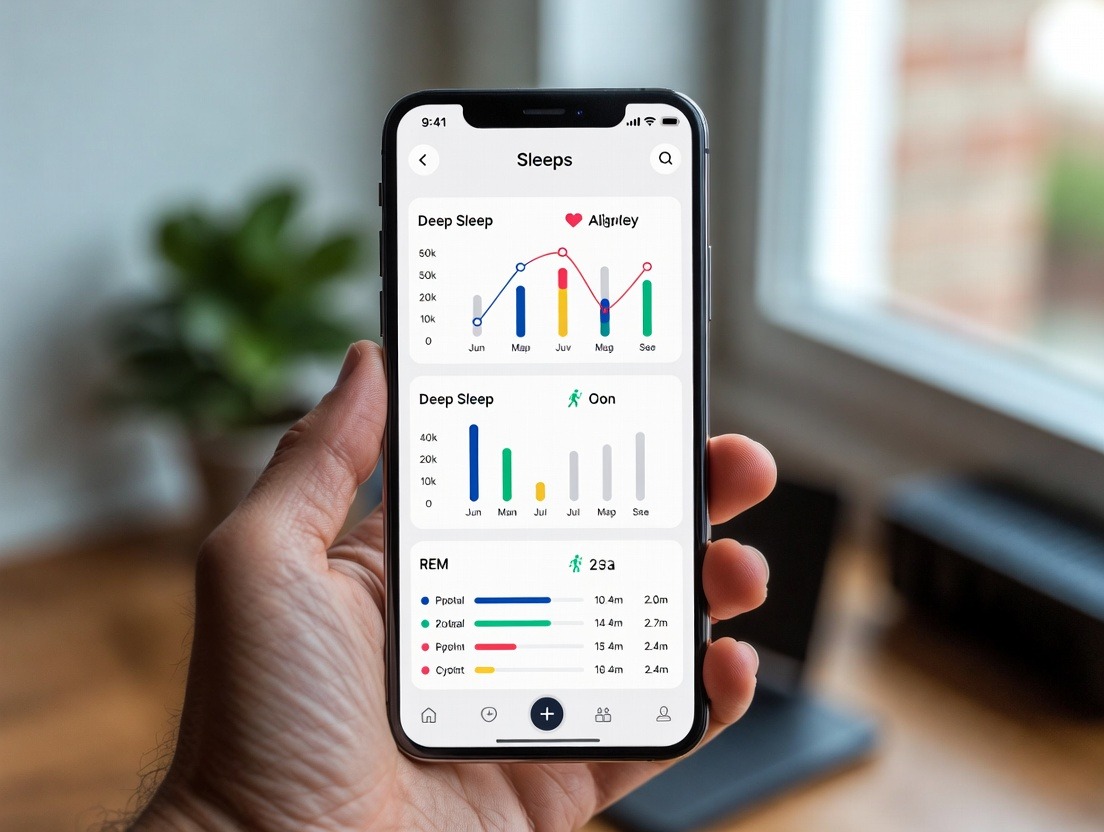
Collecting data is only valuable if it leads to informed action. This final section of our first portion synthesizes everything we’ve covered into a proactive, personalized framework for using your HRV to build an ironclad defense against burnout. This is not about eliminating stress, but about systematically strengthening your capacity to handle it—your resilience.
Step 1: Audit & Identify (The Detective Phase)
For the next two weeks, be a passive observer. Wear your ring consistently, especially at night. Log your daily activities, stress perceptions, meals, exercise, and sleep without trying to change anything. The goal is to establish clear, cause-and-effect relationships. What makes your line go up? What makes it plummet? Use the contextual tagging in your app diligently.
Step 2: Prioritize & Intervene (The Action Phase)
Based on your audit, choose one or two high-impact leverage points. Don’t try to overhaul your life overnight. Examples:
Implement these changes for a minimum of two weeks and watch your trends. The goal is to see your 7-day average HRV stabilize or begin a gentle climb.
Step 3: Harness HRV for Daily Decision-Making (The Biofeedback Loop)
Start using your morning HRV reading as a guide for the day, not just a report card on yesterday.
This framework transforms your wellness ring from a tracker into a coach. It provides an objective, outside voice telling you when to push and, more importantly, when to pull back. For ongoing support and answers to common questions about implementing this kind of plan, our comprehensive FAQ resource is an excellent place to turn.
We have now laid the essential foundation. You understand the profound language of HRV, how it reflects the battle between stress and recovery in your nervous system, and how daily choices from food to screens write their signature in your data. Most importantly, you have the beginnings of a personalized plan to act on that data. In the next portion of this deep dive, we will build upon this knowledge. We will explore advanced recovery techniques, the role of breathwork and cold exposure, the science of social connection and HRV, how to navigate major life stressors using your data, and how to integrate these insights for sustained, long-term vitality and performance. The journey from data to lasting resilience continues.
Having established a foundational understanding of HRV as your nervous system’s native language, we now move from interpretation to advanced application. This next phase is about moving beyond defense and into the realm of active cultivation—deliberately training your body’s resilience mechanisms to not only withstand stress but to thrive within it. Your wellness ring’s data transitions from being an alert system to a precision-tuning instrument, guiding you toward practices that can fundamentally rewire your stress response.
If you could sit down at the controls of your autonomic nervous system and manually adjust the balance between stress and calm, would you? The remarkable truth is that you can, and the primary interface is your breath. Breathing is the only autonomic function that is both automatic and under our voluntary control. By changing how we breathe, we send direct, powerful signals to the brainstem, instantly influencing heart rate, blood pressure, and, most relevantly, Heart Rate Variability. This is the principle behind HRV Biofeedback and Heart Rate Variability Coherence Training, practices that turn your breath into a tool for real-time nervous system optimization.
The Physiological Mechanism: Slow, deep, rhythmic breathing—typically at a rate of 4.5 to 6.5 breaths per minute—creates a phenomenon known as respiratory sinus arrhythmia (RSA). This is the peak of the heart’s dance: on the inhale, the SNS gently increases heart rate; on the exhale, the vagus nerve (PNS) powerfully slows it down. By breathing at this resonant frequency, you maximize the amplitude of this wave, creating high, coherent HRV. This state, often called "psychophysiological coherence," is characterized by synchronized, smooth rhythms across the heart, breath, and blood pressure waves. In this state, the body operates with maximal efficiency, emotional regulation improves, and cognitive function sharpens.
How to Practice with Your Ring:
The beauty of this practice is its immediacy and tangibility. With your ring providing live feedback, you’re not just hoping meditation works; you can see your nervous system shifting into a calmer, more coherent state within minutes. It is the most direct lever you have to pull for instant HRV improvement.
If breathwork is the fine-tuning knob, controlled environmental stress like cold and heat exposure is the strength training for your autonomic nervous system. Deliberately, safely exposing yourself to temperature extremes—a practice known as hormesis—forces your body to adapt to a profound stressor, and the adaptation is a more robust, resilient system with improved HRV. This isn't about misery; it's about the "stress vaccine" effect.
Cold Exposure (e.g., Cold Plunges, Cold Showers):
The instant shock of cold water triggers a massive sympathetic nervous system surge—a gasp, a spike in heart rate and norepinephrine. This is the stress. But as you learn to breathe calmly through it (connecting back to Section 10), you initiate a powerful parasympathetic rebound. The body adapts by:
On your HRV data, you may see an acute dip immediately after an intense cold plunge (the stress response), followed by a significant rise in the hours and days that follow, reflecting the adaptive recovery and reduced inflammation. Long-term practitioners often see a higher HRV baseline.
Heat Exposure (e.g., Sauna):
Heat stress, particularly in the dry heat of a sauna, places a different but complementary demand on the body. It increases core temperature, mimicking a fever, and significantly raises heart rate as the body works to cool itself. The benefits for HRV and burnout resilience are linked to:
The HRV signature of regular sauna use is typically a strong upward trend in baseline HRV, coupled with deeper sleep scores. The key for both practices is dosing and recovery. Your wellness ring is critical here. If you embark on a cold plunge protocol and see your HRV tank for three days without recovery, you’re overdoing it. The data helps you find the "minimum effective dose"—perhaps 2 minutes at the end of a shower, 3 times a week—that provides benefit without pushing you into overtraining territory for your nervous system.

Human beings are wired for connection. Our nervous systems are not isolated units; they are social organs that co-regulate with those around us. This concept, polyvagal theory pioneered by Dr. Stephen Porges, provides a revolutionary lens for understanding HRV. It posits that the evolutionarily newest part of our vagus nerve is directly involved in social engagement—facial expression, vocal tone, listening. When we feel safe, seen, and connected, this "smart vagus" is active, promoting high HRV and a state of calm alertness. When we feel isolated, threatened, or lonely, we downshift into older, more primitive defensive states (fight/flight or shutdown), which crushes HRV.
Loneliness as a Physiological Stressor: Chronic loneliness is one of the most significant, yet often overlooked, risk factors for burnout and low HRV. The brain interprets social isolation as a life-threatening danger, triggering a persistent low-grade fight-or-flight response. Studies have consistently shown that individuals reporting high levels of loneliness have significantly lower HRV than their well-connected peers. Your ring might be picking up the physiological cost of a season of isolation, even if you haven’t consciously labeled it as such.
Co-regulation in Action: Conversely, positive social interactions are potent HRV boosters. A warm conversation with a close friend, a hug from a partner, laughing with colleagues—these moments of genuine connection stimulate the social engagement system and enhance vagal tone. You can literally "borrow" regulation from a calm person’s nervous system. This is why after a good talk with a trusted confidant, you often feel physiologically calmer.
Implications for Burnout Prevention:
Building a lifestyle that includes regular, positive co-regulation is not just good for your soul; it’s measurable medicine for your nervous system. The story of how we built Oxyzen with human connection at its core is part of our founding story and mission.
Burnout risk doesn’t only spike from daily grind; it can skyrocket during major life transitions and crises. During these periods, your wellness ring and its HRV data transform from a wellness tool into an essential lifeline—an objective barometer of your internal weather when everything outside feels chaotic. It provides a grounding point in reality when your perceptions may be clouded by stress.
Grief and Loss: The emotional turmoil of loss creates a profound physiological storm. Sleep is shattered, appetite vanishes, and the body is flooded with stress hormones. During this time, HRV will understandably plummet. Here, the data serves not as something to "fix," but as a compassionate mirror. It validates the enormous toll the experience is taking, giving you permission to honor your need for complete rest. Watching for even a slight, gradual upward trend in your weekly average can be a sign of the beginning of healing, a tiny signal of light that your conscious mind hasn’t yet perceived.
Career Transitions & Job Stress: Starting a new job, facing layoffs, or launching a business are monumental stressors. The uncertainty and high demands can keep the SNS in a state of perpetual activation. By monitoring your HRV during such a transition:
The "Superparent" Burnout: Juggling childcare, home management, and often a career is a recipe for chronic nervous system overload. Sleep is interrupted, personal time vanishes, and demands are relentless. For parents, HRV monitoring can be a revelatory tool for sustainable pacing. It can help partners have data-driven conversations about workload sharing ("My data shows I’m in the red zone; I need you to handle bedtime solo tonight") and justify the critical need for solo recovery time, even if it’s just 30 minutes.
In all these storms, the goal is not to maintain a perfect, high HRV. That’s impossible. The goal is to use the data to navigate with wisdom. It tells you when you’re at your absolute limit and must delegate or say no. It shows you the small, restorative practices that provide the most relief. It turns a vague feeling of being "overwhelmed" into a specific, actionable readout, allowing for smarter self-care and preventing a life crisis from triggering a total health collapse. For support and community during challenging times, reading about how others have navigated similar journeys can provide both comfort and practical ideas.
Peak performers—in athletics, arts, or business—do not operate at 100% intensity 365 days a year. They periodize their training: cycles of intense stress (loading) are deliberately followed by cycles of dedicated recovery (deloading). This is the only sustainable model for high achievement without burnout. Your HRV data allows you to apply this elite athletic principle to your entire life, creating a long-term rhythm that cultivates resilience and prevents depletion.
Creating Your Personal Periodization Plan:
The Pitfall of the "Forever On" Baseline: Many driven individuals see a moderate HRV and think, "This is fine, I can sustain this." But if that baseline is slowly drifting downward over months, you are in a state of chronic under-recovery, even if you’re not yet clinically burnt out. This is the "gray zone" of depletion where creativity wanes, irritability rises, and passion fades. The periodization model, guided by your long-term HRV trends, attacks this pitfall directly. It forces you to schedule recovery as diligently as you schedule work, ensuring your baseline has the opportunity to rebound and even improve over years.
This long-view approach transforms health from a static state to a dynamic practice. It acknowledges that resilience is not about being unbreakable, but about being intelligent and rhythmic in how you strain and how you recover. To implement this successfully, having a reliable tool for consistent measurement is key, and you can learn more about the technology that makes this possible.
While HRV is a superstar biomarker for nervous system health and burnout risk, it does not exist in a vacuum. It is one vital thread in the broader tapestry of your physiology. To get a truly holistic picture of your health and burnout risk, it’s powerful to correlate your HRV trends with other biomarkers, many of which can be tracked through blood tests, wearable data, and subjective logging. This creates a convergence of evidence that makes your action plan even more precise.
Key Correlations to Consider:
By creating a personal dashboard that includes these correlated metrics, you move from "My HRV is low" to a more nuanced hypothesis: "My HRV is low, my RHR is up, and my sleep is fragmented, which suggests my sympathetic nervous system is chronically activated, likely due to the high inflammatory load indicated by my recent blood work." This level of insight directs you to the most effective interventions, whether they are stress-management techniques, anti-inflammatory dietary changes, or a sleep study.
With great data comes great responsibility—to yourself. A potential downside of detailed biometric tracking is the risk of orthosomnia (an unhealthy preoccupation with perfect sleep data) or, in this case, an obsessive fixation on HRV numbers. This anxiety about the data itself can become a source of stress that lowers your HRV, creating a paradoxical, self-defeating loop. Cultivating an ethical, balanced relationship with your data is the final, critical skill in using a wellness ring effectively.
Principles for a Healthy Data Relationship:
The ultimate goal is informed intuition. You use the data to learn the language of your body so deeply that you eventually need the translator less often. You begin to feel the subtle signs of sympathetic overload (clenched jaw, shallow breath, racing thoughts) as clearly as you see a low HRV score, and you can act on them immediately. The ring becomes a training wheel for a deeper, innate self-awareness that will serve you for a lifetime. If you ever find yourself struggling with this balance, our support and FAQ section has resources on cultivating a healthy mindset with wearable tech.
This portion has equipped you with advanced tools—from breathwork and cold exposure to life periodization and holistic correlation—to actively train your resilience and navigate major challenges with data-informed grace. We have also addressed the crucial mindset needed to use this power wisely. In the final third of this definitive guide, we will bring it all together. We will design a complete, 90-day burnout reset protocol based on HRV, explore the future of this technology with AI-driven insights, and provide a roadmap for integrating these practices into a sustainable lifestyle for lifelong vitality and purposeful performance. The journey to mastering your resilience is now fully underway.
We have journeyed from foundational understanding through advanced interventions, arriving at a pivotal moment: integration. Knowledge and tools are only as powerful as their application in the messy, beautiful reality of daily life. This final portion is your blueprint for synthesis. We will construct a actionable protocol, gaze at the horizon of what's next in personalized health, and finally, reframe the entire pursuit from preventing burnout to cultivating a life of sustained vitality and purposeful performance. Your wellness ring and its HRV data are the compass for this lasting transformation.
Theory is essential, but transformation requires a plan. This 90-day protocol is designed to systematically lower your allostatic load and rebuild your HRV baseline. It’s not about adding more to your plate, but about strategic subtraction and intentional recalibration, using your data as your guide. Think of it as a season of dedicated repair for your nervous system.
Phase 1: Foundation & Audit (Days 1-30) – The "Detective" Phase
Phase 2: Targeted Intervention & Recovery (Days 31-60) – The "Gardener" Phase
Phase 3: Integration & Resilience Building (Days 61-90) – The "Architect" Phase
This protocol creates a virtuous cycle: better data informs better choices, which creates better data. It moves you from being a passive victim of stress to an active engineer of your recovery.

The current state of HRV tracking is revolutionary, but it is merely the foundation. The frontier lies in moving from descriptive analytics ("This is what happened") to predictive and prescriptive insights. This is where artificial intelligence and machine learning, when applied ethically to your longitudinal biometric data, will fundamentally change our approach to burnout and health.
From Tracking to Forecasting:
Imagine your wellness app sending you a gentle notification: *"Based on your declining HRV trend, elevated resting heart rate, and recent sleep fragmentation, your model indicates a 72% probability of experiencing burnout symptoms (fatigue, irritability) within the next 7-14 days if current patterns continue."* This isn't science fiction; it's the logical next step. By analyzing thousands of data points across millions of anonymous, aggregated users, AI can identify subtle, pre-symptomatic patterns that no human could discern.
Personalized Prescriptions:
Beyond the warning, the system could offer a personalized "recovery prescription":
The Ecosystem Integration:
Future platforms won't exist in isolation. Your HRV data from your ring could integrate with:
The ethical considerations are paramount—data privacy, informed consent, and guarding against algorithmic bias are critical. But the potential is to create a truly proactive, preventive health model. Burnout wouldn't be something you diagnose; it would be something you preempt. This vision of deeply personalized, AI-enhanced well-being is central to the mission of forward-thinking companies in this space, including the vision driving Oxyzen's development.
The culmination of this entire journey is not the avoidance of a single condition (burnout), but the active cultivation of a state: sustainable vitality. This is the capacity to bring consistent energy, focus, and passion to your pursuits while maintaining a deep sense of inner calm and resilience. Your HRV is the central dashboard for this system, but the system itself is built on enduring pillars.
The Four Pillars of Sustainable Vitality:
Your Ring as the Integrating Tool:
Your wellness ring sits at the center, connecting these pillars. It quantifies the quality of your Recovery (Pillar 2). It helps you dose your Challenge (Pillar 3) intelligently. It provides objective feedback for your Awareness (Pillar 1). And by showing you the physiological cost of isolation or the boost from connection, it underscores the importance of Purpose & Connection (Pillar 4).
This system is not a 90-day fix. It is a lifelong practice of tuning your instrument. Some seasons will demand more from Pillar 3 (Challenge), others will necessitate a deep retreat into Pillar 2 (Recovery). Your HRV data gives you the wisdom to know which season you’re in and what your instrument needs to stay in harmony.
We began with a single, cryptic number on an app—your Heart Rate Variability. We have unpacked it as a profound dialogue, an early-warning system, a biofeedback tool, and a compass for resilience. The journey from data to wisdom is the journey from being a passive spectator of your health to becoming an active, informed participant in your own well-being.
The modern world is engineered to dysregulate us: to keep our sympathetic nervous systems subtly engaged with infinite scrolls, perpetual notifications, and blurred boundaries between work and life. Burnout is not a personal failing; it is a logical, physiological outcome of this environment. Your wellness ring and its HRV metric are a form of technological counter-measure. They give you back a signal that is purely yours, cutting through the noise of external demands to tell you the unvarnished truth about your internal state.
The ultimate goal is not to live by the numbers, but to live by the rhythm they reveal. It is the rhythm of exertion and rest, of engagement and disengagement, of summer and winter. It is your body’s ancient, innate wisdom speaking in the language of milliseconds between heartbeats.
By learning this language, you reclaim agency. You can now:
This is the promise of merging cutting-edge technology with timeless human wisdom. Your ring is the tool. Your HRV is the guide. But the path—toward a life of less burnout and more vitality—is yours to walk, one coherent breath, one restorative night, and one mindful day at a time. We are here to support that journey every step of the way. To begin putting this wisdom into practice with the right tools, explore what’s possible with Oxyzen.
Your Trusted Sleep Advocate (Sleep Foundation — https://www.sleepfoundation.org/)
Discover a digital archive of scholarly articles (NIH — https://www.ncbi.nlm.nih.gov/
39 million citations for biomedical literature (PubMed — https://pubmed.ncbi.nlm.nih.gov/)
experts at Harvard Health Publishing covering a variety of health topics — https://www.health.harvard.edu/blog/)
Every life deserves world class care (Cleveland Clinic -
https://my.clevelandclinic.org/health)
Wearable technology and the future of predictive health monitoring. (MIT Technology Review — https://www.technologyreview.com/)
Dedicated to the well-being of all people and guided by science (World Health Organization — https://www.who.int/news-room/)
Psychological science and knowledge to benefit society and improve lives. (APA — https://www.apa.org/monitor/)
Cutting-edge insights on human longevity and peak performance
(Lifespan Research — https://www.lifespan.io/)
Global authority on exercise physiology, sports performance, and human recovery
(American College of Sports Medicine — https://www.acsm.org/)
Neuroscience-driven guidance for better focus, sleep, and mental clarity
(Stanford Human Performance Lab — https://humanperformance.stanford.edu/)
Evidence-based psychology and mind–body wellness resources
(Mayo Clinic — https://www.mayoclinic.org/healthy-lifestyle/)
Data-backed research on emotional wellbeing, stress biology, and resilience
(American Institute of Stress — https://www.stress.org/)


