15 Natural Energy Boosters That Optimize Every Wellness Ring Metric
Fifteen natural energy boosters that optimize all metrics on your wellness ring.
15 Natural Energy Boosters That Optimize Every Wellness Ring Metric
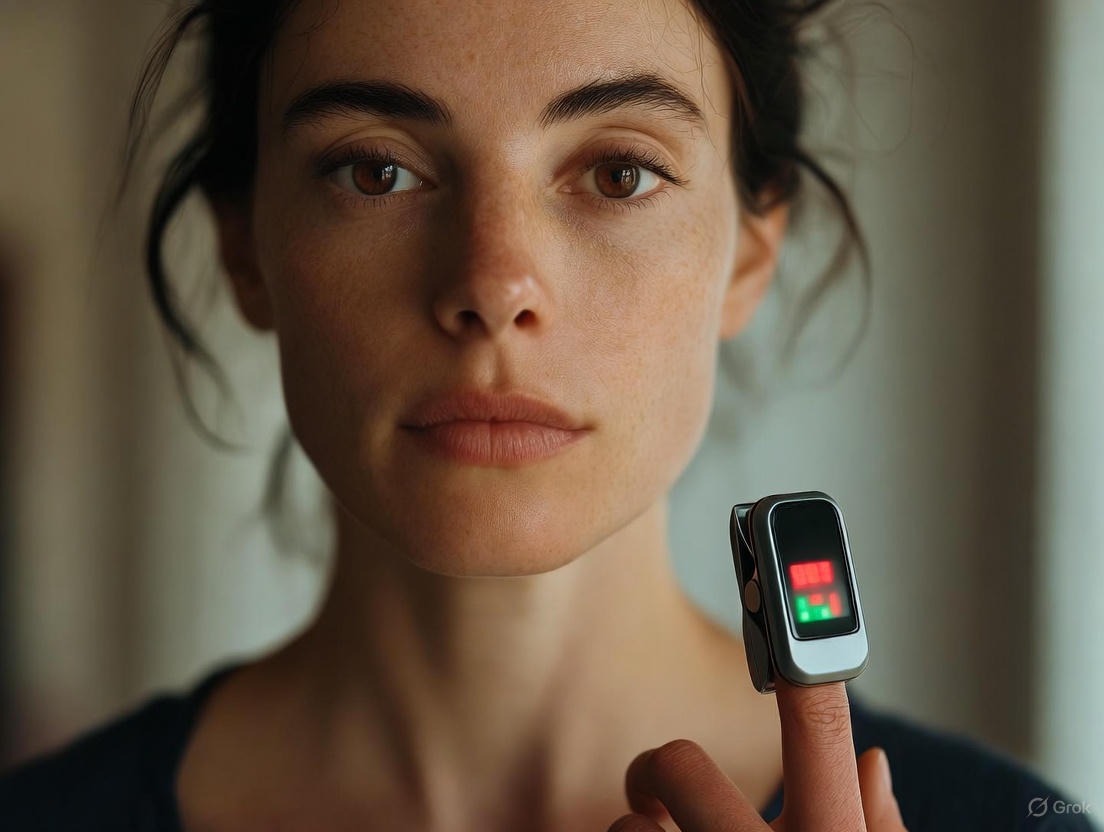
In an era of relentless demands and digital saturation, the quest for sustainable energy has become the holy grail of modern wellness. We've moved beyond the temporary jolt of caffeine and sugar, understanding now that true vitality isn't a chemical spike on a graph, but a steady, renewable current powering our days. This profound shift coincides with the rise of a powerful tool on our fingers: the smart wellness ring. These unassuming devices have transformed vague feelings of "tiredness" into precise, actionable data—tracking your Heart Rate Variability (HRV), sleep architecture, resting heart rate, body temperature, and activity levels. They don't just tell you that you're drained; they show you why.
This article bridges the ancient wisdom of natural vitality with the cutting-edge precision of biometric tracking. We will explore 15 fundamental, science-backed natural energy boosters. But this isn't a generic list. Each booster will be decoded through the lens of your wellness ring metrics. You will learn not only what to do but how to see its tangible impact on your personal data dashboard. When you practice morning sunlight viewing, how should your sleep score respond? When you optimize your hydration, what change can you expect in your overnight HRV trend line?
We are leaving behind the era of guesswork and entering the age of validated, personalized energy optimization. Whether you wear an Oura, Ultrahuman, RingConn, or any other biomarker-tracking ring, this guide will show you how to turn timeless health principles into a visible, quantifiable upward trajectory in your core metrics. This is about building a foundation of energy so robust that it elevates every aspect of your life—and having the data to prove it.
Let’s begin by understanding the very metrics that will become our roadmap to unstoppable, natural energy.
Your Wellness Ring: The Quantifiable Blueprint of Your Energy
Before we can optimize, we must measure. The modern smart ring is a paradigm shift in personal health, moving us from subjective self-assessment to objective biometric analysis. Unlike the step-counting wristbands of the past, these rings focus on the autonomic nervous system (ANS)—the master regulator of your energy, recovery, and stress. They track the foundational signals your body broadcasts 24/7, providing a continuous audit of your vitality.
Think of your wellness ring not as a fitness device, but as a personal energy auditor. Its core metrics form an interconnected web, each telling a part of your energy story:
Heart Rate Variability (HRV): The north star of recovery and resilience. It measures the subtle variations in time between your heartbeats. A higher, stable HRV generally indicates a relaxed, resilient nervous system (parasympathetic dominance)—your body is primed for recovery, repair, and sustained energy. A lower or dipping HRV suggests your system is under stress (sympathetic dominance), fighting illness, or is inadequately recovered, leaving you vulnerable to fatigue.
Resting Heart Rate (RHR): Your metabolic idling speed. A lower RHR typically suggests better cardiovascular fitness and efficient heart function. A sudden elevation can be an early warning sign of stress, dehydration, impending illness, or overtraining—all major energy thieves.
Sleep Score & Stages: Energy is fundamentally restored during sleep. Your ring breaks this down into light, deep, and REM sleep. Deep sleep is for physical restoration and cellular energy (ATP) replenishment. REM sleep is for cognitive repair and emotional processing. Disruptions here guarantee a foggy, low-energy tomorrow.
Body Temperature (Basal & Trends): Your core temperature is a finely tuned metric. A elevated baseline can indicate systemic inflammation, an immune response, or hormonal fluctuations—all processes that divert massive energy away from your daily activities.
Activity & Readiness Scores: Many rings synthesize your data into actionable scores. A "Readiness" score is a direct report on your body’s capacity for energy expenditure. Ignoring a low score and pushing through often leads to deeper energy debt.
These metrics are your Wellness Fundamentals translated into data. They answer the essential questions: Is my body in a state of growth and repair, or stress and survival? Did that extra workout energize me or drain me? Was my "relaxing" evening scroll actually stressful to my nervous system?
The beauty of this technology is that it makes the invisible, visible. It validates what works and reveals what doesn’t. For a deep dive into how these metrics form the bedrock of modern health, explore our complete guide to wellness fundamentals. This foundational knowledge is critical, because the 15 natural boosters we will discuss don't work in isolation; they work by systematically improving these very biomarkers. They move the needle on your personal data, creating a positive feedback loop where feeling better is confirmed by your metrics improving, which in turn motivates consistent practice.
Understanding this dashboard is the first step. Now, let's start with the most powerful, free, and underutilized energy regulator on the planet: light.
Booster 1: Master Your Light Exposure—Nature's Prime Energy Director
Your body does not have a simple on/off switch. Instead, it operates on a sophisticated 24-hour internal timetable known as your circadian rhythm. This rhythm governs the ebb and flow of hormones that dictate energy, sleep, mood, and metabolism. The master conductor of this entire symphony? Light. Specifically, the quality, intensity, and timing of light hitting your eyes and skin.
The Science of Light as Energy: Light exposure, particularly in the blue-light spectrum, is detected by specialized cells in your eyes called intrinsically photosensitive Retinal Ganglion Cells (ipRGCs). These cells send a direct signal to your brain's suprachiasmatic nucleus (SCN)—the master circadian clock. Morning light signals the SCN to suppress melatonin (the sleep hormone) and trigger a cascade of cortisol. This is a healthy, natural cortisol spike designed to promote alertness, elevate body temperature, and set your energy clock for the day. Conversely, diminishing light in the evening prompts melatonin release, cooling your core body temperature and preparing you for restorative sleep.
When this cycle is disrupted by dim mornings and bright, blue-light-filled evenings, your circadian rhythm becomes desynchronized. The result is a flat, confused energy curve: low morning alertness, afternoon slumps, and non-restorative sleep.
The Wellness Ring Validation: This isn't theoretical. Your ring provides direct feedback on your light hygiene. Consistent morning light practice will manifest in your data as:
Improved Sleep Scores: Faster sleep onset, more balanced sleep stage distribution (especially deeper, more efficient deep sleep), and fewer nighttime awakenings.
Higher & More Stable HRV: A well-entrained circadian rhythm reduces metabolic and nervous system stress, allowing for greater parasympathetic (rest-and-digest) activity overnight.
Lower Resting Heart Rate: A predictable, strong circadian signal helps your cardiovascular system operate more efficiently at rest.
Better Readiness Scores: Your ring will recognize the robust recovery from high-quality sleep and stable biomarkers.
Actionable Protocol for Circadian Energy:
View Morning Sunlight (Within 30-60 Minutes of Waking): Go outside. Don't wear sunglasses. Gaze toward (not directly at) the sun for 2-10 minutes on a clear day, or 10-20 minutes on a cloudy day. This is non-negotiable for setting your energy clock. The light intensity is orders of magnitude higher than indoor lighting.
Seek Bright Light Throughout the Day: Work near a window. Take walking meetings outside. This reinforces the "day" signal, sustaining energy and focus.
Embrace Darkness in the Evening: This is the flip side just as critical. 2-3 hours before bed, dim overhead lights. Use lamps with warm bulbs. Implement a strict digital sunset: enable Night Shift/F.lux on devices and consider blue-blocking glasses. Your goal is to mimic a natural sunset, allowing melatonin to rise naturally.
By mastering light, you are not just "getting some sun." You are programming your body's most fundamental energy rhythm. This single practice, more than any supplement, creates the biological context for all other energy boosters to work. It is the quintessential example of a wellness fundamental that matters more than advanced tactics. When your circadian rhythm is optimized, your body knows exactly when to be energized and when to recover, making every other health effort more effective.
Booster 2: Strategic Hydration—The Cellular Catalyst for Energy Production
Water is often relegated to a simple health checkbox, but in the realm of bioenergetics, it is the fundamental medium for every energy-producing reaction in your body. Dehydration, even at a mild level of 1-2% of body weight, is a primary and pervasive cause of fatigue. It’s not just about thirst; it’s about the literal collapse of your cellular power plants.
The Science of Hydration as Energy: Adenosine Triphosphate (ATP) is the universal currency of energy in your cells. The process of creating ATP (cellular respiration) and utilizing it is a water-dependent dance. In the mitochondria, the Krebs cycle and electron transport chain require an aqueous environment. Dehydration reduces blood volume, making your heart work harder to pump oxygen and nutrients to muscles and brain (elevating your RHR). It thickens blood, slowing delivery. It also impedes the removal of metabolic waste products, leading to that heavy, fatigued feeling. Furthermore, water is essential for the production of neurotransmitters like dopamine and norepinephrine, which are critical for drive and focus.
The Wellness Ring Validation: Your ring is a sensitive hydrometer. Proper hydration directly improves metrics tied to cardiovascular efficiency and recovery:
Lower Resting Heart Rate: With adequate blood volume, your heart doesn't have to work as hard at rest. You may see a noticeable dip in your overnight RHR average.
Higher HRV: A well-hydrated system experiences less physiological stress, allowing for greater autonomic flexibility and a higher HRV.
Improved Body Temperature Regulation: Water is core to thermoregulation. Chronic mild dehydration can subtly elevate your basal temperature trend as your body struggles to cool itself efficiently.
Better Sleep Metrics: Nighttime dehydration can cause cramps, dry mouth, and disturbances, fragmenting your sleep architecture. Proper hydration supports uninterrupted sleep cycles.
Actionable Protocol for Hydration Energy:
Drink Upon Waking: Consume 16-24 oz of water within 30 minutes of waking. You are profoundly dehydrated after 7-9 hours of sleep. This instantly jump-starts metabolism and rehydrates tissues.
Sip Strategically, Don't Gulp: Aim for consistent intake throughout the day. A good baseline is half your body weight (in pounds) in ounces. Carry a marked bottle.
Electrolytes Are Essential: Pure water alone can sometimes dilute electrolyte balance. Add a pinch of high-quality sea salt to your water, or use an electrolyte supplement without sugar, especially if you sweat, drink caffeine, or are active. Sodium, potassium, and magnesium are crucial for holding water in your cells and conducting the electrical impulses for energy.
Monitor Your Urine: Aim for pale straw color. Clear urine can indicate over-hydration and electrolyte flushing; dark yellow indicates dehydration.
Hydrate for Sleep: Have a small glass of water 60-90 minutes before bed. This provides resources for overnight repair without forcing a bathroom trip at 3 AM.
Think of your body as a hydroelectric dam. Without sufficient water flow (hydration), the turbines (your mitochondria) cannot spin efficiently, no matter how much fuel you provide. This fundamental practice, validated by your ring’s cardiovascular data, is a pillar of understanding your body's basic needs for energy. When your cells are bathed in fluid, every energy process simply works better.
Booster 3: Prioritize Deep, High-Quality Sleep—The Non-Negotiable Energy Reset
If energy were a financial system, sleep would be the nightly audit, debt settlement, and capital infusion. It is the ultimate natural energy booster because it is the only time your body can perform large-scale restorative and anabolic (building) processes. Short-changing sleep is like taking a high-interest payday loan on your vitality—you get a few hours of borrowed time, but the compounding interest of cognitive deficits, hormonal chaos, and metabolic disruption will bankrupt you.
The Science of Sleep as Energy: During deep sleep (N3), human growth hormone (HGH) is released in pulses. This is critical for tissue repair, muscle growth, and cellular regeneration. Your brain's glymphatic system kicks into high gear, clearing out metabolic waste products like beta-amyloid (associated with brain fog and long-term cognitive decline). This is physical restoration. During REM sleep, your brain consolidates memories, processes emotions, and fosters creativity. It’s a cognitive reset. Both stages are essential for regulating hormones that control hunger (ghrelin and leptin) and stress (cortisol). Poor sleep directly leads to elevated cortisol, insulin resistance, and cravings for high-energy foods—a perfect storm for midday crashes.
The Wellness Ring Validation: This is where your ring shines as a sleep lab on your finger. It moves you beyond just duration to the architecture of your sleep. The goal is not just 8 hours in bed, but a high Sleep Score reflecting:
High Sleep Efficiency: Minimal time awake after sleep onset. Fragmentation destroys restorative cycles.
Balanced Sleep Stages: Sufficient deep sleep (typically 1-2 hours for adults) and REM sleep (~2 hours). Your ring shows you your personal trends.
Optimal Timing: Aligning your sleep window with your natural circadian dip (e.g., 10 PM - 6 AM) typically yields better scores than 1 AM - 9 AM, even with the same duration.
Correlation with HRV/RHR: Your best HRV and lowest RHR will consistently occur on nights with high-quality sleep. This is the direct data link between sleep and recovered energy capacity.
Actionable Protocol for Sleep Energy:
Defend Your Sleep Window: Consistency is paramount. Go to bed and wake up at the same time every day, even on weekends, to anchor your circadian rhythm.
Create a "Power-Down" Hour: This is non-negotiable. One hour before bed: no screens. Engage in calming activities—reading a physical book, light stretching, meditation, listening to calm music or a podcast. This allows melatonin to rise naturally.
Optimize Your Sleep Cave: Cool (65-68°F or 18-20°C), completely dark (use blackout curtains, consider a sleep mask), and quiet (use white noise or earplugs). Your ring’s temperature sensor will show you the benefit of a cool room.
Wind Down Your Mind: Use a journal to "download" worries or tomorrow's to-dos from your brain onto paper. This reduces sleep-time cognitive arousal.
Be Cautious with Alcohol & Late Food: Alcohol may help you fall asleep but it devastates sleep architecture, severely suppressing REM and fragmenting the second half of the night. Late, heavy meals force your digestive system to work when it should be resting.
Your sleep data is the most honest report card on your daily habits. Improving it is the highest-leverage action for energy. For a systematic approach to mastering this foundational pillar, our resource on the role of a consistent sleep schedule provides a comprehensive framework. By treating sleep as a sacred, non-negotiable investment in tomorrow's energy, and using your ring to track the ROI, you build a foundation of vitality that no stimulant can match.
Booster 4: Embrace Non-Exercise Movement—The All-Day Energy Circulation System
When we think "energy" and "movement," we often jump to intense workouts. But for sustainable, all-day vitality, the most powerful tool is often the opposite: consistent, low-grade, non-exercise movement. This is the forgotten art of circulation—keeping blood, oxygen, and lymphatic fluid moving throughout the day to prevent the stagnation that manifests as stiffness, brain fog, and fatigue.
The Science of Movement as Energy: Sitting for prolonged periods triggers physiological changes: muscle metabolism slows down, insulin effectiveness drops, and circulation becomes sluggish. This reduces the delivery of oxygen and nutrients to your brain and tissues, directly dampening energy production. Non-exercise activity thermogenesis (NEAT)—the energy you burn from everything except sleeping, eating, and sports—is a major regulator of metabolic health. Frequent movement acts as a pump for your lymphatic system (which lacks its own pump), crucial for immune function and clearing metabolic waste. It also maintains joint mobility and muscle perfusion, ensuring your body is primed and ready for action, not locked in a sedentary state.
The Wellness Ring Validation: While rings aren't perfect step-counters, they excel at detecting activity patterns and the physiological impact of movement on recovery:
Activity Balance: Many rings encourage you not just to hit a step goal, but to avoid long periods of inactivity (e.g., standing/moving for a few minutes every hour). This pattern directly fights metabolic stagnation.
Impact on Recovery Metrics: A day rich in gentle movement (walking, stretching, gardening) often leads to better overnight recovery scores (HRV, RHR) than a completely sedentary day, as it promotes circulation without imposing systemic stress. Conversely, your ring will show the negative impact of complete inertia.
Correlation with Sleep: Adequate daily movement, especially when timed well (not too late in the evening), is a powerful driver of sleep pressure, helping you fall asleep faster and achieve more deep sleep.
Temperature & Circulation: Gentle movement can help regulate core body temperature rhythms, an often-overlooked marker your ring tracks.
Actionable Protocol for Movement Energy:
Break Up Sitting Every 30 Minutes: Set a timer. Stand up, do 10 air squats, stretch your hips, walk to get water. Even 60 seconds of movement resets the physiological stagnation clock.
Incorporate "Movement Snacks": 5-10 minutes of dedicated movement several times a day. Examples: a brisk walk around the block, a short mobility flow, dancing to one song, calf raises while brushing your teeth.
Prioritize Daily Walking: Aim for a minimum of 7,000-10,000 steps, accumulated throughout the day. This is not about cardio; it's about circulation. Walk in the morning for light exposure, walk after meals to aid glycemic control (preventing energy crashes), walk while on calls.
Practice Purposeful Inefficiency: Park farther away. Take the stairs. Hand-deliver messages at work instead of emailing. Carry your groceries. Build movement into the fabric of your day.
Focus on Mobility: Spend 5-10 minutes daily on dynamic stretching or foam rolling. Releasing muscular tension removes a constant, low-grade energy drain from your nervous system.
This approach to movement is about energy preservation and distribution, not just expenditure. It ensures your body remains a fluid, responsive system. It is the embodiment of the principle that movement is non-negotiable medicine. By keeping the energy channels of your body open and flowing all day, you prevent the buildup of fatigue and create a physical state primed for both activity and recovery, as reflected in your balanced ring metrics.
Booster 5: Breathe for Energy—The Direct Lever on Your Nervous System
Breath is the remote control for your autonomic nervous system (ANS). Unlike your heartbeat or digestion, it is an automatic function you can consciously override. This gives you a direct, immediate tool to shift your body from a stressed, energy-burning state (sympathetic) to a calm, energy-restoring state (parasympathetic). Most people are chronic over-breathers—taking short, shallow chest breaths that perpetuate a low-grade stress response, draining energy.
The Science of Breath as Energy: Efficient breathing optimizes gas exchange: oxygen in, carbon dioxide out. But CO2 is not just a waste gas; it’s essential for releasing oxygen from hemoglobin to your cells (the Bohr effect). Over-breathing (hyperventilation) blows off too much CO2, causing blood vessels to constrict and reducing oxygen delivery to tissues—including your brain—causing dizziness, anxiety, and fatigue. Conversely, slow, diaphragmatic breathing stimulates the vagus nerve, the main conduit of the parasympathetic nervous system. This lowers heart rate, blood pressure, and stress hormones like cortisol, conserving energy and creating a state conducive to recovery and mental clarity.
The Wellness Ring Validation: Breathing practices have one of the most immediate and measurable impacts on your ring’s real-time and recovery metrics:
Real-Time Heart Rate Drop: During a 5-minute session of slow breathing (e.g., 4-7-8 or 5-5-5 rhythm), you can literally watch your live heart rate drop on your ring's app, a direct sign of sympathetic withdrawal.
Acute HRV Increase: The same session will cause an acute spike in HRV, indicating increased parasympathetic tone and nervous system resilience.
Improved Overnight Recovery: A consistent daily breathing practice, especially before bed, trains your nervous system to relax more deeply, often reflected in higher overnight HRV averages and lower RHR.
Better Sleep Onset: Using a breathing technique when in bed can quiet the mind and lower sleep latency (time to fall asleep), improving your Sleep Score.
Actionable Protocol for Breathing Energy:
Diaphragmatic Breathing Mastery: Practice daily. Lie on your back, place a hand on your belly. Inhale slowly through your nose for 4-5 seconds, feeling your belly rise. Exhale slowly through your mouth for 6-7 seconds, feeling your belly fall. Aim for 5-10 minutes daily.
The "Physiological Sigh": Your body's natural reset button. Inhale once through the nose, then take a second, short "top-up" inhale to fully expand the lungs, then a long, slow exhale through the mouth. Do this 2-3 times anytime you feel stressed or foggy. It’s an instant energy reset.
Box Breathing (4-4-4-4): Inhale for 4, hold for 4, exhale for 4, hold for 4. Repeat. This is excellent for focus and calm under pressure.
Evening Coherence Breathing: Before bed, try 5-5-5 breathing (inhale 5, exhale 5) for 5-10 minutes. This powerfully stimulates the vagus nerve and prepares you for restorative sleep.
Integrate Breath Breaks: Set reminders to take 3-5 conscious diaphragmatic breaths every hour. This resets breathing patterns away from shallow chest breathing.
Breathing is the bridge between the conscious and the automatic. By taking control of your breath, you take direct control of your energy state. This practice doesn't require equipment, time, or space—just awareness. It is the ultimate tool for real-time stress management, which is the foundation of sustainable energy. Your ring provides the beautiful, quantifiable proof that a change in your breath creates a change in your biology, moving you from drained to replenished in minutes.
Booster 6: Harness Cold Exposure—The Metabolic and Resilience Energizer
For centuries, cultures worldwide have used cold water for its invigorating and healing properties. Modern science now reveals that controlled, deliberate cold exposure is a powerful hormetic stressor—a mild, temporary stress that triggers a cascade of adaptive responses, resulting in greater resilience, improved metabolism, and a profound sense of alertness and energy. It’s like weightlifting for your autonomic nervous system and circulatory system.
The Science of Cold as Energy: Acute cold exposure (via cold showers, ice baths, or cold plunges) triggers several key energy-boosting mechanisms:
Metabolic Boost & Brown Fat Activation: Cold stimulates thermogenesis—your body must burn energy to create heat. It specifically activates brown adipose tissue (BAT), a metabolically active fat that burns glucose and lipids to generate warmth, improving metabolic flexibility.
Catecholamine Surge: It causes a massive release of norepinephrine (noradrenaline) and dopamine. This leads to an immediate, sharp increase in alertness, focus, and mood—a "natural espresso" effect that can last for hours.
Vagal Tone & Nervous System Resilience: The initial shock is sympathetic (fight-or-flight), but consistent practice teaches your system to calmly withstand and then recover from stress, strengthening vagal tone and improving your HRV over time.
Reduced Inflammation & Enhanced Circulation: Cold causes vasoconstriction followed by a powerful vasodilation (the "afterglow"), flushing tissues with fresh, oxygen-rich blood and reducing inflammatory markers that can cause fatigue.
The Wellness Ring Validation: Cold exposure leaves a clear signature in your biometric data, validating its systemic impact:
Acute HRV Response: After an adaptation period, a well-tolerated cold session should be followed by a rise in HRV over the subsequent hours, indicating a strong recovery response. Initially, it may dip as your body adapts.
Resting Heart Rate Changes: You may see a temporary elevation in RHR during/just after exposure (sympathetic response), followed by a lower RHR later as your system recovers and parasympathetic activity rebounds.
Impact on Sleep: Timing is crucial. For most, morning or afternoon cold exposure can deepen sleep due to its effect on core temperature rhythm (it drops later, promoting sleepiness). Evening exposure may be too stimulating and disrupt sleep—your ring’s sleep data will tell you.
Body Temperature Regulation: Consistent practice can improve your body's ability to regulate its core temperature, a sign of metabolic health.
Actionable Protocol for Cold Energy:
Start Gradual with Showers: End your normal shower with 30-60 seconds of cold water, focusing on your back and neck. Gradually increase duration to 2-5 minutes over weeks. Control your breathing—focus on deep, calm exhales.
Focus on Consistency Over Intensity: 2-3 minutes daily is more effective than a brutal 10-minute session once a week. Consistency builds adaptation.
Time It Right: For an energy boost, morning cold showers are ideal. For recovery post-workout, an afternoon session works. Avoid within 2-3 hours of bedtime unless your ring data confirms it doesn't harm your sleep.
Listen to Your Data: Your ring is your guide. If you see your HRV consistently crashing or sleep suffering after cold exposure, you may be overdoing it, doing it too late, or not recovering adequately. Dial it back.
Combine with Breathwork: Use the controlled breathing techniques from Booster 5 to manage the initial shock. This trains nervous system control.
Cold exposure is a potent tool, not a punishment. It teaches your body that it is resilient, shocks you into the present moment, and provides a clean, jitter-free energy lift. It exemplifies the principle that wellness fundamentals enable peak performance by challenging your system in a controlled way. The data from your ring will show you how your unique body responds, allowing you to personalize this ancient practice for modern energy.
Booster 7: Practice Strategic Nutrition Timing—Fueling Your Energy Waves
Food is fuel, but when you eat is the ignition timing. Your body has innate circadian rhythms for digestion, hormone release, and metabolism. Aligning your food intake with these rhythms—a practice known as chrononutrition—can dramatically smooth out energy levels, prevent crashes, and enhance metabolic health. It’s about working with your biology, not against it.
The Science of Timing as Energy: Your insulin sensitivity (how effectively your cells take up glucose) is highest in the morning and decreases throughout the day. Your metabolism is primed for activity and fuel utilization during daylight hours. Eating a large meal late at night, when your body is preparing for rest and repair, forces it to shift energy to digestion, can disrupt core temperature cooling for sleep, and may lead to poorer glucose handling. This results in non-restorative sleep and morning grogginess. Furthermore, allowing a sufficient fasting period (12-16 hours overnight) gives your digestive system a rest, promotes cellular autophagy (cleanup of damaged cells), and can help stabilize daytime energy by improving insulin sensitivity.
The Wellness Ring Validation: Late-night eating and erratic meal timing are visible in your recovery metrics:
Disrupted Sleep Architecture: A large, late meal, especially one high in fat or carbs, can increase nighttime awakenings, reduce deep sleep, and elevate your overnight heart rate as your body works to digest.
Elevated Resting Heart Rate & Lower HRV: The metabolic work of digestion is a stressor. Your ring will often show a higher RHR and lower HRV on nights following late dinners or heavy evening snacks.
Body Temperature Spikes: Digestion generates heat. Eating too close to bedtime can interfere with the natural drop in core body temperature necessary for sleep onset, which your ring may detect as a higher temperature baseline.
Improved Scores with Alignment: When you shift to an eating window that aligns with daylight (e.g., 8 AM - 6 PM), many people see improvements in sleep scores, morning readiness, and more stable daytime energy, reflected in better overall metric consistency.
Actionable Protocol for Nutrition Timing Energy:
Front-Load Your Calories: Make breakfast or lunch your largest, most nutrient-dense meal. This provides fuel when your metabolic furnace is hottest and insulin sensitivity is highest.
Establish a Consistent Eating Window: Aim for a daily fasting period of 12-14 hours. For example, finish dinner by 7 PM and don't eat again until 7-9 AM. This is a sustainable form of time-restricted eating for most.
Minimize Late-Night Eating: Stop eating at least 2-3 hours before bedtime. If you need something, make it very small, protein-focused, and easily digestible.
Prioritize Protein at Breakfast: Starting your day with 30-40 grams of protein promotes satiety, provides steady amino acids for neurotransmitter production (dopamine, norepinephrine), and stabilizes blood sugar, preventing the 10:30 AM energy crash.
Sync with Activity: Fuel around movement. Have a balanced meal or snack containing protein and carbs 1-2 hours before sustained activity, and prioritize protein for recovery after.
Use Your Ring to Experiment: Try a week of an earlier eating window and note the changes in your sleep and readiness scores. The data provides personalized feedback no generic diet plan can.
This isn't a restrictive diet; it's a rhythmic eating pattern. It ensures you provide high-octane fuel when your engine is running and let it cool down and clean itself when it's off. It directly supports the connection between all body systems—digestive, metabolic, circadian, and nervous—for harmonious energy flow. By mastering when you eat, you gain profound control over your daily energy trajectory.
Booster 8: Cultivate Mindfulness & Meditation—The Mental Energy Filter
Energy is not just physical; it is profoundly mental. The brain consumes about 20% of the body's energy despite being only 2% of its weight. Much of this vast expenditure is wasted on the "default mode network" (DMN)—the brain's background chatter of rumination about the past, worry about the future, and self-referential thinking. This mental noise is cognitively draining and emotionally taxing. Mindfulness and meditation are the practices of training attention to quiet the DMN, conserving massive amounts of mental energy and reducing the physiological stress that drains physical energy.
The Science of Mindfulness as Energy: Regular meditation has been shown to:
Reduce Cortisol & Inflammatory Markers: Lowering the biochemical burden of chronic stress frees up energy for other processes.
Increase Gray Matter Density: Particularly in the prefrontal cortex (for focus) and the hippocampus (for memory), and decrease amygdala size (the fear center), leading to better emotional regulation and less reactive energy expenditure.
Improve Alpha Brain Waves: Associated with relaxed alertness and creative flow states—a high-efficiency mental mode.
Enhance Attentional Control: This reduces the energy cost of "task-switching" and getting distracted, allowing for deeper, more efficient work.
The Wellness Ring Validation: The calm induced by mindfulness has a direct, measurable impact on your autonomic nervous system, which your ring captures:
Acute HRV Increase: Even a single 10-minute meditation session can cause an immediate and significant rise in HRV, indicating a shift toward parasympathetic dominance and nervous system coherence.
Lower Resting Heart Rate: Over time, consistent meditators often show a lower baseline RHR, reflecting a calmer cardiovascular system.
Improved Sleep Metrics: A pre-bed meditation or mindfulness practice is one of the most effective ways to lower sleep latency (time to fall asleep) and reduce sleep fragmentation caused by racing thoughts.
Stress Score Impact: Many rings calculate a "stress" or "balance" score based on HRV and RHR trends throughout the day. Mindfulness practice directly improves this score by creating periods of physiological calm.
Actionable Protocol for Mindfulness Energy:
Start Small & Consistent: 5 minutes daily is infinitely better than 30 minutes once a week. Use a guided app (like Calm, Headspace, Waking Up) if starting from zero.
Focus on the Breath Anchor: Simply sit and pay attention to the sensations of your breath. When your mind wanders (it will), gently bring it back. This repetition is the "rep" that builds the mental muscle of focus.
Practice Informal Mindfulness: Bring non-judgmental awareness to daily activities: feel the water on your hands while washing dishes, taste each bite of food, feel your feet on the ground while walking. This trains present-moment awareness all day.
Try a Body Scan Before Bed: Lying in bed, slowly bring your attention to each part of your body from toes to head, noticing any sensations without judgment. This releases physical tension and quiets the mind for sleep.
Use Your Ring for Biofeedback: Do a short meditation session while watching your ring's live heart rate or HRV in the app. Seeing the physical calm mirrored in the data reinforces the practice and makes the abstract tangible.
Mindfulness is not about achieving a blank mind; it's about reducing the energy tax of a chaotic one. It is the practice of mind-body integration, where calming the mind directly calms the body's stress response, as validated by your ring. By investing a few minutes daily in mental hygiene, you reclaim a vast amount of cognitive and emotional energy previously lost to worry and distraction.
Booster 9: Optimize Your Caffeine Strategy—The Precision Energy Tool
Caffeine is the world's most popular psychoactive drug and a powerful energy ally—when used strategically. Misused, it becomes a source of anxiety, sleep disruption, and energy rollercoasters. The key is to leverage caffeine's benefits while avoiding its interference with adenosine (the sleep-pressure chemical) and cortisol, your natural energy rhythm. This requires timing, dosage, and source awareness.
The Science of Caffeine as Energy: Caffeine works primarily by blocking adenosine receptors in the brain. Adenosine accumulates throughout the day, making you feel tired. By blocking its signal, caffeine promotes alertness. However, this creates two problems: 1) The adenosine still builds up behind the blockade, leading to a crash when caffeine wears off. 2) It can disrupt the natural rise of adenosine in the evening, fragmenting sleep. Furthermore, consuming caffeine during your body's natural cortisol peak (upon waking, ~8-9 AM) can blunt this natural energy signal and lead to greater tolerance.
The Wellness Ring Validation: Poor caffeine habits are glaringly obvious in ring data:
Sleep Disruption: Even if you fall asleep, caffeine can significantly reduce deep sleep (N3) and REM sleep, leading to a lower Sleep Score despite adequate time in bed. It increases sleep latency and fragmentation.
Elevated Resting Heart Rate: Caffeine is a stimulant. It can raise your 24-hour RHR, especially if consumed later in the day, indicating cardiovascular strain.
Lower HRV: The stimulant effect shifts the ANS toward sympathetic dominance, often lowering HRV, a sign of reduced recovery capacity.
Delayed Body Temperature Drop: Caffeine can delay the evening drop in core temperature, interfering with sleep onset—a change your ring can track.
Actionable Protocol for Caffeine Energy:
Delay Your First Dose: Wait 90-120 minutes after waking. This allows your natural cortisol pulse to clear morning grogginess, making caffeine more effective and preventing tolerance. Hydrate and get sunlight first.
Establish a "Caffeine Curfew": The half-life of caffeine is 5-6 hours. To avoid sleep interference, stop all caffeine at least 8-10 hours before bedtime. For a 10 PM bedtime, that's a hard cutoff at 12-2 PM.
Dose Strategically: Less is often more. 100-200mg (one strong coffee) is sufficient for most. Avoid mega-doses that cause jitters and anxiety, which are energy-draining in themselves.
Choose Your Source Wisely: Black coffee or tea is ideal. Avoid sugary energy drinks or loaded coffee beverages that cause glycemic crashes. Consider L-Theanine paired with caffeine (found naturally in tea) for a smoother, focused energy without jitters.
Cycle Caffeine: Consider taking 1-2 days off per week (e.g., weekends) to reduce tolerance and resensitize your receptors. Notice how your natural energy and sleep improve on these days—your ring will show you.
Hydrate Extra: Caffeine is a mild diuretic. Counteract this by drinking an extra glass of water for every caffeinated beverage.
Caffeine should be a precise tool, not a crutch. Used correctly, it can enhance focus and performance. Used poorly, it sabotages the very sleep that creates sustainable energy. Your ring provides the objective evidence to find your optimal protocol, ensuring caffeine serves your energy goals rather than undermining them. This fine-tuning is a perfect example of how a smart ring personalizes fundamental recommendations for your unique biology.
Booster 10: Nourish Your Gut Microbiome—The Internal Energy Factory
Emerging science reveals that your gut is not just a digestive tube; it's a central hub for energy production, immune function, and even neurotransmitter synthesis. The trillions of bacteria in your gut—your microbiome—play a crucial role in extracting energy from food, producing vitamins (like B vitamins essential for ATP production), regulating inflammation, and producing short-chain fatty acids (SCFAs) like butyrate, which fuel your colon cells and have systemic anti-inflammatory effects. A dysbiotic (imbalanced) gut can be a major source of systemic fatigue.
The Science of the Gut as Energy: A healthy, diverse microbiome:
Enhances Nutrient Absorption: Ensuring you get the full energy value from the food you eat.
Produces Key Energy Molecules: Gut bacteria ferment dietary fiber into SCFAs, which are used directly as fuel by intestinal cells and have positive effects on metabolism and reducing whole-body inflammation (a major energy drain).
Synthesizes Neurotransmitters: An estimated 90% of serotonin (regulating mood, sleep, appetite) and significant amounts of dopamine and GABA are produced in the gut. An imbalanced gut can directly impact mental energy and mood.
Modulates the Immune System: 70-80% of immune tissue resides in the gut. Chronic, low-grade immune activation (from a leaky gut or dysbiosis) is a massive, silent consumer of energy.
The Wellness Ring Validation: While no ring directly measures gut bacteria, the systemic effects of gut health are reflected in core metrics:
Inflammation & Body Temperature: Chronic gut inflammation can contribute to a slightly elevated basal body temperature trend.
Sleep Quality: The gut-brain axis is bidirectional. Poor gut health can disrupt sleep, and poor sleep harms the gut. Improving your microbiome often leads to better, more restful sleep scores.
HRV & Stress Resilience: A healthier gut reduces systemic inflammatory load, which can lower physiological stress and be reflected in improved HRV over time.
Recovery Scores: When digestion is efficient and non-inflammatory, your body diverts less energy to immune fighting and gut repair, allowing more energy for systemic recovery.
Actionable Protocol for Gut Energy:
Feed the Good Bacteria with Fiber: Aim for 30+ grams of diverse plant fibers daily. This is their primary fuel. Sources: vegetables, fruits, legumes, whole grains, nuts, and seeds. "Eat the rainbow."
Incorporate Fermented Foods Daily: These provide probiotic bacteria. Include 1-2 servings of sauerkraut, kimchi, kefir, plain yogurt, kombucha, or miso.
Consider a Prebiotic Supplement: If struggling with fiber intake, a prebiotic like partially hydrolyzed guar gum (PHGG) or acacia fiber can gently feed beneficial bacteria without causing bloating.
Limit Artificial Sweeteners & Processed Foods: Some artificial sweeteners (like sucralose, aspartame) can negatively alter gut bacteria. Ultra-processed foods are typically low in fiber and high in emulsifiers that may disrupt the gut lining.
Manage Stress for Your Gut: Chronic stress directly harms gut bacteria diversity and integrity. The mindfulness and breathing practices from earlier boosters are thus also gut-healing.
Experiment Mindfully: If you have significant digestive issues (bloating, pain, irregularity), consider an elimination diet (like removing gluten or dairy for 3-4 weeks) and use your ring's recovery and sleep scores to see if inflammation reduces.
Your gut is a garden. You must tend to it with the right fertilizers (fiber, fermented foods) and protect it from pollutants (chronic stress, irritants). A thriving gut microbiome is a silent, continuous producer of energy and well-being. Nourishing it is a foundational practice for creating sustainable health from the inside out, and your ring's broader biomarkers will reflect the systemic benefits of getting this fundamental right.
Booster 11: Leverage Power Naps & Strategic Rest—The Energy Reboot
In our push for constant productivity, we often view rest as the enemy of output. Biologically, the opposite is true. Strategic, intentional rest is a performance enhancer. The power nap—a short, controlled period of sleep—is one of the most effective tools for rebooting cognitive function, clearing mental fog, and restoring alertness without entering deep sleep cycles that can cause grogginess. It’s a tactical energy deposit.
The Science of Naps as Energy: A short nap of 10-20 minutes primarily stays within Stage 1 and 2 sleep. This provides a boost in alertness and performance without sleep inertia (that groggy feeling), which is associated with awakening from deep sleep (Stage 3). Naps have been shown to:
Reduce Sleep Pressure: They slightly clear adenosine from the brain, providing a "second wind" for the afternoon.
Regulate Emotions: Help manage frustration and increase resilience to stress.
Provide Cardiovascular Benefits: Studies suggest a occasional napping habit is associated with lower blood pressure and reduced stress on the heart.
The Wellness Ring Validation: Your ring can help you optimize napping and understand its impact on your daily rhythm:
The 20-Minute Rule Validation: Keep naps under 20-25 minutes to avoid deep sleep. Your ring's sleep staging will confirm if a short nap stayed in light sleep. If you see deep sleep appear, you've gone too long and risk inertia.
Impact on Nighttime Sleep: A well-timed, short nap should not significantly impact your nighttime sleep drive or architecture. However, a long nap (60+ minutes) or a nap taken too late in the day (after 4 PM) can delay sleep onset and reduce sleep pressure, lowering your Sleep Score. Your ring data will reveal this connection.
Real-Time Recovery: Some advanced rings can detect a "moment of rest" or a nap and may even assign a small recovery benefit to it, acknowledging its restorative value.
Heart Rate Drop: During a successful nap, you should see a clear, quick drop in your real-time heart rate, a sign of parasympathetic activation.
Actionable Protocol for Nap Energy:
Timing is Everything: The ideal nap window is typically between 1 PM and 3 PM, aligning with the natural post-lunch dip in circadian alertness. Never nap after 4 PM if you struggle with nighttime sleep.
Keep it Short & Set an Alarm: 10-20 minutes is the sweet spot. Set a firm alarm to avoid sleep inertia.
Create a Conducive Environment: If possible, nap in a slightly reclined position (not flat), in a dim or dark, cool, and quiet place. An eye mask and earplugs can help.
The "Coffee Nap" Hack: Drink a small cup of coffee immediately before your 20-minute nap. Caffeine takes about 20-30 minutes to hit your bloodstream. You wake up just as the caffeine is taking effect, getting a synergistic boost from both the nap and the stimulant.
Listen to Your Data: If your nighttime sleep score suffers after napping, adjust the timing or duration. Your ring provides the feedback loop to personalize this practice.
Accept Non-Sleep Rest: If you can't sleep, simply lying down in a dark room with your eyes closed for 10-20 minutes (a "non-sleep deep rest" or NSDR protocol) is still profoundly restorative for the nervous system and will likely show a heart rate drop.
The power nap is a recognition that energy is not infinite; it needs to be replenished in cycles throughout the day. It honors your biology's natural rhythm. This practice, when done correctly, is a masterclass in the importance of recovery as an active component of health. It's not laziness; it's strategic reinvestment in your cognitive and physical capital, and your ring is the accountant ensuring a positive return.
Booster 12: Embrace Nature Immersion & Grounding—The Biophilic Energy Recalibration
For over 99% of human history, we lived intimately connected with the natural world. The past few centuries have seen a radical disconnection, and our biology has not caught up. This "nature deficit disorder" manifests as heightened stress, mental fatigue, and a pervasive low-grade anxiety that saps energy. Intentional nature immersion—often paired with the practice of "earthing" or grounding—acts as a profound reset for our overstimulated nervous systems, reducing inflammatory load and restoring a sense of calm vitality.
The Science of Nature as Energy: The mechanisms are multifaceted and powerful:
Stress Hormone Reduction: Studies consistently show that time in green spaces lowers cortisol, adrenaline, and norepinephrine levels. The visual patterns of nature (fractals) effortlessly engage our attention in a gentle way, allowing the brain's directed-attention networks to rest and recover from the sharp edges and demands of the built environment.
Anti-Inflammatory Effects: Grounding, or making direct skin contact with the Earth's surface (soil, grass, sand, water), allows the transfer of free electrons from the Earth into the body. These electrons are thought to act as natural antioxidants, neutralizing positively charged free radicals that drive chronic inflammation—a significant and silent energy drain. Research suggests grounding can improve white blood cell count and reduce markers like C-reactive protein.
Improved Mood & Creativity: Exposure to nature increases serotonin and dopamine activity, enhancing mood and motivation. It also promotes "soft fascination" and a state of mind conducive to creative problem-solving and insight, breaking the mental loops that consume cognitive energy.
Regulation of Circadian Rhythm: Natural light exposure during the day (as discussed in Booster 1) is amplified in a natural setting, and the absence of artificial light at night is more complete, further strengthening your core energy clock.
The Wellness Ring Validation: A walk in the park is more than a pleasant break; it's a measurable therapeutic intervention:
Acute HRV Improvement: A 20-30 minute walk in a natural environment will typically produce a greater increase in HRV (both during and after) than a similar walk on busy urban streets, indicating a stronger shift into parasympathetic recovery mode.
Lower Resting Heart Rate: The calming effect of nature directly translates to cardiovascular relaxation, often seen as a dip in real-time and recovery RHR.
Enhanced Sleep Architecture: The combined effect of daylight exposure, physical movement, and stress reduction from nature immersion synergistically improves sleep depth and efficiency. Your Sleep Score will often reflect a more restorative night after a day rich in nature contact.
Reduced "Stress" Scores: Many rings calculate a daytime stress score based on heart rate and HRV variability. Time in nature reliably lowers this score, providing quantifiable proof of its de-stressing effect.
Actionable Protocol for Nature Energy:
Prescribe a "Nature Pill": Aim for a minimum of 20-30 minutes, 3 times per week, in a green or blue (near water) space. This is a non-negotiable appointment for your nervous system.
Practice Grounding: When safe and possible, walk barefoot on grass, soil, or sand. Sit or lie on the ground. Even 10-15 minutes can have an effect. If going barefoot isn't practical, grounding mats or sheets for indoor use can provide a simulated connection.
Engage All Your Senses: This is "mindfulness in nature." Listen to birdsong, feel the breeze, smell the soil after rain, notice the intricate patterns of leaves. This deepens the immersion and magnifies the cognitive restoration.
Swap Indoor for Outdoor Activities: Can your meeting be a walking talk? Can your reading be done on a park bench? Can your workout be done on a trail instead of a treadmill?
Embrace "Forest Bathing" (Shinrin-Yoku): This Japanese practice involves slowly, mindfully walking through a forest, consciously taking in the atmosphere. It’s not exercise; it’s sensory absorption, and studies show it boosts immune function (increasing natural killer cell activity) and mood.
Use Your Ring to Track the Difference: Conduct your own experiment. Note your readiness and sleep scores after a day with significant nature exposure versus a day spent entirely indoors. The data will motivate you to prioritize this fundamental connection.
Reconnecting with nature is not a nostalgic luxury; it is a biological imperative. It signals to your primal physiology that you are in a safe, resource-rich environment, allowing it to down-regulate threat responses and allocate energy toward growth, repair, and peaceful alertness. This practice is a powerful component of a complete foundation for lifelong health, reminding us that we are not separate from the ecosystem that shaped our very biology.
Booster 13: Optimize Your Posture & Alignment—The Structural Energy Efficiency Hack
We rarely consider posture an energy issue, but chronic misalignment is a silent thief. Slouching, forward head posture, and compressed breathing patterns force your muscles to work overtime just to hold you up against gravity. This creates constant, low-grade muscular tension, restricts breathing capacity (see Booster 5), compresses organs, and impedes optimal circulation and nerve signaling. Correcting posture is like tuning up a car’s engine alignment—it reduces drag and wasted effort, freeing up energy for everything else.
The Science of Posture as Energy:
Muscular Efficiency: Proper skeletal alignment allows bones to stack, requiring minimal muscular effort for stability. Poor posture, like a forward head position, can increase the effective weight of your head from 10-12 pounds to as much as 60 pounds on your neck and shoulder muscles, leading to chronic tension headaches and fatigue.
Optimized Breathing: A slumped posture compresses the diaphragm and rib cage, restricting your ability to take full, diaphragmatic breaths. This reduces oxygen intake and perpetuates a shallow, stress-breathing pattern.
Improved Circulation & Nerve Function: Compression of blood vessels and nerves (e.g., from rounded shoulders) can limit blood flow to the brain and extremities and cause referred sensations of numbness or fatigue. Good posture opens these channels.
Hormonal & Psychological Impact: Studies show that adopting an expansive, upright "power pose" for just two minutes can increase testosterone (associated with confidence and energy) and decrease cortisol. Your posture informs your mindset and vice-versa.
The Wellness Ring Validation: While posture isn't directly measured, its downstream effects on stress and breathing are:
Breathing & HRV: Consciously correcting your posture and taking a few deep breaths will often cause an immediate, visible increase in your real-time HRV on your ring's app, as it improves vagal tone.
Impact on Stress Scores: Hours spent in poor posture (e.g., at a desk) can contribute to a higher overall daytime stress score due to the constant muscular and respiratory strain.
Sleep Position Correlation: Your ring’s sleep data can sometimes indicate restless sleep due to discomfort from poor daytime alignment. Improving daytime posture can reduce nighttime tossing and turning.
Activity Readiness: Chronic postural pain and stiffness can negatively influence your ring’s readiness score by indicating your body is under physical strain before you even begin activity.
Actionable Protocol for Posture Energy:
Set Up an Ergonomic Workspace: Your screen should be at eye level. Elbows at 90 degrees, feet flat on the floor, lower back supported. This isn't about luxury; it's about energy conservation.
Practice the "Wall Test" Daily: Stand with your back against a wall. Heels, calves, buttocks, shoulder blades, and the back of your head should gently touch the wall. Hold for 1-2 minutes, breathing deeply. This resets your proprioceptive map of "straight."
Incorporate Micro-Breaks Every 30 Minutes: Set a timer. Stand up, roll your shoulders back and down, gently tuck your chin, and take three deep diaphragmatic breaths. Reset your alignment.
Strengthen Your Posterior Chain: Weak back, glute, and core muscles contribute to slouching. Integrate exercises like rows, face pulls, glute bridges, and planks into your routine.
Stretch Your Anterior Chain: Tight chest (pecs), hip flexors, and neck muscles pull you forward. Daily doorway chest stretches, hip flexor lunges, and neck stretches are crucial.
Be Mindful of "Text Neck": Hold your phone at eye level. When walking, look ahead, not down. This simple change reduces hundreds of pounds of cumulative strain on your cervical spine daily.
Use Your Breath as a Posture Check: If you can't take a full, deep breath into your belly while seated, your posture is compromised. Let the inhale expand your posture open.
Think of your body as a marionette with a string pulling gently up from the crown of your head. When you align with gravity instead of fighting it, you expel far less energy simply existing. This fundamental physical optimization is a key part of building wellness fundamentals into your daily routine, ensuring your very structure supports, rather than hinders, your vitality.
Booster 14: Cultivate Purpose & Positive Social Connection—The Psycho-Spiritual Energy Engine
The most profound energy sources are often not physical but psychological and social. A deep sense of purpose provides a "why" that fuels perseverance and resilience, turning obstacles into challenges. Meanwhile, positive social connection releases a cascade of neurochemicals (oxytocin, serotonin, endorphins) that buffer stress, enhance mood, and are linked to longer, healthier lives. Loneliness and aimlessness, conversely, are potent drains, activating threat responses and inflammatory pathways.
The Science of Purpose & Connection as Energy:
Neurochemical Fuel: Positive social interaction and feelings of belonging trigger the release of oxytocin (the "bonding hormone"), which reduces cortisol and promotes feelings of calm and trust. Shared laughter releases endorphins, natural painkillers, and mood elevators.
Stress Resilience: Knowing you have a supportive network alters your physiological response to stress. Studies show that simply holding a loved one's hand can dampen the brain's threat response in the amygdala during a stressful event.
The Purpose-Driven Immune System: Research in psychoneuroimmunology suggests that having a strong sense of purpose in life is associated with better immune function, lower inflammatory markers, and even longer telomeres (protective caps on chromosomes linked to cellular aging).
Vagus Nerve Activation: Warm, connected social engagement stimulates the ventral vagal complex, the branch of the vagus nerve associated with feeling safe and socially engaged, which in turn promotes restorative states (high HRV, good digestion).
The Wellness Ring Validation: Your emotional and social world leaves a clear imprint on your physiology:
HRV as a Biomarker of Connection: Moments of genuine connection, laughter, or feeling understood often correlate with acute spikes in HRV. Conversely, conflict, loneliness, or social anxiety can trigger dips.
Sleep After Socializing: A day filled with positive social engagement often leads to better, more restful sleep (higher Sleep Score) due to the calming effect on the nervous system. Negative social experiences can lead to rumination and fragmented sleep.
Resting Heart Rate & Recovery: Chronic loneliness is a form of chronic stress, associated with higher baseline RHR and poorer recovery metrics. Cultivating community has the opposite effect.
Readiness Scores: Your ring’s readiness score synthesizes your body’s capacity to handle stress. A life rich in purpose and connection provides an emotional buffer that directly improves this capacity.
Actionable Protocol for Connection Energy:
Schedule Connection Intentionally: In a digital age, quality time must be calendared. Schedule weekly phone-free dinners with family or friends, regular walks with a buddy, or video calls with distant loved ones.
Practice Active Listening & Vulnerability: Depth trumps breadth. In conversations, focus entirely on the other person. Share authentically. This deepens bonds and maximizes the neurochemical benefits of interaction.
Find Micro-Communities: Align with groups sharing your interests—a book club, fitness class, volunteer organization, or online forum focused on a meaningful hobby. Shared purpose fosters connection.
Define Your "Why": Reflect on what gives your life meaning beyond daily tasks. This could be nurturing your family, contributing to your community, creating art, advancing knowledge, or personal growth. Write it down and revisit it.
Perform Acts of Kindness: Volunteering or helping others is a powerful way to generate feelings of purpose and connection. It shifts focus outward and activates reward centers in the brain.
Limit "Energy Vampire" Interactions: Be mindful of relationships that consistently leave you feeling drained, criticized, or insecure. Set boundaries to protect your emotional energy.
Pet Connection: If possible, spend time with animals. Petting a dog or cat can lower blood pressure and increase oxytocin almost instantly.
Purpose and connection are the antidotes to existential fatigue. They provide a compelling reason to get out of bed with energy and a buffer against the storms of life. This psycho-social dimension is a critical, often overlooked, wellness fundamental that supports mental health and creates a sustainable foundation for overall vitality. Your ring’s data will show you that love and meaning are not abstract concepts; they are measurable, biological forces.
Booster 15: Implement a Digital Sunset & Information Diet—The Cognitive Energy Conservation Protocol
In the information age, our most scarce resource is not data, but attention and cognitive quiet. The constant barrage of notifications, the infinite scroll, the 24/7 news cycle, and the blue-lit screens create a state of "continuous partial attention" and cognitive overload. This digital chaos hijacks your brain's reward pathways (via dopamine spikes), fractures focus, elevates stress hormones, and severely disrupts circadian biology. Managing your digital environment is not a productivity hack; it is essential cognitive hygiene for preserving mental energy.
The Science of Digital Fasting as Energy:
Cognitive Load & Decision Fatigue: Every notification, every tab, every "like" is a micro-decision and context switch that depletes finite cognitive reserves, leading to poorer decision-making and willpower later in the day.
Dopamine Dysregulation: Intermittent, unpredictable rewards from social media and emails train your brain to seek constant stimulation, making sustained focus on deep work (which has delayed rewards) feel difficult and draining.
Sleep Disruption (Circadian & Cognitive): Blue light at night suppresses melatonin, as covered earlier. But beyond light, the content itself—whether work email stress or social comparison anxiety—activates the mind, making it harder to transition into the restful state required for sleep.
The "Always-On" Stress Response: The mere presence of a smartphone, even if face down, has been shown to reduce available cognitive capacity and increase anxiety, as part of your brain remains vigilant for interruptions.
The Wellness Ring Validation: Your ring will thank you for digital boundaries with markedly improved recovery data:
Dramatically Improved Sleep Scores: Implementing a strict digital sunset 60-90 minutes before bed is one of the single most effective ways to improve sleep latency, sleep efficiency, and overall Sleep Score. You’ll see less fragmentation and more deep sleep.
Higher HRV: Reducing cognitive and emotional stress from the digital world lowers sympathetic nervous system activation, allowing for higher overnight HRV.
Lower Resting Heart Rate: A calmer, less stimulated mind leads to a calmer cardiovascular system, reflected in a lower RHR.
Better Daytime Readiness: Starting your day without immediately grabbing your phone allows your natural cortisol awakening response to proceed unblunted, setting a calmer, more focused tone for the day that can improve your readiness metrics.
Actionable Protocol for Digital Energy:
Enforce a Digital Sunset: 90 minutes before bed, all screens off. Charge phones and devices outside the bedroom. Use an old-school alarm clock. This is non-negotiable for sleep quality.
Create a Morning Sanctuary: Do not check email, social media, or news for at least the first 60 minutes of your day. Instead, use the time for sunlight, hydration, movement, meditation, or a proper breakfast. Protect your mindset.
Curate a Strict Information Diet: Audit your news and social media feeds. Unfollow accounts that cause anxiety, envy, or anger. Subscribe to curated, in-depth newsletters instead of reactive news alerts. Consume information intentionally, not impulsively.
Batch Process Communications: Designate 2-3 specific times per day to check and process email and messages. Turn off non-essential notifications entirely. This prevents constant context-switching.
Use Technology to Limit Technology: Utilize app limiters, grayscale mode (to make screens less stimulating), and "Do Not Disturb" schedules. Make your devices harder to use mindlessly.
Reclaim "Boredom": Allow yourself moments in the day—while waiting, commuting, or walking—to be device-free. Let your mind wander. This is when creativity and subconscious processing occur, restoring cognitive energy.
Conduct a Weekly Digital Sabbath: If possible, designate a half-day or full day each week completely screen-free. Engage in analog activities: reading physical books, being in nature, face-to-face conversations, hobbies.
Digital minimalism is not about rejecting technology; it's about using it with purpose so it serves your life and energy rather than exploiting your attention. It is the practice of creating space for your own thoughts, for deep focus, and for true relaxation. This final booster is the capstone of internal energy management, ensuring that the vitality you generate through all other physical and social means is not frittered away on digital distractions. It is a critical strategy for lifelong health in the digital age, and your ring’s sleep and recovery data will provide the ultimate motivation to reclaim your cognitive space.
Conclusion: The Synergistic Path to Quantified Vitality
We have journeyed through 15 distinct yet profoundly interconnected natural energy boosters, each viewed through the validating lens of your wellness ring’s biometric data. From the macro-influences of sunlight and circadian rhythms to the micro-efficiencies of posture and breath, a clear theme emerges: sustainable energy is not a single product, habit, or hack. It is the emergent property of a system operating in harmony.
Your smart ring is the integrator that reveals this harmony. It shows you that the morning sunlight (Booster 1) you caught improved your sleep depth (Booster 3), which elevated your HRV, making you more resilient to stress and better able to benefit from your mindfulness practice (Booster 8). It reveals that your strategic hydration (Booster 2) supported your workout recovery, and that your digital sunset (Booster 15) was the final key to unlocking a restorative night. This is the feedback loop of modern wellness: action → data → insight → refined action.
These 15 boosters are not a rigid checklist to complete daily. They are a toolkit and a philosophy. Start where you are. Pick one foundational practice—perhaps mastering your light exposure or defending your sleep window—and use your ring to observe its effects over two weeks. The data will create a compelling positive reinforcement loop. Then, layer in another. This is how you build the momentum of sustainable health.
Remember, the goal is not to achieve a perfect score every day. The goal is to understand the language of your body so well that you can guide it back to balance with precision and compassion. Your ring translates the whispers of your physiology into a clear dialogue. Fatigue is no longer a mysterious fog but a data point with a likely cause: low HRV from poor recovery, elevated RHR from dehydration, fragmented sleep from late caffeine.
This journey moves you from being a passive passenger in your body to an informed, active pilot. You move from chasing temporary energy spikes to cultivating a deep, renewable reservoir of vitality that powers not just your productivity, but your joy, your creativity, and your resilience. This is the promise of marrying timeless natural wisdom with modern biometric intelligence: a life of energized purpose, fully felt and expertly measured.



%402x.svg)