


Wellness Fundamentals: The Mind-Body Integration Approach
An approach that integrates mental and physical wellness.
An approach that integrates mental and physical wellness.
%402x.svg)
For centuries, the pursuit of wellness has been fragmented. We’ve treated the mind and body as separate entities, visiting different specialists for a racing heart and for racing thoughts, as if the two were unrelated. We’ve chased fitness goals in the gym while our minds burned with stress, and sought mental calm while neglecting our physical foundations. This compartmentalized approach is not just outdated; it’s fundamentally flawed. Emerging from the intersection of ancient wisdom and cutting-edge science is a transformative paradigm: Mind-Body Integration.
This isn’t merely about adding meditation to your workout routine. It’s a profound recognition that every thought sends a cascade of biochemical signals through your body, and every physical state—from inflammation to posture—reshapes your mental landscape. Your anxiety isn’t just "in your head"; it tenses your shoulders, disrupts your digestion, and alters your heart rate variability. Your poor sleep isn’t just a physical inconvenience; it frays your emotional resilience, clouds your judgment, and heightens your stress response.
True, lasting wellness is not found in isolating these components but in understanding their continuous, intimate dialogue. This article is your deep dive into the art and science of listening to and harmonizing that conversation. We’ll move beyond superficial tips to explore the foundational principles that govern how your nervous system, your cells, your emotions, and your behaviors are inextricably linked. We’ll examine how modern technology, like advanced smart rings, is giving us an unprecedented window into this internal symphony, providing data that was once the realm of intuition alone.
The journey toward integrated wellness is the most important one you can take. It’s about becoming the conscious architect of your own health, building a resilient system where mind and body are not at odds, but in powerful, supportive alliance. Let’s begin by understanding the very bedrock of this connection: your nervous system.

To grasp mind-body integration, you must first meet the master conductor: your nervous system. This vast, intricate network of neurons is the literal wiring that connects your brain to every corner of your being. It’s how a worrying thought can knot your stomach, and how a deep breath can calm your mind. Far from being a passive cable system, it’s a dynamic, two-way street of constant communication, and its state dictates your entire experience of health.
At the heart of this system is the autonomic nervous system (ANS), the automatic pilot controlling functions like heartbeat, digestion, and breathing. The ANS has two primary branches that act as a seesaw, constantly balancing your state of being:
Mind-body integration, at its core, is about achieving autonomic balance. Chronic stress, anxiety, poor sleep, and even negative thought patterns can tilt the seesaw permanently toward sympathetic dominance, creating a state of constant, low-grade physiological alarm. This dysregulation is a root cause of a staggering array of issues: hypertension, weakened immunity, digestive disorders, burnout, anxiety, and poor sleep quality.
The goal is not to eliminate the sympathetic response—it’s vital—but to cultivate a flexible nervous system that can respond appropriately to challenge and then efficiently return to a state of calm. This is where practices of integration shine. Conscious breathwork, for instance, is a direct line to the ANS. Slow, diaphragmatic breathing stimulates the vagus nerve, the longest cranial nerve and a central commander of the parasympathetic system, literally signaling your body that it’s safe to rest.
Understanding this superhighway is the first step. The next is learning the primary language spoken across it: the language of biological stress and recovery.
If the nervous system is the communication network, the stress-adaptation cycle is the fundamental process through which we grow stronger—or break down. This cycle, rooted in exercise physiology but applicable to all life stresses, illustrates the precise dance between mind and body that dictates wellness.
The cycle has three clear phases:
The mind-body disconnection occurs when this cycle is broken. Most commonly, we apply stress without allowing for proper recovery. We work 12-hour days, skip meals, sleep poorly, and never downshift. We exist in Phase 1 in perpetuity. The body never gets the signal or the resources to enter Phase 2. Instead of supercompensation, we get exhaustion, burnout, injury, illness, and anxiety. This is overtraining on a life-scale.
Conversely, without ever applying a positive stressor (challenge), we stagnate. No growth occurs.
True integration means intelligently managing this cycle for your entire being. It means recognizing that a stressful mental workday IS a physiological stressor that requires physical recovery—perhaps through movement, nature, or social connection. It means understanding that a poor night’s sleep (as detailed in our guide on sleep maintenance) means your body didn’t complete its recovery phase, so you should adjust your physical and mental demands the next day accordingly.
Wearable technology has become a powerful tool for observing this cycle. By tracking heart rate variability (HRV)—a key metric of autonomic nervous system balance and recovery status—devices like smart rings can provide objective data on whether you are adequately recovering from the combined stresses of your life. This moves you from guessing about your capacity to knowing, allowing for truly integrated lifestyle adjustments. For a deeper understanding of what your sleep data is telling you about recovery, you can decode your key sleep tracking metrics here.
For most of human history, interpreting the subtle signals of the body-mind connection was a matter of deep introspection or trained expertise. Today, we have a powerful intermediary: biofeedback. This is the process of using technology to gain awareness and voluntary control over physiological functions that are normally automatic. It turns the internal dialogue of mind-body integration into a visible, audible, or tactile conversation you can actively participate in.
Think of it as a mirror for your nervous system. By receiving real-time data on processes like heart rate, skin conductance (sweat response), muscle tension, or brainwave patterns, you can begin to see the direct impact of your thoughts, emotions, and behaviors. You learn that a spike in heart rate coincides with a stressful thought, or that focused breathing can reliably increase a metric called Heart Rate Variability (HRV), a key indicator of parasympathetic activity and resilience.
This awareness is revolutionary. It moves concepts like "stress" and "relaxation" from vague feelings to observable states. The core principle is operant conditioning: when you receive immediate feedback that a certain mental or physical action produces a desired physiological change, you learn to reproduce that action more effectively.
Modern wearable devices, particularly advanced smart rings, have democratized this powerful tool. By continuously monitoring metrics like:
...these devices provide a 24/7 stream of personalized biofeedback. You’re not just told to "relax more"; you can run a experiment. You do 5 minutes of guided breathing before bed and see your overnight HRV trend upward and your sleep score improve. You notice that on days you have a difficult meeting, your afternoon resting heart rate is elevated, prompting you to schedule a post-meeting walk. This is integration in action: using objective data to inform subjective choice.
For those new to this world, it’s important to understand how these sleep trackers and their sensors actually work to gather this intimate data. This knowledge helps you interpret the feedback more intelligently and trust the process. Furthermore, to get the most accurate picture, it’s crucial to avoid common sleep tracking mistakes that can lead to misleading data. Biofeedback, when accurate and understood, closes the loop between action and effect, empowering you to become an active participant in your own wellness journey.
Mind-body integration is not an abstract philosophy; it is built upon concrete, physical foundations. You cannot think your way into a balanced nervous system if you are chronically sleep-deprived, malnourished, or sedentary. These three pillars—Movement, Nutrition, and Sleep—are the primary physical inputs that directly script the conversation between your brain and your body. Optimizing them is non-negotiable.
Exercise is the most potent positive stressor we can apply. It’s a direct request for adaptation. But its benefits are profoundly integrative:
Integration means choosing movement not just for calorie burn, but for its effect on your entire system—your mood, your focus, your sleep, and your stress resilience.

The food you eat is the raw material for every neurotransmitter, every cell membrane, and every hormone. The gut is often called the "second brain" for a reason; it produces about 95% of the body’s serotonin. An inflamed gut, fueled by processed foods and sugars, can directly contribute to an inflamed, anxious brain—a concept known as the gut-brain axis.
Integrative nutrition is about eating to support stable energy, a calm nervous system, and a healthy microbiome.
Sleep is the ultimate mind-body integration process. It is when the physical brain cleanses metabolic waste via the glymphatic system, when memories are consolidated, when tissues repair, and when the hormonal symphony—regulating growth, stress, and appetite—is conducted. Poor sleep fragments this process, leaving you physically un-repaired and mentally fragmented. It’s the single biggest lever for wellness. Establishing a natural sleep foundation is the critical first step toward mastering this pillar. As our lives and bodies change, so do our sleep needs; adapting your habits through different seasons of life is key to sustained rest.
When these pillars are strong, the mind has a stable platform from which to operate. When they are weak, no amount of mindfulness can fully compensate. The next pillar, however, provides the intentional framework that directs the energy created by these physical inputs.
While the body provides the stage, the mind writes the play. Wellness is not a passive state achieved by physical health alone; it requires active cultivation from the inside out. The mental and emotional pillars—Mindfulness, Purpose, and Connection—shape our perception, direct our energy, and provide the meaning that makes the effort of wellness worthwhile. They are the software that runs on the hardware of our physiology.
Mindfulness is the foundational skill of mind-body integration. It is the practice of paying attention, on purpose, to the present moment without judgment. This simple act creates a critical space between stimulus and response. In that space, you gain choice.
Why do you want to be well? Without a compelling "why," healthy habits often feel like deprivation or a chore. Purpose provides direction, and values act as your compass. They are the deeper motivations that fuel consistency.
Humans are a social species. Loneliness and social isolation are not just emotional states; they are physiological stressors linked to increased inflammation, higher blood pressure, and a compromised immune system. Conversely, positive social connection releases oxytocin, reduces cortisol, and promotes feelings of safety that engage the parasympathetic nervous system.
These mental pillars give context and meaning to the physical ones. They ensure that the energy and health you build are directed toward a life that feels rich and engaging, creating a positive, self-reinforcing cycle of well-being.

We touched on sleep as a physical pillar, but its role is so pivotal to integration that it demands its own focused exploration. Sleep is not a shutdown; it is a state of intense, purposeful activity where the most critical mind-body negotiations occur. It is the great integrator. During sleep, the dialogue between your cognitive and physiological systems moves from the busy, often chaotic exchange of wakefulness to a deep, restorative processing and repair cycle.
Sleep architecture—the cyclical progression through light, deep, and REM sleep stages—serves distinct integrative functions:
When sleep is fragmented or insufficient, this essential dialogue is cut short. The body doesn’t fully repair, the brain doesn’t adequately cleanse or consolidate, and the emotional residue of the day accumulates. The result? You wake up with a body that feels weary and a mind that is foggy and emotionally reactive. This directly sabotages every other effort at integration: you’re more likely to crave sugary foods, skip workouts, have a short fuse, and struggle to focus.
This is why tracking sleep is often the first and most revealing step in a data-driven wellness journey. By understanding your unique sleep patterns, you can identify disruptions and take corrective action. For anyone starting out, a comprehensive resource like our Sleep Tracking 101 guide for beginners is invaluable. Furthermore, a common question for those considering wearables is about value; you can explore a balanced look at the honest pros and cons of sleep tracking to understand its true impact. Optimizing sleep is perhaps the highest-yield intervention for improving both mental clarity and physical vitality, making it the cornerstone of the integrated life.
Your mind-body system does not operate on a 24-hour social clock. It runs on an ancient, genetically encoded internal timetable known as your circadian rhythm. This master biological clock, located in the hypothalamus, regulates the ebb and flow of nearly every physiological process—hormone release, body temperature, digestion, cognitive alertness, and sleep-wake cycles—over a roughly 24-hour period. True integration requires not just what you do, but when you do it. Aligning your habits with your circadian rhythm is known as circadian hygiene, and it’s a powerful force multiplier for wellness.
Your rhythm is primarily set by light. Morning sunlight, rich in blue wavelengths, hits specialized cells in your eyes, signaling the suprachiasmatic nucleus (SCN) to suppress melatonin (the sleep hormone) and ramp up cortisol (for wakefulness and energy). As daylight fades, melatonin rises, preparing your body for sleep. Modern life, with its artificial light at all hours, constant screen time, and irregular schedules, severely disrupts this primordial signal, leading to circadian misalignment.
The consequences of living against your rhythm are profound:
Practicing circadian hygiene means becoming a steward of your biological timing:
Wearable technology provides fascinating insight into your personal rhythm by tracking 24-hour patterns in skin temperature, heart rate, and HRV. You can see the tangible impact of a late-night meal or an early morning walk on your biological graphs. Honoring your circadian rhythm is the ultimate act of working with your biology, not against it, creating a seamless integration between your daily life and your innate physiological design.
Wellness is not the absence of negative emotions; it is the capacity to move through the full spectrum of human experience with grace and resilience. This capacity is called emotional agility, a concept pioneered by psychologist Susan David. It is the integrative skill of being with your thoughts and feelings with curiosity, compassion, and then choosing to act in alignment with your values. Where mindfulness creates the space to observe, emotional agility gives you a roadmap for what to do within that space.
The opposite of agility is rigidity or chaos. Rigidity is being hooked by difficult thoughts and feelings ("I'm a failure," "This anxiety is unbearable") and allowing them to dictate your actions (withdrawing, avoiding). Chaos is being overwhelmed and swept away by emotions. Emotional agility is the middle path.
The process can be broken down into key steps:
This skill is deeply integrative because it bridges a visceral bodily feeling (tight chest, racing heart) with conscious cognitive processing and intentional action. It prevents emotional states from becoming chronic physiological stress states. When you practice emotional agility, you prevent a passing storm of sadness from solidifying into depressive physiology, or a spike of anger from sustaining elevated blood pressure.
Developing this skill is a lifelong practice, but it begins with the simple, courageous act of turning toward your discomfort with curiosity rather than fear. It is the mental equivalent of training a muscle—each time you navigate a difficult emotion with awareness and choice, you strengthen the neural pathways for resilience and self-regulation.
We often conceptualize wellness as a personal endeavor, a battle of willpower fought within the confines of our own skin and mind. This is only half the story. The environment—your physical, digital, and social surroundings—acts as a constant, silent partner in the mind-body dialogue. It shapes your behaviors, triggers your nervous system, and either supports or sabotages your intentions. Mind-body integration, therefore, must extend to consciously designing your environment to make healthy choices the default, effortless option.
Your environment operates through cues and friction:
Integrative environmental design is about engineering cues for desired behaviors and reducing friction for them, while doing the opposite for undesired behaviors.
Physical Space:
Digital Environment:
Social Environment:
By taking charge of your environment, you externalize willpower. You set up your world so that it naturally guides your mind and body toward states of balance, focus, and restoration, making the path of integrated wellness not a struggle, but a natural flow.
Throughout this exploration, we've discussed concepts like stress, recovery, balance, and resilience. What if you could move from feeling these states to measuring them? This is the power of biomarkers—objective, quantifiable indicators of physiological states and processes. In the context of mind-body integration, biomarkers translate the subtle, internal dialogue into a language we can track, analyze, and optimize. They are the dashboard metrics for your human vehicle.
While comprehensive testing is done in labs, a new generation of consumer wearable technology, particularly smart rings and advanced watches, provides continuous, non-invasive tracking of several key proxy biomarkers that offer profound insight into your autonomic nervous system and overall health status. Understanding these is critical for a data-informed integrative practice.
The true power lies not in a single data point, but in trends and patterns over time. Is your HRV trending up after a month of better sleep? Is your resting heart rate consistently lower on days you meditate? This is the feedback loop that closes the circle of integration: Action -> Biomarker Feedback -> Informed Adjustment.
To move from raw data to wisdom, it's essential to learn how to understand your complete sleep tracking dataset and what the numbers are truly indicating about your state of balance. Furthermore, a key question for data-driven users is accuracy; you can explore the nuances of sleep tracking accuracy and what devices can and cannot measure. By learning this quantifiable language, you become an empowered scientist of your own well-being.
Understanding the principles of mind-body integration is one thing; living them is another. This final section of our foundation is about bridging that gap. A Personal Integration Protocol is not a rigid, one-size-fits-all prescription. It is a dynamic, living framework you build from the pillars and concepts we’ve explored, tailored to your unique biology, lifestyle, values, and goals. It’s the "how" that follows the "what" and "why."
Building your protocol is an iterative, compassionate process of self-experimentation. Think of it as conducting a series of N=1 studies on yourself. Here is a practical framework to begin:
Phase 1: The Baseline Assessment (Observe)
For 1-2 weeks, don’t try to change anything. Simply observe and collect data.
Phase 2: The Single Lever Intervention (Experiment)
Based on your baseline, choose ONE area to gently adjust. The key is one change at a time to see its clear effect.
Phase 3: Integration & Layering (Adapt)
Once a new habit is solidified and its benefit is clear, you can consider adding another lever from a different pillar. For instance, after stabilizing sleep, you might layer in a nutritional experiment like eating your last meal 3 hours before bed.
Essential Components of Any Protocol:
Remember, the goal is not perfection, but awareness and course-correction. Your protocol will evolve with your life—through busy seasons, travel, illness, and personal growth. The tools of awareness (mindfulness, journaling) and measurement (biomarkers) give you the feedback needed to adapt. For those ready to structure this journey, a dedicated plan like a 12-week transformation plan for better sleep can provide an excellent template for focused, incremental progress in one of the most critical areas.
We have laid the philosophical and physiological groundwork for mind-body integration. Now, we turn to the practical accelerator of our age: technology. For many on the wellness path, wearables and apps can feel like a double-edged sword—sources of empowering data or of obsessive anxiety. When used with wisdom, however, modern technology ceases to be a digital taskmaster and becomes instead a profound bridge. It translates the whispers of your body into a language you can understand, closing the feedback loop between action and effect with unprecedented clarity.
This bridge is built on sensors and algorithms, but its purpose is deeply human: to restore a connection that modern life has often severed. We live cognitively heavy lives, our attention perpetually drawn outward to screens, notifications, and endless to-do lists. This external focus creates a phenomenon called interoceptive attenuation—a dulling of our ability to sense our internal state. We stop noticing the subtle clutch of stress in our shoulders until it becomes a migraine. We ignore the dip in energy that signals dehydration or hunger until we’re crashing. We override our body’s plea for rest with another cup of coffee.
Technology, paradoxically, can help us look inward again. A smart ring that vibrates with a gentle reminder to move after an hour of stillness isn’t just about preventing sedentariness; it’s a modern-day mindfulness bell, pulling your awareness back into your physical vessel. A sleep report showing fragmented deep sleep prompts you to reflect on your evening habits, connecting the abstract feeling of "being tired" to the concrete reality of late-night screen time. This is integration in the digital era: using external tools to cultivate internal sensitivity.
The most effective tools do not just collect data; they curate insight. They move from the overwhelming "what" (thousands of data points) to the meaningful "so what" (personalized trends and correlations) to the empowering "now what" (actionable, small recommendations). This guided journey from information to transformation is where true value lies. It allows you to graduate from passive tracking to active partnership with your own biology, using technology not as a crutch, but as a compass on your unique path to embodied wellness.
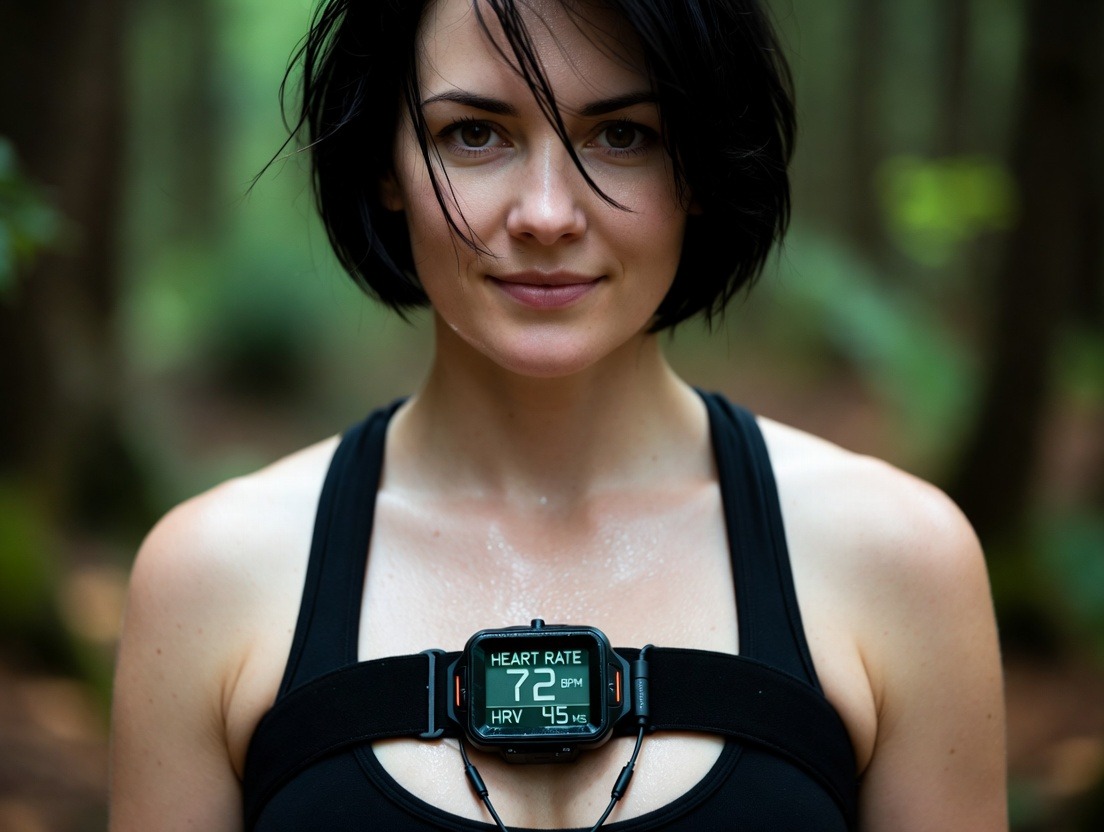
The first generation of wearables was defined by the pedometer. It was about external output: steps taken, floors climbed, calories burned. This metric-centric approach, while motivational for some, often reinforced a fragmented view of health—a focus on doing over being. Wearables 2.0 represents a paradigm shift. The new frontier is not about how much you move, but how well you recover. It’s about measuring the state of your internal environment, particularly your autonomic nervous system (ANS), to understand your readiness for the external world.
This shift is powered by two key technological advancements:
The result is a device that functions less like a fitness coach and more like a personal biometrical translator. It listens to the language of your physiology—your heart’s subtle variations, your nighttime movements, your temperature fluctuations—and translates it into a daily report on your system’s balance.
Consider the difference:
This evolution marks a critical step toward true mind-body integration. By focusing on the ANS—the very interface between mind states and body states—these devices provide a unified metric for your whole being’s stress and recovery status. They help you answer the most important question not just for athletes, but for every modern human: Do I have the capacity to meet the demands of my day, or do I need to invest in restoration? For a detailed look at the sensors that make this possible, explore the science behind how these devices read your sleep.
If you take only one biomarker from this article into your wellness practice, let it be Heart Rate Variability (HRV). We’ve mentioned it repeatedly because, in the realm of mind-body integration, it is the closest thing we have to a North Star. HRV is the measure of the variation in time intervals between consecutive heartbeats, measured in milliseconds. It is a direct, non-invasive window into the tug-of-war between your sympathetic (gas pedal) and parasympathetic (brake pedal) nervous systems.
Here’s the essential, often misunderstood principle: A higher HRV is generally better. It does not mean your heart is "irregular" in a pathological sense. Rather, it indicates a heart that is responsive, agile, and resilient. It means your ANS can swiftly adapt to changing demands—accelerating heart rate to meet a challenge, then smoothly decelerating it to promote recovery. A heart that beats like a monotonous metronome (low HRV) is a sign of a nervous system stuck in a dominant state, typically sympathetic overdrive or extreme exhaustion.
What Influences Your HRV?
Almost everything in the mind-body dialogue affects it:
HRV is exceptionally personal. Your "good" number is unique to you and should not be compared to others. A 45 ms might be excellent for one person and low for another. This is why trend is everything. The power of tracking HRV lies in observing your own baseline and deviations from it.
How to Use HRV Practically:
By tuning into your HRV, you move from guessing about your energy and resilience to knowing. It can inform daily decisions: Should I train hard or go for a gentle walk? Do I need an early night? Is my new meditation practice actually making a physiological difference? It turns the abstract concept of "balance" into a tangible, daily metric, making it the ultimate tool for integrated self-management. To fully grasp how to use this data, a resource on what sleep trackers can teach you about your broader health is invaluable, as HRV is a central part of that story.
Your sleep data is the most comprehensive nightly summary of your mind-body system’s state. It’s where the physical repair (deep sleep) and mental/emotional processing (REM sleep) we discussed earlier are quantified. But a sleep score or a graph of sleep stages can be confusing without context. Let’s break down what you’re really looking at and what matters most.
Key Metrics and Their Integrative Meaning:
The Art of Interpretation: Correlate, Don’t Isolate.
A single night of poor data is noise. Look for patterns over time. Use your journal or the device’s tagging feature to correlate.
This correlative thinking is the essence of integration. Your sleep data isn’t a judgment; it’s a conversation starter with yourself. It provides clues about how your daytime mind-body management is playing out in your nighttime restoration. For a thorough walkthrough of turning this data into insight, our complete guide to understanding your sleep tracking data is designed for this exact purpose.
Raw data is inert. Insight is alive. The leap from one to the other is made through correlative thinking—the deliberate practice of looking for connections between your lifestyle inputs (mind and body) and your biomarker outputs. This is where wearable technology transforms from a fancy diary into a powerful scientific instrument for self-discovery. You are no longer just a subject; you become the principal investigator in your own well-being.
The process is simple but profound:
These correlations are not absolute, causal proof (other factors could be at play), but they are highly personalized hypotheses. They move you from generic advice ("alcohol disrupts sleep") to personal truth ("My sleep is particularly sensitive to alcohol after 8 PM").
This feedback loop is empowering. It replaces guilt with curiosity. Instead of feeling bad for a poor night’s sleep, you become a detective: "What might have contributed to this?" It turns wellness from a set of rigid rules into a dynamic, personal experiment. You learn what your body and mind need for optimal function, which is often subtly different from textbook examples. This is the pinnacle of applied mind-body integration: using external data to illuminate internal connections you may have missed, fostering a deeper, more responsive relationship with yourself.
With great data comes great responsibility—and the potential for great anxiety. A common pitfall in the quantified-self journey is analysis paralysis or, worse, orthosomnia (a coined term for an unhealthy preoccupation with achieving perfect sleep data). This is where the mind-body connection can be severed by the very tool meant to enhance it. You stare at a low sleep score, feel stressed about it, and that stress ensures your next night’s sleep is also poor, creating a vicious cycle. The goal is to use data as a guide, not a grade.
A mindful approach to data is essential for sustainable integration. Here’s how to maintain a healthy relationship with your biomarkers:
1. Embrace the 80/20 Rule (The Trend is Your Friend):
Fixate on trends over weeks and months, not on individual daily numbers. Your body is not a machine; it has natural fluctuations. A single bad night is noise. A two-week declining trend in HRV is a signal worth investigating. Zoom out. Look at your monthly averages. Are you generally moving in the direction you want? That’s success.
2. Practice Detached Curiosity:
This is a direct application of mindfulness. When you see a disappointing data point, practice noting it without immediately attaching a story or judgment. Instead of thinking, "My HRV is low; I’m failing at recovery; I’ll be tired and useless today," try: "I notice my HRV is lower than usual today. I wonder what might have contributed? Let’s see how I feel and what today’s data shows." This creates psychological space and prevents the data from becoming an additional stressor.
3. Let Subjective Feeling Be the Final Arbiter:
Your lived experience is the ultimate metric. The data should explain your feelings, not contradict them. If you wake up feeling fantastic, refreshed, and energetic, but your device gives you a "Poor" sleep score, trust your feeling first. The data might be an outlier, or it might be measuring something that didn’t impact your subjective state. Conversely, if you feel terrible and the data confirms poor recovery, use it as validation to take it easy. The device is a tool in service of your well-being, not the other way around.
4. Take Periodic Data Holidays:
Once you’ve established strong habits and understand your patterns, consider taking a break from constant tracking. Wear the device but don’t check the app for a week. Tune back into your innate interoceptive senses. This prevents over-reliance and reinforces that the primary instrument of awareness is you, not the technology.
By adopting this mindful stance, you prevent the tool from becoming a source of mental clutter or somatic stress. You use data to inform intuition, not replace it. This balanced approach ensures technology remains a bridge to deeper self-knowledge, not a wall of numbers that separates you from the direct experience of being in your body. For beginners, starting with this mindset is crucial; our guide on getting started with sleep tracking without overwhelm is built on this very principle.
The grand narrative of mind-body integration leads to one inescapable conclusion: There is no universal blueprint. The most powerful insight you can gain from tracking and self-experimentation is the understanding of your unique biochemical individuality. What is nourishing for one person can be inflammatory for another. What is energizing movement for your friend might be draining for you. Your optimal bedtime, macronutrient balance, and stress recovery tools are as personal as your fingerprint.
This uniqueness arises from a complex interplay of factors:
Therefore, the goal of an integrated approach is not to force yourself into a prefabricated mold of "health." It is to discover your own mold. Technology aids this by revealing your personal patterns. You learn:
This process of personalization is liberating. It frees you from the tyranny of fad diets and generic workout plans. It encourages self-trust. When you know through your own data that a certain habit serves you, you can uphold it with confidence, even if it contradicts popular advice. Your personalized integration protocol becomes a living document, continually refined by the ongoing dialogue between your conscious choices, your subjective experience, and your objective biomarkers. It is the ultimate expression of self-directed wellness.
The journey toward mind-body integration need not be a choice between ancient wisdom and modern technology. In fact, the most powerful approach is a synergistic one, where each illuminates and reinforces the other. Technology provides the objective "eyes" to see internal patterns, while traditional practices provide the "hands" to skillfully reshape them. Together, they form a complete feedback loop for transformation.
Consider how this synergy works in key areas:
1. Mindfulness & Meditation + HRV Biofeedback:
2. Yoga & Tai Chi + Movement & Recovery Metrics:
3. Ayurvedic/Traditional Chinese Medicine Rhythms + Circadian Tracking:
4. Breathwork (Pranayama) + Respiratory Rate & HRV:
This synergistic approach prevents technology from becoming cold and reductionist, and it prevents traditional practices from becoming vague or superstitious. One provides verification, the other provides meaning and depth. Together, they create a rich, evidence-based, and deeply personal path to integration. For a beautiful example of a low-tech, high-touch practice that technology can support, consider how natural bedtime stories for adults can facilitate the transition to sleep—a practice whose success can then be measured by improved sleep latency and reduced restlessness in your data.
With a myriad of apps, devices, and platforms available, the technological side of wellness can become fragmented and burdensome. The goal is not to manage a dozen different tools but to create a cohesive, low-friction ecosystem that supports your integrated protocol without adding cognitive load. Your ecosystem should feel like a seamless part of your life, not a second job.
Principles for a Sustainable Tech Ecosystem:
The Ideal Daily Flow with Your Ecosystem:
This ecosystem works in the background, providing structure and insight, while you live your life in the foreground, fully engaged. It’s a supportive scaffold, not a cage. By designing it thoughtfully, you ensure technology remains a faithful servant to your mind-body integration journey, effortlessly weaving data-driven awareness into the fabric of your days.
We are currently in the era of descriptive wellness technology: devices tell us what happened—"You slept poorly," "Your stress was high," "Your HRV is low." The next frontier, already emerging, is the shift to predictive and prescriptive insights. This is where technology transitions from a reactive mirror to a proactive guide, deeply enhancing the mind-body connection by anticipating needs and suggesting personalized actions.
Predictive Analytics:
Leveraging trends in your historical data, machine learning models will be able to make educated forecasts about your state. Imagine alerts like:
These predictions move you from managing illness to preserving wellness, allowing for preemptive action.
Prescriptive & Context-Aware Suggestions:
Beyond prediction lies personalized prescription. This involves combining your biomarker data with contextual information (time of day, location, calendar, even local weather) to offer micro-interventions.
This level of integration feels less like tracking and more like having a deeply intuitive, data-informed wellness companion. It understands not just your physiology, but your life context, helping you make the right choice in the right moment to support balance.
The Role of Advanced Biometrics:
Future wearables will likely incorporate more direct biomarkers, such as:
The ethical and privacy considerations of this deeply personal data will be paramount. However, the potential for fostering profound mind-body awareness and preemptive health is immense. The future of integrated wellness tech is not more data for data’s sake, but the right insight, at the right time, to empower the right action—seamlessly bridging the gap between knowing and doing for holistic well-being. For a glimpse into how this is evolving, comparing the granularity of different tools can be insightful, such as looking at sleep tracking apps versus dedicated wearables.
Your Trusted Sleep Advocate: Sleep Foundation — https://www.sleepfoundation.org
Discover a digital archive of scholarly articles: NIH — https://www.ncbi.nlm.nih.gov/
39 million citations for biomedical literature :PubMed — https://pubmed.ncbi.nlm.nih.gov/
Experts at Harvard Health Publishing covering a variety of health topics — https://www.health.harvard.edu/blog/
Every life deserves world class care :Cleveland Clinic - https://my.clevelandclinic.org/health
Wearable technology and the future of predictive health monitoring :MIT Technology Review — https://www.technologyreview.com/
Dedicated to the well-being of all people and guided by science :World Health Organization — https://www.who.int/news-room/
Psychological science and knowledge to benefit society and improve lives. :APA — https://www.apa.org/monitor/
Cutting-edge insights on human longevity and peak performance:
Lifespan Research — https://www.lifespan.io/
Global authority on exercise physiology, sports performance, and human recovery:
American College of Sports Medicine — https://www.acsm.org/
Neuroscience-driven guidance for better focus, sleep, and mental clarity:
Stanford Human Performance Lab — https://humanperformance.stanford.edu/
Evidence-based psychology and mind–body wellness resources:
Mayo Clinic — https://www.mayoclinic.org/healthy-lifestyle/
Data-backed research on emotional wellbeing, stress biology, and resilience:
American Institute of Stress — https://www.stress.org/


