


Wellness Fundamentals Mastery: Your Complete Foundation Course
A complete course on mastering the fundamentals of wellness.
A complete course on mastering the fundamentals of wellness.
%402x.svg)
We live in an age of unprecedented wellness optimization, yet more people report feeling drained, stressed, and disconnected from their own vitality than ever before. We have access to more data, more gadgets, and more advice, but we lack a solid, holistic foundation upon which to build a truly thriving life. Wellness isn’t a destination you reach by buying a product or following a 30-day trend; it’s a skill you master, a practice you cultivate daily. It begins not with complex biohacks, but with a profound understanding and stewardship of your most fundamental biological processes.
This is your foundation course. Think of it as the essential owner’s manual for being human in the modern world. We’re moving past the noise and diving deep into the core pillars that govern your energy, resilience, and long-term health. We’ll demystify the science, connect timeless principles with cutting-edge technology, and provide you with a actionable, cohesive framework. This isn’t about adding more to your to-do list; it’s about mastering the fundamentals so everything else—your performance, your mood, your relationships—falls into place with greater ease.
And in this journey, technology like the modern smart ring becomes less of a novelty and more of a essential tool—a personal guide that offers objective, continuous feedback on these very fundamentals. It translates the silent language of your body into actionable insights, closing the loop between intention and reality. So, let’s begin at the beginning, and build your unshakeable foundation.
For decades, "wellness" was synonymous with "fitness," measured in steps taken, calories burned, and miles run. While physical activity is crucial, this narrow view created a fragmented understanding of health. True wellness is a multi-dimensional tapestry, where each thread supports and influences the others. When one pillar is weak, the entire structure is compromised.
Holistic wellness rests on several interdependent pillars: Physical, Mental, Emotional, Social, and Environmental. The physical pillar isn’t just exercise; it encompasses nutrition, sleep, and bodily recovery. The mental and emotional pillars involve stress management, cognitive clarity, and emotional resilience. Social wellness points to the quality of our relationships and community, while environmental wellness considers how our surroundings—from air quality to light exposure—impact our biology.
The problem with old-school fitness trackers is their singular focus. They excelled at counting steps but were largely blind to your sleep quality, your stress load throughout the day, or how your body was recovering from a workout. They gave data, but not context. Modern holistic tracking, especially through advanced wearables like smart rings, bridges this gap by integrating data across these pillars. By monitoring your heart rate variability (HRV), skin temperature, and sleep architecture alongside your activity, they paint a picture of your readiness—not just your output.
This integrated view is revolutionary. It allows you to see, for example, how a stressful work meeting (emotional pillar) leads to elevated nighttime heart rate (physical pillar) and fragmented deep sleep, which then impacts your mental clarity the next day. Mastering wellness fundamentals means learning to see these connections and intervene at the most foundational level. It’s about building resilience across all pillars, so you have the capacity not just to avoid illness, but to actively thrive.

If you had to choose one wellness fundamental to optimize above all others, sleep would be the unequivocal answer. Sleep is not a passive state of inactivity; it is a highly active, meticulously orchestrated physiological process essential for life itself. It is during sleep that your brain cleanses itself of metabolic waste, your memories consolidate, your hormones rebalance, and your tissues repair. To neglect sleep is to undermine every other wellness effort you make.
Chronic sleep deprivation (consistently getting less than 7 hours for adults) is linked to a staggering array of health detriments: a weakened immune system, increased inflammation, impaired glucose metabolism (raising diabetes risk), weight gain, heightened anxiety and depression, and a significantly elevated risk for cardiovascular disease and neurodegenerative conditions. Conversely, prioritizing high-quality sleep enhances cognitive function, emotional regulation, metabolic health, and physical performance. It is the ultimate performance-enhancing drug, and it’s free.
Understanding sleep architecture is key. Sleep cycles through stages: light sleep (N1 & N2), deep sleep (N3, or slow-wave sleep), and REM (Rapid Eye Movement) sleep. Deep sleep is critical for physical restoration and immune function, while REM sleep is vital for learning, memory, and emotional processing. A full night’s sleep consists of multiple 90-minute cycles through these stages. Disrupting this architecture—through alcohol, late-night screen time, or sleep disorders—robs you of these specific benefits, even if you’re in bed for eight hours.
This is where the power of detailed sleep tracking becomes indispensable. Simply knowing you were in bed for 7.5 hours tells you very little. But understanding your sleep stages, your restlessness, your breathing patterns, and your overnight heart rate provides a detailed map of your sleep quality. This data moves you from guesswork to strategy. You can learn how your habits directly impact your sleep physiology. For a deep dive into building this critical foundation, our guide on the natural sleep foundation building blocks of great rest is an essential read. Furthermore, tools like smart rings offer a comfortable, unobtrusive way to gather this data night after night, providing the feedback loop needed for lasting change.
Nutrition is the second fundamental pillar, and like sleep, it is often reduced to an oversimplified metric: the calorie. While energy balance is a key principle, viewing food solely as calories is like viewing a complex novel as merely a collection of letters. Food is both fuel and information. Every bite sends instructions to your genes, influences your hormone production, modulates inflammation, and shapes the trillions of microbes in your gut—your microbiome.
A mastery-level approach to nutrition focuses on quality and function. Quality refers to choosing whole, minimally processed foods: vegetables, fruits, lean proteins, healthy fats, and complex carbohydrates. These foods are nutrient-dense, providing the vitamins, minerals, antioxidants, and fiber your body needs to run its thousands of biochemical processes efficiently. Function refers to how food makes you feel and perform. Does a meal leave you energized and satiated for hours, or does it cause a spike and crash in blood sugar, followed by brain fog and hunger?
The timing of meals also plays a role in our circadian biology. Aligning your eating window with your natural daylight cycle (a form of time-restricted eating) can improve metabolic health, sleep quality, and energy levels. This is a prime example of how pillars interconnect: your eating schedule influences your sleep, and your sleep quality influences your hunger hormones (ghrelin and leptin), creating a feedback loop.
Tracking can illuminate these connections in a personal way. While smart rings don’t track food intake, they track the outcome of your nutritional choices. Did that late-night meal raise your skin temperature and disrupt your deep sleep, as shown by your sleep data? Did a day of processed foods lead to a lower heart rate variability (a sign of stress) the following morning? By correlating your subjective feelings of energy and focus with objective biometric data, you move from following generic diets to creating a personalized nutrition protocol that works for your unique biology. It transforms nutrition from a confusing chore into an empowering experiment in self-optimization.
Movement is life. Our bodies are engineered for regular, varied physical activity. Yet, the modern wellness conversation has often created a false dichotomy: you’re either sedentary or you’re training for a marathon. The mastery of movement lies in understanding its spectrum—from non-exercise activity thermogenesis (NEAT) to structured workouts—and, most critically, its inseparable partner: recovery.
NEAT encompasses all the calories you burn through daily living: walking, fidgeting, standing, gardening. It’s the unsung hero of metabolic health. Increasing your NEAT is often more sustainable and impactful for long-term wellness than sporadic, intense workouts. Then comes structured exercise, which should include a balance of cardiovascular training (for heart and lung health), strength training (for muscle, bone density, and metabolic rate), and mobility/flexibility work (for joint health and injury prevention).
However, exercise is a stimulus—a controlled stressor applied to the body. The adaptation and improvement happen not during the workout, but during recovery. This is where the fundamental is most often overlooked. Recovery is when muscles repair, the cardiovascular system strengthens, and the nervous system resets. Without adequate recovery, you enter a state of cumulative stress, leading to plateaus, injuries, burnout, and a suppressed immune system.
True recovery is multifaceted. It includes:
This is another domain where biometric tracking shines. A smart ring doesn’t just count your steps or estimate your workout calories; its real value for the athlete or active individual is in measuring readiness. Metrics like:
By checking your readiness score each morning, you can make informed decisions. Should you push for a personal record today, or would your body benefit more from a gentle walk or yoga session? This transforms your fitness from a pre-programmed schedule into a dynamic, responsive dialogue with your body, maximizing gains while minimizing the risk of overtraining.
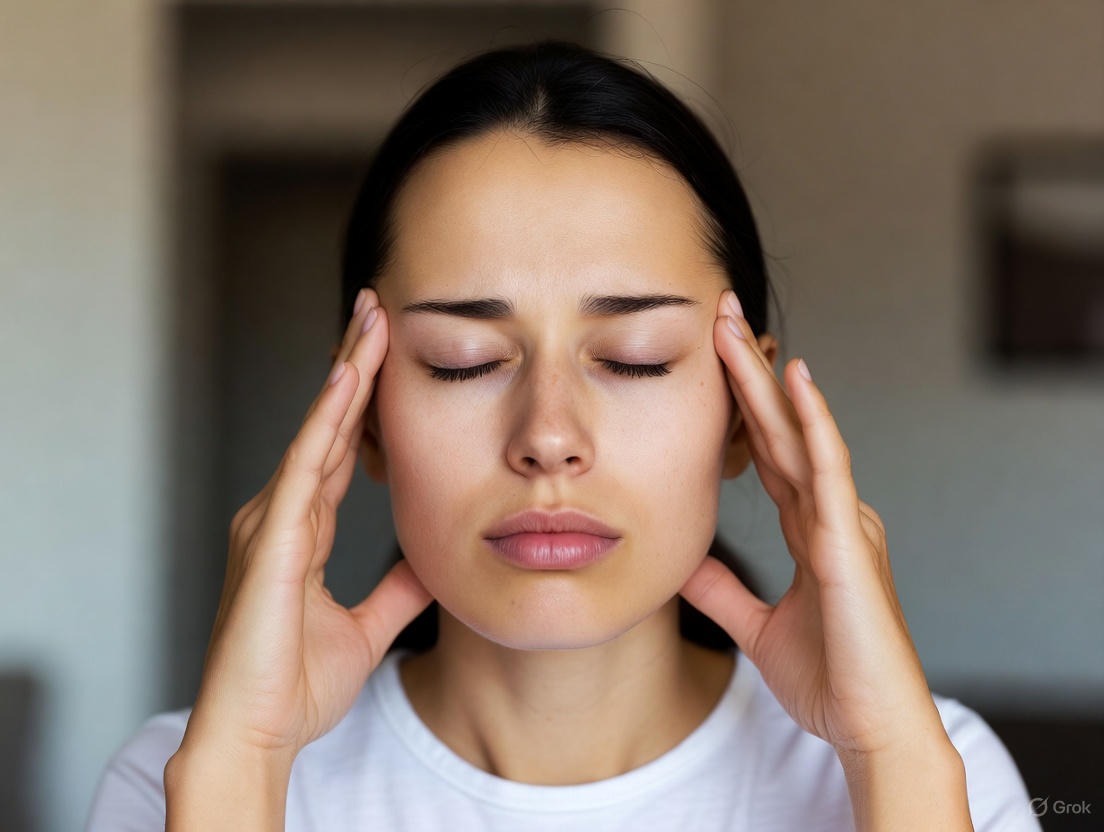
Stress has become a ubiquitous villain in the wellness narrative. But stress itself is not the enemy; it is an essential, life-saving physiological response. The problem is chronic, unmanaged stress—when the "fight-or-flight" (sympathetic) mode becomes our default setting, and we rarely engage the "rest-and-digest" (parasympathetic) mode. Mastering this fundamental is about becoming the skilled conductor of your own nervous system, not its hostage.
Acute stress—a work deadline, a hard workout, a near-miss in traffic—triggers a cascade of hormones like cortisol and adrenaline. This sharpens focus, mobilizes energy, and prepares the body for action. Once the threat passes, a healthy system should return to baseline. Chronic stress, however, keeps this system subtly activated by ongoing worries, relationship tensions, financial pressure, or digital overload. This constant drip of cortisol disrupts sleep, hampers digestion, weakens immunity, and impairs cognitive function.
Resilience, therefore, is not the absence of stress. It is the capacity to withstand stress and return to equilibrium efficiently. It’s the flexibility of your nervous system. Building resilience is a proactive practice, and it hinges on two things: 1) reducing unnecessary chronic stressors, and 2) actively training your body to engage the parasympathetic "rest-and-digest" state.
Biometric data provides an unprecedented window into this invisible world. Heart Rate Variability (HRV) is the gold-standard, non-invasive measure of autonomic nervous system balance and resilience. It measures the subtle variations in time between each heartbeat. A higher, less variable HRV indicates a strong, adaptable heart influenced by a balanced nervous system—you can shift gears smoothly. A low, more rigid HRV suggests a nervous system stuck in "fight-or-flight" or one that is fatigued and depleted.
By tracking your HRV trends alongside your resting heart rate and sleep data, you can:
This transforms stress management from a vague concept of "self-care" into a precise, data-informed practice of nervous system training. You learn what truly brings you back to balance, building your resilience from the inside out.
Beneath all the other fundamentals runs a powerful, ancient rhythm: your circadian clock. This is not just a sleep-wake cycle; it is a 24-hour master program that governs nearly every physiological process in your body—from hormone release and metabolism to cell repair and cognitive function. Every organ and even individual cells have their own clocks, all synchronized by a "master clock" in the brain's suprachiasmatic nucleus (SCN).
The SCN is primarily set by light, especially the blue-wavelength light of a rising sun. Morning light exposure signals "daytime," suppressing melatonin (the sleep hormone) and triggering the release of cortisol (to promote alertness). As darkness falls, the absence of light prompts melatonin production, preparing the body for sleep. This elegant system evolved in harmony with the sun. Modern life, with its artificial light, late-night screens, and irregular schedules, has profoundly disrupted this rhythm—a condition often called "social jet lag."
The consequences of a misaligned circadian rhythm are severe and far-reaching. It’s linked to poor sleep, weight gain, metabolic syndrome, depressed mood, and impaired immune function. Mastering your circadian rhythm is perhaps the most high-leverage action you can take for systemic health.
Alignment involves zeitgebers (German for "time givers"), external cues that reset your clock:
Technology can both disrupt and support this rhythm. Smart rings track one of the best proxy measurements for circadian phase: continuous body temperature. Your core temperature follows a distinct circadian wave, peaking in the late afternoon and hitting its nadir in the early morning. By tracking this rhythm, you can see if your lifestyle is promoting a stable, robust cycle or a chaotic, flattened one. This feedback allows you to experiment with light, meal timing, and evening routines to strengthen your most fundamental biological rhythm. For more on how your sleep needs and patterns can shift, you can explore our article on achieving better sleep naturally through seasons of life.
Water is the medium of life. It constitutes about 60% of an adult's body weight and is involved in every single cellular function: nutrient transport, temperature regulation, joint lubrication, waste removal, and cognitive performance. Even mild dehydration (a fluid loss of 1-2% of body weight) can impair mood, concentration, and physical performance. Yet, hydration is often reduced to a generic "drink eight glasses a day" mantra, ignoring individuality and context.
Mastering hydration is about supporting homeostasis—the body's dynamic balance. Your fluid needs are influenced by a multitude of factors: body size and composition, activity level and sweat rate, environmental temperature and humidity, dietary intake (foods contain water!), and even altitude. Thirst is a late-stage indicator of dehydration; by the time you feel thirsty, you're already behind.
The goal is consistent, adequate hydration throughout the day. Signs of optimal hydration include pale yellow urine, consistent energy levels, and normal skin elasticity. Dehydration manifests as fatigue, headaches, dark urine, dry mouth, and, as biometrics can show, an elevated resting heart rate and a decreased HRV—your heart has to work harder when blood volume is lower.
While smart rings don't directly measure hydration, they provide critical correlative data. A sudden, unexplained spike in your resting heart rate overnight or in the morning, coupled with poor sleep quality, could point to dehydration from the day before. Tracking your trends helps you connect the dots between your fluid intake and your body's objective responses. It encourages proactive sipping rather than reactive guzzling.
Beyond plain water, electrolytes (sodium, potassium, magnesium, calcium) are crucial for maintaining fluid balance within and outside cells, especially for active individuals or in hot climates. Mastering hydration means understanding it as a daily, dynamic practice of maintaining the internal river that carries the stuff of life to every corner of your being.
Your body does not exist in a vacuum. It is in constant dialogue with its environment. The final fundamental pillar addresses the invisible factors that exert a powerful influence on your biology: light, air, sound, and temperature. Optimizing your environment is a passive yet profoundly effective way to support all other wellness fundamentals.
Light: We've discussed its role in circadian rhythm, but the quality and timing of light exposure are paramount. Seek morning sunlight. During the day, use bright, full-spectrum lights. In the evening, dim the lights and use apps or settings to reduce blue light on screens. Consider blackout curtains for true darkness while you sleep.
Air: Indoor air quality is often 2-5 times more polluted than outdoor air. Volatile organic compounds (VOCs), dust, mold, and low oxygen levels can contribute to inflammation, allergies, respiratory issues, and poor sleep. Solutions include air purifiers with HEPA filters, houseplants, and regular ventilation.
Sound: Noise pollution is a chronic stressor. Unwanted sound, especially at night, can fragment sleep and keep the nervous system on alert even if you don't consciously wake up. White noise machines, earplugs, or soundproofing can create an acoustic environment conducive to rest.
Temperature: As mentioned, a cool bedroom (65-68°F) is ideal for sleep. But temperature regulation throughout the day matters too. Overly hot environments increase fatigue, while constant cold can elevate stress.
Your biometrics are a direct report card on your environmental choices. Did your sleep score plummet and skin temperature rise on a night you forgot to turn on the air conditioner? Does your stress measurement (via HRV) improve on days you take a walk in a green, quiet park versus a noisy urban street? By paying attention to these signals, you can systematically engineer your personal spaces—your bedroom, your office, your home—to be allies in your wellness journey, silently supporting your foundational health 24 hours a day.
We've alluded to it throughout: the transformative role of modern wearable technology, particularly the smart ring, in mastering these fundamentals. But it's crucial to frame its role correctly. Technology is not the guru; you are. The device is not the goal; enhanced well-being is. Technology is a powerful tool for biofeedback and self-awareness.
The old model of wearables was a one-way street: the device gave you data (steps, sleep score), and you were left to interpret it. The new model, embodied in the best smart rings, is a dialogue. It collects a rich, multi-parameter dataset (PPG for heart rate and HRV, accelerometer for movement, skin temperature sensor, sometimes even SpO2). Sophisticated algorithms then synthesize this into holistic metrics like Sleep Score, Readiness Score, and Stress Score.
This synthesis is key. It moves you from raw data (your heart rate was 52 BPM at 3 AM) to actionable insight ("Your recovery is high today because your deep sleep was excellent and your HRV is up. Consider a challenging workout."). This feedback loop closes the gap between action and outcome faster than your subjective feelings alone ever could. It makes the invisible visible.
However, this power comes with a caveat: the need for accuracy and context. Not all wearables are created equal. Devices worn on the finger, like smart rings, can offer superior accuracy for some metrics, especially overnight, as they are less prone to motion artifact than a wrist-worn device. Understanding what your device can and cannot measure is critical to using it wisely. For a comprehensive look at this, our analysis on sleep tracking accuracy: what your device can and can't measure is invaluable. The goal is to use the data as a guiding compass, not an absolute gospel. It's a trend over time that matters, not a single data point.
You cannot manage what you do not measure, but you cannot effectively measure without a baseline. This is the critical first step in your mastery journey: establishing your normal. Wellness is not a universal standard; it is a personal landscape. What is a "good" resting heart rate or HRV for you may be very different from someone else, based on age, genetics, fitness level, and lifestyle.
The power of continuous wearable tracking is its ability to establish this personalized baseline over 2-4 weeks of normal (non-exceptional) living. During this period, you simply wear the device and go about your life. The algorithm learns your patterns: your typical sleep duration and quality, your average resting heart rate, your normal HRV range, your circadian temperature rhythm.
Once this baseline is established, the magic happens. The device can now detect deviations from your personal norm. This is infinitely more valuable than comparing yourself to population averages. A drop in your HRV below your normal range is a meaningful signal for you, even if that number is still "high" compared to others. A higher-than-usual nighttime temperature could indicate your body is fighting off an infection before you feel symptoms.
This process cultivates a deep form of self-knowledge. You learn how much sleep you need to feel restored. You discover what a "recovered" state actually feels like in your body, correlated with a high readiness score. You identify your unique stress triggers and recovery tools. Building your baseline turns abstract wellness concepts into a concrete, personalized map. It marks the transition from following general advice to becoming the expert on your own body, empowered to make informed decisions that are right for you. To get started on this path without feeling overwhelmed, our guide on sleep tracking for beginners: getting started without overwhelm provides a perfect, gentle entry point.
Knowledge alone is not power; applied knowledge is power. The final step in this foundation course is weaving these discrete fundamentals into a seamless, sustainable daily practice. Integration is what turns theory into transformation. It’s about creating simple, non-negotiable routines that honor your circadian biology and support all pillars of wellness.
Consider a sample "Mastery Day" framework:
Morning (Align & Activate):
Daytime (Fuel & Focus):
Evening (Wind Down & Restore):
This isn't a rigid prescription, but a template. The goal is consistency, not perfection. Your biometric data will tell you what’s working. Did your sleep score improve after implementing a 30-minute screen curfew? Did your HRV respond positively to adding a 10-minute meditation?
The integration happens in the loops: using your evening routine to set up great sleep, using great sleep to fuel a productive day, using mindful movement and nutrition to support recovery, and using recovery to build resilience for tomorrow's stressors. Technology holds the mirror, showing you the integrity of these loops. By mastering and integrating these fundamentals, you build a foundation of health so robust that it becomes your default state—a platform from which you can pursue your highest potential in every aspect of life.

You are not a brain riding around in a body. You are an integrated, dynamic system where thought, emotion, and physiology are in constant, instantaneous conversation. This mind-body connection is the silent conductor orchestrating your health, and learning to listen to its signals is a fundamental wellness skill. Every worry tightens your shoulders. Every moment of joy releases a cascade of beneficial hormones. This isn't metaphor; it's biology.
Modern science has given us a profound understanding of this link through fields like psychoneuroimmunology, which studies how your thoughts and feelings influence your nervous and immune systems. A chronic stress thought triggers the hypothalamic-pituitary-adrenal (HPA) axis, releasing cortisol, which in turn can suppress immune function and disrupt digestion. Conversely, a practice like gratitude meditation can activate the parasympathetic nervous system, lowering heart rate and blood pressure. The loop runs both ways: physical states create mental ones. Poor sleep makes you irritable and anxious. Regular exercise reduces symptoms of depression.
The mastery lies in becoming aware of this loop and learning to modulate it. This is where interoception—your sense of the internal state of your body—comes in. Can you feel your heart racing with anxiety before your mind consciously registers the worry? Do you notice the shallow breath that accompanies hours at a computer? Most of us are tragically out of tune with these signals, living from the neck up.
Wearable technology acts as a powerful interoceptive training tool. It gives you an objective, external readout of your internal state. When you feel a vague sense of agitation, you can check your device and see a corresponding spike in your stress metric or heart rate. This validates your perception and begins to map subjective feelings to objective data. Over time, this external feedback trains your internal awareness. You start to recognize the physiological signature of stress earlier and can deploy a breathing technique before the stress spiral intensifies. You begin to feel what "recovered" truly feels like in your nervous system. This biofeedback loop—body to device, device to mind, mind back to body—is the engine of modern self-mastery, transforming you from a passenger to a skilled pilot of your own well-being.
Of all the tools at your disposal to influence the mind-body connection, none is more immediate, accessible, and powerful than your breath. Breathing is unique—it is an automatic function of the autonomic nervous system, yet we can consciously override it at any moment. This makes it a direct remote control for shifting your physiological state. You cannot consciously lower your cortisol or directly stimulate your vagus nerve (the main parasympathetic pathway), but you can use specific breathing patterns to do both.
The science is unequivocal. Slow, deep, diaphragmatic breathing stimulates the vagus nerve, signaling the brain to activate the "rest-and-digest" parasympathetic response. This lowers heart rate, reduces blood pressure, and calms the mind. Conversely, rapid, shallow chest breathing (common during stress) perpetuates the "fight-or-flight" sympathetic state.
Mastering this fundamental involves learning a few key techniques and integrating them into your daily flow:
Your smart ring provides the perfect feedback mechanism for breath work. Engage in a 5-minute session of coherent breathing and watch your real-time heart rate dip and your HRV climb on the device's screen. This positive reinforcement makes the practice tangible. You can also see the downstream effects: does a consistent breathwork practice before bed improve your sleep depth score? Does it lower your average stress score throughout the workday? This data transforms breath from an abstract "relaxation tip" into a quantifiable, high-impact wellness technology that you carry with you everywhere. It is the most fundamental hack, always available at the zero-cost intersection of conscious awareness and unconscious regulation.
The conversation between mind and body has a major, often-surprising hub: your gut. The gut-brain axis is a complex, bidirectional communication network linking your central nervous system (brain and spinal cord) with your enteric nervous system (the intricate network of neurons lining your gastrointestinal tract), often called the "second brain." They communicate via the vagus nerve, hormones, and immune system molecules.
This means your digestive health directly impacts your mental and emotional state. An estimated 90% of serotonin, a key neurotransmitter for mood regulation, is produced in the gut. The trillions of bacteria that make up your gut microbiome produce a host of neuroactive compounds that influence anxiety, stress resilience, and cognition. Inflammation in the gut can trigger inflammatory responses in the brain, linked to brain fog, fatigue, and low mood.
Conversely, your brain state powerfully affects your gut. Stress can alter gut motility (leading to IBS symptoms), change gastric secretions, and negatively impact the diversity of your microbiome. It’s a continuous loop: a troubled brain sends signals to the gut, and a troubled gut sends signals to the brain.
Mastering this axis involves nurturing your gut ecosystem:
While no wearable can directly measure your microbiome, it can track the physiological outcomes of gut health. Poor gut health often manifests as systemic inflammation, which can elevate resting heart rate, lower HRV, and disrupt sleep. If you experiment with removing a suspected food irritant (like gluten or dairy) and see a consistent improvement in your overnight heart rate and morning readiness score, you have objective data to inform your choices. Tracking helps you see the gut-brain connection not as a mysterious concept, but as a tangible relationship you can nurture through daily decisions, leading to benefits for both your physical digestion and your mental clarity.
Our environment now extends into the digital realm, and its impact on our wellness fundamentals is profound and constant. Digital hygiene isn't just about cybersecurity; it's the conscious management of your technology use to protect and enhance your mental, emotional, and physical health. The constant pings, infinite scroll, and blue light bombardment represent a novel, pervasive stressor on our ancient biology.
The negative impacts are well-documented:
Mastering digital hygiene means establishing intentional boundaries. It's not about rejection, but about mindful use:
Your biometric data is the ultimate accountability partner for your digital hygiene. After implementing a screen curfew, does your sleep tracking show a shorter time to fall asleep and more deep sleep? Does turning off work notifications on the weekend lead to a lower stress score and higher HRV on Monday morning? You can run these experiments and get clear, personal feedback. Furthermore, the simple act of wearing a wellness-focused device like a smart ring can serve as a physical reminder of your commitment to your biological fundamentals, creating a subtle counterweight to the pull of the digital world. It helps you stay anchored in your physical self.
Humans are a tribal species. Our need for meaningful connection is hardwired. Social wellness—the quality of our relationships and our sense of belonging—is not a soft "nice-to-have"; it is a hardwired biological imperative with direct physical consequences. Loneliness and social isolation are associated with a 29% increased risk of heart disease and a 32% increased risk of stroke. They can be as damaging to longevity as smoking 15 cigarettes a day.
Positive social connections, on the other hand, boost immune function, lower stress hormones, and are linked to greater resilience and longevity. A supportive conversation or a shared laugh can literally calm your nervous system. This pillar reminds us that wellness is not a solitary pursuit of optimization; it is deeply relational.
Mastering social wellness involves both quantity and quality:
While technology often gets blamed for eroding community, it can also be a tool to enhance it when used intentionally. Video calls can maintain long-distance bonds. Apps can connect you to local hiking groups or book clubs. Your wellness tracker, too, can play a surprising role. Some apps allow you to share aggregate, non-invasive wellness data (like readiness or sleep trends) with trusted friends, partners, or coaches. This creates a shared language around well-being. A partner can see you had a poor sleep score and might offer to handle the morning routine. A fitness buddy can see your readiness is low and suggest a gentle walk instead of an intense session. This turns personal data into a tool for empathy and supportive accountability, strengthening the social fabric that is essential to holistic health.
At the intersection of all these fundamentals lies a powerful, often overlooked driver: a sense of purpose and meaning. Why are you optimizing your sleep, managing your stress, and fueling your body? Is it just to check off boxes, or is it to have the energy, clarity, and vitality to engage with what matters most to you? Purpose is the "why" that fuels the discipline of the "how."
Psychological research consistently shows that people with a strong sense of purpose live longer, have better cognitive function as they age, and show greater resilience in the face of stress. Purpose provides a north star. It helps you say "no" to distractions and "yes" to actions aligned with your values. On a hard day, the motivation to go for a walk or prepare a healthy meal might not come from a desire for abstract health, but from the knowledge that you need to be sharp for an important project or fully present for your family.
Cultivating purpose doesn't require a grand, world-changing mission. It can be found in:
How does this connect to biometrics and fundamentals? Your sense of purpose directly impacts your stress and recovery. Stress in service of a meaningful goal (eustress) is far less damaging than chronic, meaningless stress (distress). You can track this: does a week spent on a project you're passionate about show different stress patterns than a week of busywork, even if hours are similar? Furthermore, when your fundamentals are mastered, they create the physical and mental capacity to pursue purpose. Good sleep gives you the creativity to solve problems. Managed stress gives you the emotional bandwidth to connect deeply. A well-fueled body gives you the energy to engage. It's a virtuous cycle: fundamentals enable purpose, and purpose gives meaning to the maintenance of fundamentals.
As you embark on this journey of mastering fundamentals, you will be inundated with data. The critical skill to develop is trend-spotting, not point-judging. A single night of poor sleep or a low HRV reading one morning is meaningless noise. Life happens. A stressful event, a celebration, a minor illness—all will cause blips. The power lies in observing the trajectory over weeks and months.
This longitudinal view reveals your true patterns. Is your average sleep score trending slowly upward since you started your wind-down routine? Is your baseline resting heart rate gradually decreasing after three months of consistent cardio? Is there a clear weekly rhythm where your readiness dips every Thursday, hinting at a cumulative workload issue? These trends tell the real story of your habits and their impact.
Your wearable's app should provide these trend views—weekly, monthly, and seasonal comparisons. Pay attention to:
Avoid the trap of "score chasing." The goal is not to hit a perfect 90 Sleep Score every night; that's impossible. The goal is to understand the why behind the scores and to see positive trends in your averages. This mindset prevents anxiety about the data and instead fosters curiosity. It turns your personal dashboard into a story about your life—one where you are both the author and the editor, continually learning and refining the narrative of your own well-being. For those ready to dive deeper into making sense of this story, our complete guide to understanding your sleep tracking data is an essential resource.

Wellness mastery is not a linear, upward trajectory. It is a winding path with peaks, valleys, and long stretches of plateau. The common experience of initial rapid progress followed by a stall—or even a regression—is not a sign of failure; it is a natural part of the process. Your body is a complex adaptive system, and it seeks homeostasis. A setback, whether from illness, a stressful life event, or a lapse in routine, is not a reason to abandon the journey. It is the curriculum.
The key is to reframe setbacks as data collection events. What does your body's response to this stressor teach you? Did a period of work burnout show up first as a week-long decline in your HRV before you felt mentally exhausted? That's invaluable early-warning information for the future. Use the data without judgment to understand your unique stress signature.
When you hit a plateau—where you're doing all the "right" things but your scores aren't improving—it's a signal to re-examine or introduce variation. The fundamentals are interconnected; a plateau in one area may require attention to another.
Sometimes, a plateau is simply your body asking for a deload period—a conscious, planned reduction in intensity. This is where a readiness score is invaluable. If your score is chronically "low" or "fair" despite adequate sleep, it may be telling you to take a rest week, not push harder. Embracing rest as a strategic part of progress is a hallmark of true mastery.
Your tracking technology provides the objectivity needed during these times. Feelings can be misleading ("I feel lazy"), but the data can show the truth ("My body is under-recovered and needs rest"). It helps you differentiate between a motivational dip and a biological need. It turns the frustrating plateau from a wall into a doorway, inviting you to deepen your understanding, adjust your strategy, and cultivate patience—the ultimate virtue on the path of sustainable wellness.
After establishing your baseline and navigating trends, you arrive at the most exciting phase: designing your fully personalized wellness protocol. The era of one-size-fits-all advice is over. You are a unique biological individual (an "N=1") with your own genetics, lifestyle, and goals. The insights gleaned from your data allow you to move from generic best practices to a bespoke plan that works for you.
This is where you become the scientist of your own life. You form hypotheses and test them. The process is simple:
You can run these experiments on any fundamental:
The smart ring is the core laboratory instrument for this self-research. It provides the objective, consistent measurement needed for valid results. Over time, you amass a personal database of what truly works for your body. This empowers you to make confident decisions, ignore fads that don't suit you, and build a resilient lifestyle that adapts as your life and body change. It is the culmination of the mastery journey: moving from following external rules to writing your own, evidence-based owner's manual.
Mastering wellness fundamentals is not a course you finish; it is a practice you live. The goal is not to achieve a static state of "perfect health," but to build a resilient system—a body and mind that can adapt to stress, recover from setbacks, and maintain vitality across the decades. This foundation you've built is not an end point, but a launchpad.
With your fundamentals in place, you can explore more advanced areas of optimization with a solid footing. You can safely experiment with targeted nutritional supplements, more advanced training protocols, or specific cognitive enhancement techniques, knowing that you have the bedrock of sleep, nutrition, movement, and recovery to support you. More importantly, you have the self-awareness to notice if these new experiments are helping or harming your baseline.
The true value of this mastery reveals itself during life's inevitable transitions: a career change, parenthood, aging, or periods of intense creative work. When life gets turbulent, you don't abandon your fundamentals; you cling to them as your anchor. You know that protecting your sleep is non-negotiable for mental clarity. You know that managing stress is essential for immune function. You know how to read your body's signals and respond with compassion and intelligence.
Your wearable technology evolves with you on this lifelong journey. As you age, your baselines will naturally shift—and that's okay. The device helps you understand your new normal and optimize within it. It helps you see the long-term return on your daily investments in health. To support this long-term view, consider a structured approach like our better sleep naturally: your 12-week transformation plan, which provides a framework for building these habits into a lasting lifestyle.
Ultimately, wellness fundamentals mastery grants you agency. It returns the responsibility for your health to where it belongs—in your hands. Equipped with timeless wisdom and modern tools, you are no longer a passive recipient of healthcare, but an active creator of well-being. You have built a foundation that allows you to not just live longer, but to live more—with greater energy, deeper connection, and the sustained vitality to fully engage in the extraordinary adventure of your life. The journey continues.
You now possess a deep understanding of the individual pillars. The art of mastery lies in their synthesis. Think of your daily life as a dynamic dashboard, not a static checklist. Each fundamental is a vital gauge, and your goal is to keep them all in their optimal zones, recognizing that they influence each other in real-time. A personalized dashboard moves you from reacting to problems to proactively managing your state.
Start by identifying your non-negotiables. These are 1-3 foundational habits that, if done daily, set a positive cascade in motion. For most, this will include:
Around these anchors, you build flexible routines. Use your biometric data to answer key questions each day:
This dashboard mindset transforms decision-making from arbitrary to informed. It turns a generic to-do list into a responsive plan that honors your biological reality. The data isn't a boss; it's a brilliant advisor. By designing your day around your actual state, not an idealized plan, you work with your body, dramatically increasing efficiency, reducing burnout, and enhancing overall satisfaction. For those whose sleep remains elusive, understanding natural sleep maintenance for staying asleep all night long can be the final piece of this puzzle.
We've mentioned Heart Rate Variability (HRV) throughout as a critical metric. Now, let's delve into the science that makes it your most powerful single number for assessing overall resilience and autonomic nervous system (ANS) balance. HRV measures the millisecond variations between successive heartbeats. Contrary to what one might think, a higher, more variable HRV is better—it indicates a heart that is responsive and adaptable, under the flexible influence of both the sympathetic (gas) and parasympathetic (brake) branches of the ANS.
When you inhale, your heart rate slightly accelerates (sympathetic influence). When you exhale, it slightly decelerates (parasympathetic, vagal influence). This oscillation is a sign of health. A low, less variable HRV indicates a heart that is beating like a metronome—a sign of a nervous system that is either stuck in "fight-or-flight" dominance, chronically fatigued, or inflamed. Low HRV is a strong predictor of future cardiovascular issues and is correlated with anxiety, depression, and poor stress resilience.
Factors that improve HRV:
Factors that degrade HRV:
Your smart ring provides a nightly average HRV (the most reliable measurement) and a trend. Don't chase daily numbers; watch the weekly and monthly average. An upward trend is a clear sign your fundamentals are strengthening your system's resilience. A sharp, sustained drop is a major red flag to dial back and prioritize recovery. By understanding HRV, you move beyond vague feelings of "being run down" to possessing an objective, physiological measure of your capacity to handle life's demands. It is the quantifiable essence of your biological buffer.
While most of us only take our temperature when sick, your continuous body temperature is a rich, dynamic data stream speaking to your metabolic health, circadian rhythm, and even hormonal status. Unlike a single under-the-tongue reading, a wearable sensor tracking your distal (skin) temperature at the finger or wrist can infer your core temperature rhythm with surprising accuracy.
Your body temperature follows a predictable circadian wave, typically peaking in the late afternoon and reaching its lowest point in the early morning hours (around 4-5 AM). This rhythm is orchestrated by your master clock and is essential for regulating sleep-wake cycles. A robust, high-amplitude temperature rhythm (a clear peak and trough) is associated with better sleep, mood, and metabolic function. A flattened rhythm is a sign of circadian disruption, often seen in shift workers or those with poor sleep hygiene.
Beyond circadian insights, temperature data reveals:
By integrating temperature data with sleep and HRV, you get a triage of insights. For example: Low HRV + Elevated Nighttime Temperature + Poor Sleep = Likely fighting an infection. Prioritize rest. Or: Flattened Temperature Rhythm + Fragmented Sleep = Circadian misalignment. Prioritize morning light and strict bedtime. This turns a simple metric into a diagnostic compass, guiding your daily choices toward better physiological alignment.
Blood Oxygen Saturation (SpO2) measures the percentage of hemoglobin in your blood that is carrying oxygen. While a healthy, awake reading is typically 95-100%, it's normal for it to dip slightly during sleep. However, significant or frequent drops can be a critical sign of sleep-disordered breathing, most commonly obstructive sleep apnea (OSA).
OSA occurs when the airway collapses during sleep, causing breathing to stop (apnea) or become shallow (hypopnea). These events trigger brief drops in blood oxygen, known as desaturations. The brain then jolts you into a lighter stage of sleep to restart breathing, fragmenting your sleep architecture. This leads to poor sleep quality and excessive daytime sleepiness, even if you don't remember waking up.
Why is this a wellness fundamental? Untreated sleep apnea is a major risk factor for hypertension, heart disease, stroke, type 2 diabetes, and cognitive decline. It chronically stresses the cardiovascular system and impairs metabolic function.
Many advanced smart rings and wearables now include an optical SpO2 sensor that takes periodic measurements throughout the night. While these devices are not medical-grade diagnostic tools for OSA, they are excellent screening and awareness tools. They can show you:
If your device consistently shows a low average (e.g., below 94%) or frequent notable desaturations, it is a powerful prompt to discuss this with your doctor, who can order a formal sleep study. For everyone else, it provides peace of mind. It also allows you to see the impact of lifestyle factors: does alcohol before bed cause worse SpO2 readings? Does sleeping on your side versus your back improve your oxygen levels? This democratizes access to a key metric of cardiorespiratory health, putting a proactive tool in your hands to protect one of your body's most vital functions.
Fitness culture often glorifies the hour-long workout, but for metabolic health and longevity, what you do in the other 23 hours may be more impactful. Non-Exercise Activity Thermogenesis (NEAT) is the energy expended for everything that is not sleeping, eating, or sports-like exercise. It includes walking, typing, fidgeting, gardening, and standing.
NEAT is highly variable between individuals and is a major factor in why some people seem to maintain their weight effortlessly while others struggle. Crucially, NEAT is adaptive—it can unconsciously increase or decrease based on calorie intake and exercise, often working against our weight management goals if we're not mindful.
Mastering this fundamental means consciously harnessing NEAT as a daily practice. Goals like "10,000 steps" are popular proxies for increasing NEAT. The benefits are immense:
Your wearable is the perfect NEAT coach. It provides gentle, persistent reminders to move. The goal is not to replace structured exercise but to supplement it. Use the data to:
By prioritizing NEAT, you weave movement into the fabric of your life. You create a "moving habitat" where activity is the default, not an event to be scheduled and dreaded. This fundamental shift supports all other pillars: it reduces stiffness, improves sleep quality, aids digestion, and provides a low-grade stress relief throughout the day. It is the steady, consistent drip of movement that carves the canyon of long-term health.
Knowledge and intention are useless without consistent action. And consistent action depends on habit formation. Lasting wellness mastery is not about willpower; it's about designing your environment and routines to make healthy choices the default, automatic option. The science of habit formation, popularized by Charles Duhigg's "habit loop," gives us a blueprint: Cue > Craving > Response > Reward.
To build a rock-solid wellness habit, you must engineer each part of the loop:
Your smart ring accelerates habit formation by supercharging the Reward stage. It provides immediate and delayed feedback. You feel good after breathwork (immediate), and you see a calmer stress graph and better sleep that night (delayed). This positive reinforcement loop wires the habit into your brain more effectively than any abstract goal.
Furthermore, trackers help you notice cues and responses you might otherwise miss. You see that a late meal (cue) leads to poor sleep (response). This awareness allows you to redesign the loop. The mastery of fundamentals is, in the end, the mastery of small, daily habits, elegantly stacked and powerfully reinforced by the objective truth of your own data.
Your wellness journey does not exist in a silo. To achieve a truly holistic view, your wearable data should converse with other parts of your health ecosystem. Advanced integration turns disparate data points into a unified health narrative.
Syncing with Nutrition Apps: Many platforms allow you to connect apps like MyFitnessPal or Cronometer. This lets you correlate specific macronutrient intakes (e.g., a high-carb day, a low-protein day) with biometric outcomes like sleep quality, next-morning resting heart rate, or energy levels. You can move from "carbs are bad" to "When I eat more than X grams of refined carbs after 7 PM, my deep sleep drops by 15%."
Syncing with Fitness Equipment & Apps: Connecting to Strava, Apple Health, Google Fit, or your Peloton account creates a complete activity picture. Your wearable's readiness score can inform the suggested workout on your smart bike. Your post-workout recovery data (HRV dip, elevated resting heart rate) from the ring can be viewed alongside your performance metrics from the gym equipment.
The Electronic Health Record (EHR) Frontier: The most advanced integration is with your professional medical care. While still emerging, the ability to share longitudinal biometric trends (sleep, HRV, temperature) with your doctor can be transformative. Instead of describing "I've been tired for 3 months," you can show a graph of steadily declining deep sleep and elevated nighttime heart rate. This objective data can lead to more precise questioning, earlier investigation, and a collaborative patient-provider relationship. It shifts healthcare from reactive to proactive and participatory.
Creating Your Central Hub: For most, this means using a platform like Apple Health or Google Fit as the central aggregator. Ensure all your devices and apps write data to this hub. Your smart ring becomes the core provider of recovery and readiness data, while other apps fill in nutrition, detailed workout logs, and mindfulness minutes. Reviewing this unified dashboard weekly gives you the complete picture of how all the pieces of your wellness puzzle fit together.
While wearable technology is a cornerstone of modern mastery, it is supported by ancient and complementary practices that deepen your connection to fundamentals. These practices require no technology but are amplified by the awareness technology cultivates.
Mindfulness & Meditation: The formal practice of observing your thoughts and sensations without judgment. It is the ultimate training for interoception and emotional regulation. Studies show it increases gray matter in brain regions associated with learning, memory, and emotion regulation, and decreases the size of the amygdala (the fear center). Start with 5-10 minutes daily. Use your wearable to track its impact on your stress score and sleep—the data will likely motivate you to continue.
Journaling: The practice of writing to process emotions, reduce anxiety, and gain clarity. A gratitude journal before bed can shift nervous system state. An "emotional dump" journal can clear mental clutter. Tracking symptoms alongside habits in a journal (which many wellness apps include) helps you spot patterns no algorithm can.
Forest Bathing (Shinrin-yoku): The Japanese practice of immersing yourself in a forest atmosphere. It’s not hiking for exercise; it’s slow, sensory engagement. Studies show it reduces cortisol, lowers heart rate and blood pressure, and boosts immune function (in part from inhaling phytoncides released by trees). It’s a powerful reset for an overstimulated nervous system. Notice how a walk in the park reflects in your HRV data versus a walk on a busy city street.
Digital Sabbaths: Periodically disconnecting completely from digital devices for a set period (e.g., from Friday sunset to Saturday sunset). This radical reset combats digital fragmentation, restores attention, and often leads to deeper social connection and creativity. Observe how your sleep architecture and morning readiness respond after a true digital break.
These practices work because they pull you out of "doing" mode and into "being" mode. They strengthen the parasympathetic nervous system directly. Your smart ring validates their value, moving them from "nice spiritual practices" to "non-negotiable biohacks" with measurable, physiological ROI. They are the human elements that ensure technology serves your humanity, not the other way around.
As we embrace the power of biometric data, we must confront its potential shadow: obsession, anxiety, and orthosomnia (the unhealthy preoccupation with achieving perfect sleep data). The very tool meant to reduce stress can become a source of it if used without the right mindset. Mastery includes mastering your relationship with the tool itself.
Recognize the Pitfalls:
Cultivate a Healthy Data Relationship:
A smart ring should feel like a trusted companion on a hike—a compass that keeps you oriented, not a taskmaster whipping you forward. If you find yourself feeling anxious or controlled by the data, it’s a sign to step back and revisit your intention. The ultimate biomarker of success is not a number on a screen, but a sustained sense of vitality, peace, and engagement in your life. For a balanced look at this, consider reading our honest assessment of is sleep tracking worth it? pros and cons for 2025.
The field of personal biometrics is advancing at a breathtaking pace. The smart ring you wear today is just the beginning. Understanding the trajectory helps you appreciate the current tools and anticipate the even more powerful insights to come.
Non-Invasive Blood Biomarkers: The holy grail. Companies are developing optical sensors and other technologies to estimate key blood markers like glucose, lactate, hydration status, and even cortisol continuously and non-invasively. Imagine getting a real-time readout of your glucose response to meals without a needle, or seeing your stress hormone levels throughout the day.
Advanced Nervous System Mapping: Moving beyond HRV as a summary metric to more detailed analysis of sympathetic and parasympathetic tone, providing even clearer guidance for stress management and recovery.
EEG Integration: Miniaturized, comfortable EEG sensors to track brainwave states (alpha, beta, theta, delta) during sleep and wakefulness. This would provide direct insight into focus, meditation depth, and sleep staging with near-clinical accuracy.
Environmental Sensing: Wearables that not only measure your body's response but also the environment causing it—detecting air quality (VOCs, PM2.5), UV exposure, and noise levels in real-time.
Predictive Analytics & AI Coaching: As datasets grow and algorithms improve, your device will move from descriptive ("your sleep was poor") to predictive ("based on your current state, you have an 80% chance of poor sleep tonight unless you do X") and finally to prescriptive ("Here is your personalized 5-point plan for today to maximize recovery based on all your data").
True Medical Device Integration: The blurring line between wellness wearables and FDA-cleared medical devices for conditions like hypertension, atrial fibrillation, and diabetes management. The future is a device that provides both lifestyle and clinical-grade diagnostic insights.
This future is one of hyper-personalization and prevention. Your wearable will become an AI health guardian, offering insights so precise they feel clairvoyant. The fundamental mastery framework you are building now prepares you to harness that future power wisely, using ever-more sophisticated tools to serve the timeless goal of a healthy, vibrant life.
Theory is complete. Now, it's time for practice. Here is your invitation to a 30-Day Fundamentals Mastery Challenge. This is not about overhauling your life overnight. It is about focused, sequential attention to build momentum. Use your wearable as your guide and witness.
Week 1-2: The Sleep & Light Foundation
Week 3: The Hydration & NEAT Boost
Week 4: The Stress & Recovery Integration
At the end of 30 days, review your trends. Not your single-day scores, but the direction of your lines. Has your average sleep score improved? Has your baseline HRV nudged up? Has your resting heart rate drifted down? This positive reinforcement will fuel your next 30-day cycle, where you can deepen one area or tackle a new fundamental.
Your Trusted Sleep Advocate: Sleep Foundation — https://www.sleepfoundation.org
Discover a digital archive of scholarly articles: NIH — https://www.ncbi.nlm.nih.gov/
39 million citations for biomedical literature :PubMed — https://pubmed.ncbi.nlm.nih.gov/
Experts at Harvard Health Publishing covering a variety of health topics — https://www.health.harvard.edu/blog/
Every life deserves world class care :Cleveland Clinic - https://my.clevelandclinic.org/health
Wearable technology and the future of predictive health monitoring :MIT Technology Review — https://www.technologyreview.com/
Dedicated to the well-being of all people and guided by science :World Health Organization — https://www.who.int/news-room/
Psychological science and knowledge to benefit society and improve lives. :APA — https://www.apa.org/monitor/
Cutting-edge insights on human longevity and peak performance:
Lifespan Research — https://www.lifespan.io/
Global authority on exercise physiology, sports performance, and human recovery:
American College of Sports Medicine — https://www.acsm.org/
Neuroscience-driven guidance for better focus, sleep, and mental clarity:
Stanford Human Performance Lab — https://humanperformance.stanford.edu/
Evidence-based psychology and mind–body wellness resources:
Mayo Clinic — https://www.mayoclinic.org/healthy-lifestyle/
Data-backed research on emotional wellbeing, stress biology, and resilience:
American Institute of Stress — https://www.stress.org/


