


The Wellness Fundamentals That Enable Peak Performance
The fundamentals that enable you to perform at your best.
The fundamentals that enable you to perform at your best.
%402x.svg)
We live in an age obsessed with optimization. From biohacking and nootropic stacks to quantified self-movement and elite athletic protocols, the pursuit of “peak performance” has become a cultural zeitgeist. We’re told to push harder, grind longer, and squeeze every last drop of potential from our minds and bodies. Yet, so many of these high-octane approaches are built on a shaky foundation. They are the elaborate upper floors of a skyscraper constructed on sand.
True, sustainable peak performance isn’t about adding another supplement to your regimen or downloading a new productivity app. It’s not about forcing your biology to conform to an inhuman schedule. It is, instead, the natural outcome of mastering the fundamental, non-negotiable elements of human wellness. These are the deep-rooted pillars that our modern world has systematically eroded: profound sleep, rhythmic recovery, intelligent nutrition, and a nervous system in balance.
This article is not another hack. It is a foundational blueprint. We will journey through the core physiological and psychological systems that must be optimized before any advanced technique can have lasting value. We’ll move beyond vague advice and into the realm of actionable, data-informed fundamentals. And in this new era of personal technology, we’ll explore how tools like advanced smart rings are revolutionizing our ability to tune into these fundamentals, providing a continuous, personalized feedback loop that was once the sole domain of elite laboratories.
Forget chasing fleeting bursts of adrenaline-fueled output. Let’s build the unshakable foundation that makes world-class performance not a struggle, but your natural state.

Before we can upgrade our performance, we must understand the basic operating system we’re working with. The human body is not a machine with interchangeable parts; it’s a complex, adaptive biological system governed by ancient rhythms and hierarchical priorities. At the very center of this system lies a simple, non-negotiable truth: the body’s primary directive is survival, not productivity.
Every process, from digestion to cognitive function, is subservient to this prime directive. When the body perceives threat—whether from chronic sleep deprivation, nutritional scarcity, unmanaged stress, or social isolation—it enters a state of conservation and defense. Resources are diverted from “high-level” functions like creative thinking, immune modulation, and tissue repair toward immediate survival tasks. This is the antithesis of peak performance.
Think of your core operating system as having three master control panels:
Modern life constantly hacks these control panels. The blue light from your screen at night disrupts the repair scheduler. Processed food confuses the energy allocation system. Constant busyness keeps the threat detection permanently dialed up. Peak performance, therefore, begins not with adding more strain, but with resetting these panels to their optimal, natural settings. It’s about creating an internal environment so safe, so resource-rich, and so rhythmically sound that your biology wants to perform at its best.
The first and most profound reset happens in the domain of sleep. It is the cornerstone upon which all other wellness fundamentals rest. As we’ll see, understanding and optimizing sleep is not about spending more time in bed—it’s about upgrading the quality of your body’s most vital restoration cycle. For a deep dive into setting this cornerstone, explore the essential building blocks of great rest.
If wellness fundamentals were a hierarchy, sleep would sit unquestionably at the apex. It is the single most potent performance enhancer, recovery tool, cognitive booster, and health regulator we possess—and it is entirely natural and free. Yet, it remains the most commonly sacrificed pillar in the pursuit of “getting more done.” This is a catastrophic error in calculation.
Sleep is not a passive state of unconsciousness. It is a highly active, structured, and essential physiological process. During sleep, your brain and body engage in a series of meticulously orchestrated tasks that simply cannot occur with the same efficiency while you are awake:
The consequence of neglecting sleep is not just grogginess; it’s a systemic downgrade of every function we associate with high performance. Reaction times slow, decision-making becomes impaired, creativity plummets, emotional volatility increases, and injury risk soars. You are, in essence, operating with a severely compromised system.
The Myth of "Getting By": Society often glorifies the high achiever who “only needs 4-5 hours of sleep.” For the vast majority, this is a fiction. Genetic short sleepers are exceedingly rare. Most people burning the candle at both ends are accruing a massive, and often hidden, sleep debt. This debt has a severe interest rate: degraded health, burnout, and long-term cognitive decline. True peak performers understand that protecting sleep is protecting their most valuable asset. To move beyond theory and into actionable strategy, a foundational resource is our guide on natural sleep maintenance for staying asleep all night long.
Understanding that sleep is critical is the first step. The next is moving beyond the simplistic metric of “hours in bed” and into the sophisticated architecture of the sleep cycle itself. Not all sleep is created equal. You could spend 8 hours in bed but if your sleep architecture is fragmented or shallow, you will wake feeling unrefreshed.
Sleep is composed of cyclical stages, each with a distinct purpose. A full cycle lasts about 90-110 minutes and repeats throughout the night:
As the night progresses, the ratio of these stages shifts. The first half of the night is dominated by deep NREM sleep, while REM sleep periods lengthen in the second half. This architecture is why both sleep duration and consistency are vital. Cutting your sleep short by two hours often means losing a disproportionate amount of crucial REM sleep.
The Modern Disruptors: Our environments are constantly attacking this delicate architecture. Artificial light (especially blue spectrum) after sundown suppresses melatonin, delaying sleep onset. Irregular sleep schedules confuse the brain’s master clock (the suprachiasmatic nucleus). Alcohol, while sedating, severely fragments sleep and decimates REM. Caffeine has a half-life of 5-6 hours, lingering in your system and reducing deep sleep quality if consumed too late.
Optimizing sleep, therefore, is an act of environmental and behavioral engineering. It’s about creating the conditions—darkness, cool temperature, quiet, and a predictable schedule—that allow your biology to execute its innate, perfect sleep blueprint without interference. For those seeking a comprehensive roadmap to rebuild this architecture, our 12-week transformation plan for better sleep provides a structured, step-by-step approach.
For most of human history, understanding our sleep and bodily rhythms was an exercise in guesswork and subjective feeling. “I slept okay” or “I feel rundown” were the only metrics available. The rise of wearable technology has catalyzed a revolution: the Quantified Self. We now have the unprecedented ability to gather objective, personalized data on the very fundamentals we’re discussing.
This shifts the paradigm from generic advice (“get 8 hours of sleep”) to personalized insight (“your deep sleep was 15% lower last night, coinciding with a late dinner and elevated resting heart rate”). This data is the bridge between knowing what to do and knowing what you need to do.
The most powerful wearables for wellness tracking have evolved from clunky wristbands to elegant, medical-grade devices. At the forefront are smart rings. Worn on the finger, they leverage the rich vascular bed to provide clinically validated measurements of key biomarkers:
The value of this data is not in obsessive daily scrutiny, but in trend analysis and correlation. It answers questions like: How does my sleep score change after I have alcohol? Does my afternoon workout improve or impair my deep sleep? What is my true baseline HRV, and what events cause it to drop? For anyone new to this world, starting with a comprehensive beginner's guide to sleep tracking is highly recommended to build a solid foundation of understanding.

With data flowing in from a sophisticated wearable, the immediate challenge becomes interpretation. A dashboard full of numbers is useless without context. The goal is to move from data to insight, and from insight to intelligent action. Let’s decode the key metrics that form your personal biometric dashboard and what they are truly telling you about your foundation.
1. Heart Rate Variability (HRV): The North Star of Recovery
HRV is arguably the most insightful metric for overall system readiness. It reflects the balance between your sympathetic (“fight or flight”) and parasympathetic (“rest and digest”) nervous systems. Think of it as your body’s “buffer” against stress.
2. Resting Heart Rate (RHR): Your Metabolic Idle Speed
Your RHR, taken first thing in the morning, is a simple but powerful indicator of cardiovascular fitness and recovery status.
3. Sleep Score & Architecture: The Quality Audit
Beyond total time, look at the breakdown:
4. Readiness Score: The Daily Prescription
Many platforms synthesize HRV, RHR, sleep data, and temperature into a single “Readiness” or “Recovery” score. This is your daily performance prescription. A high score means your foundation is solid—go hard. A low score is a directive to focus on restorative practices. It’s a tool to practice listening to your body with data-enhanced ears.
The key principle is baselining. Your numbers are unique to you. The goal is to establish your normal range and then notice deviations. For a master class in understanding this data stream, our complete guide to understanding your sleep tracking data delves into the nuance behind every metric.
Peak performance isn’t just about what you do; it’s profoundly influenced by when you do it. Every cell in your body operates on a roughly 24-hour cycle known as a circadian rhythm. This master clock, located in the brain’s hypothalamus, is synchronized primarily by light and darkness. It governs the daily ebb and flow of hormone production, body temperature, metabolism, and cognitive function.
Ignoring your circadian rhythm is like swimming against a powerful current—you can do it, but it’s exhausting and inefficient. Aligning with it is like catching the tide, allowing natural biological forces to propel you toward your goals.
The Key Levers of Circadian Alignment:
The Cost of Misalignment: Chronic circadian disruption—from shift work, social jet lag (vastly different sleep schedules on weekends vs. weekdays), or constant artificial light—is linked to a staggering array of issues: metabolic syndrome, mood disorders, impaired immune function, and accelerated cognitive decline. Your smart ring can help you see this alignment (or lack thereof) through consistent bed/wake times and tracking how your nighttime blood oxygen saturation (SpO2) and heart rate behave.
Aligning with your circadian rhythm is the ultimate form of biohacking—it’s working with millions of years of evolution, not against it. As your life circumstances change, so too must your approach to maintaining this rhythm; adapting your habits through the seasons of life is a key skill for lifelong performance.
Stress is not the enemy of peak performance; mismanaged stress is. In fact, a life without stress is a life without growth, challenge, or adaptation. The critical distinction lies in understanding the spectrum of stress and learning to navigate it skillfully.
Eustress: The Performance Enhancer
Eustress (positive stress) is acute, challenging, and short-lived. It is the stress of a demanding workout, a stimulating project deadline, or a thrilling competition. Eustress:
Distress: The Foundation Cracker
Distress (negative stress) is chronic, overwhelming, and perceived as outside our control. It is the stress of a toxic work environment, constant financial worry, or unresolved relational conflict. Distress:
The modern plague is the transformation of acute stressors into chronic distress through rumination, poor boundaries, and a culture of constant availability. Your body’s stress response, designed for a 30-second lion chase, is now being activated for 30-day project marathons with no off-ramp.
The Biometric Signature of Distress: This is where your wearable becomes an essential coach. Chronic distress leaves clear data traces:
The path to peak performance requires not the elimination of stress, but the cultivation of stress resilience. This means:
Nutrition is often reduced to a simplistic equation of calories and macronutrients (protein, carbs, fat). While these are important, a foundational approach to performance nutrition goes much deeper. It’s about providing the raw materials for cellular repair, neurotransmitter synthesis, hormone production, and efficient energy generation. It’s about eating for cellular intelligence, not just body composition.
The Pillars of Performance Nutrition:
Nutrition’s Invisible Hand on Your Data: Your dietary choices directly influence the biometrics you track. A heavy, late meal can raise your nighttime skin temperature and heart rate, degrading sleep quality. Chronic inflammation from a poor diet can suppress HRV. Conversely, a day of clean, nutrient-dense eating and good hydration will often be reflected in a lower RHR and a more robust sleep score the following morning. This creates a powerful feedback loop: you eat well, you see the positive data, which motivates you to continue. It transforms nutrition from a moralistic pursuit into a data-driven experiment in self-optimization.
Physical activity is a cornerstone of health, but the paradigm of “more is better” is a direct path to overtraining, injury, and burnout. True performance is born from the intelligent interplay of stress (movement) and adaptation (recovery). You do not get stronger, faster, or fitter during the workout. You get those adaptations during the recovery period after the workout, provided the conditions for repair are optimal.
Movement: The Purposeful Stressor
Exercise is a controlled, voluntary application of stress designed to trigger a specific adaptation. The key is purpose and variety.
Recovery: Where the Magic Happens
If the workout is the question, recovery is the answer. Without adequate recovery, the stress accumulates, leading to a state of maladaptation.
Your Wearable as a Recovery Coach: This is where technology shines. Your smart ring provides objective data to answer the critical question: “Am I recovered enough to train hard today?”
This data-driven approach prevents the common pitfall of following a rigid training schedule while ignoring the dynamic state of your body. It teaches you to train smarter, not just harder, by honoring the essential yin of recovery to balance the yang of exertion.
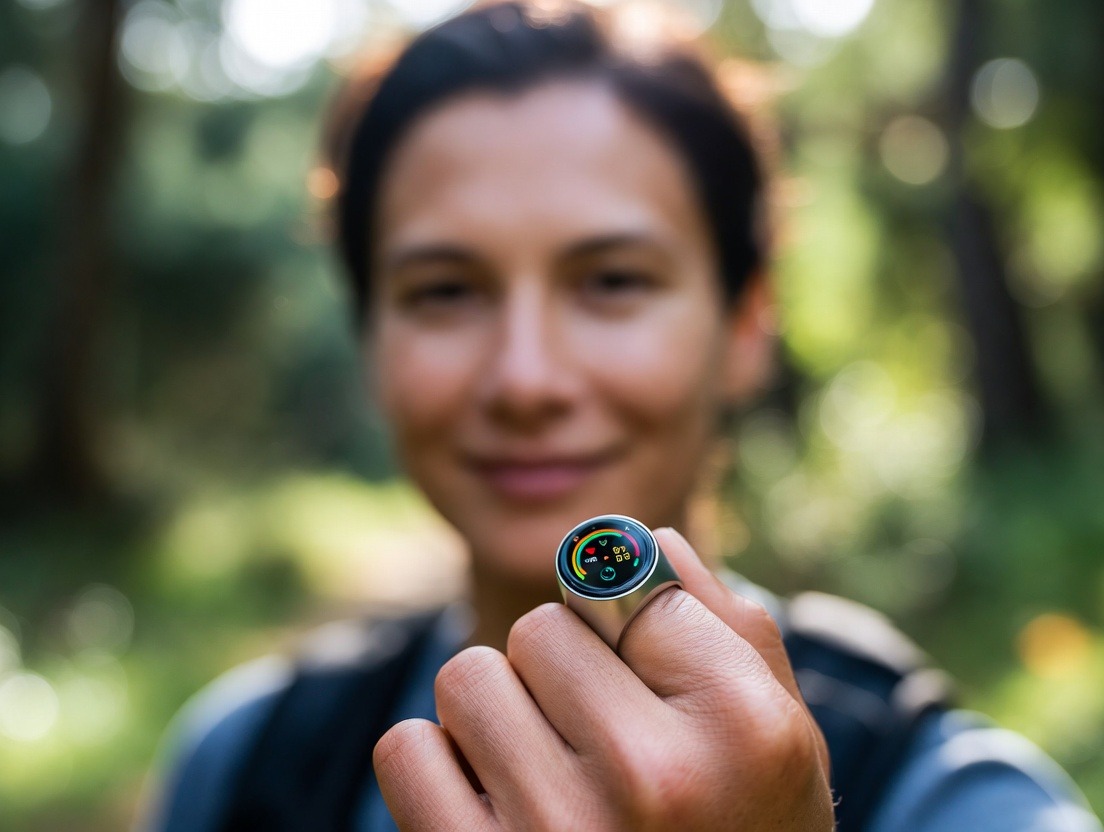
Your biology does not exist in a vacuum. It is in constant dialogue with your environment—the air you breathe, the light you see, the sounds you hear, and the spaces you inhabit. Peak performance requires intentionally designing an ecosystem that supports, rather than sabotages, your foundational wellness. This is biohacking at its most practical and effective level.
1. The Light Environment: Beyond Circadian Cues
We’ve discussed light’s role in circadian rhythm. Let’s get tactical.
2. The Sound Environment: Managing Auditory Stress
Noise pollution is a constant, low-grade stressor that elevates cortisol and disrupts concentration and sleep.
3. The Air & Thermal Environment
4. The Digital & Psychological Environment
Optimizing your environment is about reducing the number of “tiny battles” your nervous system has to fight every day. It’s about creating a sanctuary that consistently sends signals of safety and calm to your biology, freeing up energy and focus for the challenges that truly matter. For a creative and deeply relaxing approach to signaling safety at day’s end, some find immense value in the ancient, repurposed practice of natural bedtime stories for adults.
In a world of infinite distractions and demands, the ability to control your attention is the ultimate meta-skill for peak performance. A scattered mind leads to scattered efforts, poor decisions, and emotional reactivity. Mindfulness—the practice of purposefully paying attention to the present moment without judgment—is not just spiritual fluff; it is a rigorous form of mental training with profound neurological and physiological benefits.
The Science of a Trained Mind:
Practical Integration (Not Just Meditation Cushions):
You don’t need to sit for an hour in silence to benefit. Mindfulness can be woven into the fabric of your day:
The Biometric Connection: A consistent mindfulness practice has a direct, measurable impact on your foundational biomarkers. Studies show it can:
Your smart ring can validate this. After a period of dedicated mindfulness practice, you may see your nightly HRV baseline begin to climb and your sleep scores stabilize. It becomes a tangible feedback loop: you train your mind, and the data shows your body becoming more resilient. This turns an intangible practice into a concrete component of your performance toolkit, proving that the most sophisticated technology and the most ancient practices are not at odds, but are powerful allies in building an unshakable foundation.
In our relentless pursuit of productivity, we have demonized idleness. Rest is often viewed as a necessary evil, a void to be minimized between periods of output. This is a profound misunderstanding of human biology and psychology. Strategic, high-quality rest is not the absence of work; it is a distinct, active, and essential neurological state that enables creativity, consolidation, and sustained high performance. It is the psychological counterpart to the physical recovery we've already explored.
The brain operates in two primary, complementary networks: the Task-Positive Network (TPN) and the Default Mode Network (DMN).
The critical insight is this: These two networks are largely antagonistic. When one is highly active, the other is suppressed. You cannot be in deep, focused execution and in creative, integrative insight at the same moment.
The modern tragedy is that we have filled every potential DMN moment with external stimulation—scrolling social media, listening to podcasts, checking emails. We never truly disengage the TPN. This constant engagement starves the DMN, leading to a depletion of creativity, a feeling of mental fragmentation, and burnout. It’s like only ever using one gear in a car; eventually, the engine will fail.
Cultivating the "Art of the Gap": True psychological restoration requires creating deliberate, stimulation-free gaps in your day to allow the DMN to activate. This is the "doing nothing" that is profoundly productive. It includes:
The data from your wearable can signal when you need this psychological restoration. A period of chronic "busyness" without breaks will often manifest as elevated resting heart rate and suppressed HRV, even if your sleep is decent. Your body is telling you that your mind is under stress. Learning to honor these signals—to step back and "do nothing"—is not a lapse in discipline; it is a sophisticated strategy for unlocking your brain’s highest-level functions. In essence, it is mental sleep maintenance, preventing the fragmentation of your cognitive resources.
Water is the medium of life. Every single metabolic reaction, neurotransmitter release, muscle contraction, and cognitive process occurs in this aqueous environment. Yet, hydration is often reduced to a simplistic "drink eight glasses a day" mantra, ignoring the nuanced and critical role of electrolytes. For peak performance, hydration is about optimizing cellular function, not just quenching thirst.
Beyond Thirst: The Subtle Signs of Sub-Optimal Hydration
Thirst is a late-stage signal, akin to your body's "check engine" light coming on. By the time you feel thirsty, you are already measurably dehydrated. The performance impacts are subtle but significant:
Electrolytes: The Conductors of the Symphony
Water alone isn't enough. Electrolytes—primarily sodium, potassium, magnesium, and calcium—are minerals that carry an electrical charge when dissolved in water. They are the conductors of your body's electrical system, responsible for:
The Performance Hydration Strategy:
The Biometric Connection: Your smart ring provides indirect but valuable clues about your hydration status. An unexplained, acute elevation in your resting heart rate can sometimes be linked to dehydration, as your blood volume decreases and your heart has to work harder to circulate what's left. Similarly, if you notice your nighttime heart rate is higher after a day of poor fluid intake, it’s a signal to prioritize hydration. Tracking this correlation turns a vague health tip into a personalized, data-informed habit. It reinforces that foundational wellness is a system: water and minerals are as critical to your performance dashboard as sleep and exercise.

Human beings are not designed for isolated optimization. We are a profoundly social species. Our nervous systems are wired to co-regulate—to calm in the presence of safe, connected others and to become dysregulated in states of isolation or social threat. The quality of our relationships is not a sidebar to peak performance; it is a central, biological determinant of it. Chronic loneliness is as damaging to mortality as smoking 15 cigarettes a day.
The Biology of Belonging:
Positive social connection triggers a cascade of beneficial neurochemicals:
Conversely, social isolation, conflict, or perceived rejection activates the same ancient neural pathways as physical pain (the dorsal anterior cingulate cortex). It triggers a fight-or-flight response, elevating cortisol and inflammation.
Performance Implications:
Cultivating the Social Pillar Intentionally:
This isn't about being an extrovert. It's about quality, not quantity.
The Wearable as a Social Barometer: Can a smart ring measure your friendships? Not directly. But it can measure the physiological impact of your social world. You might notice:
Neglecting the social pillar while focusing solely on individual metrics like sleep or nutrition is like tuning a single engine component while ignoring the fuel it runs on. Connection is the high-octane fuel for human performance and resilience.
Elite athletes don't train at maximum intensity year-round. They follow a principle called periodization—the strategic cycling of training stress and recovery to peak for specific competitions and avoid overtraining. This same wisdom is desperately needed in our pursuit of lifelong wellness and performance. Life is not a sprint; it's an ultra-marathon with seasons, and treating every week like it must be "perfect" is a recipe for frustration and failure.
The concept of life periodization means intentionally varying the focus and intensity of your wellness efforts across different time horizons—days, weeks, seasons, and even life stages—to match your energy, goals, and circumstances.
1. Daily Periodization (The Rhythm):
This is the micro-cycle. It’s about aligning your activities with your natural circadian rhythm (as discussed) and your daily recovery metrics.
2. Weekly Periodization (The Cycle):
Build deliberate recovery into your week. The weekend should not be a crash-and-burn sequel to a brutal workweek.
3. Seasonal Periodization (The Macro-Cycle):
Your body and mind respond to the natural world. Fighting this is futile; flowing with it is wise.
4. Life-Stage Periodization (The Marathon):
A 25-year-old’s recovery capacity, hormonal profile, and life responsibilities are vastly different from a 45-year-old’s or a 65-year-old’s. Your foundational practices must evolve.
Embracing the "Off-Season": In life periodization, there is no failure in having a "down" week or month due to travel, family needs, or illness. These are not derailments; they are part of the cycle. The goal is to minimize the depth of the valleys and extend the peaks, not to live on a perpetual, unsustainable plateau. By viewing your wellness journey through this lens, you replace rigidity with intelligent flexibility, and self-criticism with strategic self-compassion. This is the mindset that fosters performance for decades, not just for a season.
Wearable technology, like smart rings, offers a revolutionary window into our biology. But like any powerful tool, it can be used wisely or poorly. The goal is to harness data for empowerment, not to become enslaved by it. This requires developing a healthy, balanced relationship with your biometrics—using them as a guide, not a gospel.
The Pitfalls of Data Obsession (Orthosomnia):
A new condition has emerged in the sleep medicine community: orthosomnia—the unhealthy preoccupation with achieving perfect sleep data. Individuals become so anxious about their sleep scores or HRV numbers that the anxiety itself degrades their sleep, creating a vicious cycle. This is technology becoming the master.
Principles for a Healthy Partnership:
The Ultimate Goal: Bio-Intuition
The highest purpose of using a wearable is to cultivate bio-intuition—the ability to accurately sense your body’s state without the device. By repeatedly checking your subjective feeling against the objective data, you train your own internal awareness. Over time, you may find you can accurately predict your HRV or readiness based on how you feel. At this point, the technology has done its greatest service: it has helped you reconnect with your own innate wisdom. You use it for periodic check-ins and deeper dives, not constant surveillance. This balanced approach ensures you reap the profound benefits of insight without the costs of obsession, making technology a true ally in your journey toward foundational wellness.
We have now explored the individual pillars—sleep, circadian alignment, nutrition, movement, recovery, stress management, hydration, social connection, and mindful technology use. The final, and most critical, step is integration. Knowledge is only potential power; execution is everything. This section provides a flexible framework for weaving these fundamentals into the fabric of your daily life, creating a sustainable routine that builds the foundation for peak performance automatically.
The Framework is Built on Anchors, Not Schedules:
Rigid, minute-by-minute schedules are fragile. They break under the pressure of real life. Instead, build your day around non-negotiable anchor points—key practices placed at strategic times that naturally pull the rest of your behaviors into alignment.
The Core Daily Anchors:
Weekly & Monthly Integration:
The Role of Your Smart Ring in the Framework:
Your device is the feedback loop for this entire system. It tells you if your anchors are working.
This framework is not about perfection. It’s about consistent direction. Some days you’ll hit all anchors; others you’ll miss most. But by having the structure in place, you always know what "optimal" looks like, making it easier to return to center. This is how the fundamentals cease to be a checklist and become the unconscious, automatic bedrock of a high-performing life. The daily effort transitions from "forcing" wellness to simply inhabiting the rhythms and habits that make it inevitable.
With a solid grasp of the wellness fundamentals and a personalized framework for integrating them, we now ascend to the next level. This is where the meticulously built foundation transforms from a platform of health into a launchpad for elite performance. We move from prevention and maintenance to active amplification. The data from your wearable, once used to establish baselines and correct deficits, now becomes a precision instrument for fine-tuning your biology to meet specific, high-level goals.
The principle here is specific adaptation to imposed demand (SAID). Your body adapts exactly to the stresses you place upon it, provided it has the recovery capacity to do so. By strategically manipulating your fundamentals—sleep, nutrition, training, and recovery—in alignment with your biometric feedback, you can guide this adaptation toward desired outcomes, whether cognitive, physical, or creative.
The Performance Trinity: Energy, Focus, and Recovery
All elite output relies on optimizing these three interlinked states:
Your wearable provides a daily readout of this trinity. A high readiness score with balanced energy suggests "go." A low score with high resting heart rate signals "recover." The advanced practitioner learns to not only read these signals but to proactively engineer days and weeks that maximize time in the "go" state for their most important work.
Peak cognitive performance is more than avoiding brain fog. It’s about accessing states of flow, sustaining concentration for hours, connecting disparate ideas, and solving complex problems. Your brain is an organ with immense metabolic demands, consuming about 20% of your body’s energy. Optimizing its function requires a targeted approach to the fundamentals.
Nutritional Neurology:
Cognitive Periodization with Biometrics:
Match your mental work to your biological state.
The Role of Sleep in Cognitive Mastery:
We’ve established sleep’s role in memory consolidation. For cognitive performance, REM sleep is particularly crucial. It’s during REM that the brain integrates new learning, solves problems encountered during the day (the phenomenon of "sleeping on it"), and enhances creative insight. A night rich in REM sleep often leads to "aha!" moments the following day. Protecting your sleep, especially in the later cycles where REM dominates, is a direct investment in your intellectual output. Tracking your REM percentage via your wearable gives you direct feedback on this cognitive repair process. If you’re consistently low, it’s a sign to investigate stress management and evening wind-down routines, perhaps revisiting strategies for natural sleep maintenance.
For athletes and dedicated fitness enthusiasts, the fundamentals are the difference between incremental progress and transformative results, between staying healthy and succumbing to overuse injuries. Here, your smart ring evolves from a wellness monitor to a full-time athletic coach.
Precision Training Based on Readiness:
The era of blindly following a pre-written program is over. Autoregulation—adjusting your training based on daily readiness—is the gold standard.
The Nightly Recovery Audit:
Your sleep data is your nightly report card on your training.
Nutrient Timing for Performance:
By tying your training decisions directly to your body’s objective readiness signals, you train smarter, reduce injury risk, and ensure that every session has the highest potential for positive adaptation. This is the epitome of listening to your body, augmented by data.
Peak performance is impossible without emotional stability. Volatility, anxiety, and rumination drain cognitive resources and sabotage decision-making. Resilience is not the absence of distress; it is the ability to navigate challenges, recover from setbacks, and maintain equilibrium under pressure. The fundamentals provide the biological platform upon which psychological resilience is built.
The Gut-Brain Axis and Mood:
The connection between your digestive system and your brain is a two-way street. An inflamed, dysbiotic gut can directly contribute to anxiety and low mood via the vagus nerve and inflammatory cytokines. Supporting your gut health through diverse fiber, fermented foods, and avoiding inflammatory triggers is a foundational step in emotional regulation.
HRV as a Measure of Emotional Flexibility:
Just as HRV indicates physiological resilience, it is also a powerful proxy for emotional resilience. A high HRV is associated with greater emotional regulation, flexibility in responding to stress, and faster recovery from emotional upset. A low HRV correlates with emotional rigidity, anxiety, and a propensity for rumination. Practices that improve HRV—like coherent breathing (5-6 breaths per minute), meditation, and time in nature—are therefore direct training for your emotional resilience "muscle."
Sleep as Emotional Reset:
REM sleep, in particular, plays a crucial role in processing emotional experiences and stripping away the sharp emotional charge from memories. This is why a problem often feels more manageable after a good night’s sleep. Chronic REM sleep deprivation can lead to heightened emotional reactivity, anxiety, and difficulty coping with stress. Prioritizing sleep is prioritizing emotional sanity.
Strategic Disconnection for Psychological Recovery:
Just as muscles require rest, your prefrontal cortex—the seat of willpower, decision-making, and emotional control—becomes fatigued with constant use. Psychological detachment is the practice of mentally disengaging from work and performance demands during off-hours.
Your wearable can help you identify the physiological cost of poor psychological boundaries. If your resting heart rate remains elevated into the evening long after work has ended, it’s a sign you haven’t successfully detached. Use this data as a cue to enact a more robust wind-down routine, protecting not just your sleep, but your emotional well-being for the day ahead.
We’ve covered the basics of light, sound, and air. Let’s delve into advanced environmental tweaks that can compound the benefits of your foundational habits, turning your home and workspace into a true performance sanctuary.
1. Advanced Light Hygiene:
2. Geomagnetic & EMF Considerations (A Nuanced View):
While the science is evolving and often controversial, some high-performers report sensitivity to electromagnetic fields (EMFs) from dense Wi-Fi networks and electronics.
3. Biophilic Design Integration:
Biophilia is the innate human tendency to seek connections with nature. Integrating natural elements into your environment has measurable stress-reducing effects.
4. The Ergonomics of Recovery:
Optimize your spaces not just for work, but for the restoration between work.
By taking command of your environment at this granular level, you remove dozens of tiny, subconscious stressors your nervous system was battling. You create a world that consistently whispers "safety" and "recovery" to your biology, freeing up immense reserves of energy for focused performance.
No foundation, no matter how well-built, is immune to storms. Business travel, family emergencies, intense deadlines, and seasonal illnesses will test your systems. The goal is not to avoid these disruptions—that’s impossible—but to navigate them with minimal damage and a swift return to baseline. This is where your understanding of the fundamentals and your trust in your biometric data become your greatest assets.
1. Mastering Jet Lag & Travel Fatigue:
Travel is a perfect storm of circadian disruption, dehydration, poor sleep, and physical stress.
2. Managing Acute Stress Periods (Deadlines, Crises):
When life demands a sprint, you must temporarily alter your framework to support a controlled surge.
3. Navigating Illness: Listening to the Data
Your wearable is an early warning system. A sustained drop in HRV and a rise in RHR, often before full symptoms appear, signals your immune system is activated.
In these disruptive phases, your commitment to the fundamentals shifts from optimization to damage control and accelerated recovery. The framework isn't abandoned; it’s adapted. This flexibility is what makes the system durable for the long run.
The ultimate test of any performance philosophy is time. Does it scale across decades? The pursuit of peak performance in your 20s and 30s must naturally evolve into the pursuit of sustainable function, resilience, and vitality in your 40s, 50s, 60s, and beyond. The fundamentals don’t change, but their relative importance and your relationship to them do. This is periodization on the grandest scale.
The Shifting Baseline:
Your biometric baselines will change with age. Average HRV tends to decline, and sleep architecture naturally shifts (less deep sleep, more frequent awakenings). This is not failure; it’s biology. The key is to track your trajectory, not compare to a 25-year-old’s absolute numbers. Is your HRV declining rapidly, or is it holding steady for your age? Is your sleep quality consistently good for you? Your wearable provides this personalized longitudinal tracking, which is far more valuable than any population average.
The Evolving Pillars:
The Mindset Shift: From Peak to Resilience:
The goal transitions from setting personal records to maintaining functional capacity and cognitive sharpness. It’s about being able to hike mountains, play with grandchildren, learn new skills, and contribute meaningfully for as long as possible. The data from your wearable supports this shift beautifully. A "good" day is no longer defined by a deadlift PR, but by a high HRV, a solid sleep score, and the energy to engage fully with life.
Leveraging Data for Proactive Health:
This long-term data stream becomes a powerful health record. A gradual, unexplained downward trend in resting heart rate variability or a creeping increase in nighttime resting heart rate could be an early indicator of a brewing issue, long before a doctor’s visit would normally be scheduled. It empowers you to have informed, preventive conversations with your healthcare provider. You become the steward of your own healthspan, using technology to stay ahead of the curve.
Embracing the long game means letting go of a narrow, youthful definition of performance. It means finding peak performance in the resilience to handle life’s challenges, the vitality to enjoy its pleasures, and the wisdom to know the difference. The fundamentals, tracked and honored over time, are the map to this richer, more sustainable destination.
Your Trusted Sleep Advocate: Sleep Foundation — https://www.sleepfoundation.org
Discover a digital archive of scholarly articles: NIH — https://www.ncbi.nlm.nih.gov/
39 million citations for biomedical literature :PubMed — https://pubmed.ncbi.nlm.nih.gov/
Experts at Harvard Health Publishing covering a variety of health topics — https://www.health.harvard.edu/blog/
Every life deserves world class care :Cleveland Clinic - https://my.clevelandclinic.org/health
Wearable technology and the future of predictive health monitoring :MIT Technology Review — https://www.technologyreview.com/
Dedicated to the well-being of all people and guided by science :World Health Organization — https://www.who.int/news-room/
Psychological science and knowledge to benefit society and improve lives. :APA — https://www.apa.org/monitor/
Cutting-edge insights on human longevity and peak performance:
Lifespan Research — https://www.lifespan.io/
Global authority on exercise physiology, sports performance, and human recovery:
American College of Sports Medicine — https://www.acsm.org/
Neuroscience-driven guidance for better focus, sleep, and mental clarity:
Stanford Human Performance Lab — https://humanperformance.stanford.edu/
Evidence-based psychology and mind–body wellness resources:
Mayo Clinic — https://www.mayoclinic.org/healthy-lifestyle/
Data-backed research on emotional wellbeing, stress biology, and resilience:
American Institute of Stress — https://www.stress.org/


