


The Complete Beginner-Friendly Guide to Morning Hydration and Ring Recovery
A complete beginner's guide to morning hydration habits and their impact on recovery metrics.
A complete beginner's guide to morning hydration habits and their impact on recovery metrics.
%402x.svg)
You wake up. The first conscious thought floats to the surface, followed by a wave of physical sensation. Your mouth is dry, your head feels foggy, and your body moves with a stiffness that whispers of the night’s metabolic labors. For centuries, this moment—the first hour of wakefulness—has been recognized across cultures as a critical pivot point for setting the tone of the day. Yet, only now, in the age of personal biometrics, are we truly understanding its profound impact.
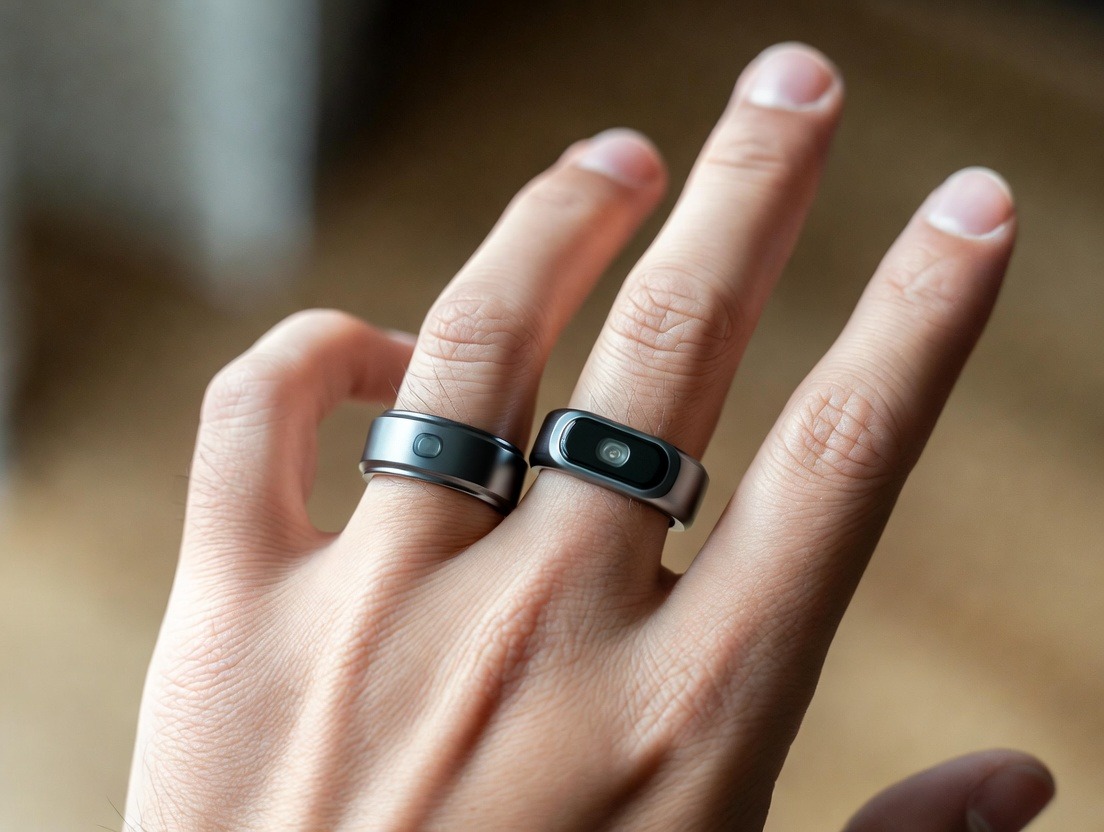
Welcome to the modern science of morning recovery, where ancient wisdom meets cutting-edge technology. This isn't just about drinking a glass of water; it's a holistic, data-informed ritual to reboot your body's most vital systems. And at the center of this personal revolution sits a silent, intelligent sentinel: the smart ring. This sleek piece of wearable tech, worn while you sleep, gathers the night’s secrets—your heart rate variability, respiratory rate, skin temperature, and sleep architecture—transforming abstract feelings of being “drained” or “rested” into a concrete, personalized Recovery Score.
This guide is your master key. We will move beyond generic advice into the realm of the precisely personalized. You will learn not just why morning hydration is the non-negotiable cornerstone of daily wellness, but how to optimize it based on your unique physiology, as reported by your smart ring. We’ll decode what your ring’s recovery metrics are actually telling you about your nervous system, cellular health, and readiness for the day, and then build a step-by-step, beginner-friendly protocol to address them.
Think of your body as a complex, delicate ecosystem that has undergone nightly maintenance. Morning hydration is the gentle rain that wakes that ecosystem up, facilitates the removal of metabolic waste, and delivers essential nutrients to every cell. Your smart ring is the dashboard showing you the ecosystem's overnight weather report. Together, they form a feedback loop of unparalleled self-knowledge, turning guesswork into strategy and hope into measurable progress.
We are about to embark on a deep dive into the symbiosis of water, wellness, and wearable data. By the end of this guide, you will possess a complete, actionable framework to transform your mornings from a groggy scramble into a purposeful ritual of replenishment, setting a foundation of vitality that supports everything from mental wellness basics for beginners to peak physical performance. Let’s begin.

Your body does not simply flip an “on” switch when you open your eyes. Waking up is a slow, cascading hormonal symphony, a shift from the parasympathetic-dominant “rest and digest” state of sleep to the sympathetic-leaning “fight or flight” state of alertness. This transition, known as the cortisol awakening response (CAR), is a vital, natural spike in the stress hormone cortisol. A robust CAR is essential; it provides the energy and alertness to start your day. However, the efficiency and smoothness of this transition are heavily influenced by one critical factor: your hydration status.
Throughout the night, you lose significant water through respiration and transdermal evaporation—anywhere from 0.5 to 1 liter, even without sweating. This creates a state of mild dehydration upon waking. This isn't just about thirst. Dehydration thickens your blood, increasing its viscosity. Your heart must work harder to pump this thicker fluid, leading to a higher resting heart rate and lower heart rate variability (HRV)—two key metrics your smart ring tracks meticulously. Low morning HRV, as you’ll learn, is a direct signal from your autonomic nervous system that it’s under stress and not fully recovered.
Furthermore, every cellular process in your body requires water. Adenosine triphosphate (ATP), the fundamental currency of energy, is produced in a water-dependent process within your mitochondria. A dehydrated cell is an inefficient power plant. This means that starting your day dehydrated forces your body to perform its most demanding metabolic tasks—activating the brain, mobilizing energy stores, priming muscles—at a significant disadvantage. The foggy brain, fatigue, and irritability many experience are not just personality traits; they are symptoms of a physiological deficit.
This is where the genius of pairing morning ritual with biometric feedback shines. By observing your smart ring’s recovery score and HRV trend each morning, you get a direct readout of how well your body managed this nocturnal transition and how prepared it is for the day’s demands. A low score isn’t a judgment; it’s information. It tells you, “My systems are stressed. I need a gentler, more supportive hydration and awakening protocol today.” This moves you from a one-size-fits-all morning routine to a dynamic, responsive practice. Understanding this physiological foundation is the first step toward building a day rooted in vitality, rather than merely surviving one. It’s the bedrock upon which all other wellness habits, from how exercise supports mental wellness to maintaining focus, are built.
You’ve slept with your smart ring, and now your app displays a series of numbers and graphs: Recovery Score, Heart Rate Variability (HRV), Resting Heart Rate (RHR), Respiratory Rate, and Sleep Stages. To the beginner, this can feel like reading an alien language. Let’s translate these metrics into actionable insights about what your body needs when you wake up.
Recovery Score (The Headline): This is a composite index, the final grade summarizing your night. It typically factors in HRV, RHR, sleep duration, and sleep quality. A high score (often >80) indicates your body has done excellent repair work and is primed for stress, exertion, and learning. A low score (<50) is a red flag, suggesting systemic stress, incomplete recovery, or the onset of illness. Your morning hydration strategy should pivot dramatically based on this number. A high score means you can focus on performance hydration—optimizing for physical or cognitive output. A low score means you must focus on restorative hydration—supporting detoxification and calming the nervous system.
Heart Rate Variability (HRV) – The Gold Standard: HRV is the most sensitive non-invasive window into your autonomic nervous system (ANS). It measures the millisecond variations between your heartbeats. High HRV is good—it indicates a resilient, adaptable ANS with strong parasympathetic (“rest and digest”) tone. Low HRV indicates a stressed, fatigued, or overtrained system stuck in sympathetic (“fight or flight”) dominance. Your morning HRV is your single best biomarker for readiness. If your HRV is lower than your personal baseline, your body is asking for a calm, low-stress day and a hydration protocol that includes electrolytes to support cellular balance without overstimulation.
Resting Heart Rate (RHR): Your sleeping RHR is a beautiful indicator of cardiovascular fitness and recovery. It typically drops to its lowest point during deep sleep. A elevated nocturnal or morning RHR (5-10+ BPM above your normal) can signal dehydration, lingering inflammation, training fatigue, or illness. It’s your heart saying, “I’m working harder than I should be.” This is a direct call to action for anti-inflammatory and deeply hydrating fluids.
Respiratory Rate & Skin Temperature: These are often early-warning systems. An elevated respiratory rate during sleep can point to respiratory strain or metabolic stress. A higher skin temperature deviation can indicate your body is fighting something, diverting resources to the immune system. Both suggest your morning hydration should include nutrients that support immune function, like vitamin C or zinc, perhaps in a dissolved, easily absorbed form.
By learning to read this data, you stop guessing about your state of being. You move from “I feel tired” to “My HRV is 12% below my 7-day average and my RHR is elevated, indicating nervous system stress and possible dehydration; I will prioritize electrolyte-rich hydration and delay intense exercise.” This level of specificity is the superpower granted by your smart ring. It transforms recovery from a passive hope into an active, intelligent process, intimately connected to the foundational science of mental wellness, as a stressed body invariably leads to a stressed mind.
If you believe hydration is just about chugging plain water, you’re operating with a fraction of the potential. For true cellular recovery and system reboot, we must think in layers. Introducing the 5-Tier Hydration Framework, designed to systematically address the different needs of a body emerging from its fasting, reparative state.
Tier 1: The Internal Shower (Pure Water). This is the non-negotiable base layer. Before any coffee, food, or supplements, consume 16-24 ounces of pure, room-temperature or warm water. Why warm? Cold water can shock a waking digestive system. Warm water is more readily absorbed and can help gently stimulate peristalsis—the wave-like muscle contractions in your digestive tract—supporting the body’s natural morning detoxification processes. This first tier rehydrates blood plasma, thins bodily fluids, and begins the process of flushing metabolic waste accumulated overnight.
Tier 2: The Electrolyte Reset. Water alone can sometimes “wash through” without properly hydrating cells if electrolyte levels are off. Sweating, breathing, and cellular metabolism all consume electrolytes like sodium, potassium, and magnesium. A mild deficiency can leave you feeling fatigued despite drinking water. Adding a pinch of high-quality sea salt (for sodium and trace minerals) and a squeeze of lemon (for potassium) to your second glass, or using a sugar-free electrolyte powder, helps rebuild the osmotic gradient that pulls water into your cells. This is critical for anyone who exercises, drinks coffee, or wakes with a low recovery score.
Tier 3: The Cellular Nourishment. Hydration isn’t just about H2O; it’s about the medium that carries nutrients. This tier involves adding targeted, water-soluble nutrients to support specific recovery goals indicated by your ring data.
Tier 4: The Gut Priming. The gut-brain axis is paramount to how you feel. Your morning hydration ritual should set the stage for a healthy digestive day. This can mean:
Tier 5: The Synergistic Sustenance. This is the consumption of water-rich whole foods that complement your liquid intake. Think cucumber, watermelon, berries, citrus, and leafy greens in a smoothie or as a side. These provide structured water, fiber, and phytonutrients that support sustained hydration and the gut-brain axis and mental wellness.
Implementing this framework turns your morning drink from a single task into a strategic, multi-phase recovery protocol. You are not just drinking; you are re-mineralizing, nourishing, and signaling to every system in your body that it is supported.
Now, we synthesize the knowledge from Sections 2 and 3 into a dynamic, actionable protocol. Your smart ring’s Recovery Score and HRV reading become the command inputs for your morning hydration strategy. Here is your decision tree.
Scenario A: The Green Zone (Recovery Score: 70-100 / HRV: At or Above Baseline)
Scenario B: The Yellow Zone (Recovery Score: 50-70 / HRV: Slightly Below Baseline)
Scenario C: The Red Zone (Recovery Score: <50 / HRV: Significantly Depressed)
By following this protocol, you create a conversation with your body. The ring provides the data, and your conscious actions provide the compassionate, intelligent response. This is the essence of biohacking: using feedback to foster harmony.
Hydration is absorbed and utilized more effectively when the body is in a state of calm readiness. Drinking your tailored morning elixir while frantically checking emails negates much of its parasympathetic benefit. Therefore, we must frame hydration within a brief, potent ritual. This 10-minute sequence, done before you engage with the world, will maximize the impact of every sip.
Minute 0-1: Mindful Awakening. Do not grab your phone. Instead, sit up slowly, place your feet on the floor, and take three conscious breaths. Acknowledge you are transitioning. Glance at your smart ring data, but do so with curiosity, not judgment. Simply note the score as information.
Minute 1-3: Intentional Movement. Perform 2-3 gentle, mobilizing stretches in bed or standing. Cat-Cow for the spine, a gentle torso twist, reaching your arms overhead. This increases circulation and lymphatic flow, priming your tissues to receive the hydration you’re about to provide.
Minute 3-7: The Hydration Ceremony. Prepare your Tier 1 and Tier 2 drinks according to your protocol. As you prepare it, do so with intention. Then, find a quiet spot to sit. Sip, do not guzzle. With each sip, imagine the fluid spreading through your body, reaching dry cells, flushing stagnation. This practice of mindful drinking triggers the relaxation response, enhancing absorption.
Minute 7-9: Light Exposure & Grounding. If possible, step outside or sit by a window with your drink. Allow natural light to hit your eyes (without staring at the sun). This is a master signal to your circadian rhythm, shutting off melatonin production and further solidifying your wake-up state. The combination of light and hydration is a powerful one-two punch for alertness.
Minute 9-10: Gratitude & Setting. Take the final moments to set a simple intention for the day. One word or phrase: “Clarity,” “Patience,” “Energy.” Feel the hydration supporting that intention. This tiny practice builds the mindset foundation of mental wellness, connecting physical care to emotional and mental direction.
This ritual container transforms a biological necessity into a sacred act of self-care. It tells your nervous system, “We are safe, we are supported, we are beginning with purpose.” The hydration within this container becomes exponentially more effective.
Your morning hydration requirements are not created in a vacuum at 7 AM. They are the direct result of the environmental and behavioral conditions of the previous 8-12 hours. Three non-liquid factors massively influence how dehydrated you are and what your recovery metrics will show.
1. Sleep Quality & Environment: This is the biggest lever. The goal of sleep is to enter deep (NREM) and REM stages, where critical repair occurs. Two sleep disruptors directly cause dehydration:
2. Evening Hydration & Nutrition: You cannot play “catch-up” at 7 AM. Your hydration strategy starts at 7 PM the night before. Consuming a large, salty meal, alcohol, or diuretics like caffeine too close to bedtime forces your body to expend precious water and electrolytes to process them overnight, sabotaging your recovery metrics. Your pre-bed beverage should be a calming, electrolyte-supporting one like magnesium-rich water or herbal tea, not a glass of wine or a late espresso.
3. Morning Light & Air Quality: The air you breathe in the first hour sets a physiological tone. Dry, stale, or polluted air creates oxidative stress and irritates mucous membranes. Using a humidifier, especially in dry climates or heated rooms, adds moisture to the air you’ll be breathing and absorbing through your skin. Furthermore, breathing polluted air creates inflammation, which your body uses water to combat. Opening a window for fresh air (if quality permits) or using an air purifier reduces this hidden hydration tax.
By optimizing these three areas, you arrive at the morning starting line already ahead. You reduce the baseline stress on your system, leading to better ring data and a body that requires less “emergency” hydration and more “maintenance and optimization” hydration. It’s a proactive, not reactive, approach.
Knowing what to do is one thing; making it effortless and enjoyable is another. For those who find plain water boring or struggle to build the habit, these hacks and tools bridge the gap between knowledge and consistent action.
The Tech Toolkit:
The Flavor Library (No Sugar Added):
Boredom is the enemy of consistency. Keep a “hydration station” with natural flavor enhancers:
The Habit Stacking Method:
Anchor your hydration to existing, non-negotiable morning actions:
By making the process engaging, data-rich, and easy, you dissolve resistance. The goal is to reach a point where your morning hydration protocol feels as automatic and necessary as brushing your teeth—a non-negotiable pillar of your daily self-care, seamlessly integrated with the insights from your wearable tech.
The morning drink landscape is dominated by caffeine and sugar. Where do these fit into a recovery-focused hydration protocol? The answer is not “never,” but “strategically.”
Coffee: The Double-Edged Sword.
Coffee is a potent diuretic and a stimulant. It triggers cortisol release and can increase nervous system excitability.
Tea: A More Nuanced Ally.
Juice and Smoothies: Context is Everything.
The golden principle is hydration before stimulation. Your primary goal in the first hour is to replenish, not to stimulate. By placing deliberate, structured hydration first, you regain control over these common beverages, using them as optional tools rather than letting them dictate your body’s state. This mindful approach to consumption is a cornerstone of mental wellness in the digital age, applying the same intention to what we ingest as we do to the information we consume.

We often think of hydration in purely physical terms: muscles, skin, kidneys. But the organ most sensitive to even mild dehydration is your brain, which is about 75% water. Your morning hydration protocol is, first and foremost, brain care. Let’s connect the dots between fluid intake and your mental state.
Dehydration and the Stress Cascade: A water deficit of just 1-2% of body weight is enough to trigger a measurable stress response. The body releases stress hormones like cortisol and vasopressin. Cortisol, in the short term, helps retain water, but chronic elevation from repeated dehydration leads to anxiety, brain fog, and fatigue. This creates a vicious cycle: you’re stressed and forget to drink, and dehydration makes you more stressed. Your smart ring’s low HRV is a direct readout of this biochemical stress state. Strategic morning hydration breaks this cycle at its root, lowering the baseline stress load on your system before the day’s challenges even begin.
Hydration and Cognitive Function: Studies consistently show that dehydration impairs short-term memory, attention, executive function, and psychomotor skills. In one study, dehydrated young women reported greater difficulty concentrating, and brain scans showed their brains working harder to complete the same tasks as when hydrated. Your morning “brain fog” is frequently just “dehydration fog.” The electrolytes in your Tier 2 drink are particularly crucial here; sodium and potassium are essential for generating the electrical impulses that neurons use to communicate. You’re literally charging your brain’s battery.
Hydration and Emotional Regulation: The link between dehydration and negative mood states—increased tension, confusion, anger, and depression—is robust. The mechanism is tied to the stress response and the impact on neurotransmitter production and function. Proper hydration supports the production and transport of serotonin and dopamine, our “feel-good” neurotransmitters. Starting your day hydrated is one of the simplest, most effective ways to build emotional resilience.
Therefore, your morning hydration ritual is a profound act of preventive mental wellness. You are not just avoiding a headache or dry mouth; you are proactively creating the biochemical and neurological conditions for a calm, focused, and emotionally balanced day. You are setting your brain up to succeed. When your ring shows a high recovery score following this practice, it’s confirming that your physical and mental foundations are strong and intertwined.
Knowledge without application is merely trivia. This 7-day challenge is designed to lock in the habits and observational skills you’ve learned, using your smart ring as your guide and coach. No drastic changes, just consistent, mindful practice.
The Challenge Framework:
The Daily Protocol:
Weekly Focus Days:
This challenge does more than teach a habit; it builds a relationship with your own body. It proves to you, through data and direct experience, that your morning actions have a measurable, significant impact on your biology. It turns the concepts in this guide into lived, personal truth. By the end, you won’t need to remember the rules—you’ll have felt the results, and your smart ring will have the data to prove it. This is the first, crucial step toward creating a mental wellness plan that fits your life—one rooted in data, self-awareness, and simple, powerful daily actions.
You've committed to the perfect morning hydration ritual, yet some days, your smart ring still shows a stubbornly low Recovery Score or depressed HRV. This isn't failure; it's a deeper conversation. Your body is signaling that the issue extends beyond fluid balance. Let's decode these advanced signals and explore the holistic adjustments needed.
Persistent Low HRV Despite Optimal Hydration: The Nervous System Plea. If your HRV remains low while you're well-hydrated, your autonomic nervous system is telling you it's stuck in a state of chronic stress. Hydration supports the system, but it cannot override constant psychological pressure, poor breathing patterns, or emotional turmoil.
Elevated Resting Heart Rate (RHR) That Won't Budge: The Inflammation Alert. An RHR that stays 7-10 BPM above baseline for multiple days, despite hydration and electrolytes, often indicates systemic inflammation. Your body is fighting something—perhaps a latent virus, a food sensitivity (like gluten or dairy), or excessive training load without adequate rest.
Poor Sleep Scores Despite Evening Routine: The Circadian Disruption. You drink your magnesium, the room is cool, but your ring reports fragmented sleep with little deep or REM sleep. This suggests your circadian rhythm is misaligned. The master clock in your brain isn't receiving clear signals.
The "I Feel Great, But My Score is Low" Paradox. Sometimes subjective feeling and objective data disagree. Trust the ring. It's measuring physiological stress you may not yet perceive consciously—like subclinical dehydration, an impending illness, or accumulated fatigue. Use this as an early warning to take a gentler day, even if you feel energetic. This is the ultimate gift of biometrics: preventing the crash before it happens.
Learning to troubleshoot turns you from a passive follower of data into an active investigator of your own health. The smart ring provides the "what," and you develop the wisdom to understand the "why."

Your morning hydration protocol is the primer. What you do in the 60-90 minutes that follow determines whether you capitalize on that foundation or undermine it. This section builds your "Power Hour"—a seamless flow from hydration to nourishment to movement, all informed by your ring's Recovery Score.
Phase 1: The Nutritional Follow-Through (Minutes 15-45 Post-Hydration)
What you eat should complement your hydration strategy, not work against it.
Phase 2: The Movement Prescription (Minutes 45-75 Post-Hydration)
Exercise is a stressor—a beneficial one when applied correctly. Your Recovery Score dictates the dose.
Phase 3: The Cognitive Launch (Minutes 75-90+)
With your body hydrated, fed, and moved appropriately, your brain is now optimized for focus.
This Power Hour framework ensures every morning decision is connected and purposeful. You create a cascade of positive, reinforcing actions that stem from that first, intentional glass of water and the data from your ring. It transforms a scattered morning into a cohesive performance protocol.
Your physiology does not exist in a bubble. The people around you and the environment you inhabit exert a profound, measurable influence on your recovery metrics and, consequently, your hydration requirements. Understanding this expands your recovery strategy from a solo practice to a contextual one.
The Social Hydration Effect: Relationships are a form of metabolic work. Engaging in conflict, caretaking, or even intense social planning before you've properly hydrated can drain your physiological reserves rapidly.
Environmental Stressors and the Hydration Tax:
Creating a Hydration-Conducive Environment:
You can engineer your immediate surroundings to support your goals.
By widening your lens, you see that recovery isn't just about what you put in your body, but about how you navigate the world your body lives in. Your smart ring metrics become a reflection of your total load—physical, mental, social, and environmental. Your hydration protocol is your first and most adaptable line of defense.
A beginner follows a plan. An expert evolves a practice. Your relationship with morning hydration and ring recovery should be dynamic, not static. This section teaches you how to track macro-trends, set personal benchmarks, and intelligently adjust your protocol over weeks and months.
Moving Beyond Daily Scores: The Power of Weekly & Monthly Averages.
Daily fluctuations are normal. True progress is seen in trends. Each week, calculate:
Setting Intelligent Benchmarks:
The Quarterly Protocol Review:
Every 3 months, conduct a formal review of your data and your protocol.
Listening to Your Body's Changing Needs:
Your needs will change with age, fitness level, and season. A protocol that worked in your 30s may need tweaking in your 40s. Your ring is essential here. It provides the objective feedback to separate "this doesn't work anymore" from "I'm just in a temporary slump." This long-view approach is the essence of maintaining mental wellness across the lifespan, recognizing that our strategies must mature and adapt as we do.
By tracking, benchmarking, and reviewing, you graduate from using a smart ring as a daily report card to using it as a longitudinal research tool on the single most important subject: yourself.
The world of hydration is rife with oversimplifications and marketing-driven myths. Let's use evidence and the logic of biometrics to clear the fog, ensuring your protocol is built on rock-solid science.
Myth 1: "Drink 8 Glasses of Water a Day."
Myth 2: "If You're Thirsty, You're Already Dehydrated."
Myth 3: "Coffee Dehydrates You Completely."
Myth 4: "You Can't Overhydrate."
Myth 5: "Clear Urine Means You're Perfectly Hydrated."
Myth 6: "All Electrolyte Drinks Are Created Equal."
By basing your practice on physiology, not folklore, you invest your time and effort into what truly matters. Your smart ring becomes the myth-buster, providing objective data that cuts through the noise of wellness trends.
Investing in a morning hydration ritual and a smart ring isn't just a health choice; it's a profound economic and productivity decision. Let's analyze the return on investment (ROI) from a time, financial, and cognitive perspective.
The Time ROI: Prevention vs. Crisis Management.
The Financial ROI: Reduced Healthcare and Lifestyle Costs.
The Cognitive Energy ROI: The Biggest Win.
Willpower and decision-making are finite cognitive resources. Every time you stop to ask, "Why am I so tired?" or "What should I drink/eat?" you drain this precious resource.
The Tool Investment: Smart Ring vs. End-of-Line Healthcare.
A smart ring is an upfront investment in predictive and preventive health. It provides daily, actionable data to steer you away from the cliff. Compare this to the cost—both financial and emotional—of reactive healthcare once a problem has manifested. The ring is not an expense; it's a lifelong health insurance policy with a daily dashboard.
When viewed through this lens, the morning ritual ceases to be a chore and becomes a high-leverage activity—one of the few things you can do that positively impacts every single domain of your life. It is the ultimate efficiency hack.
Your smart ring is a powerhouse, but it doesn't have to work alone. When integrated thoughtfully with other devices and apps, it becomes the central command for a holistic wellness ecosystem, making your hydration and recovery protocol even more precise.
The Synergy Triad: Ring, Scale, and App.
The Morning Data Convergence:
Imagine this dashboard view each morning:
App Integration for a Seamless Flow:
Use a central health platform like Apple Health (iOS) or Google Fit (Android) as the hub. Set it so your ring data, scale data, and workout data all sync there. Then, use a journaling app like Exist.io or Bearable that pulls this data in and lets you add subjective notes (energy, mood, stress). Over time, you'll see stunning correlations: "On days my body water % is above average and my HRV is high, I rate my productivity a 9/10."
The CGM (Continuous Glucose Monitor) Frontier:
For the advanced biohacker, adding a CGM like Levels or Signos reveals how your morning hydration and food choices impact your blood glucose stability. You might discover that your "healthy" morning smoothie causes a sugar spike that crashes your energy 90 minutes later, undermining your hydration efforts. This allows for exquisite fine-tuning.
The goal isn't to become overwhelmed by data, but to have different devices answer different questions, with your hydration protocol as the flexible, foundational action that responds to the overall picture. This ecosystem empowers you to assess your current mental wellness level with unprecedented objectivity, using physiological biomarkers as your guide.
Your environment changes dramatically with the seasons, and so should your approach. A static protocol fails to account for the powerful effects of light, temperature, and seasonal rhythms on your physiology. Let's align your practice with the natural world.
Winter: The Deep Restoration Phase.
Summer: The Energy & Performance Phase.
Spring & Fall: The Transitional Tuning Phases.
These are times of allergic response (spring pollen, fall mold) and temperature fluctuation.
By rotating your protocol with the seasons, you work with your body's natural responses to the environment, not against them. Your smart ring will thank you with more stable, resilient metrics year-round.
Life is not a controlled lab. Your protocol must be robust enough to withstand real-world disruptions. Here’s how to adapt your morning hydration and recovery practice during life’s inevitable curveballs.
1. Travel: The Ultimate Stress Test.
Travel combines dehydration (dry air, alcohol, forgetting to drink), circadian disruption (time zones, red-eye flights), and inflammation (airport food, sitting).
2. Illness (From a Common Cold to Chronic Conditions):
When you're sick, your hydration needs skyrocket, and your protocol becomes therapeutic.
3. Major Life Events (Stress, Grief, Intense Work Projects):
Psychological stress creates physiological dehydration through constant cortisol release.
In these circumstances, the ritual itself—the act of prioritizing your physiological foundation—becomes as important as the specific fluids. It’s a touchstone of stability, and your smart ring data, however grim, is simply information to guide a compassionate response, not a measure of your worth.
We are on the cusp of a revolution where your morning hydration protocol will no longer be based on generalized rules or even your own retrospective analysis. It will be dictated in real-time by artificial intelligence, using your biometric data to predict your needs before you're even aware of them. Let's explore this imminent future.
From Reactive to Predictive: The AI Hydration Coach.
Imagine your smart ring app, powered by AI that has learned your unique patterns over 12 months, sending you a notification at 6:45 AM:
Integration with Smart Kitchen Devices:
Your smart bottle and ring will talk to your smart kettle or coffee maker.
Nutrient-Level Personalization via DNA & Microbiome:
Future protocols may incorporate your genetic data (e.g., do you have a MTHFR mutation affecting B-vitamin processing?) and gut microbiome analysis. Your morning powder could be custom-blended monthly based on these insights, delivered to your door, addressing deficiencies and optimizing for your unique biology.
The Role of the Smart Ring as the Central Sensor:
In this ecosystem, the smart ring is the continuous, passive data collector—the always-on lifelog of your physiology. It provides the 24/7 stream of heart rate, temperature, and movement that AI needs to build an accurate model of you. Hydration is just one output; the system could also recommend timing of meals, work breaks, and social interactions.
This future shifts wellness from being prescriptive ("drink 8 glasses") to being adaptive and predictive. It turns your morning ritual into a dynamic conversation with a system that knows you better than you know yourself. The beginner-friendly guide of today is the foundation for this deeply personalized, AI-powered health partnership of tomorrow. It begins with the simple, conscious act of drinking water with intention and reading your body's signals, both felt and quantified.
Understanding the physiology and owning the tech is only half the battle. The true transformation lies in making your morning hydration and recovery check a seamless, automatic part of your identity—a ritual you don't debate, you simply do. This section delves into the behavioral science of habit formation to cement your practice for the long term.
From Goal to Identity: The Critical Shift.
Most people start with a goal: "I will hydrate every morning." Goals are external and can feel like a chore. The key is to shift to an identity-based habit. The thought process changes from "I need to drink this water" to "I am the kind of person who prioritizes my body's recovery first thing. I am someone who listens to my data and responds with care."
Habit Stacking: The Unbeatable Method.
Habit stacking, coined by James Clear, involves anchoring a new habit to an existing one. Your morning is full of strong anchors.
The Role of Immediate Reward: Making the Habit Attractive.
Our brains are wired to repeat behaviors that deliver immediate rewards. Drinking plain water for a vague future health benefit isn't immediately rewarding.
Reducing Friction: The Path of Least Resistance.
The fewer steps between your intention and action, the more likely you are to succeed.
Navigating the Inevitable "Miss."
You will have mornings where you sleep through your alarm, have an early flight, or simply forget. The key is to prevent the "What the Hell Effect"—the tendency to abandon the entire habit after one slip-up.
By mastering the psychology, you build a practice that withstands motivation fluctuations. It becomes as intrinsic as brushing your teeth—a fundamental expression of who you are. This is the bedrock of building mental wellness habits that last a lifetime.
Once your foundational water and electrolyte routine is solid, you can explore the world of targeted, water-soluble compounds that can address specific recovery bottlenecks identified by your smart ring. This is Tier 3, moving from rehydration to proactive cellular optimization.
For the Stressed Nervous System (Chronically Low HRV):
For Systemic Inflammation (Elevated RHR, Aches):
For Immune Support (High Skin Temp, Feeling Rundown):
Adaptogens for Resilience:
Adaptogens help the body adapt to stress, normalizing physiological function.
The Golden Rule of Supplementation:
One at a time, start low, and observe. Add one new nutraceutical to your protocol for at least two weeks. Monitor its effect on your subjective feeling and your smart ring metrics (HRV, Sleep Score). Did your HRV improve? Did your sleep deepen? Your ring provides the objective data to see if a supplement is truly working for you, moving beyond placebo. This personalized, data-informed approach is the future of a preventive approach to mental wellness.
Wellness can be a lonely journey, but it doesn't have to be. The rise of smart rings and health tracking has fostered a new kind of community—one based on shared data, empathetic support, and collective problem-solving. Leveraging this can dramatically increase your adherence and insight.
The Power of the "Recovery Buddy."
Find one trusted friend, partner, or colleague who is also interested in data-driven wellness.
Joining Online Communities (Wisely).
Platforms like Reddit (r/ouraring, r/whoop), Discord servers, and Facebook groups are filled with thousands of people interpreting the same data you are.
Data-Sharing with Professionals.
Your smart ring data is a goldmine for forward-thinking healthcare providers.
Creating a Supportive Home Environment.
Community turns personal optimization into a shared journey. It provides context, encouragement, and a wealth of experiential knowledge that makes navigating your own data less daunting and more empowering.
Your Trusted Sleep Advocate: Sleep Foundation — https://www.sleepfoundation.org
Discover a digital archive of scholarly articles: NIH — https://www.ncbi.nlm.nih.gov/
39 million citations for biomedical literature :PubMed — https://pubmed.ncbi.nlm.nih.gov/
Experts at Harvard Health Publishing covering a variety of health topics — https://www.health.harvard.edu/blog/
Every life deserves world class care :Cleveland Clinic - https://my.clevelandclinic.org/health
Wearable technology and the future of predictive health monitoring :MIT Technology Review — https://www.technologyreview.com/
Dedicated to the well-being of all people and guided by science :World Health Organization — https://www.who.int/news-room/
Psychological science and knowledge to benefit society and improve lives. :APA — https://www.apa.org/monitor/
Cutting-edge insights on human longevity and peak performance:
Lifespan Research — https://www.lifespan.io/
Global authority on exercise physiology, sports performance, and human recovery:
American College of Sports Medicine — https://www.acsm.org/
Neuroscience-driven guidance for better focus, sleep, and mental clarity:
Stanford Human Performance Lab — https://humanperformance.stanford.edu/
Evidence-based psychology and mind–body wellness resources:
Mayo Clinic — https://www.mayoclinic.org/healthy-lifestyle/
Data-backed research on emotional wellbeing, stress biology, and resilience:
American Institute of Stress — https://www.stress.org/


