


Daily Wellness Habits for Mental Clarity: What Your Smart Ring Correlates
Daily habits that promote mental clarity, which often correlate with improved ring metrics like HRV and sleep.
Daily habits that promote mental clarity, which often correlate with improved ring metrics like HRV and sleep.
%402x.svg)
In the ceaseless hum of modern life, mental clarity can feel like a rare, fleeting luxury. We chase it through meditation apps, productivity hacks, and caffeine, often guessing at what our minds and bodies truly need. But what if the key to unlocking sustained focus and cognitive serenity wasn’t a mystery? What if your own physiology was whispering the answers in a language of heart rate, temperature shifts, and nocturnal movements?
Enter the smart ring: an unassuming piece of wearable technology that is revolutionizing personalized wellness. Unlike wrist-worn devices, it sits on the finger—a location rich with reliable physiological data—quietly correlating your daily habits with their impact on your nervous system. This isn’t just about counting steps; it’s about decoding the biological symphony that underlies your mental state. Your smart ring transforms from a passive tracker into an active guide, revealing the tangible, data-backed connections between what you do and how clearly you think.
This deep dive explores the foundational daily wellness habits that forge mental clarity, illuminated by the precise biometric correlations only a smart ring can provide. We’ll move beyond generic advice into the realm of personalized insight, showing you not just what to do, but why it works for you, based on your unique physiological story.

Mental clarity is often described subjectively—a feeling of sharpness, presence, and effortless focus. But from a neurobiological standpoint, it is a measurable state of optimal cognitive function. It involves synchronized brain waves, balanced neurotransmitters like dopamine and norepinephrine, a calm autonomic nervous system (where the "rest-and-digest" parasympathetic state dominates over the "fight-or-flight" sympathetic state), and reduced systemic inflammation.
When we lack clarity, experiencing brain fog, indecision, or mental fatigue, it's often a symptom of physiological dysregulation. This could be poor sleep health disrupting neural cleanup processes, chronic stress elevating cortisol, blood sugar swings affecting fuel delivery to the brain, or inflammation interfering with neuronal communication.
Your smart ring acts as a window into this internal landscape. By continuously tracking metrics like Heart Rate Variability (HRV), resting heart rate, skin temperature, and sleep stages, it quantifies your body’s readiness and resilience. A high HRV, for instance, correlates strongly with better emotional regulation and cognitive flexibility—key components of mental clarity. The ring doesn’t just tell you you’re tired; it shows you the depth of your sleep, the stability of your nighttime physiology, and how recovered your nervous system is to face the day’s cognitive demands.
Understanding this science reframes mental clarity from an abstract goal to a tangible, achievable state rooted in daily habit loops. The data from your finger provides the feedback necessary to build those loops effectively, making the invisible visible.
You cannot hack your way to mental clarity on poor sleep. This is the non-negotiable foundation, and your smart ring is its most honest auditor. Mental clarity requires the brain to perform essential overnight "housekeeping": clearing metabolic waste via the glymphatic system (most active during deep sleep), consolidating memories and skills during REM sleep, and regulating hormones that govern mood and focus.
A smart ring moves beyond simple duration tracking to analyze sleep architecture—the cyclical structure of light, deep, and REM sleep. The correlations for mental clarity are striking:
The actionable insight here is profound. Rather than just aiming for "8 hours," you use your ring’s data to protect the quality of those hours. You’ll learn how your evening habits—like late meals, alcohol, or screen time—directly degrade your sleep architecture and, by extension, your next-day mental performance. For a comprehensive look at building this foundational habit, our guide on how to build sleep health habits that last offers a proven framework.
Your circadian rhythm is your body's master clock, governing sleep-wake cycles, hormone release (like cortisol and melatonin), and even core body temperature. When this rhythm is desynchronized, mental clarity is one of the first casualties. Your smart ring’s continuous skin temperature tracking is a brilliant proxy for circadian rhythm health, as your core temperature follows a predictable 24-hour wave.
The habit? Strategic, daily light exposure.
By syncing your light exposure habits with your ring’s temperature and sleep data, you move from guessing to knowing. You can literally see how a day spent indoors under artificial light flattens your physiological rhythm, while a day aligned with natural light patterns creates a starker, healthier biological contrast that fuels clear thinking.
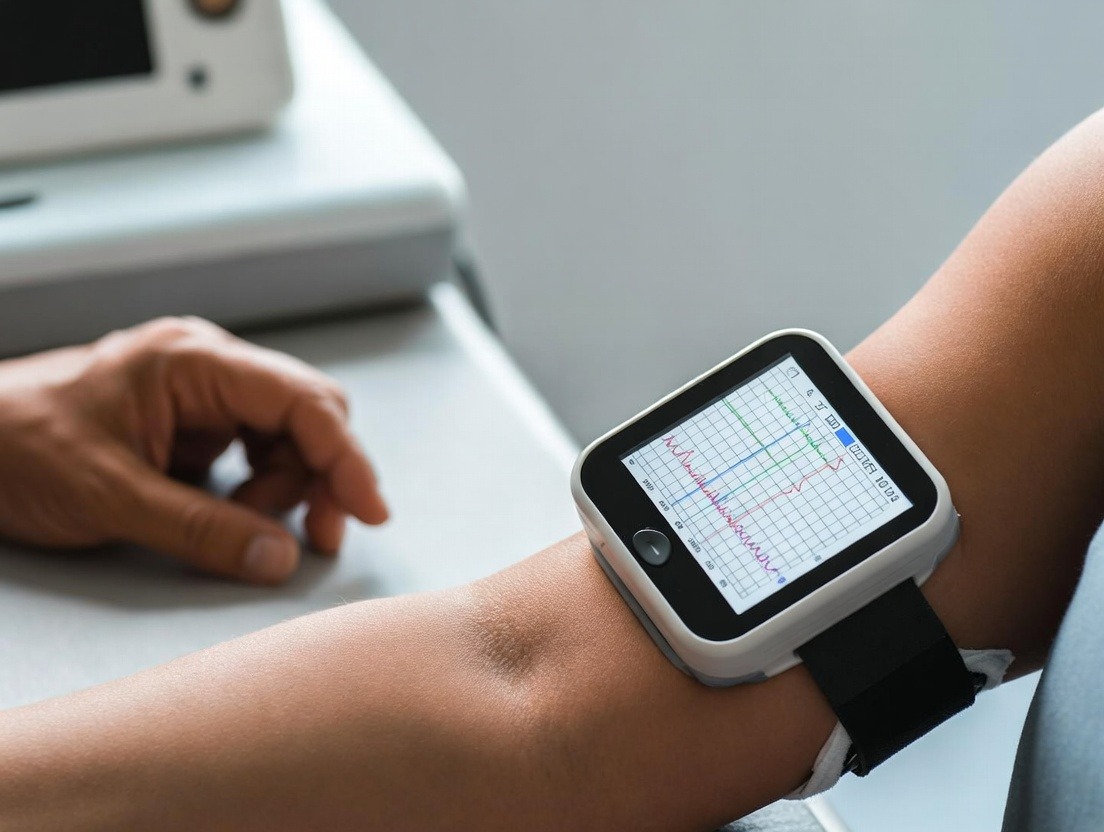
If there is one biometric that sits at the throne of mental clarity, it’s Heart Rate Variability (HRV). In simple terms, HRV is the variation in time between successive heartbeats. A higher, less variable HRV indicates a healthy, resilient autonomic nervous system with strong parasympathetic ("rest and digest") tone. This state is synonymous with emotional balance, stress resilience, and cognitive bandwidth.
Your smart ring provides one of the most accessible and accurate ways to track nightly HRV, typically presenting it as a daily readiness or recovery score. This number is a direct report card on your nervous system’s recovery from yesterday’s stresses.
Daily habits for supporting HRV (and thus, mental clarity) include:
By making daily choices informed by your HRV trend, you learn to manage your cognitive resources like a savvy investor, depositing into your recovery account to ensure you have ample clarity to withdraw when needed.
The brain consumes about 20% of the body’s energy. How and when you fuel it has immediate and lasting effects on mental clarity. While smart rings don’t track glucose directly (yet), they provide powerful correlative data through resting heart rate (RHR) and HRV.
Large, processed meals, especially those high in refined carbohydrates and sugars, can cause blood sugar spikes and crashes, triggering inflammation and stress responses. Your ring often captures this as a noticeable rise in overnight resting heart rate and a dip in HRV—clear signs of physiological strain that manifest as next-day brain fog.
Habits for nutritional clarity:
This turns nutrition from a game of calorie counting into one of physiological harmony. You eat not just for physique, but for a calm, stable internal state conducive to sharp thinking, as verified by the biometrics on your finger.
Physical activity is a potent cognitive enhancer, boosting blood flow, neuroplasticity, and mood-stabilizing neurotransmitters. But the relationship between movement and mental clarity is not linear; it’s a U-shaped curve. Too little leads to stagnation, while too much (without recovery) leads to burnout and fog.
Your smart ring refines this balance exquisitely. It tracks active heart rate, calories, and movement, but its genius is in showing the after-effect of exercise via recovery metrics.
Clarity-optimizing movement habits include:
By letting your recovery metrics guide your movement intensity, you use exercise to build cognitive resilience instead of depleting it. You learn to distinguish between the energizing fatigue of a good workout and the draining fatigue of overtraining, the latter of which is a notorious thief of mental clarity.
Our digital environment is perhaps the greatest modern challenger to sustained mental clarity. The constant notifications, endless scrolling, and multitasking fracture attention, elevate stress hormones, and erode our capacity for deep work. Your smart ring quantifies this digital stress through its stress score algorithms, which often use heart rate data and its variability to indicate periods of sympathetic nervous system arousal.
Developing digital discipline isn’t about Luddism; it’s about intentionality. Key habits include:
Your ring makes the cost of poor digital habits biologically visible. It turns abstract advice about "screen time" into a personal, data-driven case for protecting your most valuable asset: your focused mind.
Two of the most overlooked yet easily adjustable levers for mental clarity are hydration and core temperature regulation. The brain is approximately 75% water, and even a 1-2% level of dehydration can impair cognitive performance, attention, and short-term memory. Similarly, the brain operates optimally within a very narrow temperature range.
Your smart ring offers unique insights here:
Daily habits become simple yet precise:
These micro-habits, informed by macro-data, ensure your brain’s foundational operating environment is perfectly tuned.

Mental clarity isn’t just about the absence of stress; it’s about the capacity to move through stress without being derailed by it. This requires creating deliberate transitions between life’s modes (work to home, activity to rest) and practicing short, daily "stress inoculation" techniques.
Your smart ring’s continuous tracking makes it ideal for experimenting with and validating these transition rituals.
These habits build "cognitive scratch space"—buffers that prevent the noise of the day from corrupting your mental processes. The ring validates which rituals truly downshift your physiology, turning them from nice-to-have routines into non-negotiable tools for a clear head.
We are social creatures, and the quality of our interactions has a profound, measurable impact on our nervous system. Positive, supportive social connections can be a source of recovery, while conflictual or draining interactions act as significant stressors. Your smart ring, through its stress and recovery metrics, can help you navigate this often-invisible landscape of "emotional contagion."
The habit here is intentional social engagement:
By paying attention to how your social habits correlate with your biometric recovery, you can consciously curate a social environment that supports, rather than depletes, your mental clarity. This turns relationship management into a core component of cognitive wellness.
In a culture obsessed with optimization, true downtime—activity without a goal—is radical. Yet, it is essential for cognitive maintenance. This is the time when the brain’s default mode network (DMN) activates, facilitating creative insight, autobiographical planning, and mental integration. Constant task-oriented focus suppresses the DMN.
Your smart ring helps you defend and optimize this downtime by distinguishing between passive consumption and active restoration.
The habit is to schedule and protect blocks of purposeful downtime, using your ring’s data to discover which activities truly help your nervous system reset. It’s permission to be unproductive, with the data-backed assurance that this is a critical investment in your long-term cognitive capital.
The final, overarching habit is the meta-habit of consistency. The human body and brain thrive on predictable rhythms. The ultimate correlate for mental clarity in your smart ring data is not a single perfect night of sleep or a one-day peak HRV. It is the trend line and the reduction in variability across all metrics: sleep, readiness, temperature, and RHR.
Chasing perfect individual data points leads to stress. Building consistent, sustainable routines leads to resilience.
Your smart ring’s weekly and monthly trend views are where this truth becomes undeniable. You will see that on weeks where your daily habits form a steady rhythm—even if imperfect—your baseline metrics improve. The jagged peaks and valleys of stress and recovery smooth into a more stable, elevated plateau of readiness.
This is the ultimate goal: to build a lifestyle so rhythmically sound that mental clarity becomes your default state, not a fleeting exception. Your smart ring is the compass, the correlator, and the confirmation on that journey, transforming daily choices into a coherent narrative of cognitive wellness.
Rarely does a single habit act in isolation. Your mental state is the net outcome of a complex biochemical equation. Your smart ring’s composite scores—like Readiness or Stress—are the first clue to this interplay, but the real insight comes from cross-referencing data streams. This is where you move from observing correlations to understanding synergies and antagonisms.
Synergistic Pairs:
Antagonistic Pairs:
By learning these interactions from your own data, you become a master conductor of your daily habits, orchestrating them for a harmonious outcome rather than a cacophony of conflicting signals.
The generic advice to "drink eight glasses of water a day" ignores individual physiology, activity level, climate, and diet. Your smart ring provides the personalized feedback needed to tailor this fundamental habit. While it doesn't measure hydration directly, it offers powerful proxy signals.
Key Correlations to Monitor:
Actionable Hydration Strategy:
This turns hydration from a vague chore into a precise, data-informed component of your cognitive performance protocol.
The foundational habit of light exposure is most effective when personalized to your innate chronotype—whether you are naturally a "lark" (morning-oriented), an "owl" (evening-oriented), or somewhere in between. Fighting your chronotype is a sure path to chronic mental fatigue. Your smart ring’s long-term data can help you identify and honor yours.
How Your Ring Reveals Your Chronotype:
Personalized Habit Adjustments:
Honoring your chronotype reduces the internal friction of daily life. You stop wasting willpower fighting your biology and start leveraging its natural rhythms for peak clarity. This is a cornerstone of personalized wellness that generic advice misses entirely. For those navigating shift work or atypical schedules, understanding these principles is even more critical, as explored in our resource on sleep health for different age groups and changing schedules.
Not all stress is bad. Eustress is the positive, motivating stress of a challenge you feel equipped to handle—a tough workout, a meaningful project deadline, a thrilling experience. Distress is the negative, debilitating stress of feeling overwhelmed and without control. Both create a sympathetic nervous system response, but their long-term impact on mental clarity is diametrically opposed. Your smart ring’s data, viewed with context, can help you tell the difference.
Correlating Stress Type with Recovery:
Habits for Cultivating Eustress and Mitigating Distress:
By using your ring to audit the quality of stress in your life, you can strategically seek out growth-oriented challenges while systematically reducing or managing the drains that cause cognitive fatigue.

We touched on nutritional stability. Let’s expand to the concept of neurogenesis—the brain's ability to form new neurons and connections—and the nutrients that fuel it. Your smart ring’s recovery and inflammation markers (through HRV and skin temperature) can be your guide to a brain-optimized diet.
Key Nutrients & Biometric Correlations:
The Elimination Experiment:
Your ring is exceptional for conducting personal n=1 experiments. If you suspect certain foods (e.g., gluten, dairy, processed sugars) trigger brain fog or inflammation for you, try a strict 3-week elimination. Monitor your ring’s metrics:
Reintroduce the food and watch for negative shifts in the data. This objective feedback is far more reliable than subjective feelings alone, helping you build a personalized "clarity diet."
Grand overhauls are unsustainable. The architecture of lasting mental clarity is built with micro-habits—tiny, almost effortless actions that, when repeated, create a massive aggregate effect. Your smart ring is the perfect tool to validate these small wins, providing the positive reinforcement needed to make them stick.
Examples of High-Impact Micro-Habits:
The magic is in the consistency. Your ring’s long-term trends will show that months of practicing these micro-habits have shifted your physiological baselines more effectively than short bursts of extreme, unsustainable change.
Your surroundings directly influence your nervous system. Your smart ring can help you audit and optimize your primary environments—your bedroom and your workspace—for minimal cognitive drag and maximal focus.
The Sleep Sanctuary Audit:
Use a week of ring data as a baseline. Then, make one change at a time:
The Focus-Enabled Workspace:
By treating your environments as partners in your wellness, you create a world that passively supports mental clarity, reducing the need for constant active correction.
Getting addicted to your daily "Readiness" score is easy, but it can lead to short-term thinking. True progress in building mental clarity is seen in the longitudinal trends and improved resilience.
Key Long-Term Metrics to Watch:
The Quarterly Review: Every three months, spend time analyzing your trend lines, not just your daily scores. Ask: What has improved? What remains stubborn? What new correlation have I noticed? This macro-view prevents you from being a slave to daily fluctuations and keeps you focused on the lifelong trajectory of cognitive wellness.
Inevitably, you will face periods where progress stalls or backslides—a stressful life event, illness, travel, or simply a plateau. In these moments, your smart ring shifts from an optimism machine to a compassionate, objective diagnostician.
Using Data During Setbacks:
The ring teaches a crucial lesson: wellness is not about never falling down; it's about understanding why you fell and having the data to get back up efficiently. It cultivates self-compassion grounded in facts, not self-criticism fueled by vague feelings. For a supportive guide on navigating these inevitable challenges, our article on the sleep health learning curve—be patient with yourself offers valuable perspective.
Mental clarity is not an island; it is the capital that funds every other aspect of your life—your productivity, your relationships, your creativity, your physical health. Your smart ring’s data creates a feedback loop that connects these domains.
By viewing your mental clarity metrics as the foundational dashboard for your entire life, every habit investment pays compound returns. You begin to see that a walk at lunch isn't just a break; it's a strategic deposit into your afternoon focus account. A consistent bedtime isn't just about sleep; it's about ensuring you have the cognitive resources to be fully present with your family tomorrow.
This integrated view is the pinnacle of using technology for holistic wellness. Your smart ring becomes the central hub in your personal operating system, correlating daily inputs with the ultimate output: a life lived with purpose, presence, and unparalleled clarity.
A protocol is more than a list of habits; it is a prioritized, conditional system of rules for living, informed by real-time feedback. Your smart ring provides the feedback loop necessary to build a protocol that is both structured and flexible.
The Four Pillars of Your Protocol:
Your personal clarity protocol should be built on four non-negotiable pillars, each monitored by specific ring metrics.
The "If-Then" Rules:
This is where your protocol becomes intelligent. Based on your historical correlations, create conditional statements.
This protocol lives as a dynamic document, a set of rules you've written for yourself based on your body's evidenced responses. It removes daily guesswork and emotional decision-making from the pursuit of clarity.
While the pursuit of mental clarity can feel solitary, integrating a social component can dramatically enhance motivation and insight. Your smart ring data, when shared thoughtfully, can foster a new kind of wellness community.
Accountability Partnerships:
Partner with a trusted friend or partner who also values data-driven wellness. Instead of vague check-ins ("How are you sleeping?"), you can share specific, non-judgmental observations based on trends.
Community Insights:
Some platforms allow for anonymized, aggregated data sharing. Seeing how your metrics compare to a cohort of similar demographics (e.g., age, gender) can be enlightening. Learning that your "low" HRV is actually above average for your age group can relieve anxiety. Noticing that your peer group also sees a sleep dip during a full moon can satisfy curiosity and normalize experiences. This taps into the power of normative data—understanding yourself in context.
The Limits of Sharing:
It is crucial to set boundaries. Your biometric data is deeply personal. Establish clear rules for yourself: What will you share? With whom? For what purpose? The goal is connection and growth, not competition or unsolicited advice. A wellness community should feel like a collaborative research group, not a leaderboard.
The shadow side of self-tracking is the potential for it to become a source of anxiety, obsession, or a tyrannical voice that overrides bodily intuition. This is where we must cultivate a healthy relationship with our technology.
Signs of Unhealthy Tracking:
Cultivating a Balanced Mindset:
Your smart ring is a tool for empowerment, not a source of truth. You are the conscious interpreter of its signals, the final authority on your own well-being.
The technology on your finger is just the beginning. The frontier of biometrics is moving toward more direct, non-invasive measurements of the brain and nervous system, promising even deeper correlations for mental clarity.
Emerging Correlations on the Horizon:
The Ecosystem of Health:
Your smart ring will not exist in a vacuum. Its true power lies in becoming the central, trusted hub in a connected health ecosystem—integrating with your electronic medical records (with your consent), your nutrition-tracking app, your meditation platform, and even your calendar. It could one day prompt you: *"Based on your elevated resting heart rate and tonight's late meeting on your calendar, would you like to schedule a 20-minute mindfulness session at 4 PM?"* This proactive, integrated approach is the future of preventative mental wellness.
Let’s paint a picture of how this all comes together, not as a rigid regimen, but as a fluid, intelligent way of being.
6:45 AM: The smart ring’s gentle vibration wakes you at the optimal time in your sleep cycle, just after a REM phase. You check your Readiness Score: 85. High sleep efficiency, great HRV. It’s a green-light day.
Protocol in Action: You open the blinds for morning light, then spend 5 minutes on a breathing exercise your ring has correlated with peak morning HRV.
8:00 AM - 12:00 PM: After a protein-rich breakfast, you block your calendar for deep work—your biological prime time. Your ring is in silent mode, but it notes a low, stable stress score during this period of flow. You take a 5-minute movement break every 45 minutes, prompted by a subtle haptic nudge.
1:00 PM: Post-lunch, you take a 15-minute walk outside. Later, you’ll see this correlated with a swift return to a calm, focused state in your afternoon stress graph.
3:30 PM: You feel a dip. You check your ring’s dashboard and see your stress score has been creeping up. Instead of reaching for coffee, you enact your protocol’s "if-then" rule: 3 minutes of box breathing and a glass of water. You watch your real-time heart rate drop.
6:30 PM: Your final meal is finished. Your evening begins a gradual wind-down. At 8:30 PM, your phone automatically enters a focus mode, dimming screens. You spend an hour reading a physical book.
10:00 PM: Your ring’s skin temperature begins its predictable dip. You’re in bed. As you drift off, you reflect not on to-do lists, but on the seamless synergy between your intentions, your actions, and the quiet, confirming data from your silent companion. You fall asleep quickly, confident in your system.
This isn’t perfection. Some days the readiness score is 65. Some days a crisis blows the protocol apart. But the system is resilient. The data provides the map back to center, not as a critic, but as a guide.
As we invite these devices deeper into our lives, we must be conscious stewards of our data.
Key Considerations:
Your vigilance as a consumer and user ensures that this powerful tool remains in service to human flourishing, not the other way around.
The pursuit of mental clarity through daily wellness habits, illuminated by the correlations from your smart ring, is ultimately a journey of profound self-understanding. It is a dialogue between your conscious choices and your unconscious physiology. The ring translates the whispers of your autonomic nervous system into a language you can comprehend and act upon.
You have learned that clarity is not found in a single pill, hack, or meditation, but in the consistent, layered practice of habits that respect your biology: sleeping with integrity, moving with purpose, eating for stability, resting deeply, and connecting meaningfully. Your smart ring is the feedback mechanism that makes this practice precise, personal, and empowering.
Remember, the goal is not to have a perfect set of graphs. The goal is to use those graphs to build a life where mental clarity is your default state—where you have the cognitive space to be creative, the emotional stability to be compassionate, and the focused energy to contribute your best work to the world.
This journey has no final destination. As you grow and change, your physiology and your priorities will shift. Your personal clarity protocol will evolve. The technology will advance. But the core principle remains: when you listen to your body with curiosity and act with intention, you cultivate a mind that is clear, resilient, and ever-ready for the richness of life.
Continue Your Exploration:
The habits explored here create a powerful synergy, especially with the foundational role of sleep. To deepen your understanding of how these systems support your biggest aspirations, explore how sleep health supports your bigger wellness goals. For a pragmatic look at turning insight into action, our guide on sleep health quick wins—easy changes with big impact provides immediate steps to amplify the clarity you’re building. And for a long-term perspective on why this investment matters most, consider the long-term benefits of investing in sleep health.
Your Trusted Sleep Advocate: Sleep Foundation — https://www.sleepfoundation.org
Discover a digital archive of scholarly articles: NIH — https://www.ncbi.nlm.nih.gov/
39 million citations for biomedical literature :PubMed — https://pubmed.ncbi.nlm.nih.gov/
Experts at Harvard Health Publishing covering a variety of health topics — https://www.health.harvard.edu/blog/
Every life deserves world class care :Cleveland Clinic - https://my.clevelandclinic.org/health
Wearable technology and the future of predictive health monitoring :MIT Technology Review — https://www.technologyreview.com/
Dedicated to the well-being of all people and guided by science :World Health Organization — https://www.who.int/news-room/
Psychological science and knowledge to benefit society and improve lives. :APA — https://www.apa.org/monitor/
Cutting-edge insights on human longevity and peak performance:
Lifespan Research — https://www.lifespan.io/
Global authority on exercise physiology, sports performance, and human recovery:
American College of Sports Medicine — https://www.acsm.org/
Neuroscience-driven guidance for better focus, sleep, and mental clarity:
Stanford Human Performance Lab — https://humanperformance.stanford.edu/
Evidence-based psychology and mind–body wellness resources:
Mayo Clinic — https://www.mayoclinic.org/healthy-lifestyle/
Data-backed research on emotional wellbeing, stress biology, and resilience:
American Institute of Stress — https://www.stress.org/


