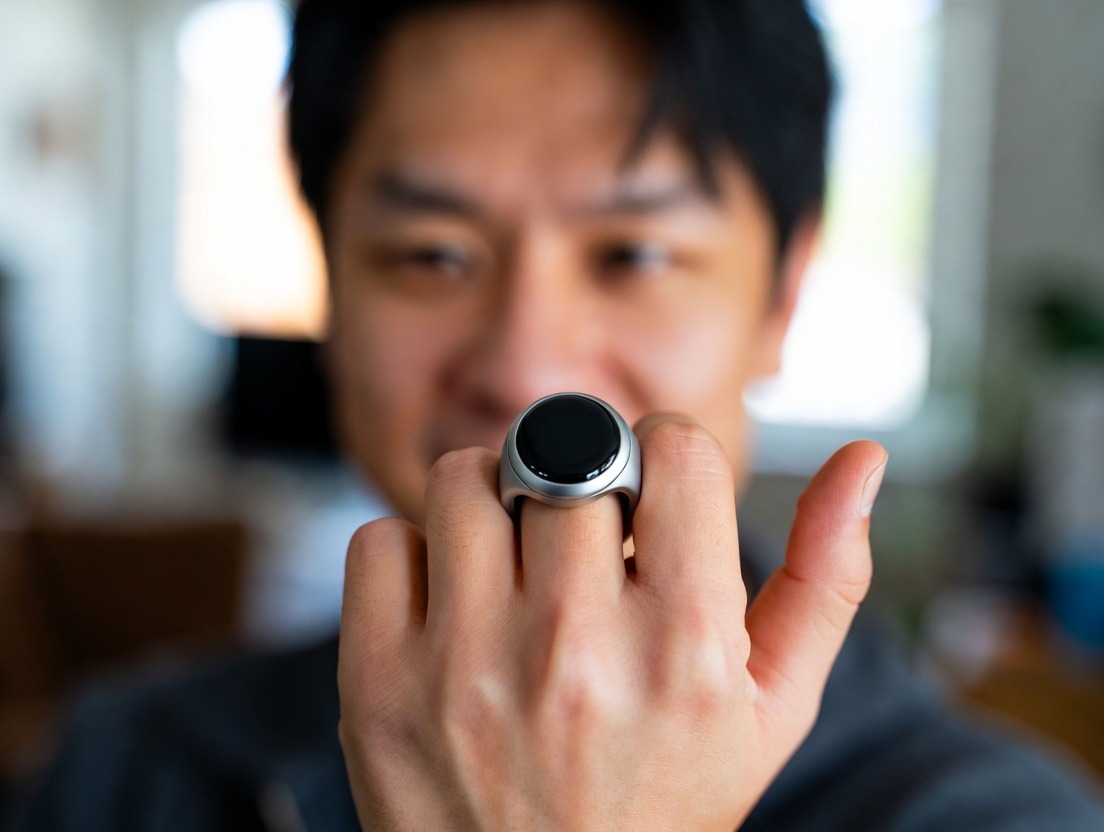
Evening Wellness Rituals for Shift Workers: Ring-Adapted Sleep Preparation
Shift workers can adapt evening routines for better sleep, guided by ring data.
The Non-Negotiable Reset: Evening Wellness Rituals for the Shift Worker’s Soul
The world never truly sleeps, and neither do you. While the rest of society winds down, your day is just beginning, or perhaps, painfully, just ending as the sun rises. You are a shift worker—a nurse, a factory operator, a first responder, a pilot, a security professional. You are the essential, invisible engine of our 24/7 world. And you are chronically, devastatingly tired. Not just the "need a coffee" tired, but a deep, bone-level fatigue that clouds judgment, dampens mood, and chips away at your health. This exhaustion isn't a personal failing; it's a biological rebellion against a schedule that runs counter to millions of years of evolution. Your circadian rhythm—the internal master clock that dictates sleep, hormone release, and cellular repair—is in a constant state of jet lag.
But what if you could negotiate a truce? What if you could craft an evening ritual so powerful, so personalized, and so data-informed that it could convince your body it’s time to rest, regardless of what the clock on the wall says? This is not about generic "sleep hygiene." This is about tactical, bio-hacked preparation for the sleep your life depends on. And in this modern quest, you have a secret weapon: the smart ring. Worn on your finger, it moves through your life silently gathering the biometric intelligence—heart rate variability, skin temperature, blood oxygen, and movement—that reveals your body’s true state, not your mind’s perception of it.
This guide is your master blueprint for building an evening wellness ritual adapted for the unique reality of shift work. We will move beyond theory into actionable, ring-verified strategies that bridge the gap between your necessary schedule and your innate biology. This is about reclaiming rest, restoring balance, and building resilience from the inside out. Let’s begin the essential work of teaching your body to find deep, restorative sleep, even when the world outside is waking up.
Understanding the Shift Worker’s Circadian Crucible
Before we can build an effective ritual, we must first understand the enemy: circadian disruption. For the day-walker, evening signals a natural dip in core body temperature and a rise in the sleep hormone melatonin, courtesy of fading light. For you, these signals are often backwards. Driving home at 7 AM, your brain is flooded with alerting blue light from the sunrise, while your body, after a long night of work, is desperately trying to initiate its sleep process. This isn't just inconvenient; it's a systemic assault.
The consequences are documented and severe. Chronic shift work is associated with a higher risk of cardiovascular disease, metabolic disorders like diabetes, certain cancers, and clinical depression. Your emotional resilience is constantly under siege. The constant state of internal misalignment creates a fertile ground for dysregulation, where small stressors can feel overwhelming. As explored in our analysis of emotional balance in high-stress professions, the physiological cost of this dysregulation is measurable in elevated resting heart rates and suppressed heart rate variability (HRV)—a key metric your smart ring tracks vigilantly.
The goal of a ring-adapted ritual is not to force your body into a "normal" schedule—that’s a battle you’ll lose. Instead, it’s to create a new, consistent, and powerful zeitgeber (German for "time giver") that your internal clock can latch onto. This ritual, performed diligently before your target sleep window, becomes the most reliable cue your body has. It says, "Ignore the sun. Ignore the noise. For the next 7 hours, we are shutting down for repair." Your smart ring transforms from a simple tracker into the feedback loop for this process. It tells you if last night's ritual worked. Did your sleep latency (time to fall asleep) decrease? Did your deep sleep increase? Did your morning HRV rebound? This data is the compass that guides every adjustment you make.
The Foundational Pillar: Light, The Master Signal
Light is the single most potent regulator of your circadian rhythm. It enters through your eyes and signals directly to the suprachiasmatic nucleus (SCN) in your brain, the master clock. For shift workers, managing light exposure is a non-negotiable, two-part strategy: aggressive blocking at the wrong time, and strategic application at the right time.
Part 1: The Blue Light Blockade (The Evening of Your "Day") As you prepare to sleep during daylight hours, your mission is to simulate darkness. This goes far beyond putting your phone on night mode.
Amber-Tinted Glasses: Invest in high-quality, wrap-around blue-blocking glasses (with lenses that block 99% of blue light, appearing amber). Put them on 60-90 minutes before your target bedtime. Wear them during your commute home if it's light out. This creates an artificial "sunset" for your brain.
Blackout the Cave: Your bedroom must be a tomb of darkness. Use blackout curtains, seal edges with tape, and consider a sleep mask as a backup. Even small cracks of light can interfere with melatonin production.
Dim the House: In the hours before bed, use low, warm-colored lamps (red or amber bulbs are ideal). Avoid overhead lights. Your smart ring will show you the impact: consistent use of light blocking typically leads to a faster, more predictable drop in nocturnal skin temperature—a strong proxy for the body’s entry into sleep mode.
Part 2: Strategic Light Exposure (Upon Waking for a Night Shift) If your shift begins at night, you need to signal "daytime" to your body in the evening. About 1-2 hours before your shift starts, seek out bright light. A 10,000-lux light therapy box for 20-30 minutes can be incredibly effective. This suppresses melatonin prematurely, helping you feel more alert as you start work. Observe your ring data: effective light therapy before a night shift can improve your nocturnal HRV during the first part of your shift, a sign of better-regulated stress.
This meticulous dance with light is the first and most critical step in aligning your external reality with your internal need for sleep. It lays the groundwork for every other ritual element to function properly.
The Digital Sunset: Curating Your Pre-Sleep Environment
In our always-connected world, the "digital sunset" is a common wellness tip. For the shift worker, it is an urgent protocol. The mental arousal from work emails, the stress of news alerts, and the dopamine-driven scroll through social media are anathema to sleep preparation. Your nervous system cannot distinguish between a work crisis on a screen and a real-life threat; it reacts with the same cortisol spike.
Your ritual must include a formal, deliberate disconnection. This isn't just about reducing blue light; it's about reducing cognitive and emotional load.
The Hard Stop: Designate a time—at least 60 minutes before bed—as your official "log off." Silence work notifications (if possible, have a separate work phone you can leave in another room). Use your phone's "Do Not Disturb" or focus modes aggressively.
The Environment Scan: In the last hour, your environmental inputs should be calm, slow, and low-stimulus. This is not the time for thrilling podcasts, intense debates, or action-packed TV. The goal is to lower cognitive processing speed. Gentle, instrumental music, an audiobook of a familiar story, or soft silence are preferable.
The Ring as a Coach: Notice how your readiness score or stress metric on your ring changes after a night of strict digital sunset versus a night of late-night scrolling. The data provides objective proof of what your body already knows: a calm mind is the prerequisite for deep sleep. This practice of managing environmental input is a direct form of emotional regulation, a foundational skill set detailed in our guide on emotional regulation skills everyone should learn in school.
The Wind-Down: Activating the Parasympathetic Nervous System
With light managed and digital stimuli removed, the next phase of your ritual is an active, physical transition from "on" to "off." The sympathetic nervous system (fight-or-flight) has likely been engaged for your entire shift. We must now consciously engage its counterpart: the parasympathetic nervous system (rest-and-digest).
This transition is both physical and mental. It requires practices that send unambiguous safety signals to the brain.
Breath as a Lever: Diaphragmatic breathing is your most accessible tool. Try the 4-7-8 technique: inhale quietly through the nose for 4 seconds, hold the breath for 7 seconds, and exhale completely through the mouth for 8 seconds. Repeat for 4 cycles. This directly stimulates the vagus nerve, the main highway of the parasympathetic system.
Progressive Muscle Relaxation (PMR): Starting at your toes and moving up to your scalp, systematically tense each muscle group for 5 seconds, then completely release for 30 seconds. This teaches your body the profound difference between tension and relaxation, a sensation shift workers often lose touch with.
Gentle, Restorative Movement: Think yin yoga, very gentle stretching, or slow walking. This is not exercise. It's movement as a release valve. The goal is to circulate lymphatic fluid and release muscular tension without raising the heart rate.
Your smart ring is the perfect biofeedback device for this section. Watch your real-time heart rate dip as you engage in these practices. Over time, your baseline HRV—a key marker of recovery and resilience—will show improvement as these practices strengthen your parasympathetic tone. This is the biochemical foundation of stability, closely tied to concepts like interoceptive awareness, or sensing your emotional state. The better you become at feeling the shift in your body, the more effectively you can initiate it.
Nutritional Timing: Fueling for Sleep, Not Alertness
What and when you eat before sleep is a critical lever for shift workers. Eating a large, heavy, or sugary meal right before bed forces your digestive system into high gear when it should be winding down, raising core body temperature and disrupting sleep architecture. Conversely, going to bed hungry can cause drops in blood sugar that wake you up.
The strategy is intentional, gentle fueling.
The Last Meal: Aim to have your last substantial meal 2-3 hours before your target bedtime. This allows for significant digestion to occur before you lie down.
The Sleep-Promoting Snack: If you need something closer to bed, choose a small snack that combines a complex carbohydrate with a bit of protein or healthy fat. Examples: a small banana with almond butter, a few whole-grain crackers with cheese, or a handful of nuts. These can help stabilize blood sugar through the night. Tart cherry juice (a natural source of melatonin) or herbal teas like chamomile or passionflower can be soothing ritual elements.
Substance Avoidance: Caffeine has a half-life of 5-6 hours. For a 7 AM bedtime, your last coffee should be no later than 1 AM. Nicotine and alcohol are also profound sleep disruptors; alcohol may induce sleep onset but fragments the second half of sleep, obliterating restorative REM cycles.
Your smart ring’s skin temperature and resting heart rate data are excellent proxies for metabolic load. A late, heavy meal will often manifest as a higher-than-normal nighttime skin temperature and elevated resting heart rate, correlating with a poor sleep score. Use this data to experiment and find your personal optimal cutoff time.
The Temperature Tango: Cooling the Core for Sleep
One of the body’s most reliable sleep signals is a drop in core temperature. Our circadian rhythm naturally lowers core temperature by about 1-3 degrees Fahrenheit in the evening to initiate and maintain sleep. Shift workers often fight against this natural drop due to mistimed activity, meals, and environmental heat.
Your ritual can hack this process.
Cool the Environment: Set your bedroom thermostat between 60-67°F (15-19°C). A cool room facilitates the body’s necessary temperature drop.
The Warm Bath Paradox: Taking a warm bath or shower 60-90 minutes before bed seems counterintuitive, but it’s highly effective. As you exit the warm water, your blood vessels dilate, radiating heat out from your core and producing a rapid drop in core body temperature, which signals sleep readiness.
Bedding Strategy: Use breathable, natural-fiber bedding (like cotton or linen). Consider a cooling mattress pad or pillow if you tend to sleep hot.
Here, your smart ring’s nocturnal skin temperature sensor becomes a star player. It graphs your personal temperature rhythm throughout the night. An ideal sleep period shows a clear drop as you fall asleep, a stable low plateau during deep sleep, and a gradual rise towards morning. By tracking this, you can see if your cooling rituals (the bath, the room temp) are effectively producing that initial drop. This granular data moves you from guessing to knowing.
Mindfulness & Mental Detox: Quieting the Shift Worker’s Mind
The physical body may be home, but the mind often remains at the plant, in the hospital, or on the road. Rumination over a tough call, replaying interactions, or anxiety about the next shift cycle are major barriers to sleep. The "mental detox" is about creating a container for these thoughts and deliberately setting them aside.
The Brain Dump: Keep a notebook by your bed. 20-30 minutes before sleep, write down everything on your mind: unfinished tasks, worries, ideas, to-do lists for the next "day." The act of externalizing these thoughts gets them out of your cyclical mental space. You are literally downloading them from your brain’s RAM to the paper’s hard drive.
Gratitude or Achievement Journaling: For shift workers whose jobs can be stressful or traumatic, deliberately focusing on a small positive—a patient who thanked you, a machine you fixed, a quiet moment of camaraderie—can help rebalance the emotional ledger. This practice fosters a sense of accomplishment and closure.
Guided Sleep Meditations or Body Scans: Use audio guides that focus on relaxation or sleep stories. They give your active mind a gentle, external point of focus to latch onto, preventing it from spiraling into work-related thoughts.
This practice is closely linked to developing emotional granularity, or naming feelings precisely](https://oxyzen.ai/blog/emotional-granularity-practice-naming-feelings-precisely). The simple act of writing "I feel anxious about the inventory audit" is more powerful and containable than a vague, overwhelming sense of dread. Your smart ring can show the tangible benefit: lower sleep-onset heart rates and fewer mid-sleep awakenings on nights you perform a mental detox versus nights you don’t.
Personalizing Your Ritual with Smart Ring Data
This is where the generic becomes personal, and the ritual becomes truly "ring-adapted." Your smart ring is not a judge; it’s a biofeedback coach. It tells you what your unique body needs.
Experiment with One Variable: Don’t change everything at once. For one week, add the warm bath ritual and observe the impact on your "Time to Fall Asleep" metric and skin temperature graph. For another week, move your last meal 30 minutes earlier.
Focus on Trends, Not Nights: One bad night of data is noise. Look for weekly trends. Is your average HRV trending up? Is your deep sleep duration increasing? These are signs of improved resilience and ritual efficacy.
Use the Data for Compassion, Not Criticism: If you see a poor readiness score after a chaotic shift, use it as diagnostic information. "My body took a hit last night. Tonight, I will prioritize my light-blocking and breathing ritual." This is the essence of a dialectical approach: accepting and changing emotions simultaneously—accepting the data without judgment, then using it to inform positive change.
Your ring’s most powerful feature might be its ability to reveal your personal, ideal wind-down duration. Maybe your body needs a full 90-minute ritual to drop your heart rate sufficiently. Maybe 60 minutes is enough. The data will show you.
Creating Consistency: The Ritual as Anchor
For the circadian-rhythm-disrupted body, consistency is more valuable than perfection. A 20-minute ritual performed consistently at the same time before bed is far more powerful than a perfect 90-minute ritual performed sporadically. Your goal is to build a predictable sequence of cues that your nervous system begins to recognize as the "off-ramp" from wakefulness.
Sequence is Key: Perform your rituals in the same order each time. e.g., 1) Put on blue blockers, 2) Dim lights, 3) Write brain dump, 4) Warm shower, 5) Gentle stretch & breathing, 6) Bed. This creates a powerful behavioral chain.
Time is a Cue: Start your ritual at the same relative time before bed, even on your days off. This helps stabilize your free-running circadian rhythm, even when your sleep schedule must shift.
The Ring’s Role in Accountability: Your ring’s sleep and readiness scores provide immediate feedback on your consistency. Seeing a high readiness score after a week of disciplined ritual is a powerful positive reinforcement, motivating you to continue.
This consistency builds a new kind of safety for your nervous system. It knows what to expect and when to expect it, reducing the baseline anxiety of an unpredictable life. It becomes your personal self-soothing toolkit for emotional regulation, built from data and tailored to your biology.
Troubleshooting Common Shift Work Sleep Challenges
Even with the best rituals, specific obstacles will arise. Here’s how to tackle them with a ring-informed approach.
The "Can't Shut Off My Brain" Problem: If your mind is racing after a high-adrenaline shift (e.g., EMS, ER), the gentle breathwork may not be enough. Try a more cognitively engaging distraction: a simple puzzle (like Sudoku), knitting, or adult coloring books. These activities use just enough brainpower to occupy the ruminative centers without being stimulating. Check your ring’s stress graph during this activity; you should see a gradual decline.
The Family/Social Life Conflict: Sleeping during the day often means missing family breakfasts or evening social events. Communicate the non-negotiable importance of your pre-sleep ritual to loved ones. Frame it as a medical necessity (because it is). Perhaps you can join for a "wind-down tea" with the family before they start their loud, bright morning and you begin your dark, quiet night.
The Rotating Shift Schedule: This is the hardest pattern. The goal here is to "anchor" your sleep wherever you can. Use your ring data to identify your minimum effective sleep duration (e.g., 6 hours). Protect that core block with your ritual at all costs. In the transition between shifts, strategic napping (20-30 minutes) can be a lifesaver, and your ring’s sleep staging can help you understand your personal nap architecture.
Each challenge has a data-driven solution. The key is to observe, experiment, and adapt, using your biometrics as your guide.
Integrating the Ritual into Your Life: A Sustainable Mindset
Finally, this cannot be another item on your endless to-do list that induces guilt when missed. This is a fundamental practice of self-preservation and performance enhancement.
Start Small: If a 60-minute ritual feels impossible, start with 20. Put on blue blockers and do 5 minutes of breathing. That’s a win. Build from there.
Link it to Identity: You are not just a person who works shifts. You are a professional who masters their craft. Mastering your recovery is the most advanced professional skill a shift worker can possess. It’s what allows you to be sharp, compassionate, and effective when you are on the clock.
Practice Self-Compassion: Some shifts will be brutal. Some nights, the ritual will fall apart. The next "evening," you simply begin again. Your ring’s data is a fresh start every day, not a permanent record of failure.
This journey is about more than sleep; it’s about reclaiming agency over your health in a schedule that seeks to strip it away. It’s about building the emotional and physical resilience needed not just to survive the night shift, but to thrive within it. As you collect data and refine your practice, you are engaging in the ultimate act of interoceptive awareness: sensing your emotional state and responding with care. You are becoming the expert on your own body, and in doing so, you are building a foundation of wellness that no shift schedule can destroy.
Advanced Biometric Interpretation: Becoming Fluent in Your Body’s Language
You have now established the foundational pillars of your evening ritual. But the true power of a ring-adapted approach lies in moving from simply following a protocol to interpreting the feedback your body provides. Your smart ring generates a symphony of data—heart rate variability (HRV), resting heart rate (RHR), skin temperature, blood oxygen (SpO2), and movement. To the untrained eye, it’s just numbers and graphs. To the shift worker seeking mastery over rest, it’s a direct translation of your nervous system’s state. Let’s learn to listen.
Heart Rate Variability (HRV): The Golden Metric of Resilience HRV is not your heart rate; it’s the subtle, millisecond variation in the time interval between each heartbeat. A higher HRV (in the context of your personal baseline) generally indicates a strong, adaptable autonomic nervous system—one where the parasympathetic "rest-and-digest" branch has a powerful voice. A lower HRV suggests your sympathetic "fight-or-flight" system is dominant, your body is under stress, or you are fatigued.
For the shift worker, HRV is your most important recovery scorecard.
The Morning Reading: Your HRV upon waking, after a minute of stillness, is your most reliable daily metric. It tells you how well you recovered from the previous 24 hours. A trend of increasing morning HRV over weeks indicates your rituals and lifestyle are building resilience. A sudden, sharp drop is a red flag: your body is signaling exhaustion, impending illness, or excessive stress.
The Nocturnal Dip: Observe your HRV graph throughout your sleep. It should typically reach its highest, most variable peaks during deep sleep (Slow-Wave Sleep). If your graph is flat or low all night, it’s a sign your nervous system never fully disengaged—a clear signal that your wind-down ritual needs strengthening or that you’re facing an unresolved stressor. This deep dive into your nervous system’s patterns is a practical application of interoceptive awareness, or sensing your emotional state](https://oxyzen.ai/blog/interoceptive-awareness-method-sensing-your-emotional-state), using technology to amplify your internal senses.
Resting Heart Rate (RHR) and Skin Temperature: The Thermodynamic Duo Your RHR and skin temperature are intimately linked to your circadian rhythm and metabolic load.
The Ideal Nocturnal Pattern: A well-regulated body will show a distinct drop in both RHR and core (proxied by skin) temperature as you enter sleep. The temperature should reach a nadir in the middle of your sleep period and then begin to rise towards wakefulness. A failure of temperature to drop often correlates with difficulty falling asleep. A spike in RHR during the night can indicate a stress response, a digestive event from a late meal, or the onset of illness.
Tracking Shifts: When you rotate from nights to days, watch how these metrics struggle to adapt. It may take 3-5 days for your temperature minimum to migrate to your new sleep window. This visual proof can foster self-compassion—you’re not "lazy" for feeling terrible on a rotating schedule; your biology is visibly scrambling to keep up.
Blood Oxygen (SpO2) and Respiration Rate: The Sleep Quality Indicators While not as dynamic as HRV, these metrics provide critical insight into sleep architecture and potential disruptions.
Stability is Key: A stable SpO2 (typically 95-100%) and a steady, slow respiration rate (12-20 breaths per minute during sleep) are signs of peaceful, uninterrupted sleep. Frequent, significant dips in SpO2 could suggest sleep apnea, a condition shift workers are at higher risk for due to circadian disruption and fatigue. An elevated respiration rate can be a marker of stress, anxiety, or a too-warm sleeping environment.
Correlating with Movement: Use your ring’s movement data alongside these metrics. A spike in movement coupled with a dip in SpO2 and a heart rate spike is a classic sleep apnea event. A period of very low movement with stable vitals likely indicates deep sleep. Learning to read these correlations turns abstract data into a story of your night.
By becoming fluent in this language, you transform your smart ring from a passive tracker into an active coach. It tells you not just that you slept poorly, but offers clues as to why: "Your HRV was low all night because your temperature never dropped, likely due to the late, heavy meal." This empowers you to make precise, effective adjustments to your ever-evolving ritual.
The Social & Familial Harmony Protocol
One of the heaviest burdens of shift work is its toll on relationships. Your sleep schedule can make you feel like a ghost in your own home—present but not participatory. A sustainable wellness ritual must therefore extend beyond the bedroom and include strategies for maintaining connection, because social support is not a luxury; it’s a biological necessity for emotional balance and relationships, creating healthy dynamics](https://oxyzen.ai/blog/emotional-balance-and-relationships-creating-healthy-dynamics).
Communicating Your Non-Negotiables with Compassion Your family and friends likely don’t understand the physiological war you’re fighting. Education is the first step.
Frame it as Health, Not Preference: Explain that your pre-sleep ritual and protected sleep time are as critical as a diabetic’s need for insulin or an athlete’s need for training. Show them your ring data—a graph of a poor night’s sleep versus a good one can be a powerful visual aid. Say, "When I skip my wind-down, my body shows this stress response all night. When I do it, I recover. This is how I stay healthy for you."
Create a Shared "Quiet Hours" Map: If you sleep during the day, work with your household to define "Quiet Hours" on a physical calendar. Use visual cues: a red sign on your door, a specific light turned on in the hallway. This turns your need for silence from a personal imposition into a household rule with clear boundaries.
Designing Quality Connection Windows Protecting your sleep doesn’t mean sacrificing connection. It means being fiercely intentional about when and how you connect.
The Pre-Sleep Connection Ritual: For the night worker going to bed in the morning, can you create a 15-minute "goodnight" ritual with your partner or children? Share a calming tea, read a short story, or simply sit together in dim light. This becomes a cherished part of their morning and your wind-down, a bridge between your worlds.
The Post-Sleep Re-Entry Ritual: For the day sleeper waking in the late afternoon, the first hour awake is crucial. Instead of rushing into household chaos, can you schedule 20 minutes of dedicated, phone-free time with a family member? A walk, helping with homework, or cooking together. This signals your full presence and helps you transition from solitary rest to family life.
Leverage Technology Asynchronously: Use voice notes, shared photo albums, or messaging apps to leave little pieces of yourself for your loved ones during your waking nights. A voice note saying "Thinking of you, hope today's test went well" sent at 3 AM can be a powerful token of connection received during their day.
Managing the Social Calendar Without Guilt Missing evening weddings, weekend brunches, and holiday dinners is a perennial pain point.
The Strategic "Yes": Instead of a blanket "no," offer a strategic "yes, but." "I can’t make the Saturday night dinner, but I would love to host a Friday afternoon barbecue before my shift." You control the time and environment.
The Graceful Exit: When you do attend daytime events, set clear expectations. "I need to leave by 3 PM to start my wind-down for sleep." Say it warmly but firmly, without apology. Most people will respect a stated boundary far more than a resentful, overstayed guest.
Nurturing these connections is not separate from your wellness—it is central to it. Social isolation is a profound stressor. By intentionally crafting these moments of co-regulation, using social connection for balance](https://oxyzen.ai/blog/co-regulation-method-using-social-connection-for-balance), you fortify your emotional resilience, making the challenges of shift work more manageable. Your ring data will often reflect this: a week of positive social interaction can lift your baseline HRV, a quantifiable measure of feeling supported.
The Exercise Equation: Timing Movement for Shifted Rhythms
Physical activity is a cornerstone of health, but for the shift worker, its timing is a critical variable that can either support or sabotage sleep. Exercise is a potent zeitgeber that raises core body temperature and releases alerting neurotransmitters and hormones like cortisol. Done at the wrong time, it can push your delayed rhythm even further out of alignment.
The Guiding Principle: Anchor to Your Sleep Time The rule of thumb is to finish moderate-to-vigorous exercise at least 3 hours before your target bedtime. This allows for the cortisol spike and elevated core temperature to subside, leveraging the subsequent drop to aid sleep onset. For a shift worker with a 7 AM bedtime, a hard gym session should conclude by 4 AM.
Optimal Timing by Shift Type:
Night Shift Workers (Sleeping in the Morning): Your most alert period is often in the evening, before your shift. This is an excellent window for vigorous training (e.g., 6-8 PM). It will energize you for work and the metabolic heat will dissipate well before your 7 AM bedtime. Avoid intense exercise immediately after your shift, as it will further activate a system that needs to wind down.
Day Shift Workers with Very Early Starts: If you start at 5 AM and aim to sleep at 9 PM, post-work exercise (finishing by 6 PM) is likely ideal. Morning exercise before such an early shift may be too activating and could require a very early wake-up, cutting into precious sleep.
Rotating Shift Workers: Here, flexibility is key. Use your ring’s "readiness" or "recovery" score to guide you. On days when your score is low, prioritize gentle movement like walking, stretching, or yoga. On high-readiness days following good sleep, you can schedule more intense sessions. Listen to the data, not just your ambition.
The Role of Gentle Movement in the Ritual: As mentioned earlier, gentle movement like restorative yoga, tai chi, or slow stretching within your 60-90 minute wind-down period can be profoundly beneficial. This is not "exercise"; it’s "nervous system modulation." It promotes blood flow without a significant cardio-metabolic load, helping to release muscular tension held from the shift. This directly supports the process of how physical exercise supports emotional balance biochemically](https://oxyzen.ai/blog/how-physical-exercise-supports-emotional-balance-biochemically), leveraging movement to regulate stress hormones and promote a sense of calm.
Using Your Ring to Validate Your Timing: Your biometrics provide undeniable feedback on your exercise timing. Check your sleep data on nights after you exercised "late" versus "early."
Look For: Increased sleep latency (time to fall asleep), a higher average nighttime heart rate, less deep sleep, and a lower HRV. If you see this pattern consistently after evening workouts, you have concrete evidence to shift your training window earlier. The ring removes the guesswork, allowing you to personalize the exercise equation for your unique chronobiology.
Nutrition Deep Dive: Beyond Timing to Composition
We’ve covered the when of eating. Now let’s explore the what. Nutritional needs can shift with circadian disruption, and certain foods can directly influence sleep neurotransmitters and inflammation levels, which are often elevated in shift workers.
Macronutrients and Sleep Chemistry:
Tryptophan & Carbohydrates: The amino acid tryptophan is a precursor to serotonin and melatonin. For tryptophan to effectively cross the blood-brain barrier, it often benefits from a modest insulin spike. This is the science behind the classic "carbs make you sleepy" notion. A small pre-sleep snack combining complex carbs (oatmeal, whole-grain bread) with a tryptophan source (turkey, milk, nuts) can be helpful. Your ring can help you test this: try a snack of oatmeal with almonds and observe if your "time to fall asleep" metric improves.
Magnesium & Glycine: Magnesium is a natural muscle relaxant and GABA co-factor (GABA is a calming neurotransmitter). Glycine, an amino acid found in collagen, has been shown to lower core body temperature and improve sleep quality. Foods like pumpkin seeds, spinach, bone broth, and seafood can provide these nutrients. Consider if a magnesium glycinate supplement before bed, under a doctor's guidance, might be beneficial, especially if your ring data shows high nighttime restlessness.
The Inflammation Connection: Chronic circadian disruption is pro-inflammatory. A diet high in processed foods, sugar, and unhealthy fats can exacerbate this systemic inflammation, which is linked to poor sleep quality and a depressed mood. An anti-inflammatory, whole-foods diet becomes a form of damage control.
Focus on: Omega-3 fatty acids (fatty fish, walnuts), antioxidants (berries, leafy greens), and fiber. This dietary approach supports overall emotional balance through the food-mood connection](https://oxyzen.ai/blog/how-nutrition-affects-emotional-balance-food-mood-connection), helping to stabilize the biochemical environment of a brain under circadian stress.
Hydration with a Strategy: Dehydration leads to fatigue and cognitive fog, but drinking large volumes right before bed guarantees disruptive bathroom trips.
The Protocol: Front-load your hydration during the first half of your waking period. Taper off intake 60-90 minutes before bed, taking only small sips as needed. Monitor your ring’s movement graph: a reduction in mid-sleep awakenings will confirm your hydration timing is optimal.
Caffeine as a Precision Tool: For the shift worker, caffeine is often a necessity, but it must be weaponized strategically.
The Half-Life Rule: With a 5-6 hour half-life, caffeine from a 2 AM coffee will still have 50% of its potency in your system at 7 AM when you’re trying to sleep.
The Strategic Dose: Use caffeine at the start of your shift or during the natural circadian dip (e.g., 3-5 AM for night workers). Avoid it in the second half of your waking period. Track your sleep latency on nights you had a "late" coffee versus nights you didn’t. The data will be a compelling motivator to stick to your cutoff time.
Mastering the Nap: Strategic Restoration for the Sleep-Deprived
For the shift worker, the nap is not a sign of laziness; it’s a tactical tool for survival and performance. When used correctly, naps can improve alertness, cognitive function, and mood without significantly impacting nighttime sleep drive. Your smart ring is the perfect tool to master this art.
The Two Golden Rules of Shift Work Napping:
Keep it Short (The Power Nap): 10-20 minutes. This provides restorative benefits without entering deep sleep (Slow-Wave Sleep), preventing sleep inertia—that groggy, disoriented feeling upon waking.
Keep it Strategic: The ideal time for a nap is during the "post-lunch dip" (around 1-3 PM for day-wakers) or during the circadian trough (2-5 AM for night workers). For a night worker sleeping in the day, a short nap before your shift (e.g., 8-9 PM if you start at 11 PM) can be incredibly powerful.
Using Your Ring to Optimize Naps:
The Pre-Nap Readiness Check: Glance at your ring’s stress or recovery metric. If it shows high stress or low recovery, a short nap is likely a good idea.
Timing the Wake-Up: Some advanced rings can detect when you enter light sleep. Set your alarm for 20-25 minutes, giving yourself a buffer to fall asleep. The goal is to wake during light sleep. If you nap without your ring, note how you feel upon waking. If you feel groggy, you likely slept too long or too deep.
The "Caffeine Nap" Hack (For Pre-Shift): Drink a cup of coffee immediately before a 20-minute nap. The caffeine takes about 20 minutes to hit your bloodstream, so you wake up just as the alerting effects kick in, giving you a powerful double boost.
Napping and Your Core Sleep: The cardinal sin is letting a nap erode your protected core sleep block. A 20-minute nap is a supplement, not a substitute. Use naps to extend your functionality, not to replace the deep, restorative, biologically essential processes that only occur during your main 6-8 hour sleep period. Your ring’s sleep staging data makes this clear: a nap will have almost no deep or REM sleep, while your core sleep block is rich with these vital stages.
Long-Term Health Monitoring & Proactive Intervention
Your smart ring does more than optimize tonight’s sleep; it is a longitudinal health monitor, capturing trends that could signal developing issues long before symptoms appear. For the shift worker at higher risk for chronic conditions, this is arguably its most vital function.
Tracking Metabolic Markers:
Nocturnal Heart Rate & HRV Trends: A gradual, sustained increase in your average resting heart rate and a decrease in your HRV over months can be early indicators of metabolic strain, overtraining, or the onset of cardiovascular stress. It’s a signal to consult a healthcare professional and perhaps run bloodwork.
Sleep-Linked Recovery: Consistently poor sleep scores (low deep/REM sleep) despite good rituals can be a flag for underlying issues like sleep apnea, which disrupts sleep architecture. Frequent SpO2 dips are the key clue here.
The Menstrual Cycle & Circadian Double Disruption (For Female Shift Workers): Female shift workers face a unique challenge: the interaction of circadian rhythm with the infradian rhythm of the menstrual cycle. Hormonal fluctuations can dramatically impact sleep quality, temperature regulation, and emotional resilience.
Phases & Patterns: The luteal phase (post-ovulation) often comes with a slightly elevated core temperature and can increase insomnia. This can be doubly challenging when sleeping against the circadian grain. Tracking your cycle alongside your ring data (temperature, sleep quality, HRV) can reveal your personal pattern. You may find you need to intensify your cooling rituals or magnesium intake in the week before your period. Understanding this interaction is a powerful form of self-knowledge, aligning with the principles of managing emotional balance across the menstrual cycle and its hormonal patterns.
Planning with Data: Knowing your vulnerable phases allows you to plan. Perhaps you request fewer consecutive night shifts during your luteal phase, or you build in extra wind-down time.
Creating a Health Baseline: Your data over 3-6 months of consistent wear establishes your normal. This baseline is priceless. If you begin to feel "off," you and your doctor can look back at deviations in your long-term trends (HRV, RHR, temperature) that may correlate with the onset of symptoms. It transforms subjective feeling ("I’ve been tired for months") into objective data ("My average nightly resting heart rate has increased by 8 BPM over the last four months"). This empowers proactive, rather than reactive, healthcare.
Building a Comprehensive 24/7 Shift Work Lifestyle Protocol
The evening ritual is the keystone, but true resilience is built by supporting your biology throughout your entire wake-sleep cycle. Think of your lifestyle as a scaffold around your fragile circadian rhythm.
Light Exposure Beyond Blocking:
Daylight Upon Waking (For Day Sleepers): If you wake at 3 PM, get outside or in front of a light box within the first hour. This signals "morning" to your clock, helping to consolidate your wakefulness and strengthen the subsequent sleep drive for your night.
Bright Light During Work: For night shifts, ensure your workspace is brightly lit. This helps maintain alertness and continues to suppress melatonin until you’re ready to sleep.
Meal Timing & The Fasting Window: Consider compressing your eating window to align with your subjective "day." For a night worker (8 PM - 6 AM shift), eating between 8 PM and 4 AM, then fasting during the daytime sleep period, can improve metabolic markers and sleep quality. This gives your digestive system a true rest and may reduce overnight temperature elevation. Use your ring’s sleep and readiness data to experiment with different feeding windows.
Stress Management as a Continuous Practice: The wind-down ritual is a concentrated stress-release valve, but stress accumulates hourly. Integrate micro-practices throughout your shift:
The 60-Second Reset: During a break, close your eyes and take 5 deep, diaphragmatic breaths.
Compartmentalization: Mentally "file away" work stress before leaving the site. A physical ritual like changing out of your uniform can powerfully signal this transition.
Mindful Commutes: Use your drive home not for ruminating, but for listening to calming music or an entertaining audiobook—nothing work-related.
These practices build the muscle of emotional regulation, preventing stress from reaching a critical mass that overwhelms your evening ritual. They are the daily maintenance that prevents the need for major repairs, a concept central to building emotional regulation skills everyone should learn for lifelong resilience.
The Acceptance & Adaptation Mindset: Finally, the most powerful tool in your protocol is your mindset. Fighting your schedule breeds resentment and stress. Accepting its reality while proactively adapting to it fosters empowerment.
Reframe Your "Day": Your "morning" is when you wake. Your "evening" is before you sleep. Decouple these terms from the sun. This cognitive reframe is liberating.
Celebrate the Wins: Did your ring show a new high in HRV? Did you fall asleep in under 10 minutes? Celebrate these victories. They are evidence of your skill and commitment.
Practice Self-Forgiveness: Some cycles will be brutal. The goal is not perfection, but a gentle return to your rituals, guided by the non-judgmental data on your finger.
This 24/7 protocol, anchored by your evening ritual and interpreted through your smart ring data, creates a holistic system of care. It acknowledges that you live in a different time zone than the world, and it gives you the tools to thrive there. You are not just surviving the grind; you are mastering the science of your own restoration.
Overcoming Plateaus and Navigating Setbacks
Even the most meticulously crafted ritual will eventually hit a plateau. Your body adapts, external stressors intensify, or life simply throws a wrench into your carefully calibrated schedule. The data on your ring may stagnate, or worse, trend downwards despite your consistency. This is not failure; it’s feedback. It’s an invitation to deepen your practice and employ more advanced strategies. Let’s explore how to troubleshoot and reinvigorate your approach.
Diagnosing the Plateau: The Biometric Investigation When progress stalls, become a detective of your own data.
Cross-Reference Metrics: Don’t just look at sleep score. Dive deeper. Has your deep sleep decreased but your REM increased? (This could be a sign of emotional processing, perhaps tied to stress). Has your HRV flattened while your resting heart rate remains stable? (This could indicate autonomic nervous system fatigue). Look for patterns across data sets over a 2-3 week period.
Audit Your Consistency: Have you unconsciously let your ritual times slip? Is your light exposure creeping in due to a new season? Have you introduced a new medication or supplement? Often, the culprit is a subtle drift from the protocol, not its ineffectiveness.
The Stress Audit (External & Internal): Has something changed in your life? A new project at work, family tension, or even an underlying worry about health? Your body registers all stress as physiological. This is a time to lean into practices of interoceptive awareness to sense your emotional state with more nuance. Journal not just tasks, but feelings. The answer to a biometric plateau often lies in an unprocessed emotion.
Advanced Interventions to Break Through:
The Deliberate Cold Exposure Prelude: For some, introducing a brief (30-60 second) cold shower at the beginning of the wind-down ritual, followed 90 minutes later by the warm bath, can create a more dramatic and beneficial "core temperature rollercoaster." The initial cold causes vasoconstriction, and the subsequent warm bath causes a more pronounced vasodilation and temperature drop. This powerful signal can jolt a sluggish circadian rhythm. Monitor your ring closely: does this improve your "time to fall asleep" and deep sleep percentage? For others, it may be too activating—let your data guide you.
Circadian Fasting Reset: If you’ve been consistent with meal timing, try a more structured eating window. For a 7 AM sleeper, confine all calories to a 6-8 hour window during your "night" (e.g., 10 PM - 4 AM). This 16-18 hour daily fast can enhance metabolic flexibility and cellular cleanup (autophagy), which may improve sleep depth and morning HRV. Implement this for one week and watch your recovery metrics.
Sensory Deprivation & Floatation: If accessible, a 60-minute floatation tank session (sensory deprivation) in the early part of your "evening" can be a profound reset for a hyper-aroused nervous system. The elimination of gravitational and sensory input allows the brain to enter deeply restorative theta waves, often leading to significantly improved sleep that night. Your ring will likely show a dramatic spike in HRV and a plunge in resting heart rate.
Digital Sabbatical: If your plateau coincides with mental fatigue, declare a 24-hour digital sabbatical on your day off. No screens, no social media, no news. Replace it with analog activities: nature, books, face-to-face conversation, cooking. This radical reduction in cognitive and emotional noise can lower systemic stress, reflected in a markedly improved readiness score the next day.
Navigating Inevitable Setbacks: A bad night, a bad week, or even a bad month does not unravel your progress. The shift work life is inherently volatile.
The 80/20 Rule: Aim for adherence to your ritual 80% of the time. The 20% allows for life—the unexpected overtime, the family emergency, the social event you chose to prioritize. Guilt over the 20% is more damaging than the lapse itself.
The "Minimum Viable Ritual": On catastrophic days when your full ritual is impossible, have a 5-minute fallback plan. It could be: 1) Put on blue blockers, 2) Do 2 minutes of 4-7-8 breathing, 3) Write one sentence of gratitude. This maintains the neural pathway of the ritual, even in a diminished form.
Practice Radical Acceptance: After a setback, instead of spiraling into self-criticism, practice the dialectical approach of accepting and changing emotions simultaneously. "I accept that last night was terrible and I feel awful. And, I will use my data and my ritual to support my body tonight." This mindset prevents a single setback from becoming a full relapse.
Shift-Specific Ritual Templates
While the principles are universal, the execution can be fine-tuned for your specific schedule. Here are adapted ritual templates for common shift patterns.
The Permanent Night Shift Warrior (e.g., 10 PM – 6 AM, Sleep 8 AM – 4 PM)
Post-Shift (6:00 AM – 7:30 AM): Commute home with blue blockers on. No stopping for errands. At home, eat a light, protein-rich "dinner" (e.g., eggs, avocado). Avoid heavy carbs.
Wind-Down Begins (7:30 AM): Dim all lights. Put blue blockers back on if in lit spaces. Write brain dump for 10 minutes. Listen to a calming podcast or audiobook.
Core Ritual (8:15 AM): Take a warm bath or shower for 15-20 minutes. Follow with 10 minutes of gentle stretching or restorative yoga poses.
Bedroom Ready (8:45 AM): In your blacked-out bedroom, do 5 minutes of diaphragmatic breathing or a body scan meditation in bed.
Target Sleep (9:00 AM): Lights out, sleep mask on.
Upon Waking (3:30 PM – 4:00 PM): Immediately seek bright light (light therapy box or sunshine) for 20-30 minutes. This is your "morning," critical for setting your clock for the next night.
The Swinging Rotator (e.g., Alternating Days & Nights) This is the most challenging pattern, requiring two distinct ritual sets.
The Transition Day is Sacred: The day you switch from nights to days (or vice versa) is your most important. Prioritize a longer wind-down, perhaps with a nap strategy. Your goal is not perfect sleep, but managing the transition fatigue.
The "Day Shift" Ritual: Use a standard evening wind-down starting 90 minutes before a 10 PM bedtime.
The "Night Shift" Ritual: Use the Permanent Night Shift template above.
The Anchor: Your consistent anchor across both schedules should be the structure itself. The same order of activities (e.g., write, bathe, breathe), even if the clock times are different, provides a thread of familiarity for your nervous system. Your ring data is crucial here to see which transition strategy (e.g., a long nap, staying up late) works best for your biology.
The Early Morning Starter (e.g., 4 AM – 12 PM, Sleep 8 PM – 3 AM)
Evening (6:00 PM): Begin digital sunset. Eat last substantial meal.
Wind-Down (7:00 PM): Dim lights. Perform a longer, gentle movement session (e.g., 30-minute yoga flow) to release the physical stress of the early wake-up. This is your "evening."
Core Ritual (7:45 PM): Warm bath. Follow with a gratitude journal (focus on positive moments from your early morning, which can often be peaceful and productive).
Bedroom Ready (8:15 PM): Reading a physical book with a warm, amber book light. 5 minutes of breathwork.
Target Sleep (8:30 PM): Lights out.
Critical Note: Your challenge is societal noise in the evening. Communicate your early schedule clearly and use white noise or earplugs to block out sounds from family or neighbors who are still active.
Each template is a starting point. Your smart ring’s feedback over 2-3 cycles will tell you what to adjust. Does the warm bath need to be earlier? Is the post-shift meal too heavy? The data personalizes the template into your protocol.
Technology Integration: Building Your Personalized Sleep Ecosystem
Your smart ring is the brain of your operation, but it can integrate with other devices to create a seamless, automated sleep-support ecosystem.
Smart Home Automation:
Lights: Program smart bulbs to automatically dim to a warm amber hue 90 minutes before your target bedtime, and turn off completely at bedtime. Program them to simulate a sunrise with cool light 15 minutes before your alarm, helping to suppress melatonin and ease waking.
Thermostat: Set your smart thermostat to lower the bedroom temperature by 2-3 degrees 60 minutes before bed, and return to a comfortable daytime temperature 30 minutes before you wake.
Sound Machines: Use a smart white noise machine that turns on at your bedtime and off at your wake time, masking disruptive shift-change noises, garbage trucks, or daytime traffic.
App Synergies:
Meditation & Breathwork Apps: Pair your ring with apps like Calm or Headspace. Some rings can even launch a guided meditation directly from a high-stress notification.
Fasting Apps: Sync your eating window data with your ring’s sleep and HRV data to find your ideal fasting length and timing.
Comprehensive Dashboards: Use platforms like Apple Health, Google Fit, or Whoop to bring your ring data, exercise data, and manual journal entries into one place for holistic trend analysis.
The Data Review Ritual: Once a week, schedule 15 minutes for a "data review." Look at your weekly averages:
What was my average sleep duration vs. sleep need?
What was my trend for deep sleep and HRV?
Did any specific event (late meal, intense late exercise, emotional stress) correlate with a poor recovery score? This weekly audit turns data into wisdom, allowing you to make proactive tweaks instead of reactive guesses.
Building Community and Finding Support
Shift work can be isolating. Building or finding a community that understands your unique challenges is a powerful form of co-regulation and social connection for balance](https://oxyzen.ai/blog/co-regulation-method-using-social-connection-for-balance). You are not a biological anomaly; you are part of a large tribe.
Finding Your Tribe:
Workplace Allies: Connect with colleagues on the same schedule. Share tips, commiserate, and create a culture that respects recovery. A simple text chain for support can be invaluable.
Online Communities: Seek out forums and social media groups dedicated to shift workers, nurses, first responders, or pilots. These are goldmines for practical, tried-and-true advice that you won’t find in generic sleep articles.
Educate Your Inner Circle: Share articles (like this one) and your own data with close family and friends. Help them become part of your support team, not unintentional saboteurs.
The Power of Shared Data: If you have a partner or close friend also using biometric tracking, compare notes in a supportive, non-competitive way. "My HRV crashes when I eat after 4 AM, what about you?" This shared exploration can lead to discoveries and strengthen mutual understanding of each other’s needs.
Professional Support: If your data shows persistent, severe issues (chronically abysmal sleep scores, extreme HRV suppression, frequent SpO2 drops) despite rigorous self-management, seek professional help. A sleep specialist or a therapist familiar with circadian disorders and the stresses of high-stress professions](https://oxyzen.ai/blog/emotional-balance-in-high-stress-professions-healthcare-first-responders) can provide clinical guidance. Bring your long-term ring data trends—it is a powerful diagnostic aid.
The Future of Circadian Health Technology
The field of personal biometrics and circadian health is advancing at a blistering pace. The smart ring of today is just the beginning.
Predictive, Not Reactive, Insights: Future algorithms will not just tell you how you slept, but predict your sleep quality and readiness based on your day’s activities, light exposure, and stress load. You might receive a notification at 8 PM: "Based on your high stress load today, we recommend extending your wind-down by 20 minutes and prioritizing the breathing exercise."
Personalized Chronotype Refinement: Beyond "night owl" or "early bird," technology will define your unique, dynamic chronotype with granularity. It will map your ideal times for cognitive work, physical training, eating, and sleeping based on your own hormone and temperature rhythms, creating a truly personalized shift work schedule, even within constraints.
Closed-Loop Environmental Integration: Imagine your ring communicating directly with your smart home. As it detects your dropping heart rate and temperature at the start of your wind-down, it automatically dims the lights, lowers the thermostat, and starts a calming soundscape. The environment adapts to your physiology in real-time.
Advanced Biomarkers: Future wearables may non-invasively track cortisol rhythms, blood glucose trends, and inflammatory markers, giving an even clearer picture of the metabolic toll of shift work and the efficacy of countermeasures.
Embracing this technology is not about becoming a cyborg; it’s about reclaiming agency. In a world that asks your body to perform in an unnatural rhythm, this technology gives you the feedback and tools to write a new, healthier story for your cells.
Conclusion of the Guide: A New Shift Work Ethos
This journey through evening wellness rituals for shift workers is about more than sleep. It is a profound reclamation of health in an environment designed to erode it. You have moved from being a passive victim of your schedule to an active biohacker of your own resilience.
You now understand that the ritual is not a series of tasks, but a cascade of biological signals—of darkness, cooling, calm, and safety—orchestrated to coax an out-of-sync rhythm back into a functional melody. You have learned to read the language of your ring: the poetry of a rising HRV, the story told by a nocturnal temperature curve, the urgent telegram of a SpO2 dip.
This work is challenging. It requires discipline in the face of fatigue and commitment when society is on a different clock. But the rewards are measured in more than just sleep scores. They are measured in clearer thinking on the job, in greater patience with your family, in a stronger immune system, and in the profound knowledge that you are honoring your body’s needs against all odds.
You are part of a silent army that keeps the world running. Now, you have the silent ally on your finger and the knowledge in your mind to ensure that while you care for the world, you are also meticulously, compassionately, and data-consciously caring for yourself.
Let your evening ritual be your non-negotiable treaty with health. Let your smart ring be the trusted translator in these negotiations. And let the deep, restorative sleep you earn be the foundation upon which you build a thriving life, in whatever hours you live it.
Begin tonight. Start with one element. Block the light. Breathe for five minutes. Review one piece of data with curiosity instead of judgment. This is how a revolution in shift worker wellness begins—not with a single leap, but with the consistent, gentle pressure of a better choice, repeated night after night, shift after shift. You’ve got this.



%402x.svg)