


How Health Tracking Technology Provides Predictive Insights
Explores how advanced analytics can forecast potential health trends or outcomes based on your data.
Explores how advanced analytics can forecast potential health trends or outcomes based on your data.
%402x.svg)
For millennia, humanity has sought a window into the future of its own health. From ancient oracles to modern medical screenings, the desire to foresee and forestall illness is a fundamental human drive. Today, that window is no longer a distant, mystical portal but a quiet, intelligent companion worn on your finger. Health tracking technology, particularly in the form of advanced smart rings, has evolved from a simple pedometer to a sophisticated predictive engine. It doesn't just count your steps; it learns your rhythms, deciphers your body’s subtle whispers, and provides insights that can help you navigate toward a healthier tomorrow. We are shifting from reactive healthcare—treating problems after they arise—to a proactive, predictive model of well-being, all powered by continuous, non-invasive data collection. This article delves deep into the transformative world of predictive health insights, exploring the science, the technology, and the profound personal empowerment that comes from truly understanding the narrative of your own body.

The journey of personal health technology began with a simple premise: measurement. The first digital step counters provided a number—a static data point of daily activity. This was reactive tracking; it told you what you had already done. The next wave introduced heart rate monitors and sleep trackers, offering a slightly richer, but still largely historical, picture. You could see your average resting heart rate or how long you slept last night, but these were still rearview-mirror observations.
The true revolution began with the convergence of three critical elements: miniaturized sensors, artificial intelligence, and longitudinal data. Modern health tracking devices, especially smart rings which benefit from the unique physiological data access of the finger, now capture a vast, continuous stream of biometrics—heart rate variability (HRV), skin temperature, peripheral blood oxygen (SpO₂), respiratory rate, and even electrodermal activity. Alone, these are just metrics. Together, fed into sophisticated algorithms and machine learning models, they form a dynamic biometric signature.
This is the leap from tracking to predicting. Instead of just stating, “You slept 6 hours,” the technology can analyze the quality of that sleep, your nighttime HRV trends, and temperature deviations to suggest, “Your recovery score is low today; your body is showing signs of stress, suggesting a higher risk of lowered immunity. Consider a lighter workout and earlier bedtime tonight.” It moves from describing the past to forecasting potential future states based on patterns invisible to the naked eye.
The power lies in baseline establishment. Over weeks and months, your device learns your normal. It understands your personal ranges for HRV during deep sleep, your typical temperature curve, and your unique exercise response. Once this personalized baseline is established, deviations become meaningful signals, not just noise. A slight, sustained elevation in nocturnal skin temperature could indicate the body’s inflammatory response to an impending illness days before you feel a scratchy throat. A gradual decline in HRV coupled with restless sleep might predict burnout weeks before you hit a wall. This is predictive insight in action: turning the body’s subtle, early-warning signals into actionable knowledge, enabling you to intervene before a minor imbalance becomes a major problem. This foundational shift sets the stage for every predictive capability we will explore, transforming a wearable from a reporter into a guardian.
To understand prediction, we must first understand the language the body speaks. Smart rings and other advanced wearables are translators, interpreting key biometric signals that serve as direct outputs of your autonomic nervous system (ANS) and overall physiological state. These are not random numbers; they are vital signs with profound predictive power.
Heart Rate Variability (HRV): Often mistaken for heart rate, HRV is arguably the most critical predictive metric in modern wearables. It measures the subtle variations in time between each heartbeat. Contrary to intuition, a higher HRV (more variability) generally indicates better health, resilience, and recovery. It reflects a balanced ANS, where the “brake” (parasympathetic system) and “gas” (sympathetic system) work in harmonious tension. A declining HRV trend is a powerful, early-warning signal. It can predict overtraining in athletes, mounting stress levels, poor recovery, and even the risk of cardiovascular events. By monitoring HRV trends, you gain a window into your body’s readiness to perform or its need to rest.
Nocturnal Skin Temperature: Your core body temperature follows a circadian rhythm, dipping at night to facilitate sleep and repair. A smart ring, snug on the finger, is exquisitely positioned to track tiny deviations in this peripheral temperature. A sustained elevation of just 0.5 to 1 degree Celsius over your personal baseline can be one of the earliest signs of systemic inflammation, often preceding the symptoms of infection, a flare-up of an autoimmune condition, or significant stress. For women, this metric, combined with other data, can provide profound insights into menstrual cycle phases and ovulation, predicting fertile windows with passive, continuous tracking.
Peripheral Blood Oxygen (SpO₂) and Respiratory Rate: While SpO₂ is a crucial metric for detecting acute events like sleep apnea (where it dips repeatedly), its longitudinal tracking holds predictive value. Trends in nighttime SpO₂ can indicate changes in respiratory health or circulation. Similarly, respiratory rate—especially during sleep—is a vital sign that often changes before others. An elevated resting respiratory rate can be an early indicator of cardiac stress, respiratory infection, or anxiety.
Activity and Rest Cycles: Beyond pure movement, predictive analysis looks at the pattern of activity and rest. Consistent sedentary behavior patterns, even among those who exercise, can predict metabolic health risks. The balance between low-strain movement, moderate activity, and intense exercise—and how your body recovers from each—paints a picture of metabolic flexibility and resilience.
Together, these metrics create a multi-dimensional map of your well-being. A predictive algorithm doesn’t look at one in isolation; it analyzes the constellation. For instance, a predictive alert isn’t triggered by a single night of poor sleep. It might be triggered by a pattern: three consecutive nights of elevated skin temperature, depressed HRV, and increased nighttime awakenings, suggesting your body is fighting something and a period of illness is statistically likely. This holistic interpretation is what separates modern health technology from its predecessors. To build true resilience against stress, understanding these core metrics is the first step, a topic we explore in depth in our guide on restful living for high-achievers who seek performance through true rest.

Sleep is not a state of passive inactivity; it is a nightly diagnostic session conducted by your own body. During sleep, the distractions of the day fade, and core physiological processes take center stage. This makes the sleep period the single richest source of predictive biometric data. A smart ring, worn continuously, becomes a silent sleep lab, capturing insights that can predict everything from cognitive decline to metabolic issues.
Sleep Architecture Analysis: Predictive technology goes far beyond “light, deep, and REM” sleep staging. It analyzes the stability and progression of these stages. Consistently fragmented deep sleep, for instance, can be a early marker for hormonal imbalances or neurodegenerative risk. An lack of sufficient REM sleep, which is crucial for emotional processing and memory consolidation, can predict mood disturbances and heightened stress reactivity in the coming days.
Resting Heart Rate (RHR) and HRV During Sleep: Your sleeping RHR is your truest baseline, free from the influences of posture, activity, and caffeine. A creeping elevation in your sleeping RHR over time is a strong predictor of systemic inflammation, overtraining, or chronic stress. Similarly, your nighttime HRV—specifically during deep sleep—is a gold-standard metric for recovery and autonomic nervous system health. Trends here can predict your next-day energy, focus, and emotional resilience with remarkable accuracy.
The Power of Chronotype and Consistency: Predictive algorithms also learn your personal chronotype—your natural sleep-wake rhythm. Deviations from this ingrained pattern, such as severe social jet lag from late weekend nights, don’t just cause temporary tiredness. The data can predict a cascade of effects: impaired glucose metabolism for the following days, lowered immune function, and reduced cognitive performance. Consistency in sleep timing itself emerges as a powerful predictive factor for long-term metabolic and mental health.
Spotting Sleep-Disordered Breathing: Through continuous SpO₂ and respiratory rate monitoring, along with movement and heart rate pattern analysis, wearables can screen for signs of sleep-disordered breathing like apnea. The predictive insight isn't just about the apnea itself; it’s about the downstream risks. Undiagnosed sleep apnea is a major predictor of hypertension, atrial fibrillation, stroke, and type 2 diabetes. Early detection through trend analysis can be a life-saving intervention.
By treating sleep as a comprehensive diagnostic readout, predictive health technology transforms your nights into a strategic planning session for your days. It answers the question: “Based on how my body restored itself last night, what is my capacity today, and what should I do to optimize tomorrow?” This deep focus on restoration is the cornerstone of a sustainable healthy life, a principle central to the connection between restful living and longevity.
In our perpetual-motion culture, burnout often feels like a sudden cliff we fall off. In reality, it’s a slow, predictable slope—and biometric data provides the topographical map. Predictive health technology shifts the narrative from “I am burned out” to “my body is showing early signs of depleted resilience, and here’s how to recharge.”
The ANS as a Stress Barometer: The autonomic nervous system (ANS) is the cockpit of your stress response. As mentioned, HRV is its primary gauge. A sustained downward trend in HRV, particularly your morning readiness score derived from nocturnal data, is the single strongest biometric predictor of accumulating stress and dwindling resilience. It means your nervous system is losing its flexibility, becoming stuck in a sympathetic-dominant (“fight-or-flight”) state, even at rest.
Recovery Need vs. Exercise Capacity: Modern algorithms don’t just tell you to “move more.” They predict whether exercise will be beneficial or harmful on a given day. By analyzing sleep quality, HRV trend, and RHR, a system can recommend: “Your recovery score is 85/100. Your body is well-recovered. Today is optimal for high-intensity training.” Conversely, it might warn: “Your recovery score is 42/100. Stress load is high. Prioritize gentle movement like walking or yoga to aid recovery without adding strain.” This prevents the common trap of training into burnout, predicting injury and illness before they occur.
Cognitive and Emotional Forecasting: Physical stress biomarkers are tightly linked to mental state. Periods of low HRV and poor sleep quality reliably predict days of lower cognitive bandwidth, impaired decision-making, and emotional volatility. With this forecast, you can strategically plan your week. Schedule demanding analytical work for high-readiness days, and save routine tasks for when your data predicts you’ll have less mental stamina.
The Role of Digital Detox: Often, the data points to a source of stress that isn’t physical: digital overload. The constant cognitive bombardment from devices can keep the ANS on high alert. Predictive insights that show poor sleep and low HRV despite adequate physical rest can be a powerful nudge to disconnect. Implementing regular digital boundaries is not just a lifestyle choice; it’s a data-driven recovery strategy, as detailed in our exploration of how digital detox enhances restful living.
By quantifying stress and resilience, the technology provides an objective mirror. It separates the feeling of “being busy” from the physiological state of “being overwhelmed.” This allows for pre-emptive action—saying no to extra commitments, scheduling a massage, or practicing breathwork—to recalibrate your system before you reach a crisis point. Learning to set these boundaries is a critical skill, which we discuss in our resource on restful living boundaries and the power of saying no to protect your energy.
Metabolic health—how efficiently your body converts food into energy—is the foundation of vitality and disease prevention. While blood tests provide snapshots, wearable data offers a continuous movie of how your lifestyle impacts your metabolic engine. Predictive insights here can flag trends toward insulin resistance, energy crashes, and inefficient digestion long before clinical markers like fasting glucose creep into the danger zone.
Glucose Response Signatures (Indirectly): While most smart rings do not yet measure glucose directly, they predict its fluctuations with surprising accuracy through proxy metrics. Post-meal, your body undergoes a “thermic effect” and specific cardiovascular changes. A pronounced spike in heart rate and a decrease in HRV after eating can indicate a significant metabolic response, often correlating with a large glucose spike, especially in carb-heavy meals. Over time, tracking which meals cause the largest physiological stress response allows you to predict and personalize your nutrition for steady energy.
Activity Patterns and Metabolic Flexibility: Metabolic flexibility is the ability to switch between burning carbs and fats for fuel. Predictive analysis of your activity data can assess this. For example, how quickly does your heart rate return to baseline after a burst of exercise? A slower recovery can indicate poorer metabolic health. Furthermore, the system can identify if you are in a chronic “sit-all-day, then gym” pattern, which is less beneficial for metabolic health than consistent, low-grade movement throughout the day. It can nudge you toward a walking meeting to break up sedentary periods, predicting better glucose control as a result.
Sleep and Metabolic Prediction: The link is profound. A single night of poor or short sleep reliably predicts impaired glucose tolerance the next day—your body struggles to manage sugar. Predictive algorithms that see a pattern of restless sleep will therefore forecast not just tiredness, but also cravings, reduced willpower around food, and lower energy expenditure. This insight allows you to pre-plan: ensure healthy snacks are available, don’t skip meals, and avoid making important dietary decisions on low-sleep days.
Circadian Rhythm Alignment: Eating late at night, when your body’s circadian system is preparing for sleep, creates metabolic misalignment. Wearable data that tracks your body temperature and sleep-onset time can predict the optimal eating window for you. If your data shows your body temperature begins its nocturnal drop early, a late dinner might be predicted to disrupt sleep and lead to poorer metabolic processing of the meal.
By integrating these signals, predictive technology moves you from generic diet advice to a personalized, dynamic understanding of your metabolism. It helps answer: “Based on how I slept and moved yesterday, what and when should I eat today to maintain steady energy and long-term health?” This approach to mindful, body-aware nourishment is a key component of the restful living diet, focusing on foods that calm the nervous system.
Imagine being warned of a common cold 36 hours before the first sneeze. This is one of the most immediately valuable predictive powers of continuous health tracking. Your immune system doesn’t switch on the moment you feel ill; it mobilizes silently, and its activation leaves clear biometric footprints.
The Triad of Immune Prediction: Three metrics form the core of this early-warning system:
When an algorithm detects a statistically significant deviation from your baseline in two or more of these metrics—particularly a sustained elevation in temperature and RHR—it can issue a “body feeling unwell” alert. This isn’t a diagnosis, but a predictive insight: your body is under immunological stress.
Differentiating Stress from Sickness: A key advancement is algorithmic discrimination. Stress can also elevate RHR and lower HRV, but it less consistently causes a sustained temperature rise. By analyzing the pattern and combination, the system improves its predictive accuracy, distinguishing between “you’re emotionally stressed” and “you’re likely fighting a virus.”
Recovery Guidance: The predictive power extends beyond the warning. Once an alert is given, the technology can guide your recovery. It can track how long your biomarkers take to return to baseline, providing an objective measure of your recovery timeline, often showing that fatigue lingers days after symptoms abate. This data can prevent a common mistake: returning to full activity too soon and risking relapse or secondary infection.
Long-Term Immune Resilience: Beyond acute illness, long-term trends in these biomarkers can predict overall immune robustness. Someone with chronically low sleep scores and high stress readings is, according to their data, statistically more vulnerable to frequent infections. This long-view prediction empowers foundational changes to sleep, nutrition, and stress management to build a more resilient system. Maintaining this resilience while navigating a busy professional life requires strategy, which is outlined in our piece on creating calm and restful living even in stressful jobs.

The heart is more than a pump; it’s a finely tuned instrument whose rhythms tell a complex story about cardiovascular health, nervous system balance, and overall vitality. Predictive health technology delves deep into this story, looking beyond beats per minute to forecast fitness, strain, and potential risk.
Heart Rate Variability (HRV) and Cardiovascular Fitness: While VO2 max is a gold standard for cardio fitness, it requires lab testing. Trends in HRV, especially recovery HRV after exercise, serve as an excellent daily proxy. Improving cardiovascular fitness through consistent, appropriate training is predictably correlated with a rising baseline HRV. Conversely, a plateau or drop in HRV despite training can signal overreaching or the need for a deload week, predicting a future performance drop or injury if ignored.
Resting Heart Rate Trends: A long-term, gradual decrease in RHR is a classic sign of improving cardiovascular efficiency. However, predictive analysis looks for unexplained elevations. A RHR that is 5-10 bpm higher than your personal baseline for several days, without a clear reason like intense training or illness, can be an early indicator of dehydration, chronic stress, or even the onset of conditions like atrial fibrillation. It prompts investigation.
Recovery Heart Rate: How quickly your heart rate drops after peak exercise (e.g., one minute after stopping) is a powerful predictor of cardiovascular health and training adaptation. Wearables automate this measurement. A faster drop indicates better fitness and parasympathetic reactivation. A slowing recovery heart rate trend can predict overtraining, insufficient recovery, or underlying cardiovascular issues.
Blood Oxygen (SpO₂) and Circulation: While primarily used for sleep apnea detection, trends in daytime SpO₂ can offer clues. Consistently lower-than-normal readings at rest could suggest issues with circulation or respiratory efficiency, warranting a discussion with a doctor.
The Big Picture of Cardiovascular Forecasting: The predictive power isn’t in a single metric but in the confluence. For example, an algorithm might flag a “cardiovascular strain” pattern: elevated RHR, depressed HRV, and slightly elevated nighttime respiratory rate over a week. This could predict an increased short-term risk of arrhythmia or hypertension, prompting the user to prioritize relaxation, hydration, and perhaps a medical check-up. This holistic, data-driven approach to heart health is a cornerstone of managing energy and well-being, a theme echoed in our discussion on how minimalism enables restful living by reducing systemic strain.
For nearly half the population, hormonal fluctuations are not a sidebar to health—they are the central plot. Predictive health technology is revolutionizing this space by providing objective, continuous data that maps the intricate ebb and flow of the menstrual cycle and other hormonal rhythms, turning mystery into mastery.
Basal Body Temperature (BBT) and Cycle Mapping: The smart ring is the ideal BBT thermometer. By tracking the subtle dip and sustained rise in nocturnal skin temperature that signals ovulation, it can predict fertile windows and confirm ovulation occurred. Over cycles, it builds a personalized map, predicting phase transitions (follicular, ovulatory, luteal) based on your body’s unique biometric signature, not a calendar average.
The Luteal Phase as a Diagnostic Window: The post-ovulation luteal phase is particularly rich in predictive data. Its length and the stability of the elevated temperature plateau can provide early insights into hormonal health. A short luteal phase or a jagged, unstable temperature curve can predict progesterone issues or other imbalances, often long before they affect fertility or cause severe symptoms.
Predicting PMS and Period Symptoms: By correlating biometric data with user-logged symptoms, algorithms learn individual patterns. You may see a predictable drop in HRV, a rise in resting heart rate, or a specific sleep disturbance in the days before your period starts. This isn’t just tracking; it’s forecasting. With this prediction, you can proactively manage your schedule, nutrition, and stress. You know that on day 25 of your cycle, your data predicts lower stress resilience, so you clear your calendar of difficult meetings.
Hormonal Stress Interactions: The technology brilliantly illustrates how stress impacts hormones. A major stress event can delay ovulation, which the data will show via a postponed temperature shift. Chronic stress, reflected in low HRV, can predict cycle irregularity or anovulation. This empowers users to see the direct link between managing stress and regulating their cycle.
Perimenopause and Menopausal Transition: This technology is a game-changer for navigating perimenopause. Erratic cycles, sleep disturbances, and temperature dysregulation (hot flashes) are all captured in the data. Trends can help predict the transition’s progression and differentiate between perimenopausal symptoms and other health issues. It provides objective evidence to guide conversations with healthcare providers.
This deep, predictive body awareness fosters a sense of agency. It transforms the hormonal cycle from a source of unpredictable symptoms into a rhythmic pattern that can be understood, anticipated, and harmonized with. Adapting your lifestyle to these natural rhythms is a form of seasonal living with your own body, a concept parallel to adapting your restful living approach through the seasons of the year.
Your brain is your most important organ, yet we often guess at its capacity. Predictive health technology is beginning to illuminate the deep connection between physical biomarkers and cognitive function, allowing you to forecast your mental clarity, focus, and creativity.
Sleep as Cognitive Fuel: The most powerful predictor of next-day cognitive performance is the sleep you just had. Deep sleep (NREM) is crucial for memory consolidation and clearing metabolic waste from the brain. REM sleep is vital for creativity and emotional regulation. Algorithms that score your sleep quality are, in essence, predicting your brain’s readiness. A high recovery score predicts better focus, faster processing speed, and greater emotional stability. A low score predicts brain fog, forgetfulness, and irritability.
Heart Rate Variability (HRV) and Executive Function: Your HRV is linked to your prefrontal cortex—the brain’s CEO, responsible for decision-making, planning, and impulse control. Higher HRV is correlated with better executive function. By monitoring your morning HRV, a system can predict your day’s capacity for strategic thinking. On low-HRV days, it might suggest deferring complex decisions and focusing on administrative tasks.
Circadian Rhythm and Alertness: Your core body temperature cycle dictates your natural alertness rhythms. Most people experience a post-lunch dip and a peak in late morning. Wearable data that understands your personal chronotype can predict these windows. It can suggest: “Your biometric data indicates your optimal focus window is between 10 AM and 12 PM. Schedule your most demanding mental work then.”
Stress Load and Cognitive Bandwidth: Chronic stress, indicated by sustained low HRV and poor sleep, doesn’t just make you anxious—it predictably impairs cognitive function. It shrinks your working memory capacity and hampers flexible thinking. Predictive insights that show a high “stress load” score are therefore also forecasting reduced cognitive bandwidth. This is a critical signal to engage in de-stressing practices, not just for mood, but for mental performance.
The Brain-Body Feedback Loop: By acting on these predictions—scheduling deep work during predicted peak times, taking walking breaks when focus wanes, prioritizing sleep after a mentally taxing day—you create a positive feedback loop. You use your brain more effectively, which reduces frustration and stress, which in turn improves your biometrics, leading to better predictions and even higher performance. This holistic management of energy and focus is essential for maintaining not just productivity, but also healthy relationships and a stable mood through restful living.
The era of blindly following a pre-set workout schedule is over. Predictive health technology ushers in the age of dynamic, responsive fitness—where your daily regimen is guided by your body’s real-time readiness to perform and recover. This maximizes gains and minimizes injury risk.
The Readiness Score: Your Green Light/Yellow Light/Red Light: The cornerstone of predictive fitness is a composite “Readiness” or “Recovery” score. This score, derived from sleep data, HRV trend, RHR, and sometimes body temperature, predicts your physical capacity for the day. A high score (Green Light) predicts you are primed for a hard, high-intensity session. A moderate score (Yellow Light) suggests a moderate or technique-focused workout. A low score (Red Light) is a clear prediction that your body needs rest; exercise today would be counterproductive, potentially leading to injury or illness.
Predicting Overtraining Syndrome: Overtraining isn’t an event; it’s a gradual descent. Predictive analytics spot it early. A classic pattern is a rising RHR alongside a falling HRV, despite maintained or increased training volume. The athlete may still feel motivated, but the data predicts impending trouble—a performance plateau, irritability, insomnia, and increased injury risk. This allows for a proactive deload week, turning a potential month of setback into a strategic recovery period.
Optimal Workout Timing: Beyond whether to train, data can predict the best time to train. By analyzing your daily HRV and body temperature patterns, it can identify your personal window of peak physiological performance. For some, it’s late afternoon when body temperature is highest and muscles are pliable; for others, it might be mid-morning after full arousal from sleep.
Recovery Tracking and Adaptation: True fitness gains happen during recovery. Predictive technology doesn’t stop when the workout ends. It tracks how long your heart rate takes to return to baseline and how your HRV responds overnight. A faster post-workout recovery and a strong HRV rebound predict good adaptation. A prolonged elevated RHR and suppressed HRV overnight predict poor recovery, suggesting you may need more sleep, better nutrition, or less stress the next day.
Personalized Load Management: By quantifying both exertion (through heart rate zones and movement) and recovery, the technology enables precise load management. It can predict if your current weekly strain is sustainable or if you are accumulating fatigue. This is invaluable for anyone training for an event, allowing for perfect peaking and tapering. This intelligent balance between exertion and rest is the ultimate application of a structured, weekly plan for sustainable restful living.
We stand at the frontier of a new era in personal health. The future of predictive health technology is not merely more sensors, but deeper integration, smarter interpretation, and a seamless fusion of data into holistic life guidance. It’s about moving from fragmented insights to a coherent, predictive narrative of your well-being.
Multi-Modal Data Fusion: The next leap will come from wearables that seamlessly incorporate data from other sources. Imagine your smart ring data being automatically contextualized by your logged nutrition (via photo or app), your calendar stress (a packed day of meetings), and even environmental data (local pollen count or air quality). An algorithm could then predict: “Given your low sleep score, your high-stress schedule today, and the high pollen count, your risk of a migraine is elevated. Consider staying hydrated, wearing sunglasses, and practicing breathwork during your lunch break.”
Longitudinal Risk Forecasting: As datasets grow over decades, the predictive scope will expand from daily readiness to long-term risk assessment. By identifying persistent, sub-optimal patterns in sleep, activity, and stress biomarkers, AI could provide personalized, evidence-based forecasts for risks like type 2 diabetes, hypertension, or anxiety disorders—years before onset—with tailored lifestyle intervention plans to alter that forecast.
The Proactive Healthcare Partner: This technology will become the bridge between daily life and the healthcare system. With user permission, anonymized, trend-based data could be shared with a physician, providing a rich, objective history far more useful than “I’ve been tired lately.” It enables a shift to true preventative care, where doctor visits are scheduled based on predictive data anomalies, not just symptoms.
Behavioral AI and Gentle Nudging: The ultimate goal is not just prediction, but positive behavior change. Future systems will use predictive insights to deliver hyper-personalized, context-aware nudges. Not a generic “move more,” but: “You usually have a post-lunch energy dip. Your data predicts a 20-minute walk outside right now will stabilize your glucose and improve your focus for your 2 PM meeting.” It becomes a truly intelligent companion for well-being.
This integrated, holistic future is where technology fades into the background, and empowered, predictive self-knowledge takes center stage. It’s a future where you are no longer a passenger in your health journey, but the navigator, equipped with the most advanced forecasting tools ever conceived. And as you navigate the complexities of modern life, from daily routines to global travel, these tools will be indispensable, much like the principles outlined in our restful living travel guide for maintaining calm on the go. The journey toward this future begins with understanding the profound insights already available on your finger today, insights that breathe new meaning into the age-old pursuit of wellness.

The previous sections have painted a vivid picture of the what and the how—the metrics captured and the future states they can predict. But data alone, no matter how sophisticated, is merely potential energy. The true transformative power of predictive health technology lies in its ability to convert this raw data into actionable wisdom—clear, personalized, and timely guidance that fits seamlessly into the fabric of your life. This is the critical bridge between insight and outcome, between knowing and doing.
An actionable insight doesn’t just state a fact; it suggests a contextually appropriate response. It moves from “Your resting heart rate is 8 BPM above your baseline” to “Your body is showing signs of significant strain. The data suggests you may be fighting off an illness or are severely dehydrated. Prioritize rest, increase fluid intake with electrolytes, and consider a lighter day.” This shift from dashboard to dialogue is what separates a useful tool from a life-changing companion. The algorithm’s role evolves from analyst to coach, synthesizing complex, multi-system signals into a simple, prioritized recommendation that you can act on immediately. This process of integration—where biometrics meet behavior—is where the promise of predictive health is realized, preventing overwhelm and fostering a sustainable, responsive approach to self-care.
At the heart of actionable wisdom is the algorithm—a sophisticated set of rules and machine learning models that acts as your 24/7 personal health coach. But a good coach doesn’t just shout metrics; they understand context, patterns, and your personal goals. This is the genius of modern predictive systems: their ability to contextualize signals to provide relevant, personalized guidance.
From Correlation to Causation (Hypothesis): Raw data shows correlations: low HRV and poor sleep often occur together. The algorithmic coach goes further. By analyzing the sequence and combination of metrics, it forms a hypothesis about the most likely cause. For instance:
Personal Baseline as the Ultimate Context: The most important context is you. Your coach learns what is normal for you. An absolute HRV of 40 milliseconds might be dangerously low for one person and a sign of peak fitness for another. The algorithm’s recommendations are based entirely on deviations from your established range. This personalization prevents false alarms and irrelevant advice, ensuring that every nudge is meaningful.
Goal-Oriented Guidance: A coach tailors advice to your objectives. The algorithm integrates your stated goals—whether it’s “Train for a marathon,” “Improve sleep,” or “Manage stress.” If your goal is marathon training and your recovery score is low, the guidance might be: “Optimal recovery is key for your goal. Today’s low score suggests swapping your planned interval run for a Zone 2 recovery jog or complete rest.” For a stress management goal, the same data might trigger a suggestion for a 10-minute meditation or a nature walk.
Temporal Context: Timing is everything. An elevated heart rate at 2 PM during a workout is expected; the same elevation at 3 AM is a critical signal. The algorithmic coach understands chronobiology. It knows to look for temperature rises at night for illness prediction, to assess HRV in the morning for daily readiness, and to interpret post-prandial heart rate bumps for metabolic insights. This temporal intelligence ensures insights are not just accurate, but also timely and actionable. Integrating simple, timely practices like breathwork can be one of the most powerful actions you take, as detailed in our guide on how daily breathwork fundamentally supports a restful living state.
The greatest risk of any powerful data-generating technology is paralysis by analysis—a state of anxiety and inaction caused by too much information. Predictive health technology must be, above all, designed for human psychology. Its success hinges not on showing all the data, but on presenting the right piece of intelligence at the right time, in the right way.
The Principle of Progressive Disclosure: Effective platforms use progressive disclosure. The primary interface (e.g., a morning notification or a single home-screen score) is incredibly simple: a Readiness Score out of 100, a single-word summary (“Peak,” “Good,” “Recover”), or a clear icon. This is the “glanceable” insight. For users who want to know more, they can dive deeper: tap to see the contributing factors (Sleep: 85, HRV: 70, RHR: 90). Further down, they can see the raw graphs. This design respects the user’s cognitive load, providing simplicity first and complexity on demand.
Focus on Trends, Not Dots: Human brains are poor at interpreting individual data points but excellent at recognizing patterns. Good design emphasizes trends over daily numbers. A graph showing a 7-day downward trend in HRV is far more impactful and actionable than seeing today’s HRV is 5 points lower than yesterday’s. The predictive coach highlights these trends: “You’ve had a declining recovery trend for 4 days. Let’s look at what’s changed.”
Action-Oriented Language: The language used is critical. It must avoid medical jargon and alarmist tones. Instead of “Tachycardia detected,” it says, “Your resting heart rate is unusually high for you.” Instead of “Sleep architecture fragmented,” it suggests, “You had less deep sleep than usual. Try cooling your bedroom and avoiding screens 90 minutes before bed tonight.” The focus is always on the user’s agency and the next positive step.
Celebrating Positive Reinforcement: Psychology teaches us that positive reinforcement is more effective than negative nagging. The best systems celebrate wins and positive trends. Notifications like, “Your sleep consistency has improved 15% this week!” or “Your recovery score has hit a new 30-day high!” build motivation and reinforce healthy behaviors, creating a positive feedback loop that makes engagement with the data a rewarding experience, not a stressful chore.
The "So What?" Test: Every piece of information presented should pass the “So What?” test. If a metric or graph doesn’t have a clear, actionable implication for the user’s health decisions, it should be relegated to an “advanced data” section. The forefront is reserved for insights that answer the user’s implicit question: “What should I do differently today to feel better and stay healthy?” This mindful curation of information is a form of digital minimalism that directly reduces mental clutter, aligning with the principles of how minimalism enables restful living.
To understand the real-world, tangible value of this technology, let’s follow a hypothetical but data-informed case study. Meet Alex, a 38-year-old project manager who wears a smart ring.
The Baseline: Over three months, Alex’s device has learned his norms. His average nocturnal skin temperature is 34.8°C, his sleeping RHR is 52 BPM, and his sleep HRV averages 65 ms.
The Silent Signal (Day 1): On a Tuesday, Alex feels fine—a bit tired from a busy work week, but otherwise normal. Unbeknownst to him, his ring’s sensors detect that his nighttime skin temperature averaged 35.3°C—a 0.5°C elevation from his baseline. His sleeping RHR is also up to 58 BPM. The algorithm notes these deviations but awaits more data, as a single night’s anomaly could be due to alcohol, a heavy meal, or a warm room.
The Pattern Emerges (Day 2): Wednesday night, the trend continues. Temperature is now 35.4°C, RHR is 59 BPM, and his HRV has dipped to 55 ms. The three metrics now form a clear, statistically significant pattern. On Thursday morning, Alex receives a gentle, non-alarming notification on his phone: “Body Feeling Unwell Alert: Your biometrics over the last two nights show signs of physiological stress, often associated with your body fighting an illness. Your immune system may be active.”
The Actionable Guidance: The notification doesn’t stop there. It links to a brief, actionable guide: “To support your body: Prioritize 7-9 hours of sleep tonight, increase hydration with water and electrolytes, consider reducing intense physical or mental stress today, and incorporate foods rich in Vitamin C and Zinc.”
The Intervention: Armed with this 48-hour head start, Alex acts. He cancels his evening gym session, opts for a gentle walk instead, drinks plenty of fluids, has a vitamin-rich smoothie for lunch, and goes to bed 90 minutes early. He uses a simple breathwork exercise to unwind, leveraging techniques from resources like how breathwork supports restful living.
The Outcome (Day 3 & 4): On Thursday night, his biometrics are still elevated but not worsening. By Friday morning, he wakes up with a minor sore throat and slight congestion—the illness has presented clinically, but in a very mild form. Because his body was supported pre-emptively, the full-blown, week-long cold he typically gets is attenuated. By Saturday, his symptoms are fading, and his biometrics are trending back to baseline. The predictive insight allowed for a pre-emptive intervention, potentially saving Alex days of misery, lost productivity, and preventing the cascade of stress that often accompanies sickness.
This case study illustrates the profound shift from reactive to predictive health management. The value isn’t just in the data; it’s in the time gifted—the precious window between the body’s internal alarm and the outward manifestation of symptoms. This window is where we have the greatest power to influence outcomes, a principle that applies not just to illness but to managing energy in demanding careers, as explored in restful living for high-achievers.
For the millions living with chronic conditions like hypertension, diabetes, anxiety disorders, or autoimmune diseases, predictive health technology transitions from a wellness tool to a vital management system. It provides a continuous, objective feedback loop that can predict flares, track treatment efficacy, and empower patients with unprecedented control over their health narrative.
Hypertension and Cardiovascular Management: While rings don’t measure blood pressure directly, their predictive proxies are powerful. For a hypertensive patient, a sustained upward trend in resting heart rate and a downward trend in HRV can predict periods of increased cardiovascular strain and potentially higher blood pressure, even before a cuff measurement confirms it. This allows for pre-emptive lifestyle adjustments—guided meditation, sodium reduction, ensuring medication adherence—to prevent a spike. It also helps identify personal triggers; the data may reveal that poor sleep, not diet, is the primary predictor of next-day cardiovascular stress for that individual.
Diabetes and Metabolic Monitoring: For those with type 2 diabetes or prediabetes, managing glucose variability is key. As mentioned, post-meal heart rate and HRV responses can predict glucose spikes. A user can learn that a certain type of meal consistently creates a large physiological stress response. Furthermore, the powerful link between sleep and next-day glucose control becomes a management tool. Seeing a poor sleep score, the user can predict higher fasting glucose and increased insulin resistance, prompting them to choose a lower-carb breakfast and ensure they take a post-meal walk.
Anxiety and Mental Health: For anxiety disorders, the mind-body connection is paramount. Wearables make the invisible visible. A user can see that a stressful thought triggers an immediate dive in HRV and a spike in heart rate. Over time, they learn the somatic signatures of their anxiety. More importantly, the technology can predict anxiety episodes. A pattern of accumulated poor sleep and low daytime HRV might predict a higher vulnerability to anxious triggers later in the week. This predictive insight allows for proactive self-care: scheduling therapy, practicing preventative breathwork, avoiding known stressors, and using the data in Cognitive Behavioral Therapy (CBT) to challenge catastrophic thinking with objective facts (“My body is stressed, but I am safe”).
Autoimmune and Inflammatory Conditions: For conditions like Rheumatoid Arthritis or Lupus, predicting a flare is life-changing. Subtle, sustained elevations in nocturnal skin temperature and resting heart rate, along with changes in activity patterns due to subclinical pain or fatigue, can serve as early-warning systems for an impending inflammatory flare. This gives patients a crucial window to rest, adjust medications in consultation with their doctor, and manage their energy, potentially reducing the flare’s severity and duration.
In all these cases, the wearable becomes a partnership tool for the patient and their physician. It provides a rich, objective log of how the body responds to daily life and treatment, moving conversations from “I feel worse” to “My data shows a deterioration trend that began five days ago, correlated with these factors.” This shift empowers the individual and enables more precise, personalized medicine. Managing a chronic condition requires careful energy boundaries, a skill emphasized in our discussion on the importance of restful living boundaries.
With great data comes great responsibility—both for the user and the technology company. The predictive insights derived from your body are perhaps the most intimate data possible. Navigating the privacy, security, and ownership of this data is not a sidebar issue; it is foundational to trust and ethical technology.
Data Ownership and Portability: The fundamental principle must be that you own your data. This means clear, transparent terms of service that state your biometric data is not a product to be sold to third parties (like advertisers or insurers) without your explicit, informed consent. It also means robust data portability—the ability to easily download your raw data in a standard format (like CSV) or share it seamlessly with healthcare providers via secure, standardized protocols like Apple HealthKit or Google Health Connect.
On-Device Processing vs. The Cloud: A major shift in privacy architecture is moving analysis from the cloud to the device itself. Advanced edge computing allows smart rings and watches to process raw sensor data directly on the device, generating insights (like your readiness score) without ever sending sensitive biometric streams to a company server. Only anonymized, aggregated insights or high-level summaries need to be synced. This significantly reduces the privacy surface area and puts you in control.
Transparency in Algorithms: While the exact machine learning models are proprietary, companies must be transparent about what their algorithms are designed to predict and how they use data. What biomarkers contribute to the readiness score? How is a “body feeling unwell” alert triggered? This transparency allows users to make informed choices and builds trust in the insights provided.
The Ethical Use of Predictive Insights: Predictive data, especially long-term risk forecasts, enters ethically sensitive territory. How should a company communicate a predicted elevated risk for a condition like depression or atrial fibrillation? It must be done with extreme care, emphasizing that these are statistical correlations based on population data and personal trends, not diagnoses. Guidance must always point toward consulting a healthcare professional and lifestyle modification, not induce panic. The communication must be empowering, not frightening.
A New Social Contract: Ultimately, the rise of predictive health technology requires a new social contract between users and creators. Users must be diligent in choosing companies with strong privacy frameworks and clear ethical statements. Companies must prioritize user benefit over data monetization, designing systems that protect privacy by architecture, not just by policy. In this contract, the user grants access to their most personal data in exchange for powerful, life-enhancing insights and the ironclad guarantee that their data is used only for their benefit. This control over your digital environment is as crucial for mental peace as creating a calm physical environment, a concept explored in how digital detox enhances restful living.
For predictive health technology to reach its full societal potential, it must effectively bridge the gap between the quantified self and the formal healthcare system. The goal is not to replace doctors, but to empower them with a continuous, objective stream of data that paints a picture far richer than a snapshot from an annual physical or a patient’s subjective recall.
From Anecdote to Objective Trend: In a typical 15-minute appointment, a patient might say, “I’ve been feeling more tired lately.” A physician has to probe: For how long? Is it worse in the morning or evening? Is your sleep different? With wearable data, the patient can present a trend: “My resting heart rate has been trending up by 7 BPM over the last six weeks, and my deep sleep has decreased by 25%. Here’s the graph.” This transforms a vague complaint into a concrete, data-defined issue for investigation.
Enhancing Diagnostic Efficiency: For conditions like arrhythmias, sleep apnea, or unexplained tachycardia, wearables can serve as powerful screening tools. A patient presenting with fatigue can show their doctor months of sleep data and SpO₂ readings, potentially ruling out sleep disorders quickly or providing strong evidence to justify a referral for a sleep study. For cardiologists, long-term HRV and heart rate trend data can be invaluable in assessing the efficacy of medications like beta-blockers or in monitoring patients post-cardiac event.
Remote Patient Monitoring (RPM): This is perhaps the most transformative application. For patients with chronic heart failure, COPD, or post-operative recovery, continuous monitoring at home is a game-changer. Predictive algorithms can alert healthcare providers to early warning signs of deterioration—like a steady rise in resting heart rate or a change in respiratory rate—days before a costly and traumatic hospital readmission becomes necessary. This enables timely, preventive interventions.
The "Bring-Your-Own-Data" Challenge and Opportunity: The current challenge is data standardization and integration. Healthcare systems are not yet equipped to easily ingest streams of data from hundreds of different wearable devices. The future lies in secure, standardized APIs (Application Programming Interfaces) that allow approved wearable data to flow directly into a patient’s Electronic Health Record (EHR) in a structured, useful format. Companies and healthcare providers must work together to create these bridges.
The Empowered Patient Partnership: Ultimately, this technology fosters a new model of partnership. The patient becomes an active, informed participant, bringing objective data to the conversation. The physician gains a powerful diagnostic and monitoring aid. This collaborative model leads to more personalized, preventive, and effective care. It allows healthcare to extend beyond the clinic walls and into the patient’s daily life, where health is truly made and maintained. Maintaining this health on a daily basis requires a sustainable structure, much like the weekly restful living plan that provides a framework for well-being.
The most accurate prediction in the world is useless if it’s ignored. The final mile for predictive health technology is integration—designing the experience so that acting on insights becomes as effortless and habitual as checking the weather. The technology must meet users where they are, fitting into existing routines and creating new, positive rituals.
The Power of the Morning Ritual: For many, the most impactful integration is the morning check-in. A glance at a simple readiness score while drinking coffee sets the tone for the day. This isn’t about rigidly obeying a number, but about informed intention. A low score isn’t a failure; it’s permission to be gentle with yourself and adjust expectations. It transforms the question “How do I feel?” into the more insightful “What does my body’s data say I’m capable of today?”
Context-Aware Notifications: To avoid being disruptive, notifications must be smart and context-aware. A reminder to “get up and move” is more effective if it triggers during a period of prolonged sitting detected by the device, not randomly in the middle of a meeting. A “wind down for sleep” notification should fire based on your typical bedtime and current light exposure (if available), not at a fixed hour.
Seamless Ecosystem Integration: Predictive insights gain power when they talk to other apps and devices. Integration with smart calendars could allow your device to suggest rescheduling a demanding meeting on a low-recovery day. Integration with smart lights could trigger a warm, dimming light sequence when your data indicates you should begin winding down. This creates an ambient, supportive environment for health without requiring constant manual input.
Gamification and Social Connection (Done Right): While leaderboards and step challenges can be motivating for some, they can also foster unhealthy competition. More sophisticated integration focuses on personal progress and positive community. Sharing a “7-day sleep consistency streak” with a close friend for accountability, or participating in a mindful challenge focused on improving HRV through meditation, uses social connection for support rather than competition.
The Focus on Micro-Actions: Lasting change is built on small, repeatable actions. Predictive technology excels at suggesting these micro-actions: “Take 5 deep breaths now,” “Drink a glass of water,” “Go for a 10-minute walk in the next hour.” These are low-friction, high-impact suggestions that cumulatively lead to significant health improvements. They make healthy living feel manageable, not monumental.
By weaving predictive insights into the fabric of daily life through gentle nudges, supportive rituals, and seamless integration, the technology ceases to be a separate “health task” and becomes a natural part of living wisely. It supports the ultimate goal: a life where healthy choices feel intuitive and sustainable, informed by a deep, continuous conversation with your own body. This holistic approach is what defines true restful living and its connection to longevity.
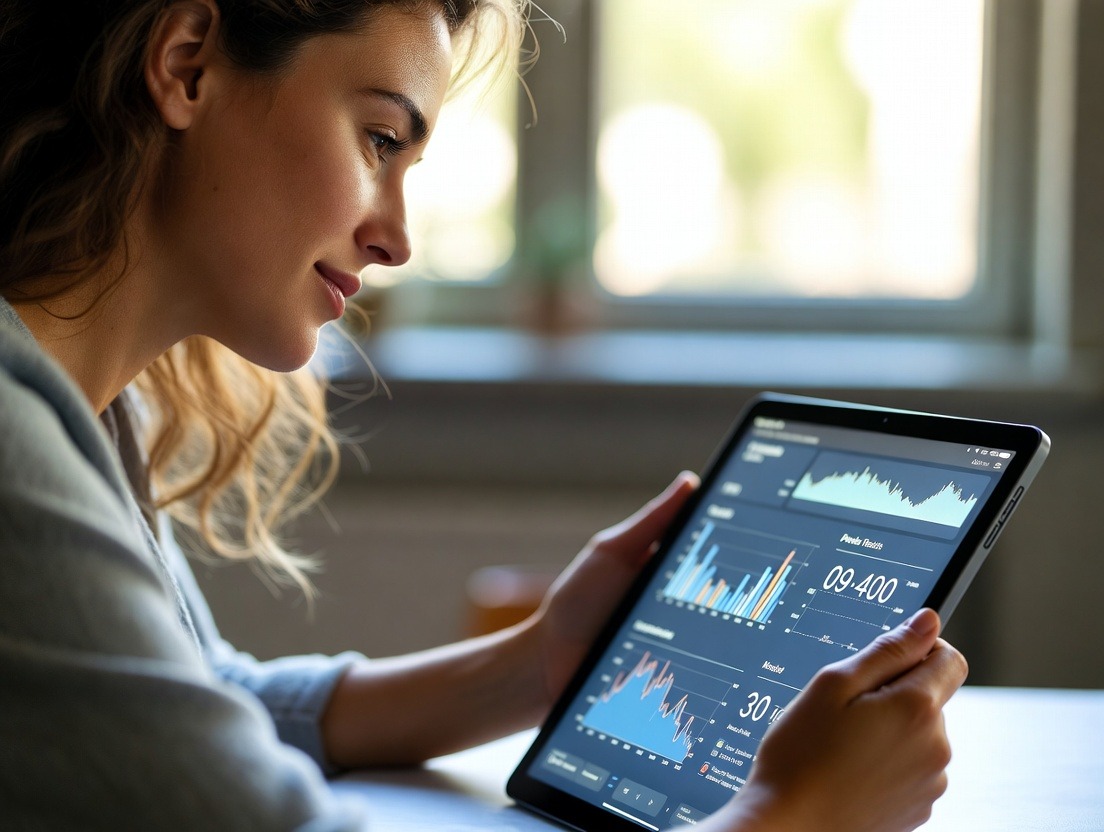
We have explored the present—a world where sensors and algorithms translate our body's whispers into actionable foresight. But the trajectory of predictive health technology points toward a future that is even more integrated, anticipatory, and deeply personal. This future is being shaped by the convergence of three revolutionary forces: advanced artificial intelligence, accessible genomic insights, and a shift toward truly holistic, systems-based health models. We are moving from predictive insights to prescriptive intelligence, where technology doesn't just forecast potential outcomes but collaborates with you to design a lifestyle that actively steers toward your optimal health destiny.
The next generation of predictive health will be characterized by its seamless invisibility and profound personalization. Imagine a system that doesn't just react to a poor night's sleep but learns your unique genetic predisposition for sleep disorders, analyzes your microbiome data from a smart toilet, factors in your personalized nutritional needs, and synthesizes this with your calendar and local weather to prescribe a perfect recovery day—from the timing of your caffeine intake to the ideal macronutrient balance at lunch. This is not science fiction; it is the logical next step on the path we are already walking. It represents a future where health management is not a burden, but an intelligent, automated layer of existence, empowering each individual to become the architect of their own well-being with tools of unimaginable precision.
The algorithms powering today's predictive insights are sophisticated, but they are largely based on supervised learning—trained on vast datasets to recognize known patterns (e.g., the illness signature). The future belongs to deep learning and unsupervised AI models that can discover patterns humans haven't even thought to look for, creating a new language of health prediction.
Unsupervised Pattern Discovery: Current systems are excellent at detecting pre-programmed patterns like overtraining or illness onset. Future AI will operate without these pre-defined labels. By analyzing petabytes of multimodal data (biometrics, voice, facial cues via camera, text from journals), it will identify novel, subtle patterns that precede health events. It might discover, for instance, that a specific, minute fluctuation in respiratory rate coupled with a change in typing speed on your phone predicts a migraine headache 8 hours in advance for a subset of users. These are correlations invisible to human researchers.
Generative AI for Personalized Scenarios: Beyond analysis, Generative AI will create personalized "what-if" simulations. You could ask your health AI: "What is the predicted impact on my 30-day recovery trend if I switch to a vegan diet?" or "Simulate the effect of starting a high-intensity interval training program on my injury risk, given my joint mobility data and past injury history." The AI would generate a probabilistic forecast based on your unique data and similar population cohorts, allowing you to make lifestyle choices with a preview of their likely biometric outcomes.
Contextual Emotional and Cognitive AI: Future sensors may incorporate vocal tone analysis, keystroke dynamics, and even eye-tracking (via smart glasses) to assess cognitive load and emotional state. An AI integrating this data with your HRV could predict not just stress, but specific emotional transitions: "Your data suggests you are entering a period of low motivation, consistent with past patterns before a creative breakthrough. The system recommends scheduling brainstorming sessions rather than analytical work for the next two days." It moves from predicting physiology to predicting psychology.
Longitudinal Life-Stream Analysis: The most powerful AI will analyze your entire "health life-stream"—decades of continuous data. This longitudinal analysis will enable true predictive phenotyping. The AI could identify that your particular combination of sleep architecture, seasonal HRV variation, and inflammatory markers places you in a unique phenotype that has a 40% higher statistical likelihood of developing a specific autoimmune condition in your 50s—but also identifies the lifestyle interventions (e.g., specific sleep temperature, vitamin D optimization, stress modulation techniques) most effective in altering that trajectory for your phenotype.
This AI-driven future requires immense responsibility. The "black box" problem—where even developers don't know how an AI reached a conclusion—must be addressed through explainable AI (XAI) that can justify its predictions in understandable terms. The goal is a collaborative intelligence, where human intuition and machine pattern-recognition work in tandem. Preparing your mind and nervous system to work with such technology, rather than being passively managed by it, begins with foundational practices like the daily breathwork that supports restful living.
Today's wearables provide a real-time video of your physiology. To truly predict your health future, we need to combine this with the foundational scripts written in your DNA and the live performance of your gut's microbial orchestra. The integration of genomic and microbiome data with continuous biometrics will create the ultimate personalized health forecast—a dynamic model of your innate risks and how your lifestyle is actively rewriting them.
Polygenic Risk Scores (PRS) Meet Daily Data: A Polygenic Risk Score uses hundreds or thousands of genetic variants to estimate your statistical likelihood of developing conditions like coronary artery disease, type 2 diabetes, or clinical depression. Alone, this is a static, probabilistic forecast. When integrated with wearable data, it becomes dynamic. For a user with a high genetic risk for hypertension, the AI can be hyper-vigilant for signs of cardiovascular strain. It can personalize thresholds: a resting heart rate elevation that might be benign for others triggers a serious alert for this user. It shifts the prediction from "You have a 30% lifetime risk" to "Your current lifestyle is modulating that risk downward/upward, and this week's data suggests you are trending toward the higher-risk expression."
Nutrigenomics in Action: Genetic data reveals how you metabolize caffeine, process saturated fats, or absorb vitamin D. A predictive health platform with this information can customize its guidance. For a "slow caffeine metabolizer," it might predict that an afternoon coffee will disrupt sleep and lower next-day HRV, and suggest a cutoff time. For someone with a genetic predisposition for low vitamin D, it could correlate cloudy weather patterns with dips in mood and energy in their biometric data, prompting a sunlight-exposure or supplementation nudge.
The Microbiome as a Predictive Organ: The gut microbiome, analyzable through regular at-home test kits, is a massive regulator of inflammation, metabolism, and even neurotransmitter production. Future integration will see wearable data correlated with microbiome states. An AI might learn that when certain "unfavorable" microbial strains dominate, it predicts a 15% increase in nocturnal inflammatory markers (skin temp) and a decrease in sleep quality three days later. This could trigger a pre-emptive dietary recommendation—a boost of specific prebiotic fibers—to shift the microbiome and avert the predicted inflammatory cascade.
Pharmacogenomics and Wearable Validation: Your genetic makeup influences how you respond to medications. In the future, when prescribed a new medication, your wearable could be used to validate its efficacy and watch for adverse reactions. For a blood pressure medication, the system would track for the expected decrease in resting heart rate and stabilization of HRV. A lack of expected response or an unusual biometric shift could provide early, objective data for your doctor to adjust treatment, moving from trial-and-error to precision pharmacotherapy.
This layered model—DNA as the baseline script, microbiome as the daily production, and wearables as the real-time critic's review—creates an unmatched predictive framework. It acknowledges that our health future is not predetermined but is a constant dialogue between our genes and our environment. Optimizing that environment for your unique biology is the essence of a personalized approach, akin to adapting your habits for restful living through the seasons.
The most accurate model of your personal health is incomplete without the context of your environment. The future predictive health ecosystem will extend far beyond the wearable, integrating seamlessly with the data streams of your smart home, your community, and even the planet. Your health forecast will be a blend of internal biomarkers and external exposures.
The Biophilic Smart Home: Your living space will become a proactive health partner. Smart beds will adjust temperature and firmness in response to your sleep-stage data from your ring. Lights will automatically follow circadian-friendly curves, with spectra shifting to suppress melatonin in the morning and promote it in the evening, synced to your personal chronotype. Air purifiers will ramp up when indoor sensors detect particulate matter, and your wearable will note the predicted impact on your respiratory rate and SpO₂. The home environment will constantly adapt to optimize your biometric outputs.
Environmental Exposure Tracking: Location data from your phone, combined with public datasets, will contextualize your health. Your system could note that on days you commute through high-traffic corridors, your nighttime inflammatory markers rise predictably. It might correlate periods of high pollen count with subtle increases in resting heart rate and decreases in HRV for allergy-prone individuals, offering predictive warnings. It could even integrate weather data, predicting lower energy and mood on days of prolonged low barometric pressure for those sensitive to such changes.
Community and Social Determinants of Health (SDOH): At a macro level, aggregated, anonymized wearable data from communities could provide powerful public health predictions. A city health department could identify neighborhoods showing collective trends of elevated stress biomarkers or poor sleep, predicting areas at higher risk for related health crises. This data could guide targeted interventions, like creating more green spaces or improving street lighting, to improve the health forecast of the entire community.
The Travel-Ready Predictive System: For the global citizen, this ecosystem is invaluable. As you travel, your system would automatically integrate new time zones, local pollution levels, altitude, and common pathogens. It would predict your jet lag pattern and provide a tailored adjustment plan. It might alert you: "The tap water microbiome in your destination has a different profile. Consider taking a probiotic strain shown to reduce traveler's diarrhea risk." This turns every trip into a data-informed journey, as supported by principles in the restful living travel guide.
This ambient intelligence creates a "health force field," where your surroundings actively conspire to support your well-being. The goal is to minimize the cognitive and physiological load of existing in a sub-optimal environment, freeing your energy for what matters most. It represents the ultimate application of creating environments that support calm, whether at work or at home.
As predictive health technology grows more powerful and intertwined with our lives, it ventures into complex ethical territory that we must navigate with foresight and integrity. The questions are no longer just technical, but deeply social and philosophical: Who benefits from prediction? Who might be harmed? How do we prevent a new form of digital determinism?
Algorithmic Bias and Health Equity: AI models are trained on data, and if that data is not diverse, the predictions will be biased. Most clinical and wearable datasets historically over-represent white, male, and affluent populations. This means predictive algorithms for conditions like skin cancer (based on image recognition) or even cardiovascular risk might be less accurate for people of color or women. The ethical imperative is to build inclusive datasets from the ground up and to continuously audit algorithms for disparate impact. A prediction that fails for certain groups isn't just inaccurate; it's unjust and perpetuates health disparities.
The Digital Divide and the "Health Data Poor": If predictive insights become key to optimizing health and preventing disease, a new form of inequality emerges: between the "health data rich" who can afford and use these technologies, and the "health data poor" who cannot. This could exacerbate existing health outcome gaps. Solutions must include public health initiatives that provide access to these technologies for underserved communities and designing low-cost, high-impact predictive tools (like simplified smartphone-based analyses) that democratize insight.
The Insurance Dilemma: This is one of the most charged ethical frontiers. Will health, life, or disability insurers one day request access to your predictive health data stream? In a risk-based industry, the temptation is clear: to reward those with "good" predictions and penalize or deny those with "bad" ones. This could lead to a form of predictive redlining, where people are priced out of coverage based on algorithmic forecasts of their future health, not their current status. Strong legal and regulatory frameworks—akin to the Genetic Information Nondiscrimination Act (GINA)—are urgently needed to prevent the use of predictive biometric data for insurance or employment discrimination. The principle must be that this data is for personal empowerment, not corporate or institutional judgment.
Autonomy vs. Paternalism: As predictions become more accurate, a subtle paternalism could emerge. When an AI says, "There is an 87% probability you will get a tension headache if you attend that loud party tonight," does it undermine personal agency? The line between helpful guidance and coercive nudging is thin. Ethical design must always prioritize user autonomy, presenting probabilities and options, not commands. The user must remain the ultimate decision-maker, free to sometimes choose the less "healthy" option that aligns with their values or desire for joy.
Psychological Impact of Constant Forecasting: Living with a constant forecast of your health could induce anxiety—a condition sometimes called "cyberchondria" on steroids. Ethical design must include "well-being guards." This could be features that allow users to mute certain types of predictions, frame risks in empowering rather than frightening terms, and integrate prompts for mindfulness and acceptance alongside forecasts. Protecting mental energy from data-driven anxiety is crucial, a reminder of the importance of digital detox and restful living boundaries.
In our pursuit of a crystal ball for health, we must pause to acknowledge its fundamental limits. The body is not a deterministic machine; it is a complex, adaptive system influenced by chaos, spirit, and the unquantifiable. The most sophisticated AI will never predict a spontaneous act of kindness that lifts your mood, the unexpected beauty of a sunset that lowers your cortisol, or the mysterious resilience of the human spirit in the face of adversity. Predictive technology is a powerful lens, but it is not the entire picture.
The Chaos of Complex Systems: Human biology is characterized by non-linear dynamics. Small, unmeasured inputs can lead to disproportionately large outcomes (the butterfly effect). A predictive model might correctly forecast a 70% chance of a cold, but you might avoid it because of a last-minute decision to take a day off, a conversation with a friend that reduced your stress, or simply luck. Prediction deals in probabilities, not certainties. We must learn to use it as a guide for increasing favorable odds, not as an oracle of fate.
The Unquantifiable Qualities of Life: Joy, meaning, purpose, love, and connection are the bedrock of health and longevity, yet they resist easy quantification. A life optimized purely by biometric predictions could be a sterile one. Sometimes, the data-driven "wrong" choice—staying up late with an old friend, eating a celebratory meal, pushing through a demanding project you're passionate about—is the right choice for the soul. Predictive insights should inform these decisions, not veto them.
The Danger of Metric Fixation: There is a risk that the quantified self becomes the qualified self, where self-worth gets entangled with daily scores. A string of "low readiness" days could be interpreted as personal failure rather than a neutral signal from the body. We must cultivate a healthy detachment from the data, using it as a tool for self-compassion and understanding, not self-judgment. The numbers describe a state; they do not define the person.
The Role of the Human Healer: Predictive technology will not replace doctors, therapists, coaches, or loved ones. It will augment them. The human element—empathy, intuition, the therapeutic alliance, the comforting touch—remains irreplaceable. The best future is one where your physician reviews your predictive trends with you, your therapist helps you contextualize stress data, and your own intuition, honed by this new awareness, guides your final choices. This balanced approach is the heart of a sustainable, structured yet flexible weekly plan for restful living.
By embracing both the power of prediction and its inherent limits, we avoid the trap of technological hubris. We use data to become more human, not less—more attuned to our bodies, more intentional with our choices, and more appreciative of the beautiful, unpredictable mystery of being alive.
Let's synthesize this future into a tangible vision. Imagine it is 2030. Ava, a graphic designer, begins her day not by checking social media, but by receiving a gentle, synthesized audio brief from her health ecosystem as she wakes up.
The Morning Brief: "Good morning, Ava. Based on your sleep data and microbiome analysis, your metabolic efficiency is predicted to be high today. Your genetic profile suggests you'll process caffeine slowly, so your optimal single coffee window is before 10 AM. Your calendar shows a client presentation at 3 PM. Biometric history indicates you experience a focus dip around 2:30. I've blocked 10 minutes for a breathing exercise at 2:20 to optimize your cognitive and calmness metrics for the meeting. Air quality is poor today; I've activated your home air purifiers and suggest an indoor lunch."
Seamless Integration: Ava's smart ring and discreet ear sensors have monitored her sleep, temperature, and HRV. Her smart scale analyzed her body composition and conducted a capillary blood scan for key biomarkers. Her refrigerator suggests a breakfast aligned with her current metabolic mode and genetic nutrient needs. The lights in her home have been gradually brightening with a blue-rich spectrum to suppress melatonin, timed to her personal dawn simulation curve.
Proactive Environmental Management: As she commutes, her car's climate control adjusts to keep her in her ideal thermal zone for alertness. Her system has already communicated with her office building, and her personal workspace lighting and temperature are pre-set to her optimal levels. When a stressful email arrives, her system detects a momentary spike in electrodermal activity and suggests a 60-second visualization exercise it knows has been effective for her in the past.
Predictive Social Planning: For the weekend, her system reviews her biometric trends. Noting a slight cumulative sleep debt and a dip in HRV, it predicts that a highly social weekend would increase her risk of a Monday immune dip. It gently suggests she keep one day for restorative solitude and offers to draft a kind message to postpone one commitment. It also knows from her DNA and past data that a hike in the forest on Saturday will have an outsized positive impact on her stress biomarkers, and so it proposes a route and time.
The Annual Review: At her yearly physical, Ava shares a secure data summary with her doctor. It shows not just snapshots, but trends, predictions, and personal experiments (like a month of a new supplement regime and its negligible effect on her inflammation markers). The visit is a strategic collaboration to adjust her long-term health plan, informed by a year of rich, continuous data.
In this vision, predictive health is not a separate app or device; it is a calm, intelligent layer woven into existence. It handles the complexity of biology so Ava can focus on creativity, connection, and living her life. It embodies the ultimate goal of technology: to serve humanity by enhancing our health, autonomy, and capacity for joy. This vision is built upon the foundational principle that true performance and creativity arise from a well-managed system, a concept central to restful living for high-achievers.
Your Trusted Sleep Advocate: Sleep Foundation — https://www.sleepfoundation.org
Discover a digital archive of scholarly articles: NIH — https://www.ncbi.nlm.nih.gov/
39 million citations for biomedical literature :PubMed — https://pubmed.ncbi.nlm.nih.gov/
Experts at Harvard Health Publishing covering a variety of health topics — https://www.health.harvard.edu/blog/
Every life deserves world class care :Cleveland Clinic - https://my.clevelandclinic.org/health
Wearable technology and the future of predictive health monitoring :MIT Technology Review — https://www.technologyreview.com/
Dedicated to the well-being of all people and guided by science :World Health Organization — https://www.who.int/news-room/
Psychological science and knowledge to benefit society and improve lives. :APA — https://www.apa.org/monitor/
Cutting-edge insights on human longevity and peak performance:
Lifespan Research — https://www.lifespan.io/
Global authority on exercise physiology, sports performance, and human recovery:
American College of Sports Medicine — https://www.acsm.org/
Neuroscience-driven guidance for better focus, sleep, and mental clarity:
Stanford Human Performance Lab — https://humanperformance.stanford.edu/
Evidence-based psychology and mind–body wellness resources:
Mayo Clinic — https://www.mayoclinic.org/healthy-lifestyle/
Data-backed research on emotional wellbeing, stress biology, and resilience:
American Institute of Stress — https://www.stress.org/


