


Healthy Lifestyle Tips That Show Results in Your Wellness Ring Data Within 30 Days
Lifestyle tips that are proven to show measurable improvement in your ring's data within one month.
Lifestyle tips that are proven to show measurable improvement in your ring's data within one month.
%402x.svg)
For years, pursuing a “healthy lifestyle” felt like navigating by intuition. You’d adopt a new habit—drinking more water, going to bed earlier, adding a morning walk—and hope you were on the right track. The feedback was vague: “I feel a bit better,” or “I’m less tired maybe.” Progress was nebulous, motivation fragile, and the connection between action and outcome frustratingly opaque. That era of guesswork is over. Enter the modern wellness ring, a sleek piece of wearable technology that transforms your body’s subtle whispers into clear, actionable data. Suddenly, the impact of your choices is quantified. You don’t just think you slept better; your ring shows an 18% increase in deep sleep and a lowered resting heart rate. You don’t just hope exercise is helping; you see your Heart Rate Variability (HRV) climb, a biomarker of recovery and resilience.
This article is your 30-day roadmap to not just feeling better, but proving it. We’re moving beyond generic advice into the realm of data-driven wellness. Each tip, strategy, and habit we explore is chosen for one reason: its impact is measurable and visible in the metrics your wellness ring tracks—sleep stages, resting heart rate (RHR), HRV, activity levels, body temperature, and SpO2. Over the next 30 days, you will learn to interpret your body’s unique language, apply targeted interventions, and witness the direct correlation between your daily choices and your biometric data. The goal is to create a positive feedback loop where your actions improve your data, and your improving data fuels your motivation to continue. Let’s begin the journey of turning intention into insight, and insight into lasting, verified well-being.
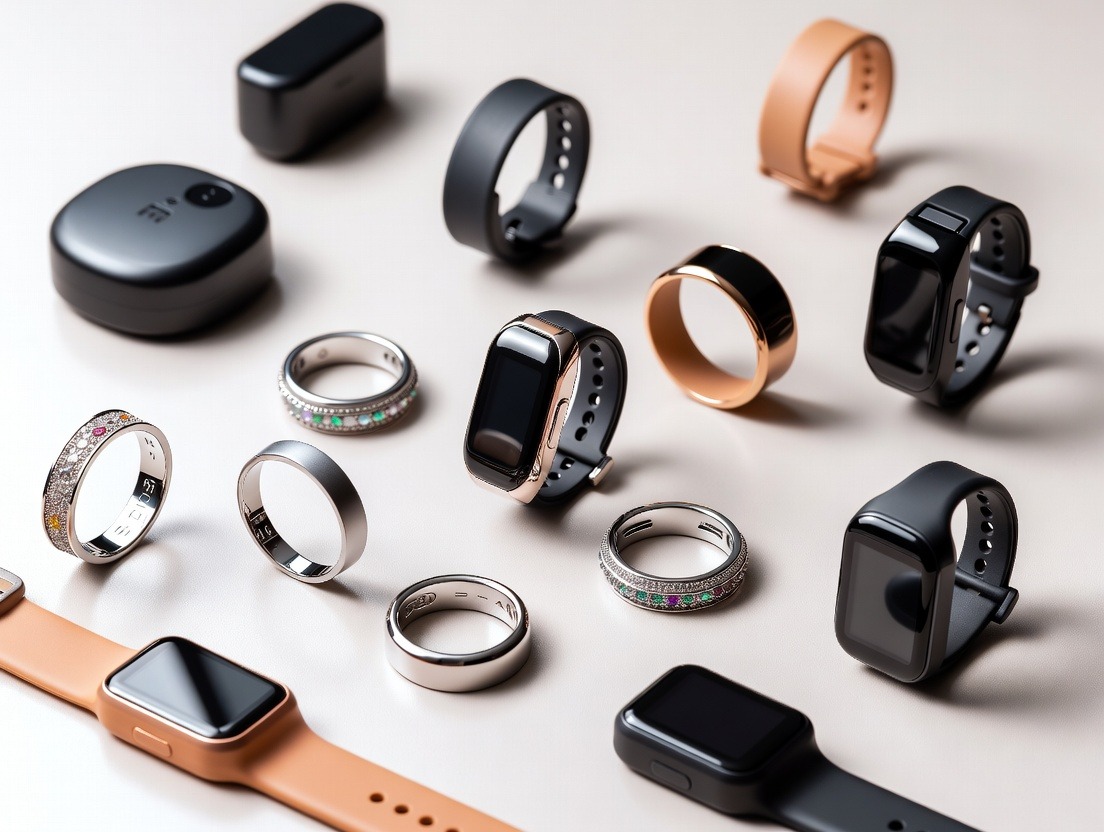
Before we dive into the transformative tips, it’s crucial to understand the powerful device on your finger. A modern wellness ring is far more than a step counter. It’s a compact biometric laboratory, using sensors like photoplethysmography (PPG) to monitor blood flow, accelerometers to detect movement, and thermistors to track temperature. From this constant, passive data stream, it derives your most critical health indicators.
Your Resting Heart Rate (RHR) is a master metric of cardiovascular fitness and autonomic nervous system balance. A downward trend over weeks is a golden ticket, indicating a stronger, more efficient heart. Heart Rate Variability (HRV), the millisecond variation between heartbeats, is your body’s prime signal of recovery and stress resilience. Higher HRV suggests your body is ready to perform, adapt, and thrive. Sleep architecture—broken into light, deep, and REM sleep—reveals the quality of your physical and mental restoration. Blood Oxygen (SpO2) during sleep can flag breathing disturbances, while skin temperature trends offer clues about circadian rhythm, ovulation, and illness onset.
The magic isn’t in wearing the ring; it’s in learning its language. Your baseline data is unique. A “good” HRV for you might be “low” for someone else. The first step in your 30-day journey is to spend one week simply observing. Go about your normal routine and note your averages: What’s your typical RHR upon waking? What’s your sleep score on a decent night? This establishes your personal benchmark. From there, every intervention we implement has a clear goal: to move these numbers in a favorable direction. The ring becomes your objective coach, giving unbiased feedback, celebrating your wins with improved scores, and gently nudging you when your data shows a need for more recovery. This foundational understanding turns abstract health concepts into personal, measurable objectives.
Your circadian rhythm is your body’s 24-hour internal clock, governing everything from hormone release and metabolism to sleep-wake cycles and body temperature. When synchronized, it’s the bedrock of vitality. When disrupted, it manifests in your wellness ring as poor sleep scores, elevated nighttime heart rate, and low HRV. Aligning with this rhythm is the most powerful step you can take to see dramatic data improvements within 30 days.
The process begins with light, your rhythm’s primary timekeeper. Aim to get bright, natural light exposure within 30-60 minutes of waking. This signals to your suprachiasmatic nucleus (your brain’s master clock) that the day has begun, suppressing melatonin and boosting cortisol (your wake-up hormone) at the right time. This simple act sets a cascade of biological events in motion that will culminate in better sleep pressure 16 hours later. Conversely, as the sun sets, your focus should shift to minimizing blue and bright light exposure. After 8 PM, consider using blue-light blocking glasses or enabling “night shift” modes on devices. This protects your endogenous melatonin production, which is crucial for initiating sleep.
Your wellness ring will validate this practice. Consistent morning light exposure and evening light dimming typically lead to measurable outcomes within a week: you may see an earlier, more stable drop in your skin temperature (a key signal for sleep onset), a decrease in the time it takes to fall asleep (sleep latency), and an increase in the stability of your sleep stages. Your deep sleep, in particular, is highly regulated by a stable circadian rhythm. By becoming a guardian of your light exposure, you’re not just “trying to sleep better”—you are systematically programming your biology for restoration, and your ring will show you the proof in the data.

Sleep hygiene is the collection of behaviors and environmental tweaks that pave the way for high-quality sleep. Unlike fleeting trends, these are evidence-based practices, and when implemented consistently, they produce clear, quantifiable changes in your nightly biometrics. Let’s transform your pre-sleep routine from a passive wind-down into an active performance ritual for recovery.
First, the environment. Your bedroom should be a cave: cool, dark, and quiet. Data from wellness rings consistently shows that a room temperature between 60-67°F (15-19°C) is optimal for the natural dip in core body temperature required for sleep initiation and deep sleep maintenance. Use blackout curtains and consider a sleep mask. Even small amounts of light can fragment sleep architecture, which your ring will report as increased “awake” or “restless” periods. Sound is next. If silence isn’t possible, use a white noise machine or a fan to mask disruptive noises. The goal is to minimize sleep disturbances that cause heart rate spikes, which your ring logs as periods of stress or wakefulness.
Now, the ritual. Your brain craves predictability. A consistent 30-60 minute pre-sleep routine signals a definitive close to the day. This is where you must be ruthless about technology. The combination of blue light and engaging content is a sleep killer. Instead, transition to analog activities: read a physical book, practice gentle stretching or yoga Nidra, journal to download the day’s worries, or listen to calming music or a podcast. For a deep dive into constructing the perfect evening ritual, explore our guide on how nighttime routines signal your body it's time to sleep.
Your ring’s data will be the judge of your new hygiene. Within two weeks, look for a decrease in your sleep latency (how long it takes to fall asleep), an increase in your sleep efficiency (the percentage of time in bed actually spent sleeping), and more consolidated blocks of deep and REM sleep. You might also notice your resting heart rate dipping lower and earlier in the night, a sign of robust parasympathetic (rest-and-digest) nervous system activation. If you’re a shift worker or have an irregular schedule, maintaining this consistency is challenging but vital; specialized strategies can be found in our article on a nighttime routine for shift workers.
Hydration is fundamental to every cellular process, yet its timing is often an afterthought. Haphazard drinking can lead to daytime fatigue, poor workout performance, and, ironically, disrupted sleep from multiple bathroom trips (nocturia). By strategically scheduling your hydration, you can boost daytime vitality while protecting your precious sleep data.
The core principle is front-loading. Aim to consume the majority of your daily water intake—roughly 75%—before 6 PM. A good target is to drink 16-20 ounces of water shortly after waking to reverse the mild dehydration of sleep. Continue sipping consistently throughout the morning and afternoon. This ensures your cells are optimally hydrated for cognitive function, physical performance, and metabolism during your active hours. You may even see a subtle, positive impact on metrics like heart rate during exercise, as a well-hydrated heart doesn’t have to work as hard.
The critical corollary is to taper off in the evening. Drastically reduce fluid intake 60-90 minutes before your target bedtime. This gives your body ample time to process fluids before you lie down. The payoff in your sleep data can be significant. Fewer nighttime awakenings to use the bathroom directly improves your sleep efficiency score and reduces sleep fragmentation. You’ll see longer, uninterrupted blocks of sleep stages on your hypnogram, which is essential for physical recovery (deep sleep) and memory consolidation (REM sleep).
Furthermore, be mindful of what you drink. Alcohol and caffeine are potent data disruptors. Alcohol may help you fall asleep faster, but it reliably devastates sleep quality in the second half of the night, obliterating REM sleep and causing heart rate elevations—something your ring will starkly reveal. Caffeine has a half-life of 5-6 hours; consuming it after 2 PM can increase sleep latency and reduce sleep depth. For 30 days, experiment with a hard caffeine curfew and observe the direct correlation in your sleep stability metrics. Hydration isn’t just about quantity; it’s a timed strategy for peak function and recovery.

Food is fuel and information, and when you eat is a powerful signal to your metabolism and circadian clock. The modern pattern of late-night eating and grazing conflicts with our biology, often showing up in wellness data as elevated nighttime heart rate, poor sleep quality, and low morning HRV. By aligning your eating schedule with your circadian rhythm, you can foster metabolic health and deeper recovery.
The most impactful rule is to establish a consistent eating window and, ideally, make it earlier in the day. A practice like time-restricted eating (TRE), where you condense all calories into an 8-12 hour window (e.g., 8 AM to 6 PM), aligns food intake with peak insulin sensitivity and digestive capacity. Avoid large, heavy meals within 3 hours of bedtime. Digestion is an active process that raises core body temperature and requires energy—both of which can interfere with the body’s natural cooling-down and winding-down process for sleep. Your ring may show a higher resting heart rate throughout the night after a late dinner, as your body works to digest instead of fully resting.
Pay attention to meal composition as well. A bedtime snack, if needed, should be small and combine a bit of complex carbohydrate with a source of tryptophan (like a banana with a small handful of almonds or a slice of turkey). This can facilitate the production of serotonin and melatonin. Conversely, meals high in saturated fat or spice right before bed can trigger indigestion and disrupt sleep. The data connection here is clear: better sleep from improved meal timing leads to better next-day metrics like HRV and RHR. It also supports stable daytime energy, reducing the cravings for quick sugar hits that cause energy and focus crashes.
Within your 30-day challenge, experiment with finishing dinner at least 3 hours before bed. Use your wellness ring to monitor the effect. Look for improvements in your sleep onset time, a reduction in nighttime restlessness, and a more pronounced dip in your overnight skin temperature—a sign your body isn’t busy digesting when it should be cooling for sleep. This isn’t about drastic dieting; it’s about chrono-nutrition—giving your body the fuel it needs when it’s best equipped to use it.
Exercise is a cornerstone of health, but more is not always better. In the realm of biometrics, fitness is a balance between applying strain (the stress of a workout) and allowing recovery. Overtraining is a surefire way to see your HRV plummet and your RHR climb—a state your wellness ring will flag as “strained” or requiring recovery. The goal for the next 30 days is to use your data to train smarter, not just harder.
Your ring provides two key metrics for this balance: HRV and Resting Heart Rate (RHR). Track these metrics each morning. A stable or rising HRV and a stable or lower RHR suggest you are recovered and ready for a challenging workout. A significant drop in HRV (below your personal baseline) or a spike in RHR (by 5-7 beats per minute) is a red flag from your nervous system. It indicates residual stress from previous training, poor sleep, or life stress. On these days, heed the data and opt for active recovery (a gentle walk, yoga, light stretching) or complete rest. Pushing through will only dig a deeper recovery hole and increase injury risk.
Use this insight to periodize your week. Schedule your most intense workouts (HIIT, heavy strength training, long runs) on days following good recovery scores. Follow these hard days with easier ones. This “stress + rest = growth” model, guided by your personal data, leads to sustainable progress. After a hard but well-timed workout, you might see a temporary dip in HRV that night, but it should rebound above baseline within 24-48 hours—a sign of positive adaptation. If it doesn’t, you need more recovery time.
Also, leverage your activity and calorie burn data not just as a trophy, but as a piece of the puzzle. It should align with your energy levels and recovery scores. The sweet spot is where your activity supports a gradual improvement in your cardiovascular metrics (a lower RHR over weeks) without chronically suppressing your HRV. By the end of 30 days, you should see a clearer relationship between your workout types, timing, and their impact on your biometrics, allowing you to craft a truly personalized, sustainable fitness plan.
While diet, sleep, and exercise form the pillars of health, the mind is the foundation upon which they rest. Chronic mental stress activates the sympathetic nervous system (“fight-or-flight”), leading to elevated cortisol, higher resting heart rate, and suppressed HRV. The beautiful symmetry is that you can use conscious breathing and mindfulness to directly counteract this, and your wellness ring can measure the effect in real-time and over the long term.
Controlled breathing is a direct line to your autonomic nervous system. Techniques like coherent breathing (inhaling for 5 seconds, exhaling for 5 seconds, for 5-10 minutes) or 4-7-8 breathing (inhale 4, hold 7, exhale 8) actively stimulate the vagus nerve, triggering the parasympathetic (“rest-and-digest”) response. You can literally watch this happen. During a breathwork session, open the live heart rate feature on your ring’s app. As you settle into the rhythm, you will likely see your heart rate descend and become more regular. A consistent daily practice of just 5-10 minutes of breathwork has been shown to produce a lasting upward trend in HRV and a downward trend in RHR.
Mindfulness or meditation works on a similar principle. By practicing non-judgmental awareness of the present moment, you reduce the cognitive and physiological burden of ruminating on the past or worrying about the future. This lowers background stress. To see the data connection, try this: for one week, note your stress levels subjectively on a scale of 1-10. Then, for the next week, incorporate a 10-minute guided meditation into your morning or evening routine. Observe the corresponding biometrics. You may find your daytime heart rate is lower and less variable, and your sleep data improves because you’ve quieted your mind before bed. For those dealing with anxiety, this practice is particularly potent; learn more in our piece on the nighttime routine that reduces next-day anxiety.
Over 30 days, a dedicated breathwork or mindfulness practice is one of the fastest ways to see positive movement in your HRV and RHR. It’s a direct, controllable intervention that proves to you, through data, that you have the power to regulate your own nervous system state.
Caffeine and alcohol are deeply woven into social and daily rituals. Yet, from a biometric standpoint, they are potent pharmacological agents that can significantly distort your health data. The next 30 days present an opportunity to conduct a personal audit, using your wellness ring to move from anecdote to evidence about how these substances truly affect you.
Let’s start with caffeine, a central nervous system stimulant. Its primary effects—blocking adenosine (a sleep-promoting chemical) and stimulating adrenaline—are beneficial in the morning but disastrous if timed poorly. Beyond the obvious sleep disruption, caffeine can elevate your resting heart rate and lower your HRV for several hours after consumption, signaling physiological stress. For your audit, establish a strict caffeine curfew (e.g., no caffeine after 12 PM). Observe the changes over two weeks: Do you fall asleep faster (lower sleep latency)? Does your deep sleep increase? Does your morning HRV trend upward? The data will give you a personalized “cut-off” time.
Alcohol, despite its seductive initial effect, is a known sleep-wrecker and metabolic disruptor. It’s a sedative that suppresses REM sleep—the stage crucial for emotional regulation and memory. Your ring will often show a characteristic pattern after even one or two drinks: you may fall asleep quickly, but then experience a heart rate spike in the middle of the night (as your body metabolizes the alcohol) and a significant reduction in REM sleep. It also dehydrates you, which can elevate your RHR and lower your HRV for 24-48 hours. For your audit, try a 2-3 week period of complete abstinence. Compare the sleep scores, HRV, and RHR data from this period to your baseline weeks with social drinking. The difference is often stark and can be a powerful motivator for more mindful consumption.
This isn’t about prescribing total abstinence (unless your data suggests you should). It’s about informed choice. With the insights from your 30-day audit, you can make strategic decisions: “I’ll have that coffee, but before 10 AM because I value my deep sleep,” or “I’ll enjoy a glass of wine, but not on a night before I need my best recovery.” You transition from being passively affected by these substances to actively managing their role in your life based on your unique physiological response.
In a world obsessed with optimization and biohacking, the most powerful tool is often the simplest: relentless consistency. Your body’s systems thrive on predictability. A wildly variable sleep schedule, erratic meal times, and sporadic exercise create a state of internal chaos, reflected in unstable, noisy biometric data. The journey to clean, upward-trending data is built on the bedrock of daily rhythms.
Consistency is the amplifier for every other tip in this guide. A perfect sleep environment matters little if your bedtime swings by 3 hours each night. Strategic hydration fails if you only do it on weekdays. Your circadian clock craves regularity. Aim to wake up and go to bed within a 30-minute window every single day, even on weekends. This single habit, more than any other, stabilizes your cortisol-melatonin cycle. In your ring data, this manifests as more consistent sleep scores, a reliable dip in nighttime heart rate, and a smoother skin temperature curve.
Apply the same principle to meal times, workout schedules, and even your wind-down routine. When your body can predict what’s coming, it operates more efficiently, wasting less energy on adjustment and stress. You’ll likely notice your HRV baseline becomes less erratic and begins a gradual climb. Your sleep efficiency will improve because your body knows precisely when to initiate sleep processes. The power of a fixed nighttime ritual is profound; for inspiration on building one, see the nighttime wellness routine that changed my sleep forever.
For the next 30 days, choose three “non-negotiables.” They could be: 1) A fixed wake-up time, 2) A 10-minute morning mindfulness session, and 3) A lights-out deadline. Do them without fail. The compounding effect isn’t just additive; it’s multiplicative. Each consistent day makes the next one easier, lowers systemic stress, and builds a resilient physiology. Your wellness ring will chart this journey from volatility to stability, providing the most satisfying graph of all: the graph of steady, earned progress.
Data without interpretation is just noise. As you embark on this 30-day journey, knowing how to read the story your biometrics are telling is crucial for staying motivated and making smart adjustments. Avoid the pitfall of obsessing over daily fluctuations; instead, learn to spot meaningful trends.
First, change your view. Look at your data in weekly and 30-day trends, not daily snapshots. A single night of poor sleep or a low HRV reading is irrelevant. Life happens. What matters is the direction of the line on the graph. Is your 7-day average RHR slowly drifting downward? Is your weekly HRV median creeping upward? These are the true signs of progress. Use the tagging or journal feature in your ring’s app. Log nights you had alcohol, days you had an intense workout, periods of work stress, or when you tried a new habit like evening meditation. This creates a cause-and-effect logbook. You can literally look back and see, “Every time I meditate, my sleep score averages 85+. On weeks I skip it, it drops to 79.”
Second, set process-based goals, not just outcome-based goals. Instead of “I want an HRV of 60,” set goals like “I will perform my breathing exercise 6 days this week” or “I will finish eating by 7 PM for 5 nights.” These are actions within your control. The beautiful part is that when you achieve these process goals, the outcome goals (like higher HRV) tend to follow naturally. Your ring validates this loop: you complete your habit, and a few days later, you see the positive data shift. This is incredibly reinforcing.
Finally, embrace your data as a compassionate guide, not a harsh judge. Its purpose isn’t to make you feel guilty about a bad night but to empower you with knowledge. If you see a dip, ask, “What can I learn?” Perhaps it confirms you need more recovery after a certain workout, or that a particular food disagrees with you. This turns every data point, “good” or “bad,” into valuable self-knowledge. To refine your tracking skills, our article on how to track whether your nighttime routine is working offers excellent, practical frameworks. This mindset shift—from being judged by data to being guided by it—is what ensures your wellness journey extends far beyond these 30 days and becomes a sustainable, intelligent lifestyle.
Your daily structure is the scaffolding upon which your health is built. A chaotic, reactive day drains your energy reserves, spikes stress hormones, and sets the stage for poor recovery at night. Conversely, a rhythmically structured day—with intentional periods of focus, movement, and rest—creates a virtuous cycle of daytime vitality and nighttime restoration, all clearly reflected in your wellness ring metrics. The goal is to move through your day in alignment with your natural ultradian rhythms (90-120 minute cycles of focus and fatigue) and circadian biology.
Begin by designing your morning anchor. The first 60-90 minutes after waking are critical for setting your physiological and psychological tone. Avoid the “phone plunge.” Instead, after getting your morning light exposure, engage in activities that prime your nervous system for calm focus. This could be your breathwork practice, a short meditation, or reading. This deliberate start prevents an immediate cortisol spike from emails and news, leading to a more stable heart rate throughout the morning. Your ring data may show fewer “stress” flags during this period as a result.
Next, schedule your most demanding cognitive work during your natural peak, which for most people is in the late morning (2-3 hours after waking). Protect this time. After 60-90 minutes of focused work, honor your body’s ultradian rhythm by taking a true break. Get up, move, look out a window, hydrate—do not simply switch tasks. These micro-recovery periods prevent the accumulation of mental fatigue, which often manifests as stress and can elevate your daytime heart rate. Schedule a midday movement break, ideally after lunch. A 10-20 minute walk not only aids digestion but also provides another dose of natural light to reinforce your circadian rhythm and combat the post-lunch energy dip. This practice directly supports stable daytime energy, reducing the need for stimulants, which in turn protects your sleep later.
By the late afternoon, begin the gradual transition. If you exercise in the evening, finish vigorous activity at least 2-3 hours before bed to allow your core temperature and heart rate to descend. As evening approaches, the structure shifts decisively toward recovery. This structured day creates a predictable demand-and-reward cycle for your body. The focused demand of the day creates healthy sleep pressure, while the intentional recovery periods prevent sympathetic overdrive. In your data, look for a smoother, lower daytime heart rate graph, fewer stress alerts, and a more pronounced, natural wind-down in your metrics as you approach your evening routine, paving the way for the high-quality sleep that completes the cycle.

Stress is not an abstract concept; it’s a physiological event with measurable consequences. Chronic, unmanaged stress keeps your sympathetic nervous system engaged, leading to elevated cortisol, a higher resting heart rate, suppressed HRV, and fragmented sleep. Your wellness ring acts as an early-warning system, highlighting these effects long before you might consciously acknowledge feeling “burned out.” Therefore, proactive stress management isn’t a luxury—it’s essential maintenance for your biometric health.
The first step is identification. Use your ring’s stress score or daytime heart rate variability features. Notice patterns: Are your stress scores consistently high during work meetings, commutes, or specific times of day? This objective data removes denial and pinpoints your unique stress triggers. With this awareness, you can deploy targeted, real-time interventions. When you see your live heart rate climbing during a stressful situation, that’s your cue to employ a “circuit breaker.” This could be a minute of deep, diaphragmatic breathing, stepping outside for a moment of fresh air, or simply taking three conscious breaths before responding. These micro-practices prevent a full-blown stress cascade.
Beyond real-time fixes, build daily “stress resilience reservoirs.” Regular moderate-intensity cardio exercise is one of the most potent long-term stress buffers, as it trains your cardiovascular system and improves your ability to return to baseline after a stressor. Mindfulness and meditation, as discussed, directly lower the background noise of anxiety. Furthermore, don’t underestimate the power of social connection and leisure. Meaningful social interaction and engaging in hobbies you enjoy stimulate the release of oxytocin and dopamine, counteracting stress hormones. A life out of balance—all work and no play—will eventually show in your data as a chronically depressed HRV and elevated RHR.
Over 30 days, a dedicated stress management practice yields clear returns. You should see a decrease in the frequency and intensity of your ring’s “stress” notifications. Your daytime heart rate graph will show fewer and less severe spikes. Most importantly, your overnight recovery metrics will improve because your body isn’t carrying the full burden of the day’s stress to bed. It’s able to fully engage the parasympathetic system. For those whose stress manifests at night, exploring targeted solutions like the nighttime routine for light sleepers and insomniacs can provide additional structure. By managing stress proactively, you protect your most valuable asset for health and performance: your body’s ability to recover.
In the pursuit of fitness and vitality, rest is not idleness; it’s an active, essential component of growth. A true recovery day is a strategic tool to enhance your body’s adaptation to previous strain, leading to supercompensation—where you come back stronger. Misunderstanding this leads to either under-recovery (overtraining) or passive, stagnant rest. Your wellness ring provides the objective criteria to master this art, ensuring your rest days actually move your biomarkers in the right direction.
An active recovery day is defined by very low-intensity movement that promotes circulation without imposing new metabolic or muscular stress. Think a leisurely 30-60 minute walk, gentle cycling, light swimming, yoga, or foam rolling. The goal is to increase blood flow, which delivers nutrients to muscles and clears metabolic waste, without spiking heart rate or cortisol. How do you know if you’re doing it right? Your ring’s live heart rate should stay firmly in a comfortable, low zone (often Zone 1, or 50-60% of your max). If you see it creeping into Zone 2 or 3, you’ve crossed from recovery into a new workout.
The true measure of a successful recovery day, however, is seen the following morning. A well-executed day of active recovery, coupled with good sleep and nutrition, should result in a positive biomarker response. Look for:
If, after a rest day, your HRV is still low and RHR high, it’s a clear signal you need another day of genuine recovery or need to examine other stressors (sleep, diet, life stress). Conversely, completely sedentary days (no movement at all) may not stimulate circulation enough to aid the recovery process as effectively, and might not produce as strong a rebound.
Incorporate one or two of these intentional active recovery days per week, especially after your hardest training sessions. Over the course of 30 days, this disciplined approach to rest will smooth out the ups and downs in your data. You’ll avoid the deep troughs of overtraining and create a steadier, upward trajectory for your key fitness biomarkers like HRV and RHR. You learn to respect the data that says “rest,” knowing that doing so is the fastest way to reach your next peak.
Our environment exerts a constant, subtle influence on our physiology. From the air we breathe to the light we see, these factors can either support or hinder our wellness goals, and their effects are captured in biometric data. By taking control of your immediate environment—your home and workspace—you can create a backdrop that passively promotes better health, making your active efforts (like exercise and diet) even more effective.
Light Quality Throughout the Day: Beyond morning sunlight and evening dimness, consider the quality of your indoor lighting. Harsh, cool-white fluorescent or LED lights can be subtly stimulating and stressful. Where possible, use warmer, dimmable lights. During the day, position your workspace to get as much natural, indirect light as possible. This supports healthy cortisol rhythms and reduces eye strain, which can contribute to tension and elevated stress signals.
Air Quality and Temperature: Poor air quality, high in particulate matter or VOCs (volatile organic compounds), can trigger low-grade inflammation and stress the respiratory and cardiovascular systems. An air purifier with a HEPA filter in your bedroom and workspace can make a measurable difference, particularly for metrics like nighttime respiratory rate and blood oxygen (SpO2) stability. Similarly, maintaining a cool, well-ventilated environment supports thermoregulation. An overheated workspace can contribute to fatigue and brain fog, while a cool bedroom is non-negotiable for deep sleep, as your ring’s temperature correlation data will confirm.
Clutter and Visual Noise: A chaotic, cluttered environment can subconsciously elevate stress levels. The visual noise creates cognitive load, making it harder for your brain to relax. This can manifest as a slightly elevated baseline heart rate or difficulty winding down. Creating organized, tidy spaces, especially in your bedroom and where you relax, can lower this background stress. Consider it “visual hygiene.”
Soundscapes: Intrusive, jarring, or unpredictable noises trigger micro-stress responses. If you can’t control the noise (e.g., traffic, construction), use a consistent sound mask. As mentioned, white noise, pink noise, or nature soundscapes can be incredibly effective. Your sleep data will show fewer awakenings and less restlessness, leading directly to higher sleep scores and better recovery metrics like HRV.
Within 30 days, making even one or two of these environmental tweaks can yield noticeable results. For instance, adding an air purifier to your bedroom might lead to a more stable SpO2 line and a lower average respiratory rate. Dimming your evening lights an hour earlier might help your skin temperature drop more consistently. These optimizations work quietly in the background, turning your living space into a true sanctuary that supports your biometric goals around the clock.
We live in a world of ubiquitous technology, and while wellness wearables like your ring are powerful tools for good, other devices can be significant detractors from your health goals. The key is to move from a passive, default relationship with technology to an intentional one, where you use devices as servants to your well-being, not masters of your attention and nervous system.
The Smartphone: Your Biggest Frenemy. Your phone is likely the single greatest source of circadian disruption and attentional fragmentation. The constant notifications create a state of “chronic anticipatory stress,” keeping your nervous system on high alert. This can elevate your daytime resting heart rate and suppress HRV. Implement these digital boundaries:
The Computer and Blue Light: While blue-light blocking glasses can help in the evening, a more fundamental shift is to use software that adjusts your screen’s color temperature automatically (like f.lux or Night Shift). Set it to shift to a warm, amber tone at sunset. This reduces the melatonin-suppressing effects of your screens.
Using Tech for Positive Rituals: Flip the script and use technology to create healthy routines. Use calendar blocks to schedule your workout, meal prep time, and wind-down ritual. Use meditation apps (with the screen faced down or in another room) to guide your practice. Use smart speakers to play white noise or calming music for sleep. The distinction is between consumptive tech use (scrolling, reacting) and productive or restorative tech use (guided meditation, scheduled focus).
Your wellness ring will be the ultimate validator of your new tech boundaries. After a week of a strict phone-free bedroom policy and reduced notifications, look for improvements in your sleep onset data and a reduction in pre-sleep heart rate. You may also notice your daytime stress scores are lower because you’re not being constantly interrupted. By taking conscious control of your tech environment, you reclaim your attention and your nervous system’s calm, which is directly reflected in cleaner, healthier biometric data.
Human beings are inherently social creatures, and the quality of our connections has a profound impact on our physiology. Loneliness and social isolation are potent stressors, linked to higher levels of inflammation, elevated cortisol, poor sleep, and even increased mortality risk. Conversely, positive, supportive social interactions release oxytocin (the “bonding hormone”), reduce cortisol, and promote feelings of safety and calm. This biochemical reality is something your wellness ring can detect.
Think of your social life as part of your recovery protocol. A joyful dinner with close friends, a supportive conversation with a partner, or even a cooperative team activity can trigger a parasympathetic (rest-and-digest) response. You might notice after such an evening that your sleep heart rate is particularly low and your HRV is high the next morning—a sign of profound recovery. On the flip side, conflict-ridden interactions or feelings of isolation can create a lingering stress effect, showing up as elevated nighttime heart rate or a depressed HRV.
To leverage this for your 30-day challenge, be intentional about social nourishment:
Your ring data can help you identify the impact of your social world. If you consistently see poor recovery metrics after specific social events or periods of isolation, it’s data worth reflecting on. Over 30 days, actively cultivating positive connection and setting healthy social boundaries can become a powerful, pleasurable lever for improving your stress resilience and overall biometric profile. It reminds us that wellness is not just a solo pursuit of perfect metrics, but a holistic state nurtured in community.
All the advice in the world is generic until it’s filtered through the lens of your unique biology. This is the core promise of biometric wearables: moving from population-based health recommendations to personalized, you-based insights. Two people can follow the same “perfect” routine and get wildly different results. Your 30-day journey is a process of discovery—learning to interpret what your data is saying about your body’s responses.
This requires becoming a student of your own trends and correlations. Use the journaling feature in your app religiously. Tag days with specific variables:
After 30 days of consistent tracking, you can start to run your own personal experiments. Review the data. Do you see a pattern where “Heavy legs day” is consistently followed by a 10% dip in HRV, requiring two recovery days? That’s your personal recovery curve. Does “Late meal” correlate with a 5-beat elevation in your average nighttime heart rate? That’s your digestive impact on sleep. Perhaps you discover that a 20-minute afternoon nap, contrary to popular belief, doesn’t ruin your nighttime sleep but actually boosts your evening HRV. That’s a powerful, personalized tool.
Embrace being an outlier. Maybe the recommended 8 hours of sleep isn’t your sweet spot; perhaps your data shows you wake up with the highest HRV after 7 hours and 15 minutes. Maybe morning workouts spike your stress score, but afternoon ones don’t. Your ring doesn’t judge; it reports. This process cultivates body literacy—the ability to understand and respond to your body’s signals. You stop forcing yourself into a one-size-fits-all mold and start crafting a lifestyle that works in harmony with your unique physiology. The end result is not just better data, but a more intuitive, confident, and sustainable relationship with your own health.
Progress is rarely a straight, upward line. Even with perfect diligence, you will encounter plateaus—weeks where your HRV seems stuck or your sleep score won’t budge above 80. You will also face setbacks: a week of poor sleep due to travel, a stress-induced data crash, or an illness that resets your progress. These are not failures; they are integral parts of the journey and rich sources of information. Your wellness ring provides the objective toolset to navigate them without panic or derailment.
First, Diagnose the Plateau. If your key metrics have stalled for 2-3 weeks, it’s time to investigate. Re-examine your journal tags. Has a “non-negotiable” habit become negotiable? Has your stress subtly increased? Has your diet shifted? Sometimes, a plateau means your body has adapted to your current routine, and it’s time for a new stimulus or a new focus. Perhaps you’ve maximized the gains from sleep hygiene and now need to turn your attention to nutritional timing or fitness intensity. Use your ring’s trend lines to ask: “What metric has the most room for improvement right now?” Shift your focus there.
Second, Respond to Setbacks with Curiosity, Not Criticism. Got sick? Your data will show it: elevated RHR, low HRV, often a higher body temperature. This is your signal to prioritize rest above all else. Do not try to “push through” or maintain your habits. This is what the data is for—to tell you when your plan needs to be scrapped for recovery. A common pitfall is trying to return to full intensity too quickly after an illness or a stressful period, which leads to a relapse. Let your HRV and RHR be your guides back. Only return to full training and strict routines when they have returned to your pre-setback baseline for at least 2-3 days.
Third, Embrace Strategic Variety. The body thrives on rhythm but also adapts to monotony. If your sleep is plateauing, consider introducing a new element to your wind-down routine, like a gratitude journal or a different type of gentle stretch. If your fitness metrics are stuck, it might be time to change your workout type (e.g., from running to swimming) or intensity pattern. Track the effect of this change in your data over the subsequent week. This systematic experimentation, guided by data, prevents boredom and drives continued adaptation.
Remember, the long-term trend over months is what matters. A plateau or setback on a weekly graph is a mere blip on a quarterly view. By learning to troubleshoot with data, you build resilience and flexibility. You understand that health is a dynamic process of adjustment, not a static destination. This mindset ensures that when life inevitably intervenes, you have the tools and the calm to get back on track, informed by the unwavering truth of your own biometrics.
Once you’ve mastered the foundational habits and see your core metrics trending positively, the world of advanced biohacking opens up. This isn’t about replacing the basics, but about layering on additional, targeted interventions that can further optimize specific biomarkers. These strategies are for the individual who has established consistency and wants to experiment with precision to squeeze extra percentage points of performance and recovery from their physiology, all validated by their wellness ring.
Cold Exposure for HRV and Metabolic Health: Deliberate cold exposure, via cold showers or ice baths, is a potent hormetic stressor. The acute shock triggers a massive sympathetic nervous system response, followed by a powerful and prolonged parasympathetic rebound. In your data, this often manifests as a significant increase in HRV in the 12-24 hours following exposure, indicating enhanced recovery capacity and autonomic flexibility. It also improves circulation and can lower inflammation. Start cautiously—30 seconds at the end of a warm shower—and track the effect on your next-day HRV and resting heart rate. Over time, you may find a direct correlation between the duration/intensity of cold exposure and the magnitude of your HRV spike.
Heat Exposure (Sauna) for Cardio and Sleep: Like cold, heat is a hormetic stressor with distinct benefits. Regular sauna use (15-20 minutes at 160-190°F) has been shown to improve cardiovascular function, induce heat shock proteins (cellular repair), and promote deep relaxation. For sleep, using a sauna in the early evening can be particularly effective. The core body temperature rise is followed by a pronounced drop a few hours later, which is a key signal for sleep onset. Your ring data may show a faster sleep latency and increased deep sleep on sauna nights. Contrast therapy (alternating heat and cold) can amplify these effects, creating a powerful training stimulus for your vascular and nervous systems.
Targeted Supplementation Based on Data Gaps: While food first is the rule, certain supplements can address specific deficiencies or support pathways that directly affect your metrics. For example:
The critical rule here is to introduce only one new intervention at a time and observe for at least 2-3 weeks in your data. This isolates variables and tells you definitively what works for your unique biology. Your wellness ring turns supplementing from guesswork into a data-driven experiment.
Modern wellness rings are beginning to incorporate features that estimate “biological age” or “body age” through algorithmic analysis of your sleep, HRV, RHR, and activity data. While not a clinical diagnostic, this trend provides a compelling, holistic score that reflects your rate of physiological decline. Shifting your focus from daily performance to long-term vitality involves adopting habits that positively influence these longevity biomarkers.
The Power of Zone 2 Cardio: While HIIT gets attention, steady-state, Zone 2 cardio (where you can hold a conversation comfortably) is a cornerstone of metabolic health and mitochondrial biogenesis. It improves your body’s efficiency at using fat for fuel, enhances insulin sensitivity, and strengthens your cardiovascular base without excessive systemic stress. Consistently incorporating 3-4 sessions of 45-60 minutes of Zone 2 per week (brisk walking, cycling, jogging) has a profound impact on your resting heart rate trend and contributes to a healthier biological age score by improving cardiorespiratory fitness, a key longevity predictor.
Protein Prioritization and Muscle Maintenance: Sarcopenia (age-related muscle loss) is a primary driver of frailty and metabolic decline. Ensuring adequate protein intake (aiming for 1.6-2.2g per kg of body weight, distributed across meals) provides the building blocks for muscle protein synthesis. Coupled with consistent resistance training, this maintains or increases lean muscle mass, which is metabolically active and supports joint health, balance, and glucose metabolism. While your ring doesn’t directly measure muscle mass, the activity and recovery metrics tell the story: good recovery allows for effective strength training, which in turn supports a more resilient physiology.
Intermittent Fasting and Autophagy: Time-restricted eating (TRE), as discussed, aligns with circadian biology. Beyond that, extending your nightly fast to 14-16 hours a few times a week may stimulate autophagy—the cellular “clean-up” process where old, dysfunctional components are recycled. This cellular maintenance is a key anti-aging mechanism. Your ring can help you track this: note the correlation between longer fasts and your morning biomarkers. Do you see a higher HRV or lower RHR after a 16-hour fast? This data personalizes the fasting approach, showing you if it’s a beneficial stressor or too taxing.
Social and Cognitive Vitality: Longevity isn’t just physical; it’s cognitive and emotional. Engaging in lifelong learning, complex hobbies, and maintaining strong social ties are all associated with slower cognitive decline and greater life satisfaction. These activities reduce chronic stress and depression, which are toxic to longevity. A holistic view of your wellness ring data should include noting how days filled with engagement, learning, and connection affect your stress scores and sleep quality. A rich, purposeful life shows up in a calm, resilient physiology.
Your body does not exist in a vacuum; it responds to the macro-cycles of nature—the changing seasons and, for half the population, the menstrual cycle. Ignoring these rhythms can lead to frustration when tried-and-true habits suddenly seem less effective. By syncing your lifestyle with these natural cycles, you can work with your body for smoother, more sustainable progress throughout the year.
Seasonal Adjustments:
Menstrual Cycle Syncing (for Those Who Menstruate):
The hormonal fluctuations of the menstrual cycle create distinct physiological phases, each with different energy, recovery, and nutritional needs. Tracking your cycle alongside your ring data is revelatory.
The ultimate goal of this 30-day journey and beyond is not to become a slave to your data, constantly anxious over every fluctuation. It is to use the data as a training tool to cultivate a deeper, more intuitive connection with your body—a state where you can often feel what the data will later confirm. This is the transition from external validation (the ring’s score) to internal wisdom, supported by external insight.
Recognize the Lag Time. The body operates on delayed feedback. The poor sleep you feel today might be the result of stress from two days ago. The stellar recovery score you see this morning is the payoff for the consistent habits of the past week. Your ring helps you decode these lag times. You learn that when you feel “off,” you can check the data for clues from 48 hours prior. This prevents the frantic search for a today-based cause and fosters a more patient, long-term view of cause and effect.
Let Data Confirm Intuition, Not Replace It. As you progress, practice this: In the morning, before checking your app, check in with yourself. How do you feel? Rested? Drained? Energetic? Then, look at your score. Over time, your subjective feeling and the objective data will align more and more. When they don’t, it’s a fascinating learning opportunity. Maybe you feel tired but your HRV is high—perhaps your body is in a deep recovery phase. Maybe you feel great but your RHR is up—could you be fighting off a minor bug? This dialogue between intuition and data builds profound body literacy.
Embrace the 80/20 Rule. Perfection is the enemy of progress and a sure path to burnout. Aim to follow your “non-negotiables” and healthy habits 80% of the time. The 20% is for life, spontaneity, travel, celebrations, and imperfection. A robust wellness practice is one that can withstand a weekend off, a late night out, or a stressful period without collapsing. Your ring data will show the dip, and then it will show the resilient rebound when you return to your foundations. This resilience—the speed and strength of your bounce-back—is a truer measure of health than a perfectly flat line of perfect scores.
By the end of this process, your wellness ring transforms from a novelty to a trusted advisor and then, eventually, to a periodic audit tool. You’ll check in daily for a while, then perhaps weekly to observe trends, using it most intently when making a change or when something feels amiss. You graduate from needing constant feedback to having an internalized sense of wellness, verified and fine-tuned by technology. This is the harmonious, sustainable future of personalized health.
Your Trusted Sleep Advocate: Sleep Foundation — https://www.sleepfoundation.org
Discover a digital archive of scholarly articles: NIH — https://www.ncbi.nlm.nih.gov/
39 million citations for biomedical literature :PubMed — https://pubmed.ncbi.nlm.nih.gov/
Experts at Harvard Health Publishing covering a variety of health topics — https://www.health.harvard.edu/blog/
Every life deserves world class care :Cleveland Clinic - https://my.clevelandclinic.org/health
Wearable technology and the future of predictive health monitoring :MIT Technology Review — https://www.technologyreview.com/
Dedicated to the well-being of all people and guided by science :World Health Organization — https://www.who.int/news-room/
Psychological science and knowledge to benefit society and improve lives. :APA — https://www.apa.org/monitor/
Cutting-edge insights on human longevity and peak performance:
Lifespan Research — https://www.lifespan.io/
Global authority on exercise physiology, sports performance, and human recovery:
American College of Sports Medicine — https://www.acsm.org/
Neuroscience-driven guidance for better focus, sleep, and mental clarity:
Stanford Human Performance Lab — https://humanperformance.stanford.edu/
Evidence-based psychology and mind–body wellness resources:
Mayo Clinic — https://www.mayoclinic.org/healthy-lifestyle/
Data-backed research on emotional wellbeing, stress biology, and resilience:
American Institute of Stress — https://www.stress.org/


