Healthy Lifestyle Tips for Students: Academic Success Through Ring-Tracked Wellness
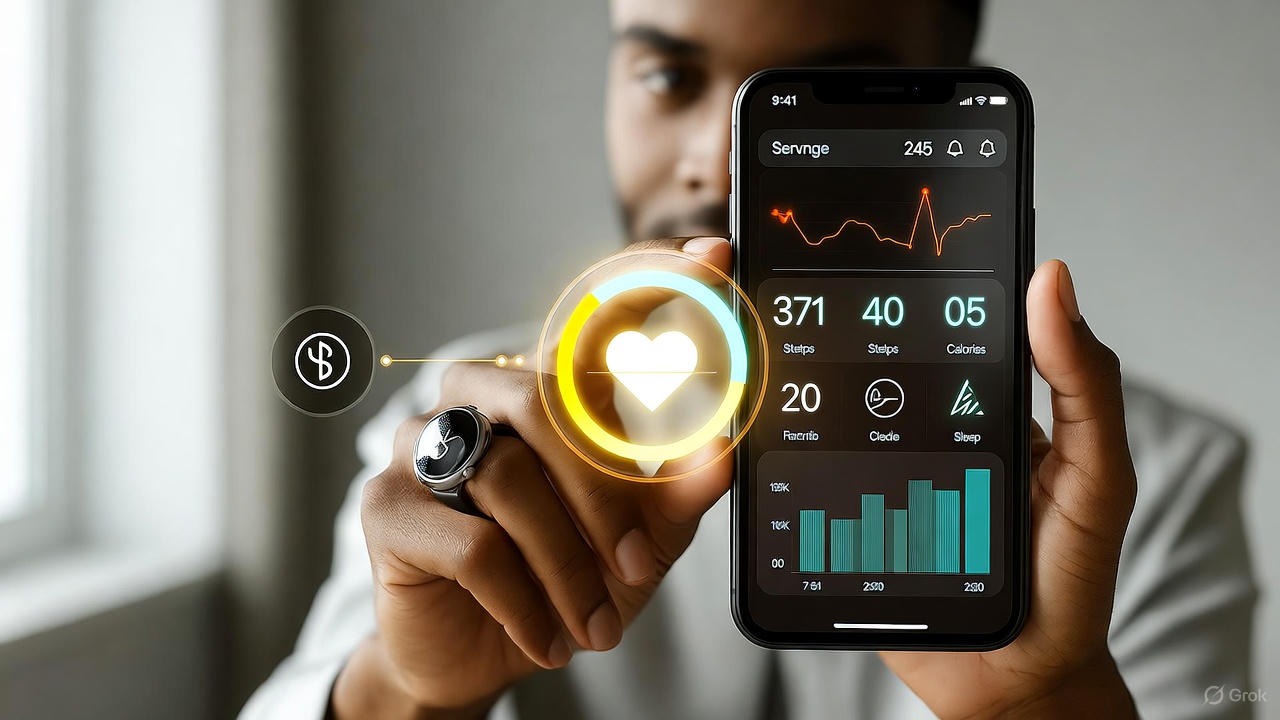
Health tips for students, showing how ring-tracked wellness correlates with academic performance.
Academic Success Through Ring-Tracked Wellness: Your Blueprint for a Healthier Campus Life
Between the fluorescent-lit library marathons, the caffeine-fueled all-nighters, and the constant juggle of lectures, social life, and personal commitments, the student life is often romanticized as chaotic. Yet, beneath that whirlwind lies a simple, often overlooked truth: your greatest academic asset isn't just your intellect or your textbooks—it's your own well-being. You cannot pour from an empty cup, and you cannot ace an exam, write a brilliant paper, or present a compelling argument when your body and mind are running on fumes.
For decades, student wellness advice has been generic: “Get more sleep,” “Eat better,” “Manage your stress.” The advice is sound, but the execution is the problem. How much sleep is “more”? What does “better” nutrition look like during a 15-minute break between classes? When is your stress tipping from motivational to debilitating? Without data, wellness remains a guessing game, another item on an overwhelming to-do list.
Enter the era of the smart ring—a discreet, powerful tool that is revolutionizing personal health tracking. Unlike bulky watches or phones you must remember to charge and check, a smart ring like Oura, Ultrahuman, or Circular is a constant, silent companion. It gathers biometric data effortlessly: your sleep stages, resting heart rate, heart rate variability (HRV—a key marker of recovery and stress resilience), body temperature, and activity levels. It transforms vague advice into personalized, actionable insight.
This is the future of student success: a data-informed, holistic approach to wellness where your smart ring becomes your 24/7 health lab partner. It tells you the story your body is whispering (or shouting) beneath the surface noise of deadlines. By learning to listen to that data, you can build a lifestyle that doesn’t just help you survive the semester, but helps you thrive—with sharper focus, sustained energy, and resilient mental clarity.
This comprehensive guide is your roadmap to that reality. We will move beyond theory into practical, ring-powered strategies. We’ll explore how to optimize every pillar of student health—from sleep and recovery to nutrition, movement, and stress management—using the concrete feedback from your finger. This isn’t about adding more to your plate; it’s about working smarter, not harder, by aligning your daily habits with your body’s unique needs. Let’s begin the journey to academic excellence, powered by the ultimate tool: a healthier, more balanced you.
The Student Wellness Crisis: Why "Just Power Through" Is a Failing Strategy
The image of the exhausted student, surviving on instant noodles and Red Bull, is so culturally ingrained it’s almost a badge of honor. We celebrate the “hustle” and mock the need for eight hours of sleep. But this mentality isn’t just unhealthy; it’s academically counterproductive. The data is unequivocal: chronic sleep deprivation, poor nutrition, and unmanaged stress directly corrode the very cognitive functions required for learning and success.
Consider the cognitive toll. Sleep is not passive downtime; it’s when your brain consolidates memories, moving information from the short-term hippocampal holding tank to the long-term storage of the cortex. Pulling an all-nighter to cram may get facts into your head temporarily, but without the deep sleep and REM cycles that follow studying, that information has little chance of sticking. Research shows that losing even 1-2 hours of sleep per night can impair cognitive performance, reaction time, and logical reasoning as severely as legal alcohol intoxication.
Nutrition plays a similar role. The “freshman 15” is often joked about, but the brain-gut connection is serious science. A diet high in processed sugars and refined carbs—the easy staples of a busy student—leads to blood sugar spikes and crashes. This manifests as the 3 PM lecture slump: foggy thinking, poor concentration, and irritability. Your brain, which uses about 20% of your body’s energy, needs a steady supply of quality fuel to build neurotransmitters, maintain focus, and regulate mood.
Then there is stress. Acute stress before an exam can be performance-enhancing. However, the chronic, low-grade stress of constant deadlines, social pressures, and financial worries keeps your body in a sustained “fight-or-flight” mode. This elevates cortisol, a hormone that, in prolonged excess, can impair immune function, disrupt sleep architecture, and even shrink the hippocampus—the brain region critical for memory and learning.
This is where the old “just power through” model spectacularly fails. You cannot out-muscle a biological system in distress. The good news? You can out-smart it. By understanding these systems and, crucially, by measuring their state, you can intervene strategically. A smart ring provides the quantifiable evidence you need to move from a reactive state (“I’m so tired, I need another coffee”) to a proactive one (“My HRV dropped and my resting heart rate is elevated; my body is stressed. I need to prioritize a light workout and an early bedtime tonight to recover before that big presentation.”). This shift from surviving to strategically thriving is the core of modern student wellness.
Your Silent Lab Partner: Demystifying Smart Ring Data (HRV, RHR, Sleep Stages, Readiness)
You’ve slipped on a sleek, minimalist ring. Now what? The dashboard of your companion app might initially seem like a stream of alien metrics. Let’s translate this biometric language into actionable intelligence for your student life. Think of your ring as a daily personal check-up, providing a composite score of your physical readiness to perform.
Heart Rate Variability (HRV): The King of Metrics If you only learn one metric, make it HRV. It is not your heart rate, but the subtle variation in time between each heartbeat. A higher HRV generally indicates a strong, resilient nervous system—your body can efficiently switch between stress (sympathetic) and recovery (parasympathetic) modes. A lower HRV suggests your system is under strain, possibly from stress, illness, poor sleep, or overtraining. For a student, a sustained dip in your baseline HRV is a bright red flag from your body saying, “You are overdrawing your resources. Ease up.” Tracking it helps you identify which activities (e.g., a tough week of exams, intense sports practice, a social conflict) drain you most, so you can plan recovery.
Resting Heart Rate (RHR): Your Body’s Idle Speed Your RHR is your heart’s beats per minute when you are truly at rest, typically during deep sleep. A lower RHR often indicates better cardiovascular fitness and efficient heart function. An elevated RHR, especially a sudden spike from your personal baseline, can be an early sign of oncoming illness, dehydration, high stress, or lack of recovery. Notice it climbing mid-week? It’s a cue to double down on hydration, sleep hygiene, and perhaps swap that high-intensity workout for gentle yoga or a walk.
Sleep Stages: The Architecture of Recovery Not all sleep is equal. Your ring tracks the cyclical journey through light, deep, and REM (Rapid Eye Movement) sleep.
Light Sleep: The gateway to deeper stages, crucial for physical relaxation.
Deep Sleep: The physical restoration phase. This is when tissue repair, immune strengthening, and energy replenishment occur. It’s vital for physical recovery from activity.
REM Sleep: The mental restoration phase. This is when your brain processes emotions, solidifies memories, and makes creative connections—absolutely critical for learning and academic performance. A night skewed heavily toward light sleep with little deep or REM will leave you feeling unrested, no matter the duration.
The Readiness Score: Your Daily Performance Forecast Most rings synthesize these core metrics (and others like body temperature and recent activity) into a single, easy-to-grasp Readiness or Recovery Score. This isn’t a judgment; it’s a forecast. A high score suggests your body is primed to take on challenging cognitive work, intense exercise, or social demands. A low score is a recommendation to prioritize restorative activities: take it easy, focus on hydration and nutrition, and get to bed early. Using this score to guide your day is the ultimate hack. Got a high score on the day of a major exam? Perfect. Got a low score on a heavy study day? You now know to incorporate more breaks, avoid caffeine late in the day, and plan for a longer sleep.
By learning this language, you move from being a passive passenger in your health to an informed pilot. You’re no longer guessing why you feel drained; you have a data-driven report card pointing directly to the cause.
The Non-Negotiable Foundation: Mastering Sleep for Memory Consolidation
Academic success is built on a foundation of quality sleep. It is the single most impactful wellness lever a student can pull. As we’ve touched on, sleep is when learning is cemented. During REM sleep, your brain rehearses the neural pathways formed while studying, strengthening them and integrating new information with existing knowledge. This is why “sleeping on a problem” often yields a morning insight—your brain has been working on it all night.
But “get more sleep” is useless advice without a strategy. This is where your smart ring transitions from an observer to a coach. It provides objective feedback on your sleep quality, not just duration. You can see exactly how much deep and REM sleep you got, how often you were restless, and what your nighttime heart rate looked like.
Actionable, Ring-Informed Sleep Strategies:
Prioritize Consistency Over Compensation: Your ring will vividly show that a consistent 7-hour sleep schedule yields better readiness scores and more deep/REM sleep than bouncing between 4 hours and 10 hours. Your circadian rhythm thrives on regularity. Aim to go to bed and wake up within a 60-minute window, even on weekends. This stabilizes your body’s internal clock, making falling asleep and waking up easier.
Decode Your Wind-Down: Notice your sleep score dip after late-night screen scrolling or heated discussions? Your ring data validates the need for a buffer zone. Create a 60-minute pre-sleep ritual that signals safety to your nervous system. This could involve dimming lights, reading a physical book (not a tablet), light stretching, or journaling to offload racing thoughts. Track the impact of different wind-down activities on your deep sleep percentage.
Optimize Your Sleep Environment: Your ring’s temperature sensor can show how external heat affects your sleep disruption. A cool room (around 65-68°F or 18-20°C) is ideal. Use blackout curtains or a sleep mask to block light, which inhibits melatonin production. A white noise machine or app can mask disruptive dorm or apartment sounds. For a deep dive on crafting the perfect sanctuary, our guide on setting up your bedroom for optimal sleep is an essential read.
Leverage Naps Strategically: When a full night’s sleep isn’t possible, a power nap can be a cognitive reset. Your ring data helps you nap smarter. A short nap of 10-20 minutes can boost alertness without sleep inertia. To enhance deeper recovery, aim for a 90-minute nap to complete a full sleep cycle. Use your ring’s readiness score post-nap to see what works best for your biology.
The goal is to move from fighting your sleep needs to collaborating with them. By using your ring’s data to test and refine these strategies, you build a sleep protocol that directly fuels your GPA.
Fueling the Mind: Nutrition Hacks Backed by Biometric Feedback
The dreaded “brain fog” is often a dietary manifesto. What you eat directly influences your energy levels, focus, mood, and even your sleep quality—all metrics your smart ring diligently tracks. The standard student diet of fast food, sugary snacks, and energy drinks creates a cycle of inflammation, blood sugar chaos, and poor recovery, which will reflect in lower HRV, elevated RHR, and disrupted sleep.
Your ring provides the “why” behind the dietary advice. Feel sluggish after a lunch lecture? Check your afternoon HRV trend. Struggle with restless sleep after a late-night pizza? Observe your sleep latency and resting heart rate that night. This feedback loop turns nutrition into a personalized experiment.
Ring-Verified Nutrition Principles for Cognitive Performance:
Stabilize Your Blood Sugar: The key to sustained mental energy is avoiding spikes and crashes. Pair complex carbohydrates (whole grains, oats, sweet potatoes) with protein (chicken, fish, beans, Greek yogurt) and healthy fats (avocado, nuts, olive oil) at every meal. This combination slows digestion, providing a steady glucose drip to your brain. Notice how your energy and focus remain more stable in your ring’s activity and heart rate data.
Hydrate for Cognitive Function: Even mild dehydration can impair concentration, short-term memory, and increase perceptions of task difficulty. Your ring’s elevated resting heart rate can be an early indicator of dehydration. Carry a large water bottle and sip consistently throughout the day, not just when you’re thirsty. Herbal teas and water-rich fruits/vegetables count toward your goal.
Time Your Caffeine Strategically: Caffeine has a half-life of 5-6 hours. That 4 PM coffee can significantly fragment your sleep, even if you feel you “fall asleep fine.” Your ring will show the proof in reduced deep sleep and increased nighttime restlessness. Use your ring to experiment: cut off caffeine by 2 PM and observe the positive shift in your sleep architecture over a week.
The Pre-Sleep Snack: A heavy meal right before bed forces your digestive system to work, raising body temperature and disrupting sleep. However, going to bed hungry can also cause wakefulness. If you need a snack, opt for a small combination of tryptophan and carbs, like a banana with a tablespoon of almond butter or a few whole-grain crackers with turkey. This can promote serotonin and melatonin production. See how this affects your “time to fall asleep” metric compared to a sugary snack or no snack.
Your ring turns nutrition from a confusing set of rules into a clear cause-and-effect relationship. You eat, you measure, you learn. This empowers you to make food choices that genuinely fuel your academic mission.
Strategic Movement: Using Activity Data to Boost Brain Power, Not Burn Out
For students, exercise often falls into one of two extremes: the “gym rat” who prioritizes workouts over sleep, or the sedentary studier who doesn’t move for days. The sweet spot—strategic movement—is a powerful cognitive enhancer. Physical activity increases blood flow to the brain, stimulates the release of BDNF (Brain-Derived Neurotrophic Factor, essentially “Miracle-Gro” for your brain cells), and is one of the most effective stress relievers known.
The challenge is finding the right dose. More is not always better. Overtraining is a form of physical stress that leads to elevated cortisol, suppressed immunity, and poor recovery—all captured by a plummeting HRV and rising RHR. Your smart ring is essential for navigating this balance.
Creating a Ring-Guided Movement Protocol:
Listen to Your Readiness Score: This is your primary guide. A high readiness score? It’s a great day for a challenging workout, a long run, or an intense sports practice. A low or average score? Honor it. Choose recovery-focused movement: a gentle walk, restorative yoga, or light stretching. This “train based on feel—backed by data” approach prevents burnout and injury.
Incorporate NEAT (Non-Exercise Activity Thermogenesis): For overall health and metabolic function, how you move outside the gym matters immensely. Use your ring’s activity alerts or step goal to remind you to break up long study sessions. Set a timer for every 50 minutes to stand, walk to get water, do a flight of stairs, or have a walking study session with flashcards. These micro-movements add up, improving circulation and combating the negative effects of prolonged sitting.
Leverage Exercise for Stress and Sleep: Notice a pattern of high stress or poor sleep? Schedule a moderate-intensity workout (like brisk walking, cycling, or swimming) earlier in the day. Exercise is a potent cortisol-burner. The subsequent drop in body temperature hours later also promotes sleep onset. Check your ring data to see how afternoon exercise impacts your “time to fall asleep” and “deep sleep” metrics compared to sedentary days.
The Post-Workout Recovery Check: After an intense session, watch your recovery metrics. A good workout should cause a temporary stress response (slightly lower HRV, higher RHR that night), followed by a “supercompensation” rebound as you recover, leading to a higher baseline. If your HRV stays depressed and RHR elevated for multiple days, you’re not recovering adequately and need more sleep, better nutrition, or less intense sessions.
Movement, when dosed correctly, becomes a precision tool for academic performance, not a distraction from it. Your ring ensures you’re using that tool effectively.
Taming the Stress Monster: Cortisol Management Through Data
Student life is a perfect storm for chronic stress: high stakes, constant evaluation, financial pressure, and social dynamics. While acute stress can sharpen focus, chronic stress is a cognitive kryptonite. It impairs the prefrontal cortex—the brain region responsible for executive functions like focus, decision-making, and impulse control. It also hijacks the hippocampus, disrupting memory formation.
Your smart ring is a frontline stress detector, often alerting you to physiological stress before you’re consciously aware of it. A consistently depressed HRV and elevated RHR are the classic signatures of a nervous system stuck in “fight-or-flight.” The goal isn’t to eliminate stress (an impossibility), but to manage your response and actively promote recovery.
Data-Driven Stress Resilience Techniques:
Identify Your Stressors: Use your ring’s daily log or journal feature to tag high-stress events (e.g., “midterm exam,” “group project conflict,” “financial aid appointment”). Over time, you’ll see clear correlations between these events and dips in your biometrics. This awareness alone is powerful—it externalizes the stress and helps you predict and prepare for demanding periods.
Schedule Recovery Breaks: Just as you schedule study sessions, schedule short, deliberate recovery breaks. When your ring shows a low readiness score or you feel overwhelmed, step away for 5-10 minutes of deliberate practice. This could be a brief mindfulness exercise to lower cortisol naturally, some deep diaphragmatic breathing (which directly stimulates the vagus nerve to boost HRV), or a walk in nature. Observe how these micro-practices can positively influence your heart rate data in real-time.
Create Digital Boundaries: The constant ping of notifications and the pressure to be always “on” socially and academically is a major modern stressor. Blue light from screens also suppresses melatonin. Use your ring to run an experiment: implement a strict “digital sunset” one hour before bed for a week. Note the impact on your sleep latency (time to fall asleep) and resting heart rate. The data will motivate you to make it a habit.
Leverage Social Connection (Wisely): Positive social interaction is a buffer against stress. However, obligatory or conflict-ridden socializing can be draining. Pay attention to how different social settings affect you. Does a night out with friends improve your mood but trash your sleep data? Maybe opt for daytime coffee hangs instead. Does a quiet study session with a supportive classmate leave you feeling calm and connected? Seek out more of that.
By using your ring to see the physical footprint of stress, you can intervene with targeted techniques, transforming you from a victim of stress to a skilled manager of your nervous system.
The Power of Routine: Building Consistent Habits That Actually Stick
Motivation is fleeting; discipline is unreliable. What truly creates lasting change is routine—a series of small, automated habits that compound over time. For a student with a chaotic schedule, a personalized routine is an anchor. It reduces decision fatigue (“What should I do now?”) and ensures that the foundational pillars of wellness—sleep, nutrition, movement, recovery—happen consistently, even during midterms or finals week.
Your smart ring is the ultimate accountability partner and optimizer for building these routines. It provides immediate, unbiased feedback on what’s working and what’s not, allowing you to iterate and improve your habits based on your body’s signals, not just abstract advice.
Constructing Your Ring-Informed Daily Architecture:
Start with a Morning Anchor: Instead of reaching for your phone, start your day by checking your readiness score and sleep data. This sets an intention for the day. A high score? Plan to tackle your most demanding cognitive task. A low score? Schedule more breaks and gentle movement. Follow this with a consistent 15-minute routine: hydrate, get sunlight (vital for circadian rhythm), and perhaps do some light movement or meditation. This grounds you before the day’s chaos begins.
Design a Sustainable Evening Wind-Down: Your nighttime routine is your launchpad for quality sleep. It should be non-negotiable. Use the data from your ring to build yours. If you see poor sleep scores, systematically test elements like the timing of your last meal, a hot shower (which lowers core body temperature afterward), or a progressive relaxation technique for your mind. Even when time is tight, a short, 15-minute power routine is far better than none.
Batch and Schedule Your “Deep Work”: Cognitive work is most effective when aligned with your natural energy cycles. Use your ring’s activity and heart rate data to identify your personal peaks. Are you sharpest in the late morning? Schedule focused study sessions then. Do you have an afternoon slump? That’s the time for administrative tasks, lighter reading, or a movement break. Protecting these focused blocks in your calendar is a routine that pays massive academic dividends.
The Weekly Review Ritual: Once a week, spend 15 minutes reviewing your ring’s weekly data trends. Look for patterns: What behaviors consistently lead to high readiness? What causes disruptions? Use this insight to tweak your upcoming week’s schedule. This feedback loop turns habit-building into a science.
A routine powered by biometric feedback is dynamic and personal. It’s not a rigid cage, but a flexible structure that supports you, adapting as your academic and personal demands evolve.
Social Wellness & Downtime: Balancing Connection with Recovery
University isn’t just an academic journey; it’s a profound social and personal one. Friendships, club activities, parties, and relationships are integral to the experience and to long-term well-being. However, socializing can be a double-edged sword for wellness. Positive connection is a potent stress reliever and mood booster. But late nights, alcohol, rich foods, and the emotional labor of navigating new relationships can significantly drain your physiological resources.
This is another area where “just do what feels good” can lead to burnout. Your smart ring offers an objective lens to find your personal balance. It helps you enjoy a vibrant social life while staying connected to your body’s need for recovery.
Data-Informed Social Strategies:
Quality Over Quantity: Your ring can show you that a deep, one-on-one conversation over coffee might leave you feeling energized (reflected in stable or even improved HRV), while a loud, late-night party might lead to a drastic dip in recovery metrics for two days. Use this data to consciously choose social interactions that are truly nourishing more often than those that are purely draining.
Plan for Social Recovery: If you have a big social event (a formal, a concert, a night out), you can plan around it like an athlete plans around a game. In the days leading up, prioritize sleep and nutrition to boost your readiness score and resilience. The day after, schedule recovery. Block time for a slow morning, a nourishing meal, and a restful evening. Check your ring’s readiness score and honor it—this is not the day for a heavy study session or intense workout. For insights on adapting routines after disruptive nights, our article for people who work late offers adaptable strategies.
Understand the Impact of Alcohol: Alcohol is a major disruptor of sleep architecture. It may help you fall asleep initially, but it severely suppresses REM sleep and leads to nighttime wakefulness as your body metabolizes it. This will be starkly visible in your ring data: low sleep scores, minimal REM, and elevated resting heart rate. Use your ring to run a personal experiment. See the direct impact, and let that knowledge empower you to make more mindful choices, like setting a two-drink limit or having several alcohol-free days per week.
Communicate Using Data (With Yourself and Others): Your ring provides a non-confrontational reason to set boundaries. “I need to head out by 11 PM—I’m tracking my sleep for a project” is an easy exit line. More importantly, it helps you set boundaries with yourself, preventing the “one more hour” slide that destroys the next day’s productivity.
Social wellness is about sustainable enjoyment. By aligning your social choices with your biometric feedback, you can build a rich social life that fuels, rather than depletes, your academic ambitions.
Optimizing Your Environment: Dorm Room & Study Space Hacks
Your environment exerts a constant, silent influence on your physiology and psychology. The typical student environment—a small dorm room that serves as bedroom, study, social space, and dining room—is often working against your wellness goals. Fluorescent lighting, poor air quality, constant digital notifications, and an ergonomic nightmare of a study setup can subtly elevate stress, disrupt sleep, and hamper focus.
You can use your smart ring to diagnose environmental problems and then prescribe targeted fixes. Small, inexpensive adjustments to your physical space can yield significant improvements in your recovery and performance data.
Biometric-Tested Environmental Tweaks:
Light: Your Master Clock Regulator: Light is the most powerful cue for your circadian rhythm. Maximize natural light exposure during the day, especially in the morning. This suppresses melatonin and boosts alertness. In the evening, the goal is to minimize blue and bright light. Use dim, warm-toned lamps after sunset. Consider blue-light blocking glasses for evening screen use. Your ring will show the payoff in improved “time to fall asleep” metrics. For a comprehensive look at this, learn how light exposure fundamentally affects your nighttime routine.
Temperature & Air Quality: A hot, stuffy room disrupts sleep. Your ring’s temperature sensor will correlate restless sleep with higher nighttime temperatures. Use a fan, adjust the thermostat if possible, or choose breathable bedding. Air quality matters too. A small HEPA air purifier can reduce allergens and pollutants, potentially improving sleep and next-day respiratory recovery, which may reflect in better HRV.
The Ergonomics of Study: Neck and back pain from hunching over a laptop is a physical stressor that can elevate muscle tension and resting heart rate. Create a makeshift standing desk with textbooks. Invest in an affordable external keyboard and mouse, and prop your laptop so the top of the screen is at eye level. Take “posture breaks” prompted by your ring’s inactivity alerts. Less physical discomfort means less systemic stress.
Soundscape for Focus and Sleep: Constant, unpredictable noise (dorm hallway, roommates) is stressful. For focus, try focus-enhancing music or ambient sounds (like coffee shop noise). For sleep, consistent white noise or pink noise from a machine or app can mask disruptions. Test different soundscapes and note their effect on your activity heart rate during study and your sleep stability score at night.
Your environment should work for you, not against you. By treating your living space as a laboratory and using your ring’s data to measure outcomes, you can craft a sanctuary that actively supports your academic and wellness goals.
Navigating Academic Intensives: Exam Weeks, Deadlines, and Finals
This is where the rubber meets the road. All the habits and routines you build are stress-tested during the most demanding periods of the semester: midterms, finals, and major project deadlines. The temptation is to abandon everything for a brutal, all-consuming cram session. This is precisely the wrong approach. Your cognitive and physical resources are finite. Pushing them to collapse guarantees suboptimal performance and a miserable recovery period.
Instead, you must transition into a phase of Strategic Peak Performance. This isn’t about working more hours; it’s about aligning your work with your body’s capacity with surgical precision, using your smart ring as your chief of staff.
A Ring-Powered Protocol for Academic Intensives:
The Pre-Intensive Taper: In the week leading up to hell week, double down on sleep, nutrition, and light movement. Think of it as loading your metabolic and cognitive glycogen stores. Aim for exceptionally high readiness scores going into the intensive period. This builds a resilience buffer.
Micro-Scheduling with Readiness: During exam week, check your readiness score each morning and plan your day accordingly. Got a high score on the morning of a big exam? Perfect. Your brain and body are primed. Got a low score on a heavy study day? This is critical intel. It means you must study smarter. Plan for 45-50 minute focused blocks with strict 10-15 minute recovery breaks (walk, snack, stretch). Use techniques like the Pomodoro Method. Forcing hours of low-quality study on a depleted system is futile.
The Strategic Power Nap: If sleep was short, a 20-minute power nap between study sessions can restore alertness. Your ring can help you time it. Lie down, set an alarm for 25 minutes, and use the “relax” or “meditate” function if your app has it to help you drift off quickly. This is far more effective than another cup of coffee, which will further disrupt your sleep later.
Post-Exam/Deadline Recovery Mandate: The biggest mistake is finishing a final and going straight into a night of chaotic celebration. Your body is in a state of extreme depletion. Schedule a deliberate recovery day. This means: prioritize a full 8+ hours of sleep, eat nourishing, anti-inflammatory foods, engage in only very gentle movement like walking, and allow your mind to truly rest (no intense video games or stressful movies). Monitor your ring as your HRV rebounds and RHR drops. This rapid recovery allows you to perform well in your next exam if you have multiple in a row, or to avoid the post-finals crash and burn.
By managing intensives strategically, you not only perform better in the moment, but you also protect your long-term health and finish the semester strong, ready to enjoy your break rather than spend it sick and exhausted.
Long-Term Tracking & Iteration: From Semester to Semester Success
The ultimate power of a smart ring isn’t in a single day’s score; it’s in the long-term trends. Over a semester, a year, or your entire academic career, this data becomes a priceless autobiography of your body. It shows you how you grow, adapt, and respond to different challenges. This macro-view allows for true lifestyle design, moving from fixing daily problems to building a consistently high-performing system.
Leveraging Your Historical Data for Continuous Improvement:
Establish Your Personal Baselines: What’s a “good” HRV or RHR for you? By tracking over a month of relatively normal stress, you’ll find your unique ranges. This makes deviations more meaningful. You’re not comparing yourself to population averages; you’re comparing yourself to your own optimal state.
Semester Post-Mortem: At the end of each semester, review the data timeline. Identify the periods of peak performance and the periods of crash. What behaviors, schedules, or classes were associated with each? Did a particular professor’s assignment style cause sustained stress? Did joining a new club improve your mood and metrics? This analysis informs your choices for the next semester—which classes to take together, which activities to continue, and where you need stronger boundaries.
Iterate on Your Routines: Your perfect freshman year routine may not work as a junior with a heavier course load and a research position. Use your data to iteratively update your habits. Perhaps you need to shift your workout time, or you discover that adjusting your nighttime routine as your workload changes is necessary (the principles apply to life stages, not just age). Your ring provides the feedback for this constant, gentle optimization.
Prevent Burnout Proactively: Long-term trends can reveal slow, creeping burnout before you feel it emotionally. A gradual, multi-week decline in your average HRV and sleep quality, paired with a creeping rise in RHR, is the biometric signature of overwork. Spotting this trend early allows you to intervene with a planned rest period, a reduction in commitments, or a visit to campus health services, preventing a full breakdown.
Your smart ring transforms your academic journey from a series of stressful events into a masterclass in self-understanding and sustainable high performance. You graduate not only with a degree, but with a deep, data-verified knowledge of how to care for and optimize the most important tool you will ever own: yourself.
The Holistic Integration: Synthesizing Data into Daily Student Life
The journey through the pillars of student wellness—sleep, nutrition, movement, stress, routine, and environment—culminates in a singular, powerful capability: holistic integration. This is the art of weaving data-informed insights seamlessly into the fabric of your daily life, moving from conscious effort to intuitive habit. Your smart ring is the thread that connects these disparate domains, showing you how a poor night's sleep impacts your nutritional cravings, how a stressful encounter affects your workout recovery, and how a well-timed walk can reset your focus for an afternoon study session.
This phase is about synergy. You are no longer optimizing individual metrics in isolation; you are learning to see your body as an interconnected system. A drop in your readiness score isn't just a sleep issue—it's a prompt to audit your stress, review your diet, and adjust your activity. This systemic view is what separates a person who tracks data from a person who is genuinely data-empowered. It turns reactive problem-solving into proactive system management, the hallmark of a truly resilient and successful student.
As we delve deeper, we’ll explore advanced applications, tackle common pitfalls, and provide strategies for maintaining this integrated approach through holidays, breaks, and life’s inevitable disruptions. The goal is to build a flexible, robust wellness framework that supports you not just through finals week, but through every challenge and opportunity of your academic career and beyond.
Circadian Rhythms & Chronotype: Aligning Work with Your Body’s Natural Clock
Beyond simple sleep duration lies the sophisticated world of chronobiology—the study of our innate, 24-hour biological rhythms. Every student has felt the frustration of trying to focus during a mid-afternoon lecture when their brain feels like sludge, or the unexpected clarity that strikes late at night. These aren't random fluctuations; they are expressions of your chronotype—your genetically influenced predisposition for being a morning person (lark), an evening person (owl), or somewhere in between.
Fighting your chronotype is a losing battle for productivity and wellness. Forcing an “owl” to peak at 8 AM, or a “lark” to pull an all-nighter, creates a form of internal jet lag, disrupting hormonal cycles, impairing cognitive function, and depressing your HRV. Your smart ring is a master key to unlocking your personal chronotype and aligning your schedule with it.
Discovering and Honoring Your Chronotype with Data:
Let Your Ring Reveal Your Pattern: You don't need a quiz. Over several weeks of consistent tracking (including weekends when you can sleep without an alarm), clear patterns will emerge in your ring data. Do you consistently get your highest HRV and best sleep scores when you fall asleep after midnight and wake naturally at 9 AM? That’s a strong owl signal. Do you fall asleep easily by 10 PM, wake refreshed at 6 AM, and have your highest energy in the morning? You’re likely a lark. Your ring provides objective evidence, free from societal bias that glorifies early risers.
Schedule Intellectual Work to Match Your Energy Peaks: Once you know your type, you can architect your academic schedule with precision.
Larks: Schedule your most demanding, focused work (problem sets, writing, intensive reading) for the morning blocks. Use afternoons for administrative tasks, group meetings, and lighter review.
Owls: Protect your mornings for gentle routines, lectures where you need to absorb information (not create it), and logistical tasks. Schedule your deep, creative, and challenging work for late afternoon and evening sessions. Advocate for later exam times if possible, or strategically use caffeine after your natural wake-up time to align with earlier commitments.
Intermediate Types: You have more flexibility, but you’ll still see subtle peaks and troughs. Use your ring’s daytime heart rate and activity data to pinpoint your 2-3 hour windows of optimal alertness.
Master Light Exposure for Rhythm Regulation: Light is the primary lever for adjusting your circadian clock. Morning light (especially sunlight) advances your clock, making you want to sleep and wake earlier. Evening light delays it. An owl trying to gently shift earlier should seek bright light immediately upon waking and avoid bright screens in the late evening. A lark trying to stay alert for a late study group might use brighter light in the late afternoon. Track the impact of these light adjustments on your “time to fall asleep” metric. This is a core principle of how light exposure fundamentally shapes your daily and nightly rhythm.
The Social Compromise: University life is social. An owl may need to occasionally get up early for a group project; a lark may want to attend a late event. The key is strategic compromise, not capitulation. Use your ring data to plan. If an owl has an 8 AM class, they must be militant about their nighttime routine to prepare their mind for an earlier sleep. A lark going out late can plan a recovery day after. The data helps you understand the cost of the compromise and how to best pay it back.
By aligning your academic and social life with your biological design, you reduce internal friction. Work feels less effortful, focus comes more easily, and your overall system runs more efficiently, as reflected in steadily improving baseline biometrics.
Advanced Recovery: Understanding HRV Trends, Illness Prevention, and Overtraining
For the dedicated student—whether a student-athlete, a rigorous academic, or simply someone pushing their limits—recovery is the silent partner of performance. It’s not merely the absence of work; it’s the active process during which your body adapts, grows stronger, and repairs. Under-recovery is the stealthy underminer of GPA and health, manifesting as lingering fatigue, frequent colds, irritability, and eventually, burnout or injury.
Your smart ring, particularly through HRV and resting heart rate (RHR), acts as a direct line to your autonomic nervous system, giving you a real-time readout of your recovery status. Learning to interpret the trends in this data is a superpower for navigating a demanding student life.
Interpreting the Signals of Strain and Adaptation:
The Healthy Dip and Rebound: After a legitimate stressor—a hard exam, an intense athletic competition, a heavy emotional day—it’s normal and expected for your HRV to dip and your RHR to rise slightly that night or the next morning. This is a sign of a healthy stress response. The critical part is the rebound. With proper recovery (sleep, nutrition, downtime), your metrics should bounce back to or above your baseline within 1-2 days. This dip-and-rebound pattern signifies positive adaptation: you were challenged, and you grew.
The Danger of the Sustained Low: A consistently depressed HRV and elevated RHR over 3-7 days is a major red flag. This is your body’s equivalent of a persistent alarm siren. It indicates chronic strain where you are breaking down faster than you can rebuild. Common student causes include:
Academic Overtraining: Consecutive weeks of poor sleep, constant deadlines, and no mental breaks.
Social/Emotional Drain: Ongoing relationship stress or caregiving burdens.
Physical Overtraining: Exercising with excessive volume or intensity without adequate rest.
Subclinical Illness: Your body fighting off a virus before symptoms even appear.
Illness Prediction: One of the most valuable features of continuous monitoring is early illness detection. A sudden, unexplained drop in HRV, paired with a spike in RHR and a rise in your ring’s temperature sensor (often tracking skin temperature), can signal an oncoming cold or flu 24-48 hours before you feel a sore throat or fatigue. This is a powerful cue to immediately prioritize recovery: cancel non-essentials, increase sleep time, hydrate aggressively, and boost nutrition. This can sometimes blunt the severity or even abort the illness entirely.
Active Recovery Protocols: When your data shows sustained strain, you need an active recovery plan, not just passive rest.
Reduce Allostatic Load: Temporarily reduce all stressors. Scale back workout intensity to walking or gentle yoga. Simplify your diet to easy-to-digest, nutrient-dense foods. Protect your sleep boundaries fiercely.
Hydration and Electrolytes: Dehydration stresses the system. Ensure you’re drinking plenty of water and, if you’re active, consider adding electrolytes.
Parasympathetic Activation: Deliberately engage the “rest-and-digest” system. Practices like slow, deep diaphragmatic breathing (5-second inhale, 5-second exhale), meditation, or even gentle humming can stimulate the vagus nerve and boost HRV. You can literally watch the impact of a 5-minute breathing session on your real-time heart rate in the ring’s app.
By treating your recovery metrics with the same seriousness as your academic grades, you build a sustainable engine for long-term performance. You learn to push when you’re resilient and pull back when you’re vulnerable, avoiding the catastrophic crashes that derail semesters.
The Mental Game: Focus, Flow States, and Cognitive Endurance
Academic achievement is ultimately a mental sport. The ability to direct and sustain attention, enter deep states of flow, and maintain cognitive endurance over a 3-hour exam is what separates good students from great ones. While these may seem like purely psychological skills, they have a profound physiological basis. Your smart ring data provides the physical playbook for optimizing your mental performance.
Focus and flow aren't just about willpower; they are states facilitated by specific neurochemical and physiological conditions: balanced neurotransmitters, stable blood sugar, optimal arousal (not too anxious, not too lethargic), and a calm yet alert nervous system—all of which are reflected in your biometrics.
Biometric Hacks for Peak Mental Performance:
Preparing the Neurochemical Canvas: The state of your body determines the state of your mind. To enter a focused state, you need to lower cortisol (stress) and raise neurotransmitters like dopamine (motivation) and norepinephrine (alertness).
The Pre-Study Ritual: Use a 5-10 minute ritual to signal to your brain that it’s time to focus. This could be a short walk, a glass of water, a few minutes of organizing your desk, or some deep breathing. Check your ring’s app: your heart rate should lower and stabilize from this ritual, indicating a shift toward parasympathetic calm, which is the foundation for focused attention, not frantic scrambling.
Leverage Caffeine with Precision: Caffeine blocks adenosine (a sleepiness neurotransmitter), boosting alertness. For optimal focus, time it for 30 minutes before your planned deep work session, and pair it with L-Theanine (found in green tea), which takes the jittery edge off caffeine and promotes alpha brain waves associated with relaxed focus. Observe how this combination affects your heart rate variability during work compared to coffee alone.
Designing for Flow: Flow states occur when challenge slightly exceeds skill level in a distraction-free environment. Your ring data can help you engineer these conditions.
Energy Alignment: Attempt deep work during your high-readiness periods, not when you’re depleted. A low readiness score means your brain lacks the resources for sustained concentration.
Minimize Physiological Distractions: Hunger, thirst, and physical discomfort will pull you out of flow. Use your ring’s activity alerts as prompts for micro-breaks to hydrate, have a small protein-rich snack, and stretch. This maintains physiological stability, allowing your mind to stay immersed.
The “Do Not Disturb” Mandate: Every notification is a micro-stressor, causing a cortisol spike and breaking cognitive trains of thought. During focus blocks, put your phone and computer in full “Do Not Disturb” mode. Your ring will track your continuous activity; the goal is to see a stable, low heart rate pattern indicative of sustained engagement.
Building Cognitive Endurance: Just like a marathon runner, you can train your brain to focus for longer periods.
Progressive Overload: Start with 25-minute focus blocks (Pomodoros) with 5-minute breaks. Over weeks, gradually extend the work period to 45, then 60 minutes, while ensuring break quality. Use your ring to ensure your resting heart rate recovers during breaks—a sign your stress system is resetting.
Strategic Recovery Between Sessions: The break between 2-hour study sessions is critical for maintaining performance throughout the day. The most restorative break is not scrolling social media (which is cognitively demanding), but non-goal-oriented activity. A 10-minute walk outside, listening to music without lyrics, or a brief mindfulness exercise are ideal. These activities lower sympathetic nervous system activity, reflected in a quick drop in your heart rate, readying you for the next session.
By viewing focus as a physiological skill, you can use your biometric data to create the optimal internal environment for learning, creativity, and exceptional academic work.
Digital Wellness: Managing Screen Time, Notifications, and Information Overload
The student’s world is a digital one. Lectures, research, communication, and even relaxation are mediated through screens. This constant connectivity is a two-edged sword: it provides unparalleled access to information, but it also creates a state of perpetual partial attention, cognitive overload, and circadian disruption. The blue light emitted by screens is only part of the problem; the constant stream of information—emails, messages, news, updates—is a relentless cognitive and emotional drain.
Your smart ring can quantify this drain. You may notice elevated resting heart rate during periods of heavy social media use, or poor sleep scores following late-night screen sessions. It makes the intangible stress of digital life tangible, giving you the motivation to set boundaries.
Creating a Data-Informed Digital Diet:
Audit Your Digital Stressors: For one week, use your phone’s built-in screen time report alongside your ring data. Look for correlations. Do your stress metrics spike during or after certain app usage (e.g., contentious group chats, endless news scrolling, comparison-heavy social platforms)? This personal audit reveals your unique digital toxins.
Implement Aggressive Notification Pruning: Every ping is an interruption, a demand for your attention and a trigger for a dopamine loop. Go into every app’s settings and disable all non-essential notifications. Allow only direct messages from key contacts and calendar alerts. Schedule 2-3 specific times per day to check email and social media in batches. This alone will create massive cognitive space and lower ambient anxiety, which should reflect in a more stable daytime heart rate.
Create Tech-Free Zones and Times: Designate specific areas and periods as sacred tech-free spaces. The most critical is the bedroom/bed. Your phone should be charging across the room, not on your nightstand. This eliminates the temptation for “last-minute checks” that can trigger stress and delay sleep onset. The pre-sleep hour should be a screen curfew, dedicated to a routine that prepares your mind for sleep. Another powerful zone is the first 60 minutes of your day—protect this time for your morning routine without the influx of external demands.
Use Technology to Tame Technology: Leverage apps and device settings to enforce your boundaries.
Use “Focus” or “Do Not Disturb” modes during study blocks and sleep.
Enable grayscale mode on your phone during evening hours; removing color makes screens less stimulating and appealing.
Use website blockers (like Freedom or Cold Turkey) during designated work times to prevent rabbit-hole browsing.
The Analog Advantage: Consciously replace digital activities with analog ones. Read a physical book for pleasure. Use a paper planner or notebook for brainstorming. Have face-to-face conversations without phones on the table. These activities lack the hyper-stimulating quality of digital media, allowing your nervous system to settle into a calmer, more present state, often visible in improved HRV trends over time.
Digital wellness isn't about Luddism; it’s about intentionality. It’s about making your tools serve your goals and your well-being, rather than letting them hijack your attention and drain your physiological resources.
Travel, Breaks, and Disruption: Maintaining Rhythm During Holidays and Visits
One of the biggest challenges to a consistent wellness routine is the inevitable disruption: going home for Thanksgiving, traveling for spring break, visiting friends, or even just transitioning from dorm to apartment. These periods often involve irregular schedules, different foods, altered sleep environments, and social pressures that can completely derail your hard-earned habits. The result is often a “break crash”—returning to campus exhausted, sick, or out of rhythm.
However, breaks are essential for long-term resilience. The goal isn't to maintain your campus routine with military rigidity while home; that’s impractical and antisocial. Instead, the goal is to maintain the core pillars with flexibility, using your smart ring as a grounding guide to enjoy the break without completely losing your baseline.
Strategies for Resilient Wellness On The Go:
The “Anchor Habit” Philosophy: Identify 1-3 non-negotiable anchor habits that you commit to daily, no matter what. This could be:
Morning Sunlight: Within 30 minutes of waking, get 5-10 minutes of natural light on your face (even if it’s cloudy). This is the single most powerful regulator of your circadian clock and is easily done anywhere.
Bedtime Window: Commit to being in bed (not necessarily asleep) within a 90-minute window each night, even if you’re reading or listening to a podcast. This prevents a complete schedule free-fall.
Hydration Goal: Start the day with a large glass of water and carry a water bottle. These simple anchors provide stability amidst chaos and keep your biological systems loosely tethered.
The Proactive “Banking” Strategy: In the week leading up to a disruptive break, double down on your sleep, nutrition, and recovery. Go into the break with high readiness scores and a full “recovery bank account.” This gives you more resilience to draw from, so a few late nights or indulgent meals won’t cause a total system crash.
Become a Sleep Environment Detective: Travel and new places often mean less-than-ideal sleep setups. Be prepared. A well-packed “sleep kit” can save your rest. Consider bringing:
A sleep mask and earplugs (or a white noise app on your phone).
Navigate Social Feasts Mindfully: Holiday and family meals are about connection, not perfection. Use a plate strategy: fill half your plate with vegetables/fiber, a quarter with protein, and a quarter with indulgent favorites. Eat slowly and savor. This manages blood sugar spikes and supports digestion without feeling deprived. Your ring’s subsequent resting heart rate and HRV data will show the benefit of this balance compared to overindulgence.
Communicate Your Needs: It’s okay to set gentle boundaries with family and friends. “I’m going to turn in a bit early to catch up on sleep” or “I’m going for a quick walk to clear my head” are healthy statements. Use your ring data as a neutral reason: “My tracker is showing I need a bit more recovery today.”
The Post-Back Reset: Don’t expect to jump back into your full campus routine the day you return. Plan a 2-3 day reset period. Prioritize sleep, cook simple, nourishing meals, and gently reintroduce exercise. Use your ring’s readiness score to guide the intensity of your re-entry. This planned transition prevents the post-break illness and fatigue that plagues so many students.
By planning for disruption, you build wellness that is robust and travel-ready, allowing you to fully engage in the joys of break periods without sacrificing your hard-earned health.
Community and Accountability: Study Groups, Roommates, and Shared Wellness Goals
Wellness can feel like a solitary pursuit, but humans are social creatures. Our habits are powerfully influenced by those around us. The people you share your space and time with—roommates, close friends, study group members—create a “wellness culture” by default. A roommate who stays up gaming with bright lights until 3 AM creates a different culture than one who values quiet after 11 PM. A study group that only meets over pizza and soda creates a different culture than one that takes walking breaks or shares healthy snacks.
You can leverage this social influence to your advantage. By consciously shaping the wellness culture of your immediate circles, you create an environment that supports, rather than sabotages, your goals. Your smart ring can serve as a neutral, data-driven conversation starter and a tool for shared accountability.
Building a Culture of Collective Well-being:
Lead with Curiosity, Not Criticism: Instead of demanding change, share your own journey and data. “I’ve been tracking my sleep with this ring, and it’s fascinating to see how much later light affects my deep sleep. Would you be open to trying some softer lighting in the evening?” or “My data shows I crash hard after sugary snacks during study marathons. What if we tried a fruit and nut platter for our next session?” This approach invites collaboration rather than creating defensiveness.
Establish Shared Space Agreements: With roommates, have a calm conversation about shared wellness values for your living space. Key topics include:
Quiet Hours: Agree on a time (e.g., 11 PM) after which noise is minimized in common areas.
Light Pollution: Discuss the use of bright overhead lights vs. lamps in the evening, especially in shared bedrooms.
Cleanliness & Odors: A cluttered, stuffy space affects mental well-being. Agree on basic standards. Framing this as a mutual effort to help everyone sleep better, study better, and feel better uses the shared goal of academic success as a motivator.
Create Accountability Partnerships: Find a friend who is also interested in wellness. Share your goals (e.g., “I want to improve my average sleep score this month”) and check in weekly. You don’t need to share intimate data, just your progress and challenges. Having someone to report to dramatically increases adherence. You can even engage in friendly competition based on non-sensitive metrics like daily step goals or consistency of sleep schedules.
Design Active Social Time: Shift some social interactions from passive, often unhealthy settings (like binge-watching with junk food) to active ones. Suggest a hike, a recreational sports game, a trip to a farmers market to cook a meal together, or a “wellness hour” where you do separate workouts or meditations then reconvene. This builds connection while simultaneously supporting physical health, and your ring will show the positive impact on your recovery metrics compared to less active socializing.
Support, Don’t Police: The goal is support, not surveillance. If a roommate or friend is struggling, offer help based on what you’ve learned from your data. “You seem really stressed lately. I found this 5-minute breathing exercise that really calms my heart rate down—want to try it?” This is far more effective than judgment.
By thoughtfully engaging your community, you transform your immediate environment into a microcosm of support. This makes maintaining healthy habits easier, more enjoyable, and socially reinforced, leading to better outcomes for everyone involved.
Financial Wellness on a Budget: Affordable Nutrition, Free Movement, and Low-Cost Stress Relief
Financial stress is a monumental and often silent burden for students. The pressure of tuition, loans, and daily living costs can be overwhelming, chronically elevating cortisol and impacting every other aspect of health. The perceived high cost of “wellness”—organic food, gym memberships, therapy, fancy supplements—can make it seem like an unattainable luxury. This is a dangerous misconception.
True wellness is foundational, not premium. Some of the most powerful interventions are free or low-cost. Your smart ring helps you identify what actually works for your body, allowing you to invest your limited time and money with precision, avoiding expensive gimmicks that yield no measurable return.
Maximizing Your Wellness Return on Investment (ROI):
Nutrition: Smart Shopping and Simple Prep: You don’t need expensive superfoods.
Prioritize Protein and Fiber: The most satiating, energy-stabilizing foods are often budget-friendly: eggs, lentils, beans, frozen chicken, oats, frozen vegetables, bananas, and bulk rice or potatoes. A bowl of lentils and rice with frozen spinach is incredibly nutritious, cheap, and easy to make.
Batch Cook: Dedicate 2 hours on a weekend to cook large batches of staples like grilled chicken, roasted vegetables, a pot of beans, and whole grains. This provides healthy “fast food” for the week, preventing expensive and unhealthy takeout when you’re tired.
Hydrate for Free: Tap water (with a filter pitcher if desired) is the ultimate health beverage. Ditch sugary drinks and expensive vitamin waters.
Movement: The World Is Your Gym: You do not need a membership.
Bodyweight Training: Push-ups, squats, lunges, planks, and tricep dips on a chair are completely free and highly effective. Follow free routines on YouTube.
Walking/Running/Hiking: The simplest and most underrated form of exercise. It’s free, reduces stress, and improves cardiovascular health. Use your ring to track your heart rate zones during a brisk walk.
University Resources: Most campuses have incredible free or heavily subsidized resources: recreation centers, intramural sports, climbing walls, group fitness classes, and swimming pools. Use them.
Stress Relief: Free Mind-Body Tools:
Breathing and Meditation: A vast library of free guided meditations exists on apps like Insight Timer and YouTube. As mentioned, breathing exercises that lower cortisol cost nothing.
Nature Therapy: Spending time in green spaces—a campus quad, a local park—is proven to lower stress hormones and blood pressure. It’s free.
Journaling: A notebook and pen are cheap. The act of journaling to process the day is a powerful, research-backed tool for mental clarity and emotional regulation.
Campus Counseling: Your tuition likely includes access to confidential counseling services. This is a crucial resource for mental health support, not a last resort.
Sleep: The Ultimate Free Performance Enhancer: Investing in sleep costs nothing but intention. The ROI is higher than any supplement. Focus on the free levers: consistency, darkness, cool temperature, and a wind-down routine. A bag of inexpensive chamomile tea is a worthwhile investment in your evening ritual.
Your ring validates the power of these foundational, low-cost practices. When you see your HRV improve from daily walks and your sleep score soar from a consistent bedtime, you realize that financial constraints are not a barrier to extraordinary well-being.
When to Seek Help: Interpreting Data and Knowing When to Consult a Professional
This is a critical, responsible component of using any health-tracking technology. Your smart ring is a phenomenal tool for self-awareness and lifestyle optimization, but it is not a medical device. It provides trends and prompts, not diagnoses. A crucial skill in your wellness journey is learning to interpret the signals your body and your data are sending, and knowing when those signals indicate it’s time to seek expert guidance.
Blindly following device data without context can lead to anxiety (“orthosomnia”) or cause you to overlook serious issues. The goal is empowered partnership with healthcare, not replacement of it.
Guidelines for Responsible Data Interpretation and Action:
Focus on Trends, Not Single Data Points: A single night of poor sleep or a one-day HRV dip is meaningless noise. Look for sustained patterns over 1-2 weeks. A trend of progressively worsening sleep despite good habits, or a steady decline in HRV while at rest, is meaningful information to share with a doctor.
Recognize Red Flags for Professional Consultation:
Persistent, Unexplained Fatigue: If your data consistently shows adequate sleep duration but you feel chronically exhausted, it could indicate conditions like anemia, thyroid issues, sleep apnea, or depression.
Chronic Sleep Disruption: If you are diligently practicing sleep hygiene but your ring shows constant awakenings, very low deep/REM sleep, or severely elevated nighttime heart rate, a sleep study may be warranted to rule out disorders like sleep apnea or restless leg syndrome.
Sustained High Stress/Anxiety: If your stress metrics (low HRV, high RHR) are persistently in the red despite using management techniques, it’s time to talk to a therapist or counselor. Chronic stress is a health risk and is very treatable with professional support.
Signs of Disordered Eating or Overtraining: If your relationship with food or exercise becomes obsessive, and you’re using ring data to justify restrictive or excessive behaviors, seek help from a registered dietitian or mental health professional specializing in these areas.
How to Prepare for a Healthcare Visit with Your Data: Your ring data can make you a more informed patient. Instead of saying “I’m tired,” you can say: “Over the past month, my device shows my average resting heart rate has increased by 8 BPM, my deep sleep has decreased by 40%, and I’m waking up 12 times per night on average. I’ve tried improving my sleep routine, but the trend continues.” This objective, trend-based information is invaluable for a clinician.
Use Campus Resources: Your student health center is the first and best stop. They understand the unique pressures of student life. Services are typically included in your fees and can include medical doctors, nurses, nutritionists, physiotherapists, and mental health counselors.
Your smart ring makes you the CEO of your health, gathering data from your personal “corporate wellness dashboard.” But even the best CEO consults with expert advisors—lawyers, accountants, specialists. View healthcare professionals as your essential expert advisors. Your data empowers you to have a more productive, evidence-based conversation with them, leading to better care and faster solutions.
The Lifelong Learner: Carrying Data-Empowered Wellness Beyond Graduation
The ultimate goal of this entire journey is not just to survive university, but to cultivate a mindset and a skillset that serves you for a lifetime. The transition from student to graduate, to young professional, to whatever comes next, brings new challenges: the 9-to-5 grind (or gig economy hustle), financial independence, evolving relationships, and shifting priorities. The foundational wellness principles you master now—sleep hygiene, nutritional awareness, stress resilience, and the ability to listen to your body’s data—are not academic exercises; they are life skills.
Your smart ring is a constant in this transition. The same metrics that guided you through finals will guide you through project deadlines, career changes, personal relationships, and family life. The framework simply adapts.
Future-Proofing Your Wellness Practice:
The Framework is Fluid, The Principles are Constant: Your 2 AM study sessions may be replaced by late nights with a newborn. Your dorm-room meals become office lunches or quick family dinners. The principle of nutrient density and blood sugar stability remains. The campus gym may be replaced by home workouts or lunchtime walks. The principle of consistent, strategic movement remains. Your ring will continue to show you what “recovery” looks like in these new contexts, allowing you to adjust.
Preventing Professional Burnout: The phenomenon of workplace burnout is identical in physiology to academic burnout: chronic stress, depleted HRV, poor sleep, and emotional exhaustion. You will now have a decade of self-knowledge and a tracking tool to spot the early signs. You can proactively use your data to set work-life boundaries, negotiate for flexibility, or seek new challenges before reaching a crisis point—a skill infinitely valuable in the modern workforce.
Navigating Life Transitions: Major life events—a move, a new job, a relationship beginning or ending—are profound stressors. With your ring, you have an objective measure of their impact on your nervous system. This allows you to give yourself grace, increase self-care deliberately, and track your recovery from the transition, preventing it from causing long-term health issues. You’ll know how to adjust your routines as your life stages change.
From Self-Optimization to Shared Wellness: As you build a life with partners and perhaps a family, your knowledge becomes a gift. You can help a partner understand their sleep, create healthy home environments for children (exploring how nighttime routines help children sleep better), and model a balanced, data-aware approach to health that benefits everyone around you.
The Long-Term Health Investment: The habits you cement now—prioritizing sleep, managing stress, eating whole foods, staying active—are the strongest predictors of long-term healthspan. You are quite literally investing in your future cognitive function, metabolic health, and emotional resilience, reducing your risk for chronic diseases decades down the line. Your ring provides the daily motivation for this long game.
Graduation is not an end point; it’s a launch. You leave with a degree, but you also leave with an advanced degree in self-care—a personalized, data-verified understanding of how you operate at your best. This self-knowledge, paired with the ongoing tool of biometric feedback, is perhaps the most valuable and enduring takeaway from your entire educational experience. It equips you not just for a career, but for a vibrant, healthy, and successful life.



%402x.svg)