


How Your Smart Ring Helps Identify Your Highest-Impact Lifestyle Improvements
Your smart ring helps identify which lifestyle changes will have the biggest impact on your health.
Your smart ring helps identify which lifestyle changes will have the biggest impact on your health.
%402x.svg)
For decades, the pursuit of better health and wellness was shrouded in guesswork and generic advice. We followed one-size-fits-all diets, adhered to rigid sleep schedules, and pushed through workouts, often with no real understanding of how these choices uniquely affected our bodies. The result? Frustration, plateaus, and a nagging feeling that we were missing the mark. The wellness revolution promised data, but for years, that data was either locked in clinical settings or delivered through cumbersome, forgettable devices.
Enter the modern smart ring: a discreet, always-on personal biometric laboratory. This isn't just another step-counter. It’s a continuous, intimate dialogue with your physiology, translating the silent language of your body—your heart’s rhythms, your skin’s temperature, your nervous system’s whispers—into a personalized playbook for living better. It moves beyond tracking what you do to reveal how what you do fundamentally changes you. The promise is no longer just information; it’s transformation. By uncovering the hidden cause-and-effect relationships in your daily life, a smart ring shifts the paradigm from generic wellness to precise, high-impact lifestyle architecture.
This article will guide you through how this unassuming piece of technology becomes your most trusted advisor. We'll explore how it deciphers your sleep, stress, recovery, and activity to pinpoint the exact levers you can pull for maximum benefit. We’ll move from raw data to profound insight, empowering you to make changes that are not just different, but definitively better—for you, specifically. The journey to your most optimized self begins not with a dramatic overhaul, but with understanding the subtle, powerful story your body is already telling.
Before a smart ring can offer any advice, it must first become a master listener. It is designed to eavesdrop on the constant, intricate conversation happening within your body—a conversation you are largely unaware of. Unlike a smartwatch that looks at the world with you, a smart ring looks inward. Its position on your finger, rich with capillaries close to the skin’s surface, provides a privileged vantage point for photoplethysmography (PPG), the core technology that uses light to measure blood volume changes.
With every heartbeat, blood pulses through your vessels, causing minute changes in light absorption. The ring’s sensors detect these changes, allowing it to calculate your heart rate with surprising accuracy. But it goes far beyond just beats per minute. By analyzing the subtle variations in the time intervals between each heartbeat—a metric known as Heart Rate Variability (HRV)—the ring listens to your autonomic nervous system. A higher, more variable HRV generally signals a relaxed, recovered state where your "rest and digest" (parasympathetic) system is in charge. A lower, less variable HRV often indicates your "fight or flight" (sympathetic) system is engaged, signaling stress, fatigue, or poor recovery.
Simultaneously, the ring monitors your skin temperature and blood oxygen saturation (SpO2). Nocturnal body temperature trends are a key regulator of sleep cycles, while persistent deviations can indicate illness, inflammation, or hormonal shifts. SpO2, the percentage of oxygen-carrying hemoglobin in your blood, is a critical window into respiratory health and sleep quality, particularly for identifying events like sleep apnea.
The magic, however, isn’t in any single data point. It’s in the fusion. Your resting heart rate, HRV, temperature, and movement are synthesized over time to create a holistic picture of your readiness and resilience. This continuous, passive monitoring is the foundation. It translates the unspoken language of your physiology—the tension in your nervous system, the depth of your recovery, the strain of an invisible illness—into a digital stream of truth. It’s the raw material from which all high-impact insights are forged.
A spreadsheet of your nightly heart rate is just noise. The transformative power of a smart ring lies in its ability to turn that noise into a clear, actionable signal—a process of sophisticated biofeedback. Biofeedback, in a clinical sense, involves using electronic monitoring to convey information about physiological processes back to the individual in real time, with the goal of gaining conscious control over them. A smart ring automates and democratizes this powerful concept.
Instead of waiting for a quarterly doctor’s visit, you receive daily, even hourly, feedback on how your lifestyle is affecting your biology. Did that 7 PM espresso actually delay your body’s natural cooling process, pushing back your sleep onset by an hour? Your ring’s temperature and sleep latency data will show you. Did the intense argument you had at work leave your nervous system in a heightened state of arousal for the rest of the evening, cratering your HRV? The correlation will be starkly visible. Did the 20-minute guided meditation you tried actually lower your resting heart rate? The proof is in the data.
This creates a powerful, immediate feedback loop. You become a scientist experimenting on your own life. The ring provides the objective metrics, removing subjective guesswork. You can finally answer questions like: Does my "healthy" morning smoothie cause a glucose spike that leads to an energy crash? Does my weekend alcohol consumption, however moderate, destroy my sleep quality for two nights? Does my high-intensity workout on Monday leave me chronically stressed by Wednesday?
This continuous loop of action → physiological response → data → insight is what bridges the gap between knowing and doing. It moves you from vague intentions ("I should sleep more") to precise, validated strategies ("When I finish eating 3 hours before bed and keep my bedroom at 68°F, my deep sleep increases by 25%"). It’s the cornerstone of building emotional stability through research-based architecture for long-term equilibrium, using your own body as the primary source of evidence. This process of biofeedback is where self-awareness graduates from a philosophical concept to a quantifiable skill.
If health is a pyramid, sleep is its base. Poor sleep undermines every other wellness effort, from cognitive function and emotional regulation to metabolic health and immune response. A smart ring transforms sleep from a mysterious black box into a richly detailed report card, analyzing not just duration, but architecture and quality.
By monitoring movement, heart rate, HRV, and temperature throughout the night, the ring classifies your sleep into stages: light, deep, and REM (Rapid Eye Movement). Each stage serves a vital purpose. Deep sleep is physically restorative, crucial for tissue repair and growth hormone release. REM sleep is mentally restorative, essential for memory consolidation and emotional processing. The ring scores your sleep, showing you not just that you were in bed for 8 hours, but how much of that time was truly restorative.
More importantly, it identifies the stealthy saboteurs. It can detect periods of restlessness, likely caused by environmental factors (noise, light, temperature) or lifestyle choices (late meals, alcohol). It tracks your sleep latency—how long it takes you to fall asleep—which is a direct reflection of your pre-sleep wind-down routine. It monitors nighttime awakenings and your sleep consistency, revealing if your erratic schedule is preventing your body from establishing a stable circadian rhythm.
Perhaps one of its most powerful features is the ability to spot sleep disturbances like potential sleep apnea through repeated drops in blood oxygen saturation (SpO2). This is a life-changing insight that often goes undiagnosed for years.
By providing this granular view, the ring answers critical questions: Are you getting enough deep sleep to physically recover from your training? Are you cycling through sufficient REM sleep to support learning and emotional balance, which means movement, not stillness? Is your weekend "catch-up" sleep actually disruptive? With this data, you can move beyond simply trying to sleep longer and start engineering your environment and habits to sleep better. This foundational insight becomes the bedrock upon which all other improvements are built, as quality sleep elevates your capacity in every other domain of life.
Stress is not an event; it’s a physiological state. While we often associate it with emotional turmoil, our bodies experience stress from a myriad of sources: a tough workout, a busy commute, an inflammatory meal, a lingering deadline, or even excitement. The problem with unquantified stress is that it accumulates silently, creating a background "load" that drains your resilience reserves without you realizing it. A smart ring makes this invisible load starkly visible.
Using a combination of HRV, resting heart rate, and sometimes skin temperature, advanced algorithms calculate a daily "stress score" or "body battery" reading. This isn't a measure of your emotional feelings, but of your nervous system's objective state of arousal. When you're relaxed and recovered, your parasympathetic nervous system is dominant, leading to higher HRV and a lower stress score. When demands—physical, mental, or emotional—are placed on you, your sympathetic system activates, lowering HRV and raising your score.
Throughout the day, the ring can log moments of acute stress (a sudden heart rate spike during a tense meeting) and chart the course of chronic stress (a steadily elevated resting heart rate over a week-long project). This objective feedback is revelatory. You might think you're handling everything calmly, but your physiology may tell a different story of sustained tension.
This data empowers you to manage your stress proactively, not reactively. You can see which activities are genuinely de-stressing (like a walk in nature or a mindful walking practice) versus those that are subtly taxing (like doomscrolling social media or having a difficult conversation right before bed). It helps you identify your personal stress triggers and, crucially, validate the effectiveness of your coping mechanisms.
By quantifying your stress load, the ring helps you build the crucial skill of strategic emotional disengagement before you reach a breaking point. It shifts stress management from a vague concept of "relaxing more" to a strategic practice of balancing your nervous system’s budget, ensuring you have the capacity to handle life’s challenges without burning through your health.
Waking up and deciding how to tackle your day is often guided by ambition, habit, or guilt. You might force yourself to a grueling workout because it’s Monday, or skip movement entirely because you "feel tired." The smart ring’s readiness or recovery score replaces this guesswork with a personalized, physiological prescription for the day.
This score is typically a composite index generated from your previous night’s sleep data, your overnight HRV trend, your resting heart rate relative to your baseline, and sometimes your body temperature. A high readiness score indicates your body has recovered well and is primed for performance—it’s a green light for intense exercise, demanding cognitive work, or social engagement. A low score is a yellow or red light, signaling that your body is under-recovered, potentially fighting off an illness, or dealing with residual stress. It’s a recommendation to prioritize rest, gentle movement like yoga or walking, and recovery practices.
This daily guidance is perhaps the most direct application of the ring’s data for high-impact decision-making. It teaches you to listen to your body’s signals with unprecedented clarity. Pushing hard on a low-readiness day isn't heroic; it's counterproductive, often leading to injury, burnout, or prolonged recovery. Conversely, capitalizing on a high-readiness day allows you to maximize gains from your effort.
The readiness report fosters a sustainable, adaptive approach to wellness. It helps you periodize your life, balancing stress and recovery not on a arbitrary weekly schedule, but in harmony with your unique physiology. It connects the dots between yesterday’s choices and today’s capacity. That late night, extra glass of wine, or intense argument doesn't just disappear—it shows up in your morning readiness score, providing incontrovertible feedback on the true cost of your lifestyle choices. This daily directive empowers you to align your actions with your actual capacity, which is the essence of mindful decision-making for choosing with clarity.
The fitness tracking world has long been obsessed with step counts—a metric so simplistic it’s almost meaningless. Ten thousand distracted, slumped steps in a stressful work environment are not physiologically equivalent to ten thousand vigorous, purposeful steps in nature. A smart ring advances the concept of activity tracking to "activity intelligence" by contextualizing movement with your body’s response.
It tracks active calories, movement intensity, and yes, steps, but its greater value lies in correlating this activity with your other biomarkers. Did your long run contribute positively to your sleep depth, or did it leave you so stressed that your HRV plummeted and your sleep was restless? Did your sedentary workday lead to an unusually high resting heart rate by evening, indicating cardiovascular stagnation? The ring helps you find your personal "Goldilocks Zone" for activity—enough to be stimulating and beneficial, but not so much that it becomes a destructive stressor.
It also excels at detecting non-exercise activity thermogenesis (NEAT)—the calories you burn through fidgeting, standing, walking to the printer, and other daily movements. For metabolic health, NEAT can be as important as formal exercise. The ring’s all-day wear encourages you to break up sedentary periods by highlighting your inactivity patterns.
Most importantly, it reframes the purpose of activity. The goal shifts from burning a certain number of calories to using movement as a tool to improve your physiological state. You might learn that a brisk 10-minute walk after lunch is your most powerful tool for stabilizing energy and improving afternoon focus, or that gentle stretching in the evening significantly improves your sleep latency. This turns movement from a compartmentalized "workout" into an integrated, strategic practice for regulating your nervous system, energy, and mood throughout the day—a key component of a holistic strategic implementation of mindfulness in modern life.
This is where the smart ring transcends being a tracker and becomes a discovery tool. Its true genius lies in revealing the hidden, personal correlations between your lifestyle inputs and your biological outputs over time. The ring’s companion app acts as a correlation engine, allowing you to tag daily events (like "drank alcohol," "had intense meeting," "meditated," "ate late") and then observe their impact on your sleep score, readiness, and HRV trends.
You might embark on a 30-day experiment and discover that on days you practice mindful listening in your conversations, your evening stress score is consistently 20% lower. You may find that consuming dairy, even if you have no overt allergy, is linked to a slight increase in resting heart rate and fragmented sleep. Perhaps you'll see that your most restorative sleep follows days with exposure to morning sunlight and a digital curfew two hours before bed.
These are your personal bio-hacks—not generic tips from a magazine, but data-driven laws of your own biology. This process of discovery is empowering and liberating. It removes dogma and replaces it with personal evidence. You are no longer following rules; you are understanding your body's unique language.
The correlation engine helps you answer profound questions: What is the real recovery cost of my weekly tennis match? Does my creative work genuinely energize me or deplete me at a physiological level? What people or environments trigger a stress response in my body, even if my mind denies it? By illuminating these cause-and-effect chains, the ring gives you agency. You can start to design your days, your diet, and your relationships not based on external "shoulds," but on an intimate knowledge of what truly nourishes and sustains you. This is the core of building a resilient, self-aware life.
Through consistent wear, patterns will emerge that go beyond simple correlations and begin to paint a picture of your unique constitutional bio-profile. While not a clinical diagnosis, this understanding can help you frame your lifestyle strategy. Your data may reveal you have the physiology of an "Ox"—someone with a naturally robust, resilient system that recovers quickly from intense stress but may also be less sensitive to subtle lifestyle tweaks. Your high-impact lever might be maximizing performance during your ample readiness windows.
Alternatively, you might discover you’re a "Cheetah"—highly tuned and reactive. Your HRV may swing dramatically in response to small stimuli: a late meal, a stressful email, or poor sleep. For you, the high-impact improvements are likely in consistency, routine, and meticulous stress management. Small tweaks yield big results, but volatility is your enemy. Your journey is deeply aligned with learning how to develop emotional balance through therapy and counseling to stabilize your sensitive system.
Or, your data may show you’re a "Wolf"—a creature of the night. Your natural temperature rhythm might run late, your peak readiness might arrive in the afternoon, and you struggle with early mornings. Fighting this chronotype is a losing battle. Your high-impact change is accepting and designing your life around your delayed phase, optimizing your schedule for your most alert and productive times.
Understanding your bio-profile stops the futile effort of trying to fit someone else’s mold. It directs you to play to your strengths and manage your vulnerabilities. The smart ring provides the objective evidence to accept your nature and craft a lifestyle that works with it, not against it. This self-knowledge is the ultimate personal optimization, allowing you to channel your energy where it will be most effective.

Our emotions are not just abstract mental experiences; they are full-body events with distinct physiological signatures. Anxiety can send your heart racing and your HRV crashing. Sadness might correlate with a dip in body temperature and activity. Joy and contentment often align with a stable, elevated HRV and a lower resting heart rate. A smart ring, by tracking these physiological markers, can help you create an "emotional weather map" of your life.
You can start to see patterns: perhaps every Tuesday afternoon, your stress score climbs predictably due to a weekly meeting. Maybe after visits with a certain family member, your sleep is noticeably lighter and more restless for two nights, indicating unresolved emotional activation. Conversely, you might see that days spent in nature or engaged in a creative hobby consistently produce your most balanced physiological readings.
This objective feedback is crucial for understanding your emotional set point and baseline mood. It helps to externalize and validate your experience. When you feel "off," you can check your data. Is your body showing signs of stress or illness that your mind hasn't yet acknowledged? This can be an early warning system, prompting you to engage in restorative practices before a minor dip spirals.
Furthermore, it demystifies emotional patterns. Seeing a physiological correlation can make an emotional response feel less overwhelming and more manageable. It provides a concrete starting point for intervention: if you know social overstimulation drives your nervous system into overdrive, you can plan for deliberate downtime afterward. By mapping the physiology of your feelings, the ring helps you build a more compassionate and skilled relationship with your emotional landscape, a foundation for all interpersonal health, including navigating emotional balance in romantic relationships.
The most profound insights from a smart ring don’t appear in the daily scores, but in the long-term trend lines viewed over months and years. This macro view reveals the true trajectory of your health and the sustained impact of your lifestyle choices.
You can observe how your baseline resting heart rate gradually decreases as your cardiovascular fitness improves. You can watch your average HRV climb over a year of consistent meditation and sleep hygiene, indicating improved autonomic resilience. You can see the tangible impact of a major life change—a new job, a move, the end of a relationship, the start of an exercise regimen—written in the language of your physiology.
This long-term data is the ultimate motivator and validator. It proves that the small, daily high-impact improvements compound into a radically different quality of life. Seeing a graph of your deep sleep percentage steadily rising is more powerful than any motivational quote. Noticing that your stress score during work hours is now half of what it was a year ago provides concrete evidence of your growth.
This perspective also helps you weather natural fluctuations. You’ll see seasonal patterns (perhaps lower HRV in dark winter months), cyclical hormonal influences (clearly visible in managing emotions during hormonal transitions), and understand that a bad week is just a blip on a positive long-term trend.
The trend line transforms the smart ring from a daily coach into a lifelong companion on your wellness journey. It provides an irrefutable record of your resilience, your growth, and the powerful cause-and-effect relationship between how you live and how you feel. It turns the abstract pursuit of "health" into a documented, visible, and deeply personal story of evolution.
For generations, nutrition advice has been a battleground of conflicting ideologies: keto versus vegan, intermittent fasting versus six small meals, low-fat versus high-fat. The missing variable in this endless debate is you. How does your unique body respond to a sweet potato, a cup of coffee, or a steak? A smart ring cannot (yet) directly measure macronutrients or glucose in real-time, but it serves as a masterful proxy, revealing the downstream physiological effects of your dietary choices with stunning clarity. It connects the dots between what you eat and how you sleep, recover, and manage stress.
Consider your metabolism not as a simple furnace, but as a complex hormonal and inflammatory system. A food that causes a sharp insulin spike in one person may elicit a mild response in another. An inflammatory food may disrupt one person's gut and, by extension, their nervous system, while leaving another unaffected. The smart ring detects these personal reactions by monitoring their consequences: changes in heart rate variability, resting heart rate, skin temperature, and sleep architecture.
You can conduct simple, powerful self-experiments. Tag a day where you eat a high-carb lunch and observe if your energy crashes in the afternoon, correlated with a rising stress score and lethargy. Note a day with higher protein and healthy fats and see if it correlates with sustained energy and a lower evening heart rate. The most telling experiment often involves timing: tag a late meal (within 3 hours of bedtime) and watch as your body temperature fails to drop optimally, your sleep latency increases, and your deep sleep percentage plummets. This data moves you from dietary dogma ("carbs are bad") to personalized principle ("late carbs specifically disrupt my sleep").
Furthermore, the ring can highlight non-obvious reactions. That "healthy" kale salad with a heavy dressing might be causing subtle digestive stress that elevates your resting heart rate for hours. Your beloved afternoon coffee might be impacting your sleep quality even if you fall asleep easily. By providing this biofeedback, the ring empowers you to craft a nutritional approach that isn't about restriction, but about optimization—choosing foods that make your physiology sing, not struggle. It’s a crucial step in learning to practice mindful eating and understanding why it changes everything, using data to deepen the connection between your plate and your well-being.
Your body isn't designed to run at a constant pace 24/7. It operates on a sophisticated, roughly 24-hour internal timetable known as your circadian rhythm. This rhythm governs not just sleep and wakefulness, but also hormone release (cortisol, melatonin), digestion, cell repair, and even your cognitive performance. Fighting your circadian rhythm is like swimming against a powerful current—exhausting and inefficient. A smart ring helps you identify your personal rhythm and align your life with it, which is arguably one of the highest-impact improvements you can make.
The primary marker the ring uses is your core body temperature rhythm. In a well-aligned system, your temperature begins to drop in the evening, facilitating sleep onset, reaches its nadir in the early morning, and then rises to promote alertness upon waking. The ring tracks this nightly curve. A flattened or erratic temperature rhythm is a red flag for circadian misalignment, often caused by irregular sleep schedules, late-night light exposure, or mistimed meals.
Your daily readiness and energy scores also paint a picture of your chronobiology. Do you consistently hit your peak readiness score mid-morning, or does it only crest in the afternoon? This isn't laziness; it's your chronotype. The data allows you to stop fighting your nature. If you're a natural "night owl" (a delayed chronotype), scheduling your most demanding cognitive work for 7 AM is a recipe for poor performance and frustration. Your high-impact change is to negotiate a later start time or shift intense work to your personal peak window.
The ring also shows you the disruptors. That post-dinner bright screen time is likely delaying your temperature drop. The inconsistent wake-up time on weekends is probably creating "social jet lag," making Monday mornings brutal. By aligning key behaviors—light exposure (seeking bright light first thing in the morning), meal timing (eating in a consistent window), and activity (scheduling intense exercise during your high-energy phases)—with your rhythm, you enhance virtually every aspect of your health. This alignment is the ultimate form of working with your biology, a principle at the heart of a sustainable mindful morning routine that starts your day with awareness, setting a harmonious tone for the hours that follow.
In a culture that often glorifies "the grind" and constant activity, the concept of dedicated, intentional recovery is radical. A smart ring provides the incontrovertible evidence needed to embrace this paradox: that strategic rest is not a deviation from progress, but the very engine of it. Recovery is when adaptation happens—muscles rebuild, memories consolidate, and the nervous system resets. The ring quantifies your recovery status, making it impossible to ignore.
Your HRV is the North Star of recovery. After a significant stressor (a hard workout, an emotional ordeal, an illness), a temporary dip in HRV is normal as your body allocates resources to repair. The problem arises when HRV stays suppressed, indicating chronic under-recovery. The ring shows you exactly how long it takes you to bounce back. You might learn that a full 48 hours of light activity are needed after your strength training session for your HRV to return to baseline. This data-driven insight allows you to periodize your training and life stress intelligently, preventing the downward spiral of overtraining and burnout.
The readiness score is your daily recovery prescription. A low score isn't a failure; it's critical information. It’s your body asking for a "soft day." Ignoring it and pushing through with high-intensity exercise or heavy cognitive loads is akin to taking out a high-interest loan on your health—you will pay it back with compounded fatigue, increased injury risk, and suppressed immunity.
This fosters a profound mindset shift. Rest days become "adaptive days," and activities like gentle yoga, walking, foam rolling, or even napping become strategic tools, not signs of weakness. The ring helps you reframe recovery as an active, skilled process. It encourages you to explore what types of recovery work best for you: does a meditation session or a mindful walking practice actually improve your HRV more than passive TV watching? By honoring your recovery needs, you build a more resilient system capable of handling greater challenges in the long run, which is essential for sustaining emotional balance during long-term projects that require patience and progress.
You are in a constant, silent dialogue with your environment. The temperature of your bedroom, the light pollution seeping through your blinds, the noise from the street, the air quality in your home office—all these factors exert a measurable pull on your autonomic nervous system. A smart ring acts as a detective, helping you uncover these hidden environmental levers and adjust them for profound effect.
Temperature: As mentioned, your core body temperature rhythm is vital for sleep. The ring can show you the direct impact of your bedroom temperature. An environment that’s too warm (typically above 68-70°F or 20-21°C) can prevent the necessary cooling for deep sleep. You might see more restlessness and less deep sleep on warmer nights, prompting you to invest in cooling bedding or adjust your thermostat.
Light: While the ring doesn't measure light exposure directly, its effects are visible in your circadian data. Erratic sleep times and poor sleep quality can often be traced back to excessive blue light at night. Conversely, you can experiment with getting morning sunlight and see if it improves your daily energy stability and sleep score.
Noise and Disruption: Sudden spikes in heart rate during sleep, coupled with movement, often indicate environmental disruptions—a partner snoring, a loud truck, a pet moving. Seeing these disturbances logged in your sleep graph provides the objective motivation to try solutions like white noise machines, earplugs, or separate sleeping arrangements.
Air Quality and Allergens: Subtle, persistent inflammation from allergies or poor air quality can manifest as a slightly elevated resting heart rate, lower HRV, or disrupted sleep. If you notice a pattern of worse metrics at a certain location (e.g., a moldy office) or during high pollen seasons, you can take targeted action with air purifiers or allergy management.
By using the ring to test environmental tweaks, you move from passively enduring your surroundings to actively engineering a habitat that supports your biology. This turns your home and workspace into a sanctuary for recovery and performance, a fundamental practice for anyone learning to protect their peace through emotional balance and boundaries.
Human connection is not just good for the soul; it's regulated by our biology. Meaningful interactions can lower cortisol, boost oxytocin, and improve heart rate variability. Toxic or stressful relationships do the opposite. A smart ring, by tracking your physiological state before, during, and after social interactions, can provide an unbiased report card on how your relationships are truly affecting your health.
This isn't about judging people, but about understanding dynamics. You can tag time spent with different individuals or in different social settings. The data may reveal surprising insights:
This objective feedback is invaluable for navigating emotional balance in romantic relationships and all important connections. It helps you identify which relationships are genuinely restorative (net positives to your system) and which are depleting (net negatives). It can also show you the physiological cost of poor communication or unresolved conflict.
Armed with this knowledge, you can make conscious choices. You can prioritize time with nourishing people. You can develop strategies to buffer the impact of necessary but difficult interactions—perhaps by scheduling a calming walk afterward. You can use the data to start conversations about relational patterns in a non-blaming way: "I notice my body goes into high stress during our arguments, and it takes me a long time to recover. Can we find a new way to discuss tough topics?" This turns relationship management into a core component of your holistic health strategy.
Mindfulness and meditation are often promoted for their mental benefits, but their impacts are profoundly physical. These practices directly influence the autonomic nervous system, aiming to increase parasympathetic (rest-and-digest) activity. The challenge for many beginners is the subjective, sometimes slow-feeling nature of progress. "Am I doing this right?" "Is this even working?" A smart ring erases this doubt by providing concrete, physiological validation of your inner work.
When you tag a meditation session or a period of mindful breathing, you can later observe its direct impact on your biomarkers. A successful practice should, ideally, lead to a noticeable, if temporary, increase in your HRV and a decrease in your resting heart rate. Over time, with consistent practice, you should see your baseline HRV begin to rise, indicating a more resilient and flexible nervous system.
This biofeedback supercharges your practice. It turns an abstract exercise into a tangible skill. You can experiment: does a 10-minute guided breathwork session lower your stress score more effectively than a 30-minute wandering-thoughts meditation? Does a mindful body scan before bed improve your sleep latency more than reading? The ring provides the answers.
Seeing the data validate your efforts is a powerful motivator to maintain consistency. It proves that the quiet time spent on your cushion or taking mindful breaths is not passive; it's active training for your nervous system. This bridges the gap between the spiritual and the scientific, showing how mindfulness practice develops emotional balance over time in a measurable way. The ring becomes your personal lab, proving that cultivating inner peace has a direct, recordable effect on your physical state.
Data is useless without action. The final and most critical function of a smart ring is to serve as a catalyst for sustainable behavior change. It provides the blueprint, but you are the builder. The transition from insight to integration is where the magic happens. The ring supports this process in several key ways:
1. Micro-Targeting: Instead of overwhelming yourself with a complete lifestyle overhaul, the ring helps you identify the one thing that will yield the biggest return. Is it fixing your sleep latency? That points to a pre-bed wind-down ritual. Is it raising your baseline HRV? That points to daily stress management. You can focus your finite willpower on a single, high-impact habit.
2. Immediate Feedback and Reinforcement: The positive feedback loop is addictive in the best way. When you see your sleep score jump after implementing a digital curfew, you’re reinforced to continue. When you see your readiness score soar after a true recovery day, you learn to value rest. This positive reinforcement is far more effective than guilt or fear in driving lasting change.
3. Habit Stacking and Experimentation: You can use the tagging feature to test "habit stacks." For example, tag a week where you "drink water first thing" + "get 10 min of morning sun" and see if the combined effect on your daytime energy is greater than either alone. This turns habit formation into an engaging, self-directed science project.
4. Accountability and Objectivity: The ring doesn't lie, forget, or make excuses. It provides an objective record, holding you compassionately accountable. You can't argue that "one drink doesn't affect me" if the data consistently shows it fragments your sleep. This objectivity cuts through self-deception and rationalization.
The goal is not to become a slave to the data, but to use it as a mirror and a guide until the habits become internalized. Over time, you may find you don't need to check your readiness score as often because you've learned to trust your body's signals. The ring trains your interoceptive awareness—your ability to perceive internal sensations—making you your own best expert. This journey of integration is the essence of moving from tracking to transformation, a path deeply supported by the principles of mindful living for beginners in their essential first 30 days.
A potential pitfall of any powerful self-tracking tool is the risk of orthosomnia—an unhealthy preoccupation with perfecting sleep or biometric data that ironically creates more anxiety and worse sleep. The smart ring is a tool for empowerment, not for generating a new source of stress. Using it wisely requires a balanced approach.
The key is to focus on trends, not absolutes. A single night of poor sleep or a low HRV reading is meaningless noise. It’s the pattern over weeks and months that tells the true story. Obsessing over a daily score defeats the purpose. Instead, ask: "What is my three-day average readiness?" or "Is my resting heart rate trend over the last month moving in the right direction?"
Use the data as a guide, not a gospel. Your subjective feeling matters. If you feel fantastic but your readiness score is low, trust your feeling and investigate gently—maybe you’re fighting off a bug. Conversely, if you feel tired but the data says you're recovered, it might be a motivational or psychological issue, not a physiological one. The data informs your intuition; it shouldn't replace it.
Schedule your data reviews. Don't constantly refresh the app. Designate a calm time, perhaps once in the morning to check your readiness and once a week for a longer review of trends. This prevents the data from becoming a source of compulsive checking and anxiety.
Remember the "Why." The ultimate goal is not to have a perfect HRV graph. The goal is to live a more energized, resilient, and fulfilling life. The data is merely a map to that destination. If the map-reading is causing you distress, put the map down and enjoy the journey for a while. This balanced perspective is crucial for maintaining emotional balance, which means movement, not stillness—allowing for natural fluctuations without spiraling into control or anxiety. The ring should serve your well-being, not become another taskmaster.
The smart ring represents a paradigm shift, but it is merely the beginning. The true future of personalized health lies in the integration of multiple data streams. Imagine your smart ring data seamlessly correlating with continuous glucose monitor (CGM) readings, providing a direct link between food, blood sugar, and physiological stress. Envision it syncing with your calendar to auto-tag stressful meetings, or with your fitness equipment to precisely measure workout strain.
This integrated ecosystem will move us from descriptive analytics ("your sleep was poor") to prescriptive and even predictive analytics. An AI-powered health coach, fed by your ring, CGM, and lifestyle data, could say: "Based on your elevated nighttime heart rate and slightly raised temperature, you are showing early signs of immune response. Prioritize 8 hours of sleep tonight, increase your zinc and vitamin C intake, and consider postponing your high-intensity workout tomorrow."
The ring is the foundational, always-on sensor in this coming health intelligence network. It provides the continuous context—your stress, recovery, and sleep baseline—against which all other data (nutrition, fitness, work) can be interpreted. It democratizes the kind of deep physiological insight once available only to elite athletes in high-performance labs.
As this technology evolves, the focus will remain the same: empowering you with self-knowledge. It will provide an ever-clearer window into the cause-and-effect relationships that govern your vitality, allowing you to make choices that are not just informed, but exquisitely personalized. This journey of discovery, starting with the insights from your smart ring, is the most important project you’ll ever undertake: the project of you.
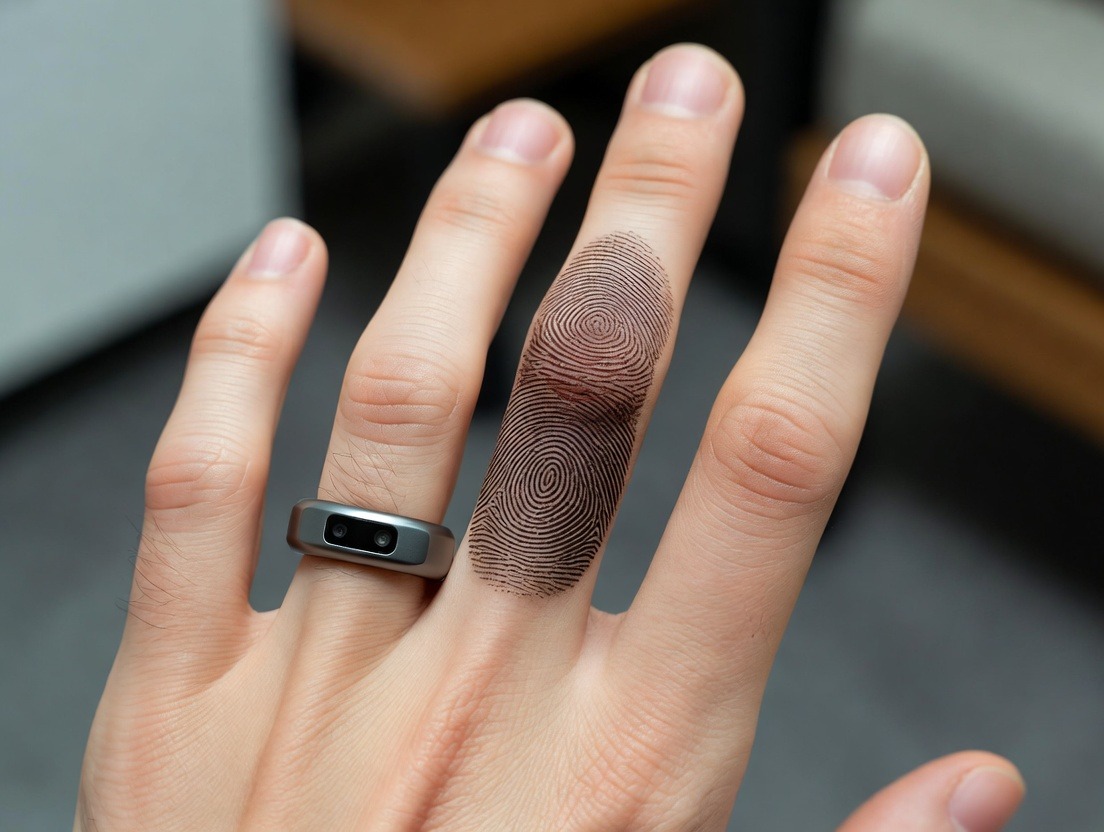
One of the most profound and potentially life-saving capabilities of a smart ring lies in its role as an early warning system. Our bodies often begin fighting illness, infection, or imbalance long before our conscious mind registers symptoms like a sore throat or fatigue. This pre-symptomatic phase has a distinct physiological fingerprint: a raised resting heart rate, a slight but consistent elevation in skin temperature, a suppressed heart rate variability (HRV), and often, disrupted sleep. Because the smart ring establishes your personal, detailed baseline, it becomes exquisitely sensitive to these subtle deviations.
Consider a common cold virus. Your immune system’s activation is metabolically expensive and inflammatory. This causes your body temperature to rise (even if it’s sub-febrile and you don’t "feel feverish"), your heart rate to increase to support the immune response, and your nervous system to shift toward a sympathetic, stressed state, lowering your HRV. You might feel perfectly fine at breakfast, but your ring’s readiness score may be inexplicably low, and your overnight temperature graph may show a persistent elevation. This is your body whispering that it’s under siege, giving you a critical 12- to 24-hour head start.
This early detection allows for proactive, rather than reactive, self-care. Upon seeing these signals, you can immediately implement a "sick protocol": prioritize extra sleep, hydrate aggressively, reduce physical and mental stress, and boost nutrients that support immunity. This intervention during the earliest phase can potentially lessen the severity of the illness or even help your body quash it before it takes hold. For individuals managing chronic conditions, this insight is even more powerful, as it can help them understand the physiological cost of flare-ups and the subtle signs of an impending episode, aiding in the complex task of managing disease emotions and maintaining emotional balance with chronic illness.
For nearly half the population, a powerful, endogenous rhythm dictates energy, metabolism, recovery, and emotional landscape: the hormonal cycle. For too long, women's health has been a blind spot in fitness and wellness tracking, with algorithms assuming a static, 28-day male physiology. Modern smart rings are beginning to correct this, offering nuanced tracking that respects and reveals the female bio-rhythm.
By tracking basal body temperature (BBT) with overnight precision—far more reliably than morning oral measurements—the ring can accurately pinpoint ovulation (marked by a sustained temperature rise) and map the entire menstrual cycle phases: follicular and luteal. This isn't just for conception tracking. It's a blueprint for energy management. The data often shows a clear pattern: higher HRV, better recovery, and greater capacity for intense exercise in the follicular phase (post-period, leading up to ovulation). In the luteal phase (post-ovulation), resting heart rate often rises, HRV may dip, sleep can become more fragile, and the body may be more susceptible to stress.
Armed with this knowledge, a woman can periodize her life. She can schedule demanding projects, important presentations, and peak workouts during her high-capacity follicular window. She can honor the increased need for recovery, gentler movement (like yoga or walking), and stress management during her luteal phase, viewing it not as a deficit but as a different physiological season. This eradicates the guilt of "underperforming" and replaces it with strategic self-care. This application extends to major hormonal transitions like pregnancy, menopause, and andropause, where the ring can provide objective feedback on how these shifts affect sleep, stress, and thermoregulation, offering validation and guidance during times of profound change.
Whether your arena is the marathon course, the weight room, or the boardroom, the principles of performance are the same: stress + recovery = adaptation. The smart ring brings a laboratory-grade monitoring system to the amateur athlete and the high-performing professional alike, optimizing both physical and cognitive output.
For the Athlete: Overtraining is the enemy of progress. The ring provides the clearest signposts to avoid it. Instead of following a rigid weekly schedule, an athlete can train based on readiness. A green-light score means go hard; a red-light score means focus on active recovery or technique work. This autoregulation prevents injury and burnout. The ring also helps fine-tune workout timing—perhaps you discover your strength and power output are consistently higher in late afternoon workouts, which align with your peak body temperature and readiness scores. Post-workout, the ring quantifies the magnitude of the stressor (seen in the HRV dip and heart rate elevation) and precisely tracks the recovery timeline, informing when you are truly ready for the next quality session.
For the Professional: Cognitive performance is inextricably linked to physiological state. The ring helps you identify your personal ultradian rhythms—the 90-120 minute cycles of focus and rest your brain naturally goes through. By noticing when your energy and focus wane (often correlated with a slight rise in stress score or a dip in HRV), you can schedule deliberate breaks, leading to sustained productivity without burnout. It reveals the hidden costs of poor work habits: back-to-back virtual meetings may keep your sympathetic nervous system engaged for hours, destroying your post-work recovery. This data empowers you to design a workday that respects your biology, blocking focus time, scheduling breaks, and protecting your wind-down period—directly contributing to enhanced emotional balance and work performance for a professional edge.
A burgeoning field of research confirms what many have intuited: the gut is the "second brain." Digestive distress, food sensitivities, and gut inflammation have systemic effects, often manifesting in the metrics a smart ring tracks. While the ring can't analyze your microbiome, it can show you the downstream physiological consequences of your digestive state.
An inflammatory response in the gut, whether from a food intolerance, a bout of dysbiosis (bacterial imbalance), or a rich meal, triggers a cascade. The immune system activates locally, which can lead to a slight, whole-body increase in resting heart rate and skin temperature. This low-grade inflammation can also activate the sympathetic nervous system, reducing HRV. Furthermore, the physical discomfort of bloating or gas can lead to increased restlessness and poorer sleep quality, which the ring will detect.
By tagging meals or digestive events, you can start to see correlations. Perhaps gluten or dairy, even in the absence of a diagnosed allergy, consistently correlates with a 5-beat-per-minute increase in your resting heart rate for the next 6 hours and a 10% reduction in deep sleep. Maybe you see that periods of high stress (low HRV) reliably precede or coincide with digestive upset, highlighting the powerful, bi-directional nature of the mind-gut connection.
This biofeedback encourages a more mindful and experimental approach to eating. It moves beyond calorie counting to food quality and personal tolerance. It supports the practice of mindful eating by providing concrete, physical feedback on how different foods make your body feel at a systemic level, not just in your stomach. By calming the gut through identified food choices and stress management, you can directly improve your HRV, sleep, and overall resilience.
Mental work is real work. Solving complex problems, making decisions, learning new skills, and managing emotional labor all deplete cognitive resources and create measurable physiological strain. This "cognitive load" often flies under the radar because we're sitting still, but a smart ring can detect its signature.
Sustained, focused mental effort typically increases sympathetic nervous system activity. You may see a gradual upward creep in your stress score throughout a morning of deep work or a series of difficult meetings. Your resting heart rate may stay elevated even after you've stopped the task, indicating your body is still processing the stress. This is the physiology of mental fatigue.
The ring helps you identify your cognitive limits and the value of strategic disengagement. It can validate the need for a true break. You might find that a 5-minute walk outside, a brief meditation, or even staring out the window resets your stress score more effectively than switching to another cognitive task like checking email.
This insight is a powerful antidote to the culture of perpetual busyness. It proves that "thinking hard" is a legitimate stressor that requires recovery. It helps you structure your day with cognitive sprints followed by mental recovery periods, maximizing the quality of your output and preventing the diffuse anxiety and burnout that comes from chronic mental overload. Learning to respect these signals is a key component of building a mindful workplace and bringing awareness to your professional life.

The body is constantly processing and eliminating substances, both those we intentionally consume and those we encounter in our environment. This detoxification metabolic work creates a physiological burden. A smart ring provides a clear, personal readout of that burden, most commonly and starkly with alcohol consumption.
Alcohol is a sedative that fragments sleep architecture. It suppresses REM sleep in the first half of the night and leads to rebounds and wakefulness in the second half. It also dehydrates, causes inflammation, and forces the liver into overdrive. The ring data tells this whole story: elevated resting heart rate throughout the night, suppressed HRV, increased nighttime awakenings, minimal deep sleep, and a plummeting readiness score the next day. Seeing the quantified impact of one glass versus three provides a powerful, personalized deterrent and promotes mindful consumption.
Beyond alcohol, the ring can hint at your body's response to other toxins. Poor air quality (high pollen, pollution) can trigger inflammatory responses, visible in elevated resting heart rate and lower HRV. A day spent in a moldy or fume-filled environment might show a similar pattern. While not diagnostic, this data can prompt you to investigate environmental factors when you see unexplained physiological dips. It encourages habits that reduce toxic load, such as staying hydrated, eating antioxidant-rich foods, and using air purifiers, because you can potentially see the positive effect on your recovery metrics.
Travel disrupts all the pillars of health: sleep, circadian rhythm, nutrition, and routine. Jet lag is the acute symptom of your internal clock being out of sync with your external environment. A smart ring becomes an essential travel companion, providing a roadmap back to equilibrium.
As you cross time zones, your ring will vividly display the discord. Your sleep graph will show severe fragmentation, short duration, and poor quality as you try to sleep at the wrong circadian time. Your daytime readiness score will be in the basement, and your HRV will likely be suppressed. The ring allows you to track your adjustment in real-time. How many days does it take for your temperature rhythm to re-anchor to local time? When does your sleep score begin to recover?
More importantly, you can use the ring to test and validate jet lag mitigation strategies. Does taking melatonin at a specific time, based on your data, improve your sleep onset? Does forcing yourself into morning sunlight at your destination accelerate the alignment of your circadian rhythm, reflected in a quicker return of your normal temperature curve? Does fasting during the flight and then eating on local time help? The ring provides objective feedback on what works for you, turning the disorientation of travel into a controlled experiment in circadian bio-hacking. This proactive approach is a form of high-level self-care, ensuring you recover quickly and perform at your best, whether for vacation or business.
At its core, the pursuit of health is a pursuit of longevity—not just more years, but more vital years. Many of the biomarkers tracked by a smart ring are considered proxies for biological age and systemic resilience. By improving them, you are potentially influencing the very rate at which you age.
Resting Heart Rate (RHR): A lower RHR generally indicates greater cardiovascular efficiency and fitness, which is strongly linked to longevity.
Heart Rate Variability (HRV): This is perhaps the most significant biomarker. HRV tends to decline with age, but this decline can be slowed, halted, or even reversed through lifestyle. High HRV indicates a robust, flexible autonomic nervous system, which is associated with better stress resilience, emotional regulation, and lower all-cause mortality. Consistently working to raise your HRV baseline is akin to upgrading your body's operating system for resilience.
Sleep Quality: Consistently poor sleep, particularly a lack of deep and REM sleep, is linked to accelerated cognitive decline, metabolic dysfunction, and increased inflammation—all hallmarks of aging.
By using your smart ring to guide lifestyle choices that optimize these biomarkers, you are engaging in direct "longevity engineering." You are making daily decisions that collectively nudge your physiology toward a more youthful, resilient, and vital state. This long-term perspective transforms the daily data from a performance tool into a legacy-building one, emphasizing that the ultimate high-impact lifestyle improvement is investing in the quality and length of your healthspan. This journey requires the very patience and progress that defines any meaningful long-term project.
Armed with months of data, you graduate from reactive adjustments to proactive design. You can now construct your "Perfect Week"—a template routine that aligns with your bio-rhythm, maximizes your energy, and respects your need for recovery. This is the pinnacle of using a smart ring for lifestyle architecture.
Your data will reveal your patterns. You'll know:
You can then draft a weekly template. Monday: High readiness day = intense workout + important project work. Tuesday: Lower intensity active recovery + administrative tasks. Wednesday: Moderate workout + collaborative meetings. And so on. This isn't a rigid prison; it's a flexible framework. When life inevitably disrupts it, your ring will show you the cost, and you can consciously decide if that cost is worth it. More importantly, you'll have a "home base" routine to return to, which brings stability and predictability to your nervous system. Designing this life is the ultimate application of mindful living principles for Type A personalities—creating structure that enhances performance without burning you out.
Perhaps the most unexpected benefit of a smart ring is its capacity to foster self-compassion. We are often our own harshest critics, blaming ourselves for low energy, poor focus, or emotional volatility. The ring provides an objective, non-judgmental explanation.
When you feel irritable and can't focus, instead of spiraling into self-criticism, you can check your data. Ah—your readiness score is 40%, your sleep was 60% efficient due to your child being sick, and your HRV is in the tank. This isn't a moral failing or a lack of willpower; it's a physiological state. The data allows you to respond with kindness and strategic action: "My body is clearly under-resourced right now. What does it need? A walk, some quiet time, hydration, and an early bedtime."
It externalizes the problem. It's not that "you" are lazy; it's that "your system" is depleted. This subtle shift in language is powerfully compassionate. It also helps normalize fluctuations. Seeing the natural ebb and flow of your metrics—the good weeks and the bad weeks—on a long-term graph teaches you that downturns are temporary and part of a larger cycle of growth. This objective self-awareness is the cornerstone of emotional maturity, directly supporting the ability to recover emotional balance after emotional outbursts by understanding the physiological underpinnings of those moments.
The journey through the first third of this exploration reveals a fundamental truth: the smart ring is far more than a gadget. It is a key, a translator, and a mirror. It unlocks the hidden language of your body, translates its whispers into actionable insights, and reflects back the undeniable truth of how you live.
We have moved from understanding its basic tracking capabilities to exploring its profound applications: from catching illness early and harmonizing with hormonal cycles, to optimizing performance and inferring gut health. We've seen how it quantifies mental fatigue, exposes the cost of toxins, helps hack jet lag, and even points toward longevity. Ultimately, it empowers you to design your ideal life with empathy and precision.
This is the dawn of a new era in personal wellness—one of self-optimization based on self-knowledge. The generic advice of the past fades away, replaced by a personalized, dynamic, and constantly evolving understanding of what makes you thrive. The smart ring provides the map, but the territory is your one, precious life. The subsequent sections will delve even deeper into integrating this knowledge, building systems, navigating challenges, and connecting this physiological wisdom to the broader dimensions of a meaningful, well-lived life. The path to your highest-impact improvements is now illuminated; the next step is to walk it with intention.
Your Trusted Sleep Advocate: Sleep Foundation — https://www.sleepfoundation.org
Discover a digital archive of scholarly articles: NIH — https://www.ncbi.nlm.nih.gov/
39 million citations for biomedical literature :PubMed — https://pubmed.ncbi.nlm.nih.gov/
Experts at Harvard Health Publishing covering a variety of health topics — https://www.health.harvard.edu/blog/
Every life deserves world class care :Cleveland Clinic - https://my.clevelandclinic.org/health
Wearable technology and the future of predictive health monitoring :MIT Technology Review — https://www.technologyreview.com/
Dedicated to the well-being of all people and guided by science :World Health Organization — https://www.who.int/news-room/
Psychological science and knowledge to benefit society and improve lives. :APA — https://www.apa.org/monitor/
Cutting-edge insights on human longevity and peak performance:
Lifespan Research — https://www.lifespan.io/
Global authority on exercise physiology, sports performance, and human recovery:
American College of Sports Medicine — https://www.acsm.org/
Neuroscience-driven guidance for better focus, sleep, and mental clarity:
Stanford Human Performance Lab — https://humanperformance.stanford.edu/
Evidence-based psychology and mind–body wellness resources:
Mayo Clinic — https://www.mayoclinic.org/healthy-lifestyle/
Data-backed research on emotional wellbeing, stress biology, and resilience:
American Institute of Stress — https://www.stress.org/


