


How to Interpret Your Smart Ring's Health Metrics for Better Lifestyle Choices
Teaches how to translate the metrics from your ring into actionable lifestyle adjustments.
Teaches how to translate the metrics from your ring into actionable lifestyle adjustments.
%402x.svg)
You slip on a sleek, unassuming ring. To the outside world, it’s a simple piece of modern jewelry. But on your finger, it’s a silent sentinel, a personal health observatory gathering a continuous stream of data about the most intimate machine you’ll ever operate: your own body. This is the promise of the smart ring—wellness insight distilled into a wearable so discreet it fades into your being.
Yet, for many, this promise hits a wall of confusion. You open the companion app to a dashboard glowing with numbers: HRV, SpO₂, skin temperature variation, sleep stages, resting heart rate. The data is abundant, but the meaning is opaque. What does a “78” for Sleep Readiness actually mean for your day? Should you be concerned if your Recovery Score dips into the yellow? Is that elevated nighttime heart rate a sign of yesterday’s hard workout or tomorrow’s impending cold?
This data, in its raw form, is just noise. The symphony—the actionable intelligence that can guide you toward better sleep, smarter training, less stress, and more energy—lies in the interpretation. This article is your master guide to becoming fluent in the language of your own physiology. We will move beyond simply reading the numbers to understanding the profound stories they tell about your recovery, resilience, and readiness. We’ll equip you with the frameworks to connect these biometric dots to your daily choices—what you eat, how you move, when you sleep, and how you manage stress. The goal is not to become obsessed with optimization, but to foster a conscious, responsive, and healthier dialogue with yourself, powered by the most personal data you will ever own.

Before diving into the granular metrics, you must understand the core triad that forms the bedrock of virtually all smart ring insights: Resting Heart Rate (RHR), Heart Rate Variability (HRV), and Sleep Quality. These three are deeply interconnected, offering the most reliable high-level snapshot of your overall systemic state—your body’s “weather report.”
Resting Heart Rate (RHR): The Engine’s Idle Speed
Your resting heart rate is precisely what it sounds like: the number of times your heart beats per minute (BPM) when you are fully at rest, typically captured during deep sleep or the moment of waking. Think of it as your engine’s idle speed. A well-tuned, efficient cardiovascular system doesn’t need to work hard to sustain basic functions.
A lower RHR generally indicates stronger cardiovascular fitness and efficient autonomic nervous system function. For the average adult, RHR ranges from 60 to 100 BPM. Endurance athletes often see rates in the 40s. The key is not to compare your number to others, but to establish your personal baseline (your ring’s app will do this over 1-2 weeks) and then watch for trends. A sustained elevation of 5-7 BPM above your baseline is a significant red flag. It can signal:
Heart Rate Variability (HRV): The Measure of Your Resilience
If RHR is the idle speed, HRV is the sophistication of the engine’s timing system. It measures the subtle, millisecond variations in the time intervals between consecutive heartbeats. Contrary to intuition, a higher HRV is better. It indicates a flexible, responsive autonomic nervous system (ANS). Your heart can swiftly accelerate for a challenge (sympathetic drive) and then gracefully decelerate to rest and digest (parasympathetic tone).
A low HRV suggests a nervous system under strain, stuck in a state of high alert with less capacity to adapt. Tracking your HRV trend is arguably the most powerful single metric for understanding your body’s readiness to perform or its need to recover. A downward trend can mirror accumulating stress—be it physical (overtraining), mental (work deadlines), or emotional. An upward trend suggests good recovery and adaptation. Crucially, never judge HRV on a single day’s reading; always look at the 7-day rolling average.
Sleep: The Non-Negotiable Reset Button
Sleep is not a passive state; it’s when 90% of your physical repair and mental consolidation occurs. Your smart ring breaks this down into stages (Light, Deep, REM), duration, and disturbances. Deep sleep is crucial for physical recovery and immune function, while REM sleep is essential for memory, learning, and emotional processing.
Your ring’s “Sleep Score” or “Readiness Score” is almost always a composite algorithm weighting these three pillars—RHR, HRV, and Sleep Quality. A high score means your biometric trinity is in harmony: low RHR, high/stable HRV, and long, undisturbed sleep with sufficient deep and REM cycles. This is your green light for a demanding day. A low score is your body’s plea for moderation—a signal to prioritize rest, hydration, nutrition, and stress management. Understanding this foundational dashboard is the first step in moving from data to wisdom.
Sleep is the single most important pillar of health that your smart ring measures. But a total sleep time of “8 hours” can be deceptive. The magic—and the misery—is in the architecture. Your ring uses photoplethysmography (PPG) sensors and accelerometers to estimate your sleep stages, providing a map of your night. Let’s learn to read this map.
Light Sleep (N1 & N2): The Gateway and the Guardian
Making up 50-60% of your night, light sleep is often underrated. This stage is the transition from wakefulness into deeper sleep and acts as a custodian for your sleep cycles. It’s vital for memory consolidation and metabolic health. While you want sufficient deep and REM, consistently low light sleep can indicate fragmented sleep architecture. If your ring shows excessive light sleep, it might point to environmental disruptions (noise, light, temperature) or lifestyle factors like caffeine or alcohol consumption too close to bedtime.
Deep Sleep (N3 or Slow-Wave Sleep): The Physical Restoration Phase
This is the superhero of sleep stages, typically comprising 10-25% of your night, concentrated in the first half. During deep sleep, your body releases growth hormone, repairs tissues and muscles, strengthens the immune system, and clears metabolic waste from the brain. It’s the most physically restorative phase. A consistently low deep sleep percentage on your ring is a major alert. It can be impacted by:
REM Sleep: The Mental and Emotional Workshop
REM (Rapid Eye Movement) sleep usually makes up 20-25% of your night, with periods lengthening toward morning. This is when your brain is highly active, processing emotions, consolidating memories, and fostering creativity. It’s essential for mental and emotional resilience. Suppressed REM sleep is linked to poor mood regulation, difficulty learning, and anxiety.
The Nightly Timeline and Latency Metrics
Your ring also tracks key timings:
By correlating a poor sleep architecture readout with your daily log (did you have wine? work late? feel stressed?), you can start making powerful, personalized changes. For instance, if you see your deep sleep dip after late workouts, you can schedule exercise earlier. This is the essence of bio-feedback. For those struggling to establish a conducive pre-sleep environment, exploring resources on how to create a nighttime routine in a small space can offer practical, space-efficient strategies to wind down effectively.
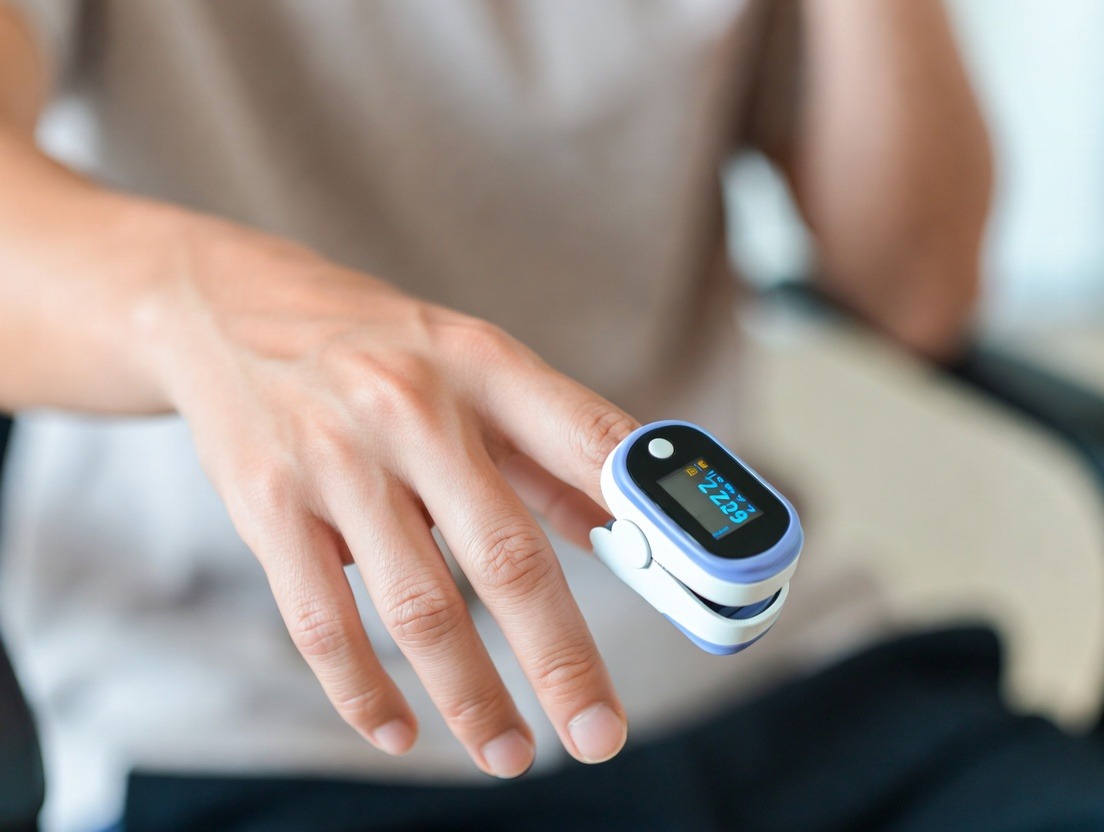
While heart rate and sleep get most of the attention, modern smart rings are packing advanced sensors that provide a more holistic physiological picture. Three of the most insightful—and often misunderstood—metrics are nocturnal Blood Oxygen Saturation (SpO₂), skin temperature variation, and respiratory rate.
Nocturnal Blood Oxygen (SpO₂): The Silent Nighttime Signal
While daytime SpO₂ is typically stable at 95-100%, tracking it during sleep is uniquely valuable. Your ring uses brief, periodic spot checks to identify potential dips (desaturations). Occasional, minor dips are normal. However, frequent or significant desaturations (drops of 4% or more from your baseline) can be a critical indicator of sleep-disordered breathing, like obstructive sleep apnea (OSA).
In OSA, the airway collapses temporarily, interrupting breathing and causing oxygen levels to fall. This triggers a micro-arousal (a shift to lighter sleep or a brief awakening) to restart breathing, fragmenting your sleep architecture—often without you fully waking up. You might wake feeling unrefreshed despite a long sleep duration. Your ring’s SpO₂ report, often shown as a distribution graph, can highlight this pattern. It’s not a diagnostic tool, but a powerful screening signal to discuss with a healthcare professional.
Skin Temperature Variation: Your Body’s Thermostat Tells a Story
Your core body temperature follows a circadian rhythm, dropping by 1-3 degrees Fahrenheit (0.5-1.5°C) at night to initiate and maintain sleep. Your ring tracks the subtle temperature changes at your finger (a good proxy for peripheral temperature). A clear, predictable dip at night and rise in the morning indicates a healthy circadian rhythm.
Deviations are telling:
Respiratory Rate: The Calm Pulse of Breath
The number of breaths you take per minute is a fundamental vital sign. During sleep, it should be slow and steady, typically between 12-20 breaths per minute for adults. Your ring derives this from heart rate data. A consistently elevated nighttime respiratory rate can be a subtle sign of stress, anxiety, or even underlying cardiorespiratory issues. Like RHR, tracking its trend relative to your personal baseline is more important than the absolute number. A sudden, unexplained increase warrants attention.
Together, these three metrics form a secondary layer of defense, catching signals that RHR and HRV might miss, especially related to breathing and circadian health. They turn your ring from a sleep tracker into a comprehensive wellness guardian.
You wake up, grab your phone, and open your ring’s app. There it is: your daily Readiness Score (or Recovery Score, Strain Balance, etc.). It’s a compelling, simple number—often on a color-coded scale of 1-100 or Red/Yellow/Green. But what’s really under the hood of that algorithm? And more importantly, how should you act on it?
Deconstructing the Algorithm
While each brand has its proprietary formula, all readiness scores are essentially weighted composites of the metrics we’ve discussed. A typical algorithm might look something like this:
The score’s genius is its synthesis. A bad night’s sleep might be offset by a fantastic HRV reading if you’re well-trained and adapted. Conversely, a long sleep might not save your score if your HRV is in the tank and your temperature is elevated.
How to Interpret and Act on the Score
The ultimate power of the Readiness Score is breaking the “more is always better” mentality in fitness and productivity. It teaches periodization—the rhythmic cycling of stress and recovery—on a daily, personalized level. It gives you permission to rest without guilt and the confidence to push when it’s truly sustainable. Learning to trust this score is a cornerstone of intelligent self-management. For those whose scores are consistently hampered by anxiety, implementing the nighttime routine that reduces next day anxiety can create a positive feedback loop, improving both evening calm and morning readiness.
Data in a vacuum is meaningless. The true “aha!” moments with a smart ring come not from staring at a single metric, but from observing correlations—the cause-and-effect relationships between your lifestyle choices and your physiological responses. This is where you move from passive tracking to active experimentation and become the lead scientist in your own n=1 study.
The Critical Importance of Lifestyle Logging
Your ring’s app likely has a journal or tagging feature. Use it religiously. At the end of each day, or the next morning, log:
Identifying Your Personal Triggers and Boosters
After 2-4 weeks of consistent logging, patterns will emerge. You’ll start to see which behaviors reliably move the needle on your biometrics.
Negative Correlation Examples:
Positive Correlation Examples:
The Experimentation Mindset
Use these correlations to form hypotheses and test changes. For example: "If alcohol disrupts my deep sleep, what happens if I replace my evening wine with herbal tea for one week?" Check the data. Or: "If late caffeine hurts my sleep latency, what's the effect of a 2 PM cutoff?"
This process demystifies your body’s unique language. You learn that for you, a 60-minute intense workout is fine, but 90 minutes pushes you into overreach. You learn that a midday walk is a powerful stress reset. This is personalized, data-informed wellness at its finest. To effectively track the impact of these lifestyle experiments, techniques outlined in how to track whether your nighttime routine is working can be directly applied to your smart ring data analysis.
In our “always-on” culture, stress is often worn as a badge of honor. But physiologically, stress is simply a load—a demand placed on your system. It can be “good” (eustress), like a challenging workout, or “bad” (distress), like a traffic jam or work anxiety. What matters is the balance between the total load (stress) and your body’s capacity to recover from it. Your smart ring provides the ultimate dashboard for this delicate equilibrium.
The Stress-Readiness Spectrum
Think of your body as a battery. Stress drains the battery; recovery recharges it. Your HRV is the most direct measure of your battery’s current charge level and its ability to accept a charge.
Activity Strain vs. Readiness: Avoiding the Overreach Trap
Most ring apps provide a daily “Activity Score” or “Strain” metric based on heart rate data and movement. This quantifies the physical stress/load of your day. The golden rule is: Your daily activity should be inversely proportional to your daily readiness.
Practical Application: The Weekly Cycle
Instead of following a rigid, pre-written workout plan, use your ring data to guide a flexible weekly structure:
This dynamic approach prevents the common pitfall of forcing a hard workout on a day your body is begging for rest, thereby breaking cycles of chronic fatigue and underperformance. It’s the essence of training smart, not just hard.
Your body is not a static machine; it’s a rhythmic organism governed by a ~24-hour internal clock known as your circadian rhythm. This master clock, set by light exposure, regulates everything from hormone release and metabolism to cognitive function and sleep-wake cycles. When your lifestyle is misaligned with this rhythm—a state called circadian disruption—your health and performance suffer. Your smart ring’s skin temperature and sleep timing data are powerful tools to diagnose and correct this misalignment.
Your Ring as a Circadian Compass
As discussed, your core body temperature rhythm is a primary output of your circadian clock. By tracking its predictable dip and rise, your ring can gauge the stability of your rhythm. Key signs of disruption include:
The Modern Disruptors: Light, Timing, and Chaos
The biggest culprits of circadian disruption are:
Actionable Steps for Circadian Alignment
Use your ring’s data to build rhythm-supporting habits:
By treating your circadian rhythm as a foundational pillar, you create stability that amplifies the benefits of everything else you do. Good sleep becomes easier, metabolism optimizes, and hormonal balance improves. Your ring provides the feedback loop to prove it. For those whose schedules are inherently misaligned, such as shift workers, specialized approaches like nighttime routine for shift workers: sleep when you can provide crucial strategies to mitigate circadian strain.
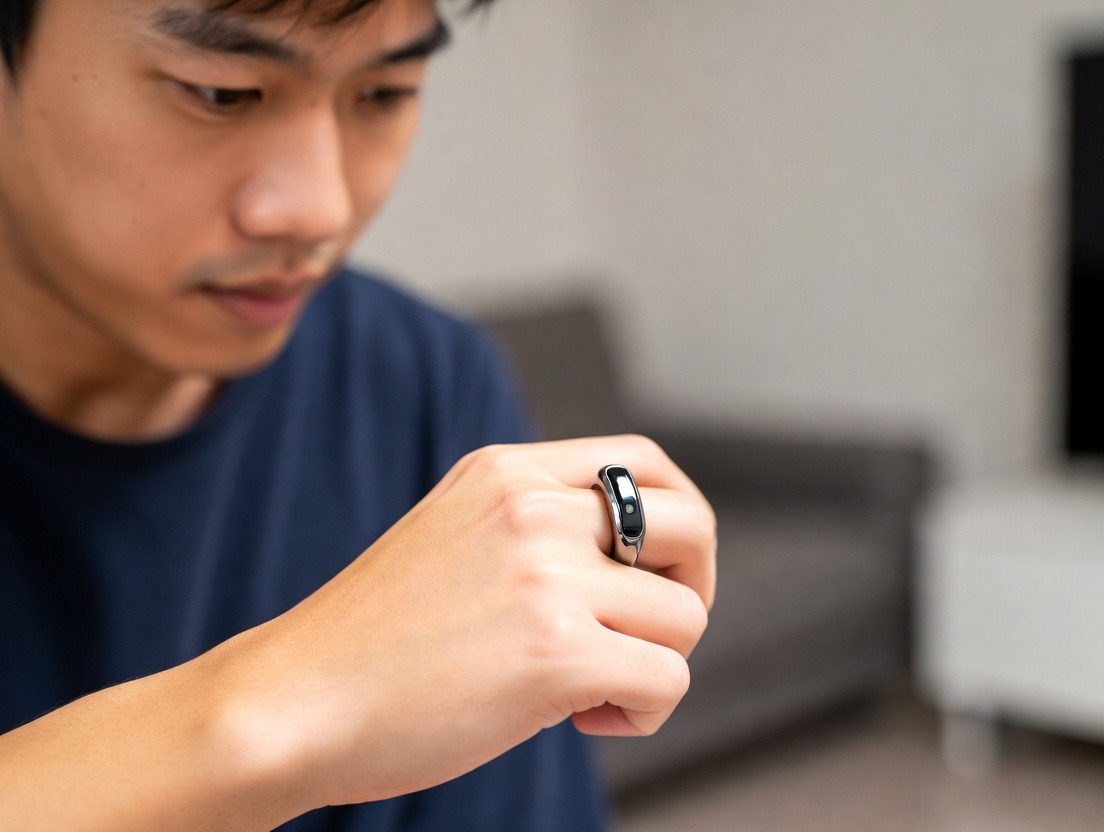
One of the most profound benefits of continuous biometric tracking is the ability to see the subtle, pre-symptomatic whispers of illness or the creeping onset of overtraining syndrome (OTS). Your body signals distress long before you consciously feel unwell. Learning to recognize these early warnings can allow you to intervene—to rest, hydrate, and support your immune system—potentially heading off a full-blown sickness or a state of burnout.
The Biometric Signature of Oncoming Illness
Your body mounts an immune response (inflammation) to fight pathogens. This process is metabolically costly and stresses multiple systems, leaving clear data traces:
The Overtraining Syndrome (OTS) Checklist
Overtraining is not just being tired from a hard week; it’s a state of prolonged maladaptation where recovery stagnates and performance declines. It shares many signs with impending illness, but in a specific context:
The "Check Engine" Light Protocol
When you see a constellation of these warning signs—say, elevated RHR + low HRV + poor sleep for 2-3 days—it’s your body’s “check engine” light. Your action plan should be immediate and non-negotiable:
By respecting these early warnings, you can often turn a potential 10-day illness into a 2-day reset. This proactive approach is perhaps the most valuable health-insurance policy your smart ring provides.
In a world of instant gratification, the most powerful insights from a smart ring are not daily spikes or dips, but the long-term trends that emerge over months and seasons. This longitudinal view transforms the device from a daily performance judge into a lifelong wellness companion. The key is to shift your mindset from reacting to daily scores to observing and guiding multi-week trends.
Moving from Points to Lines: The Power of Trend Analysis
Open your app’s trend view (usually a 30-day or 90-day chart). Zoom out. You’re no longer looking at a score of “65,” but at the line connecting your scores. This is where the truth lies.
Setting Biometric-Informed Goals
Use these trends to set S.M.A.R.T. goals that aren’t just about weight or miles run:
The Peril of Data Obsession and How to Avoid It
It’s called “analysis paralysis” for a reason. Constantly checking your app, fretting over a single yellow score, or letting a bad data day ruin your mood defeats the entire purpose. This is orthosomnia—an unhealthy preoccupation with perfect sleep data.
Remember, the data is a tool for greater self-awareness and freedom, not a source of anxiety or a new master to serve. It should help you live better, not become a chore. For individuals particularly prone to sleep anxiety, following guidance for the nighttime routine for light sleepers and insomniacs can help break the cycle of worry that itself disrupts sleep.
A critical mistake in interpreting biometric data is comparing your numbers to generic population averages or, worse, to someone else’s. A 25-year-old elite athlete, a 45-year-old perimenopausal woman, and a 60-year-old executive are operating on fundamentally different physiological landscapes. Your smart ring’s magic is in its personalization, but you must understand the context of your unique biology and life stage.
How Age and Sex Influence Your Metrics
The Menstrual Cycle as a Biometric Modulator
For women who menstruate, the cycle is not a confounder to ignore but a vital rhythm to understand. Tracking your cycle phases alongside your ring data can be revelatory:
Ignoring this cycle is like ignoring the tide. Honoring it—planing intense efforts in the follicular phase and emphasizing recovery in the luteal phase—is a paradigm shift in personalized fitness and wellness.
Lifestyle Context is Everything
Your baseline is also set by your unique life:
Embrace your unique baseline. Use the data not to fight your biology or life stage, but to work with it compassionately and intelligently, seeking progress within your own context, not against an arbitrary ideal.
Your smart ring provides an unparalleled view of your physiological outputs. But these outputs are driven by a myriad of lifestyle inputs. The final—and most important—step in interpretation is to connect the ring’s feedback to the actionable levers you control: what you eat, how you manage your mind, and when to seek expert guidance.
Nutrition: Fueling the Metrics
What and when you eat directly impacts every metric we’ve discussed.
Use your ring to test: Try logging a week of whole-food nutrition versus a week with more processed foods. Observe the differences in your sleep scores, morning RHR, and recovery metrics.
Mindfulness and Stress Management: Calming the Nervous System
Since HRV is a direct measure of autonomic nervous system balance, practices that stimulate the parasympathetic (“rest and digest”) system are directly visible in your data.
Your ring provides objective proof that these “soft” practices have “hard” physiological impacts, motivating consistency.
The Role of Professional Healthcare
Your smart ring is a wellness tool, not a medical device. It is phenomenal for trend analysis, motivation, and lifestyle feedback, but it has critical limitations:
Integrate your ring’s insights with mindful eating, intentional stress reduction, and professional care. This holistic approach ensures the technology serves your overall well-being, becoming a cornerstone of a truly intelligent, responsive, and healthy life.
You now understand what the numbers mean. You’ve identified correlations between that late-night espresso and a plummeting Sleep Score, or between a stressful week and a suppressed HRV. The pivotal question becomes: How do you systematically convert this awareness into a sustainable, daily lifestyle that elevates your baseline wellness? This is where you move from being an observer to an architect, designing a personalized daily and weekly routine informed by your unique biometric feedback.
The Concept of "Bio-Feedback Loops"
Your smart ring creates a closed-loop system: Action → Biometric Response → Insight → Adjusted Action. The goal is to design rituals that generate positive feedback loops. For example:
Designing Your Morning Anchor Ritual (Based on Readiness)
Your morning routine should be responsive to your Readiness Score, not rigid.
Crafting an Adaptive Evening Wind-Down (Informed by Sleep Data)
Your evening routine is your most powerful lever for improving sleep architecture, which in turn drives every other metric. Use your sleep stage data (deep, REM, disturbances) to tailor your pre-sleep hours.
By iterating on these rituals and watching the correlating data in your app, you build a powerfully customized framework for daily wellness that actually works for your body.
In a culture obsessed with hustle, rest is often viewed as passive—simply the absence of work. Your smart ring reframes rest as an active, intentional, and data-informed process critical for growth. An "Active Recovery Day" is not about doing nothing; it’s about engaging in precise, low-strain activities that accelerate the recharge of your physiological battery, as indicated by your HRV and RHR trends.
Why "Active" Recovery?
Complete inactivity can sometimes lead to stiffness and poor circulation, slowing the removal of metabolic waste. Gentle movement increases blood flow, delivers nutrients to muscles, and can stimulate the parasympathetic nervous system more effectively than total stillness. The key is that the activity must be non-stressing—it should not provoke a significant stress response or delay recovery.
What to Do on an Active Recovery Day (When Your Ring Says "Rest")
Let your biometrics guide your choice. If your Readiness is low and your HRV is depressed, choose from the bottom of this intensity scale:
What to Avoid on a Recovery Day
Monitoring the Success of Your Recovery Day
The success of an Active Recovery Day is measured the following morning. Did it work? Check your data:
If the answer is yes, you’ve mastered the art of active recovery. If not, it may be a sign you need a complete rest day—true physical and mental disengagement. Learning to honor these signals is what prevents the downward spiral of overtraining and burnout.
You cannot supplement or out-train a poor diet. The food you consume is the raw material for every cellular repair process, neurotransmitter, and hormone that your smart ring is indirectly measuring. By aligning your nutrition with your biometric goals, you create an internal environment conducive to high HRV, sound sleep, and swift recovery.
Macronutrients and Their Biometric Impact
Micronutrients: The Unsung Heroes of Sleep and Recovery
Timing: The When is as Important as the What
Hydration: The Foundation of All Metrics
Even mild dehydration (as little as 2% loss of body water) can elevate RHR, reduce blood volume (affecting PPG sensor accuracy), increase perceived effort, and impair cognitive function. Your overnight skin temperature might also rise as your body struggles to thermoregulate. Aim for consistent hydration throughout the day, not just gulping water before bed (which will increase WASO). Monitor the color of your urine and note if better hydration days correlate with lower morning RHR.
Using Your Ring to Conduct Nutrition Experiments
Treat your nutrition as a variable in your n=1 study. For two weeks, prioritize whole foods, consistent protein, and an early dinner cutoff. Log it. Then, for a week (if you dare), revert to old habits. The differences in your sleep scores, HRV trends, and readiness will likely be the most powerful motivator for lasting change you’ve ever experienced.
Stress is subjective, but its physiological footprint is objective. Your smart ring cuts through the "I'm fine" self-deception and shows you the truth: an elevated resting heart rate, a suppressed HRV, and restless sleep. This data is not meant to stress you out further, but to empower you to take concrete, effective action. It validates the need for stress management and provides proof of what works for you.
Identifying Your Stress Signatures
Not all stress looks the same in the data. Observe your patterns:
Data-Backed Stress Reduction Techniques
Use your ring to test the efficacy of different practices. Perform a 10-15 minute intervention and observe the acute effect on your real-time heart rate (if your ring displays it) or note the impact on your next morning's data.
Reframing the Data: From Judgment to Curiosity
When you see a "bad" score, the goal is to avoid a spiral of negative self-judgment ("I'm failing at wellness"). Instead, use the data-driven stress management framework:
This process turns stress from an amorphous enemy into a manageable signal. Your ring becomes a biofeedback device, teaching you which activities truly calm your nervous system, making stress management a tangible, optimized part of your routine.
The era of blindly following a pre-written Monday-Wednesday-Friday workout plan is over. Your body’s readiness to perform varies daily. Intelligent training means matching your workout’s stress to your body’s capacity to absorb and benefit from that stress. This is the core principle of autoregulation, and your smart ring’s Readiness and HRV data are the perfect guides.
The Autoregulation Training Framework
Instead of a fixed plan, work from a flexible "menu" of workout types, letting your morning readiness score dictate the selection.
Using HRV Trends for Weekly Planning
Look at your 7-day HRV rolling average on Sunday night to plan your week’s training emphasis.
The Importance of "Zone 2" Cardio
One of the most powerful insights for fitness enthusiasts is the value of low-intensity, Zone 2 cardio (typically 60-70% of max heart rate). This type of training:
Post-Workout Metric Analysis
After a hard workout, observe the next morning’s data. A successful, well-tolerated workout should show:
This approach prevents overtraining, reduces injury risk, and ensures that your hard work is actually yielding adaptations, not just digging you into a hole of chronic fatigue.
Travel is one of the most disruptive events for your circadian rhythm and overall wellness. The combination of time zone changes, confined sitting, dry cabin air, irregular sleep, and unfamiliar food can wreak havoc on your metrics. However, your smart ring can be your greatest ally in navigating this disruption, providing a real-time map of your internal desynchronization and guiding your mitigation strategies.
Pre-Travel Preparation: Shifting Your Baseline
If traveling east (losing time):
In-Transit Strategies
Post-Arrival: Let Your Data Guide Your Recovery
Do not expect to feel or perform normally. Use your ring’s metrics to be compassionate and strategic.
The "Resilience" Metric
Some rings generate a "Resilience" or "Body Battery" score that factors in strain and recovery. Watch this during travel. It will likely drain quickly. Let it guide you to say "no" to extra social engagements and "yes" to naps and early bedtimes until it begins to recharge. By using your ring as a travel compass, you can reduce the duration and severity of jet lag by days, transforming a draining experience into a manageable transition. For managing routines in challenging environments, insights from how to salvage a nighttime routine when you're running late can be adapted for the unpredictable nature of travel.
Your health metrics do not exist in a sterile lab. They are profoundly influenced by your social connections and your physical environment. Your smart ring can reveal the tangible physiological cost of a toxic relationship or the measurable benefit of a supportive community, just as it can show how your bedroom environment is sabotaging your sleep.
Social Connections and Biomarkers
Humans are social creatures, and our relationships trigger powerful neuroendocrine responses.
Actionable Insight: Use your ring’s journal to tag days with significant social events—both positive and negative. Over time, you may see clear patterns. This data can empower you to invest more time in nourishing relationships and set healthier boundaries with draining ones.
The Physics of Your Environment
Your body is constantly responding to its physical surroundings.
By auditing your social and physical environment through the lens of your biometric data, you can make targeted, effective changes that support your physiology. It turns abstract advice like "reduce stress" and "improve your sleep hygiene" into concrete, data-validated actions.
Your smart ring’s native app is powerful, but its true potential is unlocked when its data is no longer a silo. By integrating it with other health, fitness, and lifestyle platforms, you create a centralized command center for your well-being, revealing deeper insights through the confluence of multiple data streams.
Fitness Platform Integration (Strava, Apple Health, Google Fit)
Most rings sync seamlessly with major fitness platforms. This is crucial for a holistic view.
Nutrition and Macro Tracking Apps (MyFitnessPal, Cronometer)
Imagine seeing your daily macronutrient and calorie intake graphed alongside your HRV and sleep score. This integration can reveal powerful correlations that are impossible to see otherwise.
Mindfulness and Meditation Apps (Headspace, Calm)
Some rings can integrate session data from meditation apps directly into their recovery algorithms. Even without direct integration, you can manually compare trends.
The Future: AI Health Coaches and Predictive Analytics
The next frontier is platforms that take this aggregated data (ring + nutrition + fitness + calendar) and use AI to provide predictive insights and personalized coaching.
The "Quantified Self" Ecosystem
Your smart ring is a flagship sensor in your personal "Quantified Self" ecosystem. By allowing it to talk to other apps, you are building a rich, multi-dimensional dataset about your life. The analysis of this dataset—looking for patterns across activity, food, sleep, stress, and performance—is where the deepest self-knowledge is forged. It transforms wellness from a guessing game into a systematically optimized endeavor.
Daily and weekly data is for tactical adjustments. Monthly and yearly data is for strategic life planning. The most profound value of your smart ring may reveal itself only after you’ve worn it consistently for a year or more. This longitudinal dataset becomes a unique mirror reflecting your healthspan—the period of life spent in good health—and provides early warnings for age-related decline.
Establishing Your Personal Baselines Over Seasons
Your body is not static across the year. Notice the natural fluctuations:
Spotting the Slow Drift: The Early Warning System for Chronic Issues
Chronic conditions like hypertension, metabolic syndrome, or sustained high stress don’t appear overnight. They manifest as a slow, almost imperceptible drift in your baseline metrics over 6-18 months.
The "Aging Curve" and Proactive Intervention
Instead of passively accepting age-related decline, use your data to proactively manage it.
Creating a Health Legacy Document
Your multi-year dataset is a priceless health journal. It provides concrete evidence to show healthcare providers: "Here is my normal, and here is how it has changed." It empowers you to be an informed, proactive participant in your long-term health, shifting the paradigm from reactive sick-care to proactive well-care. This long-view turns your smart ring from a gadget into a guardian of your future self.
Your Trusted Sleep Advocate: Sleep Foundation — https://www.sleepfoundation.org
Discover a digital archive of scholarly articles: NIH — https://www.ncbi.nlm.nih.gov/
39 million citations for biomedical literature :PubMed — https://pubmed.ncbi.nlm.nih.gov/
Experts at Harvard Health Publishing covering a variety of health topics — https://www.health.harvard.edu/blog/
Every life deserves world class care :Cleveland Clinic - https://my.clevelandclinic.org/health
Wearable technology and the future of predictive health monitoring :MIT Technology Review — https://www.technologyreview.com/
Dedicated to the well-being of all people and guided by science :World Health Organization — https://www.who.int/news-room/
Psychological science and knowledge to benefit society and improve lives. :APA — https://www.apa.org/monitor/
Cutting-edge insights on human longevity and peak performance:
Lifespan Research — https://www.lifespan.io/
Global authority on exercise physiology, sports performance, and human recovery:
American College of Sports Medicine — https://www.acsm.org/
Neuroscience-driven guidance for better focus, sleep, and mental clarity:
Stanford Human Performance Lab — https://humanperformance.stanford.edu/
Evidence-based psychology and mind–body wellness resources:
Mayo Clinic — https://www.mayoclinic.org/healthy-lifestyle/
Data-backed research on emotional wellbeing, stress biology, and resilience:
American Institute of Stress — https://www.stress.org/


