


Modern Health Monitoring: Continuous vs Periodic Health Assessment
Compares the depth of insight from constant monitoring versus occasional check-ups or tests.
Compares the depth of insight from constant monitoring versus occasional check-ups or tests.
%402x.svg)
In an age where we can track a package across the globe in real-time, monitor our home security from a phone, and get live updates on everything from stock prices to weather patterns, a curious anachronism persists in perhaps the most critical domain of all: our personal health. For most people, understanding their physical well-being remains a snapshot exercise—a single blood pressure reading at the doctor’s office, an annual cholesterol check, a frantic pulse count after a stressful meeting. We’re navigating the complex, dynamic ocean of our health using instruments that only work in port.
This paradigm is shifting, and at its core lies a fundamental debate: Continuous vs. Periodic Health Assessment. Is it better to get a detailed, clinical-grade check-up once a year, or to have a constant, albeit less granular, stream of data about your body’s rhythms? The answer isn't simple, and it’s reshaping everything from medical diagnostics to personal wellness routines. This isn't just about more data; it's about a different kind of data. It's the difference between seeing a single frame of a film and understanding the entire plot, character arcs, and underlying themes.
This deep dive explores the revolution happening right on our fingertips—and increasingly, around them. We’ll dissect the science, the technology, and the profound personal implications of moving from episodic health glimpses to a seamless, integrated understanding of our well-being. We’ll explore how devices like the modern smart ring are becoming the linchpin of this continuous approach, offering insights that were once the sole domain of hospital wards.
The journey towards truly proactive health starts with understanding this critical distinction. Welcome to the new frontier of self-knowledge.

To understand the future of health monitoring, we must first clearly define the two competing philosophies that govern how we collect information about our bodies.
Periodic Health Assessment is the traditional, established model. It involves measuring health biomarkers at specific, discrete intervals. Think of it as a spotlight that flashes on at set times, illuminating your health in that exact moment. Its hallmarks are intentionality, clinical setting, and high precision. Examples are ubiquitous: your annual physical exam, a quarterly blood panel, a monthly weigh-in on your scale, or even checking your blood pressure at the pharmacy kiosk. The data points are isolated in time, and the context between measurements is often inferred or lost.
This model has been the backbone of preventive medicine for a century. Its strengths are significant. The measurements are typically taken with calibrated, medical-grade equipment by or under the guidance of a professional. The results provide a high-fidelity snapshot that can be compared against established population baselines to flag clear issues like high glucose, elevated liver enzymes, or hypertension.
However, its weaknesses are becoming increasingly apparent in our modern understanding of human physiology. The human body is not a static entity; it’s a dynamic, complex system with daily, weekly, and seasonal rhythms. A blood pressure reading in a calm doctor’s office (the notorious “white coat syndrome”) may bear little resemblance to your pressure during a work crisis or a night of poor sleep. A fasting glucose test misses the critical story of your glucose spikes after meals. An annual ECG won’t catch the intermittent arrhythmia that occurs once a week.
Continuous Health Monitoring (CHM), in contrast, is the emerging paradigm. It involves the automated, ongoing, and passive collection of health and wellness data throughout your daily life. It’s less a spotlight and more a constant, ambient light that reveals patterns, trends, and baselines. Its hallmarks are passivity, contextual richness, and trend identification.
This doesn’t necessarily mean medical-grade precision 24/7 (though that technology is advancing). Instead, it focuses on longitudinal tracking of key physiological signals like heart rate, heart rate variability (HRV), skin temperature, sleep architecture, blood oxygen saturation, and activity levels. The power isn't in any single data point at 2:17 PM on Tuesday; it’s in the curve. It’s seeing how your resting heart rate trends upward in the days before you feel sick, how your HRV dips after a hard workout (and whether it recovers), or how your sleep depth correlates with your afternoon caffeine intake.
The wearable revolution—spearheaded first by wristbands and now refined by discreet, always-on devices like smart rings—has made CHM accessible. The goal is no longer just to diagnose illness, but to understand your personal, unique “normal,” and detect subtle deviations that signal shifts in stress, recovery, immune response, or metabolic efficiency. It’s the shift from disease diagnosis to health optimization.
As we move forward, the most powerful health strategy won't be choosing one over the other, but intelligently integrating both. The periodic assessment provides the high-resolution calibration points, while continuous monitoring fills in the rich, living narrative between them. This integration is the key to personalized, predictive, and truly preventive healthcare.
The story of how we monitor our health is a mirror reflecting broader technological and philosophical shifts in medicine. To appreciate the seismic nature of the move toward continuous monitoring, it’s essential to look back at the path that brought us here.
For much of modern history, health assessment was purely reactive and symptomatic. You visited a physician when you felt pain, developed a fever, or noticed a concerning change. The doctor, relying on observation, palpation, and a limited set of tools (like the stethoscope, invented in 1816), would make a diagnosis based on the presenting symptoms. There was no concept of “baseline” data for an individual; comparison was against generalized population norms, if at all.
The 20th century ushered in the era of preventive screening and the annual physical. Driven by public health initiatives, life insurance requirements, and an industrial-era mindset of maintenance and efficiency, the annual check-up became a cultural touchstone. This was the golden age of periodic assessment. Standardized panels (like the Basic Metabolic Panel) and diagnostic machines (ECGs, X-rays) allowed for the systematic, if infrequent, collection of data. The goal shifted from just treating illness to trying to catch it early—to find the “silent” conditions like hypertension or high cholesterol before they caused a crisis.
This model, however, was inherently limited by cost, access, and technology. You couldn’t run a blood lab in your home. You couldn’t afford an ECG machine. So, the snapshot was all you had.
The digital revolution began to change the equation at the turn of the 21st century. The first pedometers, and later, Fitbit’s launch in 2009, introduced the masses to the idea of quantifying daily activity. This was the seed of continuous fitness tracking. It was about steps and calories—outputs, not deep physiological inputs.
The true pivot toward continuous health monitoring began with the convergence of several technologies in the 2010s:
The wristwatch form factor dominated initially. But a critical limitation emerged: the wrist is a great place for an interactive screen, but a suboptimal location for consistent, high-fidelity biometric data. Motion artifacts from hand movements, loose fit, and placement over bony anatomy could corrupt the signal, especially at night.
This led to the rise of the smart ring—a device worn on the finger, where vasculature is rich, motion during sleep is minimal, and wearability is constant. The ring, exemplified by brands like Oura long before others entered the fray, became the form factor of choice for those prioritizing accurate, continuous, unobtrusive health monitoring. It represented a philosophical commitment to the continuous model: the device you forget you’re wearing, but never stops listening to your body’s story.
Today, we stand at an inflection point. The historical pendulum is swinging from the infrequent, clinical snapshot to the constant, personal narrative. The annual physical isn't disappearing; it's being transformed. It’s becoming a meeting where you and your doctor review not just a single lab report, but the trend lines from months of continuous data—a far richer conversation about your health. This historical journey from reactive care to periodic prevention to continuous optimization frames the most important health conversation of our time.
One of the most profound scientific insights driving the continuous health monitoring movement is the understanding that the most important health metric for an individual is their own personal baseline. Population averages and standard reference ranges are useful starting points, but they are blunt instruments for personalized care. Two people can have resting heart rates of 55 and 75 BPM, and both be perfectly healthy for their own physiology. The critical information is not the absolute number, but the deviation from their own norm.
This is the core scientific premise that makes continuous data indispensable. You cannot establish a true, dynamic baseline with a once-a-year measurement. A baseline is not a single point; it’s a range and a rhythm.
Circadian Rhythms and Ultradian Cycles: Our bodies operate on powerful internal clocks. Core body temperature, cortisol (stress hormone) levels, blood pressure, and even the strength of our immune response fluctuate predictably throughout the 24-hour day. A continuous monitor captures this daily waveform. For instance, seeing that your nocturnal heart rate dip is shallower than usual, or that your skin temperature (a proxy for circadian rhythm) is peaking at an odd time, can be early signals of disrupted circadian biology, often linked to poor sleep, illness, or metabolic issues. This level of insight is completely invisible to periodic checks.
The Power of Heart Rate Variability (HRV): HRV—the subtle variation in time between heartbeats—is a prime example of a metric where personal baseline is everything. HRV is a direct window into your autonomic nervous system, reflecting the balance between stress (sympathetic) and recovery (parasympathetic) states. A "good" HRV number is highly individual, influenced by age, fitness, genetics, and lifestyle. Continuous monitoring allows a device to learn your unique HRV range. When your HRV drops significantly below your personal baseline for a sustained period, it’s a strong, scientifically-validated indicator that your body is under strain—from physical overtraining, emotional stress, dehydration, or an oncoming illness. This early-warning system allows for proactive intervention, like prioritizing rest or sleep. A single HRV reading is almost meaningless without context.
Detecting Deviations and Early Signs: Many health events are not sudden. The body often shows subtle, prodromal signs for days. Research has shown that devices tracking resting heart rate and HRV can signal the onset of infectious diseases like COVID-19 or the flu before symptoms appear. A steady, unexplained rise in resting heart rate or a drop in HRV can be the canary in the coal mine. Similarly, trends in sleep data—like increased wakefulness or decreased deep sleep—can correlate with heightened stress or cognitive load.
The Problem of "Diagnostic Overshadowing": In the periodic model, a person might feel vaguely “off” but their annual labs come back “within normal range.” They are told they’re fine, yet the subjective feeling persists. This is because the snapshot missed the temporal pattern. Continuous data can bridge this gap. You can show your doctor: “Look, my resting heart rate has been trending up for three weeks, and my sleep efficiency has dropped 15%, even though I feel I’m doing everything the same.” This transforms a subjective complaint into an objective, data-driven discussion.
By establishing your unique, multidimensional baseline—your body’s digital fingerprint—continuous monitoring moves health from a generic checklist to a personalized narrative. It allows you to understand not just if you are "healthy" in a textbook sense, but if you are operating at your own optimal capacity. This is the foundational science that turns raw data into actionable, personal wisdom.
While continuous monitoring provides the essential narrative of daily health, it would be a mistake to underestimate the irreplaceable role of periodic, clinical-grade assessment. This model is the specialist, the master craftsman with the finest tools, called in to investigate, confirm, and calibrate. Its value lies in three key areas: precision, depth, and diagnostic specificity.
1. Laboratory-Grade Precision and Breadth: No consumer wearable can yet match the analytical precision of a venous blood draw analyzed by a certified clinical lab. A continuous glucose monitor (CGM) is revolutionary for showing trends, but for diagnosing diabetes, an HbA1c test (measuring a 3-month average of glucose attachment to hemoglobin) or a fasting plasma glucose test in a lab remains the gold standard. Similarly, a smart ring can infer sleep stages with impressive accuracy, but a polysomnogram (PSG) in a sleep lab, with its dozen+ sensors measuring brain waves, eye movement, muscle activity, and breathing, provides a definitive diagnosis for sleep apnea or narcolepsy. Periodic assessments offer a level of analytical rigor and a breadth of biomarkers (like specific vitamin levels, hormone panels, cancer markers, and full lipid profiles) that are currently beyond the scope of consumer devices.
2. Diagnostic Imaging and Physical Examination: The hands-on, expert human evaluation combined with advanced imaging is a cornerstone of diagnosis that continuous data cannot replace. A physician’s palpation can detect an abnormal lump. A stethoscope can identify a heart murmur indicative of a valve problem. An MRI can visualize a torn ligament or a tumor. A colonoscopy can find and remove precancerous polyps. These are discrete, intentional, and deeply insightful investigations that answer specific questions. They are the high-resolution maps used to navigate areas the continuous model only surveys from a distance.
3. The Calibration Function: This is perhaps the most critical integrative role of periodic checks. Think of your annual physical and lab work as the "calibration point" for your continuous data stream. If your smart ring shows a 3-month trend of slightly elevated nocturnal heart rate, your doctor can order a thyroid panel or check for anemia—conditions that could explain the trend. Conversely, if your labs show borderline high cholesterol, your continuous activity and sleep data can provide context: is a sedentary lifestyle or poor recovery sleep a contributing factor? The periodic deep dive validates, explains, and gives clinical meaning to the patterns revealed by continuous monitoring.
The Limitations in the Modern Context: The periodic model's weakness is its temporal blindness and lack of ecological validity. A stress ECG on a treadmill doesn’t show how your heart responds to an emotional stressor at work. A single blood pressure reading doesn’t capture "masked hypertension," where pressure is normal at the clinic but high at home. Furthermore, the infrequency of testing creates a dangerous gap. A serious condition can develop rapidly in the 11 months between check-ups.
The future-forward perspective is not to see these models as competitors, but as complementary layers in a holistic health intelligence system. The periodic assessment is the rigorous, deep audit. Continuous monitoring is the real-time dashboard and early-warning system. One provides the definitive diagnosis; the other illuminates the path to that diagnosis and guides daily choices to prevent it from being necessary in the first place. In the integrated health paradigm, your annual physical becomes less about screening for the unknown and more about reviewing and acting upon the rich story your body has been telling all year long.
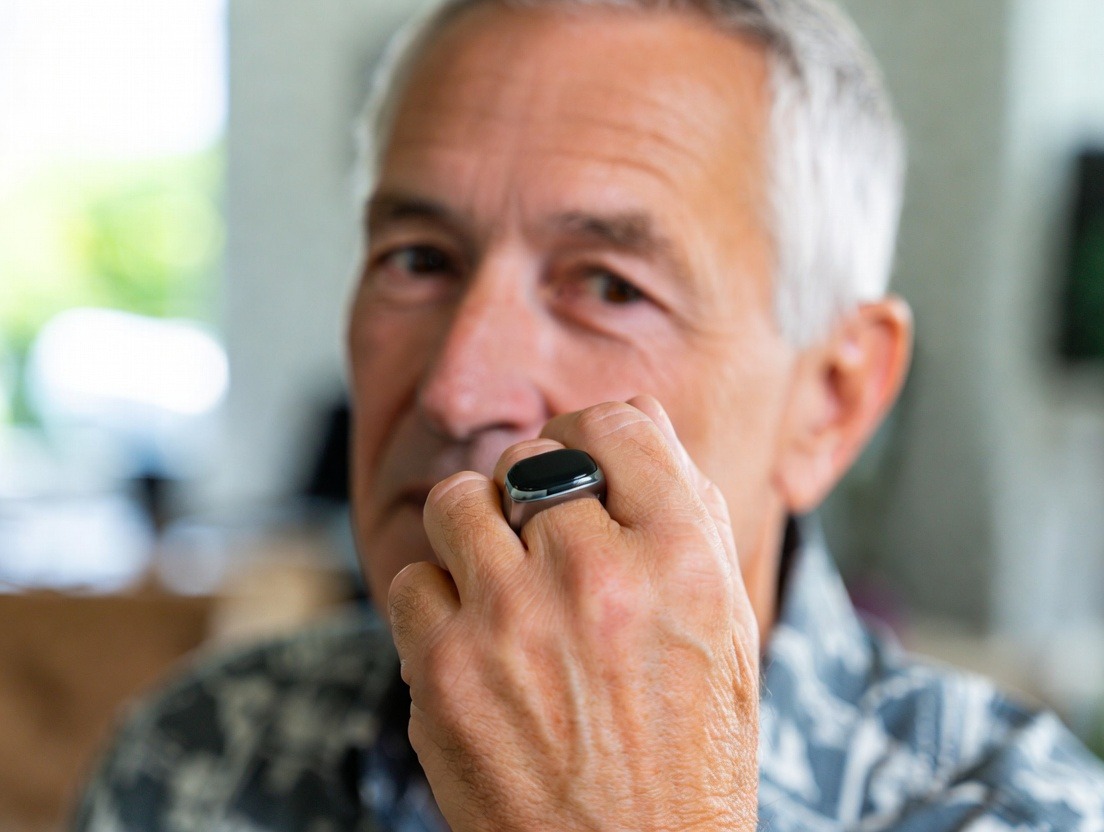
The engine of the continuous health monitoring revolution is the wearable device. But not all wearables are created equal. The choice of form factor—primarily the wrist-worn smartwatch versus the finger-worn smart ring—is more than a fashion statement; it’s a fundamental decision about data quality, user compliance, and the primary goal of monitoring. Understanding this distinction is key to leveraging continuous data effectively.
The Smartwatch: The Connected Command Center
Smartwatches (Apple Watch, Garmin, Samsung Galaxy Watch) are phenomenal multifunctional devices. They are extensions of our smartphones, designed for interaction: receiving notifications, making calls, using apps, and making payments. Their health monitoring capabilities are a powerful feature of this interactive platform.
The Smart Ring: The Dedicated Biometric Sentinel
Smart rings (like those from Oura, Circular, and emerging players) represent a different philosophy. They are designed first and foremost as health sensors. Their form factor is a deliberate choice to optimize for passive, high-fidelity, continuous data collection, particularly for recovery and readiness metrics.
The Data Duel: A Practical Example
Consider sleep and recovery analysis, the bedrock of health optimization. A smartwatch might accurately tell you how long you slept. A well-designed smart ring, due to its superior nighttime signal fidelity, can tell you the quality of that sleep: the balance of sleep stages, your timing within circadian cycles, your nighttime heart rate and HRV, and even subtle changes in skin temperature and breathing rate. This data is then synthesized into a "readiness" or "recovery" score—a personalized recommendation on whether to train hard, focus on light activity, or prioritize rest.
For a comprehensive wellness strategy, many find the ideal combination is a dedicated fitness tracker (watch) for active hours and a smart ring for passive recovery monitoring. However, for individuals whose primary health goals revolve around stress management, sleep optimization, and understanding their body’s readiness—a perfect complement to a thoughtful nighttime wellness routine—the smart ring often provides the most actionable and reliable continuous dataset. In fact, pairing the insights from a smart ring with intentional evening habits can be transformative. For those looking to start, exploring resources on building an effective nighttime wellness routine can provide the behavioral framework to act on the data your ring provides.
The race isn't about which device "wins," but about aligning the technology with your personal health objectives. If your goal is to move from periodic snapshots to a true continuous understanding of your body’s inner state—especially its recovery and preparedness—the dedicated, unobtrusive sensor worn on the finger is currently winning the data quality battle where it matters most.
If there is one physiological process that perfectly exemplifies the superiority of continuous monitoring over periodic assessment, it is sleep. Sleep is not a binary state of "on" or "off." It is a complex, dynamic architecture of cycling stages (light, deep, REM), each serving distinct restorative functions for the brain and body. You cannot understand your sleep with a single data point. You need the entire night’s story, and you need it consistently to see patterns. This makes sleep the cornerstone metric for any continuous health monitoring system.
Why Sleep Defies Periodic Measurement: Asking someone "How did you sleep?" is notoriously unreliable. Subjective feeling is influenced by recall bias and morning mood. A sleep lab (polysomnography) provides an exquisitely detailed snapshot for diagnosis, but it’s expensive, inconvenient, and suffers from the "first-night effect," where sleeping in a strange lab alters your very sleep. It cannot tell you how you sleep in your own bed, night after night, under the normal rhythms of your life.
Continuous Sleep Monitoring: The Nightly Health Audit: A device that tracks sleep continuously provides a revolutionary perspective. It moves beyond duration to measure:
From Data to Action: The Feedback Loop: This is where continuous monitoring becomes transformative. By seeing this data every morning, you can establish your baseline for good sleep. More importantly, you can run experiments:
This creates a powerful biofeedback loop. You make a change, and you see the objective result in your body’s most restorative process. This turns abstract wellness advice into personalized, validated truth. For instance, you can learn exactly how a nighttime routine transforms your sleep quality with your own data as proof.
The Bigger Picture: Sleep as a Diagnostic Hub: Longitudinal sleep data becomes a diagnostic hub for overall health. A trend of declining sleep efficiency and rising resting heart rate can be an early sign of burnout, overtraining, or a brewing infection. Poor sleep architecture is linked to metabolic dysregulation, weight gain, and impaired cognitive function.
By treating sleep as a continuous, measurable vital sign—rather than a subjective impression—we gain our most powerful lever for daily health optimization. It is the baseline from which all daytime capacity springs. Investing in understanding and improving your sleep through continuous tracking is arguably the single most effective health intervention available, and it requires no prescription—just awareness and the right tool to listen.
Modern stress is often chronic, low-grade, and insidious. Unlike the acute stress of running from a predator, which has a clear beginning and end, today’s stressors—work deadlines, financial worries, digital overload, relational tensions—linger. This chronic stress manifests not as a sudden feeling, but as a constant, background drain on our physiological systems. The peril of this type of stress is that we can become acclimated to it; we lose the ability to sense our own depletion. This is where continuous health monitoring performs one of its most vital functions: it makes the invisible visible.
HRV: The Rosetta Stone for Nervous System State: As introduced earlier, Heart Rate Variability is the star metric here. When you are relaxed and recovered, your parasympathetic ("rest-and-digest") nervous system is dominant, creating a variable, adaptable heart rhythm—high HRV. When you are stressed, anxious, or fatigued, the sympathetic ("fight-or-flight") system takes over, creating a more rigid, regular heart rhythm—low HRV.
A single HRV reading is a mood ring. But a trend of HRV, monitored continuously, is a rigorous biography of your nervous system’s burden and resilience. Seeing your HRV dip below your personal baseline for several days is an objective signal that your body is struggling to recover. It’s data saying, "You may feel fine, but your physiology is under strain."
The Readiness Score: Synthesizing the Signals: Advanced wearable platforms, especially smart rings, synthesize multiple continuous data streams—last night’s sleep quality, sleep-stage balance, resting heart rate, HRV, body temperature, and even previous day’s activity—into a single "Readiness" or "Recovery" score. This is the ultimate output of continuous monitoring: a personalized, daily recommendation.
This score answers the critical question: "Based on how my body recovered last night and the strain it’s under, what is my capacity to take on stress today?"
From Reactive to Proactive Stress Management: Without this data, we often manage stress reactively. We push until we get sick, burn out, or snap emotionally. Continuous monitoring allows for proactive stress and recovery management. You can see the physiological cost of a busy work week as it happens and consciously schedule downtime before you crash. You can validate the effectiveness of your stress-reduction techniques: does that 10-minute meditation actually improve your afternoon HRV? Does a weekend in nature lift your readiness score on Monday?
This transforms self-care from a vague concept into a data-driven discipline. It empowers you to align your daily choices with your body’s actual capacity, not your mind’s often-ambitious expectations. For those whose minds are constantly active, designing a wind-down process is key. A resource like the nighttime wellness routine for anxious minds can provide targeted strategies that your readiness score can later validate.
By quantifying stress and readiness, continuous monitoring gives us the language to have a conversation with our own bodies. It helps us honor our limits, celebrate our resilience, and navigate modern life with a biological compass, ensuring we don’t just endure our days, but have the capacity to truly thrive within them.
The fitness tracker boom began with step counting, a simple periodic metric (daily total). But continuous health monitoring has radically evolved our understanding of activity. It’s no longer just about output (steps, calories burned); it’s about understanding the physiological input—the strain an activity places on your system—and how effectively you recover from it. This creates a complete picture of your movement ecosystem.
From Volume to Intensity: Measuring Real-Time Strain
Modern wearables use a combination of heart rate data (continuous) and motion (accelerometer) to move beyond crude step counts. They calculate metrics like:
This continuous heart-rate-based assessment is far more personalized and meaningful than a generic calorie estimate. It tells you not just that you moved, but how the movement challenged your unique cardiovascular system.
The Critical Link: Monitoring Recovery from Activity
This is where continuous monitoring separates itself from simple fitness tracking. The most important part of exercise is not the workout itself, but the body’s adaptation during the recovery period afterward. Without adequate recovery, exercise becomes a source of chronic stress and injury risk.
Continuous devices, particularly those worn 24/7 like smart rings, shine a light on this dark space:
Creating a Sustainable Movement Practice: By pairing workout strain data with overnight recovery metrics, you can find your personal "Goldilocks zone" for exercise—not too little, not too much. Your readiness score (discussed earlier) becomes your daily guide:
This feedback loop is invaluable for everyone from elite athletes to weekend warriors. For athletes, this data is crucial for periodizing training and peaking for events. As explored in depth in our article on nighttime routine for athletes maximizing recovery while you rest, sleep and recovery tracking are non-negotiable for performance. For the general population, it prevents the common cycle of starting an aggressive program, getting overly sore or tired, and quitting. It teaches you to listen to your body’s signals—signals that are now quantifiable.
Ultimately, continuous monitoring transforms activity from a standalone metric into one node in a interconnected system of strain, recovery, and adaptation. It ensures your movement contributes positively to your long-term health span, not just your short-term fitness goals.
Metabolic health—how our bodies process and use energy—is at the center of preventing chronic diseases like type 2 diabetes, obesity, and heart disease. The traditional periodic model for assessing metabolism is the fasting blood glucose test or the HbA1c. While invaluable, these are lagging indicators, like looking at the final grade without seeing the daily homework. Continuous monitoring is now revealing the dynamic, real-time story of our metabolic function.
The Limitation of the Snapshot: A fasting glucose test only captures your blood sugar after an 8-12 hour fast. It completely misses what may be the most damaging aspect of modern diets: glucose spikes after meals. Two people can have identical, normal fasting glucose levels, but one may experience dramatic spikes and crashes after eating, leading to inflammation, oxidative stress, and insulin resistance over time. This "glcemic variability" is invisible to annual labs.
Continuous Glucose Monitors (CGMs): The Game Changer: Originally developed for diabetes management, CGMs are now being used by biohackers and health enthusiasts to understand their unique metabolic responses. A tiny sensor worn on the arm measures interstitial glucose every few minutes, creating a continuous, real-time graph. This allows for powerful personal experimentation:
Inferring Metabolic Health from Other Continuous Data: While CGMs are the direct tool, other continuous wearables can provide strong proxy signals for metabolic state:
The Integrated Picture: Imagine a future health dashboard where data streams converge. Your smart ring shows your sleep was poor (low HRV, high resting heart rate). The next day, your CGM shows a more pronounced glucose spike after your standard breakfast than usual. The continuous data doesn't just tell you what happened; it suggests why it happened and what to do. It might prompt you to prioritize sleep that night, choose a lower-glycemic breakfast the next morning, or take a post-meal walk.
This moves metabolic health from a static diagnosis ("pre-diabetic") to a dynamic, daily practice of metabolic flexibility—your body's ability to efficiently switch between fuel sources. Continuous monitoring provides the feedback necessary to train this flexibility, building resilience against metabolic disease through personalized lifestyle adjustments, long before a traditional lab test would ever flag an issue.

The heart is more than a pump; it’s a communicator, sending a rich stream of data about our overall health with every beat. Periodic cardiovascular assessment has relied on the blood pressure cuff and the occasional ECG—both critical, but both fleeting glimpses. Continuous monitoring is now allowing us to listen to the heart’s story throughout the entire narrative of our lives, uncovering patterns and risks that spot checks inevitably miss.
The Pitfalls of "White Coat" and "Masked" Hypertension: Blood pressure is notoriously variable. The anxiety of a doctor's visit can elevate readings ("white coat hypertension"), leading to potential over-treatment. Conversely, some people have normal pressure at the clinic but dangerously high pressure at home or work ("masked hypertension"), a condition that goes completely undiagnosed with periodic checks. Continuous, at-home monitoring—even if done periodically with a home cuff over a week—provides a far more accurate picture than a single office reading.
Continuous Heart Rate & HRV: The Dynamic Duo: As the core metrics of most wearables, 24/7 heart rate and HRV tracking offer profound cardiovascular insights:
The Advent of On-Demand ECG and Afib Detection: Smartwatches with ECG apps represent a revolutionary merger of periodic and continuous models. The user takes an on-demand, medical-grade ECG anytime they feel symptoms like palpitations or dizziness—capturing an event that would almost certainly be missed in an annual check-up. Furthermore, background optical heart rate sensors can now perform passive atrial fibrillation (Afib) screening, alerting the user to an irregular rhythm that may be intermittent and asymptomatic, yet significantly increases stroke risk. This is a stunning example of continuous monitoring enabling early detection of a serious condition.
Nocturnal Cardiovascular Phenotyping: During sleep, the heart should be in its most stable, rested state. Continuous monitoring reveals:
A Proactive Approach to Heart Health: Instead of waiting for a heart attack or stroke as a first sign of trouble, continuous monitoring fosters a proactive, preventive mindset. It allows individuals to see how lifestyle choices—a salty meal, a stressful presentation, a poor night's sleep, or a strenuous workout—directly impact their cardiovascular system in real-time. This empowers them to make daily choices that support heart health, backed by immediate, personal data rather than generic public health advice.
By providing a 24/7 narrative of heart function, continuous monitoring transforms cardiovascular care from reactive event management to ongoing vitality optimization. It turns the heart from a silent, mysterious organ into a conversational partner, providing constant feedback on our state of being.
The most exciting horizon in health monitoring is not a new sensor or a sleeker device, but the breaking down of walls. The future lies in the seamless integration of the rich, personal narrative from continuous wearables with the deep, clinical expertise of the periodic healthcare system. This fusion will create a new model: continuous, connected, and clinician-informed care.
From Patient History to Data History: Today, a doctor's "history taking" relies on a patient's imperfect memory and subjective description. ("How have you been sleeping?" "Have you been stressed?"). In the integrated future, you will grant your physician secure, temporary access to relevant streams of your continuous data. Instead of describing your sleep, you show a 90-day trend graph from your smart ring. Instead of vaguely noting fatigue, you point to a 3-week decline in your HRV and readiness scores. This transforms the clinical conversation from guesswork to guided investigation.
Remote Patient Monitoring (RPM) and Chronic Disease Management: This integration is already happening formally in RPM programs. Patients with hypertension, heart failure, or diabetes are sent home with connected blood pressure cuffs, scales, and CGMs. Their data flows continuously to a care team, allowing for early intervention if readings trend into dangerous territory—preventing costly ER visits and hospitalizations. The logical next step is incorporating data from consumer wearables (with proper validation) into these official care pathways, providing an even richer context.
The "Digital Twin" and Personalized Medicine: On the horizon is the concept of a "digital twin"—a dynamic, computer-based model of your physiology, fed by your continuous data streams. This model could be used to run simulations: "What happens to my predicted cardiovascular risk if I improve my sleep by 30 minutes per night?" or "What is the optimal time of day for my medication based on my circadian rhythms?" This moves medicine from population-based guidelines to truly personalized prescriptions.
Bridging the Gap: Challenges and Requirements: For this future to be realized, key challenges must be addressed:
The Empowered, Informed Individual: In this integrated model, you are no longer a passive patient waiting for a yearly verdict. You are an engaged, data-empowered participant in your health journey. You use continuous monitoring to optimize your daily habits—perhaps guided by resources on how to build a nighttime routine that actually sticks—and you bring meaningful, longitudinal data to periodic check-ins with your care team. The doctor’s role evolves from sole authority to expert guide and interpreter, helping you navigate the map of your own biology.
This is the ultimate promise of the continuous vs. periodic debate: not a winner, but a synergy. It’s a future where your health is understood as a continuous story, with your wearable devices as the narrators and your medical professionals as the expert editors, helping you write the best possible next chapters.
The greatest promise of continuous health monitoring also presents its most common pitfall: data overload. A relentless stream of numbers—heart rate, HRV, sleep stages, activity scores—can quickly turn from enlightening to paralyzing. The goal is not to become a biohacker obsessed with every micro-fluctuation, but to translate this rich data stream into simple, sustainable, and impactful daily behaviors. The true value lies not in the monitoring itself, but in the actionable insight it generates.
The "So What?" Factor: For data to be useful, it must answer a clear question. The most effective users of continuous monitoring don't just glance at their scores; they engage in a process of inquiry. "My readiness score is low today. So what? What happened yesterday?" You then investigate: Was my sleep poor? Was my workout exceptionally strenuous? Was I emotionally stressed? The data provides clues, not commands. The insight comes from connecting the dots between your lifestyle inputs and your physiological outputs.
Identifying Personal Levers: Through consistent tracking and gentle experimentation, you begin to discover your unique "levers." For one person, the single biggest driver of a high readiness score might be getting 7.5 hours of sleep. For another, it might be avoiding alcohol, even just one glass. For a third, it might be a 20-minute afternoon walk. Continuous monitoring helps you identify which levers have the most significant impact on your system. This is the antithesis of generic health advice. It’s personal optimization. For example, you might use your sleep data to validate the impact of a specific wind-down practice, like those found in our guide to minimal nighttime wellness routines.
Building Sustainable Rituals, Not Rigid Rules: Data should inform ritual, not create tyranny. The most successful integrations happen when data prompts the creation of positive, non-negotiable daily habits. Your device isn't a taskmaster; it's a feedback tool for rituals you choose to build.
Avoiding Anxiety and Obsession: It is crucial to maintain a healthy relationship with the data. Checking your scores every hour or fretting over a single night of poor sleep is counterproductive, as the anxiety itself will degrade your metrics. The advice is to trend, not trivia. Focus on weekly and monthly averages, not daily minutiae. Use the device's "focus mode" or place it out of sight during the day to avoid constant checking. The data should serve your life, not consume it.
The Compound Effect of Micro-Adjustments: The power of continuous monitoring is rarely in revealing a single, life-changing insight. It’s in the cumulative effect of hundreds of micro-adjustments: going to bed 20 minutes earlier most nights, learning to breathe through a stressor because you know it's spiking your heart rate, choosing a protein-rich breakfast because you’ve seen it stabilizes your energy. Over months and years, these small, data-informed choices compound into a dramatically different health trajectory—one of sustained energy, resilience, and vitality, rather than managed decline.
By moving from passive data collection to active insight generation, continuous monitoring becomes the cornerstone of a conscious, empowered lifestyle. It turns the abstract concept of "wellness" into a tangible, daily practice of listening and responding to the one body you have.
As we invite devices to record our most intimate biological rhythms—our sleep, our stress, our heartbeats—we enter a critical ethical and practical frontier: who owns this data, and how is it protected? The data generated by continuous health monitoring is not like your search history or shopping preferences; it is a deeply personal biometric blueprint. Navigating the privacy landscape is not a side concern; it is a fundamental responsibility for anyone engaging with this technology.
The Value and Sensitivity of Biometric Data: Your continuous health data creates a profile far more revealing than demographic information. Patterns in your sleep and HRV can indicate mental stress, susceptibility to illness, and even potential neurological conditions. This data is incredibly valuable, not just to you for personal insight, but to:
Understanding the Data Ecosystem: Device Makers, Apps, and Cloud Services: When you use a wearable, your data typically travels: from the sensor on your body, to a companion app on your phone, to the manufacturer's cloud servers for processing and storage. At each point, there are privacy policies and security protocols. Key questions to ask include:
Best Practices for Protecting Your Digital Health:
The Role of Regulation: HIPAA and Beyond: In the United States, it's crucial to understand that most consumer wearable data is NOT protected by HIPAA (the Health Insurance Portability and Accountability Act). HIPAA only covers data held by specific "covered entities" like doctors, hospitals, and health insurers. Once you share your wearable data with your doctor and it enters your medical record, that copy is protected. But the data on the company's servers generally is not. This regulatory gap is a major topic of discussion, and laws may evolve. In the EU, the GDPR provides stronger general data protection that applies to health data from wearables.
Empowerment Through Awareness: Using continuous health monitoring requires a new form of literacy: data self-defense. By being an informed user—choosing companies with transparent practices, securing your accounts, and understanding the flow of your information—you can harness the incredible power of this technology while consciously managing its risks. Your health data is your story. It’s your right to decide who gets to read it and how it’s used. Making privacy a priority ensures that your journey toward better health doesn't come at the cost of your personal sovereignty.
The theoretical advantages of continuous health monitoring are compelling, but its true power is revealed in the lived experiences of individuals. These case studies illustrate how the shift from periodic to continuous data transforms health management across a spectrum of needs—from optimizing performance to managing chronic conditions.
Case Study 1: The Executive Avoiding Burnout
Case Study 2: The Athlete Optimizing Training & Preventing Injury
Case Study 3: The Individual Managing a Chronic Condition (Hypertension)
Case Study 4: The Shift Worker Regulating Circadian Rhythms
These stories underscore a universal theme: continuous monitoring provides context and causality. It moves health from a state of mystery and reaction to a practice of understanding and proactive agency. Whether the goal is peak performance, disease management, or simply feeling like oneself again, the continuous data stream lights the path forward.
The market for health wearables is vast and noisy, from $50 fitness bands to $1,000+ medical devices. Selecting the right tool is not about buying the most expensive or feature-rich option; it's about aligning technology with your specific health intentions, lifestyle, and data philosophy. This framework will help you cut through the hype and make a choice that you'll actually benefit from long-term.
Step 1: Define Your Primary "Why?"
Before looking at devices, get clear on your core objective. This will determine the most important metrics and form factor.
Step 2: Evaluate the Key Differentiators
Once you know your "why," compare devices on these critical axes:
Step 3: Consider the Ecosystem and Privacy
A Practical Comparison Table (Conceptual):
Your Primary Goal
Recommended Form Factor
Key Features to Prioritize
Potential Pitfall to Avoid
Sleep & Recovery Optimization
Smart Ring
Sleep stage accuracy, HRV, battery life, comfort for sleep
Choosing a device you won't wear to bed
Fitness & Activity Tracking
Smartwatch / Fitness Tracker
GPS accuracy, workout modes, heart rate zones during exercise
Assuming its sleep/recovery data is as robust as its activity data
Holistic Health & Mindfulness
Ring or Minimalist Watch
Readiness scores, stress tracking, meditation prompts, clean app design
Getting overwhelmed by too many granular metrics
Specific Condition Management
Clinically-Validated Device + General Wearable
FDA clearance, physician reporting, accuracy of specific measurement
Relying solely on a consumer device for medical diagnosis
The Integration Mindset: Remember, you are not locked into one device forever. The most data-empowered individuals often use a small ecosystem. They might use a smart ring for 24/7 recovery data and a watch for GPS runs, letting both sync to a central app. Start with the device that matches your most pressing "why." Let the data it provides guide your journey, and your needs will evolve, potentially leading you to add other tools to your kit.
Choosing your tool is the first active step in committing to a deeper understanding of your health. By investing thought into this selection, you ensure your technology becomes a trusted partner, not a discarded gadget, on your path to well-being.
For all its potential, the widespread adoption of continuous health monitoring faces significant practical barriers. These hurdles—perceived cost, technological complexity, and the challenge of personal consistency—prevent many from ever starting or cause them to abandon their devices after the novelty wears off. Addressing these barriers head-on is essential to moving from early adopters to mainstream, sustainable use.
Barrier 1: The Cost Conundrum – Investment vs. Expense
High-quality wearables, especially the latest smart rings or watches, carry a significant upfront cost ($250-$600+). This can feel like a luxury, not a health necessity.
Barrier 2: Technological Complexity and Data Overload
For the non-tech-savvy, setting up a device, navigating an app filled with graphs, and interpreting terms like "HRV" and "sleep latency" can be intimidating and lead to abandonment.
Barrier 3: The Consistency Challenge – Making It a Habit
This is the most common failure point. The device gets left on the charger, the app notification is ignored, and the initial enthusiasm fades.
Barrier 4: Social and Psychological Hurdles
Some feel self-conscious wearing a device, or worry it will make them obsessive or anxious about their health.
Overcoming these barriers is less about willpower and more about strategy and mindset. By anticipating these challenges and having a plan to address them, you dramatically increase the odds that continuous health monitoring will become a seamless, valuable, and permanent part of your wellness toolkit, guiding you toward a more attuned and resilient life.
Your Trusted Sleep Advocate: Sleep Foundation — https://www.sleepfoundation.org
Discover a digital archive of scholarly articles: NIH — https://www.ncbi.nlm.nih.gov/
39 million citations for biomedical literature :PubMed — https://pubmed.ncbi.nlm.nih.gov/
Experts at Harvard Health Publishing covering a variety of health topics — https://www.health.harvard.edu/blog/
Every life deserves world class care :Cleveland Clinic - https://my.clevelandclinic.org/health
Wearable technology and the future of predictive health monitoring :MIT Technology Review — https://www.technologyreview.com/
Dedicated to the well-being of all people and guided by science :World Health Organization — https://www.who.int/news-room/
Psychological science and knowledge to benefit society and improve lives. :APA — https://www.apa.org/monitor/
Cutting-edge insights on human longevity and peak performance:
Lifespan Research — https://www.lifespan.io/
Global authority on exercise physiology, sports performance, and human recovery:
American College of Sports Medicine — https://www.acsm.org/
Neuroscience-driven guidance for better focus, sleep, and mental clarity:
Stanford Human Performance Lab — https://humanperformance.stanford.edu/
Evidence-based psychology and mind–body wellness resources:
Mayo Clinic — https://www.mayoclinic.org/healthy-lifestyle/
Data-backed research on emotional wellbeing, stress biology, and resilience:
American Institute of Stress — https://www.stress.org/


