


Restoration Wellness Tips for a Sustainable Lifestyle
Tips for a restoration-focused lifestyle that is also environmentally sustainable.
Tips for a restoration-focused lifestyle that is also environmentally sustainable.
%402x.svg)
We live in an age of infinite demands and finite energy. The modern pursuit of "wellness" can often feel like just another item on a never-ending to-do list—a frantic scramble for kale smoothies, cold plunges, and 5 AM workouts, all while juggling work, life, and a world that never sleeps. But what if true wellness wasn't about adding more, but about restoring more? What if the most powerful, sustainable path to vitality wasn't found in relentless optimization, but in intentional restoration?
Welcome to Restoration Wellness. This isn't a quick fix or a 30-day challenge. It’s a foundational philosophy and practice for building a resilient, vibrant life designed to last. It’s about shifting from a mindset of depletion—where we push, drain, and extract from our bodies and minds—to one of renewal, where we prioritize nourishment, recovery, and alignment with our natural rhythms.
Restoration Wellness recognizes that sustainability is the ultimate goal. A lifestyle isn't sustainable if it leaves you perpetually exhausted, if it's too rigid to maintain, or if it feels like a chore. True sustainability is regenerative. It recharges you as you live it. It weaves health into the fabric of your days so seamlessly that it becomes who you are, not just something you do.
This paradigm is where ancient wisdom meets modern intelligence. It’s about honoring the need for deep sleep as much as a good workout. It’s about understanding your body's unique stress signals before they become burnout. It’s about leveraging precise, personal data not to punish yourself, but to compassionately guide your choices. This is the frontier where a holistic approach is empowered by personal technology. For instance, a modern wellness smart ring provides continuous, non-invasive insight into your readiness, sleep quality, and stress levels—acting as a personal guide for when to push and, more importantly, when to rest. This isn't about tracking for tracking's sake; it's about listening to the subtle language of your physiology to make restoration an informed, daily practice.
As we embark on this exploration, we will move through the core pillars of a restorative lifestyle. From the cellular renewal of sleep to the grounding power of nature, from the art of conscious fueling to the necessity of digital detox, we will build a comprehensive framework. Our journey is supported by actionable strategies and the intelligent application of insights, which you can explore further in resources like the Oxyzen.ai blog, where the science of living well is constantly explored. This is the beginning of a deeper conversation about how to thrive, not just survive, by mastering the art of coming back to yourself.
For decades, mainstream wellness culture has been built on a model of aggression. It's been about "crushing" goals, "destroying" workouts, and pursuing a state of relentless productivity. This approach, while initially motivating, is fundamentally extractive. It treats the body and mind like a battery to be drained, relying on sheer willpower to push through fatigue, stress, and signs of depletion. The inevitable result? Burnout, injury, and a cycle of intense effort followed by collapse. It is, by its very nature, unsustainable.
Restoration Wellness proposes a different model: one of cultivation. Imagine your personal vitality not as a dwindling battery, but as a thriving garden. You cannot shout at a garden to grow faster. You cannot "crush" a tomato into existence. Instead, you cultivate. You provide rich soil (nutritious food), consistent water (hydration and circulation), sunlight (movement and energy), and, crucially, periods of fallow rest where the soil regenerates (recovery and sleep). This is a cyclical, not linear, process. Growth happens during the rest, not just the activity.
The core principle of this blueprint is Listening Over Pushing. It requires a fundamental shift from an external, prescriptive rulebook ("I must work out for 60 minutes daily") to an internal, responsive dialogue ("What does my body need to feel strong and energized today?"). This dialogue is informed by two key inputs: mindful awareness and accurate data.
Mindful awareness is the qualitative check-in: Do I feel rested or ragged? Is this stress motivating or debilitating? Accurate, personalized data acts as a quantitative translator for those feelings. For example, you might feel "off," but a device tracking your Heart Rate Variability (HRV)—a key biomarker of nervous system balance and recovery—can objectively show your body is in a state of high stress or low readiness, even if you're mentally buzzing. This data empowers you to make restorative choices with confidence, like swapping an intense workout for a walk or prioritizing an early bedtime. Learning to personalize wellness technology to your body is a cornerstone of this modern restorative practice, turning guesswork into guided action.
This blueprint rests on three interdependent pillars:
By adopting this Restoration Blueprint, you move from a state of constant fight-or-flight to one of rest-and-digest. You build a foundation where energy is renewable, health is intuitive, and wellness becomes a sustainable source of strength for everything you want to accomplish in life. To see how this philosophy translates into tangible habits and routines, you can discover practical applications in articles like 50 Healthy Aging Tips a Smart Ring Helps You Implement Daily.
If restoration is the blueprint, then sleep is the bedrock upon which everything else is built. It is the single most potent, non-negotiable restorative process in the human experience. We’ve long thought of sleep as a passive state of "shutdown," but modern science reveals it to be a period of intense, active renewal—a nightly tune-up for the brain and a repair workshop for the body.
During deep, slow-wave sleep, your body releases growth hormone, which stimulates tissue repair, muscle growth, and cellular regeneration. Your brain’s glymphatic system—a waste-clearance network—kicks into high gear, flushing out metabolic toxins like beta-amyloid, a protein associated with Alzheimer's disease. This is literal brain detox. Meanwhile, REM sleep processes emotions and consolidates memories, weaving the day's experiences into your neural tapestry. Poor or insufficient sleep disrupts all these processes, leaving you physically weaker, mentally foggy, and emotionally frayed. It’s like trying to build a house on cracked concrete.
Mastering sleep, therefore, isn't about just logging more hours; it's about engineering the quality of those hours. This is where moving beyond simple sleep tracking to understanding sleep architecture becomes critical. Architecture refers to the cyclical stages of sleep—light, deep, and REM—and the time spent in each. You could be in bed for 8 hours but get only minutes of restorative deep sleep due to stress, alcohol, or an erratic schedule.
Here’s how to architect a restorative night:
Think of each night of high-quality sleep as a deposit into your Restoration Bank. It compounds. A week of great sleep builds resilience, improves mood, sharpens cognition, and bolsters your immune system. It is the ultimate sustainable practice because it costs nothing but yields everything. For a deeper understanding of the technology that makes this level of insight possible, explore the science behind modern health tracking technology and how it deciphers your body's nightly renewal processes.
You are not just what you eat; you are what you think, feel, and, most fundamentally, how your nervous system interprets the world. Living in a state of chronic, low-grade stress—what experts call being "chronically wired"—is the antithesis of restoration. It keeps your body in a sympathetic (fight-or-flight) dominant state, diverting energy from long-term repair processes like digestion and immune function to immediate survival. This constant alertness is exhausting and erodes the foundation of a sustainable lifestyle.
Nervous system regulation is the art and science of moving from a state of reactivity to one of grounded responsiveness. It’s about building "stress resilience"—not the avoidance of stress, which is impossible, but the capacity to experience it and then return to a calm, parasympathetic (rest-and-digest) state efficiently. This ability to "downshift" is a superpower for modern living.
The first step is awareness. What are your unique stress signatures? Is it a clenched jaw, shallow breathing, a knot in your stomach, or racing thoughts? Beyond these subjective feelings, objective biomarkers like Heart Rate Variability (HRV) are game-changers. HRV measures the subtle variations in time between your heartbeats. A higher HRV generally indicates a more resilient, adaptable nervous system that can switch smoothly between effort and recovery. A low or dropping HRV is often a red flag that your body is under strain, even if you feel "fine." This kind of insight, available through advanced wearables, acts as an early warning system, prompting you to intervene before stress becomes debilitating.
Practical tools for conscious calming are your daily restoration toolkit:
By practicing these arts of regulation, you stop being a passive passenger to your stress responses and become the skilled pilot of your own state of being. You build a sustainable inner environment that can weather external storms without collapsing. For those curious about how this personal data is protected, it's reassuring to know that modern devices prioritize wellness ring privacy settings and data security, ensuring your journey inward remains your own.
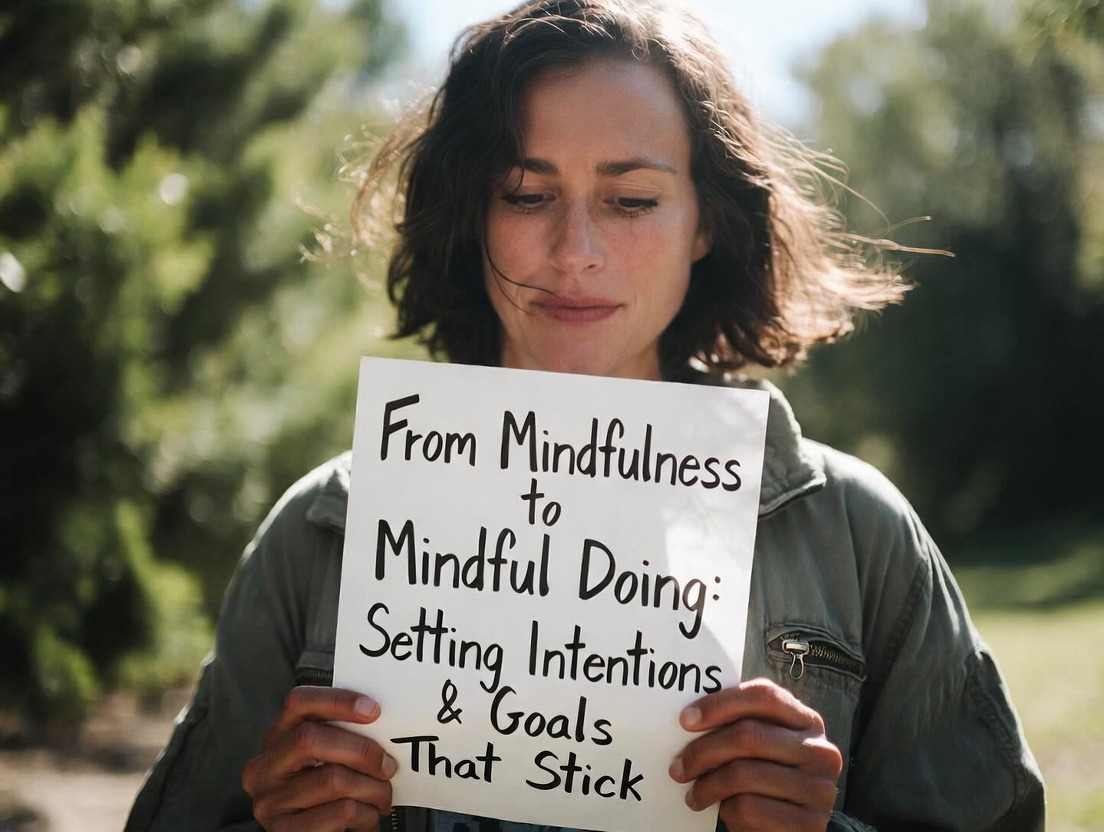
Human beings evolved in nature, and our physiology remains deeply hardwired to respond to it. "Biophilia" is the term for this innate human tendency to seek connections with nature and other living forms. In our modern, concrete world, we have a profound deficit of this connection, and it takes a toll on our restoration capacity. Re-engaging with nature isn't just a pleasant pastime; it's a scientifically-backed therapeutic intervention for a weary mind and body.
The benefits are measurable and multifaceted. Studies consistently show that time in "green spaces" (forests, parks) and "blue spaces" (bodies of water) lowers cortisol levels, blood pressure, and heart rate. It reduces symptoms of anxiety and depression, improves focus and creativity, and boosts immune function—sometimes through exposure to beneficial phytoncides (wood essential oils) released by trees. Simply viewing nature through a window can lower stress, but immersion is the true restorative cure.
Two powerful, specific practices within this realm are Forest Bathing (Shinrin-Yoku) and Grounding (Earthing):
Integrating Nature into a Modern Life: You don't need a wilderness retreat. Restoration is found in the dose.
* The 20-Minute Park Prescription: A study from the University of Michigan found that spending just 20 minutes in a park, even without exercising, was enough to significantly boost well-being.
* Bring the Outside In: Fill your living and workspace with plants. Use nature sounds for focus or sleep. Open windows for fresh air.
* Nature Micro-Moments: Notice the sky on your walk to the car. Care for a houseplant. Eat lunch outside.
In the context of a data-driven wellness journey, nature provides the essential analog counterbalance. It’s where you practice being a human being, not a human tracking. While your wellness ring might later show you the positive HRV spike from your walk in the park, the true value is in the lived, sensory experience that creates that data point. It’s a perfect harmony of ancient healing and modern insight. To understand how this holistic approach fits into the bigger picture of health technology, you can read about how health tracking technology enables personalized wellness, bridging the gap between our biological needs and our modern environment.
Food is more than calories; it’s information. Every bite sends instructions to your cells, influencing inflammation, hormone balance, gut health, and, ultimately, your energy and resilience. "Conscious fueling" moves away from restrictive dieting and rigid rules toward a framework of nourishment that actively supports your body's restoration processes. It’s about choosing foods that repair, reduce strain, and provide steady, sustainable energy.
The goal is to eat in a way that minimizes inflammatory fires and maximizes nutrient density. Chronic, low-grade inflammation is a silent killer of restoration, interfering with recovery, disrupting sleep, and accelerating cellular aging. Meanwhile, a depleted body lacking in essential vitamins, minerals, and antioxidants simply cannot perform its daily repair work effectively.
Principles of Restorative Nutrition:
The Mindful Eating Component: Conscious fueling is also about the how. Eating while stressed, distracted, or rushed impairs digestion and disconnects you from your body's satiety signals. Practice eating slowly, without screens, chewing thoroughly, and pausing to check in with your hunger and fullness levels. This simple act transforms eating from a mundane task into a restorative ritual.
Here, technology can play a supportive, not punitive, role. Rather than just counting calories, you can observe correlations. Does a day of poor food choices correlate with a restless night and a low readiness score the next morning? Does prioritizing a vegetable-heavy meal lead to more stable energy levels? This feedback helps you connect the dots between fuel and feeling, making conscious choices more intuitive over time. For a comprehensive look at how to start integrating these tools into your life, a guide on wellness ring basics for beginners can be an invaluable first step.
The old adage "no pain, no gain" has done immense disservice to the true purpose of movement. In a Restoration Wellness framework, movement is not a punishment for what you ate or a means to "earn" your rest. It is a fundamental form of nourishment—a potent medicine for your joints, muscles, cardiovascular system, brain, and mood. The goal shifts from burning the maximum calories to building a resilient, functional, and joyful body that supports your life for decades to come.
This requires a nuanced approach that balances three essential types of movement, each serving a distinct restorative purpose:
Listening to Your Body's Movement Cues: A sustainable movement practice is intuitive and responsive. Some days, your body will crave and thrive on intensity. Other days, it will plead for gentle stretching or a walk in nature. The key is to develop the awareness to distinguish between constructive discomfort (the challenge of a new weight) and destructive pain (a sharp joint twinge).
This is where data transcends simple step counting. Advanced wearables can provide a readiness score that synthesizes your sleep, HRV, and recent activity to suggest how prepared your body is for strain. A low readiness score isn't a failure; it's a valuable instruction to prioritize restorative movement instead of depleting intensity. This intelligent guidance helps you use a wellness ring to build healthy habits by reinforcing the positive cycle of stress + recovery = growth, rather than stress + more stress = breakdown. Learning to honor your body's need for varied movement is a masterclass in sustainable self-care.
Our digital devices are incredible tools, but they have also become the primary architects of our attention and the greatest thieves of our mental restoration. The constant pings, endless scrolls, and blue light bombardment keep our brains in a state of partial, fragmented attention—a phenomenon aptly named "continuous partial attention." This state is cognitively exhausting, raises stress hormones, and fragments the deep, uninterrupted mental space required for creativity, problem-solving, and true relaxation.
A digital detox in the context of Restoration Wellness isn't about becoming a Luddite. It's about becoming the intentional master of your technology, rather than letting it master you. It's about creating boundaries that protect your most precious resource: your focused, calm, and present mind.
Strategic Boundaries for a Restorative Digital Life:
Using Tech to Combat Tech: Ironically, technology can help enforce these boundaries. Use features like "Do Not Disturb" schedules, app timers, and grayscale mode (to make screens less appealing). A wellness ring can provide objective feedback on the impact of your digital habits. You might see that your resting heart rate is higher on days of heavy screen use, or that your sleep score plummets after late-night scrolling. This data adds compelling weight to your decision to create healthier digital boundaries, turning a vague intention into a data-supported lifestyle change.
By reclaiming your attention, you reclaim your mental space. You create the inner quiet necessary for ideas to form, for stress to dissolve, and for a sense of peace to take root. This is the mental restoration that makes all other forms of wellness possible. For support in setting up your devices for success, you can find helpful guidance on wellness ring basics for maintenance and care, which extends to the digital ecosystem your device operates within.

All the sleep, nutrition, and movement practices in the world will only be temporary fixes if the underlying mindset is one of scarcity, anxiety, or disconnection. The final, and perhaps most profound, pillar of Restoration Wellness is cognitive and emotional restoration. It’s about actively renewing your mental and emotional landscape through practices that cultivate positivity, presence, and a deep sense of meaning. This isn't "positive thinking" as a platitude; it's neural retraining.
Our brains have a natural negativity bias—a survival mechanism that scans for threats. In the modern world, this often translates into ruminating on past mistakes or worrying about future uncertainties. This chronic mental pattern is deeply depleting. The Restoration Mindset uses deliberate practices to build new, more resilient neural pathways.
Core Practices for Cognitive Renewal:
Integrating the Mindset with the Metrics: How does this soft, internal work connect with the hard data from a wellness device? Profoundly. You might start a gratitude practice and, over weeks, notice a gentle upward trend in your average HRV—a sign of a more resilient nervous system. You might see that on days you feel connected to your work purpose, your stress metrics are lower despite a high workload. This feedback loop is powerful. It shows you that your internal state is not separate from your physiological state; they are in constant dialogue. Exploring the customer reviews and user experiences of others on a similar journey can provide relatable inspiration and social proof for how these mindset shifts create tangible changes.
Cultivating this Restoration Mindset is the work of a lifetime, but it is the work that makes all other restorative practices cohere into a truly sustainable, and deeply fulfilling, way of life.
We have explored the territories of body, mind, and environment. Now, we arrive at the integrating principle: the powerful, modern synergy of quantitative data and qualitative intuition. This is the engine of a truly personalized and sustainable Restoration Wellness practice. Relying solely on intuition can sometimes lead us astray (we might feel fine while pushing toward burnout). Relying solely on data can become obsessive and disconnected from the lived human experience. The magic happens in the dialogue between the two.
Think of it as building your personal Restoration Feedback Loop. It's a continuous cycle of:
This loop transforms wellness from a static set of rules into a dynamic, living practice. It replaces guilt with curiosity. Instead of "I failed because I didn't work out," you think, "My data shows I needed recovery today. What restorative practice can I choose instead?" It empowers you to make truly informed purchase decisions about your health, whether it's choosing a supplement, a fitness class, or even understanding which type of mattress improves your sleep metrics.
This seamless integration of the objective and subjective is the hallmark of modern, sustainable wellness. It’s how you move from following generic advice to authoring your own, deeply personal guide to a restored life. To see the full potential of this integrated future, you can delve into perspectives on the future of wearable health tech, which is rapidly evolving to make this feedback loop even more insightful and actionable.
Once the foundational habits of sleep, nutrition, and stress management are in place, you can explore advanced recovery protocols. These are intentional, targeted practices designed to induce a profound state of physiological restoration, acting as a "hard reset" for your nervous system and cellular machinery. They are particularly valuable during periods of high stress, intense training, or when you feel persistently "stuck" in a state of fatigue.
These protocols work by applying a controlled, acute stressor to the body, which triggers a powerful, compensatory anti-stress and repair response—a biological phenomenon known as hormesis. The key is the "controlled" and "acute" nature of the stress, followed by dedicated recovery.
1. Strategic Heat & Cold Exposure:
Thermal therapy is one of the most potent and accessible advanced recovery tools.
2. Technology-Enhanced Recovery:
Beyond wearables, specific devices can augment your body's repair processes.
3. The Art of the Deload & Digital Sabbatical:
Recovery isn't just physical.
Integrating these protocols requires listening more acutely than ever. They are powerful tools, not daily chores. Using your biometric data to gauge their effect is crucial. Did the sauna session improve your deep sleep that night? Did a cold plunge raise your HRV the next morning? This personalized data from continuous monitoring turns these advanced practices from trends into precise tools in your restoration toolkit.
Your environment is not a passive backdrop; it’s an active participant in your well-being. A restorative lifestyle must be supported by spaces that calm your nervous system, inspire your mind, and facilitate healthy habits. This goes beyond a tidy room to encompass the intentional design of your home and workplace to serve as sanctuaries for restoration.
The Home as a Haven:
The Workspace for Focus & Flow:
Whether at home or in an office, your workspace should minimize stress and maximize sustainable productivity.
The Sonic Environment:
Sound profoundly affects your nervous system. Curate your auditory space.
By thoughtfully designing your environments, you reduce the daily friction that depletes willpower and create a world that constantly, subtly, pulls you toward restoration. It’s about making wellness the path of least resistance. For insights into how the tools you wear fit into this philosophy, you can explore wellness ring basics on materials and hypoallergenic options, ensuring even your wearable tech aligns with a non-toxic, comfortable environment.
Human beings are wired for connection. Our relationships can be our greatest source of strength and joy or our most significant drain on energy. Restoration Wellness must therefore extend beyond the self to include the social sphere. Cultivating a restorative social environment means intentionally building and nurturing relationships that replenish you, and setting boundaries with those that deplete you.
Identifying Restorative vs. Depleting Connections:
Take an honest inventory. Restorative relationships are characterized by:
Depleting relationships often involve chronic negativity, drama, one-sided demands, or a feeling of walking on eggshells.
Strategies for a Restorative Social Life:
Finding Your Wellness Tribe:
Sometimes, your existing social circle may not share your wellness interests. Seek out communities that do. This could be a local running club, a meditation group, an online forum focused on sustainable living, or a workshop on fermentation. Being part of a community with shared values provides accountability, inspiration, and a sense of belonging. Reading real customer testimonials and user experiences from others on a similar path can foster a sense of this virtual community, showing you that the challenges and triumphs are shared.
A sustainable lifestyle is far easier and more joyful when it is supported, not sabotaged, by your social world. By investing in restorative relationships, you build a network of mutual support that becomes a powerful external pillar of your resilience.
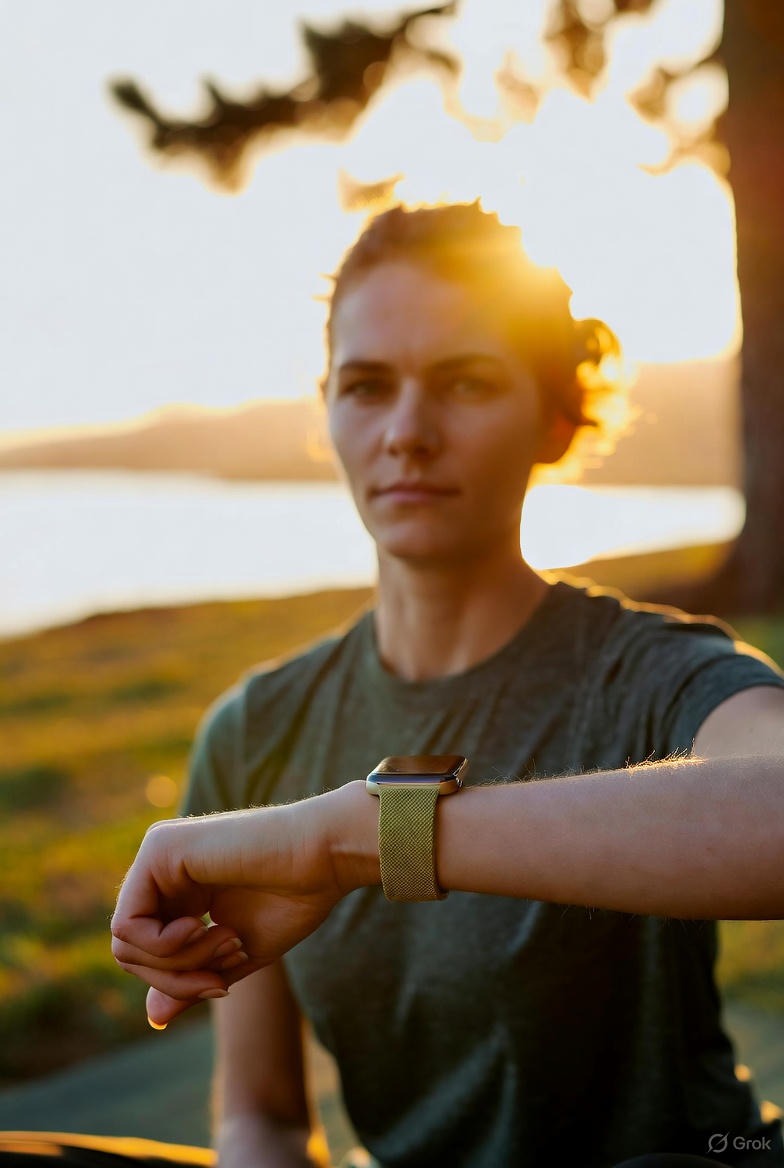
We've touched on nervous system regulation and mindset. Now, we delve into the specific, time-tested disciplines that systematically train the mind-body connection. Practices like breathwork, meditation, and yoga are not just stress-relief techniques; they are rigorous tools for reshaping your physiological and psychological baseline, moving you from a state of reactivity to one of conscious response.
1. Breathwork: The Direct Line to Autonomic Control.
Breath is the only autonomic function we can easily consciously override, making it a master key. Advanced breathwork protocols go beyond calming breaths to produce specific, potent states.
2. Meditation: Training the Muscle of Attention.
Meditation is the practice of observing the contents of your mind—thoughts, feelings, sensations—without getting swept away by them.
3. Yoga: The Moving Meditation for Integration.
Yoga is the ultimate practice of mind-body integration, combining breath (pranayama), physical postures (asana), and meditative awareness.
Mastering these arts creates an internal locus of control. When external stress hits, you have a trained, reliable toolkit to navigate back to center. They are the ultimate practices for enabling preventive health monitoring from the inside out, allowing you to sense and address imbalance long before it manifests as a physical symptom or a plummeting readiness score.
The modern world operates on a linear, 24/7 schedule, but human biology and the natural world are inherently cyclical. Fighting these rhythms is a source of chronic stress; aligning with them is a profound source of restoration. Seasonal and cyclical living is the practice of tuning your habits, diet, and activities to the larger patterns of the day, the month, and the seasons.
1. Circadian Rhythm Alignment (The Daily Cycle):
This is the most immediate cycle. We covered sleep, but alignment extends through the day.
2. Menstrual Cycle Awareness (The Monthly Cycle):
For those who menstruate, ignoring this powerful inner rhythm means ignoring a key restoration guide. Hormonal fluctuations create four distinct phases, each with unique energy and needs.
A wellness ring that tracks subtle changes in basal body temperature and resting heart rate can help identify these phases objectively, empowering you to plan your month in harmony with your biology, not in conflict with it.
3. Seasonal Living (The Annual Cycle):
Nature’s seasons provide a macro template for variation.
By living cyclically, you embrace the natural need for periods of high output and deep recovery. This prevents the burnout of constant "summer" mode and makes your lifestyle inherently more sustainable and attuned to the world around you. To understand how technology is evolving to better understand these complex cycles, you can read about the accuracy revolution in health tracking technology, which is making these subtle biological patterns more visible than ever.
Here is the most human and crucial truth about a restorative lifestyle: you will have setbacks. You will miss sleep, have stressful weeks, eat poorly while traveling, or fall out of your meditation routine. The goal is not perfect adherence—that is a recipe for frustration and failure. The goal is resilience: the ability to navigate these setbacks with compassion and return to your restorative practices without self-flagellation, seeing the lapse as data, not as failure.
This is where the distinction between a "lapse" and a "relapse" is critical. A lapse is a temporary deviation—a few off days. A relapse is a complete abandonment of the lifestyle, often fueled by shame ("I blew it, so I might as well give up"). The Restoration Mindset is designed to prevent lapses from turning into relapses.
Strategies for Resilient Navigation:
Building resilience is the final, advanced skill of sustainable wellness. It’s the understanding that the path is a spiral, not a straight line. You will circle back to challenges, but each time with more wisdom, better tools, and a deeper trust in your capacity to restore yourself. This journey is supported by a community and resources; if you ever have questions, the comprehensive FAQ section is a great place to find answers and reassurance.
Restoration Wellness is not a program with an end date; it is a lifelong philosophy of self-stewardship. The ultimate payoff of this sustainable approach is healthy aging—not just adding years to your life, but adding vibrant, functional, and fulfilling life to your years. This final perspective shifts the motivation from looking good next month to feeling capable and curious at every decade.
Preventing Allostatic Load:
Allostatic load is the cumulative wear and tear on the body from chronic stress and inadequate recovery. High allostatic load accelerates aging and increases risk for chronic diseases (heart disease, diabetes, cognitive decline). Every restorative practice you integrate—quality sleep, stress management, nourishing food, loving relationships—directly reduces this load. You are not just "relaxing"; you are engaging in preventive maintenance at the cellular level.
Building Cognitive Reserve:
Just as you build muscle and cardiovascular reserve, you can build cognitive reserve—the brain's resilience to age-related damage or pathology. How? Through the very pillars of restoration: quality sleep clears metabolic waste from the brain; physical exercise boosts BDNF (brain-derived neurotrophic factor), which supports neuron health; stress management protects the hippocampus (key for memory); and continuous learning and social engagement create new neural connections.
The Role of Technology in Proactive Aging:
Here, advanced health tracking moves from optimization to crucial, long-term insight. Subtle, long-term trends in your data are more valuable than daily scores.
Adopting the long view transforms daily choices into meaningful investments. That evening walk is an investment in joint health and mood regulation for your 70s. That effort to manage stress is an investment in protecting your cognitive function. The mission behind brands like Oxyzen, which you can learn more about on their About Us page, is often rooted in this vision of empowering lifelong vitality through personal insight.
This concludes the second one-third of our comprehensive guide. We have moved from foundation to advanced practice, from the individual to the social and environmental, and from daily habits to a lifelong vision. The final portion will focus on synthesis, practical toolkits, troubleshooting, and bringing the entire philosophy together into a living, breathing personal practice.

We have explored the vast landscape of Restoration Wellness—from sleep science to social connections, from nervous system hacks to seasonal living. Now, the most important work begins: synthesis. This is the process of distilling this wealth of knowledge into a Personal Restoration Protocol (PRP) that is uniquely yours. Your PRP is not a rigid set of rules, but a flexible, evolving guide that reflects your unique biology, lifestyle, values, and goals. It turns theory into a lived reality.
Step 1: The Honest Audit (Where Are You Now?)
Begin with compassionate curiosity, not judgment. Take stock of your current state across the key pillars:
This audit can be qualitative (journaling) and, powerfully, quantitative. If you’re using a device like a wellness smart ring, look at your average data from the last 30 days. What’s your baseline sleep score, resting heart rate, and HRV? This creates an objective starting point. For those considering this step, reading a guide on how to make a wellness ring perfect for beginners can demystify the initial setup and data interpretation.
Step 2: Define Your "Restored" State (Where Do You Want to Be?)
Get specific. "I want to be healthier" is vague. "I want to wake up feeling refreshed without an alarm 90% of the time, have steady energy throughout my workday without a 3 PM crash, and feel physically capable and excited for my weekend hikes," is a clear, tangible vision. Connect your goals to your core values: Is it about being present for your family? Pursuing a creative passion? Aging with independence?
Step 3: Select Your Keystone Habits (Start with One or Two)
You cannot rebuild everything at once. Identify 1-2 "keystone habits"—small, foundational changes that create a ripple effect. Based on your audit, this might be:
Focus on mastering these keystone habits until they become automatic. Use your wearable data to reinforce them—notice the correlation between your new habit and improved scores.
Step 4: Create Your Toolkit & Triggers
For each pillar of your PRP, arm yourself with simple, go-to strategies.
Step 5: Establish Your Feedback Loop & Review Rhythm
Your PRP is a living document. Schedule a weekly 15-minute "Restoration Review."
This synthesis turns overwhelm into ownership. You are no longer following a generic wellness plan; you are conducting the ongoing, beautiful experiment of your own life. For inspiration on how others have personalized their journey, the testimonials and user experiences page offers real-world stories of synthesis and transformation.
To translate theory into immediate experience, here is a flexible 7-day blueprint. This is not a prescriptive bootcamp, but a gentle invitation to sample the core practices of Restoration Wellness. Adapt it freely to your schedule and capacity.
Day 1: The Foundation – Sleep & Circadian Reset
Day 2: Conscious Fueling – The Anti-Inflammatory Day
Day 3: Movement as Medicine – Listen to Your Body
Day 4: Nervous System Training – The Calm Practice
Day 5: Nature’s Rx & Digital Minimalism
Day 6: Social Restoration & Purposeful Connection
Day 7: Integration & Planning
This jumpstart is a tasting menu. Its purpose is to provide experiential evidence of how small, intentional shifts can create palpable changes in how you feel, proving that restoration is accessible daily.
Even with the best protocol, you will encounter obstacles. Here’s how to navigate the most common roadblocks with a restorative mindset.
1. "I Don't Have Time."
2. "I'm Too Stressed/Wired to Relax."
3. "I Keep Falling Off Track."
4. "The Data is Overwhelming or Demotivating."
5. "My Environment/Job is Inherently Unhealthy."
The path of restoration is one of compassionate problem-solving. Each roadblock, when met with curiosity, deepens your self-knowledge and makes your protocol more robust and truly yours.
As we look ahead, the intersection of Restoration Wellness and technology is poised to become even more seamless, predictive, and deeply personalized. This isn't about becoming more reliant on gadgets, but about technology becoming a more intuitive, ambient partner in our well-being, fading into the background while providing profound insights.
1. From Reactive to Proactive & Predictive Analytics:
Future wearables and platforms won't just tell you how you slept; they will anticipate your needs. By analyzing long-term trends in your biometric, activity, and lifestyle data (with your consent), AI could provide gentle nudges: "Based on your elevated stress markers and upcoming calendar, consider scheduling a light movement day for Thursday." Or, "Your data suggests you're fighting off a pathogen; prioritize sleep and hydration today." This moves wellness from a rear-view mirror to a gentle, intelligent co-pilot. The evolution from manual tracking to smart rings is just the beginning of this predictive journey.
2. Multi-Modal Data Integration & the "Digital Twin":
The future lies in synthesis. Your ring data, combined with insights from smart scales (body composition), continuous glucose monitors (metabolic health), and even genetic or microbiome profiles, could create a holistic "digital twin"—a dynamic model of your unique biology. This would allow for hyper-personalized experimentation: *"For someone with your sleep pattern, cortisol rhythm, and genetic profile, a 20-minute afternoon nap is 40% more effective than caffeine for combating the post-lunch dip."*
3. Seamless Integration with Professional Care:
The gap between personal tracking and professional healthcare will continue to close. Secure, patient-controlled data sharing will allow doctors to see not just a snapshot from an annual physical, but a rich, longitudinal story of your health. A cardiologist could review your heart rate and HRV trends over the stressful month preceding a blood pressure spike. This empowers preventive medicine in an unprecedented way, turning episodic care into continuous, collaborative health stewardship. The potential for health tracking in hospital and clinical settings is a vast and growing field of innovation.
4. Emotion & Context Awareness:
Future sensors may move beyond physiology to incorporate emotional and environmental context. Could a device interpret vocal tone or typing patterns to gauge stress? Could it cross-reference your location (e.g., in a noisy open office vs. a quiet park) with your physiological stress response? This context turns data into a much richer story, helping you pinpoint not just that you are stressed, but the specific contexts that trigger it.
The ultimate goal of this technological evolution is effortless insight. The device and its software become so good at synthesizing information and providing timely, actionable guidance that the act of "tracking" disappears. You simply live your life, and your restorative partner helps you navigate it with greater ease, resilience, and vitality, allowing you to focus on the human experience itself. To explore these possibilities further, the article on the future of wearable health tech delves into these exciting trends.
We have journeyed from the core philosophy of Restoration Wellness—shifting from depletion to renewal—through its practical pillars in sleep, nutrition, movement, and mindset, into the realms of community, environment, and advanced practice. We've discussed synthesis, troubleshooting, and glimpsed the future. Now, this knowledge transforms from information into an invitation.
This is your invitation to stop chasing wellness as a distant finish line and to start cultivating it as your home base. It is an invitation to trade the exhausting pursuit of "more" for the profound satisfaction of "enough." To exchange the loud, external voices of diet culture and productivity hacking for the quiet, trustworthy voice of your own body, informed by data and honed by practice.
Remember, sustainability is the ultimate metric. If a practice isn't sustainable for you—for your personality, your schedule, your life—it is not restorative, no matter how "healthy" it appears on paper. The most perfect kale salad is worthless if you hate eating it. The most optimized workout plan is counterproductive if it fills you with dread.
Therefore, begin not with what you should do, but with what you can do, and what calls to you. Does the idea of better sleep light you up? Start there. Are you curious about the calming power of breathwork? Begin with one minute a day. Let your curiosity, not your critical inner voice, be your guide.
Take Your Next Step:
Restoration Wellness is not a destination you arrive at, but a manner of traveling. It is the daily, compassionate practice of tuning in, showing up for yourself, and choosing—again and again—the path that replenishes you. It is how you build a life that doesn't drain you, but fuels you. A life that is not only sustainable, but deeply satisfying.
This is your life. This is your restoration. We are here, simply, to remind you that it is possible, to provide the map, and to cheer you on every step of the way. The journey begins now, with your very next breath.
Your Trusted Sleep Advocate (Sleep Foundation — https://www.sleepfoundation.org/)
Discover a digital archive of scholarly articles (NIH — https://www.ncbi.nlm.nih.gov/
39 million citations for biomedical literature (PubMed — https://pubmed.ncbi.nlm.nih.gov/)
experts at Harvard Health Publishing covering a variety of health topics — https://www.health.harvard.edu/blog/)
Every life deserves world class care (Cleveland Clinic -
https://my.clevelandclinic.org/health)
Wearable technology and the future of predictive health monitoring. (MIT Technology Review — https://www.technologyreview.com/)
Dedicated to the well-being of all people and guided by science (World Health Organization — https://www.who.int/news-room/)
Psychological science and knowledge to benefit society and improve lives. (APA — https://www.apa.org/monitor/)
Cutting-edge insights on human longevity and peak performance
(Lifespan Research — https://www.lifespan.io/)
Global authority on exercise physiology, sports performance, and human recovery
(American College of Sports Medicine — https://www.acsm.org/)
Neuroscience-driven guidance for better focus, sleep, and mental clarity
(Stanford Human Performance Lab — https://humanperformance.stanford.edu/)
Evidence-based psychology and mind–body wellness resources
(Mayo Clinic — https://www.mayoclinic.org/healthy-lifestyle/)
Data-backed research on emotional wellbeing, stress biology, and resilience
(American Institute of Stress — https://www.stress.org/)


