


How Smart Ring Features Calculate Sleep Quality Scores
Breaks down how rings analyze sleep data to generate an overall sleep quality score.
Breaks down how rings analyze sleep data to generate an overall sleep quality score.
%402x.svg)
You wake up feeling refreshed, your mind clear and your energy steady. Or perhaps you drag yourself out of bed, foggy and fatigued, despite logging eight hours. For centuries, the mystery of "good sleep" was answered only by subjective feeling. But today, a silent revolution is unfolding on our fingers. Sleek, unobtrusive smart rings are translating the nocturnal symphony of your body into precise, actionable data, culminating in a single, powerful number: your Sleep Quality Score.
This isn't just another metric. It’s a distillation of complex physiological processes, captured by advanced sensors and decoded by sophisticated algorithms. For the modern wellness enthusiast, this score has become a north star—a quantifiable measure of recovery that influences daily decisions on everything from workout intensity to caffeine intake. But what magic, exactly, happens between the moment you slip on the ring and the moment your app delivers its verdict? How can a device so small possibly know the depth of your slumber?
This article pulls back the curtain. We will journey deep into the biomechanical and algorithmic heart of smart ring technology, demystifying exactly how features like photoplethysmography (PPG), accelerometers, and temperature sensors work in concert to calculate your sleep score. We’ll explore the pillars of sleep architecture—duration, timing, efficiency, and the crucial stages of light, deep, and REM sleep—and reveal how your ring detects each one. Beyond the basics, we’ll investigate how heart rate variability (HRV), the often-overlooked hero of recovery, and body temperature trends paint a complete picture of your nervous system’s overnight restoration.
Understanding this process is more than technical curiosity; it’s the key to transforming passive data into active, life-enhancing change. It empowers you to move beyond simply tracking sleep to truly mastering it, aligning your daily habits with your body’s innate needs for restoration. By the end of this exploration, you will not only know how your score is generated but also how to leverage it as a foundational tool for a more restful living and longevity, proving that the path to peak performance and well-being is paved with quality rest.

Before we dissect the technology, we must first understand the destination. A Sleep Quality Score is not a random number; it is a composite index, a carefully weighted summary of multiple sleep dimensions that together define restorative rest. Think of it not as a grade, but as a holistic health report card issued by your own physiology.
Modern sleep science, drawing from gold-standard polysomnography (PSG) conducted in labs, has established that good sleep is multidimensional. Different wearables may use varying scales (e.g., 0-100, or fair/good/excellent), but the core components are universally recognized. Primarily, these scores evaluate:
A high Sleep Quality Score, therefore, indicates not just a long sleep, but an efficient, well-timed, architecturally sound, and deeply restorative sleep. It reflects a night where the body successfully performed its essential maintenance duties. This foundational understanding is critical for anyone looking to use their score for more than trivia; it’s the first step in using data to build a lifestyle that supports restful living for high achievers, where rest becomes the engine of performance, not an obstacle to it.
The genius of the smart ring form factor lies in its passive, unobtrusive nature. Unlike wrist-worn devices that can be bulky or chest straps that are intrusive, a ring sits on a finger with a rich vascular bed, offering a unique and comfortable vantage point for 24/7 data collection. But how does it gather data while you’re lost in dreams?
The primary workhorse is a technology called Photoplethysmography (PPG). A tiny LED light on the inner band of the ring emits light (typically green and infrared wavelengths) into the capillaries of your finger. As your heart beats, blood volume in these vessels changes minutely. These pulsatile changes affect how much light is absorbed versus reflected back to a photodetector sensor right next to the LED. By measuring these subtle fluctuations in light absorption thousands of times per second, the ring constructs a precise waveform—your photoplethysmogram—from which heart rate and, critically, the timing between each beat (for HRV) can be derived.
Complementing the PPG sensor is a 3-axis accelerometer. This micro-electromechanical system detects even the slightest motion. During sleep, it distinguishes gross body movements (like turning over) from the absence of movement, and even fine tremors. This motion data is the first key to distinguishing wakefulness from sleep and identifying potential disturbances.
Finally, a skin temperature sensor provides a crucial, often underrated data stream. Your core body temperature follows a distinct circadian rhythm, dropping to initiate sleep and reaching its nadir in the early morning hours. The ring tracks the subtle changes in peripheral skin temperature, which correlate with this internal cycle and provide additional context for sleep phase timing and overall circadian health.
Together, this sensor suite operates continuously, drawing minimal power to create a rich, multimodal data stream. It is the raw material—the undisturbed observations of your night—that the ring’s algorithms will later sculpt into your sleep story. This seamless tracking is a cornerstone of modern restful living through the seasons, allowing you to monitor your body’s changing needs year-round without altering your bedtime routine.
The first and most fundamental task for the ring’s software is to answer a binary question for every minute of the night: was the wearer asleep or awake? This seems simple, but the body in bed presents a nuanced picture. Lying still with eyes closed does not guarantee sleep, and slight movements are common in certain sleep stages.
This is where the fusion of accelerometer and PPG data becomes artful. The algorithm begins by analyzing movement patterns. Prolonged periods of very low motion strongly suggest sleep. However, brief movements could be a sleep disturbance (a shift in sleep stage, a minor awakening) or could indicate wakefulness. To resolve this ambiguity, the algorithm cross-references the motion data with physiological signals from the PPG.
During wakefulness, even at rest, heart rate is generally higher and more variable in response to thoughts, slight environmental noises, or conscious processing. As you transition into sleep, the autonomic nervous system shifts, typically leading to a lowering and stabilization of the heart rate. The algorithm looks for this characteristic "quieting" of the cardiovascular system. A period of low motion coupled with a concurrent drop and stabilization in heart rate provides high-confidence evidence of sleep onset.
Conversely, a significant movement event followed by an immediate spike in heart rate and a pattern of higher HRV (indicating a shift toward sympathetic, or "fight-or-flight," nervous system activity) is flagged as a probable awakening. The sophistication lies in the algorithm's ability to weigh these signals against each other, using machine learning models trained on vast datasets of polysomnography-verified sleep to make its minute-by-minute calls with remarkable accuracy.
This precise sleep/wake breakdown is the bedrock of several key score components: Total Sleep Time (summing all asleep minutes), Sleep Latency (how long it took to fall asleep after getting into bed), and Wake After Sleep Onset (WASO) (the total time spent awake after initially falling asleep). Minimizing latency and WASO directly boosts your sleep efficiency percentage—a major contributor to a higher overall score. Insights from this data can directly inform habit changes, such as implementing a digital detox before bed to calm the mind and reduce sleep-onset heart rate variability.
Identifying sleep versus wake is impressive, but the true magic—and the most complex challenge—lies in sleep stage estimation. In a clinical lab, stages are determined by measuring brain waves (EEG), eye movements (EOG), and muscle tone (EMG). A ring, obviously, cannot directly measure these. Instead, it acts as a brilliant detective, inferring brain state from cardiovascular and motor clues.
The algorithm uses a multi-signal approach centered on the patterns gleaned from the PPG and motion data:
By analyzing the sequence, duration, and physiological characteristics of these periods throughout the night, the ring constructs an estimated sleep architecture graph. The proportion of your night spent in restorative deep and REM sleep is a heavyweight factor in your final Sleep Quality Score. Understanding your personal architecture can guide you toward habits that promote these stages, such as aligning your sleep schedule with your natural circadian rhythm or exploring how breathwork supports restful living to prime your nervous system for deeper recovery.
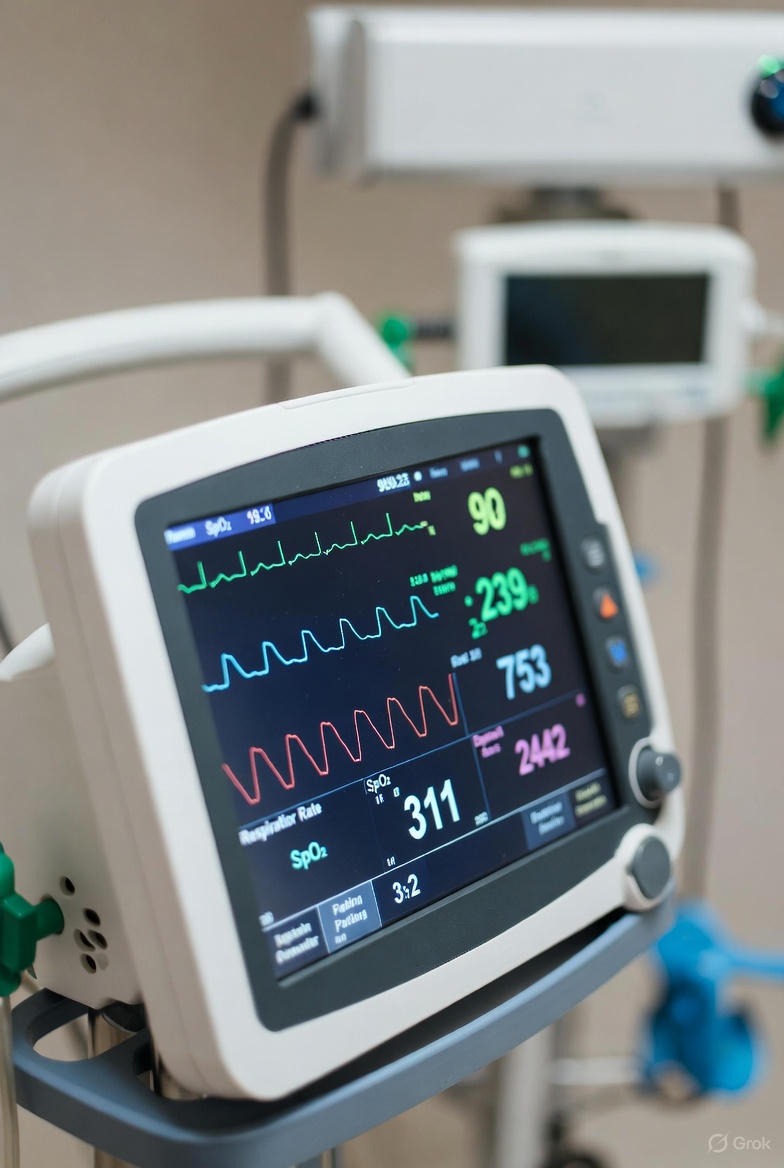
If sleep stages describe the structure of your night, Heart Rate Variability (HRV) describes its quality. This metric has surged in popularity among biohackers and athletes, and for good reason: it is one of the most direct, non-invasive windows into your autonomic nervous system (ANS) state.
Contrary to what one might assume, a healthy heart does not tick with the metronomic regularity of a clock. The time interval between successive heartbeats (the R-R interval) constantly varies by milliseconds. This variability is governed by the continuous tug-of-war between the two branches of your ANS: the sympathetic ("fight-or-flight") system, which accelerates the heart and decreases variability, and the parasympathetic ("rest-and-digest") system, which slows the heart and, crucially, increases variability.
High HRV generally indicates strong parasympathetic tone and good adaptability—your body is resilient and in a recovery-ready state. Low HRV suggests sympathetic dominance, meaning your body is under stress (from exercise, illness, psychological anxiety, or poor sleep).
During sleep, particularly during deep sleep, the parasympathetic system should be dominantly active, leading to a significant rise in HRV. A smart ring calculates your nightly average HRV and, more importantly, tracks its trend over time. A consistently high or rising overnight HRV trend is a powerful indicator of improving recovery capacity and resilience. It tells the algorithm that your body is effectively using the sleep period for nervous system restoration.
Consequently, HRV is not just a separate metric; it is deeply integrated into the sleep score calculation. A night with good sleep architecture that also features a strong, stable, or rising HRV will receive a higher score than a night with similar architecture but a depressed or chaotic HRV pattern. This makes HRV a critical bridge between sleep data and daily life, helping you understand how your restful living boundaries at work or your dietary choices—exploring a restful living diet—directly influence your physiological recovery each night.
While often overlooked, body temperature is a master regulator of the sleep-wake cycle and provides contextual intelligence that refines the sleep score. Your circadian clock, located in the brain's suprachiasmatic nucleus (SCN), orchestrates a daily fluctuation in core body temperature. It begins to drop in the evening, facilitating sleep onset. It reaches its lowest point in the second half of the night (coinciding with the peak of melatonin secretion and often the longest deep sleep period) and then begins to rise in the early morning to promote wakefulness.
A smart ring’s skin temperature sensor tracks this rhythm proximally. While skin temperature is influenced by external factors (room temperature, bedding), the trend over the course of the night is informative. A clear, descending temperature curve after bedtime supports the algorithm’s confidence in healthy sleep initiation. A normal, gradual rise toward morning aligns with natural awakening.
Conversely, disruptions in this thermal rhythm can lower your sleep score:
The algorithm uses temperature data as a moderating factor. It can help explain why a night with decent-looking movement and heart rate data might still feel unrefreshing. If the temperature data indicates a suboptimal thermal environment for sleep, the final score may be adjusted downward to reflect this added physiological strain. This insight powerfully supports the concept of crafting an environment for rest, a principle that aligns with creating simplicity in your space, as discussed in how minimalism enables restful living.
Not all awakenings are conscious. Sleep disturbances range from full arousals where you might check the clock to brief, micro-awakenings you have no memory of, but which nonetheless fragment sleep architecture and reduce its restorative quality. Smart rings are adept at identifying these events, adding a crucial "fragmentation" metric to the sleep quality equation.
The algorithm scans for specific patterns:
Each disturbance is logged and summed to create metrics like "restlessness" or "awakenings." High fragmentation directly reduces sleep efficiency and limits time in deep stages, as the body must repeatedly restart the sleep cycle. Therefore, a night with frequent disturbances will see a significant penalty in its overall score, regardless of total sleep time. Learning to minimize these interruptions is key, whether it's through optimizing your bedroom environment or managing stress through techniques that foster restful living and improved relationships, as interpersonal harmony can significantly reduce subconscious anxiety that manifests as nighttime restlessness.
As you transition from sleep to wakefulness, your ring captures one of the most telling single metrics of overnight recovery: your Resting Heart Rate (RHR). For most people, RHR is measured as the lowest 5-10 minute average heart rate during sleep, typically occurring during a sustained period of deep sleep. It is a powerful indicator of cardiovascular fitness and recovery status.
A lower RHR generally suggests a more efficient heart and stronger parasympathetic tone. Over time, with consistent training and good recovery, you may see your RHR trend downward. Conversely, an elevated RHR on a given morning—especially if it’s 5-10 beats per minute higher than your recent baseline—is a bright red flag. It can indicate that your body is fighting something: it could be dehydration, the onset of illness, excessive training load (overtraining), high psychological stress, or poor sleep quality from the previous nights.
The sleep score algorithm uses your RHR in two ways:
This morning RHR, combined with the previous night's HRV and temperature data, forms a "recovery index" or "readiness score" in many companion apps. This holistic view empowers you to make informed daily decisions. A poor recovery score might prompt you to choose a restorative yoga session over high-intensity interval training, or to prioritize hydration and nutrition, effectively using your own data to execute a personalized weekly restful living plan.
We now arrive at the culmination: the synthesis. The ring’s backend algorithms are faced with a multidimensional dataset: duration, efficiency, stage percentages, HRV, RHR, disturbances, and temperature trends. Transforming this into one coherent number requires a sophisticated weighted scoring model.
While the exact formulas are proprietary, the general principles are based on established sleep science. Not all factors are created equal. Typically, the heaviest weights are assigned to metrics most strongly correlated with felt recovery and long-term health outcomes:
The algorithm normalizes each metric against your personal baselines (what's normal for you) and, in some cases, population-level health benchmarks. It then calculates a weighted sum, resulting in your final score, often presented on a scale of 0-100 with corresponding feedback like "Poor," "Fair," "Good," or "Excellent."
This scoring is not static. Through machine learning, the algorithms continuously improve. As more aggregated, anonymized data is collected from users (with consent), the models become better at pattern recognition—distinguishing, for example, the heart rate signature of REM sleep in a 60-year-old versus a 25-year-old, or accounting for natural seasonal variations in sleep, a topic explored in depth for maintaining year-round balance in restful living through the seasons.
The most advanced sleep scoring systems do not operate in a vacuum. They recognize that sleep is not an isolated event but the result and reflection of your entire day. Therefore, leading-edge algorithms are beginning to contextualize your sleep score using daytime data collected by the same ring.
This holistic, 24/7 feedback loop is where the smart ring truly shines as a wellness tool. It moves from reporting "what" your sleep was to suggesting "why" it was that way and "what to do" about it. This integrated approach is essential for anyone, especially those on the go, looking to maintain equilibrium. It provides the data-driven foundation for principles like those found in the restful living travel guide, helping you adapt your routines to protect your sleep no matter where you are.
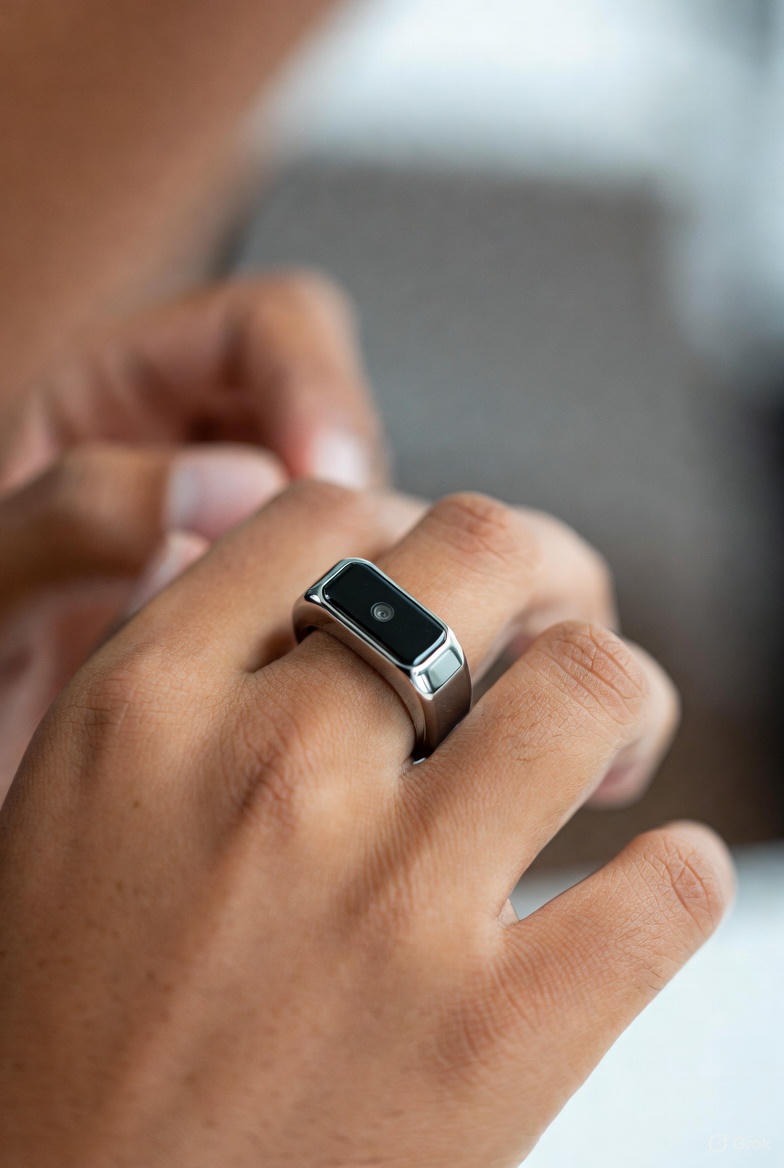
With great data comes the need for great responsibility—and perspective. It is vital to understand the limitations of current consumer ring technology to avoid misinterpretation or "orthosomnia" (an unhealthy preoccupation with perfect sleep data).
Understanding these limitations empowers you to use the score as a guide, not a gospel. It should inform your choices about setting restful living boundaries to protect your sleep time, rather than becoming a source of anxiety itself. The goal is to use technology to foster a better relationship with sleep, not a more stressful one.
A Sleep Quality Score is not an endpoint; it’s a starting line for intelligent self-experimentation. The true power of your smart ring lies in its ability to deconstruct that single number into its constituent parts, each of which points to a specific lever you can pull in your daily life. Let’s map each key metric to a set of actionable, evidence-based strategies.
For Improving Sleep Efficiency & Reducing Disturbances (WASO):
If your score is penalized by low efficiency—long sleep latency or frequent awakenings—your focus should be on sleep hygiene and environment.
For Boosting Deep & REM Sleep Percentages:
These stages are sensitive to schedule, stress, and substance use.
For Elevating Nighttime HRV and Lowering RHR:
These metrics reflect your overall recovery capacity and stress load.
By methodically testing one change at a time and observing its impact on your specific score components over a week or two, you move from guesswork to mastery. This process turns your smart ring into a personalized sleep laboratory.
For the individual seeking to optimize not just for health but for elite recovery and cognitive performance, smart ring data opens the door to sophisticated biohacking. This goes beyond basic hygiene into the realm of timing and quantified experimentation.
Circadian Rhythm Optimization: Your ring’s body temperature trend is your most accessible circadian phase marker. By tracking when your temperature nadir (lowest point) occurs, you can pinpoint your biological night. The goal is to align your sleep window with this internal cycle. If your temperature nadir is at 4 AM, a bedtime of 10 PM-midnight and a wake time of 6-8 AM likely aligns well. If you must fight your rhythm (e.g., for shift work), you can use timed light exposure (bright light for phase delay, avoidance for phase advance) and carefully monitor how your sleep score and HRV respond, adapting your approach as outlined in guides for restful living through the seasons and schedule changes.
The Sleep Extension Experiment: If your ring consistently shows less than 7 hours of total sleep, conduct a two-week experiment. Add 30 minutes to your sleep opportunity each night—by going to bed earlier, not sleeping in. Track the changes in your deep sleep percentage, HRV, and morning RHR. You may discover your personal optimal duration is longer than you thought, leading to significant improvements in daytime energy and cognition.
HRV-Guided Training: This is a frontier for athletes. By monitoring your morning HRV (or the overnight average), you can adjust daily training load. A significant drop from your baseline (e.g., >10% decrease) suggests incomplete recovery. On such days, you would opt for a lighter, restorative session or a complete rest day. Conversely, a high or rising HRV indicates readiness for a high-intensity session. This dynamic, data-driven approach prevents overtraining and maximizes adaptation, a key tenet of achieving performance through rest.
Temperature-Based Environment Tweaking: Use your ring’s skin temperature graph as direct feedback. If you see a flat or elevated curve, experiment with lowering your thermostat by one degree, using lighter bedding, or wearing moisture-wicking sleepwear. The goal is to see that classic dip-and-rise pattern emerge, which should correlate with better deep sleep and a higher score.
These advanced tactics require more attention and a willingness to experiment, but they represent the cutting edge of using personal data to hack human performance, turning the abstract goal of "better sleep" into a finely tuned, personalized protocol.
The dichotomy between "day" and "night" is artificial to your physiology. Your sleep score is profoundly pre-written by your daytime choices. Smart rings that track activity and daytime physiology make these connections undeniable.
Morning Light Exposure: Getting bright, ideally natural, light within 30-60 minutes of waking is the most powerful signal to set your circadian clock. It suppresses melatonin, boosts cortisol (healthily), and starts the timer for melatonin release roughly 14 hours later. Consistent morning light leads to more stable sleep timing and improved efficiency. A day spent in dim indoor lighting can weaken this signal, leading to poorer sleep quality that night.
Activity & Movement Patterns: Physical activity is a dual-phase regulator. It builds sleep pressure (the homeostatic drive to sleep) and reinforces circadian rhythms. However, the timing and intensity matter. A day with moderate activity and a brisk walk in natural light is a recipe for a great sleep score. A sedentary day, or one with extreme exhaustive activity too late, can detract from it. The ring’s activity data helps you find your personal "Goldilocks zone" of daily movement.
Psychological Stress & Digital Diet: Chronic, unmanaged daytime stress keeps sympathetic tone elevated, depressing HRV and making it harder to transition into restful sleep at night. Furthermore, the constant cognitive fragmentation of emails, social media, and notifications trains your brain for shallow attention, which may paradoxically manifest as fragmented sleep. Intentional digital detox practices aren’t just good for mental health; they are a direct intervention for improving deep sleep architecture by allowing the brain to enter a state of deeper, uninterrupted rest.
Nutritional Timing & Composition: As noted, late, heavy meals disrupt sleep. But also consider blood sugar stability. A day of high-sugar, processed foods can lead to glucose spikes and crashes, which the body may counter with cortisol releases that disrupt nighttime homeostasis. A balanced diet with adequate protein, fiber, and healthy fats supports more stable energy and, by extension, more stable sleep physiology.
By reviewing your sleep score in the context of your daily timeline in the companion app, you begin to see the narrative. A poor score isn’t a random event; it’s often the clear consequence of a stressful meeting day, a missed workout, or a late-night screen binge. This holistic view is essential for creating a sustainable weekly plan for restful living that addresses all facets of your life.
To fully appreciate the smart ring’s value proposition, it’s helpful to compare its sleep-tracking methodology and strengths against other popular form factors.
Smart Rings vs. Smartwatches/Fitness Bands:
Smart Rings vs. Dedicated Sleep Trackers (Under-Mattress Pads/Bands):
The Verdict: The smart ring occupies a unique sweet spot: clinical-grade comfort with near-continuous, multi-parameter physiological monitoring. It is the ideal tool for the person who wants comprehensive, longitudinal health and recovery data without wearing a conspicuous device or changing their behavior to accommodate a tracker. Its strength is the seamless, lifestyle-integrated story it tells across 24 hours, making it a cornerstone for a holistic restful living and longevity strategy.
Theory is powerful, but concrete stories illustrate the true impact. Let’s examine a few anonymized, composite case studies based on common patterns seen by wellness coaches and in user data.
Case Study 1: The "Chronic Short-Sleeper" Executive
Case Study 2: The "Restless" New Parent
Case Study 3: The "Overtraining" Athlete
These cases show that the score is not a judgment, but a conversation starter with your own body. It provides the objective evidence needed to make supportive changes, even in challenging life circumstances.
The technology behind sleep scoring is not static. We are on the cusp of a new era driven by artificial intelligence and deeper biomedical integration, promising even more personalized and predictive insights.
Hyper-Personalized Baselines & Scoring: Current algorithms use generalized population models with personal baselines. Next-generation AI will create truly individualized models of your sleep. It will learn what "good" looks like specifically for you—your unique sleep stage patterns, your personal HRV signature during different cycle phases, and how you respond to stressors. Your score will become a measure of deviation from your optimal pattern, not a population average.
Predictive Insights & Early Warnings: By analyzing longitudinal trends across sleep, activity, and physiology, AI will move from descriptive to predictive. It could flag subtle, multi-week patterns that suggest an increased risk of burnout, a potential immune system challenge (often preceded by a rise in RHR and lower HRV), or a shift in metabolic health. This turns the ring into a preventive health guardian, prompting you to take restorative action before you feel symptoms.
Multimodal Data Fusion: The future lies in the effortless fusion of data streams. Imagine your ring’s data being combined with your continuous glucose monitor (CGM) readings, your smart scale’s body composition metrics, and even your electronic health records (with your consent). An algorithm could then tell you: "Your low deep sleep last night correlates strongly with your blood sugar spike after dinner. A 10-minute post-dinner walk may improve both metrics." This creates a systems-biology view of your health.
Non-Contact + Wearable Hybrid Models: The ultimate scenario may involve a low-power, under-mattress sensor that provides perfect movement and breathing data, seamlessly syncing with your ring’s superior cardiovascular and temperature data. This would combine the best of both worlds for unparalleled accuracy without any comfort sacrifice.
These advancements will further blur the line between consumer wellness and clinical-grade monitoring, empowering individuals with a depth of self-knowledge previously unimaginable. The goal remains the same: to use technology not just to quantify life, but to qualitatively enhance it, supporting a lifelong journey toward restful living and longevity.
Armed with a deep understanding of the score and its drivers, you can now construct a personalized protocol. This is not a rigid set of rules, but a flexible framework for experimentation and refinement.
Phase 1: The Baseline Audit (2 Weeks)
Phase 2: Targeted Intervention (3-4 Weeks per lever)
Phase 3: Integration & Sustainability
Your protocol should ultimately serve your life, not the other way around. The smart ring is the compass, but you are the navigator.
We have journeyed from the microscopic flicker of a green LED in a finger’s capillary to the grand, AI-enabled future of predictive health. We’ve seen how raw signals of light, motion, and heat are transformed into a nuanced understanding of our most restorative state. The calculation of a Sleep Quality Score is a remarkable feat of modern bioengineering and data science.
But the greater revelation is this: the score is a bridge. A bridge between the subjective feeling of fatigue and the objective reality of physiology. A bridge between ancient wisdom about the importance of rest and cutting-edge technology that proves it. A bridge from passive suffering of poor sleep to active mastery of our own recovery.
This knowledge demystifies the device on your finger and empowers you to engage with it as a partner. You are no longer just a recipient of a number, but an interpreter of a story—a story written in the language of heartbeats, breaths, and rhythms. By learning this language, you gain the ability to edit that story for the better.
The path forward is one of curious, compassionate experimentation. Use your data to celebrate what’s working, to investigate what’s not, and to always remember that the ultimate metric is how you feel living your days. Let your sleep score be the foundation upon which you build a more intentional life, one that honors the profound necessity of rest. For in that rest lies not just recovery, but the very source of creativity, vitality, and long-term health and connection.
Even the most sophisticated technology can encounter real-world hiccups. Inconsistent or puzzling data can lead to frustration and disengagement. Before dismissing your sleep scores, it’s crucial to troubleshoot from the perspective of both device and user. Here’s a guide to diagnosing and solving common smart ring data issues.
Problem 1: Inconsistent or Missing Sleep Data
Problem 2: Surprisingly Low Deep Sleep Scores, Despite Feeling Rested
Problem 3: High Resting Heart Rate (RHR) Readings Overnight
Problem 4: The Ring Fails to Detect a Clear Sleep/Wake Time
General Best Practices for Clean Data:
Troubleshooting is an act of partnership with your device. By ensuring it functions correctly and interpreting its data with intelligent context, you transform potential frustrations into deeper self-knowledge.
The data from your smart ring provides irrefutable, physiological evidence of a truth we’ve long known intuitively: the mind and body are inextricably linked, especially in sleep. Anxiety, stress, and mood don’t just affect how you feel—they directly alter your sleep architecture and your score.
Anxiety and Sleep Onset: The "monkey mind" of anxiety is characterized by racing thoughts and hyperarousal. Physiologically, this manifests as elevated heart rate and high sympathetic nervous system activity (low HRV) at bedtime. Your ring will clearly show prolonged sleep latency and potentially a depressed HRV for the entire night, as the body struggles to disengage from a state of alert. This creates a vicious cycle where poor sleep worsens anxiety, which in turn worsens sleep.
Depression and Sleep Architecture: Depression often leaves a distinct fingerprint on sleep data, notably in REM sleep. One of the most robust findings in sleep psychiatry is that depression is frequently associated with REM latency shortening (entering REM sleep too quickly after falling asleep) and increased REM density (more rapid eye movements within REM). Conversely, deep sleep can be reduced. Your ring may show a higher-than-expected percentage of REM sleep in the first half of the night and a lower deep sleep percentage.
Chronic Stress and Fragmentation: The sustained activation of the hypothalamic-pituitary-adrenal (HPA) axis from chronic stress leads to elevated cortisol. Cortisol rhythms can become flattened or mis-timed, directly interfering with the progression of sleep cycles. This often appears in your data as high restlessness, frequent micro-awakenings (visible as heart rate spikes), and poor sleep efficiency—a state of shallow, unrefreshing sleep.
The Feedback Loop for Healing: Here is where the smart ring becomes a powerful tool for mental wellness. It offers objective proof that therapeutic interventions are working.
By quantifying the mind-body link, the ring helps destigmatize mental health challenges. It shows they are not "all in your head" but have concrete, measurable effects on your biology. This empowers a more compassionate and evidence-based approach to holistic well-being.
Standard sleep hygiene advice often fails for those whose lives don't conform to a 9-to-5 schedule. For shift workers, frequent travelers, and new parents, sleep optimization isn't about perfection—it's about strategic damage control and maximizing recovery within constraints. Your smart ring is an invaluable ally in this adaptive process.
For the Shift Worker:
The goal is to stabilize an alternative circadian rhythm and protect sleep quality against the grain of societal timing.
For the Frequent Traveler (Jet Lag):
The ring is your personal jet-lag lab, helping you adapt faster.
For New Parents:
This is about survival and optimizing the sleep you can get.
In all these cases, the smart ring shifts from being a judge of ideal sleep to a compassionate coach for adaptive recovery, providing the feedback needed to navigate non-ideal circumstances with intelligence and grace.
Your Sleep Quality Score reaches its maximum potential when it is no longer a siloed metric, but a key tile in a larger mosaic of well-being. Forward-thinking health platforms and personal protocols are moving towards integrated dashboards where sleep, activity, nutrition, and mindfulness intersect.
The Recovery-Readiness-Activity Triangle: This is the core integration model.
A balanced triangle means matching your activity output to your recovery input and readiness state. A high sleep score and readiness suggest you can handle a strenuous workout. A low score and readiness suggest a walk or yoga session is wiser. Your ring provides the first two parts of this equation.
Nutritional Integration: While rings don’t track food, you can manually log or use connected apps to see correlations. Do your deep sleep percentages dip after late, high-glycemic meals? Does your HRV improve when you’re well-hydrated? This turns your sleep data into a biofeedback tool for dietary choices that support a restful living diet.
Mental Fitness Metrics: Combine your sleep and HRV data with journaling scores (mood, stress) or meditation app data (minutes, consistency). You might discover that on days you meditate, your sleep latency decreases, creating a positive feedback loop that motivates consistency.
The Role of the Oura Ring, Whoop, and Apple Watch: Different devices prioritize different integrations. Oura emphasizes holistic readiness and lifestyle factors. Whoop focuses intensely on the strain-recovery balance for athletes. Apple Watch integrates sleep into a vast ecosystem of general health and connectivity. The choice depends on whether you want a focused health advisor (ring/Whoop) or a connected health hub (Apple Watch).
Creating your personal dashboard—whether in a dedicated app, a notes document, or simply in your mind—allows you to see the big picture. It helps answer the most important question: How do all my lifestyle choices work together to create the state of health I experience every day? This systems-thinking approach is the essence of sustainable wellness and is supported by a structured weekly plan for restful living.
As we embrace the power of biometric data, we must also navigate its ethical complexities with intention. The quest for perfect sleep can sometimes undermine the very rest it seeks to improve.
Data Privacy and Security: Your sleep data is deeply intimate. It can reveal your daily routines, your stress levels, and potentially, signs of health conditions.
Avoiding "Orthosomnia": Coined by sleep researchers, orthosomnia is "the pursuit of perfect sleep," driven by excessive focus on tracker data, leading to increased anxiety about sleep.
Promoting Balanced Use: The healthiest relationship with your sleep score is collaborative and curious, not subservient.
By approaching sleep data with ethical awareness and psychological balance, we ensure that this powerful technology serves our humanity, rather than us serving the technology.
We have traversed the entire landscape of the smart ring sleep score—from the subdermal glow of its sensors to the cloud-based algorithms that weave data into meaning; from actionable levers for improvement to the ethical considerations of living a quantified life. This journey reveals a profound shift in our relationship with rest.
We are moving from an era of sleep mystery to an era of sleep literacy. The vague notion of "getting a good night's sleep" has been decomposed into actionable, physiological components: circadian alignment, autonomic balance, architectural integrity. The smart ring is both the translator and the teacher in this new literacy, providing a continuous, personalized curriculum in the language of your own body.
The final mastery, however, lies not in achieving a perfect score every night—an impossible and counterproductive goal—but in achieving a fluent dialogue with your physiology. It is the ability to look at a lower score and, instead of feeling dismayed, to ask the right questions: "Was it the late dinner? The unresolved work stress? The extra glass of wine?" It is the wisdom to see a high score and recognize the habits that created it, reinforcing them not out of obligation, but out of experiential proof that they make you feel vibrant.
This self-knowledge is the ultimate gift. It empowers you to design a life that aligns with your biological needs, whether that means setting firmer boundaries to protect your energy, adapting your routines through the seasons, or learning how to perform through rest. It places you firmly in the driver’s seat of your own well-being.
As this technology evolves, becoming more predictive and integrated, its core promise will remain: to hold up a mirror to our most restorative state, and in doing so, guide us toward living more fully in our waking hours. Wear your ring not as a taskmaster, but as a companion on the lifelong journey toward deeper rest, greater resilience, and a more vibrant state of health. The science on your finger is a remarkable tool, but the art of living well—in balance between effort and ease, activity and restoration—remains beautifully, uniquely human.
Your Trusted Sleep Advocate: Sleep Foundation — https://www.sleepfoundation.org
Discover a digital archive of scholarly articles: NIH — https://www.ncbi.nlm.nih.gov/
39 million citations for biomedical literature :PubMed — https://pubmed.ncbi.nlm.nih.gov/
Experts at Harvard Health Publishing covering a variety of health topics — https://www.health.harvard.edu/blog/
Every life deserves world class care :Cleveland Clinic - https://my.clevelandclinic.org/health
Wearable technology and the future of predictive health monitoring :MIT Technology Review — https://www.technologyreview.com/
Dedicated to the well-being of all people and guided by science :World Health Organization — https://www.who.int/news-room/
Psychological science and knowledge to benefit society and improve lives. :APA — https://www.apa.org/monitor/
Cutting-edge insights on human longevity and peak performance:
Lifespan Research — https://www.lifespan.io/
Global authority on exercise physiology, sports performance, and human recovery:
American College of Sports Medicine — https://www.acsm.org/
Neuroscience-driven guidance for better focus, sleep, and mental clarity:
Stanford Human Performance Lab — https://humanperformance.stanford.edu/
Evidence-based psychology and mind–body wellness resources:
Mayo Clinic — https://www.mayoclinic.org/healthy-lifestyle/
Data-backed research on emotional wellbeing, stress biology, and resilience:
American Institute of Stress — https://www.stress.org/


