


Smart Ring Features Explained: Activity and Movement Detection
Details how rings automatically detect and record different types of physical activity and exercise.
Details how rings automatically detect and record different types of physical activity and exercise.
%402x.svg)
In the quiet hum of modern life, our bodies are in constant conversation. Every step, every heartbeat, every restless toss in the night tells a story—a narrative of energy expended, stress weathered, and vitality preserved or depleted. For decades, understanding this intimate dialogue required bulky equipment, lab visits, and guesswork. No longer. Enter the smart ring, an unassuming piece of wearable technology that has revolutionized personal biometrics by moving from the wrist to the finger. This shift is more than aesthetic; it unlocks a more precise, continuous, and comfortable window into our wellbeing.
At the heart of this revolution lies a mastery of activity and movement detection. This is not merely counting steps. It is the nuanced, sophisticated translation of your physical existence into actionable data. It’s about distinguishing a purposeful stride from a frantic shuffle, a restorative yoga session from a stress-induced fidget, and deep, rebuilding sleep from a night of superficial rest. For the modern individual pursuing a holistic, restful living philosophy, this data is the compass. It moves us beyond generic advice into the realm of hyper-personalized insight, showing us not just what we did, but how our bodies truly responded.
This article is your deep dive into that silent symphony of movement. We will dismantle the black box and explore, in exhaustive detail, exactly how a smart ring sees, interprets, and makes sense of your daily life. From the fundamental physics of an accelerometer to the advanced algorithms that label your activity, we’ll cover the sensors, the science, and the software that transform subtle finger movements into a comprehensive picture of your health. Whether you’re an athlete optimizing performance, a professional managing burnout, or anyone on a journey toward sustainable wellness, understanding these features is the first step to harnessing their full power. Let’s begin by exploring the core engine that makes it all possible.
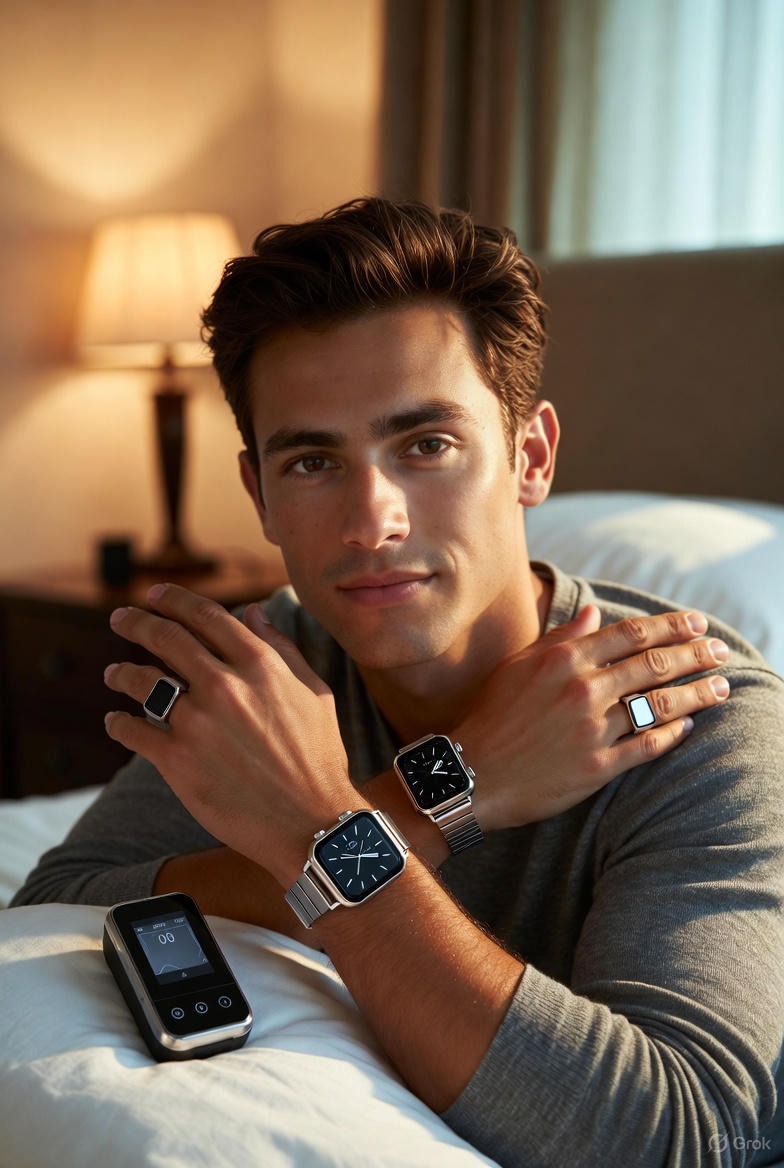
Before a smart ring can tell you anything about your activity, it must first become an expert observer. This observation happens through a suite of miniature, yet incredibly powerful, sensors working in concert. Unlike wrist-worn devices, a ring sits on a finger—a part of the body with a unique vascular profile and a direct connection to central movement. This position offers distinct advantages for certain types of detection.
The undisputed workhorse of movement tracking is the Inertial Measurement Unit (IMU), a tiny chip that typically contains a triaxial accelerometer and a triaxial gyroscope.
But the ring’s insight doesn’t stop at gross motor movement. To understand the body’s response to that movement, it employs a Photoplethysmography (PPG) sensor. This is the small green (and sometimes red) light on the inner band of the ring. It works by shining light into the skin and measuring the amount of light reflected back by blood flow. With every heartbeat, blood volume in the capillaries changes minutely, altering the light reflection. This allows the ring to track heart rate continuously, a critical metric for understanding exercise intensity (through Heart Rate Zones) and overall cardiovascular load. Advanced PPG systems can also gauge Heart Rate Variability (HRV)—the millisecond variations between heartbeats—which is a profound indicator of nervous system state and recovery status, a cornerstone metric for anyone building a sustainable, restful living for high-achievers lifestyle.
Finally, some rings incorporate a skin temperature sensor. This isn’t for telling you the weather, but for tracking your relative body temperature trends. Basal body temperature shifts can indicate the onset of illness, predict menstrual cycle phases, and, crucially, signal changes in metabolic activity and peripheral blood flow related to exercise and recovery. When your core heats up during a workout, blood moves to the skin to cool down, a change a sensitive ring can detect.
Together, this sensor suite creates a rich, multi-layered data stream. The raw numbers from these chips are just the beginning. Their true magic is unlocked by the sophisticated algorithms we’ll explore next, which transform electrical signals into human-understandable insights about your life.
If the sensors are the eyes and ears of the smart ring, the algorithms are its brain. Raw data from an accelerometer is a chaotic, squiggly line—an electrical waveform that means nothing on its own. The monumental task of converting this noise into “30 minutes of cycling at moderate intensity” falls to complex software built on signal processing and machine learning.
The first step is noise filtration and signal processing. The ring’s environment is messy. The vibration from a car ride, the jostle of typing, the random swing of your arms while thinking—all this is “noise” that must be separated from the “signal” of intentional activity. Algorithms use frequency filters to isolate the rhythmic, repetitive patterns characteristic of human locomotion (like the 1-3 Hz frequency of a walking step) from random, higher-frequency jitter.
Once a clean signal is established, feature extraction begins. The algorithm analyzes chunks of data to identify key characteristics: periodicity (is it repetitive?), amplitude (how strong is the movement?), and signature shape. The waveform pattern of a running step has a sharper, higher-amplitude peak than that of a walking step. The rotational data from a gyroscope during a weightlifting rep looks entirely different from that of a tennis swing.
This is where machine learning models take center stage. These are mathematical models trained on enormous, labeled datasets. Imagine millions of hours of sensor data from thousands of people, where each minute is manually labeled by researchers as “walking,” “running,” “elliptical,” “cycling,” etc. The model learns to associate specific patterns in the sensor data with these labels. Over time, it becomes exceptionally adept at pattern recognition. Modern systems use deep neural networks that can identify not just broad categories, but subtle nuances—the difference between road cycling and stationary biking, or between power yoga and gentle stretching.
Furthermore, these algorithms perform sensor fusion. They don’t rely on the accelerometer alone. They intelligently combine data streams in real-time. For instance:
This contextual, multi-sensor analysis is what separates advanced activity detection from simple pedometry. It allows the ring to move beyond guesswork into confident classification, creating a reliable and detailed activity diary with minimal user input. This automated logging is the bedrock upon which all personalized fitness and wellness guidance is built.
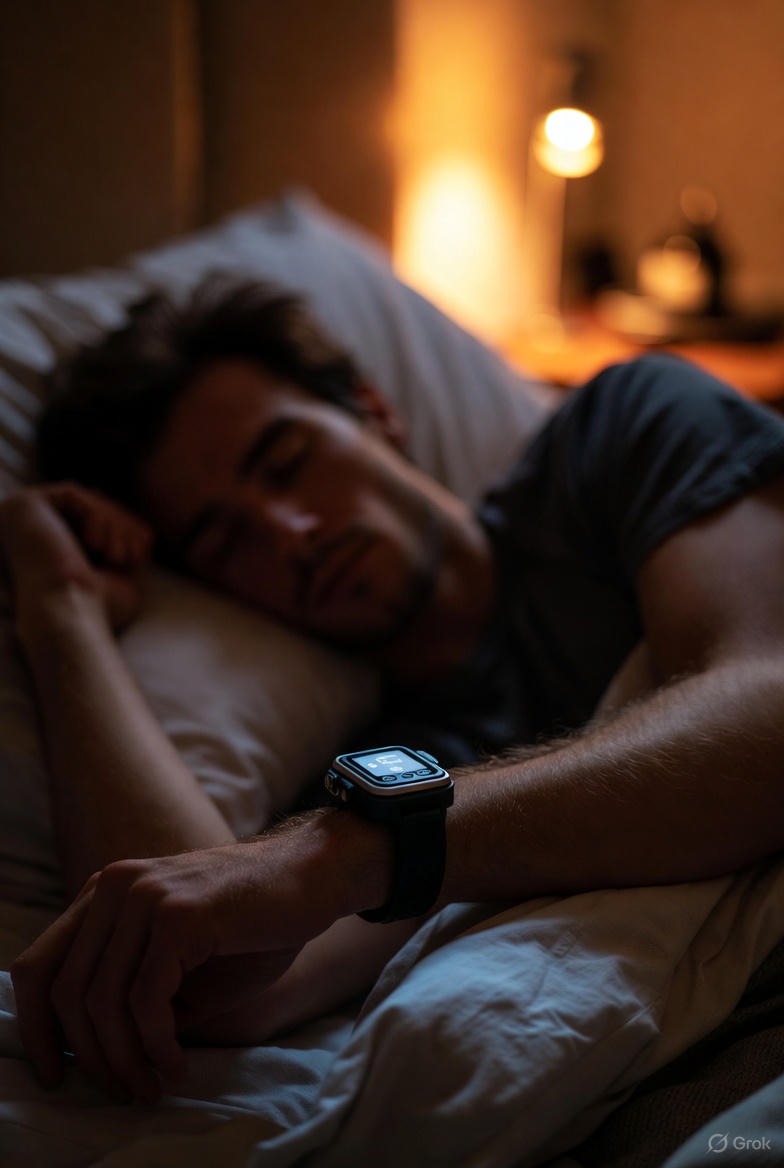
The step count is the most ubiquitous metric in fitness tracking, yet it is often the most misunderstood. A smart ring’s approach to step counting is a prime example of how advanced technology redefines a basic concept.
First, accuracy is contextual. No wearable counts steps with 100% accuracy in all scenarios. The goal is to maximize accuracy for genuine ambulation while minimizing false positives (counting arm movements as steps) and false negatives (missing steps when your hands are still, like pushing a shopping cart). The ring’s finger-based position presents a unique challenge and advantage. Hand movement is more variable than hip movement (where a pedometer might clip). However, modern algorithms are highly calibrated to recognize the specific, whole-body gait signature that accompanies true walking or running, even when transmitted through the arm. They look for the paired, alternating motion and impact patterns, not just any swing.
More important than absolute precision is consistency and trend analysis. If the ring is consistently 5% under or over your true count, that’s less critical than if its measurement is erratic. A consistent device allows you to track meaningful trends over time. Did you average 8,000 steps last week but only 5,000 this week? That trend is valuable information, perhaps pointing to a more sedentary work week or the need for more intentional movement.
But the enlightened view of step counting moves beyond the raw number. The arbitrary “10,000 steps” goal, born from a Japanese marketing campaign in the 1960s, is not a scientifically universal magic bullet. The modern perspective, enabled by smart ring data, focuses on step patterns and distribution.
Thus, the smart ring reimagines step counting not as a simplistic daily target, but as one vital thread in the larger tapestry of your daily movement ecology, interpreted always in the context of your body’s physiological response.
This is where activity tracking grows up. Moving for X minutes does not equal exercising for X minutes. Digging in the garden, playing with kids, and taking a brisk walk can all contribute significantly to health without being a “workout.” Conversely, a gentle stroll may do little for cardiovascular fitness. The concept of Active Minutes—specifically, minutes spent in Moderate to Vigorous Physical Activity (MVPA)—bridges this gap, and smart rings calculate this with impressive sophistication.
The gold standard for measuring exercise intensity is metabolic equivalents (METs), which compare your working metabolic rate to your resting rate. 1 MET is sitting at rest. Traditional wearables often estimate METs solely from movement data. Smart rings, with their continuous heart rate monitoring, take a giant leap forward by using heart rate as the primary gauge of physiological effort.
Your heart rate provides a direct, personal readout of how hard your cardiovascular system is working. The ring uses your personal profile (age, resting heart rate, max heart rate if known) to calculate your Heart Rate Zones. These zones (often labeled Light, Moderate, Hard, and Maximum) are percentages of your maximum heart rate.
By anchoring intensity in your unique physiology, the ring personalizes the metric. A steep hill walk that pushes a less-fit person into vigorous zone might only be moderate for a trained athlete. Both get accurate credit for their true effort.
Furthermore, advanced algorithms cross-reference. They ask: Does the movement pattern (from the IMU) support the heart rate data? If your heart rate is in Zone 4 but the accelerometer shows you’re barely moving, it could signal abnormal stress, illness, or a sensor error, prompting a more nuanced interpretation.
Tracking Active Minutes provides a far more meaningful goal than step count alone. The World Health Organization recommends 150 minutes of moderate or 75 minutes of vigorous activity per week. A smart ring automates the tracking of this crucial health benchmark, motivating you to seek out activities that get your heart pumping meaningfully, whether it’s a dedicated gym session or an impromptu dance party in your living room—an excellent way to incorporate joyful movement into a weekly restful living plan.
One of the most user-delighting features of a modern smart ring is its ability to act as a silent scribe for your physical life. Automatic Exercise Recognition (AER), sometimes called Smart Detection, means the ring can identify, start, stop, and classify specific workouts without you ever pressing a button. This seamless experience removes friction from tracking and ensures no activity goes unrecorded.
The process is a marvel of real-time algorithm execution. As you begin an activity, the ring’s processor continuously analyzes the incoming sensor data stream. After a few minutes of consistent pattern matching (to avoid false starts from, say, running for a bus), it will confidently determine: “This is running.” It will then mark a start time retroactively and begin logging the session with appropriate metrics—duration, heart rate zones, estimated calories, and often, post-session, a map if connected to GPS via your phone.
The range of recognizable activities is constantly expanding. Core staples include:
The beauty of AER lies in its passivity. It captures life as it happens—the spontaneous lunchtime walk, the bike commute you forgot to log, the pick-up basketball game. This creates a perfectly complete picture of your true activity level, which is essential for accurate calorie expenditure calculations and understanding your total weekly training load. It also supports a mindful approach to wellness; rather than being obsessed with manually logging everything, you can live in the moment, secure in the knowledge that your ring is faithfully documenting your movement narrative. This automation is a technological embrace of minimalism in wellness tech—less fiddling with apps, more being present in your activity.
The “Calories Burned” metric on a wearable is often viewed with a mix of fascination and skepticism. How can a ring on your finger possibly know how much energy you’re using? The answer lies in a sophisticated metabolic estimation model that synthesizes multiple data streams.
It’s crucial to understand that your Total Daily Energy Expenditure (TDEE) is comprised of:
A smart ring estimates your BMR using established equations (like Mifflin-St Jeor) that factor in your stored age, height, weight, and biological sex. This is your metabolic baseline.
The magic happens in calculating activity-based burn. The ring doesn’t directly measure calories; it estimates them using an Advanced Metabolic Algorithm. This algorithm uses two primary real-time inputs:
By fusing heart rate (physiological strain) with movement classification (type of work), the ring creates a dynamic, minute-by-minute estimate of your calorie burn above your BMR. It adds your NEAT and EAT together seamlessly.
Is it 100% accurate? No. Individual variations in metabolism, fitness level, and biomechanics mean it’s an estimate—often within a 10-20% margin of error. However, like step counting, its consistency is key for trends. If it consistently estimates your daily expenditure at around 2,400 calories and you’re maintaining weight, that’s a reliable maintenance figure for you. If you see it dip to 2,100 on a sedentary day, you have actionable data.
This insight is transformative for weight management, fueling for athletic performance, or simply understanding your body’s energy needs in the context of a restful living diet, where nourishing your body appropriately is as important as moving it.
In our modern, screen-bound world, prolonged sitting has been dubbed “the new smoking” for its links to cardiovascular disease, metabolic syndrome, and premature mortality. The concerning fact is that a one-hour gym session does not fully negate the risks of 10 hours of continuous sitting. The body needs frequent, low-grade movement to regulate blood sugar, support circulation, and maintain musculoskeletal health.
This is where a smart ring’s Sedentary Alert feature becomes a potentially life-extending tool. It’s a simple but powerful behavior modification engine.
Here’s how it works: The ring’s algorithms monitor for prolonged periods of inactivity—typically 30 to 60 minutes where no significant movement is detected. At the threshold, it sends a gentle vibration and/or a notification to your phone: “Time to move!" The goal is not to launch into exercise, but to simply break up the sedentary bout.
The science behind this is robust. Studies show that standing up and moving for just 1-5 minutes every hour can:
The ring personalizes this. If you get up and walk to the kitchen for a glass of water (achieving, say, 100-200 steps), the timer resets. This encourages the integration of movement snacks into your daily flow: a short walk during a phone call, some light stretching, or a quick set of bodyweight squats.
For the knowledge worker, the traveler, or anyone in a demanding stationary role, this feature is a cornerstone of proactive health. It turns the ring from a passive tracker into an active health partner. It operationalizes the advice to “sit less, move more” in a tangible, automated way. By preventing the deep troughs of inactivity, it helps maintain a steadier level of energy and metabolic function throughout the day, a fundamental practice for sustaining focus and avoiding burnout, especially for those learning to create restful living at work. It’s a small nudge with a colossal potential impact on long-term wellbeing.
While we sleep, our bodies are far from idle. Movement during sleep is normal and occurs in cycles, but the quality, quantity, and timing of these movements tell a profound story about sleep architecture and quality. This is an area where the smart ring, worn comfortably on the finger, excels over bulkier wrist devices, providing a sensitive and detailed account of your night.
The ring’s accelerometer operates in a ultra-low-power mode throughout the night, recording even the most micro-movements. This data is processed to produce several key insights:
The ring’s analysis creates a sleep movement graph, visually mapping your calm and restless periods throughout the night. Correlating this with your heart rate and HRV data creates a comprehensive picture. For example, a spike in heart rate followed by a burst of movement could signal an apnea event or a nightmare.
Understanding your sleep movement patterns is invaluable. It can:
By optimizing for less disruptive sleep, you directly enhance sleep quality, which is the ultimate foundation of physical recovery, cognitive function, and emotional resilience. It is the most critical practice in the entire spectrum of the connection between restful living and longevity. Your smart ring provides the otherwise invisible data needed to make this optimization possible.
This is the pinnacle of smart ring intelligence—the synthesis of all activity and movement data into a forward-looking recommendation. In the pursuit of fitness and health, more is not always better. Without adequate recovery, activity becomes stress, leading to plateaus, injury, and burnout. Recovery Metrics and Readiness Scores are the ring’s interpretation of your body’s capacity to perform.
These scores are not based on a single metric but are a composite index. Key contributors from the movement and activity detection suite include:
The algorithm weighs these factors (and others like skin temperature) to produce a single score or status, such as “Recovered,” “Maintaining,” or “Strained.” This “Readiness” or “Recovery Index” is then used to guide daily activity.
The practical application is transformative:
This system teaches you to respect your body’s signals. It moves you from a rigid, calendar-based training plan (“I must run today because it’s Tuesday”) to an adaptive, body-informed approach. This is the essence of sustainable performance and health—balancing the stress of activity with the necessity of rest. It formalizes the intuitive wisdom needed for restful living for high-achievers, proving that strategic rest is not laziness, but the prerequisite for sustained excellence.
A single data point is a note. A day’s worth of data is a melody. But the true power of a smart ring is revealed over weeks and months, as it weaves all these movement and activity metrics into a holistic health symphony. The final, crucial feature is not a detection at all, but the platform’s ability to integrate, visualize, and correlate.
Your activity is not an isolated event. It exists in a dynamic relationship with every other aspect of your life:
The ring’s companion app is the stage for this symphony. It presents timelines, graphs, and correlations that allow you to see these relationships clearly. You might discover that on days you take a midday walk (breaking up sedentary time), your afternoon focus improves and your sleep is less restless. Or that heavy strength training more than 3 days in a row always tanks your readiness score, suggesting you need more spaced-out scheduling.
This integrative view fosters self-experimentation and personalized insight. You become the scientist of your own life. The ring provides the objective data to test hypotheses: “If I stop caffeine after 2 PM, does my sleep movement decrease?” “If I add 10 minutes of morning yoga, does my daily step count naturally increase?”
By connecting the dots between movement, sleep, stress, and physiology, the smart ring elevates itself from a fitness tracker to a true wellness companion. It provides the empirical foundation for making intelligent, informed choices that align your daily habits with your long-term health and performance goals, completing the feedback loop that makes restful, sustainable living an achievable, data-informed reality.
Activity detection is not one-size-fits-all. The movement patterns of a marathon runner, a construction worker, a pianist, and an office manager are worlds apart. Advanced smart rings are beginning to understand this, developing specialized movement profiles that tailor tracking and insight to your unique life and goals. This evolution moves beyond generic "exercise" into a nuanced understanding of how movement integrates into different lifestyles.
For the majority of people, the most significant contributor to daily calorie burn and metabolic health is Non-Exercise Activity Thermogenesis (NEAT). This isn't about gym time; it's the energy expended for everything that isn't sleeping, eating, or sports-like exercise. It includes pacing while on the phone, gardening, cooking, playing with children, and even fidgeting. A sophisticated ring, through its continuous, sensitive monitoring, can estimate your NEAT level by subtracting your BMR and logged exercise calories from your total daily expenditure. Tracking this trend is profound. You might see your NEAT plummet during a week of intense desk work or soar during a weekend of home projects. This awareness encourages you to consciously protect and incorporate unstructured movement, a key tenet of a holistic, active life that doesn't rely solely on regimented workouts.
Conversely, for the athlete, the ring’s utility shifts towards performance optimization. Here, movement detection becomes about precision and load. Advanced devices can offer:
Perhaps most fascinating is the ring's potential to understand occupational and craft-based movement. The hand is a primary tool for countless trades and arts. While still an emerging frontier, the motion signatures of painting, woodworking, knitting, or even surgery are distinct. In the future, tracking this "productive movement" could provide insights into ergonomic strain, productive output cycles, and the caloric cost of skilled manual labor, blurring the line between fitness tracking and occupational health.
This specialization ensures the ring remains relevant. Whether your primary movement is typing code, hiking trails, or rocking a baby, the technology is learning to see and value your unique physical narrative, providing insights that are genuinely personalized to your world.
The choice to place advanced biometric sensors on a finger is a deliberate engineering and physiological decision. To fully appreciate a smart ring's capabilities and limitations in movement detection, it's essential to compare its vantage point to the two other common locations: the wrist and the chest.
Finger vs. Wrist (Smartwatches/Bands):
Finger vs. Chest (Heart Rate Straps):
The conclusion is not that one device is universally superior, but that they have optimal use cases. The smart ring is the champion of continuous, holistic lifestyle and recovery tracking, with very good activity and excellent physiological monitoring. For the elite athlete who needs absolute heart rate precision during specific, grueling workouts, a complementary chest strap might still be warranted. For the individual seeking a minimalist, always-on companion to guide their overall journey toward balanced health—integrating activity, rest, and stress management—the finger offers a compelling and powerful vantage point.
The story of movement is not only told in steps and sweat. Our bodies communicate through subtle, often unconscious motions that reveal states of mind, neurological function, and metabolic activity. A smart ring’s sensitive IMU, positioned on the highly mobile hand, is uniquely poised to detect this micro-language of movement.
Fidgeting is a classic example. While often dismissed as a nervous habit, fidgeting is a form of spontaneous physical activity that increases NEAT and may play a role in energy regulation and focus. More tellingly, changes in fidgeting patterns can be a biomarker for cognitive or emotional states. A noticeable increase in small, restless hand movements (detectable as low-amplitude, irregular accelerometer data) could correlate with periods of anxiety, intense concentration, boredom, or even the body's attempt to generate heat when cold. By identifying these patterns over time, a user might correlate increased fidgeting with caffeine intake, looming deadlines, or inadequate sleep, offering an objective signal to practice calming techniques, perhaps integrating breathwork for restful living to restore equilibrium.
On a more clinical frontier, the ability to detect tremors and micro-movements holds significant promise. Essential tremors, Parkinsonian tremors, and other movement disorders have distinct frequency and amplitude signatures (e.g., Parkinson's "pill-rolling" tremor is typically 4-6 Hz). While a smart ring is not a medical diagnostic device, its continuous monitoring could:
Furthermore, the ring can analyze fine motor activity patterns. The rhythm and pressure of typing, the deliberate movements of drawing or playing an instrument, even the slight shake in a hand while holding a posture—all leave a data signature. For individuals recovering from hand injuries or strokes, this could be a powerful tool for monitoring rehabilitation progress outside the therapist's office.
This expansion of scope—from fitness to fine motor function and nervous system expression—illustrates the smart ring's potential as a general movement phenotyping device. It captures the full spectrum of our physical being, from the gross to the imperceptibly subtle, painting a richer, more complete picture of our health and habits.

While a smart ring is a powerhouse of self-contained sensors, its understanding of your movement can be exponentially enriched by connecting to external data sources. This integration turns the ring from a standalone device into the central hub of a personal biometric network.
The most common and impactful integration is with your smartphone’s Global Positioning System (GPS). The ring itself typically lacks GPS due to size and battery constraints. However, when you start an outdoor walk, run, or cycle, the ring’s app can activate your phone’s GPS. This pairing is transformative:
Beyond GPS, the future lies in broader ecosystem integration. Imagine your ring seamlessly connecting to:
This hub-like function underscores a key principle: the smart ring’s value is in synthesis and context. It doesn’t need to be the best at every single measurement. Its genius is in being good enough at many things and brilliant at combining all the data—both from its own sensors and from your other devices—into a single, coherent, and actionable story about your health. This interconnected approach is akin to building a personalized weekly restful living plan, where different tools and practices work in harmony toward a common goal.
The promise of 24/7 movement and physiological monitoring comes with a fundamental engineering challenge: power. Every sensor reading, every algorithm process, and every data transmission drains the battery. The design of a smart ring is a constant ballet of balancing capability, size, and battery longevity.
Continuous Monitoring vs. Spot Checks: The most significant power draw comes from the PPG sensor for all-day heart rate and the IMU for all-day movement. A device that took a heart rate reading only once per hour could last for weeks. But the value—detecting sudden stress events, accurately calculating active minutes, capturing sleep stages—is in high-frequency, continuous sampling. Advanced rings use sophisticated power management systems, switching sensors between high-power active modes and ultra-low-power sleep modes hundreds of times per second to capture necessary data while conserving energy.
Activity Detection Impact: A passive day of mostly sedentary behavior with a few short walks uses far less battery than a day filled with multiple, long GPS-connected workouts. The processing required for real-time exercise recognition and the use of phone GPS are significant power events. Most rings are designed to handle daily exercise tracking while still maintaining a multi-day (typically 4-7 day) battery life, necessitating efficient onboard processors.
The Size Constraint: This is the ultimate trade-off. A larger ring could house a larger battery. However, the entire appeal of the form factor is its minimalism and comfort. Manufacturers must use the most energy-efficient sensors and chips available and optimize firmware to an extreme degree. This is why software updates can sometimes improve battery life—they refine these algorithms to do more with less.
User Behavior & Longevity: Battery life is also affected by user settings. Frequent syncing with the app, a very bright LED for the PPG, and enabling every experimental feature will reduce time between charges. The user’s choice is between maximizing data granularity and maximizing convenience.
The current state of the art achieves a remarkable equilibrium: providing clinically-relevant, continuous monitoring of movement, heart rate, and sleep in a package that you charge roughly once a week. This is infrequent enough to support consistent wear, which is the absolute prerequisite for meaningful long-term trend data. As battery technology improves and chips become even more efficient, we will see this duration extend, further reducing the friction of owning what is essentially a personal health observatory. This relentless pursuit of efficiency mirrors the philosophy of how minimalism enables restful living—stripping away unnecessary drain to preserve essential, high-value function.
The data collected by a smart ring is not anonymous telemetry. It is a highly personal movement biography. It knows when you sleep, when you wake, how you exercise, when you are sedentary, and potentially when you are stressed or restless. This intimate dataset demands rigorous privacy and security considerations.
What Data is Collected? It’s crucial to understand the scope. Raw sensor data (accelerometer waveforms, PPG light absorption readings) is processed on the device or in the cloud to create derived metrics: step count, heart rate, sleep stages, activity type. This derived data, along with timestamps and often location (if GPS is used), is stored. The most sensitive data is the raw waveform data, which, with advanced analysis, could reveal even more about your habits and health state.
How is Data Stored and Used? Reputable companies should practice:
Potential Risks: Beyond the obvious risk of a data breach, there are subtler concerns. Could activity data indicating long periods of inactivity be used by a health insurer to adjust premiums? Could location data from a run reveal your home address and daily patterns? These are not hypotheticals in an era of data monetization. The principle of data minimization—collecting only what is necessary for the stated function—is a mark of a trustworthy company.
As a user, your responsibility is to be an informed consumer. Read the privacy policy. Look for companies that are transparent about their practices and that treat data security as a core feature, not an afterthought. Your health data belongs to you. The smart ring should act as a steward, not an owner, of your movement biography. Protecting this digital embodiment of your physical self is as important as protecting your financial information, a necessary boundary for true restful living in a connected world where technology serves us, not exploits us.
The most advanced sensor array and the cleverest algorithm are worthless if the human being wearing the ring cannot understand or use the information. The companion app is the critical interface where data transforms into insight, and insight translates into behavior change. Excellent app design is what separates a fascinating tech gadget from a life-enhancing wellness tool.
Clarity Over Clutter: A common pitfall is "data dumping"—presenting the user with dozens of graphs and numbers without narrative. The best apps practice progressive disclosure. The home screen shows a simple, holistic summary: Readiness Score, Sleep Score, Activity Goal completion. Tapping on each reveals more detail (e.g., sleep stages, activity breakdown). This allows both the casual glance and the deep dive.
The Power of Narrative: Instead of just showing "8,237 steps," the app might say, "You met your step goal by 3 PM and were 25% more active than yesterday. Great job!" Instead of "HRV: 42ms," it could explain, "Your recovery is trending upward, indicating good adaptation to your training. You're ready for a challenging workout." This contextual, language-based interpretation is crucial for user engagement and understanding.
Personalized Guidance: This is the pinnacle of UX. The app shouldn't just report; it should recommend. Based on a low recovery score, it might suggest a stretching routine or a mindfulness session. After detecting a poor night's sleep, it might recommend an earlier bedtime or ask if you consumed caffeine late. It can nudge you to move when sedentary and congratulate you when you achieve a new personal best. This turns the system into a proactive coach.
Positive Reinforcement and Gamification: Well-designed apps use principles of behavioral psychology. Celebrating streaks (e.g., 7 days of meeting sleep goals), awarding badges for milestones, and providing visual progress charts tap into our innate desire for achievement and progress, making the journey toward better health feel rewarding and sustainable.
Integration and Sharing: A good app allows you to connect with other platforms (like Apple Health, Google Fit, or Strava) to create a centralized health record. It may also offer social features—sharing achievements with friends or joining challenges—which can provide motivation and accountability for many users.
Ultimately, the app is the lens through which you view your own life. Its design determines whether you feel empowered or overwhelmed, whether you see a disjointed set of metrics or a coherent story of your wellbeing. A well-designed app doesn't just show you your data; it helps you write the next, better chapter, providing the structure and encouragement needed for a sustainable approach to wellness.
With a growing market of smart rings, selecting the one that best aligns with your primary objectives for activity and movement tracking is essential. Not all rings are created equal; their strengths lie in different areas. Your choice should be guided by how you live and what you want to improve.
For the Fitness Enthusiast & Athlete:
For the Wellness & Recovery Seeker:
For the Health Quantifier & Biohacker:
For the Everyday User Seeking General Awareness:
Regardless of your category, always consider fit and comfort. A ring that is too tight or too loose will produce bad data and be unworn. Sizing kits are essential. Read independent reviews that test accuracy, and pay close attention to the company's privacy policy. Your smart ring should feel like a seamless extension of your intent to live better, providing the feedback you need without adding complexity or worry to your life.
The technology embedded in today's smart rings is impressive, but it represents only the beginning. The frontier of movement detection is rapidly advancing, driven by improvements in sensor miniaturization, artificial intelligence, and a deeper understanding of human physiology. Here’s a glimpse into the near future of what your ring will be able to discern.
1. Emotional and Cognitive State Inference: Movement is a direct expression of the nervous system. Future algorithms will go beyond detecting stress via HRV and begin to interpret movement signatures of specific emotional or cognitive states. The micro-shakes of anxiety, the restless fidgeting of boredom or intense focus, the slowed, deliberate movements of sadness or fatigue—all have potentially identifiable patterns. By correlating movement data with self-reported mood logs (a feature already in some apps), machine learning models could learn to predict shifts in state, offering a gentle notification to practice mindfulness or take a break, becoming a true partner in emotional regulation. This moves wellness tech from reactive to gently predictive.
2. Ergonomic and Postural Analytics: As remote work continues, musculoskeletal health is paramount. Future rings, possibly in conjunction with a second ring or a small hub, could analyze typing posture, detect harmful repetitive strain patterns, or identify periods of poor posture (e.g., forward head tilt inferred from hand position relative to the body). It could remind you to adjust your setup or perform corrective stretches, acting as a personal ergonomics coach to prevent chronic pain—a direct investment in long-term physical wellbeing and productivity.
3. Advanced Fall and Incident Detection for All Ages: While some watches have fall detection, a ring could offer more discreet, continuous monitoring, especially for older adults wishing to maintain independence. By understanding a user’s normal gait and movement patterns, it could detect a sudden, catastrophic change—a hard fall followed by immobility—and automatically alert emergency contacts. This extends safety technology to a far more wearable and acceptable form factor for a broader population.
4. Metabolic Flexibilty and Fuel-Source Estimation: By integrating continuous glucose monitor (CGM) data (via partnership or future non-invasive sensors), the ring’s movement and heart rate data could help estimate metabolic flexibility—how efficiently your body switches between burning carbohydrates and fats. Post-activity, it could provide insights into how different exercise intensities and durations affected your glucose response, offering hyper-personalized guidance on nutrition timing to optimize performance and recovery, a powerful tool for managing energy.
5. Gesture Control and Contextual Awareness: Movement detection will expand beyond health into utility. Your ring could learn specific hand gestures to control your smart home (turning off lights with a wave), dismiss phone notifications with a flick, or control media playback. More profoundly, it would use its understanding of your activity (e.g., you’re typing, you’re driving, you’re sleeping) to automatically set device profiles—enabling a true, context-aware digital detox by silencing distractions when you need focus or rest.
These advancements point toward a future where the smart ring evolves from a health tracker into an ambient intelligence—a seamless, always-on extension of your body that understands context, anticipates needs, and empowers you to live healthier, safer, and more efficiently, all while respecting your privacy and autonomy.
As with any transformative technology, smart rings are surrounded by hype and misunderstanding. To harness their power effectively, it’s crucial to separate fact from fiction and acknowledge their current limitations.
Myth 1: "It’s 100% Medically Accurate."
Myth 2: "The More Data, The Better."
Myth 3: "It Knows Exactly How Many Calories I Burned."
Myth 4: "If I’m Not an Athlete, I Don’t Need One."
Key Limitations to Accept:
Setting realistic expectations allows you to use the technology as it’s meant to be used: as a powerful guiding light, not an infallible oracle. It provides the "what," empowering you to investigate the "why" and decide on the "how" for your own life.
Data in a vacuum is sterile. Its true power is unleashed when woven into a coherent philosophy of life. For the modern individual, the smart ring finds its highest purpose as a key tool in cultivating a Restful Living philosophy—a proactive commitment to balancing activity, rest, and renewal for sustained wellbeing and performance. Here’s how the pillars of movement detection integrate into this practice.
1. Activity as Purposeful Rhythm, Not Noise: Restful living is not sedentary living. It’s about intentional, rhythmic movement that supports, rather than depletes, your energy reserves. Use your ring to:
2. Sleep as Non-Negotiable Foundation: The ring’s sleep and movement data provides irrefutable evidence of sleep’s priority. It shows you the direct correlation between poor sleep (high restlessness, low HRV) and poor recovery. This data empowers you to defend your sleep schedule as the bedrock of your health, making choices that prioritize it, knowing you have objective proof of its value.
3. Recovery as the Active Ingredient of Growth: The ring’s greatest cultural contribution may be legitimizing strategic rest. By quantifying recovery, it shows that downtime is not wasted time but the period where adaptation and strengthening occur. This helps reframe rest from laziness to an essential component of any achievement, whether athletic, professional, or personal. It teaches the discipline of listening to your body, a core tenet of avoiding burnout and building restful living for high-achievers.
4. Data-Informed Boundaries: The ring provides the "ammunition" to set healthy boundaries. Seeing a spike in stress after a late-night work email? That’s data to support a digital cutoff time. Noticing poor sleep after late social events? That’s evidence to support leaving earlier. It moves boundary-setting from a feeling to a fact-based practice of protecting your energy.
5. The Long-View of Trends: Restful living is a marathon, not a sprint. The ring’s long-term trend data helps you see the forest, not just the trees. A single bad night’s sleep is meaningless; a two-week trend of declining sleep quality is a critical signal. This long-view discourages daily obsession and encourages sustainable habit-building, aligning perfectly with a structured, weekly approach to wellness.
In this integrated view, the smart ring becomes the compass for a restful life. It doesn’t tell you where to go, but it constantly shows you your true north—the state of your own nervous system—so you can navigate the storms of modern life with resilience and grace.
To get the most reliable data from your investment, proper use and care are essential. Here are key practices for ensuring your ring’s movement and activity detection operates at its best.
1. The Perfect Fit is Paramount: This cannot be overstated. A ring that spins easily will have a poor PPG signal. One that’s too tight will be uncomfortable and may affect circulation. Use the sizing kit meticulously, considering finger swelling in heat or after exercise. The ring should feel snug but not constricting, and should not slide past your knuckle with gentle pulling.
2. Optimal Finger and Placement: For the best PPG signal, wear the ring on your index, middle, or ring finger. These typically have better blood flow than the pinky. Wear it on the hand you use less dominantly if possible (e.g., left hand for a right-handed person) to minimize impact from fine motor tasks and potential bumps. Ensure the sensors on the inner band are in continuous contact with the skin, below the knuckle.
3. Sensor Hygiene: Dirt, sweat, and sunscreen can build up on the PPG sensors, blocking light. Clean the inner band regularly with a soft, dry cloth. For tougher residue, use a slightly damp cloth with water, then dry thoroughly. This simple practice dramatically improves heart rate accuracy.
4. Syncing and Updates: Sync your ring regularly with the app. This not only backs up your data but often allows the app to refine its analysis with full data sets. Importantly, install firmware updates promptly. These updates frequently contain improvements to activity algorithms, bug fixes for sensor performance, and battery optimizations.
5. Calibrating with Known Activities: Help your ring learn. When you go for a run or a cycle, manually start a session in the app for the first few times. This gives the algorithm a clear, labeled data set of that activity from you, improving its future automatic detection accuracy.
6. Understanding Context for Anomalies: If you see a strange reading—like an improbably high calorie burn or a missed workout—consider the context. Were your hands on a vibrating lawnmower for an hour? Were you pushing a grocery cart? This doesn’t mean the ring is "wrong"; it means its interpretation from the hand’s perspective was limited. You can often edit or delete auto-detected activities in the app for a cleaner record.
7. The 2-Week Baseline Period: When you first start using a ring, give it at least two weeks to learn your patterns. Initial scores and readings may be erratic as it establishes your personal baselines for resting heart rate, HRV, and normal activity levels. Avoid making drastic lifestyle changes based on the first few days of data.
By following these guidelines, you move from being a passive consumer of data to an active partner in generating high-fidelity insights. A well-maintained and properly worn ring becomes a reliable source of truth about your physical life.
We began this exploration by describing the smart ring as a translator for the unseen symphony of the body. Through this deep dive into activity and movement detection, we’ve seen how this tiny device listens to that symphony with remarkable acuity—decomposing the complex rhythms of our days into understood melodies of steps, intensity, rest, and recovery.
The journey from raw accelerometer waveforms to a holistic readiness score is a testament to human ingenuity. It involves physics, physiology, advanced software engineering, and behavioral science. But the true magic isn’t in the technology itself; it’s in the mirror it holds up to our lives. For the first time, we have an objective, continuous, and personal record of how we inhabit our physical being.
This knowledge is profoundly empowering, but with a crucial caveat: Data is not destiny; it is feedback. The smart ring does not prescribe a perfect life. It reveals the consequences of the life you are already living. A high stress score after a poor night's sleep isn't a judgment; it's information. A missed activity goal isn't a failure; it's a data point.
The ultimate goal is to use this feedback loop to cultivate movement with intention. To move not because a device beeps, but because you understand the vitality it brings. To rest not because a score is low, but because you honor your body’s need for renewal. To eat well not just to fuel exercise, but to nourish a calm and resilient nervous system, exploring a diet that supports restful living. The ring becomes the tool that helps you align your daily actions with your deeper values of health, sustainability, and presence.
As this technology continues to evolve, becoming more integrated and insightful, its core promise will remain: to give you back a sense of agency over your own wellbeing. In a world of constant external noise and demand, the smart ring offers a rare gift—the clear, quiet, data-driven voice of your own body, guiding you toward a more balanced, energized, and restful way of being. The path forward is not about chasing perfect metrics, but about using this unparalleled insight to write your own, unique story of empowered health—one intentional movement, and one restful moment, at a time.
Your Trusted Sleep Advocate: Sleep Foundation — https://www.sleepfoundation.org
Discover a digital archive of scholarly articles: NIH — https://www.ncbi.nlm.nih.gov/
39 million citations for biomedical literature :PubMed — https://pubmed.ncbi.nlm.nih.gov/
Experts at Harvard Health Publishing covering a variety of health topics — https://www.health.harvard.edu/blog/
Every life deserves world class care :Cleveland Clinic - https://my.clevelandclinic.org/health
Wearable technology and the future of predictive health monitoring :MIT Technology Review — https://www.technologyreview.com/
Dedicated to the well-being of all people and guided by science :World Health Organization — https://www.who.int/news-room/
Psychological science and knowledge to benefit society and improve lives. :APA — https://www.apa.org/monitor/
Cutting-edge insights on human longevity and peak performance:
Lifespan Research — https://www.lifespan.io/
Global authority on exercise physiology, sports performance, and human recovery:
American College of Sports Medicine — https://www.acsm.org/
Neuroscience-driven guidance for better focus, sleep, and mental clarity:
Stanford Human Performance Lab — https://humanperformance.stanford.edu/
Evidence-based psychology and mind–body wellness resources:
Mayo Clinic — https://www.mayoclinic.org/healthy-lifestyle/
Data-backed research on emotional wellbeing, stress biology, and resilience:
American Institute of Stress — https://www.stress.org/


