


The Active Living Mindset: How Your Wellness Ring Guides the Shift
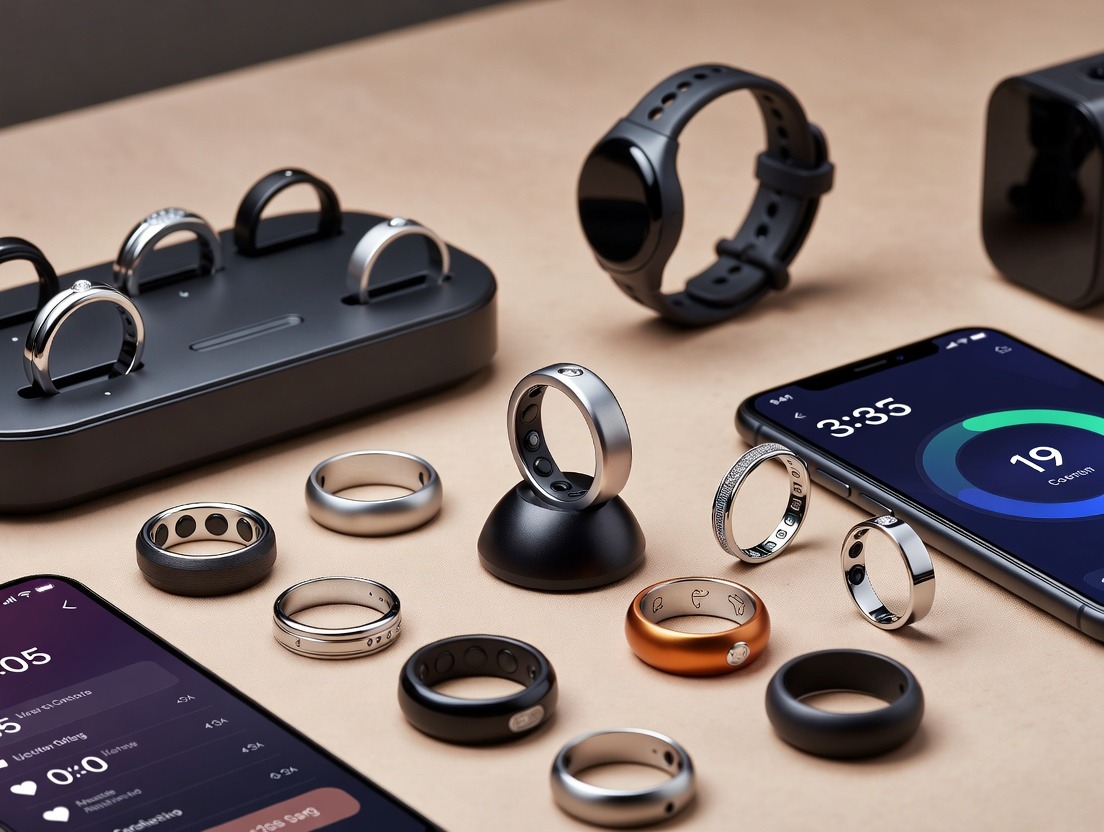
The ring helps guide a shift in mindset from sedentary to actively engaged in daily life.
The ring helps guide a shift in mindset from sedentary to actively engaged in daily life.
%402x.svg)
We live in an age of unprecedented data, yet many of us feel more disconnected from our own bodies than ever. We chase performance metrics, obsess over steps, and quantify our sleep, but something fundamental is missing. The numbers on a screen are inert; they lack context, wisdom, and a pathway to meaningful change. What we need is not more data, but a more intelligent relationship with our own biology—a shift from passive tracking to active living.
The Active Living Mindset isn't another self-help mantra. It’s a fundamental rewiring of how you engage with your health and daily life. It moves you from being a spectator of your own stats to becoming the conscious architect of your energy, resilience, and well-being. It’s about turning awareness into action, and intention into consistent, sustainable habit. But how do you navigate such a shift? How do you translate the cold, hard numbers of your physiology into warm, actionable insight?
Enter the modern wellness ring: a discreet, always-on companion that moves beyond simple tracking to become a true guide. This isn't about replacing intuition with technology; it's about augmenting your inner wisdom with outer data. A device like the Oxyzen smart ring acts as your continuous, objective feedback loop, closing the gap between how you feel and what’s actually happening inside your body. It provides the missing link in the wellness equation: personalized, contextual understanding.
In this comprehensive exploration, we will delve deep into the symbiotic relationship between a proactive mindset and the advanced technology worn on your finger. We’ll uncover how this seamless integration guides you through every stage of the transformation—from building foundational awareness to mastering the nuanced art of recovery and long-term resilience. This is the beginning of a journey toward a life lived not by default, but by intelligent design.
We’ve all been there. The initial thrill of a new fitness tracker, the diligent logging of meals, the nightly check of sleep scores. For a week or two, motivation soars. But then, life intervenes. The numbers plateau or dip. A poor night’s sleep shows a red "bad" rating, inducing guilt instead of insight. You’ve hit the Data Dilemma: an overload of information with a deficit of meaningful interpretation.
Traditional wearables often function like a car’s dashboard warning light that flashes "Check Engine" without telling you why. A low sleep score tells you what, but not why or what to do about it. This creates a cycle of frustration. You’re collecting dots—heart rate variability (HRV), resting heart rate (RHR), skin temperature, blood oxygen—but you have no way to connect them into a coherent picture of your well-being. This passive data consumption can lead to anxiety, obsessive checking, and ultimately, abandonment.
The problem lies in the lack of contextual intelligence. A high resting heart rate could mean you’re stressed, coming down with an illness, dehydrated, or simply had an intense workout 24 hours ago. Without correlating these data points and understanding your personal baselines, the number is meaningless noise. Furthermore, these devices often exist in a silo, disconnected from the other pillars of your life—your work stress, your social calendar, your menstrual cycle, your travel schedule.
This is where the paradigm must shift. True wellness technology must graduate from being a monitor to being an interpreter. It must learn your unique physiology, understand your personal rhythms, and provide insights that are tailored to you, not a generic population average. The goal is not to create a slave to data, but to empower an individual with self-knowledge. For a deeper look at the pros and cons of this technology, our analysis on whether sleep tracking is worth it explores this critical balance.
The first step out of the Data Dilemma is choosing a tool designed for interpretation, not just collection. A device that doesn’t just report the weather inside your body, but helps you understand the climate patterns over time. This sets the stage for the foundational shift: moving from passive observer to active participant in your health journey.
Awareness is the bedrock of all change. You cannot manage what you do not measure, but you also cannot improve what you do not understand. The first and most critical shift guided by a sophisticated wellness ring is the move from passive tracking—glancing at numbers—to Active Awareness. This is a state of mindful connection where data sparks curiosity rather than judgment.
Active Awareness begins with establishing your personal baseline. A tool like the Oxyzen ring operates 24/7, gathering data during sleep, activity, and rest to build a comprehensive picture of your normal. What’s your typical HRV? What’s your baseline resting heart rate? How does your skin temperature fluctuate nightly? This isn’t about achieving "perfect" scores; it’s about discovering your unique fingerprint of health. With this baseline established, the ring stops showing you isolated numbers and starts showing you deviations.
For example, instead of just seeing "Sleep Score: 72," you learn to see the story behind it. The Oxyzen app might highlight: "Your resting heart rate was 8 bpm higher than your baseline last night, and your deep sleep was reduced by 25%. This correlates with your elevated stress readings yesterday afternoon." Suddenly, a mediocre score becomes a valuable clue. It connects the dots between a stressful work meeting and your body’s prolonged recovery time.
This process cultivates a new kind of bodily literacy. You start to recognize how certain behaviors manifest physiologically:
This is Active Awareness in action. The ring acts as your continuous biofeedback coach, quietly reinforcing positive habits and highlighting the consequences of detrimental ones without shame. It transforms data from a report card into a conversation with your body. To build this literacy from the ground up, especially for sleep, our Sleep Tracking 101 guide is an essential resource.
This shift requires a change in user behavior as well. It’s moving from a daily "score check" to a weekly review of trends. It’s asking "why?" when you see a deviation. It’s the moment you pause before a habitual action and think, "I wonder how this will show up in my data tomorrow?" This mindful engagement is the seed from which the Active Living Mindset grows.
At the heart of the Active Awareness shift lies the mastery of your body’s most telling metrics. While steps and calories are external outputs, true insight comes from listening to your internal inputs. Three key signals—Heart Rate Variability (HRV), Recovery Status, and Daily Readiness—form the core language your wellness ring uses to communicate your body’s state. Learning this language is essential for intelligent action.
Heart Rate Variability (HRV): Your Nervous System's Messenger
HRV is arguably the most important single metric for gauging internal balance. Contrary to intuition, a healthy heart doesn’t beat like a metronome; the time between beats varies slightly. Higher HRV generally indicates a resilient, adaptable autonomic nervous system, where the "rest-and-digest" (parasympathetic) branch is dominant. Lower HRV suggests your body is under strain—be it from physical stress, emotional anxiety, illness, or poor recovery—and the "fight-or-flight" (sympathetic) system is in overdrive.
Your wellness ring tracks HRV, particularly during sleep, to establish your unique baseline. The daily number is less important than the trend. A gradual upward trend suggests you’re adapting well to your lifestyle. A sharp, sustained drop is your body’s white flag, a clear signal to prioritize rest, dial back intensity, and investigate potential stressors. It’s a direct line to your nervous system’s status.
Recovery Score: The Nightly Renovation Report
While you sleep, your body isn’t just resting; it’s undertaking critical repair work. Your recovery score is a composite metric that synthesizes data from your sleep—including the quality of different sleep stages, resting heart rate, HRV, and even movement. It answers the question: "How well did my body repair itself last night?"
This is where sleep stage tracking becomes crucial. Deep sleep, for instance, is the period of physical restoration and hormonal regulation. Not getting enough can sabotage recovery no matter how long you're in bed. Understanding your deep sleep patterns is key, and you can learn what your deep sleep numbers should look like to better interpret your recovery score. A high recovery score means your biological systems had a productive night of renovation. A low score indicates the renovation was incomplete, suggesting you might need a lighter day.
Daily Readiness: Your Personalized Prescription for the Day
This is the pinnacle of contextual intelligence. A true guide doesn’t just tell you how you slept; it suggests how you should approach the coming day. Your Daily Readiness score (or similarly named metric) takes your overnight recovery data and combines it with recent strain trends and other biomarkers to recommend an action plan.
A high readiness score might say: "Your body is primed for adaptation. It’s a great day for that intense workout or demanding project." A low readiness score, however, might advise: "Focus on restoration today. Prioritize light movement, hydration, and stress management. Consider rescheduling that high-intensity session." This transforms the ring from a historian into a strategist. It helps you align your actions with your capacity, preventing overtraining and burnout while optimizing performance when you’re truly ready.
By learning to decode these interconnected signals, you stop guessing about your state of being. You move from "I feel tired" to "My HRV is down 15% and my recovery score is low, so my tiredness is physiological; I need restorative activities today." This precise understanding is the fuel for intentional living. For athletes looking to harness this specifically, the concept of deep sleep optimization for recovery is a game-changer.
If Active Awareness is the mindset and daily readiness is the guide, then sleep is the non-negotiable foundation upon which everything is built. You cannot hack your way to an active, vibrant life with chronic sleep debt. The modern wellness ring has revolutionized our understanding of sleep by moving beyond simple duration to a nuanced analysis of sleep architecture—the cyclical journey through light, deep, and REM sleep stages.
Each stage serves a distinct, vital purpose. Deep sleep is the physical restorative phase, crucial for tissue repair, immune function, and growth hormone release. REM sleep is the mental restorative phase, essential for memory consolidation, learning, and emotional processing. Disrupting this architecture—even if you get "8 hours"—can leave you feeling unrefreshed and impair your cognitive and physical performance.
A sophisticated ring tracks these stages using a combination of photoplethysmography (PPG) for heart rate/pulse and accelerometry for movement. By analyzing heart rate patterns and movement, it can infer which sleep stage you’re in. While not medical-grade, it provides incredibly valuable trend data for personal optimization. To understand the technology behind this, you can explore how sleep trackers actually work.
The true power lies in correlation. Your ring helps you become a sleep scientist in your own life, running experiments to see what improves your sleep quality:
This isn’t about chasing a perfect 100 every night. It’s about understanding the levers you can pull to improve the foundation of your health. When your sleep is optimized, your HRV improves, your recovery is more efficient, and your daily readiness scores climb. This creates a virtuous cycle where good sleep fuels active days, and active days promote good sleep. For those struggling with the most restorative phase, we’ve compiled 7 proven strategies to get more deep sleep starting tonight.
The Sleep Revolution guided by your ring is about reclaiming this third of your life not as lost time, but as your most powerful performance-enhancing, health-building tool. It’s the silent, nightly work that makes the active, vibrant days possible.
In the Active Living Mindset, stress is not an enemy to be eliminated—that’s an impossible and counterproductive goal. Stress is a form of energy and a necessary stimulus for growth. The goal is not management, but mastery: the ability to navigate the stress cycle effectively, applying productive stress (eustress) when appropriate and completing the cycle to recover from detrimental stress (distress). Your wellness ring provides the objective metrics to do just that.
Your body doesn’t differentiate between a hard workout, a tight work deadline, or an emotional argument. It responds with the same physiological cascade: increased cortisol, elevated heart rate, and a shift in nervous system balance. The ring, through metrics like elevated resting heart rate, decreased HRV, and even changes in breathing rate, detects this internal state of "load" regardless of the source.
This objective feedback is revolutionary. How often have you said, "I'm fine," while your body is screaming the opposite? The ring bypasses cognitive denial and shows you the truth. It allows you to see stress accumulation. A difficult Monday might raise your resting heart rate slightly. If you don't engage in recovery practices, a similar stressor on Tuesday adds to it. By Wednesday, your HRV has plummeted, and you're primed for overwhelm or illness. The ring shows you this ramp before you crash.
Mastery, therefore, involves two ring-guided practices:
This transforms your relationship with pressure. Instead of a vague, looming feeling, stress becomes a quantifiable wave you learn to surf. You develop the discernment to know when to paddle into the wave (engage) and when to dive under it (recover). By viewing real user experiences and transformations, you can see how this data-driven approach to stress has changed lives, turning anxiety into agency.
The old adage "you are what you eat" meets the modern reality: "your data shows what you've eaten." Nutrition and hydration are deeply personal, yet we often follow generic, one-size-fits-all advice. The Active Living Mindset, guided by your wellness ring, applies a personalized, feedback-driven approach to fueling your body. It turns your physiology into a bioassay, providing clues about how your diet and hydration are truly serving you.
While a ring won’t tell you you’ve eaten a pizza, it will tell you how your body reacted to it. By correlating your dietary choices with next-morning biomarkers, you move from guesswork to cause-and-effect understanding.
The Nocturnal Digestive Report: One of the most powerful insights comes from your sleep data. A meal that is too heavy, too late, or incompatible with your system can significantly disrupt your sleep architecture. You might notice:
Hydration's Clear Signal: Dehydration has a profound and rapid effect on your cardiovascular system. Even mild dehydration increases heart rate (as your heart works harder to maintain blood pressure) and can decrease HRV. If you see an unexplained spike in your resting heart rate during the day or a poorer-than-expected recovery score, your first question should be: "Did I drink enough water today?" The ring makes the invisible visible.
Personalized Experimentation: This biofeedback enables you to become your own nutritionist. You can test how different foods, meal timings, and hydration levels affect your metrics. For instance:
This isn't about creating a restrictive food anxiety. It's about empowerment through knowledge. It helps you identify foods that truly fuel your energy and recovery, and notice those that detract from it. You might discover, for example, that incorporating certain foods that increase deep sleep naturally into your evening meal has a measurable positive impact on your restoration scores.
By using your ring’s biomarkers as a guide, you shift nutrition from a moralistic game of "good vs. bad" to a strategic, data-informed practice of "what works for my unique body." You learn to eat and drink in a way that supports your active life, as proven by your own physiology.
In the Active Living Mindset, movement is not punishment for what you ate, nor is it a compulsive daily calorie burn. It is a fundamental form of medicine—a dose that must be aligned with your body's current capacity to be therapeutic. This is where the guidance of your wellness ring becomes indispensable, helping you navigate the fine line between productive training and destructive overreaching.
The industrial-age fitness model prescribes fixed routines: "Run 3 miles on Tuesday, lift weights on Thursday." The intelligent, modern model is adaptive: "What is my body ready for today?" Your Daily Readiness score is the prescription pad.
Training in the Green Zone: When your readiness is high, your body is signaling its ability to handle and adapt to stress. This is the time to challenge your systems—to lift heavier, run faster, or try a new, intense activity. The positive stress of the workout will create a training response, leading to improved fitness and resilience. Your ring will likely show a predictable, healthy dip in HRV and a rise in resting heart rate post-workout, followed by a strong recovery as you rest.
The Art of the Recovery Day: More critically, the ring gives you permission and evidence for rest. A low readiness score is a clear instruction to choose movement as recovery medicine. This could mean a gentle walk, yoga, stretching, or light cycling. The goal is to promote blood flow and parasympathetic activation without adding significant strain. Ignoring this signal and pushing through with high-intensity exercise is akin to taking a double dose of a strong drug when you need a gentle remedy—it can set back your progress and increase injury risk.
Detecting Overtraining Before It’s Overtraining: One of the most valuable long-term functions is trend detection. Overtraining Syndrome (OTS) isn't just feeling tired one day; it's a cumulative state of maladaptation. Your ring is an early-warning system. Key signs include:
Seeing these trends allows you to intervene early—to deload, prioritize sleep, manage stress, and adjust nutrition—long before you experience major performance decline, injury, or illness. It teaches you to respect your body’s need for periodization, where phases of stress are intentionally balanced with phases of rest.
This intelligent approach to movement fosters a sustainable, lifelong relationship with activity. It removes guilt from rest days and adds purpose to training days. Movement becomes a dynamic dialogue with your body, guided by the objective data on your finger, ensuring that your medicine is always the right dose. For those curious about the deeper technology enabling this, our explanation of sleep tracking accuracy and limitations provides important context for interpreting all your ring's data.
The ultimate goal of the Active Living Mindset is not a peak performance week or a perfect month of sleep scores. It is sustainable resilience—the capacity to navigate life's inevitable stresses, recover from them, and emerge stronger without depleting your core reserves. This is the antidote to burnout. Your wellness ring is the perfect tool for playing this long game, shifting your focus from daily wins to the empowering trajectory of your healthspan.
Resilience is built in the aggregate, in the consistent, small choices that compound over time. The ring provides the long-view dashboard that makes this compounding visible. Instead of fretting over a single bad night's sleep, you learn to watch the weekly and monthly trends. Is your average HRV gently sloping upward over the last quarter? That’s a powerful indicator of improving nervous system resilience, likely due to your sustained habits. Is your deep sleep percentage holding steady or improving as you age? This is a major win for long-term cognitive and physical health, something you can learn more about in our guide on age and deep sleep.
Predictive Health, Not Just Reactive Tracking: This longitudinal data begins to have predictive power. You start to recognize your personal patterns that precede illness, allowing you to proactively rest. You understand how travel across time zones affects your physiology for days. You see how different phases of your life—a demanding project, a training block, a period of personal growth—manifest in your biomarkers. This turns you from a passenger into the pilot of your well-being.
Preventing Burnout Through Objective Boundaries: Burnout is the chronic depletion of your body's adaptive energy. It doesn't happen overnight; it's a slow leak. The ring plugs that leak by providing objective boundaries. When your data shows a sustained period of low recovery and high strain, it's a non-negotiable signal to recalibrate. You can use this data to have informed conversations with yourself, your coach, or even your employer: "My physiological metrics show I'm in a prolonged state of high stress and need to adjust my workload to recover." This moves the conversation from subjective feelings ("I'm overwhelmed") to objective, shared facts.
The Mindset of the Custodian: Ultimately, playing the long game cultivates the mindset of a custodian, not a consumer, of your health. You're not exploiting your body for short-term gains; you're stewarding a complex, precious system for a vibrant lifetime. The quiet, constant presence of your ring serves as a reminder of this stewardship. It helps you make decisions not just for today's energy, but for tomorrow's resilience and next decade's vitality.
This journey is deeply personal, and understanding the brand philosophy behind tools designed for this purpose can be inspiring. You can discover the mission and vision that drives the creation of technology aimed at fostering this very resilience. By aligning your daily actions with the long-term trends on your dashboard, you build a life of sustained energy and purpose, guided every step of the way by the intelligent feedback on your finger.
The pinnacle of the Active Living Mindset is achieving harmony with your body’s most fundamental rhythm: your circadian clock. This isn't just about sleep hygiene; it’s about organizing your entire day—your meals, your work focus, your exercise, and your downtime—in alignment with your internal biological oscillations. This is the concept of circadian syncing, and a wellness ring is your personal conductor for this daily symphony of hormones, body temperature, and metabolism.
Your circadian rhythm is a roughly 24-hour cycle governed by a master clock in your brain's hypothalamus, synchronized primarily by light. But virtually every organ and cell has its own peripheral clock. When your external behaviors (like eating late, exposing yourself to blue light at night, or exercising at erratic times) clash with these internal clocks, you create circadian misalignment. This state is linked to poor sleep, metabolic disorders, impaired cognition, and reduced immune function.
Your ring tracks the two most powerful, measurable outputs of your circadian rhythm: core body temperature variation and heart rate rhythm. Throughout the day, your body temperature naturally fluctuates—it's lower during sleep, begins to rise before you wake, peaks in the late afternoon, and falls again in the evening to initiate sleep. Similarly, your resting heart rate follows a predictable diurnal pattern. Disruptions to these smooth curves are clear indicators of misalignment.
By analyzing your daily temperature and heart rate trends, your ring helps you identify your personal chronotype tendencies—not just "night owl" or "morning lark," but your unique pattern of energy peaks and troughs. More importantly, it provides feedback on whether your lifestyle supports or fights this rhythm.
Practical Circadian Syncing with Your Ring:
This deep alignment elevates well-being from a series of isolated habits to an integrated, rhythmic flow. You’re not just sleeping better; you’re living in time with your biology. This reduces systemic stress, improves metabolic efficiency, and creates a profound sense of vitality. It’s the difference between fighting your own tide and sailing with it. To understand one of the most critical phases of this rhythm, delve into the deep sleep vs. REM sleep difference and why both are essential for completing the circadian cycle.
Wellness is often portrayed as a solitary pursuit, but humans are inherently social beings. Our connections profoundly impact our stress levels, happiness, and even our physiological state. The Active Living Mindset extends beyond the self to encompass social wellness, and modern wellness technology is beginning to facilitate this in positive, collaborative ways. Your ring’s data can become a language for connection, not just self-reflection.
From Comparison to Collaboration: The old model of social fitness apps was leaderboards and step competitions, which often fostered unhealthy comparison. The new model, enabled by rich physiological data, is about shared understanding and support. Imagine being able to share not just that you “slept poorly,” but with context: “My readiness score is low today because my deep sleep was low—probably from that late-night work session. I’m going to focus on recovery.” This invites empathy and practical support rather than vague sympathy.
Accountability Partnerships Reimagined: An accountability partner can now be informed by data. You and a friend could agree to a “recovery week” challenge, where the goal isn’t to burn the most calories, but to achieve the highest average recovery score by prioritizing sleep and stress management. You’re cheering for each other’s nervous systems to find balance. This flips the script from external performance to internal restoration.
Family and Household Wellness: This is perhaps the most powerful application. A family can use shared insights to create a healthier home environment. Parents can observe how their teenagers’ sleep schedules affect their readiness for school. Partners can see how their mutual stress levels are interconnected and commit to wind-down routines together. It provides neutral, objective ground for conversations about household habits, like adjusting thermostat settings for better sleep or establishing device-free times in the evening.
Understanding Social Stress and Recovery: Your ring’s data also helps you navigate your social battery. A highly extroverted person might see their HRV rise after a social gathering, indicating it was energizing and positively stimulating. An introvert might see a temporary dip, indicating it was draining, followed by a strong recovery after quiet alone time. This isn’t about labeling experiences as good or bad, but about understanding their cost and benefit to your personal system, allowing you to plan your social calendar with intentionality and ensure adequate recovery.
By integrating social connection into the data-driven wellness journey, the Active Living Mindset becomes more sustainable and joyful. It moves you from a siloed pursuit of optimal numbers into a shared journey of well-being, where your tool helps you communicate your needs and support the people you care about. Seeing how others have integrated this technology into their lives can be incredibly motivating; you can find such inspiration in our collection of real customer stories and testimonials.

The line between physical and mental well-being is an artificial one. Every thought has a biochemistry, and every physiological state influences your thinking. The final frontier guided by your wellness ring is the conscious cultivation of this mind-body feedback loop. It enables a form of practical biohacking where you use tangible actions to directly influence intangible states like focus, calm, and emotional balance.
From Meditation Metrics to Consistent Practice: Many people struggle with meditation because the benefits feel abstract. What if you could see the direct, immediate impact of 10 minutes of mindfulness on your nervous system? Your ring can show you this. A successful meditation session should produce a noticeable, real-time drop in heart rate and an increase in HRV coherence (a smoother, more rhythmic pattern). Seeing this physiological shift provides powerful positive reinforcement, transforming meditation from a vague “should-do” into a concrete, rewarding tool you can reach for when your stress metrics spike.
Breathing as a Direct Dial: Conscious breathing is one of the most rapid ways to influence your autonomic nervous system. Your ring turns this into an interactive biofeedback game. Using a guided breathing exercise where you sync your breath to a visual pacer, you can watch your heart rate line on the screen synchronize and smooth out in real-time. This teaches you, physiologically, what calm feels like in your body, empowering you to access that state on demand, even without the ring.
Cognitive Load and Physical Strain: Mental work is real work. Your ring helps you quantify the physiological cost of deep cognitive labor. You might notice that after three hours of intense, focused work, your heart rate is elevated and your heart rate variability is suppressed, similar to the pattern after a moderate physical workout. This data legitimizes the need for a mental recovery break. It’s evidence that you should step away, take a walk, or do a breathing exercise to “cool down” your nervous system just as you would after a gym session.
Emotional Forecasting: Over time, you may start to notice patterns that precede emotional dips. For some, a string of nights with reduced REM sleep (the stage tied to emotional processing) might correlate with feeling more emotionally reactive or low. For others, a period of low HRV might make them more susceptible to anxiety. This isn’t about blaming biology for emotions, but about using the data as an early warning system. Seeing a dip in your trends can prompt you to be extra gentle with yourself, prioritize supportive habits, and perhaps understand that your mood has a physiological component that will pass as your body recovers.
This closed-loop system—where you act, measure the internal result, and refine your actions—is the essence of empowered self-mastery. Your ring becomes a mirror for your mental state, providing the objective feedback needed to train your mind with the same precision an athlete trains their body. It demystifies mental well-being and makes it accessible, actionable, and tangible. For those looking to strengthen the cognitive benefits of this work, the connection between deep sleep and memory consolidation is a critical piece of the puzzle.
Life is not static. It is a series of transitions—some chosen, some imposed. The Active Living Mindset, supported by your wellness data, provides an anchor of self-knowledge through these periods of change. Whether it’s starting a new job, becoming a parent, managing menopause, recovering from an injury, or simply aging, your ring offers an objective baseline and a way to navigate the unfamiliar terrain with grace and intelligence.
The Career Change or Intense Project: Starting a demanding new role or entering a “crunch time” on a project is a known stressor. With your ring, you can monitor how this stress manifests. Does it disrupt your sleep latency? Does it keep your resting heart rate elevated all week? This data allows you to implement countermeasures proactively—doubling down on sleep hygiene, scheduling recovery activities, and communicating boundaries—before you reach a breaking point. It turns a blind sprint into a managed marathon.
Parenthood and Sleep Fragmentation: For new parents, the concept of “good sleep” is redefined. A ring that tracks sleep stages is invaluable here. It helps you understand the quality of the sleep you are getting, not just the duration. You might learn that when you get a 4-hour consolidated block, you still get decent deep sleep, which is more restorative than 8 hours of fragmented dozing. This can reduce anxiety about sleep deprivation and help you and your partner strategize more effectively to protect each other’s core sleep cycles.
Hormonal Transitions (e.g., Perimenopause): For women, hormonal shifts can dramatically affect sleep (through night sweats), resting heart rate, and body temperature regulation. A wellness ring becomes an essential tool for separating the signal from the noise. It can track the gradual changes in basal skin temperature, correlate sleep disturbances with specific cycle phases, and provide evidence to have more informed conversations with healthcare providers. It empowers you to adapt your routines—like adjusting bedroom temperature or workout intensity—based on your body’s changing needs.
Aging with Agency: As we age, physiological changes are inevitable. Sleep architecture shifts, with deep sleep naturally declining. Recovery might take longer. The ring shifts its role from a performance optimizer to a healthspan guardian. It helps you focus on the metrics that matter most for longevity: maintaining HRV resilience, protecting sleep quality, and managing stress. It provides the feedback to adapt your activities so you stay active and vital within your evolving capacity, celebrating maintenance of function as a victory.
Through all of life’s chapters, your continuous data stream creates a longitudinal health journal. It reminds you of your resilience during past challenges and provides a stable, factual companion as you navigate the new and unknown. It reinforces that the Active Living Mindset is not a destination for a perfect life, but a flexible, informed way of moving through all of life. For answers to common questions on using technology through these transitions, our comprehensive FAQ section is a valuable resource.
The true power of your wellness ring is not confined to its app. The final step in mastery is ecosystem integration—seamlessly weaving the insights it provides into the other tools and environments that make up your daily life. This creates a holistic, automated support system that reinforces the Active Living Mindset with minimal conscious effort.
Smart Home Synergy: Imagine your bedroom environment automatically responding to your physiological state. With compatible systems, data from your ring could trigger your smart thermostat to lower the temperature as your body begins its nocturnal cool-down, signaling it’s time for bed. Your smart lights could gradually dim in the evening based on your circadian rhythm data, and wake you with a simulated sunrise that aligns with your optimal wake-up time within your sleep cycle. This removes friction from perfect sleep hygiene.
Fitness Platform Unification: Your ring’s readiness score should inform your workout regimen. Integration with fitness apps can allow your daily readiness to automatically suggest or modify your planned workout. A “Low” score could change a scheduled high-intensity interval training (HIIT) session to a yoga or mobility flow within your app. This creates a truly adaptive training plan that respects your body’s daily needs.
Calendar and Productivity Guardrails: This is a frontier of proactive wellness. Future integrations could allow your ring’s data to provide gentle suggestions for your schedule. If it detects a period of high stress or poor recovery, it could block “focus time” on your calendar for a recovery break or suggest you avoid scheduling back-to-back intense meetings. It turns your physiology into a stakeholder in your time management, protecting you from yourself.
The Unified Health Dashboard: The ultimate integration is with other health data. While not a medical device, the trends from your ring—sleep, HRV, RHR—are incredibly valuable contextual information for healthcare professionals. In a world moving towards personalized medicine, having a year’s worth of your physiological trends can provide insights far beyond a snapshot from an annual physical. You become a partner in your health, equipped with data that tells the story between doctor’s visits.
By building this integrated ecosystem, the guidance of your ring becomes ambient and effortless. The Active Living Mindset becomes the operating system of your life, supported by an environment that aligns with your goals. You spend less time analyzing data and more time living well, supported by intelligent systems working in the background. To explore the full potential of the technology at the heart of this system, you can learn more about Oxyzen and its vision for this integrated future.
Embracing a data-driven approach to wellness brings with it a crucial responsibility: establishing a healthy, ethical relationship with your own information. The Active Living Mindset must include a Digital Wellness Ethic. This means being an informed consumer, understanding how your sensitive physiological data is used and protected, and ensuring your pursuit of optimization doesn’t veer into obsession or anxiety.
Owning Your Data: The first question for any wellness technology user should be: Who owns this data? A trustworthy provider will be transparent. Your health data should be just that—yours. You should have the ability to access it, download it, understand how it’s processed, and control who it’s shared with. Before choosing a device, investigate the company’s privacy policy. Do they sell aggregated, anonymized data for research? That can be a positive, contributing to broader health insights. Do they sell personalized data to third-party advertisers? That is a significant red flag. A company built on trust, like Oxyzen, is clear about its principles and mission, placing user well-being and data sovereignty at its core.
The Paradox of Optimization: There is a danger in the quest for perfect scores. A 95 sleep score is not inherently “better” than an 85 if you feel rested and energetic. The ring is a guide, not a judge. The mindset must guard against orthosomnia—a clinical term emerging for the unhealthy preoccupation with perfect sleep data. If checking your app induces stress, or if you’re going to bed anxious about “scoring” your sleep, the tool is working against you. The data should serve your life, not the other way around.
Mindful Checking Rituals: Establish boundaries with your device. Instead of compulsive checking, create mindful rituals. Perhaps you review your readiness score once in the morning to plan your day, and your sleep data once a week on a Sunday evening to reflect on trends. This prevents the data stream from becoming a source of continuous partial attention and neuroticism.
The “Off” Button is a Feature: Remember that the most advanced biohack is sometimes disconnection. There will be days, or even vacations, where you choose not to wear the ring. This should feel empowering, not anxiety-inducing. It’s a testament to the mindset you’ve built—that you can now listen to your body’s signals directly, trusting the intuition you’ve honed with the ring’s help. The goal is to internalize the guide.
Navigating this ethical landscape is the final, mature stage of the journey. It ensures that your path to active living remains balanced, joyful, and truly your own. It’s about using technology with intention, not being used by it. For ongoing support and to connect with a community navigating these same questions, our blog is a continual source of balanced perspectives and expert advice.

The journey of a thousand miles begins with a single step, and the shift to an Active Living Mindset begins with your first month of intentional partnership with your wellness ring. This initial period is not about dramatic overhauls or achieving perfect scores. It’s about curious observation, baseline establishment, and small, sustainable wins. Here is your roadmap for the first 30 days.
Days 1-7: The Observation Phase
Days 8-14: The Connection Phase
Days 15-30: The Experimentation Phase
By the end of 30 days, you will have moved from a passive wearer to an engaged learner. You will have started the most important conversation you’ll ever have: the one with your own body. You’ll have begun to see the story your physiology is telling, and you’ll be equipped with the first tools to author a better one.
This is the inception of your Active Living Mindset. The guide is on your finger. The journey is yours to design. For those ready to take this first step and equip themselves with the tool for transformation, the path begins at the Oxyzen storefront, where technology meets intention.
With a solid month of foundational awareness under your belt, you’ve moved beyond the basics. You understand your rhythms, recognize your body’s signals, and have begun the dialogue. Now, we enter the Optimization Phase. This is not about relentless pursuit of perfection, but about the artful, precise fine-tuning of your lifestyle levers to achieve a state of sustained peak vitality—where you have abundant energy, emotional balance, and resilient health to pour into the life you want to live.
Optimization is a dance between applying stress (the stimulus for growth) and providing profound recovery (the space for adaptation). Your wellness ring is the metronome keeping this dance in rhythm, ensuring you don’t over-rotate into either overtraining or stagnation.
Advanced HRV Interpretation: The Trend is the Truth
By now, you know that HRV is your North Star for nervous system balance. In the optimization phase, you learn to read its more subtle languages:
Sleep Stage Engineering: You’re no longer just tracking sleep; you’re architecting it. With your deep and REM sleep baselines established, you can experiment with advanced strategies to enhance these critical phases.
Nutrient Timing and Performance: With your personal food-response data gathered, optimization involves strategic timing. You might discover, through your recovery scores, that a protein-rich meal 2-3 hours before bed supports overnight muscle repair without disrupting sleep, while a carbohydrate-focused lunch provides sustained energy for afternoon cognitive tasks without a crash. The ring turns your body into a lab, allowing you to experiment safely and effectively to fuel your specific goals.
This phase is deeply personal and iterative. It’s a continuous cycle of hypothesize (e.g., “If I meditate before bed, my sleep latency will improve”), test (do it for a week), measure (check the data), and adapt. The joy is in the discovery, in becoming the expert of your own extraordinary biology.
In any growth journey, plateaus are inevitable. In fitness, it’s when strength gains stall. In wellness, it’s when your readiness scores hover in a middling range, sleep scores won’t budge past 80, and your HRV seems stuck on a plateau. The conventional response is frustration and a desperate scramble to do more—more intense workouts, stricter diets, more biohacks. The Active Living Mindset, guided by data, offers a wiser path: see the plateau as data, not failure.
A plateau is your body’s signal that it has adapted to your current routine. The stressors you’re applying are no longer novel enough to provoke a positive adaptive response. Your ring’s data makes this stagnation objective, removing the emotional sting. It’s not that you’re failing; your protocol has simply reached its expiry date.
Strategically Breaking Through:
The plateau, therefore, becomes a teacher. It teaches periodization, patience, and the holistic nature of progress. By responding to data-led plateaus with intelligent variation rather than frantic effort, you build sustainable, long-term progress that avoids burnout. For more on recognizing when your body is signaling for more recovery, the signs of deep sleep deprivation often correlate with broader physiological plateaus.
The journey toward an Active Living Mindset, while deeply personal, need not be solitary. In fact, one of the most powerful accelerants for growth and sustainability is connection. Your personal data becomes even more valuable when integrated into a framework of shared knowledge, whether through a like-minded community or professional guidance.
The Data-Informed Community:
Imagine a community—online or in-person—where conversations move beyond generic advice. Instead of “I’m tired,” someone shares, “My HRV has been trending down for a week, and my deep sleep is down 20%, even though I’m in bed for 8 hours. Any ideas?” The responses are nuanced: “That happened to me when I was over-caffeinating. Have you tracked your caffeine timing?” or “Check your nighttime skin temperature; I found my room was too warm.” This is collective biohacking, where shared data patterns lead to faster, more personalized insights for everyone. Your ring’s data provides the common language for these rich exchanges. Seeing how others have applied their insights can spark ideas you hadn’t considered.
The Coach-Athlete Relationship, Redefined:
For those working with a trainer, health coach, or functional medicine practitioner, continuous physiological data is transformative. It turns episodic check-ins into continuous collaboration.
This external perspective helps overcome blind spots. We can all be guilty of ignoring our own data when it conflicts with our desires (pushing through a workout when our readiness is low). A coach or an accountable community helps us honor the signals our ring is providing, reinforcing the mindset shift from “What do I want to do?” to “What does my body need to thrive?”

One of the ultimate litmus tests for the Active Living Mindset is travel. Jet lag, time zone changes, unfamiliar environments, disrupted routines, and rich foods pose a massive stressor to your circadian rhythm and overall physiology. This is where your wellness ring transitions from a nice-to-have guide to an essential travel companion. It helps you navigate the chaos with strategy, minimize the damage, and recover faster.
Pre-Travel Preparation (The Proactive Phase):
In-Transit and On-Site Strategy (The Navigational Phase):
Post-Travel Recovery (The Re-synchronization Phase):
This is where the data is most valuable. Upon returning home, you can objectively measure your recovery from the trip.
Passing the “Travel Test” proves the resilience of your mindset. It shows that the principles are internalized, portable, and robust enough to handle real-world chaos. You learn that active living isn’t about maintaining a perfect routine in a bubble, but about navigating imperfection with intelligence and grace.
The true purpose of the Active Living Mindset is not to achieve a temporary state of peak performance, but to extend your healthspan—the number of years you live in good health, free from chronic disease and disability. Your wellness ring is uniquely positioned to be your long-term healthspan guardian, shifting its role from a performance coach to a resilience monitor as you navigate the natural process of aging.
Redefining Goals: From Peak to Maintenance
In your 20s and 30s, the focus might be on optimizing for performance—higher HRV, faster recovery, more deep sleep. As you move into your 40s, 50s, and beyond, the victory often lies in maintenance. The goal is to preserve function, flexibility, and cognitive sharpness. Your ring helps you celebrate these victories:
Adapting Your Routines with Data: Aging brings physiological changes: muscle mass declines, metabolism slows, sleep architecture shifts, and recovery takes longer. Your ring provides the objective feedback needed to adapt gracefully.
Early Detection of Deviations: Perhaps the most powerful long-term application is the detection of subtle, negative trends that could indicate emerging issues. A gradual, sustained increase in resting heart rate or a slow, persistent decline in HRV over months could be an early signal worth discussing with a doctor, long before symptoms appear. Your ring creates a rich, longitudinal health record that makes you an active participant in preventive care.
This long-term perspective is the ultimate expression of the mindset. It’s a commitment to stewarding your health with curiosity and care across your entire lifespan, using data not to fight aging, but to age with vitality, awareness, and agency.
Even with the best tools and intentions, life can deliver periods of overwhelming stress—a family crisis, a demanding work deadline, a personal loss. During these times, the very idea of “optimizing” can feel absurd and even insulting. This is the final, and perhaps most human, test of the Active Living Mindset. Does it collapse under pressure, or does it transform into a compassionate support system?
In overwhelming times, the goal shifts from “thriving” to “protective maintenance.” Your ring’s role changes from a guide for enhancement to a gentle, non-judgmental guardian helping you prevent complete depletion.
Lowering the Bar, Not Abandoning It: The mindset here is about finding the minimum effective dose of self-care to stay afloat.
Using Data for Self-Compassion: This is critical. When you see your HRV plummet and your stress metrics skyrocket during a crisis, the data should be used for validation, not condemnation. It’s objective proof that you are under immense strain. It’s permission to be kind to yourself, to lower expectations, and to ask for help. It’s a reminder that this is a physiological state, not a personal failing.
The Recovery Roadmap: When the storm passes, your ring provides the clear roadmap out. You can see just how depleted you are. The data guides a gradual, phased recovery—perhaps a full week of prioritized sleep and gentle movement before even considering a return to normal training intensity. It prevents you from jumping back in too soon and re-injuring your already stressed system.
Navigating the Integration Challenge proves that the Active Living Mindset is resilient and humane. It’s not a fair-weather philosophy. It’s a flexible framework that, at its core, is about using awareness to meet yourself where you are—whether you’re on a peak, a plateau, or in a valley—and taking the next, best, sustainable step forward. For support and answers during challenging times of use, our FAQ page is always available.
Your Trusted Sleep Advocate (Sleep Foundation — https://www.sleepfoundation.org/)
Discover a digital archive of scholarly articles (NIH — https://www.ncbi.nlm.nih.gov/
39 million citations for biomedical literature (PubMed — https://pubmed.ncbi.nlm.nih.gov/)
experts at Harvard Health Publishing covering a variety of health topics — https://www.health.harvard.edu/blog/)
Every life deserves world class care (Cleveland Clinic -
https://my.clevelandclinic.org/health)
Wearable technology and the future of predictive health monitoring. (MIT Technology Review — https://www.technologyreview.com/)
Dedicated to the well-being of all people and guided by science (World Health Organization — https://www.who.int/news-room/)
Psychological science and knowledge to benefit society and improve lives. (APA — https://www.apa.org/monitor/)
Cutting-edge insights on human longevity and peak performance
(Lifespan Research — https://www.lifespan.io/)
Global authority on exercise physiology, sports performance, and human recovery
(American College of Sports Medicine — https://www.acsm.org/)
Neuroscience-driven guidance for better focus, sleep, and mental clarity
(Stanford Human Performance Lab — https://humanperformance.stanford.edu/)
Evidence-based psychology and mind–body wellness resources
(Mayo Clinic — https://www.mayoclinic.org/healthy-lifestyle/)
Data-backed research on emotional wellbeing, stress biology, and resilience
(American Institute of Stress — https://www.stress.org/)


