


Smart Ring Features Explained: Blood Oxygen Monitoring
Explains the feature that measures blood oxygen saturation levels, especially during sleep.
Explains the feature that measures blood oxygen saturation levels, especially during sleep.
%402x.svg)
In the quiet pulse of a wellness revolution, a new generation of technology is moving from our wrists to our fingers. Smart rings, sleek and unassuming, are becoming the discreet guardians of our most vital health data, operating silently in the background of our daily lives. Among their most sophisticated and potentially life-altering capabilities is blood oxygen monitoring. Once confined to clinical settings with clunky fingertip sensors, the ability to track this critical biomarker continuously is now woven into the very jewelry we wear.
This isn't just another metric to glance at and forget. Your blood oxygen saturation (SpO₂) is a fundamental signpost of your body’s internal wellness, a real-time report on how effectively your heart and lungs are fueling your every cell. For the modern individual seeking a proactive, data-informed approach to health—be it an athlete optimizing recovery, a professional managing stress-induced fatigue, or someone simply pursuing a more restful living approach for longevity—understanding this feature is paramount.
This deep dive will unravel the science, technology, and profound everyday applications of blood oxygen monitoring in smart rings. We’ll move beyond the spec sheet to explore what the numbers truly mean, how this tiny device on your finger achieves a medical-grade feat, and how you can leverage this continuous stream of data to unlock deeper sleep, enhance performance, and cultivate a profound awareness of your body’s whispers before they become cries for help.
Before we can appreciate the technology in a ring, we must first understand the vital sign it’s measuring. Blood oxygen saturation, commonly displayed as SpO₂, is a percentage that indicates how much of the hemoglobin in your red blood cells is carrying oxygen. Hemoglobin is the protein molecule that acts as a transport shuttle, picking up oxygen from the lungs and delivering it to every tissue, organ, and cell in your body.
Think of your bloodstream as a complex highway system. The hemoglobin are the delivery trucks, and oxygen is their essential cargo. An SpO₂ reading tells you what percentage of those trucks are fully loaded on their outbound journey from the lungs. A healthy, resting individual typically maintains an SpO₂ between 95% and 100%. Levels consistently at or below 92-93% may signal hypoxemia—a state of low oxygen in the blood—which requires medical attention, as it forces your heart and lungs to work harder and can starve tissues of the energy they need to function.
Why is this so crucial for daily wellness? Because oxygen is the currency of cellular metabolism. It’s the final electron acceptor in the process that converts the food you eat into usable energy (ATP). Without adequate oxygen, everything from your brain’s cognitive function and your muscles’ endurance to your immune system’s efficacy can be compromised. It’s the foundational layer of your physiological well-being.
For decades, this data point was episodic—something your doctor checked during a physical, or that you encountered during a high-altitude hike or a hospital stay. The innovation of smart rings is their capacity to transform this snapshot into a cinematic story. They track trends throughout your 24-hour cycle: during intense workouts, in the depth of your sleep, while you’re focused on a demanding task at work, and as you relax in the evening. This continuous narrative reveals how your lifestyle, environment, and habits directly impact this core aspect of your health, empowering you to make informed adjustments for a more balanced life.
The magic of measuring blood oxygen through a ring seems like science fiction, but it’s grounded in a well-established medical principle called photoplethysmography (PPG). This intimidating word simply describes a method of using light to measure blood volume changes in microvascular tissue—in this case, the capillaries in your finger.
Here’s how it works inside your smart ring:
This process happens hundreds of times per second, often in conjunction with heart rate and heart rate variability (HRV) monitoring, painting a rich, multi-parameter picture of your autonomic nervous system. The engineering challenge is monumental: packing clinical-grade sensors into a waterproof, comfortable, and aesthetically pleasing device that consumes minimal battery power. Modern smart rings achieve this through miniaturized components, sophisticated motion artifact cancellation algorithms (to filter out noise from hand movements), and low-power Bluetooth transmission to your smartphone for detailed analysis.
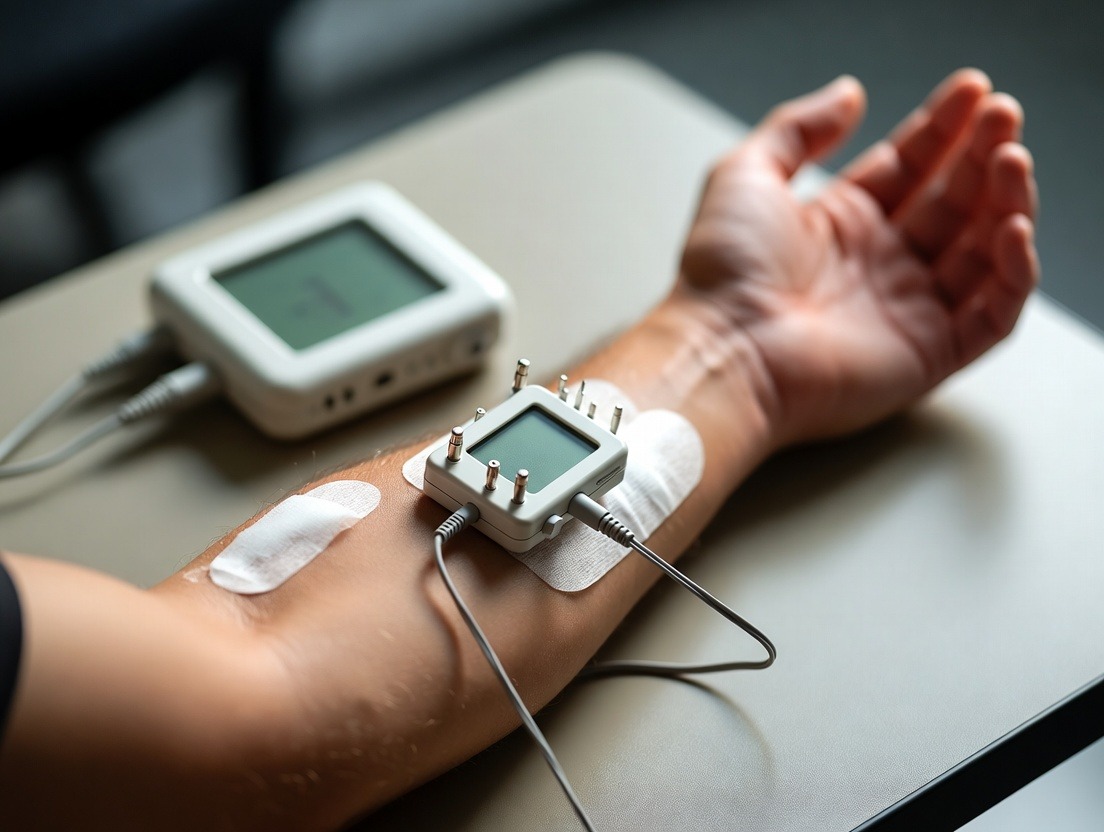
When you open your companion app after a night’s sleep or a week of wear, you’ll be presented with more than a single SpO₂ percentage. Smart rings decode the continuous data stream into actionable metrics that tell a story. Understanding these terms is key to moving from data collection to insight.
Average Nighttime SpO₂: This is your baseline. A stable average between 95-100% is a strong indicator of healthy respiratory function during rest, a core component of restful living for high-achievers who need quality recovery. It’s the foundation against which other variations are measured.
SpO₂ Dips & Drops: Not all dips are created equal. The app will typically categorize the frequency and severity of declines below your baseline.
Lowest Recorded SpO₂: This shows the trough of your oxygen levels during the tracking period. An isolated low point may not be concerning, but if it’s consistently very low (e.g., below 90%), it warrants closer attention and possibly a discussion with a healthcare provider.
The Critical Context of Time: The most important analysis is trend-based. Is your average SpO₂ gradually drifting lower over weeks? Are you experiencing more frequent dips during periods of high stress or poor sleep? This longitudinal view is impossible with spot checks but invaluable with a smart ring. It can reveal correlations with other tracked metrics like sleep quality, resting heart rate, and activity levels, helping you identify personal triggers. For instance, you might discover that a late, heavy meal or an overly warm room correlates with more pronounced oxygen dips, guiding you toward adjustments that support a restful living diet and environment.
One of the most powerful applications of ring-based SpO₂ monitoring is in unraveling the mysteries of sleep. While you’re unconscious, your body’s respiratory control systems are hard at work, and disturbances often manifest in your oxygen levels. This data transforms your ring into a sophisticated sleep lab on your finger.
Identifying Sleep Apnea Clues: While a smart ring is not a diagnostic medical device for sleep apnea, it is an exceptional screening tool. Obstructive Sleep Apnea (OSA) occurs when the airway collapses or becomes blocked during sleep, causing breathing to repeatedly stop and start. Each pause in breathing (apnea) or reduction in airflow (hypopnea) can lead to a corresponding drop in blood oxygen. A ring tracking frequent, significant SpO₂ dips—often following a cyclical “sawtooth” pattern—can provide strong evidence to take to a sleep specialist for a formal evaluation. Early identification is crucial, as untreated sleep apnea is linked to hypertension, heart disease, and daytime fatigue.
Understanding Sleep Architecture & Quality: Even without clinically significant apnea, oxygen variations can affect sleep quality. Frequent, smaller disturbances can cause micro-arousals—brief awakenings you likely don’t remember—that fragment your sleep architecture, pulling you out of deep, restorative sleep stages. By correlating SpO₂ dips with sleep phase data (often derived from heart rate and movement), you can see how oxygen stability contributes to a truly restful night. This insight is a cornerstone of building a structured weekly plan for sustainable rest.
Personalized Sleep Hygiene: Your SpO₂ data can guide very practical improvements. You might find your oxygen levels are lower when sleeping on your back versus your side. You may see a connection between evening alcohol consumption (a respiratory depressant) and increased SpO₂ variability. This empowers you to experiment with positional therapy, adjust bedtime routines, and optimize your bedroom environment for air quality and humidity, all in pursuit of stable, oxygen-rich sleep.
The utility of blood oxygen monitoring doesn’t end when you wake up. Your daytime SpO₂ levels act as a live fuel gauge for your brain and body, offering real-time feedback on how well you’re supporting your physiological needs.
The Brain-Oxygen Connection: Your brain consumes about 20% of the body’s oxygen despite being only 2% of its weight. Even subtle, non-pathological dips in SpO₂ can impact cognitive functions like concentration, memory, and decision-making. If you notice your focus flagging in a stuffy afternoon meeting, a quick check of your trend line might reveal a corresponding dip in oxygen saturation, pointing to poor ventilation or the need for a movement break to stimulate circulation.
Tracking Stress & Recovery: Acute stress triggers a sympathetic nervous system response that can alter breathing patterns (leading to shallower breaths) and affect circulation. Monitoring your SpO₂ during known high-stress periods can provide a physiological validation of your state. Conversely, observing how quickly your SpO₂ stabilizes and rises after a stressor, especially when paired with breathwork, can be a powerful measure of your recovery capacity and resilience. This is where the synergy with practices like conscious breathwork for daily calm becomes incredibly tangible—you can see the direct, measurable impact of your calming techniques.
Activity & Altitude Insights: During intense exercise, it’s normal for SpO₂ to drop slightly due to increased oxygen extraction by working muscles. However, how quickly it rebounds post-exercise is a key indicator of your cardiovascular fitness and recovery efficiency. For hikers, skiers, or travelers, a ring is an invaluable tool for monitoring acclimatization to altitude, where ambient oxygen is lower. It provides a personal, continuous readout to help pace yourself and recognize early signs of altitude sickness, ensuring you maintain calm and safety while on the go.
Beyond sleep and performance, continuous SpO₂ monitoring serves as a sensitive barometer for your overall respiratory wellness. It provides a baseline of your personal normal, making it easier to detect deviations that may signal the onset of illness or the impact of environmental factors.
Early Illness Indicators: Viral respiratory infections, like colds, flu, or bronchitis, can inflame airways and affect lung function long before you feel severely ill. A smart ring may detect a slight, persistent decrease in your average nighttime SpO₂ or increased variability a day or two before obvious symptoms like a cough or congestion appear. This early warning can be your cue to prioritize rest, hydration, and immune support, potentially mitigating the severity of the illness.
Managing Chronic Conditions: For individuals with managed asthma, allergies, or COPD, a smart ring offers a way to track stability objectively. It can help identify personal triggers (e.g., exposure to allergens, poor air quality days) by correlating SpO₂ data with environmental logs or symptom diaries. This empowers more proactive management in consultation with a healthcare provider.
Environmental Awareness: We live in a world where air quality is not always visible. Wildfire smoke, high pollen counts, or high indoor CO₂ levels in sealed offices can all affect respiratory efficiency. A drop in your normal SpO₂ readings can serve as a personal alert to check local air quality indices (AQI), use an air purifier, or adjust your activities—a critical aspect of creating a calm and healthy microenvironment in stressful settings.
Data is only as valuable as the change it inspires. The true power of a smart ring lies in its ability to close the loop between measurement and meaningful action. Blood oxygen data becomes a tool for biofeedback and behavioral calibration.
The Biofeedback Loop: By observing your real-time or near-real-time SpO₂, you can experiment with immediate interventions and see their direct impact. Try this: When feeling anxious or foggy, take a five-minute break to practice deep, diaphragmatic breathing. Watch as your SpO₂ reading (which may have been slightly depressed) stabilizes and gently rises. This tangible feedback reinforces the value of the calming practice, turning it from an abstract concept into a proven, personal tool. It’s a direct application of using technology to enhance, not disrupt, digital detox principles and intentional living.
Lifestyle Experimentation: Use your weekly trends to run personal experiments.
This process transforms health from a guessing game into a personal science. You become the lead researcher in your own wellness, using concrete data to identify what truly works for your unique physiology, moving you toward a simpler, more minimalist and effective approach to self-care.

While smart rings are consumer wellness devices, the rich, longitudinal data they provide is becoming increasingly relevant in professional healthcare contexts. Think of your ring data as a detailed, continuous journal of your vital signs that you can choose to share.
Empowered Patient-Provider Conversations: Walking into a doctor’s appointment with weeks or months of trend data is transformative. Instead of describing “I’ve been feeling tired,” you can show a chart: “My average nighttime SpO₂ has trended down from 97% to 94% over the last two months, and I’m experiencing an average of 8 dips per hour below 92% during sleep.” This objective, quantitative information gives your provider a powerful starting point for further investigation, potentially leading to faster and more accurate referrals or diagnoses.
Remote Monitoring & Post-Operative Care: The future of healthcare is increasingly remote and preventative. Some forward-thinking clinicians are beginning to use data from wearable devices like smart rings to monitor patients with chronic respiratory or cardiac conditions between visits, or to track recovery after surgery. Stable, good SpO₂ trends can provide reassurance, while downward trends can flag the need for an earlier check-in.
The Importance of Context: It is absolutely vital to remember that a smart ring is a wellness tool, not a medical device. It is designed for trend observation, lifestyle insight, and early awareness—not for diagnosis, treatment, or monitoring of critical medical conditions. Any concerning or persistent trends in your blood oxygen data should always be discussed with a qualified healthcare professional who can interpret them in the full context of your health history and conduct any necessary clinical tests.
The market for smart rings is growing, and not all blood oxygen monitoring is created equal. When selecting a ring to be your 24/7 wellness guardian, look beyond the marketing claims to these critical technical and practical features:
Sensor Quality & Configuration: Research the sensor hardware. Look for rings that utilize medical-grade PPG sensors and multiple wavelengths of light (not just red). A multi-LED setup with advanced photodetectors typically yields more accurate and reliable readings, especially during movement.
Measurement Frequency & Modes: Does the ring take SpO₂ readings continuously, periodically (e.g., every 5 minutes), or only on-demand/spot-check? Continuous overnight monitoring is essential for sleep analysis. Some rings offer an “on-demand” mode for daytime spot checks during activities like meditation or exercise.
Algorithm Sophistication & Validation: The raw sensor data is just the beginning. The algorithms that process it are everything. Look for companies that are transparent about their signal processing and have validated their accuracy against clinical-grade reference devices (like pulse oximeters) in published or white-paper studies. Proprietary algorithms for motion compensation are key for reliable daytime readings.
Battery Life & Practicality: Continuous sensing is power-intensive. Evaluate the claimed battery life with SpO₂ monitoring active. A ring that lasts less than a day is impractical. Look for a device that balances robust monitoring with a battery life of at least 4-7 days to ensure you’re actually gathering continuous data.
App Intelligence & Data Presentation: The best sensor is useless if the data is incomprehensible. The companion app should present your SpO₂ data clearly, with intuitive graphs, trend lines, and meaningful insights—not just raw numbers. It should effectively correlate SpO₂ with sleep stages, heart rate, and activity. Look for apps that provide educational context and actionable suggestions, helping you build the kind of sustainable habits that improve all aspects of well-being.
Embracing a technology that provides such intimate, continuous biological data comes with a responsibility to use it wisely. To ensure it enhances rather than hinders your wellbeing, a mindful approach is necessary.
Avoiding Obsession & "Normoxia": It’s easy to become fixated on every minor fluctuation, a phenomenon sometimes called “normoxia”—an unhealthy obsession with achieving perfect, “normal” oxygen readings. Remember, the body has natural variability. The goal is to observe trends and broad patterns over days and weeks, not to stress over a single-point dip. The ring should be a tool for awareness, not a source of anxiety. Setting healthy boundaries with your own data is just as important as setting them with people.
Data Privacy & Security: You are entrusting a company with your most sensitive health information. Scrutinize the privacy policy. Where is your data stored? How is it encrypted? Is it anonymized for research? Does the company sell or share aggregated data with third parties? Choose a provider with a transparent, security-first approach and clear user controls over data sharing.
Integrating, Not Replacing, Human Wisdom: The ring provides data, but you provide context. A low reading might be due to a cold, a night of poor sleep, or a sensor artifact from a loose fit. Always interpret the data through the lens of how you feel. Use the numbers to inform conversations with yourself and your doctor, not to replace intuition or professional medical advice. This balanced integration is the essence of using technology to support, not supplant, a holistic and seasonally adaptable approach to restful living.
The technology embedded in today’s smart rings is just the beginning. As sensor miniaturization, battery efficiency, and AI processing power advance, the capabilities of these discreet devices will expand in profound ways.
Predictive Analytics & Proactive Wellness: Future algorithms will move beyond describing what happened to predicting what might happen. By analyzing long-term trends in SpO₂, heart rate variability, skin temperature, and sleep alongside lifestyle logs, rings may be able to provide personalized, probabilistic insights: “Based on your current respiratory trend and elevated stress markers, you have a 70% likelihood of coming down with a cold in 48 hours. Suggested action: Prioritize sleep and hydration.”
Multi-Biomarker Fusion: SpO₂ will not be viewed in isolation. The future lies in the fusion of data streams. How do subtle oxygen variations correlate with glucose trends (in future rings with non-invasive monitoring), with core body temperature shifts, or with electrodermal activity (a stress marker)? This multi-parameter analysis will unlock a truly holistic, systems-level view of the body.
Seamless Health Ecosystem Integration: The ring will evolve from a standalone app device into a central node in your personal health ecosystem. It will seamlessly integrate data with electronic health records (with your permission), share relevant trends with your fitness trainer or physical therapist, and even interface with smart home systems—for example, triggering an air purifier or adjusting room humidity when it detects a pattern of respiratory irritation during sleep.
This journey from a simple percentage to a comprehensive, predictive wellness guardian is already underway. By understanding the depth and potential of the blood oxygen monitoring feature today, you position yourself at the forefront of a revolution in personalized, preventative health—all from a device that quietly rests on your finger, a constant companion in your pursuit of a more aware, balanced, and vibrant life.
We've explored what SpO₂ is and the key metrics, but the single most important piece of data your smart ring provides is your personal baseline. This isn't just a number; it's the unique signature of your respiratory and cardiovascular efficiency at rest. Establishing and understanding this baseline is the cornerstone of meaningful health tracking.
Your baseline SpO₂ is typically established during periods of true rest—most reliably during deep, non-REM sleep when your body is in repair mode, free from the influences of movement, digestion, or conscious stress. A stable baseline between 95-100% is the gold standard, but it's the trend of this baseline that holds immense power. Is your body consistently operating at 97% versus 99%? While both are within the "normal" range, a slow, steady creep downward over weeks or months can be an early signal worth investigating.
What can influence this baseline? Several factors beyond illness play a role:
The profound implication of baseline tracking is the shift from reactive to proactive health. Instead of waiting for a number to cross a clinical threshold into the "danger zone," you're monitoring the gentle slopes of your own normal. This allows for micro-adjustments in behavior—improving hydration, committing to regular cardio, managing stress through intentional breathwork practices—long before a significant problem arises. It turns wellness into a daily practice of fine-tuning, guided by your body's own data.
For the dedicated athlete, from the weekend warrior to the elite competitor, a smart ring is not a gadget but a crucial piece of biofeedback equipment. Blood oxygen data, when interpreted in the context of training, provides a granular look at how your body is responding to and recovering from stress.
VO2 Max Proxy & Efficiency: While a true VO2 max test requires lab equipment, your resting and active SpO₂ trends can serve as a valuable proxy for cardiovascular efficiency. An athlete with a highly efficient system will typically show a smaller drop in SpO₂ at a given sub-maximal workload and a faster rebound to baseline post-exercise. Monitoring these trends over a training block can show adaptations: as your fitness improves, you should see your SpO₂ remain more stable during standard workouts and recover faster afterward.
Identifying Overtraining & Fatigue: One of the clearest signs of systemic fatigue and overtraining is a disturbance in nighttime metrics. An elevated resting heart rate and lowered heart rate variability are classic signs, but a depressed or more variable nighttime SpO₂ baseline can be an equally telling, and perhaps earlier, biomarker. If your body is struggling with excessive inflammatory load or is not recovering fully, respiratory control during sleep can be impaired. Seeing a consistent drop in your average sleep SpO₂ for several nights following an intense training block is a strong, objective signal to incorporate more rest or deload, embodying the principle of performance through strategic rest.
Altitude Training & Acclimatization: For athletes who train at or travel to altitude, the smart ring is indispensable. It provides a personal, continuous readout of how your body is adapting. You can watch your baseline SpO₂ drop upon arrival and then gradually climb over days as your body produces more red blood cells. This data allows for precise pacing—you can gauge the intensity of a workout based on how hard your body is working to maintain oxygenation, preventing overexertion that could lead to illness or injury.
The Recovery Window: The minutes and hours after a workout are a critical window. How quickly does your SpO₂ return to and stabilize at your personal baseline? A slow recovery may indicate you were under-hydrated, overly stressed, or that the workout was exceptionally demanding. This insight can guide your post-workout nutrition, hydration, and cool-down practices, ensuring you are truly refueling and repairing for the next session.
The connection between our mental state and our breathing is ancient and instantaneous. Anxiety triggers rapid, shallow chest breathing (hyperventilation), while calm is associated with slow, deep diaphragmatic breaths. A smart ring’s SpO₂ sensor provides a fascinating window into this mind-body dialogue, offering physiological proof of our emotional state.
Stress-Induced Hypoventilation: While we often associate anxiety with over-breathing, chronic stress can also lead to the opposite: unconscious breath-holding or very shallow, inefficient breathing (hypoventilation). This can be especially prevalent during intense focus—like working on a deadline, playing a video game, or even having a difficult conversation. During these periods, your SpO₂ may show a slight but steady decline, not from a lung problem, but simply because you are not moving enough air to fully replenish oxygen and expel carbon dioxide. Seeing this data can be a powerful, non-judgmental prompt to "check your breathing" and take a few conscious, deep breaths.
The Biofeedback Loop for Calm: This is where the ring transforms from a passive tracker to an active wellness tool. You can use it for guided biofeedback sessions. Sit quietly, activate an on-demand SpO₂ reading, and begin a focused breathing exercise. Watch in real-time (or review immediately after) as your SpO₂ reading stabilizes and often gently rises as your breathing deepens and your nervous system downshifts. This tangible reinforcement makes abstract concepts like "calm" and "centered" measurable, strengthening the neural pathways that associate deliberate breathing with physiological regulation. It's a practical, tech-enhanced method for building the resilience needed for creating calm in demanding professional environments.
Sleep & Psychological Stress: Worry and rumination don't switch off when your head hits the pillow. Psychological stress is a common culprit behind sleep fragmentation and the micro-arousals that disrupt deep sleep. These disturbances often correlate with unstable SpO₂. By working to lower daytime stress through mindful practices and establishing firm evening boundaries to protect your energy, you can often see a direct improvement in the stability of your nighttime oxygen profile, leading to more restorative sleep.
Our physiological systems evolve throughout our lives, and the context for interpreting SpO₂ data shifts accordingly. A smart ring can be a valuable companion across decades, but its insights must be framed within age-appropriate expectations.
In Younger Adults (20s-40s): The focus is often on optimization and prevention. Baseline SpO₂ should be consistently high (98-100%). Monitoring is key for identifying the impact of lifestyle choices (sleep deprivation, high stress, inconsistent fitness) and for providing early awareness of issues like undiagnosed mild sleep apnea, which can still be prevalent even in fit individuals. This is the ideal time to establish a robust personal baseline.
In Middle Age (40s-60s): This is a critical window for proactive health management. The natural aging process can include a slight, gradual decrease in lung elasticity and cardiovascular efficiency. A stable, high-normal baseline remains the goal. However, this is the period where conditions like sleep apnea, hypertension, and metabolic issues become more common. Continuous monitoring becomes an essential screening tool, catching concerning trends—like increasing nighttime variability or a slowly declining baseline—early, when interventions are most effective. It supports the goal of long-term healthspan and vitality.
For Older Adults (65+): Safety, management, and maintaining independence become paramount. A "normal" resting SpO₂ may naturally sit a bit lower (95-97% can still be perfectly healthy). The value of the ring shifts toward:
Across all ages, the principle is the same: know your own normal. The ring allows you to track your personal aging curve, not just compared to a population average, but to your own historical data, empowering you to make lifestyle choices that support wellness at every stage.
Your body is in constant conversation with your environment, and your blood oxygen levels are a direct transcript of that dialogue. A smart ring turns you into a personal environmental sensor, revealing the invisible impacts of your surroundings.
Air Quality & Pollution: One of the most immediate external factors affecting SpO₂ is air quality. Particulate matter (PM2.5), ozone, and other pollutants can irritate airways, cause inflammation, and reduce the efficiency of gas exchange in the lungs. You may notice your resting SpO₂ is slightly lower or more variable on days with high pollution or allergen counts. This objective data can motivate the use of indoor air purifiers, the modification of outdoor exercise plans, and a greater awareness of local air quality indexes—a key part of adapting your wellness approach to external conditions.
Indoor Air & CO₂: Often overlooked, the air inside our homes and offices can be significantly degraded. As we breathe, we exhale carbon dioxide (CO₂). In poorly ventilated spaces, CO₂ levels can rise dramatically. Elevated CO₂ can directly affect cognitive function and has been shown to cause a slight increase in respiration rate and a feeling of stuffiness. Your ring may detect a subtle decrease in SpO₂ or increased variability in a stuffy room, providing a physiological reason to open a window or take a break outside.
Humidity & Temperature: Extremely dry air can dehydrate mucosal linings in the respiratory tract, while very humid air can feel difficult to breathe for some. Both extremes can place a slight strain on the respiratory system. Similarly, very cold, dry air can trigger bronchoconstriction in some individuals (exercise-induced asthma). Tracking your SpO₂ response to different environments helps you personalize your spaces for optimal comfort and health, whether that means using a humidifier in winter or ensuring good airflow in summer.
The Traveler's Companion: This environmental intelligence is perhaps most valuable when traveling. From the dry, recirculated air on airplanes to unknown allergens in a new city and the significant challenge of altitude, your body is constantly adapting. Your ring provides a continuous log of how you're coping. Seeing your SpO₂ dip and recover during a long flight, or gradually climb as you acclimatize to a mountain town, offers reassurance and guides your activity pacing, making it an essential tool for maintaining wellness and calm on the go.
The fuel you provide your body directly impacts its ability to transport and utilize oxygen. Your smart ring’s SpO₂ data can reveal surprising connections between what you consume and how efficiently your respiratory-circulatory system operates.
Iron & Oxygen Carrying Capacity: The most direct nutritional link is iron, a core component of hemoglobin. Without adequate iron, your body cannot produce enough healthy red blood cells, leading to iron-deficiency anemia. A key sign of anemia is a lower-than-usual SpO₂ baseline, as there are fewer hemoglobin "trucks" available to carry oxygen. If you notice a persistent, unexplained drop in your baseline, reviewing your diet for iron-rich foods (or discussing a test with your doctor) is a logical step.
Hydration is Blood Volume: Your blood is approximately 55% plasma, which is mostly water. Dehydration reduces your blood volume, making it thicker and more viscous. This forces your heart to work harder to pump blood and can slightly impair the efficient offloading of oxygen to tissues. Even mild, chronic dehydration can manifest as a subtly depressed SpO₂ or a need for a higher heart rate to maintain the same oxygen delivery. Observing this correlation is a powerful motivator to prioritize fluid intake throughout the day.
The Inflammation-Oxygen Connection: Diets high in processed foods, sugars, and unhealthy fats can promote systemic, low-grade inflammation. Inflammation can affect many systems, including potentially causing slight fluid shifts or impacting vascular function. While the effect on SpO₂ may be subtle, you might see better stability and slightly higher readings when you’re eating an anti-inflammatory, whole-foods diet rich in antioxidants. This aligns perfectly with the concept of choosing foods that calm your entire system, including your nervous and circulatory systems.
Meal Timing & Sleep: A late, heavy meal forces your body to divert energy to digestion while you sleep, raising your metabolism and potentially affecting breathing patterns. Many users find that their nighttime SpO₂ is less stable and shows more dips when they eat close to bedtime. This data offers a clear, personal incentive to finish eating 2-3 hours before sleep, supporting not just digestion but more stable, restorative rest.
A smart ring is a powerful solo instrument, but its true potential is realized when it becomes part of a larger health data orchestra. The future of personalized wellness lies in data fusion—correlating insights from multiple sources to create a holistic picture.
Syncing with Fitness Trackers & Smartwatches: While your ring excels at continuous, passive monitoring (especially at night), a wrist-based device might excel at GPS tracking or specific workout metrics. Using a platform like Apple Health, Google Fit, or Samsung Health as a central hub allows you to view your ring’s SpO₂ and sleep data alongside your watch’s exercise maps and active calorie burn. You might see, for example, that your post-run SpO₂ recovery was slower on a day your watch recorded a higher exertion score—a clear sign of a demanding session.
The Digital Health Diary: Pair your quantitative ring data with qualitative notes in a journaling app. Log your energy levels, mood, stress, diet, and symptoms. Over time, you can manually or with AI assistance spot powerful correlations: "Every time I log a 'high-stress' day, my nighttime SpO₂ variability increases by 30%," or "My SpO₂ baseline is consistently 1% higher on days I log a green smoothie for breakfast." This turns vague feelings into actionable cause-and-effect relationships.
Sharing with Healthcare Providers (Securely): As mentioned, this data can revolutionize doctor visits. Look for ring platforms that offer robust, privacy-focused "report sharing" features. The ability to generate a clean PDF report of your SpO₂ trends, sleep architecture, and heart rate data over a selected period gives your provider a clinical-grade longitudinal view that a single in-office measurement can never provide.
Smart Home & Ambient Intelligence: The cutting edge is integration with your living space. Imagine a future where your ring communicates with your smart home system. If it detects your SpO₂ dipping and your heart rate rising in a pattern consistent with a stress response, it could subtly dim the lights and play calming music. Or, if it notes your sleep oxygen is less stable, it could trigger your thermostat to cool the bedroom slightly or turn on a humidifier. This creates a truly responsive environment that supports your wellbeing, a technological expression of curating your surroundings for minimal stress and maximal rest.
Opening your wellness app to a graph of nightly SpO₂ can be intimidating. Let’s break down how to read this story at a glance, moving from confusion to clarity.
The Time-Series Graph: This is your primary view, typically showing SpO₂ percentage on the Y-axis and time through the night on the X-axis.
The Histogram (Distribution Chart): This chart shows how much time you spent at each SpO₂ level.
The Index Score: Many apps distill the data into a single score, like an "Oxygen Variation" score or a "Sleep Breathing" score. Do not fixate on the score alone. Use it as a quick reference, but always click into the graphs to understand the why behind the number. A score of 85/100 could mean one deep dip or many shallow ones—the implications are different.
Correlation is Key: Never look at SpO₂ in a vacuum. The most powerful analysis comes from layered graphs. Sync your SpO₂ timeline with your sleep stage timeline and your heart rate timeline. You’ll often see that significant SpO₂ dips coincide with a brief spike in heart rate (a micro-arousal) and a shift from deep or REM sleep to a lighter stage. This visual correlation confirms that the oxygen event disrupted your sleep architecture, impacting restfulness. Learning to read these interconnected stories is how you graduate from a data collector to an informed self-advocate.
Enthusiasm for this technology must be balanced with a clear understanding of its constraints. A smart ring is a revolutionary wellness tool, but it is not magic, and it is not a medical device.
It is a Trend Monitor, Not a Diagnostic Tool: This cannot be overstated. While it can provide strong indicators of potential issues like sleep apnea, it cannot diagnose it. A diagnosis requires a clinical sleep study (polysomnography). Its value is in screening and providing compelling evidence to seek professional evaluation.
Accuracy Has Boundaries: PPG technology, especially in the reflectance mode used by rings, is susceptible to motion artifacts and fit issues. Readings during intense movement may be less reliable. A ring that is too loose or too tight will not get a good signal. Skin tone, tattoos, and even very cold fingers can temporarily affect accuracy. The best practice is to trust the trends over time, not a single, out-of-context reading.
It Measures Saturation, Not Oxygen Content: SpO₂ measures the percentage of hemoglobin sites occupied by oxygen. It does not measure the total amount of oxygen in your blood (oxygen content), which is also determined by your hemoglobin count. A person with severe anemia could have a normal 98% SpO₂ but dangerously low total oxygen content because they have very few red blood cells. The ring sees full trucks but doesn't count how many trucks are on the road.
It Doesn't Measure Carbon Dioxide: Respiratory wellness is a balance of oxygen (O₂) and carbon dioxide (CO₂). The ring only tells half the story. Hyperventilation can cause high SpO₂ but dangerously low CO₂ (leading to dizziness), while hypoventilation can cause low SpO₂ and high CO₂. The ring is excellent for detecting hypoventilation scenarios but cannot give the full gas-exchange picture.
The Human Context is Irreplaceable: The data is meaningless without you. A low reading could be due to sleep apnea, a cold, sleeping on your back, a poor sensor fit, or a combination. The ring provides the "what" and the "when." You must provide the "why" by considering how you feel, what you did, and what else is going on in your life. This mindful integration prevents data anxiety and ensures the technology serves you, not the other way around, fostering a healthier relationship with your own metrics.
You've worn your ring consistently for a month. You have a dashboard full of graphs and numbers. Now what? This is the critical pivot from observation to action. Here is a step-by-step guide to translating data into a better life.
Step 1: Establish Your Personal Baseline. Don't compare yourself to app averages. Calculate your own average nighttime SpO₂ over the 30-day period. Note the range (e.g., "I typically sit between 96-98%"). This is your new normal.
Step 2: Identify One Positive Correlation. Look for a bright spot. Did you have your three best nights (highest, most stable SpO₂) after days you exercised? After you ate an early dinner? On nights you used a white noise machine? Find one clear, positive link and commit to reinforcing it. Make that behavior a non-negotiable part of your routine.
Step 3: Identify One Negative Correlation. Now, look at your worst nights. Was there a common thread? Late alcohol consumption? A stressful workday? Sleeping in a hot room? Identify one clear, negative influencer and commit to a mitigation strategy. This might mean a new boundary, like a "no work emails after 7 PM" rule, or a practical change like using lighter bedding.
Step 4: Conduct a Focused Experiment. Based on your observations, run a 1-2 week experiment. For example: "For the next 10 nights, I will finish eating at least 3 hours before bed and will do 5 minutes of guided breathing before sleep. I will track the impact on my average SpO₂ and variability score." This turns wellness into an engaging personal science project.
Step 5: Prepare a Provider Summary (If Needed). If your data shows persistent, concerning patterns (e.g., frequent large dips, a consistently low baseline), don't panic—prepare. Use your app's export or report feature to compile 2-4 weeks of data. Write down your specific concerns in plain language: "I am experiencing fatigue, and my ring shows an average of 12 oxygen dips below 90% per night." Schedule a check-in with your primary care physician or a sleep specialist.
Step 6: Schedule a Quarterly Review. Set a calendar reminder for three months from now. Your goal is not to check the app obsessively daily, but to review long-term trends quarterly. Is your baseline stable or improving? Have your new habits moved the needle? This periodic, strategic review keeps you on track for sustainable progress, aligning with the philosophy of a structured, yet adaptable, approach to wellbeing.
By following this path, you complete the circle. The data from the ring guides your actions, and your actions, in turn, improve the data your body generates. This virtuous cycle is the ultimate promise of wearable technology: not just to inform, but to inspire and instigate lasting, positive change, leading to deeper rest, sharper days, and a profound, data-empowered connection to the silent, vital rhythms of your own life.
After a month of wear, a fascinating shift occurs. The smart ring transitions from a novel piece of technology to what can best be described as a "silent partner" in your wellness journey. It ceases to be something you actively think about and instead becomes a seamless extension of your proprioception—your body's sense of its internal state. This is where its true transformative power lies: in fostering a deep, intuitive self-awareness that transcends the numbers on the screen.
You begin to develop what athletes call "interoceptive acuity"—the ability to perceive sensations from within your own body. A slight feeling of afternoon fog might prompt you to recall that your previous night's SpO₂ graph showed more variability than usual. A sense of calm after a morning walk might correlate with a noticeably stable and high SpO₂ reading for the subsequent hours. The ring provides the objective data that validates, refines, and deepens your subjective feelings. It teaches you to listen to the whispers of your physiology—the subtle cues of fatigue, stress, recovery, and vitality that we are often trained to ignore in our high-demand lives. This partnership fosters a mindset where you are no longer at war with your body's needs but are instead learning its unique language, a fundamental step towards sustainable rest and performance.

In the knowledge economy, our primary capital is mental clarity and focus. The smart ring offers an unprecedented look at the physiological underpinnings of cognitive performance. By correlating SpO₂ trends with your work patterns, you can identify the biological conditions for peak mental output.
The Deep Work Window: Many users discover that their SpO₂ is highest and most stable in the morning hours after a good night's sleep and a light breakfast. This period of physiological calm—marked by high oxygen saturation, low resting heart rate, and high heart rate variability—is the ideal biological state for deep, analytical, or creative work. Scheduling your most demanding cognitive tasks during these "oxygen-rich" windows can dramatically improve efficiency and output quality. It turns time management into energy management.
The Post-Lunch Dip: The classic afternoon slump is not just a cultural trope; it's a physiological event. Digestion diverts blood flow and energy, and for many, this can lead to a measurable dip in SpO₂ and an increase in drowsiness. Your ring data can pinpoint the timing and severity of your personal dip. This isn't a signal to power through with caffeine, but to strategically schedule less demanding, administrative tasks for this period, or to engage in a short, oxygenating activity—a brisk walk, some stair climbing, or a brief session of mindful breathwork—to re-stabilize your levels.
The Cost of Cognitive Overload: Intense, prolonged focus on complex problems can lead to a phenomenon known as "screen apnea" or "email apnea"—unconscious breath-holding or shallow breathing. Your ring can objectively capture this. You may see a gradual, slight decline in your SpO₂ over a 90-minute focused work block. This data is a powerful, neutral prompt to implement the Pomodoro Technique or similar structured breaks: 25 minutes of focused work, followed by a 5-minute break to stand, stretch, and breathe deeply, consciously resetting your oxygen levels and protecting your cognitive stamina throughout the day.
Human connection is a profound modulator of our nervous system. From the calm of a trusted friend's presence to the stress of a conflict, our social interactions leave a clear imprint on our physiology, one that a smart ring can detect through metrics like heart rate variability and, subtly, through SpO₂ stability.
The Physiology of Connection: Positive, affirming social interactions—a deep conversation with a close friend, shared laughter, physical touch with a partner—often activate the parasympathetic "rest-and-digest" nervous system. This state is conducive to calm, rhythmic breathing and good oxygenation. You might notice your SpO₂ remains stable and high during a relaxing dinner with loved ones. This data reinforces the importance of positive social bonds as a non-negotiable component of holistic health, directly supporting the idea that restful living enriches our relationships and mood.
The Toll of Toxic Exchanges: Conversely, stressful social interactions—arguments, toxic workplace dynamics, or interactions with draining individuals—trigger a sympathetic "fight-or-flight" response. This can lead to muscle tension, including in the respiratory muscles, and altered breathing patterns. The result can be a measurable increase in heart rate and a decrease in HRV and SpO₂ stability during and after the interaction. Seeing this objective data can be the final nudge needed to establish firmer boundaries to protect your energetic and physical well-being.
Loneliness and Baseline Health: Chronic loneliness and social isolation are themselves significant stressors, linked to inflammation and poorer health outcomes. While a ring can't measure loneliness directly, it can track the physiological correlates of prolonged, unmitigated stress that often accompanies it. Using this data as a motivator to seek connection—whether through community groups, rekindling old friendships, or prioritizing quality time with family—becomes an act of physiological self-care, not just an emotional one.
Travel is one of the most potent disruptors of our physiological rhythms. Jet lag is not just about sleep timing; it's a whole-body desynchronization of circadian rhythms that govern everything from hormone release to core body temperature—and crucially, respiratory function. Your smart ring becomes an essential travel companion, documenting this internal chaos and guiding your recovery.
The Plane Environment: The cabin of a commercial aircraft is a uniquely challenging environment: pressurized to an equivalent altitude of 6,000-8,000 feet, with very low humidity (often below 20%). This dual assault means your body is getting less oxygen per breath and losing moisture rapidly. It's common to see your SpO₂ drop a few percentage points during a long flight. Monitoring this helps you understand the very real physiological reason for travel fatigue and underscores the importance of aggressive hydration and avoiding alcohol, which further depresses respiration and dehydrates.
Circadian Misalignment and Sleep: When you cross time zones, your body's master clock in the brain is out of sync with the local light-dark cycle. This misalignment extends to the control of your breathing during sleep. Your first few nights in a new time zone may show significantly more SpO₂ variability and more frequent dips, even if you achieve a decent number of sleep hours. This is your ring showing you the internal cost of jet lag. You can use this data to be more forgiving of yourself, to prioritize sunlight exposure at the right local times to reset your clock faster, and to be cautious with sleep aids that might further depress respiratory drive.
The Acclimatization Curve: Whether adjusting to the arid air of a desert, the humidity of the tropics, or the altitude of the mountains, your body needs time to adapt. Your ring provides a personal acclimatization dashboard. You can watch your SpO₂ baseline find a new normal over 3-5 days at altitude. You can see how your body handles the dry heat. This allows for intelligent pacing of activities, ensuring you don't overexert yourself before your physiology has had a chance to adapt, making your travels safer and more enjoyable, as outlined in strategies for maintaining calm and wellness on the go.
For individuals who menstruate, the body is governed by a complex, cyclical hormonal symphony. Estrogen and progesterone levels rise and fall, influencing everything from body temperature and metabolism to vascular tone and respiratory drive. A smart ring, by tracking subtle physiological shifts, can bring this inner rhythm into clear view.
Cycle-Phase Signatures: During the follicular phase (after menstruation, leading up to ovulation), estrogen rises. Estrogen can have a mild stimulatory effect on respiration. Some users may observe a slightly higher and more stable SpO₂ baseline during this phase. After ovulation, during the luteal phase, progesterone rises. Progesterone is a known respiratory stimulant—it's one reason why pregnant women (with very high progesterone) often feel short of breath. This might lead to even more stable SpO₂, but it can also be a period of higher resting metabolism and potentially more sleep disruption, which could affect readings. Tracking over several cycles can reveal your personal pattern.
Premenstrual Changes: In the days before menstruation, as hormones drop rapidly, some experience increased inflammation, fluid retention, and sleep disturbances. This may manifest as slightly more variable nighttime SpO₂ or a small dip in the average baseline. Recognizing this as a cyclical, hormonal pattern—rather than a mysterious decline in health—can reduce anxiety and promote self-compassion. It allows you to anticipate and support your body with extra rest, anti-inflammatory foods, and stress reduction during this phase.
Pregnancy and Postpartum: While specific medical monitoring is essential during pregnancy, a smart ring can provide interesting supplemental trend data. The progressive increase in progesterone and the physical pressure of the growing uterus on the diaphragm can change breathing patterns. Postpartum, the ring can help track the recovery of baseline physiology and sleep patterns amidst the disruption of newborn care, offering objective glimpses of progress even on exhausting days.
Perimenopause and Beyond: The transition through perimenopause and into menopause is marked by declining and fluctuating estrogen. This can affect sleep architecture (increasing insomnia and night sweats) and vascular health. A smart ring can help differentiate between sleep disruptions caused by hot flashes (which would show correlated spikes in skin temperature and heart rate) and those related to breathing (showing SpO₂ dips). This longitudinal data can be invaluable when discussing symptom management with a healthcare provider.
The world of competitive gaming and esports has rapidly embraced biometrics for optimization. Here, mental stamina, reaction time, and focus under pressure are everything. Smart rings are finding a unique niche in this arena by providing continuous, unobtrusive monitoring that doesn't interfere with gameplay.
Focus and "Flow State" Physiology: The optimal state for peak gaming performance is often described as "flow"—a state of intense, effortless concentration. Physiologically, flow is associated with a balance of relaxed focus: a calm autonomic nervous system. Players using smart rings can identify the physiological signature of their personal flow state—often a stable, high SpO₂, coupled with a moderate, steady heart rate and elevated HRV. They can then use pre-game routines (breathing exercises, meditation) to intentionally induce this state before competition.
Tilt Detection and Emotional Regulation: "Tilting"—becoming frustrated, angry, or anxious during gameplay—is the enemy of performance. Tilt triggers a classic stress response: heart rate spikes, HRV plummets, and breathing becomes shallow and irregular, which can lead to a drop in SpO₂. A ring can provide real-time or post-session feedback that a player has tilted. This objective biofeedback allows players to develop emotional regulation strategies, like tactical breathing exercises between matches, to reset their physiology and return to a performative state.
Recovery and Load Management: Esports athletes train for hours daily. The cognitive and emotional load is immense. Just like a traditional athlete, they are susceptible to overtraining and burnout. Monitoring nighttime recovery metrics is crucial. A consistent decline in average sleep SpO₂, paired with a rising resting heart rate over a training block, is a clear sign of accumulating fatigue. This data coaches and players can use to schedule deload weeks, prioritize sleep hygiene, and ensure long-term career sustainability, applying the principles of structured rest for high performers to a digital arena.
While your smart ring measures the physiological consequence of breathing disturbances, it doesn't capture the sound. However, by using your ring in conjunction with a smartphone snoring app (like SnoreLab or Sleep Cycle), you can create a remarkably complete picture of your sleep breathing health, turning two consumer devices into a powerful screening duo.
Creating a Cause-and-Effect Timeline: The process is simple. You wear your ring as usual and place your phone on the nightstand running a snore-tracking app. In the morning, you can compare timelines. The powerful "aha" moment comes when you see a clear correlation: a loud snore or a period of heavy breathing on the audio timeline occurs immediately before a corresponding dip in your ring's SpO₂ graph. This visually demonstrates how an airway obstruction (the snore) leads to a reduction in blood oxygen saturation.
Distinguishing Simple Snoring from Events: Not all snoring is equal. The correlation helps differentiate simple, benign snoring from events that have a physiological impact. If you snore consistently but your SpO₂ line remains flat and high, it may be less concerning. If, however, your snoring is intermittent and followed by silence (an apnea) and then a gasp, with a matching SpO₂ dip and heart rate spike, the evidence for sleep-disordered breathing is much stronger. This combined data is incredibly compelling to bring to a sleep specialist.
Motivation for Intervention: Seeing and hearing the direct impact of your sleep breathing can be a potent motivator for behavioral change. It provides concrete proof of why positional therapy (avoiding sleeping on your back), weight management, or avoiding evening alcohol can be beneficial. You can run experiments: use a snore-reducing wedge pillow or nasal strips, and compare both the audio snore score and your ring's oxygen variability score to see the objective improvement.
The aggregation of anonymized data from millions of smart ring users holds the potential for groundbreaking "real-world" health research. As a user, you may have the opportunity to contribute to large-scale studies while also conducting profound personal longitudinal research.
Contributing to Population Health Insights: Some ring manufacturers partner with research institutions to conduct studies on sleep patterns, respiratory illness trends, or the physiological impact of major events (like a pandemic). By opting into such programs (always ensuring data is anonymized and your privacy is protected), your data becomes part of a vast dataset that can uncover correlations invisible in small, clinical studies. For example, such data could reveal how air quality trends in a specific city correlate with population-level changes in average nighttime SpO₂.
The N-of-1 Study: The most powerful research you can do is on yourself—an "N-of-1" study. Over years, your ring collects a continuous dataset that is unique to your genetics, lifestyle, and environment. You can investigate questions like:
This personal database allows you to see the multi-year arcs of your health, providing irreplaceable insight into what works for you across different seasons of life, perfectly aligning with the concept of adapting your wellness approach through life's changes.
As we welcome these devices into our lives, we must engage in a crucial conversation about the data they generate. Your SpO₂ trends, sleep patterns, and activity profiles are not just numbers; they are a detailed digital blueprint of your biological self. Who owns this blueprint, and how it is used, are paramount questions.
Data Ownership & Portability: In an ideal model, you should own your raw biometric data. Look for companies that provide robust, user-friendly export functions (like CSV or JSON files). This allows you to take your data with you if you switch devices, analyze it with third-party tools, or share it with a researcher of your choosing. The concept of "data liquidity"—your ability to freely move and use your own information—is a key marker of an ethical company.
The Privacy Policy Deep Dive: Before purchasing any device, read the privacy policy. Key questions to find answers for:
The Insurance & Employer Precedent: There is a legitimate concern about how this data could be used by insurers or employers. Could low SpO₂ trends one day affect premiums? Could an employer-sponsored wellness program that includes rings penalize employees with poor sleep scores? While currently regulated in many regions, the landscape is evolving. Being an informed consumer means supporting companies with transparent, user-first policies and advocating for legislation that protects biometric privacy.
Psychological Autonomy: Finally, there is the ethics of the self. Constant monitoring can lead to health anxiety or an over-reliance on data at the expense of internal wisdom. It is ethically incumbent on us, as users, to maintain a balanced relationship with our devices. We must use them as tools for empowerment, not as sources of truth that override our lived experience. This means periodically practicing a digital detox to reconnect with our innate bodily intelligence, ensuring the technology serves our humanity, not the other way around.
We have journeyed deep into the capillaries, algorithms, and life applications of a single feature: blood oxygen monitoring in a smart ring. From the hard science of photoplethysmography to the soft science of personal habit change, what emerges is not just a understanding of a technology, but a blueprint for a new kind of health awareness.
This device offers a paradigm shift: from episodic, symptom-driven healthcare to continuous, data-informed wellbeing. It empowers you to see your body not as a black box that occasionally breaks down, but as a complex, intelligent system that is constantly communicating its state. Your SpO₂ level is one of its most eloquent languages, speaking to the efficiency of your fuel delivery, the quality of your restoration, and the impact of your environment and choices.
The ultimate goal is synthesis. The data from your ring should integrate seamlessly with other pillars of wellness: the nutrition that builds healthy blood, the exercise that strengthens your cardiovascular engine, the stress-management practices that keep your breathing calm and deep, and the sleep hygiene that allows for uninterrupted physiological repair. It supports a philosophy where minimalist, intentional choices in diet, environment, and routine create the conditions for your body to thrive.
Your smart ring is the compass. It doesn't walk the path for you, but it shows you the terrain—where the ground is firm and where the footing may be slippery. It illuminates the connection between a late-night meal and a restless sleep, between a mindful breathing break and an afternoon of clear focus, between a week of consistent exercise and a rising, stable oxygen baseline.
As you move forward, let this knowledge settle not as a burden of more numbers to manage, but as an invitation to a more intimate and informed dialogue with yourself. Wear your ring not as a critic, but as a curious partner. Let its insights guide you toward a life that is not just longer, but fuller, more vibrant, and more deeply attuned to the silent, vital rhythm of your own breath and blood. The future of health is not just in the doctor's office; it is on your finger, in your data, and, most importantly, in the daily choices you make with empowered awareness.
Your Trusted Sleep Advocate: Sleep Foundation — https://www.sleepfoundation.org
Discover a digital archive of scholarly articles: NIH — https://www.ncbi.nlm.nih.gov/
39 million citations for biomedical literature :PubMed — https://pubmed.ncbi.nlm.nih.gov/
Experts at Harvard Health Publishing covering a variety of health topics — https://www.health.harvard.edu/blog/
Every life deserves world class care :Cleveland Clinic - https://my.clevelandclinic.org/health
Wearable technology and the future of predictive health monitoring :MIT Technology Review — https://www.technologyreview.com/
Dedicated to the well-being of all people and guided by science :World Health Organization — https://www.who.int/news-room/
Psychological science and knowledge to benefit society and improve lives. :APA — https://www.apa.org/monitor/
Cutting-edge insights on human longevity and peak performance:
Lifespan Research — https://www.lifespan.io/
Global authority on exercise physiology, sports performance, and human recovery:
American College of Sports Medicine — https://www.acsm.org/
Neuroscience-driven guidance for better focus, sleep, and mental clarity:
Stanford Human Performance Lab — https://humanperformance.stanford.edu/
Evidence-based psychology and mind–body wellness resources:
Mayo Clinic — https://www.mayoclinic.org/healthy-lifestyle/
Data-backed research on emotional wellbeing, stress biology, and resilience:
American Institute of Stress — https://www.stress.org/


