


Smart Ring Features Explained: Readiness and Wellness Scores
Explains features that provide composite scores (like Readiness) to summarize your daily health status.
Explains features that provide composite scores (like Readiness) to summarize your daily health status.
%402x.svg)
Imagine starting your day not with a blaring alarm, but with a quiet, data-driven insight from your own body. Instead of guessing if you’re ready to tackle that big presentation or intense workout, a single, clear score gives you the answer. This is no longer science fiction; it’s the reality delivered by the latest generation of smart rings. Moving far beyond the step-counting wristbands of yesterday, these sleek, finger-worn devices have become the most intimate and insightful wellness companions on the market.
At the heart of this revolution are two pivotal metrics: the Readiness Score and the Wellness Score. These aren't just random numbers. They are sophisticated, personalized health interpreters, synthesized from a constellation of physiological data gathered silently as you sleep and live. They promise to cut through the noise of modern life, offering a quantifiable look at your body’s internal state—its stress, recovery, energy, and balance.
But what magic (and science) turns raw data into these powerful scores? How can you trust what a ring on your finger tells you about your readiness for stress or your overall well-being? And most importantly, how do you move from simply seeing a number to truly understanding it and using it to craft a more resilient, vibrant life?
This article is your definitive guide. We will dismantle these core features layer by layer, exploring the biometric foundations, the algorithmic intelligence, and the practical applications that make smart rings like Oura, Circular, and Ultrahuman so transformative. Whether you’re a biohacker seeking optimization, a professional battling burnout, or simply someone wanting a deeper connection to your health, understanding these scores is the first step to a more informed, intentional, and restful life. Let’s begin by exploring the very foundation upon which all this insight is built.
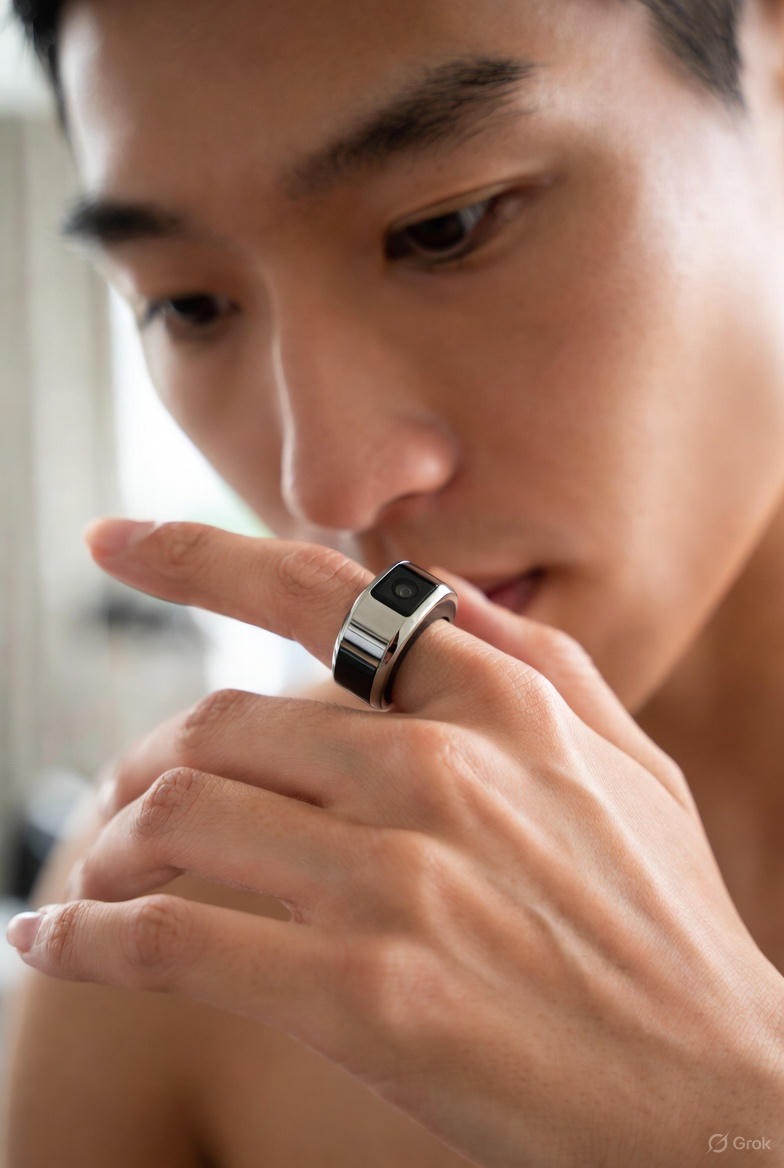
Before you can understand the score, you must appreciate the orchestra of data that creates it. A smart ring is a maestro of metrics, conducting a continuous, non-invasive symphony of your body’s most telling signals. Unlike a smartphone or smartwatch that often demands interaction, the ring’s power lies in its passive, always-on collection, gathering truth from your body’s quietest moments—especially during sleep.
The cornerstone of this collection is Photoplethysmography (PPG). This complex term describes the elegant technology behind the ring’s green LED lights. By shining light into the capillaries in your finger and measuring how it’s absorbed by your blood, the ring can detect the subtle changes in blood volume with each heartbeat. This single stream of data is the fountainhead for several critical metrics:
But the ring’s sensors extend beyond PPG. A 3-axis accelerometer and gyroscope track movement with precision. This isn't just for counting steps. This inertial data is crucial for:
Finally, advanced algorithms act as the composer, taking these raw instrumental tracks—HR, HRV, movement, temperature—and harmonizing them. They identify your personal baselines, filter out noise, and spot meaningful deviations. It is from this rich, multi-layered biometric symphony that the two flagship scores are composed: your daily Readiness and your overarching Wellness. Think of the raw data as individual musical notes, and the scores as the complete, interpreted symphony your body is playing each day.
You wake up and check your phone. There it is: your Readiness Score, often on a scale of 1-100. This number is your body’s personalized press conference on how well it has recovered from yesterday’s demands and how prepared it is for today’s. It is a forward-looking metric, an answer to the fundamental question: "What is my capacity for physical, mental, and emotional stress today?"
A high score (typically 70-100) is a green light. It suggests your body has repaired itself effectively. Your nervous system is balanced, resources are replenished, and you are physiologically primed for challenge, learning, and high performance. A middling score (30-70) is a yellow light—a call for awareness. It suggests incomplete recovery. Perhaps you can still perform, but strategically choosing your battles and avoiding overexertion would be wise. A low score (below 30) is a red light and a clear signal for restoration. Your body is signaling a deficit, possibly from illness, extreme stress, or poor sleep, and pushing hard will only dig a deeper hole.
But what goes into this decisive number? It’s a weighted blend of several recovery-focused inputs:
The true genius of the Readiness Score is its role as an objective accountability partner. We are notoriously bad at subjectively gauging our own recovery. The "I'm tough, I can push through" mentality often leads to burnout or injury. The score provides a data-driven check on that impulse, encouraging you to align your day’s plan with your body’s actual capacity. It transforms recovery from an abstract concept into a tangible, daily metric you can plan around. For those in high-stress roles, learning to honor this score can be the key to sustainable high performance through strategic rest, a concept we explore deeply in our article on restful living for high achievers.

If the Readiness Score is your daily weather forecast, the Wellness Score (or Long-Term Balance Score on some platforms) is the climate report. It zooms out from the immediacy of today to look at the trends over weeks and months. This metric assesses the overall balance and sustainability of your lifestyle. Are your habits building a foundation of resilient health, or are you slowly draining your reserves?
While the Readiness Score asks, "Can I handle stress today?" the Wellness Score asks, "Is my current way of life conducive to long-term health and vitality?" It is a measure of equilibrium across the core pillars of well-being.
The calculation of this score typically integrates trends from several key areas:
A high, stable Wellness Score indicates you are in a virtuous cycle: your lifestyle supports recovery, which supports performance, which is managed in a way that continues to support recovery. It’s the epitome of sustainable health. A declining or low score is a crucial red flag, suggesting a need to re-evaluate your overall life structure, not just your plans for tomorrow. It might be time to consider a weekly restful living plan to rebuild a foundation of balance.
In essence, the Wellness Score provides the crucial context for your daily Readiness. A high Readiness score is more meaningful when your Wellness trend is also high—it means you’re not just recovered, but thriving. Conversely, a high Readiness score amid a falling Wellness trend could be a last gasp before a crash, urging you to look at the bigger picture.
To truly master your smart ring data, you must develop a relationship with one metric above all: Heart Rate Variability (HRV). It is arguably the most direct, non-invasive window into the state of your autonomic nervous system (ANS)—the unconscious control center regulating your stress response, digestion, immunity, and recovery.
Physiologically, HRV represents the beat-to-beat variance controlled by the tug-of-war between your sympathetic nervous system (SNS, "fight-or-flight") and your parasympathetic nervous system (PNS, "rest-and-digest"). When the PNS is dominant, it subtly slows and speeds the heart with each breath, creating higher variability—a sign of a relaxed, adaptable state. When the SNS kicks in during stress, it commands a more steady, rigid heart rate to prepare for action, lowering variability.
Therefore, a higher HRV (relative to your personal baseline) is generally associated with:
A lower HRV can indicate:
Your smart ring tracks HRV primarily during sleep, providing a clean, consistent reading free from the noise of daily activity. It establishes your personal baseline—the crucial reference point. The absolute number is far less important than the trend and deviations from your own normal.
Your daily Readiness Score leans heavily on your overnight HRV. A significant drop from your baseline is one of the clearest signals your body sends that it is under strain and needs rest. Conversely, a rising HRV trend over weeks is a fantastic indicator that your wellness practices—be it improved sleep, meditation, or balanced training—are effectively strengthening your nervous system.
Think of HRV as your body’s most honest feedback loop. You can’t "hack" it directly with willpower. It responds authentically to how you live. By observing how your lifestyle choices affect your HRV, you learn to make choices that build resilience rather than deplete it. It’s the core metric that connects the philosophy of restful living and longevity with a tangible, daily data point.
Sleep is the single most potent performance enhancer and health modulator we have—and it’s the primary data collection period for your smart ring. But not all sleep is created equal. The ring’s ability to break your night into light, deep, and REM sleep stages transforms vague "I slept okay" feelings into a detailed recovery report.
How does a ring know what stage of sleep you’re in? It uses a combination of the biometrics we’ve discussed:
Each stage serves a non-negotiable purpose:
Your smart ring’s sleep score is a distillation of your night’s architecture: Did you get enough total time? Was it efficient (low time awake)? Did you cycle through sufficient amounts of deep and REM sleep? A night skewed heavily toward light sleep with little deep or REM will result in a poor sleep score and, consequently, a low Readiness Score, regardless of total hours in bed.
Understanding your personal sleep architecture empowers you to influence it. For example, intense late-night exercise or a large meal too close to bedtime can suppress deep sleep. Alcohol notoriously wrecks REM sleep. Creating a wind-down ritual, as part of a broader restful living through the seasons philosophy, can help you secure the quality sleep your scores—and your health—depend on.
While sleep is the cornerstone of recovery, purposeful movement is the stimulus for growth and resilience. Modern smart rings have evolved far beyond simple step-counters; they are intelligent activity and strain coaches. They don’t just log exercise; they contextualize it within your overall recovery picture.
The ring’s accelerometer and gyroscope automatically detect and categorize periods of sustained movement. A morning walk, an afternoon run, a cycling commute, or a gym session—all are logged, often with a surprising degree of accuracy for heart rate and calorie burn estimates, considering the form factor. This creates a seamless record of your active life without ever pressing a "start" button.
But the real magic lies in how the ring interprets this activity data through the lens of Strain or Exertion. This is a composite metric that quantifies the total physiological cost of your day’s activity. It’s not just about duration or calories; it’s about the cardiovascular and muscular load placed on your system.
Factors influencing your daily strain score include:
The ring’s ecosystem then performs its most valuable function: it juxtaposes your Daily Strain against your Daily Readiness. This is the feedback loop that enables truly intelligent training and living.
This dynamic guidance helps you break the cycle of compulsive, often counterproductive exercise. It replaces "more is better" with "smarter is better." It teaches you to view rest not as lost training time, but as an essential component of the training process itself, a principle vital for anyone looking to establish restful living boundaries to protect their energy.
Of all the metrics a smart ring tracks, body temperature is the silent sentinel, the one that often speaks first when something is amiss. While we’re used to thinking of temperature in the context of fever, a smart ring tracks your skin temperature trend with subtlety and precision, revealing patterns invisible to a traditional thermometer.
The ring typically measures the temperature at your finger, a distal point that is highly sensitive to changes in your core physiology and blood flow. It establishes a multi-week rolling baseline unique to you. The critical insight comes not from a single reading, but from a sustained deviation from this baseline.
A persistently elevated temperature trend (even just a few tenths of a degree) can be an early indicator of:
Conversely, a lower-than-average temperature trend can sometimes be associated with metabolic slowdown, extreme fatigue, or circulatory issues.
The power of temperature tracking in a smart ring is its passive, continuous nature. You don’t have to remember to take your temperature; the ring does it constantly, especially during the stable period of sleep. This data is then seamlessly integrated into your Readiness and Wellness algorithms. A significant temperature elevation will almost certainly lower your Readiness Score, providing a concrete, data-backed reason to take a "health day" before you’re forced to take a "sick day."
It turns the ring into a true preventative health tool. By heeding its subtle warnings, you can often mitigate the severity of an illness or avoid it altogether by supporting your immune system at the first sign of trouble. This proactive approach is a cornerstone of a lifestyle focused on sustained vitality, much like the proactive nourishment advocated in our piece on the restful living diet.
We’ve explored the individual instruments—HRV, HR, movement, temperature. But how do they become a coherent, actionable score? The answer lies in the proprietary algorithms developed by each smart ring company (Oura, Circular, Ultrahuman, etc.). These algorithms are the secret sauce, the brain that turns raw physiology into personalized intelligence.
At its core, an algorithm is a set of rules and calculations. For a smart ring, these rules are designed to:
This process is continually refined. Many companies use cloud-based machine learning, where anonymized data from millions of nights of sleep and days of activity helps improve the accuracy of sleep staging, activity recognition, and score relevance for everyone.
It’s important to understand that no algorithm is perfect. They are models, not oracles. Their goal is to provide a highly accurate, data-driven estimation of your state. The final, crucial step in the loop is you. Your subjective feeling—how you actually feel when you wake up—is a vital data point to correlate with the score. Over time, this combination of objective data and subjective awareness creates a powerful self-knowledge that is greater than the sum of its parts. This mindful integration of technology and self-awareness is akin to the principles of how minimalism enables restful living—removing noise to focus on the truly meaningful signals.
The most common mistake new smart ring users make is comparing their absolute scores and metrics to others or to online "ideal" charts. This misses the entire point. The transformative power of this technology lies in personalization. Your smart ring’s primary mission is to understand you, not humanity.
The concept of the personal baseline is the bedrock of all useful interpretation. During an initial calibration period (usually 1-4 weeks), the ring is quietly observing. It’s answering questions like:
Once this baseline is established, every new day’s data is interpreted in the context of your own normal. A resting heart rate of 55 might be dangerously low for one person and a sign of peak fitness for another. An HRV of 40ms might be excellent for you but low for someone else.
This is why trends are everything, and single data points are nearly meaningless. The ring excels at showing you direction. Is your HRV trending gently upward over the last month? That’s a fantastic sign of improving resilience, regardless of its starting point. Is your deep sleep percentage slowly declining? That’s a trend worth investigating, even if the absolute number still seems "fine."
Your baseline also evolves. As you get fitter, your resting heart rate may drop. As you manage stress better, your HRV may rise. The algorithm accounts for this, using a rolling baseline to ensure it’s always comparing you to a recent, relevant version of yourself.
This hyper-personalized feedback loop is what turns a gadget into a coach. It doesn’t give generic advice like "get more sleep." It says, "You slept 90 minutes less than your average last night, and your HRV dropped 15%. Your readiness is low. Consider a lighter day." It moves you from universal health platitudes to specific, actionable insights for your unique physiology. Learning to listen to and trust this personal data is a skill that enhances every aspect of life, from work performance to personal relationships, a theme explored in how restful living improves relationships and mood.

Data is fascinating, but it’s useless without action. The ultimate purpose of your Readiness and Wellness Scores is to inform and inspire positive, sustainable changes in your daily life. This is where the ring transitions from a tracking device to a behavior-change partner.
Let’s translate scores into strategies:
If your Readiness Score is consistently low...
If your Wellness Score is declining or stagnant...
The goal is not to become a slave to the score, chasing a perfect 100 every day—that itself is stressful. The goal is to use it as a compass, not a GPS. It provides direction, not a rigid turn-by-turn command. Some days you will consciously choose to spend your readiness on a meaningful life event, and that’s okay. The data simply ensures you do so with eyes wide open and a plan to repay the recovery debt afterward. This mindful, intentional approach is the essence of integrating technology for a more restful living at work and in stressful jobs.
While Readiness and Wellness Scores provide the executive summary of your health, the true depth of a smart ring lies in its nuanced, supporting features. These are the detailed reports, the subtle insights, and the specific tracking capabilities that answer the "why" behind your scores and empower hyper-specific interventions. Think of the scores as the diagnosis and these features as the detailed lab results and specialist consultations.
One of the most powerful is Sleep Latency and Timing Analysis. Your ring doesn't just tell you how long you slept; it tells you how long it took you to fall asleep and the consistency of your bed and wake times. Seeing that it regularly takes you 45 minutes to fall asleep is a concrete problem to solve, pointing to an ineffective wind-down routine or excessive blue light exposure. Furthermore, the ring can identify if you are a natural "lark" or "owl" by analyzing your sleep efficiency across different bedtime windows, encouraging you to work with your chronotype rather than against it. This granular timing data is the first step in fixing the architecture of your night, which supports the broader goal of creating a weekly restful living plan for sustainable structure.
Another critical layer is Respiratory Rate Tracking. While you sleep, your ring monitors the number of breaths you take per minute. Like resting heart rate, this is a vital sign with a sweet spot, typically between 12-20 breaths per minute for adults. More importantly, the trend is key. A sustained increase in your sleeping respiratory rate can be a sensitive, early indicator of rising stress, the onset of a respiratory infection, or even cardiopulmonary strain. It’s another silent metric that, when combined with elevated temperature and lowered HRV, creates a near-irrefutable case from your body that it’s fighting something.
For the athletically inclined, Recovery Time and Training Load metrics are game-changers. Some rings don’t just tell you your readiness is low; they give an estimated time (e.g., "24-48 hours") for full recovery from a significant exertion. This moves beyond guesswork to guided planning. Coupled with training load metrics that look at your strain over 7-day or 28-day periods, it helps prevent the all-too-common pattern of chronic overreaching. You can see if your acute (recent) load is spiking too high compared to your chronic (long-term) load—a major risk factor for injury. This turns the ring into a personal sports scientist, ensuring your fitness journey is one of progressive adaptation, not repeated breakdown.
The frontier of smart ring technology is moving beyond nocturnal measurement into the dynamic assessment of your real-time stress state during waking hours. This is a monumental leap from understanding how you recovered to understanding how you are responding throughout your day.
This feature, often called "Daytime Stress" or "Momentary Stress," works by taking short, on-demand or automatically-triggered measurements of your heart rate and HRV. Unlike the long, averaged reading from sleep, these are snapshots that capture the immediate impact of your environment and activities. The algorithm analyzes these signals to estimate your autonomic nervous system’s state: is it in a calm, parasympathetic-dominant mode, or an alert, sympathetic (stressed) mode?
Imagine receiving a notification after a 90-minute marathon meeting: "High stress detected. Consider a brief break." Or checking your ring after 10 minutes of focused, deep work and seeing a "Calm" reading. This biofeedback is profound. It allows you to:
This turns stress from a vague, emotional concept into a measurable, manageable physiological event. It empowers you to take micro-rests throughout the day—not when you’re crashing, but when your body first signals distress. This practice of intermittent recovery is a cornerstone of preventing burnout and is especially crucial for those in demanding careers, as detailed in our guide to restful living at work. It builds the mind-body bridge, making you aware of the intimate, instantaneous connection between your experiences and your inner state.
For nearly half the population, traditional health metrics have a fundamental flaw: they ignore the powerful, predictable hormonal cycle that dictates energy, recovery, temperature, and metabolism. Smart rings are at the forefront of correcting this, offering unparalleled insights for women’s health and cycle syncing.
The ring’s continuous temperature sensor is the key. As a woman moves through her menstrual cycle, her basal body temperature (BBT) shows a biphasic pattern: lower in the follicular phase (post-period, pre-ovulation) and higher in the luteal phase (post-ovulation, pre-period). The shift, triggered by rising progesterone, is clear and trackable. Advanced algorithms use this temperature data, along with resting heart rate and HRV trends, to:
But the application goes far beyond fertility. This data enables true cycle syncing—the practice of aligning your diet, exercise, and work demands with your hormonal phases.
By viewing their biometric data through this cyclical lens, women can stop fighting their physiology and start leveraging it. They can understand why a workout feels crushing one week and invigorating the next, and plan their lives accordingly. It transforms the cycle from a monthly inconvenience into a strategic blueprint for living, reducing frustration and enhancing self-compassion.
The value of a smart ring multiplies exponentially when it doesn’t operate in a silo. The most powerful health insights often emerge at the intersection of different data streams. This is why the app ecosystem and integration capabilities of your smart ring are not just a bonus feature—they are essential to its utility as a central health hub.
Modern smart rings offer robust integrations, typically via Apple Health (iOS) and Google Fit (Android), acting as a rich data source that can be shared with a constellation of other applications:
This interconnectedness creates a holistic health dashboard. You’re no longer looking at isolated pieces of a puzzle. You can see the direct line from yesterday’s intense workout (Strava) + poor hydration (Waterllama) → to last night’s elevated temperature and low HRV (Ring) → to this morning’s low Readiness Score. This cause-and-effect clarity is what drives meaningful, lasting behavior change. It allows you to experiment and learn what truly works for your unique system, moving you closer to a lifestyle that inherently supports restful living and longevity.
With great data comes great responsibility—the responsibility to understand its limits. While smart rings are marvels of miniaturized biotechnology, they are not medical devices, and a critical understanding of their accuracy and limitations is essential for sensible, safe usage.
Where Smart Rings Excel:
Known Limitations and Considerations:
The intelligent user embraces the ring for its profound strengths—trend analysis, recovery insight, and physiological awareness—while acknowledging its boundaries. It is a guide for wellness optimization, not a diagnostic tool for disease. This balanced perspective helps you use the technology to enhance your well-being without becoming anxious or obsessive over every fluctuation, a mindset aligned with the philosophy of how minimalism enables restful living by focusing on essential signals.
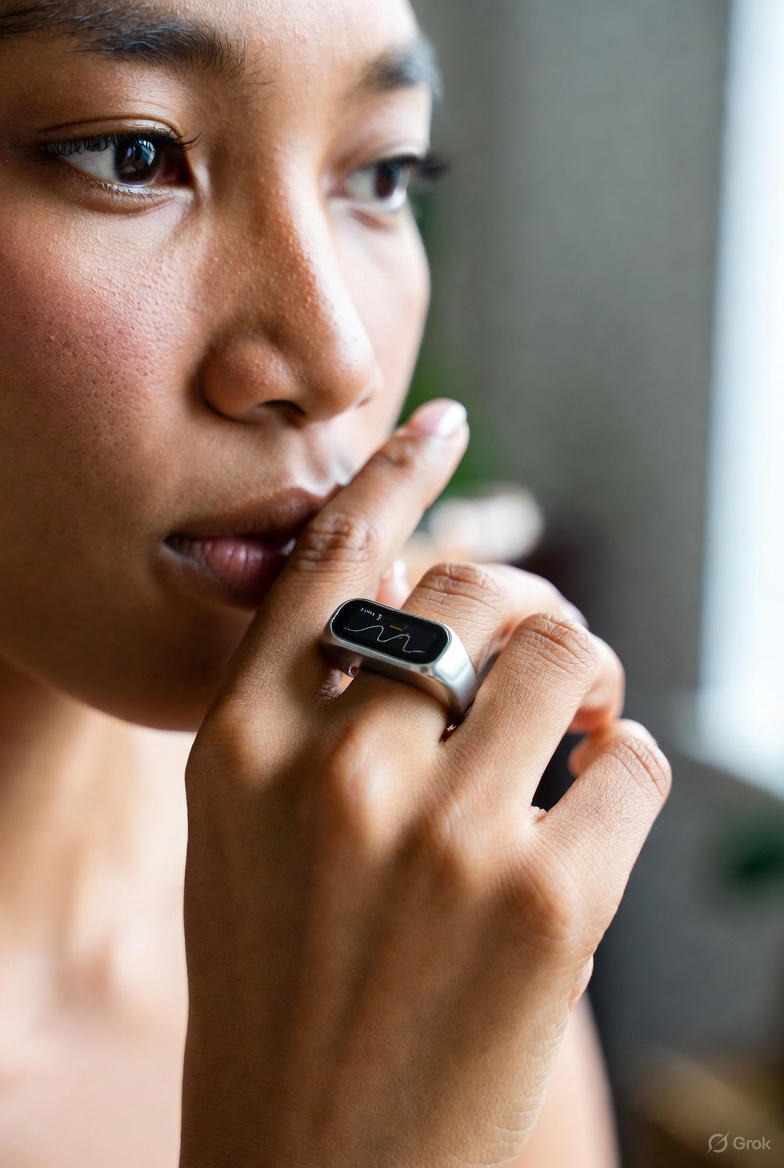
The market for smart rings is expanding rapidly, with new entrants offering different strengths. Choosing the right ring isn't about finding the "best" one universally, but the best one for you. Your decision should be guided by which features align most closely with your primary goals. Let’s break down the key considerations.
1. Define Your "Why":
2. Evaluate the Core Biometric Suite:
3. Assess the App and Algorithm:
The hardware collects data, but the software provides the insight. Download the apps before you buy (if possible). Is the interface intuitive? Does it provide clear insights, not just raw data? Does the algorithm’s philosophy (e.g., more conservative vs. more aggressive in recommending activity) resonate with you? Read reviews focusing on the user experience and customer support.
4. Consider Form, Fit, and Battery Life:
5. Ponder the Ecosystem:
Do you live in the Apple or Android world? Check compatibility. If you have a favorite fitness or health app, verify the ring integrates with it. A ring that seamlessly fits into your existing digital life will provide more value.
Remember, the goal is sustainable use. The right ring is the one you’ll wear consistently, whose insights you’ll trust, and whose guidance helps you build a life that feels better—whether that’s through more energy, better sleep, or simply a deeper understanding of your own rhythms, a understanding that can enhance everything from your mood and relationships to your ability to stay calm on the go.
The smart ring we’ve described is impressive, but it is merely the first chapter. The convergence of sensor miniaturization, AI, and personalized medicine is accelerating, pointing to a future where the ring becomes an even more integral and predictive health partner. Here’s a glimpse of what’s on the horizon.
Non-Invasive Blood Glucose Monitoring (BGM): This is the holy grail of wearable tech. Several companies are developing PPG-based or spectroscopic techniques to estimate glucose trends without a finger prick. While not intended for diabetic management initially, it could provide massive insights into metabolic health, revealing how different foods affect your individual glucose response and energy levels, taking the concept of a personalized, calming diet to a data-driven extreme.
Advanced Blood Pressure Estimation: Using Pulse Transit Time (PTT)—the speed at which the pressure wave from your heartbeat travels to your finger—combined with PPG, rings may soon provide frequent, passive blood pressure estimates. This would be revolutionary for managing hypertension and understanding the daily stressors that impact cardiovascular health.
Electrodermal Activity (EDA) for Stress: While currently in some smartwatches, integrating EDA sensors to measure microscopic sweat gland activity (a direct correlate of sympathetic nervous system arousal) would add another layer of precision to stress and emotional response tracking.
Embedded ECG for Afib Detection: A ring with two contact points (e.g., a bezel you touch with another finger) could enable on-demand, medical-grade ECG readings to screen for atrial fibrillation, much like current smartwatches but in a more discreet form factor.
AI-Powered Predictive Health Coaches: Future algorithms won’t just state your scores; they will act as proactive, conversational coaches. Imagine: “Your temperature is rising and HRV is dropping. Based on your past data, this pattern precedes a cold 70% of the time. I’ve adjusted your schedule to suggest a rest day tomorrow and sent a grocery list of immune-supporting foods to your phone.” This moves from insights to actionable, predictive guardianship.
Deeper Integration with Smart Environments: Your ring will communicate with your home. As it detects you entering deep sleep, it signals your thermostat to lower the temperature slightly. It notices a spike in daytime stress and gently dims your smart lights while playing calming soundscapes. It becomes the central command for a restful living environment that adapts to your physiology in real time.
The trajectory is clear: from tracking to prevention, from general insights to hyper-personalized prediction. The smart ring is poised to become the most personal device we own, a guardian of our well-being that helps us not just live longer, but live better, with more energy and resilience through every season of life.
This is perhaps the most important chapter. The greatest risk with any powerful quantifiable tool is that it can foster anxiety, obsession, and a disconnection from your own innate bodily wisdom. A low score can ruin your day. A missed night of data can feel like a personal failure. To reap the benefits while avoiding these pitfalls, you must cultivate the right mindset.
1. Embrace Trends, Not Points: Your health is a river, not a snapshot. Do not fixate on a single day’s low score or a one-night spike in resting heart rate. Zoom out to the weekly and monthly view. Is the overall direction positive? That’s what matters. The ring is best used as a compass for your health journey, not a minute-by-minute judge.
2. Correlate, Don’t Dictate: Your subjective experience is primary data. How do you feel? Use the ring’s scores to explain your feelings, not to invalidate them. If you feel fantastic but your score is a 65, explore why (maybe you’re emotionally energized), but trust your vitality. If you feel terrible but your score is an 85, listen to your body—you might be fighting something the algorithms haven’t yet caught. The ring is a consultant, not a CEO.
3. Practice Data Detoxes: It is healthy to occasionally not check your scores. Wear the ring for collection, but go a morning or even a full day without opening the app. This reconnects you with your intuitive sense of energy and reminds you that you are more than your metrics. This is a practical application of the principles behind a digital detox—using technology intentionally, not compulsively.
4. Avoid Score Optimization as a Goal: Chasing a perfect 100 Readiness Score is a fool’s errand and antithetical to a rich life. Life is meant to be spent. Some days, you will consciously choose to spend your readiness on a meaningful project, a social event, or a personal challenge. The ring’s value is in helping you understand the cost of that spending and plan the necessary repayment in recovery afterward. It enables informed choice, not a life of fearful preservation.
5. Use It for Compassion, Not Criticism: When you see a low score, frame it as your body communicating a need, not as a personal failing. Instead of “I failed at sleep,” think, “My body is asking for more rest.” This shifts the mindset from one of performance and judgment to one of listening and nurturing. This self-compassion is the true foundation of restful living and improved relationships, starting with the relationship you have with yourself.
The smart ring, at its best, doesn’t add noise; it provides clarity. It doesn’t create a new source of stress; it helps you manage the stressors you already have. By adopting a mindful, trend-oriented, and self-compassionate approach, you harness this technology to become more attuned, more resilient, and more empowered in the lifelong project of caring for your one and only body. It becomes a tool for liberation—freeing you from guesswork and empowering you to live in closer harmony with your natural rhythms.
The true transformation occurs when the data from your smart ring ceases to live in an app and becomes woven into the fabric of your daily decisions and long-term health philosophy. It must integrate with other pillars of well-being—nutrition, mindfulness, movement, and environment—to form a cohesive, holistic health framework. Without this integration, you risk having fascinating data with limited real-world impact.
This framework begins with recognizing that your biometric scores are outputs. They are your body’s response to the inputs of your life: the food you eat, the stress you perceive, the air you breathe, and the thoughts you cultivate. The ring’s job is to make the invisible connection between input and output vividly clear, allowing for intelligent experimentation.
For instance, you can move beyond generic nutrition advice to personalized nutritional biohacking. By logging your food (in a connected app or even a simple journal) and observing the subsequent changes in your overnight HRV, resting heart rate, and sleep quality, you can identify:
This data-driven approach transforms nutrition from a dogma to a personal science. It aligns with the principles of a restful living diet, where the goal is to consume foods that actively calm your nervous system, as evidenced by your own physiology, not just a list on a page.
Similarly, you can assess the true ROI of your stress-management investments. Does your 10-minute meditation app session actually shift your daytime stress reading? Does a 20-minute walk in nature have a more pronounced calming effect than 20 minutes of scrolling social media? The ring provides the hard evidence, turning well-being practices from abstract "should-dos" into non-negotiable "must-dos" because you can see their tangible benefit. This is especially powerful for validating practices like the breathwork techniques that form the bedrock of nervous system regulation.
By placing your ring’s data at the center of this framework, you create a continuous feedback loop of learning and adaptation. You become the primary investigator and beneficiary of your own health experiment, moving from passive tracking to active optimization.
Theory is compelling, but real-life stories cement understanding. Let’s explore how different individuals might leverage smart ring data to solve specific, common modern health challenges. These vignettes illustrate the practical application of the features we’ve detailed.
Case Study 1: The Corporate Executive Avoiding Burnout
Case Study 2: The Amateur Athlete Overcoming Overtraining
Case Study 3: The Perimenopausal Woman Navigating Transition
As we invite these devices deeper into our lives, collecting our most intimate physiological moments, we must confront the critical questions of data ethics, privacy, and ownership. Your sleep patterns, stress responses, and menstrual cycles constitute a profoundly personal health narrative. Who controls this narrative?
Data Privacy and Security:
Psychological and Societal Implications:
The Principle of User Sovereignty:
You should be the ultimate owner of your data. This means having the right to:
As a user, your responsibility is to be an informed participant. Read the privacy policy. Adjust your in-app sharing settings. Use strong, unique passwords. Support companies that are transparent and treat user data as a sacred trust, not just a commodity. In an era where data is power, protecting your biometric data is a fundamental aspect of modern self-care and boundary setting.
To fully appreciate the smart ring’s niche, it’s helpful to place it in the broader landscape of health-tracking technology. Each device category—smart ring, smartwatch, and clinical medical device—has distinct strengths, weaknesses, and primary use cases. The "best" device depends entirely on your goals.
Smart Rings: The Stealthy Recovery Specialist
Smartwatches (e.g., Apple Watch, Garmin, Whoop): The Connected Fitness Hub
Medical Devices (e.g., Chest Strap ECG, Pulse Oximeter, Clinical PSG): The Diagnostic Gold Standard
The Synergistic Approach:
The most data-informed individuals often use a combination. They might wear a smart ring 24/7 for recovery, sleep, and baseline metrics, and use a smartwatch or chest strap during specific workouts for precise GPS and heart rate data. The ring provides the context (how recovered am I?) and the watch provides the performance data (how did I do?). This combo, synced via Apple Health/Google Fit, creates the most complete picture of an individual’s health and fitness.
Even the most advanced technology can yield poor data if not used correctly. To ensure your scores are accurate and meaningful, follow these essential guidelines for troubleshooting and optimization.
1. The Paramount Rule: Fit is Everything.
A poorly fitting ring is the number one source of bad data. It should be snug enough not to spin freely, but loose enough that you can twist it with a little effort. It should not leave a deep indentation or feel tight when your fingers swell (after exercise, in heat, or upon waking). Most companies offer detailed sizer kits—use them meticulously. Remember, your dominant hand may have slightly larger fingers; size for the intended finger.
2. Optimize for Sleep Data:
3. Managing Charging Gaps:
A dead ring gathers no data. Establish a ritual:
4. Interpreting "Weird" Data:
5. When to Recalibrate Your Baseline:
Major life changes can shift your physiological baseline. After a sustained period of a new normal (e.g., after completing a major fitness transformation, recovering from a long illness, or making a significant lifestyle change like becoming a parent), it can be useful to mentally "reset." Some apps allow you to manually restart baseline calculations, or you can simply wait 2-4 weeks for the algorithm to naturally adapt.
By mastering these practical aspects, you ensure the ring works for you, providing a clear window into your body, not a foggy one. This clarity is what allows you to make the subtle, impactful adjustments that define a life of sustainable wellness, whether you’re at home or following a restful living travel guide.
The first month with a smart ring is about discovery. The first year is about optimization. But the real, profound value reveals itself over years and decades. This is when your smart ring transitions from a health tracker to a longitudinal health diary, capturing the story of your body through every season of life.
Building Your Health Biography:
Imagine having a continuous dataset that shows:
This dataset becomes an invaluable personal asset. It allows you to:
Seasonal Adaptation and Life Cycles:
Your ring will teach you about your own seasonal biology. You may find your HRV is naturally higher in summer and lower in winter, or that you need more sleep during darker months. This data empowers you to adapt your restful living approach through the seasons intelligently, not just following generic advice.
For women, this long-term view is particularly revolutionary. The ring can document the entire perimenopausal transition—the increasing irregularity, the changing temperature patterns—providing objective clarity through a often-confusing time. It then establishes a new post-menopausal baseline, helping you navigate the next chapter with data-backed confidence.
This long-term perspective is the ultimate antidote to short-term health fads. It teaches patience and consistency. You learn that a single perfect week matters less than a good average over a year. You see health as a marathon, and your ring is the pace car and biomechanics sensor rolled into one, guiding you toward the finish line of a long, vital life with grace and intelligence.
We have journeyed from the basic green LEDs on your finger to the complex algorithms that synthesize your daily readiness, and further into the profound implications of having a continuous stream of intimate health data. We’ve explored the core features—HRV, sleep staging, temperature trends, and stress monitoring—and seen how they coalesce into the two guiding scores. We’ve placed this technology in context, comparing it to other devices, examining its ethical dimensions, and projecting its exciting future.
The overarching theme is one of empowerment through awareness. A smart ring does not make you healthy. You make yourself healthy. What this technology provides is the feedback loop that makes your efforts efficient, effective, and personalized. It cuts through the noise of conflicting health advice and tells you what your body needs, today.
It transforms rest from a sign of weakness into a strategic tool for performance. It redefines wellness from a static goal into a dynamic, daily practice of listening and responding. It offers a language to understand the dialogue between your life and your physiology.
As you move forward with this knowledge, remember the core principles:
Whether your goal is to break free from burnout, optimize athletic performance, navigate a hormonal transition, or simply understand the rhythms of your own life more deeply, the tools are now at your fingertips—literally. By understanding and wisely using smart ring features like Readiness and Wellness Scores, you take a significant step toward a more intentional, resilient, and vibrant existence. This is not just about tracking health; it’s about actively designing it, day by day, night by night, guided by the most trustworthy source available: the wisdom of your own body, finally made audible.
Your Trusted Sleep Advocate: Sleep Foundation — https://www.sleepfoundation.org
Discover a digital archive of scholarly articles: NIH — https://www.ncbi.nlm.nih.gov/
39 million citations for biomedical literature :PubMed — https://pubmed.ncbi.nlm.nih.gov/
Experts at Harvard Health Publishing covering a variety of health topics — https://www.health.harvard.edu/blog/
Every life deserves world class care :Cleveland Clinic - https://my.clevelandclinic.org/health
Wearable technology and the future of predictive health monitoring :MIT Technology Review — https://www.technologyreview.com/
Dedicated to the well-being of all people and guided by science :World Health Organization — https://www.who.int/news-room/
Psychological science and knowledge to benefit society and improve lives. :APA — https://www.apa.org/monitor/
Cutting-edge insights on human longevity and peak performance:
Lifespan Research — https://www.lifespan.io/
Global authority on exercise physiology, sports performance, and human recovery:
American College of Sports Medicine — https://www.acsm.org/
Neuroscience-driven guidance for better focus, sleep, and mental clarity:
Stanford Human Performance Lab — https://humanperformance.stanford.edu/
Evidence-based psychology and mind–body wellness resources:
Mayo Clinic — https://www.mayoclinic.org/healthy-lifestyle/
Data-backed research on emotional wellbeing, stress biology, and resilience:
American Institute of Stress — https://www.stress.org/


