


Smart Ring Features Explained: Respiration Rate Tracking
Explains the feature that monitors breathing rate, often during sleep, as an indicator of health and recovery.
Explains the feature that monitors breathing rate, often during sleep, as an indicator of health and recovery.
%402x.svg)
You take roughly 20,000 breaths a day, most without a single conscious thought. It’s the most fundamental rhythm of life, an autonomic process we rely on from our first cry to our final sigh. Yet, within that steady, unconscious cadence lies a profound and often overlooked treasure trove of data about your physical, mental, and emotional state. Your respiration rate—the number of breaths you take per minute—is a vital sign as critical as your heart rate or blood pressure, but until recently, it was nearly impossible to track continuously outside a clinical setting.
Enter the smart ring, a discreet piece of wearable technology that is revolutionizing personal health monitoring. By moving from the wrist to the finger, these devices gain a unique vantage point, accessing a rich vascular signal that allows for the precise, 24/7 tracking of metrics like your breathing. This isn't about counting conscious breaths during meditation; it's about decoding the silent, unconscious language of your autonomic nervous system as you work, sleep, stress, and recover.
This deep dive explores one of the most transformative yet underappreciated features in modern wearables: continuous respiration rate tracking. We'll move beyond the basic "what" and delve into the "why" and the "so what." You'll learn how a tiny sensor on your finger detects each breath, why this number is a master key to understanding stress, sleep quality, illness onset, and overall fitness, and how you can apply this data to cultivate a more balanced, resilient, and healthier life. This is the frontier of personalized wellness, moving from reactive tracking to proactive understanding, all through the rhythm of your breath.
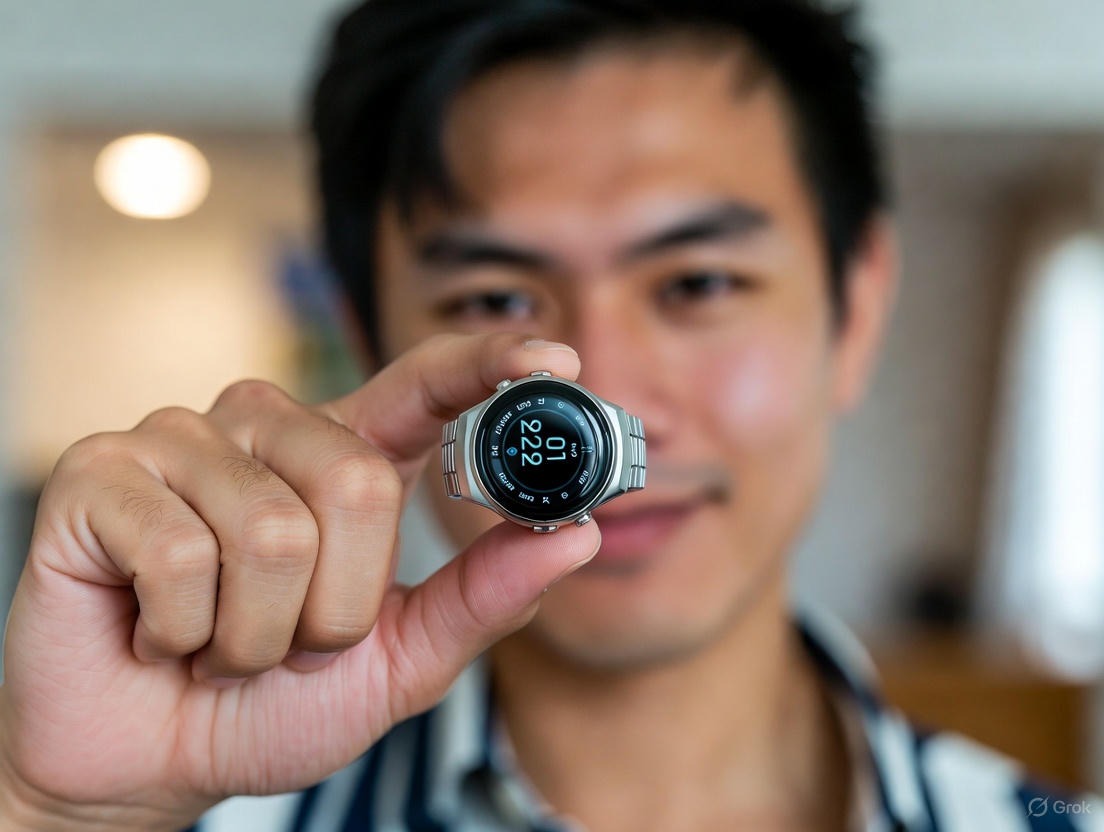
For centuries, medical professionals have relied on four primary vital signs: body temperature, pulse rate, blood pressure, and respiratory rate. In recent decades, a fifth—pain—was formally added. Now, with the advent of continuous biometric monitoring, respiration rate is stepping out of the shadows of the clinic and into the spotlight of daily health awareness. It is, in every sense, your sixth vital sign, and arguably one of the most informative.
Respiration rate (RR), often called breathing rate, is simply the number of breaths you complete in one minute. One breath comprises one inhalation and one exhalation. For a healthy, resting adult, this typically falls between 12 and 20 breaths per minute. However, this "normal" range is deceptively simple. Your RR is a dynamic, responsive metric influenced by a symphony of factors: physical activity, emotional state, metabolic demands, environmental conditions, and underlying health.
Unlike heart rate, which can be felt at the pulse, respiration is subtler and far easier to ignore—both for ourselves and for occasional check-ups. In a medical setting, it’s often manually counted for a mere 15 seconds and multiplied, a method prone to error, especially if the patient knows they're being observed (a phenomenon that can consciously alter breathing). This sporadic snapshot fails to capture the rich narrative of your respiratory rhythm throughout the day and night.
The true power of respiration rate lies in its direct line to your autonomic nervous system (ANS). The ANS controls involuntary bodily functions and has two main branches: the sympathetic ("fight-or-flight") and the parasympathetic ("rest-and-digest"). When you’re stressed, anxious, or exercising, your sympathetic nervous system kicks in, often increasing both your heart rate and your respiration rate to deliver more oxygen to muscles. Conversely, during periods of calm, sleep, or recovery, your parasympathetic system dominates, slowing both heart and breathing to promote restoration.
Because breathing is uniquely accessible to both voluntary and involuntary control, it sits at a fascinating crossroads. You can choose to take a deep breath to calm down, directly using conscious action to influence the unconscious system. This makes RR not just a passive indicator but a potential active tool for health management. Continuous tracking via a smart ring closes the loop, providing the feedback necessary to understand your baseline, recognize deviations, and measure the impact of interventions like the breathwork techniques discussed in our guide on how breathwork supports restful living daily.
The notion that a device on your finger can measure something happening in your lungs seems almost like magic. The science, however, is rooted in well-established physiological principles and clever engineering. Smart rings don't listen for breath sounds or attempt to measure chest expansion. Instead, they leverage a fundamental cardiovascular phenomenon linked to breathing: Respiratory Sinus Arrhythmia (RSA) and its visible effect on blood flow.
At its core, the primary sensor for this function is a photoplethysmography (PPG) sensor. This is the same foundational technology used in many wrist-based wearables for heart rate monitoring. A PPG sensor emits a light (typically green LED light, sometimes red or infrared) into the skin on the palm side of your finger. This light is absorbed by your blood vessels, and the amount of light reflected back to the sensor changes with the volume of blood flowing through your capillaries with each heartbeat. The sensor detects these tiny changes, creating a waveform called a photoplethysmogram.
Here is where breathing comes in. As you inhale, your diaphragm descends, creating negative pressure in your chest cavity. This not only pulls air into your lungs but also encourages increased blood flow back to the heart (venous return). This slight increase in venous return leads to a subsequent small increase in stroke volume—the amount of blood ejected by the heart with each beat. During exhalation, the process reverses. This rhythmic, breath-synchronized variation in stroke volume and heart rate is known as Respiratory Sinus Arrhythmia. In healthy individuals, the heart rate naturally increases slightly during inhalation and decreases during exhalation.
The smart ring's advanced algorithms are trained to isolate this rhythmic modulation within the complex PPG signal. They filter out the primary heart rate signal and motion artifacts, focusing instead on the slower, cyclical pattern driven by your breathing. By identifying the peak-to-peak intervals of this respiratory-induced waveform, the device can accurately calculate the frequency of your breaths, translating it into a precise respiration rate in breaths per minute (BPM).
This method offers several unique advantages. First, the finger is an ideal location for PPG sensing due to its high capillary density, often providing a stronger and less noisy signal than the wrist, especially during movement. Second, it allows for seamless, unobtrusive tracking during sleep, which is a critical period for respiratory assessment. You're not wearing a chest strap or a mask under your nose; you're simply wearing a ring. This effortless, continuous data collection is what transforms respiration rate from a sporadic data point into a meaningful, trend-based health insight, forming a cornerstone of a data-informed approach to restful living and longevity.
Your breathing tells two distinct yet interconnected stories every 24 hours: the active narrative of your waking hours and the restorative script of your sleep. Continuous smart ring tracking allows you to read both chapters in full, providing a holistic view of your physiological resilience.
Your Waking Respiration Rate: A Barometer for Daily Stress and Load
During the day, your respiration rate is in constant conversation with your environment and internal state. At true rest—say, reading a book while calm—your RR should settle into your personal low baseline. Any deviation upward is a clue.
Your Nocturnal Respiration Rate: The Unfiltered Truth of Recovery
Sleep is when your conscious mind steps aside, and your body's innate rhythms take the stage. Nighttime RR is arguably more consistent and medically significant than daytime RR because it's measured under standardized, resting conditions.
By comparing your daytime reactivity with your nighttime stability, you build a complete picture. You can see if the stress of the day, which high-achievers must expertly manage for performance, is carrying over into your sleep, hindering recovery. This 24/7 perspective is essential for creating a truly effective weekly restful living plan.

Stress and anxiety are often felt emotionally before they are understood cognitively. You might feel a sense of dread, irritability, or brain fog without immediately connecting it to a physiological cause. Your respiration rate, however, acts as an objective, real-time "stress whisperer," providing an unfiltered readout of your nervous system's arousal level long before you might consciously acknowledge feeling overwhelmed.
The connection is direct and hardwired. The sympathetic nervous system's "fight-or-flight" response is designed for immediate action. Part of this preparation is to increase respiration rate. The purpose is biochemical: to expel more carbon dioxide and take in more oxygen to prepare muscles for exertion, and to create a slight respiratory alkalosis that can heighten certain sensory reflexes. In the modern world, this response is triggered not by a physical predator but by a traffic jam, an overflowing inbox, or a social conflict. The increased RR occurs, but the physical exertion never follows, leaving the body in a state of suspended physiological arousal.
A smart ring tracking your RR continuously can reveal these hidden stress patterns:
This data transforms subjective feelings into objective metrics. It moves you from asking "Do I feel stressed?" to observing "My body is showing a stress response." This shift is powerful. It depersonalizes the experience ("my body is reacting" vs. "I am failing to cope") and creates a space for intentional intervention. You can use the data to test what truly works for you: does a five-minute walk outside lower your RR more than scrolling social media? Does that 4-7-8 breathing technique actually move the needle?
By identifying your personal stress signatures through RR, you can begin to build boundaries and habits that mitigate them, a foundational practice explored in depth in our resource on restful living boundaries. The ring becomes a biofeedback tool, helping you not just track stress, but train your nervous system toward greater calm.
Sleep is not a uniform state of unconsciousness. It's a dynamic, architecturally complex process essential for memory consolidation, hormonal regulation, cellular repair, and nervous system reset. The quality of this architecture—how much time you spend in each sleep stage and how smoothly you cycle through them—is a primary determinant of how restored you feel in the morning. Your respiration rate during sleep is one of the most reliable and accessible windows into this architecture.
As mentioned, each sleep stage has a respiratory fingerprint. Smart ring algorithms use these patterns, in concert with heart rate variability (HRV), body temperature, and movement, to model your sleep stages. Here’s how RR specifically decodes your night:
By decoding these patterns, you move beyond simply counting sleep hours. You understand the quality of those hours. This knowledge empowers you to experiment with lifestyle changes: Does a digital detox before bed lead to more stable, slow breathing earlier in the night? Does adjusting your diet, perhaps using principles from a restful living diet, reduce nocturnal restlessness? Your nighttime respiration data provides the answers.
One of the most compelling applications of continuous respiration rate monitoring is its role as a non-invasive early warning system. Your body often signals distress through subtle physiological shifts long before you develop clear symptoms like a fever, cough, or overwhelming fatigue. Both the onset of illness and the state of non-functional overtraining (when exercise stress exceeds recovery capacity) provoke a systemic stress response, and your breathing is a sensitive frontline reporter.
Respiration Rate and Illness Onset
The link between RR and infection is well-documented in clinical settings. When your immune system activates to fight a pathogen (like a virus or bacteria), it releases inflammatory cytokines. These chemicals have systemic effects, including increasing your metabolic rate (raising body temperature/fever) and stimulating your respiratory drive. This often leads to an increase in your baseline respiration rate.
Respiration Rate and Overtraining Syndrome (OTS)
For athletes and dedicated fitness enthusiasts, balancing training load with recovery is paramount. Overtraining occurs when that balance is chronically skewed. One of the hallmarks of OTS is a persistent activation of the sympathetic nervous system and an elevated metabolic rate, even at rest.
In both scenarios, the smart ring provides objective data that overrides the subjective noise of "I'm just tired" or "I need to push harder." It offers a biological plea for rest from your own body. Honoring this signal by dialing back, whether from an impending cold or excessive training, is the essence of sustainable performance and health. It aligns perfectly with the philosophy of adapting your restful living approach to your body's changing needs, ensuring you don't just perform today, but can continue to perform for years to come.
The ultimate goal of biometric tracking is not to create data dependency, but to foster body awareness and enable positive behavior change. Respiration rate tracking creates a powerful closed-loop system for this purpose. It provides the objective feedback necessary to move breathwork from a vague, abstract concept to a tangible, measurable practice with clear physiological outcomes.
Breathwork—the intentional manipulation of breathing pattern—is a direct lever on the autonomic nervous system. Techniques like diaphragmatic breathing, box breathing (4-4-4-4), or resonant frequency breathing (often ~6 breaths per minute) are designed to stimulate the vagus nerve and enhance parasympathetic activity, reducing stress and promoting calm.
How Your Smart Ring Transforms Practice:
This practical application bridges the gap between high-tech tracking and ancient wisdom. The ring isn't replacing the practice; it's enhancing it with precision and accountability. It answers the question, "Is this actually working?" By providing a clear "yes" in the form of data, it motivates consistency. This integration of technology and mindful practice is a perfect example of how modern tools can be harnessed to cultivate the deep, sustainable calm discussed in resources on how minimalism enables restful living—by cutting through the noise and focusing on what truly shifts your internal state.
With a constant stream of data, the inevitable question arises: "What's a good number?" While individual variability is paramount, understanding general benchmarks and the context behind them helps you interpret your own data intelligently and avoid unnecessary anxiety over minor fluctuations.
Resting Respiration Rate (Awake, Calm, Seated)
Sleeping Respiration Rate (Average Across the Night)
Important Contextual Interpretations:
Using Personal Baselines: The most powerful benchmark is your own personal baseline. Your smart ring app should help you establish this over 2-4 weeks of normal activity. Once you know your typical resting RR (e.g., 15 BPM) and sleeping RR (e.g., 13.5 BPM), you can spot meaningful deviations. A sleeping RR that is 10-20% higher than your baseline for several nights is a more personally relevant alert than comparing to a population average.
This data-driven self-knowledge is key to personalizing your wellness journey. It allows you to set goals that are meaningful for you—like lowering your average sleeping RR by 0.5 BPM through improved fitness—and to recognize when your body is asking for a change, whether that's more rest, a different training approach, or a check-in with a healthcare provider. It turns numbers into a personalized language of health.
Respiration rate is a powerful metric, but its true explanatory power is unlocked when viewed in concert with other key biomarkers. Your physiology is an interconnected system, not a series of isolated dials. A smart ring that measures multiple parameters simultaneously—RR, Heart Rate (HR), Heart Rate Variability (HRV), skin temperature, and blood oxygen (SpO2)—allows you to see the symphony, not just one instrument.
The Critical Triad: RR, HR, and HRV
These three metrics form the core of autonomic nervous system (ANS) assessment.
Respiration and Sleep Architecture
As discussed, RR patterns define sleep stages. Correlating RR with movement (accelerometer data) and temperature drops (which occur at sleep onset and during deep sleep) creates a robust model of your sleep cycle. A night with frequent RR spikes and correlated movements likely indicates restless, light sleep. A night with long periods of stable, slow RR and minimal movement indicates solid deep sleep.
Respiration and Blood Oxygen (SpO2)
This is a crucial pairing for understanding respiratory health. Normally, your SpO2 remains stable (95-100%) during sleep. In events like obstructive sleep apnea, the airway collapses, breathing stops (apnea), and SpO2 drops. When breathing resumes, there is often a gasp and a spike in RR. A smart ring tracking both can flag these correlated dips and surges, providing evidence for discussing potential sleep-disordered breathing with a doctor.
Creating Your Personal Health Narrative:
By observing these correlations, you stop looking at single data points and start reading stories.
This holistic view is essential for making intelligent lifestyle adjustments that support overall well-being, positively impacting everything from your mood and relationships to your ability to maintain calm while traveling.
While continuous respiration rate tracking is a breakthrough, it's vital to approach it with informed expectations. Understanding the technology's current limitations prevents misinterpretation and ensures you use the data responsibly as one tool in a broader health toolkit, not as a definitive medical device.
1. It Measures Rate, Not Depth or Volume.
This is the most significant limitation. A smart ring tells you how many breaths you take, but not how much air you move with each breath (tidal volume). You could have a normal RR of 15 BPM with shallow, inefficient breaths or with deep, full diaphragmatic breaths—the ring's RR output would be the same. The physiological and nervous system impact, however, is vastly different. This is why conscious breathwork focusing on depth is still essential.
2. It's an Estimate, Not a Clinical Measurement.
The ring's calculation is derived algorithmically from the PPG signal. It is highly accurate for trend analysis and detecting meaningful changes, but it may not be precise to the exact breath in every single minute, especially during high motion or if the ring fit is poor. It is not equivalent to a medical-grade respiratory inductance plethysmograph (RIP) belt or capnography.
3. It Cannot Diagnose Specific Conditions.
A smart ring can flag trends and patterns that suggest the possibility of conditions like sleep apnea, anxiety, or overtraining. It is a screening and awareness tool. It cannot, and should not, be used to diagnose any medical condition. A persistently elevated RR or concerning pattern should be a conversation starter with a healthcare professional, not a conclusion in itself.
4. Motion Artifacts and Signal Quality.
Intense physical activity, especially hand-intensive activities like weightlifting or cycling with gripping, can temporarily obscure the PPG signal, making RR data during those periods unreliable or absent. The algorithms are best during rest, light activity, and sleep.
5. The "Why" Requires Your Context.
The ring reports the "what": your RR is elevated. The "why" requires your human intelligence. Did you just have coffee? Are you digesting a big meal? Are you feeling anxious about a presentation? Are you coming down with a cold? The data is meaningless without your contextual narrative. Keeping brief notes in your app when you see anomalies can reveal personal patterns no algorithm could deduce.
6. Individual Variation is Supreme.
Fixingate on comparing your absolute number to others or an "ideal" is counterproductive. Your genetics, anatomy, fitness level, and lifestyle create your unique baseline. The focus must remain on your trends and your deviations from your normal.
By acknowledging these considerations, you become a sophisticated user of the technology. You appreciate its incredible utility for awareness, trend tracking, and biofeedback, while maintaining a rational perspective that keeps you engaged with your own body's subjective feelings and the essential guidance of medical professionals when needed. This balanced approach is the hallmark of a truly integrated, modern wellness practice.

Data is only as valuable as the insights and actions it generates. The first step in leveraging your respiration rate data is to move from passive observation to active profiling. Building a Personal Respiration Profile (PRP) is a foundational practice that transforms abstract numbers into a meaningful map of your unique physiology. This isn't about achieving a perfect score; it’s about establishing your body’s signature language so you can understand when it’s speaking of calm, stress, fatigue, or vitality.
Step 1: The Baseline Capture (The "Reset Week")
Choose a representative week that is relatively normal—free from major travel, illness, or extreme stress. During this week, wear your ring consistently (especially at night) and live your typical routine. The goal is not to be "perfect," but to be typical. At the end of this week, analyze the key metrics your app provides:
This baseline is your neutral setting. It’s the physiological "home" your body tries to return to.
Step 2: Identifying Your Personal Modulators
Now, conduct gentle, self-guided experiments to see how specific activities influence your profile. Use the ring’s data to document the impact:
Step 3: Creating Your "Green Zone"
Using your baseline and modulators, define your personal "Green Zone." This is a range of RR (e.g., 12-16 BPM during the day, 12-14 BPM at night) where you feel and function at your best. When your data is in the Green Zone, your nervous system is balanced. The goal of lifestyle management is not to never leave the Green Zone—that’s impossible—but to recognize when you’ve left it and have practiced strategies to return efficiently.
By building this profile, you stop being a passenger to your physiology and start becoming its knowledgeable navigator. You’ll begin to make proactive choices: "If I have an important presentation at 3 PM, I’ll skip the heavy lunch at 1 PM to keep my RR and mental clarity stable." This level of self-awareness is the engine of intentional living, allowing you to structure your days for sustained energy and calm, much like the framework suggested in a weekly restful living plan.
As the field of biometrics evolves, researchers and device makers are looking beyond the simple rate of breathing to more nuanced aspects of the respiratory signal. Two emerging concepts—Respiratory Rate Variability and Coherence—represent the next frontier in understanding the depth and quality of your breath, offering even finer insights into nervous system state and resilience.
Respiratory Rate Variability (RRV): The Fluctuation Within the Flow
If Heart Rate Variability (HRV) measures the subtle variations in time between heartbeats, RRV measures the subtle variations in time between breaths. Even at a seemingly steady rate of 15 BPM, the intervals between each breath cycle are not metronome-perfect; they exhibit natural, minor fluctuations. Early research suggests that RRV, like HRV, is influenced by the autonomic nervous system.
Coherence: The Symphony of Heart and Breath
Coherence, specifically cardiorespiratory coherence or psychophysiological coherence, is a state of high-order synchronization within your body. It occurs when your heart rate, breathing, and blood pressure rhythms oscillate in a harmonious, resonant pattern. This is often visualized in real-time by advanced biofeedback systems that show your heart rate rhythm (via pulse wave) becoming smooth and wave-like, syncing perfectly with your breath cycle.
This state is not accidental. It is the physiological signature of focused calm, positive emotion, and peak efficiency. When in coherence:
How Your Smart Ring Bridges to Coherence:
While most current rings don’t display a formal "coherence score," they provide all the raw materials to cultivate it. The pathway to coherence is often through paced breathing at your resonant frequency (typically around 5.5 breaths per minute for adults). By using your ring’s real-time RR display as a guide, you can practice breathing at this slow, regular pace. As you do so, you will likely see two things on your app:
This combined response—low, steady RR + high HRV—is a proxy for the coherent state. You are using the breath to entrain the heart, creating harmony between systems. Regular practice of coherence-building breathing has been linked to reduced stress, improved emotional regulation, and better cardiovascular health. It is the ultimate application of breath data, moving from tracking to active nervous system training, a powerful extension of the techniques explored in how breathwork supports restful living.
The most profound value of continuous respiration monitoring unfolds not day-to-day, but month-to-month and year-to-year. In a world of health snapshots, this technology provides a longitudinal filmstrip of one of your core vital signs. This long-term view shifts the focus from acute reactions to chronic patterns, offering insights into aging, fitness adaptations, and the cumulative impact of lifestyle choices.
Establishing a Health Trajectory
By observing your data over seasons and years, you can answer critical questions about your health trajectory:
Early Detection Through Deviation
Your established multi-year baseline becomes an incredibly sensitive reference. The body often signals systemic issues—from the early stages of metabolic changes to the onset of chronic conditions like sleep apnea or heart failure—through a persistent elevation in resting respiration rate. Having years of your own "normal" data makes a sustained deviation statistically obvious and personally undeniable. It empowers you to seek medical counsel with concrete, historical evidence: "My sleeping respiration has been consistently 15% higher than my personal baseline for the past three months, despite no change in my fitness routine."
The Ultimate Biofeedback Loop for Sustainable Habits
Long-term tracking closes the loop on behavior change. You can see, in hard data, the multi-month impact of:
This evidence reinforces positive habits not with fleeting motivation, but with concrete results. It fosters a mindset of stewardship over your health, aligning perfectly with the long-view philosophy of restful living and longevity. You’re no longer just logging data; you’re writing the story of your healthspan, one breath at a time.
Data in a silo is merely interesting. Data integrated into a conscious life is transformative. The final step in mastering respiration rate tracking is weaving this awareness seamlessly into your broader wellness philosophy, ensuring it serves you rather than you serving it. This integration turns a tech feature into a cornerstone of a holistic, restful, and resilient lifestyle.
1. From Reactive Checking to Ritualistic Review.
Avoid the trap of compulsively checking your live RR throughout the day, which can itself become an anxiety-producing behavior. Instead, create a mindful review ritual. This could be a brief 5-minute check each morning to see your sleep data (including RR), or a weekly Sunday evening review of your trends. Use this time not to judge, but to inquire with curiosity: "What does my body’s data tell me about last week? What supported my Green Zone? What pulled me out of it?" This reflective practice aligns with the principle of minimalism in restful living—keeping only the data review habits that add value, and discarding those that create noise.
2. Pairing Data with Embodied Sensation.
The smart ring provides the number, but you must provide the feeling. Practice connecting the data to your lived experience. When you see an elevated RR, pause and scan your body. Do you feel tension in your shoulders? Is your jaw clenched? Is your mind racing? Conversely, when you see a low, stable RR, soak in that sensation. What does calm physically feel like for you? This practice builds interoception—your sense of the internal state of your body—making you less reliant on the device over time. The ring becomes a training wheel for embodied awareness.
3. Creating "Breath Buffer" Zones in Your Day.
Use your knowledge of your personal modulators to design a daily rhythm that protects your respiration balance. Intentionally schedule buffers:
4. Respecting Seasons and Cycles.
Your optimal RR and what it takes to maintain it will not be constant. It will change with the seasons (requiring adaptation in your approach), with your menstrual cycle, with periods of intense creative work, and with times of grief or celebration. A holistic practice means using the data to flow with these cycles, not fight against them. It might mean accepting a slightly higher average RR during a demanding project deadline, while consciously planning for a deeper recovery period afterward.
5. Knowing When to Take the Ring Off.
True integration means the technology doesn’t own you. There will be times when wearing a tracking device is antithetical to restful living. This might be during a vacation meant for digital disconnection, a romantic weekend, or simply when you feel the onset of data anxiety. The confidence to remove the ring, trusting in the awareness you’ve built, is a sign of mastery. It ensures you maintain the ability to be present in life’s unquantifiable moments, which is, after all, the ultimate goal of any wellness pursuit.
The ability to track respiration rate from a ring is just the opening chapter. Sensor technology, machine learning algorithms, and our understanding of respiratory biomarkers are advancing at a breathtaking pace. The future promises not just more data, but smarter, more predictive, and more personalized insights derived from our breath. Here’s a glimpse at the horizon for smart ring technology and respiratory monitoring.
1. Volumetric and Flow Analysis: Beyond the Rate
The next major leap will be moving from rate to volume and flow. Researchers are working on methods to estimate tidal volume (the amount of air per breath) and minute ventilation (total air moved per minute) using the PPG signal in combination with accelerometers and other sensors. By analyzing the precise morphology (shape) of the pulse wave with each breath, algorithms may infer the depth of inhalation and the force of exhalation. This would allow a wearable to distinguish between anxious, shallow chest breathing and calm, deep diaphragmatic breathing—even if the rate is identical. This feedback would revolutionize breathwork coaching, making it possible to guide users toward truly optimal breathing patterns.
2. Biochemical Exhalation Analysis (The "Lab on a Ring")
This frontier sounds like science fiction but is actively in development. The concept is known as volatolomics—analyzing the volatile organic compounds (VOCs) present in exhaled breath. Different metabolic states, infections, and even diseases like cancer or diabetes produce unique chemical signatures in breath. Future wearables may incorporate microscopic optical or electrochemical sensors that can detect trace gases like acetone (linked to fat metabolism), ethanol, or ammonia. Imagine your ring notifying you that your exhaled acetone levels are elevated, suggesting your body has entered a state of ketosis, or detecting markers of oxidative stress long before you feel symptoms. This turns the ring into a continuous, non-invasive metabolic monitor.
3. Predictive Analytics for Health Events
With vast longitudinal datasets, AI will become proficient at identifying subtle, pre-symptomatic patterns. A system might analyze a constellation of data—a creeping rise in sleeping RR, a slight dip in nocturnal SpO2, a change in HRV pattern, and a minor temperature increase—to deliver a personalized alert: "Your biometric patterns are consistent with an early immune response. Consider prioritizing rest and hydration." This moves the device from a descriptive tool to a prescriptive partner in health maintenance, potentially providing early warnings for everything from infections to flare-ups of chronic conditions.
4. Integrated Environmental Sensing
Breathing doesn’t happen in a vacuum. The quality of the air you breathe is paramount. Future rings may incorporate miniaturized environmental sensors to detect particulate matter (PM2.5), carbon dioxide (CO2) levels, or volatile organic compounds in your immediate surroundings. The ring could then correlate these environmental data points with your physiological response. It might alert you: "The elevated CO2 levels in your home office are correlating with a 15% increase in your afternoon respiration rate and a drop in cognitive readiness. It’s time to open a window." This creates a powerful feedback loop for optimizing your personal spaces for restful living at work and at home.
5. Emotional State Inference and Cognitive Readiness
Breathing is intimately tied to emotion. Future algorithms, trained on massive datasets pairing biometrics with self-reported mood and performance tasks, may become adept at inferring emotional states and cognitive capacity. The ring might recognize the breath pattern signature of "flow state" versus "distracted anxiety," or predict an impending episode of frustration. This isn't about mind-reading; it's about recognizing the somatic footprints of mental states. With permission, this could be used to prompt timely interventions—suggesting a micro-meditation when stress breathing is detected or recommending a break when cognitive fatigue markers appear.
These advancements will demand a new level of sophistication from users—a focus on data literacy, privacy understanding, and maintaining a healthy relationship with the technology. The goal will remain the same: not to create a panopticon of the self, but to provide elegant, actionable insights that empower us to live with greater awareness, resilience, and vitality, seamlessly integrating the principles of a holistic, restful living plan.
While the core principles of respiration tracking apply to everyone, the interpretation, benchmarks, and primary applications of the data shift meaningfully for different populations. Understanding these nuances ensures that the technology is used appropriately and effectively across the lifespan and for various goals.
For Athletes and Serious Fitness Enthusiasts:
For this group, respiration data is a critical component of the performance-recovery puzzle.
For Older Adults and Seniors:
For seniors, continuous respiratory monitoring transitions from a performance tool to a vital health safeguarding tool.
For Individuals with Chronic Stress or Anxiety Disorders:
For this population, the ring functions as a powerful biofeedback and exposure tool.
For the General Health-Conscious Individual:
For most users, it’s about the journey toward balance. The data serves as a gentle guide toward a lifestyle that promotes a lower, more stable respiratory baseline—a hallmark of a robust nervous system. It helps answer questions like: "Does my new job affect my stress levels?" "Am I sleeping as well as I think I am?" "What is the real impact of my evening glass of wine?" It’s a tool for cultivating the foundational calm that enhances every aspect of life, from travel to relationships.

The power of continuous, intimate biometric monitoring comes with a profound responsibility—both for the companies that collect the data and for the individuals who generate it. Respiration rate, especially when correlated with sleep, location, and activity, paints an exceptionally detailed portrait of a person’s life, health, and habits. Navigating the ethical landscape is crucial for trusting and benefiting from this technology.
1. The Sensitivity of Health Data
Respiration data is classified as Protected Health Information (PHI) under regulations like HIPAA when linked with an individual. While most consumer wearable companies operate under different terms (governed by their privacy policies and terms of service), the sensitivity remains. Patterns in your respiration data could reveal:
2. Informed Consent and Data Literacy
True consent requires understanding. Users must be able to comprehend what data is being collected, how it is processed (e.g., what algorithms infer from it), and where it flows. This is often buried in dense, legalistic privacy policies. Ethical companies will strive for transparent, plain-language explanations and give users granular control over data sharing settings. As a user, it is your responsibility to seek out and understand these policies before committing to a device.
3. Algorithmic Bias and Interpretation
The algorithms that derive RR and infer health insights are trained on datasets. If those datasets lack diversity (e.g., predominantly young, male, Caucasian subjects), the algorithms may be less accurate for women, older adults, or people of color. This can lead to misinterpretation of data or missed alerts. Ethically, companies must invest in diverse training datasets and be transparent about the limitations of their inferences.
4. Psychological Impact and "Orthosomnia"
The term "orthosomnia" has been coined to describe the anxiety and impaired sleep that can result from an obsessive focus on perfecting wearable sleep data. This risk extends to respiration tracking. Chasing an "ideal" low RR can become a stressor in itself, paradoxically elevating it. Ethical design should encourage a healthy relationship with data—focusing on trends and overall well-being rather than nightly scores. Features like "rest mode" that hide granular data for a set period can be helpful tools.
5. Securing the Data Lifeline
The physical data from your body to the cloud must be encrypted. The servers storing your lifetime of breath patterns must be fortress-like. A breach of this intimate biometric data could be more damaging than a credit card leak, as it is impossible to change. Users should prioritize companies with a clear, proven commitment to security and a transparent record.
As a User, Your Ethical Checklist:
Engaging with this technology consciously allows you to harness its benefits for longevity and well-being while safeguarding your most personal information. It’s a balance between openness to innovation and prudent self-protection.
The market for smart rings is growing rapidly, with several key players offering respiration rate tracking. While the core PPG technology is similar, the implementation, algorithmic sophistication, data presentation, and integration into a broader health platform vary significantly. Here’s a comparative look at how different approaches can influence the user experience and insight depth.
1. The Holistic Health Platform (e.g., Oura Ring)
This approach treats respiration rate as one thread in a dense tapestry of biomarkers.
2. The Fitness & Performance Specialist (e.g., Whoop)
While worn on the wrist, Whoop’s strap technology and philosophy inform this category. A ring with a similar focus would prioritize strain and recovery metrics.
3. The Minimalist Biofeedback Tool (e.g., upcoming/niche devices)
Some newer or more specialized rings might focus on a narrower set of metrics with high precision, presenting them in a clean, real-time interface.
4. The Medical-Grade Aspirant (e.g., devices seeking FDA clearance)
A growing segment aims for clinical validation of specific metrics, like atrial fibrillation detection or sleep apnea screening.
Choosing Your Platform: Key Questions to Ask:
The "best" ring is the one whose data presentation and philosophical approach resonate with your personal goals, turning respiration rate from a raw metric into a meaningful part of your daily life.
Your Trusted Sleep Advocate: Sleep Foundation — https://www.sleepfoundation.org
Discover a digital archive of scholarly articles: NIH — https://www.ncbi.nlm.nih.gov/
39 million citations for biomedical literature :PubMed — https://pubmed.ncbi.nlm.nih.gov/
Experts at Harvard Health Publishing covering a variety of health topics — https://www.health.harvard.edu/blog/
Every life deserves world class care :Cleveland Clinic - https://my.clevelandclinic.org/health
Wearable technology and the future of predictive health monitoring :MIT Technology Review — https://www.technologyreview.com/
Dedicated to the well-being of all people and guided by science :World Health Organization — https://www.who.int/news-room/
Psychological science and knowledge to benefit society and improve lives. :APA — https://www.apa.org/monitor/
Cutting-edge insights on human longevity and peak performance:
Lifespan Research — https://www.lifespan.io/
Global authority on exercise physiology, sports performance, and human recovery:
American College of Sports Medicine — https://www.acsm.org/
Neuroscience-driven guidance for better focus, sleep, and mental clarity:
Stanford Human Performance Lab — https://humanperformance.stanford.edu/
Evidence-based psychology and mind–body wellness resources:
Mayo Clinic — https://www.mayoclinic.org/healthy-lifestyle/
Data-backed research on emotional wellbeing, stress biology, and resilience:
American Institute of Stress — https://www.stress.org/


