
Smart Ring Features Explained: Sleep Tracking Technology Breakdown

In the quiet hours of the night, while the world sleeps, a revolution is happening on our fingers. The unassuming smart ring, a sleek band of titanium or ceramic, is becoming the most intimate health monitor we’ve ever owned. It doesn’t buzz with notifications or demand your attention. Instead, it listens—to the silent rhythm of your pulse, the subtle rise and fall of your chest, the whispers of your nervous system as you journey through sleep cycles. This isn’t just gadgetry; it’s a window into the foundational pillar of human health: restorative sleep.

For decades, understanding sleep meant a night in a clinical lab, tethered to wires, in a strange bed. The data was gold-standard but the experience was anything but natural. Then came wrist-worn trackers, bringing sleep metrics home. But the finger, as it turns out, is a more revealing locale. It’s a rich vascular access point, allowing for medical-grade photoplethysmography (PPG) to measure blood flow with remarkable precision, all while being less obtrusive than a watch. The smart ring leverages this prime physiological real estate to deliver a comprehensive, continuous, and crucially, comfortable sleep analysis.

This deep dive is your definitive guide to the sophisticated technology packed inside these miniature marvels. We’ll move beyond simple “sleep scores” and hours logged. We will deconstruct exactly how a ring on your finger discerns light sleep from deep sleep, detects the moment you stop breathing, and measures the hidden stress on your heart through the night. This knowledge isn’t just academic; it’s empowering. By understanding the “how,” you can finally interpret the “what” and, most importantly, the “so what” of your data. You’ll learn how to transform raw metrics—like heart rate variability (HRV) and blood oxygen saturation (SpO₂)—into actionable insights for a more restful living and longevity. We’ll explore the sensors, the algorithms, the biomarkers, and the profound implications for your daily energy, mental clarity, and overall well-being. Welcome to the silent, intelligent world of sleep tracking, redefined.
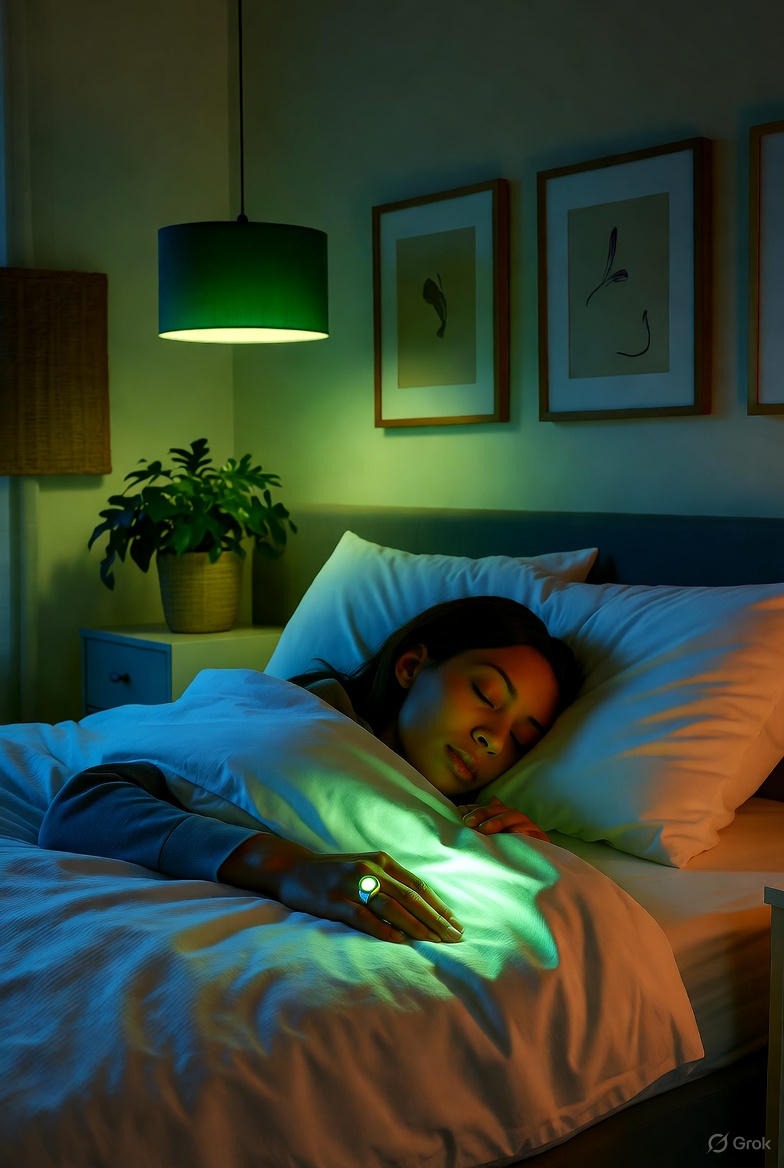
The Evolution of Sleep Tracking: From Labs to Your Finger

To appreciate the sophistication of the modern smart ring, we must first journey back to where it all began: the polysomnography (PSG) lab. Since the 1950s, this has been the undisputed gold standard for sleep diagnosis. A patient spends a night in a clinical setting, adorned with a daunting array of electrodes on the scalp (for EEG brainwave monitoring), around the eyes (for EOG, tracking eye movement), on the chin (for EMG, measuring muscle tone), belts around the chest and abdomen, a nasal cannula for airflow, and a pulse oximeter on the finger. This multi-parameter setup paints a complete picture of sleep stages, breathing disorders, and limb movements. It’s comprehensive, but it’s also expensive, inaccessible, and profoundly disruptive to the very sleep it aims to measure—a phenomenon known as the "first-night effect."

The quest for at-home understanding spawned the first consumer devices. Early actigraphy watches used simple accelerometers to detect movement, operating on the crude but somewhat effective principle that if you’re moving, you’re likely awake, and if you’re still, you’re likely asleep. This binary view was a start, but it missed the rich tapestry of sleep architecture. The rise of the fitness tracker brought optical heart rate sensors to the wrist, allowing for slightly more nuanced sleep stage estimation by combining movement with heart rate trends.

However, the wrist presents challenges. Wrist-based optical sensors are prone to motion noise (especially during sleep movements) and can suffer from the “wrist gap”—inconsistencies due to fit and bone structure. The finger, in contrast, offers a denser network of capillaries and smaller blood vessels, allowing for a stronger, cleaner PPG signal. This physiological advantage, combined with advances in miniaturization, low-power electronics, and machine learning, created the perfect storm for the smart ring’s ascent.

The ring form factor itself is a masterstroke in user compliance—the most critical factor in any long-term health monitoring. It’s lightweight, unobtrusive, safe to wear, and socially subtle. You can wear it anywhere, anytime, ensuring continuous data collection without the need to remember to put on a device before bed. This 24/7 wearability is the key differentiator. It allows the ring to establish a true, personalized baseline for your body, rather than just capturing fragmented snapshots. The evolution, therefore, is clear: from the intrusive lab (clinical accuracy, zero ecology), to the wrist (good ecology, compromised accuracy), to the finger (optimal balance of high-fidelity data and seamless, continuous wear). This journey has brought professional-grade sleep and recovery insights out of the clinic and into the flow of our daily lives, empowering a new era of proactive health awareness.

Core Sensor Technology: The Triad of PPG, Accelerometer, and Thermistor

At the heart of every advanced smart ring lies a miniature laboratory, orchestrated by three primary sensors working in concert. Understanding this triad is essential to demystifying how a piece of jewelry generates profound health insights.

1. Photoplethysmography (PPG): The Heart of the Matter
This is the star sensor. PPG works by shining light—typically green and infrared LEDs—into the skin and measuring the amount of light reflected back by blood vessels. With each heartbeat, blood volume in the capillaries changes slightly. More blood absorbs more light, resulting in a measurable dip in the reflected signal. This pulsatile waveform is your heartbeat. But the PPG signal is a treasure trove of data far beyond just heart rate (HR). Its subtle characteristics reveal:

  • Heart Rate Variability (HRV): The millisecond variations between heartbeats. A rich, complex pattern indicates a resilient, rested nervous system, while a flattened pattern suggests stress or fatigue.
  • Blood Oxygen Saturation (SpO₂): By comparing the absorption of red and infrared light (oxygenated and deoxygenated hemoglobin absorb light differently), the ring can estimate the percentage of oxygen in your blood.
  • Respiratory Rate: The gentle, wave-like modulation of the PPG signal caused by breathing. Advanced algorithms extract this rhythm to calculate breaths per minute, all without a chest strap.
    The finger’s vascular density provides a stronger, less noisy PPG signal than the wrist, especially during periods of low movement like sleep, making it the ideal location for these critical measurements.

2. The 3-Axis Accelerometer: Mapping Movement and Position
This micro-electromechanical system (MEMS) detects acceleration in three-dimensional space. During sleep, its role is multifaceted:

  • Gross Body Movement: Identifies periods of restlessness, full awakenings, and changes in body position (e.g., turning from your back to your side).
  • Sleep/Wake Differentiation: While not used in isolation, movement data is a key input for algorithms determining when you are truly asleep versus lying still but awake.
  • Activity & Daily Energy Expenditure: Outside of sleep, it tracks steps, active time, and general movement patterns, contributing to a holistic view of your daily strain and recovery balance.

3. The Thermistor (Skin Temperature Sensor):
This tiny component measures the minute changes in skin temperature at your finger. Nocturnal skin temperature follows a distinct circadian rhythm, typically dropping as you fall asleep and reaching its nadir in the early morning hours before rising toward wake-up. This sensor helps:

  • Predict and Detect Sleep Onset: A downward trend is a powerful physiological cue for the beginning of sleep.
  • Assess Circadian Rhythm Health: Disrupted or erratic nightly temperature curves can indicate circadian misalignment, often caused by stressful jobs that disrupt calm or irregular schedules.
  • Identify Illness Onset: A sustained elevation in nocturnal skin temperature can be an early sign of infection or inflammation, often before symptoms are felt.

The true magic lies not in any single sensor, but in sensor fusion. Advanced algorithms, often powered by machine learning, synthesize the PPG’s cardiovascular story, the accelerometer’s movement narrative, and the thermistor’s thermal plot into a coherent, multi-dimensional picture of your sleep. This fusion compensates for the limitations of individual sensors, creating a dataset whose accuracy and richness were once only possible in a lab setting.
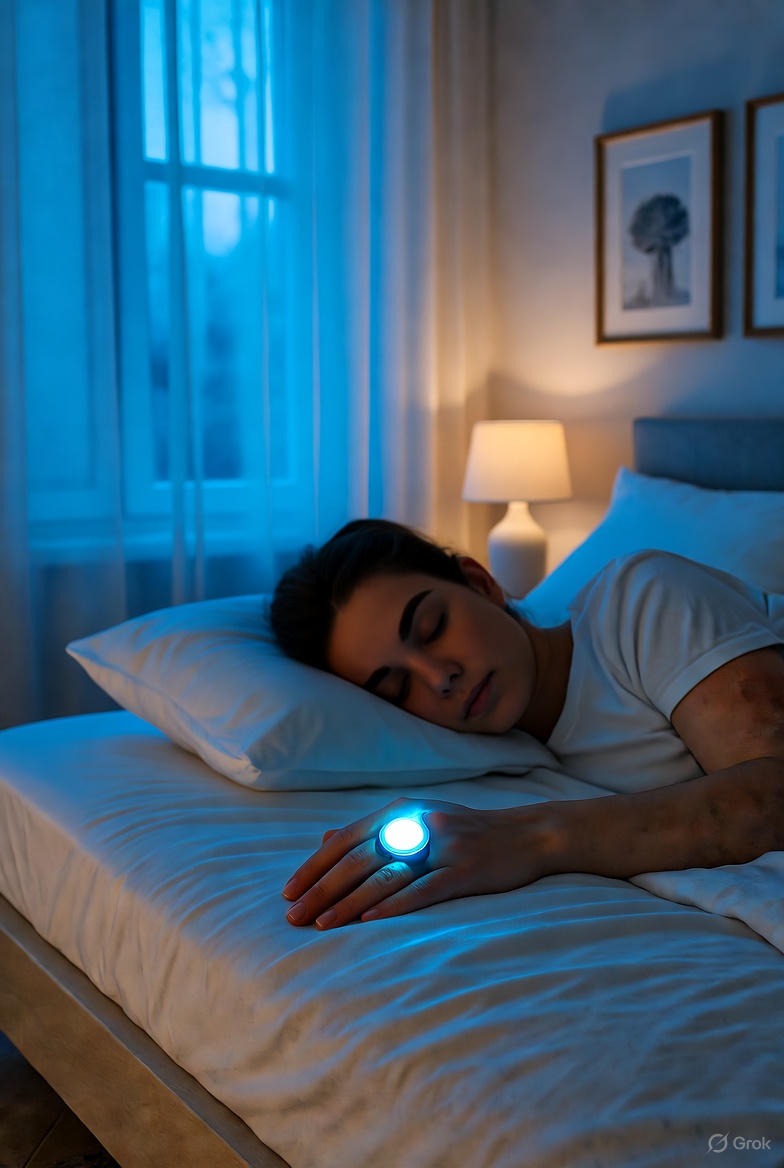
Decoding Sleep Architecture: Light, Deep, REM, and Awake

With the raw sensor data collected, the next feat of engineering is to translate it into the language of sleep medicine: sleep stages. This process, called sleep staging or hypnogram generation, is where sophisticated algorithms mimic the work of a sleep technician scoring a PSG.

Historically, sleep was viewed as a passive state. We now know it’s a highly active, structured process cycling through distinct stages every 90-120 minutes. Each stage serves a unique, vital function for physical and mental restoration.

NREM (Non-Rapid Eye Movement) Stage 1 (N1 - Light Sleep):
This is the transitional "drift-off" stage, lasting several minutes. Your muscles begin to relax, heart rate and breathing start to slow, and brain waves transition from wakeful beta waves to slower alpha and theta waves. The ring identifies this stage through a combination of decreased heart rate, the onset of specific movement patterns (like gentle hypnic jerks), and a drop in skin temperature. While light, this stage is the gateway to deeper, more restorative sleep.

NREM Stage 2 (N2 - Light Sleep):
You spend nearly half your night in N2 sleep. It’s characterized by specific brainwave patterns called sleep spindles and K-complexes, which act as a gatekeeper to protect sleep from external disturbances. Physiologically, heart rate and breathing become regular and slow further, body temperature drops, and muscle activity is minimal. The ring’s algorithm detects the stable cardio-respiratory patterns and lack of major movement to pinpoint this stage. N2 is crucial for memory consolidation and cognitive processing.

NREM Stage 3 (N3 - Deep Sleep or Slow-Wave Sleep):
This is the most physically restorative phase. Brain waves slow to large, synchronized delta waves. It’s very difficult to be awakened; if you are, you’ll feel groggy and disoriented. During deep sleep, tissue growth and repair occur, energy is restored, and critical hormones for growth and development are released. The ring identifies deep sleep through its signature biomarkers: heart rate reaches its lowest, most stable point of the night, breathing is slow and rhythmic, and movement is virtually absent. Maximizing deep sleep is a cornerstone of a diet that calms your nervous system and supports physical recovery.

REM (Rapid Eye Movement) Sleep:
The stage of vivid dreams. Your brain becomes highly active (similar to wakefulness), but your voluntary muscles are temporarily paralyzed (atonia) to prevent you from acting out your dreams. Your eyes dart rapidly beneath closed lids, heart rate and breathing become irregular and faster, and blood pressure rises. The ring detects REM through a unique combination of signals: a brain-like state of heightened, variable heart rate (mimicking wakefulness) coupled with a complete lack of physical movement (due to atonia). REM sleep is essential for emotional regulation, memory integration, and creative problem-solving.

Awake Periods:
Brief arousals (a few seconds to a minute) are normal throughout the night. The ring, using the accelerometer and spikes in heart rate, logs these micro-awakenings. Frequent or prolonged periods can fragment sleep architecture, reducing its restorative quality, a common issue for those learning how digital detox enhances restful living by reducing nighttime mental stimulation.

By accurately mapping this architecture each night, your smart ring provides more than just duration; it reveals the quality and structure of your sleep, offering actionable levers for improvement far beyond simply "going to bed earlier."

The Critical Biomarker: Heart Rate Variability (HRV) During Sleep

If you could only track one biomarker for recovery and nervous system health, Heart Rate Variability (HRV) would be the prime candidate. It is the ultimate metric of your body’s resilience and adaptability. Contrary to what one might assume, a healthy heart is not a metronome; it has a dynamic, complex rhythm. HRV measures the precise time variation (in milliseconds) between consecutive heartbeats. This variation is directly governed by your autonomic nervous system (ANS)—the balance between the sympathetic (“fight-or-flight”) and parasympathetic (“rest-and-digest”) branches.

Why Measure HRV During Sleep?
Sleep, particularly deep sleep, is when the parasympathetic nervous system should dominate, allowing for true restoration. Therefore, nighttime HRV provides the cleanest, most consistent reading of your baseline recovery state. Daytime HRV is useful but can be wildly influenced by stressors, activity, meals, and caffeine. At night, these confounders are minimized. A high average nighttime HRV typically indicates strong parasympathetic activity, good recovery, and resilience to stress. A low or declining trend can be an early warning sign of overtraining, impending illness, chronic stress, or poor sleep quality.

How the Smart Ring Measures HRV:
The ring’s PPG sensor captures the inter-beat intervals from your pulse wave. Advanced algorithms then filter out noise from movement or poor signal quality. The most common metric derived is rMSSD (the root mean square of successive differences), which is particularly sensitive to parasympathetic activity and is considered ideal for fitness and wellness tracking. The ring calculates this throughout the night and presents an average or a nightly graph. Some advanced models also track HRV balance or provide a stress/recovery score based on this data.

Interpreting Your Nightly HRV:

  • Personal Baseline is Key: There is no universal "good" number. HRV is highly individual, influenced by age, genetics, and fitness. The most powerful insights come from tracking your own trends over time.
  • Trends Over Isolated Numbers: A sudden, sustained drop in your HRV below your personal baseline is a clear signal from your body. It’s asking for rest. It might mean you need to adjust your training load, prioritize creating calm in stressful jobs, or address lifestyle stressors.
  • The Link to Sleep Quality: You’ll often see HRV dip on nights with poor sleep efficiency, high restlessness, or insufficient deep sleep. This creates a feedback loop: poor sleep lowers HRV, and low HRV (high sympathetic tone) can make it harder to achieve deep, restorative sleep. Breaking this cycle is essential for high achievers seeking performance through rest.

By giving you a quantifiable measure of your nervous system’s state each morning, HRV transforms subjective feelings of "being run down" into an objective, actionable data point. It’s your body’s most honest report card.

Blood Oxygen (SpO₂) and Breathing Disturbances: The Sleep Apnea Sentinel

Blood oxygen saturation (SpO₂) is a measure of how much oxygen your red blood cells are carrying from your lungs to the rest of your body. A normal, healthy reading at sea level is typically between 95% and 100%. During sleep, it’s normal for SpO₂ to dip slightly, but significant, repetitive drops are a major red flag.

The Technology Behind Ring-Based SpO₂ Monitoring:
The ring uses a technique called reflective pulse oximetry. It emits both red and infrared light into the finger. Oxygenated hemoglobin (HbO₂) absorbs more infrared light and allows more red light to pass through. Deoxygenated hemoglobin (Hb) does the opposite. The sensor measures the ratio of absorbed red to infrared light to calculate the percentage of oxygen-saturated hemoglobin. Modern rings perform this measurement periodically throughout the night (e.g., every minute or during suspected events) to conserve battery while still capturing critical trends.

Detecting Breathing Disturbances:
The ring doesn’t diagnose sleep apnea—that requires a medical sleep study. However, it acts as a powerful sentinel, identifying patterns highly suggestive of sleep-disordered breathing. Here’s how:

  1. Hypopnea & Apnea Detection: When you have a breathing event (a partial reduction or full pause in breathing), blood oxygen begins to fall. The ring’s SpO₂ sensor records this dip.
  2. Arousal Correlation: As oxygen drops, your brain triggers a micro-arousal to restart breathing. This "arousal" causes a sudden spike in heart rate and often a small body movement. The ring’s PPG and accelerometer detect this.
  3. Pattern Recognition: The algorithm looks for the signature pattern: a dip in SpO₂ followed closely by a heart rate spike and possible movement. When these clusters occur repeatedly throughout the night, the ring will flag a high number of "possible breathing disturbances" or a low "oxygen variation" score.

Why This is a Game-Changer:
Obstructive Sleep Apnea (OSA) is notoriously underdiagnosed, affecting millions who simply think they are "poor sleepers" or perpetually tired. It’s linked to hypertension, heart disease, stroke, and type 2 diabetes. A smart ring providing persistent, at-home SpO₂ data can be the catalyst that prompts someone to seek a professional evaluation. For those already diagnosed, it can help track the efficacy of treatments like CPAP therapy.

Beyond apnea, nocturnal SpO₂ trends are insightful for:

  • Respiratory Health: Monitoring during a cold or flu.
  • High-Altitude Adaptation: Tracking how your body acclimates to lower oxygen environments, which can be part of a restful living travel guide for maintaining calm on the go.
  • Overall Wellness: Consistently low baseline SpO₂ can indicate other health issues.

This feature transforms the smart ring from a wellness tracker into a potentially life-saving health monitoring device, all by leveraging the simple principle of light absorption through your skin.

Skin Temperature & Its Nocturnal Narrative

Your core body temperature follows a well-defined 24-hour cycle, a central component of your circadian rhythm. While a smart ring doesn’t measure core temperature directly, the skin temperature at your finger provides a highly valuable proxy that tells a detailed story about your sleep and health.

The Circadian Rhythm of Skin Temperature:
As you prepare for sleep, your body begins to shed heat from its core to the extremities (a process called distal vasodilation). This is why you might have warm hands and feet when falling asleep. The ring’s thermistor captures this decline. Temperature typically continues to drop, reaching its lowest point in the early morning hours (around 4-5 AM), before beginning its steady rise to prepare the body for wakefulness. A smooth, predictable curve indicates a well-synchronized circadian clock.

What Your Nocturnal Temperature Curve Reveals:

  • Sleep Onset & Quality: A pronounced drop in temperature is strongly correlated with sleep initiation. A flatter curve or a delayed drop can signal difficulty falling asleep or circadian misalignment.
  • Sleep Stage Correlations: Temperature is often at its lowest during deep sleep and begins to rise as REM sleep periods become longer toward morning.
  • Lifestyle Impact: Alcohol consumption before bed can cause an abnormal temperature spike later in the night, fragmenting sleep. Late-night heavy meals or intense evening exercise can also blunt or delay the natural cooling process.
  • Hormonal Influences: For women, the menstrual cycle creates a distinct biphasic pattern in basal body temperature. While skin temperature is not identical to basal temperature, many rings can detect the subtle shift associated with ovulation (a small sustained rise), providing fascinating insight into cyclical changes in recovery and sleep needs.

The Early-Warning System:
One of the most practical applications of continuous temperature monitoring is the detection of deviations.

  • Illness Onset: A sustained elevation in your nocturnal baseline temperature is one of the earliest signs of infection or inflammation. Seeing this trend for 2-3 nights before symptoms appear allows you to proactively prioritize rest, hydration, and reduce stress—potentially mitigating the severity of an oncoming cold or flu.
  • Stress & Overtraining: Chronic stress and physical overexertion can dysregulate the autonomic nervous system and inflammatory response, which may also manifest as subtle shifts in your nightly temperature profile.

By tracking this biomarker, you move beyond just measuring sleep to understanding the physiological context of your sleep. It helps answer the question: Why did I sleep poorly? Was it my schedule, my habits, or is my body fighting something off? This level of insight is foundational for anyone building a personalized, resilient approach to well-being, allowing you to adapt your restful living approach through the seasons of life and health.

The Recovery Score: Synthesizing Data into One Powerful Metric

You now have a deep understanding of the individual metrics: sleep stages, HRV, SpO₂, temperature, and restlessness. The sheer volume of data can be overwhelming. This is where the Recovery Score (also called Readiness or Body Battery by some brands) comes in—a masterstroke of data science and user experience. It’s the algorithm’s attempt to synthesize the multi-dimensional story of your night into a single, digestible number that answers the most important morning question: "Am I ready to take on the day?"

What Goes Into a Recovery Score?
While proprietary algorithms vary, they generally weigh inputs from three key domains:

  1. Sleep Quality & Quantity: This is the foundation. It includes total sleep time, sleep efficiency (time asleep vs. time in bed), the balance of sleep stages (especially deep and REM), and the number of awakenings. A long, efficient sleep with ample deep and REM sleep scores highly.
  2. Physiological Restoration: This is where HRV is king. A high or improved HRV score is a massive positive contributor. Stable, normal SpO₂ levels and a typical skin temperature curve also feed into this category, indicating calm, undisturbed physiology.
  3. Previous Day’s Strain (Load): Recovery is meaningless without context. A great score after a day on the couch is different from a great score after a marathon. Advanced algorithms factor in your previous day’s activity data (from the ring’s own accelerometer or connected apps) to assess how well you’ve recovered from that specific strain.

How to Use Your Recovery Score Intelligently:
The score is not a decree, but a recommendation—a conversation starter with your own body.

  • High Score (e.g., 80-100): Your body is signaling readiness. It’s a green light to engage fully—tackle demanding work, have a intense training session, or be socially active. It’s an opportunity to leverage your preparedness.
  • Moderate Score (e.g., 50-79): A yellow light. Proceed, but with awareness. You may want to moderate the intensity of your workout, take strategic breaks, or be mindful of stress. It’s a day to listen closely to subjective feelings alongside the data.
  • Low Score (Below 50): A red flag and an invitation for rest. This is not a day to push through. Prioritize restorative activities: gentle movement like walking or yoga, focus on how breathwork supports restful living, hydrate well, and consider an earlier bedtime. It’s a day to protect your energy with clear restful living boundaries.

The true power of the Recovery Score emerges over time. By observing how your lifestyle choices—late meals, alcohol, stressful events, intense workouts—impact the next morning’s number, you gain empirical feedback. It turns abstract health principles into concrete cause-and-effect relationships, empowering you to make smarter daily decisions that cumulatively build a foundation of resilience and sustainable high performance.

Movement & Restlessness: The Accelerometer's Night Watch

While the PPG sensor tells the story of your inner physiology, the accelerometer stands guard over your physical night. Its data, often displayed as a "restlessness" graph or timeline, provides a crucial, objective record of your sleep’s stability.

What Constitutes 'Restlessness'?
The accelerometer is finely tuned to detect motion beyond the minor tremors of the pulse. Restlessness events are typically categorized as:

  • Major Position Changes: Turning over from your back to your side or from one side to the other.
  • Limb Movements: Arm or leg jerks, adjusting pillows or blankets.
  • Periods of Agitation: Clusters of smaller movements indicating difficulty settling.

Interpreting the Restlessness Graph:
A completely motionless night is neither normal nor desirable; we all make postural shifts to prevent pressure sores and maintain comfort. However, the pattern and frequency matter.

  • Healthy Pattern: Most movement is clustered in the lighter sleep stages (N1 and N2) and during brief awakenings. You might see a few turns per hour, with longer periods of stillness during deep sleep phases.
  • Concerning Pattern: Frequent, large movements occurring throughout the night, especially if they correlate with spikes in heart rate or dips in SpO₂. This "sympathetic surge" pattern suggests sleep fragmentation, where you are constantly being aroused to a lighter stage of sleep without full awakening, destroying sleep continuity.

Causes of High Restlessness (and How to Address Them):

  1. Environmental Factors: An uncomfortable mattress, a room that’s too warm or too cold, or disruptive noise/light. Optimizing your sleep environment is a fundamental act of minimalism enabling restful living in your bedroom.
  2. Dietary Triggers: Caffeine too late in the day, heavy or spicy meals close to bedtime, or alcohol consumption. While alcohol may induce sleep, it severely fragments the second half of the night, leading to massive restlessness and poor sleep quality.
  3. Stress & Anxiety: A racing mind activates the sympathetic nervous system, which can manifest as physical agitation during sleep. This is where pre-sleep rituals and daytime stress management become critical.
  4. Underlying Sleep Disorders: Periodic Limb Movement Disorder (PLMD) or Restless Legs Syndrome (RLS) cause involuntary, repetitive movements. A high, consistent restlessness score can be a clue to discuss with a doctor.
  5. Poor Recovery Balance: Overtraining or excessive cumulative life stress can lead to a hyper-aroused state that persists into sleep.

By quantifying your movement, the smart ring provides an unbiased report on your sleep’s continuity. It helps you connect the dots between your daytime actions and your nighttime stillness, guiding you toward creating the external and internal conditions necessary for truly uninterrupted, restorative slumber.
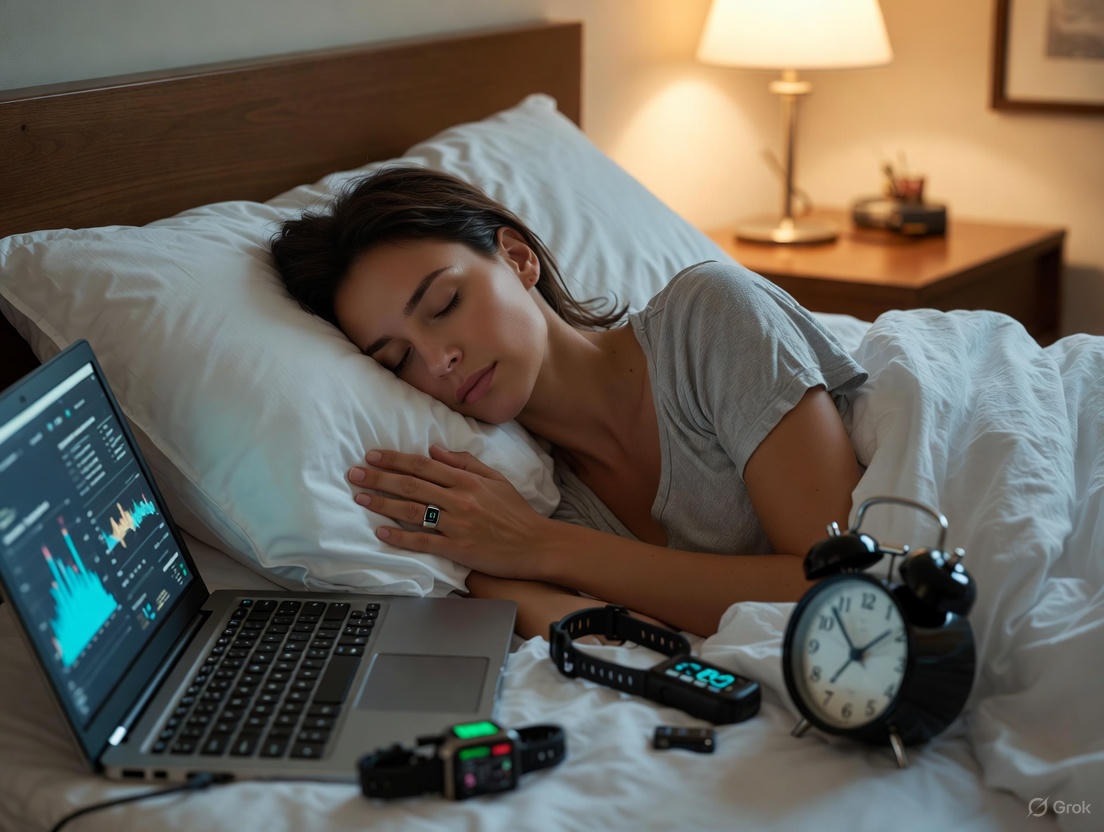
Smart Alarm & Sleep Phase Wake-Up: Waking with the Rhythm

The jarring scream of a traditional alarm clock is a form of sensory assault. It often rips you from deep or REM sleep, leading to sleep inertia—that groggy, disoriented, and cognitively impaired feeling that can last for hours. The smart alarm feature turns this brutal experience into a gentle, rhythmic conclusion to your sleep cycle.

The Science of Sleep Cycles and Wakefulness:
As we’ve explored, sleep progresses in ~90-minute cycles from light to deep to REM sleep. The phases closest to wakefulness are light sleep (N1/N2) and REM sleep. Waking during these stages is far more natural and less disruptive. Sleep inertia is most severe when awakened from deep sleep (N3).

How a Smart Ring Implements a Smart Alarm:

  1. The Learning Phase: The ring first learns your personal sleep patterns over several nights to estimate the timing of your cycles.
  2. The Monitoring Window: You set a range for your desired wake-up time (e.g., between 6:30 and 7:00 AM). The ring then uses its real-time sensors (primarily accelerometer and heart rate) in the final 20-30 minutes of that window to identify a period of light sleep or REM.
  3. The Gentle Trigger: Instead of waiting for your hard deadline, the ring vibrates softly (a much more pleasant stimulus than sound) when it detects an optimal wake-up moment within your window. The goal is to transition you from sleep to wakefulness at the natural, high-point of your cycle.

Benefits of a Sleep Phase Wake-Up:

  • Reduced Sleep Inertia: Waking feeling more refreshed, alert, and less groggy.
  • Improved Morning Mood and Cognition: Starting the day with a clearer mind can enhance productivity and emotional balance, supporting how restful living improves relationships and mood.
  • Preservation of Sleep Cycles: It avoids the destructive act of truncating a deep sleep phase, which is critical for physical restoration.

Important Nuances:

  • It’s an Aid, Not a Guarantee: The algorithm is making an educated guess based on physiological signals. It won’t always be perfect, but it’s statistically superior to a fixed-time alarm.
  • Back-Up is Essential: The ring will always trigger its vibration by your latest set time to ensure you don’t oversleep.
  • Consistency Matters: This feature works best if you maintain a relatively consistent sleep schedule, allowing your circadian rhythm and sleep architecture to stabilize.

By aligning your wake-up time with your body’s natural rhythms, the smart alarm transforms a daily moment of stress into an opportunity for a graceful, empowered start to the day. It’s a perfect example of how the ring uses intelligence not just to measure, but to actively improve your lived experience.

The User Experience: Apps, Data Visualization, and Personalized Insights

The ring is merely the data collection device. Its true value is unlocked on your smartphone, where sophisticated apps transform raw sensor readings into meaningful stories, actionable insights, and beautiful visualizations. This user experience (UX) layer is where science meets daily life.

The Dashboard: Your Morning Health Report
A well-designed app presents a clean, prioritized dashboard each morning. At a glance, you should see:

  • The Headline Score: Your Recovery or Sleep Score, serving as your quantitative summary.
  • Key Metrics: Clearly presented tiles for Sleep Duration, Deep Sleep, REM Sleep, HRV, and Resting Heart Rate, often compared to your personal baseline.
  • Timeline Visualization: A color-coded hypnogram showing your sleep stages throughout the night, overlaid with lines for restlessness, heart rate, and SpO₂ events. This allows for intuitive pattern spotting (e.g., "every time my heart rate spiked, I was in a light sleep stage").

Drill-Down and Context
Tapping any metric should provide deeper context. For example:

  • HRV Detail: A graph of your HRV throughout the night, with an explanation of what a higher or lower number means for you.
  • Sleep Stage Breakdown: Percentages and durations of each stage, compared to healthy ranges for your age and gender.
  • Trends View: The most powerful view of all. This shows your key metrics over days, weeks, and months. Seeing your HRV gradually climb as you meditate regularly, or your deep sleep increase as you stop eating late, provides undeniable motivation and clarity.

Personalized Insights and Nudges
Beyond raw data, advanced apps use AI to generate plain-language insights. These are not generic tips, but observations based on your data:

  • "Your resting heart rate was 5 BPM higher than usual last night. This can sometimes happen after intense evening workouts. Consider finishing exercise at least 2 hours before bed."
  • "You had 3 potential breathing disturbances. While not a diagnosis, if you often feel tired despite long sleep, it may be worth discussing this pattern with your doctor."
  • "Your recovery score has been trending down for 3 days. Your body may be asking for more rest. Consider a lighter day."

These insights bridge the gap between data and behavior change. They turn the ring into a personalized sleep coach on your wrist (or rather, on your finger). The best apps also offer educational content, helping you understand the "why" behind the metrics, perhaps linking to resources on a structured weekly plan for sustainability in your wellness journey.

Integration and the Big Picture
Finally, the app’s power is multiplied by its ability to integrate with other aspects of your digital life. Syncing with Google Fit or Apple Health creates a holistic health profile. Integrating with fitness apps like Strava or TrainingPeaks allows the recovery score to directly influence training recommendations. This interconnected ecosystem ensures your sleep data isn’t in a silo, but is actively informing your daily decisions across health, fitness, and productivity.

Long-Term Trends and Baselines: The Power of Continuous Wear

For years, health tracking has been plagued by the snapshot problem: a single night’s data is a data point, but without context, it’s often meaningless. Was last night’s low HRV a sign of illness, or just a random fluctuation? Is your deep sleep percentage truly low, or is it just your normal? The transformative advantage of the smart ring—its 24/7 wearability—solves this by enabling the establishment of a personalized baseline. This is where the journey from data to genuine wisdom truly begins.

How Your Ring Establishes Your Baseline:
Upon first use, the ring begins a learning phase, typically lasting 7-14 nights. During this period, it’s not just collecting data; it’s building a statistical model of you. It calculates your average nightly heart rate, your typical HRV range, your normal sleep architecture percentages, and your regular skin temperature curve. Crucially, it also learns how you respond to strain—how much your metrics dip after a hard workout or a stressful day. This dynamic baseline isn’t a static number; it’s a living, breathing range that represents your unique physiology.

Interpreting Data Through the Lens of Your Baseline:
Once your baseline is established, every new night’s data is interpreted in relation to it. The app doesn’t just show you a sleep score; it shows you a sleep score that is “higher than your average” or “within your typical range.” This is a paradigm shift.

  • Beyond Population Averages: Medical “normal” ranges are based on large populations. Your personal normal might be different. You might naturally have a lower-than-average HRV but a very stable one, which is a sign of health for you. The ring’s insights are tailored, not generalized.
  • Detecting Meaningful Deviations: A single night of poor sleep is just a blip. But when the ring detects a sustained deviation—like HRV trending below your baseline for five consecutive nights, or a consistent elevation in resting heart rate—it raises a flag. This pattern-based detection is far more significant than any single data point and can alert you to overtraining, chronic stress accumulation, or the early stages of illness long before symptoms appear.

The Compound Interest of Health Data:
The value of this trend data compounds over months and years. You can observe:

  • Seasonal Effects: Does your deep sleep decrease in winter? Does your HRV peak in autumn? Understanding your body’s restful living through the seasons can help you adapt your routines.
  • Lifestyle Impact Analysis: You can run personal experiments with near-laboratory precision. Start a meditation practice and watch your HRV trend line gently rise over eight weeks. Eliminate screen time after 9 PM and see your sleep latency (time to fall asleep) shorten. This empirical feedback loop turns abstract wellness advice into a personalized, validated protocol.
  • Long-Term Health Trajectory: For the first time, you have a quantifiable record of your body’s resilience over time. This historical data can be invaluable in discussions with healthcare providers, providing objective evidence of changes that subjective feelings can’t capture.

This long-view perspective moves you from being reactive (“I feel tired today”) to being proactive (“My trends show I’m accumulating fatigue, so I’ll prioritize rest this week”). It’s the cornerstone of a sustainable, intelligent approach to well-being.

Accuracy and Limitations: Setting Realistic Expectations

The promise of lab-grade data from a consumer device is alluring, and modern smart rings deliver remarkably sophisticated insights. However, a responsible exploration requires a clear-eyed view of their capabilities and limitations. Understanding these boundaries prevents misinterpretation and ensures you use the device as the powerful tool it is, not as an infallible medical device.

Where Smart Rings Excel:

  1. Trend Tracking Over Absolute Precision: As established, the ring’s greatest strength is tracking changes and trends in your own biomarkers over time. The absolute accuracy of a single night’s deep sleep percentage may have a margin of error compared to PSG, but the trend of that percentage over a month is exceptionally reliable and actionable.
  2. Nocturnal Heart Rate & HRV: Due to the stable, low-motion environment of sleep and the superior vascular access of the finger, nocturnal heart rate and HRV measurements are considered highly valid for consumer-level tracking and are widely used in clinical research for at-home monitoring.
  3. Sleep/Wake Patterns and Consistency: The combination of accelerometer and heart rate data makes the ring very accurate at determining sleep onset, wake time, and overall sleep duration. This is crucial for addressing fundamental sleep hygiene.
  4. Relative SpO₂ Measurement: While not FDA-approved for diagnostic purposes, the ring’s SpO₂ sensor is excellent at detecting relative dips and patterns (e.g., repeated desaturations), which is the key signal for potential sleep-disordered breathing.

Important Limitations and Considerations:

  1. Not a Medical Diagnostic Device: This cannot be overstated. A smart ring cannot diagnose sleep apnea, insomnia, PLMD, or any other sleep disorder. It can provide strong, data-backed evidence to take to a doctor, who can then order a proper polysomnogram. It is a screening and monitoring tool, not a replacement for professional medicine.
  2. Sleep Stage Estimation vs. Measurement: The ring infers sleep stages from heart rate, movement, and breathing patterns. A clinical PSG measures them directly via brain waves (EEG). The correlation is strong—often in the 80%+ agreement range for deep and REM sleep—but not perfect. The staging is an educated, algorithmic estimation.
  3. Signal Artifacts: A poor fit (too loose or too tight), extremely cold fingers, or significant hand/arm movement during sleep can temporarily degrade the PPG signal, leading to gaps or noise in the data. Most apps will indicate a “poor signal” period rather than report bad data.
  4. The "Observer Effect": Even the most unobtrusive device can create a psychological effect. Some users may become anxious or obsessive over their scores, a phenomenon sometimes called “orthosomnia” – the pursuit of perfect sleep data, which ironically increases stress and harms sleep. The data should serve you, not the other way around.

Best Practices for Reliable Data:

  • Ensure a Snug, Comfortable Fit: The ring should not spin easily but should not leave an indentation.
  • Wear it Consistently: The more you wear it, the better it learns and the more complete your trends.
  • Focus on Macro-Trends: Don’t stress over a single night’s score. Look at weekly averages and multi-week trends.
  • Correlate with Subjective Feel: Always cross-reference the data with how you actually feel. If your score is an 85 but you feel exhausted, listen to your body. The data is one input, not the final verdict.

By embracing both the power and the boundaries of the technology, you become an informed, discerning user. You leverage its incredible insights while maintaining a healthy, holistic perspective on your well-being, using the data to support—not dictate—your journey toward restful living and longevity.

Comparative Analysis: Smart Ring vs. Smartwatch vs. Dedicated Sleep Trackers

The wearable market offers a suite of options for the sleep-curious consumer. Choosing the right tool depends on your priorities: comprehensiveness, convenience, accuracy, or a specific health focus. Here’s a breakdown of how the smart ring stands in the ecosystem.

Smart Rings (e.g., Oura, Ultrahuman, Circular):

  • Strengths:
    • Unobtrusive & High Compliance: The #1 advantage. You forget you’re wearing it, leading to continuous 24/7 data and superior long-term trends.
    • Optimal Physiological Site: The finger provides a stronger, cleaner PPG signal for heart rate, HRV, and SpO₂ during sleep than the wrist.
    • Focused on Recovery & Prevention: The core philosophy is holistic readiness and recovery, with deep insights into the autonomic nervous system (via HRV) and circadian rhythms (via temperature).
    • Long Battery Life: Typically 4-7 days, reducing charging anxiety and ensuring no missed nights.
  • Weaknesses:
    • Limited Daytime Smart Features: No touchscreen, call/message notifications, or GPS. It’s a health sensor first.
    • Activity Tracking is Basic: Good for steps and general activity, but lacks the robust workout tracking and GPS of a fitness watch.
    • Sizing Can Be Precise: Requires getting the correct size for optimal data.

Fitness Smartwatches (e.g., Apple Watch, Garmin, Whoop Strap):

  • Strengths:
    • Multifunctional Powerhouses: They are full smart devices with apps, notifications, music, and payments.
    • Superior Activity & GPS Tracking: Unbeatable for detailed workout metrics, mapping, and training load analysis.
    • Broad Ecosystem Integration: Deep integration with smartphone OS and other apps.
    • (For Whoop): Similar recovery-focused metrics as a ring, but worn on the wrist.
  • Weaknesses:
    • Lower Sleep Compliance: Many people find watches uncomfortable to sleep in or need to charge them nightly, missing sleep data.
    • Wrist-Based Signal Limitations: The PPG signal is more prone to motion noise and the “wrist gap,” potentially affecting HRV and SpO₂ accuracy during sleep.
    • Potential for Sleep Disruption: Notifications and screens can be counterproductive to digital detox for restful living.

Dedicated Bedside Sleep Monitors (e.g., Withings Sleep Analyzer, SleepScore Max):

  • Strengths:
    • Non-Wearable: Placed under the mattress or on the nightstand. Zero comfort or compliance issues.
    • Excellent Breathing & Snoring Analysis: Often use sonar or ballistocardiography to detect breathing patterns, snoring, and sleep apnea risk with high accuracy.
    • Comprehensive Environmental Data: Some measure room temperature, humidity, and light.
  • Weaknesses:
    • No Daytime/Readiness Metrics: Zero insight into HRV, all-day stress, or recovery—only sleep.
    • Tracks the Bed, Not Necessarily You: Can be confused by a partner’s movements or pets.
    • No Mobility: You can’t take it with you when traveling, breaking your data continuity.

The Verdict:
The choice is not about which device is “best,” but which is best for your goals.

  • Choose a smart ring if your priority is maximizing recovery, understanding your nervous system, and getting the most accurate and consistent sleep and readiness data with minimal lifestyle friction. It’s the tool for the holistic wellness enthusiast and the high-achiever seeking performance through rest.
  • Choose a fitness smartwatch if you are a serious athlete who needs detailed workout tracking and GPS, or you want a single device for communication, fitness, and basic sleep insights.
  • Choose a dedicated sleep monitor if sleep apnea screening and snoring analysis are your sole, primary concerns and you never want to wear a device.

For those dedicated to a complete picture of rest and readiness, the smart ring’s unique combination of physiological accuracy, wearability, and recovery-centric analytics makes it the undisputed specialist in the field.

Advanced Biomarkers: Respiratory Rate, Pulse Wave Analysis, and the Future

Beyond the now-standard metrics of HRV and SpO₂, the next frontier of smart ring technology lies in extracting even more subtle signatures from the pulse wave and breathing patterns. These advanced biomarkers are transitioning from research labs to consumer devices, promising even deeper layers of insight.

Respiratory Rate (RR): The Silent Metric of Stability
While often overlooked, respiratory rate is a vital sign of immense importance. Your ring doesn’t have a breath sensor; it calculates this from the Respiratory Sinus Arrhythmia (RSA)—the natural, healthy variation in heart rate that occurs with breathing (heart rate increases slightly on inhalation, decreases on exhalation). By analyzing the frequency of these oscillations in the PPG signal, the algorithm derives your breaths per minute.

  • What It Tells You: A low, stable nocturnal respiratory rate (e.g., 12-16 breaths per minute) is a sign of autonomic calm and efficient gas exchange. A high or highly variable respiratory rate can indicate stress, anxiety, respiratory issues, or sleep-disordered breathing. Tracking your nightly RR trend provides another window into your nervous system’s state and respiratory health.

Pulse Wave Analysis and Vascular Health
The PPG waveform is not just a series of spikes; its shape contains a wealth of information. Advanced signal processing can analyze:

  • Pulse Wave Velocity (PWV) Proxy: While not a direct measurement, certain characteristics of the waveform’s shape and the time between peaks can give clues about arterial stiffness—a key indicator of cardiovascular aging and health.
  • Peripheral Perfusion: The strength and amplitude of the pulse wave can indicate blood flow to the extremities. Sudden changes could be related to temperature, stress, or other vascular phenomena.

Heart Rate Variability Deep Dive: Beyond rMSSD
While rMSSD is the standard, it’s just one way to analyze the complex signal of HRV. Future applications may include:

  • Spectral Analysis: Breaking down HRV into frequency bands (Very Low Frequency, Low Frequency, High Frequency) to provide a more nuanced view of sympathetic vs. parasympathetic balance.
  • Stress/Recovery State Detection: Using continuous HRV patterns throughout the day, not just a nightly average, to provide real-time feedback on your nervous system state, prompting moments for breathwork to support restful living.

The Emerging Frontier: Glucose Monitoring & Metabolic Insight
The most anticipated future capability is non-invasive glucose monitoring. Several companies are developing PPG-based or spectroscopic techniques to estimate blood glucose trends through the skin. While immense technical hurdles remain, a ring that could provide continuous glucose monitoring (CGM) data without needles would revolutionize metabolic health management, providing insights into how sleep, food, and stress impact blood sugar stability.

Multimodal Sensing and AI Synthesis
The future lies not in one perfect sensor, but in the fusion of many. Future rings may incorporate:

  • Bioimpedance Sensors: For estimating body composition and hydration status.
  • Advanced Temperature Arrays: To better distinguish core vs. skin temperature trends.
  • Environmental Light Sensors: To measure true light exposure for circadian alignment.
    The role of artificial intelligence will be to synthesize these multimodal data streams into hyper-personalized, predictive insights. Imagine your ring not just telling you you’re tired, but predicting a migraine 12 hours in advance based on a combination of vascular, temperature, and HRV patterns, or recommending a specific type of meal to optimize your sleep based on your day’s stress and activity.

This trajectory is clear: the smart ring is evolving from a sleep and recovery tracker into a comprehensive, always-on health guardian on your finger.

Practical Protocols: Using Your Ring Data to Optimize Sleep & Recovery

Data is inert without action. The ultimate value of your smart ring is its ability to inform concrete, personalized changes that elevate your sleep and overall vitality. Here are evidence-based protocols, stratified from foundational to advanced, that you can implement based on your ring’s feedback.

Level 1: The Foundational Bedrock (Addressing Low-Hanging Fruit)
If your scores are consistently low, start here. These protocols address the non-negotiable basics.

  1. Anchor Your Wake-Up Time: Use your ring’s data to find a realistic, consistent wake-up time you can maintain 7 days a week. A fixed wake-up time is the single most powerful tool for anchoring your circadian rhythm. Protect it fiercely.
  2. Create a Temperature-Lowering Routine: Your ring’s temperature graph shows you need to cool to sleep. Protocol: Take a warm bath or shower 1-2 hours before bed (the subsequent cooldown promotes sleepiness). Ensure your bedroom is cool (65-68°F or 18-20°C). Use breathable bedding.
  3. Implement a Digital Sunset: If your ring shows high restlessness or delayed sleep onset, screen light is a likely culprit. Protocol: Enable Night Shift/Blue Light filters 3 hours before bed. Stop all work and stimulating content 90 minutes before bed. Consider a true digital detox to enhance restful living by charging your phone outside the bedroom.

Level 2: The Behavioral Layer (Leveraging Day-Night Connections)
Your daytime habits directly write the script for your night. Use your daily activity and readiness score to guide these protocols.

  1. The Recovery-Adjusted Workout: Don’t just follow a static workout plan. Protocol: Check your readiness score each morning. On high-score days, proceed with intense training. On moderate-score days, opt for moderate or skill-based sessions. On low-score days, mandate rest or very gentle movement like walking or stretching. This autoregulation prevents overtraining.
  2. Strategic Caffeine & Meal Timing: Your ring’s sleep latency and restlessness data will reveal your sensitivity. Protocol: Enforce a caffeine curfew (e.g., no caffeine after 2 PM). Finish large meals at least 3 hours before bedtime. If you need a snack, make it light, high in protein or healthy fats, and low in sugar and refined carbs to support a diet that calms your nervous system.
  3. Daylight Anchoring: To stabilize your circadian temperature rhythm, get bright light exposure first thing in the morning. Protocol: Spend 10-15 minutes outside within 30 minutes of waking (without sunglasses). If impossible, use a bright light therapy lamp.

Level 3: The Advanced Nervous System Tuning
For those with solid foundations seeking peak optimization, these protocols target your autonomic balance directly.

  1. HRV-Biofeedback Training: Use your ring’s HRV data as feedback. Protocol: Daily, use a breathwork app (like 4-7-8 breathing or resonant frequency breathing at ~6 breaths per minute) for 10 minutes. Observe how this specific practice impacts your next morning’s HRV score. You are training your vagal tone.
  2. Strategic Napping Guided by Data: Napping can be restorative or disruptive. Protocol: If your readiness score is low and your previous night’s deep sleep was low, a short 20-minute nap before 3 PM may be beneficial. If your sleep latency is long, avoid napping, as it can reduce sleep drive.
  3. Stress Inoculation & Boundaries: Chronic stress flattens HRV. Use your data to justify creating space. Protocol: When you see a multi-day HRV decline, it’s a non-negotiable signal to enact restful living boundaries to protect your energy. Cancel non-essential plans, delegate tasks, and prioritize restorative activities.

The Iterative Process:
Treat this as a continuous feedback loop: Implement a Change → Observe the Data (for 1-2 weeks) → Refine. Your ring provides the objective report card. For instance, try a week of evening meditation and note the change in your sleep graph and HRV. This empirical approach removes guesswork and builds a lifestyle exquisitely tailored to your unique biology, culminating in a sustainable weekly restful living plan.

Case Studies: Real-World Applications and Transformations

Data and theory come alive through human stories. To illustrate the tangible impact of smart ring technology, let's explore several anonymized, composite case studies based on common user experiences. These narratives show how raw sensor data translates into life-changing insights and actions.

Case Study 1: The "Healthy" Exhausted Professional

  • Profile: Maya, 38, a project manager. Considers herself healthy—exercises 5x a week, eats clean. Yet, she’s chronically tired, reliant on caffeine, and often irritable with her family. She assumes it’s just "life."
  • Ring Data Reveals: Her sleep duration is a respectable 7.5 hours, but her Sleep Score is consistently low. Drilling down shows:
    1. Very High Restlessness: Frequent movement spikes throughout the night.
    2. Elevated Nighttime Heart Rate: 8-10 BPM above her established baseline.
    3. Low & Flattened HRV: Indicating a dominant sympathetic (stress) state even during sleep.
    4. Temperature Dysregulation: Erratic curve, often spiking in the second half of the night.
  • The "Aha!" Moment & Action: The data ruled out simple sleep deprivation. The pattern pointed to chronic stress and poor nervous system recovery. Maya realized her intense evening spin classes, though "healthy," were a major stressor too close to bedtime. Combined with work anxiety, her body never shifted into repair mode.
  • Protocol Implemented:
    1. Moved all high-intensity workouts to morning or early afternoon.
    2. Instituted a 90-minute pre-bed wind-down with no screens, incorporating gentle yoga and breathwork for restful living.
    3. Used the ring’s HRV trend to learn to say "no" and create boundaries to protect her energy.
  • Outcome: Within three weeks, her HRV trend began a steady climb. Restlessness decreased by 40%. Her Sleep Score improved, but more importantly, her subjective daytime energy and mood improved dramatically. The ring provided the objective proof she needed to change her definition of "healthy" from punishing to nurturing.

Case Study 2: The Snorer Seeking Answers

  • Profile: David, 52, a consultant who travels frequently. His partner complains about his loud snoring. He wakes up feeling unrefreshed and has afternoon energy crashes.
  • Ring Data Reveals: His key metric was the Blood Oxygen (SpO₂) graph. It showed:
    1. Frequent Desaturation Events: Dozens of significant dips below 92% each night, often clustered together.
    2. Heart Rate Spikes Correlated with Dips: A classic sign of autonomic arousals.
    3. High Resting Heart Rate & Low HRV: Consequences of repeated nighttime stress.
  • The "Aha!" Moment & Action: The ring didn’t diagnose sleep apnea, but the pattern was a glaring red flag. David took a screenshot of his week-long SpO₂ trend graph to his doctor.
  • Protocol Implemented:
    1. Referred for a clinical sleep study, which confirmed moderate Obstructive Sleep Apnea.
    2. Started CPAP therapy. He continued wearing his ring to track efficacy.
  • Outcome: On the first night with CPAP, his ring showed a straight, stable SpO₂ line at 97-98% and zero flagged breathing disturbances. His resting heart dropped by 12 BPM within a week. His Recovery Score soared. The ring provided the initial evidence for diagnosis and now serves as a nightly verification that his therapy is working, even while maintaining calm on the go with travel.

Case Study 3: The Athlete Overtraining into a Plateau

  • Profile: Alex, 29, a competitive amateur cyclist. Increasing training volume to break a performance plateau, but experiencing poorer race results, frequent minor illnesses, and moodiness.
  • Ring Data Reveals: The Recovery Score and HRV told the clear story of overreaching.
    1. Downward HRV Trend: A steady 4-week decline despite peak fitness.
    2. Elevated Basal Temperature: A sustained 0.3°C increase, suggesting systemic inflammation.
    3. Poor Sleep Efficiency: Long sleep latency and frequent awakenings, as his overstimulated system couldn’t calm down.
  • The "Aha!" Moment & Action: Alex was misinterpreting fatigue as "needing to train harder." The ring showed his body was failing to recover. He was in a catabolic state.
  • Protocol Implemented:
    1. Mandatory Deload Week: He reduced training volume by 60%, focusing on zone 1 (very light) active recovery.
    2. Nutrition & Hydration Focus: Prioritized protein for repair and electrolytes, leaning into foods that calm the nervous system.
    3. Sleep as Primary Training: Made 8.5 hours in bed non-negotiable, using the ring’s smart alarm.
  • Outcome: After a difficult first few days (where the body finally let its guard down), his HRV rebounded sharply to a new personal best. His resting heart rate hit a new low. He returned to training with a higher Recovery Score baseline and, in his next event, achieved a personal record. The ring became his essential tool for performance through rest, teaching him that adaptation happens during recovery, not strain.

These cases underscore a universal truth: the smart ring excels at revealing mismatches between perception and physiological reality, providing the unbiased feedback needed to course-correct toward sustainable health.

Integrating Ring Data with Holistic Wellness Philosophies

The data from a smart ring does not exist in a vacuum. Its true transformative power is unleashed when integrated into a broader, intentional philosophy of well-being. It becomes the quantifiable feedback mechanism for timeless wisdom and modern holistic practices.

The Pillars of Restful Living, Quantified:
The concept of "Restful Living"—a proactive approach to creating a life that prioritizes deep restoration—is perfectly complemented by smart ring data. Each pillar can be measured and refined:

  • Circadian Alignment: Your skin temperature rhythm and sleep consistency metrics are direct reports on your circadian health. Aligning your light exposure, meal times, and activity with this rhythm, as explored in our guide on restful living through the seasons, becomes a data-driven practice.
  • Nervous System Balance: HRV is the ultimate dashboard metric for your autonomic nervous system. Practices like meditation, forest bathing, and digital detox are no longer just "good ideas." You can validate their impact on your body by watching your HRV respond. A commitment to digital detox for restful living, for instance, often shows a clear improvement in sleep latency and deep sleep percentages.
  • Energetic Boundaries: A consistently low Recovery Score is empirical justification for saying "no." It moves boundary-setting from a guilt-ridden emotional choice to a logical, health-preserving necessity, a core tenet of protecting your energy.

Informing Lifestyle Design:
Your ring’s trends allow you to design your life architecture based on your biology.

  • Work-Life Integration: Use your readiness score to schedule demanding cognitive work on high-score days and administrative tasks on lower-score days. This is the essence of creating calm in stressful jobs.
  • Social & Relationship Health: Notice how nights after positive social interactions affect your HRV versus nights after conflict. Use this insight to nurture relationships that are genuinely restorative, understanding how restful living improves relationships and mood.
  • Environmental Optimization: Your ring’s restlessness and deep sleep data provide feedback on your bedroom environment. This turns the philosophy of minimalism for restful living into an experiment: declutter, add blackout shades, adjust the thermostat, and measure the change in your sleep efficiency.

From Data Points to a Cohesive Narrative:
The ring helps you connect disparate lifestyle dots. Did that late client call (stress) lead to poor digestion (evening meal discomfort), which then degraded sleep (high restlessness, low deep sleep), resulting in a low recovery score? This narrative understanding is far more valuable than any isolated metric. It fosters self-compassion and systems thinking, showing you that health is a dynamic interplay, not a series of independent checkboxes.

By placing ring data within these holistic frameworks, you elevate it from mere biometrics to a guiding compass for designing a life aligned with vitality, purpose, and sustained peace.

Special Populations: Sleep Tracking for Shift Workers, Parents, and Travelers

While the principles of good sleep are universal, life often imposes non-negotiable constraints. For shift workers, new parents, and frequent travelers, traditional sleep advice can feel mocking. Here, the smart ring shifts from a tool for optimization to a vital tool for harm reduction and strategic adaptation. It provides personalized feedback within challenging contexts.

For the Shift Worker: Managing Circadian Desynchrony
The constant rotation of day/night shifts is an assault on circadian biology, linked to long-term health risks. The ring becomes a critical ally in damage control.

  • Strategic Light & Dark Management: Use the ring’s temperature curve to see how quickly your rhythm attempts to adapt. After a night shift, use blackout shades and sleep masks to forcefully induce darkness, aiming to stabilize your temperature nadir. Before a night shift, use bright light therapy to safely shift your phase.
  • Recovery-Focused Scheduling: The Recovery Score is paramount. On low-score days after a string of shifts, prioritize absolute rest over household chores or social obligations. Your data provides the hard evidence that you need recovery, not laziness.
  • Napping Strategy: Use the ring to test if short naps before or during a shift improve your subsequent metrics. The goal is to find a predictable pattern that minimizes the health toll, a practical application of a structured weekly plan for sustainability in an unsustainable schedule.

For New Parents: Surviving and Thriving Amidst Fragmentation
The first year of parenthood is a master class in sleep deprivation. The ring’s role here is to maximize the quality of every minute of sleep and monitor parental burnout.

  • Focus on Sleep Quality, Not Duration: Since 8-hour blocks are impossible, the deep sleep and HRV metrics become crucial. When you do sleep, is it restorative? This data can guide tag-team strategies with a partner (e.g., "You take the first shift, I’ll get a solid 4-hour block to secure deep sleep").
  • Monitoring Parental Recovery & Health: The relentless stress can tank HRV and elevate resting heart rate. A sustained downward trend is a critical alert that you need to call in reinforcements, outsource tasks, and prioritize self-care to avoid collapse. It’s a biomarker-backed plea for help.
  • Re-establishing Rhythms: As the child’s sleep consolidates, the parent’s ring data provides a roadmap back to normalcy, showing which interventions (consistent bedtime, sleep training) are actually improving parental sleep architecture.

For Frequent Travelers (The "Jet Lag Protocol"):
Travel disrupts sleep through time zones, dry air, strange beds, and stress. The ring enables a proactive, data-informed approach to maintaining calm on the go.

  • Pre-Travel Preparation: In the days before an eastward trip, gradually shift your bedtime earlier. Use your ring to verify this shift is actually moving your temperature minimum earlier.
  • In-Flight & Immediate Post-Arrival Strategy: Use the ring’s SpO₂ and HRV data to gauge the stress of travel. Hydrate aggressively. Upon arrival, use light exposure strategically based on the new local time to reset your clock as fast as possible. Your ring will show you how many days it truly takes for your temperature rhythm to re-anchor.
  • The "Hotel Sleep" Audit: The ring’s restlessness and deep sleep scores objectively rate hotel rooms. This informs future bookings (e.g., "Rooms away from the elevator give me 15% more deep sleep").

For these populations, the smart ring is less about achieving perfection and more about making intelligent, adaptive choices within real-world constraints. It provides a personalized map for navigating the stormiest of sleep seas.

The Future of Sleep Technology: Where Do We Go From Here?

The current capabilities of smart rings are impressive, but they represent just the beginning of a rapidly accelerating curve. The convergence of sensor miniaturization, artificial intelligence, and a growing cultural focus on preventative health is paving the way for a future where the ring becomes an even more integral, predictive, and proactive health partner.

1. Predictive Analytics and Early Health Screening:
Future algorithms will move beyond describing the past night to predicting future states.

  • Illness Prediction: By analyzing complex combinations of HRV, skin temperature, resting heart rate, and respiratory rate, AI may be able to identify the unique physiological "signature" that precedes a common cold, flu, or even migraine by 24-48 hours, giving you a head start on supportive care.
  • Mental Health Insights: Emerging research links patterns in sleep architecture, HRV, and circadian rhythms to anxiety and depressive episodes. Future rings may provide discreet, objective trends that encourage early intervention or track the efficacy of therapy and medication.

2. Hyper-Personalized, Closed-Loop Guidance:
The ring will evolve from a reporter to a coach that interacts with your environment.

  • Integration with Smart Home Ecosystems: Imagine your ring detecting poor sleep quality due to a hot room. It could automatically signal your smart thermostat to lower the temperature. Or, upon detecting stress via HRV, it could gently dim the lights and initiate calming music through your speakers.
  • Dynamic Nutritional & Supplement Advice: Coupled with future non-invasive metabolite sensing (e.g., ketones, lactate), the ring could suggest: "Your recovery is lagging and glucose is low; prioritize a protein-rich breakfast today," or "Electrolyte levels appear low; consider increasing sodium intake."

3. Expansion of Non-Invasive Sensing:
The finger is an ideal site for spectroscopic analysis—using light to identify molecular signatures.

  • Continuous Glucose Monitoring (CGM): As mentioned, this is the holy grail. Success here would merge metabolic and recovery data, revolutionizing personalized nutrition.
  • Hydration & Electrolyte Status: Analyzing the scattering of light could provide estimates of fluid balance.
  • Alcohol & Metabolite Detection: Identifying the presence of specific substances and their impact on sleep quality and recovery in real-time.

4. Decentralized Clinical Research and Personalized Medicine:
The aggregation of anonymized, high-fidelity data from millions of users creates an unprecedented dataset for medical research.

  • Population Health Trends: Researchers could study real-world sleep patterns and disease correlations at scale.
  • Personalized Medicine: Your long-term ring data could become part of your electronic health record, giving your doctor a continuous, objective history rather than relying on your recall during a 15-minute appointment.

5. Enhanced Focus on Mental Recovery and "Stress Mapping":
Future devices may differentiate between physical strain (from exercise) and cognitive/emotional strain (from work or conflict). By correlating calendar events, location data (with permission), and physiological signals, the ring could help you build a "stress map" of your life, identifying specific people, contexts, or tasks that most deplete your nervous system, enabling more informed life design for long-term restful living.

The trajectory is clear: the smart ring is destined to become the central, always-on hub of our personal health intelligence—a guardian that not only listens but anticipates, not only reports but recommends, seamlessly integrating into our quest for a healthier, more balanced life.

Conclusion: The Silent Guardian on Your Journey to Restful Living

We began this exploration by peering into the silent, technologically profound world of the smart ring—a device that listens to the whispers of your physiology while you sleep. We’ve dissected its sensors, decoded its biomarkers, and demystified the algorithms that transform light and motion into a narrative of your health. What emerges is not just a story of impressive engineering, but a vision for a new relationship with our own well-being.

The smart ring represents a shift from episodic, reactive healthcare to continuous, proactive health awareness. It grants you access to a stream of objective data about your most foundational health pillar: recovery. It moves the conversation from “I think I slept okay” to “I achieved 1.5 hours of deep sleep with a stable HRV, so my body is ready.” This is empowerment. It provides the language to understand your body’s signals and the evidence to justify prioritizing its needs in a demanding world.

However, this tool’s greatest power is realized only when wielded with wisdom. The numbers are not the goal; the quality of life they enable is. A perfect sleep score is meaningless if you’re anxious achieving it. The ultimate purpose of this technology is to guide you back to the innate wisdom of rest—to help you design a life that naturally fosters deep sleep, autonomic balance, and resilient energy. It supports the journey toward a lifestyle where restful living improves relationships and mood, where performance is fueled by genuine recovery, and where you have the clarity and vitality to engage fully with what matters most.

Let your smart ring be your silent guardian and honest guide. Use its insights not as a source of stress, but as a map. A map that helps you navigate toward the habits, environments, and rhythms that allow your unique biology to thrive. From optimizing your bedroom environment as an act of minimalism for restful living, to learning how to maintain calm on the go, the data points the way. In the quiet partnership between human and algorithm, between intuition and information, lies the path to a more rested, resilient, and vibrant life. The journey to true restful living begins not with more effort, but with better listening. And now, you have a tool that listens with you.

Citations:

Your Trusted Sleep Advocate: Sleep Foundation — https://www.sleepfoundation.org

Discover a digital archive of scholarly articles: NIH — https://www.ncbi.nlm.nih.gov/

39 million citations for biomedical literature :PubMed — https://pubmed.ncbi.nlm.nih.gov/

Experts at Harvard Health Publishing covering a variety of health topics — https://www.health.harvard.edu/blog/  

Every life deserves world class care :Cleveland Clinic - https://my.clevelandclinic.org/health

Wearable technology and the future of predictive health monitoring :MIT Technology Review — https://www.technologyreview.com/

Dedicated to the well-being of all people and guided by science :World Health Organization — https://www.who.int/news-room/

Psychological science and knowledge to benefit society and improve lives. :APA — https://www.apa.org/monitor/

Cutting-edge insights on human longevity and peak performance:

 Lifespan Research — https://www.lifespan.io/

Global authority on exercise physiology, sports performance, and human recovery:

 American College of Sports Medicine — https://www.acsm.org/

Neuroscience-driven guidance for better focus, sleep, and mental clarity:

 Stanford Human Performance Lab — https://humanperformance.stanford.edu/

Evidence-based psychology and mind–body wellness resources:

 Mayo Clinic — https://www.mayoclinic.org/healthy-lifestyle/

Data-backed research on emotional wellbeing, stress biology, and resilience:

 American Institute of Stress — https://www.stress.org/
