


Smart Ring Features Mastery: Getting the Most From Your Device
A guide to mastering all features of a smart ring to extract maximum value from the device.
A guide to mastering all features of a smart ring to extract maximum value from the device.
%402x.svg)
The smart ring has quietly revolutionized personal wellness technology. Unlike bulky watches or intrusive wearables, this discreet piece of jewelry promises a seamless, 24/7 window into your body's most vital signals. You own one. It sits on your finger, collecting a treasure trove of data—heart rate, sleep stages, temperature trends, and activity levels. But are you truly harnessing its power? For most users, a smart ring remains a fascinating but underutilized gadget, its surface barely scratched. The gap between passive data collection and transformative, actionable insight is where true mastery lies.
This isn't just about checking your sleep score in the morning. It’s about moving from observation to orchestration. Mastery means understanding the subtle conversations your body is having with your device. It means configuring alerts to prevent burnout before it hits, interpreting longitudinal data to spot insidious trends, and integrating this microscopic view of your physiology into a macroscopic strategy for a healthier, more balanced life. It turns a piece of technology into a personal health guardian and a proactive lifestyle coach.
In this comprehensive guide, we will embark on a deep dive into the multifaceted features of your smart ring. We will move beyond the basics of setup and syncing, exploring the profound layers of functionality that can elevate your health, optimize your performance, and deepen your self-awareness. From calibrating the sensors for precision to leveraging niche metrics for targeted goals, this is your roadmap to transitioning from a casual user to a power user. Your smart ring is more than a tracker; it's a key to unlocking a more rested, resilient, and intentional you. Let's begin the journey to true feature mastery.

Before you can trust the insights, you must trust the instrument. The first—and most often overlooked—step in smart ring mastery is not using it, but calibrating it. Your device comes with factory settings, but your body is uniquely yours. Precision tracking begins with a deliberate setup period that personalizes the ring to your individual physiology and lifestyle.
Start with the basics: wear consistency. For data integrity, especially with metrics like Resting Heart Rate (RHR) and Heart Rate Variability (HRV), the ring must be worn consistently, preferably on the same finger (the index, middle, or ring finger of your non-dominant hand is often recommended for optimal blood flow detection). Ensure a snug but comfortable fit; a ring that is too loose will yield erratic readings, while one too tight will be uncomfortable and may impair circulation. Most manufacturers provide a sizing kit for a reason—use it diligently.
Next, dive into the app’s personalization settings. This is not a one-time task. Input your accurate age, weight, height, and gender. More importantly, establish your baselines. Don’t just wear the ring for a day and expect miracles. Commit to a “calibration week.” During this period, aim for your normal routine while wearing the ring day and night. The goal is for the algorithm to learn your normal. What does your deep sleep look like? What is your typical HRV range? What is your baseline skin temperature? This personalized baseline is the crucial reference point against which all future deviations—whether from illness, stress, overtraining, or poor sleep—will be measured.
Furthermore, configure your activity goals. While 10,000 steps is a generic benchmark, your smart ring allows for personalization based on your fitness level and objectives. If you’re training for a marathon, your daily activity target will differ from someone focused on stress reduction. Use the ring’s ability to track heart rate zones to set personalized cardio goals, not just step counts. Remember, a well-calibrated device transforms raw data into a personalized health language you can understand and act upon. This foundational step of precision ensures that every piece of advice and data point that follows is relevant to you and you alone.
Every smart ring user glances at their sleep score. But mastery requires looking beneath the score. That single number is a composite, a summary of a complex night-long physiological symphony. To truly harness your ring’s power, you must become fluent in the individual movements of that symphony: light, deep, and REM sleep, awakenings, and timing.
Begin by analyzing sleep structure, not just duration. Eight hours of fragmented sleep with little deep or REM is not truly restorative. Your smart ring provides a detailed hypnogram—the graph of your sleep stages. Learn to read it. Deep sleep (slow-wave sleep) is critical for physical recovery and immune function. It typically dominates the first half of the night. REM sleep, essential for memory consolidation and emotional processing, is more prominent in the latter half. A healthy cycle shows clear, alternating blocks of these stages. If your graph is flat or chaotic, it’s a signal.
Next, correlate your sleep data with the ring’s other sensors. Did a high resting heart rate or low HRV accompany your restless night? This could indicate your body was fighting an infection or dealing with residual metabolic stress from a late, heavy meal. Was your skin temperature elevated? This can disrupt sleep architecture. By cross-referencing data streams, you move from knowing you slept poorly to understanding the potential why.
This is where actionable insight begins. Use the ring’s bedtime reminder and wake-up window features intelligently. Don’t just set them arbitrarily. If your data shows you consistently enter deep sleep around 11 PM, a bedtime reminder at 10:30 PM helps you wind down to protect that crucial phase. If you see you often have a period of light sleep just before your desired wake time, set a “smart alarm” within that 30-minute window to wake you feeling more refreshed.
Mastering sleep tracking means using it not as a report card, but as a diagnostic tool for a foundational pillar of health. It’s the first step towards a more restful living approach, where data informs habits that lead to genuine, measurable restoration. By decoding your sleep, you take the first proactive step in using your ring not just to track your life, but to improve it.
Your heartbeat is more than a metronome keeping time; it’s a dynamic, nuanced communication from your autonomic nervous system. Your smart ring’s photoplethysmography (PPG) sensor reads this communication continuously, providing two of the most powerful biomarkers at your disposal: Heart Rate Variability (HRV) and Resting Heart Rate (RHR). Mastery here is about learning to listen.
Heart Rate Variability (HRV) is the measure of the subtle variations in time between each heartbeat. Contrary to intuition, a higher HRV is generally better. It indicates a resilient, adaptable nervous system—one that can smoothly shift between stress (sympathetic) and recovery (parasympathetic) states. Don’t fixate on the daily number; instead, watch the trend. A sustained downward trend is a giant, flashing neon sign from your body indicating cumulative stress, inadequate recovery, or impending illness. It’s your most sensitive early-warning system. Use this data to decide: Should today be a high-intensity training day, or a gentle recovery day? Should you push through a big work project, or prioritize an early night?
Resting Heart Rate (RHR) is the number of times your heart beats per minute while you are at complete rest. A lower RHR typically indicates better cardiovascular fitness and efficient heart function. Like HRV, the trend is key. A sudden, unexplained increase of 5-7 beats per minute can be an early sign of dehydration, overtraining, lack of sleep, or the onset of an illness.
The magic happens when you read these metrics in concert. For instance, a rising RHR paired with a falling HRV is a classic signature of excessive systemic stress. Your smart ring’s true power is in flagging these patterns. Set up alerts for significant deviations from your personal baseline. If your RHR is 10% above your normal for two consecutive nights, the ring can notify you to take it easy.
This cardiovascular intelligence transforms your ring from a fitness device into a recovery and readiness monitor. It empowers you to make daily decisions aligned with your body’s actual state, not just your planned schedule. This level of biofeedback is a cornerstone of intelligent self-management, preventing burnout and optimizing performance by honoring your body’s needs. It’s a critical tool for anyone, especially high-achievers seeking to balance extraordinary output with essential recovery.
While heart rate gets most of the attention, your skin temperature—specifically, its subtle, longitudinal trends—is one of your smart ring’s most sophisticated features. It acts as a silent sentinel, monitoring for deviations that often precede noticeable symptoms. Unlike a fever detected by a thermometer, the ring tracks your baseline temperature and its natural, circadian fluctuations, alerting you to changes as small as 1-2 degrees Fahrenheit that can be significant.
Your body temperature follows a daily rhythm, typically dipping to its lowest point during the night and rising throughout the day. A well-regulated circadian rhythm shows a smooth, predictable curve. Your smart ring establishes your personal temperature baseline over weeks of wear. Once established, it can detect meaningful anomalies.
A sustained elevation in your nighttime temperature, for example, is a powerful biomarker. It can be an early signal of:
To master this feature, stop looking for a single number. In the app, switch to the trend view—often a multi-day or weekly graph. Look for the shape of the curve, not the point on the dial. Has the nightly dip become shallower? Has the overall line shifted upward over the past three days? This is the insight.
Pair this data with your other metrics. A rising temperature trend coupled with a decreased HRV and increased RHR forms the “sickness triangle,” a near-certain indicator your body is fighting something. With this advanced warning, you can take proactive steps: hydrate aggressively, prioritize sleep, reduce intense activity, and load up on immune-supporting nutrients. In this way, your ring becomes a preventative health tool, giving you the chance to intervene before a full-blown illness takes hold. It underscores the principle that health is managed in the subtle trends, not just addressed during acute crises.
The modern fitness mantra often glorifies “no days off.” Your smart ring, when mastered, advocates for a wiser philosophy: “intelligent days on.” The activity and readiness features are designed to create a dynamic conversation between your ambition and your physiology, preventing overtraining and promoting sustainable progress.
Most devices provide two competing metrics: an Activity Score (or goal) that encourages you to move, and a Readiness/Recovery Score that advises you on your body’s capacity for strain. The novice user sees a conflict. The master learns to synthesize them.
Your Readiness Score is typically a composite of your sleep, HRV, RHR, and temperature data from the previous night. It’s a distilled recommendation for the day ahead. A high readiness score (e.g., 85+) suggests your body is primed for intense training, heavy cognitive work, or demanding projects. A low score (e.g., below 70) is not a failure; it’s crucial feedback. It’s your body requesting a day of active recovery, gentle movement like walking or yoga, and mental respite.
Mastery involves letting this score guide, not dictate, but also not ignoring it. On a low-readiness day, adjust your activity goal accordingly. Swap the high-intensity interval training for a walk in nature. This isn’t skipping a workout; it’s optimizing your long-term training regimen by allowing for essential adaptation and repair. Conversely, on a high-readiness day, feel confident in pushing your limits.
Furthermore, use the ring’s specific activity tracking to understand the quality of your movement, not just the quantity. Many rings can auto-detect exercise types and track heart rate zones during workouts. Analyze this post-workout data: How long did you spend in the fat-burning zone versus peak cardio? How quickly did your heart rate recover after the session (a key indicator of cardiovascular health)? This moves you from “I worked out for 60 minutes” to “I spent 25 minutes in Zone 4, and my heart rate recovered 40 beats in the first minute, which is an improvement from last month.”
This intelligent approach to activity, where movement is synchronized with your body’s readiness, is a form of physical restful living. It ensures your fitness journey is a sustainable marathon, not a injury-prone sprint, by honoring the essential balance between stress and recovery.

Beyond discrete workouts and sleep sessions lies the continuous landscape of your daily life: the meetings, commutes, family dynamics, and endless digital pings. Your smart ring’s stress monitoring feature maps this terrain by tracking the activation of your sympathetic nervous system—your “fight-or-flight” response—throughout the day.
This isn’t about emotional feelings, but physiological state. The ring uses HRV, heart rate, and sometimes movement to estimate moments of nervous system arousal. In the app, this often appears as a graph or a timeline showing periods of “moderate” or “high” stress. The goal of mastery is not to eliminate all stress (an impossible task), but to pattern it and recover from it effectively.
First, identify your triggers. Review your daily stress timeline. Do you see consistent spikes every weekday at 10 AM? That’s likely your standing meeting with your manager. Does it flare every time you check social media or the news? By objectively seeing these patterns, you move from a vague sense of being “stressed” to knowing your specific, measurable triggers.
Second, measure your recovery. More important than the stress spike itself is the slope of the decline afterward. Does your physiological stress linger for hours, or does it quickly return to baseline? A long recovery tail indicates your nervous system is stuck in a heightened state, which is draining and unhealthy over time.
This is where you can use your ring proactively. When you see a stress spike, use it as a cue for a micro-recovery intervention. Set a reminder to take three deep, diaphragmatic breaths—a proven method to stimulate the parasympathetic “rest-and-digest” system. Even a 60-second breathing break can reset your physiological state. For structured practice, exploring how breathwork supports restful living can provide powerful techniques to integrate.
Furthermore, use the ring’s relaxation or mindfulness sessions if it offers guided breathing exercises. By actively engaging with these features when you are alerted to stress, you train your nervous system to recover more efficiently. You’re not just tracking stress; you’re conducting real-time nervous system training, building resilience by learning to downshift on demand. This turns your ring from a passive observer of your burnout into an active coach for your calm.
Once you’ve mastered the core metrics, your smart ring likely holds a suite of advanced features that offer deeper, more specialized insights. These are not for daily obsession, but for periodic check-ins and targeted goal-setting. Understanding them completes your picture of holistic health.
Nocturnal Blood Oxygen (SpO2): This sensor measures the saturation of oxygen in your blood during sleep. While daytime SpO2 is typically stable (97-99% for healthy individuals), dips during sleep can be informative. Occasional, minor dips are normal. However, frequent or significant desaturations can be a sign of sleep-disordered breathing, like sleep apnea. If your ring shows a pattern of low overnight SpO2, especially coupled with loud snoring and daytime fatigue, it provides concrete data to discuss with a healthcare professional. It’s a powerful screening tool hiding in plain sight.
VO2 Max Estimate: Often considered the gold standard of cardiovascular fitness, VO2 Max measures your body’s maximum capacity to utilize oxygen during intense exercise. While a lab test is definitive, your ring provides a reliable estimate based on your heart rate response to daily activity and workouts. Track this metric over months, not days. Seeing your estimated VO2 Max climb is a fantastic motivator, confirming that your training regimen is improving your aerobic engine. A decline might signal a need to vary your training intensity or focus more on recovery.
Respiratory Rate: The number of breaths you take per minute, especially during sleep, is a remarkably stable vital sign. Your ring tracks this effortlessly. An elevated nighttime respiratory rate can be an early, subtle sign of several issues, including respiratory infection, anxiety, or cardiac stress. Noting a sustained increase can be another piece in your diagnostic self-awareness puzzle.
Mastering these niche metrics means using them strategically. Check your SpO2 trend once a week. Note your VO2 Max estimate at the start and end of a training cycle. Let them provide broader context, confirming the story told by your core metrics of sleep, HRV, and readiness. They transform your ring from a wellness tracker into a comprehensive health monitoring platform, empowering you with a depth of knowledge previously available only in clinical settings.
The default notification settings on any device are designed for the average user. A master customizes them to serve as a personalized, proactive health guardian. This is where you transition from manually checking data to having critical insights delivered to you, often with prescriptive advice.
Begin by auditing and silencing non-essential alerts. Does your ring buzz for every inbound call or message? This likely contradicts its purpose of reducing stress. Disable smartphone-style notifications. Your ring’s vibrations should be reserved for high-value, health-specific communications.
Next, configure critical health alerts. Most rings allow you to set thresholds for:
Then, explore behavioral and lifestyle alerts. This is the frontier of mastery. Use the bedtime reminder feature not as a rigid alarm, but as a wind-down protocol starter. Pair it with other automations using your phone’s shortcuts or a platform like IFTTT. For example, a “Bedtime Reminder” from your ring could automatically trigger your smart lights to dim and your phone to enter Do Not Disturb mode.
Furthermore, set positive reinforcement alerts. Some apps allow you to set a celebration when you hit a weekly sleep consistency goal or achieve a new VO2 Max record. This positive feedback loop leverages gamification for good, motivating continued healthy habits.
By thoughtfully configuring alerts, you design a system that works for you in the background. It protects your sleep, prompts you to recover, warns you of potential illness, and celebrates your wins. This turns the device from something you manage into a partner that manages your well-being, a crucial step for maintaining restful living boundaries in a demanding world.
The single-day view in your smart ring app is like looking at a single frame of a movie. You might see an action scene (a hard workout) or a calm scene (a good night’s sleep), but you miss the plot, the character development, and the overarching themes. Mastery requires switching to the director’s view: analyzing the weeks, months, and seasons of your data to understand the story of your health.
This is the practice of longitudinal analysis. Start by making a habit of reviewing your weekly summaries every Sunday. Look for patterns: Was your average sleep duration sufficient? Did your HRV trend up or down over the week? How did your activity strain correlate with your recovery scores?
Then, zoom out further. Use the monthly or quarterly views available in most apps. This is where profound insights appear:
To synthesize effectively, don’t view metrics in isolation. Look for correlations. For example, create a simple mental model: “For every high-intensity workout I do, my following night’s deep sleep needs to increase by X% and my HRV should not drop more than Y%. If it does, I need more recovery time.” You are building your personal health algorithm.
Many apps allow you to add custom tags or notes. Use this liberally. Tag days with “Travel,” “Late Dinner,” “Intense Work Deadline,” “Started New Supplement.” Weeks or months later, when you see a data anomaly, these tags will provide the “why,” turning random noise into meaningful, actionable information. This long-view analysis is what separates the data collector from the true biohacker.
A smart ring is powerful alone, but its potential multiplies when it acts as the central hub in your broader digital health ecosystem. Mastery involves breaking down data silos and allowing your ring’s rich physiological data to inform and be informed by other apps and services you use.
Start with fitness and workout apps. Sync your ring with platforms like Strava, Apple Health, Google Fit, or TrainingPeaks. This allows your daily readiness score and recovery metrics to influence your planned workouts in your training app. Conversely, your detailed workout data (distance, pace, route) from a running app can be paired with your ring’s heart rate data for a complete picture of that session’s strain.
Explore nutrition and mindfulness integration. Some wellness platforms allow you to log meals or meditation sessions. Imagine seeing a direct correlation in your data: on days you log a meditation session, your afternoon stress graph is noticeably calmer. Or, you might observe that meals tagged as “high-sugar” are followed by disrupted sleep architecture. While your ring doesn’t track food, it measures the outcome of food choices on your body, providing powerful feedback.
Consider smart home and automation. As mentioned, use the bedtime or wake-up signals from your ring to trigger your environment. A “wake-up” event could gradually turn on your lights. A “sleep” event could lock your doors and adjust the thermostat. This creates a health-responsive living space.
Most importantly, use your ring’s data to enrich conversations with healthcare professionals. You are no longer limited to saying, “I feel tired.” You can say, “Over the past three months, my nightly resting heart rate has increased by 8%, my deep sleep has decreased by 15%, and my temperature trend shows elevated inflammation, despite my consistent exercise routine.” This objective, longitudinal data is invaluable for doctors, physical therapists, and nutritionists, enabling more precise, personalized care.
By integrating your ring, you stop it from being a novelty and start making it the central nervous system of your personal wellness strategy, pulling together disparate threads of your life into a coherent, actionable picture of well-being.
The most sophisticated data analysis is useless if your device is dead, damaged, or inaccurate. True feature mastery extends to the physical care and maintenance of the ring itself, ensuring a reliable, uninterrupted stream of insights. This is the unglamorous but essential foundation of the entire system.
Battery Life Optimization: Smart ring batteries are small, making power management critical. Understand the factors that drain battery: frequent live heart rate monitoring, constant SpO2 measurement, and high Bluetooth polling intervals. Adjust these in your app. Do you need live heart rate every second, or is a less frequent sampling adequate for your needs? Enable airplane mode or a power-saving feature during activities where you don’t need syncing, like a long flight. Establish a charging routine that works with your life—perhaps placing the charger on your nightstand and popping the ring on it during your morning shower. This maintains a consistent, full charge without you ever needing to be without it for a full day.
Physical Care and Sensor Integrity: The PPG sensors on the inner band must remain clean and unobstructed. Regularly clean the ring with a soft, lint-free cloth slightly dampened with water or rubbing alcohol. Avoid soaps, lotions, and perfumes directly on the sensor area, as residue can degrade accuracy. Be mindful of the ring’s water resistance rating. Most are fine for handwashing and rain, but not for hot showers, saunas, or high-pressure water sports. The extreme temperatures and soaps can damage seals and sensors.
Firmware and Software Updates: This is the digital equivalent of hardware care. Regularly check for and install firmware updates from the manufacturer. These updates often contain critical improvements to sensor algorithms, battery management, and new features. An outdated ring is an underperforming ring.
Sizing Re-checks: Your finger size can change slightly with weight fluctuations, temperature, and time of day. Periodically ensure the fit remains snug. A ring that spins freely will produce motion artifacts and unreliable data, especially during sleep.
By mastering these practical aspects, you ensure the integrity of the data that all your other mastery depends upon. It’s the final, crucial piece of the puzzle—respecting the tool that so respectfully monitors you. This diligent care guarantees that your personal health guardian remains operational, accurate, and a trusted companion on your long-term wellness journey, a companion that supports a lifestyle of intentional, minimalist and effective self-care.
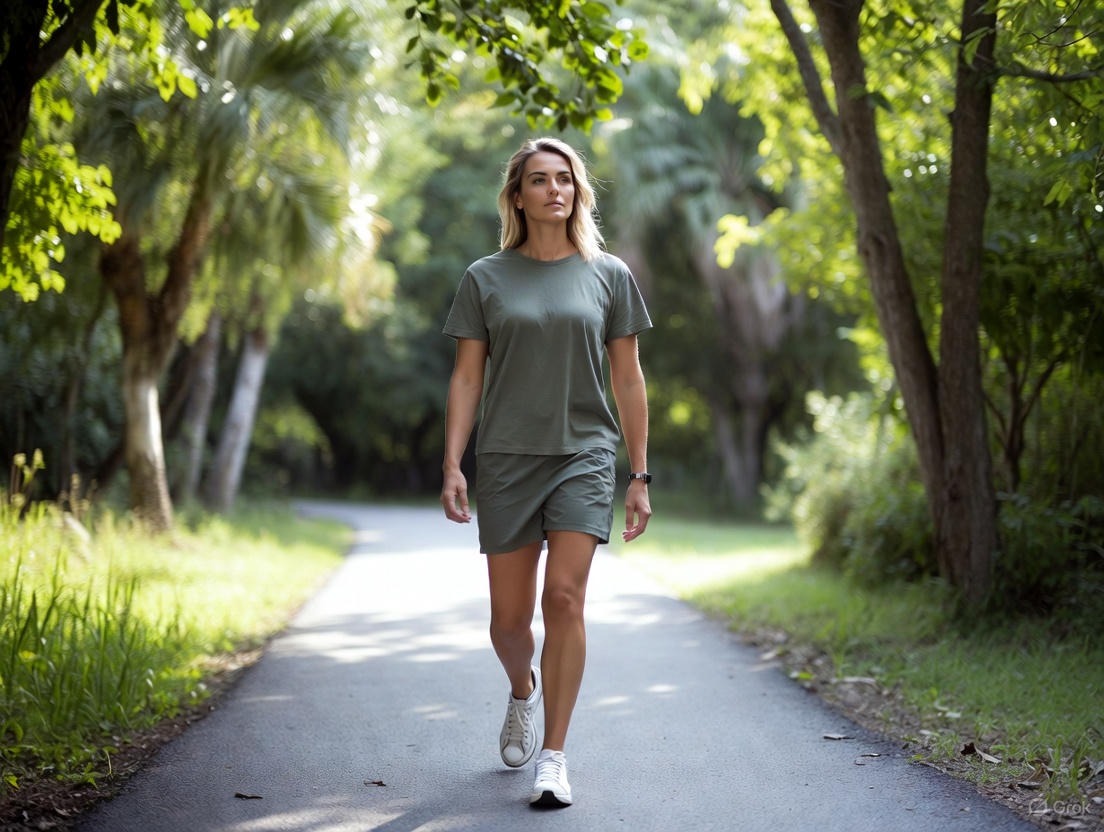
A goal without a plan is just a wish. Your smart ring is the ultimate tool for transforming wellness wishes into measurable, achievable realities. But moving from “I want to sleep better” to achieving a quantifiable improvement in your sleep architecture requires mastering the art of data-driven goal setting within your device’s ecosystem. This is where the ring transitions from a historian of your habits to an architect of your future.
Begin by adopting the SMART framework, but tailor it with your ring’s unique capabilities. Instead of a generic goal, create a Sensor-enhanced, Measurable, Action-oriented, Relevant, and Time-bound target.
Most ring apps have built-in goal or challenge features. Use them strategically. Participate in a weekly “Sleep Consistency Challenge” not to beat strangers, but to leverage the social accountability framework for your personal aim. Set a “Resting Heart Rate” goal that gently encourages a downward trend through improved fitness and recovery.
The key to mastery is in the review and iteration cycle. When your time-bound period ends, analyze not just if you hit the goal, but what the correlated data says. You achieved your sleep duration goal—fantastic. Did your deep sleep percentage also increase? Did your morning HRV improve? If the answer is no, your goal may have been misaligned. Perhaps sleep quality, not duration, was the true lever for your recovery. Refine and reset. This iterative process, guided by layered data, ensures you are always working on the most impactful lever for your well-being, moving beyond guesswork into the realm of precise self-optimization.
Humans are social creatures, and our wellness journeys are no exception. Many smart ring platforms incorporate social features—leaderboards, friend connections, challenge sharing, and data comparisons. Used wisely, these can be powerful motivators. Used poorly, they can become a source of anxiety, unhealthy competition, and misdirected focus. Mastery involves navigating this social landscape with intention, using community for support while fiercely protecting your personal data narrative from the trap of comparison.
The positive potential is significant. Shared challenges with close friends or family can create a powerful accountability group. Committing with a partner to a “week of sleep consistency” turns a personal goal into a shared endeavor, fostering mutual support. Seeing a friend’s high activity score can be a friendly nudge to get moving. For some, a healthy dose of competition is genuinely energizing.
However, the pitfalls are profound. Your physiological data is deeply personal. Your HRV, sleep score, and readiness are influenced by a myriad of factors—genetics, age, stress load, life phase—that are unique to you. Comparing your “Readiness Score” of 65 to a friend’s 85 is as meaningless and potentially damaging as comparing blood types. It can lead to “wearable anxiety,” where you feel inadequate based on a metric that wasn’t designed for inter-personal comparison.
To master this feature, establish rules of engagement for yourself:
Remember, the ultimate goal is self-awareness, not superiority. Your ring is a mirror, not a window into someone else’s journey. By using social features responsibly, you can harness the power of community to stay motivated while ensuring your wearable remains a tool for self-compassion and personal growth, not another source of digital-age social pressure. This balanced approach is a digital expression of setting healthy restful living boundaries, knowing when connection serves you and when it drains you.
Even with perfect calibration, you will encounter days or weeks where the data seems baffling. Your sleep score is excellent, but you feel exhausted. Your HRV is high, suggesting readiness, but you feel mentally drained. Or, a metric suddenly spikes or drops without explanation. This is not a failure of the device or your mastery; it’s an invitation to deeper inquiry. Becoming a skilled detective of your own data is a hallmark of true expertise.
First, rule out technical artifacts. Before ascribing physiological meaning to an anomaly, consider the mechanical:
If the hardware checks out, move to lifestyle and environmental forensics. Your ring measures physiological outcomes, not causes. You must supply the context. Start a daily journal note (many apps have this feature) for these anomalous periods. Ask yourself:
When the feeling and data disagree, trust the feeling, but investigate the data. A high “readiness” score when you feel off is a cue to practice caution. Perhaps your body has mobilized resources (high HRV) to deal with an incoming pathogen, which the ring interprets as “readiness” for output, but your subjective sense is the truer indicator of an impending crash.
Mastery here is about humility. The data is an incredibly rich guide, but it is not omniscient. It doesn’t capture your joy, your grief, your creative sparks, or your emotional burdens. Use discrepancies as a prompt for holistic self-reflection, integrating the quantitative story from your ring with the qualitative story of your lived experience. This nuanced interpretation is what turns raw data into genuine wisdom, a skill that protects you from becoming a slave to the score and instead makes you the enlightened interpreter of your own complex biography.
The universal appeal of the smart ring lies in its adaptability. Its core metrics become uniquely powerful when applied to specific, focused life domains. Moving beyond general wellness, let’s explore how mastery of its features can be tailored for targeted objectives, from athletic performance to creative pursuits.
For the Competitive Athlete: Here, the ring is a recovery and overtraining sentinel. The focus shifts almost entirely to HRV trends, resting heart rate, and sleep quality as the primary drivers of the next day’s performance. Mastery involves setting strict thresholds: “If my 7-day HRV average drops by 10%, I will replace my next intensity session with active recovery.” Athletes use temperature trends to monitor for inflammation and the Respiratory Rate metric as an early indicator of respiratory strain or illness risk. The goal is to maximize adaptive training load while minimizing non-functional overreaching, making the ring indispensable for periodized training plans.
For the Corporate Professional Managing Burnout: For this user, the stress monitoring and sleep features are paramount. Mastery involves using the daily stress graph as a work-life balance audit tool. Correlate spikes with your calendar. Which meetings or tasks consistently trigger a high-stress reading? This data provides an objective basis for restructuring your day or having conversations about workload. The readiness score becomes a decision-making tool for scheduling deep-focus work. A high-readiness morning is protected for your most demanding cognitive tasks, while low-readiness afternoons are reserved for administrative duties. It’s a practical system for applying the principles of restful living at work, using biofeedback to strategically allocate energy.
For the Traveler and Jet-Setter: Circadian rhythm disruption is the primary enemy. Mastery here is about using the ring to manage jet lag proactively. Before a trip, use the bedtime reminder to gradually shift your sleep window toward your destination’s time zone. Upon arrival, use daytime light exposure (which your ring can’t track, but you can journal) and let the ring tell you when your body is naturally ready for sleep. Monitor your temperature rhythm—its re-alignment with the local day/night cycle is a concrete sign your body is adapting. Your ring becomes a guide for maintaining calm on the go, providing a stable physiological anchor in a changing environment.
For the Creative or Knowledge Worker: Creativity and insight often rely on the default mode network—a brain state associated with rest and diffuse thinking. For this user, mastery involves protecting and nurturing states of low physiological stress that foster creativity. Use the ring to identify your personal “biological prime time” for idea generation—is it when your heart rate is lowest in the late morning? Also, use stress alerts as a signal to take a deliberate “diffuse mode” break—a walk, a shower, a meditation—when you’re stuck on a problem. The ring ensures you’re working with your brain’s natural rhythms, not against them.
By applying the ring’s features with such specificity, you move from generic health tracking to targeted life optimization, making the technology a bespoke tool for your unique ambitions and challenges.
The most profound feature of a smart ring is not any single metric, but its capacity to create a closed feedback loop between your conscious mind and your unconscious physiology. This is the frontier of mastery: using concrete data to cultivate a subtler, more intuitive sense of self-awareness, ultimately aiming for a state where the external device becomes less necessary because you’ve internalized its lessons.
Begin with conscious correlation. For a month, make a practice of pausing several times a day—upon waking, before lunch, after work, before bed—and quickly noting your subjective state on a simple scale (e.g., energy: 1-5, calm: 1-5, focus: 1-5). Then, check your ring’s data for that period. You’ll start to build an internal dictionary. “Ah, that feeling of wired exhaustion I have right now correlates with a high-stress graph but a deceptively high HRV. My body is in overdrive.” Or, “This sense of calm, easy focus I’m experiencing aligns perfectly with a high, stable HRV.”
This practice trains your interoception—your sense of the internal state of your body. Over time, you begin to recognize the physiological signatures of different states without needing to check the app. You might feel the slight, tell-tale warmth of a rising temperature trend or sense the agitated heart rhythm of a dipping HRV.
The next stage is predictive awareness. Instead of the ring telling you you’re stressed, you notice the clenching of your jaw or the shallowness of your breath, and you predict that your ring’s stress graph will show a spike. You then use a breathing technique to intervene, and you later confirm the intervention worked by seeing the graph dip. This reverses the dependency: you are now using the device to validate and refine your own growing internal sensitivity.
The ultimate goal is to integrate these insights so deeply that they inform a holistic lifestyle. Understanding how poor sleep impacts your next-day resilience makes you a guardian of your sleep hygiene. Seeing how certain foods calm your nervous system on a physiological level transforms your relationship with nutrition. This mindful integration, where data informs habit and habit transforms well-being, is where the technology truly shines. It facilitates a journey back to oneself, using bytes and algorithms to reconnect with the ancient, innate wisdom of the body, leading to a more attuned and intentional way of living.
The smart ring on your finger is not a static product; it’s a platform. Its capabilities today will be different in six months due to firmware updates, app overhauls, and new feature rollouts. Mastery, therefore, includes an adaptive, learning mindset. It’s about staying engaged with the evolution of your device so you can continuously integrate new tools into your wellness strategy.
Cultivate a relationship with the manufacturer’s communication channels. Subscribe to their official blog, follow their verified social media for product news, and regularly check the “News” or “Blog” section within your app. When a major update is announced, don’t just click “Update.” Read the release notes. What is the stated purpose of the new algorithm? Is it improving sleep stage accuracy? Introducing a new metric like “cardiovascular age” or “stress resilience score”? Understanding the intent behind an update helps you interpret the changes you’ll see in your data.
When a new feature launches, engage with it experimentally. For example, if a new “Nighttime HRV” metric is introduced, don’t ignore it because you’re used to looking at your morning reading. Dedicate a week to observing it. How does it differ from your waking HRV? Does it correlate more strongly with your subjective feeling of refreshment? Treat your device as a living tool, and be willing to refine your personal data model.
Be prepared for data shifts after major algorithm updates. This is crucial. If the company releases a new sleep scoring algorithm, your previous night’s score might be recalculated, and your historical data may shift. Do not panic or view it as the previous data being “wrong.” See it as a more advanced lens being applied to the same raw sensor data. Re-establish your baselines over a week or two under the new system. Your absolute numbers may change, but the trends (what goes up or down in response to your behavior) will remain the most valuable information.
This adaptive approach ensures your mastery is durable. You are not just learning a fixed set of features; you are learning how to learn from an evolving tool. It keeps your practice fresh and ensures you are always at the forefront of what your personal health monitor can do for you, turning a purchase into a long-term partnership in your wellness evolution.

In the pursuit of physiological optimization, a crucial, often overlooked dimension of mastery is digital stewardship. Your smart ring collects the most intimate data possible: a continuous, real-time biometric signature of your existence. Who owns this data? How is it used? Who has access? Mastering your device means mastering the privacy and ethical landscape that surrounds it. This isn't just a technical setting; it's a philosophical stance on personal sovereignty in the digital age.
Begin by conducting a deep audit of your privacy settings. Go beyond the obvious. In your app, locate the privacy or data management section. Scrutinize every toggle:
Understand the company’s business model. Is your data the product? Read the privacy policy—not fun, but essential. Does the policy clearly state that your raw biometric data will not be sold to third parties? Under what circumstances would they share data with authorities? A company that is transparent about its data use and prioritizes on-device processing (where possible) is generally a more trustworthy steward.
Practice data minimization where you can. Do you need to enable every single data-sharing feature? Consider creating a pseudonymous account if the option exists, dissociating your health data from your primary email and identity.
This vigilance is an act of self-care. It protects you from the subtle creep of surveillance capitalism into your most private realm. It ensures your journey of self-discovery isn’t inadvertently turned into a profile for manipulation. By taking control of your data privacy, you complete the circle of mastery: you are not only interpreting the data for your benefit but also fiercely protecting its sanctity. This empowers you to engage with the technology confidently, knowing you have safeguarded your digital self while improving your physical one.
Mastery culminates not in complex analysis, but in elegant, simplified action. The final step is to synthesize all your insights, alerts, goals, and self-awareness into a personalized, sustainable daily and weekly protocol. This is your bespoke operating system for well-being, powered by your ring’s data and executed through your intentional habits.
Your protocol should have Morning, Daytime, and Evening Routines informed by your data:
Integrate weekly checkpoints. Every Sunday, review your weekly trends. Did you hit your activity goals without compromising recovery? Was your sleep consistent? This is not about perfection, but about pattern recognition and gentle course correction. This structured yet flexible approach mirrors the benefits of a weekly restful living plan, providing a framework that prevents overwhelm.
Most importantly, build in off-ramps and compassion. Your protocol must include rules for when you ignore the data. There will be nights for celebration, days of grief, and periods of travel that disrupt everything. Mastery includes the wisdom to know when to take the ring off for a weekend, to live wholly subjectively, and to trust the habits you’ve built without the constant feedback. This prevents the protocol from becoming a prison.
Your personalized protocol is the living document of your mastery. It is dynamic, evolving as you and your data evolve. It turns the thousands of data points collected daily into a simple, clear path forward—a path that leads not to optimal numbers on a screen, but to a more vibrant, resilient, and balanced life lived in the real world. This is the ultimate promise of smart ring feature mastery: using technology not as a crutch, but as a catalyst for a more conscious and thriving human experience.
Recovery is not the absence of work; it is an active, physiological process that can be measured, managed, and optimized. For the smart ring master, recovery is the central pillar around which all performance—athletic, cognitive, and emotional—is built. Moving beyond passive rest, this involves using your ring's data to deploy targeted, advanced recovery techniques at the precise moment your body needs them most.
Your HRV and resting heart rate are your north stars, but true mastery lies in interpreting their language to choose your recovery tool. Consider this data-driven decision matrix:
The key is to move from generic “rest” to prescriptive recovery. Your ring tells you what kind of fatigue you have, and you respond with the precise countermeasure. Over time, you’ll build a personal recovery playbook: “For this data pattern, I do X. For that pattern, I do Y.” This transforms recovery from a hope into a science, ensuring you are always replenishing your reserves in the most efficient way possible, a concept vital for sustaining performance through rest.
The ultimate goal of all this tracking and optimization is not a better score next week, but a healthier, more vibrant life for decades to come—a longer healthspan. Your smart ring provides a unique, real-time dashboard of several key biomarkers that are directly correlated with longevity and age-related decline. Mastering this longevity lens means shifting your gaze from the daily fluctuations to the multi-year trends of these foundational metrics.
Primary Longevity Biomarkers Tracked by Your Ring:
To apply this lens, create quarterly or bi-annual healthspan reports. Export your data or take screenshots of your key metric trends over the last 6 months. Is your HRV trend flat or gently rising? That’s a major win. Is your deep sleep percentage holding steady? Celebrate it. This long-view turns daily discipline into a compelling narrative of preserving your vitality.
This practice aligns perfectly with a philosophy of restful living and longevity. It reframes the daily rituals of sleep, recovery, and mindful movement not as chores, but as direct investments in your future self. Your smart ring becomes the ledger tracking that investment, providing the compounding interest of better health with each passing year.
Wellness is often seen as a solitary pursuit, but our physiology is deeply influenced by—and influences—our closest relationships. A powerful, advanced application of smart ring mastery is the “quantified relationship,” where partners mutually consent to share relevant data to foster empathy, improve communication, and synchronize lifestyles for mutual well-being.
This is not about surveillance or competition. It’s about building objective bridges for subjective experiences. How does it work in practice?
To implement this successfully, establish clear, inviolable rules of engagement:
This shared data literacy can profoundly improve relationships and mood. It moves conversations from “you always…” to “my data shows I struggle when…” fostering a culture of teamwork and physiological empathy. It’s a cutting-edge application of wearable tech that serves not the individual in isolation, but the health of the connection itself.
Every master, no matter the discipline, encounters plateaus and fatigue. In the world of biometric tracking, this manifests in two ways: physiological plateaus, where your numbers stop improving despite your efforts, and data fatigue, a sense of weariness or obsession with the metrics themselves. Navigating these phases is the true test of sustainable mastery.
Conquering Physiological Plateaus:
When your HRV, sleep score, or VO2 Max hits a stubborn ceiling, it’s time to leverage your data for strategic change, not just consistent effort.
Overcoming Data Fatigue:
This is the feeling of being tired of your own numbers. It’s a sign you need to change your relationship with the device.
This master’s mindset understands that the goal is not perpetual optimization, but sustainable balance. The ring is a guide to help you build a lifestyle, not a life sentence to constant monitoring. Embracing this ebb and flow is the wisdom that separates long-term success from short-lived obsession.
We’ve explored features, interpretation, and mindset. Now, we arrive at the synthesis: constructing a personalized, dynamic health protocol that is informed by your data, aligned with your goals, and flexible enough for real life. This is your actionable blueprint for living, with your smart ring as the ongoing feedback mechanism.
A bespoke protocol has three layers: Foundational Non-Negotiables, Dynamic Adjustments, and Periodic Re-assessments.
Layer 1: The Foundational Non-Negotiables (Your Baseline Habits)
These are the pillars your data has proven work for you. They run regardless of daily scores.
Layer 2: The Dynamic Adjustments (Your Daily Playbook)
This is where you use your morning readiness score and previous night’s data to make choices.
Layer 3: The Periodic Re-assessment (Your Quarterly Review)
Every 3 months, block out one hour to review your longitudinal trends.
This protocol turns scattered insights into a coherent operating system. It removes daily guesswork and decision fatigue. You’re not deciding if you should work out; your protocol, informed by your body’s data, decides for you. This creates immense cognitive freedom and ensures your energy is spent on execution, not deliberation, channeling your efforts into a structured path for sustainable well-being.
The culmination of smart ring mastery is a shift from reactive health management to proactive lifestyle design, bordering on predictive health. By combining longitudinal data with conscious experimentation, you begin to anticipate your body’s responses and design your life to preempt negative outcomes and amplify positive ones.
This involves modeling your personal cause-and-effect relationships. Through meticulous tracking (using journal notes in your app), you build a database of personal responses:
With enough of these modeled relationships, your decision-making becomes predictive. You’re not just seeing that last night’s drink ruined your sleep; you can predict with high confidence what tonight’s drink will do. This allows for informed indulgence versus ignorant habit. You might choose the wine, but you do so fully aware of the physiological cost, and you can proactively schedule a lighter next day.
Furthermore, you can design your weeks and seasons proactively.
This is the pinnacle of self-knowledge. Your smart ring provides the feedback loop that allows you to become the designer of your own health trajectory. You are no longer a passive passenger in your body’s reactions but an active pilot with a sophisticated instrument panel, navigating toward your desired destination of sustained vitality, resilience, and well-being. This is the ultimate promise of the technology—not just to track a life, but to help you intentionally design one worth living.
Your Trusted Sleep Advocate: Sleep Foundation — https://www.sleepfoundation.org
Discover a digital archive of scholarly articles: NIH — https://www.ncbi.nlm.nih.gov/
39 million citations for biomedical literature :PubMed — https://pubmed.ncbi.nlm.nih.gov/
Experts at Harvard Health Publishing covering a variety of health topics — https://www.health.harvard.edu/blog/
Every life deserves world class care :Cleveland Clinic - https://my.clevelandclinic.org/health
Wearable technology and the future of predictive health monitoring :MIT Technology Review — https://www.technologyreview.com/
Dedicated to the well-being of all people and guided by science :World Health Organization — https://www.who.int/news-room/
Psychological science and knowledge to benefit society and improve lives. :APA — https://www.apa.org/monitor/
Cutting-edge insights on human longevity and peak performance:
Lifespan Research — https://www.lifespan.io/
Global authority on exercise physiology, sports performance, and human recovery:
American College of Sports Medicine — https://www.acsm.org/
Neuroscience-driven guidance for better focus, sleep, and mental clarity:
Stanford Human Performance Lab — https://humanperformance.stanford.edu/
Evidence-based psychology and mind–body wellness resources:
Mayo Clinic — https://www.mayoclinic.org/healthy-lifestyle/
Data-backed research on emotional wellbeing, stress biology, and resilience:
American Institute of Stress — https://www.stress.org/


