


The Smart Ring Features That Support Women's Health Tracking
Highlights features specifically designed to track menstrual cycles and related physiological changes.
Highlights features specifically designed to track menstrual cycles and related physiological changes.
%402x.svg)
For decades, women's health technology has been a story of fragmented data, inconvenient tracking, and a frustrating one-size-fits-all approach. From basal thermometers to period-tracking apps that functioned as little more than digital calendars, the tools available often required manual input, offered reactive insights, and failed to connect the myriad dots of the female physiology. The narrative is changing, and it’s changing on your finger. The smart ring, a discreet, always-on wearable, is emerging as the most powerful and holistic tool ever created for women's health tracking. By moving beyond the wrist and integrating seamlessly into your life, this unassuming piece of tech is gathering a continuous, objective stream of biometric data that paints a comprehensive picture of your health—one that honors the natural rhythms and unique complexities of the female body.
This isn't just about counting steps or monitoring sleep in isolation. It’s about understanding the intricate interplay between your menstrual cycle, sleep quality, stress resilience, recovery capacity, and overall vitality. Imagine a device that doesn't just tell you your period is late, but can detect the subtle hormonal shifts that precede it. A companion that doesn't just log sleep but understands how your rest needs change from your follicular phase to your luteal phase. This is the promise of the modern smart ring: a 24/7 health guardian that empowers you with predictive, personalized, and actionable insights, moving you from simply tracking to truly understanding and optimizing your well-being. In this deep exploration, we will uncover the specific smart ring features that are revolutionizing women's health, transforming raw data into a language of self-knowledge and proactive care.
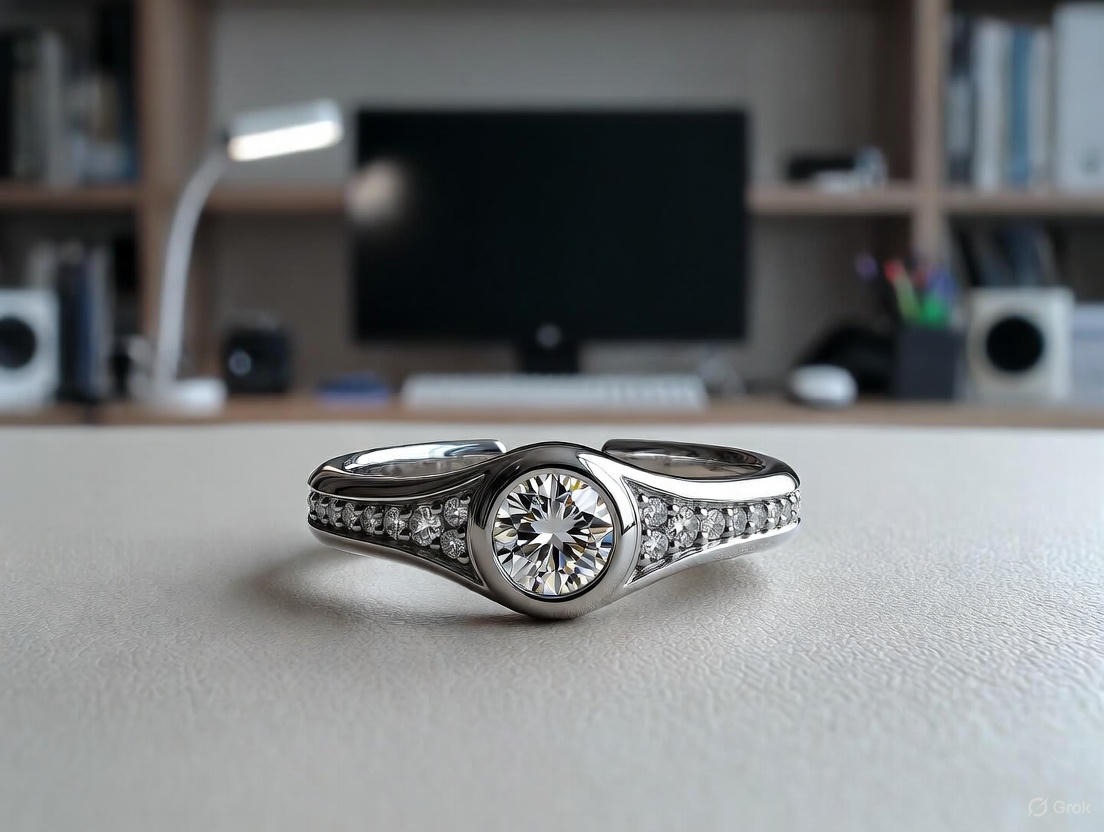
Before we delve into the specific features, it's essential to understand why the ring form factor is a game-changer, particularly for women. The wearable tech market is dominated by wrist-based devices—smartwatches and fitness bands. While useful, they present several limitations that smart rings elegantly overcome.
First, consider discretion and aesthetics. A smart ring is minimalist, often indistinguishable from a piece of fine jewelry. It doesn't shout "tech gadget" in a professional meeting or on a night out. This subtlety is crucial for consistent wear, which is the absolute cornerstone of accurate health tracking. You can wear it while sleeping, during high-intensity workouts, while washing your hands, and even while wearing gloves in colder months. Its constant presence on your finger, specifically on a finger with a robust capillary system (like the index, ring, or middle finger), allows for superior signal integrity. The arteries in your finger are closer to the surface and are less obstructed by tendons and bones compared to the wrist, enabling more reliable photoplethysmography (PPG) sensor readings for heart rate, heart rate variability (HRV), and blood oxygen saturation.
Furthermore, the ring is unobtrusive. It doesn't buzz with notifications on your wrist, contributing to a less distracted, more mindful day—a principle deeply connected to restful living through digital detox. By choosing a device that collects data silently without constant digital interruptions, you protect your mental space while gathering invaluable physical insights.
Finally, there's the element of comfort and universality. A well-fitted ring is something you genuinely forget you're wearing. It doesn't get caught in hair or clothing like a wristband might. For women, whose attire and activities can vary widely day-to-day, this "wear-and-forget" capability is paramount. It ensures the ring collects data during every facet of life—from a restful night's sleep to a hectic workday to a vigorous workout—creating a complete and unbiased dataset that forms the foundation for all the powerful insights we'll discuss next. This seamless integration is the first and most critical feature: enabling truly continuous, lifelong health monitoring without lifestyle compromise.
At the core of every advanced smart ring is a suite of medical-grade sensors operating in silent concert, 24 hours a day. This continuous monitoring is what separates smart rings from episodic check-ins with other devices or apps. For women's health, this constant data stream is not a luxury; it's a necessity. The female body operates on cyclical and circadian rhythms, and catching the subtle shifts requires persistent observation.
The primary sensor is the PPG (Photoplethysmography) sensor, which uses tiny LED lights to measure blood flow variations. This single sensor is the workhorse, enabling:
Complementing the PPG sensor is a 3-axis accelerometer. This isn't just for step counting. It provides precise sleep staging (detecting wake, light, deep, and REM sleep by measuring micro-movements), tracks activity levels and specific workouts, and can even detect periods of stillness for meditation or focused work.
A skin temperature sensor is arguably one of the most significant features for women. While basal body temperature (BBT) tracking has long been a manual, cumbersome practice for fertility awareness, a smart ring automates it with incredible precision. It measures your distal body temperature (the temperature of your extremities) continuously throughout the night, capturing your lowest, most stable core temperature. This nightly temperature trend is far more reliable than a single morning oral reading and can clearly show the biphasic pattern of a healthy ovulatory cycle: lower temperatures in the follicular phase and a sustained rise post-ovulation in the luteal phase.
Together, these sensors create a rich, multidimensional biometric profile. They answer not just "what" your stats are, but "when" and "how" they change in relation to each other. This foundation of continuous data is the raw material from which all women-specific insights are derived, setting the stage for truly personalized health intelligence that adapts to you, not the other way around.
This is where smart rings transition from general health devices to specialized partners in women's health. By leveraging the continuous data from skin temperature, resting heart rate, HRV, and sleep patterns, advanced algorithms can map the female menstrual cycle with unprecedented objectivity and predictive power.
Traditional apps rely on retrospective data—you input your period start and end dates, and perhaps symptoms, and the app makes predictions based on population averages. Smart rings work prospectively. They detect the physiological events of your cycle as they happen:
This automated, symptom-agnostic tracking removes the burden of daily manual input and reduces human error. It provides a clear, graphical representation of your cycle's rhythm, empowering you to understand your body's natural ebbs and flows, plan your life and workouts accordingly, and have more informed conversations with your healthcare provider. It transforms the cycle from a monthly inconvenience to a tangible, manageable, and insightful vital sign.
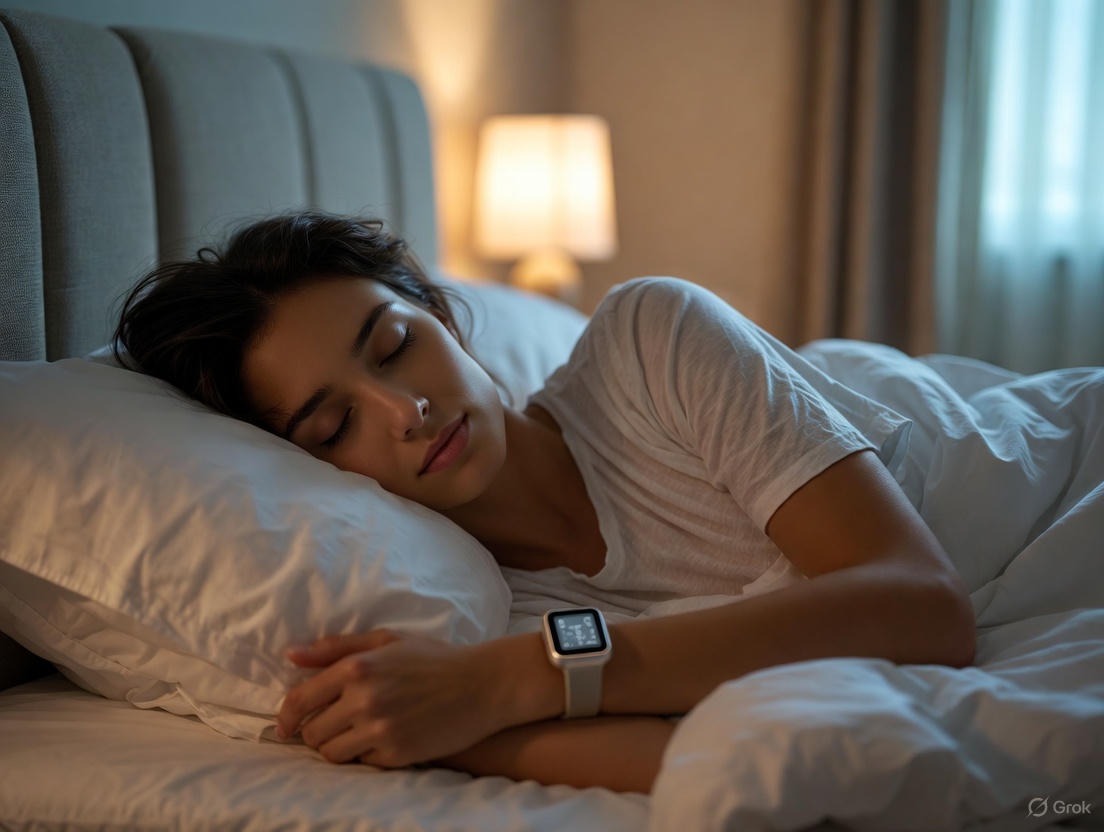
Sleep is the ultimate pillar of health, and its quality is profoundly impacted by the female hormonal cycle. Progesterone, which rises after ovulation, is a soporific hormone that can deepen sleep but also cause drowsiness. Conversely, the drop in progesterone and estrogen right before menstruation can fragment sleep and make it harder to stay asleep. A smart ring doesn't just track "sleep"; it analyzes its architecture and quality in the context of your physiology.
Using movement data from the accelerometer and heart rate/HRV data from the PPG sensor, the ring breaks your night into the four key stages:
The ring provides a Sleep Score or similar metric that synthesizes duration, timing, and the balance of these stages. But for women, the true insight is in the trends. You can observe how your deep sleep percentage fluctuates across your cycle, or how your sleep latency (time to fall asleep) increases pre-menstrually. This data moves you from feeling "I slept terribly" to knowing "My deep sleep was 15% lower last night, which aligns with my current cycle phase and elevated resting heart rate."
Furthermore, this detailed sleep analysis is the primary input for a Recovery Score. This score, often calculated in the morning, combines sleep quality with your overnight HRV, resting heart rate, and temperature to assess your body's readiness for the day. A low recovery score is a clear signal from your body to prioritize rest, dial down intense training, and manage stress—a concept highly aligned with the philosophy of restful living for high-achievers. For active women, this is a powerful tool to prevent overtraining and align workout intensity with hormonal energy levels, optimizing both performance and long-term health.
In our always-on culture, stress is often a constant background hum. For women, who frequently juggle multiple roles, the ability to objectively measure stress and resilience is transformative. The smart ring's premier tool for this is Heart Rate Variability (HRV). Think of HRV as the fine-tuning dial of your nervous system. A higher, stable HRV indicates a strong, flexible system capable of handling stress and recovering quickly. A lower or dropping HRV trend signals that your system is under strain—whether from physical training, emotional stress, poor sleep, illness, or, significantly, hormonal shifts.
Smart rings track your nighttime HRV, which is considered the gold standard because it's measured in a consistent, resting state. By establishing your personal baseline, the ring can show you daily deviations. You might notice your HRV naturally dips slightly in the days before your period, reflecting the physiological stress of the hormonal transition. This isn't a flaw; it's data. It tells you that this is a time to be extra kind to yourself, to incorporate more breathwork for restful living, and to perhaps defer a major stressful event if possible.
Beyond HRV, the ring contextualizes stress by correlating it with your activity and inactivity. It’s not just about high stress from a hard workout (which is a positive, acute stress); it's about the chronic stress of constant, low-grade busyness without breaks. The ring can nudge you to move if you've been sedentary for too long (sedentary behavior is a stressor) or remind you to take a breathing break if it detects prolonged periods of high heart rate during your workday.
By quantifying stress and resilience, the ring moves you from a subjective feeling of "I'm overwhelmed" to an objective understanding: "My HRV has dropped 20% this week, my resting heart rate is elevated, and my activity balance is off." This awareness is the first and most critical step toward implementing real changes, whether that's setting restful living boundaries or adjusting your training schedule. It empowers you to manage your energy, not just your time.
The "no days off" and "push through the pain" mantras of fitness culture are not only unsustainable but are fundamentally misaligned with female physiology. A woman's capacity for exercise, recovery, and injury risk fluctuates with her hormonal cycle. Smart rings provide the data to practice cycle-syncing for fitness, moving from arbitrary programming to intuitive, bio-informed training.
This is facilitated through two key metrics: the Activity Score and the Readiness/Recovery Score.
The magic happens when you compare these two scores over your cycle. During the follicular phase (from menstruation to ovulation), as estrogen rises, you will likely find your energy, endurance, and pain tolerance increase. Your Readiness Scores may be consistently high, and your body is primed to benefit from higher-intensity training, strength workouts, and trying new activities. This is the time to "push" intelligently.
In the luteal phase (after ovulation), as progesterone rises, your core temperature is elevated, your metabolism increases, and your body is under more physiological stress building the uterine lining. Your Readiness Scores may begin to dip. This is not a sign of weakness, but a biological signal. Your body is better suited for moderate, steady-state cardio, yoga, Pilates, strength maintenance (not personal bests), and mobility work. Ignoring these signals and pushing high-intensity intervals in the luteal phase can lead to excessive fatigue, poor recovery, and increased injury risk.
By following the guidance of your readiness and activity data, you train with your hormones, not against them. This leads to better performance outcomes, fewer injuries, more sustainable motivation, and a harmonious relationship with your body. It turns the smart ring into a personal coach that understands the unique timeline of your physiology.
While we've highlighted its role in cycle tracking, the continuous skin temperature sensor is a powerhouse feature with broad implications for overall health. Basal body temperature is a core vital sign, and its trends tell a story far beyond ovulation.
First, it's a powerful early warning system for illness. A sustained elevation in your nightly temperature trend, outside of your post-ovulatory rise, is one of the earliest and most reliable signs of your body fighting an infection or inflammation. Seeing this trend allows you to proactively rest, hydrate, and adjust your schedule before full-blown symptoms appear—a cornerstone of proactive, restful living for longevity.
Second, temperature data provides insight into metabolic health and thyroid function. An abnormally low baseline temperature can sometimes be associated with a slower metabolism or suboptimal thyroid output. While not a diagnostic tool, a consistently low temperature trend can be a valuable piece of data to discuss with a healthcare provider.
Third, it helps assess lifestyle and environmental impact. Did that late-night meal or alcohol consumption affect your overnight temperature? How does travel across time zones disrupt your circadian rhythm, as reflected in your temperature curve? Understanding these patterns empowers you to make lifestyle tweaks that support stable, healthy circadian biology. This is especially useful for maintaining routines while traveling and maintaining calm on the go.
For women approaching perimenopause, temperature tracking becomes indispensable. The hallmark of this transition is hormonal fluctuation, which often manifests as increasingly erratic sleep and the infamous "hot flashes" or night sweats. A smart ring can objectively track these nocturnal temperature surges, their frequency, and their severity, providing clear data to help women and their doctors understand the transition's pattern and manage symptoms effectively. It transforms a subjective, often frustrating experience into a manageable dataset.
Recognizing stress is only half the battle; knowing how to effectively counter it is the other. Leading smart rings are now incorporating guided breathing exercises and real-time relaxation feedback directly into their companion apps. This turns the ring from a passive monitor into an active tool for nervous system regulation.
Here's how it works: You initiate a breathing session on the app—often with visual or haptic cues to guide your inhales and exhales (e.g., 4-7-8 breathing or coherent breathing at 5 breaths per minute). As you follow the guide, the ring's PPG sensor is actively measuring your heart rate in real-time. The app displays your heart rate curve, showing you the immediate physiological impact of the breathing exercise. Typically, you will see your heart rate decrease and, more importantly, become more regular—a sign of increased "cardiac coherence," where your heart rhythm synchronizes with your breath.
This biofeedback loop is powerful. It:
For women, who may experience heightened anxiety or emotional sensitivity during certain cycle phases (like the premenstrual week), having a pocket-sized tool for instant physiological down-regulation is empowering. It's a practical, science-backed method to reclaim a sense of calm during hormonal shifts, work pressures, or family demands. It operationalizes the concept of restful living, giving you a direct line from a stressed state to a calmer one, anytime, anywhere.
The true genius of continuous wearable technology is not in the daily snapshot, but in the longitudinal story. Over weeks, months, and years, a smart ring compiles a deeply personal health narrative. This long-term trend analysis is where profound insights into your unique health landscape emerge.
Unlike population averages or generic "normal" ranges, your smart ring establishes personalized baselines for every metric: your baseline HRV, your baseline resting heart rate, your baseline sleep need, your unique temperature curve pattern. All daily and weekly data is then interpreted in relation to your own baseline. This is critical because a "normal" HRV of 50 ms might be dangerously low for someone whose personal baseline is 80 ms, while it could be a sign of great progress for someone whose baseline is 30 ms.
For women's health, this long-term view reveals patterns related to:
This feature transforms the smart ring from a fitness gadget into a lifelong health diary. It provides the evidence you need to advocate for yourself in medical settings and the knowledge to make daily choices that truly support your long-term well-being, embodying the principles of a structured, weekly restful living plan.
As we entrust these devices with our most intimate physiological data—details about our cycles, our sleep, our stress—the questions of data privacy, security, and user control are not just features; they are ethical imperatives. For women, whose reproductive health data can be particularly sensitive, this is paramount.
A trustworthy smart ring company must be transparent about its data practices. Key aspects to look for include:
When evaluating a smart ring, prioritize companies that treat data privacy as a core product feature, not an afterthought. Your health data is a reflection of your most private self; the device that holds it should guard it with the highest level of security and respect. This peace of mind is an essential component of the holistic value proposition, allowing you to fully engage with the technology without reservation.
No device is an island. The ultimate utility of a smart ring is amplified by its ability to connect and share data with other apps and services you already use, creating a centralized, holistic health dashboard.
Look for rings that offer robust health ecosystem integration via Apple Health (iOS) and Google Fit (Android). This allows your ring’s data—sleep, HRV, activity, heart rate, temperature—to populate these central hubs. From there, you can grant permission to other vetted apps to read this rich data. For example:
This interoperability breaks down data silos. Instead of having your sleep data in one app, your cycle in another, and your workouts in a third, you can have a unified view. This is crucial for understanding the complex interactions that define women's health. Does poor sleep one night predict worse PMS symptoms? Does a week of high stress impact your cycle length? These questions can only be answered when data streams converge.
By serving as the primary, continuous data collector, the smart ring becomes the foundational sensor for your entire digital health ecosystem. It empowers you to build a complete, interconnected picture of your well-being, enabling insights and correlations that were previously impossible to see. This seamless integration is the final piece that elevates the smart ring from a clever tracker to an indispensable platform for lifelong health optimization, positively influencing everything from your mood and relationships to your overall life structure.
No device is an island. The ultimate utility of a smart ring is amplified by its ability to connect and share data with other apps and services you already use, creating a centralized, holistic health dashboard. This interconnectedness transforms raw biometrics into actionable intelligence that flows seamlessly through your digital life.
Look for rings that offer robust health ecosystem integration via Apple Health (iOS) and Google Fit (Android). This isn't just a convenience feature; it's a paradigm shift in personal health management. By allowing your ring’s data—sleep stages, HRV, resting heart rate, skin temperature, and activity—to populate these central hubs, you create a single source of truth for your physiology. From there, you can grant permission to other vetted apps to read this rich, continuous dataset. Imagine the possibilities: your preferred period tracking app can import your nightly temperature to enhance its predictions beyond the calendar method. Your favorite meditation app can access your pre- and post-session HRV, providing concrete biofeedback on the effectiveness of your mindfulness practice. Your nutrition app could correlate your macronutrient intake with your recovery scores and energy levels, moving beyond calorie counting to understanding how food truly fuels your unique body.
This interoperability breaks down the frustrating data silos that have long plagued digital health. Instead of having your sleep data isolated in one app, your cycle in another, and your workouts in a third, you can, through dashboards or even simple journaling, observe unified correlations. For women's health, this is revolutionary. It allows you to ask and answer complex, interactive questions: Does a pattern of poor sleep in the week before ovulation impact your luteal phase symptoms? Does a sustained period of high work stress, as reflected in depressed HRV, correlate with a delayed or anovulatory cycle? Does your body respond better to yoga or weight training during the follicular phase based on your readiness scores? These insights were previously buried in fragments or reliant on subjective memory. Now, they are illuminated through data convergence.
By serving as the primary, continuous, and most reliable data collector, the smart ring becomes the foundational sensor for your entire digital health ecosystem. It empowers you to build a complete, interconnected picture of your well-being, enabling a level of self-awareness and personalized optimization that was once the realm of elite athletes and biohackers. This seamless integration is the final piece that elevates the smart ring from a clever tracker to an indispensable platform for lifelong health optimization, positively influencing everything from your daily mood to your long-term vitality.
The smart ring market is not static; it's a frontier of rapid innovation. The features we see today are merely the foundation for what is coming next. For women, several emerging and rumored technologies promise to deepen the insights and expand the utility of these devices in profound ways.
One of the most anticipated advancements is non-invasive glucose monitoring. While still in developmental stages for wearables, the finger is an ideal site for optical glucose sensing. For women, particularly those with conditions like PCOS or gestational diabetes, or those simply interested in metabolic flexibility, continuous glucose monitoring (CGM) without skin-prick sensors would be transformative. It could reveal how different foods, cycle phases, sleep quality, and stress levels impact blood sugar stability, providing a direct link between lifestyle and metabolic health.
Electrodermal Activity (EDA) or Galvanic Skin Response (GSR) sensing is another frontier. This measures tiny changes in the skin's electrical conductivity, which is influenced by sweat gland activity and is a direct correlate of sympathetic nervous system arousal—i.e., acute stress. While some wrist-wearables have this, integrating it into a ring could provide more precise, on-demand stress measurements during moments of anxiety, a work presentation, or a difficult conversation, offering real-time emotional feedback.
Further miniaturization could lead to additional biomarker sensing. Imagine a ring that could estimate hydration levels through optical sensors, track key electrolytes, or even detect signs of inflammation through advanced spectral analysis. For women navigating hormonal fluctuations that affect hydration and inflammation, this data would be invaluable.
Finally, advances in battery technology and energy harvesting (such as kinetic or thermal energy) point toward a future where rings never need to be removed for charging. This would achieve truly uninterrupted monitoring, capturing every minute of every cycle, illness, and life event. This relentless pace of innovation ensures that the smart ring on your finger today is a platform that will grow smarter and more insightful with time, continuously adapting to provide deeper layers of understanding about your health.
The power of smart rings extends beyond personal empowerment; they are poised to revolutionize women's health at a population level. By aggregating anonymized, continuous data from thousands or millions of users, researchers can gain unprecedented insights into female physiology that were previously impossible to capture.
Consider the historical deficit: most clinical research has been conducted on male subjects, leading to a dangerous gap in understanding how diseases manifest, progress, and respond to treatment in women. Smart rings offer a passive, low-burden tool for large-scale longitudinal studies. Researchers could:
For the individual woman, this means that by using her ring (with explicit, informed consent for research), she can contribute to a larger movement to close the gender data gap in medicine. Her lived experience becomes valuable data points that can improve healthcare for her daughters, sisters, and future generations. This collective potential adds a powerful dimension to the personal benefits, aligning individual self-care with the advancement of collective scientific knowledge. It transforms the smart ring from a consumer product into a potential tool for citizen science and medical discovery.
With several compelling options on the market, choosing the right smart ring requires a careful evaluation of how each model's features align with your specific health-tracking priorities as a woman. This isn't a one-size-fits-all decision; it's about matching the device's capabilities to your personal journey.
Core Sensor Suite: The Non-Negotiables
First, ensure the ring has the essential sensors for women's health: a medical-grade PPG sensor for HR/HRV/SpO2, a 3-axis accelerometer, and, most critically, a continuous skin temperature sensor. The temperature sensor's accuracy and sampling frequency (nightly vs. continuous) are key differentiators. For detailed cycle and fertility insights, prioritize rings that sample temperature continuously throughout the night and use it as a primary metric.
Cycle Tracking Algorithm Sophistication
Don't just look for a "cycle tracking" label. Investigate how the ring does it. Does it simply let you log periods, or does it use temperature, HRV, and heart rate to predict ovulation and cycle phases automatically? Look for platforms that provide a clear, visual cycle chart with confirmed ovulation markers and phase predictions. The best algorithms learn your personal patterns over 2-3 cycles and provide forward-looking insights, not just retrospective logs.
Software, App Design, and Insight Clarity
The hardware collects data, but the software delivers understanding. The companion app should be intuitive, educational, and designed with women in mind. It should present data in a way that tells a story: "Your temperature rose, confirming ovulation. Your energy is likely high now, but expect a need for more rest in about 10 days." Look for apps that offer personalized insights and actionable recommendations rather than just presenting graphs. The quality of the Recovery/Readiness Score algorithm is also crucial—it should intelligently synthesize sleep, stress, and activity data to guide your daily decisions.
Battery Life and Form Factor
A ring you have to charge every day defeats the purpose of continuous tracking. Aim for a device with at least 5-7 days of battery life to ensure you can wear it constantly, even through a monthly cycle. The physical design matters, too. It should be lightweight, low-profile, and come in a range of sizes and finishes to fit comfortably and suit your style for all occasions, from the gym to a formal event. This ensures compliance and consistent data collection.
Privacy, Ecosystem, and Brand Ethos
Finally, revisit the critical questions of data ownership and privacy. Choose a company with transparent policies. Check its integration capabilities with Apple Health/Google Fit to ensure it can be the hub of your health ecosystem. Consider the brand's focus: does it actively talk about and develop features for women's health, or is it an afterthought? Your choice is an investment in a health partner, so select one whose vision aligns with your own.

To truly appreciate the transformative power of a smart ring for women's health, let's follow a hypothetical user, Anya, through a single menstrual cycle, viewing her experience through the lens of her ring's data.
Week 1 (Menstrual Phase): Anya's ring records the drop in her skin temperature marking the start of her period. Her recovery score is moderate—her body is in a renewal phase. The data shows her resting heart rate is at its monthly low. Guided by her readiness score, she focuses on gentle movement like walking and yoga, respecting her body's cues. She notices a correlation logged in her app: on days she prioritizes iron-rich foods, her energy levels (as inferred from her daytime HRV) are better. This tangible feedback helps her make supportive nutritional choices during this phase.
Week 2 (Follicular Phase): As estrogen rises, Anya's data reflects the shift. Her temperature is low and stable. Her HRV trends upward, and her recovery scores are consistently in the "high" zone. The app suggests this is an optimal time for challenging workouts. She schedules her heavy strength training sessions and high-intensity interval workouts, and she smashes her personal records, feeling powerful and capable. Her sleep data shows increased duration of REM sleep, aligning with the boost in creativity and learning capacity often associated with this phase.
Week 3 (Ovulation & Early Luteal): Mid-cycle, Anya sees a clear, sustained spike in her temperature graph. Her ring sends a notification: "Ovulation likely confirmed. Your fertile window has closed." This is valuable information for her family planning. Post-ovulation, she observes her resting heart rate begin a gradual climb of 3-5 beats per minute—a completely normal luteal phase response. Her recovery score dips slightly but remains good. She intuitively shifts her workouts to endurance-based runs and maintains her strength training without pushing for new maxes.
Week 4 (Late Luteal / Premenstrual): In the days before her next period, the data tells a clear story. Anya's temperature remains elevated. Her HRV shows more variability and a downward trend. Her recovery score drops into the "pay attention" zone for two days. The ring's insight reads: "Your body is signaling higher stress. Consider prioritizing rest and stress-management techniques." Heeding this, Anya uses the ring's guided breathing function in the evening, watches her pre-bedtime caffeine, and swaps a planned spin class for a restorative yoga session. She also notes in the app's symptom log that she feels more bloated and irritable on these low-recovery-score days. When her temperature finally drops, heralding her next period, she isn't caught by surprise. She feels prepared, understanding her body's rhythm rather than battling against it.
This cycle-long narrative, built from silent, continuous data collection, empowers Anya with self-knowledge. She moves from being subject to her cycle to being an informed collaborator with her body, making lifestyle choices that harmonize with her physiology. This is the ultimate promise of the smart ring for women's health.
While smart rings are powerful tools, they are not medical devices, and a responsible discussion must include their limitations. Understanding these boundaries is key to using the technology effectively and safely.
First, they are screening and awareness tools, not diagnostic instruments. A smart ring can flag a concerning trend in your temperature or heart rate, but it cannot tell you if you have an infection, a thyroid disorder, or a heart condition. It can suggest your luteal phase is short, but it cannot diagnose luteal phase defect. Any persistent, unusual biometric trends should be discussed with a qualified healthcare provider who can order appropriate diagnostic tests.
Second, algorithmic predictions are probabilistic, not certain. Ovulation detection based on temperature is highly accurate for confirming that ovulation has occurred, but predicting the exact day in advance is less precise. Period predictions can be thrown off by stress, illness, or travel. The data is a guide, not an oracle.
Third, the "human factor" is irreplaceable. These devices measure physiological outputs, but they cannot capture the full subjective human experience—the emotional nuance, the specific pain of a cramp, the mental fog. This is why the best apps combine objective data with space for subjective logging. The magic is in the intersection of the quantitative and the qualitative.
Finally, data can induce anxiety. For some, constant access to health metrics can lead to "orthosomnia" (an unhealthy preoccupation with perfect sleep data) or heightened health anxiety. It's crucial to use the ring as a tool for gentle awareness and positive change, not as a source of daily judgment. Establish a healthy relationship with your data. Perhaps check your readiness score in the morning for guidance, but don't obsess over every heartbeat fluctuation. The goal is enhanced well-being, not data-driven stress—a balance essential for true restful living and longevity. The ring should serve you, not the other way around.
The rise of the smart ring as a premier women's health tool is part of a larger revolution in "Femtech"—technology addressing female-specific health needs. This movement is about more than gadgets; it's about correcting historical neglect, empowering women with knowledge, and changing the paradigm of care from reactive to proactive and participatory.
When a woman walks into her doctor's office with a year's worth of continuous temperature charts, sleep logs, and HRV trends correlated with her cycle, the conversation changes. She is no longer relying on vague descriptions ("my cycles are irregular, and I'm tired all the time"). She presents objective evidence. This shifts the dynamic from one where symptoms are sometimes dismissed or minimized to one of collaborative investigation. It makes her an active stakeholder in her own health journey.
This data empowerment has ripple effects. It encourages women to listen to their bodies with more attunement and respect. It validates experiences that have long been shrouded in silence or stigma—like the very real, physiologically measurable impact of the premenstrual phase. It fosters a community of shared knowledge, as women compare insights and support each other based on a common understanding of biometric patterns.
Looking ahead, the integration of smart ring data with telehealth and personalized medicine is the next logical step. Imagine a future where your securely shared ring data stream populates a dashboard for your gynecologist or endocrinologist before a virtual visit, giving them a rich, longitudinal view of your health. Prescriptions for hormone therapy, lifestyle recommendations for PCOS, or guidance for perimenopause could all be tailored with unprecedented precision based on your unique, continuous physiological fingerprint.
The smart ring, therefore, is more than a consumer electronics product. It is a key that unlocks a new era of agency in women's health. It represents a shift from outsourcing our health understanding to annual check-ups, to internalizing it as a daily, informed, and empowering practice. By turning the invisible rhythms of the female body into visible, understandable data, it gives women the language and the evidence to advocate for themselves, ultimately leading to better health outcomes and a deeper, more harmonious relationship with their own biology.
We have journeyed through the foundational features that make the smart ring an unparalleled tool for women's health: its discrete form factor enabling continuous wear, its 24/7 biometric monitoring, its revolutionary automated cycle and fertility tracking, its deep sleep and recovery analysis, its stress and resilience monitoring via HRV, its activity and readiness guidance, its holistic temperature trend insights, its built-in stress management tools, its long-term trend analysis, its crucial data privacy standards, and its role as the hub of a holistic health ecosystem.
The through line is clear: this technology facilitates a transition from passive tracking to active understanding, and from generic advice to personalized intelligence. It acknowledges that women's health is not a linear path but a dynamic, cyclical journey. The smart ring provides the map for that journey, drawn in the unique ink of your own physiology.
The data it provides is not meant to be a chains of numbers to be obsessively checked, but a narrative to be understood. It’s the story of how your body responds to work stress, to a poor night's sleep, to a nourishing meal, to a hard workout, and, most importantly, to its own innate hormonal cadence. This knowledge is the bedrock of true agency. It allows you to align your life—your work, your fitness, your nutrition, your rest—with your body's needs, creating a sustainable harmony that supports not just productivity, but vitality, resilience, and long-term well-being.
As we look ahead to the next chapters of this exploration, we will delve into how this foundational data translates into actionable lifestyle systems, how it integrates with broader wellness philosophies, and how it can be leveraged across different life stages. The journey with a smart ring is ongoing, a partnership that deepens with time, continually revealing new layers of insight into the fascinating complexity of women's health.
The true power of a smart ring lies not in the data it collects, but in the behavioral changes that data can inspire. Moving from observation to action is the critical leap that transforms insights into improved well-being. For women, whose health is a symphony of interconnected systems, this requires a holistic approach that integrates biometric feedback into the fabric of daily life. A smart ring provides the what and the when; the user provides the how. This chapter explores the practical frameworks for turning the ring’s insights—your recovery score, cycle phase predictions, stress alerts, and sleep analysis—into a sustainable, health-centric lifestyle that honors your unique physiology.
The first step is shifting from a rigid, calendar-based schedule to a flexible, bio-informed rhythm. Instead of forcing yourself to adhere to a static workout plan or productivity timetable, you learn to pivot based on your morning readiness score and your cycle phase. A low readiness score isn't a failure; it's an instruction to prioritize restoration. This might mean swapping a high-intensity workout for a walk in nature, scheduling lighter cognitive tasks, or committing to an earlier bedtime. It’s the practice of creating calm in stressful jobs by aligning your workload with your biological capacity, not against it.
This approach fosters a deeper sense of self-trust. You begin to view the data not as a judgment, but as a compassionate signal from your body. When your ring indicates a high-stress load during your luteal phase, you might proactively implement breathwork for restful living instead of pushing through until you reach burnout. You start to plan your month with your cycle: scheduling important presentations or creative projects during your high-energy follicular phase, and reserving your luteal phase for administrative tasks, reflection, and necessary rest. This isn't about limitation; it's about strategic optimization and profound self-respect.
The most powerful organizational system for a woman using a smart ring is cycle syncing—structuring diet, exercise, work, and social activities around the four primary phases of the menstrual cycle. With a ring providing precise phase tracking and predictions, this practice moves from estimation to exactitude.
1. Menstrual Phase (Days 1-5ish): The Winter Phase – Reflect and Restore
2. Follicular Phase (Post-period to Ovulation): The Spring Phase – Initiate and Explore
3. Ovulatory Phase (~3-5 days mid-cycle): The Summer Phase – Connect and Express
4. Luteal Phase (Post-ovulation to menstruation): The Autumn Phase – Complete and Nurture
By using your smart ring’s phase predictions and daily readiness metrics to navigate this framework, you create a life that flows with your natural rhythms, reducing friction, enhancing productivity, and safeguarding your long-term health.
Nutrition advice is often generic, but a smart ring provides the feedback loop to personalize your diet like never before. It moves you beyond calorie counting to understanding how food functions in your body across different cycle phases and stress states.
Your ring’s data offers several nutritional guideposts:
This bio-individual approach turns nutrition into a dynamic conversation with your body. You’re not following a static diet plan; you’re using continuous feedback to discover the foods that make you feel energized, stable, and well-recovered.
The smart ring’s most immediate and profound impact is often on sleep. It demystifies this critical pillar of health by showing you not just how long you sleep, but how well you sleep. For women, optimizing sleep is non-negotiable, as it directly regulates hormones like cortisol, ghrelin, leptin, and growth hormone.
Your ring’s sleep staging data allows for targeted interventions:
The goal is to use your ring’s detailed feedback to create a personalized sleep protocol. This might mean you need 8.5 hours in your luteal phase but only 7.5 in your follicular phase to achieve the same recovery score. It empowers you to treat sleep as a flexible, vital component of your health strategy, not a fixed checkbox. This deliberate approach to rest is a cornerstone of structured, sustainable wellness.
Chronic, unmanaged stress is a silent disruptor of female hormonal health, contributing to cycle irregularities, worsened PMS, and fertility challenges. The smart ring, through HRV and resting heart rate, makes the invisible visible, allowing you to build a tangible stress resilience practice.
The process is a loop: Measure → Manage → Re-measure.
Beyond breathing, your ring data can guide other resilience-building practices:
This proactive management of your nervous system state is perhaps the most valuable skill you can cultivate for long-term health. It puts you in the driver's seat of your stress response, preventing the cumulative wear and tear that disproportionately impacts women's endocrine and reproductive health.
The fitness industry often promotes a "more is more" philosophy that can lead women to overtraining, injury, and hormonal dysfunction (like hypothalamic amenorrhea). The smart ring acts as a personal biofeedback coach, ensuring your training regimen supports, rather than sabotages, your health.
Key principles for a smart ring-informed fitness approach:
This intelligent approach fosters a sustainable, lifelong relationship with movement. Exercise becomes a celebration of what your body can do today, in its current state, rather than a punishment or a rigid obligation. It aligns perfectly with the philosophy of achieving performance through rest.
A woman’s health journey is marked by distinct life stages, each with unique physiological demands. A smart ring is a valuable companion through all of them, providing context and continuity during times of great change.
Pregnancy: While not a medical device for fetal monitoring, a smart ring can provide incredible insights for the mother. Tracking the dramatic rise in resting heart rate and core temperature in early pregnancy can be fascinating. Monitoring sleep quality and HRV trends can help manage pregnancy-related stress and insomnia. It can also provide objective data on recovery during this physically demanding time. (Important Note: Always consult your OB/GYN and rely on prescribed medical monitoring during pregnancy.)
Postpartum: This period is one of immense recovery and hormonal recalibration. A smart ring can be a gentle guide back to activity. A new mother can use her readiness score to gauge her true energy levels beyond the adrenaline of new parenthood. It can help her understand her new sleep patterns and ensure she’s not returning to intense exercise before her body has recovered sufficiently, as indicated by stabilized HRV and resting heart rate.
Perimenopause: This is where a smart ring truly shines. The transition to menopause is characterized by hormonal fluctuations that cause erratic symptoms: sleep fragmentation, hot flashes/night sweats, heart palpitations, and changing cycle patterns. A smart ring provides an objective log of this transition.
Having a multi-year record of this transition is empowering. It moves the conversation from “I’m losing my mind” to “My data shows my sleep is fragmented 70% of nights by temperature spikes, and my HRV baseline has dropped 25% in the last year.” This facilitates more productive discussions about treatment options, from lifestyle interventions to hormone therapy.
Across all stages, the ring provides a thread of continuity—a record of your body’s ever-evolving story, giving you the tools to navigate each chapter with awareness and grace, and to adapt your approach through all of life's seasons.
The insights from a smart ring don't just benefit the individual wearer; they can profoundly improve interpersonal relationships. By understanding your own biological rhythms and stress states, you can communicate your needs more clearly and develop greater empathy for others.
Improved Self-Communication: When you can say to your partner, “My ring shows my recovery is really low today and I’m in my luteal phase, so I need a quiet night in rather than a party,” you are offering an explanation rooted in objective data, not a vague “I don’t feel like it.” This reduces conflict and fosters understanding. It helps partners, family, and friends see your needs as legitimate and predictable, not capricious.
Planning and Shared Calendars: Couples can use cycle predictions to plan vacations, social events, and important family discussions. Scheduling a demanding hiking trip during the follicular phase or a relaxing retreat during the luteal phase can make the experience better for everyone. This shared awareness is a practical application of how restful living improves relationships and mood.
Empathy for Others: Understanding the tangible, physiological impact of hormonal cycles on your own energy, patience, and stress tolerance can make you more compassionate towards others—your female colleagues, your teenage daughter, or friends—who may be experiencing similar fluxes. It builds a foundation for a more supportive and less judgmental community.
In this way, the smart ring becomes a tool not just for personal optimization, but for social harmony. It provides a common language to discuss the very real, data-backed impacts of internal states on external interactions.
We have now moved beyond the features of the smart ring itself and into the realm of applied wisdom. We’ve explored how its data feeds into a dynamic, cycle-synced lifestyle framework, informs personalized nutrition and sleep strategies, builds measurable stress resilience, recalibrates fitness for sustainability, and provides crucial support through major life transitions. We’ve even seen its potential to enhance relationships through better communication and empathy.
This portion underscores a central theme: technology is at its best when it fades into the background, enabling a more intuitive, harmonious, and empowered human experience. The smart ring is not meant to make you a slave to data, but to use data to set you free—free from generic advice, from ignoring your body’s signals, and from the friction of living out of sync with your nature.
You are now equipped with the knowledge to transform biometric insights into daily rituals and long-term strategies. You understand how to listen to the story your body is telling through temperature, heart rate, and movement, and how to author a life that is in dialogue with that story. The final portion of our exploration will look at the bigger picture: the future trajectory of this technology, its role in community and societal health, and the philosophical shift it represents in the ongoing journey toward truly personalized, feminine-centered well-being.
Your Trusted Sleep Advocate: Sleep Foundation — https://www.sleepfoundation.org
Discover a digital archive of scholarly articles: NIH — https://www.ncbi.nlm.nih.gov/
39 million citations for biomedical literature :PubMed — https://pubmed.ncbi.nlm.nih.gov/
Experts at Harvard Health Publishing covering a variety of health topics — https://www.health.harvard.edu/blog/
Every life deserves world class care :Cleveland Clinic - https://my.clevelandclinic.org/health
Wearable technology and the future of predictive health monitoring :MIT Technology Review — https://www.technologyreview.com/
Dedicated to the well-being of all people and guided by science :World Health Organization — https://www.who.int/news-room/
Psychological science and knowledge to benefit society and improve lives. :APA — https://www.apa.org/monitor/
Cutting-edge insights on human longevity and peak performance:
Lifespan Research — https://www.lifespan.io/
Global authority on exercise physiology, sports performance, and human recovery:
American College of Sports Medicine — https://www.acsm.org/
Neuroscience-driven guidance for better focus, sleep, and mental clarity:
Stanford Human Performance Lab — https://humanperformance.stanford.edu/
Evidence-based psychology and mind–body wellness resources:
Mayo Clinic — https://www.mayoclinic.org/healthy-lifestyle/
Data-backed research on emotional wellbeing, stress biology, and resilience:
American Institute of Stress — https://www.stress.org/


