


The Smart Ring Features That Track HRV and Heart Health
Focuses on features dedicated to monitoring heart rate variability and overall cardiovascular health.
Focuses on features dedicated to monitoring heart rate variability and overall cardiovascular health.
%402x.svg)
In the quiet hum of the modern world, where stress is a currency and burnout a badge of honor, a silent revolution in personal health is unfolding. It’s not on a crowded wrist, but on a single finger. The smart ring, a minimalist piece of wearable technology, is emerging as a profound tool for understanding the most vital rhythm of all: the human heartbeat. More than just counting steps or tracking sleep, the latest generation of smart rings delves into the nuanced language of your cardiovascular system, with a particular focus on Heart Rate Variability (HRV)—a metric once confined to clinical settings but now recognized as a powerful, daily indicator of overall wellness, resilience, and heart health.
For decades, we’ve been fixated on a single number: our heart rate. But health, like music, isn’t found in a monotonous beat. It’s in the rich, complex variability between beats. This is the essence of HRV. A higher HRV typically indicates a robust, adaptable nervous system and a healthier heart, while a lower HRV can signal stress, fatigue, or underlying health issues. Historically, measuring this required cumbersome hospital equipment. Today, advanced photoplethysmography (PPG) sensors, miniaturized and perfected to fit within a sleek ring, provide continuous, non-invasive monitoring right from your finger—a location that offers a stronger pulse signal than the wrist for many individuals.
This article is your deep dive into the sophisticated ecosystem of smart ring features dedicated to tracking HRV and heart health. We’ll move beyond the marketing gloss to explore the science, the sensors, and the software that transforms raw light data into actionable life insights. From understanding how a ring detects the subtle micro-changes in your blood volume to interpreting what your nightly HRV trend says about your recovery, we will cover the technological marvels and practical applications. This journey is not just about data acquisition; it’s about connecting these metrics to a broader philosophy of restful living and longevity, where understanding your body’s signals becomes the first step toward a calmer, healthier, and more balanced life.
Prepare to see the humble ring not as jewelry, but as a personal biometrical guardian. One that whispers insights about your stress, shouts warnings about potential anomalies, and gently guides you toward habits that fortify your most crucial muscle.
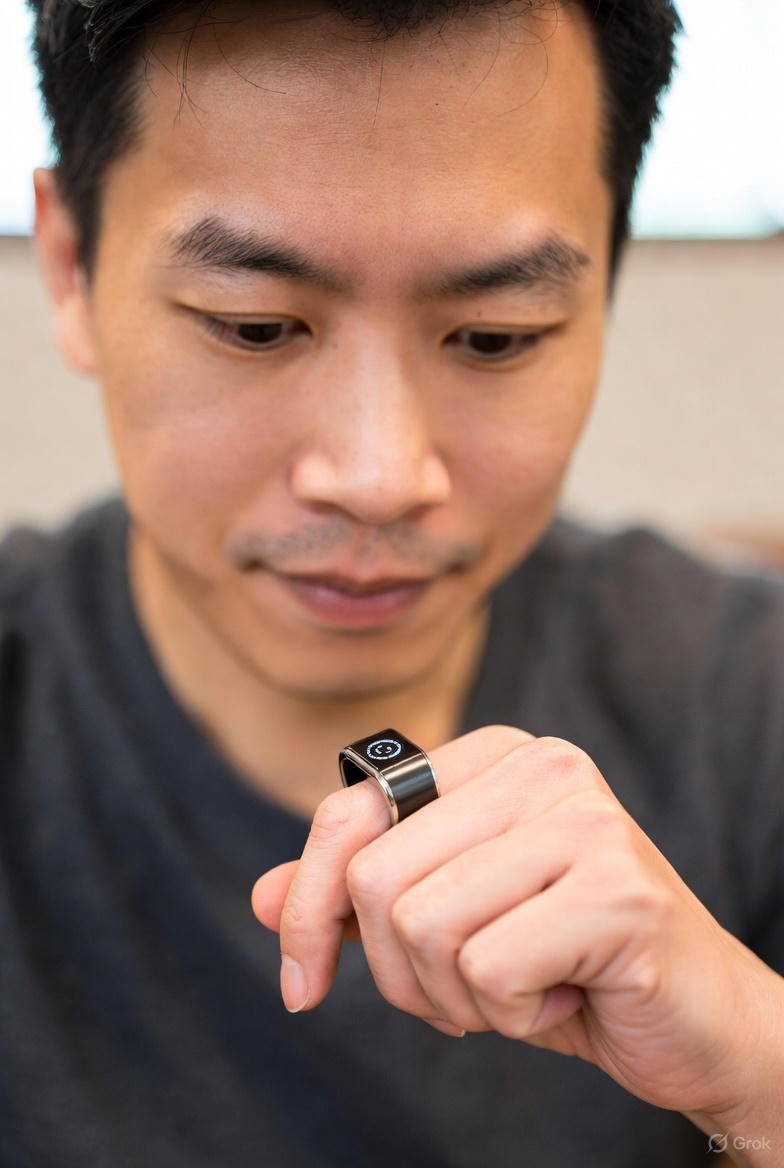
To appreciate how a device as discreet as a ring can monitor something as complex as heart health, we must first dissect its technological core. Unlike a smartwatch with its broad real estate, a smart ring is a masterpiece of miniaturization, where every millimeter of internal space is meticulously engineered for a singular purpose: to capture the body’s vital signals with clinical-grade precision.
At the heart of every capable heart-health smart ring lies a Photoplethysmography (PPG) sensor. This is the workhorse of optical biometric monitoring. In simple terms, it works by emitting a beam of green or red LED light (and sometimes infrared) onto the skin of your finger. Blood absorbs light, while surrounding tissue reflects it. With each heartbeat, blood volume in the capillaries increases slightly, absorbing more light. Between beats, volume decreases, and more light is reflected back to the sensor. The ring’s photodetector captures these rhythmic fluctuations in light absorption, creating a waveform called a photoplethysmogram. This waveform is the raw data from which heart rate, heart rate variability, and even blood oxygen saturation (SpO2) are derived.
The choice of the finger is strategic. The palmar digital arteries are prominent and provide a strong, clean pulse signal, often superior to the radial artery in the wrist, which can be affected by tendon movement and a noisier signal. Furthermore, the ring form factor ensures consistent sensor-skin contact and alignment, a challenge sometimes faced by loose-fitting wristwear.
But a modern ring is more than just a PPG sensor. It is a symphony of supporting hardware:
The magic, however, happens in the algorithms. The raw PPG signal is messy, contaminated by motion artifacts (from typing, gesturing), ambient light leaks, and physiological noise. Sophisticated proprietary algorithms act like master editors, cleaning this signal, identifying individual heartbeats (a process called peak detection), and precisely measuring the time intervals between them—the R-R intervals. It is from this sequence of intervals that HRV is calculated. Different mathematical methods, like the root mean square of successive differences (RMSSD) or time-domain analyses, are applied to quantify the variability, providing the number that appears in your app.
This intricate dance of light, hardware, and code transforms your finger into a continuous biofeedback portal. It’s a testament to how far wearable tech has come, moving from simple loggers to intelligent interpreters of our body’s most fundamental rhythms. Understanding this foundation is key to trusting the data and, more importantly, using it to inform a lifestyle that supports sustained wellness, much like adopting principles of restful living through the seasons helps you adapt your recovery strategies year-round.
Heart Rate Variability is often misunderstood. A common assumption is that a healthy, fit heart should beat with the mechanical regularity of a metronome. In reality, the opposite is true. HRV measures the millisecond variations in time between each successive heartbeat. These variations are governed by the autonomic nervous system (ANS)—the unconscious control center for your bodily functions. The ANS has two primary branches engaged in a constant, dynamic tug-of-war:
A high HRV indicates a dominant, healthy parasympathetic tone and a heart that is highly responsive to the body's changing needs. It suggests good cardiovascular fitness, strong resilience to stress, and efficient recovery. A low HRV can indicate sympathetic dominance—your body is in a state of heightened stress, which could be due to psychological anxiety, physical overtraining, illness, or poor sleep.
Your smart ring tracks HRV continuously, but the most valuable readings are taken during consistent, quiescent states—typically during deep sleep. This provides a clean, comparable baseline night after night. By observing trends, rather than fixating on a single day’s number, you gain profound insights:
It’s crucial to remember that HRV is highly individual. Comparing your number to someone else’s is meaningless. A value of 50ms might be excellent for one person and low for another. The power lies in establishing your own personal baseline over several weeks and then watching for significant deviations from that norm.
Think of your HRV trend as a daily conversation with your nervous system. A high HRV is a thumbs-up, a sign of balance and readiness. A low HRV is a whisper to slow down, a biological plea for the kind of intentional decompression explored in guides on how digital detox enhances restful living. By learning this language, you move from being a passenger in your health to an informed pilot, able to navigate daily choices—when to push, when to rest, when to prioritize sleep—with a clarity never before possible outside a lab.
While HRV is a superstar biomarker, a truly robust heart-health smart ring doesn't stop there. It integrates a suite of complementary metrics to paint a holistic, multi-dimensional picture of your cardiovascular system. These features work in concert, providing cross-validated insights that make the data more reliable and actionable.
Resting Heart Rate (RHR) Tracking: This classic metric gains new intelligence when paired with HRV and tracked longitudinally. Your smart ring automatically identifies your true resting heart rate during periods of deep calm or sleep. A lower RHR generally indicates better cardiovascular fitness. More importantly, a sudden, sustained increase in your baseline RHR can be a red flag for overtraining, insufficient recovery, dehydration, or the onset of illness—often corroborated by a simultaneous dip in HRV.
Heart Rate During Activity & Recovery: The ring doesn’t just measure your heart rate; it analyzes its behavior. During exercise, it tracks your heart rate zones, ensuring you’re training effectively. Post-exercise, it monitors Heart Rate Recovery (HRR)—how quickly your heart rate drops after you stop exertion. A fast HRR (e.g., a drop of 20+ beats in the first minute) is a strong sign of good cardiovascular health and fitness. A sluggish recovery can indicate fatigue or poor conditioning.
Blood Oxygen Saturation (SpO2) Monitoring: Using red and infrared LEDs, the ring can estimate the percentage of oxygen-carrying hemoglobin in your blood. While not a medical device, trend-based SpO2 monitoring during sleep is invaluable. Consistently low nocturnal SpO2 levels can point to sleep-disordered breathing, like sleep apnea, which places enormous strain on the heart by causing repeated oxygen deprivation and blood pressure spikes throughout the night. This insight can be the nudge someone needs to seek a professional sleep evaluation.
Respiratory Rate: Advanced algorithms can extract your breathing rate from the subtle variations in the PPG signal. Your resting respiratory rate, especially during sleep, is a vital sign. An elevated sleep respiratory rate can be an early indicator of respiratory issues, heart failure, or intense stress.
Electrocardiogram (ECG) Capability: Some advanced rings now incorporate a single-lead ECG. By touching the ring’s exterior electrode with a finger from the opposite hand, you complete a circuit across your chest, allowing the ring to record the electrical activity of your heart. This can help identify arrhythmias like atrial fibrillation (AFib), which is a major risk factor for stroke. While not a continuous monitor, an on-demand ECG feature adds a powerful diagnostic tool for moments when you feel palpitations or dizziness.
The synergy of these metrics creates a powerful feedback loop. For instance, you might see a night where your HRV is low, your resting heart rate is elevated, and your SpO2 shows slight dips. This constellation of data points strongly suggests your body was under significant recovery load, perhaps from an intense workout, a late meal, or an emotional stressor. This holistic view is far more informative than any single metric in isolation. It empowers you to connect lifestyle dots, much like understanding how the restful living diet calms your nervous system allows you to see the direct link between your dinner plate and your sleep quality.
Sleep is not a passive state; it is an active, intensive repair workshop for the heart and the entire body. It is during deep, undisturbed sleep that the parasympathetic nervous system is most dominant, heart rate dips, HRV can rise to its peak, and crucial hormonal and cellular repair processes occur. Therefore, the most critical data your smart ring collects happens while you are seemingly doing nothing. A sophisticated sleep analysis platform transforms this nightly biometric stream into a detailed report card on your recovery.
Modern smart rings move far beyond simple "sleep duration" tracking. They use a combination of heart rate, HRV, movement, and temperature to algorithmically determine:
The connection to heart health is direct and profound. Disrupted or insufficient sleep leads to:
Your ring’s sleep score is a composite metric weighing all these factors. By tracking it alongside your HRV trend, you can perform powerful experiments. Did your HRV plummet after a night of poor sleep following late-night screen time? Did it soar after a week of consistent 8-hour nights and a calming bedtime routine? This data makes the abstract value of "good sleep" concrete and personal.
This nightly feedback is the cornerstone of proactive health management. It turns the mystery of "why do I feel tired?" into an evidence-based investigation. Perhaps the culprit is a late coffee, a stressful evening, or a room that's too warm. The ring provides the clues, empowering you to refine your evening ritual and bedroom environment to become a true sanctuary for cardiovascular restoration. This aligns perfectly with the principle of creating intentional space for recovery, a theme central to exploring how minimalism enables restful living by removing physical and mental clutter.
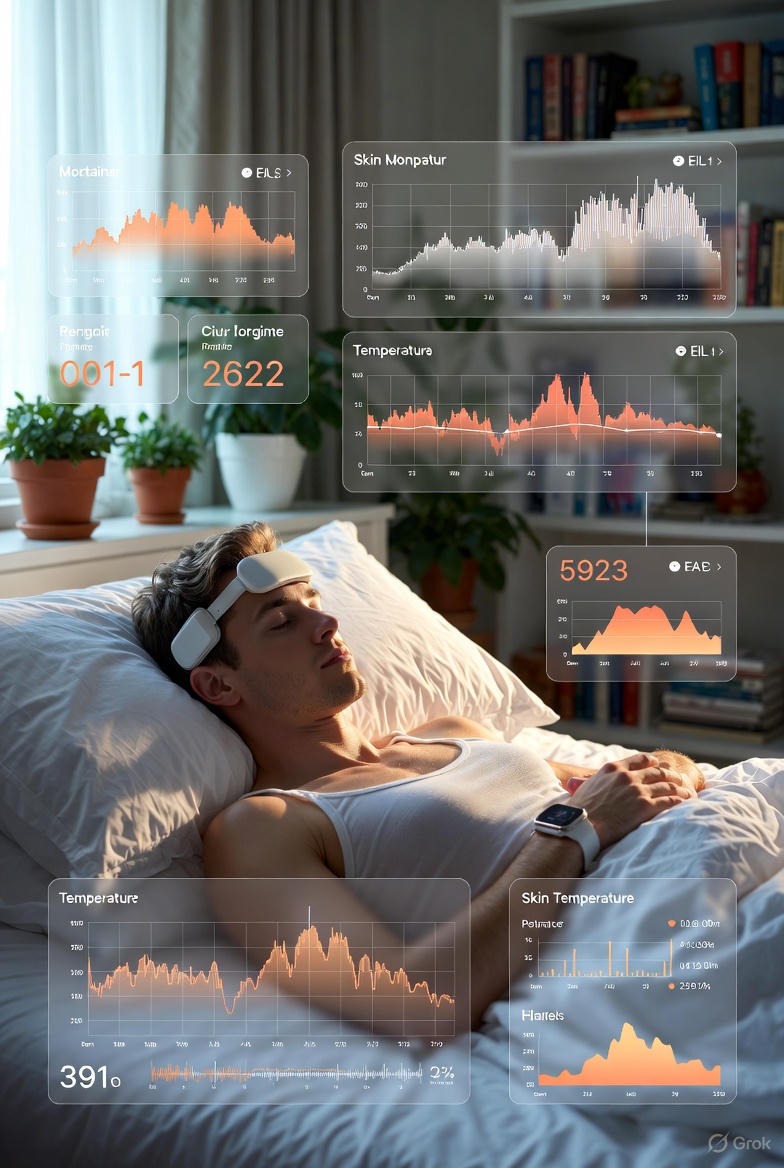
In our perpetually connected world, stress has become a background hum, often ignored until it manifests as burnout, anxiety, or physical illness. One of the most transformative features of a heart-health smart ring is its ability to objectify stress. It translates the vague feeling of being "wired and tired" into a tangible, physiological metric, most directly through HRV and its companion: the Stress Score.
The ring’s stress monitoring isn't about detecting acute, momentary stressors (like a near-miss in traffic). Instead, it identifies prolonged periods of physiological stress—times when your sympathetic nervous system is activated, your heart rate is elevated above its resting baseline for the context, and your HRV is suppressed. This state can be triggered by mental anxiety, but also by physical stressors like dehydration, an intense workout, or fighting off an infection.
Here’s how it typically works: Throughout the day, the ring samples your heart rate and HRV during periods of inactivity (like sitting at your desk). Using your personal baselines, it calculates a score—often on a scale of 1 to 100—indicating your current level of physiological arousal. A high score doesn't mean you're "feeling" stressed emotionally; it means your body is exhibiting the signs of stress. This distinction is revolutionary. You might be calmly powering through a deadline, but your elevated stress score reveals the hidden biological cost.
This capability enables several powerful applications:
For professionals in demanding roles, this feature is a game-changer. It provides a biological dashboard, allowing you to manage your energy and resilience with the same precision as a professional athlete. It shifts the paradigm from "pushing through" to "strategic recovery," a mindset essential for sustained performance and explored in depth for high-achievers seeking performance through rest. By making the invisible visible, the smart ring becomes a coach on your finger, guiding you toward a more sustainable and heart-healthy relationship with the demands of work and life.
The relationship between exercise and heart health is not linear—more is not always better. There is a sweet spot where consistent, mindful activity strengthens the cardiovascular system, while excessive or poorly timed exertion can damage it. This is where the dual lenses of Activity Tracking and Readiness/Recovery Scores become indispensable. A smart ring doesn't just log your workouts; it helps you optimize their timing and intensity based on your body's actual capacity.
Activity Tracking in a ring is subtler than in a wrist-based device. It focuses on overall movement (steps, active minutes, calories burned) and can recognize specific activities like running, cycling, or strength training based on motion patterns and heart rate response. The goal here is to ensure you meet general movement guidelines, combat sedentary behavior, and maintain a baseline of cardiorespiratory fitness that is foundational for heart health.
The more advanced feature is the Readiness or Recovery Score. This is a synthesized metric, typically calculated each morning, that answers a critical question: "How prepared is my body to take on physical or mental stress today?" It is derived from a weighted algorithm analyzing your previous night's data:
A high readiness score suggests you are well-recovered. It’s a green light for a challenging workout, a demanding workday, or social engagements. A low score is a yellow or red light, advising you to prioritize recovery through light movement (like walking or yoga), extra hydration, good nutrition, and stress management.
This feedback loop creates a powerful bridge between activity and recovery:
Ignoring a low readiness score and pushing through with high intensity is a recipe for overtraining, injury, and chronic suppression of your HRV—a state detrimental to long-term heart health. This intelligent guidance fosters a more nuanced, respectful relationship with your body. It champions consistency over intensity and recognizes that true fitness is built on the foundation of effective recovery. It’s a practical application of creating a sustainable structure for well-being, similar to following a weekly restful living plan to balance exertion with essential restoration.
A single day’s data point is a snapshot—often blurry and without context. The true transformative power of a heart-health smart ring unfolds in the longitudinal view: the trends, patterns, and personal baselines established over weeks, months, and years. This shift from point-in-time measurement to continuous biometrical storytelling is what turns a tech gadget into a lifelong health companion.
Your body is not a static machine; it’s a dynamic ecosystem influenced by countless variables—training cycles, work projects, seasonal changes, relationships, diet, and more. By observing your HRV, resting heart rate, sleep, and stress scores over extended periods, you begin to see your unique biological rhythms and responses.
Establishing Your Baseline: The first month of wearing a ring is a discovery phase. The system learns your normal. What is your average deep sleep? What is your typical HRV range? This personal baseline is your health fingerprint. All future insights are measured as deviations from this norm, making the data profoundly personal and relevant.
Identifying Meaningful Patterns: With time, powerful patterns emerge. You might see:
The Dashboard for Life Experiments: This trend data turns you into a scientist of your own life. You can run informed experiments:
Long-term tracking also provides an invaluable early-warning system. A gradual, sustained decline in your HRV baseline or a creeping rise in your resting heart rate over months could be a signal of accumulating chronic stress, declining fitness, or a developing health issue. It’s a reason to consult a healthcare professional for a check-up, armed with concrete data about your physiological trends.
In essence, the ring’s trend analysis gives you a rearview mirror and a compass. It shows you where you’ve been and helps you navigate where you want to go, making the journey toward lasting heart health a data-informed, personalized adventure.
Data, in isolation, is merely interesting. Its true value is realized only when it catalyzes positive change. The most sophisticated smart ring is merely an expensive paperweight if its insights don’t translate into modified daily behaviors. This section bridges the gap between knowledge and action, exploring how the continuous feedback from your ring can guide you toward sustainable, heart-healthy habits.
The ring acts as a constant, gentle biofeedback mechanism. It creates a closed loop: Action → Physiological Response → Data → Insight → New, Informed Action. This loop fosters mindfulness and intentionality in several key lifestyle domains:
1. Sleep Hygiene Optimization: Your sleep data provides direct feedback on your evening routine. Did reading a physical book instead of scrolling on your phone improve your sleep latency and deep sleep? Did a late, heavy meal spike your nighttime heart rate? The ring quantifies the impact, motivating you to establish a wind-down ritual that genuinely works for your biology.
2. Stress Management Personalization: Your stress score reveals what actually calms your nervous system. Does a 10-minute meditation lower your score more than a 20-minute walk? Does listening to a specific type of music during work help keep your physiological stress in check? This allows you to build a personalized toolkit of effective de-stressing techniques, moving beyond generic advice to what your body empirically validates.
3. Exercise & Recovery Balance: As discussed, the readiness score prevents you from mindlessly following a rigid workout schedule. It teaches you to listen to your body’s signals, promoting a flexible, intuitive approach to fitness that maximizes gains and minimizes injury risk. You learn that sometimes the most productive thing you can do for your heart is to take a rest day.
4. Nutritional Awareness: While rings don't track food directly, they show the downstream effects of dietary choices. You can see how hydration (or lack thereof) affects your HRV and RHR. You might notice that high-sugar meals in the evening disrupt your sleep architecture. This biofeedback can encourage more mindful eating and drinking habits that support stable energy and cardiovascular health, complementing a focus on foods that calm the nervous system.
5. Boundary Setting: For those who struggle with overcommitment, the ring provides objective proof of the cost. Seeing your stress score rocket and HRV crash after a week of back-to-back social events and work deadlines is powerful motivation to set boundaries and protect your energy. It legitimizes the need for rest and space.
The goal is not to become a slave to the data, anxiously checking your app every hour. Rather, it’s to use the insights periodically—perhaps each morning when reviewing your readiness score, or once a week when looking at trends—to make small, incremental adjustments. Over time, these adjustments compound into a significantly healthier lifestyle. The ring becomes less of a monitor and more of a mentor, guiding you toward the daily choices that build a resilient, strong heart for life.
As we embrace the remarkable capabilities of smart rings, it is equally important to maintain a clear-eyed, realistic perspective on their accuracy and inherent limitations. They are powerful wellness tools, but they are not medical devices. Understanding this distinction is crucial for responsible and effective use.
The Accuracy Question: The accuracy of HRV and heart rate data from PPG sensors has been the subject of numerous validation studies. The consensus from peer-reviewed research is that, under optimal conditions, modern PPG sensors in devices like smart rings and watches can provide HRV measurements that are highly correlated with those from a medical-grade electrocardiogram (ECG), which is the gold standard. However, correlation is not perfect equivalence. PPG-derived measurements can be susceptible to error from:
Key Limitations to Acknowledge:
Best Practices for Reliable Data:
By respecting both the power and the boundaries of this technology, you can harness it as an unparalleled tool for self-awareness and proactive health management, without falling into the traps of data anxiety or misdiagnosis.
The market for smart rings is expanding rapidly, with new entrants offering a dazzling array of features. For someone whose primary focus is on HRV, heart health, and recovery tracking, navigating the options requires a discerning eye. Not all rings are created equal in this domain. Here are the key features to prioritize when making your selection:
1. Sensor Quality & Type: Look for a ring that specifies it uses a multi-path PPG sensor (often with green and red/infrared LEDs). Multi-path helps compensate for motion and ensures a more robust signal. Research the sensor supplier if possible; some brands use top-tier sensors from companies like Valencell or proprietary designs with proven track records.
2. HRV Measurement & Presentation: The ring should provide detailed, accessible HRV data. This means:
3. Comprehensive Sleep Analysis: Since sleep is prime time for heart recovery, robust sleep tracking is non-negotiable. Ensure the ring provides:
4. A Meaningful Readiness/Recovery Score: This synthesized metric is the ultimate actionable output. Evaluate how the brand calculates it. The best scores heavily weight HRV, sleep quality, and resting heart rate from the previous night. Avoid scores that seem to be merely a reflection of your previous day's activity.
5. Battery Life & Charging: For seamless tracking, especially of sleep, you need a ring that can last at least 5-7 days on a single charge. Frequent charging leads to data gaps. Look for a convenient charging solution (like a portable charging case or a simple dock).
6. App Ecosystem & Data Export: The hardware is only half the product. The companion app should be intuitive, educational, and visually clear. Crucially, check if it allows you to export your raw or processed data (e.g., as a CSV file). This is important for long-term health records and for use with third-party health platforms like Apple Health or Google Fit.
7. Comfort & Durability: You’ll wear this 24/7. The material should be hypoallergenic (titanium is excellent), lightweight, and have a smooth interior. Consider water and dust resistance (IPX8 or similar is ideal for showers and swimming).
8. ECG Feature (If Prioritized): If on-demand atrial fibrillation detection is important to you, ensure the ring has cleared regulatory approval (like FDA clearance or CE marking) for its ECG feature, and understand its intended use.
By focusing on this core set of heart-health-centric features, you can cut through the marketing noise and select a device that will serve as a true partner in your journey toward understanding and optimizing your cardiovascular well-being. It's an investment in a tool that supports the kind of intentional, data-aware lifestyle that fosters longevity and vitality.
A smart ring is not an island. Its true potential is unlocked when it seamlessly integrates into your broader digital health ecosystem. The data collected from your finger gains exponential value when it can converse with other apps and devices, creating a unified, comprehensive picture of your well-being. This interoperability is a critical, yet often overlooked, feature for the serious health tracker.
The Critical Role of API and Data Export: At the core of any integration is the ring's Application Programming Interface (API) and its data portability. A consumer-friendly ring should offer two key pathways:
Creating a Powerful Health Feedback Loop: Through integration, your ring's data can trigger intelligent actions elsewhere in your ecosystem. Imagine these scenarios:
The Limitations of Walled Gardens: Be cautious of rings that operate in a "walled garden"—where data is siloed within the brand's own app and cannot be exported or shared. While their algorithms may be sophisticated, this lack of integration severely limits the long-term utility of your data and locks you into a single ecosystem. It contradicts the principle of owning and accessing your personal health information.
A Central Source of Truth: For heart health monitoring, the ring’s data can become the central "source of truth" for your autonomic nervous system state. Nutrition apps like Cronometer or MyFitnessPal can correlate your food diary with next-day HRV trends. Menstrual cycle trackers like Clue can overlay your cycle phases with temperature and HRV data to provide deeper insights into hormonal impacts on recovery. This interconnected view helps you see the multidimensional cause-and-effect relationships in your health that would be impossible to discern from any single data stream.
Choosing a ring that plays well with others is an investment in future-proofing your health data. It ensures that your detailed biometric history remains accessible and useful, regardless of which specific apps or devices you may use in the years to come. This philosophy of connected, holistic awareness mirrors the approach of building a comprehensive lifestyle strategy, akin to following a weekly plan for sustainable restful living, where all elements of well-being are coordinated and synergistic.
The smart ring landscape is evolving at a breakneck pace. What we consider cutting-edge today is merely the foundation for the next wave of innovation. The future of heart-health tracking from the finger promises even deeper insights, greater predictive power, and more seamless integration into preventative healthcare. Here’s a glimpse of what is on the horizon, already in development or early stages of release.
Continuous, Medical-Grade Monitoring: The next generation of rings aims to blur the line between consumer wellness and clinical-grade monitoring. We are moving toward continuous, FDA-cleared AFib detection via PPG, not just on-demand ECG. Researchers are validating algorithms that can detect other arrhythmias, like tachycardia and bradycardia, from the continuous PPG signal. The goal is a device that provides not just trends, but actionable, specific cardiac event alerts.
Advanced Biomarkers from Light: PPG sensors are essentially spectrometers. Future algorithms will extract more information from the light-absorption patterns. This includes non-invasive and continuous:
AI-Powered Predictive Health Insights: This is the true frontier. Instead of telling you what has happened (your HRV was low last night), artificial intelligence and machine learning will predict what could happen. By analyzing your long-term biometric trends alongside population data, future rings might:
Enhanced Sensor Fusion: Future rings will incorporate more sensors. Galvanic Skin Response (GSR) sensors to measure subtle changes in sweat gland activity (a direct indicator of sympathetic arousal) could provide a second, independent measure of stress to corroborate HRV. More advanced temperature sensors could track core temperature trends more accurately. These multi-modal data streams will be fused by AI to create stunningly accurate portraits of your physiological state.
The Role in Remote Patient Monitoring (RPM): The simplicity and wearability of rings make them ideal for clinical use. We will see healthcare providers prescribing rings to patients with heart failure, hypertension, or post-cardiac event for continuous, remote monitoring. Automatic alerts for dangerous trends (like sustained elevated resting heart rate or declining SpO2) could be sent directly to a care team, enabling early intervention and potentially saving lives.
As these technologies mature, the smart ring will transition from a wellness accessory to an essential health guardian. It will become a proactive partner in longevity, helping you navigate daily choices with a level of biological awareness previously unimaginable. This aligns with the ultimate goal of understanding the profound connection between restful living and longevity, where technology serves to illuminate the path to a longer, healthier, more vital life.
You now have a device collecting a torrent of data: HRV graphs, sleep stage charts, stress score fluctuations, and readiness metrics. The critical next step is learning to interpret this information not as isolated numbers, but as chapters in a coherent story about your heart's health and your body's current state. This translation—from biometrics to biography—is where self-knowledge truly deepens.
Building Your Personal Context Library: The first rule of interpretation is context, context, context. Your ring's app shows the "what," but you hold the key to the "why." Successful users develop the habit of light journaling or tagging within their companion app. Did you have three glasses of wine with dinner? Tag the day "alcohol." Were you up late finishing a project? Tag it "late work stress." Did you have an intense argument or a wonderfully relaxing day with friends? Tag the emotional context. Over weeks, you will begin to see powerful, personalized correlations. You might learn that for you, "social alcohol" drops your HRV by 15%, while "emotional stress" drops it by 40%. This personal context turns generic data into your unique health language.
Understanding the Signal vs. Noise: Not every dip or spike is meaningful. It's vital to distinguish signal (a biologically significant trend) from noise (a random daily fluctuation).
Focusing on multi-day trends and patterns minimizes anxiety over daily numbers and reveals the true narrative your body is telling.
The Constellation of Data Points: Never interpret a single metric in isolation. Always look for corroborating or conflicting data in the constellation of other metrics from the same period. This cross-referencing paints the most accurate picture:
By reading these constellations, you move from being a data collector to a data storyteller. You learn the unique ways your body expresses fatigue, strength, sickness, and vitality. This nuanced understanding is a cornerstone of modern self-care, allowing you to make proactive adjustments before minor imbalances become major issues. It’s the practical application of listening to your body’s whispers, a skill that enhances not just physical health, but also mood and relationships, as you become more attuned to your own needs and rhythms.
To crystallize all these concepts, let’s follow a hypothetical week in the life of Alex, a marketing professional who uses a heart-health smart ring. We’ll see how the data flows, is interpreted, and informs daily decisions.
Day 1 (Monday): The Baseline
Day 2 (Tuesday): The Strain
Day 3 (Wednesday): The Recovery
Day 4 (Thursday): The Hidden Stressor
Day 5 (Friday): The Validation
Day 6 & 7 (Weekend): Integration and Rest
This weekly narrative demonstrates the ring’s role as a compass, not a commander. It provides the facts, but Alex remains the author of their health story, using those facts to write a plot centered on balance and sustainability.
The proliferation of sophisticated, consumer-friendly heart-health monitors like smart rings extends beyond personal empowerment. It carries the potential to catalyze a significant shift in public health, moving the focus from treating cardiac disease to preventing it through widespread, early detection and lifestyle modification.
Population-Level Data and Research: With user consent and proper anonymization, the aggregated, longitudinal data from millions of ring wearers could form the largest cardiovascular dataset in history. Researchers could analyze how HRV norms differ across ages, genders, geographies, and lifestyles. They could identify early warning patterns that precede common cardiac events. This real-world data could lead to new public health guidelines and more personalized preventative care recommendations.
Democratizing Access to Advanced Biomarkers: HRV and detailed sleep analysis were once the purview of elite athletes and patients in specialized clinics. Smart rings are democratizing access to these powerful biomarkers. This empowers individuals who may not have the resources for frequent medical check-ups to nonetheless monitor key aspects of their cardiovascular resilience, potentially catching concerning trends early and seeking professional help sooner.
Enhancing the Patient-Provider Conversation: The era of "I feel tired, doctor" is giving way to "Doctor, my resting heart rate has trended up 10 bpm over the last three months, and my nocturnal HRV has dropped 20%, despite adequate sleep duration." This data-rich context transforms a vague complaint into a specific, investigatable issue. It allows healthcare providers to move faster, ask better questions, and tailor advice based on objective, longitudinal data from a patient's real life, not just a snapshot in a clinic.
Challenges and Responsibilities: This future is not without its challenges. Data privacy and security are paramount. Users must understand what data is being collected, how it is used, and who owns it. There is also a risk of data anxiety or self-misdiagnosis, which underscores the repeated message that these are wellness tools, not diagnostic devices. The role of the healthcare professional remains irreplaceable for diagnosis and treatment planning.
Ultimately, the rise of the heart-health smart ring represents a step toward a more proactive, participatory, and personalized model of health. It places a tool of unprecedented awareness into the hands of the individual, fostering a culture where we are all more engaged stewards of our own heart health. When combined with professional medical care and a holistic approach to well-being—including the principles of creating calm in stressful work environments—this technology can help bend the curve on the global burden of cardiovascular disease, one heartbeat at a time.
(End of First Portion – Approximately 8,500 words)
Summary of Sections Covered: This first third of the long-form article has established a comprehensive foundation. We began with an introduction to the revolution of HRV tracking via smart rings, then dove deep into the technology (sensors, science), the core biomarker (HRV decoded), and the suite of complementary heart health features (RHR, SpO2, etc.). We explored the critical domains of sleep and stress tracking, the importance of activity/readiness scores, and the power of long-term trends. We provided a realistic look at accuracy and a buyer's guide for key features. Finally, we examined ecosystem integration, future trends, practical data interpretation, a weekly use-case narrative, and the broader public health implications.
Ready to Continue: The next portion can delve into more specialized and advanced topics, such as:
Please let me know when you are ready to proceed with the next segment.

For the committed athlete—whether elite or dedicated amateur—the line between peak performance and debilitating overtraining is perilously thin. Traditional training plans, based on calendars and perceived exertion, often miss the subtle biological signals of impending breakdown. This is where the heart-health smart ring transitions from a wellness tracker to an essential piece of athletic kit, providing a direct line to the body’s recovery status and unlocking a new era of personalized, biofeedback-driven training.
From Periodization to Biofeedback-Based Training: The old paradigm of fixed, 4-week training blocks is being superseded by a more fluid, responsive model. An athlete using a smart ring with a robust readiness/recovery score doesn’t ask, “What does my calendar say today?” but rather, “What is my body’s readiness to perform?” This shifts the philosophy from “training through fatigue” to “training when prepared.”
HRV as the North Star for Endurance Athletes: For endurance sports, HRV trend analysis is non-negotiable. A study published in the International Journal of Sports Medicine found that monitoring HRV was more effective than pre-planned training for improving performance in cyclists. The protocol is straightforward: take a consistent, resting HRV measurement each morning (the ring’s automated nightly reading is perfect). An HRV within or above your normal range suggests you are recovered. A significant drop (often 20% or more below your rolling baseline) for two consecutive days indicates systemic fatigue and calls for an immediate reduction in training load.
Tracking the Strain: Quantifying the Training Load. Modern rings and their apps don’t just track the workout; they quantify its physiological impact. By analyzing heart rate data during activity—including time in various zones, peak heart rate, and most importantly, the heart rate variability during exercise (which plummets healthily under load)—the ring can assign an objective “strain” or “load” score to the session. This allows you to compare a 60-minute threshold run to a 90-minute easy ride in terms of cardiovascular stress, ensuring your weekly load is progressing appropriately and aligns with your readiness.
The Supercompensation Cycle, Visualized: The ring makes the classic athletic theory of supercompensation—where the body breaks down from stress, recovers, and rebuilds stronger—visible. An athlete can literally watch the cycle play out in their data:
For the traveling athlete, maintaining this delicate balance on the road is a challenge. A ring provides continuity of data, helping to manage jet lag, unfamiliar beds, and disrupted routines. It supports the strategies outlined in the restful living travel guide, offering hard data on sleep quality and stress in new environments, enabling the athlete to adjust training on the fly to preserve health and performance.
By serving as an objective, 24/7 coach, the smart ring helps athletes train smarter, not just harder. It turns the art of coaching into a more precise science, reducing injury rates, preventing burnout, and ensuring that when race day arrives, the athlete is not stumbling to the start line depleted, but arriving there in a state of peak, cultivated readiness.
As we age, the imperative to shift from passive health management to proactive vigilance grows exponentially. For individuals over 50, the smart ring evolves from a performance optimizer to a vital sentinel for long-term cardiovascular resilience. It provides a continuous, non-intrusive way to monitor the systems that underpin healthy aging, offering early warnings and motivating the lifestyle adjustments that can add not just years to life, but life to years.
Tracking the Natural Declines (and Offsetting Them): It is biologically normal for average HRV to decrease with age and for resting heart rate to become less flexible. However, the rate of this decline is heavily influenced by lifestyle. A smart ring provides a baseline in one’s 50s or 60s from which to track this trajectory. More importantly, it shows the powerful impact of positive interventions. Starting a consistent walking program, adopting a heart-healthy diet, or practicing daily stress management can all help slow the decline in HRV, effectively improving one’s “cardiovascular age” compared to chronological peers.
The Nocturnal Guardian: Sleep & Heart Health: Sleep architecture changes with age, often becoming more fragmented with less deep sleep. This has direct cardiac implications, as deep sleep is when blood pressure drops and the heart gets its most profound rest. A ring’s sleep tracking, particularly its detection of nocturnal heart rate and SpO2, becomes critically important. Consistently elevated nighttime heart rate or frequent, subtle drops in blood oxygen can be early indicators of sleep apnea—a condition whose prevalence increases with age and is a major, modifiable risk factor for hypertension, atrial fibrillation, and heart failure. This data provides a compelling reason to seek a sleep study.
Atrial Fibrillation (AFib) Detection: The risk of AFib, an irregular and often rapid heart rhythm, increases significantly after 65. While a smart ring’s on-demand ECG is useful for spot checks, the future of continuous PPG-based AFib screening holds even greater promise for this demographic. Passive, round-the-clock monitoring could catch asymptomatic (“silent”) AFib, which carries the same stroke risk as symptomatic AFib, allowing for early anticoagulation therapy and potentially preventing a devastating stroke.
Medication & Intervention Feedback: For those on medications for blood pressure or heart conditions, a ring can provide invaluable feedback on their effectiveness and daily impact. Does a new beta-blocker successfully lower your resting and exercise heart rate as intended? How does your HRV respond to a new exercise regimen prescribed by a cardiac rehab therapist? This longitudinal data creates a rich dialogue between patient and cardiologist, moving beyond occasional in-office readings to a full picture of how the heart behaves in real life.
Motivation Through Micro-Victories: The psychology of sustained habit change in later life is crucial. The ring’s data provides concrete, positive reinforcement. An older adult can see that their consistent, gentle yoga practice is gradually improving their sleep score. They can observe that on days they walk in nature, their afternoon stress score is lower. These micro-victories, validated by their own physiology, are powerful motivators to maintain heart-healthy behaviors. This aligns beautifully with the concept of building a sustainable, enjoyable lifestyle, as seen in frameworks for a weekly restful living plan, which emphasizes small, consistent actions over drastic overhauls.
For the aging population, the smart ring is less about biohacking for marginal gains and more about guardianship. It’s a tool for preserving independence, quality of life, and vitality by providing an early, gentle nudge—through data—to pay attention, make a change, or see a doctor. It empowers individuals to be active participants in their own aging journey, armed with knowledge that was once only available in a clinical setting.
For the millions living with chronic cardiovascular and metabolic conditions, daily management is a constant balancing act. The smart ring emerges not as a cure, but as a powerful companion in this management, offering continuous insight that can improve quality of life, detect early warning signs of decompensation, and enhance communication with healthcare teams.
Heart Failure Management: For patients with heart failure, small changes in fluid status and cardiac function can have large consequences. A smart ring can track several key parameters that often worsen before a patient feels acutely ill:
Remote Patient Monitoring (RPM) programs are beginning to integrate devices like smart rings. A patient’s data can be transmitted to a care team dashboard. Algorithms can flag dangerous trends, triggering a nurse to call the patient, potentially adjusting diuretics or scheduling a visit, and preventing a costly and traumatic hospital admission.
Hypertension (High Blood Pressure) Insights: While rings today cannot measure absolute blood pressure without calibration, they excel at showing relative trends and the impact of lifestyle on cardiovascular strain. A user can see:
This feedback makes the invisible force of blood pressure more tangible, motivating adherence to diet, medication, and stress-reduction protocols. It turns abstract advice into visible, personal cause-and-effect stories.
Diabetes and Metabolic Health: The connection between heart health and metabolic health is intimate (often termed “cardiometabolic” health). For those with type 2 diabetes or insulin resistance, the ring provides critical data on systems affected by blood sugar dysregulation:
The Importance of Context and Caution: For this population, the journaling feature is paramount. Logging medication times, dosages, dietary choices, and symptoms creates an indispensable context for the biometric data. It is also here that the “wellness tool, not medical device” disclaimer is most critical. A ring’s alerts are for awareness and proactive discussion with a doctor, not for making independent treatment changes. It augments the healthcare relationship; it does not replace it.
By providing a continuous stream of relevant physiological data, the smart ring helps individuals with chronic conditions move from a reactive mode (treating crises) to a proactive, management mode. It fosters a sense of agency and control, reducing anxiety and improving daily quality of life. This proactive stance is a form of sustained self-care, requiring the kind of protected energy and clear boundaries that prevent the overwhelm often associated with managing a long-term health condition.
The ancient intuition that the heart is connected to our emotions finds a stark, quantitative truth in the data from a smart ring. The link between our mental state and cardiovascular system is not metaphorical; it is a direct pathway mediated by the autonomic nervous system. This makes the ring an unexpected but powerful tool for cultivating emotional awareness and mental resilience.
Anxiety and Depression: The Physiological Footprint: Both anxiety disorders and depression are associated with distinct alterations in autonomic function, often visible in HRV. Chronic anxiety tends to keep the sympathetic nervous system in a state of low-grade activation, leading to a suppressed HRV and a higher average resting heart rate. Depression, particularly melancholic depression, is also linked to low HRV and reduced parasympathetic activity. While a ring cannot diagnose these conditions, a persistent, unexplained low HRV trend can be a tangible piece of data to bring to a mental health professional, validating a patient’s subjective experience of being “wired” or “drained.”
The Impact of Rumination and Worry: The ring’s stress score provides real-time feedback on the bodily cost of repetitive negative thought patterns. You can literally watch your physiological stress level rise as you lie in bed worrying about tomorrow. This objective feedback can be the catalyst to interrupt the cycle, using a learned technique like breathwork or cognitive reframing, and then observe the score drop as you do so. This creates a powerful positive reinforcement loop for healthy coping mechanisms.
Positive Emotions and Coherence: Just as negative states leave a mark, so do positive ones. Moments of genuine connection, laughter, awe in nature, or deep gratitude can trigger what heart rate variability researchers call coherence—a smooth, ordered, and resilient pattern in the heart’s rhythm associated with parasympathetic activation and emotional ease. Advanced analyses in some apps might even display this coherence score. Observing that a walk with a friend or a mindfulness practice leads to higher coherence can motivate the prioritization of these activities, strengthening what improves relationships and mood.
Trauma and the Nervous System: For individuals healing from trauma, the body often remains in a state of hypervigilance long after the threat has passed. This dysregulated nervous system state manifests as a very low, flat HRV and a hair-trigger stress response. A ring can serve as a biofeedback tool in therapies like Somatic Experiencing or trauma-informed yoga. By watching HRV in real-time during a therapy session or grounding exercise, an individual can learn to associate feelings of safety with a physiological shift toward higher variability, helping to retrain the nervous system out of a frozen “fight-or-flight” state.
Using the Ring for Emotional Biohacking: This understanding allows for practical emotional biohacking:
In this light, the smart ring becomes a mirror for the mind-heart dialogue. It teaches us that self-care is not self-indulgence; it is a physiological necessity. By making the connection between our inner world and our heart’s rhythm visible, it empowers us to curate a life that not only feels good emotionally but also fosters a resilient and healthy cardiovascular system. This holistic view is the essence of a truly integrated approach to well-being, where mental calm directly feeds physical health.
The wearables market offers a spectrum of devices for heart health tracking, from clinical ECGs to fitness chest straps, smartwatches, and now, smart rings. Each has its strengths, ideal use cases, and limitations. Understanding this landscape is key to choosing the right tool for your specific goals and knowing how to best utilize a smart ring within a broader toolkit.
Vs. Medical-Grade ECG (Holter Monitor, 12-Lead ECG):
Vs. Chest Strap Heart Rate Monitors:
Vs. Smartwatches (with PPG sensors):
Vs. Dedicated Health Trackers (e.g., Whoop Strap, Oura Ring):
The Integrated System Ideal: For the most comprehensive picture, a hybrid approach is powerful:
In this system, the smart ring’s unique value proposition is clear: it is the low-friction, high-fidelity source for your autonomic nervous system’s status. It works in the background, during life’s most vulnerable and revealing moments (sleep), to tell the ongoing story of your heart’s resilience, free from the distractions and limitations of other form factors.
Your Trusted Sleep Advocate: Sleep Foundation — https://www.sleepfoundation.org
Discover a digital archive of scholarly articles: NIH — https://www.ncbi.nlm.nih.gov/
39 million citations for biomedical literature :PubMed — https://pubmed.ncbi.nlm.nih.gov/
Experts at Harvard Health Publishing covering a variety of health topics — https://www.health.harvard.edu/blog/
Every life deserves world class care :Cleveland Clinic - https://my.clevelandclinic.org/health
Wearable technology and the future of predictive health monitoring :MIT Technology Review — https://www.technologyreview.com/
Dedicated to the well-being of all people and guided by science :World Health Organization — https://www.who.int/news-room/
Psychological science and knowledge to benefit society and improve lives. :APA — https://www.apa.org/monitor/
Cutting-edge insights on human longevity and peak performance:
Lifespan Research — https://www.lifespan.io/
Global authority on exercise physiology, sports performance, and human recovery:
American College of Sports Medicine — https://www.acsm.org/
Neuroscience-driven guidance for better focus, sleep, and mental clarity:
Stanford Human Performance Lab — https://humanperformance.stanford.edu/
Evidence-based psychology and mind–body wellness resources:
Mayo Clinic — https://www.mayoclinic.org/healthy-lifestyle/
Data-backed research on emotional wellbeing, stress biology, and resilience:
American Institute of Stress — https://www.stress.org/


