


The Beginner-Friendly Guide to Evening Reading: What Your Smart Ring Prefers
Evening reading habits can influence sleep, and your ring shows which patterns work best.
Evening reading habits can influence sleep, and your ring shows which patterns work best.
%402x.svg)
For centuries, the quiet ritual of evening reading has been a sanctuary. It’s the soft glow of a lamp, the weight of a book in hand, and the gentle escape into another world as the day winds down. We’ve intuitively known it’s good for us—a way to decompress, learn, and transition into rest. But what if this cherished habit could be more than just a pleasant pastime? What if it could become a precision tool for enhancing your sleep, lowering your stress, and optimizing your next day?
Enter your smart ring. This unassuming piece of wearable technology is more than a fitness tracker; it’s a personal biometrical historian, silently recording the story your body tells each night. It measures heart rate variability (HRV), resting heart rate, skin temperature, and sleep stages with clinical-grade accuracy. And it has a vested interest in how you spend the hour before bed. Your smart ring doesn't just track sleep; it reacts to your pre-sleep routine, offering a clear, data-driven verdict on what works and what doesn’t.
This guide bridges the timeless wisdom of evening reading with the cutting-edge insights of your smart ring. We’ll move beyond guesswork and generic advice like "avoid screens." Instead, we’ll explore a tailored, beginner-friendly approach to building a reading routine that your physiology—as reported by your smart ring—will not just tolerate, but actively prefer. Get ready to transform your pages into a powerful prescription for better recovery, deeper calm, and a more resilient mind.

You cannot simply flip a switch from "awake" to "asleep." Sleep is not an isolated event but the final, crucial phase of your body’s daily cycle. The transition into it, known as the "wind-down" period, is a physiological process governed by our nervous system and circadian rhythms. Understanding this science is the first step to aligning your evening reading with your biology.
At the core of this transition is your autonomic nervous system (ANS), which has two main branches: the sympathetic (fight-or-flight) and the parasympathetic (rest-and-digest). A day of work, stress, and stimulation keeps the sympathetic system engaged. For quality sleep to initiate, we need a deliberate shift toward parasympathetic dominance. This shift is marked by a decrease in heart rate and blood pressure and, most tellingly, an increase in Heart Rate Variability (HRV).
HRV is the tiny, millisecond variation in time between each heartbeat. Contrary to what one might think, a higher HRV is better—it indicates a flexible, resilient nervous system that can efficiently adapt to stress. A low HRV suggests a system stuck in a stressed or fatigued state. Your smart ring tracks HRV overnight, and its baseline value is profoundly influenced by how you spent the hours before bed. An effective wind-down routine should begin to elevate your HRV before you even fall asleep, setting the stage for high-quality recovery.
Simultaneously, your body is preparing for sleep through hormonal changes. In response to diminishing light, your pineal gland secretes melatonin, the "hormone of darkness." However, this delicate process is easily hijacked. The blue light emitted from phones, tablets, and e-readers (without filters) mimics daylight, suppressing melatonin production and confusing your internal clock, leading to delayed sleep onset and fragmented sleep architecture.
This is where intentional evening reading enters as a powerful tool. Done correctly, it can:
However, not all reading is created equal. A gripping thriller that spikes your adrenaline or a work-related textbook that triggers anxiety will activate the sympathetic system, undermining the entire wind-down process. Your smart ring will likely report this as a elevated resting heart rate, lower HRV, and less time in deep sleep.
The goal, then, is to curate a reading practice that acts as a deliberate signal to your nervous system: "The day is over. It is safe to rest." In the following sections, we’ll translate this science into actionable strategies, exploring exactly what type of reading material, environment, and timing your smart ring’s data will thank you for. For a deeper dive into how daily activities influence your nervous system balance, consider exploring the interoceptive awareness method for sensing your emotional state, a skill that complements smart ring data beautifully.
Think of your smart ring not as a judge, but as a silent, objective coach. It doesn't care about your taste in literature; it cares about your physiological state. By learning to interpret its feedback, you can conduct a personal experiment with one subject: you. Here are the key metrics it provides and what they reveal about your evening routine.
1. Resting Heart Rate (RHR): This is your heart's beats per minute (BPM) when you are fully at rest, typically during deep sleep. A lower RHR generally indicates better cardiovascular fitness and a more relaxed state. If you notice your nightly RHR is consistently higher after certain types of evening activities (like intense news consumption or family arguments), it’s a sign your body is carrying residual stress into sleep. Your pre-sleep reading should aim to begin lowering your heart rate, not raising it.
2. Heart Rate Variability (HRV): As mentioned, this is the star metric for nervous system recovery. It’s highly individual, so track your trends, not compare to others. A rising HRV trend over weeks indicates improving resilience. A sudden dip can signal illness, overtraining, or significant stress. Observe: does reading a physical book for 30 minutes lead to a higher overnight HRV compared to reading on a tablet? Your ring will tell you.
3. Sleep Stages (Deep, Light, REM, Awake): The architecture of your sleep matters. Deep sleep is for physical restoration, REM for memory consolidation and emotional processing. A disruptive wind-down can reduce deep sleep or increase nighttime awakenings. If your ring shows frequent "awake" periods or shortened deep sleep after you finish a particularly suspenseful book chapter right before lights-out, it’s data worth noting.
4. Skin Temperature: Your core body temperature needs to drop to initiate sleep. A smart ring tracks distal skin temperature, which typically rises as blood vessels dilate to release heat. A consistent pattern here indicates a well-functioning circadian rhythm. Activities that raise core temperature too late (like hot baths right before bed, for some) or reading in a room that's too warm can affect this.
5. Respiratory Rate: The number of breaths you take per minute during sleep. A calm, steady respiratory rate is ideal. While you can't see this in real-time during reading, your overall calmness pre-bed influences it. A meditative reading session should promote slow, diaphragmatic breathing that carries into sleep.
How to Use This Data: The 3-Day Experiment.
Don’t get overwhelmed by nightly fluctuations. Instead, run a simple 3-night experiment:
Look for trends in your morning report. The goal is to connect the dots between your evening behavior and your physiological outcome. This empirical approach removes the guilt and guesswork from self-improvement. For instance, if you struggle with sleep due to emotional dysregulation, understanding the data can be the first step. Techniques like the opposite action technique for behavioral emotional regulation can be paired with your reading ritual for powerful results.
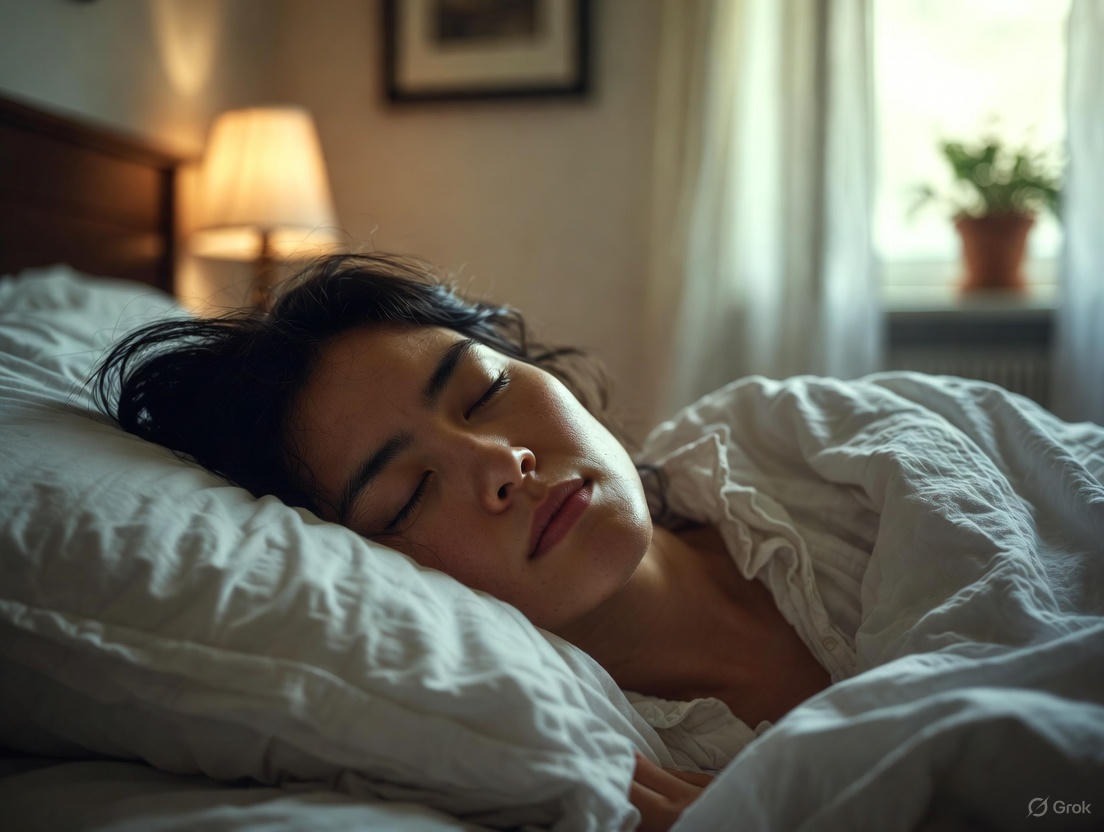
Not every book belongs in the bedroom. Your "Sleep Library" is a curated collection designed for one purpose: to gently escort your mind into a state fit for rest. This isn’t about dumbing down your interests; it’s about strategic timing. Here’s how to choose titles that your smart ring will endorse.
Genre Guidelines for the Evening:
The Great Debate: Physical Book vs. E-Reader vs. Tablet.
Your smart ring’s data will often settle this debate for you, but here’s the general consensus:
The Content "Sorbet": Consider having a "palate cleanser" book—something exceptionally gentle you read for the final 5-10 minutes before sleep, regardless of what came before. This could be a book of daily meditations, nature observations, or even a boring textbook (for some, this works wonderfully!). This final signal tells your brain the journey is conclusively over.
Your reading environment is the stage upon which your wind-down ritual performs. A distracted, poorly set stage can ruin even the best script. Optimizing your environment sends unified sensory signals to your brain that it’s time to shift states. Here’s how to build a sanctuary that both you and your smart ring will love.
Lighting: The Master Cue
Light is the most powerful regulator of your circadian rhythm. For evening reading:
Soundscapes: Quieting the Mental Static
External noise can prevent cognitive deceleration.
Posture & Comfort: The Body's Position Matters
How you hold your body informs your nervous system.
The Digital Quarantine:
This is non-negotiable for a clean wind-down. At least 30 minutes before reading (ideally 60), enact a digital sunset:
This quarantine isn’t just about avoiding alerts; it’s about freeing your mind from the "infinite scroll" mentality and the low-grade anxiety of being "on-call." It creates a sacred, bounded space for your reading ritual. This practice is a foundational self-soothing toolkit method for personal emotional regulation, using your environment as the primary tool.
You can have the perfect book in the perfect environment, but if the timing is off, the benefits diminish. When it comes to evening reading, when and for how long are as critical as what. Let’s synchronize your reading with your body’s natural rhythms.
The 90-Minute Ultradian Rhythm:
Your body operates on ~90-minute cycles throughout the day called ultradian rhythms. In the evening, these cycles see natural dips in alertness. The last cycle before your natural bedtime is prime wind-down territory. Aim to begin your reading ritual roughly 60-90 minutes before your target sleep time. This gives your nervous system adequate runway to descend from daytime arousal. Starting too late (e.g., 15 minutes before bed) is like asking a plane to land on a postage stamp—rushed and stressful.
Finding Your Goldilocks Duration:
More reading is not always better. The goal is relaxation, not endurance.
Consistency Creates Calibration:
Your smart ring’s algorithms get better the more consistent your routine is. Try to read at roughly the same time each evening. This regularity trains your circadian clock. A consistent pre-sleep cue (like reading) becomes a powerful zeitgeber (time-giver) that tells your body "sleep is coming." This predictability reduces anxiety about sleep itself, a common issue for many.
The Endpoint Signal:
How you end your reading session is a signal. Don’t stop reading at a cliffhanger and immediately turn out the light. Instead:
This tiny buffer between reading and sleeping helps compartmentalize the activity and allows the relaxation from reading to fully integrate. If you find your mind still racing after reading, it may indicate the material was too stimulating or you need a longer buffer period with a mindfulness practice.
Evening reading is a fantastic gateway into a calm state, but you can amplify its effects by pairing it with intentional mindfulness and breathwork. These practices directly influence the physiological metrics your smart ring tracks—especially HRV and resting heart rate. Think of them as the "cool-down" after the "exercise" of your day.
The Bridge Breath (A 60-Second Integration):
Immediately after you close your book, try this:
This 4-7-8 technique, popularized by Dr. Andrew Weil, is a direct stimulator of the parasympathetic nervous system. It acts as a potent physiological signal that reading time is over and sleep time is imminent. You might see this reflected in a lower waking heart rate as you get into bed.
Mindful Reading vs. Consumptive Reading:
We often read to "get through" material. Try shifting to a more mindful approach for at least part of your session:
This practice turns reading from a cognitive consumption task into a full-sensory, present-moment experience, which is inherently de-stressing. It’s a practical application of building emotional granularity by naming feelings precisely, but applied to physical sensation and aesthetic appreciation.
Progressive Muscle Relaxation (PMR) in Bed:
Once you’re in bed after reading, you can use PMR to sweep away any residual physical tension. Starting with your toes, tense each muscle group for 5 seconds, then completely release for 30 seconds, noticing the feeling of warmth and heaviness. Move progressively up your body. This practice makes you exquisitely aware of the contrast between tension and relaxation, and it’s almost guaranteed to lower your heart rate, something your smart ring will note in your sleep onset data.
The "Gratitude Page" Bookmark:
Keep a simple notebook or note card as a bookmark. As you finish reading, write down one simple thing from your day you felt grateful for, or one thing you appreciated in the chapter you just read. This focuses the mind on positive, expansive emotions rather than worries, ending the day on a note of abundance. This simple act can positively influence the emotional tone of your sleep, particularly your REM sleep, which processes daily experiences.
Theory is helpful, but personal data is transformative. This section provides a structured, one-week experiment you can follow to become your own sleep scientist. By the end, you’ll have a clear, personalized understanding of what "evening reading" truly means for your unique physiology.
The Setup:
The 7-Night Experiment Protocol:
Analyzing the Results:
Look for patterns:
Beyond the Week:
This experiment isn't about finding one perfect formula forever. It's about learning the language of your body. Seasons change, stress levels fluctuate. You can re-run mini-experiments when life shifts. Perhaps you test duration (15 vs. 45 min) or the impact of adding 5 minutes of breathwork after reading. This is the essence of a data-informed, personalized wellness practice. For those in demanding careers, this kind of targeted self-experimentation is crucial. The principles here align with strategies needed for emotional balance in high-stress professions, where optimizing recovery is non-negotiable.

Even with the best intentions, your well-laid plans might not yield the calm you seek. Your smart ring might show elevated heart rates or poor sleep despite your new reading habit. Don’t abandon ship—diagnose the problem. Here are common pitfalls and how to address them.
Pitfall 1: "I Get Too Engaged and Can't Stop!"
Pitfall 2: "Reading Makes My Mind Race With My Own Ideas."
Pitfall 3: "I Just Fall Asleep Mid-Page."
Pitfall 4: "I Feel Anxious or Sad After Reading Certain Material."
Your ideal evening reading routine is not a rigid monument, but a flexible tree that bends with the winds of life. Your stress levels, menstrual cycle, travel schedule, and age all influence your nervous system's needs. Adapting your reading practice to these cycles is the mark of a truly personalized, advanced approach.
Reading During High-Stress Periods:
When life is overwhelming, your nervous system is already sympathetic-dominant. Your reading must be extra gentle.
Reading While Traveling or Off-Schedule:
Jet lag and unfamiliar environments wreak havoc on circadian rhythms. Reading can be your portable sanctuary.
Reading and the Menstrual Cycle:
For those who menstruate, hormonal fluctuations create distinct physiological phases that impact sleep and stress resilience.
Reading Through Life Transitions and Aging:
As we age, sleep architecture naturally changes, often becoming lighter and more fragmented. The wind-down ritual becomes even more critical.
After weeks of experimentation, you’ve gathered data, found your preferred genres, and felt the benefits. Now, the goal is to transition this practice from a conscious experiment to an automatic, cherished ritual—a non-negotiable part of your evening that you look forward to. Here’s how to build that lifelong habit.
Habit Stacking: The Unbreakable Chain.
The most effective way to build a new habit is to "stack" it onto an existing one. Anchor your reading ritual to a well-established part of your evening routine.
This linking creates a powerful neural pathway, making the reading trigger automatic.
Reducing Friction: The 1-Second Rule.
Make starting your reading as easy as humanly possible.
Emphasizing Reward: The Subjective Payoff.
Habits are reinforced by rewards. The reward here is intrinsic but powerful.
Practicing Self-Compassion: The 80/20 Rule.
A lifelong habit isn't perfect. Aim for consistency, not perfection. If you follow your ideal routine 80% of the time, you’re winning. The 20% of nights when travel, illness, or social events disrupt it are not failures; they are data points that prove the rule. The key is returning to the ritual the next night without guilt. This flexible, compassionate approach is what prevents a wellness practice from becoming another source of stress. It's a practical application of a dialectical approach to accepting and changing emotions simultaneously—accepting the missed night, but recommitting to the practice.
Your evening reading ritual, guided by the insightful feedback of your smart ring, is now more than a hobby. It is a sophisticated, personalized bio-hack for recovery and resilience. You have the tools to choose the right book, craft the perfect environment, time it for maximum effect, and adapt it to life’s ever-changing rhythms. This is the foundation of a practice that doesn’t just help you sleep better tonight, but builds a more relaxed, resilient you for all your tomorrows.
We’ve established that calm content is preferable, but there’s a specific, powerful type of reading that goes beyond simple relaxation and enters the realm of therapeutic neurobiology: deep immersion in fiction. This isn't passive consumption; it's an active neurological event that your smart ring can detect as a profound shift toward parasympathetic dominance. Let’s explore why getting “lost in a good book” is one of the most beneficial things you can do for your evening physiology.
The Neuroscience of Narrative Transportation:
When you become fully immersed in a story, psychologists call it “narrative transportation.” You are mentally and emotionally transported into the narrative world. This triggers a cascade of beneficial effects:
The Physiological Signature of “Flow”:
Deep reading can induce a state akin to “flow”—that timeless, focused engagement where self-consciousness falls away. The physiological markers of this state are exactly what your smart ring wants to see pre-sleep:
Your smart ring may log this period not as “sleep,” but as “restful wakefulness,” which is a critical component of recovery. A high-quality 30-minute session of deep reading can have a similar nervous-system reset effect as a short meditation.
Choosing Books for Maximum Immersion:
Not all fiction transports equally. To curate for immersion, look for:
The “First Chapter” Test:
Pay attention to your own biometrics, even subjectively. Read the first chapter of a candidate book in the evening. Do you easily remember checking the time? Were you aware of your surroundings? If you were fully transported, that’s a book for your Sleep Library. If you found your mind wandering to your to-do list, that book might be better for daytime reading. This awareness is a form of interoceptive awareness—sensing your own emotional and cognitive state in real-time.
The blanket rule to “avoid non-fiction at night” is too simplistic. For many, learning is a joy and a core part of their identity. The good news is that with careful selection and framing, non-fiction can be part of a wind-down routine that your smart ring approves of. The key is to distinguish between activating non-fiction and contemplative non-fiction.
The Forbidden Zone: Activating Non-Fiction.
These genres are almost guaranteed to provoke a sympathetic response and should be avoided in the 90 minutes before bed:
The Welcome Zone: Contemplative Non-Fiction.
This subset of non-fiction engages the mind in a spacious, wonder-filled way, more akin to meandering through a museum than solving a puzzle.
The Framing Technique: Ritualizing Non-Fiction Reading.
To safely read contemplative non-fiction at night, create a strong ritual container:
For those who share a bed or a home with a partner, family member, or roommate, the evening reading ritual takes on a social dimension. Navigating this skillfully can turn individual recovery into a shared, connected practice that strengthens relationships and amplifies wind-down benefits for everyone involved. Your smart ring will reflect the calm of a harmonized environment.
The Power of Shared, Quiet Activity:
Simply being in the same space while engaged in separate, quiet activities (like each reading your own book) is a profound form of parallel play for adults. It fulfills the human need for co-presence without the demands of interaction. This silent companionship can lower cortisol and increase feelings of safety and belonging—a direct boost to parasympathetic tone. Your smart rings, if both partners wear them, might show a fascinating synchronization in the timing of heart rate dips as you both settle into your books.
Reading Aloud: The Ultimate Synchronized Wind-Down.
Taking turns reading aloud to a partner is a forgotten art with incredible benefits:
Curating Material for Shared Reading:
Choose books with:
Negotiating Different Preferences & Schedules:
Harmony doesn’t require uniformity. Strategies include:
This collaborative approach to evening calm is a powerful form of co-regulation, where nervous systems positively influence each other toward a calmer state. It’s a practical, nightly application of the principles behind using social connection for balance through the co-regulation method.
The evening reading ritual isn’t just for adults. It’s a foundational practice to instill in children, serving dual purposes: bonding and modeling a healthy wind-down habit for life. Furthermore, establishing a calm, predictable evening for children directly contributes to a more peaceful, lower-stress environment for the entire household—a win that will show up in every family member’s smart ring data.
The Ripple Effect of a Child’s Sleep Routine:
A child struggling to fall asleep often means a parent who is stressed, on duty, and has their own wind-down delayed. By using reading to effectively scaffold a child’s transition to sleep, you are also reclaiming and protecting your own pre-sleep window. A successful child’s bedtime often precedes a more successful, longer period of adult wind-down.
Strategies for Different Ages:
The “Family Reading Hour” Concept:
For 30-60 minutes before the youngest child’s bedtime, declare a house-wide “Quiet Time.” Screens off (for adults too). Everyone can read, draw, or do quiet puzzles. This:
Choosing Books That Soothe, Not Stimulate:
Be mindful of content. Even classic children’s books can be surprisingly suspenseful or emotionally intense. Prioritize books with:
Teaching a child to use reading as a tool for self-soothing and transition is one of the greatest gifts for their long-term emotional development and balance. It provides them with a portable, lifelong skill for managing their own states.
There will be nights when reading is not feasible—due to eye strain, mental fatigue, headache, or simply a lack of desire. Abandoning your wind-down ritual entirely on these nights is a mistake. The goal is the physiological shift, not the specific activity of reading. Have a “Plan B” toolkit of alternative rituals that provide similar benefits and keep your routine intact. Your smart ring will reward consistency, even if the activity varies.
Auditory Alternatives: The Spoken Word.
Tactile & Kinesthetic Alternatives:
Visual Alternatives (The Safe Kind):
The Core Principle: Intentional Transition.
Whatever alternative you choose, perform it with the same ritual intentionality as reading: start at a consistent time, in your wind-down space, after your digital quarantine. The activity itself is less important than the conscious decision to transition your state. This flexibility prevents an all-or-nothing mindset, which is crucial for maintaining any wellness practice. Building this personalized toolkit is the essence of creating a robust self-soothing toolkit for personal emotional regulation that works for all seasons of life.
Your smart ring’s nightly data is powerful, but its true potential is unlocked over months and seasons. By observing long-term trends, you can move beyond asking, “Did I sleep well last night?” to answering, “How does my consistent evening ritual impact my overall resilience, mood, and health?” This is where your reading habit transforms from a sleep aid into a cornerstone of holistic wellness.
Identifying Your Personal Baselines and Signatures:
Over 3-6 months of consistent tracking, you’ll see:
The “Reading Consistency” Metric:
Start tracking not just that you read, but the quality of your wind-down. In a simple journal or note, rate your pre-sleep hour:
After a few months, look for correlations. Do weeks with more “Tier 1” evenings correspond with a higher average HRV, better workout recovery, or subjectively better mood? This data is gold.
Correlations with Daytime Metrics:
Your evening doesn’t exist in a vacuum. A superior wind-down routine should positively influence your next day as measured by your ring and your feelings:
Using Data for Compassion, Not Criticism:
The purpose of long-term tracking is pattern recognition, not perfection policing. If you see a month-long HRV decline, don’t berate yourself. Get curious. Was it a stressful work project? Did my reading habit slip? Did I stop my digital sunset? The data becomes a compassionate guide for course correction, not a report card.
For the enthusiast who wants to take this practice to its most precise level, the future lies in real-time biofeedback. While your smart ring provides superb post-session data, pairing your reading with live heart rate or HRV feedback can turn your ritual into an active training session for your nervous system. This is the frontier of personalized wind-down optimization.
How Real-Time Biofeedback Works:
Devices like certain chest straps, finger sensors, or even next-gen smart rings with live display modes can show your heart rate or HRV on your phone or a small screen as you read.
Using Feedback to Choose Books in Real-Time:
This takes the “First Chapter Test” to a scientific level. Read the first few pages of two different books while monitoring real-time HRV. The book that elicits a steadier or rising HRV trace is, objectively for your system, the more calming choice for that evening. This removes all guesswork from curating your Sleep Library.
Breath-Book Synchronization:
Advanced practitioners can experiment with subtly synchronizing their breathing with their reading pace without breaking immersion. For example, making a slight exhale at the end of a sentence or paragraph. Real-time feedback can show if this micro-practice enhances relaxation. This is a highly refined integration of the opposite action technique, using the gentle behavior of paced reading to directly influence physiological state.
Limitations and the Zen Warning:
It’s crucial not to let the feedback become a source of performance anxiety. The goal is to use it as a temporary training tool over a few weeks to build profound self-awareness. Once you’ve learned your patterns, you should be able to put the screen away and trust the feeling. The feedback device is a teacher, not a permanent crutch. The ultimate aim is to internalize the calibration so your choice of book and your immersion in it naturally guide you to the desired state.
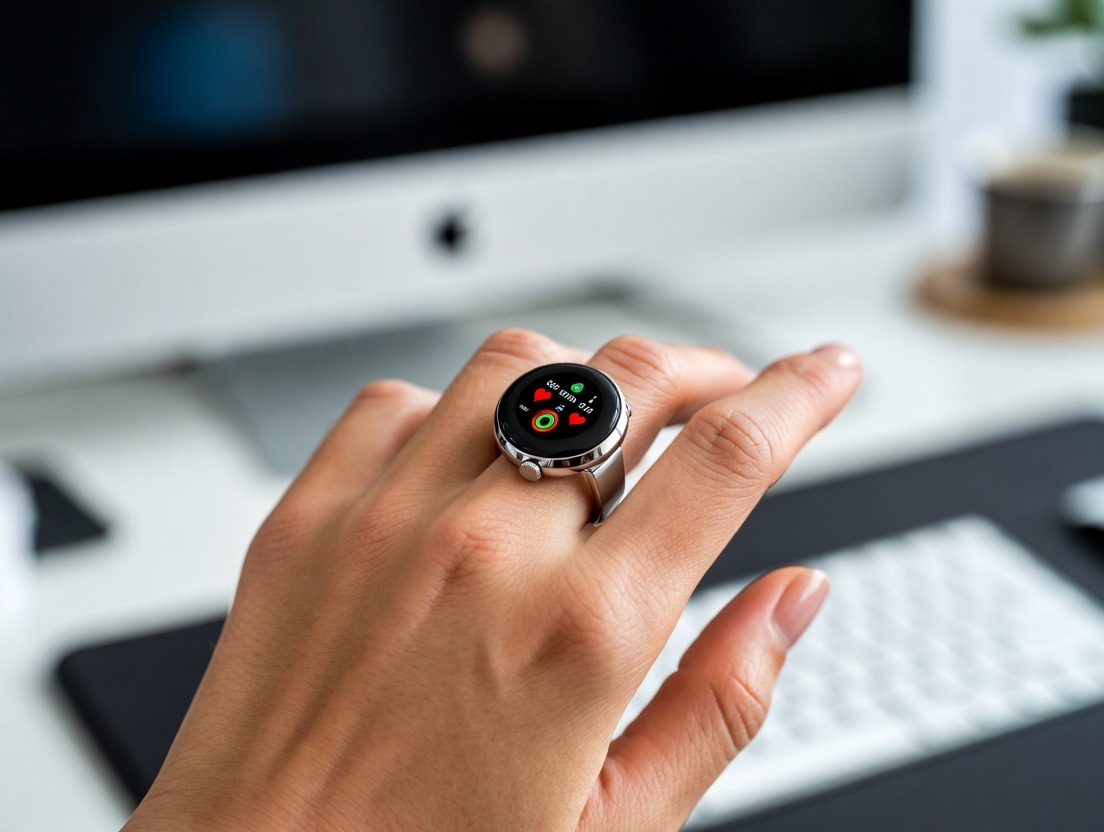
While your smart ring provides invaluable objective data, the human experience is not reducible to numbers. The subjective, felt sense of well-being is the ultimate metric of success. A perfectly scored night of sleep that leaves you feeling groggy is less successful than a moderately scored night after which you feel refreshed and peaceful. Here are the qualitative signs that your evening reading ritual is working, creating a holistic harmony between data and lived experience.
The 5 Subjective Markers of Success:
When Data and Feeling Diverge:
Sometimes your ring will show a great sleep score, but you feel ragged. Or you’ll feel great after a night with mediocre scores. When this happens:
The Art of the “Digital Detox Debrief”:
Once a month, have an evening where you skip the formal reading and instead, during your wind-down time, simply reflect on your month of data and feeling. Look at your ring’s trends. Flip through your reading journal. How has the ritual served you? What would you like to adjust? This meta-practice ensures your habit remains a living, evolving practice aligned with your needs, not a rigid chore.
You have now journeyed from the basic science of wind-down to the advanced integration of biofeedback, from solo practice to family dynamics, from fiction to contemplative non-fiction. You understand that your smart ring is a compassionate coach, offering feedback on how your chosen evening activities resonate with the deep physiology of sleep and recovery.
The core philosophy of this guide is informed intentionality. It’s not about imposing a strict set of rules, but about empowering you with knowledge—knowledge of your own body’s signals, knowledge of how different stimuli affect your nervous system, and knowledge of how a simple, ancient habit can be optimized with modern insight.
Your path forward is unique. It might involve:
The constant thread is the ritual itself—the protected time and space that signals to your entire being that the day’s demands are over and the restoration of night is welcome. This ritual, built around the gentle focus of reading, becomes a sanctuary. It improves not just your sleep metrics, but your capacity for emotional balance in relationships by ensuring you are regulated and rested. It supports your physical health by optimizing recovery. It nourishes your mind with ideas and stillness.
Start tonight. Pick up a book from your newly considered “Sleep Library.” Turn down the lights. Notice the weight of the volume in your hands. Begin to read, not to finish, but to transition. Observe how you feel. Check your ring’s report tomorrow with curiosity, not judgment. You are beginning a lifelong conversation between the timeless pleasure of reading and the intelligent feedback of modern technology—a conversation where you are both the author and the beneficiary.
The ideal of a 9 PM wind-down in a cozy, quiet home is not everyone’s reality. For those with non-traditional schedules, chronic health conditions, or clinical anxiety, the evening reading ritual isn't a simple luxury—it can be a vital tool for survival and regulation. However, it requires significant adaptation. Your smart ring becomes an even more critical ally here, helping you find what works for your unique physiology amidst challenging circumstances.
For the Shift Worker: Creating an "Evening" at Any Hour
Your circadian rhythm is under constant assault. The goal of reading is to force a wind-down period, regardless of the sun's position.
For Those with Chronic Pain or Illness:
Pain is a profound sympathetic nervous system activator. Reading must serve as a potent distraction and a pathway to dissociation from discomfort, without causing mental strain.
For Those with Clinical Anxiety or an Overactive Mind:
Here, reading’s purpose is to corral and quiet the "monkey mind." The ritual must be structured to prevent reading from becoming another vector for anxiety (e.g., "I'm not relaxing properly!").
In all these cases, the principle is functional adaptation. The ritual bends to serve a critical need: signaling safety and facilitating a physiological shift toward rest, against significant odds. Your smart ring provides the objective validation that your efforts are working on a biological level, which in itself is therapeutic.
To understand why evening reading feels so fundamentally right, we must look back. The pairing of storytelling and the onset of night is embedded deep in our cultural and evolutionary history. Your smart ring is measuring a modern manifestation of an ancient, hardwired human practice. Exploring this history adds a layer of meaning to your ritual, connecting you to a timeless human experience.
The Firelight Circle: The Original Wind-Down
For millennia, after the sun set, human activity was constrained to the circle of firelight. This was a time of lowered physical activity. The primary activities were maintenance (tool-making, mending) and storytelling. The flickering light, the safety of the group, the cadence of a voice sharing myths, legends, and oral histories—this was the ultimate parasympathetic ritual. It:
Your modern reading lamp is your fire. Your book is the spoken epic. Your smart ring, in tracking your descent into sleep, is quantifying a process our ancestors experienced around actual fires.
The Literary Salon and the Bedtime Story: Ritual Refinement
As society evolved, so did the ritual.
The Modern Disruption and the Smart Ring's Role
The 20th century introduced electric light, television, and eventually the internet, which exploded the firelight circle into a 24-hour barrage of stimulation. The natural wind-down period was eradicated. We lost the external environmental enforcement of downtime.
Your smart ring, in this historical context, is a tool to reinstate a biological necessity. It’s a technological correction for a technology-created problem. By using it to guide your evening reading, you are consciously reviving an ancient practice in a modern form: using structured narrative, in a space of softened light, to guide your nervous system across the threshold of night. You are not just "reading a book"; you are participating in a fundamental human tradition of using story to make the transition from the world of action to the world of rest and restoration. This historical perspective can make the practice feel less like a self-optimization hack and more like a homecoming.
While this guide focuses on reading, it’s enlightening to look at how cultures without a strong literary tradition, or in different socioeconomic contexts, facilitate the evening wind-down. Understanding these broad patterns reinforces the universality of the need for transition and offers inspiration for augmenting your own reading ritual.
The Mediterranean "Passeggiata": The evening stroll, common in Italy and Spain, is a social and physiological wind-down. It’s light physical activity after the main meal, done in the fading light, often with family or community. It combines gentle movement, social connection, and natural light exposure—all strong circadian cues. Integration Tip: Consider a 10-minute slow walk outside before your reading session, if safe and feasible. The combination of natural light transition and physical motion can prime you for even deeper immersion in your book.
Japanese "Ofuro" (The Bathing Ritual): The evening bath in Japan is not about getting clean; it’s a dedicated ritual for washing away the fatigue and stress of the day (kegare). It’s a solitary, quiet time for soaking and warming the body core, which then triggers the necessary cooling for sleep initiation. Integration Tip: Schedule your bath or shower 60-90 minutes before bed, then move into your reading ritual. Your smart ring will likely show a beautiful synergy: the body’s core temperature rise and fall from the bath, followed by the cognitive deceleration of reading, creating an optimal sleep entry.
Nordic "Hygge" / "Kos": The Scandinavian concept of cozy, comfortable contentment, especially in the long winter evenings, is a masterclass in environmental wind-down. It involves candlelight (warm, flickering light), comfortable textiles, warm drinks, and simple, pleasurable activities—often including reading. Integration Tip: Emulate this by making your reading nook a shrine to tactile comfort. Add a heavy blanket, a wool throw, a candle (safely placed), and a cup of herbal tea. Engage all senses to deepen the signal of safety and comfort.
Digital-Detox Communities & Monasteries: From Buddhist monasteries to digital detox retreats, the enforced removal of stimulation is a wind-down accelerator. The common thread is the imposition of external structure (schedules, silence, surrendered devices) to allow the internal nervous system to find its own natural rhythm. Integration Tip: Your evening digital quarantine is your personal, nightly monastic vow. Treat it with the same seriousness. The act of physically placing your phone in another room is a modern ritual of renunciation, creating the sacred space for your reading.
These global practices highlight that the core elements of a successful wind-down are universal: dim light, warmth, comfort, gentle activity, and a separation from the day's demands. Your reading ritual is a culturally specific application of these universal principles. By viewing it through this global lens, you can borrow elements to make your ritual more potent and satisfying. For example, the social connection of the passeggiata can be incorporated through co-regulation with a partner before you settle into solo reading.
Your Trusted Sleep Advocate: Sleep Foundation — https://www.sleepfoundation.org
Discover a digital archive of scholarly articles: NIH — https://www.ncbi.nlm.nih.gov/
39 million citations for biomedical literature :PubMed — https://pubmed.ncbi.nlm.nih.gov/
Experts at Harvard Health Publishing covering a variety of health topics — https://www.health.harvard.edu/blog/
Every life deserves world class care :Cleveland Clinic - https://my.clevelandclinic.org/health
Wearable technology and the future of predictive health monitoring :MIT Technology Review — https://www.technologyreview.com/
Dedicated to the well-being of all people and guided by science :World Health Organization — https://www.who.int/news-room/
Psychological science and knowledge to benefit society and improve lives. :APA — https://www.apa.org/monitor/
Cutting-edge insights on human longevity and peak performance:
Lifespan Research — https://www.lifespan.io/
Global authority on exercise physiology, sports performance, and human recovery:
American College of Sports Medicine — https://www.acsm.org/
Neuroscience-driven guidance for better focus, sleep, and mental clarity:
Stanford Human Performance Lab — https://humanperformance.stanford.edu/
Evidence-based psychology and mind–body wellness resources:
Mayo Clinic — https://www.mayoclinic.org/healthy-lifestyle/
Data-backed research on emotional wellbeing, stress biology, and resilience:
American Institute of Stress — https://www.stress.org/


