


The Beginner-Friendly Guide to Evening Temperature: Cooling for Ring-Tracked Sleep
Cooling your body in the evening improves sleep, which is tracked by your ring's temperature data.
Cooling your body in the evening improves sleep, which is tracked by your ring's temperature data.
%402x.svg)
You’ve invested in a smart ring. You wear it faithfully, watching the nightly graphs of your sleep stages, heart rate, and HRV roll in. You see the scores, the readiness metrics, the gentle nudges to go to bed earlier. You’re tracking, you’re aware, but something is still missing. You have the data, but not the translation. The graph shows a night of restless tossing, but your ring isn’t whispering the “why” into your ear.
What if one of the most potent, overlooked levers for sublime, ring-validated sleep isn’t a supplement, a sound machine, or a perfect mattress—but something far more fundamental? What if it’s the silent, invisible climate of your own body?
Welcome to the world of evening temperature, the unsung conductor of your sleep symphony. This isn’t about room thermostats (though that’s part of it). This is about your core temperature—its deliberate, graceful evening descent being the non-negotiable biological ticket for entry into deep, restorative sleep. And for the first time in human history, with a sensor nestled on your finger, you can actually see this dance unfold in your own data. You’re not just hoping for good sleep; you’re engineering it with physiological precision.
This guide is your decoder ring. We will move from the ancient, hard-coded biology of temperature and sleep, through the modern science that explains it, and directly into the actionable, beginner-friendly practices that let you harness it. You’ll learn to read the subtle clues in your ring’s data, understand your personal thermal rhythm, and craft an evening “cool-down” ritual that syncs your lifestyle with your biology. Forget chasing arbitrary sleep scores. We’re going to optimize the very pathway that creates them. Let’s begin by understanding why your body needs to chill out—literally—to power up.
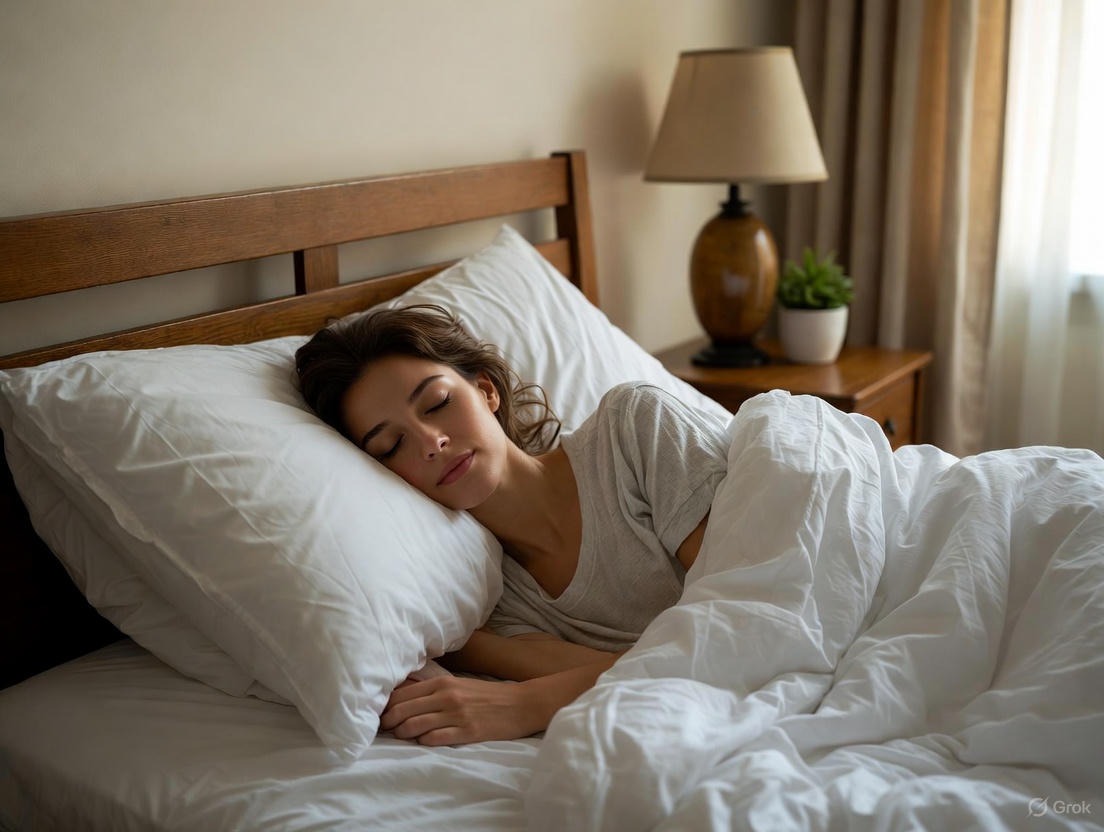
To understand the evening cool-down, we must first step into the elegant control room of your body: the hypothalamus. This almond-sized region of your brain is a master regulator, handling everything from hunger and thirst to emotions and—crucially—your body’s internal temperature, or thermoregulation.
Your body maintains a tight core temperature range, typically around 98.6°F (37°C), but this isn’t a flat line. It follows a beautiful, predictable circadian rhythm, much like the rhythm of cortisol and melatonin. In the late afternoon, your core temperature hits its peak. As evening approaches, it begins its critical descent, reaching its lowest point in the middle of the night. This drop is not a side effect of sleep; it is a prerequisite for it.
Think of your body as a powerful engine. During the day, it’s in “operate and oxidize” mode—metabolism is humming, muscles are moving, the brain is firing. All this activity generates heat. To initiate sleep, this engine must shift into “rest and repair” mode. The cooling process is the biological signal for that shift. As your core temperature drops, blood flow is redirected from your core to your extremities (your hands and feet act as radiators, releasing heat). This process tells your brain and every cell in your body that it’s time to power down systems, conserve energy, and begin the deep work of cellular repair, memory consolidation, and hormonal rebalancing.
The link between this cooling and sleep architecture is profound. Research shows that the rate of core body cooling is directly linked to how quickly you fall asleep (sleep onset latency) and the quality of your slow-wave sleep (deep sleep). A slower or blunted temperature drop often translates to lying awake, feeling “tired but wired,” or experiencing fragmented, shallow sleep. This is why you might struggle to sleep in a hot room—your body’s natural cooling mechanism is fighting against an opposing external force, confusing the internal signal.
For the smart ring wearer, this biology is now visible. Your ring tracks skin temperature, a brilliant proxy for understanding this internal cascade. That nightly temperature curve you see isn’t just a line; it’s the story of your hypothalamus at work. A smooth, timely decline in your nightly temperature graph is the foundation upon which all other sleep metrics—resting heart rate, HRV, and sleep stages—are built. Before we can optimize, we must measure. And to measure accurately, we need to know what your ring is really telling you.
Open your sleep app and look at last night’s temperature data. You’re likely seeing a curve—a line that trends downward as you fell asleep, dips to a nadir, and then rises as morning approaches. This is your distal body temperature, typically measured at the finger, which is exquisitely sensitive to the core’s radiative cooling process. But what are the nuances in that line trying to communicate?
First, recognize the amplitude. The difference between your daytime baseline and your nighttime low is key. A robust, clear drop of 1-2 degrees Fahrenheit (or 0.5-1 degree Celsius) suggests a strong circadian temperature rhythm. A flatter line, with minimal variation, can indicate a dampened rhythm, often linked to circadian misalignment (like jet lag or shift work), chronic sleep deprivation, or certain health conditions.
Second, observe the timing. When does the decline begin? In an ideally synchronized body, the drop initiates in the 1-2 hours before your natural bedtime. If your temperature starts plunging at 8 PM but you’re trying to stay awake until midnight, you’re fighting a powerful biological tide. Conversely, if it’s still elevated at bedtime, your body isn’t yet in “sleep launch” mode.
Third, analyze the stability. A smooth, U-shaped curve is the gold standard. A jagged, spiky line with abrupt rises during the night can be a telltale sign of sleep disturbances. Those spikes often correlate with awakenings (even micro-awakenings you don’t remember), triggered by things like a snoring partner, a too-warm room, sleep apnea events, or even digesting a late meal. Your ring is showing you the thermal cost of a disrupted night.
Finally, note the morning rise. Your temperature should begin its ascent in the final hours of sleep, preparing your systems for wakefulness. A sluggish morning rise can contribute to sleep inertia—that groggy, heavy feeling upon waking.
Let’s translate a common scenario: You see a graph where the temperature drop is late and shallow, followed by a restless night with low deep sleep. The data story reads: “My body’s sleep signal was weak and delayed.” The culprit? Perhaps a late, intense workout that raised core temperature too close to bed, or a hot shower right before sleep that, while relaxing, sent blood to the skin superficially and initially impeded the core’s radiative cooling process.
Understanding this data is the first step toward agency. It moves you from passively observing a score to actively interpreting a physiological narrative. It also highlights a critical intersection: the link between your emotional state and your physical thermostat. Stress and anxiety are not just mental experiences; they are thermal events. The fight-or-flight response generates heat, literally heating you up and blocking the cooling descent. Learning to manage evening stress is, therefore, a direct thermal sleep strategy. For those looking to deepen this connection, exploring practices for emotional balance for highly sensitive people can provide specialized tools to calm the nervous system and pave the way for that crucial temperature drop. Furthermore, techniques that foster interoceptive awareness can help you sense the early somatic signs of stress, allowing you to intervene before it derails your thermal rhythm.
Your evening cool-down doesn’t start at 9 PM. It begins the moment you wake up. Your daytime choices set the tension, amplitude, and timing of your circadian rhythms, including temperature. Think of it as winding a precision clock—the better you wind it during the day, the more accurately it will chime at night.
The most powerful winder is light exposure. Bright, blue-rich morning light (ideally from the sun) hits photoreceptors in your eyes, signaling your suprachiasmatic nucleus (SCN)—the brain’s master clock—to suppress melatonin and elevate cortisol, starting the temperature climb toward its daytime peak. This strong morning signal ensures a robust, well-timed decline later. A dim, light-deprived morning leads to a weak, poorly defined temperature rhythm.
Physical activity is another key driver. Exercise is thermogenic—it produces heat. Daytime exercise, especially in the morning or afternoon, amplifies your temperature rhythm, creating a higher peak and a steeper, more pronounced evening decline. It’s like adding more potential energy to the system for a more powerful release. However, timing is critical, which we will explore in a dedicated section.
Food and meal timing also play a role. The digestion of food, particularly large, protein-rich meals, increases thermogenesis (the thermic effect of food). A substantial lunch contributes to the daytime temperature rise, while finishing eating 2-3 hours before bed allows digestion to settle so your body can focus on cooling, not processing.
Caffeine and stimulants are, unsurprisingly, potent modifiers. Caffeine not only blocks adenosine (the sleep-pressure chemical) but can also have a slight thermogenic effect and stimulate cortisol. A late-afternoon coffee can thus blunt the early evening temperature drop, delaying sleepiness.
Finally, we cannot overlook chronic stress. When your hypothalamic-pituitary-adrenal (HPA) axis is stuck in “on” mode, it dysregulates the very systems that govern your circadian rhythm. A body flooded with cortisol is a body primed for alertness and heat, not for cooling and restoration. This creates a vicious cycle where stress impairs sleep, and poor sleep heightens stress reactivity. Breaking this cycle requires deliberate practice. Incorporating emotional regulation skills everyone should learn in school into your daily routine can build the resilience needed to protect your evening thermostat from the heat of daily stressors. For those in demanding fields, managing this is non-negotiable; insights from emotional balance in high-stress professions can be particularly valuable.
By aligning your day with strong Zeitgebers (time-givers) like light, movement, and food, you build a robust, high-amplitude temperature rhythm that wants to fall—beautifully and predictably—when evening arrives. Your smart ring will show you the results: a cleaner, more defined daily temperature curve.
If your daytime habits set the stage, your pre-sleep ritual is the directed performance. The 60 to 90 minutes before bed should be a conscious, gradual transition from sympathetic (fight-or-flight) to parasympathetic (rest-and-digest) dominance, with a deliberate focus on heat dissipation. This is not about a single action but a synergistic sequence that guides your biology toward sleep.
Begin with light management. As the sun sets, your body expects darkness. Artificial blue light from screens mimics midday sun, suppressing melatonin and halting the temperature drop. Implement a digital sunset: dim overhead lights, use blue-light blocking glasses, or enable night shift modes on devices at least 60 minutes before bed. Candlelight or salt lamps are ideal evening light sources.
Next, initiate physical cooldown. This is where you actively assist your body’s radiative cooling. Lower the thermostat in your home to between 65-68°F (18-20°C). If you enjoy a bath or shower, time it for 60-90 minutes before bed. The key is the post-wash cooldown: as you step out, the rapid evaporation of water from your skin pulls heat from your core, amplifying the body’s natural cooling signal. It’s a “heated assist” for a deeper drop.
Then, engage in calming practices that lower metabolic and psychological heat. Gentle, restorative yoga or stretching can release muscular tension. Deep, diaphragmatic breathing or a short meditation practice activates the vagus nerve, switching you into parasympathetic mode. This mental cooling is as critical as physical cooling. For those who find their minds racing with the day’s emotions, the dialectical approach to accepting and changing emotions can be a powerful framework for evening mental hygiene, allowing you to acknowledge thoughts without being heated by them.
Your environmental design is the final layer. Ensure your bedding is breathable (natural fibers like cotton, linen, or moisture-wicking performance fabrics). Consider a cooling mattress pad or pillow if you tend to sleep hot. The goal is to create a microclimate around your body that facilitates, not impedes, heat loss.
Track this ritual’s impact on your ring. Note how a consistent wind-down leads to an earlier onset of the temperature decline and a smoother curve. This ritual is your nightly handshake with your hypothalamus, a signal that it’s safe to begin the power-down sequence.
Exercise is a double-edged sword for sleep temperature. As a powerful thermogenic stimulus and circadian cue, it’s essential for a robust rhythm. But its timing is paramount because it raises core temperature acutely, which is beneficial during the day but counterproductive too close to bedtime.
The general rule of thumb: finish moderate to vigorous exercise at least 3 hours before your target bedtime. This allows for the post-exercise rise in core temperature and metabolism to complete its cycle and for the subsequent, rebound cooling effect to align with your sleep onset. For many, late afternoon (finishing by 6 or 7 PM) is the sweet spot. Your ring data can validate this: after an appropriately timed workout, you may see a steeper, more dramatic temperature drop and associated improvements in deep sleep.
However, not all exercise is equal. High-Intensity Interval Training (HIIT) or heavy resistance training generates significant metabolic and thermal load. These require the full 3+ hour buffer. A moderate steady-state cardio session (like jogging or cycling) may need 2-3 hours. Gentle movement like walking, restorative yoga, or Tai Chi, performed in the evening, can actually be beneficial. These activities promote relaxation, improve circulation without overheating, and can be part of the wind-down ritual.
Listen to your data. If you consistently see a jagged, elevated temperature line on nights you exercise at 8 PM, you have a clear signal to shift that session earlier. Conversely, if a 4 PM gym session consistently yields your best sleep scores and smooth temperature graphs, you’ve found your personal formula.
Remember, the goal of daytime exercise is to create a strong “thermal wave.” You want to paddle out, catch that wave of rising temperature, and then let it carry you into a deep, cooling trough of sleep. Paddle out too late, and you’ll miss the rhythm or be tossed by it. For a deeper understanding of how movement supports not just sleep but overall emotional equilibrium, consider the biochemical insights in how physical exercise supports emotional balance.
What you eat for dinner, and when you eat it, directly influences your internal thermostat through a process called diet-induced thermogenesis (DIT)—the energy required to digest, absorb, and process nutrients.
A large, calorie-dense, and especially protein-rich meal creates the largest thermic effect, raising metabolic rate and core temperature for several hours. Eating such a meal too close to bedtime means your body is still generating significant digestive heat when it’s trying to cool down. This can delay sleep onset, cause restless sleep, and manifest as a higher or more variable nighttime temperature graph on your smart ring.
The strategy is two-fold: timing and composition.
Aim to finish your last major meal 2-3 hours before bed. This allows for the bulk of digestive thermogenesis to occur while you’re still awake and active, leaving your body free to focus on cooling as bedtime approaches. If you need a small snack closer to bed, choose options that are easy to digest and may even promote sleep through other mechanisms, such as a small handful of almonds (magnesium, healthy fats), a kiwi fruit (serotonin precursors), or tart cherry juice (natural melatonin).
In terms of composition, be mindful of very high-protein dinners right before bed. While protein is satiating, its high thermic effect can be disruptive. Focus on a balance: include complex carbohydrates (like sweet potatoes, quinoa, or oats) which can have a sedative effect by facilitating tryptophan uptake into the brain, healthy fats, and a moderate portion of protein. Avoid heavy, fatty, and spicy foods, which can cause indigestion and further raise body temperature.
Hydration is also key, but its timing matters. Drink plenty of water throughout the day, but taper off in the last 60-90 minutes to minimize sleep-disrupting trips to the bathroom. The goal is to be well-hydrated but not full.
Your ring is an excellent biofeedback tool here. Experiment with dinner timing and composition for a week each. Do you see a cleaner temperature curve when you eat at 7 PM versus 9 PM? Does a lighter, carb-conscious meal lead to more stable early-night temperatures? The data will guide you to your personal nutritional sweet spot for thermal—and overall—sleep health. The connection between what you eat and how you feel is profound; for a broader look at this relationship, explore how nutrition affects emotional balance.
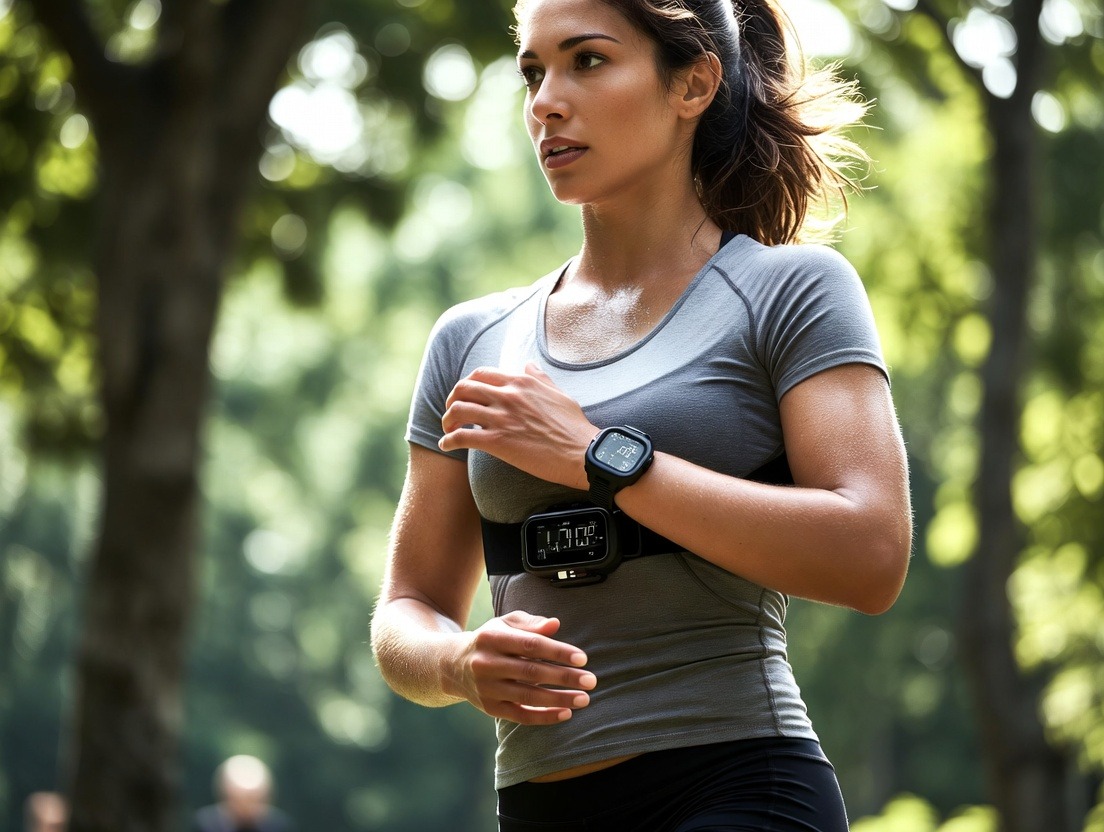
The fluids you consume are potent modulators of your physiology, and their effects are vividly painted in your nighttime temperature data.
Water & Hydration: Water is the medium for all thermoregulation. Sweating, the primary cooling mechanism, depends on adequate hydration. Chronic mild dehydration can impair your body’s ability to shed heat efficiently. However, as noted, timing is critical to avoid nocturia (nighttime urination), which fragments sleep and causes temperature spikes upon waking. The solution is consistent daytime hydration with a strategic evening taper.
Caffeine: This adenosine antagonist is a triple threat to your thermal rhythm. 1) It stimulates the central nervous system, opposing sleep drive. 2) It can increase metabolic rate and thermogenesis. 3) It can stimulate cortisol release. Consuming caffeine even 6 hours before bedtime can significantly disrupt sleep architecture. On your temperature graph, an afternoon latte might show up as a delayed onset of the evening decline or a shallower overall drop. For most, a caffeine curfew of 2 PM (or at least 8-10 hours before bed) is a wise rule. Experiment and let your ring’s sleep stability and temperature data be the judge.
Alcohol: This is perhaps the most deceptive disruptor. Alcohol is a sedative; it may help you fall asleep faster, but it devastates sleep quality. It suppresses REM sleep early in the night and leads to rebound arousal and fragmented sleep in the second half. Thermally, it’s a disaster. Alcohol is a vasodilator—it causes blood vessels near the skin to expand, creating a feeling of warmth (that flushed feeling). This causes a rapid, false heat loss, plummeting your core temperature initially. However, as the body metabolizes the alcohol, this can lead to a rebound effect—shivering, awakening, and a dysregulated temperature curve. Your ring will often show a steep, premature temperature drop followed by a jagged, elevated, and unstable line for the rest of the night, correlating with poor sleep scores. Viewing alcohol as a direct antagonist to thermal sleep regulation can be a powerful motivator for moderation and earlier consumption.
By mindfully managing your liquid intake, you ensure that your body’s native cooling systems have the right support and aren’t being tricked or thwarted by chemical interventions. The resulting data will show a more natural, self-regulated thermal landscape throughout the night.
Your body can only cool as effectively as its environment allows. Creating a sleep sanctuary is about engineering the external conditions to maximize your body’s radiative and evaporative heat loss.
Ambient Room Temperature: The science is clear: a cool room, generally between 65-68°F (18-20°C), is optimal for most people. This gradient between your core (~98.6°F) and the room allows heat to flow outward efficiently. A room that’s too warm (above 72°F or 22°C) reduces this gradient, forcing your body to work harder (through sweating) to cool down, often leading to restless sleep.
Airflow & Ventilation: Stagnant air creates a warm, humid microclimate around your body. Using a fan or ensuring cross-ventilation does two things: 1) It continually replaces the warmed air around you with cooler room air, maintaining a steeper thermal gradient. 2) It accelerates evaporative cooling if you perspire slightly. The gentle hum of a fan can also provide masking white noise.
Bedding & Pajamas: This is your most personal microclimate. Choose breathable, natural fabrics. Moisture-wicking bamboo or Tencel lyocell, lightweight cotton, or linen are excellent choices. Avoid flannel or synthetic materials like polyester that trap heat. The same principles apply to your mattress pad, sheets, and pillowcases. Consider a cooling gel pillow or mattress topper if you are a naturally hot sleeper.
The Weight of Blankets: The trend toward weighted blankets is popular for anxiety, but they can be thermally challenging. The deep pressure stimulation can be calming, but the insulation can be significant. If you use one, ensure your room is cooler than usual and that the blanket’s fill (e.g., glass beads) and cover are breathable. Monitor your ring’s temperature data on nights with versus without the blanket to see its personal impact.
Humidity: High humidity impedes evaporative cooling (sweat doesn’t evaporate well). Aim for a relative humidity between 40-60%. A dehumidifier can be a valuable tool in humid climates, while a humidifier can add necessary moisture in dry, heated winter air to keep your respiratory passages comfortable.
Transforming your bedroom into a heat-shedding haven removes external obstacles to your natural thermal rhythm. When your environment is an ally, your body’s innate intelligence can take over seamlessly, resulting in the smooth, ideal temperature curve you see on your best nights of sleep.
For anyone who menstruates, the circadian rhythm of temperature has a second, powerful overlay: the infradian rhythm of the menstrual cycle. This is not noise in your data; it is a central feature. Understanding it transforms confusion into insight.
The hormonal shifts across the cycle directly influence core body temperature, as tracked by your smart ring:
This luteal phase rise is biological, not a sign of poor sleep hygiene. However, it presents a thermal challenge. Your body is starting its evening cooldown from a higher baseline, against the thermal headwind of progesterone. This can make falling asleep and staying asleep more difficult, contributing to the common experience of premenstrual sleep disturbances.
Your strategy must adapt:
By syncing your sleep-optimization practices with your cycle, you honor your biology rather than battling it. This nuanced approach, informed by your ring’s clear temperature phase shifts, is the pinnacle of personalized wellness. For a dedicated exploration of this interplay, our article on emotional balance across the menstrual cycle delves deeper into managing all aspects of well-being through hormonal patterns.
Despite your best efforts with ritual and environment, your smart ring’s temperature graph may sometimes tell a story of persistent dysregulation. Recognizing these patterns is crucial, as they can be vital clues to underlying issues. Here are key patterns and their potential meanings:
The Flatliner: A temperature curve with very low amplitude—minimal difference between day and night. This suggests a dampened circadian rhythm. Potential causes include chronic sleep deprivation, significant circadian misalignment (jet lag, shift work), insufficient bright daytime light exposure, or excessive evening light exposure blunting the rhythm. It can also be associated with certain medical conditions or medications.
The Nighttime Spike Forest: A generally downward-trending line that is frequently interrupted by sharp, upward temperature spikes. This is often a signature of sleep fragmentation. Each spike likely corresponds to an arousal or awakening, where a burst of sympathetic nervous system activity (maybe from a sleep apnea event, a pain response, a loud noise, or limb movement) causes a rapid release of heat. This pattern warrants investigation into sleep disorders like sleep apnea or periodic limb movement disorder.
The Late or Shallow Drop: The temperature decline begins too late or doesn’t descend deeply enough. This is classic for delayed sleep phase syndrome or habits that oppose the evening cooldown (late caffeine, late intense exercise, late heavy meals, high evening cognitive/emotional stress). Your body isn’t getting the signal, or is getting counter-signals, to initiate sleep on time.
The Premature Rise: Your temperature begins climbing out of its trough too early, often in the 3-5 AM window. This can lead to early morning awakening and an inability to return to sleep. This can be linked to blood sugar dysregulation (a dip causing a cortisol awakening response), stress/anxiety, or the tail end of alcohol’s metabolization.
What to Do with This Information:
Understanding these patterns empowers you to move from generalized sleep tips to precise, data-driven interventions. It turns your ring from a passive tracker into an active diagnostic partner in your long-term health. For those who suspect past experiences may be contributing to a heightened, dysregulated stress response that impacts sleep, the insights in how childhood experiences shape adult emotional balance can offer a valuable perspective on foundational regulation.
Knowledge of your thermal biology is power, but practical tools transform that power into results. Beyond the foundational practices already discussed, there exists a suite of accessible, targeted tools designed to directly assist your body’s evening cool-down. This toolkit ranges from high-tech gadgets to simple, ancient practices, all with the same goal: to amplify the signal that tells your brain it’s time for deep restoration.
Strategic Hydration with Temperature in Mind: While tapering fluids before bed is wise, the temperature of your last drink can be leveraged. Sipping on a glass of cool (not ice-cold) water in the hour before bed can provide a mild internal cooling stimulus. Some find benefit in herbal teas known for their calming properties, like chamomile or lemon balm, allowed to cool to a warm (not hot) temperature. The act of sipping a warm liquid can be psychologically relaxing, and as your body works to bring it to core temperature, it can, in a minor way, utilize heat energy—though the effect is subtle. The key is avoiding large volumes or scalding temperatures.
The Power of Peripheral Cooling: Recall that the body dumps heat through the extremities. You can hack this process. Cooling the palms of your hands, soles of your feet, or even the face has been shown in studies to rapidly lower core temperature and reduce sleep onset latency. Simple methods include:
Technology-Assisted Cooling: The market has responded to this biological insight with innovative products. Bed cooling systems range from simple, water-circulating pads placed under a fitted sheet to advanced mattress covers with precise temperature control. These systems create a cool sleeping surface that actively pulls heat from your body. Chilipads, Ooler, or Eight Sleep are examples. While an investment, for hot sleepers or those in hot climates, the data from your smart ring can help justify it—look for a smoother, deeper temperature curve on nights the system is used.
Breathwork as a Cooling Mechanism: Specific breathing patterns can directly influence core temperature and nervous system state. The 4-7-8 breathing technique (inhale for 4, hold for 7, exhale for 8), popularized by Dr. Andrew Weil, is not only calming but the prolonged exhalation activates the parasympathetic nervous system and can facilitate a feeling of internal cooling. More directly, Sitali Pranayama (or "cooling breath"), a yogic practice involving curling the tongue and inhaling slowly through it, is explicitly designed to create a cooling sensation in the body and calm the mind. Incorporating 2-3 minutes of this breathwork into your pre-bed ritual can be a powerful, zero-cost thermal intervention.
The Weighted Blanket Conundrum: As mentioned, weighted blankets present a thermal trade-off. If you love the deep pressure sensation, opt for a model designed for temperature regulation—those with glass bead filling (which doesn’t retain heat like plastic pellets) and a breathable bamboo or cotton cover. Some newer models even integrate cooling gel or phase-change materials. Use it during your wind-down for calming pressure, but be prepared to kick it off if you overheat during the night. Your ring’s temperature stability graph will be the ultimate arbitrator of its suitability for your whole night.
By selecting one or two tools from this toolkit and trialing them consistently for a week, you can gather powerful personal data. Did the foot soak advance the onset of your temperature drop by 15 minutes? Did the cooling pad reduce mid-night temperature variability? This experimental, data-informed approach turns sleep optimization into a personalized science project where you are both researcher and beneficiary.
Your mind and your core temperature are in constant, intimate dialogue. The state of one directly dictates the state of the other. Nowhere is this more apparent—and more detrimental to sleep—than in the experience of stress and anxiety at bedtime. Understanding this link is critical, because no amount of physical cooling can override a mind that’s thermally “on fire.”
When you experience stress or anxiety, your body activates the sympathetic nervous system—the “fight-or-flight” response. This is an evolutionary survival program that prepares you for action. Biochemically, it involves the release of adrenaline and cortisol. Physiologically, it causes your heart rate and blood pressure to rise, your muscles to tense, and, critically for our focus, your metabolism to increase and your body to generate heat. This is adaptive if you’re facing a physical threat; it’s maladaptive when the “threat” is tomorrow’s deadline or a replay of a social interaction.
This stress-induced thermogenesis directly opposes the parasympathetic “rest-and-digest” cooling required for sleep. You are, in essence, giving your hypothalamus two conflicting commands: “Cool down for sleep!” from your routine, and “Heat up for danger!” from your ruminating mind. The result is often the miserable state of being cognitively exhausted but physiologically wired, lying in a cool bed with a racing, hot mind. On your smart ring, this may manifest as a delayed temperature drop, an elevated resting heart rate that parallels the stalled temperature, and poor sleep stage scores.
Therefore, the evening wind-down must be as much a cognitive and emotional cooldown as a physical one. It’s about shifting the nervous system from sympathetic to parasympathetic dominance. Techniques that achieve this are not just “relaxing”; they are active thermal management strategies.
Key mind-based cooling techniques include:
Building a personalized suite of these practices is essential. For those needing structured guidance, compiling a self-soothing toolkit for personal emotional regulation can provide a go-to list of techniques that work specifically for you. Furthermore, if chronic worry is a pattern, learning the opposite action technique for behavioral emotional regulation can help you break the cycle of anxiety-driven thoughts and behaviors that heat up your system at night.
By committing to a mental cooldown ritual, you signal safety to your amygdala and hypothalamus. You declare the night a threat-free zone. This permission is the final, critical software update that allows the hardware of your body—and its beautiful, predictable temperature descent—to run its optimal program.
You now possess the foundational knowledge: the biology, the data interpretation skills, the environmental hacks, the toolkit, and the mind-body connection. The final step is synthesis. It’s time to move from scattered tips to a cohesive, personalized Evening Temperature Protocol (ETP). This is your bespoke plan, informed by your unique lifestyle, preferences, and most importantly, the data from your own body.
Step 1: Establish a Baseline (The Audit)
For one week, live as you normally do, but be a meticulous observer. Use your smart ring to track:
This creates your unoptimized baseline. You might note, “On nights I work out at 8 PM, my temp drop is 45 minutes later and my deep sleep is 15% lower.”
Step 2: Implement One Change at a Time (The Experiment)
The biggest mistake is changing everything at once. You won’t know what moved the needle. Based on your audit, choose ONE leverage point. For example:
After each week, review your ring data. Did the single change improve the slope of your temperature drop? Did it deepen your nadir? Did sleep onset latency decrease? This methodical approach yields clear, causative insights, not guesswork.
Step 3: Refine and Personalize (The Optimization)
Once you’ve tested the fundamentals, refine with tools from your toolkit. Perhaps you found cooling your feet helps, but a weighted blanket leads to mid-night spikes. Maybe you discovered that 4-7-8 breathing is magical for you, but gratitude journaling feels like a chore. Your ETP should consist of:
Step 4: Embrace Fluidity and Self-Compassion
Your life is not a lab. There will be late dinners, stressful events, travel, and hormonal shifts. Your ETP is not a rigid law but a default setting. The goal is not perfection but awareness and course-correction. When you have an off night, you can look at the data, understand the likely “why” (e.g., “temperature spike at 11 PM… ah, that was the spicy curry”), and compassionately return to your protocol the next day without self-judgment. This compassionate, data-informed resilience is the true marker of success. For those navigating major life disruptions, this skill of returning to balance is paramount; insights on restoring emotional balance after trauma can provide a deeper framework for recovery and stability.
Your personalized Evening Temperature Protocol becomes your greatest asset in the pursuit of sustained vitality. It is the practical embodiment of the knowledge that sleep is not a passive state you hope for, but an active, physiological process you can gracefully orchestrate. The final third of this guide will delve into advanced integration—exploring how this thermal foundation supports long-term health, cognitive performance, and emotional resilience, turning your nightly cool-down into the cornerstone of a truly optimized life.
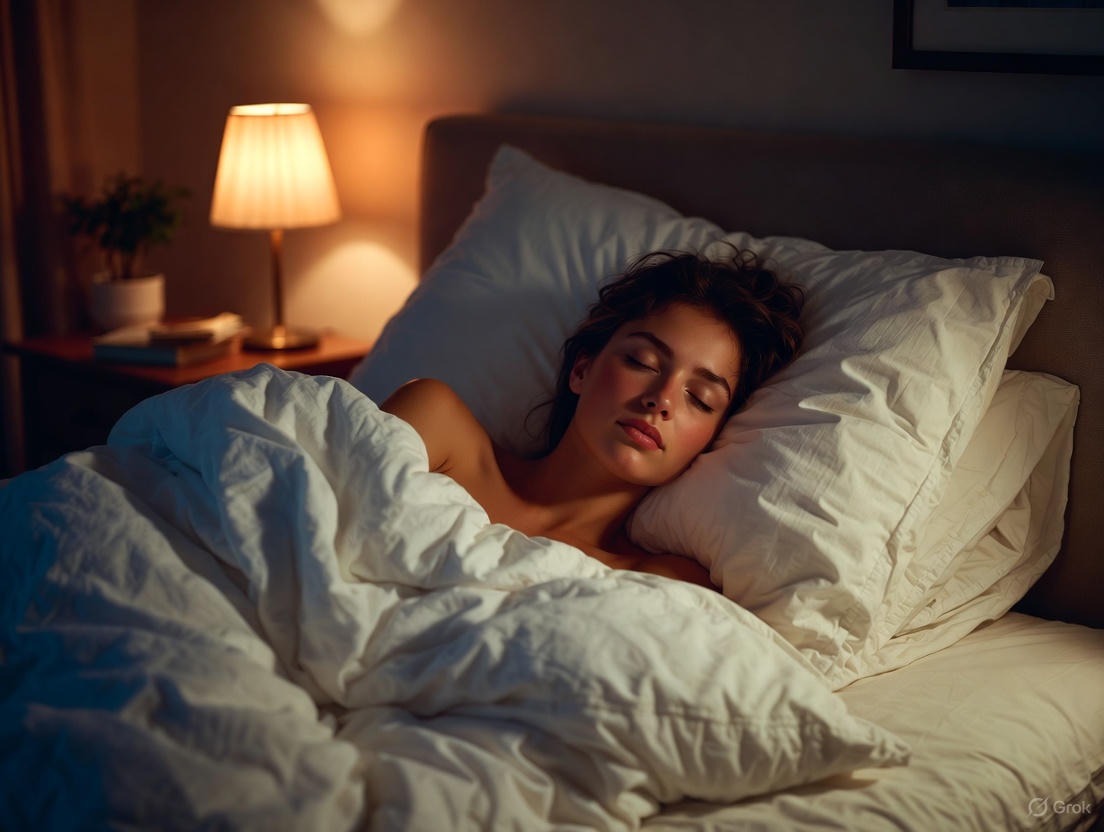
Mastering your evening temperature cooldown does more than just gift you with a serene night's sleep and a beautiful data curve. It initiates a powerful cascade of positive effects that radiate into every facet of your waking life. This is the true return on investment: the downstream benefits that turn a sleep hygiene practice into a life optimization strategy.
Cognitive Clarity and Emotional Resilience: The deep, slow-wave sleep that is facilitated by a proper thermal drop is when your brain performs essential housekeeping. Cerebrospinal fluid flushes metabolic waste products like beta-amyloid (associated with cognitive decline) from brain tissue. Synaptic connections are pruned and strengthened, solidifying learning and memory. When this process is optimized, you wake with a mind that feels "defragmented." Decision-making is sharper, focus is more sustained, and creativity flows more freely. This cognitive clarity has a direct emotional correlate. A well-rested prefrontal cortex has greater inhibitory control over the amygdala, the brain's fear center. This means you are less reactive to stressors, more capable of nuanced emotional responses, and generally more resilient. You're not just smarter; you're steadier. This foundational stability is crucial for navigating complex interpersonal dynamics, as explored in our article on emotional balance and relationships: creating healthy dynamics.
Metabolic and Hormonal Harmony: The thermal journey of sleep is inextricably linked to your endocrine system. Deep sleep is when growth hormone (crucial for tissue repair, muscle growth, and metabolism) is primarily secreted. Disrupted, shallow sleep—often a consequence of poor thermal regulation—suppresses this release. Furthermore, sleep deprivation and thermal dysregulation increase cortisol and ghrelin (the hunger hormone) while decreasing leptin (the satiety hormone). This creates a perfect storm for increased appetite, cravings for high-calorie foods, insulin resistance, and weight gain, particularly visceral fat. By securing deep, thermally sound sleep, you support a healthy hormonal milieu that regulates appetite, supports metabolic efficiency, and aids in body composition management.
Physical Recovery and Performance: For anyone engaged in physical training—from elite athletes to weekend warriors—sleep is the ultimate performance-enhancing drug. The repair of micro-tears in muscle fibers, the replenishment of glycogen stores, and the reduction of systemic inflammation all peak during deep sleep. A proper thermal cooldown ensures you maximize time in these restorative stages. Your ring will show the results not just in sleep metrics, but in your daytime readiness score and recovery metrics like Heart Rate Variability (HRV). You'll notice faster recovery between workouts, reduced perceived exertion, and improved strength and endurance gains. The body you build in the gym is truly forged in the cool, quiet depths of the night.
Immune System Fortification: Sleep is a period of intense immunological activity. Cytokines, proteins that regulate immune response, are produced and released during sleep. Some cytokines are both sleep-promoting and infection-fighting, creating a virtuous cycle: you sleep to fight infection, and fighting infection helps you sleep. Thermal dysregulation and sleep fragmentation disrupt this delicate cytokine production, leaving you more susceptible to common illnesses and impairing your body's response to vaccines. By prioritizing your thermal sleep rhythm, you are conducting nightly maintenance on your body's defense systems, building resilience against pathogens you encounter daily.
Longevity and Cellular Health: At the most fundamental level, the processes enabled by deep, cool sleep are anti-aging. Autophagy—the cellular "clean-up" process where damaged cellular components are recycled—is upregulated during sleep. Telomere length, a marker of cellular aging, has been associated with sleep quality. Chronic sleep disruption and the associated thermal and metabolic dysregulation accelerate cellular aging and increase systemic inflammation, a key driver of chronic disease. Investing in your evening temperature protocol is, in a very real sense, an investment in your cellular longevity and long-term vitality, helping you navigate emotional balance and aging: managing life transitions gracefully.
In essence, the act of cooling down each evening is not an end in itself. It is the ignition key for a vast network of biological repair, rebalancing, and enhancement processes. The smooth temperature curve on your smart ring app is not just a metric; it's a real-time readout of your body's access to its most profound renewal cycle. When you optimize for temperature, you optimize for life.
Even with the best-laid protocol, you will encounter obstacles. The path to thermal sleep mastery is not linear. Recognizing common pitfalls and knowing how to navigate them—using your ring data as your guide—is what separates temporary success from sustained transformation.
Pitfall 1: The "Perfect Night" Obsession.
Pitfall 2: Over-Engineering the Environment.
Pitfall 3: Ignoring the Impact of Social and Emotional Events.
Pitfall 4: The Fitness Tracker Paradox.
Pitfall 5: Seasonal and Life Transition Plateaus.
When you hit a plateau, return to the scientific method: hypothesize, experiment (one variable), and measure. Your ring provides the objective measurement to cut through frustration and guide your next, intelligent step.
The most powerful cue for your circadian rhythm—and by extension, your core temperature rhythm—is not your alarm clock or your bedtime reminder. It is sunlight. In our modern, indoor lives, we have profoundly divorced ourselves from this primary Zeitgeber (time-giver). Re-establishing this connection is the single most effective way to amplify and stabilize your evening thermal drop.
The Morning Light Anchor: Exposure to bright, blue-rich light within the first hour of waking is like hitting the "sync" button on your master clock. It clearly signals to your SCN (suprachiasmatic nucleus) that "daytime has begun," starting the timer for the subsequent release of melatonin and initiation of the temperature drop roughly 14-16 hours later. Aim for at least 15-30 minutes of outdoor light (even on a cloudy day, outdoor light intensity is orders of magnitude greater than indoor light). Look toward the sky without staring directly at the sun. This practice strengthens the amplitude of your entire circadian wave, leading to a more decisive, well-timed evening cooldown.
The Daytime Light Feast: Don't let your morning light be a mere snack. Continue to seek natural light exposure throughout the day. Take walking meetings, eat lunch outside, or position your workspace near a window. Consistent daytime light exposure reinforces the "day" signal, preventing the circadian rhythm from dampening. A strong, consistent daytime signal makes the contrast with evening darkness—and the ensuing cooling—more pronounced.
The Evening Light Fast: As crucial as morning light is, avoiding bright, blue-rich light after sunset is its equal counterpart. This is when your body expects darkness to trigger melatonin production and start the temperature descent. Implementing a "digital sunset" 90 minutes before bed is the behavioral cornerstone. Use dim, warm-toned lights (under 3000 Kelvin). Consider using blue-light blocking glasses if screen use is unavoidable. The goal is to mimic the natural progression of a campfire into embers, not to shock your system with a midday sun simulation from your tablet.
The Weekend "Social Jetlag" Trap: Staying up late and sleeping in on weekends creates a misalignment between your social and biological clocks. This forces your temperature rhythm to shift and then readjust, causing a phenomenon similar to jetlag every week. Your Monday night ring data often shows the cost: a delayed, messy temperature curve. Prioritize consistency. Keeping your wake-up time within an hour every day of the week is the most stabilizing practice for your temperature rhythm, even if you go to bed a bit later on weekends.
By syncing your light exposure with the solar cycle, you entrain your internal thermostat to the most reliable timekeeper on Earth. This natural alignment reduces the "work" your body has to do to initiate cooling, making sleep onset more effortless and your nightly temperature graph more robust and predictable. It is the foundational layer upon which all other thermal optimization strategies are built.
Sleep is rarely a solitary pursuit for adults. The presence of a partner, children, or pets in the bed or bedroom introduces a dynamic thermal variable that your smart ring will faithfully record. Navigating this "social temperature" is a practical challenge of cohabitation and shared sleep health.
The Partner Thermostat War: Differing thermal preferences are one of the most common sources of sleep disruption for couples. One person may be a "furnace" radiating heat, while the other is perpetually cold. The standard compromise—a room temperature in the middle—can leave both parties unsatisfied and thermally dysregulated.
Co-Regulation and Its Thermal Signature: The presence of a trusted partner can also have a calming, co-regulating effect that promotes parasympathetic activity and aids the cooling process. The feeling of safety and connection can lower stress hormones. Your ring data might show a smoother temperature curve on nights you sleep together versus apart. However, this positive effect can be completely negated by incompatible sleep schedules, snoring, or blanket-hogging. The key is to maximize co-regulation while minimizing thermal and physical disruption. This mirrors the broader principle of using social connection for stability, a method detailed in co-regulation: using social connection for balance.
Children and Pets: Young children who climb into bed, or pets that sleep on or near you, add significant heat to your sleep surface. A dog's body temperature is typically 101-102.5°F. Their presence is like adding a small space heater to your bed.
The Snoring/Disruption Factor: A partner's snoring or restless sleep doesn't just create noise; it can cause micro-awakenings in you. Each arousal triggers a sympathetic nervous system jolt and a corresponding blip in your temperature graph. Addressing the root cause (e.g., encouraging a partner to seek a sleep apnea evaluation, using nasal strips) or using well-fitted earplugs and white noise can be critical for protecting your thermal continuity.
By openly discussing thermal preferences as a shared health goal and using your ring data as a neutral arbiter ("See, my deep sleep dips on nights the room is above 70°"), you can move from a conflict to a collaborative optimization project. Protecting your individual thermal rhythms ultimately leads to better-rested, more harmonious relationships during the day.
While this guide focuses on the evening cooldown, the temperature data from your smart ring is a 24/7 biosensor. The daytime baseline and fluctuations hold a wealth of information about your metabolic health, stress response, and overall circadian robustness. Learning to read this part of the story completes your holistic picture.
Establishing Your Daytime Baseline: Your daytime temperature, typically measured between late morning and late afternoon, should be relatively stable and higher than your nighttime nadir. A consistently low or highly variable daytime temperature can indicate:
The Stress Spike Signature: Acute stressors—a difficult conversation, a tight deadline, a burst of intense anger or anxiety—often cause a detectable, short-lived rise in skin temperature. This is the sympathetic nervous system’s thermogenic response in action. Noticing these spikes in your daytime data can build powerful interoceptive awareness. It objectively shows you the physiological cost of a stressor, motivating you to employ calming techniques in the moment. This practice of connecting external events with internal states is the essence of developing emotional granularity: naming feelings precisely.
The Post-Exercise Curve: After a workout, you should see a temperature elevation that gradually returns to baseline over 1-3 hours, depending on intensity. Monitoring this can help you understand your personal recovery timeline. An excessively prolonged elevation or a failure to return to baseline could signal overtraining or insufficient recovery resources.
The Fuel and Temperature Connection: Observe how different meals affect your daytime temperature. A large, carbohydrate-heavy meal might cause a more pronounced post-prandial temperature rise than a lighter, balanced one. This isn't inherently bad, but it's data. If you feel sluggish after lunch and see a big temperature spike, it might inform you to adjust portion size or macronutrient balance for more stable afternoon energy.
The Female Cycle Overlay (Revisited in Daytime): The luteal phase temperature elevation is a 24-hour shift. You will see your entire daytime baseline lifted by 0.5-1.0°F. Recognizing this in your data can help you contextualize other experiences: why you feel warmer during the day, why your exercise heart rate might be slightly elevated, or why you might need to adjust your thermostat at work. It normalizes the experience through data.
By paying occasional attention to your daytime temperature trends, you transform your ring from a sleep tracker into a continuous thermal wellness monitor. It provides a silent, objective commentary on how your lifestyle, diet, stress, and hormones are playing out in your body’s internal climate. This awareness empowers you to make informed, real-time adjustments for all-day vitality, not just nightly rest.
Your smart ring is a phenomenal tool for self-awareness and experimentation, but it is not a medical device. There are times when the patterns in your temperature and sleep data should serve as a catalyst for a conversation with a healthcare professional. Your data provides objective, longitudinal evidence that can make that conversation far more productive.
Red Flags in Your Temperature Data:
Using Your Data in the Appointment:
Potential Referrals and Pathways:
Your ring data empowers you to be a proactive, informed participant in your health care. It moves the conversation from "I'm tired" to "Here is quantifiable evidence of my sleep disruption and its pattern." This can lead to faster, more accurate diagnoses and more targeted interventions, turning a source of frustration into a roadmap for professional-supported healing. Furthermore, for parents observing concerning patterns in younger individuals, early intervention is key, as discussed in helping children develop emotional balance early.
The field of sleep technology and personalized health is advancing at a breathtaking pace. The smart ring on your finger is just the beginning of a revolution in how we understand and interact with our own physiological rhythms. Looking ahead, the integration of thermal optimization will become more seamless, predictive, and deeply personalized.
Predictive Analytics and Proactive Nudging: Future algorithms won't just report on last night's sleep; they will forecast tonight's thermal readiness. By analyzing your daytime data (activity, stress, heart rate variability, current skin temperature), your device could send a late-afternoon alert: "Your thermal rhythm is lagging today. Consider an earlier, lighter dinner and a 15-minute evening walk to promote cooling." Or, "Your data suggests high stress today. Your wind-down will begin 30 minutes earlier tonight with a guided meditation."
Closed-Loop Sleep Environments: Imagine your bed cooling system or bedroom thermostat linked directly to your biometric data. As your ring detects the initial drop in skin temperature at the start of your wind-down, it could signal your thermostat to lower the room temperature by 2 degrees. If it detects a mid-night temperature spike indicating an arousal, it could subtly adjust the bed's cooling to help shepherd you back into deep sleep without ever waking you.
Advanced Biomarkers and Integration: Future wearables may incorporate more direct or complementary sensors. Galvanic skin response (GSR) to measure subtle sweat changes related to thermoregulation. More sophisticated heat flux sensors to precisely measure the rate of heat leaving the body. Integration with continuous glucose monitors (CGM) could reveal the powerful interplay between blood sugar stability, metabolic heat production, and nighttime temperature curves, creating a holistic picture of metabolic health.
Personalized "Temperature Fingerprinting": As datasets grow, machine learning could identify your unique thermal phenotype. Are you a "Rapid Dropper" or a "Gradual Descender"? What is your ideal pre-sleep temperature curve shape for maximal deep sleep? Your protocol could be tailored not just to general principles, but to your idiosyncratic biological pattern, learning what works specifically for you over time.
The Democratization of Sleep Science: With these tools, we are all becoming citizen scientists of our own biology. The collective, anonymized data from millions of users will unlock population-level insights into how temperature interacts with genetics, age, climate, and lifestyle in ways previously impossible in sleep lab studies.
Your journey today, using your current ring to track and optimize your evening cooldown, places you at the forefront of this movement. You are building the foundational habits and literacy that will allow you to seamlessly adopt these future technologies. You are learning the language of your body's thermal rhythm, a language that will only become more fluent and consequential in the years to come. This knowledge turns you from a passive patient into an active architect of your own well-being, night after night, season after season.
Your Trusted Sleep Advocate: Sleep Foundation — https://www.sleepfoundation.org
Discover a digital archive of scholarly articles: NIH — https://www.ncbi.nlm.nih.gov/
39 million citations for biomedical literature :PubMed — https://pubmed.ncbi.nlm.nih.gov/
Experts at Harvard Health Publishing covering a variety of health topics — https://www.health.harvard.edu/blog/
Every life deserves world class care :Cleveland Clinic - https://my.clevelandclinic.org/health
Wearable technology and the future of predictive health monitoring :MIT Technology Review — https://www.technologyreview.com/
Dedicated to the well-being of all people and guided by science :World Health Organization — https://www.who.int/news-room/
Psychological science and knowledge to benefit society and improve lives. :APA — https://www.apa.org/monitor/
Cutting-edge insights on human longevity and peak performance:
Lifespan Research — https://www.lifespan.io/
Global authority on exercise physiology, sports performance, and human recovery:
American College of Sports Medicine — https://www.acsm.org/
Neuroscience-driven guidance for better focus, sleep, and mental clarity:
Stanford Human Performance Lab — https://humanperformance.stanford.edu/
Evidence-based psychology and mind–body wellness resources:
Mayo Clinic — https://www.mayoclinic.org/healthy-lifestyle/
Data-backed research on emotional wellbeing, stress biology, and resilience:
American Institute of Stress — https://www.stress.org/


