


The Beginner-Friendly Guide to Travel Wellness Tips: Maintaining Routines on the Road
Maintaining routines on the road.
Maintaining routines on the road.
%402x.svg)
There is a specific kind of exhaustion that feels uniquely tied to travel. It is the fatigue that settles in your bones not from the adventure itself, but from the unraveling of the systems that keep you functioning. You know the feeling. It is the morning after a red-eye flight when your body insists it is 3 AM but the itinerary demands a 9 AM walking tour. It is the第三天 of a business conference where you have survived on convention center coffee and rubber-chicken chicken, and your digestion has simply decided to opt out of participating. It is the family vacation where "sleeping in" means 6:30 AM because of jet lag, and by day four, your patience is as threadbare as your suitcase.
For years, we accepted this as the cost of movement. We romanticized the chaos, quoting Hemingway and murmuring that the point of travel was to break free from routine. But here is the truth that experience teaches us: breaking free from routine is exhilarating for exactly one weekend. After that, the lack of routine becomes its own exhausting job. The body, left without its familiar anchors, begins to send distress signals. Stress hormones creep upward. Sleep quality plummets. Hydration becomes an afterthought. Meals become erratic. By the time you return home, you do not feel rejuvenated—you feel like you need a vacation from your vacation.
This guide exists to dismantle that narrative. What if you could travel not despite your wellness habits, but in deep alignment with them? What if the road could become an extension of your sanctuary rather than an interruption of it? The answer lies not in rigid adherence to your home routine—which is nearly impossible—but in understanding the principles behind your habits and learning how to translate them into any environment.
We are living in a golden age of self-awareness. Tools like the OxyZen smart ring have transformed wellness from a vague aspiration into a data-informed practice. We no longer have to guess whether we are recovered; we can see our Heart Rate Variability (HRV) trending downward and know we need to be gentle. We no longer have to wonder if we are hydrated; our body temperature and resting heart rate offer clues. As we explore how to maintain routines on the road, we will lean into this concept of bio-individuality. Travel wellness is not about perfection; it is about awareness. It is about having a dashboard for your energy so that when you deviate from your norm, you can course-correct before the deviation becomes a derailment.
The modern traveler faces a paradox. We have more access to health information than ever before, yet we are also more sedentary, more stressed, and more disconnected from our body's innate wisdom. Air travel dehydrates us. Sitting in cars or trains stiffens our hips and compromises our circulation. New time zones confuse our circadian rhythm—the master clock that governs every cellular process. Add to this the psychological weight of navigating unfamiliar places, and you have a recipe for burnout.
But consider this: travel, at its core, is a form of energy investment. You are spending energy—physical, emotional, cognitive—in exchange for experiences, memories, and growth. The problem arises when we treat our energy reserves as infinite. We draw down on the account without making deposits. This is where the concept of an energy budget becomes essential. Just as you would not leave for a trip without a financial budget, you should not leave without an energy budget. This involves understanding which activities drain you and which replenish you, and then structuring your travel days accordingly.
Throughout this guide, we will delve deep into the mechanics of maintaining your well-being while on the move. We will explore the science of jet lag and how light exposure can reset your internal clock. We will discuss the practicalities of nutrition when you are at the mercy of airport food courts and roadside diners. We will tackle the challenge of movement when your "gym" is a hotel room the size of a walk-in closet. And we will examine the often-overlooked aspect of emotional wellness—how to stay grounded when your environment is anything but.
The beauty of the approach outlined here is that it is beginner-friendly. You do not need to be a biohacker with a suitcase full of supplements. You do not need to be an ultramarathoner who runs 10 miles before breakfast. You just need a willingness to pay attention and a few key strategies that can be applied anywhere. In fact, many of these strategies can be enhanced by the passive tracking capabilities of a device like the OxyZen ring, which quietly collects data on your sleep stages, activity levels, and physiological stress, offering you insights that would otherwise remain hidden. For instance, by understanding how your wellness ring tracks the energy cost of different activities, you can make more informed decisions about how to structure your sightseeing versus your rest time.
As we embark on this journey together, I invite you to reframe your relationship with travel. Stop seeing it as a break from your healthy life. Start seeing it as an integral part of it. The skills you build on the road—adaptability, resilience, intentionality—are the same skills that will deepen your wellness practice at home. The road is not a detour; it is the main path, and you are fully equipped to walk it with vitality.
Let us begin by laying the foundation. Before we can maintain routines, we must understand what routines are truly essential and which ones we can temporarily release. This is the art of the non-negotiable.
The most common mistake travelers make is assuming that their entire daily routine must be transported intact to their destination. This all-or-nothing mindset is the enemy of sustainable wellness. When you arrive in a new place and immediately realize you cannot perform your 60-minute yoga flow, drink your specific brand of organic oat milk, or use your $4,000 home gym, the temptation is to throw your hands up and abandon the effort entirely. "Well," you sigh, "I guess I'll just get back on track when I get home."
This is a cognitive trap. The goal of travel wellness is not replication; it is translation. You are not copying and pasting your habits. You are translating the spirit of those habits into a new language—the language of your current environment. To do this effectively, you must conduct a pre-travel audit.
A pre-travel audit is a simple but powerful exercise. Approximately one week before your departure, sit down with a journal or a notes app and list out your typical daily wellness practices. Be thorough. Include everything from your morning glass of lemon water to your evening wind-down routine. Once you have the list, categorize each item into one of three buckets: Non-Negotiable, Flexible, and Expendable.
The Non-Negotiables are the pillars of your well-being. These are the practices that, if removed for more than a day or two, cause your entire system to destabilize. For one person, this might be 15 minutes of morning meditation. For another, it might be a daily walk outside. For a third, it could be taking specific supplements with breakfast. These are the habits that are directly tied to your natural energy boosters that improve your wellness ring readiness score. Your non-negotiables are not up for debate. You will find a way to do them, even if the form changes. If you cannot do 30 minutes of meditation, you will do 10. If you cannot walk in a park, you will walk laps around the hotel lobby. The key is that the essence of the habit is preserved.
The Flexible Items are the habits you enjoy and that contribute to your wellness but are adaptable. This might be your specific workout split. At home, you lift weights for an hour four days a week. On the road, perhaps you do two 20-minute bodyweight circuits. The intensity and duration change, but the commitment to movement remains. This category also includes things like your specific meal timing. You might normally eat dinner at 7 PM, but if your travel plans have you dining at 9 PM, you can adapt by having a small, healthy snack at 5 PM to stabilize your blood sugar. Flexibility requires creativity, but it is entirely achievable.
The Expendables are the habits that are tied so specifically to your home environment that attempting to replicate them on the road would cause more stress than benefit. This might be something like your elaborate 12-step skincare routine that requires specific tools and temperatures. Or your habit of reading the paper in a specific chair with a specific blanket. Let these go. Release them without guilt. They will be there waiting for you when you return. Clinging to expendables is what turns a trip into a logistical nightmare and drains the joy out of the experience.
Once you have identified your non-negotiables, the next step is to plan for them. If your non-negotiable is waking up naturally without an alarm (to honor your sleep cycles), you need to ensure your accommodation has blackout curtains or that you pack a high-quality sleep mask. If your non-negotiable is hydration, you need to commit to traveling with an empty, large water bottle to fill after passing through security. If your non-negotiable is tracking your recovery metrics, you need to ensure your OxyZen ring is charged and that you have the app on your phone to review your energy level optimization insights from your wellness ring monthly reports each morning.
This audit serves another crucial purpose: it manages expectations. By clearly defining what you will maintain, what you will modify, and what you will abandon, you inoculate yourself against the frustration of unmet goals. You are not failing to do your entire routine; you are successfully executing your travel-adapted routine. This shift in perspective is the difference between a trip that depletes you and one that sustains you.
Furthermore, the audit provides a roadmap for packing. Instead of throwing random wellness items into your bag, you pack with intention. You bring the travel-sized supplements that support your non-negotiables. You pack the clothing that enables your flexible workouts. You leave behind the gadgets and potions that belong to your expendable category. Your suitcase becomes lighter, and so does your mental load.
The pre-travel audit is an act of self-respect. It acknowledges that you are a person with needs that extend beyond the itinerary. It honors the fact that your body is the vehicle through which you will experience your trip, and a well-maintained vehicle makes for a much more enjoyable journey. By investing time in this audit before you leave, you are setting the stage for a trip where wellness is not an interruption, but a seamless, supportive backdrop.
The journey begins long before you arrive at your destination. For many, the airport and the airplane are the most physiologically challenging parts of any trip. They are environments designed for efficiency of transit, not for human thriving. Fluorescent lights, recycled air, endless queues, and pressurized cabins create a perfect storm of stressors that can leave you feeling depleted before the adventure even begins. However, with a strategic approach, you can transform the transit experience from a wellness obstacle course into a manageable, and even preparatory, phase of your journey.
Let us start with the airport itself. The terminal is often a wasteland of ultra-processed food, sugary beverages, and sedentary waiting. Your first line of defense is your pre-flight nutrition. Avoid the temptation to "treat yourself" to a massive, greasy meal before boarding. Heavy, high-fat, and high-sodium foods will sit in your stomach, diverting blood flow to your digestive system when you need it for circulation and cognitive function. They also contribute to the bloating and discomfort that flying often exacerbates. Instead, aim for a balanced meal or snack that includes lean protein, healthy fats, and complex carbohydrates. Think a salad with grilled chicken and avocado, a quinoa bowl with vegetables, or even a simple apple with almond butter that you brought from home.
Hydration is paramount. The humidity in an airplane cabin is typically lower than that of most deserts. This dry air dehydrates you at a cellular level, thickening your blood, straining your cardiovascular system, and drying out your mucous membranes (your first line of immune defense). Begin hydrating 24 hours before your flight. On the day of travel, fill that large water bottle you packed (empty) after you clear security. Aim to drink at least 8 ounces of water for every hour you are in the air. Supplement this with electrolytes, especially if you are on a long-haul flight. Electrolytes help your body actually absorb and retain the water you are drinking, rather than simply flushing it out. Many travelers find that adding an electrolyte packet to one of their bottles of water mid-flight significantly improves how they feel upon landing.
Movement in the airport is an underutilized tool for wellness. Instead of taking the moving walkways or the shuttle train between terminals, walk. Wear comfortable shoes and use your legs. If you have a long layover, do not simply plant yourself at a gate chair for two hours. Walk the length of the terminal. Find a quiet corner and do some gentle stretches. This is not just about burning calories; it is about promoting circulation. Sitting for prolonged periods allows blood to pool in your legs, increasing the risk of discomfort and, in rare cases, deep vein thrombosis (DVT). Every time you walk, you engage the calf muscle pump, which pushes blood back toward your heart. This is a simple, powerful act of self-care. The data from your wellness ring can later show you how periods of inactivity impact your recovery, reinforcing the importance of this movement. You might be surprised to see how your smart ring proves rest optimizes energy better than stimulants, but during transit, the balance is about preventing stagnation, not seeking rest.
Once you board the plane, your strategy shifts to preservation. The first thing to do upon settling into your seat is to wipe down your tray table and armrests with a disinfectant wipe. Airplanes are high-touch environments, and you are about to spend hours in close proximity to recirculated air. Reducing your exposure to pathogens is a simple but effective move.
Next, consider your technology. While it is tempting to binge-watch movies for the entire flight, this keeps you sedentary and often leads to poor posture and eye strain. Create a rhythm for your flight. Perhaps you watch one movie, then you spend 30 minutes reading a book, then you do some seated stretches, then you listen to a podcast with your eyes closed. The goal is to avoid remaining in a static position for hours on end.
Compression socks are not just for the elderly or those with medical conditions. They are a powerful tool for anyone sitting for more than four hours. These socks apply graduated pressure to your legs, helping to maintain blood flow and prevent swelling. They can make the difference between stepping off the plane feeling like a human and feeling like a marshmallow with feet.
Your in-flight nutrition deserves attention as well. Airline food is notoriously high in sodium, which promotes water retention and bloating. If you have the option, pre-order a special meal (like vegetarian, vegan, or low-sodium) which is often prepared fresher. Even better, pack your own snacks. Nuts, seeds, protein bars with clean ingredients, dark chocolate, cut vegetables, and fruit are all excellent choices. Avoid alcohol and caffeine, as both are diuretics that will contribute to dehydration. If you must have caffeine, try to limit it to one cup and offset it with extra water.
Finally, use the flight as an opportunity to begin the transition to your destination's time zone. This is where the concept of circadian alignment comes into play. If you are flying east, you need to advance your body clock. If you are flying west, you need to delay it. Set your watch to your destination time as soon as you board. If it is nighttime at your destination, try to sleep. Use a neck pillow, eye mask, and noise-canceling headphones or earplugs to create a conducive environment. If it is daytime at your destination, do your best to stay awake. This pre-adaptation can dramatically reduce the severity of jet lag. This practice of circadian alignment through smart ring optimization is one of the most effective natural energy boosters available to travelers.
By treating the airport and airplane not as a void to be endured, but as a phase of the journey to be navigated with intention, you arrive at your destination with a significant portion of your energy reserves intact. You are ready to explore, not ready to collapse.
You have landed. The air smells different. The light has a different quality. Your brain knows you are somewhere new, but your body is still running on the operating system of your origin. The first 24 hours at your destination are the most critical window for establishing a successful trip. This is the period when you either anchor your circadian rhythm to the new time zone or allow it to drift in a state of confused suspension, leading to the brain fog, digestive issues, and energy crashes we call jet lag.
Jet lag is not merely a feeling of tiredness. It is a physiological mismatch between your internal body clock and the external environment. Your body has a master clock, the suprachiasmatic nucleus (SCN) in your brain, which coordinates trillions of cellular clocks throughout your body. It tells your liver when to release enzymes for digestion, your gut when to be active, your muscles when to expect movement, and your pineal gland when to release melatonin for sleep. When you cross time zones rapidly, this master clock is out of sync with the local light-dark cycle. The result is systemic chaos. Your gut might be demanding breakfast at midnight, while your brain is struggling to stay awake at 3 PM.
The antidote to this chaos is light. Light is the most powerful time cue, or zeitgeber (German for "time giver"), for your circadian rhythm. Strategically managing your light exposure in the first 24 hours can literally reset your internal clock.
If you have traveled east (e.g., from New York to London), you need to advance your clock. You have lost time, so your body thinks it is earlier than it actually is. Upon arrival in the morning, you need bright light exposure immediately. This light signals to your brain, "It is daytime, suppress melatonin, be alert." Get outside. Do not retreat to your hotel room to "rest for a minute." That minute will turn into a four-hour nap that sabotages your entire adjustment. Go for a walk. Sit in a cafe with outdoor seating. The natural blue wavelength light of the morning sun is your most potent tool. In the evening, you need to do the opposite. As sunset approaches, begin to dim your environment. Avoid bright screens. Wear blue-light-blocking glasses if necessary. You are trying to tell your body that darkness is coming, which will facilitate the natural rise of melatonin when your head hits the pillow at the local bedtime.
If you have traveled west (e.g., from New York to Los Angeles), you need to delay your clock. You have gained time, so your body is ready for bed when the locals are just starting their evening. Your strategy here is to avoid morning light and seek afternoon and evening light. Upon waking early (because your body thinks it's later), keep the lights dim. Wear sunglasses if you go outside. You are trying to fool your brain into thinking the day hasn't started yet. As the afternoon progresses, get as much light as possible. Evening light, especially the warm tones of sunset, will help push your bedtime later, aligning you with the local schedule.
Beyond light, there are other powerful anchors for your circadian rhythm in the first 24 hours.
Meal timing is a close second to light in its influence on your peripheral clocks, particularly in your liver and digestive system. When you eat, you send signals to your organs about the time of day. To help them adjust, eat your meals according to the local clock, even if you are not hungry. If it's lunchtime locally, have lunch. This simple act of eating at the correct time helps reset your digestive rhythms. Prioritize protein in the morning to support alertness and neurotransmitter function. Keep dinner relatively light and early to allow for proper digestion before sleep. This is a perfect opportunity to practice nutrition timing for sustained energy, as validated by your ring.
Movement is another critical anchor. Light physical activity during the daytime, especially outdoors, reinforces the wake signal. A walk, a gentle jog, or even some stretching in the park tells your body, "We are active, this is day." Conversely, avoid vigorous exercise too close to bedtime, as it can be overstimulating.
Napping is the great temptress of the first day. It whispers promises of relief, but it often delivers only a more confused body clock. The general rule is to avoid naps entirely on the first day. If you absolutely cannot function and feel you are a danger to yourself or others, take a "power nap" of no more than 20-25 minutes. Set an alarm. This short duration allows you to get some restorative rest without falling into the deep stages of sleep, which would pull you out of phase with the local night.
Your OxyZen ring can be an invaluable guide during this adjustment period. By wearing it consistently, you can observe in real-time how your body is responding to these anchoring efforts. You will see your heart rate variability begin to stabilize as your nervous system shifts from the stress of travel to a more balanced state. You can track your body temperature variations, which are closely linked to your circadian rhythm. And the next morning, your Readiness Score will tell you how well your strategy worked. Over time, you can look back at your data and see patterns, perhaps learning that cold exposure offers ring-tracked benefits for resetting your system, or that a specific light exposure protocol yields the best sleep results.
The first 24 hours set the tone. By being a conscious steward of your light exposure, meal timing, and activity, you can collapse a multi-day jet lag struggle into a single day of adjustment. You wake up on day two not wondering where you are, but ready to embrace exactly where you are.
There is a reason hotels invest millions in "signature sleep experiences" and mattress marketing. Sleeping in an unfamiliar environment is inherently challenging. Your brain, ever vigilant, remains partially on alert when you are not in your known, safe sleeping space. This phenomenon, sometimes called the "first-night effect," involves one hemisphere of the brain remaining more active than usual, acting as a night watchman. Combine this evolutionary quirk with a new pillow, different ambient noise, and potential time zone changes, and you have a recipe for restless nights.
Protecting your sleep on the road is not a luxury; it is a necessity for sustainable energy optimization. Sleep is when your brain clears metabolic waste, your body repairs tissue, and your memories consolidate. Without it, your immune system weakens, your patience thins, and your ability to enjoy your trip plummets. Here is how to create a portable sleep sanctuary, no matter where you lay your head.
Control the Light: Darkness is the non-negotiable prerequisite for melatonin production. Hotel rooms are notorious for having a constellation of tiny, intrusive lights. The smoke detector blinks. The alarm clock glows. The TV has a standby light. The curtains rarely close completely. Your mission is to achieve total darkness. Pack a high-quality sleep mask. Not the flimsy ones they give away on airplanes, but a contoured mask that blocks light from all angles without pressing on your eyes. If you forgot your mask, get creative. Use a scarf, a dark t-shirt, or even a towel to cover your eyes. Next, attack the room's light pollution. Put a piece of tape over the alarm clock. Unplug the TV. Use the included clips or hangers to pinch the curtains together in the middle. Every photon of light you block is a signal to your brain that it is safe to sleep.
Tame the Noise: Unfamiliar sounds—traffic, hallway chatter, the elevator, the ice machine, a foreign city waking up—can jolt you from sleep or prevent you from falling asleep. While you cannot control the environment, you can control your auditory input. Noise-canceling headphones are excellent for falling asleep, though some find them uncomfortable to wear all night. A more comfortable option is a white noise machine or app. Many smartphones have built-in white noise options, or you can download an app that offers sounds like rain, ocean waves, or brown noise (which is deeper than white noise and preferred by many). If technology isn't your preference, simple foam earplugs are highly effective. They take a night or two to get used to, but they can be a game-changer for blocking out intermittent noise.
Optimize the Temperature: Cooler temperatures are conducive to sleep. Your body's core temperature naturally drops to initiate and maintain sleep. A room that is too warm will fight this process, leading to restlessness. Most hotel rooms have thermostats. Do not be shy about setting it to your ideal sleeping temperature, typically between 65-68°F (18-20°C). If the room is too warm and you cannot adjust it, sleep with minimal covers or use a fan. If it is too cold, pile on the extra blankets usually found in the closet. Your OxyZen ring tracks your skin temperature, and by paying attention to it, you can learn how temperature fluctuations affect your sleep quality, a concept explored in depth in energy optimization through temperature regulation.
Recreate Your Ritual: Your brain loves patterns. A consistent pre-sleep routine is a powerful trigger that signals it is time to wind down. On the road, do your best to replicate the essence of your home ritual. At home, you might read for 20 minutes. On the road, read on your phone (with the brightness turned down and night mode on) or with a physical book you brought. At home, you might do some gentle yoga. On the road, do a few stretches on the hotel room floor. At home, you might have a cup of herbal tea. On the road, see if the hotel has a hot water kettle and bring your own tea bags. The specific actions matter less than the consistent signal that says, "The day is over. We are transitioning to rest."
Bring Your Smell: Scent is a powerful and underutilized anchor for relaxation. Our olfactory system is directly linked to the limbic system, the emotional center of the brain. A familiar, calming scent can trick your brain into feeling safe and at home. Pack a small spray bottle with lavender water or a rollerball of a calming essential oil blend. A few spritzes on your pillow or a drop of oil on your wrist can create an immediate sense of calm and familiarity.
Elevate the Bed (Literally and Figuratively): The quality of hotel pillows and mattresses is wildly inconsistent. If the pillow is too flat or too fluffy, it can wreak havoc on your spinal alignment. Do not suffer in silence. Call the front desk. Most hotels have a pillow menu and can send up different options. If the mattress is too soft and you need more support, you can sometimes request a mattress topper. If you are in a pinch, folding a blanket under the fitted sheet can provide extra lumbar support. The goal is to create a sleep surface that supports your body's natural curves.
By implementing these strategies, you take back control from the unpredictable environment. You create a portable bubble of sleep-conducive conditions. Your body begins to understand that even though the bed is different, the intention is the same: deep, restorative rest. When you wake up after a successful night's sleep in an unfamiliar place, you feel a sense of mastery. You have proven to yourself that you can take your wellness with you, wherever you go.

If there is one single, non-negotiable pillar of travel wellness that underpins all others, it is hydration. Water is the solvent of life. It is involved in every metabolic process, from digestion and nutrient transport to temperature regulation and joint lubrication. When you are dehydrated, your blood volume decreases, forcing your heart to work harder. Your cognitive function declines. Your energy plummets. Your skin dries out. And your recovery from the physical stress of travel is impaired.
On the road, dehydration is an ever-present threat. Air travel, as we discussed, is profoundly dehydrating. Changes in climate—moving from a humid environment to a dry one, or from a cool climate to a hot one—increase your fluid needs. Increased activity, like walking all day through a new city, leads to fluid loss through sweat. And changes in diet, often higher in sodium from restaurant food, further increase your body's demand for water.
Mastering hydration on the road is not complicated, but it requires intention. It will not happen by accident. You must build systems.
The Vessel: Your first and most important tool is a reusable water bottle. Choose one that is durable, leak-proof, and fits in the side pocket of your day bag. Insulated stainless steel bottles are ideal because they keep water cold for hours, which encourages drinking. Make this bottle your constant companion. Before you leave your accommodation each morning, fill it. Throughout the day, make a game of refilling it. Airports have water fountains. Museums have water fountains. Cafes will often refill your bottle for free if you ask politely. By having your own vessel, you are never at the mercy of overpriced plastic bottles, and you have a constant visual reminder to drink.
The Strategy: Electrolytes: Water alone is not always enough, especially if you are sweating heavily or if you are on a long-haul flight. Electrolytes are minerals—sodium, potassium, magnesium, calcium—that carry an electrical charge and are essential for nerve function, muscle contraction, and fluid balance. When you drink plain water without electrolytes, especially in a dehydrated state, you can actually dilute the electrolyte concentration in your blood, which can lead to symptoms like headache and fatigue. Pack a supply of electrolyte tablets or powders. They are lightweight, take up no space, and can be transformative. Add one to your water bottle once or twice a day, particularly after a flight or a long, sweaty day of exploration. The difference in how you feel is often immediate and profound.
The Caffeine and Alcohol Calculus: This is where many travelers sabotage their hydration efforts. Both caffeine and alcohol are diuretics, meaning they increase urine production and fluid loss. This does not mean you must abstain entirely. Travel is about enjoyment, and for many, a morning coffee or an evening glass of wine is part of the experience. The key is the "calculus"—you must account for the loss. The simple rule is to match each serving of alcohol or caffeinated beverage with an equal amount of water. If you have a cup of coffee, drink a cup of water. If you have a glass of wine with dinner, have a glass of water as well. This simple 1:1 ratio can neutralize the dehydrating effects and keep your system in balance.
Eat Your Water: Hydration is not solely about what you drink. Many fruits and vegetables have high water content and contribute significantly to your total fluid intake. When you are choosing meals and snacks, especially in warm climates, prioritize water-rich foods. Watermelon, cantaloupe, strawberries, cucumbers, celery, bell peppers, and lettuce are excellent choices. A snack of cucumber slices or a salad with fresh vegetables is a dual-purpose action: it provides nutrients and hydration simultaneously.
The Body's Signals and Your Ring's Data: Thirst is a lagging indicator. By the time you feel thirsty, you are already mildly dehydrated. Do not wait for thirst. Sip water consistently throughout the day. Your wellness ring can be an incredible ally here. While it cannot measure your hydration levels directly (yet), it can measure the consequences of dehydration. A sudden increase in resting heart rate, for example, can sometimes indicate dehydration. Poor sleep quality, especially if you wake up feeling unrefreshed, can also be a clue. By correlating your subjective feelings with your objective data, you can become more attuned to your body's needs. You might notice, for instance, that on days when you are diligent about your hydration, your HRV is higher and your energy level optimization for entrepreneurs is noticeably better.
Morning Rehydration: Make it a non-negotiable ritual to drink a large glass of water as soon as you wake up. You have gone 7-9 hours without fluid, and your body is naturally dehydrated. This morning glass of water rehydrates your system, kickstarts your metabolism, and helps flush out the metabolic byproducts accumulated during sleep. It is the single simplest and most effective health habit you can adopt, at home or on the road.
Hydration is the foundation. When your fluid levels are optimized, your blood flows more easily, your brain fires more clearly, and your body moves more efficiently. You have built the internal environment necessary for all other wellness practices to thrive.
One of the biggest psychological barriers to travel wellness is the all-or-nothing mindset around exercise. At home, you might have a dedicated hour for the gym, a favorite spin class, or a long run. On the road, when you cannot access these, it is easy to fall into the trap of thinking, "I can't work out, so I won't do anything." This binary thinking ignores the profound cumulative benefits of small, consistent movements throughout the day.
Travel is, by its nature, a time of increased physical activity. You are walking through airports, hauling luggage, navigating cities on foot, and exploring sites. The goal is not to replicate your home workout routine; it is to augment this natural movement with intentional exercises that maintain mobility, strength, and circulation. We need to shift from the concept of "working out" to the concept of "accumulating movement minutes."
The Power of the Walk: Walking is the most underrated exercise on the planet. It is low-impact, accessible, and incredibly effective for both physical and mental health. When you travel, prioritize walking as your primary mode of transportation whenever it is safe and feasible. Do not take the subway for two stops; walk them. Do not take the hotel elevator for three floors; take the stairs. A day of sightseeing can easily accumulate 10,000-20,000 steps, which is a phenomenal workout for your cardiovascular system and lower body. Walking also exposes you to sunlight, which anchors your circadian rhythm, and allows you to absorb the details of your destination in a way that faster transport does not.
The Hotel Room Workout: You do not need a gym to get an effective strength and mobility session. Your body weight is a highly versatile piece of equipment. A 15-20 minute hotel room workout can be done in a small space with no equipment. A simple, effective circuit could include:
Repeat this circuit 2-3 times, and you have stimulated your muscles, elevated your heart rate, and improved blood flow. You can do this first thing in the morning to wake up, or in the afternoon as an energy reboot, a practice that aligns perfectly with combating afternoon energy dips with smart ring solutions.
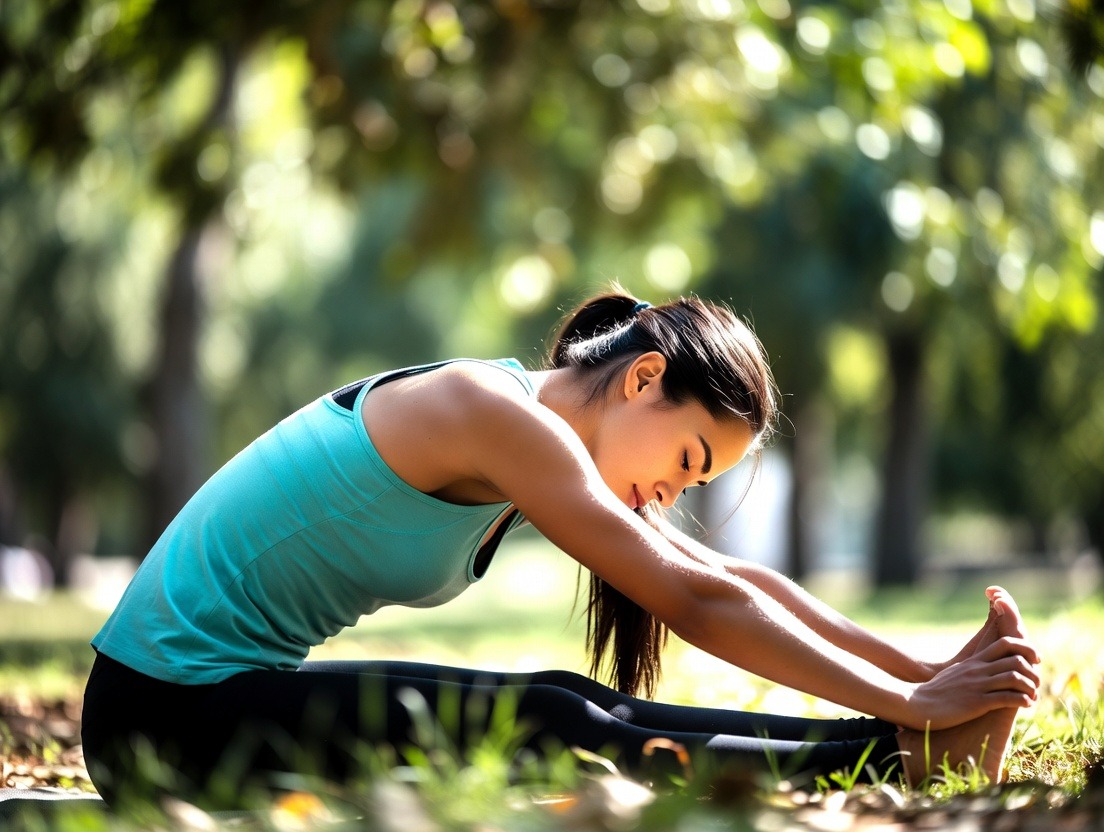
Stretching for the Traveler: Prolonged sitting—in planes, trains, and automobiles—tightens the hip flexors, shortens the hamstrings, and rounds the shoulders. Counteracting this with targeted stretching is essential for comfort and injury prevention. Focus on opening the front of the body. A simple standing chest stretch (clasping your hands behind your back and straightening your arms) can counteract slouching. A kneeling hip flexor stretch (like a lunge but with the back knee on the ground) is a powerful antidote to sitting. Anytime you have a few minutes—waiting for a tour to start, standing in line for a museum—you can subtly stretch. Roll your shoulders. Gently turn your head side to side. Circle your ankles. These micro-movements add up.
Active Sightseeing: Look for ways to make your exploration inherently active. Instead of a bus tour, take a walking tour. Instead of taking a cable car to a viewpoint, consider hiking up (if it is safe and within your fitness level). Rent a bike to explore a city. Go for a swim in the ocean or a lake. Kayak, paddleboard, or hike. When you choose active modes of exploration, you are not sacrificing sightseeing time for exercise; you are merging the two. This is the ultimate win-win.
Listening to Your Body's Data: Your wellness ring is an excellent guide for pacing your activity. In the morning, your Readiness Score will tell you if your body is primed for high exertion or if it needs gentle movement and rest. Throughout the day, you can monitor your activity levels and your stress response. If you have been walking for hours and your ring is showing high physiological stress, it might be time to find a bench in a park, sit down, and do some deep breathing for a few minutes. This is the practice of energy investment versus energy drain, using real-time feedback to make decisions that sustain your energy for the long haul.
The key takeaway is to abandon the idea of the perfect workout and embrace the concept of consistent movement. A 15-minute stretch session is infinitely better than an hour-long workout you skip entirely. A day of walking is a massive win for your health. By reframing movement as a flexible, integrated part of your day rather than a scheduled obligation, you ensure that you return from your trip not only with memories, but with maintained, or even improved, physical function.

Food is one of the great joys of travel. Sampling local cuisine, experiencing new flavors, and participating in the culinary traditions of a place are central to the experience of exploration. However, for the wellness-conscious traveler, this joy can be tinged with anxiety. How do you indulge in the local food culture without derailing your nutrition and feeling terrible by day three?
The answer lies in a framework of mindful flexibility. It is not about strict rules or deprivation. It is about making informed choices most of the time so that you can fully enjoy the indulgences some of the time without your body rebelling. The goal is to feel good while you are eating well, not just tell yourself you'll feel good about the memories later.
The 80/20 Principle: This is a powerful mental model for travel nutrition. Aim for 80% of your food choices to be aligned with your usual healthy patterns, and allow 20% for pure, unapologetic indulgence. This means that for most meals, you are seeking out vegetables, lean proteins, and whole foods. For one meal a day, or for a few meals over the course of the trip, you order the thing you truly crave, without guilt or compromise. This approach prevents the "last supper" mentality—the feeling that you must eat everything in sight because you'll never be back—which leads to overeating and discomfort. When you know you have permission to enjoy the local pastry or the rich, creamy pasta, you can savor it mindfully, rather than inhaling it frantically.
The Grocery Store Hack: One of the best-kept secrets of savvy travelers is the local grocery store or market. Within hours of arriving, make it a point to find one. This is not about skipping restaurants; it is about supplementing them. Stock up on staples that are often lacking in restaurant food: fresh fruit for snacks, nuts and seeds for energy, plain yogurt or cottage cheese for protein, pre-washed salad greens, and bottled water. Having these items in your hotel room transforms your options. You can start the day with a simple, nutritious breakfast of yogurt and fruit, saving your restaurant meals for lunch and dinner. You have healthy snacks to prevent the hanger that leads to poor food choices. You can even assemble a simple picnic lunch from market items, which is often a more authentic and enjoyable experience than a rushed cafe meal.
Navigating the Menu: When you do eat out, you are not at the mercy of the menu. You are an active participant in creating your meal. Here are some strategies:
Hydration with Meals: Remember the hydration calculus. Drink water with your meal. If you are having alcohol, have a glass of water as well. Sometimes, thirst can masquerade as hunger, leading you to eat more than you need.
Mindful Indulgence: When you do indulge, do it with full presence. If you are going to have the gelato, do not eat it while walking and looking at your phone. Sit down. Look at it. Smell it. Take a small spoonful and let it melt on your tongue. Notice the flavors and textures. By eating indulgences mindfully, you derive more pleasure from less volume. You satisfy the craving with a few perfect bites rather than a whole bowl eaten on autopilot.
Listen to Your Gut: Your digestive system is sensitive to change. New foods, different water, and altered meal times can all cause digestive upset. Pay attention to how you feel after meals. Does a particular food make you feel sluggish? Does a certain cuisine leave you bloated? This is valuable data. Your wellness ring can also provide clues here. A spike in heart rate after a meal can indicate that the body is working hard to digest something, a concept linked to how your wellness ring tracks the energy cost of different activities—yes, digestion counts as an activity! Use this feedback to guide your future choices.
Eating well on the road is not about perfection. It is about balance, awareness, and the joy of experiencing a culture through its food, without letting that food compromise your ability to enjoy the rest of the experience.
Travel is not just a physical journey; it is an emotional one. Even the most seasoned travelers, on the most idyllic trips, encounter moments of stress. A missed connection. A language barrier. A pickpocket in a crowded market. The subtle, cumulative anxiety of being in a place where you do not know the unspoken rules. These emotional stressors are not separate from your physical wellness; they are deeply intertwined. Your nervous system does not distinguish between the stress of being chased by a tiger and the stress of navigating a foreign subway system. It responds to both with the same physiological cascade: increased cortisol, elevated heart rate, shallow breathing, and tension.
If left unmanaged, this "travel stress" can accumulate, leading to burnout, irritability, and a diminished capacity to enjoy the very experiences you traveled to have. Learning to regulate your emotions on the road is not a "nice to have"; it is an essential component of energy management. It is about building a portable emotional toolkit that you can access anywhere, anytime.
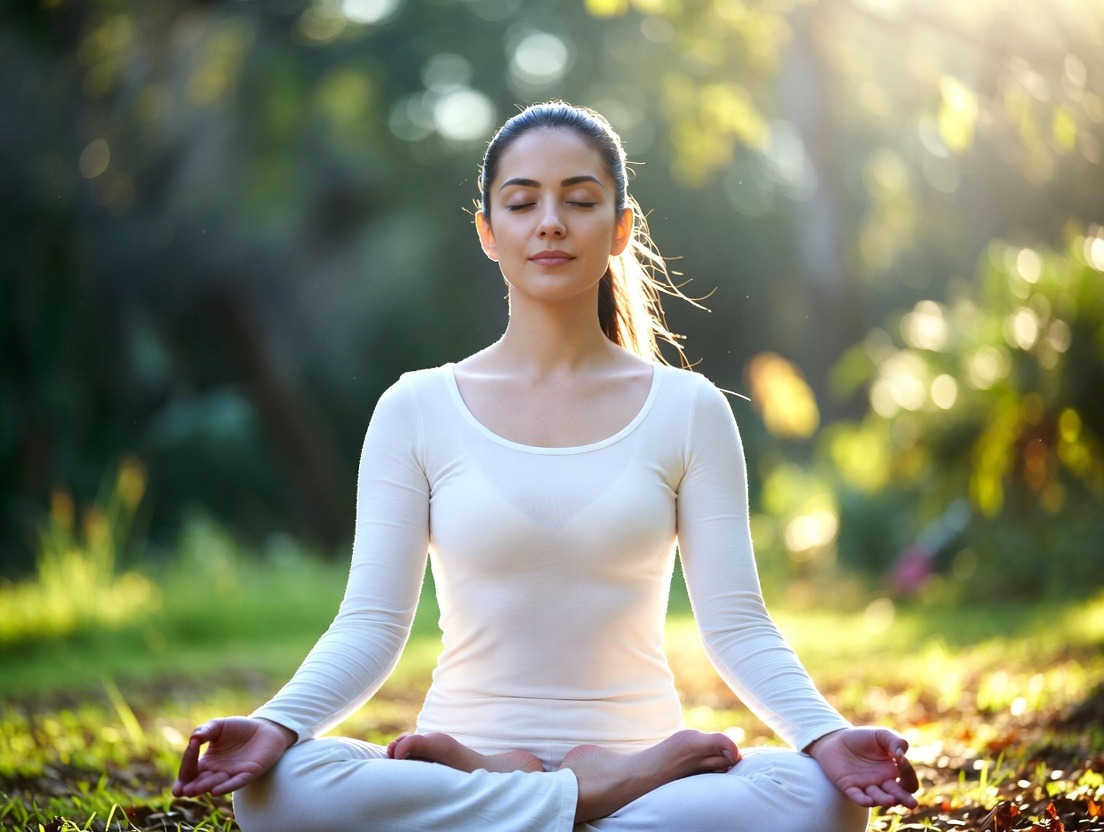
The Physiology of Calm: The most direct way to influence your emotional state is through your physiology. Your breath is the remote control for your nervous system. When you are stressed, your breathing becomes rapid and shallow, which signals to your brain that you are in danger. By consciously slowing and deepening your breath, you send the opposite signal: "All is well. We are safe." The physiological sigh—a double inhale through the nose followed by a long, extended exhale through the mouth—is a particularly effective technique for quickly reducing stress. It helps inflate the tiny air sacs in your lungs (alveoli) that can collapse under stress, maximizing oxygen exchange and triggering a parasympathetic (rest-and-digest) response. You can do this anywhere: standing in a long line, sitting on a crowded bus, or lying in bed after a frustrating day. Over time, these practices can lead to significant HRV improvements through breathwork, as tracked by your wellness ring.
Perspective Shifts: Much of travel stress comes from the gap between expectation and reality. You expected the train to be on time. It wasn't. You expected to understand the menu. You don't. You expected the museum to be empty. It's packed with tour groups. These moments are invitations to practice flexibility. Instead of meeting the frustration with more frustration, try to shift your perspective. The delayed train is an opportunity to sit and people-watch. The incomprehensible menu is a chance to be adventurous and order something random. The crowded museum is a sign that you are sharing something beautiful with many others. This cognitive reframing does not change the external event, but it changes your internal experience of it, drastically reducing its stress impact.
The Power of Pause: When you are on a packed itinerary, it can feel like you must be constantly moving, constantly seeing, constantly doing. This "fear of missing out" (FOMO) is a significant source of stress. Give yourself explicit permission to pause. Find a quiet bench in a park, a corner of a cathedral, or a cafe away from the main tourist drag. Sit for 15 minutes with no agenda. Just watch. Just breathe. These pauses are not wasted time; they are investments in your sanity. They allow your nervous system to reset, preventing the accumulation of stress throughout the day.
Social Connection as a Buffer: Travel can be lonely, even when you are with other people. Feeling disconnected or misunderstood amplifies stress. Make small efforts to connect. A smile and a "thank you" to a shopkeeper. A genuine compliment to a stranger. A conversation with a fellow traveler in a hostel common room. These micro-connections remind you that you are part of a larger human community. They are natural energy boosters from social connection that can profoundly shift your emotional state. If you are traveling with companions, check in with each other. Ask, "How are you feeling? Do you need a break?" This simple act of mutual care strengthens your bond and reduces collective stress.
Journaling for Processing: The end of a travel day is an ideal time for a brief journaling practice. You do not need to write an essay. Just jot down a few notes: What was the best moment of the day? What was the most challenging? How did I feel? This practice serves two purposes. First, it helps you process and release the day's emotions, preventing them from lingering and disrupting your sleep. Second, it creates a beautiful record of your inner journey, complementing the photos of your outer journey.
Your Ring as an Emotional Barometer: Your OxyZen ring provides objective data on your physiological stress state. By glancing at your Stress Score or your HRV trends throughout the day, you can see when your nervous system is becoming overloaded, often before you consciously realize it. If you see your stress levels creeping up, that is your cue to implement one of your emotional regulation tools. You might step outside for a few minutes of fresh air, find a quiet spot for some deep breathing, or simply decide to cut your losses and head back to the hotel for a rest. This is the essence of using your ring as a dashboard, as discussed in how to master energy level optimization using your smart ring as an energy dashboard. It gives you the data to intervene early, before stress escalates into exhaustion.
Emotional regulation is a skill, and like any skill, it improves with practice. By building these techniques into your travel days, you cultivate a sense of inner stability that allows you to weather the inevitable storms of travel with grace and resilience. You become not just a tourist passing through a landscape, but a calm, centered presence within it.
There is a puritanical streak in modern wellness culture that worships at the altar of the eight-hour, uninterrupted sleep block. Anything less is framed as failure. While deep, consolidated sleep is indeed the gold standard for restoration, this all-or-nothing mindset does travelers a profound disservice. When you are crossing time zones, sleeping in unfamiliar beds, and running on fumes after a fourteen-hour sightseeing day, the rigid pursuit of perfect sleep can become its own source of anxiety. Enter the power nap: a strategic, scientifically-backed tool for recovery that can bridge the gap between your actual sleep and your ideal sleep.
The power nap is not a sign of weakness or a concession to failure. It is a sophisticated energy management strategy employed by everyone from elite athletes to fighter pilots. When used correctly, a short nap can restore alertness, enhance cognitive function, improve mood, and even support physical recovery. However, the keyword here is correctly. A poorly timed or excessively long nap can do more harm than good, leaving you groggier than before and further disrupting your already fragile sleep architecture.
The first principle of strategic napping is timing. Your body's natural circadian rhythm creates a biphasic dip in alertness approximately 7-8 hours after you wake up. For most people, this falls in the early to mid-afternoon, roughly between 1:00 PM and 3:00 PM. This is the ideal window for a nap because it aligns with your body's natural inclination toward rest. Fighting this dip with caffeine and sheer willpower is possible, but it is also an inefficient use of your energy. Surrendering to it for a brief period can be far more restorative.
The second principle is duration. This is where the science becomes precise. Sleep occurs in stages, progressing from light sleep (N1 and N2) into deep slow-wave sleep (N3) and finally into REM sleep. Waking up during deep sleep is the culprit behind that horrible, disoriented, hung-over feeling known as sleep inertia. To avoid this, you have two optimal nap durations: the short nap and the full-cycle nap.
The Short Nap (10-20 minutes): This is the classic power nap. By keeping the nap under 20 minutes, you remain primarily in the light stages of sleep. These stages are associated with reduced muscle tension, decreased cortisol, and a general "cleaning" of the synapses in the brain. You wake up feeling refreshed, more alert, and ready to go, without any grogginess. This is the ideal nap for a quick energy boost during a travel day. You can take it in an airport lounge, on a train, or back in your hotel room before heading out for the evening.
The Full-Cycle Nap (90 minutes): A full sleep cycle lasts approximately 90 minutes. If you have the time and the environment, a 90-minute nap allows you to pass through light sleep, deep sleep, and REM sleep, waking up naturally at the end of a cycle. This type of nap is profoundly restorative and can significantly offset a night of poor sleep. However, it requires a conducive environment—a bed, darkness, and quiet—and is therefore less practical for most travel scenarios.
The Nap That Traps You (30-60 minutes): This is the danger zone. A nap of this length is long enough to descend into deep sleep but not long enough to complete the cycle. Waking up during deep sleep triggers sleep inertia, leaving you feeling worse than before you napped. If you only have 30-60 minutes, you are almost always better off with a 20-minute nap and then using the remaining time for quiet rest or meditation rather than risking the deep sleep trap.
Creating the right environment for a nap, even a short one, enhances its effectiveness. Darkness is helpful, which is why a sleep mask is an invaluable travel companion even for napping. Quiet is also beneficial; if you cannot find silence, noise-canceling headphones or earplugs can create a private auditory bubble. Temperature matters too—a slightly cool environment is most conducive to falling asleep. And if you are concerned about oversleeping, set an alarm. The peace of mind that comes from knowing you will wake up on time allows you to relax more deeply.
There is an art to the post-nap transition. When you wake, give yourself a minute. Do not jump up and immediately re-engage with the chaos. Sit up slowly. Take a few deep breaths. Drink some water. Expose your eyes to natural light as soon as possible, as this helps reset any sleep pressure and reorients your circadian rhythm to the daytime.
Your wellness ring can be an invaluable guide in mastering the art of the nap. By reviewing your sleep data, you can see how naps affect your subsequent nighttime sleep. You might discover that a 20-minute nap in the afternoon has no negative impact on your sleep quality, while a 45-minute nap consistently leads to a later bedtime and lower HRV. This is personalized data that no generic advice can provide. Furthermore, by observing your daytime stress and recovery metrics, you can learn to identify the optimal moments to nap—those times when your body is signaling a genuine need for rest rather than boredom or habit. This practice aligns with the broader philosophy of sustainable energy optimization, where you work with your body's rhythms rather than against them.
The power nap is a declaration of independence from the tyranny of a packed itinerary. It is an acknowledgment that you are a human being, not a sightseeing machine. By honoring your need for rest, you actually enhance your capacity for experience. A refreshed, alert traveler sees more, feels more, and remembers more than an exhausted one running on fumes and caffeine.
We carry the world in our pockets. Smartphones, tablets, and laptops keep us connected to work, to news, to social media, and to the relentless demands of the digital sphere. While this connectivity can be useful for navigation, translation, and sharing memories, it also poses a significant threat to the core purpose of travel: presence. When you are physically in a stunning location but mentally scrolling through an Instagram feed, you are not truly there. You are a ghost haunting your own vacation.
The constant pings, notifications, and the bottomless scroll are not neutral. They are designed to capture and hold your attention, and they do so by triggering dopamine hits that keep you coming back for more. This digital noise elevates your baseline stress levels, fragments your attention, and robs you of the deep, immersive experiences that make travel meaningful. For the wellness-conscious traveler, establishing firm digital boundaries is not a luxury; it is a necessity for mental and emotional well-being.
The first step is a pre-trip digital audit. Before you leave, go through your phone and ruthlessly cull. Turn off all non-essential notifications. Do you really need to know that someone liked your photo from three years ago? Do you need push alerts from news apps? Do you need email notifications for every single message? The answer is almost certainly no. Strip your phone down to its functional essentials: communication with travel companions, maps, translation, camera, and perhaps a music or podcast app. Turn everything else off. This simple act reduces the number of times your attention is hijacked each day from dozens to a precious few.
Next, establish clear communication protocols with work and family. If you are traveling for leisure, set an out-of-office reply and mean it. Inform your colleagues that you will be unreachable. If you must check in periodically, designate specific times for it—perhaps 30 minutes in the morning—and stick to them. Do not let work bleed into every free moment of your day. The mental energy spent on work emails is energy that is not available for exploration, connection, or rest. This is a classic example of energy investment versus energy drain, and unchecked digital connectivity is one of the most insidious drains of the modern era.
Create phone-free zones and times. Perhaps meals are a sacred, screen-free time. When you sit down to eat, the phone goes in your pocket or bag, not on the table. This allows you to fully taste your food and engage with your companions. Perhaps your hotel room becomes a phone-free zone after a certain hour. Charge your phone in the bathroom or across the room, not on your nightstand. This eliminates the temptation to scroll before sleep—a practice disastrous for sleep quality due to the blue light suppressing melatonin and the stimulating content activating your brain.
Embrace the power of the digital camera. There is a strange phenomenon where we experience events through the lens of our phone, more concerned with capturing the perfect shot for later consumption than with actually being present. Try this experiment: for one full day, leave your phone in your pocket or bag and use a simple digital camera or even just commit your memories to your mind. Notice how differently you see things. Without the mediating screen, you look more deeply. You notice details. You feel the sun on your skin and hear the sounds of the city. You are participating in your life rather than documenting it for an audience.
This is not to say that photography is bad. It is a beautiful way to preserve memories. But there is a difference between taking a few intentional photos and endlessly snapping, checking, and posting. When you do take photos, take them for yourself, not for likes. And then put the phone away.
Consider a social media fast for the duration of your trip. Announce that you will be offline. The world will not end. The FOMO (fear of missing out) you feel will be replaced by JOMO (joy of missing out)—the profound relief of not having to keep up with the digital lives of hundreds of acquaintances while you are busy living your own actual life. When you return, you can share your stories and photos then, with the richness of someone who was fully present for the experience.
Your wellness ring offers a unique perspective on this digital detox. By comparing your stress and recovery data on days when you are glued to your phone versus days when you are disconnected, you may see a stark contrast. HRV tends to be higher on low-phone days. Resting heart rate may be lower. Sleep quality often improves. This objective data can be incredibly motivating, reinforcing the value of digital boundaries. It provides evidence for what you intuitively know: that natural energy boosters from nature are far more potent when you are not simultaneously plugged into the matrix.
Protecting your mental space while traveling is an act of rebellion against an attention economy that profits from your distraction. It is a conscious choice to inhabit your life fully, to be where your feet are, and to let the experience of a new place soak into your bones rather than skimming across the surface of a screen.
Your Trusted Sleep Advocate: Sleep Foundation — https://www.sleepfoundation.org
Discover a digital archive of scholarly articles: NIH — https://www.ncbi.nlm.nih.gov/
39 million citations for biomedical literature :PubMed — https://pubmed.ncbi.nlm.nih.gov/
Experts at Harvard Health Publishing covering a variety of health topics — https://www.health.harvard.edu/blog/
Every life deserves world class care :Cleveland Clinic - https://my.clevelandclinic.org/health
Wearable technology and the future of predictive health monitoring :MIT Technology Review — https://www.technologyreview.com/
Dedicated to the well-being of all people and guided by science :World Health Organization — https://www.who.int/news-room/
Psychological science and knowledge to benefit society and improve lives. :APA — https://www.apa.org/monitor/
Cutting-edge insights on human longevity and peak performance:
Lifespan Research — https://www.lifespan.io/
Global authority on exercise physiology, sports performance, and human recovery:
American College of Sports Medicine — https://www.acsm.org/
Neuroscience-driven guidance for better focus, sleep, and mental clarity:
Stanford Human Performance Lab — https://humanperformance.stanford.edu/
Evidence-based psychology and mind–body wellness resources:
Mayo Clinic — https://www.mayoclinic.org/healthy-lifestyle/
Data-backed research on emotional wellbeing, stress biology, and resilience:
American Institute of Stress — https://www.stress.org/


