


Natural Energy Boosters From Nature: What Your Wellness Ring Detects
The energy benefits of spending time in nature, detected by your ring.
The energy benefits of spending time in nature, detected by your ring.
%402x.svg)
You wake up. The alarm is a dull roar, and the weight of the day already feels heavy on your chest. You reach for the coffee maker, then maybe an afternoon sugar fix, riding waves of artificial energy that inevitably crash, leaving you more depleted than before. This cycle of stimulant and slump is the modern energy crisis—a personal power grid constantly on the brink of brownout.
But what if your energy wasn't so elusive? What if, instead of being something you consume from a cup or a can, it was something you cultivate from within, a renewable resource flowing naturally from your biology? The ancient wisdom of nature and the cutting-edge science of biometrics are converging to reveal this exact truth: sustainable, vibrant energy is your body's default state, waiting to be unlocked.
Enter the smart wellness ring, a silent sentinel on your finger. This unassuming device does more than count steps; it deciphers the intimate language of your physiology. It measures the subtle rhythms of your heart, the depth of your sleep, the cadence of your recovery, and the quiet hum of your stress. It translates the complex data of your well-being into a clear narrative, showing you in real-time how your body truly responds to the world.
This article is your guide to moving from energy borrowing to energy generation. We will explore the most potent, research-backed natural energy boosters derived from timeless traditions and validated by modern science. More importantly, we'll decode exactly how a tool like a wellness ring detects their profound impact. You'll learn not just what to do, but how to know it's working—seeing the tangible proof in your own biometric data. From the sunlight in your eyes at dawn to the plants on your plate and the rhythm of your breath, we will map the path to a self-sustaining energy source, monitored and optimized by the most personal piece of technology you'll ever wear.
We live in an era of unprecedented energy obsession, yet chronic fatigue is a pervasive epidemic. The Global Burden of Disease Study consistently highlights low energy and fatigue as leading factors reducing quality of life for millions. We spend billions on caffeine, energy drinks, and quick-carb snacks, creating a vicious cycle that our ancestors never faced. This is the modern energy paradox: surrounded by more stimulants than ever, our natural vitality is declining.
The problem isn't a lack of fuel, but a systemic short-circuiting of our mitochondrial power plants and hormonal regulatory systems. Artificial energy sources like refined sugar and caffeine work through biological brute force. Sugar causes a rapid spike in blood glucose, prompting a massive insulin response that often leads to a reactive hypoglycemic crash—leaving you more tired than before. Caffeine, an adenosine receptor antagonist, blocks the neurotransmitters that signal fatigue without addressing the underlying need for cellular recovery. It’s like putting a piece of tape over a "Check Engine" light; the warning is silenced, but the engine continues to degrade.
The long-term cost is a state of adrenal dysregulation and metabolic inflexibility. Your body forgets how to efficiently burn its own stored fat for fuel and becomes reliant on constant external glucose hits. Cortisol, your primary stress and energy-mobilizing hormone, loses its healthy diurnal rhythm, often leading to afternoon slumps and wired-but-tired evenings. This state creates a pervasive, low-grade fatigue that no amount of espresso can cure.
This is where objective data becomes revolutionary. Relying on subjective feelings ("I feel tired") is unreliable in this dysregulated state. You might be stimulated but not truly energized. A wellness ring cuts through this confusion by tracking proxy markers for your energy systems. For instance, a consistently elevated resting heart rate (RHR) or low heart rate variability (HRV) can be your body's first whistle-blowers, signaling systemic stress and inefficient energy production long before you consciously register profound exhaustion. By observing how a double espresso spikes your heart rate for hours or how a sugary lunch decimates your HRV, you move from guesswork to knowledge. This data provides the undeniable motivation to seek out gentler, more sustainable sources of power from the natural world.
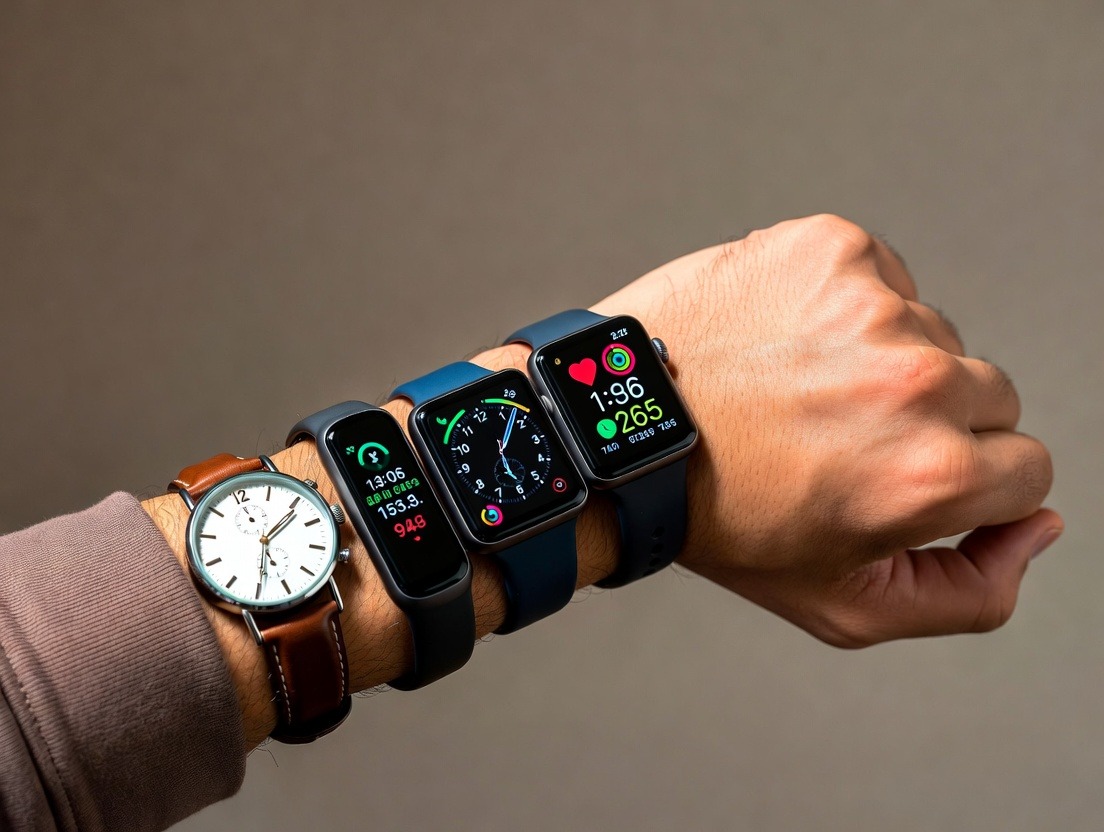
Before the first sip of coffee, the most powerful energy regulator of your day is already at work: the sun. Natural light exposure, particularly in the morning, is not merely about illumination; it is the master Zeitgeber (German for "time-giver") that synchronizes your central circadian clock in the brain's suprachiasmatic nucleus (SCN). This synchronization is the absolute bedrock of natural energy.
Here’s how it works: When specific wavelengths of blue-rich morning sunlight hit photosensitive cells in your retina, they signal the SCN to halt the production of melatonin (the sleep hormone) and trigger a cascade of cortisol. This is a healthy, gentle cortisol pulse—nature's perfect wake-up call—that boosts alertness, sets your body temperature on its upward daytime trajectory, and primes your metabolism for activity. It effectively tells every cell in your body, "It's day; time for energy production." A study in Sleep Health journal demonstrated that individuals receiving bright light exposure within two hours of waking reported significantly higher energy levels and better sleep quality compared to controls.
The wellness ring translates this biological symphony into tangible data. The most immediate readout is in your sleep score and daytime readiness metrics. Consistent morning light exposure helps stabilize your circadian rhythm, which your ring detects as:
Furthermore, your ring can help you experiment. Try a week of getting 10-15 minutes of outdoor morning light (without sunglasses) and note the trends in your sleep stability and resting heart rate. Then, contrast it with a week of waking in dim indoor light. The data will likely tell a compelling story of sunlight as your foundational energy non-negotiable. For a deeper dive into creating a sleep-optimized routine, our guide on building a daily health optimization routine for better sleep offers actionable strategies.
The fitness industry often sells energy through the lens of intense, sweat-drenched exertion. While structured exercise is crucial, the most overlooked natural energy booster is the background hum of movement throughout your day: Non-Exercise Activity Thermogenesis (NEAT). NEAT encompasses all the calories you burn through everything that isn't sleeping, eating, or sports-like exercise—walking, typing, gardening, fidgeting, and standing.
Increasing NEAT is arguably more effective for sustaining daily energy than a single workout. It acts as a perpetual motion machine for your metabolism and circulation. Gentle, frequent movement promotes lymphatic drainage, clears metabolic waste from muscles, enhances insulin sensitivity (stabilizing blood sugar), and prevents the postural stagnation that leads to stiffness and brain fog. It keeps the energy flowing.
Your wellness ring is an exceptional NEAT tracker. While it monitors dedicated workouts, its genius lies in capturing your all-day movement ecology. It quantifies what you intuitively feel:
The data connection to energy is direct. On days with high NEAT, you'll often notice:
This aligns perfectly with a philosophy of daily health optimization through movement quality over quantity. It’s not about punishing gym sessions but about weaving a tapestry of natural movement into your life. Watching your NEAT metrics rise is a direct visualization of you building a more energetic, resilient physiology.
Beyond macronutrients, plants contain a potent arsenal of bioactive compounds called phytochemicals—nature's own molecular defense systems that, when consumed, become our allies in energy production. These aren't just antioxidants; they are specific signaling molecules that upregulate mitochondrial biogenesis (the creation of new cellular power plants) and enhance the efficiency of the electron transport chain (where ATP, your cellular energy currency, is produced).
Let's highlight three powerhouse categories your wellness ring can help you "see":
So, how does your ring detect the effect of a phytochemical-rich diet? The primary channel is Heart Rate Variability (HRV) and Resting Heart Rate (RHR). When you begin consistently incorporating these plants, you may observe:
It becomes a feedback loop: you eat to support your mitochondria, and your ring validates the effort, encouraging further dietary refinement. This is a core component of a daily health optimization strategy for cognitive performance, as the brain is one of the most mitochondria-dense and energy-demanding organs in your body.
Water is the medium in which every single energy-producing biochemical reaction in your body takes place. Even mild dehydration—as little as 1-2% loss of body mass—can impair cognitive function, mood, and physical endurance. But it's not just about H2O. Electrolytes—sodium, potassium, magnesium, and calcium—are the charged particles that maintain the delicate electrical gradients across cell membranes. This gradient is fundamental for nerve impulses, muscle contractions, and, crucially, for the final step of mitochondrial ATP production.
Think of your body as a hydroelectric dam. Water is the river (hydration), but the electrolytes are the turbines and generators that convert that flow into usable electricity (cellular energy). Without the proper balance, the river flows, but the lights stay dim.
Your wellness ring provides surprisingly insightful proxies for hydration status:
An interesting experiment tracked by a ring is observing the impact of a large glass of water with a pinch of sea salt upon waking. Many users see a stabilizing effect on their morning HRV and a mitigation of the natural morning cortisol spike compared to waking dehydrated. This simple act of priming your hydration sets the stage for stable energy. The complex interplay of fluid intake, temperature, and performance is explored in our article on daily health optimization and the hydration-temperature factor.
Breath is the only autonomic function you can easily consciously control, making it a direct remote control for your energy state. Different breathing patterns send immediate signals to your brainstem, altering the balance of your autonomic nervous system (ANS). Shallow, rapid chest breathing (common during stress) stimulates the sympathetic "fight-or-flight" response, burning energy reserves. In contrast, slow, deep, diaphragmatic breathing stimulates the parasympathetic "rest-and-digest" response, promoting recovery and efficient energy use.
Specific breathwork techniques can be used as direct, on-demand energy tools:
Your wellness ring provides real-time, visual proof of breathwork's power. During a 5-minute session of deep, slow breathing (e.g., 5-second inhale, 5-second exhale), you can literally watch on the device's paired app as:
The concept of hormesis—where a small, acute dose of stress makes an organism stronger—is perfectly exemplified by deliberate cold exposure. A brief cold shower or immersion triggers a massive, systemic response designed to generate heat and protect core function. This response, while initially taxing, trains your body to produce energy more robustly.
The energy benefits are multi-faceted:
Your wellness ring captures the profound and lasting impact of cold exposure like few other interventions. Key biometric signatures include:
By viewing the cold not as a punishment but as a training tool for your nervous and metabolic systems, and by using your ring to track its positive after-effects, you turn a brief discomfort into a long-term energy investment.

Humans have an innate biological connection to nature—a concept termed "biophilia." Two practices, Forest Bathing (Shinrin-Yoku) and Grounding (Earthing), tap directly into this connection to reduce the energy drain of modern living.
Forest Bathing is the mindful immersion in a forest atmosphere. It's not hiking for exercise; it's slow, sensory engagement. The science, pioneered in Japan, shows that phytoncides—aromatic volatile compounds released by trees—increase human Natural Killer (NK) cell activity, reduce stress hormones like cortisol, and lower blood pressure. It’s a full sensory reset from the overstimulating digital world.
Grounding involves direct skin contact (usually feet) with the Earth's surface. The theory posits that the Earth's subtle negative electrical charge can neutralize free radicals (positively charged inflammatory molecules) in the body, reducing inflammation and normalizing cortisol rhythms.
Your wellness ring quantifies this "resetting" effect beautifully. After even 60-90 minutes of forest bathing or grounding, you are likely to see:
The data validates the profound, body-wide relaxation that subjectively feels like a "weight being lifted." This energetic unburdening is a critical, often missing piece in urban dwellers' health. It demonstrates that energy isn't just something you add; it's also something you recover by removing the chronic, low-grade stressors of disconnection from our natural environment.
When you eat can be as energetically important as what you eat. Your body's metabolic processes, hormone secretion, and cellular repair follow a strong circadian rhythm. Aligning your food intake with these rhythms—known as chrononutrition—can dramatically improve energy levels.
Intermittent fasting or time-restricted eating (TRE), such as confining eating to an 8-10 hour window, leverages this principle. It gives your digestive system a prolonged rest, improves insulin sensitivity, and may stimulate autophagy—the cellular "cleanup" process that removes damaged components, making your cells more efficient.
Your wellness ring is the perfect tool to personalize nutrient timing. It answers the critical question: "Is this eating schedule working for my body?" Monitor these data points:
This data-driven approach moves you beyond generic diet rules and into a personalized daily health optimization strategy focused on nutrition timing and quality that your own physiology confirms.
Neurologically, loneliness and chronic negative emotion are metabolically expensive. Social threat activates the same primal neural pathways as physical threat, triggering cortisol release and inflammatory responses that drain energy. Conversely, genuine social connection, laughter, and feelings of love or gratitude release a cocktail of neurochemicals like oxytocin, serotonin, and endorphins. These chemicals promote feelings of safety, reduce stress hormone production, and can have an analgesic, energizing effect.
Positive social engagement isn't a luxury; it's a maintenance function for your nervous system. It signals "safety" to your brain, allowing it to divert resources from hyper-vigilance to growth, repair, and creative energy.
While a ring can't measure oxytocin, it captures the profound downstream physiological effects of your emotional state:
By paying attention to these biometric patterns, you are encouraged to prioritize meaningful connection not as a calendar filler, but as a legitimate, data-backed energy session. This makes a powerful case for including the social and emotional dimension in your daily health optimization practice.
We've explored ten powerful natural energy levers, each playing a distinct note. But true, self-sustaining vitality isn't achieved by playing one note loudly; it's the harmonious symphony they create together. Your wellness ring is the conductor's score, showing you how each section of your biological orchestra is performing.
Think of it this way: A perfect morning of sunlight and movement (Notes 1 & 2) can be undermined by poor hydration and a stressful lunch (Notes 5 & 10). The energizing effects of phytochemicals (Note 4) are best realized on a foundation of good sleep (influenced by Notes 1, 3, 6, 7, 8 & 9). Cold exposure (Note 7) is a powerful stressor whose benefits—visible in HRV recovery—are only fully captured if your body has the resources to adapt, which comes from nutrition, sleep, and social calm.
This is the integrative power of data. You move from a scattergun approach to a strategic, iterative practice. Your daily routine becomes an experiment of one:
This process transforms health from a guessing game into a personalized engineering project. It builds a resilient, adaptive physiology capable of generating energy from within, regardless of external demands. This is the ultimate goal: not just to fight fatigue, but to cultivate a state of enduring vigor where your biometric data consistently reflects the calm, strong rhythm of a body in its natural power zone. To begin this journey of building a resilient system, our guide on building a sustainable daily health optimization practice offers a foundational framework.
We've explored ten powerful natural energy levers, each playing a distinct note. But true, self-sustaining vitality isn't achieved by playing one note loudly; it's the harmonious symphony they create together. Your wellness ring is the conductor's score, showing you how each section of your biological orchestra is performing.
Think of it this way: A perfect morning of sunlight and movement can be undermined by poor hydration and a stressful lunch. The energizing effects of phytochemicals are best realized on a foundation of good sleep, influenced by your circadian rhythm, movement, breathwork, and connection to nature. Cold exposure is a powerful hormetic stressor whose benefits—visible in HRV recovery—are only fully captured if your body has the resources to adapt, which comes from nutrition, sleep, and social calm.
This is the integrative power of data. You move from a scattergun approach to a strategic, iterative practice. Your daily routine becomes an experiment of one:
For instance, your ring might reveal that your HRV is highest on days you practice forest bathing, but your deep sleep is still low. This clues you into a separate, sleep-specific issue, perhaps related to late-night screen time or meal timing. The ring doesn't give you the answer, but it pinpointedly asks the right question. This process transforms health from a guessing game into a personalized engineering project, building a resilient, adaptive physiology capable of generating energy from within. This is the essence of learning to build a sustainable daily health optimization practice—one that evolves with you.
Armed with the knowledge of natural boosters and their biometric signatures, you now graduate from passive tracking to active protocol design. Your wellness ring transitions from a reporter to a personal lab assistant, enabling you to create a finely-tuned, self-optimizing energy system. This is where the true magic happens: moving from general principles to a personalized energy blueprint.
The first step is establishing your biometric baseline. For 1-2 weeks, live your "normal" life while consistently wearing your ring. Don't try to change anything yet. The goal is to collect honest data on your current sleep, resting heart rate, HRV, and activity patterns. This baseline is your neutral reference point—the "before" picture against which all future experiments will be measured.
Next, embark on single-variable testing. Choose one natural booster from our list and implement it with consistency for 7-10 days while holding other lifestyle factors as stable as possible. For example:
The key is patience and singular focus. Your ring's data will show you the magnitude and timing of your body's unique response. Perhaps cold exposure boosts your HRV dramatically but only if you do it before 10 a.m. Maybe morning light improves your sleep latency but only if paired with an earlier digital sunset. These nuanced insights are gold.
Finally, you begin stacking and sequencing. Once you understand how individual levers affect you, you can design daily and weekly protocols. Your ring validates the synergy. You might create a "High-Energy Day" protocol: morning sun + cold plunge + mitochondrial-supporting breakfast, and see if your readiness score soars to a 90+. Conversely, you might design a "Deep Recovery Night" sequence: forest walk + magnesium-rich dinner + 4-7-8 breathing before bed, and observe your deep sleep reach new peaks. This iterative, data-informed self-experimentation is the most advanced form of self-care, turning your life into a continuous optimization loop where your ring validates your daily health optimization efforts in real-time.

The pursuit of natural energy is not a superficial goal. The very biomarkers your wellness ring monitors as indicators of daily vitality—HRV, resting heart rate, sleep architecture, recovery scores—are also powerful predictors of long-term health, disease risk, and aging, a concept known as "healthspan." By optimizing for daily energy, you are inadvertently and powerfully optimizing for a longer, healthier life.
Let's connect the dots:
Therefore, the ring provides a profound reframe: Your daily energy level is your real-time healthspan dashboard. A low-energy day marked by poor sleep, high RHR, and low HRV isn't just a "bad day"—it's a snapshot of accelerated biological aging. Conversely, a high-energy day with optimal metrics is a snapshot of a physiology that is resilient, repaired, and thriving. This makes the pursuit of natural energy not an act of vanity, but of profound preventative medicine. It aligns perfectly with a daily health optimization strategy focused on inflammation control, as chronic inflammation is the common thread linking low energy to nearly every age-related disease.
To see these principles in action, consider the story of "Elena," a 42-year-old software developer who came to us describing classic modern energy paradox symptoms: reliant on four coffees daily, experiencing a 3 p.m. crash requiring sugar, suffering from "wired but tired" insomnia, and feeling perpetually drained.
Baseline (Weeks 1-2): Her ring data painted a clear picture: a resting heart rate averaging 72 bpm, a low HRV average of 32 ms, a highly irregular sleep schedule with only 45 minutes of deep sleep per night, and a readiness score rarely above 65. Her activity graph showed long sedentary periods punctuated by occasional intense workouts.
Phase 1: Foundation (Weeks 3-6): We started with three non-negotiable practices, tracked meticulously by her ring.
Phase 2: Strategic Intervention (Weeks 7-12): With a better foundation, we introduced targeted boosters.
Phase 3: Hormetic Stress & Refinement (Weeks 13-18):
The Outcome: At her 6-month check-in, Elena's subjective report was "I have energy like I did in my 20s, but it's calmer." Her objective ring data told the scientific story: RHR: 60 bpm (↓12), HRV Avg: 55 ms (↑23), Deep Sleep: 85 min/night (↑40 min), Readiness Score Avg: 85. She was down to one morning coffee by choice. Her ring didn't just track this transformation; it guided every step, providing irrefutable proof that the natural protocols were working, which fueled her adherence. Her journey is a perfect example of how to use daily health optimization to achieve any wellness goal, with data as your guide.
The narrative around natural health can sometimes become overly simplistic: "Sunlight is good. Cold plunges are good." However, biology is about context, dose, and individual predisposition. More is not always better, and a booster for one person can be a stressor for another. This is where the wisdom of your wellness ring is paramount—it helps you identify when a well-intentioned practice is backfiring, preventing you from veering into the realm of orthorexia or compulsive biohacking.
Here are key pitfalls your ring can help you detect:
1. Overtraining via "Healthy" Movement: You embrace natural movement and NEAT, but then add daily intense yoga, long hikes, and heavy gardening. Subjectively, you feel virtuous. But your ring shows a sustained elevation in resting heart rate, a plummeting HRV trend, and increasingly poor sleep scores. This is classic overreaching. Your ring's recovery metric is flashing red, telling you that your "energy" activities are exceeding your body's current recovery capacity. The solution may be to dial back intensity or frequency, using the ring to find your personal sweet spot for movement quality over quantity.
2. Circadian Disruption from Poorly Timed Practices: You read that cold exposure is energizing, so you start taking cold showers at 9 p.m. to "boost recovery." Instead of sleeping better, your sleep graph shows increased latency and restlessness. Your ring reveals your heart rate remains elevated for hours after the shower. The data indicates the sympathetic surge was too close to bedtime, disrupting your wind-down. The fix is simple: move the cold exposure to the morning.
3. Nutrient Timing That Undermines Sleep: You adopt a time-restricted eating window, but due to a busy schedule, your large, protein-rich dinner is at 9 p.m. You're sticking to the "fasting" rule, but your ring shows a high nighttime heart rate and reduced deep sleep. Your body is spending energy on digestion, not repair. The data suggests you need to prioritize meal timing for sleep, even if it slightly shortens your fast.
4. The "Stress of Perfection": You meticulously hit every booster: exact sunrise viewing, perfect cold plunge, impeccable diet, mandatory breathwork sessions. Yet, your HRV is stagnant or dropping. Your ring might be detecting the subtle but chronic stress of rigidity and performance anxiety around health. The practice has become a stressor, not a release. The insight here is to introduce flexibility, to sometimes skip a practice intentionally, and observe if your HRV improves with a more relaxed approach.
Your ring provides the objective counterpoint to subjective ambition. It answers the critical question: "Is this actually serving my system's balance?" By learning to listen to this data, you avoid the trap of dogmatic health practices and cultivate a truly intuitive, responsive relationship with your body.
The current generation of wellness rings, with their focus on HRV, RHR, sleep, and activity, provides an incredibly rich picture of our energy systems. But the frontier of wearable biometrics is rapidly expanding, promising an even deeper, more granular understanding of our natural energy production. Here’s a glimpse at the biomarkers on the horizon and what they will reveal about the boosters we’ve discussed.
1. Continuous Glucose Monitoring (CGM) Integration: While currently a separate sensor, the integration of CGM data with ring data will be revolutionary for energy management. Imagine seeing not just that your HRV dropped after lunch, but seeing the exact blood glucose spike that caused it. You could precisely test which natural foods—a sweet potato vs. brown rice, berries vs. a banana—provide the most sustained energy for your unique metabolism without causing inflammatory crashes. This would take nutrition timing and quality optimization to a surgical level.
2. Skin Temperature & Peripheral Circulation: More advanced temperature sensing will move beyond inferring trends to precise measurement. This will directly illuminate practices like cold exposure (tracking the rate of rewarming) and circadian health (seeing the amplitude of your daily temperature rhythm). It could also detect the localized inflammation from an injury or the poor circulation that leads to cold hands and feet—a common symptom of low energy and metabolic slowdown.
3. Electrodermal Activity (EDA) for Subtle Stress: EDA measures tiny changes in the skin's sweat gland activity, a direct indicator of sympathetic nervous system arousal. Future rings with robust EDA will detect micro-stresses throughout your day that drain energy but fly under the radar of heart rate. You'll see the physiological impact of a frustrating email, a tense conversation, or even exciting overstimulation. This will make the benefits of forest bathing, breathwork, and positive social connection even more starkly visible.
4. Blood Oxygen (SpO2) Dynamics: While many rings now measure overnight SpO2, future analysis will look at dynamics—how quickly your oxygen levels recover after a brief breath hold (a proxy for cardiopulmonary efficiency) or how they fluctuate during different sleep stages. This could indicate how well practices like aerobic movement and diaphragmatic breathing are improving your fundamental oxygen utilization, the bedrock of mitochondrial energy production.
5. HRV Frequency Domain Analysis: Most consumer devices show time-domain HRV (e.g., RMSSD). Advanced frequency-domain analysis breaks HRV into specific bands (Very Low, Low, High Frequency), which can more precisely indicate sympathetic vs. parasympathetic balance, thermoregulatory effort, and even hormonal influences. This could help tailor interventions specifically for hormonal balance or pinpoint the type of stress affecting you.
With these tools, the feedback loop will tighten exponentially. You won't just know that a walk in the forest improved your recovery; you'll see the exact reduction in sympathetic arousal (EDA) and the improvement in your glucose stability for hours afterward. This hyper-personalized map will make cultivating natural energy a precise, effortless, and deeply informed science.
Knowledge is powerless without action. This section transforms everything we've covered into a concrete, actionable 90-day plan to build your personal energy blueprint, guided by the data from your wellness ring. This is not about a radical overnight overhaul, but about strategic, incremental upgrades that compound.
Phase 1: The Observation Month (Days 1-30)
Phase 2: The Foundation Focus (Days 31-60)
Phase 3: The Optimization & Stacking Phase (Days 61-90)
The Ongoing Practice: The Biofeedback Loop
By Day 90, you will have moved from a passive tracker to an active operator. Your daily review of your ring's readiness score and sleep data will inform your day: a lower score may prompt you to prioritize gentle movement and hydration, while a high score might indicate it's a good day for a challenging workout or a deep work session. Your ring reveals daily health optimization opportunities in real-time, allowing you to adapt dynamically. This blueprint isn't a rigid program; it's a living system that you and your biometric data co-create, leading to a state of effortless, sustained vitality.

The final, and perhaps most profound, transformation facilitated by this journey with natural boosters and biometric feedback is not physical, but psychological. It requires a fundamental mindset shift: moving from seeing yourself as an energy consumer to an energy cultivator.
The Consumer Mindset is the default in our modern world. Energy is seen as a commodity you acquire from external sources: coffee, energy drinks, sugar, maybe even stimulant-based supplements. When you're depleted, you "buy" more. This mindset creates a passive, dependent relationship with your own vitality. It's transactional and fundamentally insecure, leading to anxiety when your "supply" runs low.
The Cultivator Mindset, in contrast, is rooted in agency and trust. You understand that vibrant energy is the natural byproduct of a healthy, well-tended human system. You see yourself as a gardener of your own physiology. The natural boosters are your tools—sunlight, water, nutrient-dense food, movement, rest—and your wellness ring is your soil tester and moisture meter, giving you precise feedback on the conditions.
This shift changes everything:
This cultivator mindset, supported by the unwavering truth of your biometric data, leads to a deep sense of empowerment and calm. You are no longer at the mercy of the energy market. You have become the source. This is the ultimate promise of merging ancient natural wisdom with modern biometric technology: not just a boost, but a revolution in how you inhabit your own life force.
The final, and perhaps most profound, transformation facilitated by this journey with natural boosters and biometric feedback is not physical, but psychological. It requires a fundamental mindset shift: moving from seeing yourself as an energy consumer to an energy cultivator.
The Consumer Mindset is the default in our modern world. Energy is seen as a commodity you acquire from external sources: coffee, energy drinks, sugar, maybe even stimulant-based supplements. When you're depleted, you "buy" more. This mindset creates a passive, dependent relationship with your own vitality. It's transactional and fundamentally insecure, leading to anxiety when your "supply" runs low.
The Cultivator Mindset, in contrast, is rooted in agency and trust. You understand that vibrant energy is the natural byproduct of a healthy, well-tended human system. You see yourself as a gardener of your own physiology. The natural boosters are your tools—sunlight, water, nutrient-dense food, movement, rest—and your wellness ring is your soil tester and moisture meter, giving you precise feedback on the conditions.
This shift changes everything:
This cultivator mindset, supported by the unwavering truth of your biometric data, leads to a deep sense of empowerment and calm. You are no longer at the mercy of the energy market. You have become the source. This is the ultimate promise of merging ancient natural wisdom with modern biometric technology: not just a boost, but a revolution in how you inhabit your own life force.
Our exploration has focused intensely on the individual: your body, your data, your practices. However, human beings are not isolated systems; we are deeply embedded in social and environmental networks that profoundly influence our energy levels. The cultivator mindset extends beyond your personal garden to the entire ecosystem you inhabit. Your wellness ring can even begin to detect the impact of this wider web.
The Contagion of Energy States: Emotions and physiological states are subtly contagious, a phenomenon underpinned by mirror neurons and behavioral synchrony. Spending time with chronically stressed, negative individuals can unconsciously elevate your own cortisol and lower your HRV. Conversely, being part of a positive, vital community—where members encourage movement, share healthy food, and prioritize recovery—creates a supportive energetic field. Your ring data may show higher average HRV and better sleep on days after positive social interactions or group activities like team sports or community hiking.
Environmental Energy Drainers and Boosters: Your physical environment is a constant dialogue with your nervous system. Chronic noise pollution, harsh artificial lighting (especially at night), and air pollution are invisible energy taxes. They trigger low-grade stress responses, increase systemic inflammation, and disrupt circadian biology. Your ring quantifies this toll through elevated nighttime heart rate, reduced HRV, and poor sleep scores. Conversely, environments rich in natural elements—green spaces, natural light, clean air—provide the "passive recovery" we discussed in forest bathing. They lower the background stress load, freeing up energy for other functions. This is why a daily health optimization routine must adapt to your life, including your environment—perhaps prompting you to use blackout curtains, an air purifier, or noise-canceling headphones to curate a more energetically supportive space.
Accountability and Shared Discovery: When you share your journey with a partner, friend, or community, the data from your ring becomes a powerful social tool. Couples who sync their wearables can see how their sleep cycles influence each other or how a shared stressful event impacts both their recoveries. A fitness group can move beyond just comparing workouts to comparing who achieved the best sleep after a hard session, fostering a culture that prizes recovery as much as exertion. This shared focus on the metrics of vitality reinforces positive habits and makes the journey more engaging. It transforms health from a solitary pursuit into a connected, communal exploration, where your ring helps you contribute to and benefit from the collective energy of your tribe.
We stand on the brink of a third wave in wellness technology. The first wave was tracking (steps, sleep). The second wave is insight (HRV, readiness, recovery). The third wave is prescription—where artificial intelligence, layered atop deep biometric and personal data, generates hyper-personalized, dynamic recommendations to optimize your energy in real-time.
AI as Your Personal Energy Coach: Imagine an AI that doesn't just show you your low HRV, but analyzes the past 72 hours of your data—sleep, activity, stress, nutrition log—and says: "Your recovery capacity is down 40%. The primary correlate is your cumulative sleep debt over the past three nights. Today's recommendation: Prioritize a 20-minute nap before 3 p.m., limit caffeine after 12 p.m., and perform only gentle movement. Your scheduled workout is postponed until your readiness score returns to >80." This system learns your unique patterns: how long it takes you to recover from alcohol, the optimal time of day for your hardest work, which phytochemical supplements your body seems to respond to best. It turns the ring from a dashboard into an autopilot for vitality, one that makes daily health optimization truly effortless.
Integration with Genomics and Epigenetics: Your DNA provides the blueprint, and your lifestyle choices determine how that blueprint is expressed. Future platforms will integrate genetic data (from services like 23andMe) with continuous biometric streams. For example:
Predictive Energy Forecasting: Beyond reacting, the system will predict. By analyzing long-term trends, seasonal patterns, and even syncing with your calendar, it could forecast energy dips. "Based on your project launch next week and historical stress patterns, your energy reserves are projected to deplete by Thursday. Let's proactively increase your sleep time by 30 minutes this week and schedule two forest bathing sessions." This shifts the paradigm from healthcare to health production, allowing you to strategically invest in your energy capital before a withdrawal is needed.
This hyper-personalized future, guided by seamless technology, will make the principles in this article not something you have to think about, but simply the intelligent, adaptive background of a life lived with full vitality.
The wellness industry is a multi-trillion-dollar landscape rife with miraculous claims, contradictory advice, and fleeting trends. From exotic supplements to extreme diet protocols, it's easy to become overwhelmed and skeptical. Here, your wellness ring earns its value as your most trusted, impartial advisor. It serves as a personal truth-detector, allowing you to critically evaluate any trend through the lens of your own physiology.
The Framework for Testing a Trend: Before adopting any new "energy-boosting" practice, product, or protocol, apply this data-driven framework:
Case in Point: Evaluating a Popular Trend – "Adaptogenic Coffee"
The Power of the Null Result: Often, the ring will show no change. This is equally valuable. It saves you time, money, and mental energy. It allows you to abandon trends that don't serve you and double down on the ones that do, creating a personal "proof portfolio" of what works. This empirical approach cultivates intellectual sovereignty in your health journey. You are no longer a subject of marketing; you are the principal investigator in your own N-of-1 clinical trial. This is the ultimate application of a daily health optimization micro-habits matter most philosophy—testing small changes with big data to find what truly moves the needle.
A subtle but real danger on the path to optimized energy is optimization fatigue—the burnout that comes from treating your own well-being as a relentless performance metric. When every meal, every heartbeat, and every night's sleep is subject to analysis, it can ironically become a source of stress, negating the very benefits you seek. Your wellness ring, if used improperly, can fuel this anxiety. Therefore, sustaining the practice requires intentional strategies for balance.
Embrace Periodization, Not Perfection: Just as athletes periodize their training with hard weeks and easy weeks, you must periodize your health optimization. Designate periods (e.g., one week per month) as "Data-Lite" or "Maintenance" weeks. During this time, you honor the foundational habits (sleep, whole foods, movement) but you stop checking your ring data daily. You might even take the ring off for a day or two. This breaks the compulsive checking cycle and allows you to reconnect with subjective feelings. The goal is to let the habits become ingrained enough that they run in the background, supported by but not dependent on constant feedback.
Focus on Trends, Not Daily Numbers: Daily biometrics are noisy. A single low HRV score can be caused by a hundred transient factors. The true power is in the trend line. Train yourself to look at weekly and monthly averages. Is your HRV trending up over three months? Is your average resting heart rate trending down? This broader perspective reduces daily anxiety and provides a more accurate picture of your true trajectory. It helps you see the forest, not just the trees.
Celebrate Behavioral Wins, Not Just Data Wins: Instead of only celebrating when you hit a new HRV high, celebrate the behaviors that lead there. "I prioritized 8 hours in bed for 5 nights this week." "I cooked three phytochemical-rich meals at home." "I took three morning walks in the sun." By rewarding the process, you build identity-based habits ("I am someone who prioritizes recovery") that are more sustainable than outcome-based motivation ("I need to hit an 85 HRV").
Use the Ring for Compassion, Not Criticism: When data is poor, use it as a prompt for curiosity and self-care, not self-flagellation. A low readiness score isn't a "bad grade"; it's an invitation to be gentle with yourself. It's the ring saying, "Your system is under load. How can we support it today?" This reframes the tool from a judge to an ally. This approach is core to a recovery-first approach to daily health optimization, where the data guides you toward restoration, not just achievement.
By integrating these sustainability principles, you ensure that the pursuit of natural energy remains a joyful, lifelong practice of self-discovery and care, rather than a stressful performance to be managed.
Thus far, we've framed the wellness ring as a tool for optimization—pushing you from "good" to "great." But its most vital role may be as a sentinel for early intervention, detecting subtle deviations that signal the beginning of a problem long before symptoms arise. This is the powerful shift from reactive healthcare to true preventative health stewardship.
The "Silent" Energy Drains: Many conditions that cause profound fatigue start insidiously. Subclinical hypothyroidism, early-stage adrenal dysfunction (HPA axis dysregulation), iron deficiency without anemia, and stealth infections like Epstein-Barr virus reactivation can simmer for months, slowly depleting energy reserves while standard blood tests remain "within normal range." Your autonomic nervous system, however, senses this imbalance immediately.
How the Ring Sounds the Alarm: These underlying issues often manifest first in your biometrics as a loss of rhythm and resilience.
Taking Action with Data: Armed with these trends, you can become a proactive advocate for your health. Instead of going to a doctor with vague complaints of "tiredness," you can present a timeline. "For the past eight weeks, my nighttime resting heart rate has increased by an average of 8 BPM, my HRV has dropped 20%, and my deep sleep has been cut in half, despite no major lifestyle changes." This is actionable, objective information that can guide a more insightful practitioner to investigate further—perhaps running more specific thyroid panels, checking ferritin levels, or testing for cortisol rhythms.
In this role, the wellness ring becomes more than a wellness device; it becomes a fundamental health monitoring tool, empowering you to catch the whispers of dysfunction before they become shouts of disease. This aligns with the highest goal of daily health optimization: predicting and preventing negative outcomes by paying attention to the body's earliest warning systems.
Q: I have a desk job and young kids. I can't realistically get forest baths or 90-minute workout windows. Where do I even start?
A: Start with the micro-habits that are non-negotiable and time-insensitive. Your ring is perfect for this. Priority 1: Morning Light. Get 5-10 minutes of sunlight on your face (even through a window initially) as soon as you wake up. This costs zero time—just drink your coffee outside or by a window. Priority 2: Hydration & Breath. Keep a large water bottle at your desk. Set a reminder every 90 minutes to take three slow, deep diaphragmatic breaths. This combats sedentary stress instantly. Priority 3: NEAT. Use your ring's inactivity alerts. Stand up, do five air squats, walk to the water cooler. These 30-second "movement snacks" add up. Track your step count and aim for a small, consistent increase weekly. It’s about making daily health optimization adapt to your life, not the other way around.
Q: My ring shows poor sleep, but I'm in bed for 8 hours. What natural boosters should I prioritize?
A: This is a classic quality-over-quantity issue. First, use your ring to identify the leak. Check your "time awake" or "restlessness" metric.
Q: I tried cold showers and my HRV crashed afterward. Does that mean it's bad for me?
A: Not necessarily. A transient dip in HRV during and immediately after a strong sympathetic stimulus like cold is normal. However, if your HRV remains suppressed for many hours or is lower the next morning, it suggests the dose (duration, temperature, or timing) was too high for your current adaptive capacity. This is valuable feedback! Scale back. Try 30 seconds instead of 2 minutes. Try cool water instead of ice-cold. Try it in the morning instead of the evening. Use the ring to find your "minimum effective dose" that provides the energizing benefit without a prolonged recovery cost.
Q: How long does it take to see changes in my ring data after starting a new practice?
A: It depends on the practice and your starting point.
Q: Is there a risk of becoming overly reliant on the data and ignoring how I feel?
A: Absolutely, and this is a critical pitfall. The ring data and subjective feeling should be in dialogue, not opposition. If your ring says your readiness is 90 but you feel exhausted, trust your feeling. The data might be missing something (emotional fatigue, the early stages of illness). Conversely, if you feel fine but your HRV is chronically low, the data is giving you an early warning. The goal is bioliteracy—using the objective data to better understand and calibrate your subjective experience, not replace it. Periodically doing a "feelings check" without looking at the app can maintain this balance.
Your Trusted Sleep Advocate: Sleep Foundation — https://www.sleepfoundation.org
Discover a digital archive of scholarly articles: NIH — https://www.ncbi.nlm.nih.gov/
39 million citations for biomedical literature :PubMed — https://pubmed.ncbi.nlm.nih.gov/
Experts at Harvard Health Publishing covering a variety of health topics — https://www.health.harvard.edu/blog/
Every life deserves world class care :Cleveland Clinic - https://my.clevelandclinic.org/health
Wearable technology and the future of predictive health monitoring :MIT Technology Review — https://www.technologyreview.com/
Dedicated to the well-being of all people and guided by science :World Health Organization — https://www.who.int/news-room/
Psychological science and knowledge to benefit society and improve lives. :APA — https://www.apa.org/monitor/
Cutting-edge insights on human longevity and peak performance:
Lifespan Research — https://www.lifespan.io/
Global authority on exercise physiology, sports performance, and human recovery:
American College of Sports Medicine — https://www.acsm.org/
Neuroscience-driven guidance for better focus, sleep, and mental clarity:
Stanford Human Performance Lab — https://humanperformance.stanford.edu/
Evidence-based psychology and mind–body wellness resources:
Mayo Clinic — https://www.mayoclinic.org/healthy-lifestyle/
Data-backed research on emotional wellbeing, stress biology, and resilience:
American Institute of Stress — https://www.stress.org/


