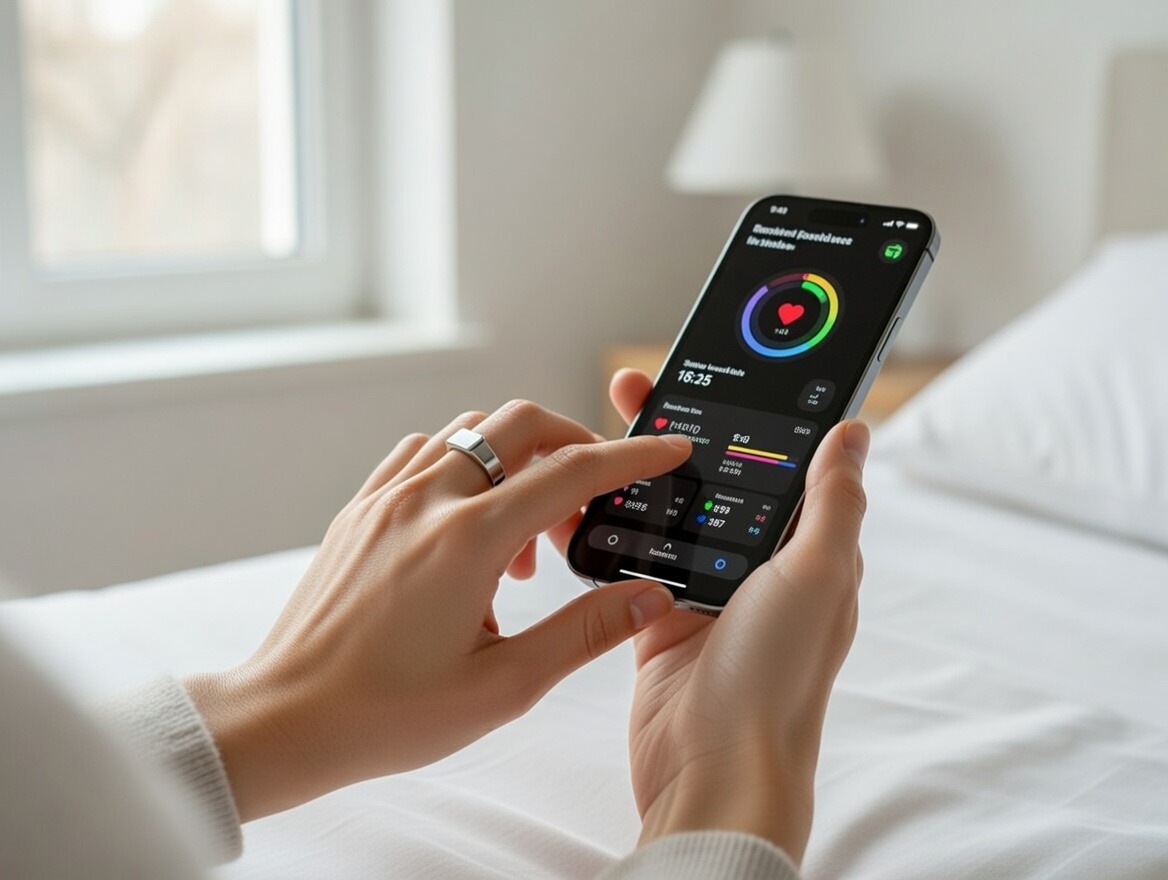
How to Use Daily Health Optimization to Achieve Any Wellness Goal
How daily health optimization can help you reach any wellness goal.
How to Use Daily Health Optimization to Achieve Any Wellness Goal
You set a goal. Maybe it’s to run a marathon, lose 20 pounds, conquer chronic fatigue, or simply wake up feeling energized every day. You start with a burst of motivation, a new app, a gym membership. For a week, maybe two, you’re a model of discipline. Then, life intervenes. A stressful project, a late night, a social obligation, and suddenly your perfect plan is in shambles. The goal feels farther away than ever.
This boom-and-bust cycle isn’t a failure of willpower; it’s a failure of strategy. We’ve been conditioned to pursue wellness through grand, sweeping gestures—extreme diets, punishing workout regimens, drastic lifestyle overhauls. But these approaches are unsustainable because they ignore the fundamental truth of human biology and behavior: lasting change is not built in monumental leaps, but in the quiet, consistent aggregation of daily choices.
Welcome to the paradigm of Daily Health Optimization. This is not another self-help fad. It’s a foundational shift from goal-oriented obsession to system-oriented living. Instead of fixating on a distant peak—the 10% body fat, the perfect sleep score—you learn to master the terrain itself. You build a personalized, resilient system of daily habits, fueled by precise data and deep self-awareness, that naturally propels you toward any wellness outcome you desire. And in today’s world, this is no longer a guessing game. With the advent of wearable technology like advanced smart rings, we have an unprecedented window into the real-time language of our bodies: our heart rate variability, our sleep architecture, our recovery status, and our stress load.
This article is your master blueprint. We will dismantle the myth of the "magic bullet" and reconstruct a sustainable, intelligent, and deeply effective approach to wellness. We will explore how to use data not as a judge, but as a guide; how to design a day that optimizes energy, not depletes it; and how to align your modern life with your ancient biology. The destination is your choosing. The journey begins with optimizing today.
The False Peak: Why Grand Gestures Fail and Micro-Wins Succeed
We are captivated by the story of the dramatic transformation. The social media post showcasing a "before and after" photo, the headline about someone who lost 100 pounds in six months, the colleague who suddenly runs an ultramarathon. These narratives sell because they promise a clear, quick passage from struggle to success. They reinforce the "False Peak" fallacy: the belief that major goals are achieved through major, discrete actions.
Neuroscience and behavioral psychology tell a different story. Our brains are wired for habit, not for heroics. The prefrontal cortex—the seat of willpower and decision-making—is a limited resource, easily depleted by stress, fatigue, and constant choice-making. Relying on it to fuel a drastic change is like trying to heat a house with a match; it flares brightly but quickly burns out.
Conversely, the basal ganglia, the brain's habit center, operates on autopilot. It thrives on repetition and rewards small, consistent loops of cue, routine, and reward. This is the domain of the micro-win. A micro-win is a small, easily achievable action that moves you imperceptibly toward your goal. It’s not running five miles; it’s putting on your running shoes. It’s not meditating for an hour; it’s taking three deep, intentional breaths before checking your phone in the morning.
The power of micro-wins is compound interest for your well-being. James Clear, in his book Atomic Habits, frames it perfectly: "You do not rise to the level of your goals. You fall to the level of your systems." A grand goal of "get healthy" is nebulous and intimidating. A system of "drink a glass of water upon waking, take a 10-minute walk after lunch, and be in bed by 10:30 PM" is executable. Each completed action is a micro-win, releasing a small hit of dopamine that reinforces the behavior and builds identity: "I am someone who takes care of my health."
This is where daily health optimization begins: the conscious design of your system. It asks not "What do I want to achieve?" but "Who do I want to become?" and then, "What does that person do every single day?" By shifting your focus from the intimidating peak to the very next step, you build momentum that is resilient to disruption. A bad day doesn't destroy your system; it just represents a single missed micro-win in a long chain of successes. The next day, you simply begin again.
From Guesswork to Guided: The Quantified Self and the Smart Ring Revolution
For centuries, our understanding of our internal state was based on guesswork and gross sensations: "I feel tired," "I'm stressed," "I slept poorly." This subjective data is important, but it’s often inaccurate and delayed. You might feel fine, but your nervous system could be signaling a state of high stress. You might think you slept for eight hours, but have no idea if you cycled through the crucial deep and REM sleep stages your brain and body need to repair and restore.
The Daily Health Optimization philosophy is rooted in the "Quantified Self" movement—the practice of using technology to collect data on various aspects of one's daily life. The mission is to turn the opaque into the objective, to translate the whispers of your body into a clear dashboard you can understand and act upon.
Enter the modern smart ring. While wrist-worn devices have been popular for years, the ring represents a significant evolution in personal biometric tracking. Worn on the finger, it has unique advantages:
Proximity to Major Arteries: The finger provides strong, consistent PPG (photoplethysmography) signals for measuring heart rate, heart rate variability (HRV), and blood oxygen saturation.
24/7 Wearability: Unlike a watch you might remove for charging, sleep, or comfort, a ring is unobtrusive and easy to wear continuously, providing a seamless, uninterrupted data stream.
Passive, Frictionless Data Collection: The best health optimization tools work in the background. A smart ring requires no interaction. It silently gathers data on your sleep, activity, and physiological stress, painting a holistic picture of your readiness and recovery.
What does this data actually tell you?
Heart Rate Variability (HRV): This is your body's most honest metric. It measures the subtle variations in time between heartbeats. A higher HRV generally indicates a relaxed, resilient nervous system (parasympathetic dominance), while a lower HRV suggests stress, fatigue, or illness (sympathetic dominance). It’s a direct readout of your recovery status.
Sleep Staging: Beyond just duration, a smart ring can estimate time spent in Light, Deep, and REM sleep. This is critical. Deep sleep is for physical restoration, while REM sleep is for cognitive and emotional processing. You can have eight hours of "sleep" but if it’s fragmented and lacking in deep sleep, you won’t wake up refreshed. Understanding your personal sleep architecture is the first step to improving it.
Body Temperature & Respiratory Rate: Nocturnal body temperature trends and resting respiratory rate are powerful biomarkers for illness onset, menstrual cycle phases, and overall metabolic health.
This isn't about fostering data anxiety. It’s about empowerment. When you see a correlation between a late, heavy dinner and a plummeting HRV or restless sleep, you have a clear, actionable insight. When you notice your readiness score is low after three consecutive intense workouts, you have permission to choose a restorative walk instead of another punishing session, preventing burnout and injury. You move from blindly following generic advice ("get 8 hours of sleep") to receiving personalized, real-time guidance from your own body ("your data suggests you need more deep sleep—consider optimizing your sleep environment tonight").
The smart ring becomes your personal health auditor, removing the guesswork and providing the objective truth about how your lifestyle choices are truly affecting your biology. This is the cornerstone of an optimized day: informed action.
The Keystone Metric: Understanding and Leveraging Your HRV
If you were to choose only one data point to guide your daily health optimization journey, Heart Rate Variability (HRV) would be the most powerful candidate. Think of HRV as your body's internal communication score. It reflects the dynamic interplay between your sympathetic nervous system (the "gas pedal" responsible for fight-or-flight) and your parasympathetic nervous system (the "brake pedal" responsible for rest-and-digest).
A high, resilient HRV indicates that your body can adapt smoothly to stress—you can accelerate when needed and brake effectively to recover. It is strongly correlated with cardiovascular fitness, emotional regulation, and overall resilience. A low or declining HRV is a flag from your nervous system, signaling that it is under sustained pressure—from physical overtraining, emotional stress, poor sleep, or illness.
The revolutionary aspect of daily HRV tracking is its predictive and prescriptive nature. Unlike how you feel in the morning, which can be swayed by a hundred cognitive biases, your HRV is a objective physiological report card from the previous 24 hours.
How to Use Your HRV for Daily Optimization:
Establish Your Baseline: Wear your smart ring consistently for at least two weeks to understand your personal, average HRV. This is your unique fingerprint. Don't compare your number to others.
Track the Trend, Not the Absolute Number: A single low reading isn't cause for alarm. Life happens. Instead, watch the trend over days and weeks. A sustained dip below your baseline is a clear signal.
Let It Guide Your Day: This is the core of the practice. Your morning HRV (or the "readiness score" derived from it) should inform your choices.
HRV Trending at/Above Baseline (High Readiness): This is a green light. Your body is recovered and resilient. It’s a good day for an intense workout, tackling demanding cognitive work, or social engagements.
HRV Trending Below Baseline (Low Readiness): This is not a red light for failure; it’s a yellow light for wisdom. Your body is asking for support. Honor this by:
Choosing gentle movement (yoga, walking) over intense training.
Prioritizing stress-management techniques like meditation or breathwork.
Become a Detective: Use your HRV data to run experiments. Notice what causes a dip or a rise. Did that evening glass of wine crush your HRV? Did a 20-minute meditation practice boost it? Did a difficult conversation with a coworker trigger a sympathetic storm? Over time, you’ll build a personalized map of what truly stresses and sustains your unique system.
By respecting this keystone metric, you stop working against your body and start working with it. You replace the rigid, ego-driven training plan with an adaptive, body-led practice. This alone can prevent overtraining, burnout, and illness, ensuring you make consistent, positive progress toward any goal by aligning your efforts with your capacity.
The Foundation of Everything: Mastering Your Sleep Architecture
You cannot optimize what you do not measure, and you cannot hack what you do not understand. Nowhere is this more true than with sleep. If HRV is your daily readiness guide, sleep is the foundation upon which all readiness is built. Viewing sleep as merely "downtime" is a catastrophic misunderstanding. It is an active, neurologically complex, and physiologically vital process of restoration, memory consolidation, hormonal regulation, and metabolic cleanup.
Daily health optimization demands that you shift from seeing sleep as a monolithic block of time to understanding its intricate architecture. A typical sleep cycle lasts about 90 minutes and consists of four stages:
NREM Stage 1 & 2 (Light Sleep): The transition into sleep. Heart rate and breathing begin to slow.
NREM Stage 3 (Deep Sleep): The physically restorative phase. Tissue growth and repair occur, energy is restored, and the immune system is bolstered. This is critical for physical recovery from exercise.
REM Sleep: The mentally restorative phase. The brain is highly active, processing emotions, consolidating memories, and fostering creativity. This is essential for cognitive performance and emotional resilience.
Your smart ring provides a breakdown of your time in these stages. The goal is not to maximize one at the expense of another, but to ensure you're getting sufficient, high-quality cycles of each. Disrupted architecture—frequent awakenings, insufficient deep or REM sleep—leads to the familiar feeling of waking up exhausted despite "enough" time in bed.
The Pillars of Sleep Optimization:
Consistency is King: Your circadian rhythm thrives on routine. Going to bed and waking up at roughly the same time every day—even on weekends—is the single most powerful sleep intervention. It trains your brain to expect sleep, making falling asleep easier and improving sleep quality.
Master Your Light Environment: Light is the primary driver of your circadian clock. Blue light from screens in the evening suppresses melatonin, the sleep hormone. Dim lights 2-3 hours before bed and consider using blue-light blocking glasses. In the morning, seek bright, natural light to signal to your body that the day has begun. For a deep dive, explore our guide on creating the perfect natural sleep environment.
Temperature Regulation: Your core body temperature needs to drop to initiate sleep. A cool bedroom (around 65°F or 18°C) is ideal. Taking a warm bath 1-2 hours before bed can actually facilitate this drop, as blood rushes to the skin to cool you down.
The Wind-Down Ritual: You cannot sprint into sleep. Create a 30-60 minute buffer between your day and your bed. This is a time for calming activities: reading a physical book, gentle stretching, journaling, or listening to calming music or natural sounds for deeper sleep. This ritual signals to your nervous system that it’s safe to shift into parasympathetic mode.
When sleep goes awry, as it does for parents, shift workers, or anxious minds, targeted strategies are needed. If you struggle with waking up in the middle of the night, learn how to sleep through the night naturally. For those with racing thoughts, specific calming strategies for better sleep can be a game-changer. The principle remains: use your data to identify your specific sleep challenge, then apply a targeted, system-based solution.
Fueling the Machine: Nutritional Timing for Energy and Recovery
Nutrition in the context of daily health optimization is not about restrictive dieting or calorie counting for weight loss alone. It’s about strategic fueling. You are a complex, dynamic system that requires different inputs at different times to perform, recover, and adapt. Food is information that directly influences your energy levels, cognitive function, inflammation, sleep quality, and, of course, your HRV and readiness scores.
The old model of "three square meals a day" is too blunt an instrument for an optimized life. Instead, we consider nutritional timing: aligning what you eat with your body’s circadian rhythms and your daily activity patterns.
The Daily Nutritional Optimization Framework:
The Morning Fuel (Within 1-2 Hours of Waking): After a night of fasting, your body needs to replenish glycogen stores and provide stable energy. A breakfast combining protein, healthy fats, and complex carbohydrates sets a stable hormonal and energy tone for the day. Think eggs with avocado and spinach, or Greek yogurt with berries and nuts. Avoid the sugary cereal or toast that will cause a mid-morning energy crash.
Pre-Activity Nutrition (1-3 Hours Before): If you have a workout or a mentally demanding task, fuel for performance. This meal should be easily digestible and carbohydrate-focused to top off energy stores, with moderate protein. A banana with almond butter, or a small bowl of oatmeal, are good examples.
Post-Activity Recovery (Within 45-90 Minutes After): This is the most crucial window for nutritional intervention after exercise. Your muscles are primed to absorb nutrients to repair and rebuild. A combination of protein (to provide amino acids for repair) and carbohydrates (to replenish glycogen and aid protein uptake) is ideal. A protein shake, or a meal like chicken with sweet potato and broccoli, works perfectly.
The Evening Wind-Down (Last Meal 2-3 Hours Before Bed): Your digestive system slows as you prepare for sleep. A large, heavy, or spicy meal too close to bedtime can disrupt sleep architecture and hurt your HRV. Opt for a lighter meal that includes tryptophan-rich foods (like turkey, pumpkin seeds) and magnesium-rich foods (like leafy greens, almonds), which can support sleep. For a comprehensive list, see our guide to a natural sleep diet. If you struggle with evening hunger, a small, sleep-supportive snack like tart cherry juice or a handful of walnuts may be beneficial.
Beyond timing, quality is non-negotiable. An optimized system runs best on whole, minimally processed foods: lean proteins, colorful vegetables, healthy fats, and complex carbohydrates. These foods provide sustained energy, reduce inflammation, and supply the micronutrients necessary for every enzymatic reaction in your body. Notice how a day of processed food, sugar, and alcohol reflects in your biometrics—likely as poorer sleep, lower HRV, and higher resting heart rate. Let that data be your motivator to choose foods that truly fuel your goals.
Movement as Medicine: From Exercise to Daily Non-Exercise Activity
The fitness industry has long sold exercise as a discrete, intense event: the 60-minute crush session at the gym. While structured exercise is profoundly beneficial, daily health optimization redefines "movement" to encompass your entire 24-hour activity cycle. In fact, your Non-Exercise Activity Thermogenesis (NEAT)—the energy you burn from everything that isn't sleeping, eating, or sports-like exercise—can be a more significant lever for metabolic health and energy regulation than your daily workout.
Sitting is the new smoking not because exercise is bad, but because prolonged, uninterrupted sedentarism is independently harmful. It impairs circulation, slows metabolism, and contributes to muscular imbalances and pain.
The Three Tiers of Optimized Movement:
NEAT as Your Baseline: This is your all-day movement. Stand more. Take walking meetings. Park farther away. Use a standing desk. Set an alarm to get up and stretch for 5 minutes every hour. These micro-bursts of activity keep your metabolism humming, prevent stiffness, and improve circulation, which can even translate to better nighttime sleep.
Structured, Purposeful Exercise: This is where you apply the principle of letting your readiness guide you. Your workouts should not be random. They should align with your goals (strength, endurance, mobility) and your recovery status.
High Readiness Days: Ideal for high-intensity interval training (HIIT), heavy strength training, or long endurance sessions. This is when you provide a potent stimulus for adaptation.
Low Readiness Days: Switch to restorative movement. This could be a gentle yoga flow, a long walk in nature, mobility work, or foam rolling. This supports recovery without adding additional systemic stress.
Mind-Body Integration: Practices like yoga, Tai Chi, or mindful stretching serve a dual purpose. They improve flexibility and strength while simultaneously engaging the parasympathetic nervous system, reducing stress, and improving body awareness. They are the bridge between physical exertion and nervous system recovery.
The goal is to break the cycle of being sedentary for 23 hours and then violently active for one. By spreading movement throughout your day and intelligently modulating your exercise intensity based on your biometric feedback, you create a sustainable, supportive movement practice that enhances energy, rather than depleting it. This approach prevents injury, avoids overtraining, and ensures that your fitness regimen is a consistent pillar of your health system, not a sporadic source of stress.
The Invisible Lever: Stress Modulation and Nervous System Regulation
You can eat perfectly, sleep eight hours, and exercise regularly, but if your nervous system is perpetually stuck in a state of "fight-or-flight," you will sabotage all your efforts. Chronic, unmanaged stress is the silent saboteur of daily health optimization. It elevates cortisol, which can disrupt sleep, promote fat storage (especially around the abdomen), increase inflammation, and crush your HRV.
Therefore, stress modulation isn't an optional "self-care" indulgence; it is essential system maintenance. The goal is not to eliminate stress—that’s impossible—but to improve your resilience to it and to actively stimulate your parasympathetic "rest-and-digest" system daily.
Practical Tools for Daily Nervous System Tuning:
Conscious Breathwork: This is the fastest way to directly influence your autonomic nervous system. When you slow and deepen your breath, you stimulate the vagus nerve, triggering a relaxation response. A simple practice is the 4-7-8 method: inhale for 4 seconds, hold for 7, exhale slowly for 8. Repeat 4-5 times. This can be done anytime, anywhere, and is especially powerful before sleep, as explored in our guide on how natural breathing techniques improve sleep quality.
Mindfulness and Meditation: Even 10 minutes a day can rewire your brain's response to stress. It trains you to observe thoughts and sensations without judgment, creating space between a stressor and your reaction. This reduces the frequency and intensity of the physiological stress response over time.
Nature Immersion ("Forest Bathing"): Spending time in green spaces has been proven to lower cortisol, reduce blood pressure, and improve mood. It’s a powerful, passive form of nervous system reset.
Digital Boundaries: Constant connectivity is a profound modern stressor. Implement "tech curfews," designate phone-free zones (especially the bedroom), and batch-check emails instead of reacting to every notification. The blue light is a problem for sleep, but the cognitive and emotional load of being perpetually "on" is a bigger problem for stress.
Social Connection: Positive, supportive social interaction is a potent buffer against stress. Loneliness, conversely, is a significant physiological stressor. Prioritize quality time with people who fill your cup.
Use your smart ring data to validate the impact of these practices. After a 10-minute meditation, does your real-time stress score drop? Does a 20-minute walk in the park improve your evening HRV? This creates a positive feedback loop: you feel the subjective benefit of feeling calmer, and you see the objective proof in your biometrics, reinforcing the habit. Managing stress isn't about avoiding life; it's about building the internal capacity to thrive within it.
Hydration and Circadian Rhythms: The Unsung Heroes of Daily Performance
Two of the most powerful yet overlooked levers in daily optimization are hydration and circadian alignment. They operate in the background, influencing every other system we've discussed.
Hydration: The River of Life Water is the medium for every metabolic process. Even mild dehydration (a 1-2% loss of body water) can impair cognitive function, mood, and physical performance. It can also manifest as fatigue or hunger, leading to poor choices. Thirst is a late-stage signal; by the time you feel thirsty, you're already dehydrated.
Optimization Strategy: Don't just "drink when thirsty." Weigh yourself before and after intense exercise to understand fluid loss. Monitor your urine color (aim for pale straw). A good baseline is to consume half your body weight (in pounds) in ounces of water per day, adjusting for activity, heat, and humidity. Start your day with a large glass of water to rehydrate after sleep. Consider electrolytes (sodium, potassium, magnesium) if you sweat heavily or drink a lot of plain water, as they are crucial for fluid balance and nerve function.
Circadian Rhythms: Your Body's Master Clock Your body runs on a roughly 24-hour internal clock that regulates hormone release, body temperature, digestion, and sleep-wake cycles. Disrupting this rhythm—through irregular sleep, eating late at night, or getting light at the wrong times—creates metabolic and cognitive chaos, a state known as "circadian misalignment."
Optimization Strategy: Align your daily habits with your circadian biology.
Light: Get bright light exposure (preferably sunlight) first thing in the morning. This sets your cortisol pulse for the day and anchors your clock. Avoid bright light in the evening.
Eating: Confine your eating to a consistent window, ideally during daylight hours (e.g., a 10-12 hour "feeding window"). Eating late at night signals to your liver and digestive system that it's time to be active, conflicting with the sleep signals from your brain.
Exercise: While any exercise is good, morning or afternoon workouts may align better with natural peaks in body temperature and hormone levels for most people. However, consistency in timing is likely more important than the time of day itself.
By mastering hydration and respecting your circadian rhythms, you smooth out the fundamental operations of your biology. You provide a stable, predictable internal environment, which allows all your other optimized habits—sleep, nutrition, movement—to work more effectively. It’s the equivalent of updating the operating system before running sophisticated software.
Designing Your Perfect Day: A Template for Daily Health Optimization
Theory is essential, but execution is everything. Let’s synthesize everything into a practical, time-blocked template for an optimized day. This is not a rigid prescription, but a flexible framework you can adapt. The key is the intention behind each block.
The Optimized Day Blueprint:
Morning (5:30 AM - 9:00 AM): The Foundation Phase
Wake-Up Consistency: Alarm at the same time (± 30 mins). Check your smart ring data first. What is your readiness score? Your sleep breakdown? Let this data set the tone for the day, not your groggy feelings.
Hydration & Light: Drink a large glass of water. Within 30 minutes, get 10-15 minutes of sunlight exposure (no sunglasses, look toward but not directly at the sun).
Mindfulness & Intention: 5-10 minutes of meditation, breathwork, or journaling. Set a primary intention for the day.
Movement: Based on readiness. High readiness: a workout (strength, cardio). Low readiness: gentle mobility, yoga, or a walk.
Fuel: A nutrient-dense breakfast with protein, fat, and complex carbs, consumed calmly.
Mid-Day (9:00 AM - 5:00 PM): The Performance Phase
Deep Work Block (AM): Tackle your most cognitively demanding tasks when your willpower and focus are highest.
NEAT Integration: Use a standing desk. Take a 5-minute movement break every hour. Have a walking meeting if possible.
Hydration: Keep a water bottle at your desk and sip consistently.
Mindful Lunch: A balanced meal, away from your desk. Focus on the food.
Strategic Recovery (Post-Lunch): Combat the natural afternoon dip with a 10-20 minute walk outside (more light!), or a short, non-sleep deep rest (NSDR) protocol or power nap if possible.
Administrative/Lighter Work Block (PM): Handle emails, meetings, and less intensive tasks.
Evening (5:00 PM - 10:30 PM): The Recovery Phase
Digital Sunset: Begin to reduce blue light exposure. Use app blockers or switch to dim, warm lighting.
Movement (If not done in AM): A gentle activity like walking, light stretching, or mobility work. Avoid intense exercise too close to bedtime.
Mindful Dinner: Eat your last meal 2-3 hours before bed. Keep it light, balanced, and sleep-supportive.
The Wind-Down Ritual: The final 60-90 minutes are sacred for recovery. This could include: reading a physical book, light household tidying (a form of active meditation for some), time with family, a warm bath, gentle yoga, or listening to calming music. This is the time to implement your perfect evening wind-down routine.
Preparation: Lay out clothes for tomorrow, prep lunch. Reduce decision fatigue for the morning.
Sleep Hygiene: Go to bed at a consistent time. The bedroom is for sleep and intimacy only—cool, dark, and quiet.
This template provides structure without stifling spontaneity. The blocks ensure that the key pillars—recovery, performance, and foundation—are all honored daily. Your biometric data from your smart ring will tell you how well this template is working and where you need to make personal adjustments.
Troubleshooting and Adaptation: Listening to Your Body's Feedback Loop
No system is perfect, and life is inherently variable. The final, critical skill in daily health optimization is learning to troubleshoot and adapt. Your body's feedback, primarily through your biometric data and subjective feelings, is your most valuable guide. This is a continuous loop: Action -> Data -> Insight -> Adapted Action.
Investigate: Look at sleep data (quality, duration), previous day's stress score, activity load, and nutrition (especially evening meals/alcohol).
Adapt: For the next 1-3 days, prioritize sleep (maybe aiming for an extra 30-60 minutes), dial back exercise intensity to restorative only, double down on stress-modulation practices, and ensure clean, early dinners.
Signal: Frequent nighttime awakenings or poor sleep efficiency.
Investigate: Evening light exposure, late caffeine/alcohol, room temperature, pre-bed stress or screen time.
Signal: High daytime stress score despite feeling "fine."
Investigate: What were you doing when the spikes occurred? Meetings? Commuting? Specific tasks?
Adapt: Institute proactive "stress buffers." Before a known stressful event, do a 1-minute breathing exercise. Schedule short recovery breaks after intense work periods.
Investigate: Could be micronutrient deficiencies (Iron, Vitamin D, B12 are common), underlying hormonal issues, or mental/emotional burnout not fully captured by biomarkers.
Adapt: This is when you consult a healthcare professional. Use your consistent data log as a powerful tool to show them objective trends in your health.
The mindset here is one of curiosity, not criticism. A low HRV isn't a "bad grade"; it's valuable information saying, "Hey, I need some extra support today." By learning this language and responding with compassion and intelligence, you build a truly resilient system. You stop forcing a predetermined plan onto a dynamic organism and start engaging in a collaborative dialogue with your own body. This is the essence of sustainable, lifelong wellness.
The Habit Stack: Building Unbreakable Routines with Behavior Science
James Clear’s concept of “habit stacking” is one of the most practical tools for implementing daily health optimization. It works by leveraging the existing, automatic routines in your life as triggers for new, desired behaviors. The formula is simple: “After/Before [CURRENT HABIT], I will [NEW HABIT].”
This method is powerful because it doesn’t rely on motivation or willpower; it relies on the existing architecture of your day. It turns your goal from a vague “I should meditate” into a specific, contextual action tied to something you already do without thinking.
Building Your Optimization Stacks:
The Morning Stack (After waking up):
After I turn off my alarm, I will check my smart ring readiness score.
After I check my score, I will drink a large glass of water.
After I drink water, I will step outside for 5 minutes of morning light.
After I come inside, I will do my 5-minute breathing exercise.
The Pre-Work Stack (Before starting work):
Before I open my laptop, I will write down my top 3 priorities for the day.
Before I check email, I will complete 90 minutes of focused deep work.
The Meal-Time Stacks:
Before I eat lunch, I will take 3 deep breaths to activate my parasympathetic nervous system for better digestion.
After I finish dinner, I will immediately start the dishwasher and brush my teeth (a powerful cue that eating is done for the day).
The Evening Wind-Down Stack:
After 8:00 PM, I will activate the blue-light filter on my devices.
After I put my phone on the charger (outside the bedroom), I will read a physical book for 20 minutes.
After I get into bed, I will perform a 4-7-8 breathing cycle 4 times.
The key is to start incredibly small. The new habit should be so easy you can’t say no. “After I pour my morning coffee, I will stand and do one single sun salutation.” One. That’s it. The consistency of performing the stack is infinitely more valuable than the scale of the initial action. Once the stack is automatic, you can gradually amplify the habit (“...I will do three sun salutations”).
Pair this with your biometric feedback. Does stacking a 2-minute meditation after your morning coffee improve your daytime stress scores? Does the pre-sleep breathing stack correlate with higher deep sleep percentages? This data validates your efforts and turns behavior change from a chore into a fascinating personal experiment.
Navigating the Real World: Travel, Social Events, and Busy Seasons
An optimized routine in the comfort of your own home is a great start, but resilience is proven when the routine is challenged. The goal is not to be rigid, but to be adaptable—to have a “minimum viable dose” of optimization that you can perform anywhere, and a strategy for re-entry when the disruption is over.
The Travel Optimization Strategy: Travel is a perfect storm for circadian disruption (jet lag, changing time zones), poor nutrition (airport food), dehydration (dry cabin air), and sleep deprivation (unfamiliar beds, noise). Instead of surrendering to chaos, have a plan.
Hydration is Your #1 Priority: Travel with an empty water bottle and fill it after security. Drink consistently throughout the journey. Avoid alcohol and excessive caffeine on planes.
Defend Your Sleep: Pack essentials: a sleep mask, earplugs or a white noise app on your phone, and maybe even a small travel pillow. Use the first day to actively align with the new time zone by seeking sunlight at the appropriate local morning. If you struggle to adapt, a short-term, natural aid like melatonin (used judiciously) can help reset your clock, but always prioritize natural sleep pattern adjustments first.
Move Strategically: Use layovers for walking. Do simple bodyweight exercises or stretching in your hotel room. The goal isn’t to set personal records, but to maintain circulation and signal to your body that it’s active.
Make Smart Food Swaps: You won’t have perfect control, but you can choose the grilled over the fried, the side salad over the fries, and prioritize protein and vegetables when available.
The Social Event Protocol: Wellness should not be antisocial. The key is intention and balance.
Before the Event: Hydrate well and eat a small, nutritious meal so you don’t arrive ravenous. This prevents overindulgence in unhealthy options.
During the Event: Practice the “One and Done” rule with alcohol or sugary drinks: have one, then switch to sparkling water. Focus on the social connection, not just the food and drink. Be present.
The Next Day: No guilt. Simply execute your “Re-Entry Protocol”: return immediately to your foundational habits. Drink extra water, eat clean, nourishing meals, get to bed on time, and maybe do some gentle movement. Your body is resilient; one night off-plan is meaningless in the long run if you don’t let it spiral into a week off-plan.
Surviving and Thriving During Busy Seasons (Work Crunch, Exam Period, Family Demands): This is when your system proves its worth. You cannot output high performance without high-quality input, even when time is scarce.
Protect Sleep at All Costs: This is non-negotiable. Sacrificing sleep for more work is counterproductive—cognitive function, creativity, and efficiency plummet. It is the worst trade-off you can make. If your schedule is packed, you must fiercely guard your wind-down time. This is when a natural sleep routine for students during exams or a guide for busy professionals becomes critical.
Simplify Nutrition: When busy, don’t aim for gourmet. Aim for “fuel.” Batch-cook simple proteins, grains, and roasted vegetables. Have healthy, grab-and-go options ready (hard-boiled eggs, pre-cut veggies, yogurt). This prevents the fast-food spiral.
Micro-Dose Movement and Stress Relief: Can’t do an hour at the gym? Do 5 minutes of stretching every 60-90 minutes at your desk. Can’t meditate for 20? Take 60 seconds for deep breathing before a big meeting. These micro-doses maintain the thread of your habits and prevent total system collapse.
The mantra for disruptions is ”Progress, not perfection.” Do the best you can with what you have, and trust your system to bring you back to center as soon as possible.
The Social Scaffold: Community, Accountability, and the Shared Journey
Humans are social creatures. Our behaviors are profoundly influenced by the people around us. Trying to optimize your health in isolation is like trying to swim upstream; possible, but exhausting. Building or finding a “social scaffold”—a community of people with shared values—provides a powerful current that carries you forward.
How Community Fuels Optimization:
Normalization: When everyone in your circle prioritizes sleep, eats mindfully, and talks about their HRV, these behaviors become your new normal. It reduces the social friction of being “the healthy one.”
Accountability: Sharing your goals and daily wins with a trusted friend, a coach, or a small group creates gentle, positive accountability. You’re less likely to skip your morning movement if you know you’re going to share your activity ring closure with a friend.
Knowledge Sharing: Communities are hubs of shared learning. Someone might share a brilliant new wind-down technique, a recipe that boosted their recovery, or a way to interpret a specific data pattern from your smart ring.
Inspiration and Support: Seeing others overcome plateaus or navigate challenges provides hope and practical strategies. On low-motivation days, the energy of the group can lift you up.
Building Your Scaffold:
Find Your Tribe: This could be a local running club, a yoga studio community, an online group focused on biohacking or a specific smart ring brand, or even a group of like-minded colleagues.
Initiate Conversations: Be open about your journey. You might be surprised how many people are interested in sleep tracking, stress management, or better nutrition but don’t know where to start. Your curiosity can spark theirs.
Use Technology for Connection: Many fitness and wellness apps have social features. Share workouts, start friendly competitions (based on consistency, not just intensity), or simply post your “perfect day” stack as inspiration.
Remember, you become the average of the five people you spend the most time with. Consciously curating a social environment that supports your optimization goals is not selfish; it’s strategic. It turns a personal discipline into a shared, enjoyable journey.
Advanced Data Interpretation: Moving Beyond the Basics to Personalized Insights
Once you’ve mastered the fundamentals of reading your HRV, sleep stages, and activity levels, you can begin the more nuanced work of connecting the dots. Your body is an interconnected system, and the real gold lies in understanding the relationships between different data streams and your subjective experience.
Conducting Personal N=1 Experiments:
The goal is to move from correlation to causation. Your smart ring shows you what happened; your personal experiments help you understand why.
Form a Hypothesis: “I suspect that drinking caffeine after 2 PM is fragmenting my deep sleep.”
Design the Experiment: For one week, strictly cut off caffeine at noon. Keep everything else in your life as consistent as possible. The following week, have a single cup of coffee at 3 PM. Keep a simple journal noting your subjective energy and sleep feeling.
Analyze the Data: Compare the biometric data (specifically, your deep sleep duration and sleep continuity) and subjective notes between the two weeks. Does the data support your hypothesis?
Draw a Conclusion and Implement: If the data shows a clear negative impact, you have a powerful, personalized insight. You can now make an informed choice: either eliminate afternoon caffeine or accept the trade-off consciously on certain days.
Other Powerful Experiments to Run:
Evening Meal Timing: Compare nights where you eat dinner 4 hours before bed vs. 2 hours before bed. Look at sleep latency (time to fall asleep), deep sleep, and resting heart rate.
Workout Timing: How does a vigorous evening workout (finishing 2 hours before bed) affect your sleep architecture compared to a morning workout?
Digital Sunset: Compare a week with a strict 8 PM digital curfew (using blue-light blockers) to a week of normal screen use before bed. Monitor sleep latency and your readiness score the next morning.
Stress-Management Impact: After a week of implementing a new practice—like a 10-minute daily meditation or a weekly nature walk—look at the trend in your average daily stress score and weekly HRV average.
This process turns you from a passive consumer of data into an active scientist of your own life. It empowers you to discard generic advice (“don’t drink coffee after noon”) in favor of personalized truth (“My data shows that my sleep starts to suffer if I have caffeine after 2 PM”). This is the pinnacle of daily health optimization: creating a living, breathing body of knowledge that is uniquely and perfectly tailored to you.
The Long Game: Periodization, Plateaus, and the Evolution of Goals
Daily optimization is not a linear path upward. It’s a cyclical journey with seasons. There will be periods of intense progress, frustrating plateaus, and necessary valleys of recovery. Understanding this macro-cycle—often called periodization in athletics—is crucial for long-term sustainability and avoiding burnout.
The Seasons of Optimization:
The Building Phase: You’re introducing new habits, seeing rapid improvements in data and feeling. Motivation is high. This is a time for consistency and establishing your non-negotiables.
The Performance Phase: Your system is dialed in. You’re hitting personal bests in workouts, cognitive output, or energy levels. This is where you can strategically push—adding intensity or volume to your fitness, taking on challenging projects—because your recovery fundamentals are solid.
The Plateau: Progress stalls. This is normal and expected. The body adapts to stress. A plateau is not a signal to work harder, but to work differently. It may be time to change your workout stimulus, delve deeper into stress modulation, or investigate other lifestyle factors.
The Recovery/Deload Phase: This is the most overlooked and critical season. Intentionally pulling back. This might mean a week every 6-8 weeks where you reduce workout intensity by 40-50%, prioritize extra sleep, and focus on pleasure and relaxation. This phase allows for supercompensation—the body repairs deeply and comes back stronger. Your biometrics will often show your highest HRV readings after a proper deload.
Evolving Your Goals: Your initial goal might have been weight loss or running a 5K. As you master daily optimization, your goals often evolve from outcome-based to state-based or identity-based.
Outcome Goal: “Lose 15 pounds.”
State-Based Goal: “Maintain high, stable energy throughout every workday.”
Identity-Based Goal: “Be a resilient, energetic person who recovers well and handles stress with grace.”
This evolution is a sign of deep success. The external metrics become less relevant because the internal experience—vitality, calm, resilience—becomes the primary reward. The smart ring data shifts from being a scorecard to a maintenance dashboard, ensuring you stay in that desired state.
Integrating Technology Without Dependency: The Human in the Loop
A smart ring, app, or any wearable is a tool. It is a means to an end, not the end itself. The danger lies in becoming a slave to the data—experiencing anxiety over a low score, or robotically following metrics without listening to your intuition. This is called “orthosomnia”: an unhealthy preoccupation with perfect sleep data. The same can happen with any biomarker.
The principle is ”Human in the Loop.” The technology provides the objective data; you provide the subjective context, wisdom, and final decision.
Guidelines for Healthy Tech Integration:
Context is King: Your readiness score is low. The data says “rest.” But subjectively, you feel great because you just had a wonderful, relaxing weekend with family. Perhaps the low score is noise, or your body is still processing a different kind of exertion (social, emotional). You might decide to do a light workout anyway and see how you feel. The data is an input, not a command.
Embrace the “Off” Days: Do not panic over a single bad data day. Look at weekly and monthly trends. The trend tells the true story.
Regularly Check In Subjectively: Before looking at your data each morning, ask yourself: “How do I feel on a scale of 1-10? What’s my energy level? My mood?” Then compare your subjective sense to the objective data. Over time, your subjective awareness will become remarkably accurate, which is the ultimate goal.
Take Occasional Breaks: Consider taking the ring off for a weekend, or not checking the app for a day. Reconnect with how you feel without the numbers. This prevents the tool from defining your experience.
Technology should enhance your self-awareness, not replace it. It should give you confidence in your choices and provide clues when something is off. The final authority on your well-being must always be you.
From Optimization to Actualization: When Health Becomes a Platform for Living
This is the ultimate destination of the daily health optimization journey. It begins with fixing problems (poor sleep, low energy, high stress), moves into optimizing performance (better workouts, sharper focus, stable mood), and finally arrives at a state where robust health simply becomes the stable, silent platform upon which you build a meaningful life.
When you are not constantly managing fatigue, brain fog, or anxiety, you free up an enormous amount of mental, emotional, and physical bandwidth. That bandwidth can be redirected toward what truly matters to you.
Health as a Platform Enables:
Deeper Relationships: You have the energy to be fully present with loved ones.
Creative Pursuits: The mental clarity and sustained focus to write, build, compose, or innovate.
Professional Excellence: The resilience to handle high-stakes projects and the cognitive edge to solve complex problems.
Adventure and Exploration: The physical vitality to travel, hike, learn new skills, and engage with the world.
Contributive Living: The capacity to serve others, lead communities, or mentor, because your own cup is full.
In this stage, the daily habits are no longer “optimization tasks”; they are simply the things you do because that’s who you are. They are the rituals that ground you and fuel your purpose. Checking your readiness score is like checking the weather—a practical step to plan your day, not a judgment of your worth. Eating well is how you fuel your mission, not a restrictive diet. Moving your body is a celebration of what it can do, not a punishment for what you ate.
This is the profound shift: from using wellness to fix your life, to using wellness to live your life. Your optimized health becomes the invisible foundation, the electricity powering the home, allowing you to focus on the living that happens within it.
Putting It All Together: Your Personalized, Evolving Health Operating System
You now possess all the components. Let’s integrate them into a dynamic, living system—your Personal Health Operating System (H.O.S.). This is not a static plan, but an adaptable framework that grows with you.
The Core of Your H.O.S.:
Your Non-Negotiable Foundations (The Kernel): The 3-5 daily habits that, if you do nothing else, keep the system stable. E.g., morning light, hydration target, bedtime consistency, a daily mindfulness minute.
Your Data Inputs (The Sensors): Your smart ring (providing HRV, sleep, activity, stress), your subjective journal (energy, mood, hunger), and occasional deeper testing (blood work, DEXA scans) as needed.
Your Decision Matrix (The Algorithms): Your personalized rules. If readiness is low, then I swap HIIT for yoga. If sleep efficiency is under 85%, then I review my evening stack and optimize my sleep hygiene. If I have a social event, then I execute my pre- and post-event protocols.
Your Adaptation Engine (The Learning): Your commitment to quarterly reviews and N=1 experiments. Every 3 months, look at your trends. What’s working? Where have you plateaued? What one new experiment will you run next quarter to learn and grow?
Your Quarterly Review Checklist:
Data Trends: What are my 90-day averages for HRV, sleep duration/quality, resting heart rate? Are they improving, stable, or declining?
Habit Audit: Which habits in my stacks are automatic? Which have I been struggling with? Do they need to be made smaller or re-stacked?
Goal Check-In: Have my goals evolved? Does my current system support where I want to go next?
One New Experiment: Based on my curiosity or a persistent challenge, what will I test in the next quarter? (e.g., “Test the impact of a 10-minute afternoon nap on my late-day focus.”)
This H.O.S. mindset transforms wellness from a project with a start and end date into a lifelong practice of curious self-discovery and intelligent self-care. It empowers you to navigate any health goal—whether it’s athletic, cognitive, emotional, or longevity-focused—with the same structured, compassionate, and data-informed approach.
You are the architect, the scientist, and the resident of your own life. Daily health optimization is the set of tools and blueprints that allows you to build a body and mind capable of not just reaching goals, but of savoring the journey and expanding your potential in ways you have yet to imagine. The process itself becomes the reward—a daily conversation with the incredible, adaptive organism that you are.
Specialized Protocols: Tailoring Your System for Specific Goals
Your daily optimization system is the engine. Your goal determines the destination and the specific fuel map. The core pillars remain unchanged, but their emphasis and implementation shift. Let’s examine three common, high-stakes goals.
Protocol 1: For Sustainable Fat Loss and Body Composition Change
The old paradigm: drastic calorie restriction and excessive cardio. The optimization paradigm: leveraging your data to create a gentle, sustainable energy deficit while preserving metabolic health and muscle mass.
Sleep as Your Secret Weapon: Poor sleep is a fat loss saboteur. It increases ghrelin (hunger hormone), decreases leptin (satiety hormone), elevates cortisol (which promotes belly fat storage), and saps willpower. Your #1 priority is to defend 7-9 hours of high-quality sleep. Use your ring to ensure you’re getting adequate deep sleep for hormonal regulation. A disrupted sleep pattern can single-handedly stall progress, making resources on natural sleep optimization and combating sleep deprivation essential reading.
Nutrition: Focus on Satiety and Timing: Rather than just cutting calories, optimize for foods that promote fullness and stable blood sugar: high-protein, high-fiber, whole foods. Use your energy data. Do you crash in the afternoon and crave sugar? That’s a signal to adjust your lunch composition. Time your largest meal around your most active period, and consider a lighter, earlier dinner to align with circadian rhythms and improve sleep quality, a strategy supported by a natural sleep diet.
Movement: Strength First, NEAT Supreme: Prioritize resistance training 2-4x per week to signal your body to preserve calorie-burning muscle. Let your readiness score guide the intensity. Then, maximize your NEAT—this is your unsung hero for daily calorie expenditure. Walk, fidget, stand. Track your non-exercise activity burn.
Stress: The Belly Fat Trigger: Chronically high stress scores and low HRV correlate with increased visceral fat. Your daily stress-modulation practices (breathwork, meditation, nature) are not optional extras; they are direct interventions on your fat-storage hormones. Monitor this correlation in your own data.
Protocol 2: For Peak Athletic Performance and Recovery
Here, the goal is not just health, but adaptation. You need to apply the perfect dose of stress (training) and then maximize recovery to come back stronger.
HRV as Your Head Coach: This is the cornerstone. Your daily readiness score dictates your training load. High readiness = go hard. Low readiness = active recovery or complete rest. Ignoring this leads to overtraining, injury, and regression. This is the ultimate application of working with your body.
Sleep for Repair and Memory: Deep sleep is when human growth hormone is released, facilitating tissue repair. REM sleep consolidates motor learning—your brain practices the skills (the golf swing, the basketball play) you drilled that day. Athletes should obsess over sleep architecture. Tools like natural breathing techniques for better sleep and perfecting the wind-down are part of the training plan.
Nutrition as Strategic Fueling: Pre-workout nutrition ensures performance. Intra-workout hydration with electrolytes maintains function. Post-workout nutrition (the 45-minute "golden window") is critical for muscle protein synthesis and glycogen replenishment. Your recovery meal is as important as the workout itself.
Periodization is Non-Negotiable: Your H.O.S. must include planned deload weeks every 4-8 weeks, where volume and intensity drop by 30-50%. Your biometrics will often soar at the end of these weeks, signaling supercompensation. This structured rest is what allows for continuous progress.
Protocol 3: For Cognitive Enhancement and Mental Performance
The goal is sustained focus, creativity, memory, and emotional resilience under pressure.
The Sleep-Cognition Link: Sleep deprivation is cognitive poison. It impairs attention, working memory, long-term memory, and logical reasoning. Deep sleep clears metabolic waste from the brain (like beta-amyloid). REM sleep is essential for creativity and problem-solving. For the knowledge worker, sleep is the most productive hours of the day. If you struggle with a racing mind, specific strategies for anxious minds are a cognitive performance tool.
Glucose Regulation for Brain Energy: The brain runs on glucose, but spikes and crashes from poor food choices lead to brain fog and irritability. A diet of healthy fats, adequate protein, and low-glycemic carbohydrates provides steady cerebral fuel. Notice how your focus wanes after a high-sugar lunch.
Strategic Movement Breaks: Sitting for prolonged periods reduces cerebral blood flow. The Pomodoro Technique paired with movement (e.g., 25 minutes of work, 5 minutes of walking or stretching) can dramatically improve afternoon focus and creativity. This aligns with using natural movement to improve sleep, creating a virtuous cycle.
Stress Modulation for Prefrontal Function: The prefrontal cortex (PFC)—the seat of executive function—is highly sensitive to stress. Chronic stress shrinks the PFC and strengthens the amygdala (the fear center). Daily mindfulness and breathwork aren't just "calming"; they are literally preserving and enhancing your brain's command center.
In each protocol, the system is the same. The dials are simply turned differently. You are not starting from scratch for each new goal; you are reconfiguring a proven, personal framework.
Myth-Busting: Separating Wellness Fact from Fiction
The path to optimization is littered with seductive shortcuts and outdated dogma. Let’s dismantle some of the most pervasive myths that can derail your progress.
Myth 1: "More is Always Better" (in Exercise, Restriction, etc.).
Reality: The law of diminishing returns applies, followed by negative returns. More training without adequate recovery leads to overtraining. More calorie restriction leads to metabolic adaptation and muscle loss. More supplements lead to wasted money and potential imbalance. Optimization is about the right dose. Your biometrics are the best guide to finding your personal "enough."
Myth 2: "You Can Out-Train a Bad Diet."
Reality: You cannot. Nutrition provides the raw materials for recovery, hormonal balance, and cellular function. An hour of exercise can be negated by 5 minutes of poor dietary choices. Exercise and nutrition are synergistic, not compensatory. Think of exercise as the stimulus for change and nutrition as the building blocks that allow that change to manifest.
Myth 3: "Sleep is for the Weak. I’ll Sleep When I’m Dead."
Reality: This is perhaps the most dangerous myth in performance culture. Sleep is not passive; it is an active state of restoration, memory consolidation, and metabolic regulation. Chronic sleep deprivation systematically degrades every system in the body—immune, cognitive, metabolic, emotional—and accelerates aging. It is the foundation upon which all other optimization is built. For those in demanding phases of life, such as night shift workers or parents, finding strategies for quality rest is a non-negotiable part of the performance equation.
Myth 4: "A Detox or Cleanse is Needed to 'Reset' the Body."
Reality: Your liver, kidneys, lungs, and skin are exquisite detoxification organs. They work 24/7. Expensive juice cleanses or restrictive protocols often lack essential protein and fiber, can be stressful, and provide no long-term benefit. The true "reset" is adopting the consistent, daily optimization habits outlined here: eating whole foods, drinking water, sleeping well, and managing stress. That is how you support your body’s innate detoxification systems.
Myth 5: "This One Supplement/Superfood is the Answer."
Reality: Magic bullets do not exist. The supplement industry thrives on this myth. While targeted supplementation can be powerful (e.g., Vitamin D if deficient, magnesium for sleep), it should fill gaps, not replace fundamentals. No pill can replicate the synergistic effects of whole foods, great sleep, and regular movement. Always prioritize the foundational "software" of your H.O.S. before seeking "hardware" upgrades.
By grounding your practice in these evidence-based realities, you save immense time, money, and frustration, and you direct your energy toward what truly moves the needle.
Your Daily Health Optimization Toolkit: Resources and Next Steps
Knowledge is potential power. Implementation is kinetic power. This toolkit is designed to help you move from reading to doing.
The Starter Kit (Weeks 1-4):
Acquire Your Sensor: If possible, invest in a reliable smart ring or wearable that tracks HRV, sleep stages, and activity. This is your primary feedback mechanism.
Establish Your Baseline: For two weeks, wear your device consistently but make no major changes. Just observe. Note your average sleep duration/quality, your resting HRV, your typical daily steps. This is your personal starting point.
Build One Keystone Stack: Choose one time of day (morning is most powerful). Using the habit-stacking method, build a 3-habit routine. E.g., "After my alarm goes off, I will 1) Drink a glass of water, 2) Get 5 minutes of sunlight, 3) Do 1 minute of deep breathing." Do this without fail.
Track One Subjective Metric: Each evening, rate your daily energy on a scale of 1-10 in a simple notes app or journal.
The Deep Dive Library (Continue Your Education):
For Sleep Mastery: Our blog is a deep repository. From fixing specific issues like waking up at 3 AM to building a comprehensive natural sleep routine, use these resources as your troubleshooting manual.
The Quarterly Review Template: Schedule a recurring 90-minute block in your calendar every three months. Answer these questions:
Data Review: What are the 90-day trends in my key biometrics? (HRV Avg., Sleep Score Avg., Resting Heart Rate)
Habit Audit: Which of my habit stacks is automatic? Which one feels shaky? Why?
Goal Progress: Am I moving toward my current goal? Has the goal itself changed?
One Experiment: Based on my curiosity or a plateau, what will I test in the next quarter? (e.g., "Experiment with a 20-minute afternoon nap protocol for 3 weeks and monitor its effect on my late-day focus scores.")
System Tweak: What one small change can I make to my H.O.S. to make it more sustainable or effective?
The Philosophy of Sustainable Wellness: Optimization as a Way of Being
We conclude not with a tactic, but with a perspective. Daily health optimization, when embraced fully, transcends a collection of habits. It evolves into a philosophy—a way of relating to yourself and the world.
It is the philosophy of Conscious Participation. You are no longer a passive passenger in your body, subject to its whims and breakdowns. You are an engaged participant, listening to its feedback, learning its language, and making choices in partnership with it.
It is the philosophy of Self-Compassion as Strategy. You understand that low readiness is not failure, but data. A missed workout is not a character flaw, but a necessary part of a larger cycle. You treat yourself with the same wise, forgiving, and strategic kindness you would offer a high-performance teammate.
It is the philosophy of Long-Term Infinity. You reject the short-term, brutal sprint for the graceful, lifelong marathon. You make choices not based on how they will make you look or feel next week, but on how they will sustain the vitality of the 80-year-old version of yourself. You plant trees under whose shade you may never sit, knowing that the act of planting is itself a form of shade.
This philosophy turns discipline into devotion. You are not forcing yourself to sleep well; you are honoring your brain’s need for renovation. You are not restricting food; you are selecting premium fuel for a valuable engine. You are not "finding time" to meditate; you are sharpening your most important tool—your mind.
Your wellness goal—whether it is a number on a scale, a finish line, a business achievement, or simply a life lived with vitality—is a worthy destination. But do not rush so fiercely toward it that you miss the beauty and power of the path itself. The daily rituals, the moments of awareness, the gradual accrual of self-knowledge—this is where the real transformation occurs.
You now have the map, the compass, and the tools. The journey of a thousand miles begins, as the saying goes, with a single step. But with Daily Health Optimization, that step is not taken blindly. It is taken with the confidence of data, the support of a system, and the wisdom of a philosophy that turns each day into an opportunity not just to reach a goal, but to become the kind of person for whom such goals are naturally, joyfully achievable.



%402x.svg)