


Energy Level Optimization Through Temperature Regulation: Ring Tracking
Regulating body temperature to optimize energy, tracked by your ring.
Regulating body temperature to optimize energy, tracked by your ring.
%402x.svg)
Have you ever noticed how your energy seems to ebb and flow with the temperature around you? On a sweltering afternoon, you might feel sluggish and mentally foggy, while a chilly morning can leave you stiff and slow to start. This isn'tt just in your head; it’s a fundamental biological reality. Your body is a thermal engine, and its core temperature is the master dial for every metabolic process, neurological function, and burst of energy you experience. For centuries, we’ve been subject to our environment’s whims, guessing at our internal state based on how we feel. But "feeling" is an unreliable narrator, often distorted by stress, habit, and distraction.
Enter the era of the intelligent wellness ring. This sleek, wearable device is transforming our understanding of personal physiology by providing a continuous, precise stream of data from the body’s command center. While most discussions focus on heart rate or sleep scores, a more profound, untapped metric is emerging as the ultimate key to unlocking sustained vitality: core body temperature dynamics. By tracking the subtle, circadian undulations and activity-induced shifts in your temperature, a smart ring doesn't just report data—it deciphers the very language of your energy reserves.
This exploration is not about achieving a single, static state of being "warm" or "cool." It's about mastering the rhythmic dance of your internal thermostat to optimize cognitive performance, physical endurance, emotional resilience, and restorative sleep. It’s about moving from reactive coping to proactive energy management. When you understand your personal thermal signature, you gain the power to time your most demanding work, schedule your most effective workouts, and engineer your environment for peak recovery. This is the frontier of daily health optimization using a smart ring, where the ancient wisdom of listening to your body meets the precision of modern biometrics. The journey to unwavering, sustainable energy begins with a single, simple insight: to optimize your output, you must first regulate your inner furnace.
At its most fundamental level, the human body is a complex bioelectrical and biochemical system where every single reaction is temperature-dependent. Think of yourself not as a static entity, but as a finely-tuned engine. The rate at which this engine converts fuel (food) into usable energy (ATP), the speed of neural transmissions that form your thoughts, the contraction of muscles that power your movements—all are governed by kinetic energy, or heat. This concept, known as the Q10 effect in biochemistry, dictates that for every 10°C increase in temperature, the rate of a biological process approximately doubles, up to a point. Your core temperature, therefore, sets the tempo for your entire existence.
The body maintains a remarkably narrow optimal core range, typically around 97.7–99.5°F (36.5–37.5°C). Straying outside this range by just a few degrees can have catastrophic effects: hypothermia slows metabolism to a dangerous crawl, while hyperthermia can denature proteins and cause organ failure. But within this safe zone, subtle fluctuations are not just normal; they are a sophisticated communication system. Your body uses temperature as a signal and a tool. A slight evening drop initiates the cascade of melatonin release, ushering in sleep. A morning rise, driven by cortisol, helps ignite alertness. During exercise, the controlled increase in muscle temperature improves elasticity and nerve conduction velocity, directly enhancing power and efficiency.
This makes temperature the ultimate integrator metric. Unlike heart rate, which can spike from a sudden noise, or heart rate variability, which reflects autonomic balance, core temperature trends tell a slower, more foundational story about your energy budget. Are you fighting off a pathogen before symptoms appear? Your temperature may show a slight, sustained elevation, explaining unexplained fatigue. Did your late-night meal force your digestive system to work overtime, raising your metabolic heat through the night and degrading sleep quality? Your temperature curve will reveal it. By tracking this master metric, you move from observing symptoms to understanding systemic causes. It provides the context for all other data, offering a clear window into your body’s true energy state and its readiness for action or need for rest, forming a cornerstone of a true daily health optimization routine for longevity.
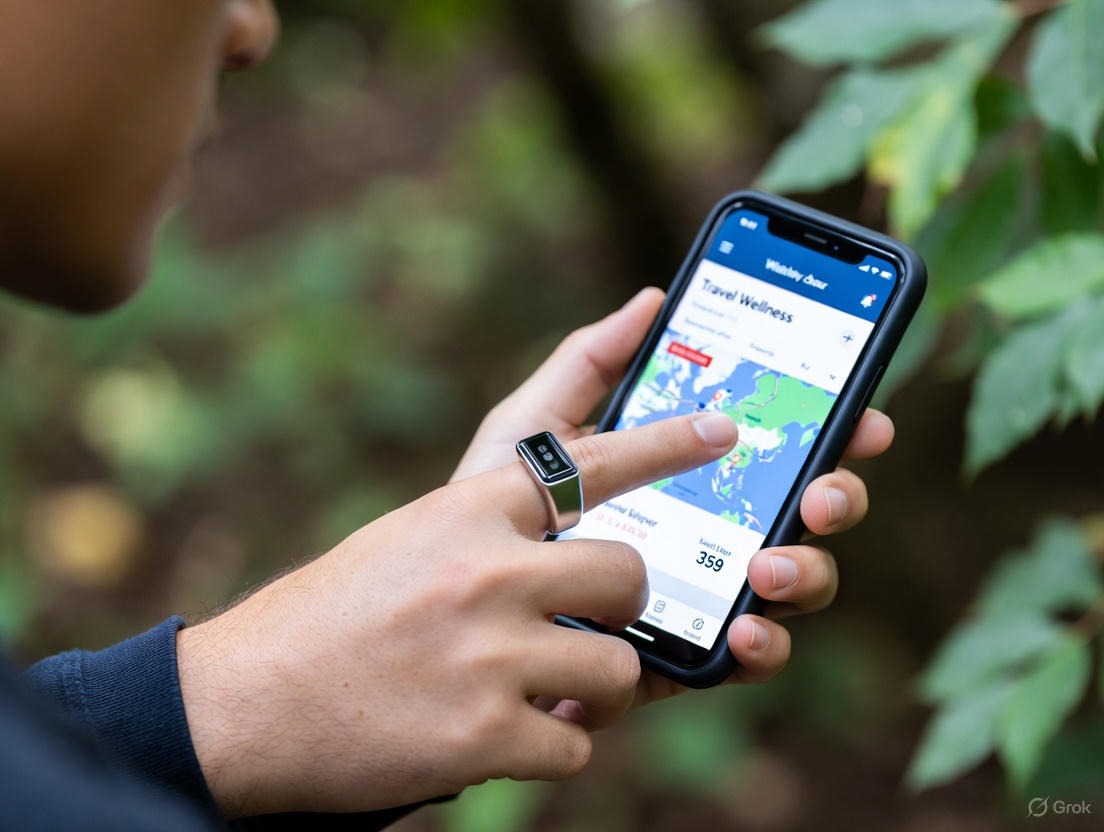
For generations, our relationship with body temperature has been episodic and superficial—a fever check with a forehead scanner or an oral thermometer during illness. These spot measurements are nearly useless for understanding the dynamic, circadian rhythm of a healthy individual. They tell you what your temperature is at that exact second but reveal nothing about where you are in your daily cycle, your personal baseline, or how you respond to life’s stressors. Modern wellness rings have revolutionized this by making continuous, non-invasive core temperature estimation a practical reality.
The technology hinges on a critical insight: the skin temperature at peripheral sites like the finger, where these rings are worn, is not the same as core temperature. However, it is intimately related. Advanced sensors, typically infrared thermopiles, measure the skin temperature at the finger’s vasculature-rich base with high precision. Sophisticated algorithms then go to work. They don’t just read the number; they analyze the trend, the rate of change, and the relationship with other metrics like heart rate and galvanic skin response. By applying physiological models, they can accurately infer core body temperature trends throughout the 24-hour cycle. This is the game-changer.
What emerges is not a single number, but a rich, continuous waveform—your personal temperature rhythm. You can see the characteristic nocturnal drop, the sharp rise upon waking (the "temperature sunrise"), the post-prandial bumps after meals, and the smooth decline as evening approaches. The ring tracks how exercise perturbs this curve and, most importantly, how quickly you return to baseline, a key marker of recovery fitness. It identifies your unique temperature minimum, a critical circadian phase point that is a powerful lever for optimizing your daily health using your circadian rhythm. This continuous data stream transforms temperature from a static health vital into a dynamic narrative of your energy expenditure, metabolic health, and circadian integrity. It’s the difference between seeing a single frame of a movie and watching the entire plot unfold.
Your energy levels are not random. They are orchestrated by a powerful internal timekeeper: your circadian rhythm. This 24-hour biological clock, centered in the brain's suprachiasmatic nucleus (SCN), governs everything from hormone release to gene expression, and its most reliable, measurable output is your core body temperature rhythm. Understanding this daily "energy wave" is the first step to riding it, rather than fighting against it.
A healthy, robust circadian temperature rhythm follows a predictable pattern. It reaches its lowest point (the nadir) typically in the second half of the night, around 4-5 AM. This temperature minimum is a crucial biological event, tightly linked to the timing of melatonin release and the deepest stages of sleep. As morning approaches, even before you wake, your body begins to warm up. Cortisol rises, acting as a kind of systemic ignition, driving your temperature upward. This "temperature sunrise" continues into the late morning, propelling you toward your peak alertness and cognitive function, which usually occurs in the late morning to early afternoon.
The temperature curve plateaus and then begins a gentle, gradual decline in the late afternoon and evening. This descent is a biological signal for winding down, promoting the release of melatonin and preparing the body for sleep. The steepness and consistency of this evening decline are key indicators of circadian health. A shallow or erratic decline often signals circadian disruption—perhaps from excessive blue light at night, mistimed meals, or chronic stress—and directly predicts poor sleep onset and reduced next-day energy.
By tracking this rhythm with a wellness ring, you move from theoretical understanding to personal mastery. You can answer pivotal questions: Is my rhythm stable and aligned with my day/night cycle? Is my temperature minimum occurring at a consistent time, indicating a well-entrained clock? Does my "temperature sunrise" align with when I need to be most alert? This data is the foundation for all other interventions, providing the objective evidence needed to craft a personalized schedule for work, creativity, exercise, and meals. It is the ultimate tool for setting the stage for daily health optimization with strategic morning routines, as you can align your waking actions with your body's natural thermal ascent.
Raw temperature data is just a stream of numbers. The power lies in interpreting the signatures—the patterns and deviations that tell a story about your current energy capacity and future resilience. A smart ring automates this analysis, highlighting key biomarkers that serve as your personal energy forecast.
Learning to read these signatures turns your ring into an early-warning system. It allows for proactive daily health optimization to prevent burnout, as you can scale back activity when your thermal recovery is slow or prioritize sleep hygiene when your evening slope is shallow. You’re no longer guessing why you’re tired; you have a physiological report card.
Armed with knowledge of your personal temperature rhythm, you can now practice chrono-thermal syncing—the strategic alignment of your activities with your body’s natural energy wave. This is the art of doing the right thing at the right thermal time, moving beyond generic time management to true bio-energy management.
By syncing your life to this thermal map, you work with your biology, not against it. This principle is central to an effective daily health optimization strategy for busy professionals, maximizing their limited time and energy by placing effort where it will have the greatest return. You stop wasting high-energy phases on low-value tasks and stop forcing productivity during low-energy lulls.
Sleep is not a passive state; it is an active, thermally-driven process of restoration. The single most important physiological cue for sleep initiation is a drop in core body temperature. This reduction, primarily achieved by increased blood flow to the skin (vasodilation) to dissipate heat, signals the brain's sleep switch and facilitates the entry into deep, slow-wave sleep (SWS). This stage is critical for physical repair, memory consolidation, and hormonal regulation. Therefore, the quality of your sleep is inextricably linked to the quality of your nocturnal cooling.
A wellness ring provides an objective measure of this critical process. It shows you exactly when your temperature begins to drop, how steep the decline is, and how low it goes. A healthy sleep-cool signature shows a drop beginning 60-90 minutes before you fall asleep, a smooth descent into the night, and a temperature minimum that is maintained through the first half of the sleep period. Disruptions in this pattern are directly visible:
Using ring data, you can engineer your environment and behaviors for an optimal sleep-cool. Lower your bedroom thermostat. Consider a cooling mattress pad or weighted blanket designed for temperature regulation. Take a warm bath 1-2 hours before bed; the subsequent rapid cooling as you leave the bath mimics the natural drop. By optimizing this thermal gateway to sleep, you ensure your body achieves the deep, restorative stages that truly replenish energy. This is a non-negotiable component of any plan to achieve the perfect balance between sleep, activity, and recovery.

Food is more than fuel; it’s a thermal event. The process of digestion, absorption, and metabolism of nutrients generates heat—a phenomenon known as diet-induced thermogenesis (DIT). What you eat, and when you eat it, directly writes itself onto your core temperature curve, influencing your energy availability throughout the day.
Tracking your temperature response to different meals and meal times is a powerful personalized nutrition tool. You can see in real time if your 8 PM dinner is causing a problematic overnight elevation, or if skipping breakfast is blunting your morning thermal rise. This data-driven approach moves you beyond fad diets to a nuanced understanding of how to use daily health data for chronic disease prevention, starting with the foundational metabolic health reflected in your thermal patterns.
Stress is not an abstract concept; it is a full-body physiological response with a distinct thermal signature. The "fight-or-flight" response, mediated by the sympathetic nervous system and hormones like cortisol and adrenaline, has direct thermogenic effects. It increases heart rate, constricts peripheral blood vessels (initially), and ramps up metabolism, all of which can raise core body temperature. Chronic stress, therefore, can keep your body’s thermal engine running in a heightened state, depleting energy reserves and disrupting natural rhythms.
A wellness ring can detect this in several ways:
Recognizing these thermal stress signatures is the first step toward mitigation. When your ring shows a flattened rhythm or elevated baseline, it’s a concrete signal to prioritize stress management not as a luxury, but as an essential energy conservation strategy. Techniques like breathwork, meditation, or a walk in nature can help activate the parasympathetic "cooling" system. This objective feedback is invaluable for mastering the critical daily health optimization of the stress-performance balance, allowing you to use stress as a temporary tool rather than letting it become a chronic tax on your vitality.
While your body works hard to maintain a stable internal temperature, it is in a constant dialogue with its surroundings. You can consciously engineer your microenvironment to send powerful cues to your internal thermostat, reinforcing your natural rhythms and boosting energy efficiency. This is biohacking at its most accessible.
By mindfully manipulating these external levers, you create a habitat that supports, rather than challenges, your internal energy management system. Your smart ring provides the feedback to see what works: Does morning light steepen my temperature rise? Does a cooler bedroom deepen my nocturnal low? This turns your home and office into active partners in your quest for optimized energy.
For those pushing physical or cognitive limits, marginal gains are everything. Temperature regulation is no longer a background biological process but a frontline performance variable. Elite athletes and top performers are using thermal data to fine-tune every aspect of their preparation, execution, and recovery.
In high-stakes environments, guessing is a luxury. Temperature data removes guesswork from the energy equation, providing a physiological roadmap to peak performance and sustainable output. It transforms recovery from a passive hope into an active, measurable process.
Armed with the knowledge of how temperature governs your energy, the natural next step is to translate this insight into a personalized, actionable plan. Generic wellness advice fails because it ignores your unique biological rhythm, lifestyle constraints, and personal goals. Your temperature data from a wellness ring provides the blueprint to build a protocol that is intrinsically yours. This is not about rigidly adhering to a set of external rules, but about cultivating an intuitive partnership with your body's signals, guided by objective data.
The process begins with establishing a baseline. Wear your ring consistently for at least two weeks without making drastic changes. This observation period is crucial. It reveals your natural, unforced circadian waveform—your default settings. Note the time of your temperature minimum, the slope of your evening decline, and how your temperature responds to your current meal times, exercise routines, and sleep schedule. This baseline is your starting point, the "before" picture against which all interventions will be measured.
From here, optimization becomes a gentle, iterative experiment. The goal is not to force your rhythm into a textbook-perfect wave overnight, but to make one small, sustainable change at a time and observe the thermal result. For instance, if your data shows a shallow evening decline and restless sleep, your first intervention might be to dim lights and shut off screens 90 minutes before bed for one week. The ring will show you if this steepens your cooling slope. If it does, you have a powerful, personalized reason to maintain that habit. If the change is minimal, you might experiment with an earlier dinner or a warm bath protocol instead. This methodical, data-informed approach prevents overwhelm and turns daily health optimization into a compounding series of small changes that yield massive results.
Your protocol will have core pillars—light, food, activity, sleep, and stress management—but the timing and implementation of each are dictated by your personal thermal signature. Someone with a delayed temperature minimum (a "night owl") will have a later schedule for light exposure, meals, and exercise than someone with an early minimum (a "lark"). The ring’s feedback loop validates what works for you, creating a customized system for energy management that evolves with your life. This is the essence of a personalized daily health optimization system guided by wearable data.
While daily energy optimization is an immediate benefit, the longitudinal tracking of core body temperature rhythms offers something even more valuable: a window into long-term systemic health and a powerful predictor of future vitality. The stability and amplitude of your circadian temperature wave are not just about how you feel today; they are biomarkers of underlying metabolic, immune, and neurological health. In many ways, a flattening temperature rhythm can be an early warning sign, a canary in the coal mine for age-related decline and chronic disease risk.
Research has consistently shown that a dampened circadian amplitude is associated with a host of negative health outcomes. It is commonly observed in aging populations, where the weakening of the SCN's signal leads to less distinct daily rhythms. This blunting is linked to poorer sleep, cognitive decline, and metabolic syndrome. The temperature rhythm is so fundamental that its disruption is a hallmark of unhealthy aging. Conversely, maintaining a robust, high-amplitude temperature wave into later life is a sign of preserved circadian function and is associated with better healthspan. By tracking this biomarker, you gain an objective measure of your "biological clock" health, separate from your chronological age. This makes a wellness ring a powerful tool for those focused on tracking key biomarkers for healthy aging.
Furthermore, specific deviations in the temperature curve can hint at underlying issues long before clinical symptoms arise. A chronically elevated baseline, even if slight, can indicate low-grade inflammation, a root cause of nearly every major chronic disease. An erratic, non-rhythmic pattern may suggest HPA-axis dysfunction (adrenal fatigue) or thyroid dysregulation. The continuous nature of ring data allows you to see trends over months and years, providing you and your healthcare provider with a rich dataset that goes far beyond annual check-up vitals. This proactive, preventive approach is at the heart of modern wellness—using data not to diagnose, but to guide lifestyle choices that support foundational health and truly create generational health benefits through informed habits.

The integration of continuous core temperature tracking into mainstream wearables is just the beginning of a profound shift in personalized health. As sensor technology miniaturizes further and machine learning algorithms become more sophisticated, the future promises a level of insight and intervention that feels like science fiction. We are moving from passive tracking to active, predictive, and context-aware guidance.
In the near term, we can expect advancements in precision and predictive analytics. Algorithms will not only describe your current thermal state but will forecast your energy capacity for the hours ahead based on your rhythm, sleep data, and recent activity. Your device might send a gentle notification: "Your thermal recovery from last night's workout is incomplete. Consider a low-stress day." Or, "Your temperature rise is strong today; your peak cognitive window will be 10 AM to 1 PM." This transforms the device from a historian into a strategic partner. Furthermore, integration with smart home systems will allow for automated environmental engineering. Imagine your bedroom lights gradually dimming and the thermostat lowering as your ring detects the initiation of your evening temperature drop, seamlessly crafting the ideal sleep environment.
Looking further ahead, the convergence of temperature data with other emerging biomarkers will paint a hyper-complete picture of your physiology. Correlations between specific thermal patterns and glucose variability, immune function markers, or even subtle hormonal shifts could be decoded. The ring could become a platform for detecting the earliest signs of illness—a sustained, atypical elevation in temperature might signal an immune response days before you feel unwell. This proactive capability aligns perfectly with a paradigm of health maintenance rather than sickness care. This evolution in technology underscores how innovations like wellness rings are fundamentally transforming the landscape of healthy aging, making sophisticated, continuous health monitoring accessible, effortless, and powerfully informative.
Knowledge is power, but only when applied. This guide provides a clear, phased approach to harnessing your temperature data for tangible energy gains. The first month is a period of discovery and foundational habit formation.
Days 1-14: The Observation Phase
Days 15-30: The First Intervention Phase
Building From Here:
After 30 days, you will have data proving what works. You can then layer in a second intervention based on your biggest opportunity. If sleep is still fragmented, experiment with an earlier dinner time. If afternoon energy slumps persist, use your identified cognitive prime window for important work. The ring provides the feedback to validate every change, turning abstract advice into a personalized complete guide to daily health optimization. Remember, the goal is progress, not perfection. A 5% improvement in your circadian amplitude can yield a 50% improvement in how you feel.
Theory comes alive through application. These anonymized vignettes illustrate how individuals have used temperature data to solve specific energy challenges, demonstrating the practical power of this approach.
Case Study 1: The "Tired but Wired" Executive
Case Study 2: The Athlete with Stalled Recovery
Case Study 3: The Shift Worker Seeking Stability
The path to optimized energy is often littered with well-intentioned mistakes. Popular wellness culture promotes one-size-fits-all extremes that can backfire. Your temperature data acts as a personal truth-teller, helping you navigate around these common pitfalls.
Pitfall 1: The "More is Better" Exercise Fallacy.
Pitfall 2: The Late-Night "Health" Meal.
Pitfall 3: Ignoring the Weekend "Social Jet Lag."
Pitfall 4: Chasing a Single "Perfect" Number.
Temperature regulation is not a standalone system; it is the central heating and cooling unit for the entire home that is your body. To truly optimize energy, thermal data must be integrated with other pillars of health. A wellness ring that tracks temperature, heart rate, HRV, and sleep provides a unified dashboard, but the synthesis happens in your understanding and actions.
The Nexus with Heart Rate Variability (HRV):
HRV is a brilliant measure of autonomic nervous system balance. It tells you how stressed your system is. Temperature tells you what that stress is doing to your metabolic engine. They are complementary. A low HRV coupled with an elevated baseline temperature is a strong double-signal of excessive systemic stress—your body is in a tense, high-burn state. A high HRV with a robust, high-amplitude temperature rhythm is the signature of resilience: a system that can engage powerfully (heat up) and recover deeply (cool down and relax). Using HRV to guide your day's intensity while using temperature to guide your timing creates a powerful one-two punch for energy management.
The Synergy with Sleep Architecture:
Your temperature rhythm doesn't just help you fall asleep; it dictates the quality of that sleep. The depth of your nocturnal temperature drop is correlated with the amount of slow-wave sleep (SWS) you achieve. A fragmented temperature curve predicts fragmented sleep. By using environmental hacks to deepen your cooling, you are directly engineering better SWS, which is critical for physical repair, growth hormone release, and cognitive consolidation. This turns sleep from a passive state into an actively optimized recovery session.
The Foundation for Metabolic and Nutritional Strategies:
As covered, meal timing and composition directly affect your thermal curve. This integration allows for a dynamic nutritional approach. On days when your thermal recovery is slow (suggesting higher inflammation/stress), you might prioritize anti-inflammatory foods and ensure ample protein for repair. On days when your rhythm is strong and your morning rise is sharp, you might time complex carbohydrates to fuel a demanding cognitive or physical output. Your temperature provides the context that makes nutritional choices strategic rather than generic.
Viewing your health through this integrated lens, with temperature as a central orchestrator, allows you to build a coherent, self-reinforcing system. It moves you away from chasing isolated metrics and toward cultivating a state of holistic vitality where sleep, nutrition, movement, and recovery are all aligned under the governing principle of your circadian biology. This is the ultimate goal of mastering healthy aging to live vibrantly at any age.
Energy optimization is not a 30-day sprint; it is a marathon that spans decades. Your thermal rhythm, while robust, is not immutable. It will and should change with the seasons, with your age, and with different chapters of your life. The goal is not to lock it into a rigid, youthful pattern forever, but to understand its natural evolution and support its health through every phase. This long-term perspective is what separates a fleeting experiment from a lasting lifestyle.
Seasonal Adaptations:
Your body is designed to respond to the natural world. In winter, with shorter photoperiods, your circadian rhythm may naturally dampen slightly, with a tendency to sleep longer and crave more energy-dense foods—a mild "hibernation" response. Your temperature amplitude might lessen. In summer, with long bright days, your rhythm may become more pronounced. A smart ring helps you distinguish between a healthy seasonal adaptation and a problematic dysfunction. It can guide you to use light therapy in dark winters to bolster your rhythm, or to be mindful of sleep hygiene in bright summers when social schedules can encroach on rest.
Navigating Life Transitions:
Major life events—parenthood, career changes, menopause, retirement—profoundly impact energy and rhythms. The continuous feedback from a wearable becomes an anchor. A new parent can see the brutal fragmentation of their temperature rhythm and, rather than just feeling exhausted, can strategize: when one partner takes a night shift, can the other get a 4-hour consolidated block of sleep to achieve at least one complete thermal cycle? During perimenopause, the well-documented thermoregulatory dysfunction (hot flashes) is vividly captured in the data. This isn't just validation; it allows for tracking the efficacy of interventions like mindfulness, layer-based cooling clothing, or environmental adjustments to improve sleep continuity despite the shifts.
Aging with Rhythm:
As we age, the master clock in the SCN can weaken, leading to a reduction in circadian amplitude—a flatter temperature wave. This contributes to earlier wake times, more fragmented sleep, and reduced daytime energy. However, this decline is not inevitable at a fixed rate. Lifestyle choices can significantly support circadian robustness. The consistent application of the principles in this article—strong morning light, regular timing, managed evening light, and temperature-supportive environments—becomes even more critical. Tracking your temperature rhythm provides the motivation to maintain these habits, as you can see directly how they preserve your amplitude. This proactive approach is fundamental to strategies that help older adults maintain independence and vitality at home.
By engaging in this long game, you shift from optimizing for today's output to investing in your lifelong capacity for engagement and joy. You learn to flow with your body's changes while providing the consistent cues it needs to function at its best, whatever your age or season. This is the ultimate promise of mastering your energy through the intelligent regulation of your inner climate.
The connection between temperature and physical energy is clear, but the link to the mind is perhaps even more profound. Your brain, constituting only about 2% of your body mass, consumes roughly 20% of your metabolic energy, and this cognitive engine is exquisitely sensitive to thermal conditions. The state of your core temperature directly influences processing speed, memory, focus, and even emotional resilience, creating a continuous feedback loop between how you think, how you feel, and how warm you are.
Neurologically, the optimal temperature for enzyme function in the brain mirrors that of the body. When you are in your ideal core range, neural transmission is efficient, neurotransmitter synthesis and release are balanced, and cerebral blood flow is optimized. This is the physiological basis for the "cognitive prime window" tied to your daytime temperature peak. Conversely, even mild deviations can impair function. Studies show that a rise in brain temperature of just 1°C can slow reaction times and reduce working memory capacity. This is why heat waves are associated with increased errors and accidents, and why "brain fog" is a common symptom of fever.
Furthermore, this loop is bidirectional. Intense cognitive effort itself can raise brain temperature. Focused problem-solving, deep learning, and sustained concentration are metabolically demanding tasks that generate cerebral heat. Your body's cooling mechanisms work to dissipate this, but in states of prolonged mental strain without breaks, you can experience a form of cognitive overheating, leading to mental fatigue, diminished willpower, and decision fatigue. This is a thermal explanation for the phenomenon of "ego depletion."
Emotionally, the link is powerful and primal. The warmth of social connection is more than a metaphor; positive social interactions can trigger feelings of literal warmth and safety. Conversely, stress and anxiety activate the sympathetic nervous system, which can cause peripheral vasoconstriction (cold hands) while often raising core temperature—a state of being simultaneously "hot-headed" and "cold-footed." Chronic stress, by keeping this system activated, can lead to the sustained, slightly elevated baseline temperature discussed earlier, creating a physiological environment that perpetuates emotional dysregulation and drains mental energy. Learning to manage this thermal-emotional loop is central to developing a daily health optimization approach focused on mental clarity.
Your wellness ring tracks the somatic manifestations of this loop. A spike in skin temperature coupled with a galvanic skin response can signal an acute stress event. A flattened circadian rhythm correlates with lower mood and motivation. By using the data to engineer thermal stability—through consistent sleep, stress-buffering practices, and strategic work breaks—you are not just cooling your body; you are creating the optimal operating environment for a clear, calm, and resilient mind.
While generalized energy is the ultimate goal, your thermal rhythm can be fine-tuned to support specific, targeted outcomes. By understanding how temperature interacts with different physiological systems, you can tailor your daily and seasonal practices to become a more effective tool for achieving distinct objectives.
For Weight Management and Metabolic Health:
The relationship between circadian rhythms, temperature, and metabolism is intimate. Your body is primed to metabolize food most efficiently during its active, warmer phase. Eating in alignment with your temperature curve—consuming the majority of your calories during your rising and peak temperature hours—enhances diet-induced thermogenesis and improves glucose tolerance. Conversely, eating during your falling and low-temperature phase (late evening/night) is associated with poorer metabolic outcomes. Your ring provides the evidence: a late meal creates a thermal burden that disrupts sleep and can lead to higher fasting glucose the next morning. Furthermore, non-exercise activity thermogenesis (NEAT), the energy burned through fidgeting and daily movement, is higher when you are in your active, warmer phase. By scheduling your most active periods (like walking meetings, household chores) during your temperature plateau, you subtly increase caloric expenditure. This makes temperature-aware timing a powerful, often overlooked component of a sustainable daily health optimization strategy for weight management.
For Immune Resilience:
Your immune system is under circadian control, and its efficacy is temperature-sensitive. A robust circadian rhythm with a strong amplitude supports optimal immune cell trafficking and cytokine production. The nocturnal drop in temperature is not just for sleep; it may also create a more favorable environment for certain immune functions. Fever, of course, is the body's deliberate thermal strategy to combat pathogens. Your ring’s ability to detect a sustained, subtle elevation in baseline temperature can serve as an early alert that your body is mounting an immune response, sometimes days before you feel symptoms. This allows for proactive "sickness behavior"—prioritizing rest, hydration, and reducing stress—which can potentially shorten the duration or severity of an illness. Maintaining a stable, healthy rhythm is thus a foundational practice for immune defense, a key part of using data for long-term health and chronic disease prevention.
For Peak Creativity and Insight:
While analytical work peaks with core temperature, the story for creativity is more nuanced. Insight and divergent thinking often benefit from a slightly relaxed, defocused state. This may be why many people report creative flashes during warm showers, on walks, or in the twilight state just before sleep—periods associated with a shifting thermal state, not necessarily the peak. The warming relaxation of a shower or the gentle cooling of an evening walk may promote a mental state conducive to making novel connections. You can use your thermal data to identify these "liminal" periods in your day—the transition from the temperature rise to the plateau, or the early part of the evening decline. Protecting these times from high-stimulation input (like social media or intense conversation) and instead engaging in gentle activity, meditation, or free-form journaling can create a sanctuary for creative thought to emerge. This represents a sophisticated application of energy management, where you are optimizing not just for output, but for the quality and nature of that output.
For those looking to push their physiology intentionally, controlled thermal stress—through deliberate cold and heat exposure—is a powerful tool. These practices, when done with awareness and guided by data, can enhance metabolic health, improve cardiovascular function, increase stress resilience, and boost mood. A wellness ring transforms these practices from blunt instruments into precise biohacks, allowing you to measure your body's response and adapt accordingly.
Cold Exposure (Cold Plunges, Showers):
The acute response to cold is massive sympathetic activation: vasoconstriction, increased heart rate, and a surge in norepinephrine. Over time, regular adaptation improves brown fat activation (which burns calories to generate heat) and enhances metabolic flexibility. Your ring data is crucial here for two reasons: First, it helps you track your cold shock and recovery. You can see how your heart rate spikes and then how quickly it returns to baseline, a marker of autonomic resilience. Second, and more critically, it warns you about timing. Cold exposure is highly alerting and raises core temperature after the initial plunge as the body works to rewarm. Performing this too late in the day can significantly blunt your evening temperature decline and disrupt sleep. The data-driven guideline is to schedule cold exposure in the morning or early afternoon, aligning with your body's natural warming phase, and to avoid it within 3-4 hours of bedtime.
Deliberate Heat Exposure (Sauna, Hot Baths):
Heat exposure, like exercise, provides a hormetic stress that upregulates heat shock proteins, improves endothelial function, and can promote relaxation. The key, as with the evening bath ritual, is in the post-heat cooling. The therapeutic benefit is partly in the body's powerful cooling response—the dramatic vasodilation and sweating. Your ring quantifies this. You can see how deep and prolonged your temperature drop is after a sauna session. This "cooling rebound" is a positive stress on your thermoregulatory system. Monitoring this helps you determine the optimal duration and temperature for your sessions. Furthermore, it reinforces the rule of timing: finish heat exposure at least 1-2 hours before bed to allow the cooling phase to complete and support, not disrupt, nocturnal sleep.
Using a ring with these protocols moves you beyond anecdotal "feel-good" reports to objective tracking. You can correlate your sauna frequency with improvements in your resting heart rate or HRV. You can ensure your cold plunge habit isn't secretly sabotaging your sleep. This data-informed approach allows you to harness powerful environmental tools safely and effectively, integrating them into a comprehensive daily health optimization protocol for longevity.
For millions, the ideal of a stable, solar-aligned circadian rhythm is a distant dream. Shift work, frequent travel, and chronic health conditions present formidable challenges to thermal regulation. In these scenarios, a wellness ring and an understanding of temperature dynamics shift from being optimization tools to essential survival guides, providing a roadmap to mitigate harm and find pockets of stability.
For the Shift Worker:
The goal here is not to achieve a perfect rhythm, but to manage the damage and support recovery on off-days. The primary strategy is light manipulation. After a night shift, wearing blue-blocking glasses on the commute home is critical to prevent morning sunlight from resetting the clock to a day schedule. Sleep should then occur in a pitch-black, cool room. Before a night shift, strategic use of bright light during the shift can help keep alertness and temperature elevated. The ring provides critical feedback: Is your sleep after a night shift showing any meaningful temperature drop? If not, your light-blocking or sleep environment may need improvement. On your consecutive off-days, you can then use strong morning light exposure to gently drag your rhythm back toward a daytime schedule. This constant tug-of-war is exhausting, but data makes it a strategic battle, helping to preserve overall health and prevent the severe metabolic and cognitive decline associated with chronic shift work.
For the Frequent Flyer (Jet Lag):
Jet lag is essentially a temporary, externally imposed circadian disorder. Your temperature rhythm is stuck in your origin time zone while you are in a new light-dark cycle. The principle of recovery is to use light to phase shift your rhythm as quickly as possible. Your ring’s identified temperature minimum is your most powerful tool. Light exposure after your temperature minimum causes a phase delay (helpful flying west). Light exposure before your temperature minimum causes a phase advance (helpful flying east). By checking your ring’s data to estimate when your minimum is occurring post-flight, you can time your outdoor light exposure with precision. For example, after a flight from NY to London (eastward), you need to advance your clock. This means getting bright light in the early London morning (which will be late night in your body), even if you're exhausted. The ring tracks your progress, showing how quickly your temperature minimum moves to align with the new local night.
For Those with Chronic Conditions (e.g., Fibromyalgia, CFS, Dysautonomia):
Many chronic conditions involve thermoregulatory dysfunction. Patients often report temperature sensitivities, poor tolerance to heat or cold, and disrupted sleep. For them, a wellness ring serves two vital purposes: Validation and Pacing. Objective data that shows a chaotic temperature rhythm or an inability to cool down at night validates their lived experience, which can be psychologically empowering. More importantly, it provides a tool for activity pacing. By tracking thermal recovery after daily tasks (not just exercise), a person can identify their individual energy envelope. They can learn that a trip to the grocery store raises their temperature for X hours, and they need to plan rest accordingly. This prevents the classic "boom-bust" cycle and allows for more stable energy management within the constraints of their condition, embodying a careful energy management approach to daily health.
Human beings are inherently social and comparative. While personalized data is paramount, there is undeniable value in understanding context—how your thermal patterns compare to broader populations or similar cohorts. This dimension, handled with care, can provide motivation, normalize experiences, and highlight areas for focused attention.
Cohort Comparisons (Age, Gender, Activity Level):
It is biologically normal for a 25-year-old elite athlete to have a different temperature profile than a 65-year-old retiree. Women will show a monthly modulation of basal body temperature tied to the menstrual cycle, with a clear biphasic pattern (lower in the follicular phase, higher in the luteal phase). Advanced wellness platforms may offer anonymized, aggregate comparisons. Seeing that your amplitude is in the top quartile for your age and gender can be affirming. Observing that your thermal recovery after exercise is slower than the average for your activity level might indicate you need more focus on recovery nutrition or sleep. These comparisons must be framed not as competitions, but as informative context that helps you set realistic, personalized expectations and goals.
The Menstrual Cycle as a Master Class in Thermal Rhythm:
For cycling individuals, the body offers a powerful, built-in demonstration of hormonal influence on core temperature. The rise in progesterone after ovulation increases the body's set point, leading to a sustained elevation in basal body temperature (BBT) of about 0.5-1.0°F until menstruation begins. A smart ring automates BBT tracking with far greater comfort and accuracy than oral thermometers. This provides invaluable data for fertility awareness, but also for general energy management. Understanding which phase you are in explains natural energy shifts: the follicular phase (lower temp) is often associated with higher energy and better exercise performance, while the luteal phase (higher temp) may bring a need for more rest and gentler movement. Tracking this cycle alongside other metrics creates a powerful, multi-layered view of your physiology, allowing you to plan your month in harmony with your hormones.
Normalizing Variability:
Perhaps the most important community insight is that variability is normal. Your temperature curve will not be a perfect sine wave every day. It will be affected by stress, illness, alcohol, travel, and social events. Seeing that even the "healthiest" cohorts have days with poor recovery or flattened rhythms can alleviate anxiety and perfectionism. The goal is the trend and the resilience—how quickly you return to your robust pattern after a disruption. This perspective fosters self-compassion and a long-term view, which is essential for building daily health habits that genuinely transform life quality without creating orthorexia or data anxiety.
As we embrace devices that collect continuous, intimate physiological data—data that reveals our sleep patterns, stress states, and potentially our menstrual cycles or early illnesses—critical questions about ethics, privacy, and ownership come to the forefront. This is not a peripheral concern; it is central to the responsible use of this transformative technology.
The Sensitivity of Thermal Data:
Your core temperature rhythm is a biometric of exceptional intimacy. Its deviations can indicate pregnancy, ovulation, the onset of disease, sleep disorders, and mental health states. Unlike a step count, this data paints a detailed portrait of your internal state and its vulnerabilities. Who has access to this raw data stream? Is it anonymized and aggregated for research, and if so, with what explicit consent? Could it be used by insurers or employers to make assumptions about health risks or productivity? These are not hypotheticals. The industry must, and is beginning to, establish clear norms. As a user, it is imperative to read privacy policies, understand where your data is processed (on-device vs. cloud), and know your rights to delete it.
The Imperative of User Sovereignty:
The principle of data sovereignty—that you are the ultimate owner and controller of your biometric data—must be non-negotiable. A trustworthy wellness company will provide clear, granular controls. You should be able to choose what is shared, for what purpose, and be able to download your raw data and delete it from servers permanently. The ideal model is on-device processing, where the most sensitive algorithmic analysis happens locally on the ring or your phone, with only high-level insights (like a sleep score) being shared to the cloud if you choose. This minimizes privacy risk while delivering value.
Avoiding Diagnostic Pitfalls and Anxiety:
Wellness rings are powerful monitoring tools, but they are not medical diagnostic devices. The ethical use of this technology requires clear communication about its limitations. Companies must avoid language that suggests the ring can diagnose conditions like sleep apnea or hypothyroidism; it can only show patterns that may warrant professional investigation. For the user, this means cultivating a healthy relationship with the data. The purpose is awareness and guidance, not self-diagnosis or obsession. Using data to see that your rhythm is disrupted and then consulting a doctor is empowered health management. Using data to spiral into anxiety about every tiny fluctuation is counterproductive. The goal is to use technology to build a more attuned, trusting relationship with your body, not to outsource your intuition to an algorithm. This balanced approach is what makes such technology a sustainable part of a healthy life, rather than a source of new-age anxiety.
The culmination of this journey is not a collection of charts, but a transformed lived experience—a lifestyle where thermal awareness becomes as intuitive as knowing when you're hungry or thirsty. This final stage is about moving beyond conscious optimization to embodied wisdom, where the data has taught you so well that you no longer need to check it constantly. The ring transitions from a daily coach to a periodic audit tool.
The Integration Pathway:
This happens in phases. First, there is Dependence, where you check the app constantly, eager to see the results of every intervention. Next comes Competence, where you understand the patterns, can predict how certain actions will affect your graph, and use the data for specific troubleshooting. Finally, you reach Integration. You internalize the principles. You know that bright morning light sets you up for the day without needing to see the temperature rise. You feel the signal of an evening temperature drop as a natural drowsiness and respect it. You schedule demanding work in your known prime window out of habit. The ring stays on, providing gentle feedback and catching slow drifts (like a gradually flattening amplitude during a stressful season), but it is no longer the crutch; it is the compass you consult on a long journey, not the map you stare at every step.
Creating Thermal Rituals:
A sustainable lifestyle is built on rituals, not rules. Your thermal awareness can inform beautiful, simple daily rituals:
The Ultimate Goal: Energy Autonomy
The end state of this mastery is energy autonomy. You are no longer at the mercy of your environment, your schedule, or your unchecked habits. You possess the knowledge and the tools to regulate your internal climate. You can navigate high-stress periods, travel, social demands, and aging with grace and agency because you understand the levers to pull. You have moved from being a passive passenger in your body to a skilled pilot, capable of navigating through different weather conditions to reach your destination of sustained vitality and purpose. This autonomy is the ultimate promise of this technology—not to make us dependent on a device, but to use a device to make us more independent, resilient, and attuned to the magnificent biological wisdom we already possess. It completes the journey toward a fully optimized daily life across all domains of health and performance.
Your Trusted Sleep Advocate: Sleep Foundation — https://www.sleepfoundation.org
Discover a digital archive of scholarly articles: NIH — https://www.ncbi.nlm.nih.gov/
39 million citations for biomedical literature :PubMed — https://pubmed.ncbi.nlm.nih.gov/
Experts at Harvard Health Publishing covering a variety of health topics — https://www.health.harvard.edu/blog/
Every life deserves world class care :Cleveland Clinic - https://my.clevelandclinic.org/health
Wearable technology and the future of predictive health monitoring :MIT Technology Review — https://www.technologyreview.com/
Dedicated to the well-being of all people and guided by science :World Health Organization — https://www.who.int/news-room/
Psychological science and knowledge to benefit society and improve lives. :APA — https://www.apa.org/monitor/
Cutting-edge insights on human longevity and peak performance:
Lifespan Research — https://www.lifespan.io/
Global authority on exercise physiology, sports performance, and human recovery:
American College of Sports Medicine — https://www.acsm.org/
Neuroscience-driven guidance for better focus, sleep, and mental clarity:
Stanford Human Performance Lab — https://humanperformance.stanford.edu/
Evidence-based psychology and mind–body wellness resources:
Mayo Clinic — https://www.mayoclinic.org/healthy-lifestyle/
Data-backed research on emotional wellbeing, stress biology, and resilience:
American Institute of Stress — https://www.stress.org/


