The Complete Beginner-Friendly Guide to Sleep as Ultimate Natural Energy Booster
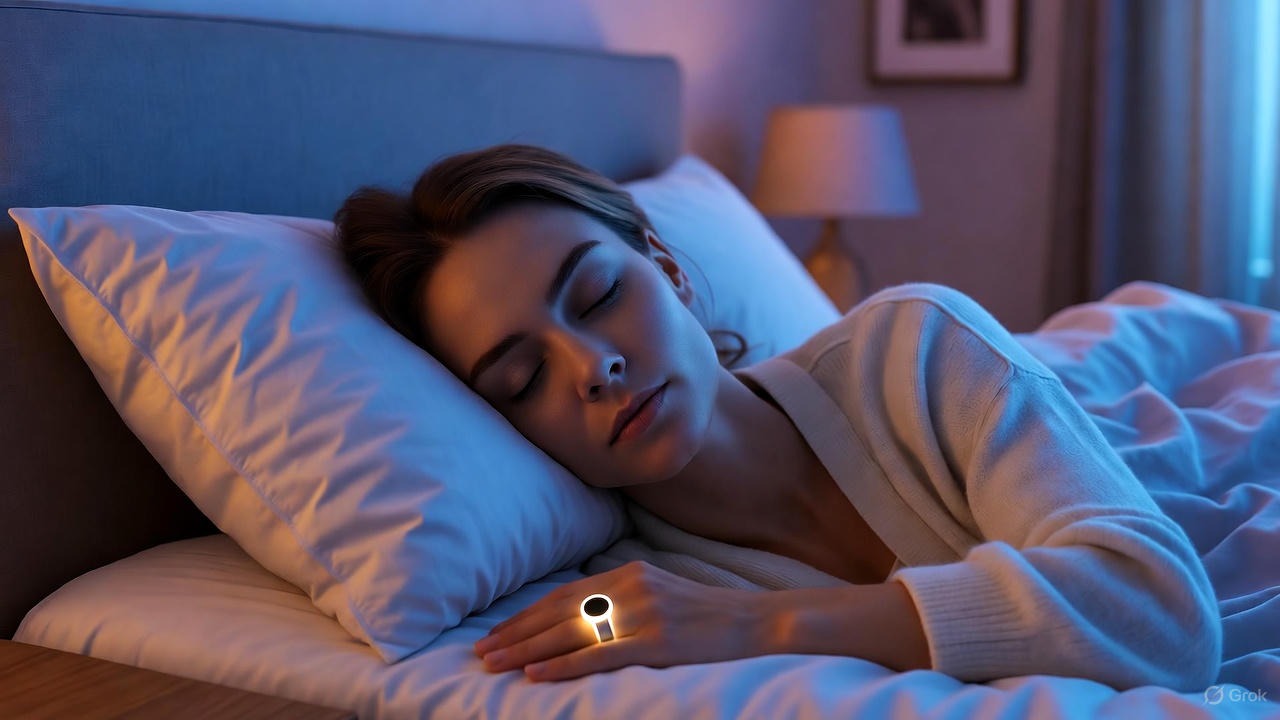
Quality sleep is the ultimate natural energy booster, tracked by your ring.
The Complete Beginner-Friendly Guide to Sleep as Ultimate Natural Energy Booster
We live in an era of chronic exhaustion. You know the feeling—that 3 PM brain fog that turns simple tasks into mental marathons, the reliance on third and fourth cups of coffee just to function, the sense that you're operating at 60% capacity while life demands 110%. In our quest for more energy, we turn to complex supplements, elaborate biohacking protocols, and expensive wellness trends. Yet, we consistently overlook the most powerful, accessible, and scientifically-proven energy booster available to every single human being: sleep.
This isn't just about getting "enough" hours to feel less tired. This guide will reveal sleep as the foundational pillar of natural vitality—a dynamic, multi-phase process where your body and brain perform their most sophisticated restoration work. Quality sleep directly fuels mitochondrial efficiency (your cellular power plants), regulates the hormones that govern energy expenditure, cleans metabolic waste from your brain, and consolidates learning into usable skill. It’s nature's ultimate performance-enhancing drug, with zero side effects and entirely free of charge.
Modern life, however, has declared war on this biological imperative. Blue light mimics noon at midnight, constant connectivity keeps our nervous systems on high alert, and productivity culture glorifies "hustle" over rest. The result is a pervasive sleep deficit that saps our natural energy reserves, making us reliant on artificial stimulants just to get through the day.
But what if you could wake up every single morning feeling genuinely refreshed, with mental clarity that lasts all day and a steady, resilient supply of physical energy? This is not a fantasy. It's your biological birthright, and it’s achievable by understanding and optimizing the single most important health behavior you engage in each day.
This guide is your beginner-friendly roadmap. We will dismantle sleep myths, explore the fascinating architecture of your sleep cycles, and provide actionable, evidence-based strategies to transform your sleep from an afterthought into your #1 energy optimization strategy. We'll move beyond generic advice like "get 8 hours" and into the realm of personalized sleep hygiene, environmental engineering, and timing precision. By the end, you will possess not just knowledge, but a practical, step-by-step system to harness sleep as your ultimate, natural, and sustainable source of energy.
Let’s begin the journey to rediscovering what it truly means to be awake.
The Energy Crisis: Why Coffee, Willpower, and Hustle Culture Are Failing You
We are in the midst of a silent energy epidemic. Walk into any office, classroom, or social gathering, and you’ll hear the same refrains: "I'm running on fumes," "I didn't sleep well," "I need another espresso." Fatigue has become a default state, a badge of busyness we wear with a strange sense of pride. We've normalized feeling subpar and have built an entire economy around coping with the symptoms rather than addressing the root cause.
For decades, the solution to low energy has been sought externally: caffeine to jolt the nervous system, sugary snacks for a quick glucose spike, motivational podcasts to push through the wall. Hustle culture sold us the lie that sleep is for the weak, that the path to success is paved with sacrificed rest. We idolize CEOs who brag about four-hour sleep schedules, mistakenly equating exhaustion with dedication. This approach is not only unsustainable—it's fundamentally at odds with human biology.
The truth is stark: Sleep deprivation is a catastrophic drain on your biological energy systems. It's like trying to drive a car with a clogged fuel injector, a dying battery, and sand in the oil, then revving the engine harder and wondering why it’s sputtering. Let’s break down precisely how a lack of sleep sabotages your vitality:
Cellular Energy Bankruptcy: During deep sleep, your body prioritizes the production of adenosine triphosphate (ATP), the primary energy currency of every cell. Skimp on sleep, and you directly reduce ATP synthesis. Your mitochondria—the powerhouses of your cells—become less efficient and more prone to damage, leading to systemic fatigue at the most fundamental level.
Hormonal Sabotage: Sleep is the master regulator of your endocrine system. Poor sleep spikes cortisol (your primary stress hormone), creating a state of constant low-grade alarm that burns energy needlessly. Simultaneously, it disrupts ghrelin and leptin, the hormones that control hunger and satiety, leading to cravings for energy-dense, low-nutrient foods that cause energy crashes. It also blunts the release of growth hormone, which is essential for tissue repair and muscle recovery—key for physical vitality.
Cognitive Drain: Your brain uses about 20% of your body's energy, despite being only 2% of its weight. During sleep, particularly during the deep and REM stages, the brain’s glymphatic system activates, flushing out metabolic waste products like beta-amyloid (associated with cognitive decline). Without this nightly cleanse, toxic byproducts accumulate, leading to brain fog, poor concentration, and impaired decision-making—all of which are mentally exhausting.
The Vicious Cycle of Stimulants: Here’s the cruel irony: our primary solution (caffeine) worsens the problem. Caffeine works by blocking adenosine receptors. Adenosine is a neurotransmitter that builds up throughout the day, creating "sleep pressure"—the feeling of tiredness that prompts you to rest. By artificially blocking this signal, you mask your fatigue. However, adenosine continues to accumulate. When the caffeine wears off, you experience an "adenosine crash," feeling more exhausted than before. This often leads to more caffeine, further disrupting your ability to fall asleep later, creating a debilitating cycle of artificial alertness and compounded sleep debt.
The modern approach is a losing battle. You cannot supplement, caffeine-load, or willpower your way out of a biological deficit. The only way to solve the energy crisis is to stop treating the symptoms and start rebuilding the foundation. That foundation is consistent, high-quality, and sufficient sleep. It is the prerequisite for all other forms of energy optimization. As we explore in our guide on building a sustainable daily health optimization practice, consistency in foundational habits like sleep is what creates compounding returns in vitality.
The first step to reclaiming your energy is to discard the cultural myth that sleep is a luxury or a sign of laziness. It is a non-negotiable biological process, as vital as breathing or drinking water. It is the time when your body shifts from energy consumption to energy restoration, repair, and storage. Investing in sleep is the highest-yield investment you can make in your daily performance, health, and overall quality of life.
Sleep 101: Understanding the Architecture of Your Nightly Energy Restoration
To optimize something, you must first understand how it works. Sleep is not a monolithic state of unconsciousness. It is a highly structured, cyclic journey through distinct stages, each with a unique and critical role in restoring your physical and mental energy. This is called sleep architecture, and visualizing it is the key to appreciating why both the quantity and the quality of your sleep matter immensely.
Think of a full night's sleep as a series of 90-minute waves. Each wave, or sleep cycle, carries you through four primary stages: three stages of Non-Rapid Eye Movement (NREM) sleep and one stage of Rapid Eye Movement (REM) sleep. Over the course of the night, the composition of these cycles changes, offering different benefits as the night progresses.
The Stages of the Sleep Cycle:
N1 (Light Sleep – The Gateway): Lasting 1-5 minutes, this is the transition from wakefulness to sleep. Your muscles relax, your heart rate and breathing begin to slow, and your brain produces theta waves. It's easy to be woken up here. This stage acts as the "on-ramp" to deeper restoration.
N2 (Light Sleep – Foundation Building): You spend approximately 50% of your total sleep in this stage. Your body temperature drops, eye movements stop, and brain waves slow further with occasional bursts of rapid activity called "sleep spindles" and "K-complexes." These are believed to be crucial for memory consolidation (transferring short-term memories to long-term storage) and protecting the sleep state from external disruptions. This stage is the essential mortar between the bricks of deep and REM sleep.
N3 (Deep Sleep – Physical Restoration): Often called "slow-wave sleep" due to the presence of slow, rolling delta brain waves, this is the most physically restorative phase. It’s hardest to be awakened from deep sleep. This is when the magic happens for your energy:
Cellular Repair & Growth: Blood flow to muscles increases, tissue growth and repair occur, and energy is restored through the release of growth hormone.
Immune System Fortification: Your immune system is strengthened. Consistent deep sleep is a cornerstone of a robust immune response, a topic explored in our daily health optimization strategy for immune health.
Energy Replenishment: The brain's glycogen stores (energy reserves) are replenished, and critical detoxification processes ramp up.
REM Sleep (Mental & Emotional Recharge): As the name suggests, your eyes move rapidly behind your eyelids. Your brain activity increases to levels similar to wakefulness, but your voluntary muscles are temporarily paralyzed (a state called atonia, preventing you from acting out your dreams). This stage is the custodian of your cognitive energy:
Memory Processing & Learning: REM sleep is essential for consolidating procedural and emotional memories, problem-solving, and creativity. It’s where the brain connects new information with old, fostering learning and insight.
Emotional Regulation: The brain processes emotional experiences, helping to strip away the sharp, reactive edges from the previous day’s events. This is vital for mental resilience and stable energy levels.
The Nightly Progression: A Dynamic Shift
Your night doesn't feature equal amounts of each stage. In the first half of the night, cycles are dominated by deep N3 sleep. This is when your body performs its most intense physical repair. As the night progresses, REM sleep periods become longer and more prominent, especially in the final cycles before waking. The early deep sleep focuses on physical restoration, while the later, extended REM periods focus on cognitive and emotional maintenance.
This architecture explains why both sleep duration and continuity are non-negotiable. If you cut your sleep short by even 60-90 minutes, you are disproportionately robbing yourself of that critical, extended REM sleep in the final cycle. If your sleep is fragmented by disruptions (a noisy environment, sleep apnea, checking your phone), you may never descend into sustained, restorative deep sleep. You might be in bed for 8 hours, but your "sleep efficiency"—the percentage of time actually spent asleep—could be abysmal, leaving you feeling unrefreshed.
Understanding this architecture empowers you. It explains why waking up to a blaring alarm in the middle of a deep sleep cycle feels so disorienting and awful (a phenomenon known as "sleep inertia"), while waking up naturally at the end of a REM cycle often leads to feeling alert and refreshed. It underscores that sleep is an active, purposeful process, not passive downtime. By learning to protect and nurture this intricate nightly journey, you are directly investing in your energy reserves for the day ahead. This is precisely why a daily health optimization routine for better sleep focuses on more than just bedtime; it focuses on creating the conditions for optimal sleep architecture.
Your Personal Sleep Blueprint: How Much Sleep Do You Really Need?
"Get 8 hours of sleep." It's one of the most ubiquitous pieces of health advice, and for good reason—it’s a solid, population-wide average. But is it your magic number? The answer is: maybe, but maybe not. Treating 8 hours as a universal dogma can be just as counterproductive as neglecting sleep altogether. Your ideal sleep duration is as personal as your fingerprint, influenced by genetics, age, lifestyle, and even your current health status. Finding your unique "sleep sweet spot" is the second critical step in using sleep as your natural energy booster.
Why 8 Hours is a Starting Point, Not a Gospel
The National Sleep Foundation and other health authorities recommend 7-9 hours per night for healthy adults. This range acknowledges natural human variation. Some people, known as "short sleepers" (a rare genetic trait), may function optimally on 6 hours. Others, "long sleepers," might require 9 or even 10 hours to feel their best. The key metric is not the clock, but how you feel during your waking hours. Do you wake up without an alarm feeling refreshed? Do you sustain steady energy and mental focus throughout the day without stimulants? If you need caffeine to function, experience an afternoon crash, or are irritable and foggy, you are likely not meeting your personal sleep need, regardless of whether you hit 8 hours in bed.
Factors That Influence Your Sleep Need:
Age: This is the most significant factor. Newborns need 14-17 hours, teenagers 8-10 hours, and adults 7-9 hours. Sleep need often decreases slightly in older age, but quality becomes an even greater concern.
Genetics: Specific genes, like the DEC2 gene, can influence your natural sleep-wake cycle and duration requirement.
Physical Activity Level: If you engage in intense exercise or manual labor, your body requires more deep sleep for muscle repair and recovery, potentially increasing your total sleep need.
Health Status: When you are sick, injured, or under significant stress, your body's demand for restorative sleep skyrockets to support immune function and repair processes. This is a core principle of a daily health optimization recovery-first approach.
Sleep Debt: If you have been chronically undersleeping, you will require more than your baseline need for a period to pay back this accumulated debt before settling into your true maintenance requirement.
How to Discover Your Personal Sleep Requirement: A Practical Experiment
Forget lab tests. You can find your number with a simple, one-to-two-week self-experiment. The best time to do this is during a vacation or period with minimal social and work constraints.
Choose Your Window: Select a stretch of 7-14 days where you can prioritize sleep without setting a strict morning alarm.
Establish Consistency: Go to bed at the same time each night, when you feel naturally tired (not when you "should"). Make sure your sleep environment is dark, cool, and quiet.
Eliminate the Alarm: Allow yourself to wake up naturally, without any alarms, sunlight exposure, or disturbances.
Track Your Time: For the first few nights, you may sleep longer than usual as you pay down sleep debt. Don't panic—this is normal. After 4-5 nights of this, your sleep duration will likely stabilize.
Calculate Your Average: After the initial "recovery" period, calculate the average number of hours you sleep each night. This is a strong indicator of your personal sleep requirement.
The Critical Role of Sleep Consistency
Perhaps even more important than the exact number of hours is the consistency of your sleep schedule. Your body thrives on rhythm. It operates on a 24-hour internal clock called the circadian rhythm, regulated by a master "pacemaker" in the brain called the suprachiasmatic nucleus (SCN).
When you go to bed and wake up at wildly different times—sleeping in until noon on weekends after a week of 6 AM wake-ups—you create "social jet lag." This confuses your circadian rhythm, much like flying across time zones does. The misalignment disrupts the timing of hormone release (like melatonin for sleep and cortisol for wakefulness), body temperature cycles, and digestion. The result? Poorer sleep quality, daytime fatigue, and a sense that you never quite catch up.
The single most effective sleep habit you can adopt is to wake up at the same time every single day, even on weekends. This anchors your circadian rhythm. If you need to catch up on lost sleep, it’s better to go to bed earlier than to sleep in late. By discovering your personal sleep need and honoring it with a consistent schedule, you move from guessing about your energy levels to strategically engineering them. This level of self-knowledge is what makes a true daily health optimization practice powerful and personalized.
The Circadian Rhythm: Syncing Your Sleep with Your Body's Master Clock for All-Day Energy
If sleep architecture is the "what" of your nightly restoration, your circadian rhythm is the "when." It is the 24-hour internal biological clock that governs not just your sleep-wake cycle, but virtually every physiological process in your body—from hormone secretion and body temperature to metabolism, digestion, and even gene expression. Think of it as the conductor of your body's orchestra, ensuring each section comes in at the right time for a harmonious performance. When you are in sync with this rhythm, energy flows naturally. When you are out of sync, you experience fatigue, brain fog, and metabolic disarray.
How Your Circadian Rhythm Works: Light is the Key
The master clock in your brain (the SCN) is exquisitely sensitive to light, especially blue-wavelength light. Here’s the basic daily loop:
Morning: Exposure to bright, blue-rich morning sunlight signals to your SCN that "daytime" has begun. It responds by suppressing the sleep hormone melatonin and triggering a rise in cortisol (your natural wake-up signal) and other alertness-promoting hormones. Your body temperature begins to rise, and energy systems come online.
Daytime: As daylight continues, you maintain a state of alertness and stable energy. The SCN keeps melatonin production turned off.
Evening: As the sun sets and light levels diminish, the SCN gets the signal to initiate the wind-down process. It triggers the pineal gland to start secreting melatonin, which promotes drowsiness and prepares the body for sleep. Your core body temperature also begins its natural decline, a critical signal for sleep onset.
Night: In darkness, melatonin peaks, facilitating and maintaining sleep. Your body performs its repair work, and core temperature hits its lowest point (nadir) typically in the early morning hours, around 4-5 AM.
Disrupting the Rhythm: The Modern Assault on Natural Timing
Modern life throws multiple wrenches into this elegant, light-driven system:
Indoor Living: We spend over 90% of our time indoors under artificial lighting, which is orders of magnitude dimmer than sunlight and often deficient in the blue spectrum needed for strong daytime signals.
Evening Blue Light: Our screens (phones, tablets, computers, TVs) emit potent blue light that, when viewed after sunset, tricks the SCN into thinking it's still daytime. This suppresses melatonin production, delays your body's natural wind-down process, and makes it harder to fall asleep.
Inconsistent Schedules: Erratic bedtimes and wake-up times, as discussed earlier, directly confuse the SCN, weakening its ability to drive robust, predictable cycles.
The consequence of this disruption is circadian misalignment, which is a primary driver of low energy. You're essentially asking your body to be alert when its internal biology is preparing for rest, and vice-versa.
How to Reset and Strengthen Your Circadian Rhythm for Maximum Energy
The goal is to provide your body with strong, clear timing cues, known as zeitgebers ("time-givers"). Light is the most powerful, but others include food timing, exercise, and social interaction.
Morning Light Anchor (Most Important): Within 30-60 minutes of waking, get 10-30 minutes of exposure to bright outdoor light. Don't look directly at the sun, but do be outside without sunglasses if safe. This is the single most effective signal to set your clock for the day, boosting morning alertness and ensuring an earlier, stronger melatonin release that night. On cloudy days, a dedicated light therapy lamp (10,000 lux) can be a good substitute.
Daytime Light Feast: Seek out bright light throughout the day. Take breaks near windows, go for a walk at lunch, or work outside if possible. This reinforces the "daytime" signal and supports daytime energy.
Evening Light Famine: As the sun sets, begin to dim your environment. Use dim, warm-toned lights (red or orange hues have less melatonin-suppressing effect). Most critically, implement a digital sunset 60-90 minutes before bed. Use blue light blocking glasses (amber-tinted) if you must use screens, or enable night shift/night mode settings on all devices. The goal is to create a gradual descent into darkness.
Consistent Timing: As established, going to bed and waking up at the same time every day is the behavioral anchor that reinforces the light signals you provide.
Mindful Meal Timing: Try to align eating with daylight hours. Avoid large, heavy meals late in the evening, as digestion can interfere with the body's nighttime cooling process and sleep initiation. For a deeper dive into how timing affects your biology, our guide on daily health optimization for nutrition timing and quality explores this in detail.
By consciously managing your light exposure and daily schedule, you move from being a passive victim of your environment to an active architect of your energy cycles. You are telling your body clearly when to be energetic and when to rest, allowing it to perform each function at its peak efficiency. This synchronization is the bedrock of sustainable, natural vitality.
Crafting Your Sleep Sanctuary: The Environmental Hacks for Deep, Restorative Sleep
You can have the perfect circadian rhythm and the right sleep duration, but if your sleep environment is working against you, your energy restoration will be compromised. Your bedroom should function as a cave: cool, dark, and quiet. This isn't about aesthetics (though that can help); it's about creating the external conditions that support the internal biological processes of sleep. Let's engineer the ideal sleep sanctuary, one factor at a time.
1. Temperature: The Goldilocks Zone for Sleep
Your core body temperature needs to drop by about 1-2 degrees Fahrenheit to initiate and maintain sleep. This drop is a key signal to your brain that it's time for rest. An environment that is too warm impedes this natural cooling process, leading to restlessness, lighter sleep, and more awakenings.
The Ideal Range: Most sleep research points to a room temperature between 60-67°F (15.5-19.5°C) as optimal. This range supports the body's natural thermoregulation.
Hacks: Use a fan or air conditioner. Invest in breathable, natural-fiber bedding (like cotton, linen, or bamboo). Consider a cooling mattress pad or pillow. Taking a warm bath or shower 60-90 minutes before bed can actually aid sleep—as you exit the warm water, your blood vessels dilate at the surface, rapidly releasing heat and accelerating the core temperature drop.
2. Darkness: Total Blackout is Non-Negotiable
Even small amounts of light, especially blue or green wavelengths, can be detected by photoreceptors in your eyes (even through closed eyelids) and signal to your SCN that it's morning. This can suppress melatonin and fragment your sleep.
The Goal: Pitch black. You should not be able to see your hand in front of your face.
Hacks:
Blackout Curtains/Shades: These are the number one upgrade for most bedrooms. Ensure they seal tightly against the wall.
Eliminate Electronics: Cover or remove all LED indicator lights from chargers, TVs, smoke detectors, etc. Use black electrical tape if necessary.
Sleep Mask: A high-quality, contoured sleep mask is a portable, effective solution, especially for travel or if you can't control all light sources.
3. Silence & Sound: The Power of Consistency
Sudden, unpredictable noises (a car alarm, a barking dog, a snoring partner) can trigger micro-arousals or full awakenings, pulling you out of deep or REM sleep and fracturing your sleep architecture. The goal isn't necessarily absolute silence, but acoustic consistency.
The Goal: A steady, monotonous sound environment.
Hacks:
White Noise Machine/App: This is the most effective tool. It generates a consistent "shhhhh" sound that masks irregular disturbances. Pink or brown noise (with more bass) can be even more soothing for some.
Earplugs: High-fidelity musician's earplugs or moldable silicone plugs can be very effective for side sleepers.
Soundproofing: Simple measures like thick rugs, heavy curtains, and sealing gaps under doors can dampen external noise.
4. Your Bed: Investing in Your Energy Infrastructure
You spend one-third of your life in bed. Your mattress, pillow, and bedding are not just furniture; they are tools for recovery.
Mattress: It should support your spine in a neutral alignment. There is no universal "best" mattress—it depends on your sleep position, weight, and preferences. If you're waking up with aches or notice a visible sag, it's time for a replacement (typically every 7-10 years).
Pillow: It should keep your head and neck aligned with your spine. Side sleepers generally need a thicker, firmer pillow; back sleepers need medium support; stomach sleepers need a very thin, soft pillow (though stomach sleeping is often discouraged for spinal health).
Bedding: Choose natural, breathable fabrics. They wick moisture and help with temperature regulation better than synthetics.
5. Air Quality & Allergens
Poor air quality and allergens can cause subtle inflammation and congestion, disrupting breathing and sleep quality.
Hacks: Use a HEPA air purifier to remove dust, pollen, and pet dander. Wash bedding weekly in hot water. Consider hypoallergenic mattress and pillow covers if you have allergies.
By systematically optimizing these five environmental factors, you remove external barriers to deep sleep. You are creating a space that passively supports your biology rather than fighting it. This allows your body to dedicate its resources to energy restoration, not to battling a warm, bright, or noisy room. Think of it as tuning an instrument before a performance; the environment must be right for the beautiful music of sleep to play out unimpeded.
The 90-Minute Wind-Down: A Non-Negotiable Ritual to Signal "Sleep Mode"
You can't sprint full-speed into a wall and expect to stop instantly. Similarly, you cannot transition from the cognitive and emotional stimulation of modern life directly into restful sleep. Your nervous system needs a gradual, deliberate descent. This is the purpose of a wind-down ritual—a consistent series of calming activities performed in the 60-90 minutes before bed. This ritual serves as a powerful behavioral cue, signaling to your brain and body that the wakeful part of the day is over and it's safe to shift into restoration mode. It's the bridge between "on" and "off."
Why a Wind-Down is Critical for Energy
When you are stressed, anxious, or mentally engaged, your sympathetic nervous system (the "fight-or-flight" system) is activated. Cortisol and adrenaline are elevated, heart rate is up, and the mind is racing. Sleep, on the other hand, requires the activation of the parasympathetic nervous system (the "rest-and-digest" system). A wind-down ritual actively stimulates this parasympathetic shift, lowering physiological arousal and creating the internal conditions necessary for sleep initiation and maintenance. Skipping this is like slamming on the brakes—you might eventually stop, but it's jarring, inefficient, and hard on the system.
Building Your Personalized Wind-Down Ritual
Your ritual should be a sequence of enjoyable, low-stimulation activities. Consistency is more important than the specific activities. Aim to start at the same time each night.
Phase 1: The Digital Sunset (T-90 minutes)
Action: Power down all screens—phones, tablets, computers, TVs. Put them on silent and place them outside the bedroom if possible. If you must use a device, ensure blue light blocking is enabled and brightness is at minimum.
Why: This is the most critical step. It removes the twin disruptors of blue light and engaging/agitating content (work emails, social media, news).
Phase 2: The Environment Prep (T-60 minutes)
Actions: Dim the lights in your home. Set the thermostat to your cool sleep temperature. Prepare your bedroom (pull blackout curtains, turn on white noise, fluff pillows). Lay out clothes for the next morning to reduce decision fatigue.
Why: You are beginning to craft your sleep sanctuary and reduce cognitive load.
Phase 3: The Mind & Body Deceleration (T-60 to T-30 minutes) Choose 2-3 activities from this list:
Gentle Movement: Light stretching, restorative yoga, or a leisurely walk. Nothing strenuous.
Mindfulness Practice: 10-15 minutes of meditation, deep breathing exercises (like 4-7-8 breathing), or gentle gratitude journaling (writing down 3 things you're grateful for from the day).
Hygiene Routine: A warm bath or shower (not hot). Brushing teeth, washing face. The repetitive, self-care nature of this is calming.
Calming Connection: Having a quiet, positive conversation with a partner or family member. Avoid discussing stressful topics or planning tomorrow's challenges.
Phase 4: The Final Descent (T-30 to T-0 minutes)
Actions: Get into bed. Read a physical book or magazine (nothing too thrilling or work-related). You can also listen to a calming podcast or audiobook at low volume, or practice a brief body scan meditation in bed.
Why: This final activity should be done in your prepared sleep environment, in low light (use a small reading light if needed), and should be mentally undemanding.
Troubleshooting Common Wind-Down Challenges:
"My mind won't stop racing." This is where a "brain dump" journal becomes essential. Keep a notebook by your bed. 30 minutes before bed, write down every thought, worry, to-do item, or idea swirling in your head. The act of externalizing it onto paper signals to your brain that it doesn't need to hold onto it overnight.
"I don't have 90 minutes." Start with 30. Even a shortened, consistent ritual is vastly better than none. Focus on the non-negotiables: digital sunset, dim lights, and 10 minutes of reading or breathing.
"I get bored." Your wind-down should be pleasant, not a chore. It's a gift to yourself. Reframe it as "me time" for restoration. Experiment with different calming activities until you find a sequence you look forward to.
A well-executed wind-down ritual is the keystone habit of great sleep. It doesn't just help you fall asleep faster; it improves the quality of your sleep throughout the night by ensuring you begin the first sleep cycle from a state of true physiological calm. It is the proactive work you do to guarantee your energy systems are fully recharged. For more on building adaptable, effective routines, see how a daily health optimization routine adapts to life.
Fueling Sleep: Nutrition and Hydration Strategies for Optimal Overnight Recovery
You are, quite literally, what you eat—and this extends profoundly into how you sleep. The food and beverages you consume in the hours leading up to bedtime act as either building blocks or obstacles for your body's nighttime repair work. Strategic nutrition supports stable blood sugar, promotes calming neurotransmitters, and provides the raw materials for cellular repair, while poor choices can trigger digestive distress, blood sugar rollercoasters, and sympathetic nervous system activation, all of which sabotage sleep quality and, by extension, your next day's energy.
The Principles of Sleep-Supportive Nutrition:
1. Timing is Everything: The Last Meal
The Rule: Aim to finish your last substantial meal at least 3 hours before bedtime. A large, heavy, or fatty meal sitting in your stomach when you lie down can cause acid reflux, indigestion, and a elevated core temperature as your body works hard to digest—all enemies of sleep onset and maintenance.
The Exception: A small, sleep-promoting snack 60-90 minutes before bed can be beneficial if you go to bed hungry (which can also disrupt sleep). The key is small and composed of the right nutrients.
2. Macronutrient Magic: Carbs, Protein, and Fats
Complex Carbohydrates: Foods like oatmeal, sweet potato, or whole-grain toast can be helpful in a small evening snack. They can increase the availability of tryptophan (an amino acid precursor to serotonin and melatonin) in the brain. However, avoid large portions or simple sugars close to bed, which can cause a blood sugar spike and subsequent crash that may wake you up.
Protein: Provides the amino acids necessary for overnight tissue repair and the production of sleep-regulating neurotransmitters. Include a moderate amount of protein in your dinner (e.g., poultry, fish, tofu, legumes). Avoid very high-protein, heavy meals right before bed.
Healthy Fats: Support hormone production and provide sustained energy. Include sources like avocado, nuts, seeds, or olive oil in your dinner.
The Ideal Snack Combo: A combination of a complex carb with a small amount of protein or healthy fat can stabilize blood sugar through the night. Examples: a small banana with a tablespoon of almond butter, a few whole-grain crackers with cheese, or a cup of tart cherry juice (natural source of melatonin).
3. Key Micronutrients and Compounds
Magnesium: Often called the "relaxation mineral," it plays a role in muscle relaxation and nervous system calming. Dietary sources include leafy greens, nuts, seeds, and avocados. An epsom salt bath (magnesium sulfate) can also be a dual wind-down and transdermal magnesium boost.
Tryptophan: The building block for serotonin and melatonin. Found in turkey, chicken, milk, nuts, and seeds.
Melatonin-Containing Foods: Tart cherries, walnuts, and tomatoes contain small amounts of natural melatonin.
4. Hydration: A Delicate Balance
The Goal: Be well-hydrated throughout the day so you're not playing catch-up in the evening.
The Evening Rule: Drastically reduce fluid intake 1-2 hours before bed to minimize the likelihood of nocturia (waking up to urinate), which is a major disruptor of sleep continuity, especially in the second half of the night when REM sleep dominates.
What to Drink: Herbal, non-caffeinated teas like chamomile, passionflower, or valerian root can be a wonderful part of a wind-down ritual. Warm milk contains tryptophan and can be psychologically soothing.
The Major Sleep Saboteurs to Avoid:
Caffeine: This is the arch-nemesis. Caffeine's half-life is about 5-6 hours. That means if you have a coffee at 4 PM, half the caffeine is still in your system at 9-10 PM. For good sleep hygiene, establish a caffeine curfew—no caffeine after 2 PM (or at least 8-10 hours before your bedtime).
Alcohol: It's a sedative, not a sleep aid. While it may help you fall asleep faster, it dramatically reduces REM sleep and leads to fragmented, lighter sleep in the second half of the night. It also relaxes throat muscles, worsening snoring and sleep apnea.
Heavy/Fatty & Spicy Foods: Can cause heartburn and indigestion when lying down.
Excessive Sugar & Refined Carbs: Cause blood sugar spikes and crashes that can trigger awakenings.
Large Volumes of Liquid: As mentioned, leads to disruptive bathroom trips.
By viewing your evening nutrition as "fueling for recovery," you make conscious choices that directly support the sleep process. You provide your body with the right materials to rebuild and recalibrate, ensuring you wake up with metabolic and hormonal systems primed for energy, not scrambling to manage the aftermath of a poor dietary choice. This is a perfect example of how daily health optimization micro-habits matter most—a small shift in your dinner timing or snack choice can have an outsized impact on your sleep quality and next-day vitality.
Daytime Behaviors: How Your Waking Hours Dramatically Shape Your Sleep Quality
Sleep is not an isolated event. It is the culmination of your entire day. What you do—or don't do—from the moment you wake up sets the stage for how well you will sleep that night. Optimizing your sleep for energy isn't just a nighttime project; it's a 24-hour endeavor. Here are the most powerful daytime levers you can pull to ensure your body and brain are primed for deep, restorative rest.
1. Morning Light Exposure (Revisited and Emphasized) We covered this under circadian rhythm, but its importance cannot be overstated. Bright morning light is the single strongest signal to anchor your internal clock. It ensures a robust cortisol awakening response (for morning energy) and sets in motion the timing for a strong melatonin release 14-16 hours later. Make it non-negotiable: get outside within the first hour of waking.
2. Physical Activity: The Sweet Spot for Sleep Regular exercise is one of the most effective, scientifically-validated ways to improve sleep quality and duration. It helps reduce the time it takes to fall asleep (sleep latency), increases deep sleep, and can alleviate symptoms of insomnia and sleep apnea.
Timing Matters: While any exercise is better than none, finishing moderate-to-vigorous exercise at least 3 hours before bedtime is ideal. Exercise raises core body temperature and releases stimulants like adrenaline and cortisol. Your body needs time to cool down and for these alerting signals to dissipate.
The Type of Exercise: Aerobic exercise (walking, running, cycling, swimming) has the strongest evidence for improving sleep. However, resistance training and yoga are also highly beneficial. Gentle movement like walking or stretching in the evening can be part of a wind-down ritual.
Consistency Over Intensity: A consistent daily movement practice is more beneficial for sleep than sporadic, intense workouts. As explored in our article on daily health optimization for movement quality over quantity, the focus should be on sustainable, enjoyable movement that supports your body, not stresses it.
3. Stress & Anxiety Management Unmanaged daytime stress leads to a hyper-aroused nervous system that doesn't magically shut off at bedtime. Chronic stress elevates cortisol, which can blunt the evening melatonin rise and keep you in a state of shallow, vigilant sleep.
Proactive Practice: Don't wait until bedtime to manage stress. Incorporate short "stress resets" throughout your day: 5 minutes of deep breathing, a brief walk outside, or a mindfulness app session. This prevents stress from accumulating to unmanageable levels by evening.
The Power of Sunlight: Daylight exposure, especially in the morning, has a direct mood-boosting and anxiety-reducing effect, mediated through serotonin production.
4. Strategic Napping: Friend or Foe of Nighttime Sleep? Naps can be a powerful tool for an energy boost, but they must be used strategically to avoid stealing from your nighttime sleep drive.
The 20-Minute "Power Nap": Keeps you in lighter stages of sleep, providing mental refreshment without sleep inertia. Ideal before 3 PM.
The 90-Minute "Full Cycle" Nap: Allows you to complete a full sleep cycle, including deep and REM sleep. Can be beneficial for paying down acute sleep debt but should be used sparingly and early in the afternoon.
Avoid Long or Late Naps: Naps longer than 30 minutes after 3 PM can significantly reduce your sleep pressure, making it harder to fall asleep at night.
5. Caffeine & Alcohol Management (A Daytime Decision) Your afternoon coffee or evening wine are daytime decisions with nighttime consequences. Adhere to your caffeine curfew (e.g., none after 2 PM). Be mindful that alcohol, while consumed in the evening, is a decision that sabotages the architecture of your entire night's sleep.
6. Mental Stimulation & Sunlight Engage your brain meaningfully during the day. Mental fatigue (from focused work, learning, or problem-solving) is a healthy counterpart to physical fatigue and contributes to sleep pressure. Pair this with ample daylight to keep your circadian signal strong.
By viewing your day as a preparation for sleep, you create a virtuous cycle. High-quality sleep gives you the energy to engage in healthy daytime behaviors (exercise, manage stress), which in turn promotes even better sleep the following night. This holistic, 24-hour perspective is what turns sleep from a passive state into an active performance strategy. It's about living in alignment with your biology throughout the entire diurnal cycle.
Troubleshooting Common Sleep Stealers: From Insomnia to Restless Legs
Even with the best-laid plans, specific sleep disorders and common issues can hijack your rest and rob you of energy. It's crucial to recognize when you're dealing with a standard sleep challenge versus a potential medical condition. While this guide provides educational strategies, always consult a healthcare professional or sleep specialist for persistent or severe issues.
The Problem: Lying awake for more than 20-30 minutes after getting into bed.
Potential Causes: An overactive mind (rumination, planning), poor sleep schedule (going to bed before you're sleepy), too much time in bed, anxiety, caffeine/alcohol, or a disrupted circadian rhythm.
Actionable Solutions:
Implement the 90-Minute Wind-Down rigorously, especially the digital sunset and brain dump journal.
Use the 15-Minute Rule: If you're not asleep after 15-20 minutes in bed, get up. Go to another dimly lit room and do a boring, non-screen activity (read a dull book, listen to calm music). Return to bed only when you feel sleepy. This breaks the association between bed and frustration.
Strengthen your circadian rhythm with morning light and consistent wake time.
Check your sleep environment for temperature, light, and noise issues.
2. Waking Up in the Middle of the Night (Sleep Maintenance Insomnia)
The Problem: Falling asleep fine but waking up for prolonged periods during the night, often with difficulty returning to sleep.
Potential Causes: Stress/anxiety, nocturia (needing to urinate), pain, sleep apnea, alcohol consumption, blood sugar fluctuations, or an aging sleep architecture (which naturally becomes lighter).
Actionable Solutions:
Apply the 15-Minute Rule here as well. Don't lie in bed awake and frustrated.
Manage evening fluids to minimize nocturia.
Avoid alcohol entirely to see if it's the culprit.
Ensure your evening snack includes a bit of protein/complex carb to stabilize blood sugar.
If you wake up ruminating, keep your brain dump journal by the bed and write down the thoughts. Promise yourself you'll address them in the morning.
Rule out sleep disorders like sleep apnea if you also snore loudly or gasp for air.
3. Restless Legs Syndrome (RLS)
The Problem: An irresistible urge to move the legs, often accompanied by uncomfortable sensations (crawling, tingling, aching), that worsens at rest and in the evening.
Actionable Solutions:
Iron and Nutrient Status: RLS is strongly associated with low iron stores (ferritin). Ask your doctor for a ferritin test. Low magnesium or folate can also be contributors.
Gentle Movement: Regular moderate exercise, leg stretches before bed, or using a stationary bike briefly when symptoms arise.
Temperature Therapy: A warm bath or applying a warm/cold pack to the legs.
Massage and Compression: Leg massage or wearing compression socks during the day.
4. Snoring and Sleep Apnea
The Problem: Snoring is the sound of turbulent airflow caused by tissues vibrating in the airway. Sleep Apnea is a serious disorder where breathing repeatedly stops and starts during sleep. Loud snoring, especially with gasping or choking sounds, is a major red flag.
Why It Saps Energy: Each apnea event (breathing pause) causes a micro-arousal to restart breathing, fragmenting sleep and preventing deep/REM stages. It also causes oxygen deprivation, putting strain on the cardiovascular system.
Actionable Steps:
See a Sleep Specialist. Diagnosis typically requires a sleep study. This is non-negotiable if you suspect apnea.
Lifestyle Factors: Weight loss, avoiding alcohol before bed, and side-sleeping (instead of back-sleeping) can reduce severity for some.
Treatment: The gold-standard treatment is Continuous Positive Airway Pressure (CPAP) therapy, which uses a machine to keep your airway open. Other options include oral appliances or, in some cases, surgery.
5. Waking Up Too Early
The Problem: Waking up well before your desired wake time and being unable to fall back asleep.
Potential Causes: Advanced sleep phase (your natural clock runs early), depression/anxiety, too much time in bed, light/noise disruptions in the early morning, or pain.
Actionable Solutions:
Do not look at the clock. Cover it. Clock-watching increases anxiety.
Use the 15-Minute Rule. If it's within 60-90 minutes of your planned wake time, you might just get up and start a slow, calm morning routine in dim light. If it's hours early, try the get-up-and-read method to see if you can return to sleep.
Ensure absolute darkness in the early morning hours. Use blackout curtains.
If this is a persistent pattern, you may have an advanced circadian phase. You can try evening light therapy (exposure to bright light in the early evening, under professional guidance) to gently push your clock later.
The key with troubleshooting is patience and experimentation. Change one variable at a time for at least a week to see its effect. Remember, your goal is to preserve the integrity of your sleep cycle and protect your deep and REM sleep, which is where the most potent energy restoration occurs. If self-management doesn't resolve the issue, professional guidance is the most energy-smart step you can take.
Quantifying Your Sleep: An Introduction to Tracking for Personalized Optimization
In the age of data, why leave your most important health behavior to guesswork? For decades, our understanding of our own sleep was limited to subjective, often inaccurate, feelings of "I slept okay" or "I tossed and turned." Now, technology allows us to peer into the black box of the night, providing objective data on our sleep patterns. For the beginner looking to use sleep as a strategic energy tool, learning to track and interpret basic sleep metrics can be a game-changer. It moves you from generic advice to personalized insight.
Why Track Your Sleep?
Objective Awareness: It reveals the difference between perception and reality. You might feel you slept poorly, but the data may show you got adequate deep sleep. Conversely, you might feel "fine" on 6 hours, but the data could reveal chronic sleep debt and poor efficiency.
Identify Patterns & Triggers: By correlating your sleep data with daily logs (caffeine intake, workout time, stress levels, meals), you can identify what behaviors help or hurt your sleep. For example, you might discover that yoga nights lead to 20% more deep sleep, or that alcohol, even one drink, halves your REM sleep.
Motivation & Accountability: Seeing tangible progress—a higher sleep score, a longer deep sleep duration—can be highly motivating. It turns the abstract goal of "better sleep" into a measurable target.
Informed Experimentation: It allows you to test the strategies in this guide scientifically on yourself. "If I move my dinner 30 minutes earlier, does my sleep latency (time to fall asleep) decrease?"
Key Sleep Metrics to Understand:
Sleep Duration: Total time spent asleep. The raw material.
Sleep Efficiency: The percentage of time in bed actually spent asleep. (e.g., 8 hours in bed, 7 hours asleep = 87.5% efficiency). A high efficiency (>90%) is a good goal.
Sleep Latency: How long it takes you to fall asleep. Ideally 15-20 minutes or less. Too short (<5 min) may indicate severe sleep deprivation; too long (>30 min) may indicate insomnia or poor sleep hygiene.
Wake After Sleep Onset (WASO): Total time spent awake after initially falling asleep. Lower is better. High WASO indicates fragmented sleep.
Sleep Stages (Light, Deep, REM): The breakdown of your sleep architecture. While individual night-to-night variation is normal, you want to see a healthy proportion of deep and REM sleep over time.
Resting Heart Rate (RHR) & Heart Rate Variability (HRV): These are not sleep stages but physiological indicators of recovery. Your RHR typically drops during sleep, and a lower sleeping RHR is generally a sign of good cardiovascular health and recovery. HRV, the variation in time between heartbeats, is a powerful metric for nervous system balance. Higher HRV during sleep generally indicates stronger parasympathetic ("rest-and-digest") activity and better recovery. Tracking these can show if your sleep is truly restorative at a systemic level.
Tracking Methods: From Journals to Smart Rings
Sleep Journal: The simplest, zero-tech method. Each morning, note bedtime, wake time, estimated time to fall asleep, number of awakenings, and subjective quality (1-10). Also log potential influencers: exercise, caffeine, alcohol, stress. Over time, patterns emerge.
Sleep Tracking Apps & Wearables: Smartphone apps (like Sleep Cycle) use your phone's microphone and accelerometer to estimate sleep stages based on movement and sound. More advanced are wearable devices like fitness bands and, most accurately for the wrist, devices that also track heart rate.
Smart Rings – The Gold Standard for Discreet Tracking: This is where technology shines for sleep optimization. A smart ring (like the Oura Ring or similar) is worn on your finger and uses medical-grade sensors (photoplethysmography or PPG) to measure blood volume pulses from the capillaries in your finger. This provides highly accurate, continuous heart rate and HRV data, which are used to algorithmically determine sleep stages with impressive precision. The advantages for sleep are significant:
Comfort & Non-Intrusiveness: Unlike a bulky wrist device, a ring is easy to sleep in and forget about, ensuring you actually wear it.
Finger-Based Accuracy: The finger is a rich source of physiological data, often providing cleaner signals than the wrist for heart-rate-derived metrics.
Comprehensive Recovery Metrics: It doesn't just track sleep; it provides a holistic readiness or recovery score based on your sleep data, HRV, RHR, and body temperature trends. This tells you not just how you slept, but how well your body recovered and what your energy capacity is for the day ahead.
By quantifying your sleep, you move from flying blind to navigating with a detailed map. You can see exactly how your daily choices impact your nightly recovery and, consequently, your daytime energy. This feedback loop is the essence of modern, personalized health optimization. As discussed in our exploration of how a wellness ring makes daily health optimization effortless, having this objective data at your fingertips removes the guesswork and empowers truly intelligent lifestyle decisions.
Beyond the Night: How to Leverage Your Sleep for Peak Daytime Energy and Performance
Excellent sleep is not an end in itself; it's the launchpad for an energized, productive, and fulfilling day. This final section of our foundation ties it all together, showing you how to capitalize on your high-quality sleep to maximize your waking potential. It's about creating a positive feedback loop where great sleep fuels great days, and great days set you up for another great night of sleep.
1. The Optimal Morning Routine: Harnessing Sleep Inertia The first 60-90 minutes after waking are critical for setting your energy trajectory for the day.
First Light: Upon waking, seek bright light immediately (sunlight is best). This shuts off melatonin production fully and firmly sets your circadian clock for the day, promoting alertness.
Hydrate: Drink a large glass of water. You've gone 7-9 hours without fluids, and even mild dehydration causes fatigue.
Move Gently: Engage in light movement—stretching, a short walk, some sun salutations. This increases blood flow, raises core temperature gently, and signals to your body that it's time for action.
Delay Caffeine: Consider waiting 60-90 minutes after waking before your first coffee. This allows your body's natural cortisol awakening response to do its job, preventing a later caffeine crash and reducing the risk of building a tolerance. Use this time for a protein-rich breakfast to stabilize blood sugar.
2. Aligning Work & Cognitive Tasks with Your Energy Curve Your cognitive abilities and energy levels are not static throughout the day. They follow a predictable pattern influenced by your circadian rhythm and sleep-wake homeostasis.
Peak Phase (Morning): For most people, the 2-4 hours after your core body temperature peaks (which is typically late morning, e.g., 10 AM - 12 PM) is when you have the sharpest focus, best working memory, and highest logical reasoning ability. Schedule your most demanding, focused work here. This is the time for deep work, strategic thinking, and complex problem-solving.
Trough (Early Afternoon): The post-lunch dip is a natural circadian phenomenon, often exacerbated by a meal. Schedule less demanding, administrative tasks here: answering emails, routine meetings, organizing.
Recovery (Late Afternoon): Many people experience a second, smaller peak in alertness. This can be a good time for collaborative work, brainstorming, or creative tasks.
Wind-Down (Evening): Honor the wind-down ritual discussed earlier. This is not the time for demanding cognitive work.
3. Using Your Sleep Data to Inform Your Day This is where tracking pays off. If your smart ring or tracker shows:
Low Sleep Score/High Resting Heart Rate/Low HRV: You had poor recovery. Treat this as actionable data. This is a day to prioritize recovery: opt for lighter exercise (or active recovery like walking), manage stress diligently, eat nourishing foods, and be extra vigilant about getting to bed early. Don't try to set personal records in the gym or tackle your hardest project. This embodies a true recovery-first approach to daily health optimization.
High Sleep Score/Low Resting Heart Rate/High HRV: You are primed for performance. This is the day to tackle that hard workout, have that important presentation, or push forward on a challenging project. Your biological systems are recovered and ready.
4. Sustaining Energy: The Role of Nutrition, Movement, and Mindfulness
Nutrition: Use the energy from your sleep to make smart food choices. A protein- and fiber-rich breakfast prevents the mid-morning crash. Regular, balanced meals and snacks keep blood sugar stable, preventing energy swings that can derail your focus.
Movement Breaks: Every 60-90 minutes, take a 5-minute movement break. Walk, stretch, do some air squats. This combats sedentary fatigue, boosts circulation, and reactivates the brain.
Mindfulness Resets: Short breathing exercises or meditation sessions during the day (e.g., before starting work, after lunch) can reset your nervous system, preventing the accumulation of stress that would otherwise interfere with your next sleep cycle.
By consciously designing your day around the energy provided by your sleep, you create a self-reinforcing system. You use your waking hours productively and enjoyably, which reduces stress and creates a healthy fatigue that makes sleep more welcoming. You listen to your body's recovery signals and adapt accordingly. This transforms sleep from a passive recovery period into the active, strategic core of a high-energy, high-performance life. It is the ultimate natural energy booster, and you now hold the beginner's guide to mastering it.
The Science of Sleep and Energy Metabolism: What Really Happens During Those 8 Hours?
To truly appreciate sleep as your ultimate energy booster, we need to delve deeper into the cellular and systemic transformations that occur while you're unconscious. This isn't poetic metaphor—it's hardcore biochemistry and physiology. When you understand the precise mechanisms through which sleep restores your vitality, you'll never view it as "downtime" again. Let's explore the laboratory of the night.
The Mitochondrial Reboot: Recharging Your Cellular Power Plants
Mitochondria are often called the "powerhouses of the cell" because they produce adenosine triphosphate (ATP), the universal energy currency for every biological process. Sleep is critical for mitochondrial health and function.
Nightly Maintenance: During sleep, particularly in deep N3 sleep, your cells undergo a process called mitophagy—the targeted removal of damaged, inefficient mitochondria. This cellular "taking out the trash" makes room for the creation of new, healthy mitochondria through a process called mitochondrial biogenesis.
ATP Resynthesis: Wakefulness consumes ATP, breaking it down to adenosine diphosphate (ADP) and releasing energy. One theory suggests that the accumulation of adenosine (a byproduct of ATP breakdown) in the brain contributes to sleep pressure. During sleep, the brain's energy reserves (in the form of glycogen) are replenished, and ATP is resynthesized. This is why you wake up with a full "cellular battery."
Reducing Oxidative Stress: Mitochondria are also a major source of reactive oxygen species (ROS), or free radicals, which cause cellular damage (oxidative stress) when produced in excess. Quality sleep enhances antioxidant defenses and reduces excessive ROS production, protecting your mitochondria and preserving their energy-generating efficiency. This directly ties into a broader daily health optimization approach for inflammation control, as oxidative stress is a key driver of systemic inflammation.
Hormonal Symphony: The Endocrine System's Night Shift
Your endocrine system uses the quiet of the night to reset the hormones that govern energy use, storage, and appetite.
Growth Hormone (GH): Approximately 75% of your daily secretion of this anabolic (building) hormone occurs during deep sleep. GH stimulates tissue growth, muscle repair, bone building, and fat metabolism. It's essential for physical recovery and maintaining a lean, energetic body composition.
Cortisol: This stress hormone follows a distinct diurnal rhythm. It should be high in the morning to help you wake up and gradually decline throughout the day, reaching its lowest point around midnight. Sleep deprivation or poor-quality sleep flattens this rhythm, leading to elevated evening cortisol. This keeps you in a state of catabolic (breaking down) stress, impairs recovery, and can lead to storing energy as abdominal fat rather than using it for fuel.
Leptin and Ghrelin: Sleep is the master regulator of these appetite hormones. Leptin (the "satiety hormone") signals fullness to the brain. Ghrelin (the "hunger hormone") stimulates appetite. When you are sleep-deprived, leptin levels drop, and ghrelin levels rise. This biological double-whammy makes you hungrier, particularly for energy-dense, high-carbohydrate foods (sugar, chips, bread), leading to energy crashes and weight gain.
Insulin Sensitivity: Sleep restores your cells' sensitivity to insulin, the hormone that allows glucose (blood sugar) to enter cells for energy. Poor sleep induces insulin resistance, meaning your cells become "numb" to insulin. Glucose then remains in the bloodstream, leading to high blood sugar, increased fat storage, and profound fatigue as your cells are starved of their primary fuel.
The Glymphatic System: The Brain's Nightly Power Wash
Perhaps one of the most groundbreaking sleep discoveries of the last decade is the glymphatic system. Think of it as the brain's dedicated waste-clearance system, and it's primarily active during sleep.
The Process: During deep NREM sleep, the space between brain cells (the interstitial space) expands by about 60%. This allows cerebrospinal fluid (CSF) to flush through the brain tissue at a much higher rate, washing away metabolic waste products that accumulate during the day's neuronal activity.
The Critical Waste Product: Beta-Amyloid. This sticky protein is a hallmark of Alzheimer's disease. During wakefulness, beta-amyloid is produced as a byproduct of neural activity. During deep sleep, the glymphatic system efficiently clears it away. Chronic sleep deprivation leads to a buildup of beta-amyloid and other neurotoxins, contributing to brain fog, cognitive decline, and reduced mental energy.
The Energy Connection: A brain clogged with metabolic waste is an inefficient brain. Clearing these toxins allows for optimal neuronal communication, synaptic pruning (strengthening important neural connections, weakening unused ones), and memory consolidation. You wake up with a "clean slate" and a brain primed for efficient, high-energy thinking.
Sleep and the Immune System: Conserving Energy for Defense
Fever and fatigue are classic symptoms of illness because your body is diverting energy to fight infection. Sleep performs a similar, proactive function.
Cytokine Production: During sleep, your body releases proteins called cytokines, some of which are pro-inflammatory and help fight infection. Sleep deprivation reduces the production of these protective cytokines and infection-fighting antibodies.
Energy Allocation: Fighting pathogens is energetically expensive. By promoting sleep when you're sick, your body is intelligently allocating energy resources away from voluntary movement and complex cognition and toward the immune response. Even when you're healthy, a robust night's sleep ensures your immune system is fully charged and ready, preventing energy-draining minor illnesses. This is a cornerstone of a proactive daily health optimization strategy for immune health.
In essence, sleep is a period of intense anabolic activity—building, repairing, cleansing, and recharging. Every major system dedicated to energy production and utilization undergoes critical maintenance. Skipping sleep isn't just missing rest; it's skipping the most critical maintenance window for your biological machinery. The "energy" you feel from good sleep isn't just psychological; it's the tangible result of trillions of cells functioning at their peak efficiency because they've had time for their necessary overnight overhaul.
Advanced Sleep Hygiene: Beyond the Basics for the Energy-Optimizing Enthusiast
You've mastered the fundamentals: a cool, dark room; a consistent schedule; a wind-down ritual. Now, let's explore the nuanced, next-level practices that can fine-tune your sleep for even greater energy yields. These advanced sleep hygiene strategies address subtle but powerful environmental and behavioral factors that can make the difference between good sleep and great, hyper-restorative sleep.
1. Grounding (Earthing): Reconnecting to Earth's Natural Energy Field The theory behind grounding is that direct physical contact with the Earth's surface (walking barefoot on grass, soil, or sand) allows the transfer of free electrons from the ground into the body. These electrons are thought to have antioxidant effects, reducing inflammation and stabilizing the body's internal electrical environment.
The Sleep Connection: Some studies and significant anecdotal evidence suggest grounding can improve sleep quality, reduce nighttime cortisol levels, and increase morning alertness by normalizing the circadian rhythm and reducing pain and inflammation that can disrupt sleep.
How to Practice for Sleep:
Direct Contact: Spend 30-60 minutes barefoot outdoors during the day.
Indoor Grounding: Use a grounding mat or sheet that connects to the ground port of an electrical outlet. You sleep on the sheet, allowing for continuous contact overnight. Important: Ensure any indoor grounding product is properly tested and from a reputable source.
2. Temperature Cycling: Leveraging Your Body's Thermostat We know a cool room is essential. But we can be more strategic about using temperature changes to signal sleep.
The Hot-to-Cold Plunge: The classic warm bath/shower 90 minutes before bed works because it causes vasodilation (blood vessels near the skin expand), releasing core heat and accelerating the temperature drop necessary for sleep.
Advanced Technique: Some biohackers use a more extreme protocol: a hot sauna or very hot bath, followed by a cold shower or plunge. The dramatic cooling afterward creates an even stronger signal for sleep onset and may increase deep sleep. Caution: This is intense. Consult a doctor if you have cardiovascular issues, and always end with cold (not before bed, as it can be too stimulating for some).
3. Strategic Nutrient Timing & Supplementation Beyond avoiding caffeine and alcohol, specific nutrients taken at specific times can support sleep biochemistry.
Glycine: This amino acid has a calming effect on the brain and can lower core body temperature. Taking 3 grams of glycine 30-60 minutes before bed has been shown in studies to improve subjective sleep quality and reduce daytime sleepiness.
Apigenin: A flavonoid found in chamomile, it binds to GABA receptors in the brain, promoting relaxation without sedation. Sipping strong chamomile tea or taking an apigenin supplement can be part of your wind-down.
Inositol: A vitamin-like substance that can help reduce anxiety and racing thoughts that prevent sleep onset. Doses of 600-900 mg before bed have been studied for sleep benefits.
The "Sleep Cocktail": Some combine magnesium glycinate (for relaxation), apigenin, and L-theanine (another calming amino acid from green tea) 30 minutes before bed. Always consult a healthcare provider before starting any new supplement regimen.
4. Pulsed Electromagnetic Field (PEMF) and Red Light Therapy
PEMF: Devices that deliver low-frequency electromagnetic fields are thought to support cellular energy (ATP) production and reduce inflammation. While research is evolving, some users report deeper sleep and improved recovery. PEMF mats or pads can be used for 15-30 minutes before bed or during sleep.
Red/Near-Infrared (NIR) Light Therapy: Exposure to red or NIR light in the evening may support melatonin production and reduce blue light's disruptive effects. Unlike blue light, red light does not suppress melatonin. Using red light bulbs in your bedroom and bathroom for evening lighting is a simple hack. More advanced are targeted NIR panels used briefly before bed.
5. Breathing Mastery: The Ultimate Nervous System Hack Conscious breathing is a direct lever to switch your nervous system from "fight-or-flight" (sympathetic) to "rest-and-digest" (parasympathetic).
4-7-8 Breathing (Dr. Andrew Weil): Inhale quietly through your nose for 4 seconds. Hold your breath for 7 seconds. Exhale completely through your mouth, making a "whoosh" sound, for 8 seconds. Repeat 4-8 cycles. This is powerfully sedating.
Box Breathing (Navy SEAL Technique): Inhale for 4, hold for 4, exhale for 4, hold for 4. This is excellent for calming an overactive mind.
Physiological Sigh (Double-Inhale, Extended Exhale): Popularized by Dr. Andrew Huberman, this is a fast-acting stress reliever. Take a deep inhale through the nose, then a second, shorter "sip" of air at the top of the first inhale to fully inflate the lungs. Then exhale slowly and completely through the mouth. Doing 1-3 of these when you get into bed can rapidly lower your heart rate.
6. Sleep Position Optimization Your sleeping posture can impact breathing (especially for snorers/apnea), spinal alignment, and even brain waste clearance.
Side-Sleeping (Lateral Decubitus): Particularly on the left side, is often considered optimal. It can reduce acid reflux, improve circulation, and is the best position for reducing snoring and mild sleep apnea. It may also be more efficient for glymphatic waste clearance than back-sleeping.
The Pillow Fortress: Use pillows strategically. Side sleepers should use a thick enough pillow to keep the head neutral. Placing a pillow between the knees aligns the hips and reduces lower back strain. Hugging a pillow can prevent you from rolling onto your back.
7. Digital Fasting and Electromagnetic Field (EMF) Considerations While the science is less settled, some highly sensitive individuals report that reducing EMF exposure in the bedroom improves sleep depth.
Actions: Put your phone on airplane mode (not just silent) and place it across the room. Turn off Wi-Fi router at night. Avoid electric blankets or heating pads that are left on. Use a battery-powered alarm clock instead of your phone.
These advanced techniques are not required for great sleep, but they offer tools for experimentation. The key principle is individuality. What works wonders for one person may do nothing for another. This is where the feedback from tracking, as discussed earlier, becomes invaluable. You can test one advanced method at a time and use your sleep data or subjective feeling to see if it moves the needle for you. This process of self-experimentation is at the heart of a sophisticated daily health optimization practice.



%402x.svg)