


The Daily Health Optimization Strategy for Immune Health
A daily strategy to support and strengthen your immune system.
A daily strategy to support and strengthen your immune system.
%402x.svg)
In a world that never stops moving, your health is your foundation. Yet, amidst the daily grind, our most critical system—the immune system—often operates on autopilot, receiving little more than a fleeting thought when a cold strikes. We treat immunity as a static defense, a fortress wall to be fortified with a yearly flu shot and an occasional vitamin C tablet. But what if you could move from passive defense to active daily optimization? What if, instead of hoping your immune system holds up, you could receive a real-time readout of how your daily choices—from your first sip of water to your final exhale before sleep—directly strengthen or weaken your inner defenses?
This is the new frontier of personalized wellness: a data-informed, holistic strategy for daily immune health optimization. It’s not about biohacking shortcuts or miracle cures. It’s about building a sustainable, intelligent daily practice that aligns your lifestyle with your body’s innate rhythms and needs. Modern technology, particularly the advent of discreet, powerful wearable devices like smart rings, now provides us with a missing piece of the puzzle: objective, personalized feedback. By tracking biomarkers like Heart Rate Variability (HRV), resting heart rate, body temperature, and sleep architecture, these tools transform guesswork into guided action.
This comprehensive guide is your blueprint. We will deconstruct the pillars of daily immune function and rebuild them into a coherent, actionable strategy. You’ll learn not just what to do, but why it matters at a cellular level, and crucially, how to measure its impact. This is the beginning of a journey toward an resilient, responsive, and optimized immune system, powered by daily intention and cutting-edge insight.

Forget the simplistic "wall" or "army" metaphor. Contemporary immunology reveals a system far more sophisticated: a dynamic, intelligent ecosystem, constantly communicating and adapting. Your immune system is a distributed network involving organs like your thymus and spleen, a circulatory highway of specialized cells (white blood cells), and signaling proteins called cytokines. It’s in constant dialogue with your nervous system, your gut microbiome, and even your mental state.
At its core, immune function is a balance between two key states: surveillance and response. During surveillance, immune cells patrol the body, identifying and disposing of cellular debris and potential threats with quiet efficiency. The inflammatory response, often vilified, is a necessary, focused action—a controlled "fire" to contain a problem and initiate repair. Immune dysfunction occurs not from having an inflammatory response, but from losing the ability to regulate it. Chronic, low-grade inflammation—often driven by poor sleep, persistent stress, or a diet high in processed foods—keeps the system in a constant, exhausting state of low-alert. This is like having an overworked, sleep-deprived security team; they may overreact to minor issues (allergies, autoimmune flare-ups) or miss significant threats altogether.
The goal of daily optimization, therefore, is to support the system’s resilience and regulatory capacity. We want to enhance efficient surveillance, promote a robust but precisely targeted response when needed, and then ensure the system can swiftly return to a calm, vigilant baseline. This requires tending to the fundamental inputs: the quality of your sleep, the management of your stress, the nourishment you provide, and the rhythm of your movement. Each of these inputs sends direct signals to your immune cells. A smart ring, tracking your physiological baselines, becomes your interpreter for these signals, showing you whether your daily choices are building a resilient ecosystem or tipping it toward dysregulation.
If you had to choose one single pillar for immune health, sleep would be non-negotiable. During sleep, particularly during deep (slow-wave) and REM stages, your body enters a state of intense physiological housekeeping. This is when your immune system does its most critical work. Natural killer (NK) cells, your body’s elite assassins against virus-infected and cancerous cells, exhibit peak activity. The production of cytokines, the signaling proteins that orchestrate immune responses, is regulated. Importantly, the glymphatic system—the brain’s waste-clearance system—kicks into high gear, flushing out neurotoxic debris that can drive inflammation if allowed to accumulate.
Poor or insufficient sleep catastrophically disrupts this process. Research shows that even a single night of short sleep can reduce NK cell activity by over 70%. It elevates pro-inflammatory cytokines like interleukin-6 (IL-6) and tumor necrosis factor-alpha (TNF-α), creating that state of chronic, systemic inflammation. You’re not just tired; you’re immunologically compromised.
Optimizing sleep, therefore, is your most powerful daily immune intervention. It’s not just about duration, but about quality and consistency. This is where objective data is transformative. A smart ring tracks your sleep stages, heart rate, and HRV throughout the night, moving you beyond subjective "I slept okay" to objective insight: "I achieved 1.5 hours of deep sleep, my resting heart rate dropped to a low of 48 BPM, and my nighttime HRV was elevated, indicating strong recovery." You can then correlate this data with your evening habits. Did that late-night snack or extra glass of wine depress your deep sleep? Did a natural sleep preparation wind-down routine improve your sleep onset latency?
The strategy is multifaceted: prioritize a cool, dark, and quiet sleep sanctuary (explore our guide on optimizing your bedroom for sleep), maintain a consistent sleep-wake schedule even on weekends to anchor your circadian rhythm, and develop a pre-sleep ritual that signals to your nervous system that it’s time to shift into repair mode. For those struggling with nocturnal awakenings, specific techniques can help you learn to sleep through the night naturally. View every hour of quality sleep not as downtime, but as active, non-negotiable immune system maintenance.
Stress is an inescapable part of modern life, but its impact on immunity is profound and measurable. During acute stress, your body releases cortisol and adrenaline—hormones that, in the short term, can actually mobilize immune cells. However, when stress becomes chronic, cortisol loses its regulatory effect. It suppresses the production of protective antibodies and reduces the proliferation of lymphocytes, effectively putting the brakes on your immune response. You become more susceptible to infections, and wounds heal more slowly.
The critical link between daily stress and immune resilience is Heart Rate Variability (HRV). HRV is the subtle variation in the time interval between heartbeats. A higher, more variable HRV indicates a healthy, responsive autonomic nervous system—one that can smoothly transition from states of activity (sympathetic "fight or flight") to rest and recovery (parasympathetic "rest and digest"). A low, less variable HRV suggests a nervous system stuck in a state of tension, synonymous with chronic stress and systemic inflammation.
Think of HRV as your body’s "readiness" score. A high HRV score on your smart ring in the morning suggests your body has recovered well and is resilient, primed to handle the day’s stressors without tipping into immune-dampening dysregulation. A consistently low HRV is a clear, data-driven warning sign that your stress load is exceeding your capacity to recover.
The daily optimization strategy here is two-fold: monitor and modulate. First, use your wearable to establish your personal HRV baseline. Notice the trends: Is it higher on days after you’ve had excellent sleep or taken a walk in nature? Is it crushed after a day of back-to-back meetings and poor nutrition? This feedback loop is invaluable.
Second, actively engage in daily practices that promote parasympathetic tone—the state of "rest and digest" that elevates HRV and supports immune regulation. This isn't about eliminating stress, but about building resilience buffers. Techniques like coherent breathing (5.5-second inhale, 5.5-second exhale), even for 5-10 minutes daily, can have a dramatic effect. Mindfulness meditation, time in green spaces, and even laughing with friends are all potent modulators. For the anxious mind, specific calming strategies for better sleep can also improve daytime HRV by breaking the cycle of rumination. By making HRV a central metric in your daily check-in, you move from ignoring stress to intelligently managing it.
Food is more than calories; it is information. Every meal sends instructions to your genes and your immune cells. The field of nutritional immunology focuses on how specific nutrients modulate inflammation, support the production and function of immune cells, and maintain the integrity of physical barriers like the gut lining.
The goal of a daily immune-optimizing diet is to minimize inflammatory triggers and maximize protective nutrients. The primary trigger is the standard Western diet high in ultra-processed foods, refined sugars, and industrial seed oils. These foods disrupt the gut microbiome, damage the intestinal barrier (leading to "leaky gut"), and directly stimulate the release of pro-inflammatory cytokines.
Conversely, a protective diet is rich in:
Your daily practice involves intentional eating. Start with a foundation of diverse, fibrous plants to feed a healthy gut microbiome—your largest immune organ. Include a source of high-quality protein at every meal (immune cells are made of protein). Prioritize healthy fats like olive oil and avocado. Consider timing: a light, early dinner that aligns with your circadian rhythm can improve sleep quality, creating a positive feedback loop. In fact, your sleep diet is intimately connected to your nutritional choices. Use your smart ring’s sleep data to experiment—notice if a heavy, late meal correlates with restless sleep and a depressed morning HRV. Nutrition for immunity is a daily experiment in nourishment, with your biometric data providing the results.

Your immune system does not operate at a constant strength throughout the 24-hour day. It is governed by your circadian rhythm—the master internal clock in your brain’s hypothalamus, synchronized by light and darkness. Nearly every immune cell type has its own internal clock genes, leading to circadian fluctuations in cell counts, trafficking patterns, and functional responses. For example, the inflammatory response is naturally more robust during the active daytime phase, presumably to fight pathogens encountered while awake, while repair and regeneration processes peak during the night.
"Social jetlag"—the chronic misalignment between your internal biological clock and your actual sleep-wake/eating schedule—is a potent disruptor of immune function. Working night shifts, eating late at night, or exposing yourself to bright blue light after sunset confuses your circadian system. This dysregulation suppresses antiviral defenses and promotes systemic inflammation.
Your daily optimization mission is to become a circadian conductor. The primary zeitgeber (time-giver) is light. Get bright, natural light exposure (ideally sunlight) within 30-60 minutes of waking. This signals to your master clock that the day has begun, setting in motion a cascade of hormonal and immune events. Conversely, minimize exposure to blue-wavelength light from screens after dusk. Use blue-light filters or, better yet, establish a digital sunset.
Second, align your eating window. Time-restricted eating (e.g., consuming all calories within a 10-12 hour window, finishing 3+ hours before bed) has been shown to improve metabolic health and reduce inflammation, in part by reinforcing circadian rhythms. Your body expects fuel during daylight hours for activity, not during the night when it should be focused on repair. This practice dovetails perfectly with sleep optimization, as eating late is a common disruptor of sleep quality. For shift workers, this is especially challenging but critical; specialized strategies can help you achieve better sleep even on a non-traditional schedule.
By syncing your light exposure, eating, activity, and sleep, you reduce the metabolic and immune stress of internal misalignment. Your smart ring can help you track progress by monitoring the consistency of your sleep onset and wake times—key indicators of a stable circadian rhythm.
Exercise is a powerful, double-edged immunomodulator. The relationship between physical activity and immune function is famously described as a "J-curve." Moderate, regular exercise is profoundly beneficial, reducing the incidence of upper respiratory tract infections by up to 50% in some studies. It promotes the circulation of immune cells, enhances immunosurveillance, reduces chronic inflammation, and even improves the response to vaccination. However, prolonged, high-intensity exercise without adequate recovery can have the opposite effect, creating a temporary "open window" of immunosuppression lasting 3-72 hours.
The key is intelligent periodization—balancing stress and recovery. Your daily movement strategy should include two phases:
This is where biometric feedback becomes essential. Your smart ring provides direct, personalized insight into your recovery status. A significantly elevated resting heart rate and a depressed HRV the morning after a hard workout are clear indicators that your body is still under stress and your immune system may be taxed. On such days, doubling down with another intense session would be counterproductive. Instead, you should prioritize recovery: opt for gentle movement, focus on nutrition and hydration, and perhaps aim for an earlier bedtime. Learning to train your body for better sleep naturally is part of this integrated recovery process.
Listen to the data. A smart ring helps you distinguish between feeling lazy and being genuinely physiologically depleted. By aligning your workout intensity with your body’s readiness, you harness the potent immune-boosting benefits of exercise while avoiding the pitfalls of overtraining.
Water is the medium in which every immune reaction occurs. Even mild dehydration—as little as 1-2% loss of body mass—can impair physical performance, cognitive function, and mood. From an immune perspective, dehydration increases the concentration of stress hormones like cortisol. It can also compromise physical barriers: the mucus membranes in your respiratory and digestive tracts, which trap and expel pathogens, require adequate hydration to remain functional. Furthermore, the lymphatic system, which transports immune cells around the body, relies heavily on muscular movement and proper hydration for its flow.
Beyond mere fluid intake, the temperature of your body plays a role. A fever is a classic, adaptive immune response that enhances the activity of immune cells and inhibits pathogen replication. While you shouldn’t induce a fever, supporting your body’s natural thermoregulation is important. Contrast therapy (alternating heat and cold, like a sauna followed by a cold shower) has been shown to stimulate the circulation of immune cells, reduce inflammation, and improve cardiovascular function. Regular use of a sauna, for instance, is associated with a reduced risk of pneumonia and other infections.
Your daily practice is simple but vital:
Approximately 70-80% of your immune tissue resides in your gut. This is not a coincidence. Your gastrointestinal tract is your largest interface with the external environment, and it houses a universe of microorganisms—the gut microbiome—numbering in the trillions. This microbial community is in constant, direct communication with your immune system. A diverse, balanced microbiome trains your immune cells, helps them distinguish between friend and foe, and produces beneficial metabolites like short-chain fatty acids (e.g., butyrate) that have powerful anti-inflammatory effects.
A disrupted microbiome (dysbiosis), characterized by low diversity and an overgrowth of harmful bacteria, is linked to a leaky gut barrier and systemic inflammation, contributing to a wide range of conditions from allergies to autoimmune diseases.
Daily immune optimization requires you to become a conscientious gardener of your inner ecosystem. Your tools are:
Protect your garden by minimizing inputs that harm it: artificial sweeteners, excessive alcohol, and unnecessary antibiotics (use them only when prescribed). The gut-sleep connection is also vital; poor sleep can negatively alter your microbiome within days. Prioritizing the sleep strategies we’ve discussed, including natural breathing techniques for quality sleep, supports a healthy gut, which in turn supports better sleep—a virtuous cycle for immunity.

The mind-body connection is not mystical; it is physiological. Your thoughts, beliefs, and emotional states directly influence your nervous, endocrine, and immune systems through well-documented pathways like the hypothalamic-pituitary-adrenal (HPA) axis. The placebo effect—improvement from an inert treatment due to belief—demonstrates the healing power of positive expectation. Conversely, the nocebo effect—adverse outcomes from negative expectation—shows the harm of anxiety and fear.
For immune health, chronic states of pessimism, loneliness, and rumination are associated with elevated inflammation and poorer responses to challenges. Cultivating mindful awareness and positive psychological states is therefore a legitimate, daily immune-support practice.
This doesn’t mean forced positivity. It means:
Incorporate a brief mindfulness or gratitude practice into your morning or evening routine. Notice how it affects your sense of calm. You can even track its impact objectively: does a week of consistent practice correlate with a gradual rise in your baseline HRV or improved sleep scores? For those whose minds race at night, integrating these practices can be a powerful natural alternative to sleeping pills. You are not just thinking—you are programming your immune response with your mental patterns.
Your immune system is in a constant dialogue with your environment. Beyond pathogens, you are exposed daily to a cocktail of modern chemicals, pollutants, and electromagnetic stimuli that can act as low-grade stressors. While it’s impossible to eliminate all exposures, a strategy of intelligent reduction can lower the cumulative "allostatic load" on your system.
Conduct a simple audit of your daily spaces:
Your daily goal is to minimize the harmful and maximize the healing. Spend time in green spaces whenever possible. Open your windows. Choose natural cleaning and personal care products. Create a sleep environment that is not just dark and cool, but also as low in disruptive stimuli as possible. Each small reduction in environmental toxic load frees up your immune system to focus on true threats rather than constant low-level irritation.
All the strategies outlined above converge on a single, critical need: personalized feedback. Generic advice has limited power. What works wonders for one person may do little for another. This is where modern wearable technology, specifically the smart ring, becomes the cornerstone of a daily immune optimization strategy.
A smart ring like Oura, Circular, or Ultrahuman, worn 24/7, provides a continuous, passive stream of physiological data directly relevant to immune health:
This data transforms you from a passive participant in your health to an active investigator. You move from "I think I need more sleep" to "My data shows my deep sleep dropped 40% this week, correlating with my late work nights, and my HRV is down 15%. I will prioritize a 30-minute earlier bedtime for the next three nights and track the change." You can test how a new supplement, a different workout time, or a meditation practice actually affects your core biomarkers.
The ring creates a closed feedback loop: Action → Measurement → Insight → Adjusted Action. It turns the art of wellness into a more precise science of the self. By making your invisible immune state partially visible, it empowers you to make confident, data-informed decisions every day to build a foundation of profound resilience. As you refine your daily habits, you can explore zero-cost natural sleep optimization methods and measure their direct impact on your readiness score, creating a powerful, self-reinforcing cycle of health.
Knowledge is only potential power. The true transformation occurs when theory is woven into the fabric of your daily life—a seamless, sustainable practice tailored uniquely to you. This is the art and science of building your Daily Immune Optimization Stack. It’s not about adding 20 new tasks to your day; it’s about intelligent integration, habit stacking, and using your biometric data as a guide to create a protocol that is as unique as your fingerprint.
The most common pitfall is the "all-or-nothing" approach: an enthusiastic start with a radical overhaul of diet, exercise, and sleep, leading to quick burnout. The sustainable path is marginal, consistent gains. Start by anchoring your stack to one or two non-negotiable "keystone habits" that have cascading positive effects. For most, this begins with sleep timing. Committing to a consistent bedtime and wake-up time, even on weekends, is the single most powerful lever you can pull. It stabilizes your circadian rhythm, which in turn improves stress resilience (HRV), regulates hunger hormones, and enhances exercise recovery.
From this anchor, you build out. Use the "habit stacking" method: attach a new, small immune-supportive habit to an existing one.
Your smart ring data is the compass for this build-out. Don’t guess what to add next; let your data tell you. If your sleep scores are consistently low, your entire stack for a week might focus on sleep hygiene: a strict digital curfew, experimenting with natural sounds for deeper sleep, and optimizing your bedroom temperature. If your HRV is chronically depressed, your stack might prioritize daily nature walks, a 10-minute meditation, and a review of work stressors. The goal is a cohesive, responsive system, not a random collection of health tips. This personalized, data-informed assembly is what separates a fleeting effort from a lifelong strategy for resilience.
The first 60-90 minutes after waking set the physiological and psychological trajectory for your entire day. An intentional morning ritual is not self-indulgence; it is strategic immune system programming. It’s about gently raising your systems from a state of rest into one of calm, focused readiness, avoiding the cortisol spike and inflammatory jolt of a frantic, reactive start.
A science-backed immune-optimizing morning ritual includes these sequential elements:
Check your smart ring’s "readiness" or "recovery" score as part of this ritual. Let it inform the day’s intensity. A high score means you’re primed for challenge; a low score is a directive to prioritize recovery, perhaps swapping an intense workout for a walk and scheduling an earlier bedtime. This ritual becomes your daily act of alignment, telling your immune system, "We are safe, nourished, and in rhythm."
When you eat is becoming just as important as what you eat for metabolic and immune health. The practice of time-restricted eating (TRE)—condensing all daily caloric intake into a consistent 8-12 hour window—leverages your circadian biology to reduce inflammation, improve insulin sensitivity, and enhance cellular repair processes like autophagy, where cells clean out damaged components.
From an immune perspective, TRE gives your digestive and immune systems a daily "off-duty" period. During the fasted state, energy is diverted from digestion to repair and regeneration. Inflammation is reduced, and the production of new immune cells is optimized. This daily reset is a powerful counter to the modern pattern of constant grazing, which keeps the immune system in a perpetual state of low-grade alert due to constant exposure to food antigens and metabolic byproducts.
Your daily strategy:
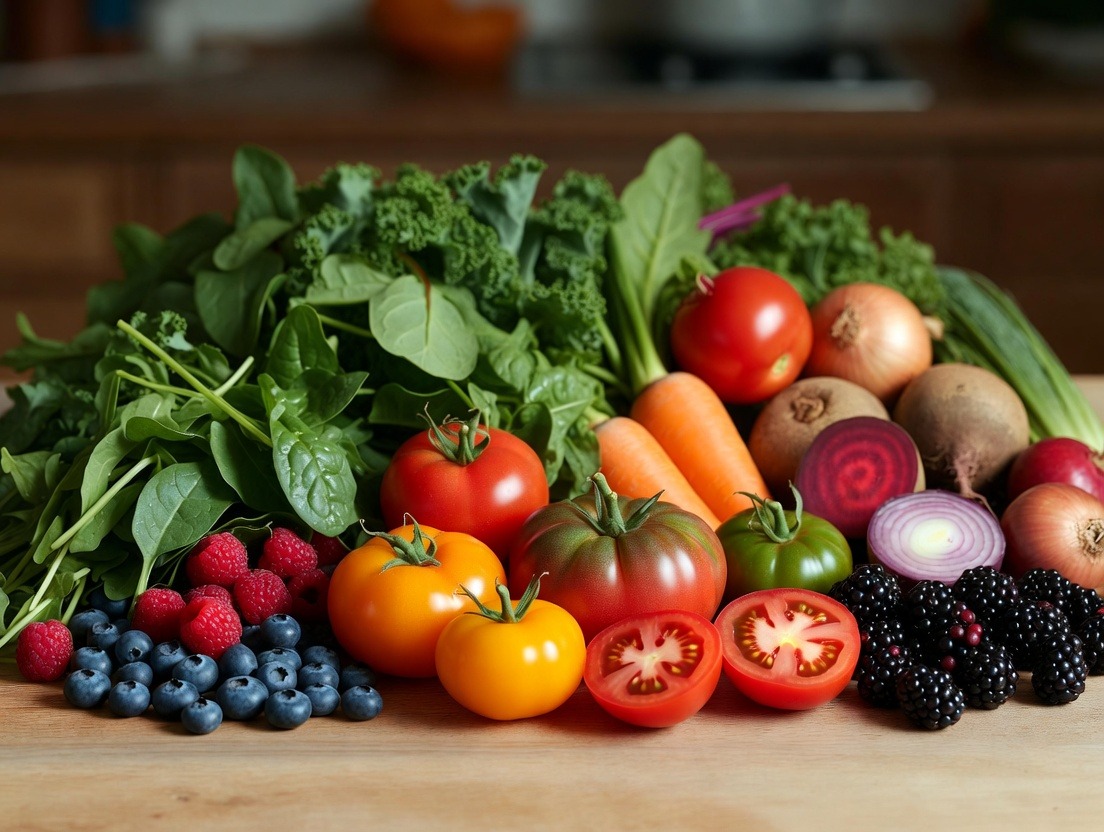
Moving beyond macronutrients, the true superstars of immune nutrition are phytonutrients—the bioactive compounds that give plants their vibrant colors and distinctive flavors. These are not essential for life like vitamins, but they are essential for optimal health and longevity. They act as subtle orchestrators of cellular function, modulating inflammation, enhancing antioxidant defenses, and even directly influencing gene expression related to immune response.
Your goal is diversity, not just quantity. Different colored plants provide different phytonutrient profiles:
The daily practice is the "rainbow challenge." Strive to consume 3-4 different plant colors at every meal. Add a handful of spinach and red pepper to your eggs. Top your lunch salad with purple cabbage, orange carrots, and green avocado. Make a dinner stir-fry with broccoli (green), mushrooms (white), and red bell peppers. This isn’t just about aesthetics; it’s about providing your immune army with a full spectrum of intelligence and weaponry.
To maximize absorption, pair fat-soluble phytonutrients (like carotenoids in carrots) with a healthy fat (like olive oil). And remember, variety is critical for your gut microbiome as well. Each type of fiber feeds different bacterial species, promoting a diverse, resilient ecosystem. Think of your plate as a canvas, and phytonutrients are your palette for painting a picture of robust health.
While a food-first philosophy is paramount, modern life presents challenges that can create nutritional gaps affecting immune competence. Soil depletion, chronic stress, limited sun exposure, and individual genetic variations mean that optimal levels of certain key immune nutrients can be difficult to achieve through diet alone. Strategic supplementation is about using high-quality, evidence-based compounds to fill these specific gaps, not replacing a poor diet with a pill.
Based on robust research, four supplements form the core of a foundational immune-support stack:
Niche Support: Beyond the core four, consider:
Crucially, track your response. Does adding Vitamin D correlate with a gradual improvement in your sleep or energy scores? Does a new probiotic upset your stomach or improve digestion? Use your smart ring’s longitudinal data as one piece of feedback. Supplements are adjuvants to a solid lifestyle, not magic bullets. For those exploring sleep aids, it’s wise to understand what’s proven and what’s hype in natural sleep supplements before adding anything new to your regimen.
When we think "movement for health," we often jump to structured exercise. But for immune and metabolic health, what you do during the other 23 hours of the day is equally, if not more, important. Non-Exercise Activity Thermogenesis (NEAT) is the energy expended for everything that is not sleeping, eating, or sports-like exercise. It includes walking, gardening, fidgeting, standing, and taking the stairs.
High NEAT is strongly associated with lower inflammation, better metabolic markers, and healthier body composition. It promotes constant, low-grade muscle contraction and lymphatic circulation, helping to clear metabolic waste and inflammatory byproducts. Conversely, prolonged sitting—a state of metabolic and muscular inactivity—is linked to elevated inflammatory markers like C-reactive protein (CRP), independent of exercise habits.
Your daily NEAT optimization strategy is simple: break up sedentary time and accumulate low-grade movement.
The beauty of NEAT is its sustainability. It doesn’t drain your recovery capacity like intense exercise can; it enhances it by keeping your metabolism humming and inflammation low. In fact, natural movement during the day is a proven catalyst for better nighttime sleep, creating another positive immune loop. View NEAT not as incidental activity, but as a continuous, low-dose infusion of vitality for your cells and immune system.
Breathing is an autonomic function, but it is the only one we can easily consciously control. This gives us a direct dial to turn the state of our autonomic nervous system and, by extension, our immune function. Shallow, rapid chest breathing (typical during stress) stimulates the sympathetic nervous system, promoting inflammation. Slow, deep, diaphragmatic breathing activates the vagus nerve—the main conduit of the parasympathetic nervous system—triggering a "relaxation response" that lowers heart rate, blood pressure, and inflammatory cytokines.
Practicing deliberate breathwork is like weightlifting for your vagus nerve, strengthening its tone and your ability to shift from stress to calm. Two highly effective techniques for daily immune support are:
Incorporate breathwork into your stack: Pair it with your morning light exposure or your pre-sleep ritual. The pre-bed application is especially powerful, as it quiets the mind and prepares the body for restorative sleep. For a deeper dive into this connection, explore how natural breathing techniques directly improve sleep quality. By making conscious breathing a daily practice, you gain an always-available, zero-cost tool to downregulate inflammation and upregulate recovery in real-time, providing immediate support to your immune ecosystem.
Our minds are constantly fed a stream of information—emails, news, social media, messages. This "digital diet" has a profound impact on our psychological state, and therefore, our physiological immune function. Negative, alarming, or overwhelming information acts as a potent psychosocial stressor, triggering the same HPA axis and inflammatory pathways as a physical threat. Digital hygiene is the practice of consciously curating and controlling your information intake to protect your mental and immune resilience.
Your daily digital hygiene protocol should include:
This practice reduces your "cognitive load" and protects your nervous system from chronic, low-grade alarm. It creates mental space for focus, creativity, and calm—all states conducive to lower inflammation and a healthier immune response. Think of it as building an "information immune system" that filters out psychological toxins, allowing your biological immune system to focus on real, physical threats.
Loneliness and social isolation are not just emotional states; they are biological stressors with measurable, detrimental effects on immunity. Studies show that individuals with strong social connections have stronger immune responses, lower levels of inflammation, and faster recovery from illness. Conversely, chronic loneliness can increase inflammation to a degree comparable to smoking or obesity. Positive social interaction releases oxytocin and endorphins, which have anti-inflammatory and mood-boosting effects.
Therefore, nurturing purposeful connection is a critical, often overlooked, component of daily immune optimization. This goes beyond passive social media contact. It means:
For parents, who often operate in a state of chronic sleep debt and stress, finding connection with other parents who understand the struggle can be a lifeline. Sharing strategies and support is vital, as explored in our guide to natural sleep for parents. Schedule connection like you would a workout or a work meeting. It is not an optional extra; it is essential infrastructure for a resilient immune system. Your social network is your living, psychological immune adjuvant.
Just as your morning ritual sets you up for the day, your evening wind-down is the essential bridge that guides your body from a state of activity and alertness into one of deep restoration. A poor transition—working until bedtime, followed by scrolling in bed—leaves your nervous system buzzing, impairing sleep onset and quality, and thus sabotaging the nightly immune reset. A deliberate wind-down ritual is a signal of safety, telling your brain and immune system, "The work is done. It is time to repair."
An effective 60-90 minute wind-down ritual should incorporate:
This ritual is highly personal. The key is consistency and sensory cues. Your body will begin to associate these repeated, calming actions with the impending shift into sleep. For a comprehensive framework, our guide to the perfect evening wind-down offers a detailed blueprint. By honoring this transition period, you are not just "going to bed"; you are actively engineering the physiological conditions for optimal sleep and, by extension, a powerful surge in immune activity.
A rigid health protocol is a fragile one. Life is not static; it flows through seasons of intense productivity, periods of stress, times of rest, and natural biological transitions like aging, hormonal shifts, and parenthood. Your daily immune optimization strategy must be fluid and adaptive, capable of flexing with these changes without breaking. This is the hallmark of true resilience: not just performing well under ideal conditions, but navigating challenge and change with grace and sustained health.
Your biometric data from a smart ring is your essential guide through these seasons. It provides an objective measure of your changing capacity, preventing you from blindly pushing through when you need to pull back. For example, the physiological stress of a demanding work project or training for a marathon will show up as a downward trend in HRV and a potential rise in resting heart rate. This isn't failure; it's feedback. It tells you that your recovery needs have increased. In response, you might temporarily de-intensify your stack: prioritize sleep extension over early workouts, incorporate more recovery-focused breathwork, and ensure your nutrition is exceptionally clean. This is "strategic retreat," not surrender.
Conversely, during a period of vacation or low stress, your data may show HRV at an all-time high. This is the perfect window to consolidate gains or carefully introduce a new stressor, like a new fitness modality, knowing your system has the reserve to adapt positively. The key is listening and responding, not forcing a one-size-fits-all routine. This adaptive approach is crucial for anyone experiencing natural life shifts. For instance, the body's needs after 40 are distinct, requiring adjustments to sleep, recovery, and nutrition, as detailed in our guide to better sleep naturally after 40. By treating your protocol as a dynamic dialogue with your body, you build an immune system that is robust across the entire span of your life.
Despite our best efforts, encounters with pathogens are inevitable. How you respond at the very first sign of illness can drastically alter its course and duration. This is where a smart ring shifts from an optimization tool to an early-warning system and recovery tracker. The biometric signs of an oncoming illness are often detectable 24-48 hours before overt symptoms appear. These include:
When you see this constellation of data, it's a biological red alert. This is the time to initiate your "Immune Support Protocol" immediately:
As you recover, your smart ring provides invaluable feedback on your convalescence. Your resting heart rate will gradually return to baseline, and your HRV will begin to climb. This data tells you when you are truly recovered, not just when symptoms have abated. Returning to full activity too early, while your metrics are still depressed, risks relapse or prolonged recovery. This data-driven approach turns a passive experience of being sick into an active, intelligent partnership with your immune system, minimizing downtime and strengthening long-term resilience.
We've touched on the gut as an immune organ, but its role is even more profound as part of the gut-brain-immune axis. This is a three-way, bi-directional communication highway. Your gut microbiome produces neurotransmitters like serotonin (over 90% of it) and GABA, which directly influence mood, stress, and sleep. Your brain, via the vagus nerve, sends signals that alter gut permeability and inflammation. And both directly dictate immune system tone.
Chronic stress (brain) can increase gut permeability ("leaky gut"), allowing bacterial fragments into the bloodstream, triggering systemic inflammation (immune), which in turn can contribute to anxiety and depression (brain again). It's a vicious cycle. Optimizing this trifecta requires a holistic daily approach:
A powerful daily hack is a short post-meal walk. It aids digestion (gut), reduces postprandial blood sugar spikes (immune), and provides a mental break (brain). When this axis is in harmony, you experience not just physical health, but mental clarity and emotional stability. Disruptions here are often at the root of complex, chronic issues. By nurturing this trifecta daily, you create a foundation of systemic balance that makes immune resilience almost an automatic byproduct.
The human body adapts to stress—not just mental stress, but controlled physical stressors. This concept is called hormesis: a low-dose stressor that triggers an adaptive, overcompensating response, making the system stronger and more resilient. Strategic exposure to temperature extremes (thermogenesis) is a potent form of hormetic stress with direct immune benefits.
Cold Exposure: A brief cold shower (2-3 minutes) or ice bath triggers a surge of norepinephrine, which can enhance alertness, mood, and focus. It also increases the circulation of certain immune cells, like monocytes and lymphocytes, and may reduce chronic inflammation by activating anti-inflammatory pathways. Start gradually: end your regular shower with 30 seconds of cold, working up over time.
Heat Exposure: Regular sauna use (15-20 minutes at 170-190°F) mimics a mild fever. It induces a heat shock response, boosting the production of heat shock proteins that protect cells from damage and help fold proteins correctly. Studies correlate regular sauna use with a significantly reduced risk of pneumonia and other infections, likely due to enhanced immune surveillance and reduced inflammation.
Your Daily Practice: You don't need extreme commitments. A contrast shower (alternating 1-2 minutes of warm water with 30 seconds of cold, repeated 3-4 times) is a highly accessible daily practice. Pay attention to your biometric response. Does a morning cold plunge energize you without spiking anxiety? Does an evening sauna session improve your sleep depth? Track it. For many, the deep relaxation after heat exposure is a powerful sleep aid, complementing other natural sleep hacks busy professionals swear by. By incorporating mild, intentional hormetic stress, you are effectively "vaccinating" your system against larger, uncontrolled stressors, building a more robust and adaptable immune response.
While a smart ring provides unparalleled daily functional data (how your systems are performing), periodic testing of structural and deeper biochemical biomarkers completes the picture. These tests offer a molecular snapshot, revealing deficiencies, imbalances, or early signs of dysfunction long before disease manifests. Consider these tests as an annual or bi-annual "deep dive" to inform your daily strategy.
Key advanced biomarkers for immune optimization include:
Use these tests to validate and refine your daily stack. For example, if your hs-CRP is elevated despite good sleep scores, it might prompt a deeper look at your diet (e.g., hidden food sensitivities) or environmental exposures. If your Omega-3 Index is low, you know to increase your fish oil dosage. This creates a powerful feedback loop: daily habits influence biomarkers, and biomarker testing informs which habits to emphasize. It moves you from general wellness to truly personalized, precision health.
The grandest strategy is useless without execution. The final, and perhaps most important, pillar of daily immune optimization is behavioral sustainability. This is the psychology of turning intentions into automatic, unbreakable habits. Willpower is a finite resource; the goal is to design your environment and routines so that the healthy choice is the default, easy choice.
Leverage these behavioral science principles:
Your smart ring aids this by providing immediate positive reinforcement. Seeing your sleep score improve after a perfect wind-down, or your HRV climb after a week of consistent meditation, is a powerful reward that wires the habit deeper. For students under immense pressure, this approach is vital; building small, non-negotiable wellness habits can sustain them, as explored in strategies for better sleep for students during exam season. By mastering the psychology of habit formation, you ensure your immune optimization strategy becomes as natural and non-negotiable as brushing your teeth.
Your environment exerts a powerful influence on your physiology. Changes in daylight, temperature, humidity, and allergen load with the seasons require subtle but important adjustments to your daily stack to maintain immune resilience year-round.
Let your biometrics guide these adjustments. Does your HRV dip with seasonal allergies? Does your sleep suffer in the summer heat? Your data will confirm what your body is feeling and help you tailor your approach effectively.
To truly harness the power of your smart ring for immune optimization, you must move beyond simply checking a score each morning. It is a tool for experimentation, correlation, and long-term trend analysis. Here’s how to become a power user:
By integrating your ring’s data with mindful self-observation, you become the world’s leading expert on your own health. It demystifies the connection between lifestyle and vitality, turning abstract concepts like "immune health" into tangible, manageable daily metrics.
Let’s synthesize the entire strategy into a cohesive, sample day. This is not a prescription, but an illustration of how the principles flow together.
6:30 AM – Wake (No Snooze):
7:15 AM – Movement & Nourishment:
Workday – Integration & NEAT:
Afternoon – Strategic Recovery:
6:00 PM – Evening Transition Begins:
8:30 PM – Wind-Down Ritual:
9:45 PM – Bedroom Environment:
10:00 PM – Sleep:
Throughout – Mindset: Move through the day with awareness, using data as a guide, not a gospel. Adapt as needed. If sleep was poor, be extra gentle. If energy is high, embrace it. This flexible, integrated flow is the essence of a sustainable, daily immune optimization strategy.
Your Trusted Sleep Advocate: Sleep Foundation — https://www.sleepfoundation.org
Discover a digital archive of scholarly articles: NIH — https://www.ncbi.nlm.nih.gov/
39 million citations for biomedical literature :PubMed — https://pubmed.ncbi.nlm.nih.gov/
Experts at Harvard Health Publishing covering a variety of health topics — https://www.health.harvard.edu/blog/
Every life deserves world class care :Cleveland Clinic - https://my.clevelandclinic.org/health
Wearable technology and the future of predictive health monitoring :MIT Technology Review — https://www.technologyreview.com/
Dedicated to the well-being of all people and guided by science :World Health Organization — https://www.who.int/news-room/
Psychological science and knowledge to benefit society and improve lives. :APA — https://www.apa.org/monitor/
Cutting-edge insights on human longevity and peak performance:
Lifespan Research — https://www.lifespan.io/
Global authority on exercise physiology, sports performance, and human recovery:
American College of Sports Medicine — https://www.acsm.org/
Neuroscience-driven guidance for better focus, sleep, and mental clarity:
Stanford Human Performance Lab — https://humanperformance.stanford.edu/
Evidence-based psychology and mind–body wellness resources:
Mayo Clinic — https://www.mayoclinic.org/healthy-lifestyle/
Data-backed research on emotional wellbeing, stress biology, and resilience:
American Institute of Stress — https://www.stress.org/


