


Travel Wellness Tips: Using Your Ring to Balance Exploration and Rest
Balancing exploration and rest using your ring.
Balancing exploration and rest using your ring.
%402x.svg)
There is a peculiar paradox at the heart of modern travel. We embark on journeys to escape the grind, to rejuvenate our spirits, and to fill our lungs with the air of somewhere new. Yet, all too often, we return home feeling more depleted than when we left. The "vacation hangover" is a real phenomenon—not just the blues of returning to work, but a tangible physical exhaustion that lingers for days. We push through itineraries, sacrifice sleep for sunrises, and treat rest as an afterthought, all in the name of making memories. But what if the ultimate souvenir you brought back wasn't just a tan or a fridge magnet, but a profound understanding of your own resilience and a renewed sense of vitality?
Welcome to the new era of conscious travel, where exploration and rest are not opposing forces but synergistic partners. The key to unlocking this balance lies not in a bulky suitcase or a rigid schedule, but on your finger. The modern smart ring has evolved from a simple step counter into a sophisticated wellness companion capable of decoding the language of your body. As we traverse time zones, sample unfamiliar cuisines, and hike unknown trails, our physiology speaks in whispers and shouts—through heart rate variability, sleep stages, and body temperature. A wellness ring translates these signals, offering us a roadmap to navigate the physical demands of adventure while safeguarding the sanctuary of recovery.
This guide is for the wanderer who wants to have their croissant and eat it too. It is for the business traveler who needs to close a deal in London and be present for a family dinner in Chicago. It is for the backpacker who wants to conquer a mountain peak without breaking their body for the week that follows. We will delve deep into the art and science of travel wellness, using the precise data from your smart ring as our compass. By the end of this journey, you will understand how to treat your body's energy as a budget, how to read the early warning signs of burnout before they ruin your trip, and how to return home not just with stories, but with a higher level of vitality than when you left.
The modern traveler is no longer satisfied with simply seeing the world; they want to feel good while doing it. They want to engage deeply with their environment without collapsing into a heap of jet-lagged misery by day three. This requires a shift in mindset from "vacation mode" (where all rules are off) to "exploration mode" (where we adapt our wellness practices to a new context). Your smart ring is the ideal tool for this adaptation. It provides objective feedback in a sea of subjective experiences. When your mind is screaming "let's do another museum," but your body is whispering "I need a nap," your ring data helps you discern which voice to trust. It offers a bridge between the thrill of discovery and the necessity of self-preservation.
In the following sections, we will explore specific, actionable strategies for harmonizing your adventures with your well-being. We will look at how to prepare for a trip not just by packing your bags, but by optimizing your pre-travel baseline. We will dissect the chaos of jet lag, transforming it from a mysterious malaise into a manageable circadian challenge. We will discuss how to interpret the unique data signatures created by travel—the spike in resting heart rate after a late-night flight, the dip in HRV following a day of intense sun exposure, the disrupted sleep architecture caused by a lumpy hotel pillow. Armed with this knowledge, you can make micro-adjustments in real-time, ensuring that your energy reserves last the entire length of your journey.
Moreover, we will challenge the notion that travel is a break from healthy living. With the right approach, it can be a laboratory for optimization. The new environment, the different schedule, and the varied physical demands provide a unique opportunity to learn about your body's adaptability. For those interested in a deeper dive into how your body generates and utilizes energy throughout the day, our guide on daily energy management through strategic rest offers a foundational understanding that applies perfectly to the travel context. By paying attention to the subtle cues your ring provides, you can discover, for example, that your vitality is actually higher when you walk 15,000 steps in a new city compared to 8,000 steps at your desk job, simply because the mental stimulation and joy offset the physical fatigue—to a point. The ring helps you find that point.
The ultimate goal is to shift from reactive travel wellness (chugging coffee when you're exhausted, taking a sleeping pill when you're wired) to proactive travel wellness. This means using your morning readiness score to decide whether today is a day for a strenuous hike or a gentle city stroll. It means using your sleep data to confirm that the blackout curtains in your Airbnb are actually effective. It means using your activity tracking to ensure you're not accidentally overdoing it on your "rest day." This is the art of balancing exploration and rest, and it is a skill that, once learned, transforms every trip into a source of genuine rejuvenation.
As we embark on this comprehensive exploration, remember that the data is not a judge; it is a guide. It is not meant to restrict your spontaneity but to inform your choices. If you know that a late night will cost you two days of low energy, you might still choose to have that late night—but you will do so with your eyes open, and you will strategically plan for recovery. This is the essence of smart travel. So, let’s begin. Let’s learn how to wear our curiosity on our sleeve and our wellness on our finger, creating journeys that feed the soul without starving the body.

Before your feet leave the ground, the journey has already begun within your body. The days leading up to a trip are often a maelstrom of activity: tying up loose ends at work, last-minute packing, a frantic to-do list that seems to multiply overnight. This pre-travel chaos imprints itself on your physiology, creating a "baseline" of stress and fatigue that you will carry onto the plane. Understanding this baseline is the first, and perhaps most critical, step in balancing exploration and rest. If you board a flight already running on fumes, you are starting your adventure in the red, making you more susceptible to jet lag, illness, and burnout.
Your smart ring acts as a pre-flight checklist for your body. In the 48 to 72 hours before you depart, it pays to be hyper-observant of your key metrics: Heart Rate Variability (HRV), Resting Heart Rate (RHR), and Sleep Quality. HRV, in particular, is a powerful indicator of your nervous system's state. A high HRV suggests you are in a resilient, "rest-and-digest" mode, ready to adapt to stress. A low HRV, however, indicates that your sympathetic nervous system ("fight-or-flight") is already dominant. If you see a downward trend in your HRV as your departure date approaches, it's a clear signal from your body that the pre-travel stress is taking a toll.
This data gives you the power to intervene. If your numbers are tanking, it’s a mandate to simplify. Perhaps you delegate one last task, or you choose a takeout meal over a home-cooked one to save time and mental energy. It might mean skipping the "one last drink" with friends to prioritize sleep. The goal is to stabilize your metrics—or even improve them—before you travel. Arriving at your destination with a robust HRV and a well-rested physiology is like having a full tank of gas. You have the reserves to handle the inevitable stresses of travel: the cramped seats, the changed schedules, the sensory overload. For a deeper understanding of why those morning numbers matter so much, you can explore how your wellness ring's morning data shapes daily energy management, a principle that becomes even more critical when your "daily" environment is in flux.
Think of your pre-travel baseline as your body's anchor. When the winds of jet lag and adventure start to blow, a strong anchor keeps you from drifting too far. A weak anchor means you'll be tossed about. This preparation phase isn't about being obsessive; it's about being strategic. It’s about recognizing that the energy you expend on worrying and rushing before a trip is energy you won't have for climbing that bell tower or staying awake for that spectacular sunset.
Furthermore, this baseline provides a crucial point of comparison. When you look at your data during your trip, you need to know what "normal" looks like for you. A resting heart rate of 70 bpm might be a sign of heat exhaustion for one person, but a standard reading for another. By establishing your personal baseline in the calm (or relative calm) of your home environment, you give context to the fluctuations you'll experience on the road. You’ll be able to distinguish between the healthy stress of an exciting hike and the detrimental stress of dehydration or impending illness.
This pre-travel period is also the perfect time to reinforce the habits that support your vitality. You might focus on hydrating more than usual, knowing that airplane cabins are notoriously dehydrating. You might prioritize complex carbohydrates and lean proteins to stabilize your blood sugar, avoiding the energy crashes that come with pre-travel junk food. These aren't just good ideas; they are investments in your future self—the one who wants to be present and energetic in a new place. The connection between what you do now and how you feel later is vividly illustrated by the data on your ring. It provides the feedback loop that turns good intentions into concrete actions.
The airplane is a marvel of modern engineering, but to the human body, it is a time machine that creates profound confusion. In a matter of hours, we can skip across multiple light-dark cycles, a feat our circadian rhythms evolved over millennia to handle very slowly. This mismatch between our internal body clock and the external environment is what we call jet lag, and it manifests as fatigue, insomnia, brain fog, and digestive issues. It is the arch-nemesis of travel wellness. However, by using your smart ring, you can transform this physiological chaos into a manageable, data-informed process.
Jet lag is, at its core, a disruption of your body's master clock, which is governed by a bundle of nerves called the suprachiasmatic nucleus (SCN) in the brain. This clock regulates the release of hormones like melatonin (for sleep) and cortisol (for alertness), as well as body temperature, digestion, and countless other processes. When you fly east, you force your body to advance its clock, effectively losing time. When you fly west, you force it to delay, gaining time. The general rule of thumb is that it takes about one day per time zone crossed for your body to fully adjust. But who has that kind of time on a two-week vacation?
This is where your smart ring becomes an invaluable co-pilot. It doesn't just track your sleep; it tracks the quality of your circadian alignment. By monitoring your nighttime skin temperature and heart rate, it can infer how well your body is adapting to the new time zone. A key strategy for combating jet lag is strategic light exposure, and your ring's data can help you time it perfectly. For example, if you've flown east, you need to advance your clock. This means you need to seek bright light in the early morning of your destination to signal to your brain that the day has started, and avoid light in the late afternoon/evening to allow melatonin to rise.
Your ring can help you gauge how well this strategy is working. If your bedtime heart rate remains elevated for several nights after arrival, it's a sign that your nervous system is still on "home time," fighting the new schedule. If your sleep is fragmented and your HRV is low, your body is under significant circadian stress. In response, you might need to be more aggressive with your light exposure, or consider supplemental melatonin (under guidance) to help nudge the clock. The ring provides the feedback, allowing you to iterate your strategy in real-time. Instead of blindly hoping for the best, you are actively managing your internal time zone.
Beyond light, activity and fasting are powerful tools for resetting the clock. Exercise at specific times can help shift circadian rhythms. Some research suggests that strategic meal timing—specifically, fasting during the flight and then eating at the destination's meal times—can help reset peripheral clocks in your digestive system and liver. Your ring tracks your activity and can remind you to move at times that are aligned with your new destination. It's about sending every possible signal to your body that "we are here now."
The goal isn't to eliminate jet lag entirely—that's often impossible—but to mitigate its severity and duration. By understanding the data, you can also practice self-compassion. If your ring shows you had a terrible night's sleep, you can adjust your plans accordingly. You can schedule a less demanding day, allowing your body the space it needs to recalibrate. This is the essence of balancing exploration and rest: using data to justify rest, rather than pushing through and paying for it later. For those looking to build a comprehensive toolkit for this challenge, our post on energy management for shift work offers parallel strategies, as jet lag is essentially a temporary, travel-induced shift work schedule. You are, in effect, a shift worker in a new time zone, and managing your energy requires that same level of strategic intent.
Imagine your daily energy is a finite bank account. Every activity—walking, sightseeing, socializing, digesting, thinking—is a withdrawal. Rest, sleep, and mindful relaxation are deposits. The key to sustainable travel is not to avoid withdrawals (what would be the point of the trip?) but to ensure you don't go into overdraft. Your smart ring provides the real-time balance of this energy account, primarily through your Readiness Score and its components. Learning to budget your energy on the road is the single most effective skill for balancing exploration with rest.
At home, your energy expenditure is relatively predictable. On the road, it's a rollercoaster. A single day might involve a 10-mile walk, hours of intense mental stimulation in museums, exposure to heat or cold, and a late dinner with unfamiliar foods. All of these are energy demands. Your Readiness Score, calculated from your HRV, RHR, and sleep history, gives you a snapshot of your opening balance each morning. A score of 90+ means your account is flush; you have a high "energy budget" to spend. A score of 60 means you're running on a thinner margin; you need to be more selective about your withdrawals.
This is where the art of budgeting comes in. With a high readiness score, you can confidently schedule that strenuous hike, the full-day tour, or the late-night jazz club. Your body has the reserves to handle it. With a low score, it's time to be frugal. Perhaps you choose a leisurely café breakfast, a single museum instead of three, and an early night. This isn't about being "lazy"; it's about capital management. It's about recognizing that pushing through a low-energy day often results in an even lower score the next day, potentially wiping out multiple days of your trip.
The concept of "energy drains" becomes particularly salient during travel. Your ring can help you identify them. For example, you might notice that a day of intense heat causes your evening heart rate to spike and your HRV to plummet. That's a data point. Next time, you'll know to schedule a siesta during the hottest part of the day, making a deposit of rest to offset the withdrawal of heat stress. Similarly, you might observe that a heavy, rich dinner leads to poor sleep quality. That's a clue that on future nights, a lighter meal might be a better investment in your next day's energy. For a comprehensive list of what might be draining your account, our guide on energy drains and what your smart ring reveals is an essential read, helping you spot patterns you might otherwise miss in the excitement of a new place.
This budgeting mindset transforms your relationship with your itinerary. Instead of being a slave to a pre-planned schedule, you become an adaptive traveler. You learn to prioritize. You might decide that the sunrise hike is a non-negotiable "withdrawal" because the experience is worth it, and you can plan for a low-key afternoon as a "deposit." You learn to say "not today" to things that would overextend you, without FOMO, because you know that preserving your energy ensures you'll actually enjoy the things you do.
Moreover, this practice extends beyond physical activity. Social energy is a huge, often overlooked, factor in travel wellness. For introverts, constant social interaction—with travel companions, locals, service staff—can be a massive drain. Your ring can validate this. You might notice your HRV dropping after a long day of forced sociability. Recognizing this allows you to budget in alone time, even if it's just 30 minutes with a book in a park, as a necessary deposit. For extroverts, a lack of social interaction might be the drain. The key is to use the data to understand your unique energy equation and then build your travel days accordingly, ensuring every withdrawal is matched with a strategic deposit.
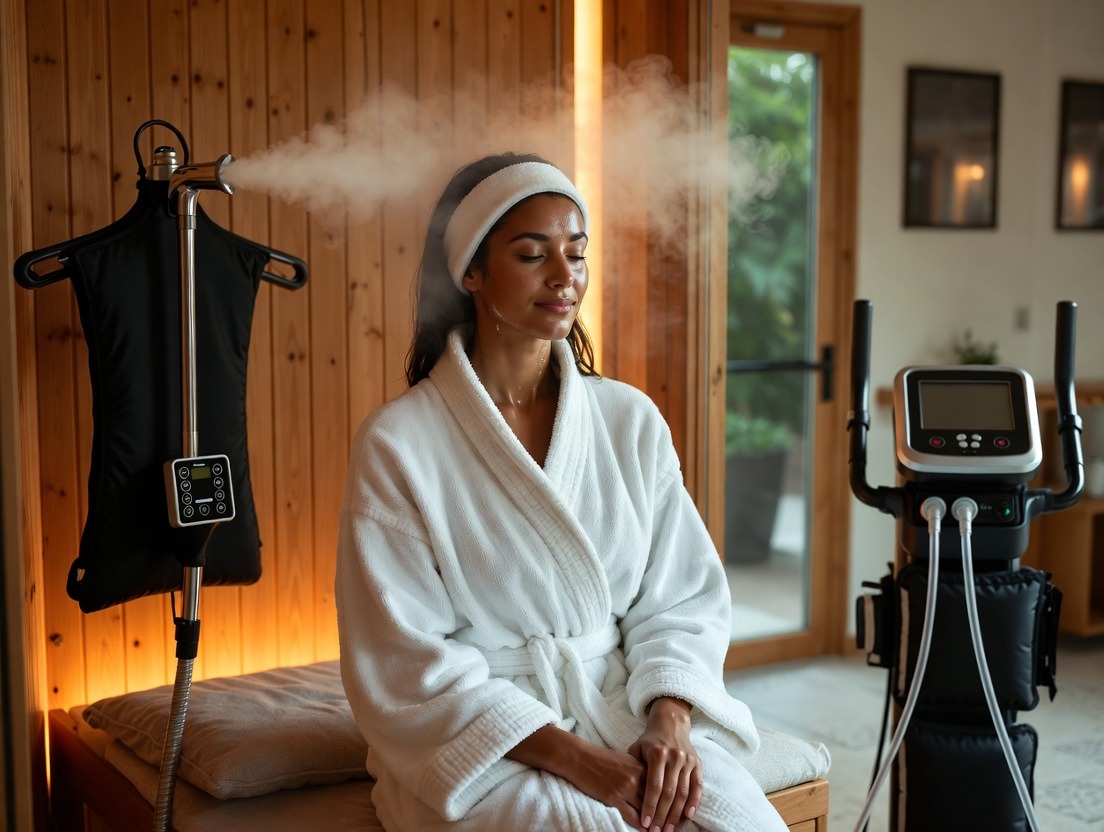
There is a beautiful irony in travel wellness: sometimes, the most restorative thing you can do is move your body more than you ever do at home. The "Explorer’s Paradox" is the phenomenon where high levels of low-stress, enjoyable physical activity—like wandering through a new city, swimming in the ocean, or hiking a scenic trail—can actually increase your vitality, rather than deplete it. This is in stark contrast to the high-stress, repetitive movement of a workout at home or the sedentary slump of an office day. Your smart ring is the perfect tool to distinguish between these two types of movement: one that builds energy and one that depletes it.
At home, we often exercise to burn calories or hit a step goal. It can feel like a chore, another task on the to-do list. On the road, movement is often the main event. It is the vehicle for discovery. This shift in context—from obligation to exploration—has a profound effect on your nervous system. When you walk through a medieval village, your brain is flooded with dopamine and endorphins from the novelty and beauty. This neurochemical cocktail acts as a buffer against the physical fatigue of the walk itself. You might cover 20,000 steps and feel energized, whereas 10,000 steps on a treadmill at home would leave you bored and tired.
Your smart ring captures this nuance beautifully. You might look at your activity data for a travel day and see a massive spike in steps and active calories, far exceeding your normal. Yet, your evening HRV might hold steady or even increase, and your resting heart rate might not show the strain you'd expect. This is the signature of "eustress"—good stress. The movement is stimulating your cardiovascular system, improving circulation, and boosting your mood, all without tipping you into the zone of exhaustion. It’s a powerful validation that not all movement is created equal.
However, the paradox has its limits. The line between invigorating exploration and exhausting overexertion is thin and easily crossed, especially when factors like heat, inadequate nutrition, or poor sleep enter the mix. Your ring helps you find that line. By monitoring your heart rate zones throughout the day, you can see if you're spending too much time in a high aerobic zone. A day of gentle wandering keeps your heart rate in a low, fat-burning zone. A day of climbing steep hills might push you into higher zones for extended periods, which is a much greater energy withdrawal.
The key is to listen to the data in conjunction with how you feel. If your ring shows high activity but your Readiness Score the next morning is still high, you've found the sweet spot. You've successfully managed the paradox. If, however, a high-activity day is followed by a low Readiness Score, a high resting heart rate, and poor HRV, you know you tipped over the edge. That’s a signal to plan a recovery day. Perhaps you spend the next day at a slower pace, visiting a single market or sitting in a garden, allowing your body to integrate the benefits of the previous day's movement without compounding the stress. This cyclical pattern of exertion and recovery is the heartbeat of vitality, and travel provides a perfect, dynamic environment to practice it. To better understand the foundational relationship between what you do and how your body responds, our post on how your wellness ring shows which habits increase your vitality can help you identify which of your travel habits are true vitality boosters.
One of the greatest joys of travel is the food. It is a portal into culture, a sensory experience that can define a destination. Yet, the culinary adventure can also be a source of significant physiological stress. Strange cuisines, irregular meal times, increased alcohol consumption, and the siren song of sugary "treats" can wreak havoc on your digestive system, blood sugar, and, consequently, your energy levels. Balancing the desire for gastronomic exploration with the need for stable, sustainable fuel is a central challenge of travel wellness. Your smart ring, while not a nutrition tracker per se, provides powerful indirect feedback on how your dietary choices are impacting your overall vitality.
The most immediate signal comes from your sleep data. A heavy, spicy, or rich meal eaten too close to bedtime will almost certainly show up in your night-time metrics. You might see an increase in your resting heart rate, a decrease in your HRV, and more restlessness or wakefulness during the night. This is your body working hard to digest food when it should be powering down for repair and restoration. The next morning, your Readiness Score will likely reflect this internal labor, giving you objective proof that last night's four-course feast, while delicious, came at a cost.
This isn't to say you should avoid local delicacies. Rather, it's about strategic timing and moderation. Use your ring's data to learn your personal thresholds. Perhaps you discover that a large lunch is perfectly fine, but a large dinner sabotages your sleep. In that case, you can make your main meal of the day the midday one, and opt for something lighter—a charcuterie board, a simple soup, fresh fruit—in the evening. This allows you to enjoy the local flavors without paying the sleep penalty. It’s a form of energetic arbitrage: you are moving the caloric "cost" to a time of day when your body can process it more efficiently.
Hydration is another critical nutritional factor that your ring can help you manage. Dehydration is a common travel pitfall, exacerbated by air travel, increased activity, and warmer climates. As you become dehydrated, your blood volume decreases, forcing your heart to work harder to pump blood. This shows up as an elevated resting heart rate and a decreased HRV. If you notice these trends during the day, especially in conjunction with feeling tired or headachy, it's a clear sign to drink water. Your ring won't tell you to drink, but the story it tells with your cardiovascular data will.
Furthermore, your ring can help you track the impact of alcohol, a ubiquitous part of many travel experiences. Alcohol is notorious for disrupting sleep architecture. It might help you fall asleep faster, but it suppresses REM sleep and leads to more fragmented sleep in the second half of the night. Your ring's sleep stages will show this clearly: a potential decrease in REM and increased wakefulness. Armed with this data, you can make conscious choices. Maybe you decide to limit yourself to one drink with dinner, or to alternate alcoholic drinks with water. The data removes the guesswork, showing you the direct physiological consequence of that extra glass of wine. For a deeper dive into how what you consume interacts with your body's energy systems, the principles outlined in our guide on energy management through meal timing are directly applicable to your travel routine, helping you schedule your culinary adventures for maximum enjoyment and minimal energy disruption.
On a busy travel day, finding an hour for a full-blown nap or a dedicated meditation session can feel impossible. The itinerary is packed, and stopping feels like missing out. However, the concept of the "recovery micro-session" offers a powerful solution. These are short, strategic periods of rest—anywhere from 2 to 15 minutes—that you can weave into the fabric of your day to pay down your energy debt in real-time, preventing the dreaded afternoon crash or the evening burnout. Your smart ring can help you identify the perfect moments for these micro-sessions and validate their effectiveness.
The need for a micro-session often announces itself through your physiology before your conscious mind registers it. You might feel your focus waning, your eyes getting heavy, or your patience thinning. Your ring's data, if you check it, might show a gradual increase in your heart rate or a slight dip in your HRV (if you're using a feature that tracks on-demand readings). These are your body's early warning lights, signaling that your energy account is running low and it's time for a small deposit.
A recovery micro-session can take many forms. It could be as simple as finding a quiet park bench, closing your eyes, and practicing 5 minutes of box breathing (inhale for 4, hold for 4, exhale for 4, hold for 4). It could be sitting in a cathedral and simply observing the space in silence for 10 minutes, allowing your nervous system to downshift from the high-stimulus mode of the streets. It could be putting in headphones and listening to a 10-minute guided body scan meditation while sitting on a bus. It could even be a "power nap" of less than 20 minutes, long enough to restore alertness but short enough to avoid sleep inertia.
The beauty of these micro-sessions is that they don't require you to leave the experience; they just require you to shift your internal state within it. You are still in Rome, but for 10 minutes, you are resting in Rome instead of racing through it. This practice is a form of energetic hygiene, preventing the build-up of stress rather than waiting to clean up a massive mess at the end of the day.
Your smart ring can serve as both the trigger and the validator for these sessions. You can use a "stress check" or "live HRV" feature to see your state before and after a micro-session. The data often shows a tangible improvement: a slight drop in heart rate and an increase in HRV within minutes. This immediate feedback is incredibly reinforcing. It proves to your skeptical, "I-don't-have-time-for-this" brain that these few minutes were not wasted; they were an investment that paid off in improved physiological state. Over time, this builds trust in the practice. You start to see rest not as a break from your adventure, but as an integral part of it. This skill of integrating short bursts of recovery is a cornerstone of sustainable energy, a concept explored further in our article on energy recovery between tasks. On the road, the "tasks" are simply the exciting activities of your day, and recovering between them is what allows you to sustain your enthusiasm and energy from sunrise to sunset.
Travel is rarely a solo endeavor. Whether you're navigating a trip with a partner, family, friends, or joining a group tour, the social dynamics of travel add a complex layer to your energy equation. Every interaction, from a deep conversation with a new friend to the negotiation of where to eat dinner with your spouse, carries an energetic cost or benefit. Your smart ring acts as a "social thermometer," measuring the physiological impact of your interactions and helping you manage your relational energy budget to maintain harmony and vitality.
We often think of social connection as purely positive, and it certainly can be. A heartfelt laugh with a companion, a moment of shared awe at a view, or the easy silence of two people comfortable in each other's presence can be deeply restorative. These interactions likely correlate with stable or improved HRV. They are energy deposits. However, the constant negotiation, the compromise on every decision, the lack of alone time, and the pressure to be "on" can be significant drains. For introverts, this drain is particularly acute, but even extroverts have their limits.
Your ring's data can reveal these patterns. You might notice that your HRV dips after a long afternoon of navigating a crowded market with a friend who has a very different pace from you. You might see your resting heart rate trend higher on days filled with back-to-back social obligations. This data gives you permission to honor your needs without guilt. If you see your numbers trending downward, you know it's time to assert a boundary. This might mean saying, "I'm going to take an hour to wander on my own and we can meet for dinner," or "I think I need a quiet evening in tonight; you go ahead and enjoy the pub."
The key is to communicate these needs in a way that prioritizes the relationship. Framing it around your own well-being ("I'm feeling a bit tired and want to recharge so I can be fully present with you tomorrow") is more effective and compassionate than blaming the other person ("You're exhausting me"). Your ring's data gives you the self-awareness to recognize the need for a boundary before you reach a point of irritability or resentment, which is far more damaging to relationships than a brief, well-communicated pause.
For couples or groups, this can become a fascinating shared practice. Imagine each person having insight into their own energetic state. One partner might have a high Readiness Score and want to explore, while the other has a low score and needs to rest. Instead of conflict, this data can foster understanding and creative compromise. "My ring says I'm running low today, but I don't want you to miss out. How about you go do the big hike, and I'll meet you at that café at the bottom in a few hours?" This turns a potential argument into a collaborative planning session, where both people's needs are validated by objective data. It elevates travel companionship to a new level of empathy and support, ensuring that the trip strengthens bonds rather than straining them. Understanding these subtle shifts in your physiology in response to your environment is a key aspect of what we cover in our guide to emotional vitality and stress management, which is directly applicable to the emotionally charged context of travel.
When we travel, we step out of our carefully controlled, climate-managed bubbles and into the raw elements. A sudden heatwave in Paris, the thin air of Cusco, or the oppressive humidity of Bangkok—these environmental factors are not just matters of comfort; they are profound physiological stressors that place a significant demand on your body's resources. Your smart ring becomes an essential tool for understanding and mitigating the impact of these invisible forces, allowing you to adapt your plans and protect your vitality.
Your body works tirelessly to maintain homeostasis—a stable internal environment. When external conditions change dramatically, it has to work harder. In high heat, your cardiovascular system goes into overdrive, shunting blood to the skin's surface to release heat. This increases your heart rate and places strain on your entire system. Your ring will reflect this. You might notice your resting heart rate creeping up during a hot day, and your HRV potentially dropping as your body allocates energy to cooling rather than recovery and repair.
High altitude presents a different challenge. With less oxygen available, your heart must beat faster and your breathing rate increases to deliver sufficient oxygen to your tissues. This is a significant stressor, often leading to acute mountain sickness (AMS) in susceptible individuals. Your ring's blood oxygen saturation (SpO2) sensor becomes critically important here. A normal SpO2 reading at sea level is 95-100%. At altitude, it's normal for this to drop. However, if your ring shows consistently low SpO2 (especially below 90%), accompanied by a high heart rate and symptoms like headache or nausea, it's a serious signal to descend or halt your ascent. Your ring provides an early warning system for altitude sickness that your subjective feelings might miss until it's too late.
Humidity compounds the effect of heat by hindering the body's primary cooling mechanism: sweat evaporation. In high humidity, sweat rolls off you without cooling you down, forcing your body to work even harder. The data signature for humidity stress is similar to heat stress—elevated heart rate—but it can feel more oppressive and lead to faster dehydration and overheating.
How do you use this data? First, by planning your day around the environment. If your ring data from a hot afternoon shows a significant physiological cost, you learn to schedule your most strenuous activities for the cooler morning hours and reserve the afternoon for indoor activities or rest. Second, by being meticulous about hydration and electrolyte balance. The increased cardiovascular load from heat and altitude demands more water and minerals. Third, by adjusting your expectations. If your ring shows you're under significant environmental stress, it's not the day to push for a personal best on a hike. It's a day to go slowly, to listen, and to prioritize safety and comfort over achievement. Your ring gives you the objective feedback to make those calls. For a broader understanding of how your body manages these complex demands, exploring the connection between vitality and immune function can be insightful, as environmental stress directly impacts your immune system's ability to protect you, making you more vulnerable when you're pushing your limits in a new climate.

The bed is unfamiliar, the pillow is either too flat or too fluffy, the street noise is a new symphony, and the light seeps in from under the door in all the wrong places. Sleeping in a new environment is a primeval challenge; our ancestors were rightly wary of unfamiliar sleeping spots, and that vigilance lingers in our DNA. This "first-night effect," where one hemisphere of the brain remains more alert during sleep in a new place, is a real phenomenon. Yet, restorative sleep is the non-negotiable foundation of travel wellness. It is the primary time for your body to make deposits into your energy account. Your smart ring is your guide to decoding and improving your sleep architecture, no matter where you lay your head.
The first step is acceptance. Your sleep in a hotel or Airbnb will likely not be identical to your sleep at home. The goal is not perfection, but optimization. Your ring provides a detailed breakdown of your sleep stages: light, deep, and REM. By looking at this data each morning, you can see exactly how the new environment is affecting you. Are you getting enough deep sleep, the stage responsible for physical repair? Or is it mostly light, fragmented sleep? Is your REM sleep, crucial for mood regulation and memory consolidation (essential for remembering all those travel experiences!), being cut short?
This data empowers you to become a sleep detective. If your ring shows poor sleep, you can troubleshoot. Was it the noise? Perhaps you need to run a white noise app on your phone. Was it the light? Maybe you need to fashion a better eye mask from a scarf or use the clothes hangers to better seal the curtain gap. Was it the temperature? You can adjust the thermostat or request a different blanket. The ring's data tells you that your sleep was poor; your investigative work, informed by that data, helps you figure out why. It transforms you from a passive victim of a bad night's sleep into an active problem-solver.
Furthermore, your ring can help you manage the trade-offs of travel sleep. Perhaps you know that staying up late to see a flamenco show will mean missing your optimal sleep window. Your ring data will show you the cost the next morning. This allows you to make an informed choice. Maybe the experience is worth the cost, and you plan a lighter day to compensate. Or maybe you decide to prioritize sleep that night, knowing your energy for the rest of the week depends on it.
Your pre-sleep routine, or lack thereof, also shows up in the data. A few minutes of reading, stretching, or meditation before bed can signal to your nervous system that it's safe to power down. A late, heavy meal or a few drinks will send the opposite signal. By observing how your sleep stages are affected by your pre-bedtime choices, you can craft a portable sleep hygiene routine that works anywhere. This might involve packing a small sleep kit: an eye mask, earplugs, a lavender spray, or a dedicated travel pillow. Your ring validates the effectiveness of this kit by showing you the improvement in your sleep quality. It turns the abstract concept of "good sleep" into a measurable, improvable metric. For a comprehensive look at why sleep is the ultimate vitality hack, especially when your body is under the unique stress of travel, our guide on vitality optimization through sleep provides the foundational knowledge to make every night count, whether you're in your own bed or a hammock in Bali.
The journey doesn't end when you walk through your front door. In many ways, the most challenging phase begins: the return to reality. The post-travel re-entry period is a physiological and psychological transition that is often overlooked. You return with a suitcase full of dirty laundry and a head full of memories, but your body is still adjusting. Your sleep schedule is likely still synced to another time zone, your routine is in shambles, and you may be experiencing a dopamine crash after weeks of high stimulation. This is a critical time for applying the data from your smart ring to ensure a smooth landing, rather than a crash.
Just as you used your ring to manage the outward journey, you must use it to manage the homecoming. The jet lag on the return trip is often worse, especially when flying east (returning to the Americas from Europe, for example). You are forcing your body to advance its clock, which is harder than delaying it. Your ring's data—sleep stages, HRV, RHR—will show you the lingering circadian disruption. This is not the time to immediately jump back into a 5 a.m. workout and a 60-hour work week. It's a time for a gentle re-entry.
Use your Readiness Score as your guide. If your score is low for the first few days back, honor it. Give yourself permission to ease back into work. Avoid scheduling important meetings or making major decisions until your numbers stabilize. Prioritize getting back into your natural light/dark cycle. Spend time outdoors in the morning to help reset your master clock. Go to bed at your local time, even if you're not tired, and use sleep hygiene techniques to encourage rest.
The data also helps you manage the emotional aspect of re-entry. The post-vacation blues are real, and they can be exacerbated by physical exhaustion. Your ring won't measure your mood directly, but the physiological data—low HRV, poor sleep—provides context for why you might be feeling down or irritable. It's not just you being sad the trip is over; your body is literally out of balance. This knowledge can foster self-compassion. You can say to yourself, "I'm feeling flat because my HRV is 20 points below my baseline and I'm exhausted, not because my life is terrible." This reframe can prevent a slide into unnecessary negativity.
Finally, this is a powerful time for reflection. Your ring has captured weeks of data from a period of immense variability. Now is the time to look back at the trends. What patterns emerged? Did you discover that your vitality thrives on a certain amount of daily movement? Did you learn that your body is highly sensitive to alcohol or late nights? The post-travel period is the perfect moment to extract these insights and integrate them into your daily life. Perhaps you can bring a little bit of that "explorer's vitality" home with you by scheduling more adventurous weekends or prioritizing morning walks. The trip becomes not just a break from your life, but a teacher for it. This process of translating travel-learned lessons into sustainable habits is the ultimate form of vitality management, a concept central to our guide on sustainable energy management. You return not just with souvenirs, but with a personalized blueprint for a more energetic, balanced life.
Water is the solvent of life, and nowhere is this more evident than during travel. The combination of increased physical activity, changes in climate, and the dehydrating effects of air travel creates a perfect storm for fluid imbalance. Yet, hydration is often treated as an afterthought—something we address only when we feel thirsty, which is already a late indicator of need. Your smart ring elevates hydration from a vague intention to a trackable, data-informed practice that directly supports your energy levels and cognitive function on the road.
The relationship between hydration and your ring's metrics is profound. Your cardiovascular system is intimately connected to your fluid status. When you are well-hydrated, your blood volume is optimal, allowing your heart to pump efficiently with less effort. This manifests as a stable or lower resting heart rate and a more resilient HRV. When dehydration sets in, blood volume decreases, forcing your heart to beat faster to maintain blood pressure and oxygen delivery to your tissues. You'll see this as a creeping elevation in your daytime heart rate and potentially a dip in your HRV as your nervous system works harder to manage the internal stress.
Consider the scenario of a long-haul flight. The humidity in an airplane cabin is often lower than that of the Sahara Desert. For every hour in the air, your body loses significant water through respiration and skin evaporation. If you wear your ring during the flight (which you should), you might notice your heart rate gradually climbing, even while you're seated. This is your cardiovascular system responding to the dehydrating environment. The savvy traveler uses this data proactively. Instead of waiting for the dry mouth and headache, they sip water consistently throughout the flight, aiming for much more than they would on the ground.
But hydration isn't just about water; it's about electrolytes—sodium, potassium, magnesium—which enable fluid to get into your cells and support nerve and muscle function. When you sweat heavily during a day of exploration, you lose both water and electrolytes. Replacing only the water can dilute the remaining electrolytes, leading to a condition called hyponatremia, which causes fatigue, confusion, and muscle cramps—the exact opposite of what you want on an adventure.
Your ring's data can help you distinguish between simple thirst and electrolyte imbalance. If you're drinking plenty of water but your heart rate remains elevated and your energy feels low, it might be a sign you need electrolytes. Adding a pinch of salt to your water or carrying electrolyte tablets becomes a data-backed decision rather than a random health kick. This level of precision allows you to maintain your physiological equilibrium even in challenging environments.
The timing of hydration also matters. Drinking a large volume of water right before bed will inevitably lead to nighttime trips to the bathroom, fragmenting your sleep. Your ring's sleep data will show this as increased wakefulness. By front-loading your hydration earlier in the day and tapering off in the evening, you can stay hydrated without sacrificing sleep quality. Your ring validates this strategy by showing you uninterrupted sleep cycles and a stable overnight heart rate.
For those venturing into hot climates, the stakes are even higher. Heat stress combined with dehydration can push your cardiovascular system to its limits. Your ring becomes a vital safety tool. If you notice your heart rate is significantly elevated for your level of exertion, or if your HRV drops sharply during a hot day, it's a clear signal to find shade, hydrate, and cool down. Ignoring these signals can lead to heat exhaustion or worse. By treating your ring's data as a real-time hydration and temperature stress monitor, you can explore more safely and sustainably, ensuring that the heat becomes part of the adventure rather than the reason it ends early.
There's a reason they call it a "gut feeling." Your digestive system is lined with hundreds of millions of neurons, forming what scientists call the "enteric nervous system"—a second brain that communicates bidirectionally with the one in your head. During travel, this gut-brain axis is put to the test. New foods, altered meal times, and the stress of navigating unfamiliar environments can all disrupt digestion, leading to discomfort, bloating, and energy crashes. Your smart ring, while not worn on your stomach, provides fascinating windows into this internal landscape, helping you make choices that honor both your palate and your physiology.
The most immediate connection between your ring and your gut is through heart rate variability. After a meal, your body directs blood flow to the digestive system to support the work of breaking down food. This is a parasympathetic ("rest-and-digest") activity. A healthy digestive response should not overly stress your cardiovascular system. However, if you eat something that doesn't agree with you—perhaps a food that triggers an intolerance, or a meal that's simply too heavy—your body mounts a stress response. This can manifest as a noticeable dip in HRV in the hours following the meal, as your nervous system shifts resources toward managing what it perceives as a threat or an overload.
Pay attention to this signal. If you notice a pattern where certain types of meals—say, a late-night plate of pasta or a particularly spicy curry—are consistently followed by low HRV and poor sleep, your ring is providing valuable feedback about your digestive tolerance. This doesn't mean you can never enjoy these foods; it means you can make strategic choices about when to eat them. Perhaps that heavy meal is better suited for lunch, when you have the rest of the day to digest, rather than dinner, when it will interfere with your sleep architecture.
Body temperature, another metric tracked by advanced smart rings, can also offer clues about digestive activity. The process of digestion generates heat, a phenomenon called diet-induced thermogenesis. A slight rise in your skin temperature after a meal is normal. However, a significant or prolonged elevation might indicate that your system is working overtime. This can be particularly noticeable after consuming large amounts of protein or spicy foods. By correlating your post-meal temperature trends with how you feel, you can learn which foods create a smooth digestive experience and which ones create internal friction.
The timing of your meals is just as important as their content. Your body's digestive enzymes and metabolic processes follow a circadian rhythm. Eating late at night, when your body is preparing for sleep and repair, sends conflicting signals. Your ring's sleep data will often reflect this confusion. You might see a delayed onset of deep sleep, more restlessness, and a higher overnight heart rate. This is the physiological cost of asking your digestive system to work the night shift.
Travel often disrupts our intuitive eating patterns. We eat because it's "lunchtime" according to the clock, not because we're hungry, or we skip meals because we're engrossed in an activity, only to overeat later. Your ring can help you reconnect with your body's innate wisdom. By observing how your energy and metrics respond to different eating schedules, you can find a rhythm that works in your new environment. This might mean eating smaller, more frequent meals to maintain stable blood sugar, or ensuring you have a source of clean protein and fiber to sustain your energy during long exploration days.
For those with known digestive sensitivities, travel can feel like navigating a minefield. Your ring's data provides an extra layer of protection. If you accidentally consume something that triggers a reaction, the physiological stress will show up in your numbers before the full-blown symptoms might appear. This early warning gives you the chance to take supportive measures—drinking peppermint tea, taking digestive enzymes, resting—to mitigate the severity of the reaction. It transforms digestive wellness from a guessing game into a data-informed practice, allowing you to explore the world's cuisines with greater confidence and less fear.
There are five places on Earth—Okinawa in Japan, Sardinia in Italy, Nicoya in Costa Rica, Ikaria in Greece, and Loma Linda in California—where people live disproportionately long, healthy lives. These are the Blue Zones, and their inhabitants have cracked the code of vitality not through sophisticated technology or medical interventions, but through lifestyle. As you travel, you have a unique opportunity to not just visit these places, but to temporarily adopt their principles, using your smart ring as a laboratory to measure their impact on your own physiology.
The Blue Zones share common threads: natural movement throughout the day (not structured exercise), a sense of purpose (known as "ikigai" in Okinawa or "plan de vida" in Nicoya), stress reduction practices, moderate caloric intake (often from plant-based sources), moderate alcohol consumption (particularly red wine in Sardinia and Ikaria), and strong social connections. These aren't abstract concepts; they are measurable behaviors that influence the very metrics your smart ring tracks.
Imagine spending a week in a small Sardinian village. Your days are filled with walking on uneven terrain, gardening, and manual tasks—natural movement that never feels like a workout. Your ring's activity tracking will show you covering significant ground, but likely at a low, steady heart rate. This is the signature of Blue Zone movement: consistent, low-intensity activity that supports cardiovascular health without spiking cortisol. Compare this to a day of structured, high-intensity interval training at home. Both have benefits, but the Sardinian model might show up in your data as sustained energy, stable HRV, and restful sleep—a pattern worth emulating.
The social connection component is equally fascinating. In Ikaria, people gather late into the night, talking and laughing. In Okinawa, they form "moai"—tight-knit social support networks that last a lifetime. These interactions are not just pleasant; they are physiological events. Laughter and genuine connection stimulate the vagus nerve, the primary conduit of the parasympathetic nervous system, promoting a state of calm and connection. Your HRV is a direct measure of vagal tone. A lively, laughter-filled dinner with new friends might actually improve your HRV that evening, demonstrating that socializing can be a form of recovery, not just a drain.
Your ring allows you to experiment with these principles wherever you are. You don't have to travel to a Blue Zone to live like you're in one. Perhaps you dedicate a day of your trip to "Blue Zone tourism" within your actual destination. You seek out a local market and prepare a simple, plant-based meal with ingredients you've never tried. You spend the afternoon walking without a destination, letting curiosity guide your feet. You find a spot to sit and watch the world go by, practicing the art of doing nothing—a radical act in our productivity-obsessed culture.
As you engage in these experiments, your ring captures the data. You might be surprised to find that the day you spent "doing nothing" but walking and connecting resulted in a higher Readiness Score than a day packed with tourist attractions. This is evidence that the Blue Zone principles are not just folklore; they are biologically potent. They align with our evolutionary design in ways that modern, high-stress travel often does not.
The ultimate takeaway from Blue Zone travel is not a souvenir, but a template. You return home with data that shows you, in black and white, what a day of natural movement, connection, and purpose does for your body. You can then use that template to redesign your daily life, incorporating more "Blue Zone moments" into your routine. Perhaps you schedule walking meetings, or prioritize a weekly shared meal with friends, or identify a personal project that gives you a sense of purpose. Your ring's data becomes the bridge between a vacation philosophy and a sustainable lifestyle, proving that vitality is not a destination but a way of traveling through life.
We've discussed jet lag, but the circadian system deserves a deeper exploration because it is the master conductor of your entire physiological orchestra. Every cell in your body has its own clock, and these peripheral clocks are synchronized by the master clock in your brain, which is primarily set by light. When you travel across time zones, you throw this entire system into disarray. The good news is that you have three powerful tools to reset your clocks: light, food, and movement. Your smart ring tells you how well your reset efforts are working.
Light is the most potent time cue. Your eyes contain specialized cells called intrinsically photosensitive retinal ganglion cells that detect blue-wavelength light and signal to the master clock whether it's day or night. This is why looking at your phone before bed is so disruptive—it tells your brain it's still daytime. When you're trying to adjust to a new time zone, you must use light strategically. If you've flown east and need to advance your clock, you need bright light in the early morning of your destination. If you've flown west and need to delay your clock, you need bright light in the late afternoon and evening.
Your ring can't tell you when to seek light, but it can tell you if your strategy is working. After a few days of strategic light exposure, you should see your sleep architecture improving. You should fall asleep more easily at the local bedtime, wake up less during the night, and feel more alert in the morning. Your HRV should begin to stabilize and trend toward your baseline. If these improvements aren't happening, it's a sign that your light exposure timing might be off, or that other factors are interfering.
Food is the second great time cue, particularly for the peripheral clocks in your liver, pancreas, and digestive tract. When you eat, you signal to these organs that it's time to be active. This is why intermittent fasting before and during travel has gained popularity as a jet lag hack. By restricting your eating to the meal times of your destination, you help shift your peripheral clocks more quickly. Your ring's metabolic data—particularly resting heart rate and HRV trends around meals—can show you how well your body is handling this nutritional time-shift.
Movement is the third pillar. Exercise, like light and food, sends a strong time signal to your body. A morning workout tells your system that the active phase has begun. An evening yoga session signals wind-down. When adjusting to a new time zone, timing your movement to align with your destination's active hours can accelerate adaptation. Your ring tracks your activity and recovery, showing you whether your workouts are supporting your adjustment or adding unnecessary stress. If your HRV drops after a workout, it might mean you're pushing too hard during a time when your body is already under circadian stress.
The interplay of these three cues is where the magic happens. A day where you get morning sunlight, eat your meals at appropriate local times, and engage in moderate afternoon movement creates a powerful synergistic signal that "we are here now." Your ring's data over several days will show a smooth trend toward normalization—better sleep, higher HRV, lower resting heart rate. You can literally watch your body adapt in real-time.
This circadian reset toolkit is not just for long-haul travel. Even a weekend trip to a neighboring time zone can disrupt your rhythm. By applying these principles and using your ring to validate them, you minimize the "wasted" days of adjustment and maximize the time you feel fully present and energetic. You become the master of your internal time, rather than its victim.

There is a specific feeling you get when you stand before the Grand Canyon for the first time, or watch the northern lights dance across the sky, or step into a cathedral whose scale dwarfs human comprehension. That feeling is awe, and it is one of the most underrated wellness tools available to travelers. Recent research has revealed that awe is not just an emotion; it is a physiological state with measurable benefits for your body and nervous system. Your smart ring can help you understand why those moments of wonder are not just photograph opportunities, but profound acts of self-care.
When you experience awe, something remarkable happens in your nervous system. The sheer scale and beauty of what you're witnessing temporarily silences the default mode network—the part of your brain responsible for self-talk, rumination, and the constant narrative of "me." This mental quieting has a direct physiological correlate: vagal activation. The vagus nerve, as we've discussed, is the primary highway of the parasympathetic nervous system. When it's activated, your heart rate slows, your breathing deepens, and your body enters a state of calm connection.
Your HRV is a direct window into this process. An awe-inspiring moment might cause a measurable increase in HRV in real-time, as your nervous system shifts from the sympathetic-dominant state of everyday stress to a parasympathetic state of openness and wonder. This is the opposite of the fight-or-flight response. It's a "pause-and-plan" or "tend-and-befriend" state that promotes recovery and social connection.
Consider the implications for your travel wellness. If you're feeling stressed, overwhelmed, or depleted, seeking out an awe experience might be one of the most effective recovery strategies available. It's faster than a nap, more enjoyable than meditation (for some), and free. A 20-minute sunset viewed in silence, a walk through a redwood forest, or even watching a powerful documentary about the cosmos can trigger this physiological shift.
Your ring can help you identify which experiences generate this awe response for you personally. Perhaps it's natural wonders, perhaps it's architectural marvels, perhaps it's witnessing human creativity in a museum. By paying attention to your heart rate and HRV during and after these experiences (using any on-demand measurement features), you can curate your itinerary to include more of what genuinely restores you. You might discover that the "rest" you need isn't always lying down; sometimes it's standing speechless before something magnificent.
This reframes the entire purpose of travel. We often think we're traveling to see things, to check boxes, to accumulate experiences. But perhaps we're traveling to feel awe, because awe is medicine. It expands our sense of time, makes us feel more connected to others, and reduces inflammation at the cellular level. Yes, inflammation—studies have shown that awe experiences correlate with lower levels of pro-inflammatory cytokines.
The next time you're planning a travel day, consider building in an "awe appointment." It doesn't have to be a major tourist attraction; it could be a viewpoint, a quiet garden, or a local festival. During that time, put your phone away (except for perhaps one photo), and simply allow yourself to be present. Later, check your ring's data. You might see that this period of wonder was as restorative as a nap, and far more memorable. This is the ultimate integration of exploration and rest: an activity that is simultaneously an adventure and a recovery session.
We carry the world in our pockets. While this connectivity enables us to navigate foreign cities, stay in touch with loved ones, and capture memories, it also tethers us to the stress of our normal lives and introduces new forms of digital fatigue. The constant pings, the reflexive scrolling, the pressure to document every moment for social media—these are not neutral activities. They have physiological consequences. Your smart ring can reveal the invisible stress of connectivity, making a powerful case for intentional digital detox periods during your travels.
The mechanism is straightforward. Every notification, every email glance, every comparison-scroll through Instagram triggers a micro-dose of stress. Your brain interprets these interruptions as potential threats or demands, activating the sympathetic nervous system. Over a day, these micro-doses accumulate, keeping your nervous system in a state of low-grade activation. This shows up in your data as a lower average HRV and a higher resting heart rate than your baseline, even if you're technically "relaxing" on a beach.
Consider a typical travel day. You wake up and immediately check your phone—messages from home, work emails that snuck through, social media notifications. Already, before you've even gotten out of bed, your nervous system is being activated. Throughout the day, you pull out your phone to check maps, to take photos, to post updates, to respond to messages. Each interaction is a context switch, a cognitive demand that pulls you out of the present moment and back into the digital world. By evening, you might feel paradoxically exhausted, even though your physical activity was moderate. This is digital fatigue, and it's real.
Your ring's data provides an objective measure of this phenomenon. On a day when you're heavily tethered to your device, you might notice your HRV trending downward throughout the day, with none of the recovery dips you'd expect during moments of rest. On a day when you consciously disconnect—perhaps leaving your phone in the hotel safe for a few hours, or turning off notifications—you might see a very different pattern. Your heart rate might remain lower and more stable, and any on-demand HRV readings might show a more resilient nervous system.
This data empowers you to make intentional choices about your digital life on the road. Perhaps you designate certain hours as "phone-free zones"—the first hour of the morning, the last hour before bed, or during meals. Perhaps you commit to capturing only a few photos and then putting the camera away, choosing to experience the moment rather than curate it for an audience. Perhaps you turn on "do not disturb" for entire afternoons, allowing yourself to be fully present in your exploration.
The benefits of these digital detox periods extend beyond your immediate metrics. By reducing digital stress, you free up cognitive and energetic resources for what matters: the people you're with, the places you're seeing, the experiences you're having. You might find that your memory of the trip is richer, your connections deeper, and your overall sense of renewal more profound. Your ring doesn't judge your phone use, but it reflects its cost. By paying attention to that reflection, you can reclaim your attention from the devices that claim to serve it and reinvest it in the world you traveled so far to see.
As your trip draws to a close and you pack your bags for the journey home, you carry more than just physical souvenirs. You carry a wealth of data—weeks of information about how your body responded to novelty, stress, joy, and rest. This data is a gift, a personalized field guide to your own physiology. The final and most important phase of travel wellness is the integration of these insights into your daily life, ensuring that the vitality you discovered on the road doesn't fade into a distant memory but becomes a new baseline for how you live.
The process begins with reflection. Set aside time in your first few days home to sit with your ring's data from the entire trip. Look for patterns. Were there days when your energy felt boundless? What did those days have in common? Perhaps they involved a particular balance of movement and rest, a certain type of food, or a specific social context. Were there days when you crashed? What were the antecedents—too much alcohol, inadequate hydration, overexertion in heat?
This retrospective analysis transforms your trip from a collection of memories into a learning laboratory. You might discover that your body thrives on a morning walk in natural light—a practice you can easily import into your home routine. You might learn that you need a hard stop on screen time at least an hour before bed—a boundary that travel enforced naturally but that you can now implement at home. You might realize that the simple, fresh foods you ate in a Mediterranean village left you feeling more energetic than your usual processed fare—a clue that your diet could use an overhaul.
The insights go deeper than habits. You might gain a new understanding of your own capacity for resilience. Travel inevitably throws curveballs—delayed flights, lost reservations, unexpected weather. Looking back at your data, you might see that your HRV remained surprisingly stable during these challenges, indicating a robust stress response. Or you might see that you were more fragile than you realized, pointing to a need for better stress management tools in your daily life. This is the souvenir of self-knowledge, and it's invaluable.
Your ring's data also provides a bridge between the "travel you" and the "home you." Often, we experience a sharp divide between these identities. On vacation, we allow ourselves to rest, to move joyfully, to connect deeply. At home, we fall back into old patterns of overwork and under-recovery. The data proves that the "travel you" is not a separate person; it's you, operating under different conditions. The challenge is to recreate those conditions at home.
This might mean scheduling "micro-adventures" on weekends—day trips that mimic the novelty and movement of travel. It might mean creating evening rituals that feel as special as a vacation sunset—a candlelit dinner, a walk without headphones, a conversation that isn't about logistics. It might mean treating your weekends with the same intentionality you brought to your travel itinerary, balancing exploration (trying a new hiking trail, visiting a local museum) with rest (afternoons with a book, early nights).
The ultimate goal of travel wellness, guided by your smart ring, is not to be a perfect tourist. It's to become a student of your own life, using every journey—whether across the world or across town—as an opportunity to learn what makes you feel most alive. The ring on your finger is not just a tracker; it's a teacher. It shows you the cost of your choices and the rewards of your investments. By paying attention, you return from every trip not just rested, but wiser. And that is a souvenir that never fades.
Your Trusted Sleep Advocate: Sleep Foundation — https://www.sleepfoundation.org
Discover a digital archive of scholarly articles: NIH — https://www.ncbi.nlm.nih.gov/
39 million citations for biomedical literature :PubMed — https://pubmed.ncbi.nlm.nih.gov/
Experts at Harvard Health Publishing covering a variety of health topics — https://www.health.harvard.edu/blog/
Every life deserves world class care :Cleveland Clinic - https://my.clevelandclinic.org/health
Wearable technology and the future of predictive health monitoring :MIT Technology Review — https://www.technologyreview.com/
Dedicated to the well-being of all people and guided by science :World Health Organization — https://www.who.int/news-room/
Psychological science and knowledge to benefit society and improve lives. :APA — https://www.apa.org/monitor/
Cutting-edge insights on human longevity and peak performance:
Lifespan Research — https://www.lifespan.io/
Global authority on exercise physiology, sports performance, and human recovery:
American College of Sports Medicine — https://www.acsm.org/
Neuroscience-driven guidance for better focus, sleep, and mental clarity:
Stanford Human Performance Lab — https://humanperformance.stanford.edu/
Evidence-based psychology and mind–body wellness resources:
Mayo Clinic — https://www.mayoclinic.org/healthy-lifestyle/
Data-backed research on emotional wellbeing, stress biology, and resilience:
American Institute of Stress — https://www.stress.org/


