


How Wearable Wellness 101 Empowers Patient-Doctor Conversations
Shows how having your own data can make conversations with your doctor more informed and productive.
Shows how having your own data can make conversations with your doctor more informed and productive.
%402x.svg)
Imagine walking into your doctor’s office not with a foggy recollection of the last three months, but with a precise, data-rich story of your body’s daily rhythms, stresses, and recoveries. No more struggling to remember how often you woke up last week or estimating your average heart rate. Instead, you present a clear, objective narrative compiled from thousands of data points collected seamlessly by a device on your finger. This is the new frontier of the clinical conversation, powered by wearable wellness technology like advanced smart rings. We are moving from episodic, symptom-driven healthcare to a continuous, data-informed dialogue, fundamentally shifting the patient from a passive recipient of care to an empowered, collaborative partner.
This article serves as your essential guide to this transformation. "Wearable Wellness 101" isn't just about understanding your device's features; it's about mastering the language of your own biometrics to have more productive, precise, and proactive conversations with your healthcare provider. We will explore how quantified self-data bridges the critical gap between daily life and the clinical setting, turning subjective feelings into objective insights. From decoding sleep architecture to interpreting stress biomarkers, we will equip you with the knowledge to translate raw data into actionable health intelligence. The goal is to transform your next check-up from a brief, generic exchange into a targeted, evidence-based strategy session, where you and your doctor are working from the same detailed map of your health terrain.
For decades, the foundation of a medical diagnosis has rested on the triad of patient history, physical examination, and diagnostic tests. The patient history, however, has always been the most variable element—a story filtered through perception, memory, and often, the anxiety of the moment. "I sleep poorly," "I feel stressed most days," or "My energy is low" are statements that, while meaningful, lack the resolution needed for precise intervention. This anecdotal evidence creates a communication gap between lived experience and clinical understanding.
Wearable wellness technology is closing this gap by providing what we might call Continuous Objective Patient-Reported Outcomes (CO-PROs). Unlike a standard lab test—a single snapshot in time—a smart ring collects data longitudinally, in your real-world environment. It captures the interplay of systems: how a stressful workday impacted your sleep latency, how your resting heart rate trends upward in the days before you feel ill, or how your heart rate variability (HRV) dips after poor nutrition. This creates a rich, contextual evidence base.
For the physician, this data is transformative. Dr. Anya Sharma, a preventative cardiologist, notes: "When a patient arrives with three months of consistent biometric data, our conversation instantly elevates. We're no longer starting from zero, asking about 'generally' how they feel. We're examining patterns. We can see if a prescribed medication is correlating with improved sleep efficiency, or if a patient's reported 'fatigue' is linked objectively to chronic sleep deprivation despite spending 8 hours in bed. It moves us from guesswork to guided inquiry." This evidentiary shift fosters a more collaborative dynamic, where patient and doctor together become detectives analyzing the clues written in the data, building trust and alignment from a shared factual foundation.
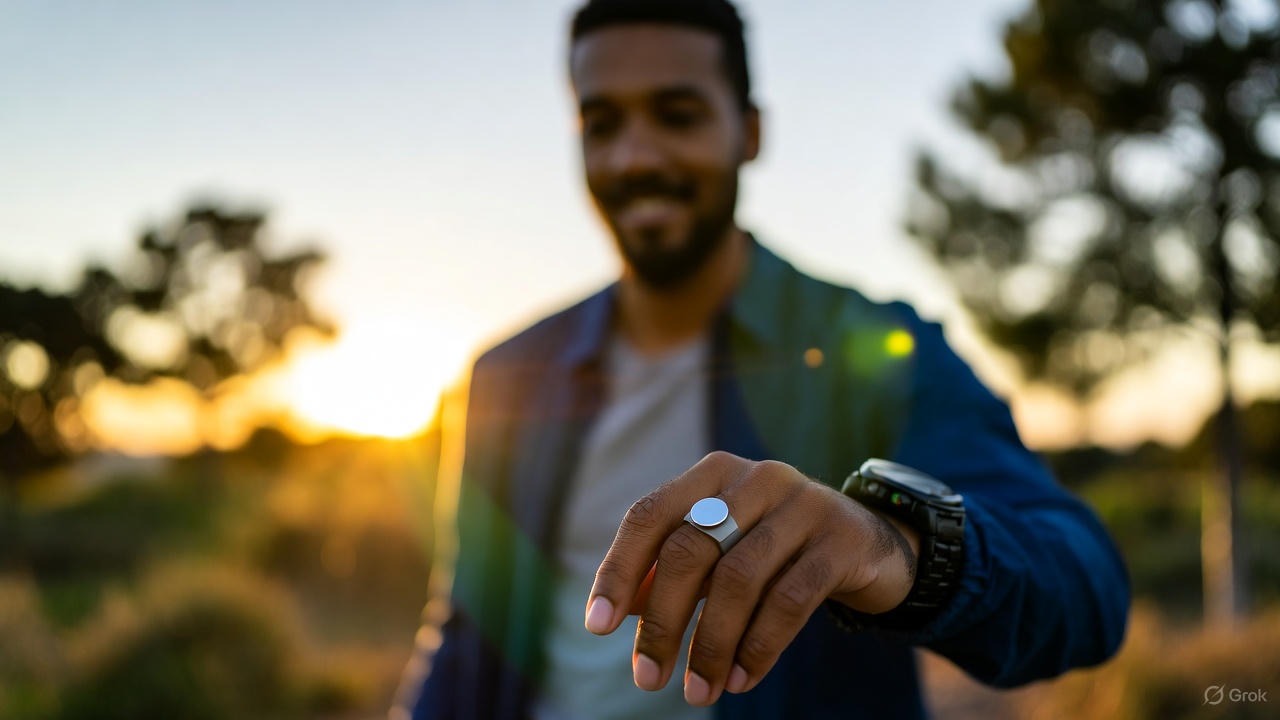
In the crowded ecosystem of wearables—watches, chest straps, patches—the smart ring is emerging as a uniquely powerful tool for clinical-grade, patient-collected data. Its superiority for longitudinal monitoring lies in a combination of physiological practicality and user compliance.
Physiological Prime Location: The finger hosts a dense network of capillaries, allowing photoplemmography (PPG) sensors in a ring to obtain a strong, consistent signal for heart rate, HRV, and blood oxygen saturation (SpO2). Unlike the wrist, which is bony and has less consistent blood flow, the finger provides a more reliable measurement point, especially during sleep when we are motionless. This is critical for capturing accurate nocturnal data, which forms the bedrock of recovery and metabolic health assessment.
Unobtrusive and Consistent Wear: The single most important factor in generating clinically useful data is consistency. A device that is removed frequently creates data gaps that obscure trends. A smart ring, by virtue of its form factor, boasts remarkably high wear compliance. It’s lightweight, waterproof, and doesn’t require daily charging, often lasting a week or more. Patients forget they’re wearing it, which means it collects data during all life’s moments—work, exercise, and most importantly, throughout the entire sleep cycle without the discomfort of a wrist device. This seamless integration into daily life ensures the data profile is complete and truly representative.
Focus on Core Biomarkers: While smartwatches often chase the feature fatigue of notifications and apps, leading-edge smart rings like the Oura Ring, Circular Ring, and newer entrants are strategically focused on the biomarkers that matter most for foundational health: sleep stages (REM, Deep, Light), resting heart rate, heart rate variability, body temperature, and respiratory rate. These are the vital signs of your autonomic nervous system and recovery status. By providing deep, accurate insights into these areas, the ring creates a prioritized health dashboard that directly informs conversations about stress management, metabolic health, immune function, and cardiovascular risk. This focused data set is often more immediately actionable in a wellness or clinical context than the multitude of metrics from a general-purpose device.
To become an empowered participant in your health dialogue, you must first become fluent in the language of your own data. Your wearable’s dashboard is not just a collection of scores; it’s a storybook of your physiology. Let’s translate the key chapters.
Heart Rate Variability (HRV): Your Body's Resilience Score. HRV is arguably the most insightful metric your ring provides. Contrary to intuition, a healthy heart does not beat like a metronome; it has subtle, millisecond variations between beats. Higher HRV generally indicates a robust, adaptable autonomic nervous system—your body can efficiently switch between stress (sympathetic) and recovery (parasympathetic) modes. A downward trend in your HRV can be an early warning sign of overtraining, chronic stress, impending illness, or poor recovery. Bringing a 30-day HRV trend to your doctor can objectively illustrate your stress load and resilience in a way words cannot, prompting discussions about restful living practices that can directly improve this core biomarker.
Resting Heart Rate (RHR): The Engine's Idle Speed. Your RHR, best measured during deep sleep, is a fundamental indicator of cardiovascular fitness and metabolic efficiency. A lower RHR typically suggests a stronger heart muscle that can pump more blood with each beat. A sudden, sustained increase in your nightly RHR can signal everything from dehydration and lack of sleep to the onset of an infection or heightened stress. Monitoring this trend helps differentiate between a one-off bad night and a concerning physiological shift.
Sleep Architecture: Beyond Just Hours in Bed. This is where wearables shine. It’s not about 8 hours; it’s about what happens during those hours. Your ring breaks sleep into stages:
Presenting sleep architecture data moves the conversation from "I'm tired" to "My deep sleep is consistently below 15%, which may explain my poor recovery and persistent fatigue." It provides a concrete target for intervention, whether it’s addressing sleep apnea, optimizing bedtime routines, or managing evening stress. For a deeper dive into structuring your day for better sleep, consider The Restful Living Checklist: Daily Non-Negotiables.
Body Temperature & Respiratory Rate: The Silent Signals. Basal body temperature, tracked continuously, can reveal subtle shifts. A elevated temperature trend can precede noticeable symptoms of illness, infection, or, for women, signal ovulation. Respiratory rate (breaths per minute) during sleep is a vital sign; significant increases can be tied to sleep disturbances, respiratory conditions, or cardiovascular strain. These passive, continuous measurements provide a baseline that makes deviations profoundly meaningful.
Walking into your appointment with a smartphone full of graphs is only powerful if you are prepared to use them effectively. The goal is not to overwhelm your doctor with raw data, but to curate and summarize it to highlight meaningful patterns and specific concerns. Here’s how to prepare:
1. Identify Trends, Not Just Outliers: Don’t focus solely on your "worst night." Look at the 30-day or 90-day trend lines for your key metrics: HRV, RHR, and total sleep. Is there a gradual decline? A weekly pattern (e.g., poor sleep every Sunday night)? This longitudinal view is what your doctor needs. Screenshot these trend graphs.
2. Correlate Data with Life Events: Annotate your data. Did your HRV plummet the week of a major project deadline? Did your sleep score improve during vacation? Use the journaling feature in your app to note stress events, illness, changes in medication, exercise intensity, or dietary shifts. This context turns data points into a causal narrative. For instance, showing that your reported anxiety spikes correlate with measurable decreases in HRV and sleep quality provides powerful, objective evidence of your experience.
3. Formulate Specific, Data-Informed Questions: Move from general to specific.
4. Create a One-Page Summary: For a 15-minute appointment, create a single-page summary. Include: 1) Your primary concern, 2) 1-2 key trend graphs, 3) 2-3 annotated life-event correlations, and 4) 2-3 specific questions. This shows respect for your doctor’s time and demonstrates you are an organized, engaged partner.

Let’s see how this preparation transforms real-world scenarios. These case studies illustrate the shift from vague to precise, from reactive to proactive.
Case Study 1: Unexplained Fatigue & The Sleep Discovery. Sarah, 42, complained of persistent fatigue. Standard blood tests were normal. Her doctor was considering antidepressants for "low mood." Before proceeding, Sarah presented three months of ring data. The trend clearly showed severe sleep fragmentation, with an average of 22 awakenings per night and almost zero deep sleep. She had no memory of these awakenings. This objective data immediately redirected the investigation. A referral to a sleep specialist led to a home sleep test and a diagnosis of mild sleep apnea. With treatment, her sleep architecture normalized and her fatigue resolved—all because data provided a clear path where anecdotes had led to a dead end.
Case Study 2: Managing Hypertension with Lifestyle. David, 58, had borderline hypertension. His doctor advised "less stress and better sleep," but David felt he was doing okay. His wearable data told a different story. He showed his doctor a consistent pattern: on days following poor sleep (low HRV, high RHR), his home blood pressure monitor readings were 10-15 points higher systolic. Furthermore, his data revealed his stress (indicated by low daytime HRV) peaked every weekday between 3-5 PM. This created a concrete action plan: 1) Prioritize sleep hygiene as a direct hypertension intervention, and 2) Implement a restful living practice like calming music or a brief walk during his identified high-stress window. At his follow-up, he could demonstrate that improving his sleep scores correlated directly with improved blood pressure control.
Case Study 3: Pre- and Post-Operative Recovery Monitoring. Maria, 35, was scheduled for elective orthopedic surgery. For a month prior, she used her ring to establish her baseline HRV, RHR, and sleep scores. After surgery, she tracked her recovery objectively. Her data showed her HRV took two full weeks to return to baseline, and her nighttime respiratory rate was elevated for the first five days—a sign of pain or system stress. She shared this with her surgeon and physical therapist. Instead of a generic recovery timeline, they could tailor her rehab intensity based on her body’s actual recovery signals, pushing when her HRV was high and pulling back when it dipped, optimizing her healing and preventing setbacks.
The mind-body connection is no longer philosophical; it is quantifiable. Wearable biomarkers provide astonishingly clear windows into our mental and emotional states, offering objective footing for discussions that have traditionally been subjective.
Stress as a Measurable Output: We all say we're "stressed," but what does that mean physiologically? Your wearable defines it: a dip in HRV, an elevation in RHR, and often, an increase in body temperature. Seeing a tangible graph that spikes in response to a difficult conversation or a looming deadline validates the internal experience. It moves discussions about anxiety from "it's all in your head" to "here is how it’s manifesting in your body." This data can guide the use of therapeutic techniques like cognitive behavioral therapy (CBT) or mindfulness; you can literally run an experiment: after a month of daily meditation, is my afternoon HRV dip less pronounced? The data provides the answer. For those rebuilding a calmer life, The Restful Living Assessment: How Calm is Your Life? can be a helpful starting point to pair with this biometric feedback.
Mood and Metabolic Patterns: Emerging research and user anecdotes show fascinating correlations. Periods of low mood or depression often correlate with flattened, low HRV patterns, disrupted sleep architecture (particularly reduced REM sleep), and elevated resting heart rates. Presenting this data to a psychiatrist or therapist can help differentiate between psychological and physiological contributors to low mood (e.g., is poor sleep driving the mood, or is the mood disrupting sleep?) and track the somatic impact of medication or therapy over time.
The Cycle of Burnout: Burnout is a state of chronic dysregulation. Wearable data can capture its progression: first, sleep becomes restless (lower deep sleep). Then, HRV begins a steady, downward trend, indicating dwindling resilience. Finally, resting heart rate begins to creep up, and the body temperature rhythm can become flattened. Catching this progression early—by noticing a 2-week downward trend in HRV despite "pushing through"—can be the critical early warning system that prompts restorative action before a full crash. It provides permission to rest, backed by hard evidence. Exploring the concept of Restful Living Without Guilt: Permission to Rest can be crucial in this stage.
While powerful, patient-collected wearable data is not a panacea, and entering the exam room with a savvy understanding of its limitations is key to maintaining a respectful and productive partnership with your provider.
The "Wellness" vs. "Medical" Device Distinction: It is crucial to understand that most consumer smart rings are classified as "general wellness" devices, not FDA-cleared medical devices (though some, like the Oura Ring, have specific cleared features). This means they are excellent for trend analysis, awareness, and lifestyle guidance but are not designed for definitive diagnosis. Your ring may suggest sleep disturbances, but it cannot diagnose sleep apnea—that requires a clinical sleep study. It can show an elevated temperature trend, but it cannot diagnose an infection. Framing your data as "indicative trends and patterns" rather than "diagnostic proof" shows clinical awareness.
Data Accuracy & The "Trend is Your Friend" Principle: Absolute accuracy on a single data point (e.g., "Was my HRV exactly 42 ms last night?") is less important than the reliability of the trend over time. These devices are highly precise, meaning they are excellent at detecting changes and directions. Focus on the 30-day line going up or down, not on today's single number. When discussing data with your doctor, emphasize the directional trends you've observed.
Avoiding "Cyberchondria" and Data Anxiety: The constant stream of data can, for some, lead to obsession and anxiety—checking scores incessantly, fretting over a single night's dip. This ironically creates the very stress the device is meant to illuminate. It’s essential to use the data with intention, not compulsion. Set boundaries: check your summary once a day in the morning to inform your day, then put it away. Use the data for weekly or monthly reflection, not hourly scrutiny. The goal is empowerment, not enslavement to a score. If you find the data creates anxiety, a practice of How Gratitude Practices Support Restful Living can help balance quantitative tracking with qualitative appreciation.
The Doctor's Perspective: Time and Integration. Be mindful that your doctor’s electronic health record (EHR) system is likely not built to import your PDF data reports. This is why your one-page summary is so vital. It respects the time constraints of modern practice. The most progressive clinicians are eager for this data, but the healthcare system is still adapting. Your preparedness paves the way.
We are on the cusp of a systemic shift where the data from your finger will flow seamlessly into your lifelong health record, enabling truly continuous care.
The Direct Integration Pipeline: Forward-thinking health systems and digital health companies are now building integrations where, with patient consent, de-identified or summarized wearable data can be pulled directly into a patient's EHR. Imagine a "Biometrics" tab in your patient portal that shows your doctor your sleep and activity trends alongside your lab results and visit notes. This turns the episodic check-up into a window onto continuous care.
Remote Patient Monitoring (RPM) Reimagined: Traditionally, RPM has involved clunky, prescribed devices for specific conditions like heart failure. Consumer wearables are democratizing this. A cardiologist could monitor a hypertensive patient's resting heart rate and sleep data remotely between visits. A mental health professional could observe the physiological impact of a new treatment regimen. Alerts could be set for concerning trends (e.g., a sustained 20% drop in HRV combined with elevated RHR), prompting a proactive check-in. This transforms care from reactive to proactive and preventative.
Population Health and Personalized Medicine: In aggregate, anonymized wearable data holds immense promise for medical research. By understanding population-level patterns, we can better define what "normal" looks like across different demographics and identify early warning signs for diseases. On a personal level, this data is the fuel for truly personalized medicine. Your unique biometric response to diet, exercise, medication, and stress becomes the blueprint for your custom health optimization plan, moving far beyond one-size-fits-all guidelines. For the entrepreneur building a business sustainably, this data is invaluable for managing energy; learn more in Restful Living for Entrepreneurs: Sustainable Business Building.
Knowledge is only power when applied. Here is your step-by-step action plan to operationalize Wearable Wellness 101 and become an empowered patient.
Step 1: Establish Your Baseline (Months 1-2). Wear your device consistently. Do not make drastic changes. Simply live your life and collect data. This period establishes your normal ranges for HRV, RHR, and sleep. Avoid judging the data; just observe.
Step 2: Pattern Recognition & Light Experimentation (Month 3). Start looking at weekly and monthly trends. Use the journal feature. Ask simple questions: Does alcohol affect my deep sleep? Does a 10-minute evening meditation improve my sleep latency? Does a weekend of true disconnection, as outlined in The Restful Living Weekend: True Recovery in Two Days, reset my HRV? Begin to see yourself as a scientist in your own "n=1" experiment.
Step 3: Curate Your Data for Your Next Appointment (2 Weeks Before). 30 days before your next scheduled appointment, start paying closer attention. Create your one-page summary as described earlier. Book your appointment with enough time to discuss your findings (a 30-minute follow-up may be better than a 15-minute annual physical for this purpose).
Step 4: Conduct the Collaborative Conversation. During the appointment, present your summary. Use phrases like: "I've been tracking my data, and I've noticed a pattern I'd like your insight on..." or "My data suggests that X is affecting Y. What do you think?" Be open to your doctor's interpretation—they bring clinical context you lack.
Step 5: Integrate Feedback & Iterate. Based on the discussion, set 1-2 data-informed goals with your doctor (e.g., "Increase my average deep sleep to 90 minutes over the next quarter" or "Improve my 30-day HRV average by 10% through stress management"). Use your wearable to track progress toward these shared objectives. This closes the loop, creating a true cycle of continuous health optimization.
As we embrace this powerful technology, we must do so with our eyes wide open to the ethical landscape. Data about our bodies is among the most sensitive information that exists.
Data Ownership and Portability: Who owns your sleep data? You do. It is critical to read the terms of service of your wearable company. Understand how your de-identified data may be used for research (which can be a public good) and what rights you have to download and export your raw data. You should be able to take your data with you if you switch platforms or share it with a provider of your choice.
Privacy and Security: These devices collect intimate, 24/7 data streams. Ensure the company you choose has a strong reputation for data security, using encryption and transparent privacy policies. Consider what data is stored on the device versus the cloud, and what controls you have over sharing.
The Risk of Bias and Access: Wearable technology risks creating a "digital health divide." Those who can afford these devices gain a significant advantage in health empowerment, while others may be left behind. Furthermore, the algorithms interpreting the data are often trained on limited demographic datasets, which can lead to less accurate insights for people of color, the elderly, or those with non-typical physiologies. As a patient, be aware of these limitations. As a society, we must advocate for equitable access and representative algorithm development to ensure this revolution benefits all.
Informed and Balanced Use: Finally, the ethical use of this technology is also personal. It should be used to enhance well-being, not fuel obsessive self-surveillance or unhealthy comparisons. The data is a tool for self-compassion and improvement, not a whip for self-criticism. The ultimate metric of success is not a perfect sleep score, but whether the technology is helping you live a healthier, more engaged, and balanced life in partnership with your healthcare providers. Finding your tribe in this journey can be supportive, which is why The Restful Living Community: Finding Your Support System is a valuable resource.

For generations, patients have struggled to articulate the nuanced, internal landscape of their health. Phrases like “I feel off,” “My energy isn’t right,” or “I’m just not recovering” are often met with sympathetic nods but lack the concrete substance needed for medical intervention. This creates a profound disconnect where the patient’s lived reality and the clinician’s objective findings can exist in separate realms. Wearable technology acts as the crucial interpreter, providing the scientific synchronicity that validates subjective experience with objective data.
This validation is psychologically powerful. When a patient sees a tangible graph of their heart rate variability plummeting during a period of reported burnout, or a spike in their resting heart rate correlating with feelings of anxiety, it provides a profound sense of being seen and understood. “It took the guilt away,” explains Michael, a software engineer who presented his data to his doctor. “I kept saying I was exhausted, but my blood tests were fine. I started to feel like it was all in my head. Showing the three months of progressively worse sleep scores and declining HRV was like saying, ‘See? My body is telling the same story I am.’” This external validation can be the first step toward effective treatment, moving the discussion away from questioning the patient’s perception and toward solving the clear physiological problem.
From a clinical perspective, this synchronicity transforms differential diagnosis. Consider two patients presenting with fatigue. Patient A reports fatigue and has low normal thyroid labs. Patient B reports identical fatigue but also presents data showing severe sleep fragmentation and a resting heart rate 10 bpm above their personal baseline. The investigative path for Patient B is immediately more precise, likely focusing on sleep hygiene, stress, or potential sleep disorders before cycling through other endocrine or metabolic causes. The data acts as a triage tool, focusing precious clinical time and resources on the most probable underlying dysregulation. This is the essence of precision wellness: using personal data to personalize the path to better health.
For the hundreds of millions managing chronic conditions, wearable data shifts the management paradigm from intermittent compliance checks to continuous, context-rich self-management. It provides the missing feedback loop between daily choices and physiological outcomes, creating a powerful tool for engagement and control.
Diabetes and Metabolic Health: For those with insulin resistance or Type 2 diabetes, the link between sleep, stress, and glucose control is well-established but hard to quantify personally. A smart ring illuminates this connection vividly. A patient can see that on nights with poor sleep efficiency and low HRV, their morning fasting glucose is consistently higher, regardless of diet. They can observe how a stressful event (marked by a sharp HRV dip) leads to elevated glucose readings post-meal. This empowers them to understand that managing their condition isn’t just about carbohydrates; it’s about holistic recovery. It provides a non-glucose metric (HRV and sleep) to optimize daily, creating a positive feedback loop where better sleep leads to better glucose control, which reinforces the importance of sleep. This integrated view supports a more sustainable lifestyle approach than diet alone.
Hypertension and Cardiovascular Wellness: Hypertension management has long relied on the sporadic, often stressful, in-office blood pressure reading or daily home logs. Wearable data adds a dynamic layer of autonomic nervous system insight. As explored earlier, trends in resting heart rate and HRV are powerful indicators of cardiovascular strain and recovery. A patient can work with their cardiologist to identify their personal "recovery threshold" for HRV. They can then track how lifestyle interventions—such as intentional restful living practices—affect this biomarker and, in turn, their blood pressure trends. Furthermore, the detection of nocturnal cardiac rhythms, like consistent nighttime tachycardia (elevated heart rate during sleep), can be a red flag worth investigating, potentially pointing to undiagnosed sleep apnea or other issues that exacerbate hypertension.
Heart Failure and Remote Monitoring: While consumer devices are not diagnostic, their trend data is incredibly valuable for those with known heart failure. A sustained, gradual increase in resting heart rate or a steady decline in HRV can signal fluid retention or worsening cardiac function before symptoms like shortness of breath become severe. Patients in remote patient monitoring programs can share this trend data with their care team, enabling early, proactive intervention—often just an adjustment in medication—that can prevent a costly and traumatic emergency room visit. This turns the patient into the frontline sentinel of their own health, with data as their reporting tool.
In all these cases, the conversation with the specialist evolves. It’s no longer just about the latest lab value or reading. It becomes a review of the patient’s “management ecosystem”: “How did your stress management during the holidays affect your recovery metrics? I see your sleep depth improved after starting the new medication—that’s a great sign.” This fosters a team-based approach where the patient is the primary day-to-day manager, armed with data, and the doctor is the strategic consultant.
The endocrine system is the body’s master communication network, and its hormones influence—and are influenced by—every metric a smart ring tracks. For women navigating menstrual cycles, perimenopause, or menopause, and for anyone concerned with hormonal health, wearables offer an unprecedented, non-invasive window into this delicate balance.
Cyclical Biomarkers and the Female Physiology: For cycling women, wearable data reveals the profound physiological shifts that occur throughout the month. It’s common to see resting heart rate begin to rise after ovulation, peaking in the luteal phase before dropping again with menstruation. Body temperature shows the classic biphasic pattern. Perhaps most importantly, heart rate variability and sleep architecture often show predictable patterns: HRV may be highest in the follicular phase (post-period) and dip in the luteal phase, while sleep can become more fragmented pre-menstrually. Presenting this cyclical data to a gynecologist or endocrinologist does several things: 1) It normalizes the patient’s experience, showing that their “low energy” week is tied to a measurable physiological state. 2) It helps differentiate between normal cyclical changes and signs of potential dysfunction, like abnormally severe HRV drops or extreme temperature fluctuations. 3) It can guide the timing of activities, workouts, and important events to align with peaks in energy and resilience.
Perimenopause & Menopause: Tracking the Transition: The menopausal transition is characterized by hormonal volatility that can disrupt sleep, thermoregulation, and stress resilience for years. A wearable provides objective documentation of this journey. A woman can show her doctor the increasing frequency of nighttime temperature spikes (potential hot flashes) disrupting her sleep continuity. She can demonstrate a long-term, gradual decline in HRV or a rise in resting heart rate that correlates with her reported symptoms of anxiety and palpitations. This data is invaluable for discussing treatment options, whether hormonal or non-hormonal. It moves the conversation from “I’m having a hard time” to “My data shows my sleep is fragmented an average of 12 times per night, likely due to thermoregulation issues, and my overall recovery capacity has decreased by 30% over the past year.” The effectiveness of interventions, from hormone therapy to lifestyle changes focused on hormone balance through recovery, can then be tracked through these same metrics.
Stress, Cortisol, and the HPA Axis: Chronic stress dysregulates the hypothalamic-pituitary-adrenal (HPA) axis, leading to imbalances in cortisol, the primary stress hormone. While wearables don’t measure cortisol directly, they measure its effects with high precision. Chronically low HRV, elevated resting heart rate, and poor sleep are classic signs of HPA axis dysfunction. This data can prompt a productive conversation about adrenal health and guide the use of saliva cortisol testing if needed. More importantly, it provides the feedback mechanism to show how stress-reduction techniques are working at a systemic level, not just a feeling level.
The use of biometrics for athletic performance optimization is well-established in professional sports. Today, this same technology is democratized, allowing everyday athletes, fitness enthusiasts, and knowledge workers to apply the principles of quantified recovery to avoid burnout and perform sustainably.
Precision Recovery for Athletes: The principle is simple: you don’t get fitter during the workout; you get fitter during the recovery from the workout. Wearables make recovery measurable. An athlete can track their HRV and resting heart rate each morning. A significant drop in HRV or a spike in RHR indicates their nervous system is still stressed from prior training. This is a clear signal to prioritize a light, restorative day instead of a high-intensity session, thus preventing overtraining, injury, and illness. Sharing this data with a coach or sports medicine doctor transforms training plans from rigid schedules to adaptive, responsive frameworks that respect the body’s real-time readiness. It answers the critical question: “Is my body prepared to benefit from today’s stress, or will it break me down?”
The Corporate Athlete: Preventing Knowledge Worker Burnout: The modern professional faces a marathon of cognitive load, decision-making, and constant digital engagement. Burnout is the equivalent of overtraining for the mind. Wearable data provides the early warning signs. A knowledge worker can see that after four consecutive days of long meetings and deep focus work, their HRV is in a sustained decline and their sleep latency (time to fall asleep) has increased. This is objective evidence of cognitive overload and accumulating stress. It’s a signal to schedule a recovery day, perhaps following principles from The Restful Living Workspace: Designing for Focus and Calm, before pushing into a state of exhaustion. Presenting this pattern to a corporate wellness provider or even a manager can help advocate for sustainable work practices, using personal data to make a case for the business value of recovery.
The Readiness Score as a Daily Decision Tool: Many wearable apps synthesize data into a single “Readiness” or “Recovery” score. While it’s important not to over-index on a single number, this score can be an excellent daily decision-making tool. A low readiness score, backed by poor underlying metrics, might mean you reschedule that important, high-stakes presentation for a day when your body and mind are truly prepared to excel. It encourages aligning your most demanding tasks with your physiological peaks, a practice that not only improves outcomes but also builds long-term resilience. This is the core of sustainable high performance: working with your biology, not against it.

Wearable technology need not be a solitary pursuit. When adopted by a family, it can transform the household into a collaborative health hub, fostering shared awareness and proactive care across generations.
Parenting with Data: For parents, a child’s vague complaint of “not feeling well” can be a source of anxiety. While consumer smart rings are generally for adults, wearable technology for older children and teens (like simpler fitness trackers with parental dashboards) can provide clues. More commonly, parents using their own wearables can model and track healthy habits. They can have data-informed discussions: “I noticed my sleep was really deep after we turned off screens an hour before bed. Should we try a family reading hour?” It also allows parents to objectively manage their own capacity, understanding when their resilience is low and they need to teach and model restful living for their family from a place of replenishment, not depletion.
Caring for Aging Parents: This is one of the most powerful applications. For adult children concerned about an aging parent living independently, a discreet wearable like a smart ring can provide peace of mind through trend data, not intrusive surveillance. Gradual changes in activity levels, significant disruptions in sleep patterns, or a creeping rise in resting heart rate can be early indicators of emerging health issues, loneliness, or depression. With the parent’s consent, this anonymized trend data can be shared with a geriatric care manager or doctor, prompting a well-timed check-in or assessment. It shifts eldercare from crisis response to trend monitoring, potentially delaying or preventing institutionalization by addressing small issues before they become emergencies.
Building a Culture of Health: When a family views their collective wellness through the lens of shared, respectful data, it creates a common language around health. Goals become collaborative: “Let’s all work on improving our sleep scores this month by creating a better wind-down routine.” It depersonalizes criticism; it’s not “You’re always tired,” it’s “The data shows our household’s average sleep duration is 6.5 hours. How can we all support each other to get closer to 8?” This fosters empathy, support, and a team-based approach to thriving.
With an array of devices—rings, watches, patches, and clothing—selecting the right tool is critical to generating the type of data that will empower your health conversations. The choice should be driven by your primary health goals and lifestyle.
The Smart Ring (The Recovery & Sleep Specialist): As established, the ring is the premier choice for those focused on sleep quality, stress/recovery balance, and long-term trend analysis. Its superior wear compliance and optimal sensor location make it the gold standard for nocturnal data. Ideal for: The professional managing stress, the athlete optimizing recovery, the individual exploring hormonal health, the person seeking to improve deep sleep, or anyone who finds wrist-worn devices uncomfortable or distracting.
The Smartwatch (The Activity & Acute Monitor): Watches excel at tracking daytime activity, workouts with GPS, and providing real-time notifications (which can be a pro or con). Their heart rate monitoring during varied-intensity exercise is often strong. Newer models also include advanced sleep and stress tracking. Ideal for: The fitness enthusiast who wants detailed workout metrics, the person who wants ECG or blood pressure monitoring (on select models), and those who prefer a screen for notifications and daily activity prompts. Be mindful of the potential for digital distraction impacting the very stress levels you’re trying to measure.
Medical-Grade Wearables & Patches (The Prescribed Monitor): These are FDA-cleared devices, often prescribed by a doctor for specific short-term monitoring (e.g., a Zio patch for cardiac arrhythmia, a continuous glucose monitor). They provide clinical-grade data for diagnosis. Ideal for: Addressing a specific, suspected medical condition under the guidance of a physician. They are typically not intended for long-term wellness tracking.
Making an Informed Choice: Ask yourself:
Remember, the best device is the one you’ll wear 24/7 without fail. Incomplete data is often worse than no data, as it can mislead. For most seeking to empower patient-doctor conversations around holistic health and recovery, the smart ring’s focused, high-compliance design offers the most actionable foundation.
The final, and perhaps most important, stage of Wearable Wellness 101 is the transcendence from data dependency to intuitive wisdom. The ultimate goal of any tool is to sharpen your internal senses, not replace them. The data should help you reconnect with your body’s signals, not become the only signal you trust.
The Data-Intuition Feedback Loop: Use your wearable to create a feedback loop for your intuition. When you feel a certain way—run down, exceptionally alert, subtly anxious—check the data. Does it correlate? Over time, this practice trains your interoceptive awareness (the sense of your internal state). You might start to notice the bodily sensation that precedes a dip in HRV, or the feeling of calm that aligns with a high recovery score. The data validates and refines your innate sensing ability.
Knowing When to Look Away: There is a danger in becoming a slave to the daily score, where a “poor” readiness reading creates a self-fulfilling prophecy of a bad day. It is essential to use the data as a guide, not a gospel. If you feel great but the score is low, listen to your body—perhaps you’re emotionally energized despite physical fatigue. The data is one input, not the definitive truth. Establish boundaries, like only checking your data once in the morning during your planning routine. This prevents compulsive checking, which itself is a stressor that can degrade the very metrics you’re tracking. Learning How Restful Living Changes Your Relationship with Time can help break the cycle of constant metric monitoring.
The Long-Term Narrative: Shift your focus from the daily fluctuations to the seasonal, multi-month narrative. Life has cycles. Your data will reflect stressful periods, vacations, illnesses, and times of great joy and connection. The wisdom lies in observing how your body navigates these cycles. Does it return to baseline quickly? Does a stressful quarter leave a long “recovery tail”? This long-term view helps you understand your unique resilience profile and plan your life with more self-compassion and strategic rest.
Informing, Not Dictating, Life Choices: The empowered patient uses data to make informed choices, not as an autopilot. The data might suggest you need more recovery, but you might choose to push through for a meaningful life event—a wedding, a key project, a family trip—with the conscious understanding of the cost and a plan for replenishment afterward. This is wisdom: using objective information to make subjective life decisions with eyes wide open, in alignment with your values and goals. It’s about balancing the quantitative insights from The Restful Living Measurement: Tracking Your Calm with the qualitative richness of a life well-lived.
By moving from raw data to informed intuition, you graduate from being a patient who is managed by external metrics to a person who skillfully uses technology to steward your own well-being, engaging with healthcare professionals as a true, self-aware collaborator. This is the pinnacle of empowered health.
Armed with your curated data summary, the next critical skill is tailoring your communication approach to different types of healthcare providers. A cardiologist, a psychiatrist, a general practitioner, and a physical therapist all have distinct frameworks for understanding health. Speaking their language—and showing how your data fits within it—ensures your insights are not just heard, but actively integrated into your care plan.
With Your Primary Care Physician (The Quarterback): Your PCP is the generalist overseeing your whole health picture. They appreciate efficiency and relevance. Frame your data around specific, billable concerns (e.g., fatigue, sleep disturbance, anxiety) and present it as a tool to refine the differential diagnosis. Use phrases like: “To give you better context for my fatigue, I’ve been tracking my sleep. The data shows I’m averaging only 12% deep sleep, which is quite low. Could this be a contributing factor we should explore?” This directs their attention and uses data to prioritize which diagnostic paths (sleep study, thyroid check, etc.) are most warranted. It demonstrates you are an engaged partner trying to solve the puzzle, not just report a symptom.
With Mental Health Professionals (The Mind-Body Translators): Therapists and psychiatrists are deeply interested in the somatic manifestations of mental states. Your wearable data is a groundbreaking tool for this dialogue. Present it as the physiological transcript of your emotional experience. You might say, “I’ve been tracking my stress response. During the week I described feeling panicked, my data shows my resting heart rate was elevated by 15 beats per minute throughout the night, and my HRV was at its lowest point in months. It helps validate what felt overwhelming.” This can guide treatment efficacy: “Since starting this mindfulness practice, I’ve noticed my afternoon HRV dips are less severe. Would it be helpful to review this trend?” It moves therapy beyond the subjective into a shared observation of the nervous system’s response, which can be incredibly empowering for treatment.
With Specialists (The Targeted Experts): When seeing a cardiologist, endocrinologist, or sleep specialist, align your data with their domain.
In all cases, the strategy is the same: show respect for their expertise by presenting your self-collected data as a complementary information stream that enhances, rather than challenges, their clinical judgment. You are providing them with a richer, more continuous dataset from which to draw their expert conclusions.
Beyond the personal, the integration of wearable data into healthcare has profound economic implications for individuals and the system at large. It represents a shift from a costly, reactive “sick-care” model to a proactive, investment-based wellness model.
Shifting the Incentive to Prevention: The current fee-for-service model often financially rewards treating disease, not preventing it. Wearable data empowers the consumer to invest in their own upstream health, potentially avoiding downstream costs. For example, the data that leads someone to address sleep apnea early can prevent the future development of hypertension, atrial fibrillation, or diabetes—conditions that incur massive long-term costs in medications, procedures, and hospitalizations. An individual using HRV data to manage stress may avoid the need for extensive mental health interventions or stress-related gastrointestinal issues. This is personal financial wellness in action, a direct link between restful living and financial health through avoided medical expenses and preserved productivity.
Enhancing Diagnostic Efficiency & Reducing "Doctor Ping-Pong": Patients with vague, multi-system symptoms often undergo a costly and frustrating “diagnostic odyssey,” seeing multiple specialists and undergoing repeated tests. Wearable data can act as a triage compass. By presenting clear patterns—like poor sleep architecture or autonomic dysfunction—at the first PCP visit, the patient can be steered more directly to the appropriate specialist (e.g., a sleep doctor or neurologist), saving time, co-pays, and system resources. This reduces the economic and emotional toll of being passed from doctor to doctor without answers.
The Insurer’s Perspective & Future Models: Progressive insurance companies and employer-sponsored wellness programs are beginning to see the value. Some now offer discounts or reimbursements for wearable devices, recognizing that an engaged, data-informed member is a lower-risk member. We are moving towards value-based care models where providers are incentivized for health outcomes, not just visits. In such a system, the continuous data from wearables becomes the currency of success—it proves that a patient’s hypertension is under control, that their diabetic metrics are improving, that their risk profile is declining. This aligns the financial incentives of payer, provider, and patient around the shared goal of sustained wellness.
The Personal ROI: For the individual, the calculation is simple but powerful. The cost of a high-end smart ring (a few hundred dollars) is less than a single emergency room co-pay for many. Compared to the cost of chronic disease management—which can run into thousands of dollars per year—the wearable is a minor upfront investment in a diagnostic and motivational tool that can guide literally hundreds of daily health decisions. It’s an investment in becoming the CEO of your own health, with data as your quarterly report.
The journey of health optimization can feel isolating, especially when friends and family may not understand your focus on "data." This is where the global community of the "Quantified Self" becomes an invaluable resource for support, inspiration, and shared problem-solving.
Beyond the Device App: Forums and Social Groups: Every major wearable platform has associated user communities—on Reddit, Facebook, Discord, and dedicated forums. These are treasure troves of anecdotal wisdom. Here, you can ask: “Has anyone else seen their HRV crash after COVID-19, and how long did recovery take?” or “What lifestyle changes actually moved the needle on your deep sleep percentage?” The collective experience of thousands of users can reveal patterns and strategies that haven’t yet made it into clinical literature. It’s important to remember this is peer support, not medical advice, but it can generate powerful hypotheses to discuss with your doctor.
The Power of Shared Language and Normalization: Engaging with a community normalizes the experience of paying close attention to your health. It alleviates the fear of being “obsessive” and reframes it as being “proactive.” Reading stories of others who used their data to advocate for themselves and get needed care can be profoundly encouraging. It builds a sense of shared mission and provides a vocabulary for describing your own experience more clearly, both to your community and your healthcare providers. For those building this mindset within their local circles, the principles of finding your Restful Living Community apply equally here.
Citizen Science and Contributing to Knowledge: Many in the Quantified Self community engage in structured self-experimentation (n=1 studies) and share their results. They might test the impact of a blue-light blocking protocol on sleep scores, or the effect of different dietary approaches on HRV. By participating thoughtfully, you contribute to a broader, crowd-sourced understanding of human physiology. This democratization of health research empowers individuals and can sometimes uncover trends that inspire formal scientific study. Your personal data journey can become part of a larger movement to understand health not as a static state, but as a dynamic, personal, and optimizable system.
Caveats and Critical Thinking: While invaluable, these communities require discernment. Beware of extreme biohacking trends that lack evidence or may be harmful. Always cross-reference community suggestions with reputable sources and your doctor’s guidance. The goal is to use the community for support and ideas, not to seek diagnosis or replace professional care. The most balanced communities emphasize sustainable, evidence-informed practices over quick fixes and magic bullets.
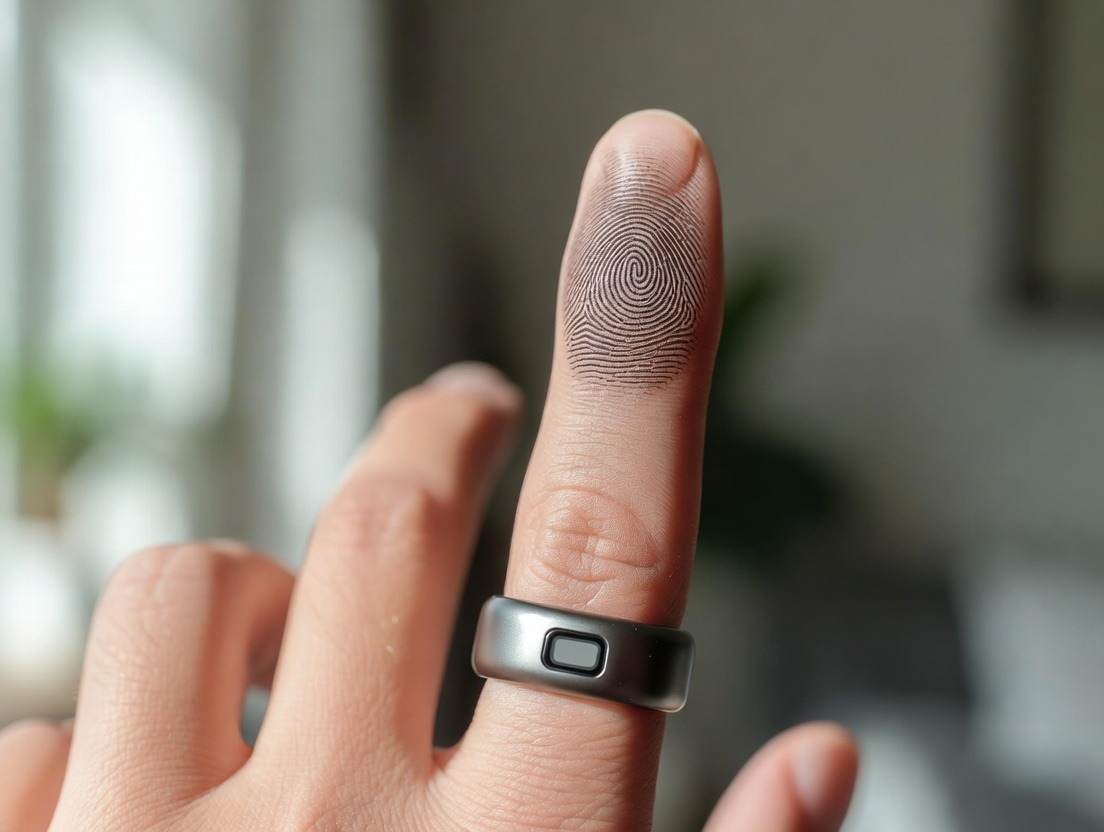
The technology on our wrists and fingers is advancing at a breathtaking pace. The features we consider cutting-edge today are the foundation for tomorrow’s standard of care. Understanding the horizon helps us anticipate how future devices will further revolutionize the patient-doctor dialogue.
Non-Invasive Blood Glucose and Metabolic Monitoring: The “holy grail” for metabolic health wearables is continuous, non-invasive glucose monitoring (CGM). Several companies are developing optical (PPG) and other sensor technologies to estimate glucose trends without a skin-penetrating sensor. While not yet as accurate as medical CGMs, even trend data would be transformative for millions seeking to understand their personal glycemic responses to food, sleep, and stress, providing a direct feedback loop for nutritional choices.
Advanced Blood Pressure Monitoring: Cuffless, continuous blood pressure estimation using PPG and ECG sensors is an active area of research and development. While regulatory hurdles are high for accuracy, the potential to monitor blood pressure passively throughout the day and night—capturing the critical nocturnal dip—would provide a monumental leap in managing hypertension and understanding cardiovascular risk.
Electrodermal Activity (EDA) and Detailed Stress Mapping: Already present in some devices, EDA measures subtle changes in skin conductance linked to sympathetic nervous system arousal (sweat response). Future iterations will better correlate these acute stress spikes with triggers, providing a minute-by-minute map of your nervous system’s reactions to your environment, conversations, and thoughts. This could revolutionize cognitive behavioral therapy and anxiety management.
Hydration & Advanced Biochemistry: Researchers are exploring ways to use optical sensors to track hydration status and key blood biomarkers (like hemoglobin, sodium, potassium) non-invasively. This would move wearables closer to being true continuous health labs, alerting to dehydration, potential anemia, or electrolyte imbalances.
The AI Health Coach: Contextual Interpretation and Predictive Insights: The real future value lies not in more sensors, but in smarter software. Artificial intelligence and machine learning will evolve to move beyond describing what happened to explaining why it might have happened and predicting what might come next. Your device will learn your personal patterns so well it could say: “Your data pattern today resembles the pattern you had two days before you got sick last winter. Consider prioritizing rest and hydration.” Or: “Your recovery is incomplete. Based on your calendar, you have a high-stakes meeting tomorrow at 2 PM. To optimize your performance, here is a suggested preparation routine.” This predictive, contextual layer will make the data even more actionable for both patient and clinician.
Despite the clear benefits, not all clinicians are immediately receptive to patient-generated wearable data. Hesitancy can stem from time constraints, lack of familiarity, concerns about data accuracy, or even professional defensiveness. As the empowered patient, you can navigate this with tact and persistence.
1. Frame it as Collaborative Curiosity, Not Confrontation: Your tone is everything. Approach with humility: “I’ve been using this device out of personal curiosity, and I noticed some interesting patterns I was hoping to get your expert perspective on.” This positions the doctor as the expert interpreter and you as the curious layperson seeking their guidance, which is a comfortable dynamic for most clinicians.
2. Start Small and Relevant: Don’t dump 90 days of raw data. In an initial conversation, pick one compelling, relevant correlation. “I’ve noticed that on nights I sleep poorly—here’s a screenshot of a typical bad night—my fasting blood sugar the next morning is consistently over 110. I brought my glucose monitor log to show you. What do you make of that connection?” This is specific, clinically relevant, and easy to digest in 60 seconds.
3. Acknowledge the Limitations Proactively: Build trust by demonstrating you understand the technology’s boundaries. “I know this is a wellness device, not a medical device, so I’m looking at trends, not absolute diagnoses. But the trend seems significant to me.” This shows you are a critical thinker and reassures the doctor that you aren’t using it for self-diagnosis.
4. Ask for Their Preferred Format: Be direct. “In the future, if I continue to track this, what would be the most helpful way for me to share summaries with you? A one-page PDF before the visit? A specific metric you’d find most useful?” This shows respect for their workflow and turns you into a solution-oriented partner.
5. If You Face Resistance, Don’t Dismantle—Find a New Partner: If a physician is dismissive, defensive, or outright hostile to your engaged approach, it may be a sign of a deeper incompatibility in care philosophy. Your health journey deserves a collaborative partner. Use this as a filter to seek out a more forward-thinking provider. Many functional medicine doctors, integrative health practitioners, and younger clinicians in tech-forward areas are not just open to this data—they expect it and know how to use it. Investing time in finding the right doctor is as important as investing in the right device.
Your role is to be a respectful pioneer, gently demonstrating the value of this new information stream. Over time, as more patients arrive prepared, the standard of care will evolve to embrace it.
While often seen as a tool for the affluent biohacker, wearable technology holds immense, perhaps greater, potential for public health and in resource-constrained settings. The challenge is one of access and adaptation, but the potential rewards are staggering.
Telemedicine and Remote Care in Rural Areas: In regions with a shortage of doctors or where patients must travel great distances, wearables can be a lifeline. A community health worker could be equipped with a handful of devices to lend to patients with heart failure or hypertension. Trend data could be transmitted to a central clinic where a nurse or doctor monitors hundreds of patients, only calling in those whose data shows concerning deviations. This “treat-by-exception” model massively expands the reach of quality care.
Early Disease Detection in Population Health: Large-scale, anonymized wearable data could act as an early-warning system for public health threats. Subtle, population-wide shifts in average resting heart rate, sleep duration, or activity levels could signal the early spread of an infectious disease (as was hinted at with COVID-19), a period of extreme community stress, or the impact of an environmental disaster. This real-time biosurveillance could allow for faster, more targeted public health responses.
The Challenge of the Digital Divide: The glaring issue is equity. The communities that could benefit most from remote monitoring are often those least able to afford the devices. Addressing this requires innovative thinking: subsidized devices through public health programs, ultra-low-cost, single-mission wearables (e.g., a ring that only tracks nighttime heart rate and SpO2 for sleep apnea screening), or device-lending libraries at community clinics. The goal must be to democratize the technology, not let it become another driver of health disparity.
Cultural and Literacy Adaptation: For global adoption, technology must be adapted. Interfaces need to be simple, visual, and available in local languages. The health insights must be culturally contextualized—recommendations for “stress reduction” will look very different in Tokyo, Nairobi, and Stockholm. The most successful implementations will be co-designed with the communities they intend to serve, ensuring the technology solves real problems in a accessible, respectful way.
The vision is a future where continuous health monitoring is a universal tool for health sovereignty, allowing individuals and communities everywhere to better understand their own health patterns and engage with healthcare systems from a position of knowledge and evidence.
Theory is essential, but action changes everything. This 30-day protocol is designed to take you from a curious observer to a confident, data-informed patient, ready for your next healthcare conversation.
Days 1-7: The Observation Phase.
Days 8-21: The Correlation Phase.
Days 22-30: The Synthesis & Preparation Phase.
By Day 30: You are no longer a novice. You have moved from data collection to basic interpretation. You have a tangible output—your one-page summary—that embodies your new role as an engaged, evidence-equipped health partner. You are ready to schedule that conversation or bring this prepared mindset to your next scheduled appointment. You have completed the first module of your lifelong education in self-advocacy through data.
Your Trusted Sleep Advocate: Sleep Foundation — https://www.sleepfoundation.org
Discover a digital archive of scholarly articles: NIH — https://www.ncbi.nlm.nih.gov/
39 million citations for biomedical literature :PubMed — https://pubmed.ncbi.nlm.nih.gov/
Experts at Harvard Health Publishing covering a variety of health topics — https://www.health.harvard.edu/blog/
Every life deserves world class care :Cleveland Clinic - https://my.clevelandclinic.org/health
Wearable technology and the future of predictive health monitoring :MIT Technology Review — https://www.technologyreview.com/
Dedicated to the well-being of all people and guided by science :World Health Organization — https://www.who.int/news-room/
Psychological science and knowledge to benefit society and improve lives. :APA — https://www.apa.org/monitor/
Cutting-edge insights on human longevity and peak performance:
Lifespan Research — https://www.lifespan.io/
Global authority on exercise physiology, sports performance, and human recovery:
American College of Sports Medicine — https://www.acsm.org/
Neuroscience-driven guidance for better focus, sleep, and mental clarity:
Stanford Human Performance Lab — https://humanperformance.stanford.edu/
Evidence-based psychology and mind–body wellness resources:
Mayo Clinic — https://www.mayoclinic.org/healthy-lifestyle/
Data-backed research on emotional wellbeing, stress biology, and resilience:
American Institute of Stress — https://www.stress.org/


