


How Wearable Wellness 101 Fits Into Your Daily Routine
Tips for seamlessly incorporating a wearable device into your everyday life.
Tips for seamlessly incorporating a wearable device into your everyday life.
%402x.svg)
In the relentless hum of modern life, where productivity is often prized above presence, a quiet revolution is happening on our wrists—and now, on our fingers. The world of wellness technology has evolved from clunky pedometers counting steps to sophisticated, seamless devices that listen to the subtle whispers of our physiology. At the forefront of this evolution are smart rings: unassuming, elegant wearables that monitor everything from your heart rate and sleep cycles to your body’s readiness for stress and recovery. This isn’t just another gadget to charge; it’s a personal bio-feedback system designed to integrate so effortlessly into your life that you forget it’s there—until its insights gently nudge you toward a healthier, more balanced existence.
Welcome to Wearable Wellness 101. This guide is your comprehensive roadmap to not only understanding this powerful technology but to weaving it into the very fabric of your daily routine. We’ll move beyond the specs and features to explore the how and the why: how a tiny ring can become your most trusted wellness consultant, and why integrating its data can lead to profound shifts in your energy, focus, and overall well-being. This is about moving from passive tracking to active living, using objective data to make subjective life better. Whether you’re a biohacker seeking optimization or someone simply exhausted by the guesswork of “how you feel,” this exploration will show you how to make wearable wellness work for you, creating a life that is not just busy, but truly vital.
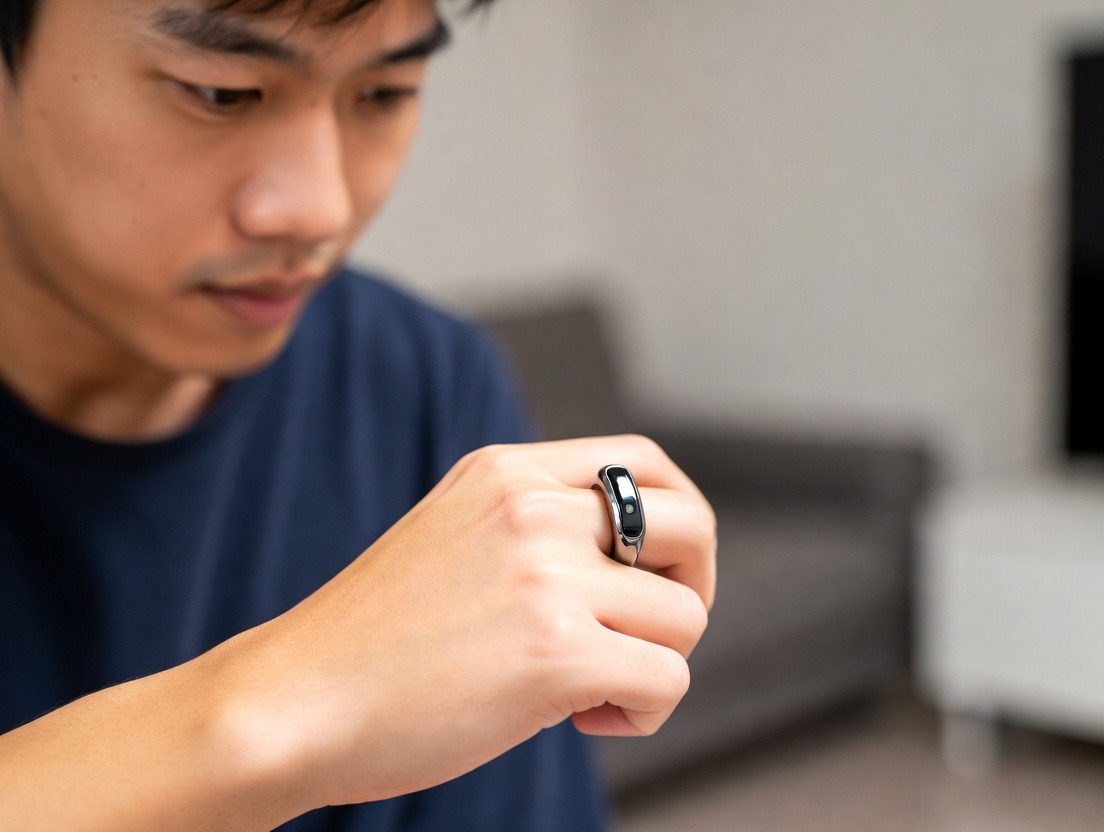
The journey to today’s smart ring began with a fundamental question: how can we measure the human body’s most vital signals without disrupting the human experience? The first fitness trackers were wrist-bound novelties, primarily focused on movement. They told us to take 10,000 steps, a metric that, while useful, painted a painfully simplistic picture of health. Wellness is not merely the sum of our movements; it is a complex symphony of recovery, resilience, nervous system balance, and metabolic harmony. The wrist, while convenient, presented limitations—variable fit affecting sensor accuracy, bulkiness during sleep, and the constant reminder of being "tracked."
Enter the smart ring. By moving to the finger, developers tapped into a rich vascular highway. The capillaries in your finger provide a strong, consistent signal for photoplethysmography (PPG) sensors—the technology that reads heart rate, blood oxygen, and more. This placement allows for superior accuracy in core metrics, especially during sleep, when your hand is relatively still. The ring form factor solves for discretion and continuity. You can wear it while typing, sleeping, exercising, and even during formal events. It disappears into your lived experience, collecting data in the background without demanding your attention. This shift from the conspicuous wristband to the discreet ring represents a broader philosophy in wearable tech: the best technology is felt, not seen. It serves you silently, empowering you with insights without adding to the digital noise of your day.
This evolution marks a transition from fitness tracking to whole-being monitoring. Modern smart rings like those from Oura, Circular, and Ultrahuman are concerned with your readiness for the day, your sleep quality, and your body’s stress load. They are less about counting every calorie burned and more about understanding your body’s capacity to engage with life. They track your heart rate variability (HRV)—a key biomarker of your autonomic nervous system and recovery status—with a precision that was once reserved for clinical settings. This is the dawn of truly personal, proactive health management, accessible 24/7 from a device you never have to take off.
To integrate wearable wellness into your life, you must first become fluent in the language it speaks. Your smart ring provides a dashboard of biomarkers, but what do they truly mean for your daily energy, mood, and performance? Let’s translate these key metrics from abstract numbers into actionable narratives about your well-being.
Resting Heart Rate (RHR): This is your physiological baseline. A lower RHR typically indicates a stronger, more efficient cardiovascular system. But more importantly, watch the trend. A consistent, unexplained elevation of 5-10 beats per minute over your personal baseline is often your body’s first whisper of trouble—it could signal impending illness, dehydration, excessive stress, or inadequate recovery. Your ring helps you catch this whisper before it becomes a shout.
Heart Rate Variability (HRV): This is arguably the most critical metric for modern wellness. HRV measures the tiny variations in time between each heartbeat. Contrary to intuition, a higher HRV is generally better. It indicates a resilient, adaptable autonomic nervous system—one that can swiftly transition from a stressed "fight-or-flight" (sympathetic) state to a relaxed "rest-and-digest" (parasympathetic) state. A trend of declining HRV is a clear flag from your body: "You are overreaching. I need more rest." By monitoring HRV, you can learn how to measure and track your calm and make daily adjustments to support your nervous system.
Sleep Stages & Score: Moving beyond simple duration, your ring analyzes the architecture of your sleep: light, deep, REM, and awakenings. Deep sleep is crucial for physical restoration and immune function, while REM sleep is essential for memory consolidation and emotional processing. Your ring synthesizes this data into a single Sleep Score, giving you a clear, immediate understanding of your night’s restorative power. It answers the question, "Was my sleep long and good?"
Body Temperature: Basal body temperature, especially its circadian rhythm and subtle shifts, is a powerful indicator. A elevated nighttime temperature can signal inflammation, the onset of illness, or, for women, ovulation. Tracking this over time creates a personal baseline, making deviations meaningful.
Respiratory Rate: The number of breaths you take per minute, both at night and during the day, is a fundamental vital sign. Increases in your resting respiratory rate can be an early sign of respiratory issues, anxiety, or metabolic stress.
By understanding this language, you stop being a passive recipient of data and become an active participant in your health. You begin to see patterns and correlations. You might notice that a late, heavy meal tanks your HRV and elevates your nighttime temperature, leading to a poor Sleep Score. Or that a vigorous afternoon workout without proper fueling leaves your RHR elevated the next morning. This is the foundation of bio-awareness—and it’s the first, most crucial step in making wearable technology transformative.

How you start your day often sets the tone for the hours that follow. The era of jolting awake to a blaring alarm and immediately diving into emails is being replaced by a more intentional, responsive approach—and your smart ring is the perfect guide for this transition.
Your morning ritual should begin not with your phone, but with your ring’s data. Before the world’s demands infiltrate your mind, take 60 seconds to check your readiness or recovery score. This number is a synthesis of your night’s sleep, your HRV, RHR, temperature, and previous day’s activity. It’s not a judgment; it’s a recommendation. A high score suggests your body is primed for challenge: it’s a good day for that intense workout, important meeting, or creative project. A lower score is not a failure, but vital feedback. It’s your body requesting a gentler day—more recovery, lighter movement, focused hydration, and managed stress.
This practice fundamentally changes your relationship with yourself. Instead of forcing yourself through a predetermined routine regardless of how you feel, you learn to respond to your body’s actual needs. This is the core of preventing decision fatigue. By letting objective data guide your first major decisions of the day (activity intensity, workload scheduling), you conserve precious mental energy for the complex choices that will come later.
Create a simple, data-informed morning routine:
This ritual transforms your wearable from a tracker into a daily consultant, ensuring your actions are aligned with your physiology from the moment you open your eyes.
Nutrition is fraught with one-size-fits-all dogma, but your body’s data provides a personalized playbook. Your smart ring offers indirect but powerful insights into how your food choices are affecting your internal state, allowing you to move from generic diets to a tailored "fuel for function" approach.
The most immediate connection is between food and sleep. Your ring will vividly illustrate how late-night eating, heavy meals, or alcohol consumption impact your sleep architecture and recovery metrics. Alcohol, for instance, may help you fall asleep faster but it typically devastates deep sleep and elevates resting heart rate, leading to a deceptively poor night’s rest. Seeing this correlation in your own data is far more motivating than any article you might read.
Beyond sleep, watch your HRV and RHR trends in relation to your diet. Do you see a dip in HRV the morning after a day of high-sugar, processed foods? Does a high-inflammatory meal (think: fried foods, excessive refined carbs) cause a slight elevation in your nighttime body temperature? These are signals of metabolic and immune stress. Conversely, you might notice that on days you prioritize protein, healthy fats, and fibrous vegetables, your HRV trends upward and your RHR is stable.
Use your ring to conduct personal nutrition experiments:
This data-driven approach takes the emotion and guilt out of eating. It becomes a neutral, optimization game: "Which foods give me the best energy and recovery scores?" It encourages you to see food not as comfort or reward, but as foundational information for your cells. By aligning your nutrition with the biomarkers of recovery, you are directly enhancing your physical health markers from the inside out, using your own body as the guide.
For decades, fitness culture has preached "more is better" and "no days off." Wearable wellness data starkly contradicts this, advocating instead for a principle of intelligent adaptation. Your smart ring redefines what it means to be "fit"—shifting the focus from external output (burned calories, lifted pounds) to internal response (how did that workout affect my recovery?).
The key is to stop using your ring merely as a rep counter and start using its recovery metrics to dictate your activity intensity. This is called readiness-based training. Here’s how it works in practice:
This approach prevents the boom-and-bust cycle of overtraining and injury. It cultivates a sustainable, lifelong relationship with movement where you listen to your body with the help of objective data. Furthermore, your ring can help you understand the impact of different types of movement. You may find that long, slow cardio supports your sleep, while evening HIIT sessions disrupt it. You might see that yoga or Tai Chi positively impacts your HRV, highlighting their value for nervous system balance.
By reimagining movement through this lens, you stop exercising against your body and start training with it. This is the essence of sustainable wellness—honoring the need for rest as much as the drive for exertion. For those building a business or career, this principle is vital; sustainable business building requires a founder who can pace their physical energy just as strategically as they pace their financial runway.
The modern workday is a minefield of cognitive drains: back-to-back meetings, constant notifications, and the pressure of perpetual connectivity. This environment chronically activates the sympathetic nervous system, leading to mental fatigue, diminished creativity, and eventually, burnout. Your smart ring can be your invisible ally in navigating this landscape, providing real-time biofeedback to help you work smarter, not harder.
The most direct application is using stress or recovery metrics to structure your day. Many smart rings now offer daytime stress or "body battery" readings, often derived from heart rate and HRV data. When you see your stress level trending upward during a long, focus-intensive task, that’s a biological signal to take a break—not in 30 minutes, but now. A 5-10 minute pause to walk, breathe deeply, or hydrate can reset your nervous system and prevent the cumulative drain that leads to afternoon crashes.
Use your ring to implement a bio-based work rhythm:
This approach turns your workday into a series of intentional sprints and recoveries, mirroring the best athletic training principles. It helps you design your workspace for focus and calm by making you aware of how your environment affects your physiology. By the end of the day, you’ll have accomplished meaningful work without the familiar feeling of being neurologically shredded. This sustained, calm productivity is the antithesis of burnout and is the key to changing your relationship with time from one of scarcity to one of agency.
Your sleep score doesn’t begin when your head hits the pillow; it begins hours earlier, as your body initiates its complex wind-down process. Your smart ring provides the ultimate accountability partner for crafting an evening ritual that reliably ushers you into deep, restorative sleep. This is about moving from hoping for good sleep to engineering it.
Start by analyzing the connection between your evening activities and your sleep data. The correlation is often stark. That "relaxing" scroll through social media in bed? It likely corresponds with a delayed sleep onset and reduced deep sleep. The late work email? See the elevated heart rate as you try to fall asleep. The glass of wine? Observe the heart rate spike and temperature disruption in the middle of the night.
Use these insights to build a non-negotiable sleep sanctuary protocol:
Your ring turns this routine from a wellness cliché into a validated, personal science experiment. When you see your deep sleep increase and your resting heart drop by 3-5 beats per minute after a week of consistent routine, the motivation becomes intrinsic. This practice is the ultimate form of restful living without guilt—you are giving yourself permission to close the day deliberately, knowing you are investing in the quality of your next 16 waking hours.

Your wellness is not created in a vacuum. It is constantly being influenced by the people you engage with and the spaces you inhabit. One of the most profound uses of a smart ring is as an objective auditor of your social and environmental landscape. The data doesn’t lie about what—and who—drains or sustains you.
Review your stress, HRV, and sleep data after different types of social interactions.
This audit extends to your physical environment. Your ring can detect the impact of factors you might otherwise ignore:
Armed with this information, you can make empowered, evidence-based choices to curate your life. It gives you the confidence to set boundaries with draining relationships, to invest in air purifiers or white noise machines, or to prioritize getting morning sunlight. For those who work from home, this audit is crucial for transforming your home into a true sanctuary that actively supports your health rather than passively undermining it. It teaches you that wellness is an ecosystem, and you have the power—and the data—to shape it.
The true magic of wearable wellness is not in the daily score, but in the long-term trend line. Obsessing over a single day’s poor sleep or low readiness misses the point. Life has ups and downs. The power lies in zooming out to see the overarching trajectory of your health. This is where you move from reactive daily management to proactive, lifelong health optimization.
Set aside time weekly or monthly to review your trend data. Most companion apps provide excellent charts for this. Look for:
These positive trends are the ultimate validation of your daily efforts. They prove that the small, consistent choices—the earlier digital sunset, the walk instead of the snack, the difficult boundary you set—are compounding into a profoundly healthier physiology. This long-view is essential for motivation. It helps you weather a bad night’s sleep or a stressful week without derailing, because you can see it as a temporary blip on a positive chart, not a definition of your health.
This process also allows for intelligent experimentation. Want to try a new supplement, meditation app, or workout program? Implement it for a month and watch the trend lines. Did your sleep, HRV, or activity recovery improve? The trend data provides a clear, unbiased answer. This long-game perspective is intrinsically linked to financial wellness—just as compound interest grows wealth, these small, data-informed health habits compound into a future of vitality and reduced healthcare costs. It’s the most valuable investment you can make.
While deeply personal, the data from your wearable can also become a powerful tool for connection and shared understanding within your closest relationships and communities. When used thoughtfully and consensually, it can move wellness from a solitary pursuit to a collaborative, supportive endeavor.
Within a family or partnership, sharing key wellness metrics (with clear boundaries and consent) can foster empathy and teamwork. For instance, if both partners wear a ring, they can see the tangible impact of their sleep on each other. A parent can understand how their sleep deprivation is affecting their recovery metrics, making it easier to ask for help or trade off nighttime duties. This objective data can depersonalize difficult conversations about stress and support, shifting them from "you never help" to "the data shows we’re both depleted; how can we solve this together?" It’s a practical tool for teaching restful living to your family by making the invisible impacts of lifestyle choices visible.
On a broader scale, this shared data is the foundation for building a supportive restful living community. Online groups dedicated to specific wearables are treasure troves of collective wisdom. Users share how they improved a low HRV, what routines fixed their sleep latency, or how they navigated a high-stress period without crashing. This turns individual experimentation into a crowdsourced body of knowledge, accelerating everyone’s learning curve. You realize you’re not alone in your struggles to balance modern life with well-being, and you gain access to a wealth of tried-and-tested strategies.
This shift from isolated to shared wellness transforms the wearable from a personal dashboard into a node in a network of support. It underscores that while the journey is personal, we don’t have to travel it alone, and data can be a language of care, not just of self-optimization.
Modern life has normalized chronic, low-grade stress as a background hum. We often don't recognize we're stressed until we're deep in feelings of anxiety, irritation, or exhaustion. Your smart ring acts as an early warning system, translating this vague sense of being "wired" or "tired" into concrete, physiological data. It reframes stress from a subjective, emotional state to an objective, measurable signal from your autonomic nervous system (ANS).
Most advanced wearables now offer a continuous stress score or ANS status throughout the day. This isn't measuring cortisol directly but inferring nervous system activity through heart rate patterns and HRV. When you're calm and focused (parasympathetic dominant), your heart rate exhibits healthy variability. When stressed (sympathetic activation), your heart rate becomes more rigid and elevated.
The revolutionary practice is to use this real-time feedback for micro-interventions. Instead of pushing through a tense work afternoon until you snap, you learn to respond to the first uptick on your stress graph.
Here’s how to implement real-time stress modulation:
This practice fundamentally changes your relationship with pressure. You stop seeing stress as a monolithic enemy and start viewing it as a series of manageable waves that you have the tools to surf. By catching and addressing stress in these micro-moments, you prevent it from accumulating into the kind of chronic load that devastates sleep, disrupts hormone balance, and leads to burnout. You become the skilled pilot of your own nervous system.
Human bodies are not designed for linear, 24/7 output. We are rhythmic beings, governed by intricate hormonal and circadian cycles. For women, the menstrual cycle adds another powerful layer of biological rhythm. A major pitfall of traditional fitness tracking was its "one-size-fits-all" daily targets, which ignore these natural ebbs and flows. Modern wearable wellness is finally catching up, offering the tools to sync your life with your biology, not fight against it.
Circadian Rhythm Alignment: Your body has a master clock in the brain (the suprachiasmatic nucleus) that regulates everything from hormone release to digestion to cognitive performance on a roughly 24-hour cycle. Light is its primary cue. Your ring, by tracking body temperature and sleep/wake consistency, provides a mirror of your circadian health. A stable, low temperature at night and a reliable wake-up time correlate with a strong circadian rhythm. You can use this data to reinforce your rhythm: seeking bright light (especially sunlight) first thing in the morning, dimming lights in the evening, and maintaining consistent sleep and meal times. When your life is in sync, your readiness scores and sleep quality will show it.
Menstrual Cycle Syncing (for female users): This is where wearables become truly revolutionary. By tracking basal body temperature (BBT) and resting heart rate across the month, your ring can accurately predict your menstrual phases—follicular, ovulatory, luteal, and menstrual. Each phase comes with distinct hormonal profiles (estrogen, progesterone, etc.), which directly influence energy, strength, recovery capacity, and nutritional needs.
By following this data, you move from feeling at the mercy of your cycle to working with its innate wisdom. You stop berating yourself for "low energy" days and instead see them as a biologically mandated part of a productive, healthy cycle. This practice is a profound form of granting yourself permission to rest based on irrefutable internal evidence. It turns what was once a source of frustration into a strategic blueprint for month-long well-being.
We all know what we should do: sleep more, move regularly, eat whole foods, manage stress. The gap lies in consistent execution. Willpower is a finite resource, easily depleted by a busy day. Your smart ring transcends willpower by providing instant, objective feedback—the most powerful catalyst for habit formation known to behavioral science.
The process works through a neurological loop: Cue → Routine → Reward. Wearables supercharge the "Reward" stage, making it immediate and tangible, which solidifies the habit.
Let’s see it in action:
You can apply this to any wellness habit:
Conversely, the data helps break negative habits by making their cost visible. That evening glass of wine's "reward" of relaxation is countered the next morning by the clear "cost" on your Sleep Score and Resting Heart Rate graph. The habit loop is disrupted by introducing a powerful, delayed negative reward (poor data).
This turns your wearable into a personal habit coach. It provides the accountability and positive reinforcement needed to make small changes stick, which then compound into massive life transformations. It’s the technological embodiment of the principle that what gets measured, gets managed. For students navigating academic pressure, this kind of objective feedback is invaluable for building habits that support academic success through balance, replacing guilt with clear cause-and-effect understanding.

This is the most critical, nuanced layer of integrating wearable wellness: remembering that the data is a guide, not a god. The numbers on your app are proxies for your lived experience, not the experience itself. The ultimate goal is to use the device to cultivate such refined internal awareness that you eventually need to check the data less frequently. The ring should train you to become your own best sensor.
The Pitfall of Data Anxiety: It’s easy to become obsessed, checking your scores constantly, feeling a pang of failure with a low number, or letting a poor night’s sleep dictate a negative mood for the entire day. This is counterproductive and creates a new source of stress—"quantified-self" anxiety. It means you’ve transferred authority from your own felt sense to a device.
The Balanced Approach: Data-Informed, Not Data-Driven.
The wearable is a brilliant teacher, but graduation day comes when its lessons are internalized. The metrics for heart rate variability, sleep, and activity are tools to track your calm, but the ultimate metric is your sustained sense of well-being, resilience, and engagement with life. Use the data to ask better questions—"Why might my body be asking for rest today?"—not to deliver final judgments.
The application of wearable wellness is rapidly expanding from the personal domain to the professional sphere. Forward-thinking organizations are beginning to recognize that a employee’s physiological well-being is not separate from their performance, creativity, and collaboration. In the future of work, understanding and supporting human biology may become a key competitive advantage.
Current Professional Applications:
The Future: Bio-Informed Teams and Human-Centric Culture
Imagine a workplace (with full transparency and employee consent) that uses aggregated, anonymized wearable data to:
The ethical considerations here are immense and paramount. This must never be used for surveillance or punitive measures. The goal is empowerment, not evaluation. It’s about giving employees and teams the same insights into their collective energy and resilience that they have individually, fostering a culture that values sustainable performance. For the modern entrepreneur, this self-knowledge is the bedrock of sustainable business building; you cannot scale a company effectively if you are chronically depleting your own biological capital.
As we invite these devices deeper into our lives, collecting our most intimate biological data, a crucial question arises: Who owns this digital fingerprint of your being? The answer is not always clear. Your heart rate variability, sleep patterns, and temperature rhythms are a treasure trove of personal information that could be used in ways you haven't anticipated.
Key Considerations for the Informed User:
Empowering Yourself as a Data Citizen:
Your biological data is an extension of you. Protecting it is an act of self-care in the digital age. Wearing a wellness device is a partnership—you provide the data, the company provides the insights. Ensuring that partnership is built on trust and transparency is essential for you to fully benefit from the technology without reservation.
Not all smart rings or wearables are created equal, and the "best" device is the one that aligns with your specific goals, lifestyle, and aesthetic preferences. With an expanding market, making an informed choice is key to ensuring your wearable becomes a loved tool, not a discarded gadget.
Selection Criteria: Beyond the Hype
Customization for Integration: Once you’ve chosen your device, tailor it to serve you, not distract you.
Choosing and customizing your wearable is the first act of intentional integration. It sets the stage for a relationship based on your terms, where technology is a seamless, supportive layer in your pursuit of well-being, not another source of complexity. It’s the practical first step in a longer journey toward finding your unique support system for a balanced life.
The current generation of wearables is impressive, but it is merely the prelude. The next leap forward lies not in more sensors, but in smarter synthesis. The future of wearable wellness is integrative, predictive, and deeply personalized, powered by artificial intelligence (AI) and connected to a broader ecosystem of health data.
AI as Your Personal Health Translator: Soon, your device won’t just tell you what happened (low HRV, poor sleep); it will hypothesize why and suggest personalized actions. Imagine an AI coach that cross-references your sleep data with your calendar, noticing that your deep sleep consistently drops before client presentations. It might then suggest a specific pre-session breathing protocol or block out a "buffer calm" period in your schedule. Or, by analyzing months of your dietary logging alongside your glucose responses (from a connected monitor) and HRV, it could identify personalized food triggers you never suspected.
The Connected Health Ecosystem: The true power emerges when your wearable data stops living in a silo. The future platform will be a secure hub where you can choose to integrate data from:
This integrated future turns your wearable from a fitness tracker into the central node of your personal health operating system. It facilitates a dialogue between you, your body’s data, and your healthcare providers, creating a collaborative path to well-being. This aligns with the deepest goal of restful living: to enhance physical health markers through awareness and intentional action, supported by the best of technology.
There is a perceived tension between the quantitative, silicon-driven world of wearables and the qualitative, soulful realms of mindfulness, yoga, and holistic healing. This is a false dichotomy. When used wisely, the device can be a powerful bridge, using concrete data to validate and motivate engagement with these timeless practices.
Validating the Subtle: Practices like meditation, Tai Chi, or deep-breathing exercises often have subtle, internal effects that beginners can doubt. "Am I doing this right? Is it even working?" A wearable provides objective proof. After a 10-minute meditation, you can see your real-time stress score plummet and your HRV rise. This tangible feedback validates the practice, strengthening your commitment. It demonstrates that sitting in stillness is not "doing nothing"; it is enacting a powerful, measurable shift in your nervous system.
Guiding Practice Depth: In yoga, your ring can help you understand the difference between stimulating and calming practices. A vigorous Vinyasa flow may show as positive activity and a stressor (requiring recovery), while a restorative Yin session might immediately boost your parasympathetic reading. This helps you choose the right practice for your body’s daily needs, moving beyond a rigid schedule to an intelligent, responsive approach.
Enhancing Somatic Awareness: The ultimate goal of many mindfulness practices is interoception—the perception of sensations from inside the body. Your wearable acts as a training wheel for this skill. As you check your stress data, you are prompted to simultaneously scan your body: "My ring says I’m stressed. Do I feel a clenched jaw? Shallow breath?" Over time, you rely less on the ring’s notification and more on your own honed awareness. The technology scaffolds the development of innate human wisdom.
In this way, the wearable becomes a secular, scientific ambassador for holistic health. It convinces the analytical mind of the value of rest and presence, making it easier to embrace practices that cultivate a sense of gratitude and connection. It proves that the path to peak performance in the modern world is paradoxically paved with ancient practices of recovery and awareness.
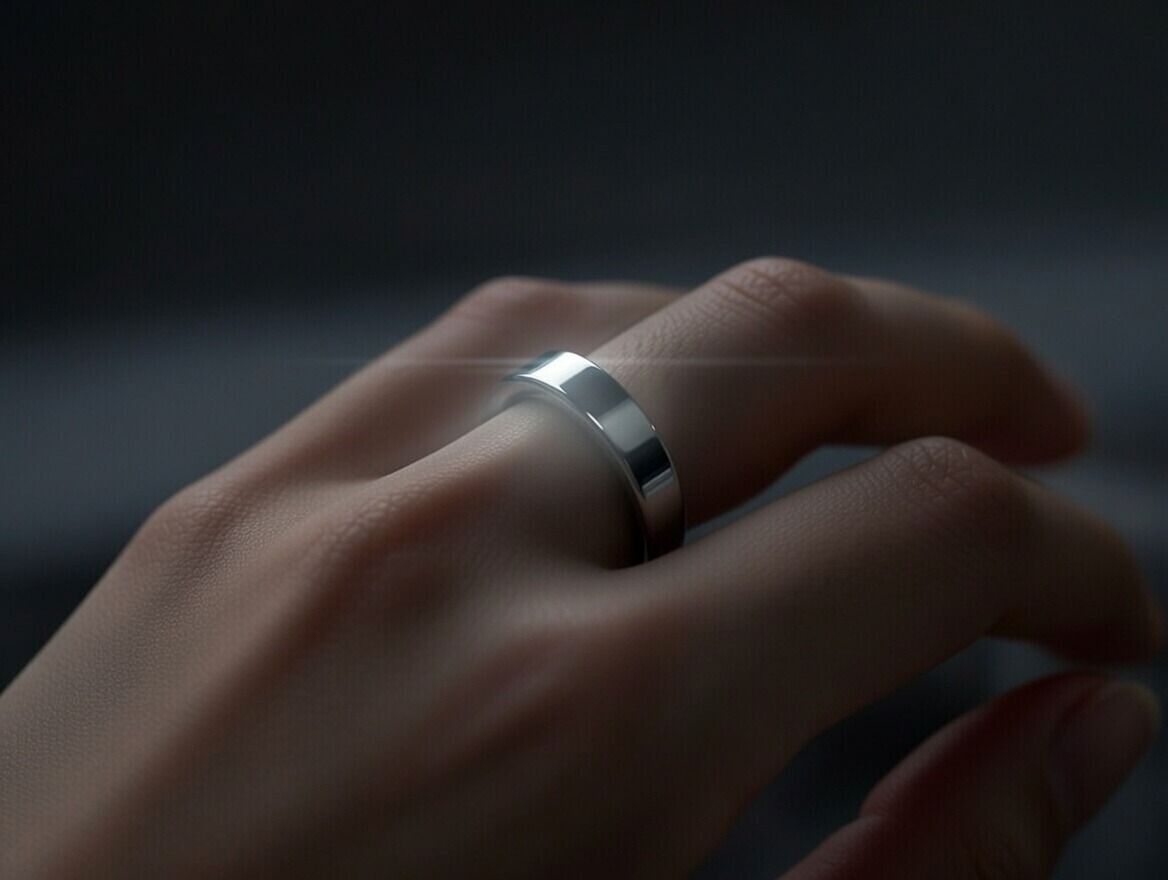
For all its brilliance, a smart ring is not a magic orb. It is a tool with specific capabilities and important limitations. Understanding these blind spots is crucial to maintaining a healthy, balanced relationship with the technology and preventing the slide into data dogmatism.
The Mental and Emotional Gap: Your wearable is a superb physiologist but a poor psychologist. It can measure the physiological correlates of stress (elevated heart rate, low HRV) but cannot discern its source or emotional quality. The same stress graph could result from a thrilling creative challenge (eustress) or a painful argument (distress). It cannot measure joy, meaning, connection, love, or creativity—the very elements that make life worth living. A day with "perfect" biomarkers but devoid of laughter and purpose is not a well-lived day.
The Context Void: Devices lack life context. A period of low HRV and poor sleep could indicate overtraining, or it could be the body’s appropriate, empathetic response to grieving a loss. Chasing a higher score in the latter scenario is not only futile but emotionally harmful. The data must always be interpreted through the lens of your lived experience.
Not a Diagnostic Device: This cannot be overstated. While trends can provide powerful clues for discussion with a professional, a smart ring is not FDA-approved to diagnose any medical condition. It should not be used to self-diagnose sleep apnea, arrhythmias, or illness. It is a wellness tool for healthy populations and those managing known conditions in consultation with their doctor, not a replacement for medical advice.
The Optimization Trap: There is a danger in relentlessly pursuing the "perfect" biomarker score. Life is messy, unpredictable, and beautiful in its imperfection. Sometimes, staying up late talking with an old friend, despite the sleep cost, is the healthier choice for your soul. The wearable should inform your choices, not dictate them. It’s a compass, not an autopilot. Remembering this helps you live without guilt, using data as a servant to your broader human values, not as a master.
Now, with a full understanding of the potential and the pitfalls, you are ready to craft your own personalized protocol. This is not a rigid set of rules, but a flexible framework designed to help you extract maximum value while maintaining balance.
Phase 1: The Observation Month (Weeks 1-4)
Phase 2: The Single-Experiment Phase (Weeks 5-8)
Phase 3: The Integrated Rhythm (Ongoing)
This protocol ensures you move from passive consumer to active scientist of your own well-being. It builds knowledge and agency systematically.
We conclude where we began: with the human being at the center. The purpose of wearable wellness is not to create a generation of people obsessed with their heart rate variability. It is to use objective data to reclaim subjective authority over our one precious life.
The journey follows a clear arc:
The ring’s final and most important job is to work itself out of a job—to train you so well in the language of your body that you internalize the compass. You begin to feel when your HRV is likely low, when you need movement, when you need stillness. You start to design your life, your workspace, and your relationships to naturally support these rhythms.
This is the promise of Wearable Wellness 101: a future where technology doesn’t distract us from our humanity but helps us reconnect with it. Where we are no longer guessing how we are, but knowing—and with that knowledge, making choices that lead to more energy, more resilience, more creativity, and more presence. It is a tool not for quantifying our lives, but for qualifying them. To measure, ultimately, so that we may live more deeply, calmly, and fully—one mindful, data-informed moment at a time.
Your Trusted Sleep Advocate: Sleep Foundation — https://www.sleepfoundation.org
Discover a digital archive of scholarly articles: NIH — https://www.ncbi.nlm.nih.gov/
39 million citations for biomedical literature :PubMed — https://pubmed.ncbi.nlm.nih.gov/
Experts at Harvard Health Publishing covering a variety of health topics — https://www.health.harvard.edu/blog/
Every life deserves world class care :Cleveland Clinic - https://my.clevelandclinic.org/health
Wearable technology and the future of predictive health monitoring :MIT Technology Review — https://www.technologyreview.com/
Dedicated to the well-being of all people and guided by science :World Health Organization — https://www.who.int/news-room/
Psychological science and knowledge to benefit society and improve lives. :APA — https://www.apa.org/monitor/
Cutting-edge insights on human longevity and peak performance:
Lifespan Research — https://www.lifespan.io/
Global authority on exercise physiology, sports performance, and human recovery:
American College of Sports Medicine — https://www.acsm.org/
Neuroscience-driven guidance for better focus, sleep, and mental clarity:
Stanford Human Performance Lab — https://humanperformance.stanford.edu/
Evidence-based psychology and mind–body wellness resources:
Mayo Clinic — https://www.mayoclinic.org/healthy-lifestyle/
Data-backed research on emotional wellbeing, stress biology, and resilience:
American Institute of Stress — https://www.stress.org/


