


The Wearable Wellness 101 Guide for Complete Beginners
A starter guide for those completely new to the concept of using technology for personal wellness.
A starter guide for those completely new to the concept of using technology for personal wellness.
%402x.svg)
Remember the last time you truly listened to your body? Not when pain shouted, but when it whispered a subtle hint of fatigue, a faint signal of stress, or a quiet nudge that your sleep wasn’t quite as restorative as it could be. In our fast-paced, always-on world, we’ve become adept at silencing these whispers with another cup of coffee, pushing through the afternoon slump, or scrolling through our phones when sleep eludes us. We manage our external lives with precision—calendars, to-do lists, productivity apps—yet our internal world, the very engine of our being, often runs on autopray, its vital signals going unnoticed.
That silence ends now. Welcome to the dawn of hyper-personalized health, a revolution not led by doctors in distant clinics, but by you, empowered by a new generation of technology worn right on your finger. This is your definitive guide to wearable wellness, a beginner’s roadmap to understanding how a tiny, intelligent device can become your most trusted advisor for health, performance, and profound well-being. We’re moving beyond counting steps. We’re decoding the language of your nervous system, mapping the architecture of your sleep, and unlocking the secrets of your daily resilience.
Forget bulky wristbands and screens that buzz with every notification. The modern smart ring is an elegant, unobtrusive powerhouse of biometric sensing. It works 24/7, gathering data from your body’s most fundamental processes, translating the whispers of your physiology into clear, actionable insights. This guide is designed for the complete beginner—no tech expertise required. We will demystify the sensors, explain the metrics that matter, and show you how to move from overwhelming data to transformative, real-world habits.
Consider this your first step toward a more attuned, responsive, and restful life. By the end of this guide, you won't just own a piece of technology; you'll possess the knowledge to harness its power, forging a deeper connection with yourself and cultivating a state of thriving that ripples into every corner of your existence. Let’s begin.

Wearable wellness represents a fundamental shift in how we approach personal health. It’s the practice of using body-worn devices to continuously monitor physiological metrics, with the ultimate goal of optimizing well-being, preventing illness, and enhancing performance. While the fitness tracker of the 2010s introduced us to step counts and rudimentary sleep tracking, today’s ecosystem—led by sophisticated smart rings—is about biomarkers and autonomic nervous system balance.
Think of it as having a personal health observatory on your body. Instead of taking a single snapshot at your annual physical, you’re gathering a rich, continuous documentary of your body’s inner workings. This data provides context. That midday headache wasn’t random; your device might show your heart rate variability (a key stress and recovery metric) was low all morning and your sleep depth was insufficient. That “off” feeling isn’t just in your head; it’s reflected in an elevated resting heart rate or a disturbed sleep pattern.
The core philosophy of modern wearable wellness is proactive, not reactive. It’s about identifying subtle trends and imbalances long before they manifest as concrete problems. It answers questions like:
This is where the journey from data to wisdom begins. A smart ring doesn’t just tell you what happened; by correlating metrics like skin temperature, pulse rate, and movement, it helps you understand why it happened. This empowers you to make intelligent, personalized adjustments—perhaps choosing a gentle yoga session over a high-intensity interval training (HIIT) workout, prioritizing an early bedtime after a stressful day, or recognizing the need for a dedicated digital detox to enhance your restful living.
The ring form factor itself is pivotal to this mission. Worn on the finger, it can access rich vascular data from the palmar arteries, often providing more accurate heart-related metrics than wrist-based devices. It’s also comfortable for 24/7 wear, including during sleep, which is when some of the most critical recovery data is collected. It’s unobtrusive, socially neutral (often resembling a sleek piece of jewelry), and doesn’t bombard you with distracting notifications. It’s a silent guardian, dedicated solely to listening to your body’s story.
The concept of powerful technology miniaturized into jewelry isn’t new. For decades, science fiction fantasized about rings that could communicate, project holograms, or store vast amounts of data. The journey from fantasy to a tangible health and wellness tool, however, is a story of converging technological breakthroughs and a growing cultural focus on personalized health.
The first significant forays came in the early 2000s with payment and authentication rings, like the NFC-enabled rings that could store digital credentials. These proved the concept of embedding functional tech into a ring. The real catalyst for the wellness ring, however, was the explosion of the wearable fitness market. Wrist-based trackers from Fitbit, Garmin, and others educated millions on the value of tracking daily activity and sleep, creating a receptive market hungry for more—and more accurate—data.
The critical technological leap was the development of miniaturized, low-power medical-grade sensors. Photoplethysmography (PPG) sensors, which use light to measure blood volume changes, became small and efficient enough to fit inside a ring. Advanced 3-axis accelerometers and gyroscopes for precise movement and sleep tracking followed. Perhaps the most crucial innovation was the inclusion of a skin temperature sensor, a metric largely absent from early wrist-worn devices but critical for understanding circadian rhythm, illness onset, and women’s health cycles.
Pioneering companies like Oura Ring entered the scene in the mid-2010s, focusing squarely on recovery and readiness rather than just activity. They popularized the concept of a “Readiness Score”—a composite metric telling users whether their body was primed for stress or in need of rest. This was a paradigm shift: the device was now advising against exertion, championing the critical importance of recovery, a cornerstone of restful living for high-achievers who believe performance is built through rest.
Today, the market has matured and expanded. Brands like Circular, RingConn, and Ultrahuman have entered the space, each adding unique features like on-ring displays, advanced stress tracking, and more detailed metabolic insights. The focus has solidified around three pillars: Sleep, Activity, and Readiness (or Stress/Recovery). The modern smart ring is no longer a niche gadget for biohackers; it’s a mainstream tool for anyone seeking a data-informed path to better health, seamlessly integrating the principles of a structured, sustainable approach to well-being.
This evolution mirrors a broader societal shift. We are moving from a one-size-fits-all healthcare model to a personalized, preventative, and participatory model. The smart ring is the physical embodiment of this shift, putting the power of deep self-knowledge directly on your finger.
It seems like magic: a smooth band of titanium or ceramic quietly discerning your heart rate, tracking your sleep stages, and sensing your stress. But the science inside is both sophisticated and elegant. Understanding the “how” builds trust in the data and helps you interpret what your ring is telling you. Let’s open the hood and look at the key sensors.
1. Photoplethysmography (PPG) Sensor: This is the heart of the ring (pun intended). It consists of tiny LED lights that shine green and infrared light onto the skin of your finger, and a photodetector that measures the amount of light reflected back. Blood absorbs light, so as your heart pumps and blood volume in your capillaries pulses, the amount of reflected light changes. This pulsating signal is used to calculate your heart rate (HR) and, more importantly, the subtle timing variations between each heartbeat, known as heart rate variability (HRV). HRV is a direct window into your autonomic nervous system, indicating your balance between stress (sympathetic) and recovery (parasympathetic) states.
2. 3-Axis Accelerometer & Gyroscope: These are motion detectives. The accelerometer measures linear movement (up/down, side-to-side), while the gyroscope measures orientation and rotational movement. Together, they create a precise picture of your activity levels throughout the day: are you walking, running, sitting, or typing? At night, they become crucial for sleep tracking. The absence of gross movement typically indicates deep sleep, while frequent small movements correlate with light or REM sleep. They also detect when you’ve gotten up during the night.
3. Skin Temperature Sensor: This is a game-changer. A tiny thermistor measures the temperature at the skin’s surface on the palm side of your finger. Your body’s core temperature follows a daily cycle (circadian rhythm), dipping at night to initiate sleep and rising in the morning to promote wakefulness. The skin temperature sensor tracks this nocturnal dip. Deviations from your personal baseline—a higher-than-normal nightly temperature—can be one of the earliest signs of illness, inflammation, stress, or hormonal changes like ovulation.
4. Blood Oxygen Saturation (SpO2) Sensor: Using red and infrared LEDs, the ring can estimate the percentage of oxygen-carrying hemoglobin in your blood. While clinical-grade accuracy requires a perfectly still finger (often best captured during sleep), tracking nightly SpO2 trends can reveal issues like sleep apnea (where breathing repeatedly stops and starts) or simply show how well your body is oxygenating during restorative sleep.
All this raw data is processed by a small onboard processor using complex algorithms. These algorithms are the secret sauce, trained on vast datasets to distinguish, for example, the heart rate signature of REM sleep from that of light sleep, or to separate a stressful work meeting from a brisk walk. The ring syncs this processed data to your smartphone, where an app presents it as clear scores, graphs, and insights, guiding you toward habits that support a diet that calms your nervous system and overall well-being.
Now that you know how the ring collects data, let’s translate that data into meaningful health intelligence. These are the core biomarkers you’ll encounter, and understanding them is key to moving from curiosity to actionable change.
Resting Heart Rate (RHR): This is your heart’s beats per minute (bpm) when you are fully at rest, typically measured during sleep. A lower RHR generally indicates better cardiovascular fitness and efficient heart function. What to watch for: A sustained elevation (5-10 bpm above your baseline) can be a sign of dehydration, illness, stress, overtraining, or poor recovery. It’s one of your body’s clearest signals that it’s under strain.
Heart Rate Variability (HRV): This is arguably the most important metric for assessing recovery and nervous system balance. Unlike RHR, with HRV, higher is generally better. It measures the millisecond variations between successive heartbeats. A high HRV indicates a resilient, adaptable nervous system that can switch easily from a stressed “fight-or-flight” mode to a relaxed “rest-and-digest” state. A low HRV suggests your nervous system is stuck in a stressed, sympathetically dominant mode. What to watch for: Track your baseline and trends. A downward trend suggests you need more recovery—better sleep, less stress, easier workouts. An upward trend indicates improving resilience. It’s a perfect gauge for the effectiveness of practices like breathwork that support daily restful living.
Sleep Stages (Light, Deep, REM): Quality sleep is non-negotiable for health, and your ring breaks it down into crucial stages.
Respiratory Rate: The number of breaths you take per minute, usually measured during sleep. It’s a stable metric for most adults (typically 12-18 breaths/minute). What to watch for: A significant increase from your personal baseline can be a very early, subtle sign of respiratory infection, cardiac stress, or metabolic issues.
Skin Temperature: As mentioned, this tracks your body’s circadian rhythm and micro-changes. What to watch for: The relative change from your own baseline is what matters. A consistent upward drift can signal the onset of illness, high stress, or hormonal shifts. Understanding your pattern can even help you adapt your restful living approach through different seasons, as external temperature affects your body’s thermoregulation.
By learning this language, you stop being a passive collector of numbers and become an active participant in your health narrative. You begin to see the direct impact of your lifestyle choices painted in the clear lines of objective data.
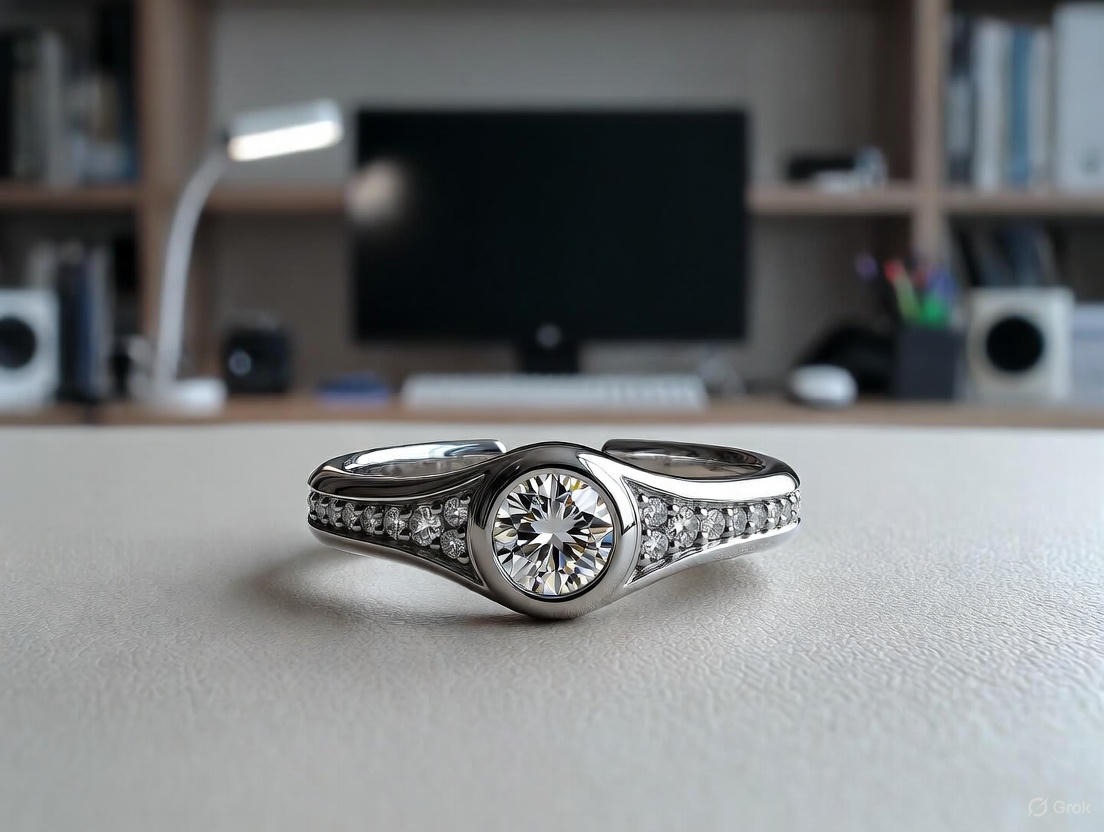
The box has arrived. Excitement is high. But to ensure your smart ring becomes a trusted companion, not a source of data anxiety, a thoughtful setup and a patient orientation period are essential. Here is your step-by-step guide to a successful first week.
Day 0: Unboxing & Sizing. This is critical. A smart ring must fit snugly but comfortably. It should not slide easily over your knuckle with gravity alone, but should also not leave deep indentations or feel tight. Most companies provide a sizing kit with plastic replicas. Wear the sizer on your chosen finger (typically the index finger) for 24 hours, including during sleep and hand-washing, to ensure the perfect fit. A poor fit leads to unreliable data.
Day 1: App Setup & Syncing. Download the companion app and create your account. The app will guide you through pairing the ring via Bluetooth. Take your time filling out your profile accurately—age, weight, height, gender, and activity goals. This information helps the algorithms personalize your baselines. Place the ring on its charger to ensure a full battery (most last 4-7 days on a charge).
Day 1-7: The Baseline Period – Observe, Don’t Judge. For the first week, do not try to “optimize” or “game” your scores. Your primary job is to live your normal life. Go to bed at your usual time, exercise as you normally would, have that coffee or glass of wine. The ring’s most important task right now is to learn you—to establish your unique, personal baselines for HRV, RHR, sleep, and temperature. This baseline is your health “fingerprint,” the reference point against which all future changes will be measured. Resist the urge to constantly check the app. Maybe review your data once in the morning and once in the evening.
Key First-Week Observations:
Establishing Routines:
By the end of this week, the novelty will have worn off, and the ring will feel like a natural part of you. You’ll have your personal baselines, and the real journey of insight and improvement can begin.
Sleep is the foundation of every health metric your ring tracks. It’s when your body and brain perform essential maintenance. Your smart ring transforms sleep from a vague concept of “I got 8 hours” into a detailed, objective report card. Let’s learn how to read it and use it to engineer better sleep.
Understanding Your Sleep Score: Most apps composite various sleep metrics into a single Sleep Score. This typically includes:
Actionable Insights from Your Sleep Data:
Using Data to Optimize Your Sleep Hygiene:
The goal is not to achieve a perfect 100 every night—that’s unrealistic. The goal is to identify your personal sleep disruptors and use objective data to build a consistent, supportive routine that maximizes your natural sleep architecture. This is the essence of data-driven rest.
If sleep is the foundation, then your daily Readiness or Recovery Score is the compass. This composite metric (often on a scale of 1-100) is your ring’s synthesized recommendation for how to approach the coming day. Should you tackle that intense workout, or opt for a walk? Is it a day to push hard at work, or a day to prioritize calming breaks? This score teaches you the disciplined art of balancing stress and recovery.
What Goes Into a Readiness Score? While algorithms vary, they typically weigh:
How to Use Your Readiness Score Wisely:
The ultimate lesson of the Readiness Score is that optimal performance—in fitness, work, and life—is not achieved by constantly pushing, but by strategically oscillating between stress and recovery. The ring helps you find your unique rhythm.
Wearable wellness isn’t anti-activity; it’s about smart activity. The goal is to align your movement with your body’s readiness, maximizing benefits while minimizing injury and burnout. Your ring tracks both dedicated exercise and Non-Exercise Activity Thermogenesis (NEAT)—the calories burned from all other daily movement.
Tracking Dedicated Exercise: While a ring isn’t a dedicated GPS sports watch, it excels at capturing the physiological impact of your workout. It logs duration and provides key post-session metrics:
The Power of NEAT: For overall health and metabolic function, how you spend the 23 hours you’re not working out is often more important. NEAT includes walking, taking the stairs, gardening, pacing while on the phone—all the incidental movement of daily life. Your ring tracks this through step count and active calorie burn. A high daily NEAT is strongly correlated with better cardiovascular health, insulin sensitivity, and longevity.
Creating a Balanced Movement Strategy:
The ring helps you see activity as one part of a holistic stress-recovery cycle. It ensures your movement supports your overall well-being, rather than undermining it through chronic, unrecovered strain.
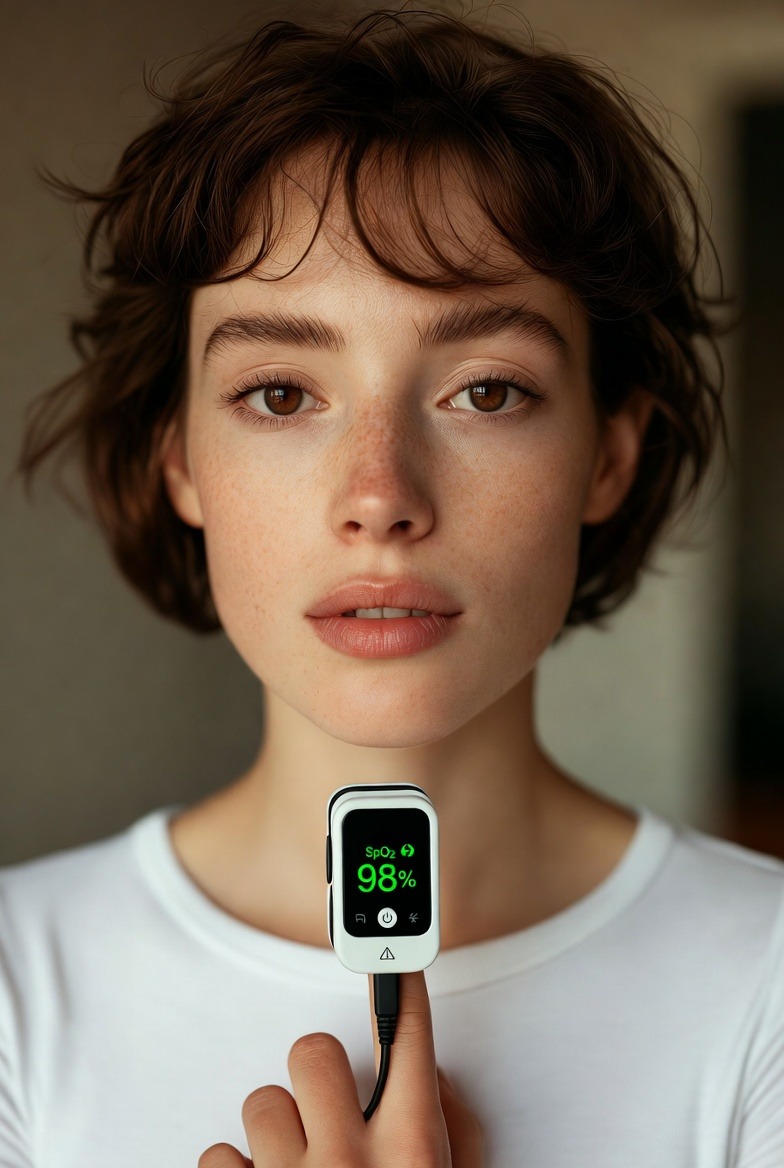
In our modern world, stress is often silent and chronic—endless emails, financial worries, social pressures. This type of stress doesn’t trigger a dramatic fight-or-flight response; it slowly depletes your nervous system’s resilience. Your smart ring, through HRV and other metrics, makes this invisible drain visible and manageable.
HRV as Your Stress Barometer: As your primary resilience metric, HRV is exquisitely sensitive to psychological and emotional stress. A stressful day at work, an argument, or even anxious anticipation can lower your HRV that night and into the next day. By tracking it, you learn what your personal stressors are and, crucially, what helps you recover from them.
Identifying Stress Patterns: The app’s graphs allow you to perform detective work. You’ll start to see patterns: “Every Wednesday, my HRV dips. That’s my day of back-to-back meetings.” Or, “My HRV is always lower during deadline weeks.” This objective validation is powerful. It moves stress from a subjective feeling of “I’m overwhelmed” to an observable physiological state: “My nervous system is showing signs of strain.”
Data-Driven Stress Management:
The ring doesn’t eliminate stress—that’s impossible. It equips you to manage your response to it, building resilience by showing you, in hard data, what works for your unique system to regain balance.
The risk with any detailed data stream is “analysis paralysis”—becoming so obsessed with the numbers that you lose sight of the lived experience. The true purpose of your smart ring is to fade into the background as its insights become integrated into automatic, healthy habits. This is the art of lifestyle integration.
The Habit-Data Feedback Loop: This is the virtuous cycle you want to create:
Habit Stacking with Ring Cues: Use the ring’s natural check-in points as triggers for healthy habits—a concept called “stacking.”
Logging Context is Key: Most apps have a tagging or note feature. Use it diligently. Tag days you are sick, menstruating, traveling, drank alcohol, had a stressful event, or tried a new supplement. This context transforms raw data into a meaningful story. You’ll be able to look back and see, “Ah, my temperature always rises during this phase of my cycle,” or “Flying always devastates my HRV for two days.” This makes you the expert on your own body and can even help you prepare, like using a restful living travel guide to maintain calm on the go.
Embrace the Trends, Not the Daily Dips: Your health is a long-term trajectory, not a daily score. Don’t fret over a single bad night or a low readiness day. Look at your weekly and monthly averages. Is your average HRV trending upward over three months? That’s phenomenal progress, even if you have rough days. Is your sleep efficiency consistently better than it was last quarter? That’s a major win.
This integrated approach ensures the ring serves you, not the other way around. It becomes a gentle, persistent guide back to your center, helping you build a life that naturally supports the deep connection between restful living and long-term vitality. The data ceases to be external numbers and becomes simply the quantified echo of your own well-lived life.
Your smart ring is a sophisticated data collector, but its companion smartphone app is the translator, the dashboard, and your personal coach. Navigating this interface with confidence is the final step in turning streams of numbers into a clear path forward. While each brand’s app has its own design language, they all share core functionalities and philosophies. Mastering these will make your daily check-ins efficient and insightful.
The Morning Dashboard: Your Daily Briefing. This is typically the first screen you see. It should present, at a glance, your key takeaways for the day ahead.
The Sleep Analysis Section: Beyond the Score. This is where you go to become a sleep scientist. A well-designed sleep page will show:
The Activity & Readiness Logs: Connecting Cause and Effect. Your activity log should do more than count steps. It should categorize activity (walking, running, cycling) based on heart rate and movement data, and estimate the cardiovascular load. Crucially, it should sit side-by-side with your readiness data. This allows you to answer: “What was the impact of that 5K run on my recovery last night?” You learn your personal recovery curves for different types of exercise.
Personalized Insights and “Nudges.” Beyond raw data, look for the app’s coaching layer. These are algorithm-generated insights that move beyond “what” to “so what” and “what now.”
These prompts are invaluable for beginners. They teach you how to think about the data and encourage small, positive actions—like taking a mindful break to support restful living even in a demanding work environment. They turn the app from a dashboard into a collaborative partner in your health.
Setting Goals and Notifications: Avoid the temptation to set overly aggressive goals immediately. Start with consistency goals rather than performance goals. For example: “Wear my ring for 21 consecutive nights” or “Check my readiness score every morning for two weeks.” Use notifications sparingly; the goal is less screen time, not more. A single, gentle “wind-down reminder” an hour before your target bedtime can be more valuable than hourly inactivity alerts.
By spending time exploring each section of your app, you build literacy. You stop seeing disjointed numbers and start reading a cohesive, daily story of your body’s response to life. This story becomes the foundation for intentional change.
As with any powerful tool, there are right and wrong ways to use a smart ring. The wrong way leads to obsession, anxiety, and a disconnection from your own bodily intuition. The right way fosters awareness, curiosity, and empowered action. Let’s navigate the common pitfalls to ensure your journey remains healthy and positive.
Pitfall 1: Obsessing Over the Daily Score. This is the most frequent issue. You have a “bad” sleep score (65) and it sets a negative tone for your entire day. You feel like you’ve failed before you’ve begun.
Pitfall 2: Chasing Arbitrary “Ideal” Numbers. You read online that an HRV of 80 ms is “good,” and yours averages 45 ms, leading to frustration.
Pitfall 3: Ignoring Context and Bodily Sensation. You feel great, energized, and ready for a run, but your readiness score is a 62. Do you skip the workout and feel defeated?
Pitfall 4: Making Drastic Changes Based on Single Data Points. Your skin temperature spikes 0.5°C one night, and you immediately assume you’re sick and cancel your next three days.
Pitfall 5: Letting the Ring Dictate Your Life. You refuse a spontaneous evening with friends because it might “ruin your sleep score.”
The golden rule is this: You are in charge. The ring works for you. Its data should spark curiosity and self-compassion, not fear and rigidity. When used wisely, it doesn’t create anxiety; it dissolves it by replacing vague worry with clear, actionable information.
The current capabilities of smart rings are impressive, but the field is evolving at a breathtaking pace. Understanding the advanced features on the horizon and the underlying trends helps you see your device not just as a purchase, but as a gateway to a future of deeply personalized, preventative health.
Current Advanced Features to Explore:
The Near Future: What’s Coming Next (1-3 Years):
The Macro Trends Driving This Evolution:
Your journey as a beginner starts with the fundamentals, but it’s exciting to know you are adopting a platform that will grow in intelligence and utility, continually offering deeper layers of insight to support a lifetime of well-being.

Knowledge is power, but only when applied. This 30-day plan is designed to help you systematically integrate your smart ring into your life, moving from passive observation to active, personalized protocol creation. Think of it as a month-long masterclass in listening to your body.
Weeks 1 & 2: The Observation & Correlation Phase (Days 1-14)
Weeks 3 & 4: The Experimentation & Habit-Building Phase (Days 15-30)
Building Your Protocol: By Day 30, you will have the beginnings of a personalized protocol. It might look like:
This protocol isn’t rigid; it’s a flexible framework that respects your body’s dynamic needs. It’s the practical application of all the data, transforming it into a sustainable, living practice of self-care.
After 30 days of data, experiments, and insights, a profound shift often occurs. The initial fascination with the technology itself fades, and what remains is a deeper, more resonant connection to your own physiology and a clearer philosophy for living. The smart ring, in its ideal form, becomes a catalyst not for bio-optimization obsession, but for a more restful, intentional, and humane existence.
It teaches the fundamental rhythm of biology: stress + recovery = growth. Whether applied to fitness, work, or personal projects, this rhythm is non-negotiable. The ring makes this abstract concept viscerally real. You see the cost of un-recovered stress in your lowered HRV and elevated resting heart rate. You see the dividend of true recovery in your soaring sleep scores and morning readiness. This evidence-based understanding slowly rewires your relationship with productivity and self-worth. You begin to see rest not as laziness, but as the essential, productive work of repair and consolidation. This is the core thesis of restful living for high-achievers.
Furthermore, it cultivates self-compassion through objectivity. On a day you feel lazy or unproductive, you can check your data. If your readiness is low, it’s a biological reality, not a character flaw. The data says, “Your resources are depleted,” not “You are failing.” This external validation allows you to release guilt and choose restorative actions without internal criticism. It helps you establish and hold firm boundaries for your energy, with data as your supporting evidence.
On a societal level, the rise of wearable wellness signals a hopeful trend: the reclamation of health agency. We are moving from a passive model where health is something managed by experts during crises, to an active, participatory model where we are the primary stewards of our own well-being, equipped with continuous feedback. This empowers us to have more informed conversations with healthcare providers and to make daily choices that compound into long-term vitality, directly supporting the connection between daily habits and longevity.
Ultimately, the goal is for the technology to become so seamlessly integrated that its lessons become internalized. You start to sense your dropping HRV without looking at your phone. You honor your need for an early bedtime because you’ve learned to trust the signal, not just the score. The ring becomes a temporary teacher, guiding you back to the innate wisdom your body has always possessed but that modern life has taught you to ignore.
This journey with wearable wellness is, at its heart, a journey home to yourself. It’s about using the lens of technology to see your humanity more clearly—your needs for rest, for rhythm, for recovery, and for joy. It provides the map, but you are the traveler, learning to navigate the beautiful, complex, and ever-changing landscape of your own life with greater awareness, kindness, and intention.
Your smart ring is a powerful lighthouse, casting a beam of objective light on your physiological state. But the landscape of your well-being is vast. To fully navigate it, you need to integrate that beam with other sources of insight—your nutrition, your mindset, your environment, and your relationships. This chapter is about creating a synergistic ecosystem where your ring data informs, and is informed by, a truly holistic approach to health. Think of it as building your personal wellness command center.
The Nutrition Feedback Loop: What you eat is foundational, but its impact has often been guesswork. Your ring provides the missing feedback.
Mindfulness and Emotional Tracking: Pair your quantitative ring data with qualitative journaling. Use the app’s note feature or a separate journal.
Environmental Optimization: Your ring can audit your surroundings.
Syncing with Other Apps (The Digital Ecosystem): Most wellness ring apps allow for some level of integration with other platforms.
By looking beyond the ring, you stop being a mere observer of biometrics and become an architect of your holistic well-being. The data becomes the compass guiding your decisions in nutrition, schedule design, and environmental tweaks, helping you build a life that doesn’t just look good on a spreadsheet, but feels good in your bones.
As you settle into your journey, questions and minor frustrations will arise. This section is your quick-reference guide to solving common issues and getting clarity on frequent questions, ensuring nothing derails your progress.
Frequent Technical & Data Questions:
Interpretation & Lifestyle Questions:
Habit & Psychological Questions:
Remember, encountering these questions is a normal part of the learning process. Each one answered deepens your understanding and refines your ability to use this tool with wisdom and balance.
Theory and data are compelling, but stories make them real. Let’s explore hypothetical but realistic case studies of how individuals with different goals and lifestyles might use a wellness ring to achieve tangible transformation. These narratives illustrate the practical application of everything we’ve discussed.
Case Study 1: The Stressed Executive (Maria)
Case Study 2: The Fitness Enthusiast (David)
Case Study 3: The Wellness-Seeking Parent (James)
These stories demonstrate that the value isn’t in the ring itself, but in the behavioral changes it inspires. The data serves as an unbiased coach, a motivator, and a validator, guiding vastly different individuals toward a common destination: a life lived in better harmony with their body’s true needs.
As we embrace devices that collect our most intimate physiological data—our sleep patterns, stress levels, and heart rhythms—we must pause to consider the ethical landscape. Who owns this data? How is it used? What are the risks? Being an informed user is a critical part of being a responsible one. This isn't about fostering fear, but about fostering awareness and empowerment.
Data Ownership and Control: The first question to ask any wearable company is: Who owns my data? Reputable companies will have clear policies stating that you own your personal health data. However, by using their service, you typically grant them a license to use aggregated, anonymized data to improve their algorithms and services. This is standard, but the devil is in the details.
Data Security and Encryption: Your biometric data is incredibly sensitive. It should be protected with the same rigor as financial information.
The "Health Score" and Insurance Dilemma: A futuristic but important consideration: Could this data ever be used against you? While it's currently illegal in many places for health or life insurance companies to require data from consumer wearables, the lines could blur with voluntary "wellness programs" that offer discounts for sharing data. Be extremely cautious about any program that asks you to sync your private wellness data for incentives. The potential for discrimination based on lifestyle or unvalidated health predictions is a serious ethical concern.
Psychological and Social Risks: Beyond digital privacy, there are personal risks.
Becoming a Savvy User: Your Action Plan
Using a wellness ring is an act of self-exploration. By choosing a company with strong ethics and using the tool with conscious awareness, you ensure that this journey of discovery remains private, secure, and truly your own.
You began this guide as a complete beginner, perhaps curious, perhaps skeptical, about how a small ring could possibly impact your well-being. Now, you stand at the threshold of a new relationship—with technology, with data, and most importantly, with yourself. You are equipped not with just a device, but with a framework for understanding its language and integrating its wisdom into the fabric of your daily life.
Let's recap the foundational pillars you've built:
Your Path Forward from Here:
The initial 30-day exploration phase is complete. Now, the long-term practice begins. This is not about constant optimization, but about sustainable attunement. Your ring becomes your early-warning system and your validation system. It helps you answer life's nuanced questions:
Continue to use it to defend the non-negotiables of your well-being: deep sleep, recovery time, and the courage to rest. Let it be the objective voice that helps you say "no" to protect your precious energy, so you have a fuller "yes" for the things that matter most.
Remember, the ultimate goal is interdependence, not dependence. You are learning the language of your body so thoroughly that, in time, you may need to consult the translator less often. You'll feel the dip in your resilience, sense the need for an early night, or recognize the signs of productive stress versus draining stress from within. The ring will have served its highest purpose: reconnecting you to your own innate biological wisdom, which was there all along.
You are now a navigator of your own health, equipped with a sophisticated compass. The journey ahead is lifelong, dynamic, and uniquely yours. Go forward with curiosity, kindness, and the confidence that you are no longer just living your life—you are understanding it, nurturing it, and thriving within it.
Your Trusted Sleep Advocate: Sleep Foundation — https://www.sleepfoundation.org
Discover a digital archive of scholarly articles: NIH — https://www.ncbi.nlm.nih.gov/
39 million citations for biomedical literature :PubMed — https://pubmed.ncbi.nlm.nih.gov/
Experts at Harvard Health Publishing covering a variety of health topics — https://www.health.harvard.edu/blog/
Every life deserves world class care :Cleveland Clinic - https://my.clevelandclinic.org/health
Wearable technology and the future of predictive health monitoring :MIT Technology Review — https://www.technologyreview.com/
Dedicated to the well-being of all people and guided by science :World Health Organization — https://www.who.int/news-room/
Psychological science and knowledge to benefit society and improve lives. :APA — https://www.apa.org/monitor/
Cutting-edge insights on human longevity and peak performance:
Lifespan Research — https://www.lifespan.io/
Global authority on exercise physiology, sports performance, and human recovery:
American College of Sports Medicine — https://www.acsm.org/
Neuroscience-driven guidance for better focus, sleep, and mental clarity:
Stanford Human Performance Lab — https://humanperformance.stanford.edu/
Evidence-based psychology and mind–body wellness resources:
Mayo Clinic — https://www.mayoclinic.org/healthy-lifestyle/
Data-backed research on emotional wellbeing, stress biology, and resilience:
American Institute of Stress — https://www.stress.org/


