How Wearable Wellness 101 Principles Improve Daily Life
Explains the fundamental principles of how using a wearable can tangibly improve daily well-being.
How Wearable Wellness 101 Principles Improve Daily Life
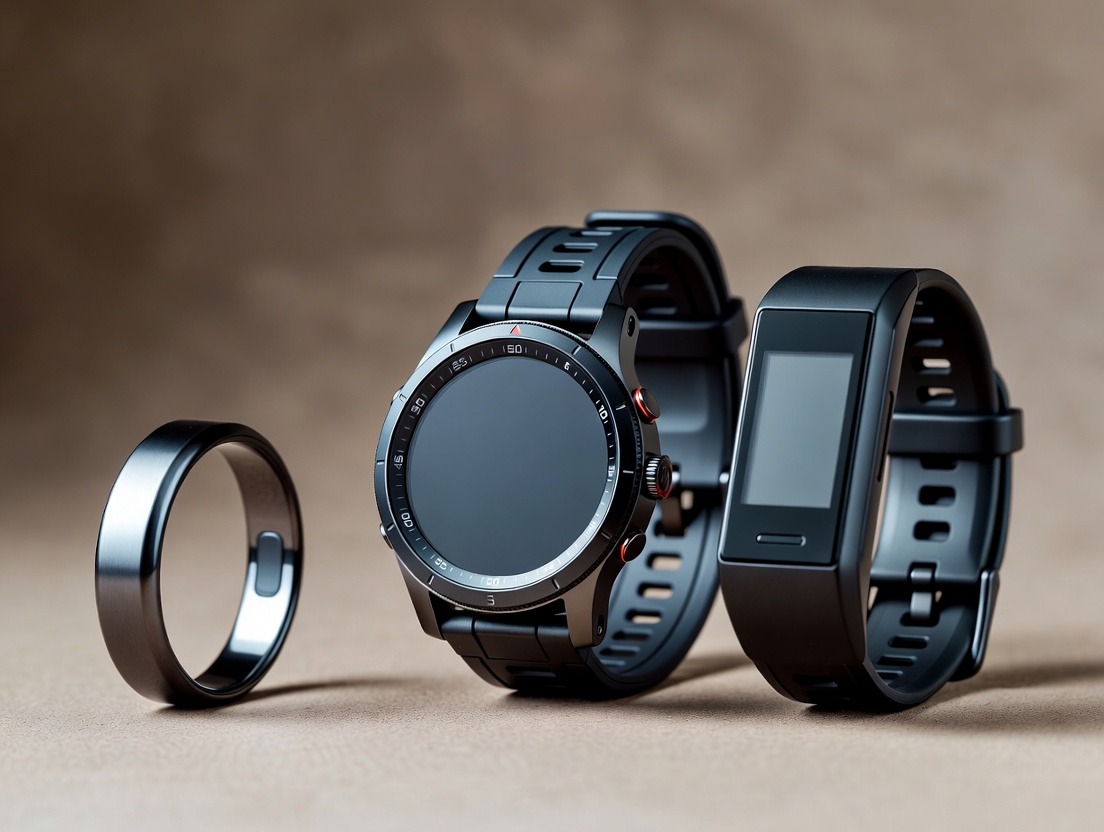
You wake up, and before your feet even touch the floor, a silent conversation has already begun. Not with a person, but with a device. A sleek band on your wrist, a discreet ring on your finger—your wearable. It’s been tracking your sleep stages, noting your resting heart rate, and quietly gathering the first biological data of your day. This isn't science fiction; it’s the modern reality for millions. But in a market flooded with gadgets promising to "optimize" and "hack" your life, a critical question emerges: Are we just collecting data, or are we actually improving our lives?
The sheer volume of information can be paralyzing. A graph showing poor sleep, a notification of elevated stress, a reminder you’ve been sedentary for an hour—without a framework to understand and act on this data, it becomes just another source of digital anxiety. This is where the foundational principles of Wearable Wellness 101 come in. This isn't about the specs of the latest sensor; it’s about the timeless human principles of awareness, intention, and sustainable change, amplified by technology.
Wearable Wellness 101 is the essential operating system for your device. It transforms raw data—heart rate variability, oxygen saturation, activity minutes—into meaningful, actionable insight. It's the philosophy that bridges the gap between knowing your sleep score and actually achieving restful living and longevity. This article is your deep dive into these core principles. We will move beyond the dashboard and explore how applying these fundamentals can fundamentally reshape your daily life, turning a piece of technology into a true partner in cultivating health, balance, and vitality. Prepare to see your wearable not as a judge, but as a guide.
From Data to Insight: Mastering the Foundational Metrics
Every journey begins with a map, and in the world of wearable wellness, your map is drawn with biometrics. But not all metrics are created equal. The first principle of Wearable Wellness 101 is learning which data points are your true North Stars and which are merely background noise. This is about moving from being a passive data collector to an informed interpreter.
The cornerstone metrics for daily life improvement are surprisingly few, yet profoundly interconnected:
Resting Heart Rate (RHR): Your physiological anchor. A lower RHR typically indicates improved cardiovascular fitness and efficient autonomic nervous system function. More than a single number, watch its trend over weeks and months.
Heart Rate Variability (HRV): This is the golden metric of your nervous system's resilience and flexibility. It measures the subtle variations in time between each heartbeat. A higher HRV generally suggests a body that is well-recovered, adaptable to stress, and in a state of "rest-and-digest" (parasympathetic) dominance. It’s your body’s readiness score.
Sleep Architecture: Moving beyond just "hours in bed," this involves understanding the cycles of light, deep, and REM sleep. Deep sleep is for physical restoration, REM for cognitive and emotional processing. Balance is key.
Activity & Non-Exercise Activity Thermogenesis (NEAT): This isn't just tracked workouts. NEAT—the calories burned from fidgeting, walking, standing—is a massive component of daily metabolic health. A wearable that encourages consistent movement throughout the day is often more valuable than one that only logs gym sessions.
The magic happens in the connections. For instance, you might see a consistently low HRV and poor deep sleep scores. A Wearable Wellness 101 approach doesn't just note these as separate failures; it seeks the connection. It prompts you to ask: Is my daytime stress sabotaging my night? Could my late dinner be impacting my recovery? This foundational insight is the critical first step. It shifts your focus from "I slept badly" to "My nervous system is showing signs of chronic stress, which is impairing my recovery." This level of insight is the prerequisite for meaningful action, such as adopting practices for restful living at work to create calm in stressful jobs.
The Quantified Self Meets the Qualified Life: Setting Intentions, Not Just Goals
With insight in hand, the next, and most often skipped, principle is intention setting. The default mode for many wearable users is goal-chasing: "Get 10,000 steps," "Achieve a sleep score of 90," "Close all three activity rings." While goals can be motivating, they can also become punitive, digital taskmasters that foster a cycle of guilt and pride devoid of deeper meaning.
Wearable Wellness 101 advocates for a more nuanced approach: Set intentions, then let the metrics inform your progress. An intention is a guiding principle for how you want to feel and function. A goal is a binary outcome.
Goal-Focused: "Burn 500 active calories every day."
Intention-Focused: "Cultivate sustainable energy throughout my workday." The wearable then becomes a tool to explore what supports that intention. Perhaps on days you take a walking meeting (tracked as increased NEAT), your afternoon energy slump is less severe (correlated with stable heart rate data). Maybe on days you skip your morning walk to work earlier, your stress metrics spike by 10 AM. The data qualifies your life experience.
This principle aligns perfectly with the philosophy of how minimalism enables restful living. Just as minimalism is about removing the non-essential to make space for what truly matters, intentional wearable use is about filtering out noisy, vanity metrics to focus on the few data points that directly serve your intention of well-being. Your wearable should help you simplify your understanding of your health, not complicate it. Ask yourself: "Does this notification serve my intention of calm focus, or does it distract from it?" The answer will guide your device settings and your mindset.
The Rhythm of Life: Syncing Wearable Data with Your Circadian Biology
Your body is not a machine that runs at a constant rate. It operates on a finely tuned, 24-hour biological clock known as your circadian rhythm. This rhythm governs everything from hormone release and body temperature to digestion and cognitive performance. The third principle of Wearable Wellness 101 is to use your wearable not as a stopwatch, but as a conductor, helping you sync your daily habits with this innate rhythm.
Your wearable provides unique, personalized clues about your circadian biology. The timing of your lowest resting heart rate at night, the natural rise in your heart rate as you wake, your body temperature trends, and even your movement patterns all paint a picture of your unique circadian phase.
Here’s how to apply this principle:
Fuel by the Clock: Notice when you have natural energy slumps or focus dips. Your wearable might show a correlation with post-meal heart rate rises. This can guide you to experiment with eating larger meals earlier in your day when your metabolic processes are most active, a concept supported by research into the restful living diet and foods that calm your nervous system.
Optimize Workout Timing: While any exercise is good, aligning it with your rhythm can enhance results and recovery. For many, performance peaks in the late afternoon when body temperature is highest and reaction times are quickest. Morning exercise, however, can better stabilize blood sugar and energize the day. Your HRV and sleep data can tell you which pattern leads to better recovery for you.
The Wind-Down Window: Perhaps the most powerful application is sleep preparation. Your wearable can help you identify your personal "biological dusk"—the 60-90 minute period before your body naturally wants to sleep. By tracking when your heart rate begins its steady nocturnal decline, you can anchor a consistent, screen-free wind-down routine to this window, dramatically improving sleep onset and quality.
This principle moves you from arbitrary scheduling ("I workout at 7 AM because I should") to biological scheduling ("I schedule demanding tasks for 10 AM because my data shows my focus is sharpest then"). It’s about respecting your body's natural restful living through the seasons, adapting your approach on a daily, micro-scale.
Stress as a Signal, Not a Status: Reframing Physiological Tension
For decades, "stress" was a vague, psychological concept. Wearables have made it physiological, measurable, and undeniable. Through metrics like heart rate, HRV, and skin temperature, we can now see the signature of our nervous system's response to life's demands. The critical Wearable Wellness 101 principle here is to reframe stress from being a badge of busyness (or a sign of failure) to being a vital signal—a form of communication from your body.
Your wearable doesn't measure "bad stress" and "good stress" (eustress). It measures activation of your sympathetic nervous system—the "fight-or-flight" response. A sharp spike during a presentation or a hard workout is appropriate and healthy. A chronically elevated baseline, with low HRV and a resting heart rate that trends upward over weeks, is your body sending a distress signal that its recovery resources are depleted.
The practice involves three steps:
Notice the Signature: Use real-time alerts (if helpful) or daily summaries to see when stress spikes occur. Is it during your commute, in specific meetings, or after consuming caffeine?
Decode the Message: Instead of "I'm stressed," ask, "What is this stress response trying to tell me? Is it about overwhelm, a threat to my values, physical discomfort, or poor fuel?"
By viewing stress as data, you depersonalize it. It becomes a system readout, not a character flaw. This allows for curious, compassionate intervention rather than spiraling anxiety about being anxious.
Recovery as an Active Practice: The Art of Strategic Rest
In a culture that glorifies burnout, the most revolutionary principle of Wearable Wellness 101 may be this: Recovery is not the absence of work; it is an active, non-negotiable pillar of performance and health. Your wearable is your most honest recovery coach, providing objective feedback that your subjective "I'm fine" mentality often overrides.
Recovery happens in layers:
Daily Recovery: The micro-moments between tasks, the lunch break away from your desk, the evening wind-down. Does your heart rate drop during your 15-minute afternoon walk? That's measurable daily recovery.
Sleep Recovery: This is the main event. Your deep sleep and REM sleep scores are direct reports on your physical and mental repair shops. Prioritizing sleep based on this data is the ultimate active recovery strategy.
Weekly & Seasonal Recovery: This is the macro view. A trend of declining HRV over several weeks is an unambiguous signal that you need a deliberate deload period—a reduction in training volume, a "digital Sabbath," or a true vacation. This planned periodization is what allows high-achievers to unlock performance through rest.
Your wearable makes the invisible visible. You can literally see the impact of a relaxing weekend (rising HRV, lower RHR) versus a chaotic one. This evidence is powerful. It turns the vague advice to "rest more" into a specific prescription: "Your data shows you haven't entered a deep recovery state in four days. Schedule 90 minutes of a non-digital, low-stress activity tonight to initiate a parasympathetic response."
This principle forces a paradigm shift: The day you score highest on your recovery metrics is not a "lazy" day; it is a day of high-performance maintenance, as critical to your long-term output as your most productive work sprint.
Context is King: The Environmental and Behavioral Layer
Biometric data in a vacuum is misleading. A spike in nighttime heart rate could be a sign of illness, a late heavy meal, an intense dream, or drinking alcohol. A low HRV reading could stem from emotional grief, a hard workout yesterday, or an impending cold. The sixth principle is to become a detective of context. Your wearable gives you the "what"; your personal log provides the "why."
This is the practice of correlation over causation. Modern apps allow for simple tagging or journaling. The key is consistency in logging a few potential influencers:
Nutrition: Log not just what you ate, but when. Notice correlations between late dinners and restless sleep scores.
Substance Use: Log caffeine (time and amount) and alcohol. The impact of even one glass of wine on HRV and deep sleep is often starkly visible and can be a powerful motivator for change.
Training Load: Tag your workout types and perceived intensity. See how different modalities (heavy strength vs. long cardio) affect your recovery metrics.
Emotional & Social Milestones: A stressful conversation, a day of deep focus, a joyful social connection—tag it. You may find that positive social engagement boosts your HRV as much as a good night's sleep.
By adding this layer of context, you move from generic advice ("get more deep sleep") to personalized prescription ("avoid eating within 3 hours of bedtime and limit alcohol to one drink, as your data shows these are your primary sleep disruptors"). It helps you craft your own, unique weekly restful living plan for structure and sustainability, based on what your body is actually telling you.
The Mind-Body Feedback Loop: Cultivating Somatic Awareness
A fascinating long-term benefit of consistent wearable use is the development of heightened somatic awareness—the ability to perceive the subtle sensations of your body. This is the seventh principle: Using the wearable as a training tool to eventually internalize its insights. The device becomes a temporary scaffold for building a permanent skill.
Initially, you are externally validated. You feel a bit anxious, and you check your device to see a stress graph spiking. "Ah," you think, "so that fluttery feeling in my chest correlates with this physiological state."
Over time, through repeated correlation, this process begins to reverse. You start to notice the subtle fluttery feeling first, and you can almost predict what your device will show. You begin to differentiate between the feeling of physical fatigue (low body battery) versus mental lethargy. You can sense when your body is entering a recovery state.
This cultivated awareness is transformative. It means:
You can intervene earlier. You notice the first signs of stress arousal and take a breath before it escalates.
You make better intuitive decisions. That "gut feeling" to skip a workout when you're on the edge is now supported by a history of data showing that training with low HRV leads to poor results and higher injury risk.
You deepen your mind-body connection. This awareness is the bedrock of emotional regulation and can significantly enhance how restful living improves relationships and mood, as you become more attuned to your own states and their impact on interactions.
The ultimate goal is not to be chained to the device, but to have it teach you a language—the language of your own physiology—so fluently that you eventually need the translator less and less.
Designing Your Environment for Automatic Wellness
Principles are useless without implementation. The eighth principle of Wearable Wellness 101 focuses on using your data to consciously design your daily environment—your "nudge architecture"—to make healthy choices the default, effortless option. Your wearable provides the audit of what's not working; you then engineer the solution.
For example:
The Sedentary Nudge: Your wearable vibrates at 50 minutes past the hour, reminding you that you've been sedentary. That's a reactive nudge. The proactive design principle is to rearrange your workspace. Use a standing desk converter, place your water bottle across the room, or institute a "walking meeting" rule for 1-on-1 calls. You change the environment so movement happens naturally, reducing the need for alerts.
The Sleep Sanctuary Nudge: Your data shows poor sleep latency. Instead of just willing yourself to put your phone down, you design your bedroom environment. You buy a physical alarm clock, install an outlet timer for your router to kill Wi-Fi at 10 PM, and use blackout curtains. The path of least resistance becomes the path to better sleep.
The Focus Nudge: Your stress data shows constant micro-spikes during work hours linked to notification pings. You design a digital environment: turn off all non-essential notifications, use app blockers during deep work sessions, and schedule specific "communication hours." This creates the conditions for the calm focus your body is craving, a key tactic for anyone needing a digital detox to enhance restful living.
This principle is about moving from willpower (a finite resource) to wisdom-powered design. You use the objective feedback from your wearable to identify "friction points" in your health journey, and then you creatively eliminate the friction.
From Self-Knowledge to Shared Understanding: Wearables in Relationships
Wellness is rarely a solo act. Our physiological states impact and are impacted by those around us. The ninth principle explores how wearable data, used thoughtfully, can foster empathy, improve communication, and create shared health goals within relationships.
This requires sensitivity and consent. The goal is not surveillance ("Your data shows you were stressed during our talk last night..."), but shared insight and collaborative problem-solving.
Imagine these applications:
The Empathy Bridge: You've had a punishing work week, and your wearable shows a tanked HRV. Instead of just being snappy and withdrawn, you can communicate with more precision: "Honey, my nervous system metrics are in the red zone, so I'm really frayed. It's not about you. I need a quiet night to recharge." This objectifies the fatigue, reducing defensiveness.
The Synced Routine: Partners can compare sleep data and collaboratively design a wind-down routine that works for both—perhaps agreeing on a "lights out" tech curfew or experimenting with a shared morning walk to set a calm circadian rhythm for the day.
The Family Health Pact: For families, wearables can make health visible and fun. Step challenges, sleep consistency charts for kids (with appropriate devices), or goals for active weekends can align the household around a culture of wellness. This is especially valuable for maintaining calm while traveling as a family, using data to plan rest stops and manage expectations.
When used as a tool for self-awareness that is then generously shared, wearable data can move conversations about needs and boundaries from the realm of the vague and emotional to the specific and collaborative. It builds a common language of well-being.
Navigating the Pitfalls: Avoiding Data Obsession and Analysis Paralysis
With great data comes great responsibility. The tenth principle is a crucial caveat: Cultivate a healthy detachment from the numbers. The metric is a proxy for your lived experience, not the experience itself. The goal is improved life quality, not an optimized dashboard.
The pitfalls are real:
Orthosomnia: The preoccupation with perfect sleep data, which ironically creates anxiety that perpetuates poor sleep.
Good Day/Bad Day Tyranny: Allowing a single metric (a low sleep score, a missed step goal) to dictate your self-worth or mood for the day.
Ignoring Subjective Feeling: Overriding your body's clear "I feel great!" signal because the device says your HRV is 2 points lower than yesterday.
The Wearable Wellness 101 antidote is to regularly practice subjective-first check-ins. Before you look at your app in the morning, ask yourself: How do I feel on a scale of 1-10? Rested? Energized? Achy? Then, and only then, look at the data. Let the data explain your feeling, not define it. If you feel fantastic but your recovery score is "poor," trust the feeling and investigate the data with curiosity, not alarm. Perhaps the sensor had a poor read, or maybe your body is expressing resilience in a new way.
Schedule regular "data holidays"—a day or weekend where you wear the device for raw collection but vow not to check the app. Reconnect with the innate wisdom of your body. This balanced approach ensures the tool remains a servant to your well-being, not its master.
The Long Game: Integrating Principles for Lifelong Vitality
The final principle in this foundation is perspective. Wearable Wellness 101 is not a 30-day challenge; it is a framework for lifelong learning about your greatest asset: your own body. The true value of these principles compounds over years, not days.
This long-game perspective changes how you interact with trends and setbacks:
You Look for Trends, Not Dips: A single bad night of sleep is noise. A two-week trend of declining sleep quality is a signal worth investigating. Your wearable provides the longitudinal view that a weekly journal cannot.
You Embrace Experiments: You use the device to run gentle, personal n=1 experiments. "What happens if I meditate for 10 minutes at lunch for two weeks?" "How does cutting out afternoon caffeine affect my sleep depth?" The data gives you clear, personal answers.
You Adapt with Age and Season: Your body's needs at 25 are not its needs at 45 or 65. The principles remain, but the specific insights change. Your wearable helps you track this evolution, allowing you to gracefully adjust your activity, recovery, and nutrition to serve your changing biology, much like adapting your restful living approach through the seasons of your life.
By integrating these ten foundational principles—from mastering metrics and setting intentions to syncing with rhythms, reframing stress, and designing your environment—you graduate from being a passive user of technology to an active architect of your daily well-being. Your wearable transforms from a fancy pedometer into a personal bio-feedback coach, a circadian guide, and a compassionate mirror reflecting the intimate connection between your habits and your health.
This is just the beginning of the journey. In the next portion of our exploration, we will delve into the advanced applications of these principles, exploring how they intersect with nutrition, cognitive performance, specific health conditions, and the future of predictive wellness. The data is merely the seed; the principles are the water and sunlight that allow it to grow into a life of sustained vitality and purpose.
Fueling the Feedback Loop: Nutrition as Actionable Data
We’ve explored how wearables translate stress and recovery into measurable signals. Nowhere is this cause-and-effect relationship more immediate and actionable than with nutrition. The eleventh principle of Wearable Wellness 101 moves beyond calorie counting to a revolutionary concept: using your body’s real-time biometric responses to build a personalized, intuitive eating strategy. Your wearable becomes a biofeedback tool for what truly nourishes you.
For decades, nutrition has been dominated by universal rules and external prescriptions. Wearable data personalizes this landscape. Consider the post-meal period. A high-glycemic meal or one laden with inflammatory foods can trigger a "glycemic rollercoaster" or a subtle immune response. Your wearable can detect this through:
Postprandial Heart Rate Rise: A meal that is difficult to digest or causes a rapid blood sugar spike can force your sympathetic nervous system to engage, raising your heart rate for an hour or more after eating.
Sleep Disruption Correlation: Tagging your evening meals and comparing them to your sleep depth scores can be illuminating. That late-night snack or heavy dinner may correlate directly with reduced deep sleep and increased nighttime restlessness.
HRV as a Sensitivity Barometer: Foods that cause subclinical inflammation or digestive stress can manifest as a suppressed Heart Rate Variability the following morning, indicating your body is diverting resources to manage a stressor rather than toward recovery and repair.
This principle empowers you to move from generic diets to a personal "fuel map." For instance, you might discover through consistent tagging that a breakfast high in protein and healthy fat leads to stable energy (reflected in steady heart rate) until lunch, while a carbohydrate-heavy breakfast leads to a mid-morning crash and hunger spike. This is the practical application of the restful living diet, focusing on foods that calm your nervous system, but with your unique biology as the guide. You learn which foods make you feel—and physiologically perform—like your best self, turning nutrition from a chore into a daily experiment in self-optimization.
The Cognitive Dashboard: Tracking Focus, Flow, and Mental Performance
The frontier of wearable wellness is expanding beyond the physical to the cognitive. The twelfth principle involves leveraging physiological proxies to understand and optimize your mental performance, focus, and creative states. While no wearable can read your thoughts, it can measure the biological environment in which your brain operates, providing a powerful "cognitive dashboard."
Your brain's performance is inextricably linked to your body's state. Key metrics serve as windows into your mental world:
HRV and Cognitive Flexibility: Research consistently links higher HRV with better executive function, emotional regulation, and ability to focus under pressure. Monitoring your HRV trend can tell you if you are in a physiological state conducive to deep work or if you need to manage stress before attempting a demanding cognitive task.
Resting Heart Rate and Mental Load: A chronically elevated RHR can be a sign of cognitive overload and persistent psychological stress, not just physical strain. Noticing this trend can be the prompt you need to declutter your mental workspace, perhaps by implementing the principles of how minimalism enables restful living for your schedule and digital life.
The Physiology of "Flow": The state of deep, timeless immersion in a task (flow) has a physiological signature: a calm, focused arousal. It's not the high stress of anxiety nor the low arousal of boredom. You might see a moderate, steady heart rate with coherent, smooth wave-like patterns in your heart rhythm. By tagging activities when you enter flow states, you can reverse-engineer the conditions—time of day, environment, preparedness level—that most reliably get you there.
By paying attention to these signals, you can strategically schedule your day. You might block your most demanding analytical work for when your metrics show peak readiness and save administrative tasks for your physiological lulls. This is the ultimate integration of the quantified self into the qualified life, ensuring your most valuable asset—your attention—is deployed under the best possible biological conditions.
Predictive Wellness: From Reactive to Proactive Health
The most profound shift enabled by longitudinal wearable data is the move from reactive healthcare to proactive, predictive wellness. The thirteenth principle is about learning to recognize your body’s early-warning patterns, using trends to prevent decline before symptoms arise. This turns your wearable into a preventative health guardian.
Doctors diagnose illness. Your wearable can help you identify pre-illness—the subtle deviations from your personal baseline that often precede a full-blown problem.
The Incubation Signal: It’s common to see a sustained drop in HRV and a slight rise in resting heart rate 24-48 hours before the onset of cold or flu symptoms. Your body is marshaling its immune resources, creating internal stress that the wearable detects. Noticing this can prompt you to prioritize sleep, hydration, and nutrients, potentially mitigating the severity or even averting the illness.
Overtraining vs. Productive Training: For athletes and active individuals, the line between productive strain and harmful overreaching is fine. A steady downward trend in HRV coupled with elevated RHR and poor sleep quality is the classic signature of overtraining. Catching this early allows for a planned deload week, preventing injury, burnout, or a major setback.
Chronic Stress Accumulation: Stress doesn’t always feel stressful. You can adapt to a high-pressure load until you suddenly crash. A wearable doesn’t adapt; it faithfully records. A gradual, weeks-long creep upward in your resting heart rate and downward in your HRV is an undeniable report card, showing the accumulating toll before you hit a wall of exhaustion or anxiety. This data provides the objective evidence needed to make proactive changes, whether that’s instituting a weekly restful living plan for sustainability or having a crucial conversation about workload.
This predictive power democratizes health agency. You are no longer waiting for a problem to become severe enough to warrant a doctor’s visit. You are managing your health landscape daily, using data to make small, corrective course changes that maintain your trajectory toward vitality.
The Sleep Symphony: Conducting Each Stage for Total Restoration
While we’ve touched on sleep, it warrants its own deep-dive principle as the single most impactful lever for daily life. The fourteenth principle goes beyond duration to orchestrating the quality and architecture of your sleep, using data to fine-tune each stage for specific recovery benefits. Think of it as conducting a symphony where each movement—light, deep, and REM sleep—plays a distinct, vital role.
Your wearable’s sleep stage breakdown is the sheet music. Here’s how to interpret and act on it:
Deep Sleep (The Physical Restorer): This is when growth hormone is released, tissues are repaired, and the immune system is fortified. If your deep sleep is consistently low, investigate physical stressors: Are you training too intensely without recovery? Is your room temperature too warm? Is there pain or discomfort? Prioritizing physical relaxation and cool darkness can boost this stage.
REM Sleep (The Mental & Emotional Integrator): REM is crucial for memory consolidation, learning, and emotional processing. Low REM can correlate with brain fog, difficulty learning new skills, and emotional reactivity. Factors that suppress REM include alcohol consumption, certain medications, and sleep deprivation itself. Protecting your total sleep time and minimizing substances that disrupt sleep architecture is key.
Sleep Consistency (The Rhythm Keeper): Perhaps more important than a perfect night’s sleep every night is the consistency of your sleep and wake times. Going to bed and waking up at vastly different times on weekends versus weekdays creates "social jet lag," confusing your circadian rhythm. Your wearable can show you the tangible cost of this in your next-day readiness scores. This understanding reinforces the value of a stable rhythm, a cornerstone of achieving restful living and longevity.
By engaging with sleep as a dynamic, stage-specific process, you move from a passive hope for good sleep to an active practice of sleep hygiene engineering. You use the data to identify which "lever" to pull—adjusting temperature, timing, alcohol intake, or wind-down routines—to compose the perfect restorative symphony night after night.
Movement Reimagined: From Exercise Snacks to Purposeful Activity
The fitness industry has long focused on structured, sweaty, hour-long workouts. Wearable data broadens this horizon, revealing the immense power of non-exercise activity. The fifteenth principle is to deconstruct "fitness" into a spectrum of movement, valuing the metabolic and cognitive benefits of low-intensity, all-day activity just as highly as formal exercise. This is the principle of holistic movement integration.
Your wearable excels at tracking the full spectrum:
NEAT (Non-Exercise Activity Thermogenesis): This is the energy expended for everything that is not sleeping, eating, or sports-like exercise. It includes walking, fidgeting, gardening, and standing. For many, NEAT accounts for a larger portion of daily calorie burn than formal exercise. A wearable that encourages you to hit a step goal or stand up hourly is primarily targeting your NEAT.
The Post-Meal Walk Revelation: Tagging a 10-15 minute walk after a meal and observing its effect can be transformative. You’ll often see it blunt the postprandial heart rate rise mentioned earlier, aiding digestion and stabilizing blood sugar. This turns a simple habit into a data-validated health hack.
Recovery Movement: On days designated for recovery based on low HRV, gentle movement like walking or yoga can actually aid recovery by promoting circulation without adding systemic stress. Your wearable can help you gauge the appropriate intensity, ensuring your "active recovery" day is truly restorative and not another stressor.
This principle liberates you from the "all-or-nothing" exercise mindset. A day without a gym session is not a failure if your wearable shows you accumulated 12,000 steps through walking meetings, taking the stairs, and an evening stroll. This approach seamlessly integrates wellness into the fabric of your life, making it sustainable and far less daunting, perfectly complementing a lifestyle aimed at creating calm in stressful jobs through manageable movement breaks.
The Digital Environment Audit: Your Tech’s Impact on Your Biology
Our environments are now profoundly digital. The sixteenth principle uses your wearable as a diagnostic tool to conduct a rigorous audit of how your digital habits—from social media scrolling to endless notifications—directly impact your nervous system, and then to design a more harmonious tech-life interface.
This goes beyond screen time reports. It’s about correlating specific digital behaviors with physiological states.
The Doomscroll Spike: Try this experiment: Check your heart rate before and after 10 minutes of passively scrolling through a stressful newsfeed or social media app. For many, there is a noticeable, sustained increase. Your body is reacting to the cognitive and emotional load as a low-grade threat.
The Notification Jolt: The ping of an email or message can trigger a micro-stress response—a sudden heart rate spike—even if you don’t consciously feel stressed. Chronic exposure to these interruptions keeps your nervous system in a state of heightened, fragmented alertness.
The Blue Light & Wind-Down Mismatch: Your sleep data may show poor sleep onset on nights you use devices late. This provides objective proof of the disruptive effect of blue light and stimulating content on your melatonin production and circadian rhythm.
Armed with this data, you can move from vague guilt to precise protocol. You might:
Schedule "notification-free" deep work blocks, using your wearable’s stress graph to confirm the calming effect.
Implement a strict digital curfew 90 minutes before bed, tracking the improvement in your sleep latency scores over time.
Curate your feeds and use app timers, observing the downstream benefits on your afternoon HRV.
This is the essence of a true digital detox to enhance restful living—not as a one-time purge, but as an ongoing, data-informed practice of creating digital boundaries that protect your biological calm.
The Travel & Transition Companion: Maintaining Equilibrium in Flux
Life is not lived in a controlled lab. Stressors often come from positive sources: travel, new projects, social events. The seventeenth principle focuses on using your wearable as a stabilizing anchor during transitions, helping you maintain core wellness practices when your routine is disrupted. It provides continuity of self-care amidst change.
Whether it’s a business trip, a vacation, or a hectic holiday season, your wearable offers grounding insights:
Jet Lag Mitigation: Use light exposure and activity based on your destination time zone as soon as you can. Your wearable’s body clock features (like the Oura Ring’s "daytime readiness" or Whoop’s "strain") can help you gauge your adaptation pace, encouraging you to seek morning light to reset your rhythm.
The "Vacation Recovery" Paradox: You may sleep more on vacation but see worse sleep scores due to alcohol, rich foods, and irregular hours. This isn’t a failure; it’s data. It allows you to make conscious trade-offs ("I’ll enjoy this dinner but skip the nightcap") and plan for a true recovery window when you return home.
Social Energy Budgeting: For introverts or highly sensitive individuals, social gatherings can be energizing but also physiologically draining. Monitoring your stress levels during a multi-day conference or family visit can help you recognize when you need to slip away for 15 minutes of solitude to recharge, protecting your energy and enjoyment. This is a practical application of restful living boundaries, even in social settings.
Your wearable becomes your personal travel guide for well-being, offering a framework for maintaining calm on the go. It reminds you that while your environment changes, your fundamental biological needs for rhythm, recovery, and calm do not.
From Personal Insight to Collective Wisdom: The Future of Shared Biomarkers
As we look forward, the principles of Wearable Wellness 101 point toward a collaborative future. The eighteenth principle envisions the ethical, anonymized aggregation of wearable data to generate population-level insights, advancing public health and personalized medicine. This is about the transition from my data to our understanding.
Imagine the possibilities:
Early Disease Detection Patterns: If millions of anonymized datasets showed that a specific combination of resting heart rate variability, skin temperature deviation, and sleep disturbance consistently preceded clinical diagnosis of certain conditions by months, it could lead to revolutionary early screening tools.
Optimizing Public Health Interventions: Data could reveal how a community’s collective stress levels respond to a new policy, a seasonal change, or a public event, allowing for more targeted and effective wellness initiatives and mental health resources.
Personalized Benchmarking: Instead of comparing your HRV to a generic age-based average, you could someday compare it to a cohort that shares your genetics, lifestyle, or health history, providing a much more meaningful and actionable benchmark.
This future hinges on robust data privacy and user control. But the potential is staggering: to move from treating sickness to cultivating health on a societal scale, guided by the continuous, real-time wisdom of our collective physiology.
The Ethical Compass: Privacy, Autonomy, and the Human Behind the Data
With this immense power comes profound responsibility. The penultimate principle is to cultivate a critical and ethical mindset around wearable data, fiercely protecting your privacy, maintaining autonomy over your health decisions, and never letting the metric obscure the human experience. This is the essential guardrail for the entire Wearable Wellness 101 philosophy.
Key tenets of this ethical compass include:
Data Sovereignty: Understand who owns your data, how it is stored, who it might be sold to, and how it could be used (e.g., by insurers or employers). Choose devices and platforms with transparent, user-centric policies.
The "Why" Over the "What": Always return to your intention. Are you using data to empower yourself, or to punish yourself? Is the goal control or understanding? The device should expand your autonomy, not diminish it.
The Imperfection of Biomarkers: No single metric tells the whole story. A low HRV could mean you’re getting sick, or it could mean you’re falling in love (a state of high, positive arousal). Data requires narrative context—your story.
Avoiding Medical Overreach: Your wearable is a wellness tool, not a medical device. It provides trends and prompts for investigation, not diagnoses. Always consult a healthcare professional for medical concerns.
Holding this compass ensures that your journey into quantified self remains a journey of self-compassion and empowerment, preventing the very technology meant to serve you from becoming a source of anxiety or external control.
The Integrated Life: Weaving Principles into an Invisible Tapestry
Finally, we arrive at the culminating principle: Integration. The goal of Wearable Wellness 101 is not to add a complex new layer of management to your life, but for these principles to become so internalized that they fade into the background, seamlessly weaving a tapestry of enhanced daily living. The wearable becomes like a watch—glanced at for useful information, but not the center of attention.
This is evidenced when:
You instinctively take deep breaths during a tense moment because you’ve learned it calms your physiology, not because your device told you to.
You choose a walking meeting because you know it benefits your focus and NEAT, not just to close a ring.
You listen to your craving for an early bedtime without checking your sleep score, trusting the somatic awareness you’ve cultivated.
You design your days with rhythmic variety—focus blocks, movement breaks, social connection, and deliberate rest—because your data has shown you this pattern yields sustainable energy and satisfaction.
This is the state of restful living as a dynamic practice—a state of flow between activity and recovery, engagement and calm, informed by data but guided by wisdom. It is the application of these principles that allows high-achievers to find performance through rest and enables everyone to build a life where technology serves our deepest human needs for health, connection, and purpose.
This concludes the foundational exploration of the Wearable Wellness 101 principles. We have journeyed from understanding basic metrics to setting intentions, syncing with our biology, reframing stress, and designing our environments and digital lives for well-being. We've seen how these tools can illuminate our nutrition, cognitive states, and even our social interactions, all while maintaining an ethical and integrated perspective.
In the final portion of this comprehensive guide, we will put these principles into action. We will construct sample daily and weekly protocols, troubleshoot common data misinterpretations, explore the differences between major wearable platforms (like smart rings vs. watches), and look at the cutting-edge sensors on the horizon. We will build a complete, practical manual for not just wearing a device, but for living a life amplified by insight, intention, and sustainable vitality. The data is ready. The principles are clear. Now, let's build your personalized plan.
Building Your Personal Protocol: A Sample Week in Wearable Wellness
Understanding principles is one thing; living them is another. This section translates the Wearable Wellness 101 framework into a practical, sample weekly protocol. This is not a rigid prescription but a flexible template, demonstrating how the principles weave together to form the fabric of a data-informed, yet intuitively lived, week. Remember, the goal is structure for sustainability, not perfection.
A Note on Baseline: Before starting any protocol, spend one "normal" week simply wearing your device and logging context (mood, meals, stress events, exercise) without trying to change anything. This establishes your personal baseline, making the effects of any changes you implement visibly clear in the data.
Before looking at your phone or wearable app, ask: How do I feel? Rate sleep quality, energy, and mood from 1-10.
Then review last night’s data. Don’t let a score define your day. Look for explanations: “I feel a bit sluggish, and my data shows low deep sleep. I did have that late dinner. Note to self: finish eating by 7 PM tonight.”
Seek morning light for 5-10 minutes to anchor your circadian rhythm. This simple act, validated by its positive impact on daily sleep-wake cycles, costs nothing but pays massive dividends in daily energy.
Daytime (The Rhythm of Engagement):
Use your wearable’s inactivity alerts not as annoyances, but as invitations for a 2-5 minute “movement snack.” A short walk, some stretches, or even taking the long way to the restroom boosts NEAT and breaks cognitive fatigue.
Before a high-focus task, check in with your stress or readiness score. If it’s low, consider a 5-minute breathwork session to support restful living to calm your nervous system and prime your brain.
Tag your lunch and note your energy 60-90 minutes afterward. Use this to refine your “fuel map.”
Evening (The Sacred Wind-Down):
Start your wind-down 90 minutes before your target bedtime. Let your wearable guide you—if you see your heart rate beginning its natural decline, that’s your cue.
Implement a digital curfew. The act of charging your phone outside the bedroom is a powerful digital detox practice that your sleep depth scores will thank you for.
Engage in a low-stimulation, pleasurable routine: reading (physical book), light stretching, conversation, or listening to calm music.
Sample Week at a Glance:
Monday (Focus & Foundation): Prioritize a stable routine after the weekend. Use morning data to set a realistic intention for the week (“cultivate steady energy”). Schedule your most demanding cognitive work for your peak focus window (often late morning). Evening: light activity like walking, early dinner.
Tuesday (Intensity & Insight): A good day for a more intense workout if recovery scores are good. Pay close attention to post-workout and evening recovery metrics. Journal about any correlations between work stress and physiological spikes.
Wednesday (Mid-Week Reset): Often a energy dip point. Prioritize movement over intense exercise. Consider a longer lunch break away from screens. Evening: Perhaps a social connection that fuels you, or conversely, a deliberate quiet night alone if data shows accumulated stress.
Thursday (Deep Work & Preparation): Leverage likely improved recovery from earlier week habits. Block out time for deep, uninterrupted work. Begin to gently taper evening stimulation, preparing for weekend rest or activities.
Friday (Integration & Transition): Complete work tasks, but consciously begin the mental shift. A slightly later bedtime for social events is fine if intentional. Use data to make informed trade-offs: “I’ll go out, but I’ll skip alcohol to protect my sleep.”
Saturday (Active Recovery & Exploration): Sleep in naturally if needed—your wearable will show if you caught up on sleep debt. Focus on non-exercise activity: hiking, gardening, exploring. Be mindful of alcohol’s visible impact on sleep architecture if consumed.
Sunday (Restoration & Planning): True rest. Long, relaxed meals, time in nature, family, hobbies. Use the evening to calmly review your weekly data trends, not to judge, but to learn. Plan a loose structure for the coming week based on your insights—this is the practice of creating your own weekly restful living plan.
This protocol exemplifies how wearable data shifts from being a source of daily scrutiny to a weekly planning partner, providing the feedback loop necessary for sustainable, intelligent self-management.
Troubleshooting the Data: Common Misinterpretations and Solutions
Even with the best principles, data can confuse. This section addresses common pitfalls in interpreting wearable metrics, ensuring your insights lead to effective action, not unnecessary anxiety.
1. The “Bad Sleep Score” After Feeling Rested.
Misinterpretation: “My device is wrong. I feel great!”
Investigation & Solution: First, trust your subjective feeling. Then, investigate. Was the sensor placement off (too loose)? Did you have a single, long period of wakefulness you don’t remember that impacted the algorithm? Look at trends, not single nights. If you consistently feel good despite “medium” scores, your personal baseline may simply differ from the algorithm’s ideal. Recalibrate your expectations to your lived experience.
2. The “Unexplained” HRV Crash.
Misinterpretation: “I didn’t do anything stressful! Why is my HRV so low?”
Physical: Are you fighting off a minor virus? Is a muscle injury causing low-grade inflammation?
Digestive: Did you eat a food you might be sensitive to?
Hormonal: For menstruating individuals, HRV often naturally dips in the days before and during menses.
Emotional: Did you have a powerful emotional experience, positive or negative? A intense movie, a heartfelt conversation, or even exciting planning can be arousing. The solution is compassionate curiosity, not alarm. Support your body with extra rest, hydration, and gentle nutrition.
3. The High Resting Heart Rate on Vacation.
Misinterpretation: “I’m so relaxed, why is my heart rate up? This is stressing me out!”
Investigation & Solution: Consider context. Are you at a high altitude? In a hotter climate? Consuming more caffeine or alcohol than usual? Engaging in novel, exciting activities? All these can raise RHR independently of anxiety. This is where tagging is crucial. View it as your body’s adaptive response to a new environment, not a failure to relax.
4. The “I Didn’t Hit My Goal” Guilt.
Misinterpretation: “I failed today.”
Investigation & Solution: Return to Principle #2: Intention. Was your intention to “hit 10,000 steps,” or was it to “incorporate joyful movement”? If you had a busy, productive desk day but only got 6,000 steps, did you serve your deeper intention? Perhaps the data shows you had excellent focus and completed critical work. Adjust goals to serve intentions, not the other way around. Learn to set boundaries with your own self-imposed, arbitrary metrics.
5. The Data Obsession Spiral.
Misinterpretation: Constantly checking the app, feeling controlled by the numbers.
Solution: This requires a deliberate behavioral intervention.
Schedule Check-Ins: Designate only 2-3 specific times per day to look at your data (e.g., morning review, post-workout, evening wind-down).
Take a Data Holiday: Commit to wearing the device for a weekend but not opening the app. Reconnect with innate bodily wisdom.
Remember the “Why”: The device is a tool for a better life. If using it is making your life worse through anxiety, you have permission to change your relationship with it. The principle of how restful living improves relationships applies to your relationship with your wearable, too.
Choosing Your Tool: Smart Rings, Watches, and the Future of Sensing
With principles and protocols in hand, the choice of hardware matters. The market is dominated by wrist-worn watches (Apple, Garmin, Fitbit) and the newer category of smart rings (Oura, Ultrahuman). Each has strengths aligned with different aspects of the Wearable Wellness 101 philosophy.
Smart Rings (e.g., Oura Ring):
Philosophical Alignment: Heavily biased toward recovery and readiness. Excellent for Principles #1 (Metrics), #4 (Stress as Signal), #5 (Recovery), and #14 (Sleep Symphony).
Strengths: Unobtrusive, sleep tracking is often superior due to placement and comfort, excellent HRV measurement, long battery life, no distracting screen.
Considerations: Limited daytime activity coaching, no real-time display (usually app-based), can be less accurate for high-intensity, dynamic workout tracking.
Ideal User: The individual focused on sleep, stress management, and holistic recovery, who wants a quiet, constant biomonitor without notifications or a screen.
Smart Watches (e.g., Apple Watch, Garmin):
Philosophical Alignment: Biased toward activity and engagement. Excellent for Principles #3 (Circadian Rhythm via daytime tracking), #6 (Context via apps), and #15 (Movement Spectrum).
Strengths: Real-time feedback, comprehensive workout tracking, GPS, notifications, ECG capability (on some models), a powerful general-purpose computer on your wrist.
Considerations: Can be distracting, sleep tracking can be less comfortable/accurate, shorter battery life requiring nightly charging (which conflicts with sleep tracking).
Ideal User: The active individual or athlete who wants detailed workout metrics, GPS, and daytime activity coaching, and who values connectivity and apps.
The Future Sensor Horizon: The next generation of wearables is moving beyond the wrist and finger:
Smart Clothing: Shirts and bras with woven ECG sensors for medical-grade heart rhythm monitoring during daily life.
Continuous Glucose Monitors (CGMs) for Wellness: Non-diabetics using CGMs to see real-time blood sugar responses to food, stress, and sleep, taking Principle #11 (Nutrition as Data) to a new level.
Earables: Smart earbuds measuring core temperature, heart rate, and potentially neural signals for focus.
Non-Contact Sensors: Bedside devices (e.g., Eight Sleep, Withings) that track sleep, HRV, and breathing without any wearable.
The “best” device is the one you’ll wear consistently and whose data philosophy aligns with your primary wellness intention. For many, the ultimate combination might be a smart ring for 24/7 recovery insights and a watch for daytime activity and connectivity—a true hybrid system.
The Long-Term Journey: Evolving with Your Data Across a Lifetime
Wearable Wellness 101 is not a static course. Its final lesson is that your wellness is a dynamic narrative, and your wearable is a journal recording that story across chapters of your life. The insights that matter at 25 are different from those at 45 or 65.
In Your 20s & 30s: The focus is often on performance, fitness optimization, and managing the stress of career-building and social life. Data helps you find the balance between intense activity and sufficient recovery, and understand the impact of lifestyle on resilience.
In Your 40s & 50s: The narrative often shifts to sustainability, metabolic health, and managing perimenopausal/menopausal symptoms or andropause. Wearable data becomes crucial for tracking subtle changes in resting metabolism, sleep patterns, and stress resilience, guiding adjustments in nutrition, exercise type, and recovery needs. It supports the necessary adaptation of your approach through life’s seasons.
In Your 60s and Beyond: The focus turns powerfully toward vitality, mobility, and longevity. Data helps monitor cardiovascular health trends, sleep quality (often challenged with age), and the balance between maintaining muscle mass through activity and allowing for heightened recovery needs. It becomes a tool for preserving independence and quality of life.
Throughout all stages, the core principles remain your guide. The metrics you prioritize may change, but the practice of listening, interpreting with context, and responding with compassion is the lifelong skill you cultivate.
Conclusion: The Human, Augmented
We began this exploration with a question: Are we just collecting data, or are we actually improving our lives?
The philosophy of Wearable Wellness 101 provides a resounding answer: Data, when guided by timeless principles, becomes one of the most powerful catalysts for human improvement we have ever devised. It demystifies the invisible inner workings of our bodies, making the abstract tangible. It turns the vague advice to “manage stress” or “sleep better” into a personalized, responsive dialogue with our own physiology.
We have moved from foundational metrics to intentional living; from fighting our circadian rhythms to dancing with them; from viewing stress as a enemy to receiving it as a messenger. We’ve learned to design our environments, audit our digital habits, nourish our bodies with precise insight, and connect with others from a place of self-awareness. We’ve built protocols, learned to troubleshoot, and chosen our tools not as gadgets, but as partners.
This is not about outsourcing our health to an algorithm. It is the opposite: it is about insourcing a deeper wisdom. The wearable provides the feedback; the human provides the wisdom, context, and compassion. It is augmentation in the truest sense—technology expanding human capacity for self-knowledge and agency.
The ultimate goal is a life lived with less guesswork and more grace. A life where you have the insights to prevent burnout before it happens, to sleep deeply not by chance but by design, to move your body in ways that truly serve it, and to navigate a frenetic world with a core of physiological calm. This is the promise of restful living, fully realized. It is the journey from being passively shaped by your environment to actively and intelligently shaping your own well-being, day by day, heartbeat by heartbeat.



%402x.svg)