


How Your Wellness Ring Gamifies Daily Health Habits for Better Adherence
Explains how rings use scores and goals to make daily health habits engaging and game-like.
Explains how rings use scores and goals to make daily health habits engaging and game-like.
%402x.svg)
For most of us, the path to better health is paved with the best of intentions and littered with the broken remnants of abandoned habits. We download the meditation app we use for three days. We buy the premium fitness membership and attend twice. We vow to get eight hours of sleep, only to find ourselves scrolling into the wee hours, again. The problem isn't a lack of desire; it’s a fundamental flaw in how we approach behavior change. Willpower is a finite resource, easily depleted by stress, decision fatigue, and the sheer mundanity of routine.
But what if your journey to wellness felt less like a grueling marathon and more like an engaging, rewarding adventure? What if, instead of relying on sheer discipline, you were gently guided, cheered on, and celebrated for every small step you took? This is not a futuristic fantasy. It’s the core promise of the modern wellness ring, a device that has quietly evolved from a simple step tracker into a sophisticated behavioral science platform worn on your finger.
At its heart, the most profound innovation of these sleek wearables isn't just the advanced sensors that monitor your heart rate variability, blood oxygen, and skin temperature. It's the software intelligence that transforms raw physiological data into a compelling, personalized game. This is gamification applied to the most important quest of all: your lifelong well-being.
Gamification is the strategic application of game-design elements—like points, levels, challenges, and rewards—in non-game contexts to motivate participation and engagement. When expertly woven into the fabric of a wellness device, it taps into deep-seated human drives: our love for mastery, our need for social connection, our desire for instant feedback, and our innate response to reward systems. A wellness ring doesn't just track your life; it reframes it. A brisk morning walk becomes "mission completed" for your daily movement goal. A night of deep, restorative sleep unlocks a new "Sleep Streak" badge. Hitting your stress-management target fills a progress bar, delivering a tangible hit of dopamine and a sense of accomplishment.
This article will dive deep into the intricate mechanics of how your wellness ring turns the abstract concept of "health" into a winnable, engaging, and deeply personal game. We’ll explore the psychology behind the points, decode the algorithms that create your daily quests, and reveal how this constant, positive feedback loop rewires your brain for better habit adherence. From transforming sleep into a strategic puzzle to turning recovery into a competitive sport with yourself, we will uncover the hidden architecture that makes sticking to healthy routines not just easier, but genuinely enjoyable. This is the beginning of a new paradigm in personal health, where technology doesn't just observe—it inspires, motivates, and plays alongside you on your path to a healthier, more vibrant life.

To understand the revolutionary power of a gamified wellness ring, we must first confront the uncomfortable truth about traditional health journeys. For decades, the prevailing model has been one of grit, grind, and guilt. We set monumental goals ("lose 30 pounds," "run a marathon," "meditate for an hour daily") and then berate ourselves when our human limitations inevitably surface. This approach is rooted in a misunderstanding of how the brain forms and sustains habits.
Neuroscience reveals that habits are not formed in the prefrontal cortex, the seat of conscious decision-making and willpower. Instead, they are carved into the basal ganglia, a deeper, older part of the brain that operates on efficient, automated loops. The process, known as the "habit loop," consists of three components: a cue (a trigger for the behavior), a routine (the behavior itself), and a reward (the benefit gained from the behavior). When the loop is repeated consistently, the brain begins to crave the reward upon encountering the cue, eventually making the routine automatic.
Willpower fails because it requires constant, energy-intensive engagement of the prefrontal cortex to override these automated loops. It's like holding a plank position mentally—eventually, you fatigue and collapse. A stressful day at work (cue) leads to the automatic routine of snacking on junk food (routine) for the temporary reward of comfort. Willpower is the weak voice trying to interrupt this powerful, established circuit.
This is where gamification doesn't just help; it engineers a better system. A wellness ring intervenes at every stage of the habit loop with strategic precision.
By outsourcing the cognitive load of cue-creation and providing immediate, positive reinforcement, the wellness ring effectively builds a neurological scaffold around which new, healthy habit loops can form and solidify. It allows your fatigued willpower to stand down, letting automated, game-like systems do the heavy lifting of behavior change. For a deeper look at how foundational habits like sleep are built, our article on the foundation of good sleep health core principles breaks down the essential pillars.
You slip on a wellness ring. It's sleek, unobtrusive, and aesthetically pleasing. But the moment you open its companion app, a transformation occurs. The cold, impersonal numbers of biometric data—heart rate, steps, temperature—are not merely displayed; they are curated, interpreted, and woven into a narrative. Your day is no longer a series of hours; it is a personalized health quest with missions, resources, and a dynamic scoreboard. This alchemy from raw data to engaging gameplay is the result of sophisticated backend engineering and behavioral algorithms.
The first step is biometric storytelling. Your ring’s sensors collect thousands of data points daily. Advanced algorithms synthesize this data into holistic health scores, like a "Readiness" or "Recovery" score. This isn't just a number; it's the starting condition for your daily game. A high score might unlock "Elite" level challenges for intense workouts. A low score shifts the game's objective to "Recovery Missions," encouraging restorative yoga, meditation, or an earlier bedtime. The game adapts to your body's actual state, not a generic, one-size-fits-all plan.
Next comes the creation of dynamic daily missions. Unlike a static to-do list, these missions are generated by AI that learns from your historical data, your goals, and even your completion patterns. The system might notice you consistently miss your afternoon movement target. Instead of chiding you, it could proactively deploy a mission: "Afternoon Energy Boost: Walk 10 minutes before 3 PM to earn 50 Bonus Points." The mission is specific, time-bound, and rewarding—classic game design. It might also create linked quests: "Complete your Sleep Prep ritual (Mission 1) to unlock the 'Deep Sleep Champion' challenge for tonight (Mission 2)."
The gameplay is built on core gamification pillars:
Finally, the ring employs adaptive difficulty. A good game is neither too easy nor frustratingly hard. Your wellness ring’s AI constantly calibrates. If you smash your step goal five days in a row, it might gently nudge the target upward by 5%. If you're struggling with sleep consistency during a stressful week, it might temporarily focus on smaller, more achievable wind-down goals to keep you in the game and prevent disengagement. This creates a perfect, personalized challenge curve that keeps you in a state of flow—fully immersed and motivated. Understanding your starting point is crucial for this personalization, which is why a proper sleep health assessment rating your current sleep is often the first "mission" a smart ring assigns.
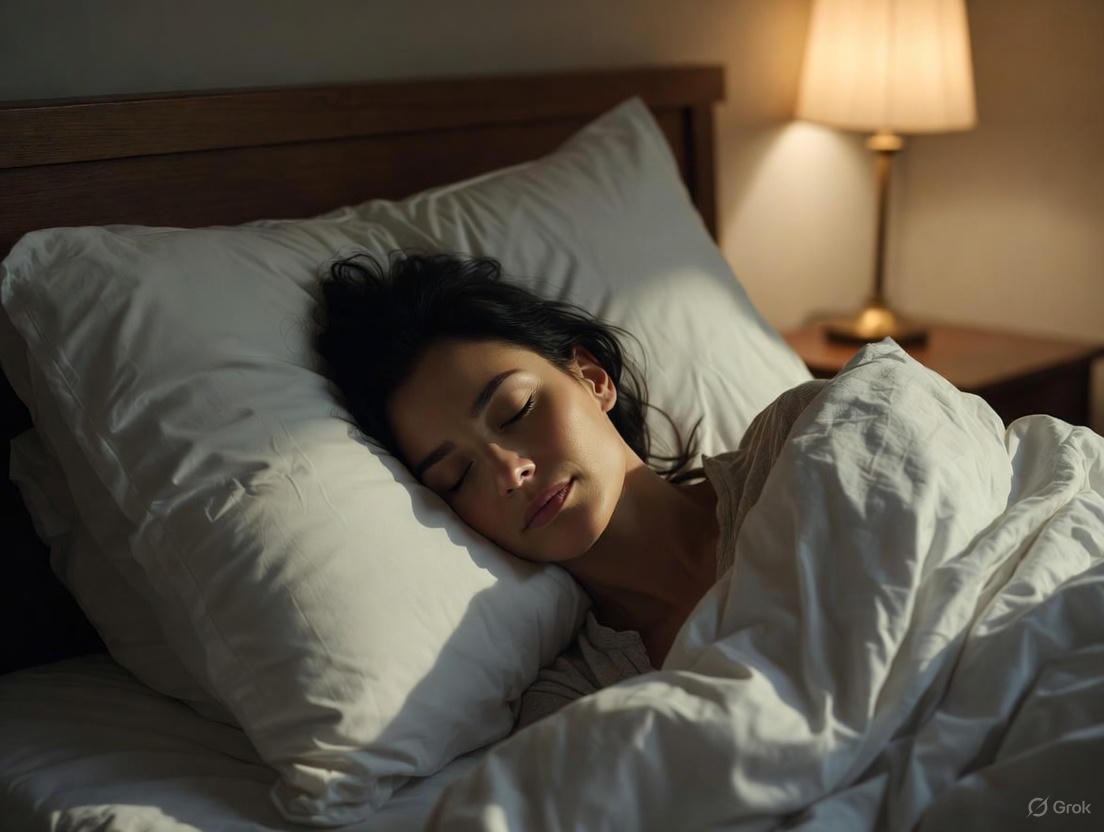
In the game of health, sleep is not a passive state; it's the central, most consequential boss battle. Winning this battle nightly doesn't just give you a high score—it fundamentally upgrades your character's (your) stats for everything else: cognition, mood, metabolic health, and physical recovery. Wellness rings have turned sleep optimization from a vague hope into a strategic, data-rich mini-game where you are both player and coach.
The first move is advanced sleep staging. While you're unconscious, your ring is working overtime. Using photoplethysmography (PPG) to measure blood volume changes and accelerometers to detect micro-movements, it classifies your night into sleep stages: awake, light, deep, and REM. In the morning, you're not just told you slept for 7 hours. You're presented with a Sleep Score—a single, gameified metric that summarizes the quality of your conquest. A score of 90/100 feels like a victory. An 65 prompts a "Mission Analysis" to see what went wrong.
This is where the gameplay deepens. Your ring and app break down the components of your score into actionable "stats":
Each stat becomes a lever you can pull. The app provides "power-ups" in the form of evidence-based Sleep Missions:
The ultimate gamification tool for sleep is the Sleep Streak. The compulsion to "not break the chain" is psychologically potent. Seeing a string of consecutive nights with a Sleep Score above 80 becomes a powerful motivator to prioritize your evening routine, even when you're tempted to binge one more episode. It transforms sleep from an optional luxury into a non-negotiable daily quest to protect your hard-earned streak.
Furthermore, the ring turns your daytime habits into sleep preparation side-quests. It can link your afternoon activity (closing your movement circle) to a potential +5 point boost on your Sleep Score. It can remind you that hydration impacts sleep quality, turning water intake into a "Sleep Support" mission. This creates a cohesive game world where all your actions are interconnected, with sleep as the grand nightly objective that shows the results of your daily efforts. For beginners looking to establish this foundational habit, following a sleep health journey for your first 30 days can be an ideal first campaign orchestrated by your ring.
For many, exercise is a chore—a transaction of pain for a distant, future gain. Gamification flips this script entirely. With a wellness ring, movement is no longer about punishing calories; it's about earning real-time rewards, completing engaging challenges, and seeing your virtual world flourish as a direct result of your physical effort. It taps into the same addictive feedback loops that make video games compelling.
The most ubiquitous gamified element is the Activity Circle or Ring. This simple, closed loop is a masterpiece of behavioral design. Your daily step or active minute goal is represented by a circle. As you move, the circle fills, often with a satisfying visual and sometimes haptic feedback from the ring itself. The psychological impact is profound. An empty circle nags at the completionist in us. A half-full circle shows tangible progress. The final push to "close the ring" triggers a significant dopamine release and a powerful sense of closure. It’s a daily mini-game with a clear win condition.
Beyond the daily close, rings create themed and timed challenges. These are the side-quests and limited-time events of your health game:
These challenges provide novelty, preventing boredom with the core loop. They also encourage variety, which is key for overall fitness and adherence.
The ring also introduces invisible gameplay through heart rate zone training. Instead of just counting steps, it uses your real-time heart rate to classify your effort. You earn points not just for moving, but for the quality of movement. Spending 20 minutes in "Zone 3" (Aerobic) might be worth double the points of a casual walk. This educates you on exercise physiology while making a workout feel like a strategic resource-gathering mission. You start chasing time in higher zones to maximize your "yield" for the day.
Perhaps one of the most potent features is personalized movement nudges. The ring’s accelerometer and algorithms detect prolonged inactivity. Instead of a generic "move more" alert, it sends a game-like prompt: "You've been seated for 50 minutes. Complete a 2-minute 'Stretch & Step' mission to earn 25 Activity Points and maintain your focus." This transforms a health recommendation into a small, winnable task that breaks up your day and reinforces the identity of someone who is consistently active.
Finally, many platforms incorporate movement-based "power-ups" for other parts of the game. Your activity score might directly contribute to your overall "Vitality" score for the day. Hitting your movement goal could unlock a special meditation soundtrack or grant you a "Recovery Boost" that slightly improves your projected sleep score. This interconnection makes every part of the health game feel meaningful and synergistic.
In the relentless game of modern life, stress is the constant, creeping debuff—a status effect that lowers all your other stats. Traditional health tracking often glorifies output (steps, burned calories) while ignoring the critical need for input (recovery, calm). The modern wellness ring corrects this by making the management of your nervous system a central, gamifiable pillar of health. It turns the abstract concept of "chilling out" into a series of measurable, rewarding mini-games.
The foundation of this is the objective measurement of stress via Heart Rate Variability (HRV). HRV is the subtle variation in time between your heartbeats. A higher, more variable HRV generally indicates a resilient, adaptable nervous system (parasympathetic, or "rest-and-digest" dominance). A lower, steadier HRV suggests a body under stress (sympathetic, or "fight-or-flight" dominance). Your ring tracks this continuously, transforming an invisible biological signal into your daily Recovery or Stress Score. This score becomes the key metric for a whole new category of gameplay focused on internal balance.
The gameplay begins with real-time stress detection. Using HRV, heart rate, and sometimes skin temperature, the ring’s algorithms can identify periods of acute stress or sympathetic arousal. When it detects this, it doesn't just log it. It can intervene with a pop-up mission: "Your body shows signs of stress. Ready for a 2-minute Breathwork Reset to earn the 'Centered' badge?" This turns a moment of tension into an opportunity for an immediate, rewarding health action.
The core recovery game is built around structured mindfulness and breathing exercises. These aren't just audio files; they are interactive sessions with real-time biofeedback. As you do a guided breathing exercise, the app might display your live heart rate, showing it drop in response to your effort. A progress bar fills with each completed cycle. Finishing a 5-minute session earns points, extends a "Mindful Days" streak, and contributes directly to your daily Recovery Score. The game provides the structure and immediate feedback that makes meditation tangible for beginners.
Wellness rings also gamify strategic recovery periods. Your daily Recovery Score, calculated from your sleep and HRV data, acts as your "stamina bar" for the day. The app might present this with clear, game-like advice:
This reframes a "low energy day" not as a failure, but as a strategic part of the game—a day where the primary quest is restoration. You're following the game's intelligence to optimize your long-term performance, much like an athlete.
Furthermore, the ring encourages micro-recovery habits. It might challenge you to take three "breath breaks" during your workday or to practice a 1-minute body scan before a meeting. Completing these micro-missions builds your "Resilience" stat over time and teaches you that recovery is an active, daily practice, not a passive weekend activity. Recognizing how stress and poor recovery manifest is key; our article on how poor sleep health shows up in your daily life details the interconnected symptoms that this mini-game aims to solve.
In the arsenal of gamification, few weapons are as psychologically potent as The Streak. A simple counter of consecutive days achieving a goal—be it closing your activity ring, hitting your sleep target, or completing a meditation—holds a seemingly magical power to compel action. Why does this simple number hold us hostage in such a productive way? And how do wellness rings masterfully deploy streak mechanics to engineer unbreakable consistency?
The psychology of the streak taps into several deep cognitive biases:
Wellness rings bake streak mechanics into their core architecture. You don't have to opt-in; you're enrolled from day one. The visual presentation is masterful:
But the true genius lies in how rings use streaks to hack the "bad day." On a day when motivation is zero, willpower is depleted, and the couch is calling, the abstract goal of "being healthy" loses all power. However, the simple, concrete mission of "Don't break the streak" often remains. It reduces the complex decision to a binary, manageable choice: do one small thing to keep the number alive. This might mean a 10-minute walk instead of a full workout, or a strict 11 PM bedtime instead of a perfect wind-down routine. The streak mechanic keeps you in the game during low-motivation periods, preventing the "all-or-nothing" collapse that derails most health journeys.
Rings also employ streak safeguard features. Some apps offer "Make Up" days for a missed activity goal if you complete a double session the next day, or "Freeze" features that protect a streak during illness (verified by elevated resting heart rate or low recovery scores). This prevents demoralizing resets from genuine life disruptions and teaches flexibility within consistency.
Ultimately, the streak transforms health from a goal into a ritual. The daily act of closing your rings or hitting your sleep score ceases to be a discrete task and becomes a non-negotiable part of your day's fabric—as essential as brushing your teeth. The compulsion evolves from "I don't want to lose my number" to "This is just what I do." The streak is the bridge that carries you from conscious effort to automatic habit, with the ring serving as your unwavering scorekeeper and cheerleader.
Humans are inherently social creatures, motivated by connection, comparison, and a healthy sense of competition. While the health journey can feel isolating, wellness rings tap into this powerful social driver to amplify motivation and accountability. They create micro-communities where your progress is celebrated, your challenges are shared, and a friendly nudge from a friend can be the difference between hitting your goal or not.
The most direct form of social gamification is the shared challenge. You can invite friends or family members from your contact list who use the same ecosystem to join a custom challenge. This isn't a vague "let's get healthy together" pact. It's a structured, time-bound competition with clear rules: "Battle for the most steps this week," "First to 10 mindful minutes daily wins," or a "Team Sleep Challenge" to see which group can achieve the highest average sleep score. These challenges import the excitement and accountability of a sports league or a multiplayer game directly onto your health dashboard.
Connected to this is the weekly leaderboard. Your private or friend-group leaderboard ranks participants based on points earned from completed activities, sleep consistency, and recovery missions. The desire to climb the ranks, to not be at the bottom, or to reclaim the top spot from a friendly rival is a remarkably consistent motivator. It externalizes accountability; you're no longer just letting yourself down, you're slipping behind in a visible social hierarchy. Many find they push for an extra few hundred steps or opt for water over soda explicitly to edge out a competitor.
Beyond competition, rings foster social support and celebration. The app becomes a social feed of health achievements. When you close all your rings, earn a difficult badge (like "Perfect Week"), or hit a 100-day move streak, you can share this to your "friends" within the app. They can "like" or comment with celebratory stickers. This positive social reinforcement is powerful. It turns a personal win into a communal celebration, validating your effort and strengthening your health-positive identity within your social circle. Seeing a friend crush a tough workout can also serve as inspirational "social proof," making your own goals feel more attainable.
Wellness rings are also pioneering asynchronous multiplayer experiences. Imagine a "Relay Race" where you and three friends are collectively responsible for hitting a 24-hour activity goal, passing the virtual baton across time zones. Or a "Recovery Co-op" challenge where the team's combined sleep scores must reach a certain threshold. These designs emphasize collaboration over pure competition, building a sense of shared purpose.
It's crucial, however, that this social layer is opt-in and positive. The best platforms are designed to foster encouragement, not shame. You can choose to hide your stats, opt out of leaderboards, or only share with a close, trusted group. The goal is to harness the energy of social connection to lift everyone up, creating a virtual gym or wellness club on your finger, where your friends are your workout buddies and your biggest fans, all day, every day. For those navigating a busy life, this social accountability can be pivotal, complementing strategies on how to prioritize sleep health when life gets busy.
In role-playing games, our connection to the experience is often channeled through our avatar—the digital representation of ourselves that grows, changes, and earns new gear as we play. This powerful psychological hook is now a central feature in advanced wellness ecosystems. Your biometric data and daily victories don't just exist as numbers in an app; they fuel the growth and customization of a personal health avatar, creating a profound visual metaphor for your real-world well-being.
Your avatar often starts as a simple, baseline representation. But its state is directly tied to your health data streams. This creates a dynamic, living feedback system:
This translation of data into a visual form leverages our brain's powerful response to imagery. Seeing a digital version of yourself thrive is a more emotionally resonant reward than seeing a number go up. It fosters a sense of care; you want to "take care of" your avatar, which subconsciously translates to taking better care of yourself.
The progression system is driven by unlockable rewards. Badges and points are currency in this visual world. As you level up by accumulating points from daily health behaviors, you earn the right to customize your avatar. This could include:
This system taps into powerful drivers: self-expression (customizing your avatar to reflect your style), achievement (showing off hard-earned gear), and tangible progression (seeing your avatar evolve from a beginner to an elite-looking character). It makes the long-term, sometimes invisible process of health improvement viscerally clear and rewarding.
Perhaps the most advanced application is the use of the avatar for future-self visualization. Some platforms are experimenting with allowing you to set a long-term goal (e.g., "Run a 5K," "Improve HRV by 20%") and then showing you a projected version of your avatar that represents you at that goal. This "future you" serves as a constant, aspirational reminder of why you're putting in the daily work. Every time you complete a mission, you're not just earning points; you're literally building that future self pixel by pixel, habit by habit. This visual bridge between your present actions and your desired future state is a uniquely powerful motivator that only a gamified, digital medium can provide.

The fatal flaw of a static, one-size-fits-all health plan is its inability to adapt to the complexity of human life. What works on a motivated Monday in spring may fail on a stressed, rainy Thursday in November. True engagement in a game—or a health regimen—requires that the challenge curve match the player's evolving skill, energy, and circumstances. This is where the artificial intelligence (AI) and machine learning capabilities of a modern wellness ring become the ultimate game master, dynamically personalizing your health quest to be perpetually engaging, achievable, and relevant.
At its core, the ring’s AI is a continuous learning engine. With every night of sleep, every workout, every logged meal or mood, it refines its model of you. It learns your patterns:
This learning enables predictive nudging. Instead of generic alerts, the AI can send intelligently timed, hyper-relevant missions. For example, it might notice you have a calendar block for "Big Presentation" at 2 PM. At 1:45 PM, it could push a mission: "Pre-Performance Calm: A 5-minute guided breathing exercise to optimize focus and lower stress." It's not just tracking your biology; it's anticipating your life's demands and offering contextual power-ups.
The AI also manages adaptive goal setting. This is a critical anti-frustration feature. If you consistently demolish your 10,000-step goal, the system might gently suggest raising it to 11,000 to keep you challenged. Conversely, if you're recovering from illness (indicated by elevated resting heart rate and low HRV) and are struggling to hit 5,000 steps, the AI might proactively lower your goal to 4,000 for a few days to prevent discouragement. It creates a "just-right" challenge, keeping you in the flow state between boredom and anxiety.
Furthermore, AI powers causal insight discovery. The ring moves beyond correlation ("you slept poorly") to suggest causation ("your sleep score was 15% lower on nights you had alcohol after 8 PM, based on your last 10 instances"). It can surface these personalized cause-and-effect relationships in a game-like manner: "Unlock the 'Sleep Detective' badge by reviewing your top 3 sleep disruptors this month." This turns self-knowledge into a rewarding discovery process, empowering you with personalized intelligence about your own body.
Finally, the AI can orchestrate long-term narrative arcs. Based on your overarching goals (e.g., "improve cardiovascular fitness," "manage stress"), it can design a multi-week "campaign" for you. Week 1 might focus on establishing a sleep foundation. Week 2 introduces consistent daily movement. Week 3 layers in stress-management techniques. The game unfolds with a coherent structure, providing a sense of guided progression toward a major life upgrade, with the AI serving as your personalized coach and quest-giver. To start such a journey, many users begin with the quick start guide to better sleep health as their first AI-recommended campaign.
The most immersive games create worlds that extend beyond the primary screen. Similarly, the most effective wellness ecosystems don't confine their gameplay to the ring and its app. They integrate seamlessly into the broader digital and physical fabric of your life, creating a cohesive, omnipresent health game that meets you wherever you are. This integration turns isolated health acts into interconnected strands of a single, rewarding lifestyle.
A primary integration point is with other fitness apps and devices. Your wellness ring acts as the central biometric hub, but its data can power gameplay elsewhere. For instance, your live heart rate from the ring can be displayed on your Peloton bike or treadmill screen, making your workout there contribute directly to your ring’s activity points and challenges. Completing a yoga session on Apple Fitness+ or Calm can automatically log mindfulness minutes and earn you recovery badges in your ring's app. This breaks down data silos, ensuring all your healthy behaviors contribute to your unified health "save file."
Integration with smart home devices creates ambient, environmental gameplay. Imagine these automated quests:
Calendar and productivity app integration allows your health game to respond to your schedule. The system can see a day packed with back-to-back meetings and automatically schedule a "Movement Snack" mission during a 15-minute gap. It can detect a late work event on your calendar and proactively adjust your sleep goal for that night, turning adaptability into a strategic part of the game, rather than a failure.
Perhaps the most significant frontier is nutritional gameplay. While rings don't track food directly, they integrate with apps like MyFitnessPal or Cronometer. This allows for powerful crossover missions: "Fuel for Recovery: Log a protein-rich meal within 60 minutes of your workout to double your exercise points." Or, "Hydration Link: Hit your water intake goal today for a +5 boost to your projected Sleep Score." The ring provides the physiological outcome data (recovery, sleep quality), creating feedback loops that make nutritional choices feel like tangible in-game buffs.
This expansive ecosystem integration achieves a critical goal: it makes the health game ambient and effortless. The ring becomes the invisible conductor of a symphony of healthy cues and rewards across your devices, home, and schedule. You're not playing a game in an app; you're living inside a wellness-optimized world that recognizes your efforts, supports your goals, and turns daily life itself into a richer, more rewarding experience. For a comprehensive look at the tools that enable this, our beginners sleep health toolkit what you actually need explores the integrated ecosystem approach.
The history of wearable technology is littered with devices that end up in a drawer. The initial excitement of new data and fresh goals wears off, often within a few months, when the routine sets in and progress plateaus. This is known as the "novelty cliff." Beating this cliff is the ultimate design challenge for a wellness ring. Its gamification must be deep and adaptive enough to facilitate not just a 30-day trial, but a lifelong partnership. The most successful platforms employ sophisticated strategies to play the long game with you.
The first strategy is evolving complexity. The game you play at Level 1 is intentionally simple: close your rings, track your sleep. This reduces onboarding friction. But as you progress, new gameplay layers are unlocked. At Level 10, you might gain access to "Biofeedback Training" missions, where you learn to consciously raise your HRV. At Level 25, you might unlock "Advanced Sleep Coaching" with more granular stage manipulation tips. The game grows with your expertise, preventing stagnation.
Central to long-term engagement is the introduction of seasonal content and limited-time events. Just like popular video games have holiday events or new seasons with fresh storylines, wellness platforms run "30-Day Resilience Challenges," "Summer Fitness Festivals," or "Winter Recovery Retreats." These events offer unique badges, themed avatars, and special community leaderboards. They inject novelty back into the system on a predictable schedule, giving users something new to look forward to and rally around, reinvigorating their commitment.
Another key is meaningful milestone recognition. While daily streaks are powerful, celebrating 100-day, 1-year, and even 500-day milestones with exclusive, hard-to-earn badges or avatar gear creates long-term prestige goals. Some platforms send real-world rewards, like a certificate or a small physical token, for annual achievements. This acknowledges that health is a marathon, not a sprint, and rewards the persistence that truly matters.
To combat plateau frustration, the system focuses on shifting goalposts and celebrating non-linear progress. When weight loss stalls or a fitness metric stops improving, the AI can shift the user's focus to a different, complementary metric—like improving sleep consistency, which will support future fitness gains. It celebrates "wins" that aren't about a number going down, but about behavior mastery: "You’ve maintained your activity streak for 6 months during a stressful work project!" This reinforces that adherence itself, regardless of dramatic outward change, is the ultimate victory.
Finally, the most advanced systems incorporate legacy and reflection features. They provide "Year in Review" summaries that gamify your annual data—showing you the mountains of steps you've climbed, the weeks of sleep you've banked, the hours of stress you've managed. This turns a year of daily effort into an epic story of achievement. Some allow you to set multi-year goals, creating a truly long-form narrative arc for your health.
By blending evolving gameplay, seasonal novelty, deep milestone recognition, and a focus on the journey over the destination, a wellness ring transitions from a novelty tracker to a lifelong wellness companion. The game never truly ends; it simply evolves as you do, ensuring that the motivation to adhere to healthy habits is continuously renewed, not by willpower, but by enduring, intelligent, and rewarding design. Understanding this long-term perspective is part of the sleep health journey what to expect in year one and beyond.
A wellness ring generates an ocean of data. But data, in isolation, is inert—a modern curiosity that can quickly lead to "analysis paralysis" or passive observation. The true magic of gamification lies in its ability to bridge the gap between insight and action. It doesn't just show you a graph of your poor sleep; it gives you a concrete, game-like mission to fix it tonight. This translation of knowledge into actionable steps creates a powerful feedback loop that accelerates learning and builds genuine self-mastery, turning you from a passive patient into an active participant in your own well-being.
The process begins with contextualized insights. Instead of a raw number like "HRV: 42 ms," the app presents it within a narrative: "Your Recovery Score is 72 today. Your body is balancing from yesterday's intense workout. Focus on hydration and gentle movement." The insight is immediately paired with its meaning and implied action. This is often framed as a "Daily Brief" or "Mission Report," styled like a debrief from a coach or a quest update in a game.
The next, critical step is the actionable recommendation, or "Mission." This is where gamification shines. The system doesn't say, "Your deep sleep was low." It issues a challenge: "Mission: Deep Sleep Booster. Try lowering your bedroom temperature by 2 degrees tonight and avoid screens 90 minutes before bed. Completion will earn you the 'Sleep Scientist' badge and contribute +10 points to your Sleep Mastery stat." The recommendation is specific, behavioral, time-bound, and rewarding. It turns a vague health tip into a winnable game level.
This establishes the core Experiment -> Result -> Learn loop. You accept the mission (experiment). Your ring measures the outcome that night (result). The next morning, your Sleep Score and detailed breakdown show you the impact (learn). Did the cooler room add 10 minutes of deep sleep? Did the screen ban improve your sleep onset time? The game provides immediate, objective feedback on your personal bio-experiment. This loop is incredibly empowering. It demystifies your own body's responses and teaches you, through direct experience, what truly works for you.
Over time, this iterative process builds a personalized health playbook. The app's AI learns which missions you complete consistently and which ones yield the best results for your physiology. It might notice that "Evening Nature Sounds" missions improve your sleep efficiency more than "Evening Reading" missions, and will subsequently prioritize that recommendation. You are co-creating, with the AI, a customized strategy for your own optimal performance. This playbook becomes your character's unique "skill tree" in the game of your health.
Furthermore, the ring gamifies behavioral troubleshooting. Hit a plateau in your activity stats? The system might launch a "Plateau Breaker" week-long campaign, introducing new workout types or interval challenges. Struggling with mid-afternoon energy crashes? It could unlock a series of "Metabolic Stability" missions focusing on protein intake timing and post-lunch movement. By framing obstacles as special campaign levels to be conquered, it transforms frustration into focused, motivated problem-solving.
This entire framework moves health management from a state of obligation to one of curiosity. You're not just following orders; you're running experiments, gathering data, and unlocking the secrets of your own biology. The points and badges are the reward for this curious, proactive engagement. This self-efficacy—the belief that you can influence your own outcomes through specific actions—is the single greatest predictor of long-term health behavior adherence. The gamified feedback loop is the engine that builds it. For those ready to deepen their self-experimentation, starting with a sleep health assessment to rate your current sleep provides the crucial baseline data for all future missions.
The success of a gamified system hinges not just on its mechanics, but profoundly on its feel. A clunky, confusing, or visually dull interface can sabotage the most brilliant behavioral algorithms. Conversely, thoughtful, beautiful, and satisfying design can elevate simple tasks into delightful rituals. The wellness ring ecosystem understands this intimately, employing principles of motivational design to make the daily "play" of health not just easy, but irresistibly engaging. This is the aesthetics of motivation—where every pixel, animation, and haptic pulse is engineered to fuel your desire to participate.
It starts with the physical artifact: the ring itself. Its design is minimalist, jewelry-grade, and comfortable for 24/7 wear. This isn't incidental. The ring must be a object of desire, not a medical device. Wearing it feels like an aesthetic choice, a part of your identity. Its discreet presence is a constant, tangible reminder of the game you're in, without being intrusive. The occasional gentle haptic nudge for a stand goal or a completed mission is a private, tactile celebration—a secret between you and your digital coach.
The app interface is the primary game board, and its design is paramount. Key motivational principles are at work:
Color psychology is strategically employed. Blues and purples dominate sleep and recovery sections, promoting calm. Greens and oranges energize activity tabs. Red is used sparingly, often only for critical alerts or to indicate a very low score, making it a powerful attention-getter rather than a constant source of stress.
The use of data visualization is also gamified. Your weekly sleep data isn't just a spreadsheet; it's presented as a "Sleep Landscape" with mountains (great sleep) and valleys (poor sleep). Your monthly activity might be shown as a constellation of stars, each representing a closed ring. These metaphors make data exploration an engaging, almost artistic activity, rather than a chore.
Finally, the design supports progressive disclosure. For the new user, the interface is simple, focused on core loops (sleep, move, recover). As you level up, more advanced metrics, trends, and experiment hubs are revealed. This prevents overwhelm and makes the complexity of the system itself a reward for mastery. The interface grows with you, always meeting you at your level of expertise and curiosity. This careful, user-centric design is what transforms a tracking tool into a destination you want to visit multiple times a day, just to see your progress and feel the satisfaction of your efforts reflected back at you. For beginners, this gentle onboarding is critical, which is why many platforms guide users through a structured beginners guide to understanding sleep health within their beautifully designed app environment.
While the power of gamification to drive positive habit change is immense, it is not a neutral tool. Like any compelling game, it carries inherent risks: the potential for unhealthy obsession, performance anxiety, and a distorted relationship with one's own body. A responsible wellness ecosystem must be designed not just to maximize engagement, but to safeguard the user's psychological well-being, ensuring the game serves health rather than subverting it. This means building in intelligent safeguards against the dark side of gamification.
The primary risk is the tyranny of the perfect streak. The compulsion to "not break the chain" can morph from a helpful motivator into a source of significant stress. What happens when you're sick, traveling, or simply need a rest day? If the system shames you for breaking a streak or resets a hard-earned counter to zero, it can trigger feelings of failure and anxiety that are antithetical to holistic health. This is where design ethics come in.
Sophisticated platforms implement compassionate mechanics to mitigate this:
Another pitfall is comparison and leaderboard anxiety. While friendly competition can be motivating, constant comparison to others—especially those with different genetics, lifestyles, or ages—can be demoralizing. Platforms must offer robust privacy and control settings. Users should be able to:
Perhaps the most subtle danger is quantification overload—the reduction of rich, subjective well-being to a set of numbers. Chasing a higher Sleep Score can lead to anxiety about sleep itself ("orthosomnia"). Obsessing over heart rate zones can strip the joy from a spontaneous walk in nature. To counter this, the best systems incorporate qualitative check-ins. They might prompt: "Your sleep was long but your score was low. How do you feel this morning?" allowing you to log "Refreshed," "Tired," or "Okay." This qualitative data trains the AI to understand the context behind your numbers (e.g., you might score lower after a hard workout but feel great, which is a positive adaptation).
The ultimate safeguard is user education woven into the game. The app should explain, in simple terms, what the metrics mean and their natural variability. Tooltips might say, "Your HRV naturally dips during stress or intense training. This is normal. Focus on recovery." Missions can be designed to teach intrinsic awareness: "Mission: Disconnect & Feel. Go for a 20-minute walk without your phone. Afterward, log how you feel, not your steps."
By anticipating these psychological pitfalls and designing with compassion, control, and context, a wellness ring can avoid becoming a source of digital stress. It can fulfill its true purpose: to be a supportive, intelligent companion that uses the engaging power of play not to create a new obsession, but to gently guide you toward a more balanced, attuned, and healthy relationship with your own body and mind. Learning to listen to your body's signals, not just the ring's scores, is a core part of this balance, as explored in our guide on how to assess your current sleep health with a simple self-test.

The current state of wellness ring gamification is sophisticated, but it represents merely the first level. The convergence of advanced AI, augmented reality (AR), virtual reality (VR), and predictive analytics is poised to create health experiences so immersive, personalized, and proactive that the line between game and life will blur in service of profound well-being. The future of gamified health is not about counting steps; it's about living inside a wellness-optimized narrative.
The next evolution is the AI Health Companion. This will move beyond an app that suggests missions to a persistent, conversational AI agent with a "personality" tailored to your motivational style. Imagine a companion that:
This companion becomes a true partner, using natural language processing and emotional AI to provide support that feels less transactional and more like a trusted coach or friend.
Immersive Reality Integration will transport gamification from the screen into your environment. Through AR glasses or VR headsets:
The most transformative frontier is Predictive and Preventative Gamification. Future rings, with more sensors and advanced AI, will shift from tracking to forecasting.
This future envisions a seamless blend of technology and biology, where the goal of the "game" is no longer mere adherence, but the optimization of your human potential. The wellness ring evolves from a tracker to the central interface for a living, breathing health simulation, where every choice is informed, every effort is rewarded, and the ultimate prize is a longer, healthier, and more vibrant life. Preparing your body and mind for this integrated future starts with mastering the fundamentals, such as those outlined in the sleep health pyramid: building from the bottom up.
Theories of gamification and behavioral design are compelling, but their true power is revealed in individual human stories. Across the globe, people are experiencing profound health transformations not through grim determination, but through the engaging, playful frameworks provided by their wellness rings. These are not just anecdotes; they are evidence of a new paradigm in action. Let’s explore a few real-world case studies that illustrate how gamified health mechanics catalyze change.
Case Study 1: The Sedentary Professional & The Power of the Ring
Case Study 2: The Anxious Sleeper & The Sleep Quest
Case Study 3: The Burned-Out Executive & The Recovery Game
These cases reveal common threads: the power of visual feedback, the motivation of structured challenges, the shift from abstract goals to concrete missions, and the use of data as a neutral, guiding coach. The ring didn't change their lives through magic; it changed their daily decisions through clever, engaging design, proving that when health feels like play, we are far more likely to show up for the game, day after day. For many beginners, seeing this kind of transformation starts with unlearning old habits, as discussed in sleep health myths every beginner needs to unlearn.
The market for wellness rings is growing, and not all are created equal. Some are sophisticated health gaming platforms, while others are basic biometric sensors with minimal engaging software. If your goal is to leverage gamification for true habit transformation, the choice of your "player's gear" is critical. It's not just about sensor accuracy; it's about the depth, intelligence, and motivational design of the accompanying ecosystem. Here are the key features to evaluate when selecting a ring that will effectively turn your health into an engaging, winnable game.
1. The Sophistication of the Gamification Layer:
2. The Depth of Personalization and AI:
3. Sensor Suite and Data Accuracy (The Foundation of the Game):
4. Ecosystem Integration (Expanding the Game World):
5. Design and User Experience (The Feel of Play):
6. Ethical Safeguards and Mindful Design:
Choosing the right ring is like choosing the right game console. You're investing in an entire platform for your health journey. Prioritize systems that demonstrate a deep understanding of behavioral psychology and long-term engagement design, not just sensor hardware. The best ring will feel less like a tool and more like an invitation to a better version of yourself—a game you're excited to log into, every single day. To make an informed choice, it helps to first understand what you're trying to achieve; resources like our sleep health checklist: are you getting it right? can help you define your personal health gameplay objectives.
Your Trusted Sleep Advocate: Sleep Foundation — https://www.sleepfoundation.org
Discover a digital archive of scholarly articles: NIH — https://www.ncbi.nlm.nih.gov/
39 million citations for biomedical literature :PubMed — https://pubmed.ncbi.nlm.nih.gov/
Experts at Harvard Health Publishing covering a variety of health topics — https://www.health.harvard.edu/blog/
Every life deserves world class care :Cleveland Clinic - https://my.clevelandclinic.org/health
Wearable technology and the future of predictive health monitoring :MIT Technology Review — https://www.technologyreview.com/
Dedicated to the well-being of all people and guided by science :World Health Organization — https://www.who.int/news-room/
Psychological science and knowledge to benefit society and improve lives. :APA — https://www.apa.org/monitor/
Cutting-edge insights on human longevity and peak performance:
Lifespan Research — https://www.lifespan.io/
Global authority on exercise physiology, sports performance, and human recovery:
American College of Sports Medicine — https://www.acsm.org/
Neuroscience-driven guidance for better focus, sleep, and mental clarity:
Stanford Human Performance Lab — https://humanperformance.stanford.edu/
Evidence-based psychology and mind–body wellness resources:
Mayo Clinic — https://www.mayoclinic.org/healthy-lifestyle/
Data-backed research on emotional wellbeing, stress biology, and resilience:
American Institute of Stress — https://www.stress.org/


