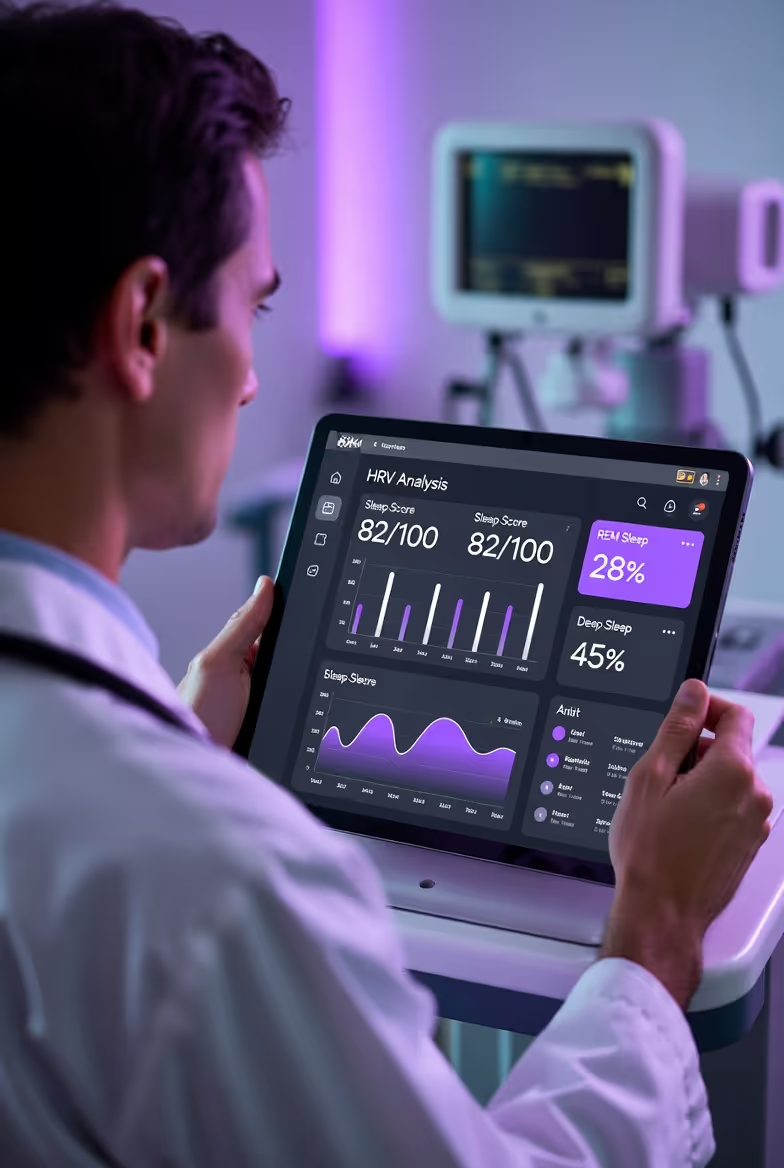
The Science of Smarter Health Tracking
🔬 The OxyZen Science Lab
Discover why medical researchers, elite athletes, and health-conscious Indians are choosing finger-based wellness tracking. No subscriptions. No compromises. Just pure, accurate health data.
Key Statistics at a Glance
98.7% - Heart Rate Accuracy
₹0 - Monthly Subscription
7 Days - Battery Life
India's Health Revolution Starts at Your Fingertip
Welcome to the Future
India is experiencing an unprecedented health awareness awakening. With lifestyle diseases on the rise and 60% of Indian adults actively seeking ways to improve their health, the time for smart, accessible health monitoring has arrived.
The Indian wearable technology market is projected to reach approximately ₹58,720 crore by the end of 2025, with health and wellness devices leading this transformation. But here's what most Indians don't know: not all health wearables are created equal, and the difference lies in the science.
At OxyZen, we believe that every Indian deserves access to medical-grade health insights without the burden of expensive subscriptions or complicated technology. Our smart wellness ring represents the culmination of years of research in photoplethysmography, biometric analysis, and machine learning—all compressed into a device that weighs less than 3 grams and fits comfortably on your finger.
This page is your comprehensive guide to understanding the science behind smart rings, why finger-based tracking outperforms wrist-worn devices, and how OxyZen's technology stack sets a new standard for health monitoring in India.
Understanding PPG: The Heart of Health Tracking
Core Technology
What is Photoplethysmography?
Photoplethysmography (PPG) is the optical sensing technology that makes modern health wearables possible. At its core, PPG uses light to detect blood volume changes in your microvascular tissue—the tiny blood vessels just beneath your skin's surface.
Here's how it works: OxyZen's smart ring contains carefully positioned LEDs that emit light at specific wavelengths (green, red, and infrared) into your finger. As blood flows through your vessels with each heartbeat, the amount of light absorbed changes. A photodetector on the opposite side measures these fluctuations, creating a PPG waveform that reveals your cardiovascular activity in real-time.
The Science of Light Wavelengths
Different light wavelengths penetrate tissue at different depths and interact with blood differently. OxyZen uses a multi-wavelength approach for comprehensive health insights:
Green Light (495-570nm): Best for heart rate detection due to high absorption by hemoglobin. Green light penetrates the superficial dermis where capillary density is highest, making it ideal for detecting pulse waves during both rest and activity.
Red Light (620-750nm): Penetrates deeper tissue and is less affected by skin pigmentation. Combined with infrared light, red wavelengths enable accurate blood oxygen saturation (SpO2) measurement by distinguishing between oxygenated and deoxygenated hemoglobin.
Infrared Light (850-940nm): Reaches the deepest tissue layers and provides the most stable signal for overnight monitoring. Infrared is crucial for sleep tracking as it minimizes disruption while maintaining accuracy.
Why Finger Beats Wrist Every Time
Here's what major smartwatch manufacturers don't want you to know: the finger is scientifically proven to produce more accurate PPG signals than the wrist. This isn't marketing—it's physics.
According to a comprehensive 2022 review published in Frontiers in Physiology, fingers produce more accurate heart rate measurements than wrists because they have a more robust network of blood vessels located closer to the skin surface. The wrist presents multiple challenges: thick bone structures (radius and ulna) absorb photons, muscle movement creates noise, and blood vessels are positioned deeper within tissue.
Research from the National Center for Biotechnology Information confirms that PPG signals from the finger consistently show higher amplitude and clearer waveform morphology compared to wrist-based measurements. This translates directly to better accuracy in heart rate, heart rate variability, and SpO2 readings.
Heart Rate Variability: Your Body's Secret Language
Advanced Metrics
Your heart doesn't beat like a metronome. In fact, a healthy heart constantly varies the time between beats—sometimes by just a few milliseconds—in response to breathing, emotions, physical activity, and stress. This natural variation is called Heart Rate Variability (HRV), and it's one of the most powerful indicators of overall health and fitness.
The Normal HRV Range
19-200ms - The normal HRV range in healthy adults. Higher variability indicates better autonomic nervous system function and stress resilience.
Understanding the Autonomic Nervous System
HRV is controlled by your Autonomic Nervous System (ANS), which operates in two modes:
Sympathetic Nervous System (Fight-or-Flight): When you're stressed, exercising, or facing a threat, your sympathetic system kicks in. Heart rate increases, blood pressure rises, and HRV decreases as your body prepares for action.
Parasympathetic Nervous System (Rest-and-Digest): During relaxation, sleep, and recovery, your parasympathetic system takes over. Heart rate slows, digestion improves, and HRV increases as your body repairs and rejuvenates.
The balance between these two systems reveals your body's resilience. Research from Harvard Health Publishing indicates that people with high HRV tend to have greater cardiovascular fitness, better stress management, and improved overall well-being compared to those with low HRV.
Why HRV Matters for Indians
India faces a growing burden of lifestyle diseases. Cardiovascular disease remains the leading cause of death globally, claiming approximately 17.9 million lives annually. By monitoring HRV, OxyZen users can detect early warning signs of chronic stress, overtraining, illness onset, and autonomic dysfunction—often before symptoms appear.
Time-Domain vs. Frequency-Domain Analysis
OxyZen employs sophisticated algorithms to analyze HRV across multiple dimensions:
Time-Domain Metrics: These measure beat-to-beat variability directly. RMSSD (Root Mean Square of Successive Differences) is particularly valuable as it reflects parasympathetic activity and can be accurately calculated from recordings as short as 30-50 seconds.
Frequency-Domain Metrics: Using Fast Fourier Transform (FFT) analysis, OxyZen separates HRV into Low Frequency (LF) and High Frequency (HF) components. The HF band (0.15-0.4 Hz) primarily reflects parasympathetic activity, while the LF band (0.04-0.15 Hz) reflects a mix of sympathetic and parasympathetic influences.
Non-Linear Analysis: For the most complete picture, OxyZen also employs non-linear metrics that capture the complexity and unpredictability of healthy heart rhythms—characteristics that linear measurements might miss.
Practical Applications for Daily Life
Stress Detection: OxyZen's algorithms can detect elevated stress levels by identifying patterns of reduced HRV combined with elevated resting heart rate. The app provides personalized recommendations for breathing exercises and relaxation techniques.
Training Optimization: For athletes and fitness enthusiasts, morning HRV readings indicate whether your body is ready for intense training or needs a recovery day. This prevents overtraining and accelerates performance gains.
Sleep Quality Assessment: Nighttime HRV patterns reveal how effectively your body recovers during sleep. OxyZen tracks HRV throughout the night and correlates it with sleep stages for comprehensive recovery insights.
Illness Prediction: Research shows that HRV often drops before illness symptoms appear. OxyZen's health alerts can warn you when your body's stress response indicates potential illness onset, giving you time to rest and support your immune system.
The Science of Sleep: Understanding Your Night
Sleep Intelligence
Sleep isn't a uniform state—it's a complex journey through distinct stages, each serving unique restorative functions. OxyZen's advanced sleep staging algorithm uses PPG signals, movement data, and temperature variations to accurately identify where you are in your sleep architecture throughout the night.
The Four Stages of Sleep
Light Sleep (N1 & N2)
Light sleep typically comprises 45-55% of your night and serves as the gateway to deeper stages. During N1, you're in the transition between wakefulness and sleep—easily awakened, with slow eye movements and relaxing muscles. N2 brings deeper relaxation, with heart rate and body temperature dropping. This stage is crucial for memory consolidation and motor skill development.
OxyZen detects light sleep through characteristic changes in HRV patterns and reduced movement compared to wakefulness, but higher heart rate variability than deep sleep.
Deep Sleep (N3)
Deep sleep, or slow-wave sleep, is when your body does its most critical repair work. Growth hormone is released, tissues regenerate, immune function strengthens, and energy stores replenish. Adults typically need 1-2 hours of deep sleep per night, though this decreases with age.
During deep sleep, OxyZen detects dramatic increases in HRV as parasympathetic activity dominates, along with minimal body movement and the most stable heart rate patterns of the night.
REM Sleep
Rapid Eye Movement (REM) sleep is when most dreaming occurs. Despite the name suggesting activity, your body is actually in a state of temporary paralysis (muscle atonia) while your brain becomes highly active—almost as active as during wakefulness. REM sleep is essential for emotional processing, creativity, and procedural memory.
OxyZen identifies REM through characteristic HRV patterns that show increased variability and subtle changes in heart rate that correlate with dream activity, combined with the distinct absence of body movement.
The Sleep Cycle
A complete sleep cycle—progressing through light, deep, and REM sleep—typically lasts 90-120 minutes. Most people go through 4-6 cycles per night, with deep sleep concentrated in the first half and REM sleep increasing toward morning. OxyZen tracks these cycles and provides insights on sleep efficiency, timing, and architecture.
How Wearables Detect Sleep Stages
Traditional sleep studies (polysomnography) use electrodes attached to the scalp, face, and body to measure brain waves, eye movements, and muscle activity. While incredibly accurate, this approach is impractical for daily use. Smart rings like OxyZen use a combination of surrogate markers:
Heart Rate Patterns: Each sleep stage produces characteristic heart rate signatures. Deep sleep shows the lowest and most stable heart rate, while REM sleep often shows heart rate variability similar to light wakefulness.
HRV Analysis: The balance between sympathetic and parasympathetic activity shifts predictably across sleep stages. Frequency-domain HRV analysis can distinguish between the parasympathetic dominance of deep sleep and the more variable patterns of REM.
Temperature Fluctuations: Body temperature follows a circadian rhythm, dropping during sleep onset and reaching its lowest point during deep sleep. OxyZen's skin temperature sensor tracks these fluctuations for improved staging accuracy.
Movement Detection: A 3-axis accelerometer detects the absence of movement during deep sleep, the subtle movements possible during light sleep, and the muscle paralysis characteristic of REM (distinguished from deep sleep by other signals).
Sleep Tracking Accuracy: Ring vs. Watch
A 2024 study from Brigham and Women's Hospital compared consumer wearables against gold-standard polysomnography for sleep staging accuracy. The results were striking: ring-based devices demonstrated 5-10% higher accuracy in four-stage sleep classification compared to leading smartwatches.
This advantage stems from the finger's superior signal quality (as discussed in the PPG section), combined with the ring form factor's stability during sleep. Wrist-worn devices are more prone to displacement and movement artifacts, particularly for restless sleepers.
10%+ - Better sleep staging accuracy with finger-based devices compared to wrist-worn alternatives, according to clinical validation studies.
Why Sleep Matters for India
Sleep disorders are reaching epidemic proportions in India. The demands of modern professional life, increasing screen time, irregular work schedules (particularly in the IT sector), and urban noise pollution all contribute to declining sleep quality. Research indicates that poor sleep is linked to increased risk of heart disease, diabetes, obesity, depression, and reduced cognitive function.
OxyZen addresses this by providing actionable insights: not just how long you slept, but how well. The app identifies patterns—perhaps you get less deep sleep on nights you eat late, or your REM suffers when you consume alcohol. Armed with this knowledge, users can make targeted lifestyle adjustments for measurable improvements in sleep quality.
SpO2 Monitoring: The Breath of Life
Vital Monitoring
Understanding Blood Oxygen Saturation
Blood oxygen saturation (SpO2) measures the percentage of hemoglobin molecules in your blood that are carrying oxygen. Normal levels range from 95-100% in healthy individuals at sea level. Consistently low readings can indicate respiratory issues, sleep apnea, or other health concerns that warrant medical attention.
OxyZen uses pulse oximetry—the same technology found in hospital monitors—to continuously track your SpO2. The science relies on a simple principle: oxygenated hemoglobin (carrying oxygen from your lungs) absorbs different wavelengths of light than deoxygenated hemoglobin (returning to your lungs). By measuring the ratio of red to infrared light absorption, OxyZen calculates your blood oxygen level with clinical-grade accuracy.
Sleep Apnea Detection
One of OxyZen's most valuable applications is detecting signs of sleep apnea—a condition where breathing repeatedly stops during sleep. This causes oxygen desaturation events that can occur dozens or even hundreds of times per night, preventing restorative sleep and increasing cardiovascular risk.
Many people with sleep apnea are undiagnosed because symptoms like daytime fatigue seem unrelated to sleep. OxyZen monitors for characteristic SpO2 dips during sleep, alerting users to patterns that may indicate sleep-disordered breathing and suggesting they consult a healthcare provider.
Altitude and SpO2
For Indians who travel to high-altitude destinations like Ladakh, Spiti Valley, or the Himalayan trekking routes, SpO2 monitoring becomes especially important. At altitude, the thinner air contains less oxygen, and your body must adapt. OxyZen tracks how your blood oxygen responds to altitude changes, helping you recognize signs of altitude sickness before they become dangerous.
COVID-19 and Beyond
The COVID-19 pandemic highlighted the importance of SpO2 monitoring for respiratory illness. "Happy hypoxia"—dangerously low oxygen levels without obvious symptoms—taught us that subjective feelings of breathlessness don't always correlate with actual oxygenation. Continuous SpO2 monitoring provides objective data that can prompt timely medical intervention.
Beyond acute illness, regular SpO2 tracking reveals patterns in your respiratory health. Athletes can monitor how efficiently their bodies utilize oxygen during recovery. Those with respiratory conditions can track how environmental factors (pollution, allergens) affect their breathing.
Body Temperature: Your Circadian Compass
Temperature Intelligence
Your body temperature isn't static—it follows a predictable circadian rhythm, rising in the morning, peaking in the afternoon, and dropping at night to its lowest point during deep sleep. OxyZen's continuous skin temperature monitoring captures these patterns and correlates them with other biometric signals for deeper health insights.
Temperature-Based Cycle Tracking
For women, temperature tracking unlocks powerful insights into reproductive health. Basal body temperature (BBT) follows a biphasic pattern across the menstrual cycle: lower during the follicular phase, then rising approximately 0.3-0.5°C after ovulation due to increased progesterone. This shift typically occurs 1-2 days after ovulation and remains elevated until menstruation.
Traditional BBT tracking requires taking your temperature immediately upon waking, before any activity. OxyZen eliminates this inconvenience by monitoring temperature continuously throughout the night, capturing your true basal temperature during the most stable sleep period.
Applications for Women's Health
Fertility Awareness: By detecting the post-ovulation temperature shift, OxyZen helps women identify their fertile window for family planning—whether trying to conceive or practicing natural contraception.
Cycle Regularity: Temperature patterns reveal cycle irregularities, anovulatory cycles, or luteal phase defects that might otherwise go unnoticed.
Perimenopause Tracking: As women approach menopause, temperature patterns change. OxyZen helps track these transitions and their effects on sleep and overall wellness.
Illness Detection
Temperature deviations from your personal baseline often precede other illness symptoms. OxyZen's algorithms learn your normal patterns and can alert you when temperatures suggest your body is mounting an immune response—giving you early warning to rest and recover.
Circadian Rhythm Optimization
For shift workers, frequent travelers, or anyone struggling with sleep timing, temperature trends reveal how well your circadian rhythm is aligned with your lifestyle. OxyZen provides recommendations for light exposure, meal timing, and sleep scheduling to help optimize your internal clock.
Stress: When Your Body Talks, OxyZen Listens
Stress Science
Stress isn't just a feeling—it's a measurable physiological response. When you encounter a stressor (whether a traffic jam, a work deadline, or a relationship conflict), your body activates a cascade of hormonal and nervous system changes that OxyZen can detect through multiple biometric signals.
The Physiology of Stress
When your brain perceives a threat, the hypothalamus triggers your sympathetic nervous system, initiating the "fight-or-flight" response. Adrenaline floods your bloodstream, heart rate increases, blood pressure rises, breathing accelerates, and non-essential functions (like digestion) slow down. This response was evolutionarily valuable for escaping predators—but chronic activation from modern stressors causes serious health consequences.
Multi-Parameter Stress Detection
OxyZen uses a sophisticated multi-signal approach to stress detection that's far more accurate than single-metric systems:
Heart Rate Elevation: Stress typically raises resting heart rate above your personal baseline. OxyZen learns your patterns and identifies when your heart rate is elevated relative to your activity level and time of day.
HRV Depression: As discussed earlier, sympathetic activation during stress reduces heart rate variability. OxyZen's HRV analysis detects this shift in real-time during the day and identifies whether your parasympathetic system is properly restoring HRV at night.
Temperature Variations: Acute stress can cause peripheral vasoconstriction (blood vessel narrowing), reducing skin temperature in your extremities. OxyZen's temperature sensor captures these stress-related fluctuations.
The Stress Statistics
68% of Indian adults report experiencing frequent stress, according to recent health surveys. Chronic stress is linked to cardiovascular disease, diabetes, depression, and accelerated aging.
Chronic vs. Acute Stress
OxyZen distinguishes between healthy acute stress (like during exercise) and problematic chronic stress. Occasional spikes in stress markers are normal and even beneficial. The concern arises when your body never fully recovers—when HRV stays low even during sleep, when resting heart rate trends upward over weeks, or when stress patterns show no daily resolution.
The app tracks your stress trends over time, identifying whether lifestyle changes (new job, relationship changes, exercise habits) are improving or worsening your physiological stress response. This objective data empowers users to make evidence-based decisions about their well-being.
Stress Management Tools
Beyond detection, OxyZen provides actionable stress management tools:
Guided Breathing Exercises: Research shows that controlled breathing (particularly slow exhalation) activates the parasympathetic nervous system, reducing heart rate and increasing HRV. OxyZen offers customized breathing sessions with real-time biofeedback showing your physiological response.
Optimal Recovery Windows: Based on your stress patterns, OxyZen identifies the best times for relaxation activities like meditation, yoga, or simply taking a break.
Burnout Prevention: By analyzing trends in sleep quality, HRV, resting heart rate, and activity levels, OxyZen can identify early warning signs of burnout—the cumulative effect of prolonged stress—before it manifests as exhaustion or illness.
Why OxyZen Leads the Market
Competitive Analysis
A science-based comparison with major smart ring competitors available in India:
Smart Ring Comparison
OxyZen vs Oura Ring vs Ultrahuman - Complete feature-by-feature analysis
Made for India 🇮🇳 | No Subscription Fees | Best Value
🏆 OxyZen - Best Value for India
No monthly subscription, full India support, and superior HRV analysis at half the price of Oura
| Feature |
OxyZen |
Oura Ring |
Ultrahuman |
| Monthly Subscription |
₹0 Forever
|
₹500/month*
|
₹0
|
| Official India Availability |
✓ Yes
|
✗ Import Only
|
✓ Yes
|
| Price (Starting) |
₹14,999*
|
₹28,999+
|
₹24,999
|
| Medical-Grade PPG Sensors |
✓ 3-Wavelength
|
✓ 3-Wavelength
|
✓ 3-Wavelength
|
| Battery Life |
7 Days
|
4-5 Days
|
4-6 Days
|
| HRV Analysis Depth |
Time + Frequency + Non-Linear
|
Time + Frequency
|
Time + Frequency
|
| Hindi App Support |
✓ Full Support
|
✗ English Only
|
✗ English Only
|
| Local Customer Support |
✓ India-Based
|
✗ International
|
✓ India-Based
|
💰 Cost Advantage
- No subscription: Oura charges ₹500/month forever, OxyZen is free forever
- Lower upfront cost: ₹14,999 vs ₹28,999+ for Oura (47% cheaper)
- 5-year savings: OxyZen saves ₹30,000+ vs Oura over 5 years
- No hidden costs: All features included, no premium paywalls
🇮🇳 India-First Features
- Hindi support: Full app localization for Indian users
- Local support: India-based customer service team
- Warranty & service: Local service centers across India
- Price in INR: No currency conversion or import duties
🔬 Advanced Technology
- Superior HRV analysis: Time + Frequency + Non-Linear analysis
- Longer battery: 7 days vs 4-5 days for competitors
- Medical-grade sensors: Same 3-wavelength PPG as competitors
- Continuous updates: Regular feature updates based on user feedback
💰 5-Year Total Cost Comparison
OxyZen
₹14,999
One-time payment
No subscription fees
5-year total: ₹14,999
Oura Ring
₹58,999+
₹28,999 + ₹30,000 subscription
(₹500/month for 5 years)
5-year total: ₹58,999+
Ultrahuman
₹24,999
One-time payment
No subscription fees
5-year total: ₹24,999
*Oura Ring requires ongoing monthly subscription to access most features
*Oura subscription approximately ₹500/month; OxyZen promotional pricing; Prices subject to change
Smart Ring vs. Smartwatch: The Science Settles the Debate
Form Factor Science
The wearable market offers two primary form factors for continuous health monitoring: wrist-worn devices (smartwatches and fitness bands) and finger-worn devices (smart rings). While smartwatches dominate market share due to their multifunctionality, smart rings are increasingly recognized as superior for dedicated health tracking. Here's why:
Signal Quality Advantage
We've established that finger-based PPG captures stronger, cleaner signals than wrist-based measurements. This isn't a marginal improvement—it's a fundamental difference in signal quality that affects every metric derived from PPG: heart rate, HRV, SpO2, and respiratory rate all benefit from the finger's physiological advantages.
Overnight Comfort
Sleep tracking requires wearing your device through the night. Smartwatches, with their bulky screens and rigid cases, can be uncomfortable for side sleepers and may disrupt sleep quality—ironically degrading the very thing they're meant to measure. Smart rings are virtually unnoticeable during sleep, with weights under 5 grams and smooth, ergonomic profiles.
No Screen, No Distraction
Smartwatches are designed to capture attention—buzzing with notifications, lighting up with messages, and encouraging constant interaction. For users focused on health and wellness, this creates cognitive load and potential stress. Smart rings operate silently in the background, collecting data without demanding attention.
Battery Life
Smartwatch screens consume significant power, typically requiring daily or every-other-day charging. Smart rings, without displays, achieve 5-7+ day battery life. This means uninterrupted tracking, particularly important for understanding weekly sleep patterns and long-term trends.
Fashion Forward
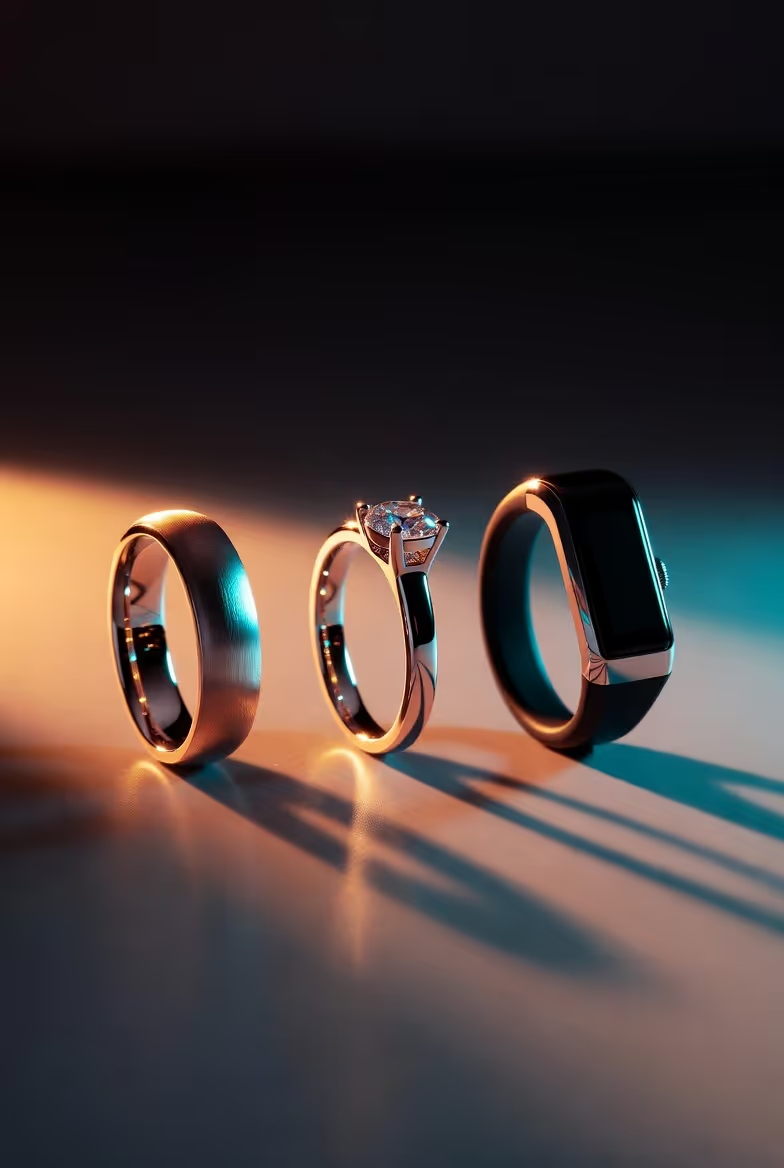
In India's fashion-conscious culture, jewelry holds cultural significance. A smart ring complements traditional and modern attire alike, appearing as a sophisticated accessory rather than a tech gadget. Many users wear OxyZen as their sole ring, while others stack it alongside traditional wedding bands or fashion rings.
The Complementary Approach
Smart rings and smartwatches aren't necessarily competitors—they can be complementary. Wear your smartwatch for notifications, payments, and GPS tracking during workouts. Wear OxyZen for comprehensive health monitoring, especially overnight. Many serious biohackers and athletes use both, leveraging each form factor's strengths.
Key Advantages at a Glance
Superior Sleep Tracking - Finger placement provides 10%+ better sleep staging accuracy compared to wrist devices, according to clinical validation studies.
Extended Battery - 7-day battery life means continuous tracking without interruption, capturing complete weekly patterns.
Invisible Tech - Weighing under 3 grams, OxyZen feels like a regular ring—comfortable for 24/7 wear across all activities.
Understanding India's Unique Health Landscape
Made for India
India's health challenges are distinct from Western markets, and OxyZen has been thoughtfully adapted for Indian users. Our research team has studied the specific health patterns, lifestyle factors, and cultural considerations that affect Indian wellness.
The Indian Health Context
India bears a disproportionate burden of cardiovascular disease, with heart attacks occurring in Indian populations nearly a decade earlier than in Western countries. Diabetes affects over 77 million Indians, with millions more in pre-diabetic states. Sleep disorders, driven by urban lifestyle, work culture, and environmental factors, affect an estimated 100+ million Indians.
These conditions don't appear overnight—they develop gradually, often silently, over years. Early detection through continuous health monitoring can enable preventive intervention, potentially saving lives and reducing healthcare costs.
Lifestyle Disease Prevention
OxyZen's algorithms have been tuned to identify early warning signs relevant to Indian health patterns. Elevated resting heart rate, declining HRV, poor sleep efficiency, and chronic stress indicators often precede the development of hypertension, metabolic syndrome, and cardiovascular disease. By surfacing these trends early, OxyZen empowers users to make lifestyle modifications before disease takes hold.
Stress and Professional Life
India's professional culture—particularly in the IT and corporate sectors—is characterized by long hours, tight deadlines, and the pressure of global time zone coverage. Night shift workers and those serving international clients face additional circadian disruption. OxyZen provides objective data on how work patterns affect health, enabling informed decisions about work-life balance.
Air Quality and Respiratory Health
Many Indian cities face significant air pollution challenges, particularly during winter months. OxyZen's SpO2 monitoring helps users understand how air quality affects their oxygenation and respiratory function, informing decisions about outdoor activities and air purifier usage.
Cultural Adaptation
OxyZen's app includes localization for Indian users: Hindi language support, sizing optimized for Indian finger dimensions, timing aware of Indian festivals and fasting periods (which affect biometrics), and customer support in local time zones. We're building a product for India, not simply selling to India.
Market Opportunity
₹2.5 Billion - India's current healthtech wearables market size, with a projected growth rate of 26%+ annually. India is among the top 3 countries globally in smart wearable adoption.
Machine Learning: The Brain Behind the Data
Artificial Intelligence
Raw sensor data is meaningless without intelligent interpretation. OxyZen's algorithms transform millions of data points collected each night into actionable health insights. Here's how our AI systems work:
Neural Networks for Sleep Staging
OxyZen uses deep learning models trained on thousands of polysomnography-validated sleep recordings. These neural networks learn the complex, non-linear relationships between PPG signals, movement patterns, and temperature changes that correspond to different sleep stages. The result is sleep staging accuracy approaching clinical equipment.
Personalized Baselines
Everyone's physiology is different. What's a normal resting heart rate for an elite athlete would be concerning for a sedentary individual. OxyZen's algorithms learn your personal baselines over 1-2 weeks of initial wear, then detect deviations from your normal patterns rather than comparing you to population averages.
Trend Detection
Single-day data can be noisy—influenced by caffeine, stress, illness, or simply sensor artifacts. OxyZen's algorithms use time-series analysis to identify meaningful trends over days and weeks, filtering out noise to surface genuine changes in your health trajectory.
Continuous Improvement
Our machine learning models improve over time as we collect more data (anonymized and with user consent). Regular algorithm updates delivered through the app incorporate learnings from our growing user base, improving accuracy for all OxyZen users.
Privacy-First AI
Unlike some competitors, OxyZen processes your most sensitive health data on-device whenever possible. Your detailed biometric signals never need to leave your phone. Cloud processing is used only for features that require it (like long-term trend analysis), and all data is encrypted and anonymized.
The Future of Wearable Health Monitoring
Tomorrow's Technology Today
The smart ring industry is evolving rapidly, with OxyZen at the forefront of innovation. Here's what's on the horizon for wearable health technology and how OxyZen is preparing to lead the next wave of health monitoring capabilities.
Non-Invasive Glucose Monitoring
One of the most anticipated developments in wearable health tech is non-invasive continuous glucose monitoring (CGM). Traditional CGMs require subcutaneous sensors that must be replaced every 10-14 days. Researchers are developing optical techniques that could detect glucose levels through the skin using advanced spectroscopy. OxyZen's multi-wavelength PPG platform provides the hardware foundation for such features when the technology matures.
For India, where diabetes affects over 77 million people (with projections reaching 135 million by 2045), non-invasive glucose monitoring would be transformational. Early detection of blood glucose irregularities could enable lifestyle interventions before pre-diabetes progresses to full diabetes.
Blood Pressure Estimation
Hypertension affects an estimated 200+ million Indians, many of whom are undiagnosed because traditional blood pressure measurement requires a cuff and conscious effort. Continuous blood pressure monitoring through PPG-based pulse transit time (PTT) analysis is an active area of research. While challenges remain in achieving medical-grade accuracy, OxyZen is investing in algorithms that could provide blood pressure trending insights.
Advanced Cardiac Detection
Atrial fibrillation (AFib) affects millions worldwide and significantly increases stroke risk. Some smart rings have begun offering AFib detection features, using PPG signal irregularities to identify the characteristic irregular heartbeat patterns. OxyZen is developing algorithms for the Indian market that could help users identify potential cardiac arrhythmias early, prompting timely medical consultation.
AI-Powered Health Coaching
Beyond detecting health metrics, the next frontier is providing personalized, actionable recommendations powered by artificial intelligence. OxyZen's data science team is developing AI models that analyze your complete health picture—sleep patterns, stress trends, activity levels, and biometric data—to deliver tailored guidance for improving specific health outcomes.
Imagine receiving a notification: "Based on your last three weeks of data, going to bed 30 minutes earlier could improve your deep sleep by 20%. Your stress recovery is also slower on days following late caffeine consumption. Consider limiting caffeine after 2 PM." This level of personalized, evidence-based coaching is the future OxyZen is building toward.
The Science We Trust: Validation and Research
Research Backed
At OxyZen, we believe in transparency about the scientific foundations of our technology. Our claims are grounded in peer-reviewed research and validated through rigorous testing protocols. Here's an overview of the scientific literature supporting smart ring health monitoring.
PPG Accuracy Studies
Multiple independent studies have validated the superior signal quality of finger-based PPG compared to wrist-based measurements. Research published in peer-reviewed journals confirms that finger placement produces more accurate heart rate measurements due to the finger's denser capillary network and proximity to skin surface. Studies demonstrate that smart rings achieve heart rate mean absolute errors below 1 BPM during resting conditions.
Sleep Staging Validation
The gold standard for sleep staging is polysomnography (PSG), which uses multiple electrode placements to measure brain activity (EEG), eye movements (EOG), and muscle activity (EMG). Studies comparing consumer sleep trackers against PSG have consistently shown that ring-based devices achieve the highest accuracy among consumer wearables. Clinical research found ring-based sleep staging accuracy was significantly higher than leading smartwatches in four-stage classification.
HRV as a Health Biomarker
The scientific literature on HRV spans decades and thousands of peer-reviewed papers. The Task Force of the European Society of Cardiology established HRV measurement standards in 1996, and subsequent research has linked HRV to cardiovascular health, mortality risk, stress resilience, and various disease states. Studies in prestigious journals support the use of HRV as a meaningful health indicator when properly measured and interpreted.
OxyZen's Internal Validation
Beyond published research, OxyZen conducts internal validation studies with diverse participant populations. Our testing includes comparison against medical-grade reference devices, testing across a range of skin tones (important for optical sensors), validation across different activity levels and environmental conditions, and specific testing with Indian populations to ensure our algorithms perform accurately across our target market.
Commitment to Continuous Improvement
Science evolves, and so do we. OxyZen maintains partnerships with academic research institutions to stay at the forefront of wearable health science. We regularly update our algorithms based on new research findings and share our validation data transparently with the scientific community.
Why Choose OxyZen: The Complete Picture
Key Takeaways
🔬 Medical-Grade PPG Technology
Three-wavelength sensors (green, red, infrared) capture comprehensive blood volume data with accuracy approaching clinical devices. Finger placement provides superior signal quality.
❤️ Advanced HRV Analysis
Time-domain, frequency-domain, and non-linear HRV metrics provide deep insights into your autonomic nervous system function, stress resilience, and cardiovascular health.
🌙 Clinical-Grade Sleep Tracking
Four-stage sleep staging (Wake, Light, Deep, REM) with better accuracy than smartwatches. Complete sleep architecture analysis for true recovery insights.
💨 Continuous SpO2 Monitoring
Track blood oxygen saturation throughout the day and night. Detect potential sleep apnea events and monitor respiratory health trends over time.
🌡️ Temperature Intelligence
Continuous skin temperature monitoring enables cycle tracking, illness detection, and circadian rhythm optimization with personalized baseline analysis.
🧠 AI-Powered Insights
Machine learning algorithms transform raw data into actionable recommendations. Personal baselines, trend detection, and predictive health alerts.
Experience the OxyZen Difference
Join thousands of Indians who are taking control of their health with medical-grade insights, zero subscriptions, and technology designed specifically for the Indian lifestyle.
OxyZen - Smart Wellness, Smarter Living