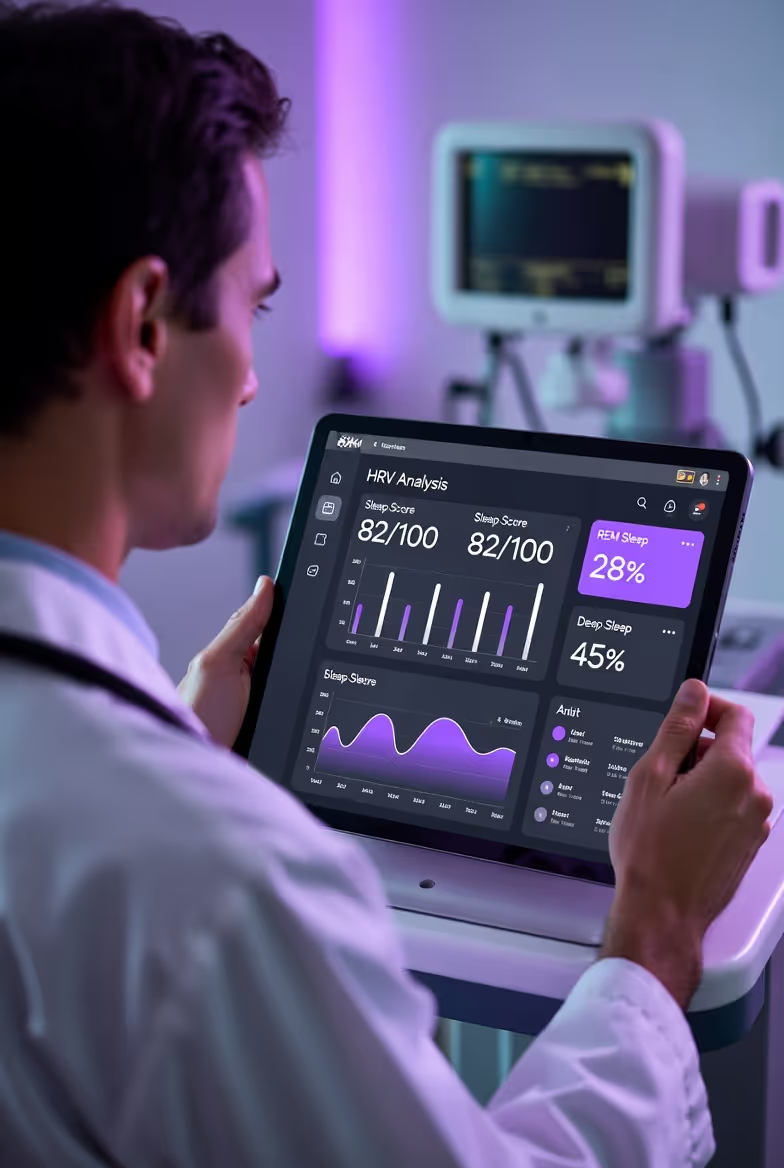
Aap strong ho. Par aapka body kabhi-kabhi quietly give up kar raha hota hai.
Roz ka routine: ghar, kaam, bachche, in-laws, deadlines, commute, cooking, periods, mood swings, sleep ka shortage, aur phir bhi… “Main theek hoon.”
Lekin sach yeh hai: Indian women ka health burden often invisible hota hai—kyunki symptoms “normal” maan liye jaate hain.
- “Thakan toh sabko hoti hai.”
- “Neend baad mein dekh lenge.”
- “Stress toh life ka part hai.”
- “Weight badh gaya toh kya, shaadi ke baad hota hai.”
- “BP/sugar? Abhi toh age nahi hai.”
Par data kuch aur bolta hai.
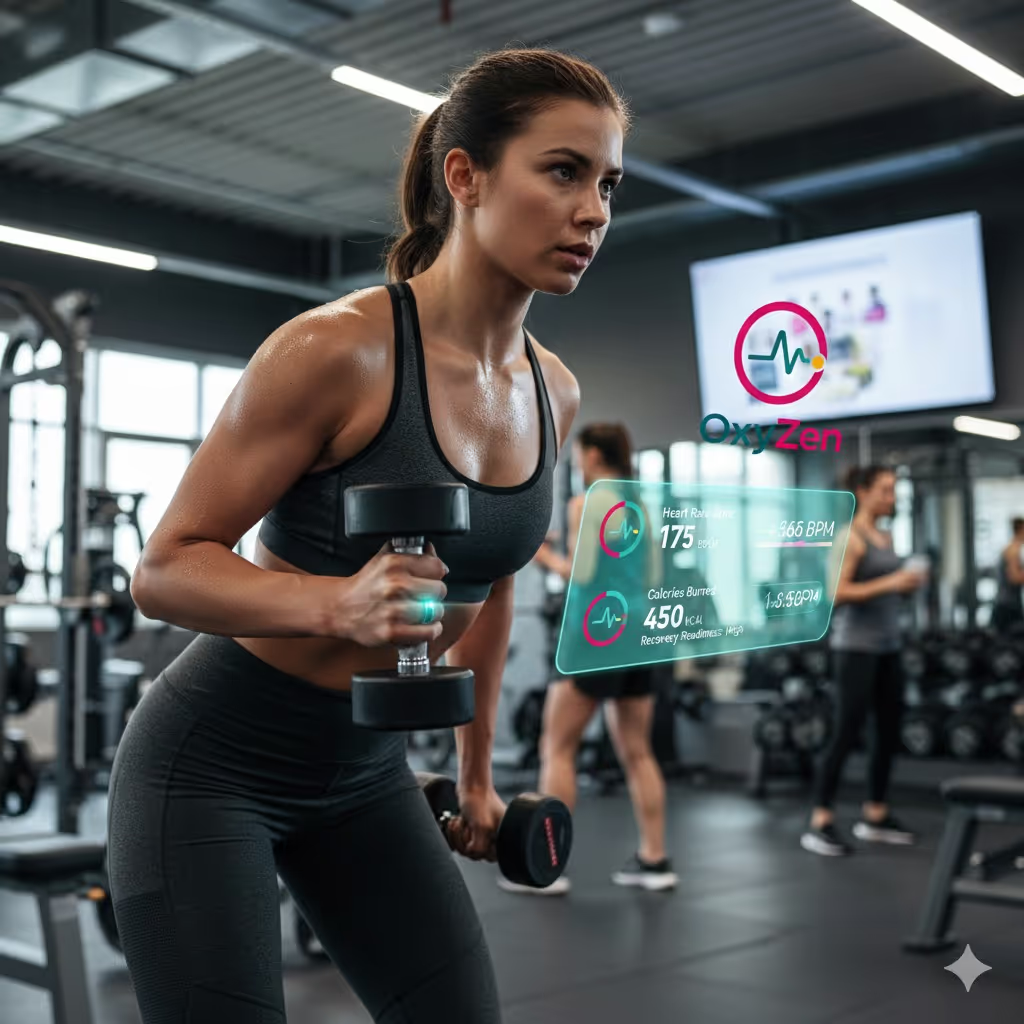
Oxyzen Wellness Ring aapko ek simple cheez deta hai:
Aapke body ki reality — numbers mein.
Taaki aap guess na karo… aap measure karo. Aur phir smartly improve karo.
CTA:
Apni body ka “daily dashboard” on karo.
Sleep • Stress • Recovery • Activity • Trends — sab ek jagah.
Indian Women ki Reality — “Invisible Work, Visible Damage”
1) Unpaid work ka weight: time aur energy dono
India ke Time Use Survey ke recent findings ke hisaab se, women abhi bhi unpaid domestic work mein bahut zyada time spend karti hain. Women ka unpaid domestic services ka time around 289 minutes/day report hua, jabki men ka significantly lower tha. Ministry of Statistics+1
Iska matlab sirf time nahi—energy depletion bhi hai:
- break nahi milta
- recovery window chhota hota hai
- sleep debt build hota hai
- stress baseline high ho jaata hai
Housewife ho ya working woman — dono ke liye common factor:
Aapka nervous system “ON mode” pe zyada rehta hai.
Health Stats — jo “normal” nahi hain
2) Anaemia: “Thakan” ka sabse ignored reason
NFHS-5 (2019–21) ke data aur Government references ke mutabik, women (15–49) mein anaemia prevalence around 57% report hua. Press Information Bureau+1
Sochiye: har 10 mein se lagbhag 6 women ko anaemia.
Phir bhi hum ise “bas thakan” bol kar aage badh jaate hain.
Anaemia ke common signals (sirf awareness ke liye):
- low energy, dizziness
- headaches
- breathlessness on stairs
- heart “fast” feel hona
- irritability, low focus
Important: diagnosis ke liye test + doctor guidance needed hoti hai. Ring diagnosis nahi karti—but aapko patterns dikhati hai (like fatigue + poor recovery + elevated resting HR trends).
3) Weight aur central obesity: sirf looks ka topic nahi
NFHS-5 insights ke basis par, India mein women (15–49) mein overweight/obesity around 24% cite kiya jaata hai in multiple analyses built on NFHS-5. ScienceDirect+1
But bigger concern: central fat (waist area) — jo South Asians mein metabolic risk ko fast increase karta hai. NFHS-based analyses central/abdominal obesity ko major emerging risk highlight karte hain. The Lancet+1
Yeh “figure” ka issue nahi—yeh BP, sugar, sleep apnea, fatigue, hormonal symptoms se linked ho sakta hai.
4) Blood sugar aur BP: “Mujhe toh kuch feel hi nahi hota” wali problem
High blood sugar aur hypertension often silent hote hain—symptoms late aate hain. NFHS-based reporting mein women ke blood sugar “high or very high / or taking medicine” category ka estimate notable hai (adult women metrics NFHS tables mein). The Hindu Centre
Hypertension prevalence bhi NFHS-based studies mein young-to-mid adult groups mein meaningful levels par report hoti hai (women 15–49 range ke around estimates studies mein vary karte hain, but signal clear hai: it’s not “old age only”). The Lancet+1
Bottom line:
Aapko feel na ho, phir bhi body ke andar load badh raha hota hai. Isliye tracking aur early lifestyle correction important hota hai.
5) Mental health: “Main handle kar lungi” culture
WHO India page par National Mental Health Survey (2015–16) ka reference milta hai: nearly 15% adults need active intervention for one or more mental health issues aur about 1 in 20 Indians suffers from depression. World Health Organization
Women ke context mein stress, emotional labor, sleep disruption, aur work-life pressure common multipliers hain.
Ring therapy nahi hai—par ring aapko ek powerful starting point deti hai:
sleep quality + recovery + stress trend visibility.
Problem ka root — “Stress vs Recovery” ka imbalance
Aksar women ka day aisa hota hai:
Working Woman (Metros / Tier-2 cities)
- subah jaldi uthna + tiffin + family setup
- commute + work pressure
- meetings + deadlines
- ghar aake second shift: cooking, cleaning, planning
- late-night scrolling (mind off karne ke liye)
- neend cut
Homemaker / Housewife
- continuous tasks: cooking, cleaning, caregiving
- “me-time” guilt ke saath
- health checks postpone
- stress ko normalize
- food irregular
- sleep fragmented
Body ka result:
- HR (resting) high trend
- HRV low (recovery weak) trend
- sleep deep/recovery low
- fatigue + irritability
- sugar cravings
- headaches
- cycle ke around symptoms amplify
Yahan ring ka role start hota hai:
Aapko “data-based self-awareness” milti hai.
Wellness Ring ka role — Indian Women ke liye “Practical, Not Fancy”
Aaj market mein bahut “fitness” talk hai. Par Indian women ko often chahiye:
simple signals, simple actions, consistent progress.
Oxyzen Wellness Ring helps you in 5 practical ways:
1) Sleep ko “hours” se “quality” bana do
Hum log bolte hain: “Maine 7 ghante soya.”
Par question: kya aapka sleep restorative tha?
Ring sleep patterns ko track karke aapko trend dikhati hai:
- late dinner impact
- caffeine impact
- late-night screen impact
- stress days vs calm days
- period week mein sleep change
Result: Aap apne sleep ko personalize kar paate ho—random advice nahi.
2) Stress ko “feelings” se “signals” banao (HRV/Recovery trends)
Stress sirf mind mein nahi hota—body mein bhi hota hai.
Ring aapko recovery/stress trend ka clue deti hai—taaki aap samajh sako:
- kaunse din aap over-stretched ho
- kaunse din aap genuinely recovered ho
- kab rest + walk best rahega
- kab intense workout avoid karna smart hai
Women ke liye yeh important hai kyunki life schedule unpredictable hota hai.
3) Energy management: “Aaj push karna hai ya protect?”
Indian women ka biggest risk yeh nahi ki woh kaam nahi karti—
risk yeh hai ki woh continuously kaam karti rehti hai, bina recovery ke.
Ring ka simplest use-case:
Daily check: body ready hai ya warning de rahi hai?
- Agar recovery low hai: aggressive workout avoid
- light walk + hydration + early dinner
- 20 min “shutdown routine”
- sleep priority
Isse long-term consistency build hoti hai.
4) Lifestyle patterns ko “truthful” bana do
Bahut baar hum sochte hain hum “active” hain, par steps low hote hain.
Hum sochte hain “I sleep fine,” par deep sleep consistently low hota hai.
Ring aapko judgement nahi deti—bas mirror dikhati hai.
Aur jab mirror clean hota hai, decisions easy ho jaate hain.
5) Women-specific reality: cycle weeks, fatigue waves, mood swings
Periods ke around sleep, stress tolerance, cravings, fatigue—sab change ho sakta hai.
Aap ring trends ke saath apna monthly pattern samajh sakti ho:
- kaunse days mein irritability zyada hoti hai
- kaunse days mein sleep disrupt hota hai
- kaunse days mein recovery naturally low hoti hai
Isse aap apna schedule kinder bana sakti ho—aur guilt kam.
Important: ring medical diagnosis replace nahi karti. Agar symptoms severe hain, doctor consultation zaroori hai.
“Why Indian Women Need This More Than Anyone”
Because Indian women often delay healthcare
Reasons simple hain:
- “pehle ghar” mindset
- time shortage
- doctor visits postpone
- symptoms normalize
- family priorities first
Ring ek bridge ban jaati hai:
Daily mini-check-in, jo aapko self-care ko guilt-free, data-driven banata hai.
Real-life Scenarios
Story 1: “Neend toh aa jaati hai… par uthke thakan kyun?”
Aarti (34), working mom, Bengaluru.
Woh sochti thi: “Main 7 hours so rahi hoon.”
Ring ne dikhaya:
- late dinner ke baad sleep fragmentation
- deep sleep consistently low
- recovery trend weak on weekdays
Usne 3 changes kiye:
- dinner 90 min earlier
- 20 min post-dinner walk
- phone bedtime se 30 min pehle off
Result: 2–3 weeks mein morning energy stable feel hui.
No magic—bas measurable changes.
Story 2: Homemaker fatigue — “Bas kaam khatam ho jaye”
Seema (41), homemaker, Lucknow.
Uska day end hi nahi hota tha.
Ring ne dikhaya:
- resting HR elevated trend
- recovery low trend
- sleep disrupted on “heavy cooking” days
Usne guilt-free micro-rest add kiya:
- afternoon 15 min NSDR/quiet rest
- hydration routine
- weekly 3 light workouts instead of random “all-in”
Result: irritability down, sleep better.
Story 3: “Main toh fit hoon” — but body said “slow down”
Nisha (29), sales job, Mumbai.
Woh 5 din gym jaati thi.
Ring ne reveal kiya:
- recovery consistently low
- sleep debt build
- weekend crash pattern
Solution:
- 2 days strength, 2 days zone-2 walk
- 1 complete rest
- sleep discipline
Result: performance improve, injuries/overtraining feeling reduced.
Story 4: Tier-2 City Working Woman
“Doctor ke paas jaane ka time hi nahi milta”
Name: Pooja
Age: 37
City: Indore (Tier-2)
Profile: Private school teacher + mother of 2
Pooja subah 5:30 baje uthti hai.
Lunch pack, bacchon ka uniform, school ka kaam, phir ghar aake tuition, phir dinner.
Uska complaint simple tha:
“Bas lagta hai energy hi khatam ho gayi hai.”
Koi sharp pain nahi. Koi emergency nahi.
Isliye doctor visit postpone hota raha.
Ring ne kya reveal kiya?
- Sleep fragmented (raat ko multiple awakenings)
- Recovery trend consistently low
- Resting heart rate dheere-dheere upar ja raha tha
Yeh koi “badi bimari” ka sign nahi tha —
yeh chronic overload without recovery ka sign tha.
Changes (realistic, Indian routine ke hisaab se):
- Dinner 30–40 min earlier (perfect nahi, bas thoda)
- Afternoon mein 15 min complete rest (phone ke bina)
- Week mein 3 din sirf walk — no guilt
3 weeks baad:
- Morning fatigue kam
- Irritability kam
- Neend thodi gehri feel hone lagi
Key takeaway:
Tier-2 cities mein women “symptoms ke bina” bhi quietly burnout ho rahi hain.
Ring ne doctor banne ki koshish nahi ki — sirf mirror dikhaya.
Story 5: Tier-3 City Homemaker
“Mera kaam khatam hi nahi hota”
Name: Shabnam
Age: 42
City: Barabanki (Tier-3)
Profile: Homemaker, joint family
Shabnam ka din kab start hota hai, use yaad nahi.
Kab khatam hota hai, yeh bhi clear nahi.
- Cooking for 7 people
- Elder care
- Household planning
- Emotional labor (sabka mood manage karna)
Uska common line:
“Mujhe toh bas shaam ko headache ho jaata hai.”
Ring ke trends:
- Activity high but unbalanced
- Almost zero recovery window
- Sleep duration ok, quality weak
Iska matlab:
Body ka engine continuous chal raha hai, servicing nahi ho rahi.
Small changes (no lifestyle overhaul):
- Subah ke kaam ke baad 10 min baithna (sirf baithna, kaam nahi)
- Raat ko mobile bed se bahar
- Hafte mein ek din sirf “minimum kaam” day
Result:
- Headache frequency kam
- Neend thodi stable
- “Bas survive kar rahi hoon” ka feeling kam
Key takeaway:
Homemakers ko fitness motivation nahi chahiye —
unhe recovery permission chahiye.
Story 6: Young Tier-2 Professional
“Main toh young hoon, mujhe kya stress?”
Name: Riya
Age: 26
City: Surat
Profile: HR executive
Riya ka mindset tha:
“Stress toh sabko hota hai. Main manage kar leti hoon.”
Gym, weekend outings, social media — sab “normal” lagta tha.
Ring ne kya dikhaya?
- HRV (recovery signal) very low on weekdays
- Weekend crash pattern
- Sleep debt accumulate ho raha tha
Body bol rahi thi:
“Tum handle nahi kar rahi ho. Tum ignore kar rahi ho.”
Correction:
- Gym intensity kam, consistency zyada
- Sleep time fixed (even weekends)
- Late-night scrolling cut
Result:
- Monday blues kam
- Focus better
- Emotional ups-downs smoother
Key takeaway:
Young age immunity nahi hoti.
Recovery ignore karne ka bill baad mein aata hai.
What You Can Track
Sleep
- total sleep + consistency
- sleep quality trend
- late-night habits impact
Recovery / Readiness (trend-based guidance)
- body ka “battery level” feel
- stress load vs recovery balance
Activity
- movement consistency
- sedentary pattern correction
Long-term trends
- “Main better ho rahi hoon ya sirf survive kar rahi hoon?” ka answer
India-Specific Reasons — Tier-1, Tier-2, Tier-3 Reality
Metros: stress + sedentary + screen
- commute + desk job
- late meals
- social pressure
- sleep compromise
Tier-2/Tier-3: double burden + limited preventive checks
- household workload high
- women ignore symptoms
- health checkups irregular
Common thread:
Women carry responsibilities first. Health later.
Ring health ko “later” se “daily small” bana deti hai.
“Reality Check” — Why Data Matters
India ke national surveys repeatedly yeh signal dete hain:
So agar aapko lagta hai “main bas tired hoon,” ho sakta hai—
par ho sakta hai aapka body aapko quietly warn kar raha ho.
Data = early awareness.
Awareness = better choices.
Better choices = long-term health protection.
What Oxyzen Is Not
Oxyzen Wellness Ring:
- medical diagnosis device nahi hai
- doctor ka replacement nahi
- emergency symptoms (chest pain, severe dizziness, fainting, severe breathlessness) mein immediate medical help zaroori hai
Ring ka purpose:
wellness insights, habit support, trend visibility.
Aapka control wapas aapke haath mein.
Small Actions Indian Women Actually Can Do (With Ring Support)
Aapko 2-hour routine nahi chahiye.
Aapko chahiye: micro-wins.
If your recovery looks low (trend-wise):
- 20–30 min walk
- earlier dinner
- hydration
- phone off 30 min before sleep
- 5–10 min breathing / stretch
If sleep quality low trend:
- consistent sleep time
- caffeine cutoff earlier
- dinner lighter
- screen reduction
If activity low trend:
- 10 min after meals walk
- stairs + short movement breaks
Ring aapko bas yeh dikhati rahegi: “Is change ka impact pada ya nahi?”
Privacy and Control
Aaj data selling ka zamaana hai.
Women ke health data ko “commodity” nahi banna chahiye.
Isliye aapko policy page par clearly dikhna chahiye:
- data ownership
- export options
- transparency
(Brand-specific details aap apne product policy ke hisaab se fill kar sakte ho.)
FAQ
Q1) Housewives ko ring ka kya benefit?
Because housework bhi work hai—energy + stress real hai. Ring aapko recovery/sleep trends dikha kar aapki routine ko smarter banati hai.
Q2) Working women ke liye?
Meetings + commute + screen time + late dinners—ring aapko batati hai ki kaunse habits aapki sleep/recovery ko hurt kar rahe hain.
Q3) Kya ring se disease detect hoti hai?
Ring diagnosis nahi karti. But trends show karke aapko timely action aur checkups ke liye prompt kar sakti hai.
Q4) Is it only for fitness freaks?
Nahi. Yeh un women ke liye hai jo busy hain aur simple measurable guidance chahti hain.
Aapko “perfect” nahi banna. Aapko “aware” banna hai.
Indian women ne hamesha sab sambhala hai.
Ab time hai apne body ko bhi sambhalne ka—
without guilt, without guesswork.
Oxyzen Wellness Ring aapko ek naya skill deti hai:
Apni body ko read karna.
Jaise aap ghar ka budget samajhti ho, bachchon ka schedule samajhti ho—
waise hi aap apni sleep, stress aur recovery ko samajh sakti ho.
Aaj se “Main theek hoon” ko data ke saath prove karo.
Order your Oxyzen. Start your 14-day body-awareness challenge.
COMPLETE 30-DAY WOMEN’S WELLNESS PLAN (Ring-Paired)
This is gold for conversions.
WEEK 1: AWARENESS (No Change, Only Observe)
Goal: Body ko samajhna
- Wear ring daily
- Don’t “fix” anything
- Just notice:
- sleep time
- recovery trend
- energy dips
Mindset:
“Main judge nahi kar rahi, main seekh rahi hoon.”
WEEK 2: SLEEP FIRST
Focus: Neend ko respect
- Dinner 30–60 min earlier (perfect nahi, better)
- Phone off 30 min before sleep
- Same sleep time 5 days
Ring se dekho:
- Sleep quality trend
- Morning readiness feel
WEEK 3: STRESS + MOVEMENT BALANCE
Focus: Overload kam karna
- 20–30 min walk (most days)
- One full rest day
- Afternoon 10–15 min quiet rest
Ring se dekho:
- Recovery trend
- Irritability changes
WEEK 4: PERSONALIZE
Focus: Aapka best rhythm
- Identify:
- kaunse habits help karti hain
- kaunse drain karti hain
- Unhelpful habits ko thoda kam
- Helpful habits ko repeat
Ring ka kaam:
👉 Progress ka proof dikhana
END RESULT
- Better morning energy
- Fewer emotional crashes
- Neend zyada “satisfying”
- Guilt kam
- Control ka feeling
Indian women ko problem knowledge ki nahi hai.
Problem hai priority aur permission ki.
Aapne hamesha sabka khayal rakha.
Ab thoda apna bhi.
Oxyzen Wellness Ring
Aapko change karne nahi bolti.
Bas aapko samajhne mein madad karti hai.
Aur jab samajh aa jaata hai —
toh decisions automatically better ho jaate hain.